

Page 1
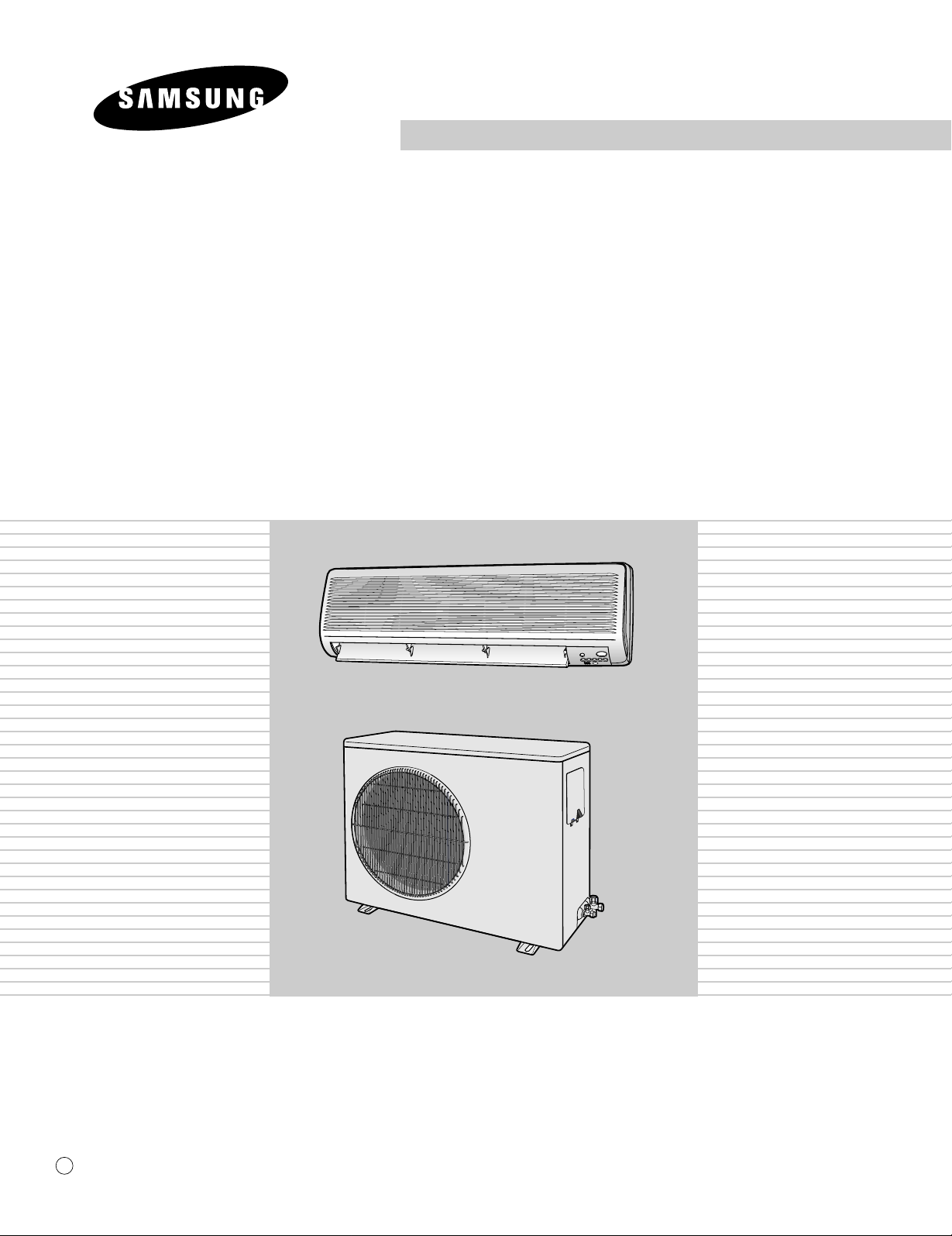
Manual
SERVICE
SPLIT TYPE AIR CONDITIONER
Indoor Unit
AQ18A9(0)RCF
AQ24A1(2)RC
Outdoor Unit
UQ18A9(0)RCF
UQ24A1(2)RC
E DB98-15778A(2)
Page 2
Safety Precautions
The following safety precautions must be taken when using your air conditioner.
WARNING
I
NSTALLING THE UNIT
POWER SUPPLY LINE
FUSE OR CIRCUIT
BREAKER
Risk of electric shock. • Can cause injury or death. • Disconnect all remote electric
power supplies before servicing, installing or cleaning. • This must be done by the
manufacturer or its service agent or a similar qualified person in order to avoid a
hazard.
◆ The unit should not be installed by the user. Ask the dealer or authorized
company to install the units except room air conditioners for the U.S.A and
Canada area.
◆ If the unit is installed improperly, water leakage, electric shock or fire may
result.
◆ The air conditioner must be installed in accordance with national wiring
regulations and safety regulations wherever applicable.
◆ Mount with the lowest moving parts at least 8.2ft(2.5m) above the floor or
grade level. (If applicable)
◆ The manufacturer does not assume responsibility for accidents or injury
caused by an incorrectly installed air conditioner. If you are unsure about
installation, contact an installation specialist.
◆ When installing the built-in type air conditioner, keep all electrical cables
such as the power cable and the connection cord in pipe, ducts, cable
channels e.t.c to protect them against liquids, outside impacts and so on.
◆ If the power cord of this air conditioner is damaged, it must be replaced by
,
the manufacturer, its service agent or similarly qualified persons in order to
avoid a hazard.
◆ The unit must be plugged into an independent circuit if applicable or
connect the power cable to the auxiliary circuit breaker. An all pole
disconnection from the power supply must be incorporated in the fixed
wiring with a contact opening of >3mm.
◆ Do not use an extension cord with this product.
◆ If the unit is equipped with a power supply cord and a plug, the plug must
be accessible after installation.
◆ This appliance must be installed accordance with the national wiring
regulations.
2
Page 3
Contents
Ι
DISASSEMBLE AND REASSEMBLE
1. Indoor unit
2. Outdoor unit
ΙΙ
S
ET UP THE OPTION CODE 12
ΙΙΙ
TROUBLESHOOTING
1. Items to be checked first
2. Abnormal diagnosis by symptom
3. Replace PCB module
ΙΛ
ASSEMBLY DRAWING AND
1. Indoor unit
2. Outdoor unit
3. PCB Box
PART’S LIST
Λ
REFRIGERATING CYCLE BLOCK DIAGRAM 29
4
8
15
16
21
22
24
28
Λ
Ι
PERFORMANCE CURVE 30
Λ
ΙΙ
PCB DIAGRAM 36
ΛΙΙΙ
WIRING DIAGRAM
1. Indoor unit
2. Outdoor unit
ΙΧ
SCHEMATIC DIAGRAM
1. Indoor unit 41
SPLIT TYPE
38
39
AIR CONDITIONER
3
Page 4
Ι
Disassemble and reassemble
Stop operation of the air conditioner and remove the power cable before repairing the unit.
1 Indoor unit
If you disassemble the heat exchanger, you must pump down at first.
No. Part Procedure Remark
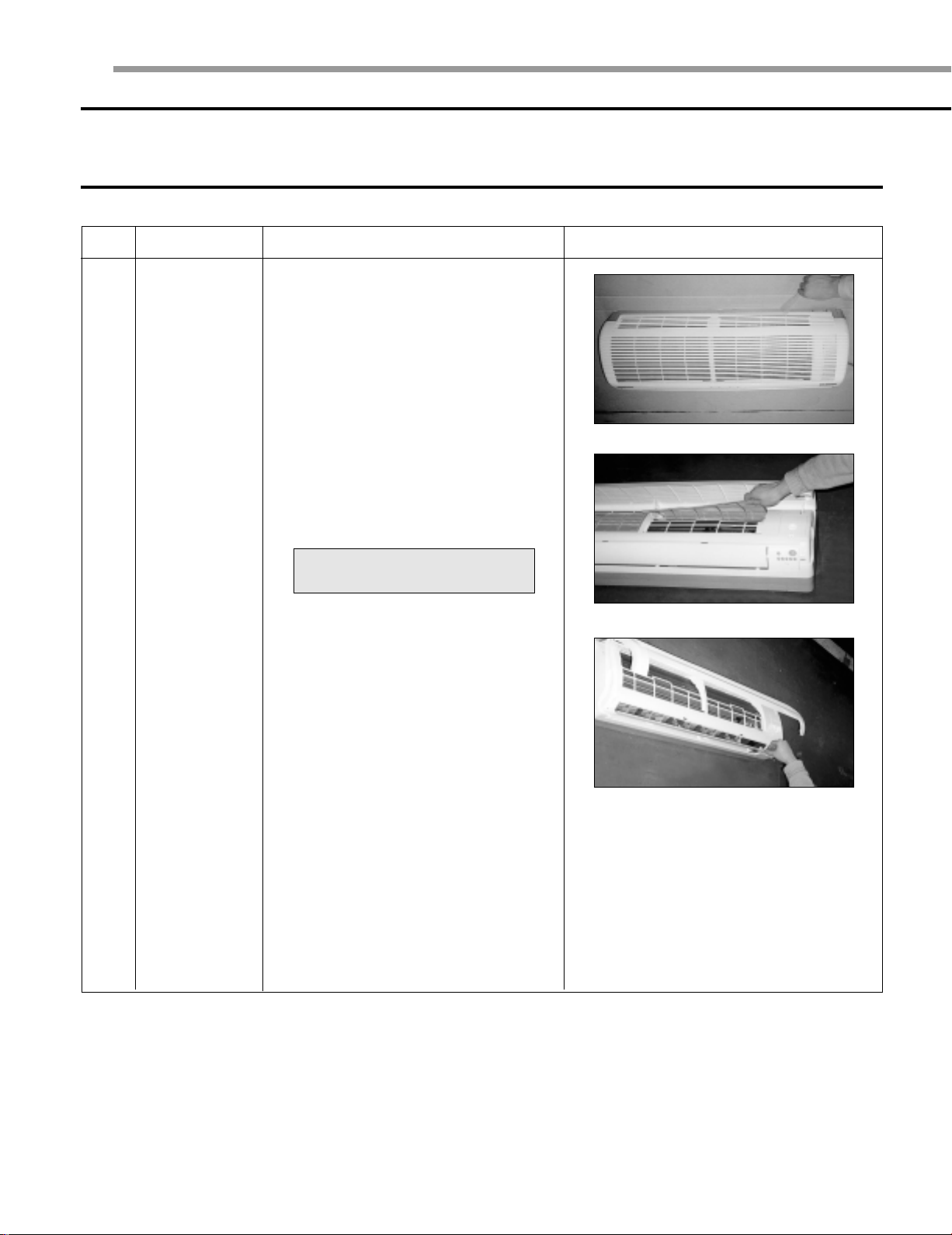
1
Front Panel
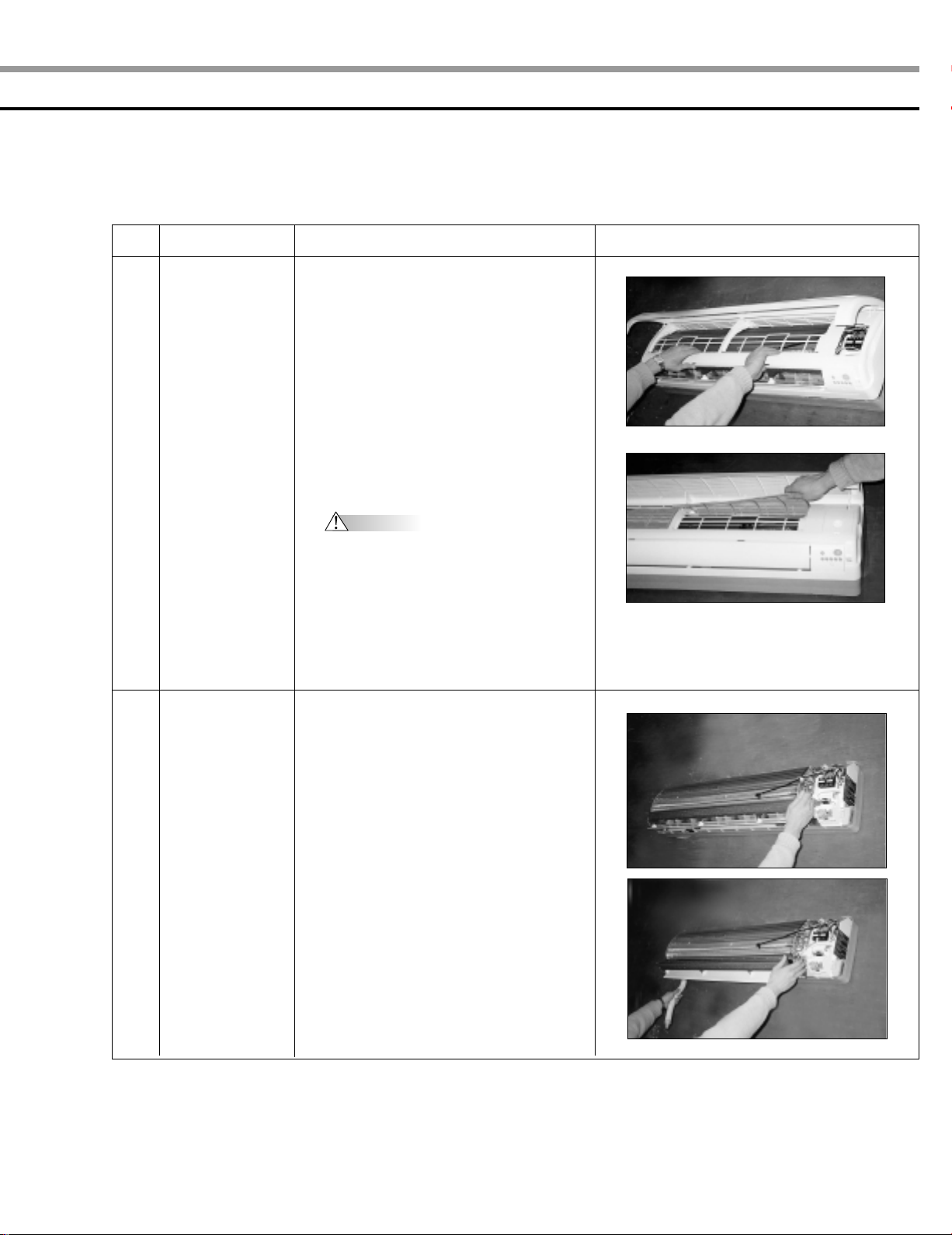
1) Stop the operation of the air conditioner
and block the main power.
2)Separate the tape from the front panel.
3)Contract the second finger to the left,
and right handle. And pull the inlet grille
to open.
4)Take the left and right filter out.
*Taking off the deodorizing and
Electrostatic filter out. (Option)
5)Loosen one of the right screw and
separate the terminal cover.
6)Loosen three screws of front grille.
4
Page 5
No.
Part
Procedure Remark
1
2
Front Panel
Assembly Tray
Drain
7)Pull the upper left and right of discharge
softly so that the outside cover is
pulled out.
8)Pull softly the lower part of discharge and
push it up.
Caution
Assemble the front panel and fix the
hooks of left and right.
1) Separate the drain hose from the
extension drain hose.
2) Take the display PCB out.
(Center of the indoor unit)
3) Pull tray drain out from the back body.
5
Page 6
Ι
Disassemble and reassemble (cont’d)
No.
3
4
Part
Electrical
Parts
(Main PCB)
Heat
Exchanger
Procedure Remark
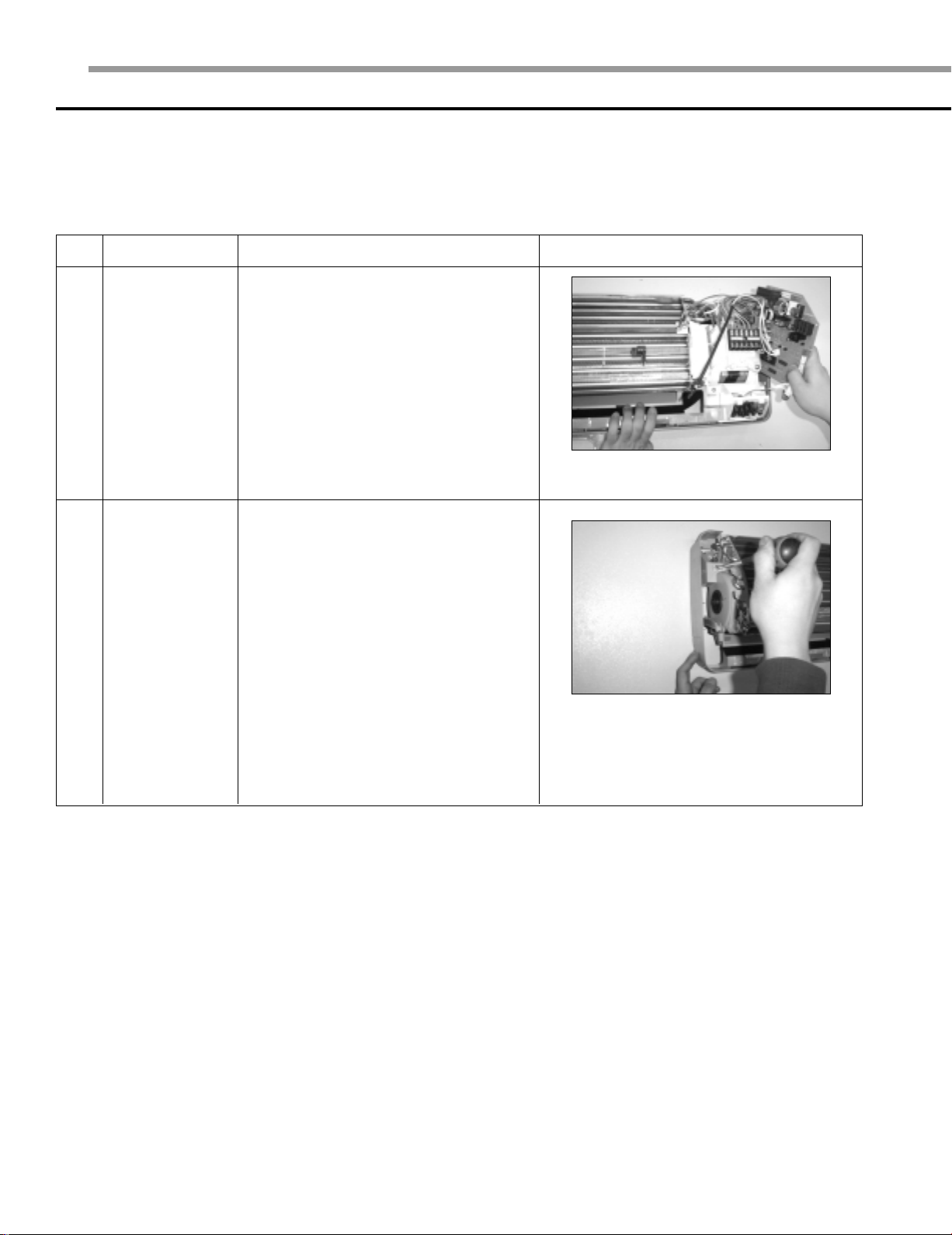
1) Take out all the connector of PCB
on the upper part.
2) Separate the outdoor unit connection wire
from the terminal block.
3) If you pull out the main PCB up, it will be
taken out.
1) Loosen two ground screws at the right
side.
2) Separate the connection pipe.
3) Separate the bush body at the upper
side and holder at the rear side.
4) Loosen the two screws at the left side.
5) Lift the heat exchanger up a little to push
the upper side to separate it from the
indoor unit.
6
Page 7
No.
Part
Procedure Remark
5
Fan Motor and
Cross Fan
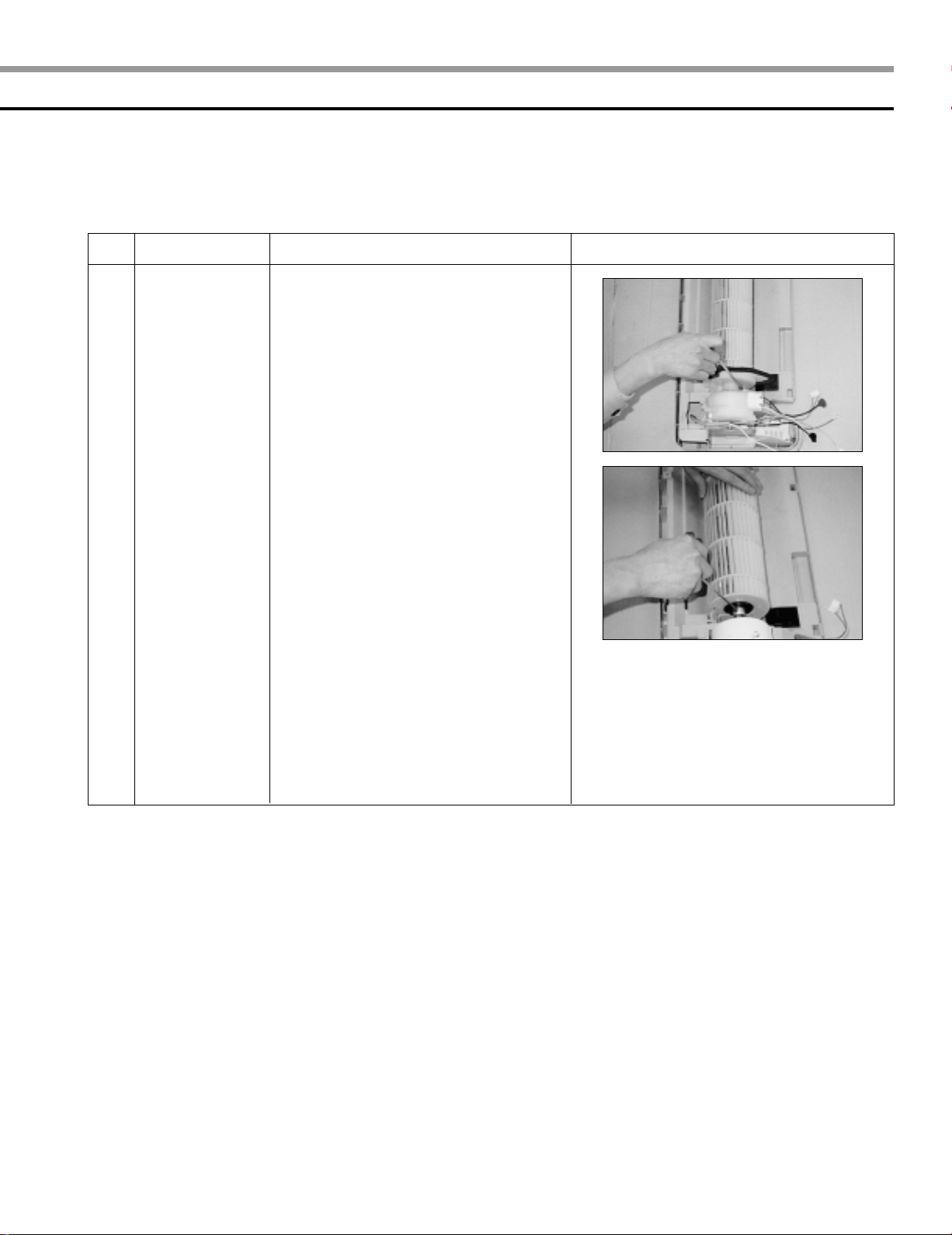
1) Loosen two screws and separate the
motor holder.
2) Loosen the screw of fan motor.
(By use of M3 wrench)
3)Separate the fan motor from the fan.
4)Separate the fan from the left holder
bearing.
7
Page 8
Ι
Disassemble and reassemble (cont’d)
2 Outdoor unit
■ UQ18A9(0)RCF
No. Part Procedure Remark
1
Common Work
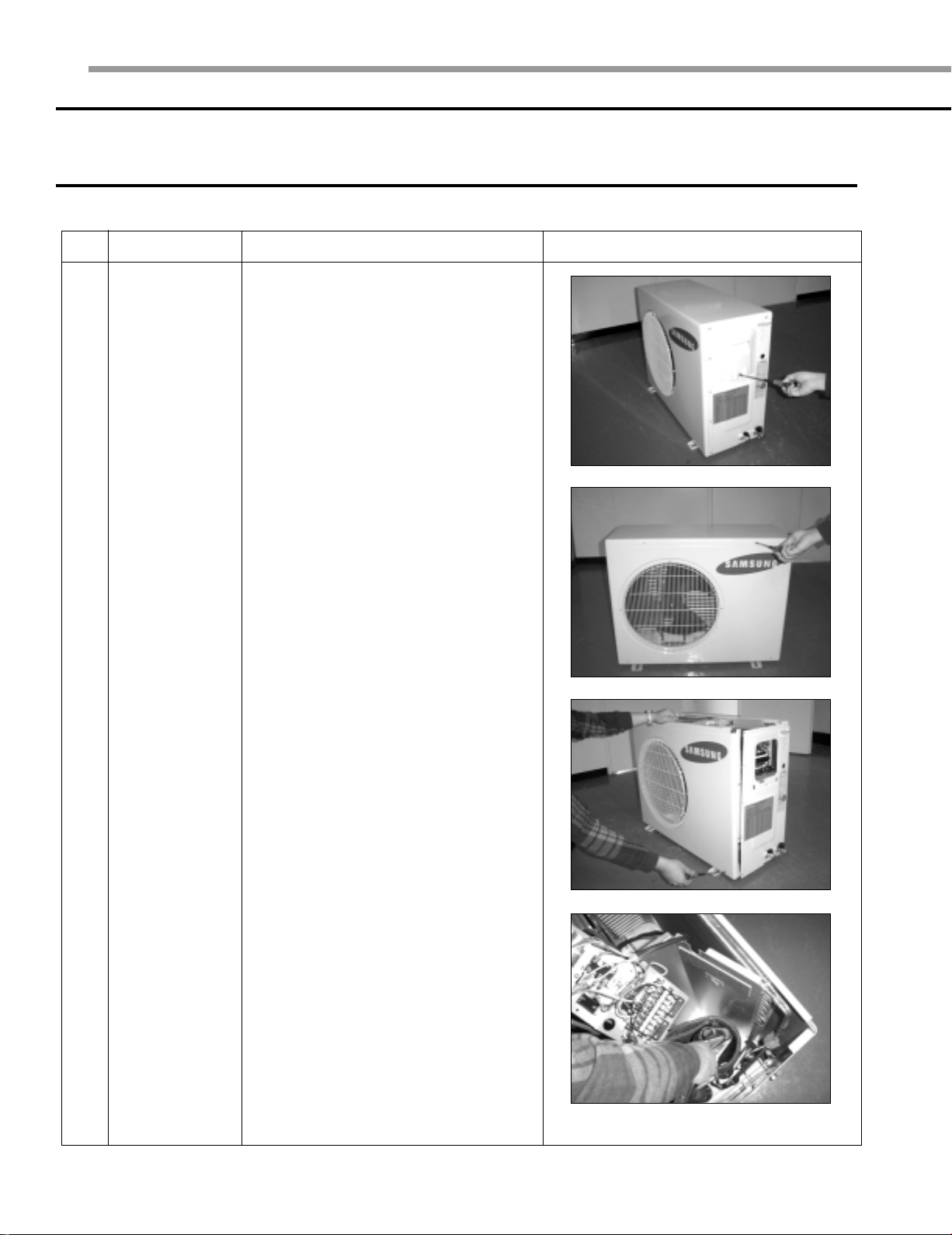
1)Loosen the fixing screws and separate
the cover control.
2)Separate the connection wire from the
terminal block.
3)Loosen the fixing screws and separate
the upper cabinet.
4) Loosen the fixing screws and separate
the front cabinet.
5) Loosen two screws and pull up the
control box.
6) Loosen the nut on the terminal cover
and open it.
7)Separate the comp lead wire.
8
Page 9
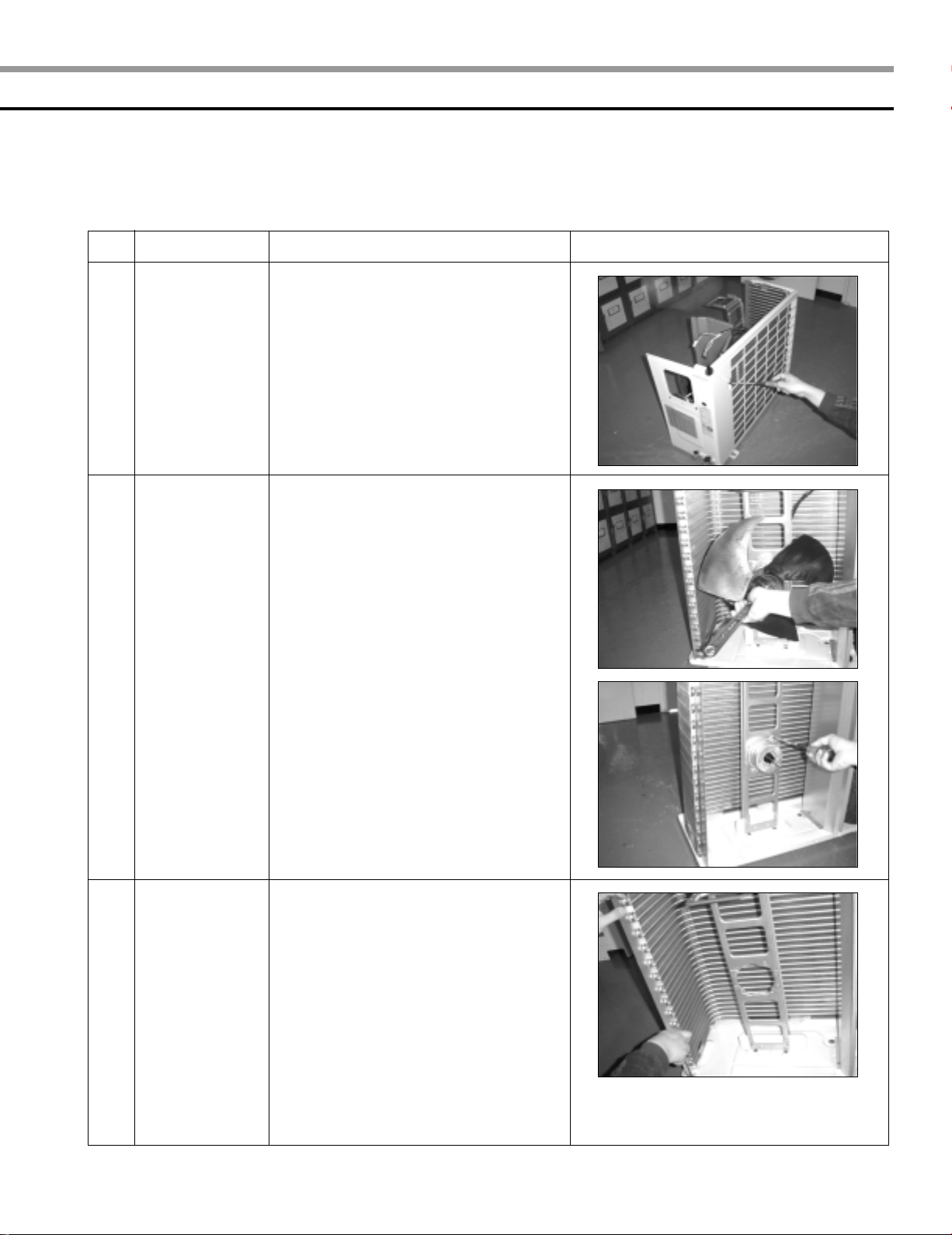
No. Part Procedure Remark
1
2
Common Work
Fan and Motor
8)Loosen the fixing screws and separate
the cabinet side.
1) Remove the nut flange
(Turn to the clockwise).
2) Separate the fan.
3) Loosen four screws to separate
the motor.
Heat Exchanger
3
and Compressor
1) Release the refrigerant at first.
2) Disassemble the inlet and outlet pipe-
by welding.
3) Loosen the fixing screws of the heat
exchanger.
4) Separate the heat exchanger.
5) Loosen three bolts of the compressor.
6) Separate the compressor.
9
Page 10
Ι
Disassemble and reassemble (cont’d)
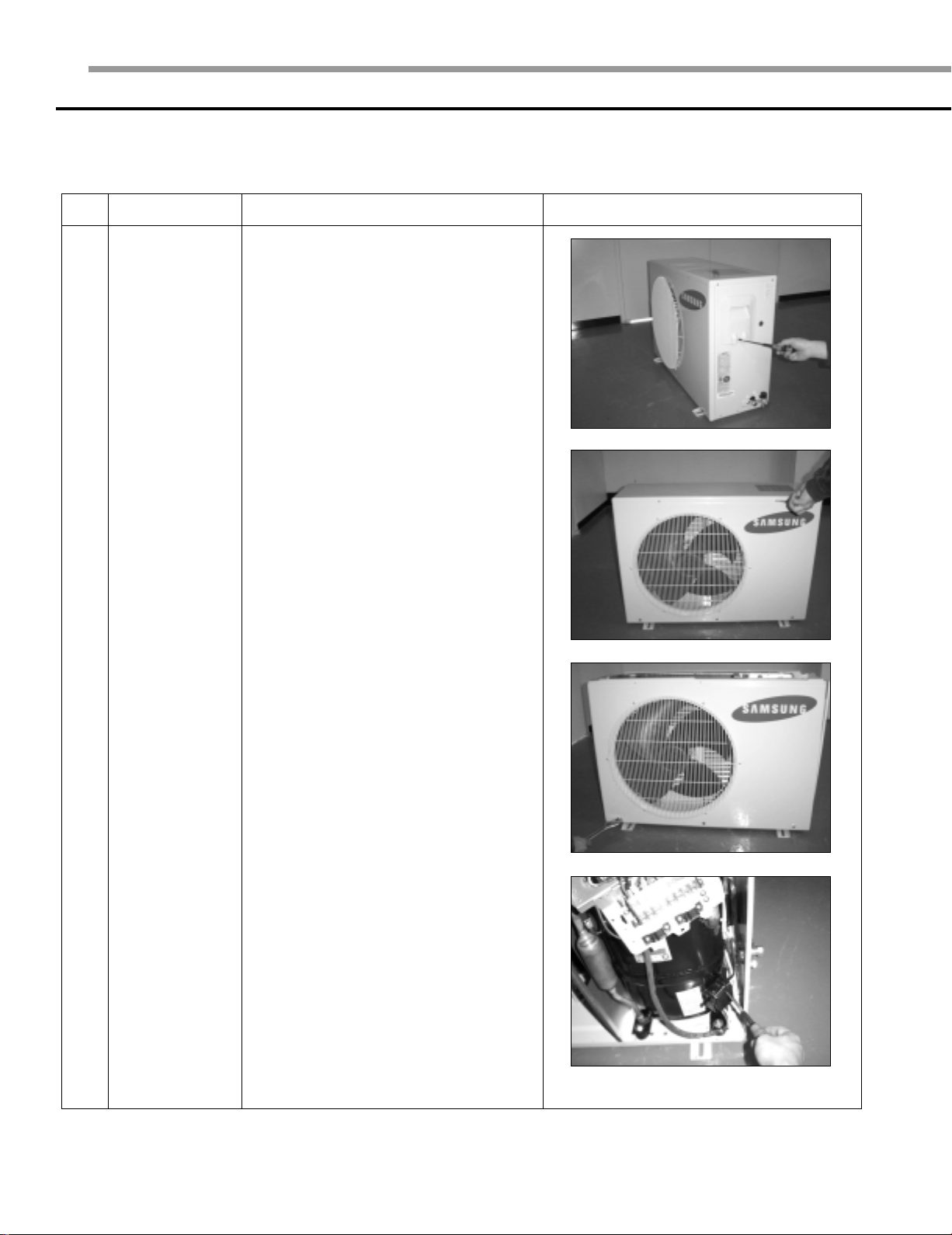
■ UQ24A1(2)RC
No. Part Procedure Remark
1
Common Work
1)Loosen the fixing screws and separate
the cover control.
2)Separate the connection wire from the
terminal block.
3)Loosen the fixing screws and separate
the upper cabinet.
4) Loosen the fixing screws and separate
the front cabinet.
10
5) Loosen three screws and pull up the
control box.
6) Separate the terminal cover and
separate the comp lead wire.
Page 11
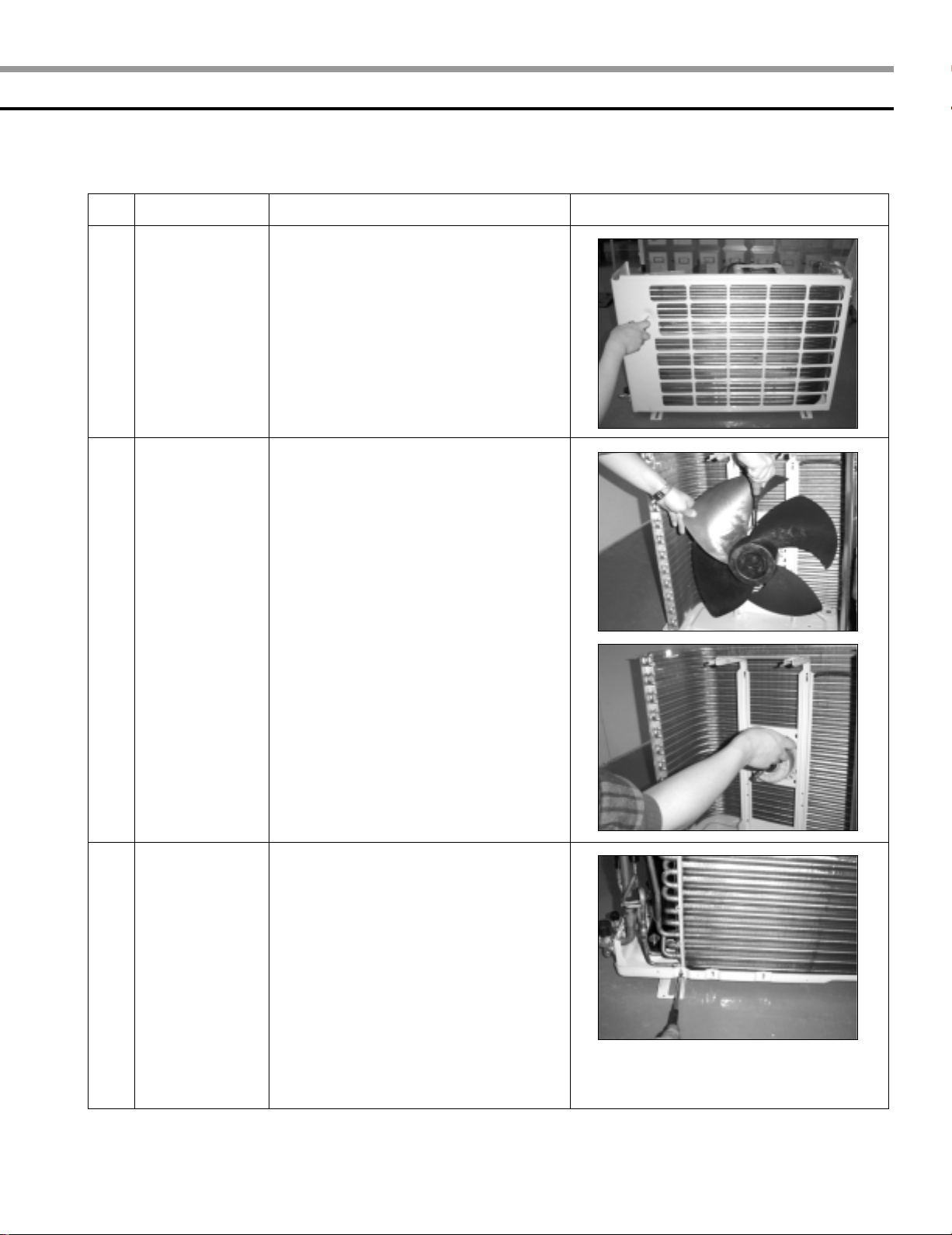
No. Part Procedure Remark
1
2
Common Work
Fan and Motor
7)Loosen the fixing screws and separate
the cabinet side.
1) Loosen the fixing bolt and separate
the fan.
2) Loosen four fixing bolts to separate
the motor.
Heat Exchanger
3
and compressor
1) Release the refrigerant at first.
2) Disassemble the inlet and outlet pipe
by welding.
3) Loosen the fixing screws of the heat
exchanger.
4) Separate the heat exchanger.
5) Loosen four bolts of the compressor.
6) Separate the compressor.
11
Page 12
ΙΙ
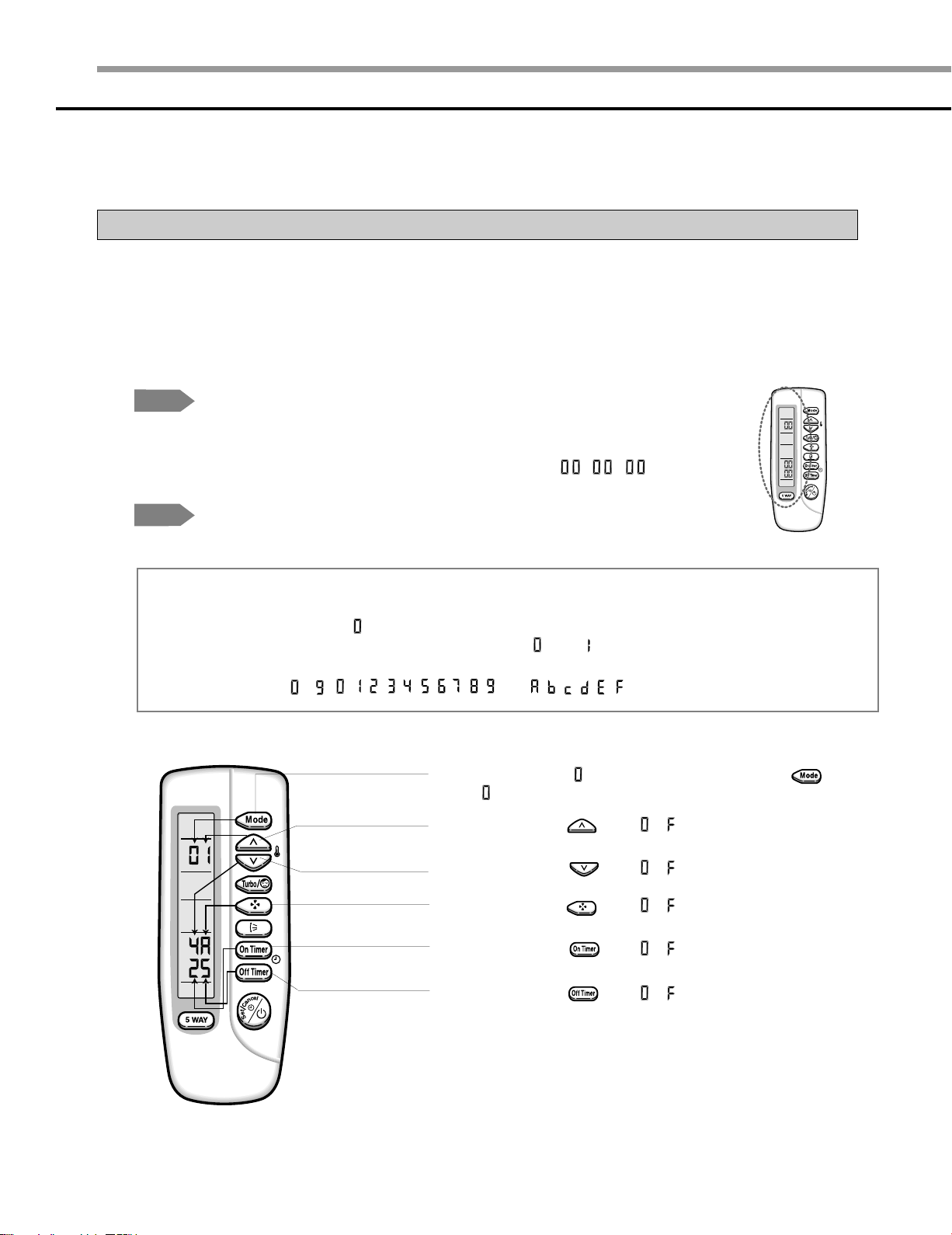
Set up the option code
The method for setting up the model option with the remote control
◆ It is necessary to set up option codes after replacing the main PCB with service parts.
Make sure that you can set up option codes of the remote control after replacing the main PBA.
Otherwise, the unit won’t be working properly and all LED lamps on display will be flickering.
Step 1
Step 2
NNNNoooottttee
Preparing for the remote control to the main PCB option set.
1. Remove the battery from the remote control.
2. Press the temperature button simultaneously and insert the battery again.
3. Make sure the remote control display shown as .
Preparing for the remote control option set.
ee
In case that the wrong letter has been selected; continue to press the button until the
correct letter appears.
1. If the number “ ”appears on the display, proceed to the second stage.
2. Every time you press the 1) and 7) button, “ ” and “ ” continue to appear.
3. Every time you press the 2), 3), 4), 5), 6), 8), 9), 10), 11), 12) button, the number increases
from ~ ( , , , , , , , , , ) and , , , , , in order.
1) If the first number is , it is correct. Otherwise, press the button
until appears.
2) When pressing the button ~ on the display, select one of them.
12
3) When pressing the button ~ on the display, select one of them.
4) When pressing the button ~ on the display, select one of them.
5) When pressing the button ~ on the display, select one of them.
6) When pressing the button ~ on the display, select one of them.
Page 13
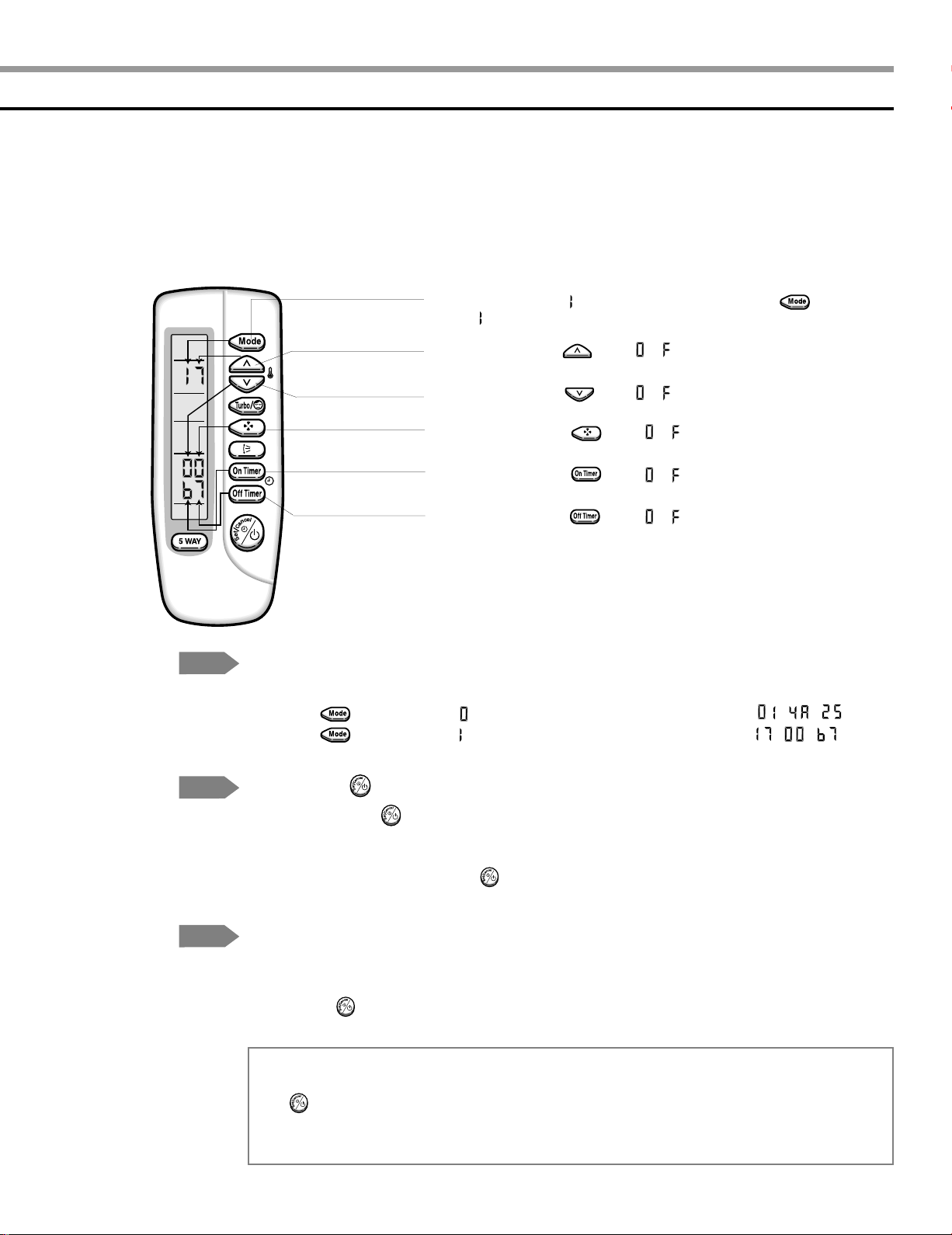
7) If the first number is , it is correct. Otherwise, press the button
until appears.
8) When pressing the button ~ on the display, select one of them.
9) When pressing the button ~ on the display, select one of them.
10) When pressing the button ~ on the display, select one of them.
11) When pressing the button ~ on the display, select one of them.
12) When pressing the button ~ on the display, select one of them.
Step 3
Step 4
Step 5
NNNNoooottttee
Reconfirming the option set after completing
Example : 014A25-1700b7
Press the button for the “ ” mode and the display will be shown as .
Press the button for the “ ” mode and the display will be shown as .
Pressing the (On/Off)button
When pressing the (On/Off)button in the direction of the remote control for unit,
it sounds beep or ringing and the first LED (STANDARD)lamp on the left side is
flickering at the same time, then the input option is completed. If it doesn’t sound
ringing, try again by pressing the (On/Off)button.
Testing the unit
1 Remove the battery from the remote control.
2. Insert the battery into the remote control.
3. Press the (On/Off)button in the direction of the remote control for set.
Error mode
ee
1. If all lamps of the indoor units are flickering, plug out and in again and press the
(On/Off) button again.
2. If the unit doesn’t work properly or all lamps are continuously flickering after setting the option
code, check that the option code is set properly for its own model.
13
Page 14
ΙΙ
Set up the option code(cont’d)
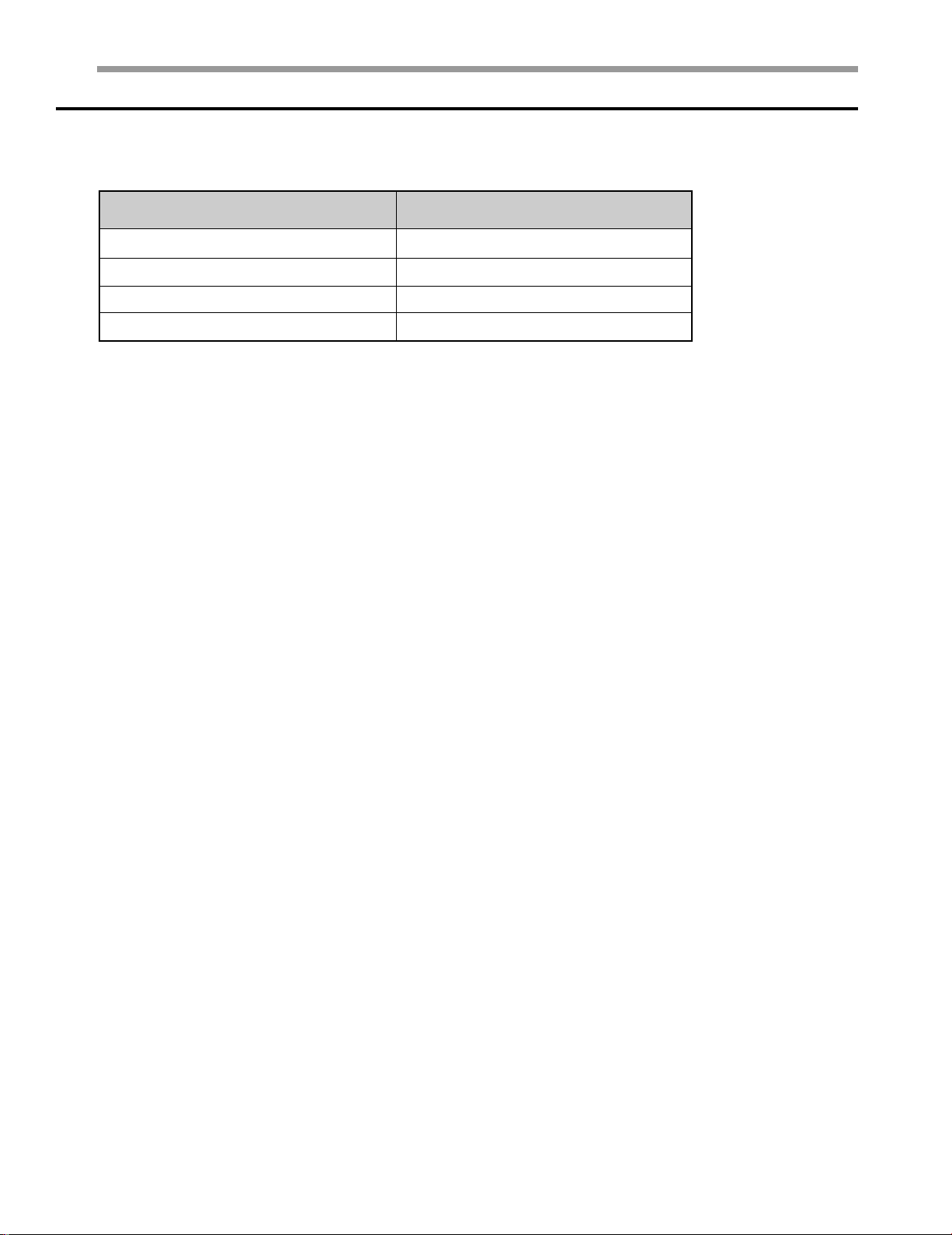
Table of the option code
Model
AQ18A9RCF
AQ18A0RCF
AQ24A1RC
AQ24A2RC
Option code
095415-1A021d
085415-1A021d
097617-1A023F
087617-1A023F
14
Page 15
ΙΙΙ
Troubleshooting
1 Items to be checked first
1) The input voltage should be rating voltage within ±10% range.
The air conditioner may not operate properly if the voltage is out of this range.
2) Is the connection cable linking the indoor unit and the outdoor unit properly?
The indoor unit and the outdoor unit shall be linked by seven cables.
Check the terminals if the indoor unit and outdoor unit are properly linked by the same number of cables.
Otherwise the air conditioner may not operate properly.
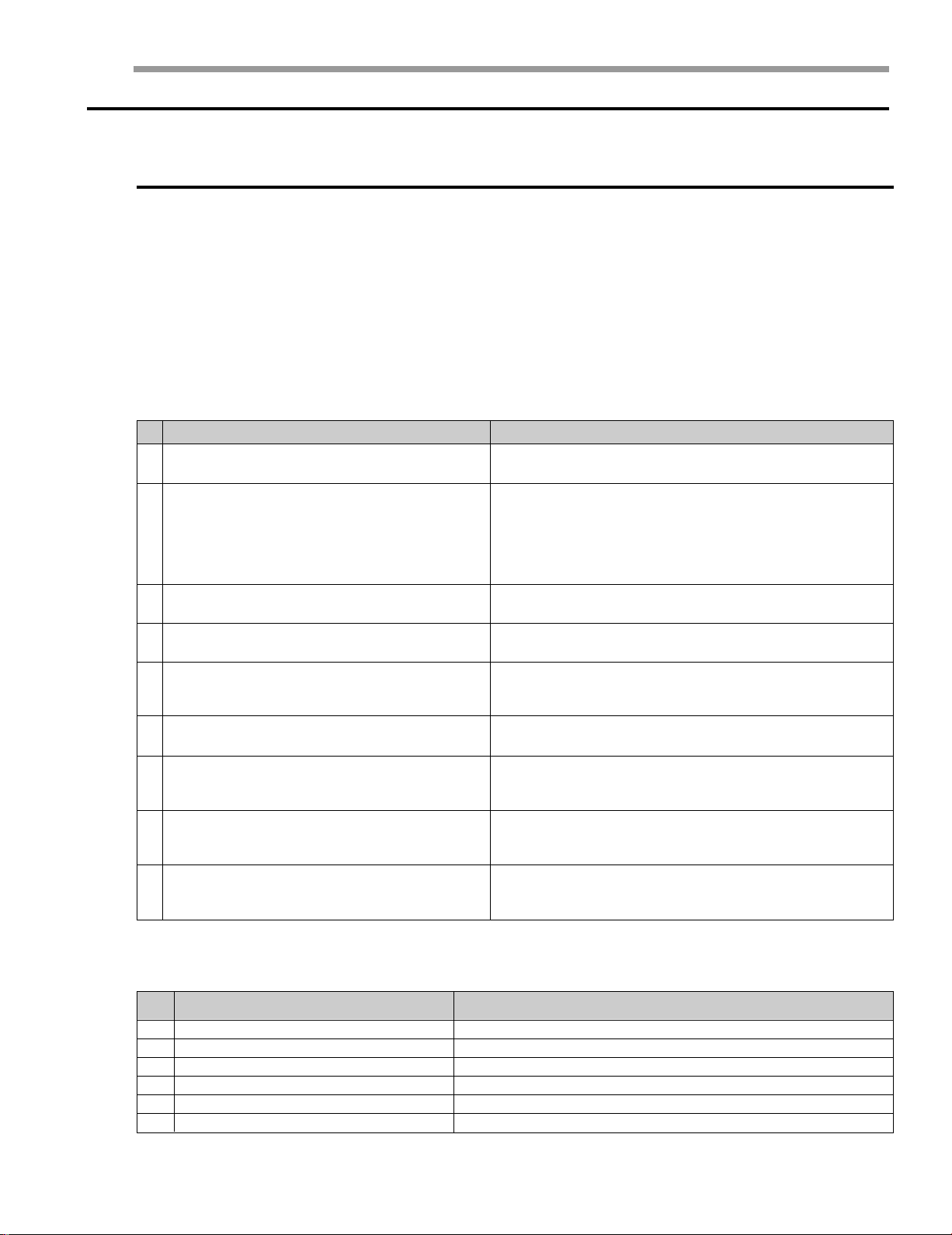
3) When a problem occurs due to the contents illustrated in the table below, it is a symptom not related to
the malfunction of the air conditioner.
No.
The STD operation indicator, LED blinks when a power
1
plug of the indoor unit is plugged in at first.
In the Cool mode, the compressor does not operate at
a room temperature higher than the setting temperature
while the indoor fan operates.
2
In the Heat mode, the compressor does not operate at
a room temperature lower than the setting temperature
that indoor fan should operate.
The Fan speed operating is not allowed in the
3
Auto or Dry mode.
Compressor stops operating intermittently in the
4
Dry mode.
Compressor of the outdoor unit is operating
although it is turned off in the Heat mode.
5
Only timer LED of the indoor unit lights up and the air
6
conditioner does not operate.
The compressor and indoor fan stop intermittently in
the Heat mode.
7
Indoor fan and outdoor fan stop operating intermittently
in the Heat mode.
8
The compressor stops intermittently in the Cool mode
or Dry mode and the fan speed of the indoor unit
9
decreases.
Operation of air conditioner
Explanation
It indicates power is on. The LED stops blinking if the operation
On/Off button on the remote control is pushed.
It happens after three minutes when the compressor is
reoperated. The same phenomenon occurs when a power is on.
As a phenomenon that the compressor is reoperated after three
minutes, the indoor fan is adjusted automatically with reference
to a temperature of the air.
The speed of the indoor fan is set to LL in the Dry mode.
Fan speed is five steps are selected automatically in the Auto mode.
Compressor operation is controlled automatically in the Dry
mode depending on the room temperature and humidity.
When the unit is turned off while de-ice is activated,
the compressor continues operating for up to 9 minutes
(maximum) until the deice is completed.
The Timer is being activated and the unit is in the ready mode.
The unit operates normally if the timer operation is cancelled.
The compressor and indoor fan stop intermittently if room
temperature exceeds a setting temperature in order to protect
the compressor from overheated air in a Heat mode.
The compressor operates in a reverse cycle to remove exterior
ice in the Heat mode, and indoor fan and outdoor fan do not
operate intermittently for within 20% of the total heater operation
The compressor stops intermittently or the fan speed of the
indoor unit decreases to prevent inside/outside air from
freezing depending on the inside/outside air temperature.
4) Indoor unit observes operation condition of the air conditioner, and displays self diagnosis details
on the display panel.
No.
1
STD LED blinking (1Hz)
2
TIMER LED blinking (1Hz)
3
STD and TIMER LED blinking (1Hz)
4
BIO LED blinking (1Hz)
5
STD, BIO and TIMER LED blinking(1Hz)
6
All LED blinking(1Hz)
Display
Self Diagnosis
Restore from power failure (input initial power)
Indoor unit Room sensor Error (open or short)
Indoor unit heat exchanger temperature sensor Error (open or short)
Indoor fan malfunctioning (for spead is Below 450rpm)
EEPROM Error
Option Error (option wasn’t setup or option data error)
15
Page 16
ΙΙΙ
Troubleshooting (cont’d)
2 Abnormal diagnosis by symptom
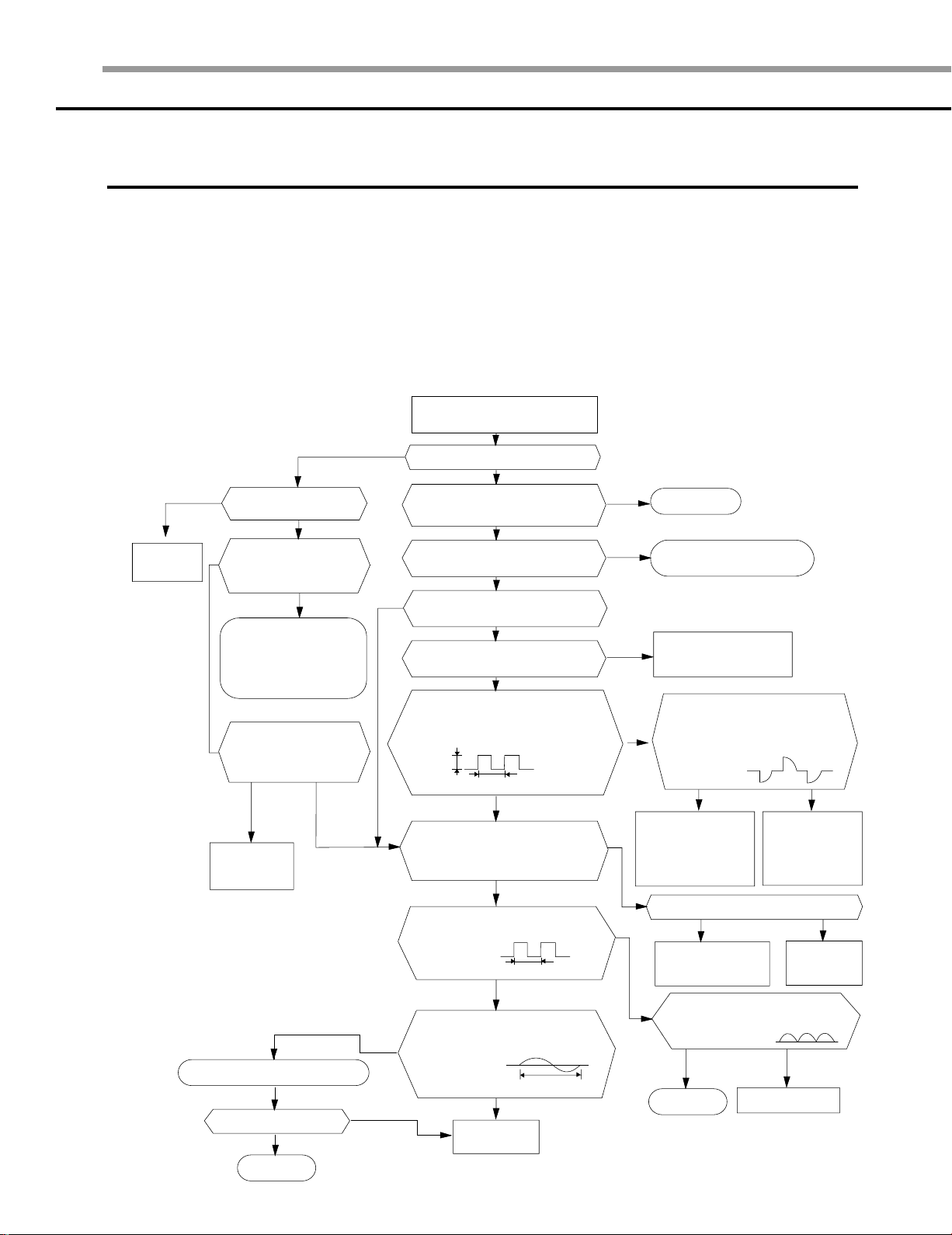
1. No Power - Initial diagnosis
1. No Power - Initial diagnosis
1) Checklist :
(1) Is input voltage normal? (voltage rating within ±10% range)
(2) Is AC power linked correctly?
(3) Are connections between primary side, secondary side of the power transformer and PCB good?
(4) Is input voltage of DC regulator IC KA7805 (IC02) normal? (11VDC-12.5VDC)
(5) Is output voltage of DC regulator IC KA7805 (IC02) normal? (4.5VDC-5.5VDC)
16
2) Troubleshooting procedure
YES
Replace
PCB display
YES
Is DC voltage of PCB
display normal?
NO
Is the rating Voltage ±10%
range applied to the between
#1 and #3 of CN78
NO
Check linkage
between
a power cord and
a terminal tap
Check fuse
Does 11~12.5VDC
appear in the input side
of the DC regulator IC
KA7805(IC02)?
YESNO
Replace PCB
module
Refer to page 21
Replace resonator (X501)
Is operation normal?
YES
OK
NO
Remove the power cord and plug
it in again in approx. 5 seconds
Does the lamp blink?
Does it start operating when you
push the On/Off button of the
remote control?
Is transmission display of the
remote control unit blinking?
Does the ‘beep’ sound from
NO
#7(IC04 : 4way valve) and #6(IC04 : outdoor fan)
Is voltage of #33 terminal of Micom (IC04)normal?
Is voltage of #18 terminal of Micom (IC04)normal?
NO
NO
the main unit?
Is DC voltage of the PCB
module normal?
Are voltages of #8(IC04 : compressor),
of Micom normal? 5VDC is voltage
of #60((IC04 : indoor fan) of Micom normal?
DC5V
Is voltage of #52 terminal of
Micom (IC04)normal?
Are voltage of #48 and #49 of
Micom (IC04)normal?
YES
NO
YES
YES
YES
10ms
NO
0VDC
5VDC
YES
10ms
YES
100ns
YES
Replace
Micom
YES
NO
Refer to remote control unit
Replace PCB module
NO
Are voltages at RY71(Compressor)
YES
NO
NO
and RY72 (Outdoor fan) normal?
Check connections
compressor, outdoor
fan and indoor fan
Is output voltage of ICO2 normal?(DC5V)
Check PCB pattern
Replace PCB module
Normal
abnormal diagnosis
Refer to page 21
YES
; DC12V
YES
YES
NO
Replace RY71,
RY73, RY72
and SS71
Replace
IC02
NO
Replace IN4007
Is voltage at SS71(indoor fan)?
Refer to page 21
Is voltage output terminal of
D101~D105(IN4007) normal?
OK
NO
Page 17
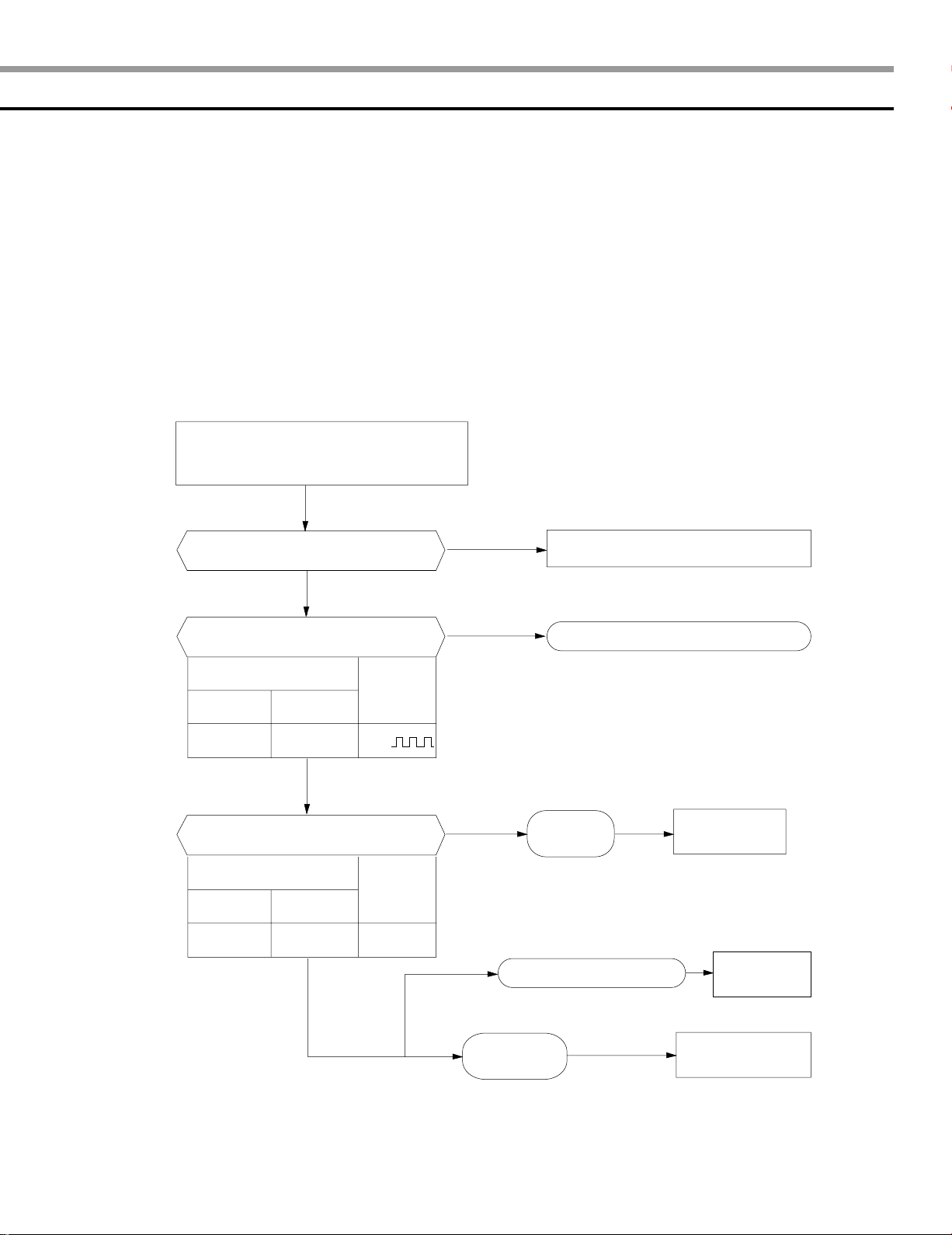
2. When the Indoor Unit Fan Does Not Operate - Initial Diagnosis
2. When the Indoor Unit Fan Does Not Operate - Initial Diagnosis
1) Checklist :
(1) Is the indoor unit fan motor properly connected with the connector (CN73)?
(2) Is the AC voltage correct?
(3) Is HALL IC in the indoor fan motor properly connected with the connector (CN43)?
(4) Is the running capacitor properly connected with PCB board?
2) Troubleshooting procedure
After unplugging out, the power cord should
be reconnected within five seconds.
YES
Does the STD lamp(Orange) blink?
YES
Does the Solid State Relay(SS71) work
Test rod location
+
SS71-
Is the supply voltage of the fan
Test rod location
PCB CN73
pin #3 and #5
properly?
-
SS71-
YES
motor sufficient?
Condition
Fan operate
Normal
Voltage
12V
Normal
voltage
about AC
180V
NO
NO
NO
Check as the procedure “No power”
PCB is
abnormal.
MFC is abnormal.
Refer to page 16
Micom is abnormal.
Replace the PCB
Refer to page 21
module
Replace MFC
YES
Fan motor
is abnormal.
Replace Fan motor
17
Page 18
ΙΙΙ
Troubleshooting (cont’d)
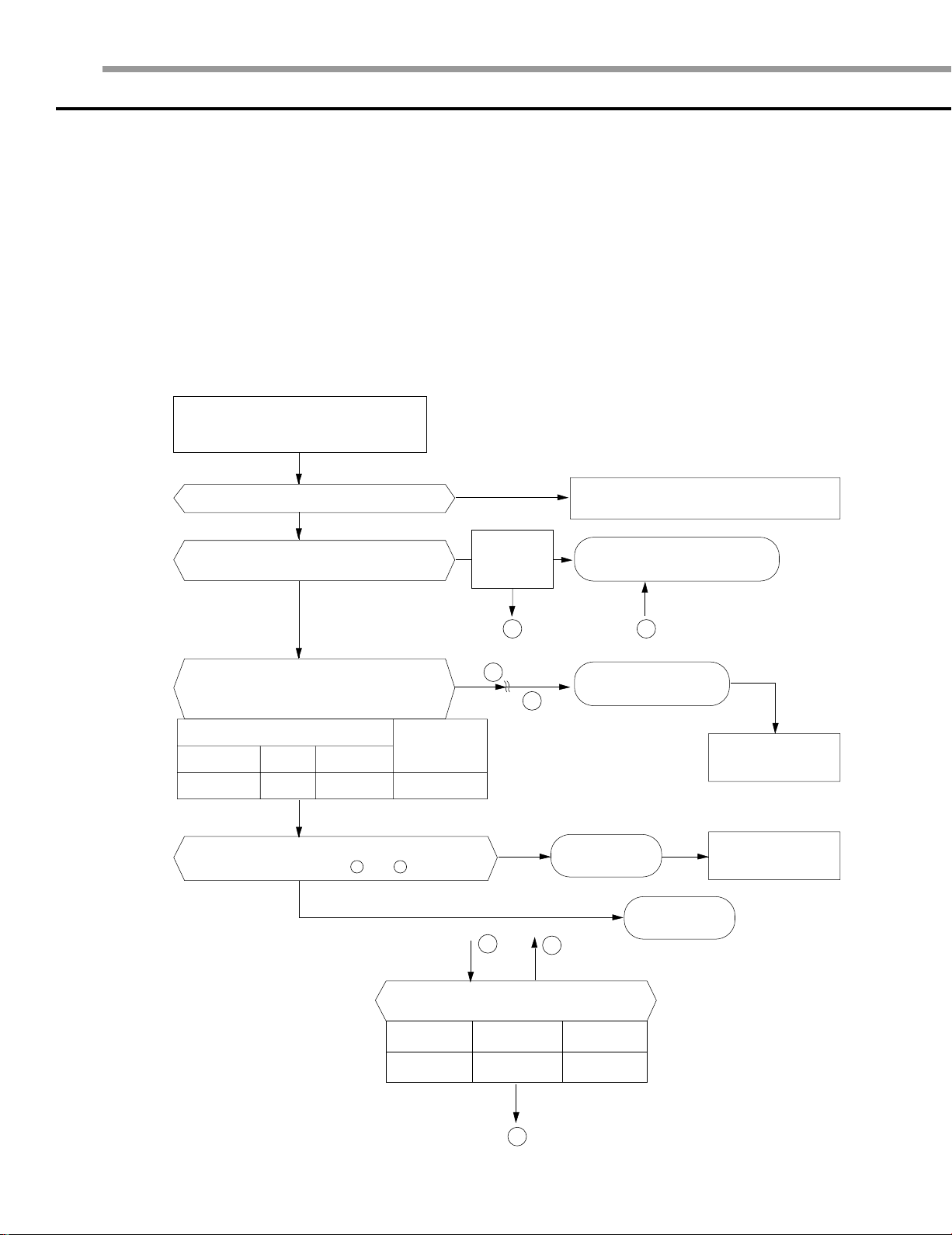
3. When the Outdoor Unit Does Not Operate - Initial Diagnosis
3. When the Outdoor Unit Does Not Operate - Initial Diagnosis
1) Checklist :
(1) Is input voltage normal? (voltage rating within ±10% range)
(2) Is the set temperature of the remote control higher than room temperature in the Cool mode?
(3) Is the POWER IN connector (CN78) linked correctly?
(4) Is the outdoor unit properly connected with the terminal block connector(6P)?
2) Troubleshooting procedure
After unplugging out, the power cord
should be reconnected within five seconds.
Does the STD lamp blink?
YES
Does the timer lamp blink during operation?
NO
Is the power relay RY71 operated by adjusting
IC06 Pin #6
Is voltage rating within ±10% range applied relay
the room temperature?
Test rod location
+
-
GND
NO
between CN 78 1 and 3 ?
YES
Condition
RY71 ON
Normal
Voltage
DC 4.8V
NO
YES
YES
Check PCB
and room
temperature
sensor
1
3
NO
1
2
NO
Check as the procedure “No power”
Refer to page 16
Room temperature sensor is
abnormal.
21
PCB is abnormal.
Replace the PCB module
Power relay
is abnormal.
Outdoor unit is
abnormal.
Refer to page 21
Replace the
Power relay
18
Is the room sensor registered normal?
50°F(10°C) 68°F(20°C) 86°F(30°C)
17.96k Ω 12.09k Ω 8.3k Ω
YES
3
Page 19
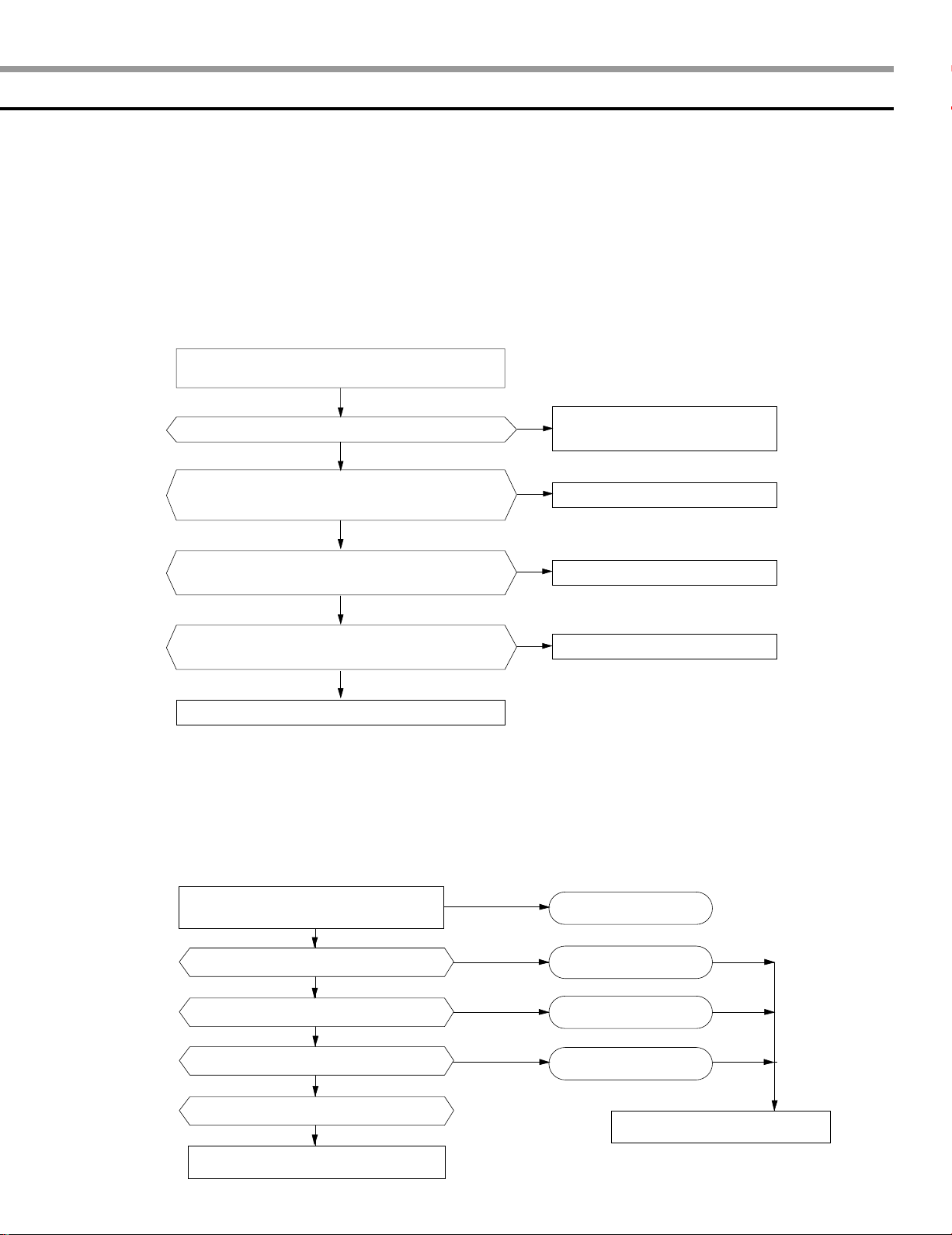
4. When the UP/DOWN Louver Motor Does Not Operate - Initial Diagnosis
4. When the UP/DOWN Louver Motor Does Not Operate - Initial Diagnosis
1) Checklist :
(1) Is input voltage normal?(voltage rating within ±10% range)
(2) Is the UP/DOWN louver motor properly connected with the connector (CN61)?
2) Troubleshooting procedure
Remove the power cord and plug it in again in approx.
Does it start operating when you push the swing button
Is voltage of #1~#4 of Micom (ICO4)
Is voltage of pin #10, #15 and #16 of IC06 (KID65003)
UP/DOWN louver motor is abnormal.
5. When there is no warm air in the current mode
5. When there is no warm air in the current mode
five seconds.
Does the STD lamp blink?
YES
of the remote control?
NO
change?(Squarewave)
YES
change?(Squarewave)
YES
NO
YES
NO
NO
Check as the procedure
“No Power”. Refer to page 16.
Normal
Micom (IC04) is abnormal.
Driver IC06(KID65003) or IC06 is abnormal.
1) Checklist :
(1) Is the set temperature of Remote Control lower than room temperature in the Heat mode?
(2) Is the Indoor PCB properly connected with the CN78 connector?
2) Troubleshooting procedure
After training on, the Heating starts in
Is the number #7 of Micom (IC04) DC 4.8 V?
Is the number #12 of IC06 (
Is voltage rating between CN71 #5 and CN78 #1
4 way valve of the outdoor unit or
five minutes.
NO
YES
KID65003
YES
within ±10% range?
YES
connection cable is abnormal.
Replace 4 way valve
Check connection cable
) LOW?
YES
NO
NO
NO
Normal
Micom is abnormal.
IC07 is abnormal
RY73 is abnormal
Replace PCB module
Refer to page 21
19
Page 20
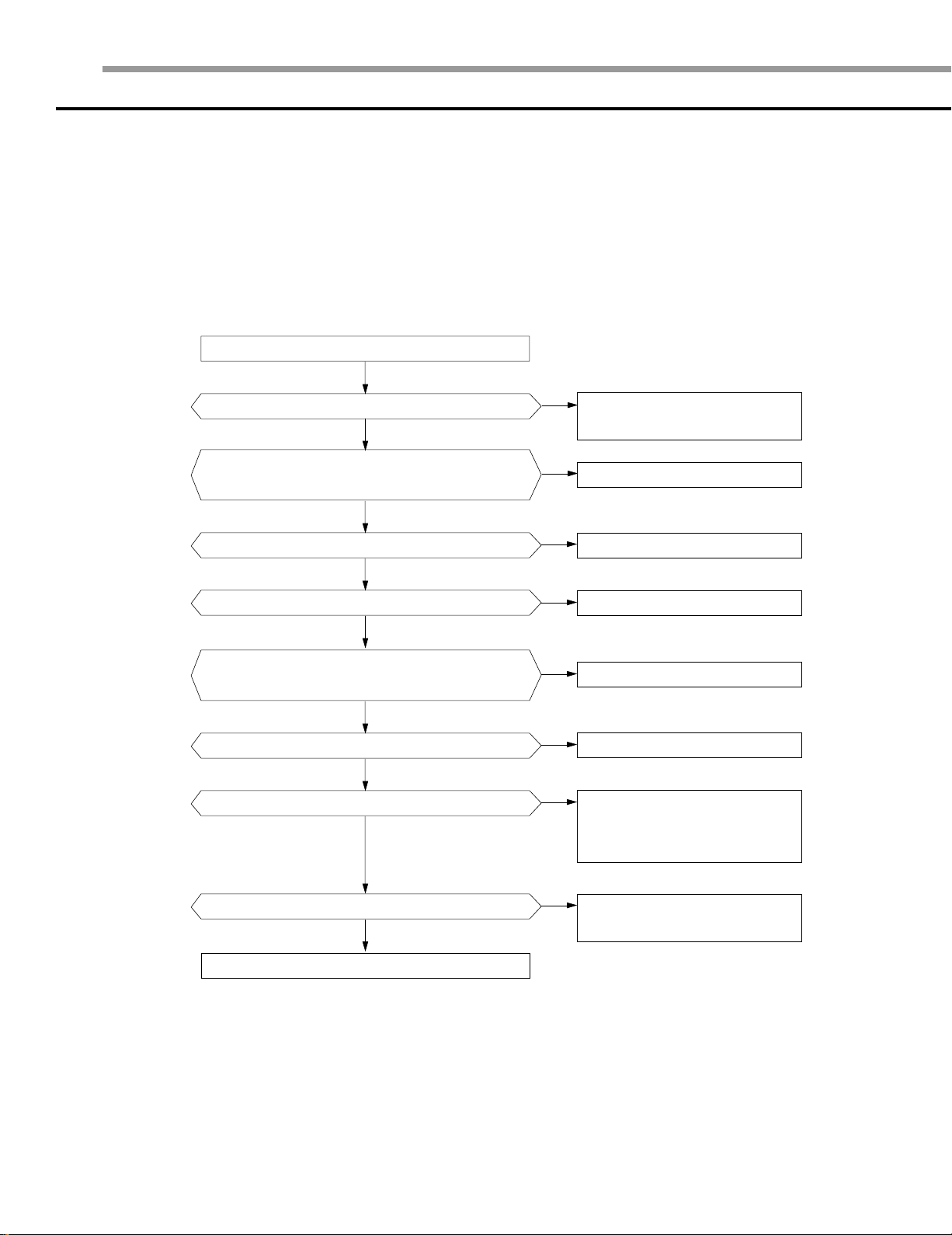
ΙΙΙ
Troubleshooting (cont’d)
6. When the remote control does not operate
6. When the remote control does not operate
1) Troubleshooting procedure
Remove the power cord and plug it in again approx. five Seconds
Does the STD lamp blink?
YES
The melody sounds from the indoor unit when you
push the On/Off button on the remote control.
NO
Is voltage of battery less than 2.5V (Remote Control Unit)?
NO
Is LCD display status of the remote control normal?
YES
Does the transmission display lamp blink when you
push the On/Off button on the remote control?
YES
Is voltage of #30 of remote control of Micom (IC04) changed?
YES
Is voltage at collector of Q601 or Q602 changed?
YES
NO
Check as the procedure “No Power”
YES
YES
NO
NO
NO
NO
Refer to page 16
Normal
Replace the battery
LCD is abnormal.
Replace button
Micom is abnormal.
Q601(C4375Y) or Q602(C1623Y)
IR LED(CL-1L5EU) is
is
abnormal.
abnormal.
20
Is voltage of #26 of Micom (IC04) changed (Indoor unit)?
NO
Micom (IC04) is abnormal.
YES
Receiver module is abnormal.
Page 21
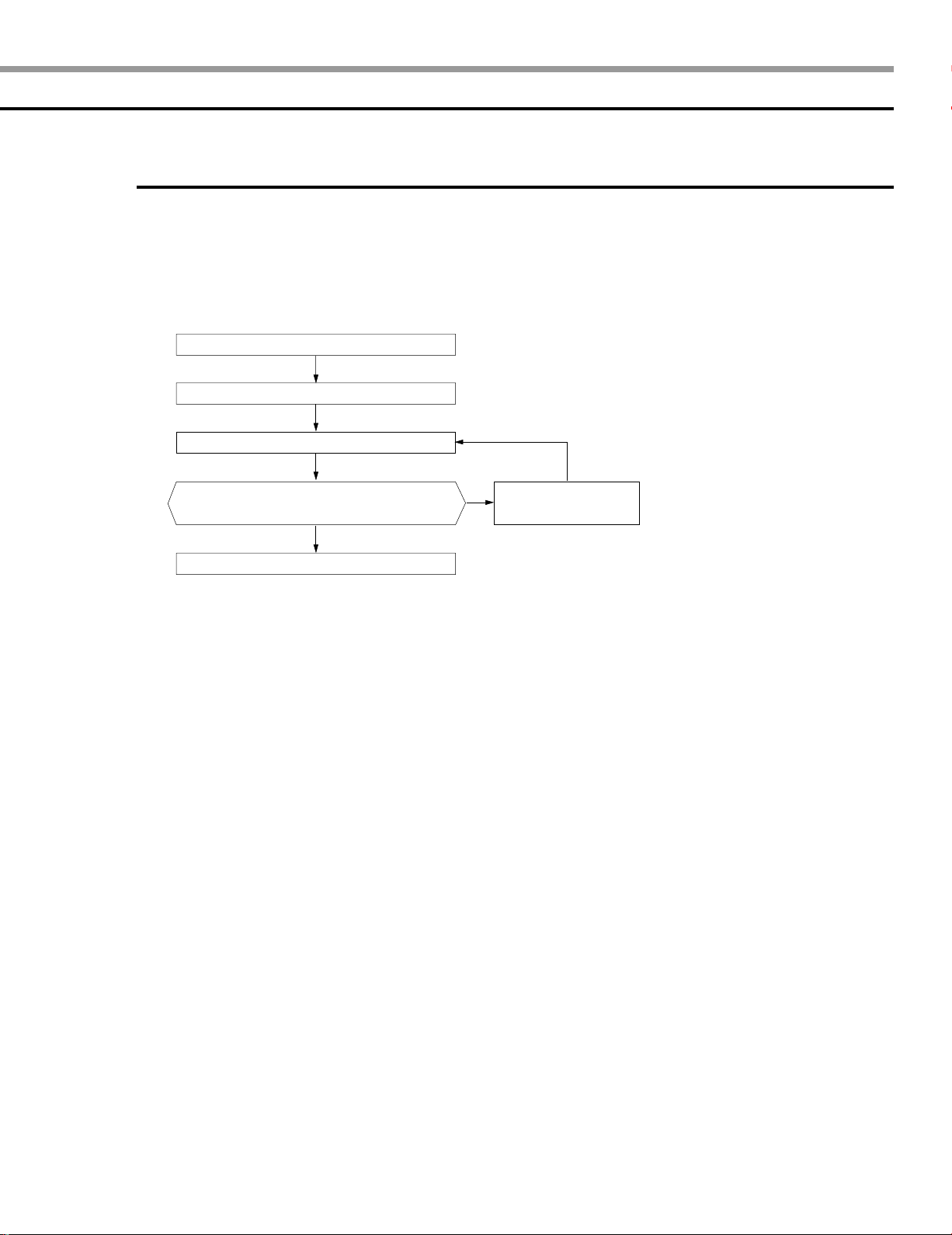
3 Replace PCB module
Remove the power cord
Replace the PCB module
Check the connection and plug in
Does the display lamp blink or STD lamp blink?
YES
Refer to ‘set up the option code’
NO
Replace another
PCB module
21
Page 22
1
2
4
5
7-1
6
6-1
20
10-2
10-1
21
14
16
1112
13
9
8
13-1
17
18
19
10
15
7-2
3-2
3-3
3-1
3
7
22
ΙΛ
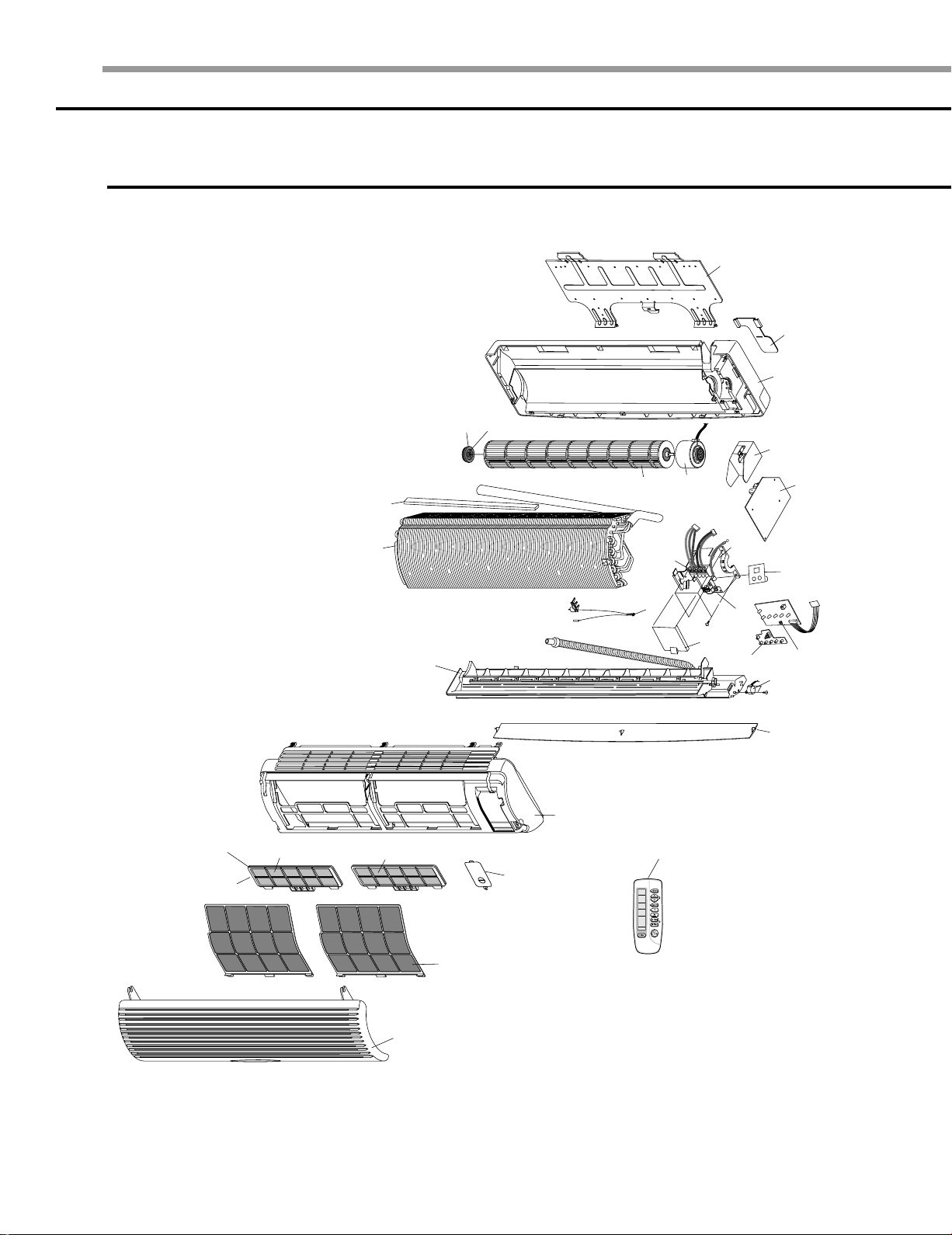
Assembly drawing and part’s list
1 Indoor unit
22
Page 23
■
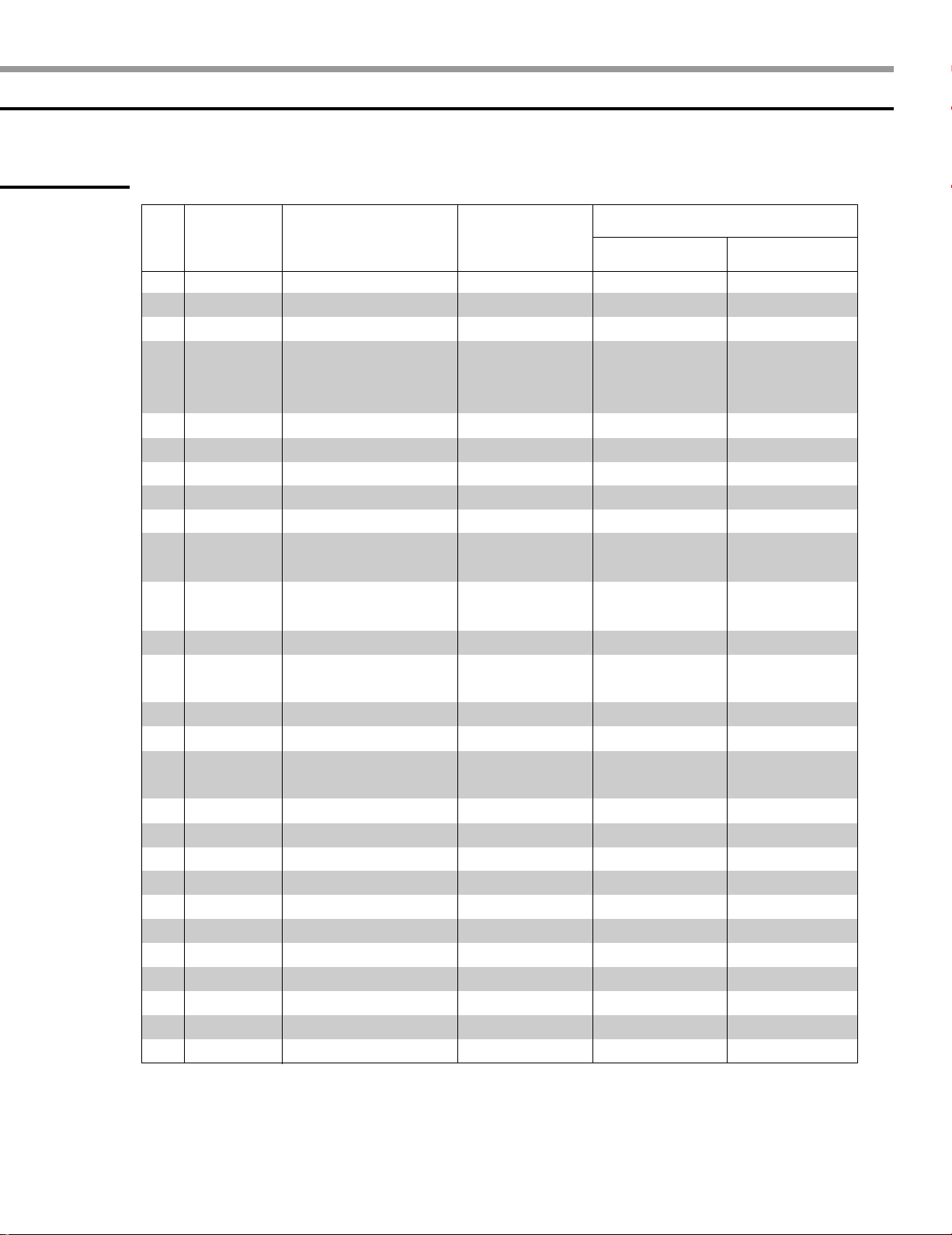
Part’s List
No.
1
2
3
3-1
3-2
3-3
4
5
6
6-1
7
7-1
7-2
8
9
10
10-1
10-2
11
12
13
13-1
14
15
16
17
18
19
20
21
22
Code No.
DB64-00127A
DB63-30150C
DB95-00287N
DB61-10164B
DB63-00436D
DB63-00435D
DB63-00091A
DB64-00130A
DB93-00311C
DB63-00115A
DB94-00099B
DB31-10153B
DB66-00104A
DB96-01125A
DB96-01125G
DB67-00058A
DB90-00884A
DB90-00433Y
DB61-00601A
DB65-00039G
DB31-10151D
DB94-00040J
DB94-40003A
DB94-40007A
DB93-01984A
DB32-00027B
DB61-10163A
DB94-00107A
DB90-00434A
DB70-10663A
DB63-00227A
DB70-00115A
DB93-00861B
Description Specification
GRILLE AIR INLET
GUARD AIR FILTER
CLEANER FILTER ASS´Y
CASE-CLEANER FILTER
CARBON FILTER
CLEANER FILTER
COVER TERMINAL
FRONT PANEL
ASS´Y PCB DISPLAY
COVER DISPLAY UP
ASS´Y TRAY DRAIN
STEPPING MOTOR
BLADE-H
ASS´YEVAP
ASS´YEVAP
SPACER-EVAP
ASS´Y HOLDER MOTOR(24K)
ASS´Y HOLDER MOTOR(18K)
HOLDER MOTOR
TERMINAL BLOCK ASS´Y
MOTOR FAN IN
ASS´Y-CROSS FAN
RUBBER BEARING
BEARING MOTOR
ASS´Y PCB MAIN
ASS´Y-THERMISTOR
CASE CONTROL
ASS´Y BACK BODY
ASS´Y HOLDER PIPE
PLATE HANGER
COVER-TERMINAL BLOCK
PLATE-KNOCKOUT
ASS´Y-REMOCON
POLYESTER/CARBON
POLYESTER/COTTON
HIPS
PP
ASS’Y
PP
ABS(V0)
HIPS
ASS’Y
ABS(BLK)
ASS´Y
MP24S
HIPS
PLATE1.2(5/8”)
SLIT1.5(1/2”)
PVC
ASS’Y
ASS’Y
PP(Vo)
6P, 25A
IIC-9430SKC7B
ø95 x L
CR(BLK)
ASS’Y
PD-SH30ZC-00
103AT/DSK-103FW
ABS(VO)
ASS’Y
ASS’Y
SGCC-M
ABS
SGCC-M
ASS’Y
Q’TY
AQ18A9(0)RCF
1
2
1
2
1
1
1
1
1
1
1
1
1
1
1
1
1
1
1
1
1
1
1
1
1
1
1
1
1
1
1
AQ24A1(2)RC
1
2
1
2
1
1
1
1
1
1
1
1
1
1
1
1
1
1
1
1
1
1
1
1
1
1
1
1
1
1
1
23
Page 24
ΙΛ
2
5
3
4
6
7
16
8
10
9
1
11
12-1
12-2
12
12-4
12-3
14
13-1
13
12-5
15
15-2
15-1
15-3
15-5
15-4
15-6
15-7
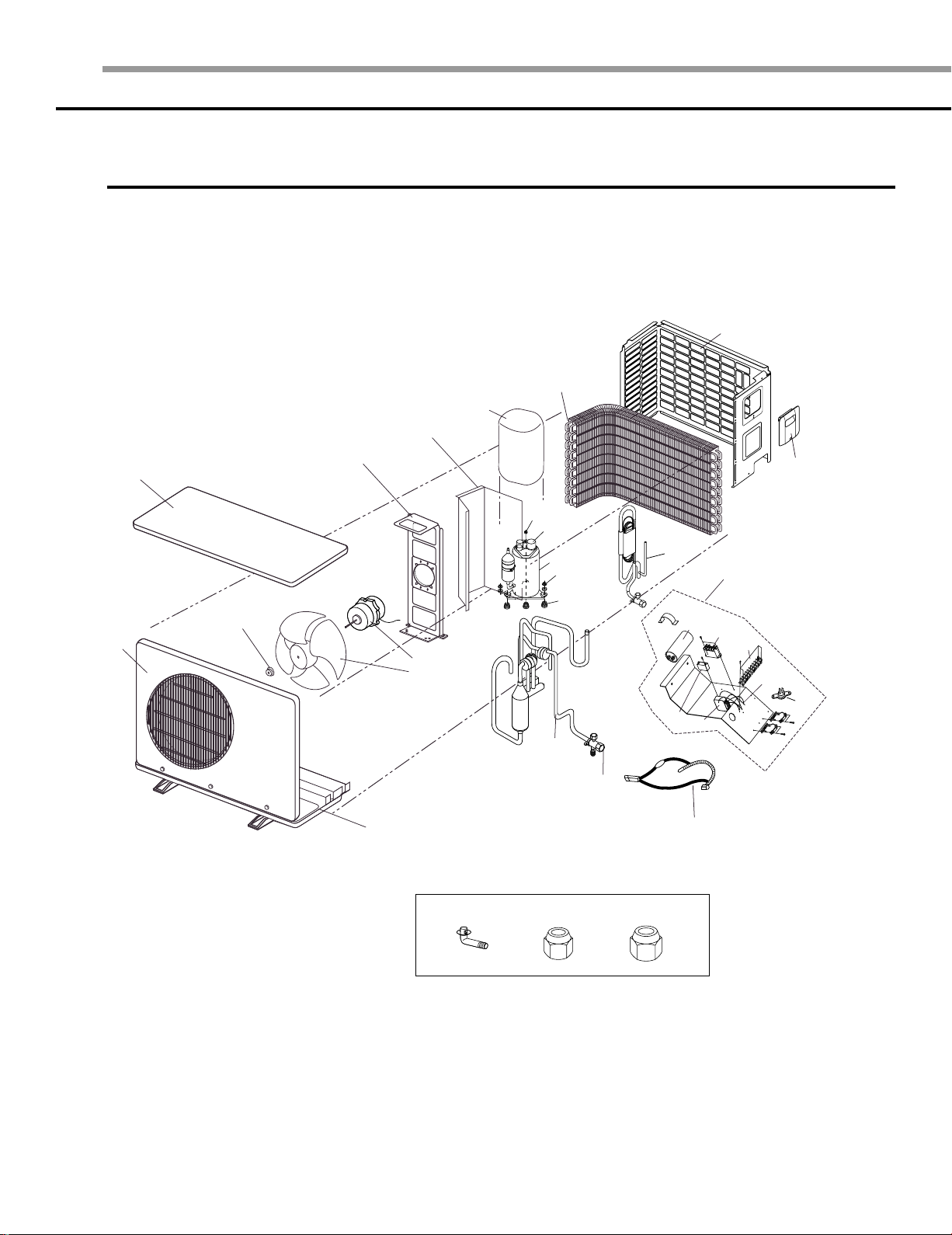
Assembly drawing and part’s list (cont’d)
2 Outdoor unit
■ UQ18A9(0)RCF
17
17-1
17-2 17-3
24
Page 25
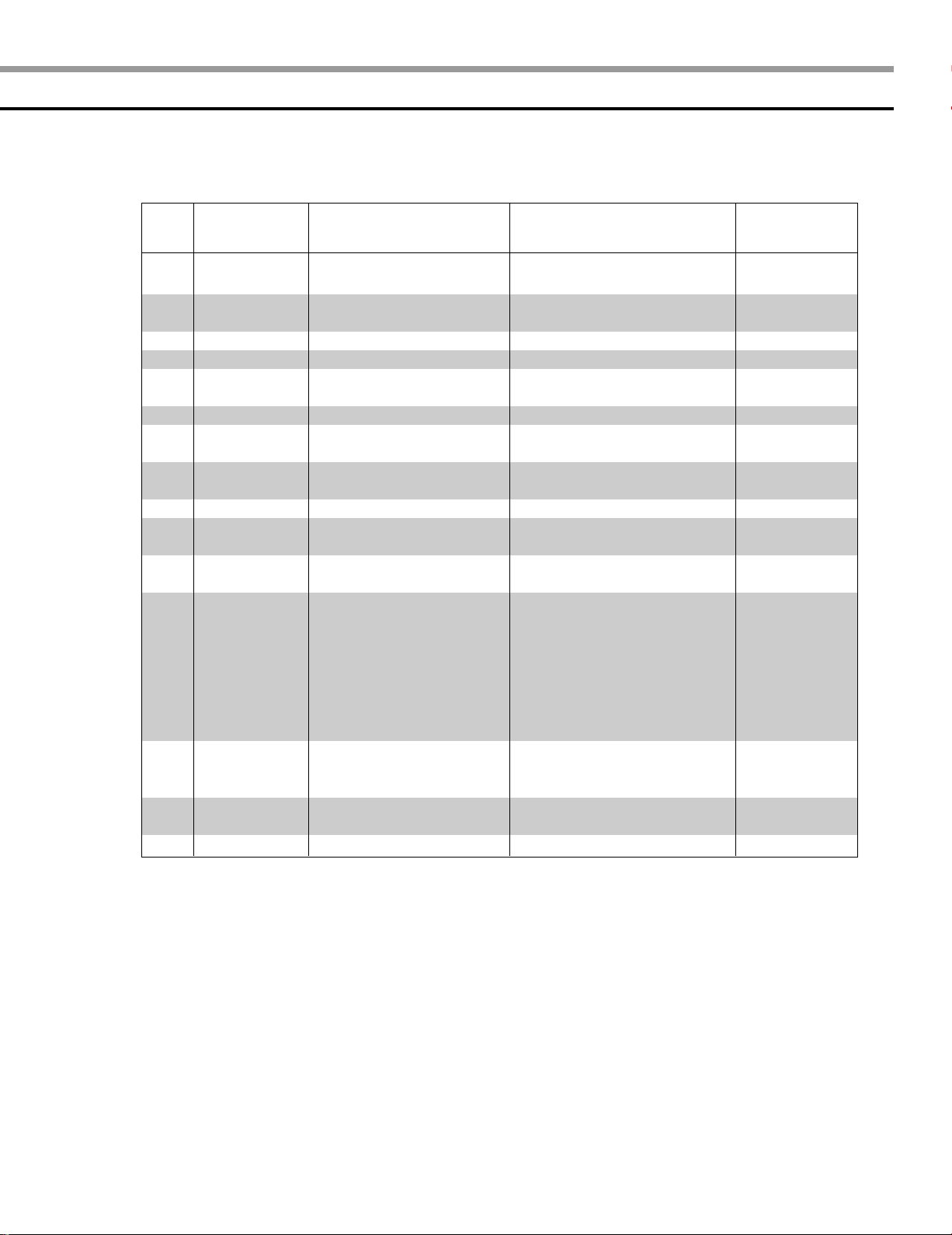
■
Part’s List
No.
1
2
3
4
5
6
7
8
9
10
11
12
12-1
12-2
12-3
12-4
12-5
13
13-1
14
15
15-1
15-2
15-3
15-4
15-5
15-6
15-7
16
17-1
17-2
17-3
Code No. Description Specification
DB90-00653K
DB90-20160H
DB67-50063A
DB60-30020A
DB31-00056D
DB61-20008C
DB94-00165A
DB96-01524B
DB90-40176B
DB90-10671L
DB90-10613D
48D190IU1EH
DB73-00082A
DB60-30028A
DB60-30018A
DB63-10165D
DB95-00212C
DB99-00462A
DB62-00898B
DB99-00175C
DB93-00673K
3501-001184
2501-001238
DB65-00040B
DB95-90026B
3601-000236
2501-001370
DB32-00007A
DB72-50537A
DB67-20011A
DB60-30010A
DB60-30010C
ASS’Y-CABI FRONT
ASS’Y-BASE OUT
FAN-PROPELLER
NUT FLANGE
MOTOR FAN OUT
BASE-MOTOR
ASS’Y-PARTITION
ASS’Y-COND UNIT
ASS’Y-COVER-CONTROL
ASS’Y-CABI BACK
ASS’Y-CABI UPPER
COMPRESSOR
GROMMET ISOLATOR
NUT WASHER
NUT FLANGE
COVER-TERMINAL
ASS’Y-HEATER
ASS’Y-4WAY V/V
PACKED V/V 1/2"
ASS’Y-CHECK V/V
ASS’Y-CONTROL OUT
POWER-RELAY
CAPACITOR
TERMINAL BLOCK
ASS’Y SPARK KILLER
FUSE
MOTOR CAPACITOR
THERMOSTAT
CLOTH SOUND
DRAIN PLUG OUT
NUT FLARE 1/4"
NUT FLARE 1/2"
ASS’Y
ASS’Y
AS+G/F20%
M6LF
ASS030ZTEC
SGCC-M
ASS’Y
ASS’Y
ASS’Y
ASS’Y
ASS’Y
1PH, 208/230V, 60Hz
NR, BLK
M8
M5
PBT, BLK
240V, 45W
ASS’Y
P-TYPE
ASS’Y
ASS’Y
UZ 2A BB220 25A
40uF/450VAC
8P/35A
ASS’Y
2A, 250V
2.5uF/450VAC
PW 2N
-
PP
C3771BD
C3771BD
Q’TY
1
1
1
1
1
1
1
1
1
1
1
1
3
3
1
1
1
1
1
1
1
1
1
1
1
1
1
1
1
1
2
2
25
Page 26
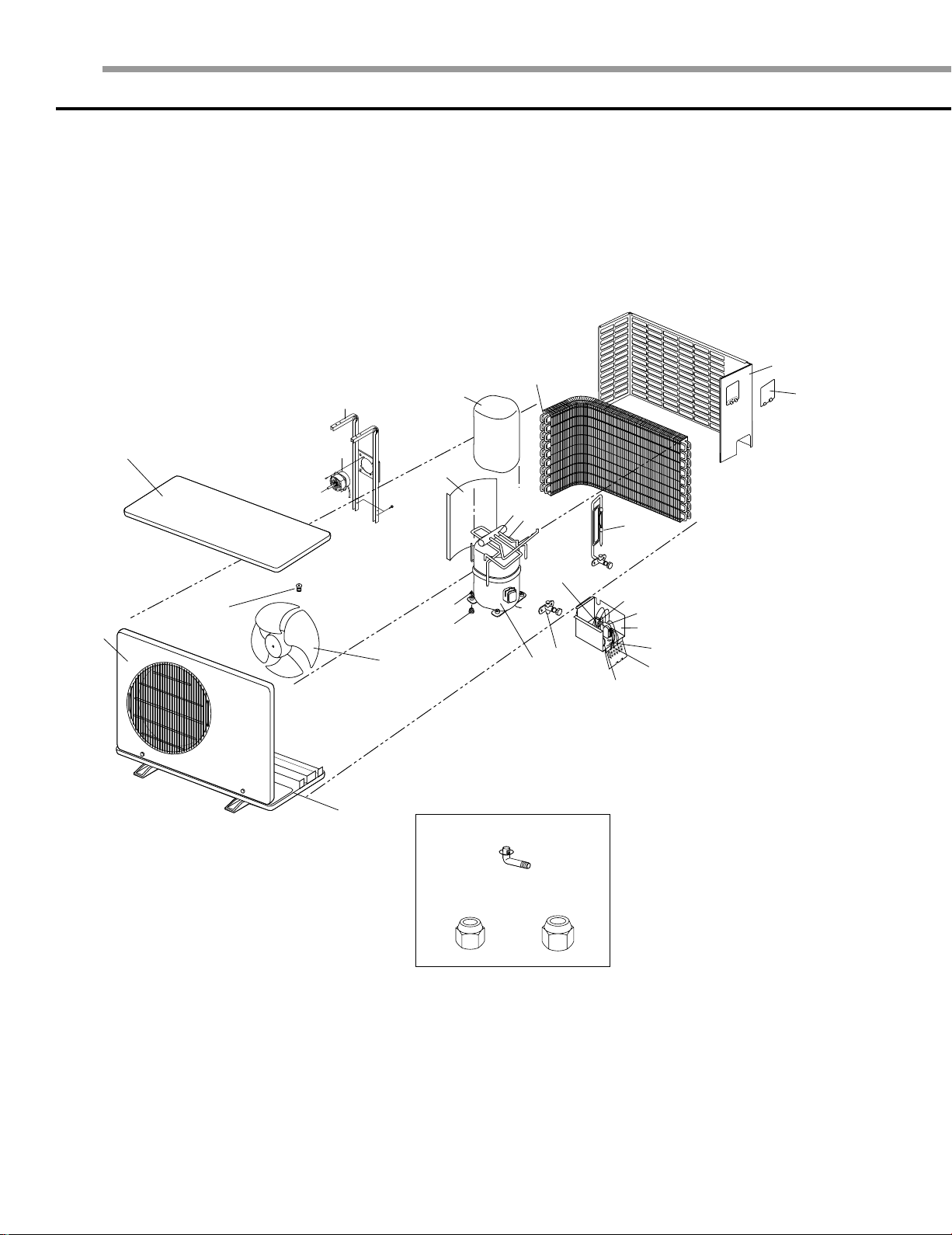
ΙΛ
3
2
1
4
11
16
7
13-2
13
8
14
10
9
15-4
15-1
15
15-5
15-3
15-2
13-1
15-6
12
12-1
12-2
6
5
Assembly drawing and part’s list (cont’d)
■ UQ24A1(2)RC
17
17-2 17-3
17-1
26
Page 27
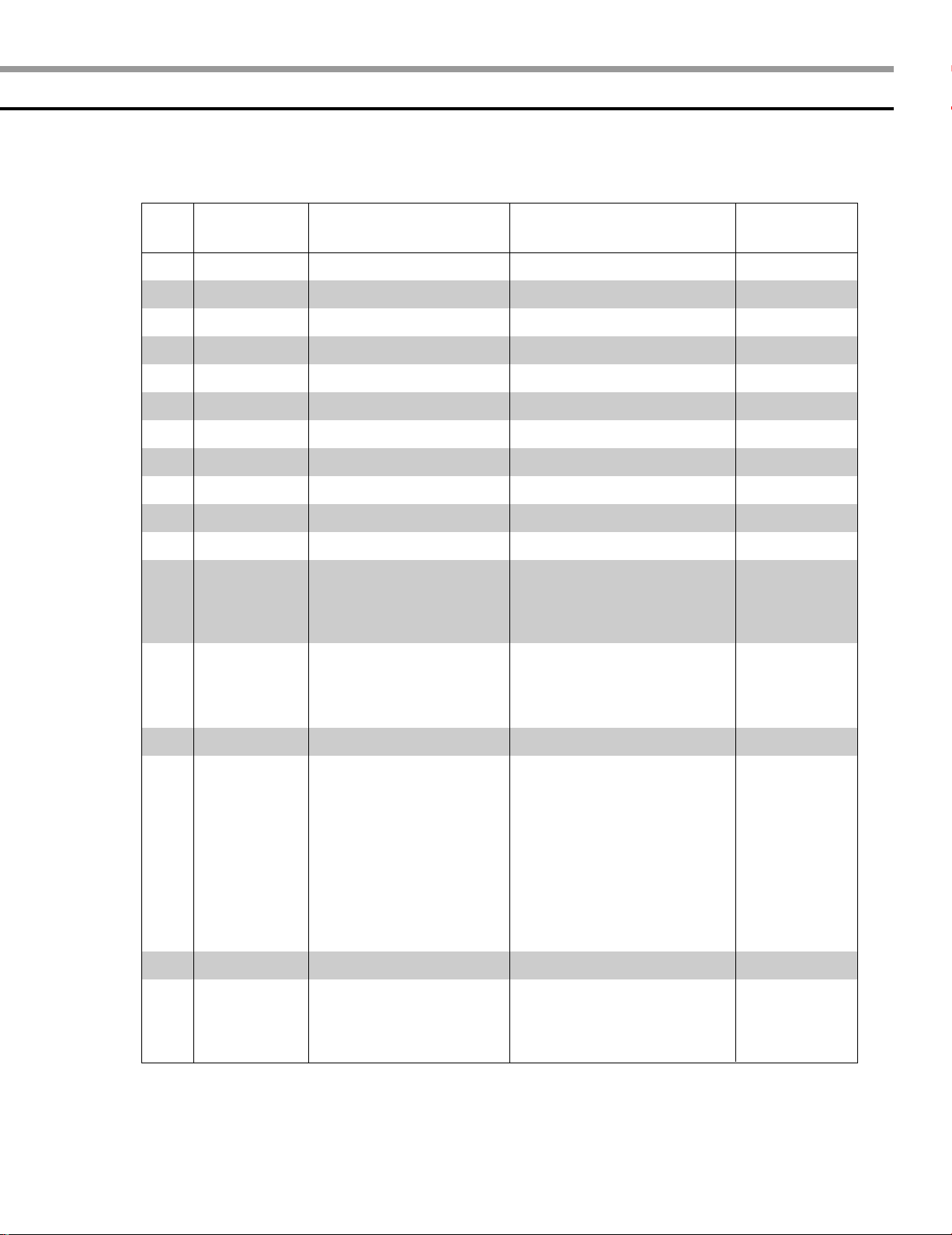
■
Part’s List
No.
1
2
3
4
5
6
7
8
9
10
11
12
12-1
12-2
13
Code No. Description Specification
DB90-00652P
DB90-20210A
DB67-50074A
DB60-20020A
DB31-00027F
DB95-20147A
DB94-50039C
DB96-01916B
DB90-40176B
DB64-60160B
DB90-10616D
DB95-10339G
DB73-10008A
DB60-30028A
DB99-10149E
ASS´Y-CABI FRONT
ASS´Y-BASE OUT
FAN-PROPELLER
BOLT SPECIAL
MOTOR FAN OUT
ASS´Y-MOTOR B/K
ASS´Y-PARTITION
ASS´Y-CONDENSER
ASS´Y COVER-CONTROL
CABI SIDE OUT
ASS´Y-CABI UPPER
COMPRESSOR
GROMMET MOUNT
NUT WASHER
ASS´Y-4WAY V/V
ASS´Y
ASS´Y
AS+G/F20%
M8 L25
OSM-906SRC
ASS´Y
ASS´Y
ASS´Y
ASS´Y
SC-90073T
ASS´Y
H29B26UABCA
CR
M8
ASS´Y
Q’TY
1
1
1
1
1
1
1
1
1
1
1
1
4
4
1
13-1
13-2
14
15
15-1
15-2
15-3
15-4
15-5
15-6
16
17-1
17-2
17-3
DB62-40055F
DB62-00526C
DB99-10138H
DB93-00306G
DB34-90054B
2501-001237
DB65-00040B
DB95-90026B
3601-000236
2501-001379
DB72-50615A
DB67-20011A
DB60-30010A
DB60-30010D
PACKED V/V 5/8"
4WAY V/V
ASS´Y-CHECK V/V
ASS´Y CONTROL OUT
SWITCH MAGNET
CAPACITOR
TERMINAL BLOCK
SPARK KILLER
FUSE
MOTOR CAPACITOR
CLOTH SOUND COMP
DRAIN PLUG OUT
NUT FLANGE 1/4"
NUT FLANGE 5/8"
P-TYPE
RANCO(V269205)
ASS´Y
ASS´Y
41NB21AG
35µFx450VAC
8P, 35A
-
2A,250V
4µF/450VAC
-
PP
C3771BD
C3771BD
1
1
1
1
1
1
1
1
1
1
1
1
2
2
27
Page 28
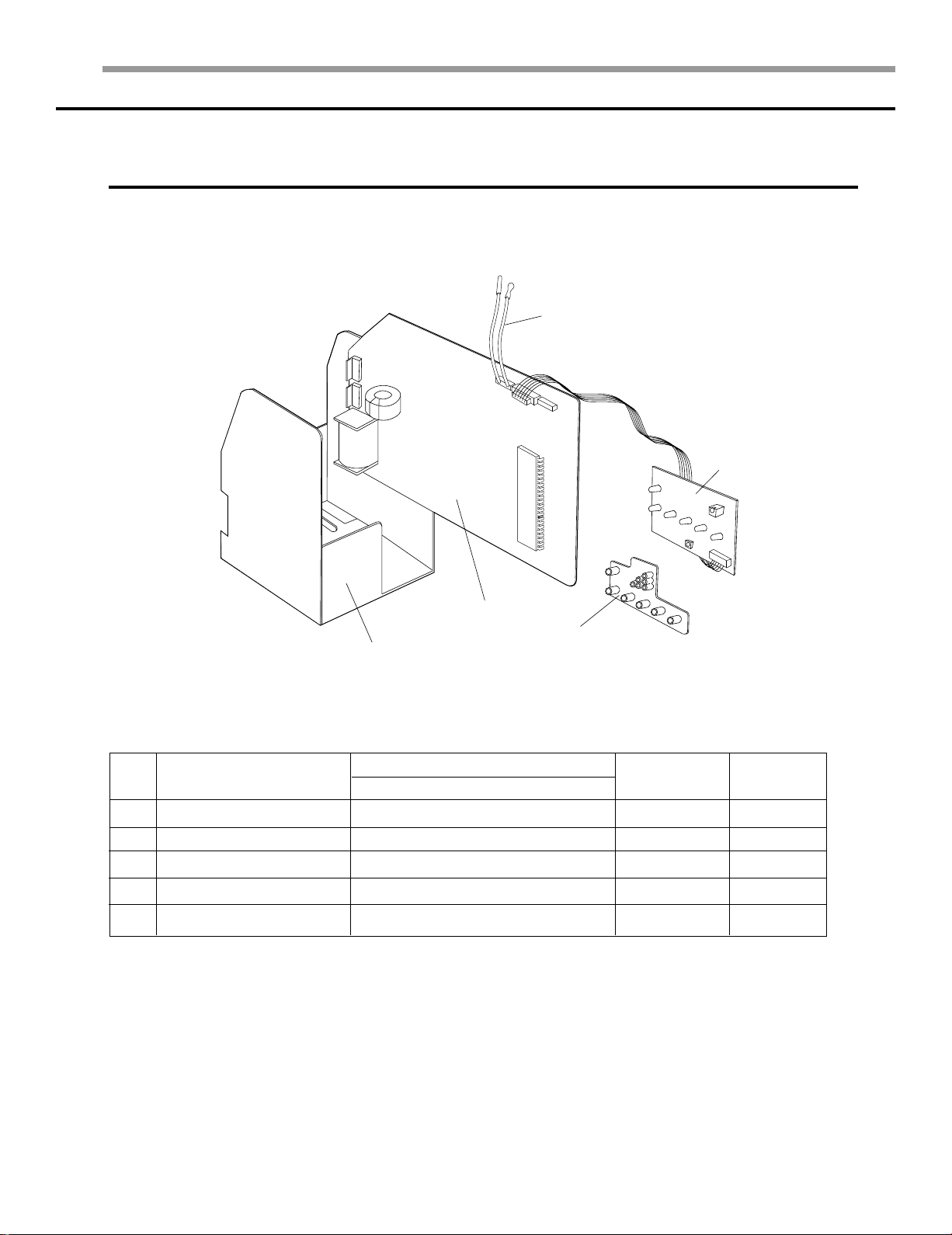
4
1
2
5
3
ΙΛ
Assembly drawing and part’s list (cont’d)
3 PCB Box
28
■
Part’s List
No.
1
2
3
4
5
Description
ASS’Y MAIN PCB
ASS’Y THERMISTOR
ASS’Y PCB DISPLAY
CASE CONTROL
COVER DISPLAY
Specification
AQ18A9(0)RCF / AQ24A1(2)RC
DB93-01984A
103AT / DKS-103FW
ASS’Y
ABS
ABS
Q’TY
1
1
1
1
1
Remark
Page 29
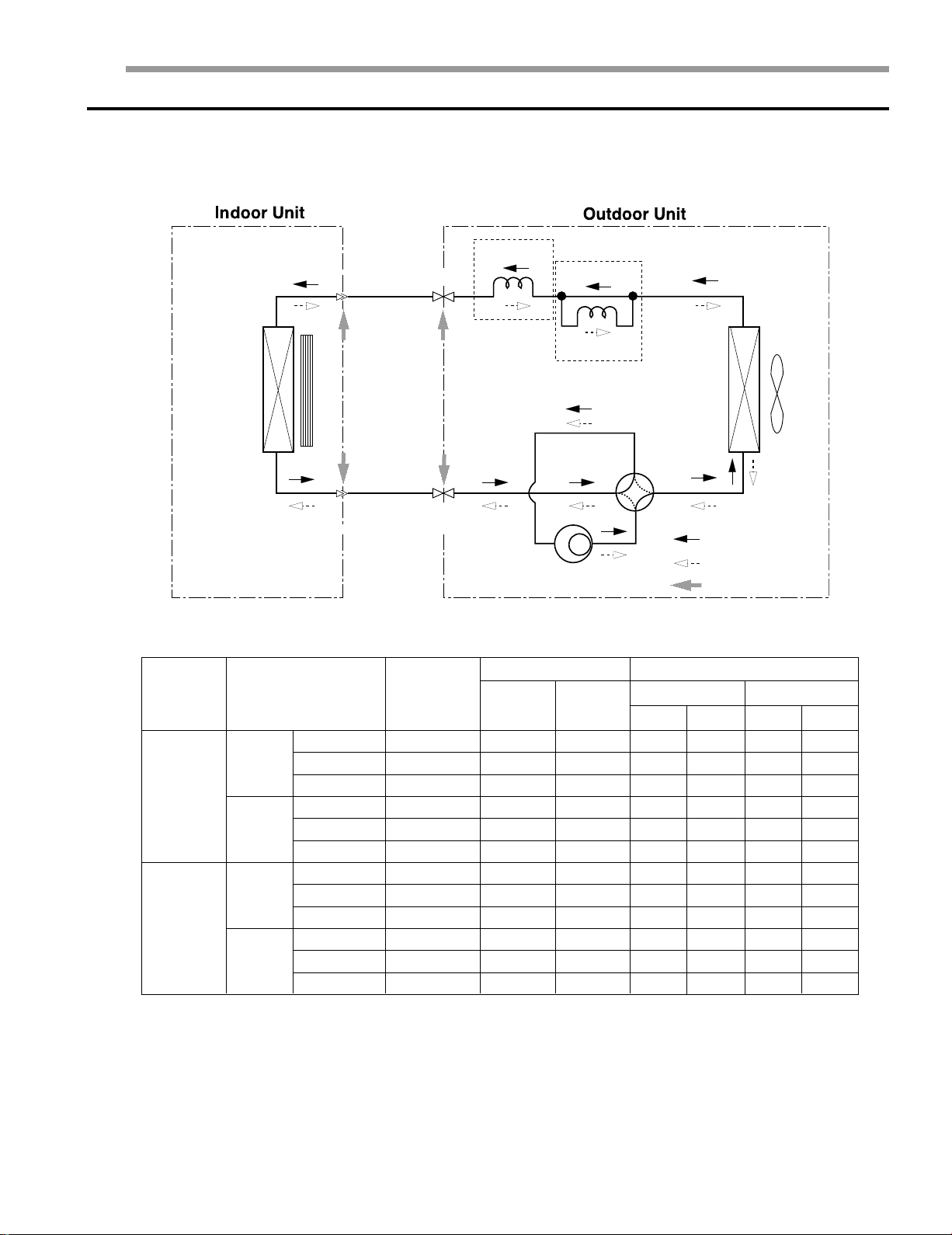
Λ
Refrigerating cycle block diagram
1
T
Liquid side
2-way valve
Capillary tube
Check valve
Capillary tube
Heat
exchanger
(Evaporator)
Cross fan
T2
Gas side
3-way valve
Refrigerating cycle temperature and pressure
STD Pressure
AQ18A9(0)RCF
AQ24A1(2)RC
Operating ConditionModel
Cooling
Heating
Cooling
Heating
Standard
Max over load
Low temp
Standard
Max over load
Low temp
Standard
Max over load
Low temp
Standard
Max over load
Low temp
(psi)
3-Way Valve
64~78
-
-
270~327
-
-
57~71
-
-
270~327
-
-
Heat
exchanger
(Condenser)
Propeller fan
4-way valve
Cooling
Compressor
Heating
Gas leak check point
Piping Temp.[°F (°C)] Use Temp. Condition[°F(°C)]
Indoor Outdoor
T1 T2
46~54(8~12)
-
-
90~97(32~36)
-
-
46~54(8~12)
-
-
90~97(32~36)
-
-
46~54(8~12)
-
-
140~158(60~70)
-
-
46~54(8~12)
-
-
140~158(60~70)
-
-
DB WB DB WB
80(27)
80(27)
67(19)
70(21)
80(27)
70(21)
80(27)
80(27)
67(19)
70(21)
80(27)
70(21)
67(19)
67(19)
57(14)
59(15)
59(15)
67(19)
67(19)
57(14)
59(15)
59(15)
95(35)
95(35)
67(19)
47(8)
75(24)
35(2)
95(35)
115(46)
67(19)
47(8)
75(24)
35(2)
75(24)
75(24)
57(14)
43(6)
65(18)
33(1)
75(24)
75(24)
57(14)
43(6)
65(18)
33(1)
29
Page 30
Λ
55
1.1
1.3
1.5
1.7
1.9
2.1
2.3
65 75 85 95 105 115
55
18
20
16
14
12
10
8
6
4
2
0
65 75 85 95 105 115
Ι
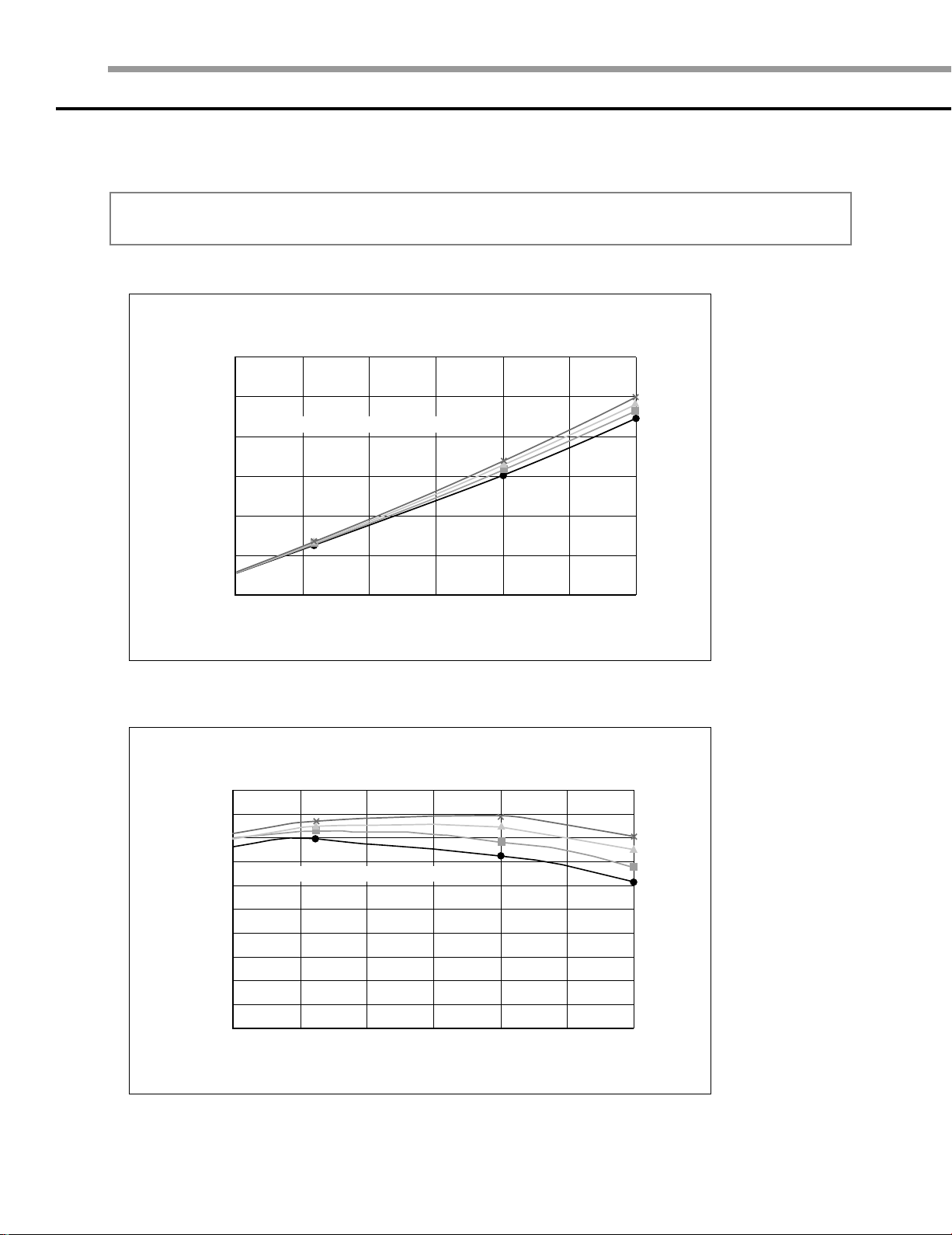
Performance curve
ee
NNNNoooottttee
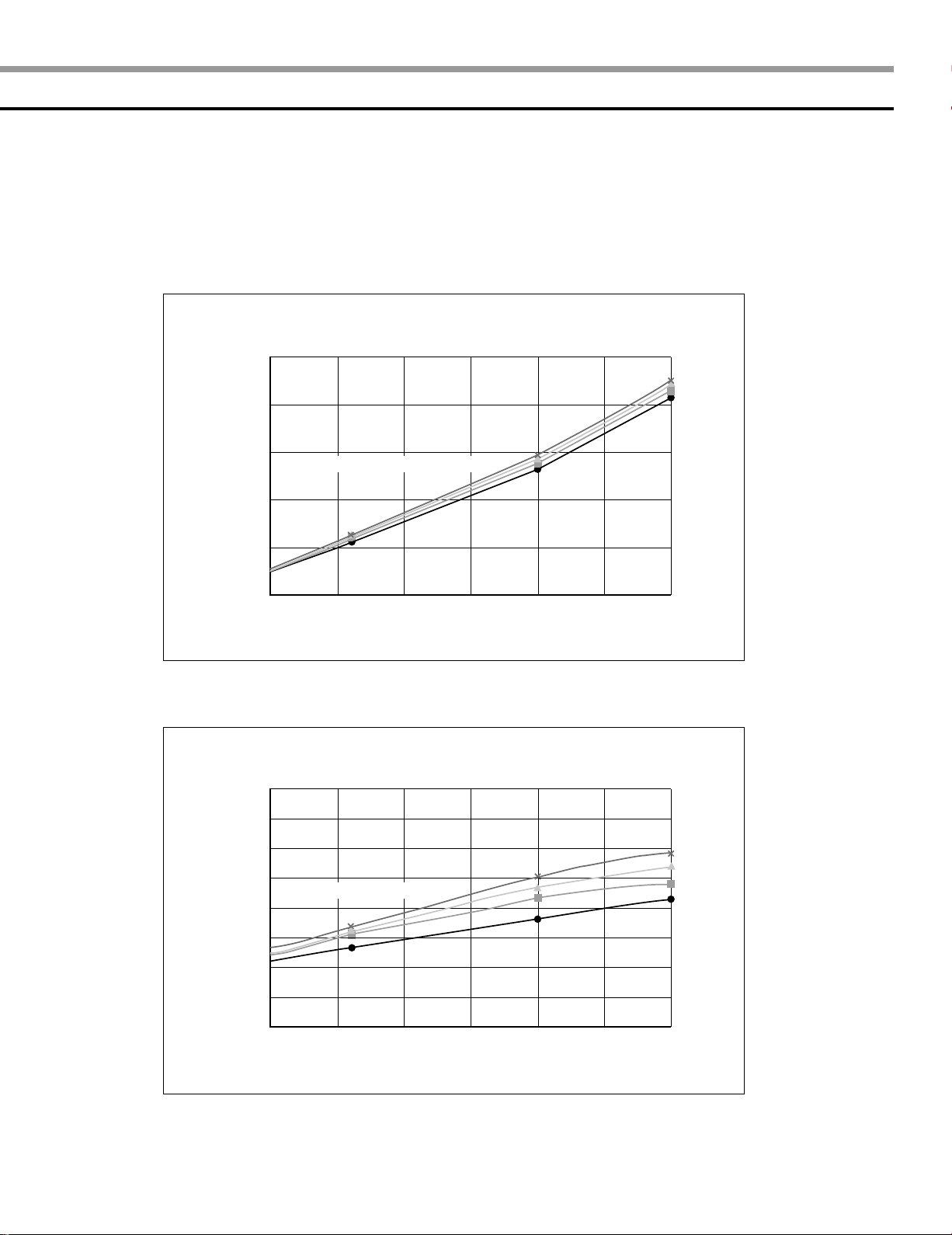
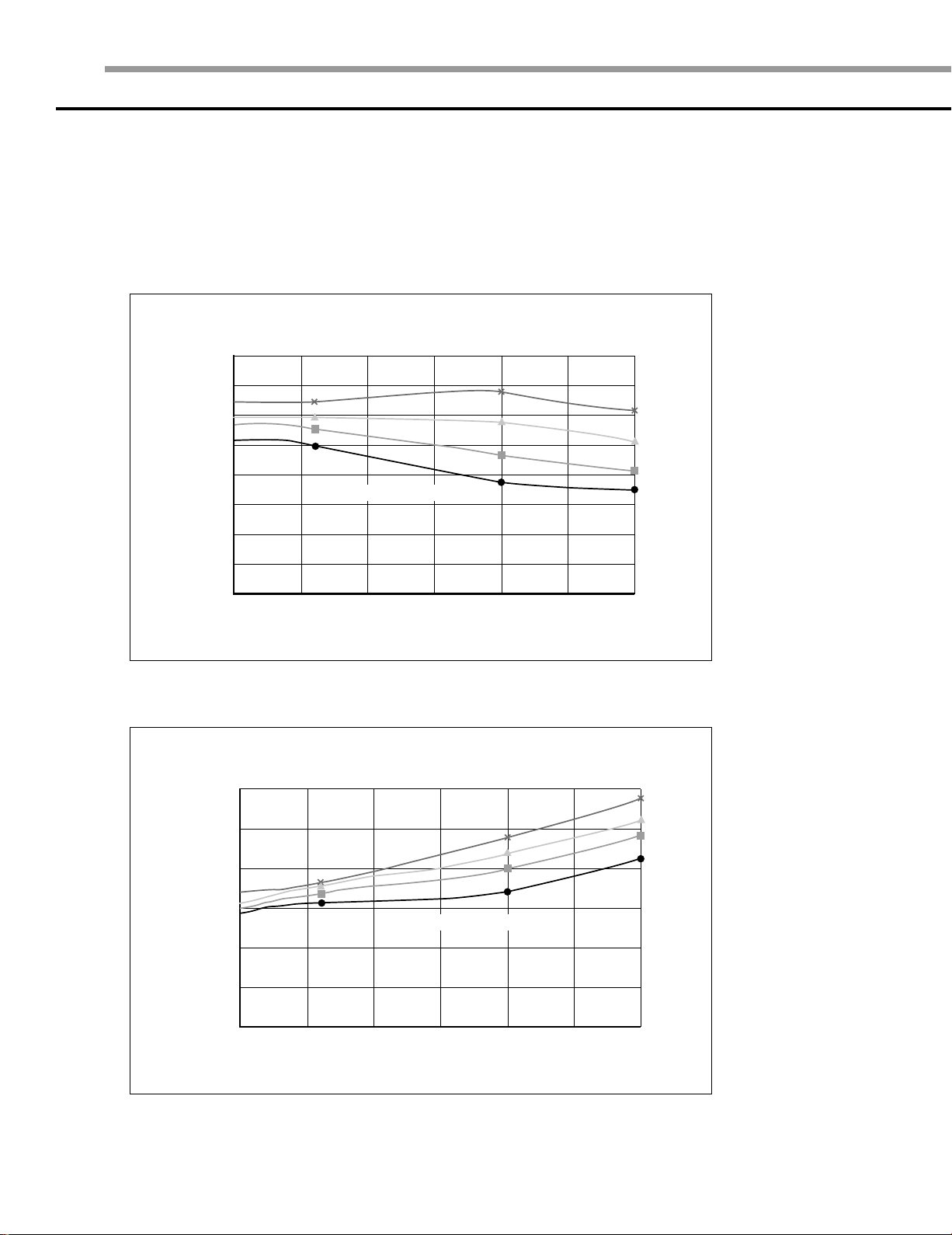
■ AQ18A9(0)RCF
Data is based on condition of indoor humidity 50% and cooling mode.
Air flow should be set at HI.
kW)
3
Indoor intake air WB temperature(°F)
Total power consumption
71
63
59
67
Total power consumption (x10
Outdoor intake air DB temperature(
Btu/h)
3
Total capacity (x10
30
Indoor intake air WB temperature(°F)
Outdoor intake air DB temperature(
°F)
Total capacity
71
67
63
55
°F)
Page 31
55
360
310
260
210
160
110
65 75 85 95 105 115
Indoor DB temperature(°F)
55
20
30
40
50
60
70
80
90
100
65 75 85 95 105 115
Condensing pressure (psi.G)
High pressure
86
80
75
70
Outdoor ambient DB temperature(
Indoor DB temperature(°F)
Suction pressure (psi.G)
Outdoor ambient DB temperature(
°F)
Low pressure
86
80
75
70
°F)
31
Page 32
Λ
55
0
10
20
30
40
50
60
70
80
65 75 85 95 105 115
55
100
120
140
160
180
200
220
65 75 85 95 105 115
Ι
Performance curve (cont’d)
Suction temperature
°F)
Suction temperature(
°F)
Indoor DB temperature(°F)
Outdoor ambient DB temperature(
Discharge temperature
86
80
75
70
°F)
86
80
75
70
Discharge temperature(
Outdoor ambient DB temperature(
32
Indoor DB temperature
(
°F)
°F)
Page 33
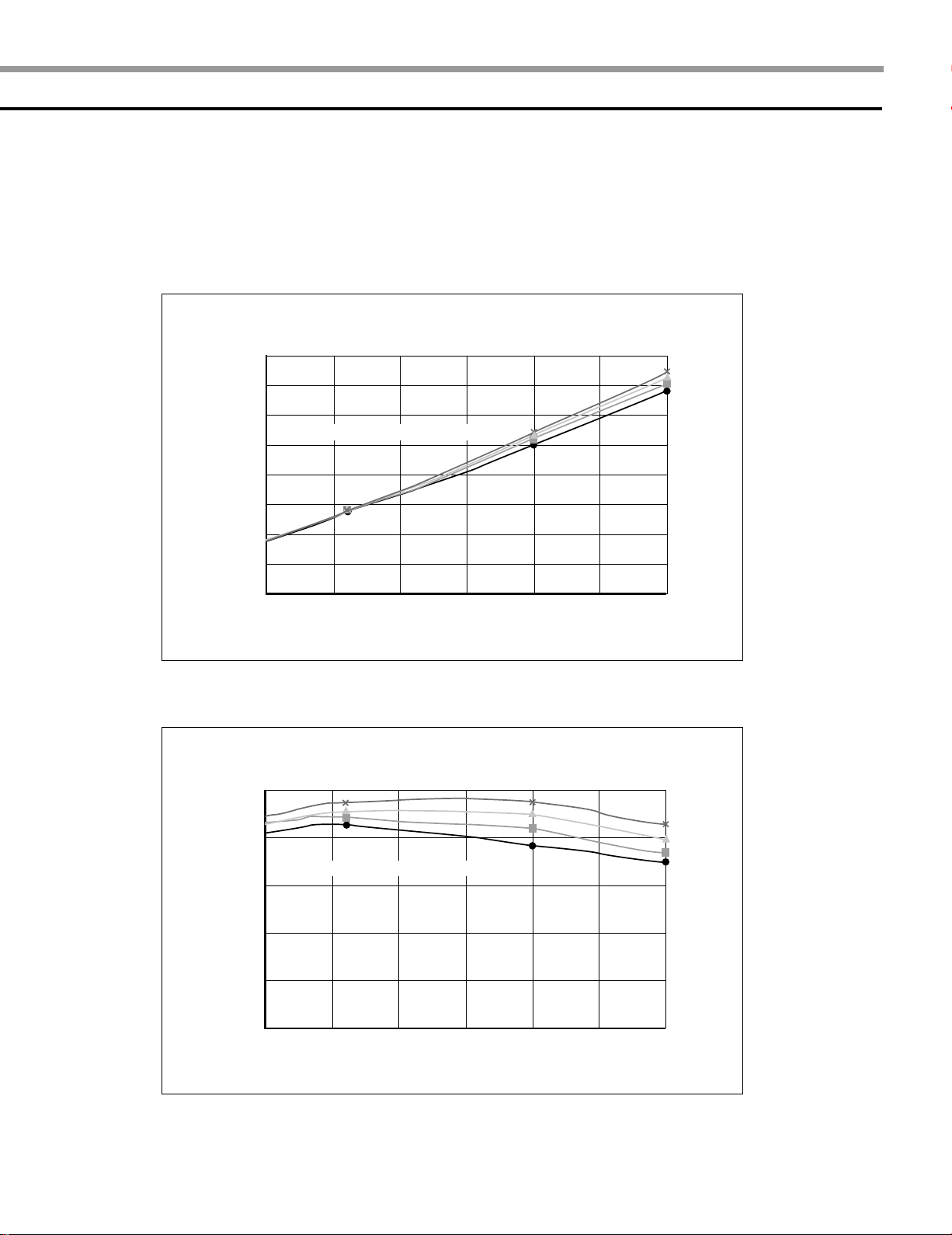
■ AQ24A1(2)RC
55
1.3
1.5
1.7
1.9
2.1
2.3
2.5
2.7
2.9
65 75 85 95 105 115
55
25
20
15
10
5
0
65 75 85 95 105 115
kW)
3
Total power consumption (x10
Total power consumption
Indoor intake air WB temperature(°F)
71
67
63
59
Btu/h)
3
Total capacity (x10
Outdoor intake air DB temperature(
Total capacity
Indoor intake air WB temperature(°F)
Outdoor intake air DB temperature(
°F)
°F)
71
67
63
55
33
Page 34
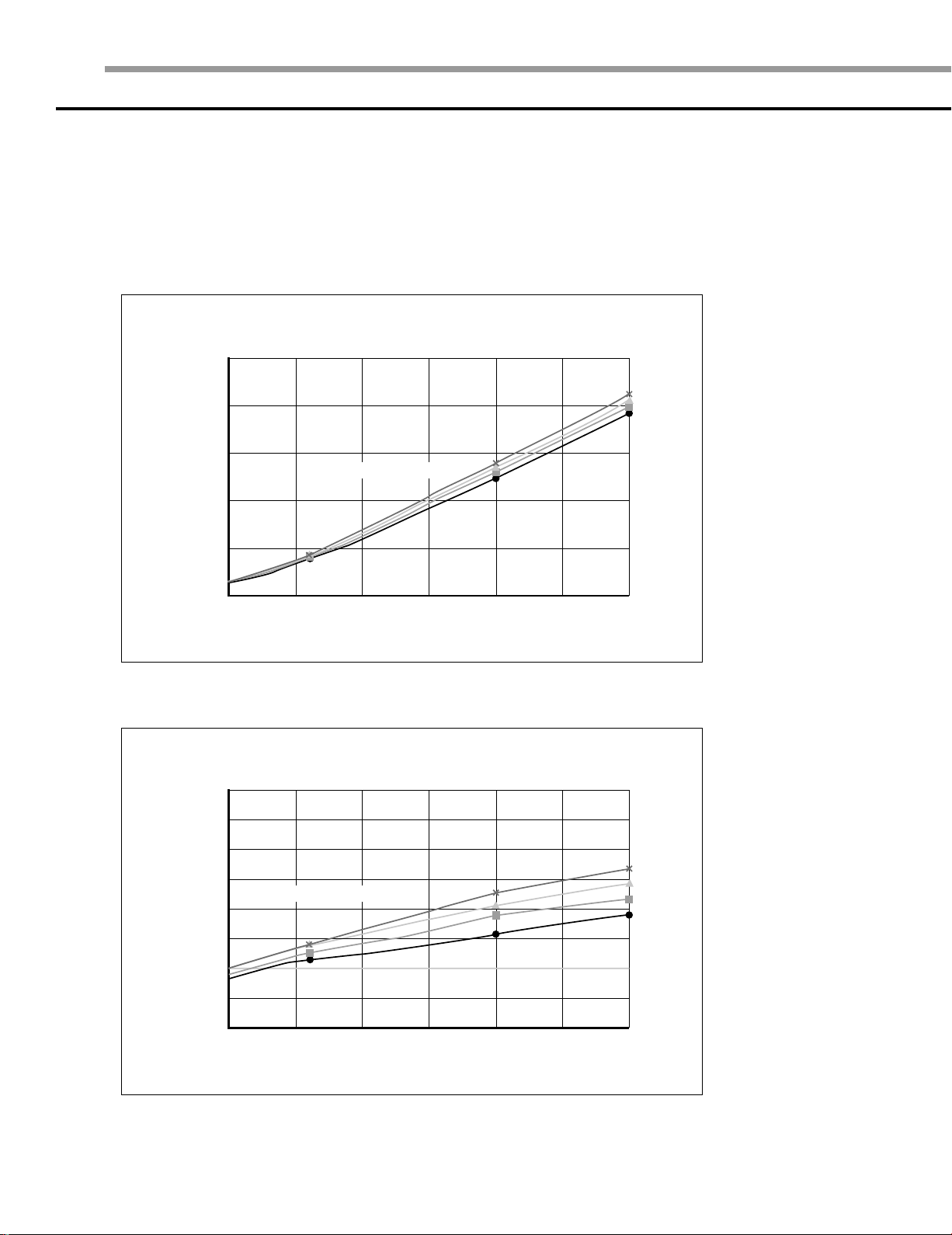
Λ
55
360
310
260
210
160
110
65 75 85 95 105 115
55
20
30
40
50
60
70
80
90
100
65 75 85 95 105 115
Ι
Performance curve (cont’d)
High pressure
Indoor DB temperature(°F)
86
80
75
70
Condensing pressure (psi.G)
Outdoor ambient DB temperature(
Indoor DB temperature(°F)
Suction pressure (psi.G)
°F)
Low pressure
86
80
75
70
Outdoor ambient DB temperature(
34
°F)
Page 35
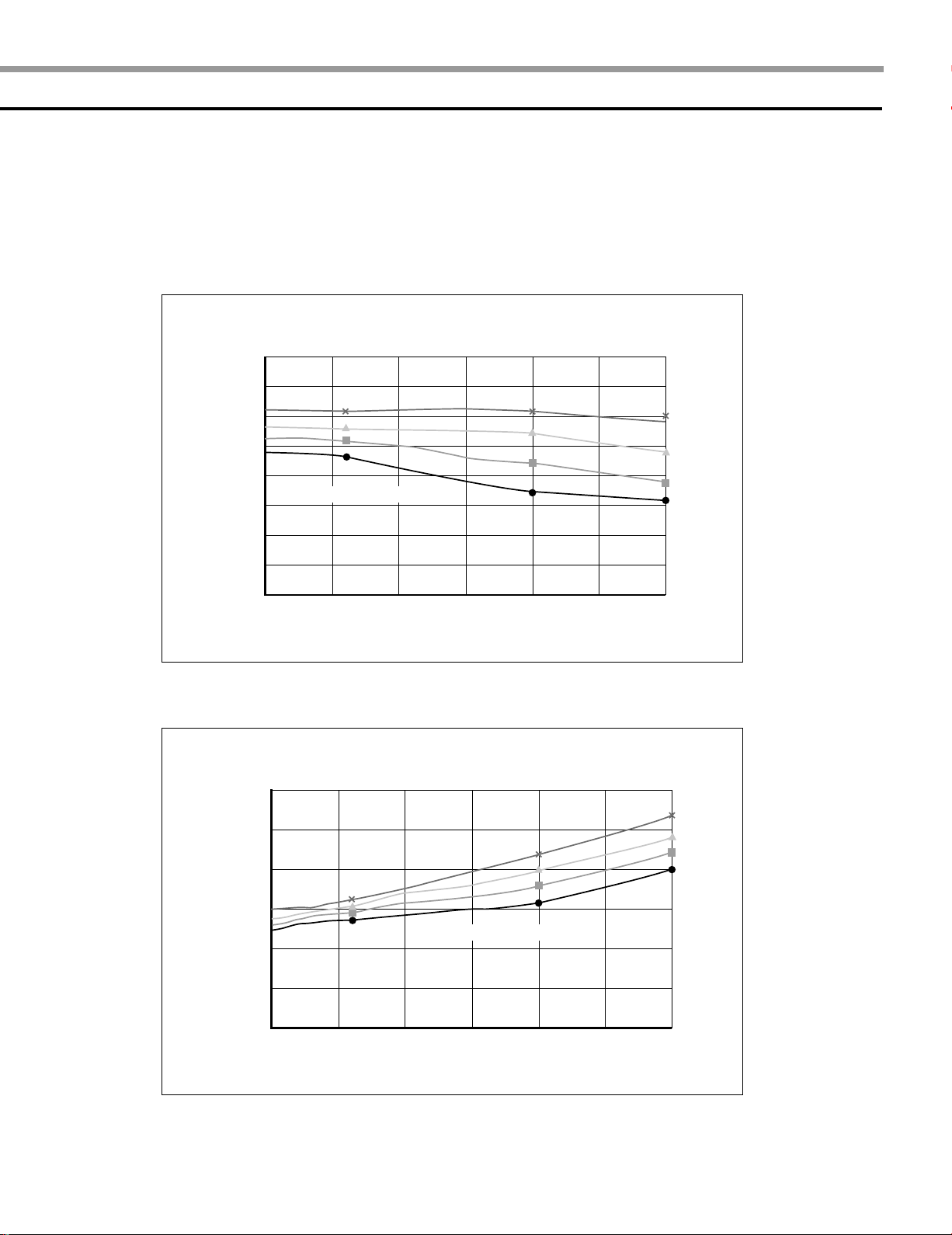
Suction temperature
55
0
10
20
30
40
50
60
70
80
65 75 85 95 105 115
55
100
120
140
160
180
200
220
65 75 85 95 105 115
°F)
Suction temperature(
°F)
Indoor DB temperature(°F)
Outdoor ambient DB temperature(
Discharge temperature
86
80
75
70
°F)
86
80
75
70
Discharge temperature(
Outdoor ambient DB temperature(
Indoor DB temperature(°F)
°F)
35
Page 36
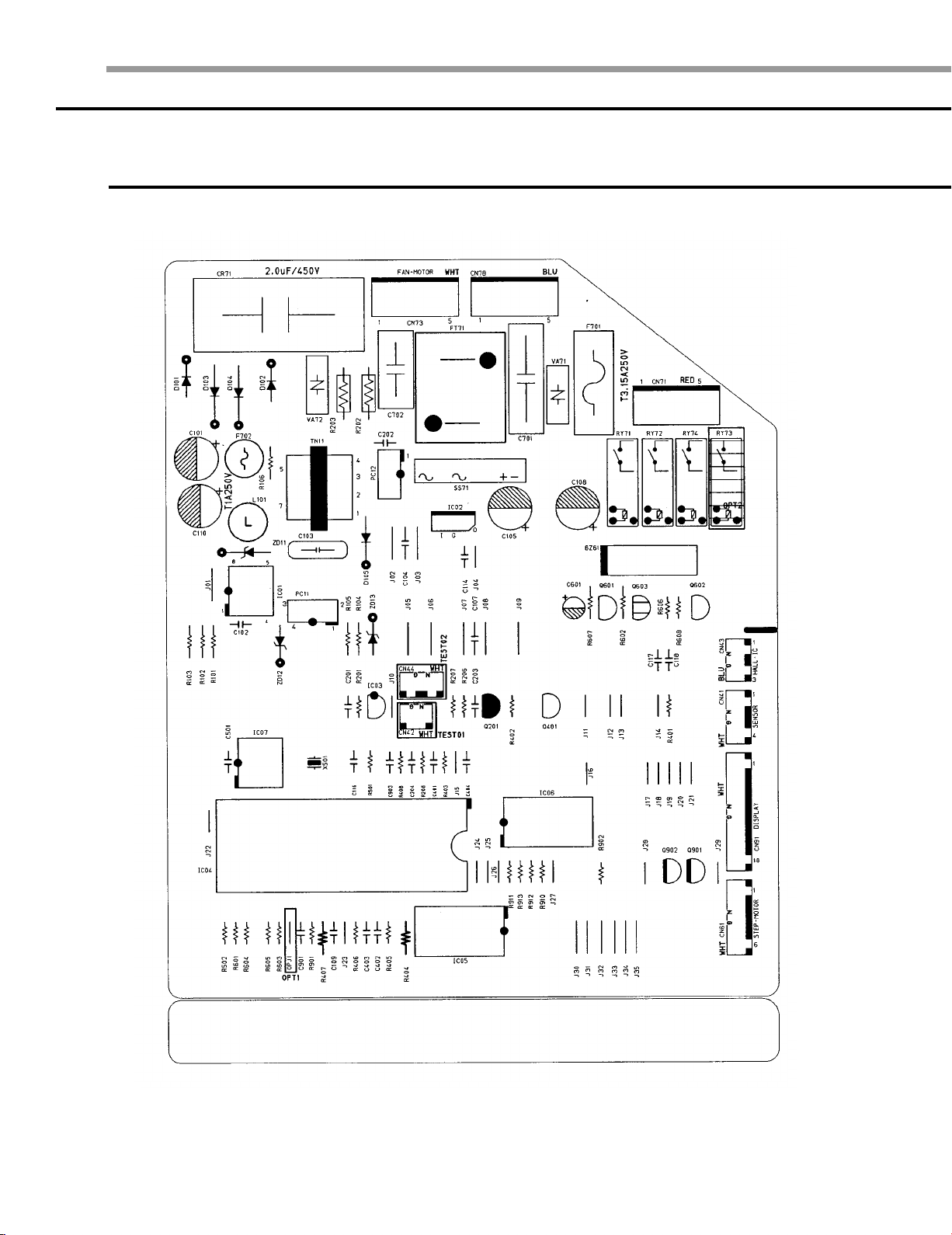
Λ
ΙΙ
PCB diagram
1 Main PCB
36
Page 37
■
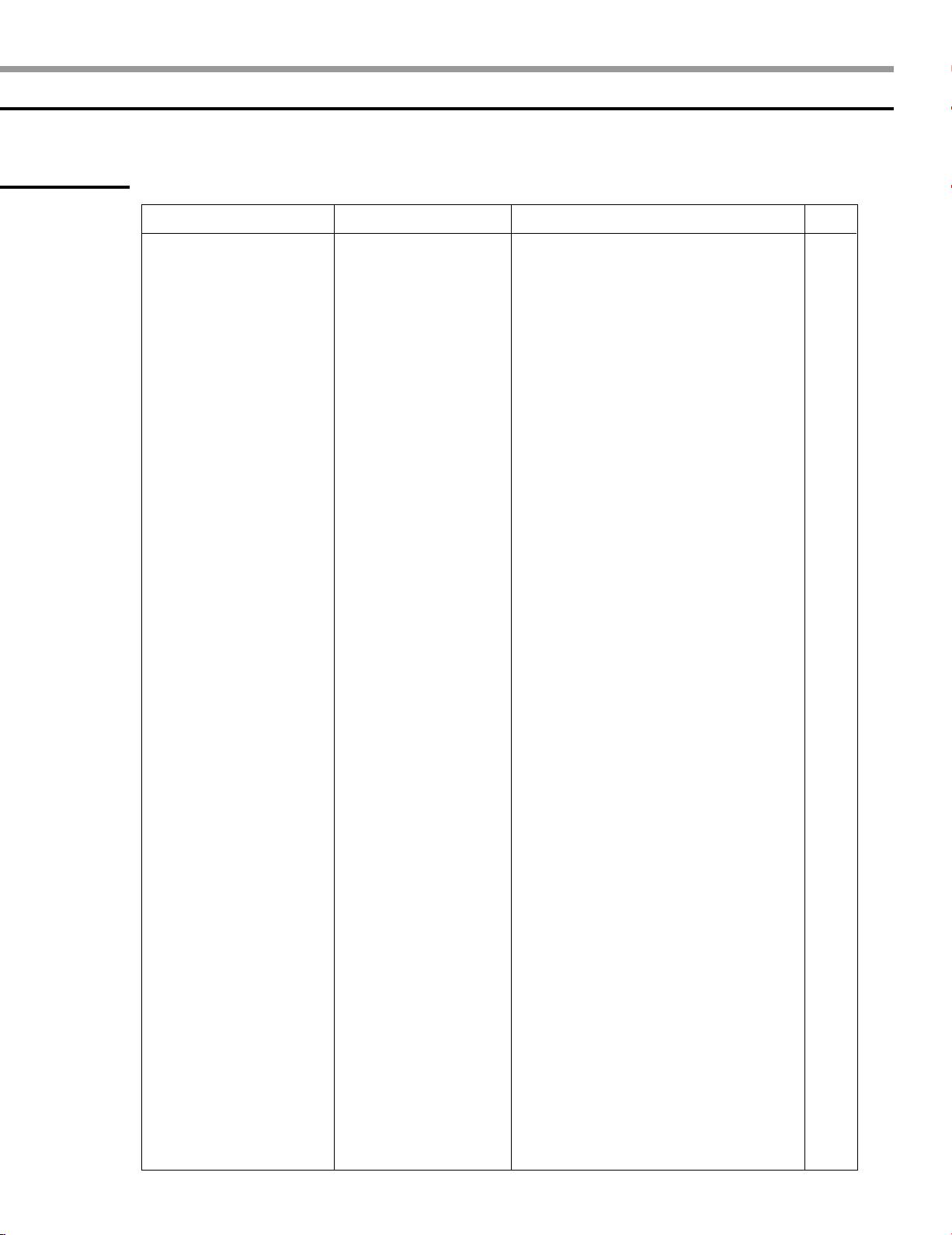
Part’s List
C103 C-CERAMIC,DISC 2.2nF,20%,400V,Y5U,TP,12. 1
C702 C-FILM,MPPF 100nF,10%,275V,BK,18x6x12,15 1
CR71 C-FILM,MPPF 2000nF,+10-5%,450V,BK,38x18x 1
C701 C-FILM,MPEF 220NF,10%,275V,BK,26.5X8.5X1 1
RY71,72,73, 74 RELAY-MINIATURE 12VDC,200MW,3000MA,1FORM 4
SS71 SSR 12Vdc,-,2A,1mS,1mS 1
IC04 IC MICOM S3C8469(SDIP) 1
IC02 IC-VOLT REGU KA7805A,TO-220AB,1A,0/125C, 1
TN11 TRANS 2UEW0.30/2UEW0.45,1.5KV,1KHz,-,7Pi 1
FT71 CHOKE-COIL LSA-05230P,AC250V,2A,30.5x22x3 1
BZ61 BUZZER CBE2220BA,STICK,-,-,-,-,-,-,- 1
F701 FUSE FST,250V,3.15A,20MM,VDE,50T-03 1
F701 HOLDER-FUSE FH-51H,7.5A,-,-,-,-,- 1
D101,102,103,104 DIODE-RECTIFIER 1N4007,1000V,1A,DO-41,TP 4
D105 DIODE-RECTIFIER UG2B,100V,2A,DO-204AC,TP 1
ZD12 DIODE-ZENER DIODE-ZENER;MTZ3.6A,3.6V,3.455-3.695V,50 1
ZD13 DIODE-ZENER DIODE-ZENER;MTZJ11B,11V,10.5-11.05V,500m 1
ZD11 DIODE-TVS DIODE-TVS;ST02D-200,185/200/215V,200W,DO 1
Q603 TR-SMALL SIGNAL TR-SMALL SIGNAL;KSA708-Y,PNP,800mW,TO-92 1
Q401,601,602 TR-SMALL SIGNAL TR-SMALL SIGNAL;KSC945,NPN,250mW,TO-92,T 3
Q901,902 TR-DIGITAL TR-DIGITAL;KSR2002,PNP,300MW,10K/10K,TO- 2
Q201 TR-DIGITAL TR-DIGITAL;KSR1002,NPN,300MW,10K/10K,TO- 1
PC11 PHOTO-COUPLER PHOTO-COUPLER;TR,50-600%,200mW,DIP-4,ST 1
PC12 PHOTO-COUPLER PHOTO-COUPLER;TR,20-300%,200mW,DIP-4,ST 1
IC01 IC-PWM CONTROLLER IC-PWM CONTROLLER;255,DIP,8P,300MIL,PLAS 1
VA71,72 VARISTOR 560V,2500A,17.5x7.5mm,TP 2
R405,406 R-CARBON 330ohm,5%,1/8W,AA,TP,1.8x3.2mm 2
R104,105 R-CARBON 220OHM,5%,1/4W,AA,TP,2.4X6.4MM 2
R101 R-CARBON 470OHM,5%,1/4W,AA,TP,2.4X6.4MM 1
R206,501,502,601,604,606,902 R-CARBON 10KOHM,5%,1/8W,AA,TP,1.8X3.2MM 7
R201,207,208,401,403,408,603, R-CARBON 1KOHM,5%,1/8W,AA,TP,1.8X3.2MM 9
R605,608
R910,911,912,913 R-CARBON 3.3KOHM,5%,1/8W,AA,TP,1.8X3.2MM 4
R102,103 R-CARBON 330KOHM,5%,1/4W,AA,TP,2.4X6.4MM 2
R106,901 R-CARBON 4.7KOHM,5%,1/8W,AA,TP,1.8X3.2MM 2
R607 R-CARBON 560OHM,5%,1/4W,AA,TP,2.4X6.4MM 1
R402 R-CARBON 6.8KOHM,5%,1/8W,AA,TP,1.8X3.2MM 1
R602 R-CARBON(S) 1KOHM,5%,1/2W,AA,TP,2.4X6.4M 1
R202,203 R-METALOXIDE(S) 51Kohm,5%,2W,AA,TP,4x12 2
R404,407 R-METAL 6.8Kohm,1%,1/8W,AA,TP,1.8x3.2m 2
C203,204,401 C-CERAMIC,MLC-AXIAL 10nF,+80-20%,25V,Y5V 3
C404,903 C-CERAMIC,MLC-AXIAL 1nF,10%,50V,Y5P,TP,1 2
C102,104,107,109,114,116,117, C-CERAMIC,MLC-AXIAL 100nF,+80-20%,50V,Y5 14
C118,201,202,402,403,501,901
C105 C-AL 1000uF,20%,25V,GP,TP,10x20,5 1
C601 C-AL 47uF,20%,50V,GP,TP,6.3x11,2.5 1
C108 C-AL 470uF,20%,25V,GP,TP,10x16,5 1
C101,110 C-AL 6.8uF,20%,450V,GP,TP,10x16mm,5 2
X501 RESONATOR-CERAMIC 4MHz,0.5%,TP,10.0x5.0x 1
F702 FUSE-RADIAL LEAD 250V,1A,TIME-LAG,-,8.5x 1
CN78 CONNECTOR-HEADER 1WALL,3P/5P,1R,3.96mm,S 1
CN71 CONNECTOR-HEADER 1WALL,3P/5P,1R,3.96mm,S 1
CN73 CONNECTOR-HEADER 1WALL,3P/5P,1R,3.96mm,S 1
CN91 CONNECTOR-HEADER BOX,10P,1R,2.5mm,STRAIG 1
CN43 CONNECTOR-HEADER BOX,3P,1R,2.5mm,STRAIGH 1
CN41 CONNECTOR-HEADER BOX,4P,1R,2.5mm,STRAIGH 1
CN61 CONNECTOR-HEADER BOX,6P,1R,2.5mm,STRAIGH 1
IC07 IC-MASK ROM 93LC56B,8BIT,-,DIP,8P,-,-,- 1
IC03 IC-RESET KA7533,DIP,-,-,-,-,- 1
IC06 IC-DRIVE KID65003AP,DIP,16P,STICK,TR-AR 2
L101 COIL CHOKE 5.0mH,-,8.0*11.0,-,-,PE-M10 1
WIRE-SO COPPER PI0.6,SN,T,52MM,TAPING_WI 35
PCB-MAIN PD-SH30ZC-00,FR-1,-,-,T1.6,W197 1
Q’TYLocation No. Description Specification
37
Page 38
Λ
ΙΙΙ
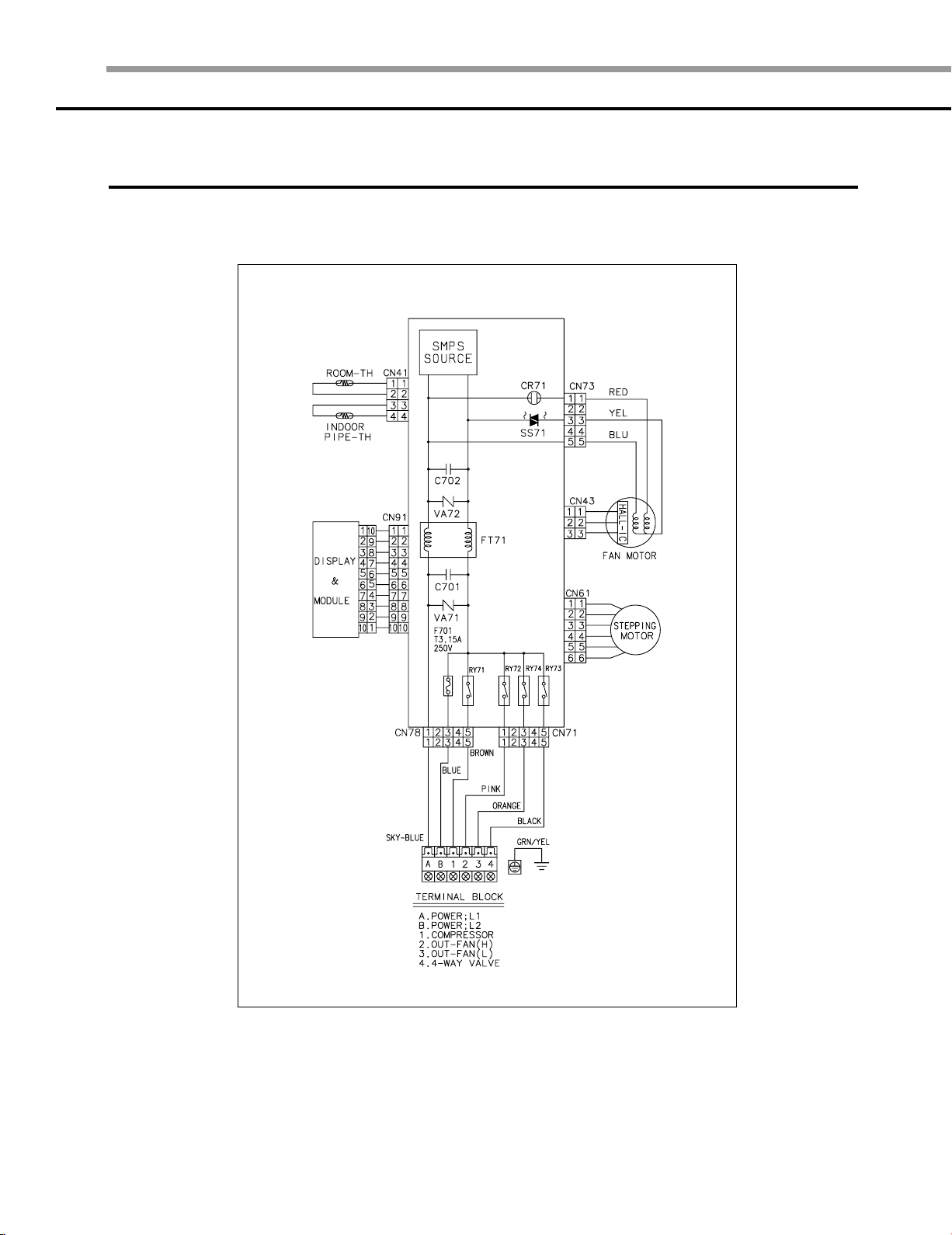
Wiring diagram
1 Indoor unit
■ AQ18A9(0)RCF/AQ24A1(2)RC
38
This document can not be used without Samsung’s authorization.
Page 39
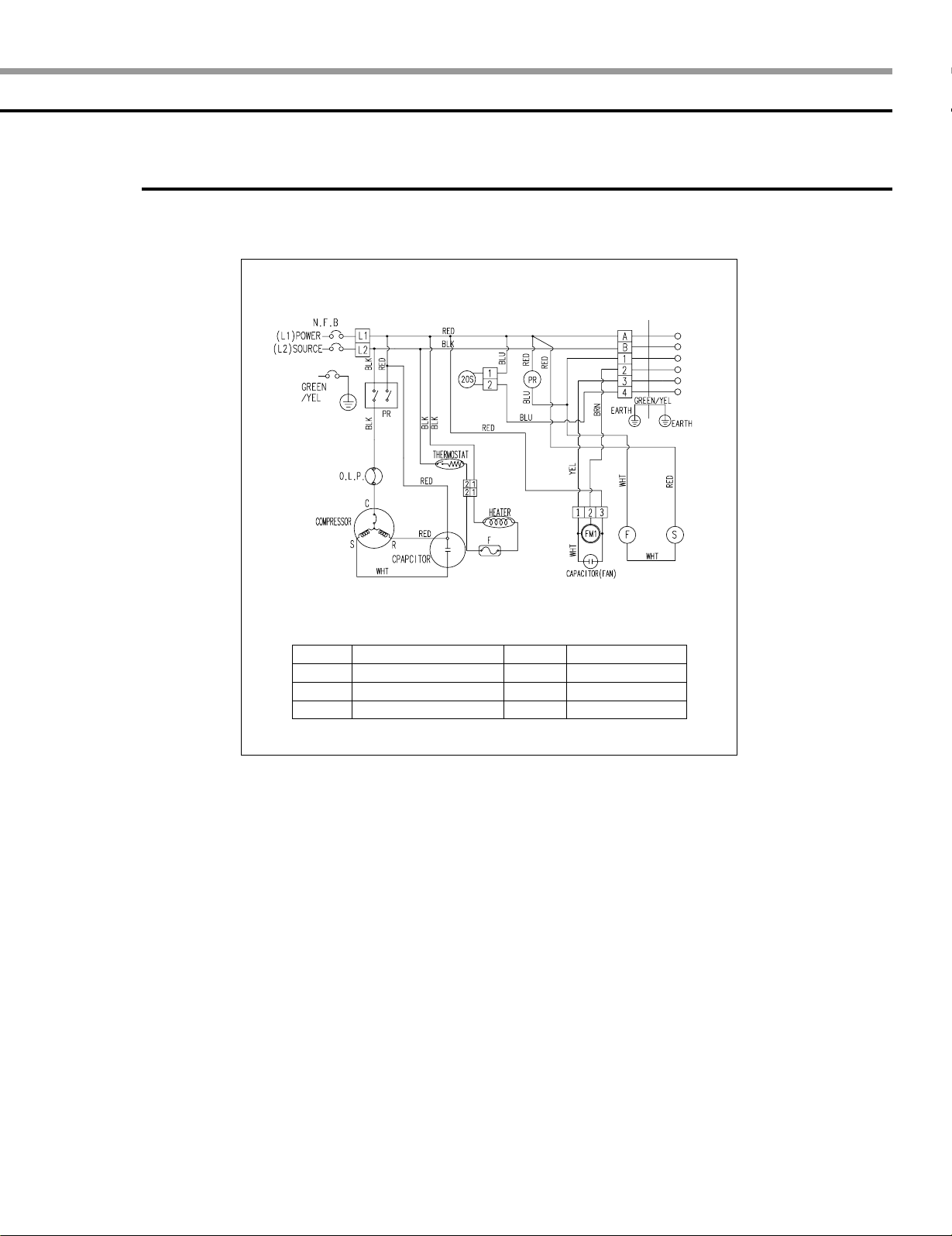
2 Outdoor unit
■ UQ18A9(0)RCF
MARK NAME MARK NAME
PR POWER RELAY TB1, 2 TERMINAL BLOCK
20S SOLENOID COIL FM1 FAN MOTOR
F FUSE(2A, 250V~) S SPARK KILLER
This document can not be used without Samsung’s authorization.
39
Page 40
Λ
ΙΙΙ
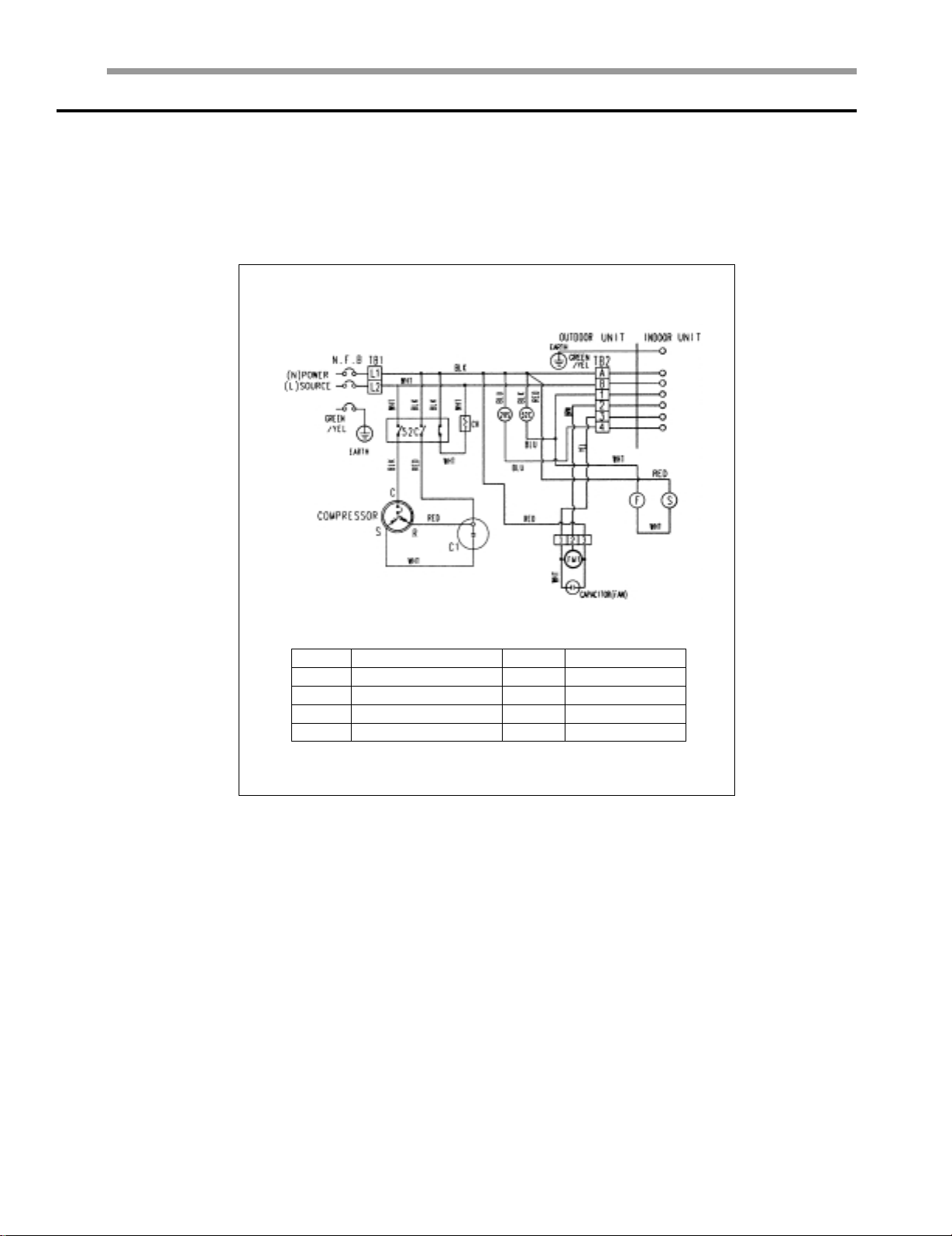
Wiring diagram (cont’d)
■ UQ24A1(2)RC
MARK NAME MARK NAME
52C MAGNETIC CONTACTOR TB 1,2 TERMINAL BLOCK
20C SOLENOID COIL CH CRANK CASE HEATER
C1 CAPACITOR FM1 FAN MOTOR
F FUSE(2A,250V~) S SPARK KILLER
This document can not be used without Samsung’s authorization.
40
Page 41
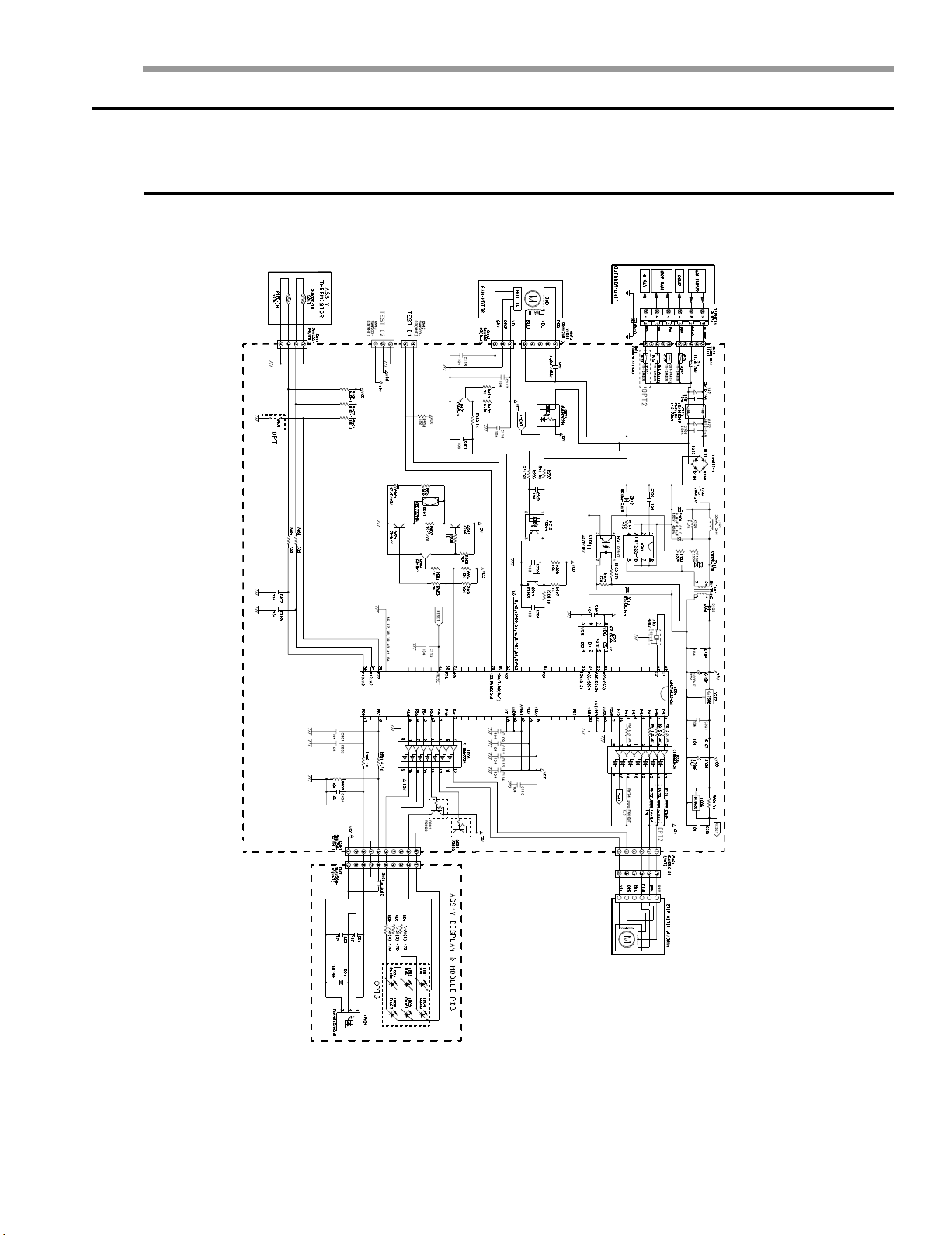
Ι
Χ
Schematic diagram
1 Indoor unit
■ AQ18A9(0)RCF/AQ24A1(2)RC
This document can not be used without Samsung’s authorization.
41
Page 42
ELECTRONICS
This Service Manual is a property of Samsung Electronics Co.,Ltd. Any unauthorized
use of Manual can be punished under applicable lnternational and/or domestic law.
 Loading...