

Page 1
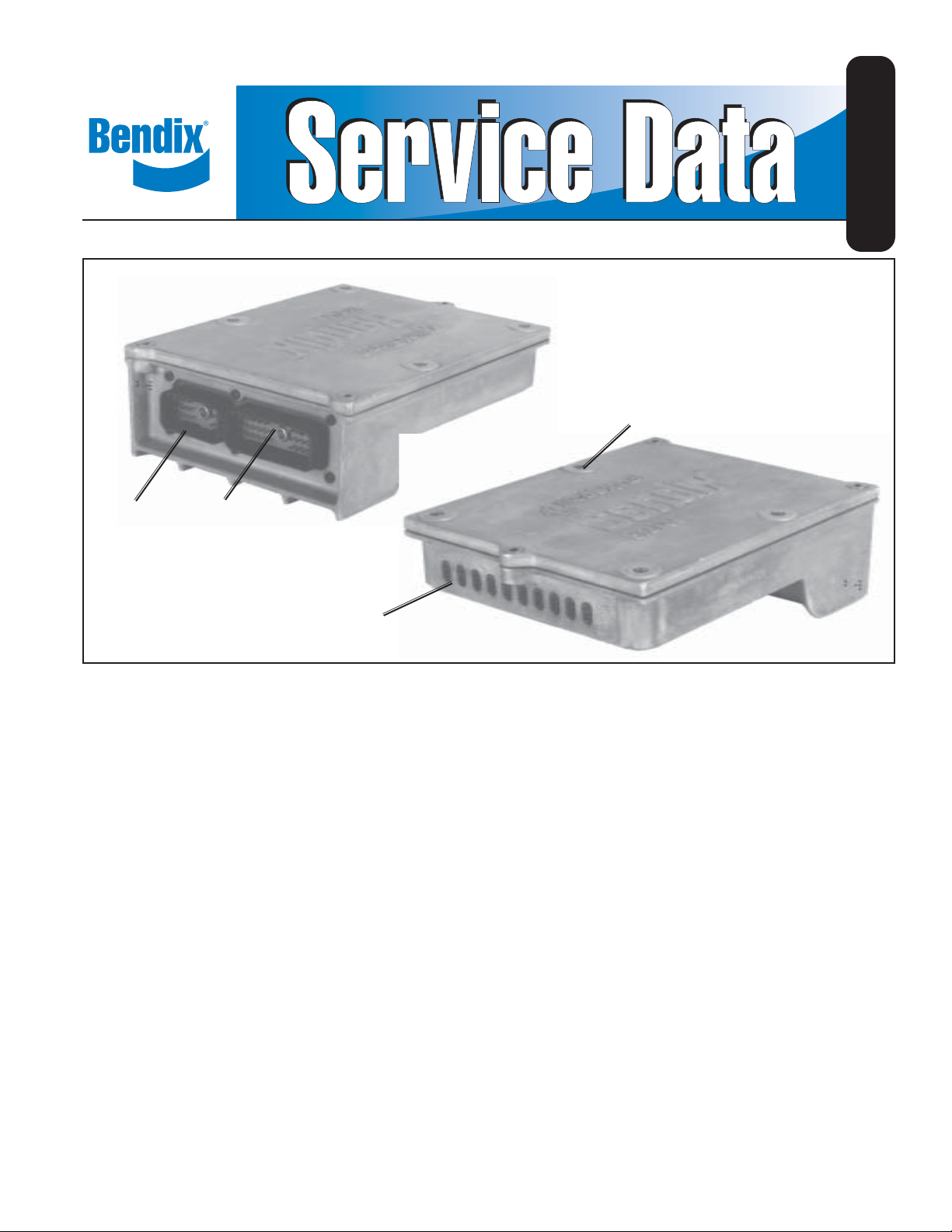
Bendix® EC-16™ AntiLock - Traction Controller
SD-13-4787
MOUNTING
HOLES
(4)
18 PIN
CONNECTOR
FIGURE 1 - EC-16
30 PIN
CONNECTOR
™
CONTROLLER
DIAGNOSTIC
DISPLAY
DESCRIPTION
GENERAL
The EC-16™ is an electronic antilock controller. It is the
base component in a family of full vehicle wheel control
antilock systems for buses, trucks and truck tractors. In
addition to the antilock function, the EC-16™ controller can
be assembled and programmed to provide an optional
traction control feature. Figure 1 shows the basic EC-16™
controller confi guration.
Designed to minimize the potential of brake lock up on all
wheels during aggressive braking, the EC-16™ controller
based antilock system provides the vehicle with a high
degree of stability and steerability during braking. In most
cases, vehicle stopping distance is also reduced. The
antilock portion of the EC-16™ controller based system
minimizes wheel skid during hard or aggressive braking. By
controlling wheel skid at all wheels on the vehicle, optimum
steering control and stopping distance is obtained.
Traction control, an optional feature in the full vehicle wheel
control antilock system, helps improve vehicle traction
during acceleration in adverse road conditions. Integrated
with antilock logic, traction control monitors wheel speed
information from the sensors during acceleration, as well
as braking. The system helps maintain vehicle stability on
hazardous road surfaces and improves driveability and
safety.
There are two versions of the EC-16™ controller. The
older version, was factory pre-programmed with vehicle
particulars, such as the number of speed sensors, if the
traction control feature was enabled and the type of traction
control (torque limiting, differential braking or both). A part
number was assigned to the EC-16™ controller which was
specifi c for the programmed features contained in the unit.
The newer version contains a self confi guring or learning
feature that allows the EC-16™ controller to be confi gured
by the user when installed on the vehicle. Because of this
feature, all of the new version EC-16™ controllers contain
all the features and options available and will activate the
specifi c features required for the vehicle it is installed on.
The new version EC-16™ controller can be installed on
vehicles with only antilock or vehicles using the traction
control feature. The procedure for activating the self
1
Page 2
SPRING BRAKES
REAR AXLE SERVICE &
™
OR M-22
™
MODULATORS
M-21
TANDEM REAR AXLE
COMPUTER
DIAGNOSTIC
TRACTION LAMP
ANTILOCK
BATTERY
ENGINE ELECTRONIC
™
CONTROL MODULE
™
OR AT-2
TRACTION ASSEMBLY
AT-1
RETARDER DISABLE SWITCH
™
EC-16
CONTROLLER
VALVE
QUICK
RELEASE
VALVE
SERVICE BRAKE
SENSOR
WHEEL SPEED
SENSOR
WHEEL SPEED
EXCITER
EXCITER
ANTILOCK LAMP
TRACTION ENABLE SWITCH
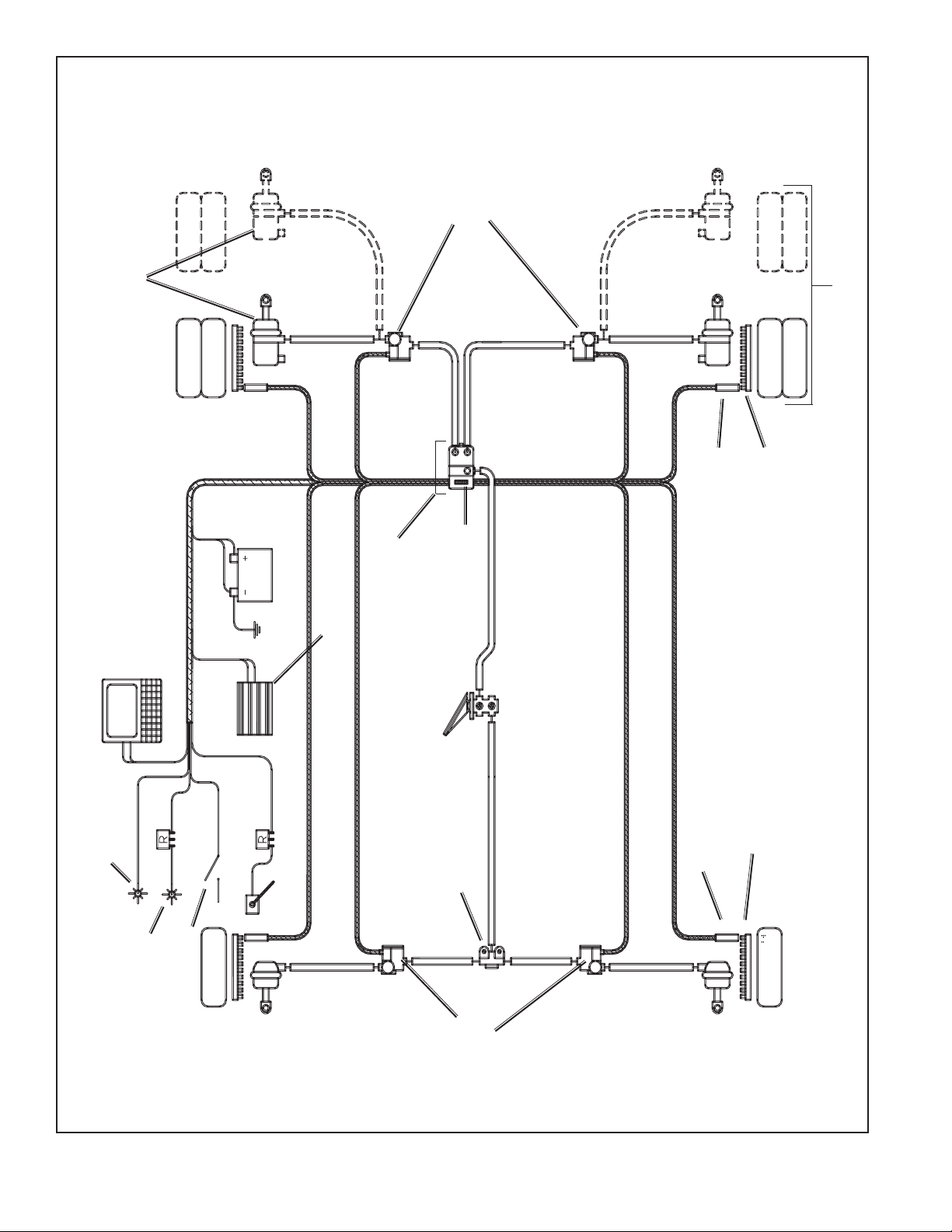
FIGURE 2 - EC-16™ CONTROLLER SYSTEM SCHEMATIC
2
™
OR M-22
™
MODULATORS
M-21
Page 3
confi guring feature and identifying old and new version
EC-16™ controllers is contained in the section entitled
“Confi guring The EC-16™ Controller”.
In order to provide full vehicle wheel control antilock, the
EC-16™ controller is used in combination with the following
components:
- Four wheel speed sensors
- Four air pressure modulator valves
- One dash mounted antilock condition lamp
- One service brake relay valve
When programmed to provide traction control in addition
to antilock, the following components are added:
- One traction solenoid (incorporated into the relay
valve)
- Two additional wheel speed sensors (optional
for tandem drive vehicles with differential braking
feature)
- One dash mounted traction condition lamp
- Serial connection to engine control module (for vehicles
programmed for torque limiting feature)
- Traction disable wiring and switch
PHYSICAL
The EC-16™ controller electronics are contained in a die
cast aluminum housing and are environmentally protected
by a self healing silicone compound. The metal housing and
the design of the digital electronics are intended to provide
a high degree of protection from radio and electromagnetic
interference.
The patented light emitting diode (LED) display and a
magnetically actuated reset switch is incorporated in the
housing for troubleshooting and diagnostic purposes.
Two electrical connectors located in the controller housing
opposite the diagnostic display, connect the EC-16
™
controller to antilock and traction system components:
one 30 pin and one 18 pin Packard Electric 150 series
“Metri pack” connector. In addition to these two housing
mounted connectors, the EC-16™ controller also uses a 2
pin Deutsch connector when programmed with the optional
traction control feature. The 2 pin connector is linked to a
traction solenoid, which is located in the upper portion of the
antilock traction relay valve assembly. (See Figure 3.)
MOUNTING
The EC-16™ controller is available in two different mounting
styles. One model, shown in Figure 1, is a stand-alone. It
is intended for bracket mounting to a frame member and
is not attached to an antilock relay valve.
EC-16™
ANTILOCK TRACTION
ASSEMBLY
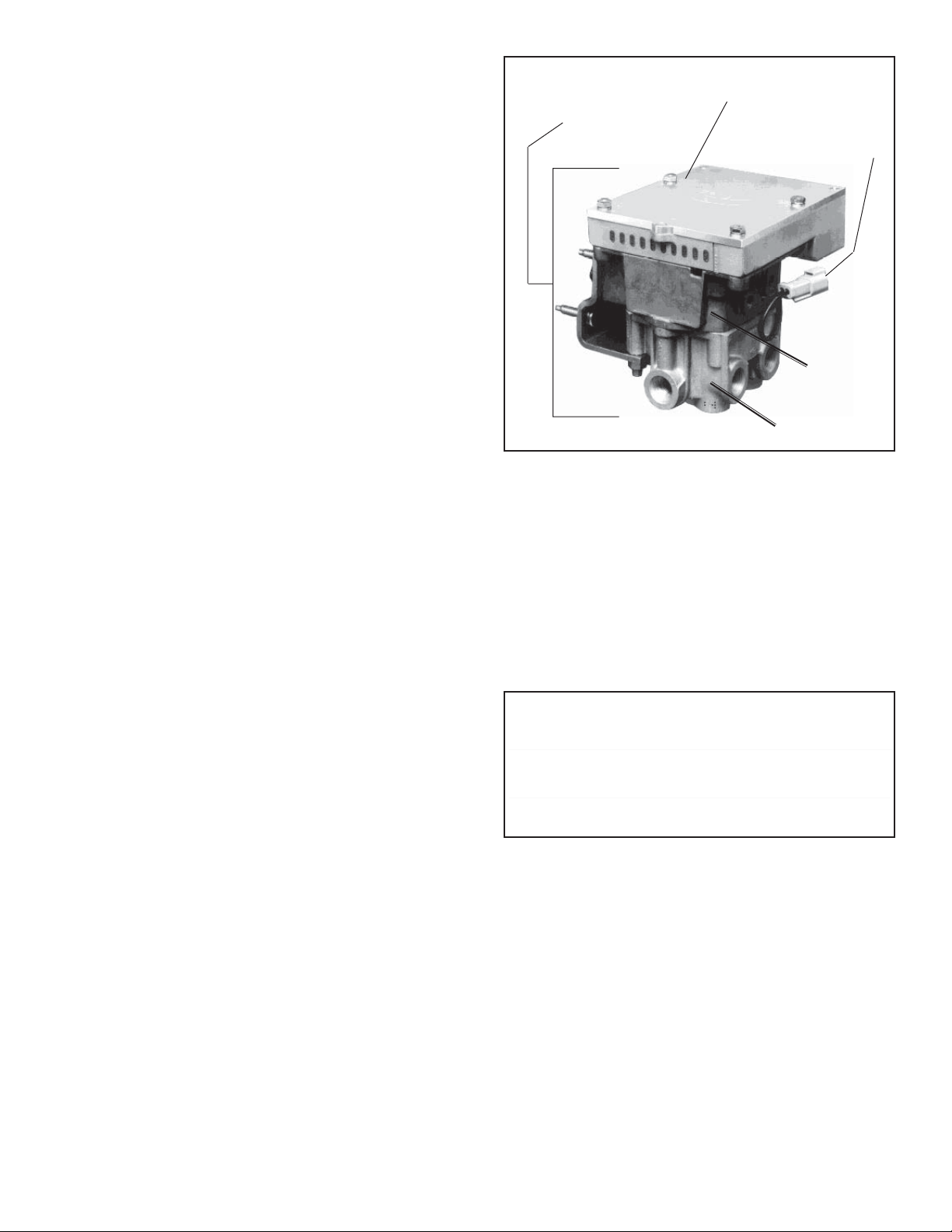
FIGURE 3 - EC-16™ CONTROLLER W/ANTILOCK
TRACTION RELAY VALVE
CONTROLLER
2-PIN CONNECTOR
(TO TRACTION SOLENOID)
TRACTION
SOLENOID
TRACTION
RELAY
The other EC-16™ controller is designed to be mounted on
one of four different valves. All of the valves provide the
relay function and replace the standard service relay on
antilock equipped vehicles. In some instances the valves
also provide specialized functions. When the EC-16™
controller is mounted on any of these valves, the result is
a fi nal assembly with its own model designation. Refer to
the chart and fi gure 3.
AntiLock Added Function Vehicle Designation
Valve Provided Application (Valve + EC-16)
AR 1 None All CR 17 Controller Relay
AR 2 Bobtail Brake Tractors Only CR 18 Controller Relay
Proportioning
ATR-1 Traction All AT 1 AntiLock Traction
ATR 2 Traction & Bobtail Tractors Only AT 2 AntiLock Traction
Brake Proportioning
EC-16™ CONTROLLER INFORMATIONAL
INPUTS AND COMMAND OUTPUTS
GENERAL
The EC-16™ controller receives information from several
components in system and, based on these inputs, issues
commands or delivers information. Some portions of the
EC-16™ controller both receive and deliver commands and
information. (See Figure 4.)
INPUTS
- Wheel speed information is provided to the EC-16™
controller via a wiring harness from individual wheel speed
sensors at or in the vehicle wheels. Working with an exciter
or tone ring, wheel speed sensors provide information to
3
Page 4
1
2
3
1
2
3
A
OMMON
F E D C B A
K J H G F E D C B A
A1 GROUND
A2 GROUND
A3 GROUND
B1 BATTERY VOLTAGE
B3 ENGINE CONTROL SERIAL B
B2 ENGINE CONTROL SERIAL A
C1 RIGHT FRONT MOD. COMMON
C2 TRACTION LAMP
C3 AUXILIARY OUTPUT
D1 RIGHT FRONT MOD. HOLD
D2 NOT USED
D3 NOT USED
E1 RIGHT FRONT MOD. EXHAUST
E2 NOT USED
E3 WARNING LAMP
F1 LEFT FRONT MOD. EXHAUST
F2 TRACTION ENABLE SWITCH
F3 NOT USED
G1 LEFT FRONT MOD. HOLD
G2 DIAGNOSTIC SERIAL
G3 DIAGNOSTIC SERIAL B
H2 RIGHT FRONT W. S. SIGNAL
H3 RIGHT FRONT W. S. RTN
H1 LEFT FRONT MOD. C
J1 LEFT FRONT W. S. SIGNAL
J2 LEFT FRONT W. S. RTN
J3 CHASSIS GROUND
K1 RETARDER DISABLE
K2 BATTERY VOLTAGE
K3 BATTERY VOLTAGE
A1 RIGHT REAR MOD. COMMON
A2 FUTURE RELAY GRD.
A3 AUXILIARY OUTPUT
B1 RIGHT REAR MOD. HOLD
B2 RIGHT MID W.S. SIGNAL
B3 RIGHT MID W.S. RTN
C1 RIGHT REAR MOD. EXHAUST
C2 LEFT MID W.S. SIGNAL
C3 LEFT MID W.S. RTN.
D1 LEFT REAR MOD. EXHAUST
D2 TRACTION SOLENOID SOURCE
D3 TRACTION SOLENOID GRD.
E1 LEFT REAR MOD. HOLD
E2 RIGHT REAR W. S. SIGNAL
E3 RIGHT REAR W. S. RTN
F1 LEFT REAR MOD. COMMON
F2 LEFT REAR W. S. SIGNAL
F3 LEFT REAR W. S. RTN
inset below
See Lamp Relay
inset below
See Retarder Relay
M-22
AT-1, 2 ANTILOCK
TRACTION
MODULATOR AND
CONTROLLER
M-22
Relay
AntiLock
Controller
Relay
AntiLock
Controller
MODULATOR
CONNECTOR ON M-22
Switch
Retarder
Battery
Dash
Lamp
To
Retarder
To
Retarder
Retarder Relay
Lamp Relay
Battery
M-22 Modulator
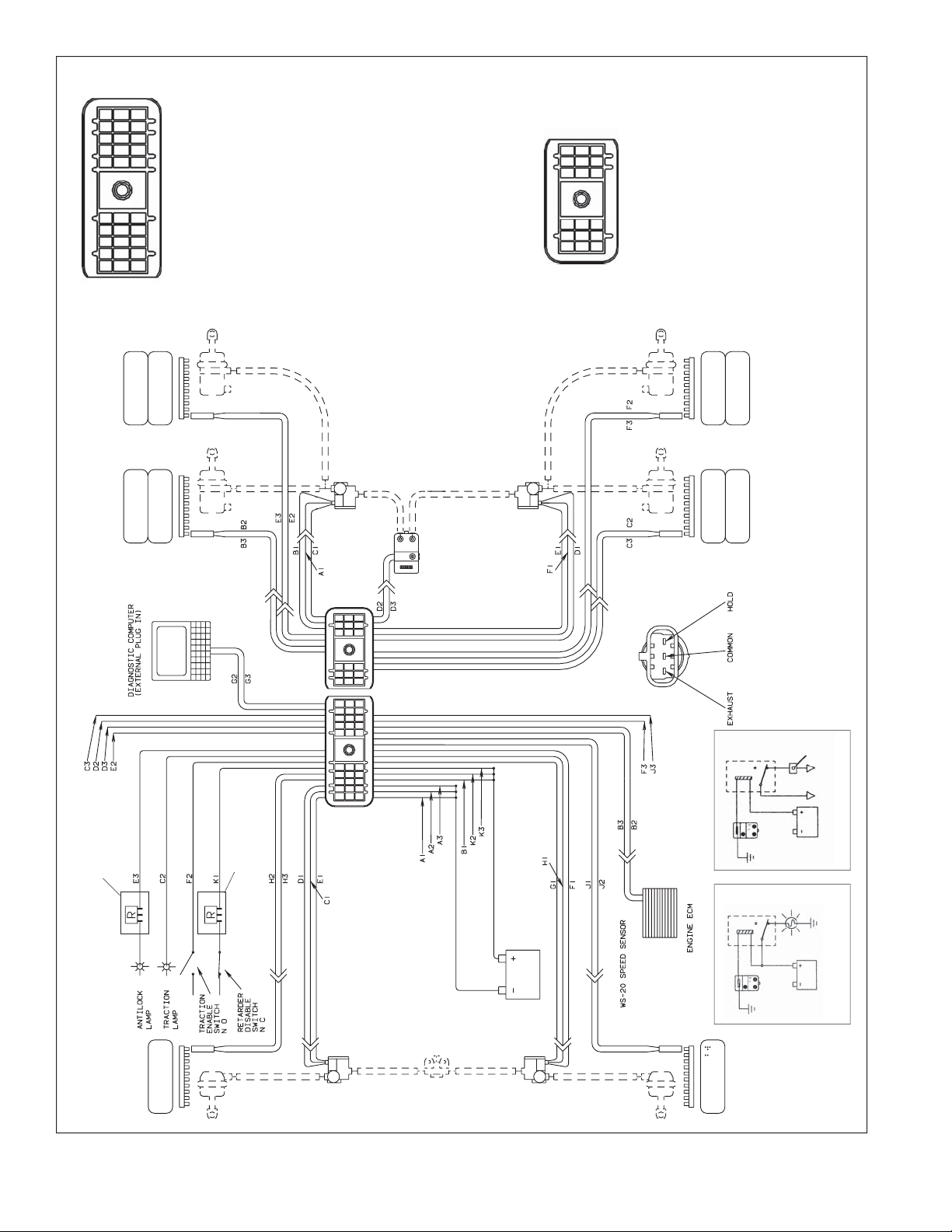
FIGURE 4 - EC-16™ CONTROLLER SYSTEM WIRING SCHEMATIC
4
M-22
Page 5
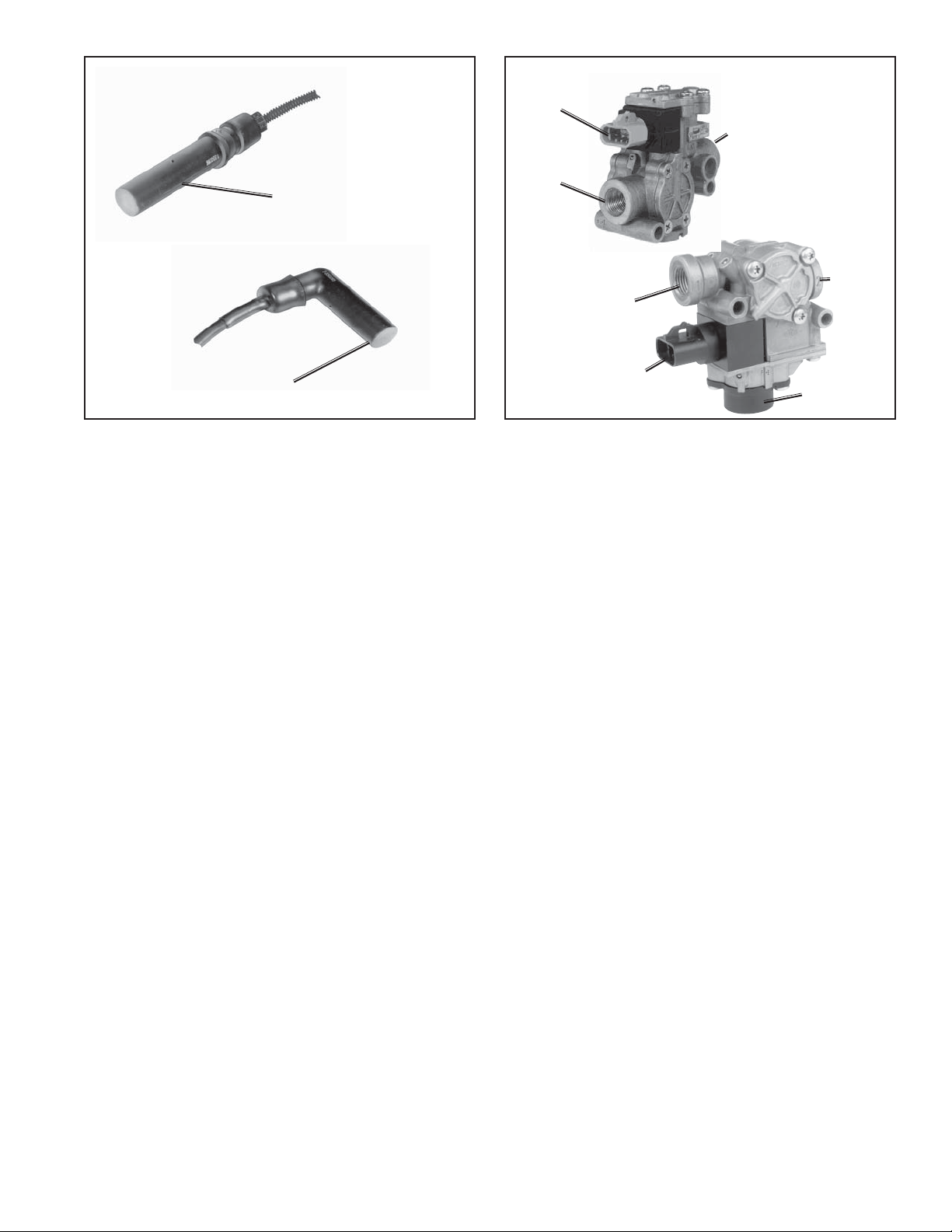
FIGURE 5 - WS-20
WS-20™ STRAIGHT
WS-20™ 90
DEGREE SPEED
SENSOR
™
SPEED SENSORS
SPEED SENSOR
ELECTRICAL
CONNECTOR
DELIVERY
PORT
EXHAUST
PORT
SUPPLY
PORT
M-22™
MODULATOR
ELECTRICAL
CONNECTOR
FIGURE 6 - MODULATORS
SUPPLY
PORT
MODULATOR
™
M-21
EXHAUST
PORT
DELIVERY
PORT
the EC-16™ controller in the form of an AC signal which
varies in voltage and frequency as the speed of the wheel
increases or decreases. The EC-16™ controller is designed
to receive wheel speed information, from various wheel
speed sensor models, at the rate of 100 pulses per wheel
revolution. The EC-16™ controller is able to simultaneously
receive, and individually interpret, speed signals from six
wheel speed sensors. Vehicle drive confi guration and
whether the traction control feature is in use determines
the number of speed sensors that must be used. A vehicle
with a single rear axle drive (4 x 2, 4 x 4 or 6 x 2) requires
4 speed sensors for both antilock and traction operation.
A vehicle with two rear drive axles (6 x 4) requires 4 speed
sensors for antilock only operation, but have the option to
use 6 speed sensors for enhanced performance of both
antilock and traction operation.
- Vehicle power is supplied to the EC-16™ controller from
the ignition switch through a fuse or circuit breaker. (30
amp.) The electrical ground for the EC-16™ controller is
the vehicle chassis.
- A connection for a traction enable switch is provided,
but not always used. The switch allows traction to be turned
on or off manually.
OUTPUTS
- Modulators, like the Bendix® M-21™ or M-22™ modulator,
are the means by which the EC-16™ controller modifi es
driver applied air pressure to the service brakes. The
modulator is an electrically controlled air valve located
near the service actuator(s) it controls. It is the last valve
that air passes through on its way to the brake actuator.
A wiring harness connects the modulator to the EC-16™
antilock controller. Solenoid valves contained in the
modulator provide the electrical interface between the
EC-16™ controller electronics and the air brake system.
The EC-16™ controller is able to simultaneously
and independently control four individual modulator
assemblies.
- An antilock dash light and its electrical relay are
connected to, and controlled by , the EC-16™ controller and
serve as a means of advising the driver of the condition of
the antilock system.
- A connection to the engine or transmission retarder
and its relay is provided on the EC-16™ controller, which
allows the EC-16™ controller to temporarily disable the
retarder during certain modes of operation. While the
EC-16™ controller is capable of this function, and
connections are provided, it is not always used. Use of
the retarder disable function is not essential but highly
recommended for vehicles equipped with a retarder.
Note: The EC-16™ controller can also disable the retarder
using the same J1922 protocol it uses to control
the traction control, engine torque limiting feature.
For this redundant retarder disable to function, the
EC-16™ controller must be connected to the engine
control module (as would be the case if the EC-16™
controller is programmed for the traction control,
torque limiting feature).
- The data link enables the EC-16™ controller to “report”
its operating condition to a specialized, external computer
in response to certain commands it receives. The
EC-16™ controller diagnostic data link hardware conforms
to S.A.E. standard J1708. The protocol, or coded language
used, conforms to S.A.E. standard J1587. There are two
connections to the EC-16™ controller devoted to the data
link. While connections are provided for this function, it
is not always used. The data link is not essential for the
EC-16™ controller to be functional.
5
Page 6

If the EC-16™ controller is programmed for traction control,
it contains the following outputs:
- A connection to the engine’ s electronic control module
allows the EC-16™ controller to reduce engine torque under
certain circumstances.
- A traction dash light is connected to and controlled by
™
the EC-16
controller and serves as a means of advising
the driver of the condition of the traction control system.
- A connection to the traction solenoid (located in the
upper portion of the antilock traction relay valve—see
Figure 3) is provided via a 2 pin Deutsch connector.
OPERATION - ANTILOCK
PHILOSOPHY
The Bendix® EC-16™ controller antilock system uses
individual sensors, modulators and an electronic controller
to control the four vehicle wheel ends. By monitoring
the deceleration rate during braking, and subsequently
adjusting the brake application pressure at each wheel, the
EC-16™ controller is able to improve braking between the
vehicle tire and the road surface it is on, while maintaining
vehicle stability.
The rear axle brakes are controlled independently;
therefore brake application pressure at an individual wheel
is adjusted solely on the basis of its behavior on the road
surface on which it is traveling.
NON ANTILOCK BRAKE APPLICATION
During normal braking, air pressure from the brake valve
enters the control port of the service relay valve. The
service relay delivers air to, and through, the antilock
modulator located near the braked wheel, and into the
brake actuator. The service brakes are thus applied. If the
wheel sensors do not detect an impending wheel lock up,
™
the EC-16
controller does not initiate any corrective action
and the vehicle comes to a stop in a normal fashion.
ANTILOCK BRAKE APPLICATION
If a service brake application is made and the wheel speed
sensors detect an impending wheel lockup, the EC-16™
controller will immediately begin modifi cation of the brake
application using the antilock modulator(s) at the affected
wheel(s). Solenoid valves contained in the modulator are
energized and de energized by the EC-16™ controller in
order to modify the brake application. When a solenoid
coil is energized, its shuttle moves. Depending upon the
function of the specifi c solenoid, it either opens or closes,
thereby causing the exhaust or re application of air pressure
to the brake actuator. The solenoids in each modulator
are controlled independently by the EC-16™ controller. By
opening and closing the solenoid valves in the appropriate
modulator, the EC-16™ controller is actually simulating
what drivers do when they “pump the brakes”. It must be
remembered however that unlike the driver, the EC-16™
controller is able to “pump” each brake on the vehicle
independently and with far greater speed and accuracy.
While each steering axle brake is under the control of an
individual modulator, the EC-16™ controller does not treat
these brakes totally independently . The EC-16™ controller
uses a modified individual control philosophy for the
steering axle brakes. This is done in order to minimize
“steering wheel pull” in the event each wheel is traveling on
a different road surface (for example, ice close to the curb
and a dry crown). Essentially the EC-16™ controller controls
the braking force differences between the two brakes.
The wheel on dry pavement is initially given less braking
force and is brought up to optimum during the stop, while
the wheel on ice attempts to maintain optimum braking
during the entire stop.
In the case of vehicles equipped with tandem rear axles
(6x2, 6x4), the wheel speed sensors are installed at the
wheels on the axle that is most likely to lock fi rst. A single
modulator controls both curb side brakes on the tandem,
and another modulator controls both brakes on the driver’s
side of the tandem. With this arrangement of speed sensors
and modulators, both brakes on one side of the tandem are
treated as one since they will most likely be on the same
type of road surface.
OPERATION - TRACTION CONTROL
PHILOSOPHY
Traction control is a natural extension of antilock. Just as
antilock helps vehicle control and stability during braking,
traction control helps during vehicle acceleration. The
wheel speed sensors not only detect rapid decreases in
wheel speed for antilock but also detect unreasonably
high increases for traction control. With traction control,
a spinning wheel is instantly detected and compared with
the other wheels on the vehicle, both front and rear. Two
different methods are used to control wheel spin; torque
limiting and differential braking. Depending upon vehicle
type, speed and road (surface) condition, each method
provides a unique and desirable type of wheel spin control.
Ideally both methods are used to control vehicle traction.
While all new version EC-16™ controllers are capable
of providing wheel control antilock and traction control
(utilizing both methods of control), not all systems will be
confi gured for both methods. Depending upon the vehicle,
either or both traction control methods will be activated
during the self confi guration procedure.
6
Page 7

Torque Limiting - In order for the torque limiting control
feature to be used, the vehicle must be equipped with an
electronically controlled engine throttle. The torque limiting
feature allows the EC-16
™
controller to reduce engine
torque to a suitable level for the available traction. Torque
limiting helps to minimize the amount (or speed) of wheel
spin. It is especially useful in helping to minimizing a power
jackknife and when all drive wheels are on an equally
slippery surface.
Differential Braking - In order for the differential braking
control feature to be used, the vehicle must be equipped
with an antilock traction relay valve such as the Bendix
®
ATR-1™ or ATR-2™ relay valve. The ATR-1™ and ATR-2™
relay valve contain a solenoid assembly which provides
this feature. The differential braking feature allows the
EC-16™ controller to gently pump the brake on the spinning
wheel. Since the vehicle’s differential tends to drive the
wheel that presents the least resistance (the wheel on the
slipperiest surface), a slight brake application to this wheel
only , forces the differential to drive the stationary or slowly
spinning wheel. While a vehicle must be equipped with
an electronic throttle to utilize the torque limiting feature
of traction control, differential braking can be used on all
vehicles. Differential braking can be activated only when
vehicle speed is under 25 MPH and one drive wheel is
spinning faster than the other(s).
TRACTION CONTROL AT VEHICLE SPEEDS OF
0 TO 25 MPH
When wheel spin is detected and the vehicle is stopped, or
moving at any speed up to 25 mph, the EC-16™ controller
simultaneously executes the following operations:
It instantly blinks the traction dash lamp to advise the driver
that a wheel spin is occurring.
If the torque limiting feature is active, the EC-16™ controller
uses its link to the engine control module and sends a
signal to reduce engine torque to a level suitable for the
available traction.
If the differential braking feature is confi gured into the
system, the EC-16™ controller energizes the solenoid in the
ATR valve which then applies air to each of the rear axle
modulators. Because the modulators are controlled by the
EC-16™ controller, the solenoid valves in the appropriate
modulator are opened and closed to gently pump the brake
on the spinning wheel only. This gentle brake application
forces the differential to drive the stationary or slowly
spinning wheel.
Once wheel spin is eliminated, the dash lamp goes out and
the traction system disengages control.
TRACTION CONTROL AT VEHICLE SPEEDS
ABOVE 25 MPH
If wheel spin occurs at any speed above 25 mph, the
EC-16™ controller will instantly blink the traction dash lamp
to advise the driver that a wheel spin is occurring.
If the torque limiting feature is programmed in, the EC-16
controller uses its link to the engine control module and
sends a signal to reduce engine torque to a level suitable
for the available traction.
THE EC-16™ CONTROLLER WILL NOT SIGNAL THE A TR
VALVE TO APPLY THE BRAKES, EVEN SLIGHTLY, AT
ANY SPEED ABOVE 25 MPH.
ANTILOCK AND TRACTION SYSTEM
OPERATION DURING COMPONENT FAILURE
The Bendix® EC-16™ controller handles equipment failure
using a conservative fail safe philosophy. Any single
electrical failure of a component devoted to antilock or
traction control results in simultaneous illumination of the
appropriate condition lamp on the dash, a disabling of
part or all of the antilock or traction system, and reversion
to standard braking on wheels no longer under EC-16™
controller control.
Depending upon the type of failure and its position of
occurrence, the EC-16™ controller disables all or only a
portion of the antilock and traction system. A power or
controller failure, however, will result in complete disabling
of both systems and reversion to standard braking on all
wheels.
SINGLE FAILURE
The following list and chart describe how the antilock and
traction systems respond to a specifi c component failure.
(Note: right and left; front, mid and rear are determined
from the driver’s seat. Left front is therefore the corner
closest to the driver.)
For example, if the right mid sensor (“RM Sensor” on the
chart) fails, front and rear antilock will still be operative.
Traction will be disabled, and, as always, the system has
standard air braking.
Front modulator - If a front modulator fails, antilock on that
wheel is disabled. Antilock and traction on all other wheels
remains active.
Rear modulator - A rear modulator failure disables the
traction system. Antilock on that wheel will also be disabled,
but antilock on all other wheels remains active.
Front sensor - The wheel is still modulated using input from
the opposite sensor. The traction system is disabled.
™
7
Page 8

Mid or rear sensor - Antilock on that wheel is disabled,
but antilock on all other wheels remains active. Traction
control is disabled.
Controller - Antilock and traction are disabled. The system
reverts to standard air braking.
Traction solenoid - Traction control is disabled. Antilock
remains active.
Engine Control Module* - If the engine control module
™
(ECM) or the wiring from the EC-16
controller to the ECM
fails, traction control is disabled. Antilock remains active.
Voltage* - If system voltage is out of range, antilock and
traction are disabled. The system reverts to standard air
braking.
*Note: A voltage problem and an intermittent ECM wiring
problem can “correct” themselves. For example,
a power surge can take the system out of voltage
range for a moment, which will fl ash the voltage
LED and an intermittent wiring problem between
the EC-16™ controller and the ECM can cause
the traction LED to go on. During the time that the
problem is occurring, the dash lamp will also be
on. When the problem corrects itself, the system
is restored. The dash lamp and the appropriate
LED go out.
For all other problems, the system will not be restored
in the problem area until the error is corrected and the
EC-16™ controller is cleared with the reset switch. It should
be remembered that the driver will be advised of the
degraded operation via the dash lamps and that standard
air braking will still be available on those brakes where the
EC-16™ controller has disabled the system.
MULTIPLE FAILURES
In the event that multiple failures occur, the dash lamp will
react as it normally would during a single failure, and the
LEDs will show one failure at a time. When the fi rst problem
is fi xed and the system is reset, the next problem area
will appear at the LEDs. This way, the driver or mechanic
does not lose track of problem areas, and the system is
not restored until each and every error is corrected and the
EC-16™ controller is reset.
SYSTEM STILL OPERATING (YES/NO)
Std.
ABS Front ABS Rear Traction Braking
Left Right Left Right
RF Sensor YES YES YES YES NO YES
LF Sensor YES YES YES YES NO YES
RM Sensor YES YES YES YES NO YES
LM Sensor YES YES YES YES NO YES
RR Sensor YES YES YES NO NO YES
LR Sensor YES YES NO YES NO YES
RF Modulator YES NO YES YES YES YES
LF Modulator NO YES YES YES YES YES
RR Modulator YES YES YES NO NO YES
LR Modulator YES YES NO YES NO YES
Controller NO NO NO NO NO YES
FAILURE LOCATION
Solenoid YES YES YES YES NO YES
Engine Control YES YES YES YES NO YES
Module*
Voltage* NO NO NO NO NO YES
*When ECM wiring or voltage “corrects” itself, system is restored.
ANTILOCK AND TRACTION WIRING
GENERAL NOTES
The wires that carry information and power into and out of
the EC-16™ controller are generally grouped and terminate
at a connector. The wire groups or wire harnesses along
with the connectors are most often specified and/or
supplied by the vehicle manufacturer. The connectors used
on the EC-16™ controller are illustrated in Figure 4. The
wiring harnesses and connectors are weather resistant
and the wires that enter the connector are sealed to the
connector. The wire gauge used in the wire harnesses is
specifi c to the task performed.
When diagnosing wiring in the antilock system the
following general rules apply and should be followed where
applicable:
1. It is generally advisable to replace a wire harness rather
than repair individual wires in the harness. If a splice
repair must be made, it is important that the splice be
properly soldered with a rosin fl ux (not acid based) and
made water proof.
2. Do not pierce wire insulation when checking for
continuity. Check for power, ground or continuity by
disconnecting the connector and testing the individual
pins or sockets in the connector.
3. Always check the vehicle handbook for wire and
connector identifi cation. Individual wire identifi cation
will differ depending upon the type of connectors in use,
the vehicle manufacturer, and the system features in
use.
4. While the retarder disable, serial link, and traction on/
off connections (4 total) are present on all EC-16™
controllers they are not always used.
8
Page 9
PREVENTIVE MAINTENANCE
Every 3 months; 25,000 miles; or 900 operating hours;
1. Check all wiring and connectors to ensure they are
secure and free from visible damage.
™
2. Although the EC-16
diagnostics, the LED display should be inspected to
ensure that it is functional. With the vehicle ignition on,
a magnet (800 gauss; capable of picking up 3 ounces)
held to the LED reset switch should cause all of the
LEDs to illuminate. If one or more of the LEDs DO NOT
ILLUMINATE and the dash condition lamps indicate
the system is functioning properly, the nonilluminated
LED(s) should be noted for future reference. Although
the diagnostic capabilities will be limited, the system
will continue to function as designed.
3. Road test the vehicle by making an antilock stop
from a vehicle speed of 20 miles per hour. When an
antilock stop is made, the modulator solenoids pulsate
and an audible burst of air can be heard from outside
of the cab. The wheels should not enter a prolonged
“lock” condition. Also, make a traction acceleration by
accelerating on a road surface with reduced traction. As
with antilock, audible bursts of air can be heard when
the traction system is functioning.
controller incorporates self check
WARNING! PLEASE READ AND FOLLOW
THESE INSTRUCTIONS TO A VOID PERSONAL
INJURY OR DEATH:
When working on or around a vehicle, the following
general precautions should be observed at all times.
1. Park the vehicle on a level surface, apply the parking
brakes, and always block the wheels. Always wear
safety glasses.
2. Stop the engine and remove ignition key when
working under or around the vehicle. When working
in the engine compartment, the engine should be
shut off and the ignition key should be removed.
Where circumstances require that the engine be
in operation, EXTREME CAUTION should be used
to prevent personal injury resulting from contact
with moving, rotating, leaking, heated or electrically
charged components.
3. Do not attempt to install, remove, disassemble
or assemble a component until you have read
and thoroughly understand the recommended
procedures. Use only the proper tools and observe
all precautions pertaining to use of those tools.
4. If the work is being performed on the vehicle’s
air brake system, or any auxiliary pressurized air
systems, make certain to drain the air pressure
from all reservoirs before beginning ANY work
on the vehicle. If the vehicle is equipped with an
AD-IS® air dryer system or a dryer reservoir module,
be sure to drain the purge reservoir.
5. Following the vehicle manufacturer’s recommended
procedures, deactivate the electrical system in a
manner that safely removes all electrical power
from the vehicle.
6. Never exceed manufacturer’s recommended
pressures.
7. Never connect or disconnect a hose or line
containing pressure; it may whip. Never remove
a component or plug unless you are certain all
system pressure has been depleted.
8. Use only genuine Bendix® replacement parts,
components and kits. Replacement hardware,
tubing, hose, fi ttings, etc. must be of equivalent
size, type and strength as original equipment and
be designed specifi cally for such applications and
systems.
DIAGNOSTIC
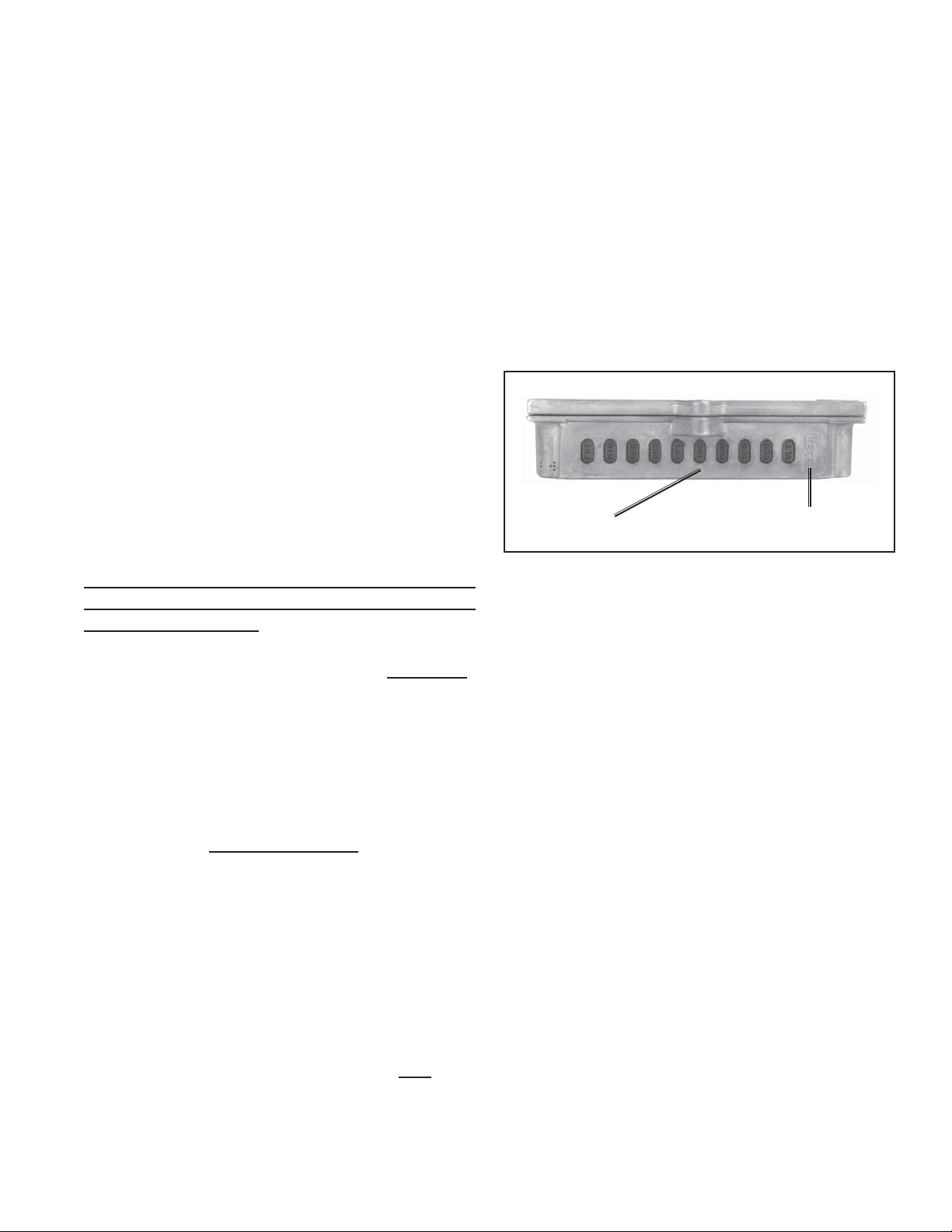
DISPLAY LEDs
FIGURE 7 - EC-16™ CONTROLLER DIAGNOSTIC DISPLAY
9. Components with stripped threads or damaged
parts should be replaced rather than repaired. Do
not attempt repairs requiring machining or welding
unless specifi cally stated and approved by the
vehicle and component manufacturer.
10. Prior to returning the vehicle to service, make
certain all components and systems are restored
to their proper operating condition.
11. For vehicles with Antilock Traction Control (ATC),
the A TC function must be disabled (A TC indication
lamp should be ON) prior to performing any vehicle
maintenance where one or more wheels on a drive
axle are lifted off the ground and moving.
RESET SWITCH
REMOVING THE EC-16™ CONTROLLER
EC-16™ CONTROLLER MOUNTED ON
ANTILOCK RELAY VALVE OR ANTILOCK
TRACTION RELAY VALVE
1. Identify and remove all air lines connected to the unit.
2. Disconnect the electrical connector(s) from the EC-16™
controller.
3. Note and mark the mounting position of the assembly
on the vehicle. Loosen, remove and save the nuts on
the mounting hardware that attaches the controller
relay assembly bracket to the vehicle. Remove the
relay valve and EC-16™ controller from the vehicle.
9
Page 10

4. Remove as much contamination as possible from the
assembly’s exterior . Keep the contamination away from
the open ports.
5. Note and mark the position of the EC-16™ controller
relative to the valve it is mounted on. Remove and retain
the four cap screws that secure the EC-16
to the valve. Then separate the EC-16™ controller from
the valve.
™
controller
4. Perform the “initial Start up Procedure” in the
TROUBLESHOOTING section to assure proper system
operation.
DIAGNOSING AND LOCATING A SYSTEM
PROBLEM
GENERAL
BRACKET MOUNTED EC-16™ CONTROLLER
1. Disconnect the electrical connector(s) from the EC-16™
controller.
2. Note and mark the mounting position of the EC-16™
controller on the vehicle. Loosen, remove and save
the nuts on the mounting hardware that attaches the
EC-16™ controller bracket to the vehicle. Remove the
EC-16™ controller and bracket from the vehicle.
3. Remove and retain the four cap screws that secure the
EC-16™ controller to the bracket. Separate the EC-16™
controller from the bracket.
4. Perform the “Initial Start up Procedure” in the
TROUBLESHOOTING section to assure proper system
operation.
INSTALLING THE EC-16™ CONTROLLER
EC-16™ CONTROLLER MOUNTED ON
ANTILOCK RELAY VALVE OR ANTILOCK
TRACTION RELAY VALVE
1. After noting the relationship of the positioning marks
made prior to disassembly, position and secure the
EC-16™ controller to the valve using the four cap
screws. Torque the cap screws to 50-80 Ibs. in.
2. Mount the assembled EC-16™ controller and antilock
relay valve on the vehicle and orient it in the position
marked before removal.
3. Reconnect all air lines to the assembly.
4. Reconnect the electrical connector(s) to the EC-16™
controller.
5. T est the valve for operation and leakage prior to placing
the vehicle in service.
6. Perform the “Initial Start Up Procedure” in the
TROUBLESHOOTING section to assure proper system
operation.
BRACKET MOUNTED EC-16™ CONTROLLER
1. Secure the EC-16™ controller to its bracket using the
four cap screws. Torque to 50-80 Ibs. in.
2. After noting the positioning marks, mount the EC-16™
controller on the vehicle using the mounting hardware
retained during removal.
3. Connect the electrical connector(s) to the EC-16™
controller.
The EC-16™ controller contains self test and diagnostic
circuitry that continuously checks for proper operation
of the entire antilock/traction system, including wiring
continuity. The EC-16™ controller is programmed at the
factory to accommodate the needs of the vehicle and the
customer’s desires. All EC-16™ controllers are not factory
programmed with the traction control feature, in which case
antilock only will be active. The newer, self confi guring
EC-16™ controller can be reconfi gured by the end user to
include traction control. A vehicle equipped with traction
control can generally be identifi ed by noting the presence
of a dashmounted condition lamp, a disable switch (for the
traction control system) and a traction solenoid located
above the relay valve.
Separate dash lamps, controlled by the EC-16™ controller,
advise the driver of the condition of the entire antilock/
traction system. The condition of specifi c components
is provided by a series of labeled, light emitting diodes
(LEDs) in the EC-16™ controller housing. No special tools
or equipment are needed to read or interpret the EC-16™
controller diagnostic display. It should be noted that the
EC-16™ controller diagnostics display is separate from the
antilock and traction condition lamps on the dash. With this
separation, the driver is aware of any problems that occur
but is not confused by diagnostic information.
When the controller senses an erroneous condition, it
stores the condition in memory, disables the antilock
or traction function, and illuminates the dash mounted
condition lamp and the appropriate diagnostic LEDs on the
EC-16™ controller. The failure condition is truly stored and
is not cleared by loss of power to the EC-16™ controller.
The LEDs will relight when power is restored and remain
illuminated until the failure is corrected. After the actual
problem is corrected, maintenance personnel can clear or
reset the EC-16™ controller diagnostics by holding a small
magnet over the RESET point in the diagnostics display.
DIAGNOSTIC LEDS
There are ten LEDs plus a magnetically actuated reset
switch in the EC-16™ controller diagnostic display . The fi rst
six LEDs locate a problem to a specifi c area of the vehicle,
and the next three indicate the problem component or its
wiring. The LEDs are software driven and are either ON or
OFF depending upon their monitor function. (Note: right and
left, front and rear are determined from the driver’s seat.)
10
Page 11

FRT Red LED
MID Red LED (See Note)
RER Red LED
RHT Red LED
LFT Red LED
TRC Red LED
MOD Red LED
SEN Red LED
ECU Red LED
VLT Green LED
RESET + No LED
Note: The MID LED is used with some but not all vehicles.
When six speed sensors are not installed this LED
is not used in the diagnostic process. However, it
will light when a magnet is placed on the RESET
switch in the diagnostic display.
“FRT” (Front) LED
This Red LED illuminates and latches ON in order to
indicate the location of a problem component or its wiring.
It will light in conjunction with either the RIGHT or LEFT
LED and the MOD or SENS LED.
“MID” (Mid Axle) LED
This Red LED is not used in all installations. On those
vehicles that have six speed sensors installed, this Red
LED illuminates and latches ON to indicate the location
of a problem speed sensor or its wiring. The “MID” LED
should not illuminate with the “MOD” LED.
“RER” (Rear) LED
This Red LED illuminates and latches ON in order to
indicate the location of a problem component or its wiring.
It will light in conjunction with either the RIGHT or LEFT
LED and the MOD or SENS LED
“RHT” (Right) LED
This Red LED illuminates and latches ON in order to
indicate the location of a problem component or its wiring.
It will light in conjunction with either the FRONT or REAR
LED and the MOD or SENS LED.
“LFT” (Left) LED
This Red LED illuminates and latches ON in order to
indicate the location of a problem component or its wiring.
It will light in conjunction with either the FRONT or REAR
LED and the MOD or SENS LED.
“MOD” (Modulator) LED
This Red LED illuminates and latches ON to indicate
a permanent or intermittent open or short circuit in the
solenoids of one of the four M-21™ modulators or the wiring
connecting them to the system. When indicating a problem
™
with an M-21
modulator this LED will be illuminated with
two positioning LEDs (RHT/LFT + FRT/RER). NOTE: The
MID positioning LED should not be illuminated with this
LED. This LED is also used to indicate a problem with an
ATR-1™ or ATR-2™, antilock traction relay , solenoid. When
illuminated for a traction system problem the TRC LED will
also be on.
“SEN” (Speed Sensor) LED
This Red LED illuminates and latches ON to indicate
permanent or intermittent failure. The failures indicated are;
open or shorted wheel does not conform to design criteria.
The “SEN” LED will be illuminated with two positioning
LEDs (RHT/LFT + FRT/MID/RER).
“ECU” (Electronic Control Unit) LED
This Red LED, when illuminated, indicates that the
controller itself has failed. It is latched ON for all EC-16™
controller failures except low voltage. Before controller
replacement is considered, always check vehicle voltage
to the controller.
“VLT” LED
This Green LED illuminates and remains ON during vehicle
operation to indicate that vehicle power is reaching the
controller. If vehicle power is out of range (below 11 VDC
or above 17 VDC) this LED will fl ash until power is brought
into range.
“RESET”
Beneath the RESET area of the display is a magnetically
sensitive switch that is used to reset the diagnostic system.
The device will respond to a magnet which has strength
suffi cient to lift a three (3) ounce weight. Momentarily
holding a magnet against the RESET will cause ALL LEDs
to light during the time the magnet is against it. Holding
a magnet against the RESET longer than 20 seconds will
cause the newer version EC-16™ controller to initiate the
self confi guration feature.
“TRC” (Traction) LED
This Red LED illuminates and latches ON to indicate a
permanent problem in the traction control system. It may be
illuminated with the MOD LED or may illuminate by itself.
NOTE: If an intermittent problem exists with the wiring
to the engine control module (ECM), this LED will go on.
However, it will not latch—it will go out when the problem
“corrects” itself.
EC-16™ CONTROLLER CONFIGURATION
GENERAL
All EC-16™ controllers manufactured on or after August
1, 1995 incorporate the self confi guring feature. New,
replacement EC-16™ controllers will be provided factory
preprogrammed for 6 speed sensor inputs and both the
differential braking and torque limiting features for traction
control.
11
Page 12

ANTILOCK LAMP LAMP ON LAMP OFF LAMP ON LAMP OFF LAMP ON
1ST TIME 1ST TIME 2ND TIME 2ND TIME STAYS ON
Traction Lamp
(EC-16™ controller w/torque
limiting & differential braking) On Off On Off Stays Off
Traction Lamp (EC-16
™
controller w/torque limiting only) Off Off On Off Stays Off
Traction Lamp (EC-16
™
controller w/differential braking only) On Off Off Off Stays Off
IDENTIFYING THE SELF CONFIGURING EC-16™
CONTROLLER
The self confi guring EC-16™ controller can most easily be
identifi ed while installed on the vehicle. Identifi cation can
be made by observing the reaction of the diagnostic display
when the ignition is switched ON and power is applied to
the EC-16™ controller. The current confi guration of the
EC-16™ controller is displayed via the troubleshooting LEDs
and occurs during the normal self test sequence. This
confi guration review is repeated each time the ignition is
turned on. The sequence and manner of LED illumination
is described in the section entitled EC-16™ Controller
Confi guration Display. That section should also be used to
confi rm that the system is confi gured as desired.
The diagnostic LEDs on older versions of the EC-16™
controller will only react as described in items 2 and 6
under the section entitled EC-16™ Controller Confi guration
Display.
EC-16™ CONTROLLER CONFIGURATION
DISPLAY
1. Turn the ignition ON.
2. All LEDs will illuminate then go out.
3. The number of active sensors will be displayed by the
momentary illumination of the red SEN (sensor) LED
and two or more of the red locating LEDs. No other
LEDs will be on.
A. SEN + FRT (front) + RER (rear) = A four sensor
confi guration (all systems must have at least a 4
sensor confi guration)
B. SEN + FRT + MID (middle) + RER = A six sensor
confi guration
4. The red TRC LED will momentarily illuminate by itself
if traction control torque limiting is active, if not, then
the display will go to the condition described in #5.
5. The red TRC and MOD LEDs will momentarily illuminate
if traction control differential braking is active, if not, then
the display will go to the condition described in #6. No
other LEDs will be on.
6. The diagnostic display will return to its normal
operational status. Assuming no problems exist in the
antilock or traction system, all red LEDs will be off and
the single, green, VLT LED is illuminated.
EC-16™ CONTROLLER SELF CONFIGURING
PROCESS
Important General Information
1. Three aspects of the antilock and traction system are
infl uenced by the self confi guring feature of the EC-16™
controller.
A. Speed Sensors The number of speed sensors
connected to the EC-16™ controller will be detected
during the self confi guration process. The EC-16™
controller will check the MID SEN (mid axle speed
sensor) locations on its connector to determine if
a sensor is connected to it and will default to a six
sensor confi guration if it detects even one sensor
connected. If no mid axle speed sensor is detected,
the EC-16™ controller will default to a four sensor
confi guration.
B. Electronic Engine Control If the EC-16™ controller
is connected to the control module of an electronic
engine, the torque limiting feature of traction
control will be activated during the self confi guring
process.
C. Antilock Traction Relay Valve If the solenoid
assembly in the ATR valve is connected to the
EC-16™ controller, the differential braking feature
of traction control will be activated during the self
confi guring process.
2. No method is available to disable the self confi guration
feature.
3. Due to the extended period of time the magnet must
be held on the RESET to initiate the self confi guration
process (20 seconds), it is unlikely that a self
confi guration would occur accidentally.
4. Basic, four speed sensor, antilock operation can not be
removed during the self confi guration process. This is
a minimum confi guration for all EC-16
5. If a speed sensor is connected to either wheel on the
mid axle the EC-16™ controller will confi gure for six
sensors. If no mid axle speed sensor is detected, the
™
EC-16
controller will confi gure for four sensors. Any
disconnected speed sensor(s) will register as a failure
on the diagnostic display at the end of the EC-16™
controller self test.
™
controllers.
12
Page 13

6. All or part of traction control can be lost during self
confi guration by;
A. Not connecting one of the wire harnesses (engine
control module for torque limiting and ATR valve
solenoid for differential braking)
B. A missing or inoperative traction dash lamp (bulb
missing or burned out).
C. A missing or inoperative traction control enable
disable switch.
D. Not placing the traction control enable / disable
switch in the disabled position. The operator can
tell that the traction features are lost by noting the
absence of the traction lamp fl ash upon power up.
The operator should note the fl ashing of the antilock
condition lamp, and the traction lamp if traction
equipped, upon every power up. Observing the
dash lamps is the only method the operator has to
verify the system operation.
™
7. The EC-16
controller can be reprogrammed up to
10,000 times.
8. When a replacement EC-16™ controller is installed on
a vehicle that does not have one or more of the preprogrammed features, a failure will be registered on the
dash lamp(s) and on the EC-16™ controller diagnostic
display. For this reason it is necessary to perform the
self confi guring procedure.
9. Some configuration information is available by
observing the reaction of the dash condition lamps on
vehicles confi gured with traction control and equipped
with the self confi guring EC-16™ controller. When the
ignition is switched ON, the EC-16™ controller self test
is begun. During the self test the dash lamps will fl ash
on and off together as indicated in the chart, depending
upon the type and amount of traction control confi gured
into the EC-16™ controller. Note: For more information
on this subject see the TROUBLESHOOTING section
of this document.
Self Confi guration Process
In order to successfully complete the self confi guring
process follow the steps presented.
1. Connect all antilock and traction control wire harnesses.
Refer to the schematic in Figure 4. Make certain that
all the speed sensors present on the vehicle are
connected (H2, H3, J1, J2 on the 30 pin connector
and E2, E3, F2, F3, B2, B3, C2, C3 on the 18 pin
connector). If the vehicle has an electronic engine and
traction control torque limiting is desired the engine
control module must be connected (B2 and B3 on the
30 pin connector). If the vehicle is equipped with either
an ATR-1™ or ATR-2™ valve, the solenoid connection
must be made to the EC-16
™
controller (D2 and D3 on
the 18 pin connector) in order to obtain traction control
differential braking.
2. If the vehicle is to be confi gured with traction control, it
must have a traction control dash lamp and a traction
control enable / disable switch. Both the lamp and
switch must be functional. Place the traction control
enable/disable switch in the traction control disabled
position (traction control inoperative).
3. Turn the ignition ON and hold a magnet on the RESET
™
position of the EC-16
controller diagnostic display
until the LEDs begin to randomly fl ash then remove
the magnet. If the magnet is not removed during the
random LED fl ashing a second self confi guration may
be initiated. The magnet may have to be held on the
RESET for as long as 20 seconds. When the self
confi guration process is complete the EC-16™ controller
will automatically go through a self test. During the
self test the diagnostic display will indicate the new
confi guration as described under the section entitled
EC-16™ Controller Confi guration Display. Note: If the
EC-16™ controller is being confi gured with traction
control (either torque limiting, differential braking or
both), the traction control condition dash lamp, will
be illuminated as well as the appropriate LEDs on the
EC-16™ controller diagnostic display. The traction
control dash lamp will be illuminated until the traction
control enable / disable switch is placed in the traction
control enabled position (traction control operative).
4. Place the traction control enable / disable switch in
the traction control enabled position (traction control
operative), the traction control dash lamp should be
off.
5. Before placing the vehicle in service, verify the
configuration and the system condition by turning
the ignition OFF then ON while observing the
EC-16™ controller diagnostic display. The diagnostic
display should indicate the desired confi guration as
described under the section entitled EC-16™ Controller
Confi guration Display and no red LEDs should be
illuminated at the end of the self test.
6. If the confi guration appears correct but the diagnostic
LEDs indicate a failure somewhere in the system, refer
to the General Confi guration Information below and use
the Troubleshooting section of this manual to locate and
repair the problem.
7. If the confi guration is incorrect, the process can be
repeated as required. One common error is performing
the self confi guration with the traction enable / disable
switch in the wrong position. This will prevent any
traction features from being activated. Note: The
traction switch must be in the disable position to
confi gure traction, but must be placed in the enable
position to allow the traction lamp to fl ash.
13
Page 14

TROUBLESHOOTING
IMPORTANT BEFORE TROUBLESHOOTING:
1. Determine if the vehicle is equipped with traction
control. The presence of a traction condition lamp on
the dash can be used.
2. Some vehicles are equipped with a traction control
“disabling switch.” If so equipped, ENABLE THE
TRACTION SYSTEM BEFORE BEGINNING THE
TROUBLESHOOTING.
3. If the vehicle is equipped with traction control and is a
tandem axle unit, note the number of drive axles. The
“MID” diagnostic LED is used only on 6x4 vehicles.
GENERAL
While the EC-16™ controller diagnostic display locates
a specifi c problem area, it is still necessary to confi rm
whether the problem resides in the component itself or the
wiring. The following troubleshooting procedure is devoted
to narrowing the problem to either the wiring or a specifi c
AntiLock or traction component. It should be noted that
ALL TROUBLESHOOTING BEGINS BY OBSERVING
THE ANTILOCK AND TRACTION CONDITION LAMPS
ON THE DASH. All troubleshooting should begin by fi rst
performing the “Initial Start Up Procedure” and following
the directions contained in it.
TROUBLESHOOTING TIPS
1. Begin by observing the dash condition lamp(s) and
performing the “Initial Start Up Procedure.”
2. The troubleshooting technician should record all
fi ndings and the action taken during the troubleshooting
process.
3. No voltage or resistance tests are performed into the
EC-16™ controller. All voltage and resistance tests
are performed by beginning at the wire harness half
of the connector and moving AWAY from the EC-16™
controller toward an antilock traction system component
(modulator, wheel speed sensor, etc.)
4. If a problem mysteriously reoccurs and no apparent
cause can be detected during troubleshooting, closely
inspect the quality of the power supply to the antilock
system. Check the vehicle wiring, wiring connectors
AND the alternator. Defects in these components can
cause false failure indications.
14
Page 15

DIAGNOSTIC DISPLAY
QUICK REFERENCE
This index is presented for the benefi t of personnel experienced in troubleshooting Bendix full-vehicle wheel control
AntiLock with traction control. It provides a quick reference to specifi c sections that provide testing procedures and
values.
NOTHING ON - GO
TO SECTION V
ONE OR
MORE ON
ON
(NOT FLASHING)
GO TO
SECTION IV
FLASHING - GO TO
SECTION V
ONE FROM THIS
GROUP ON
ONE FROM THIS
GROUP ON
ON - GO TO SECTION VI A
ON (NOT FLASHING) - GO
TO SECTION II
ONE FROM THIS
GROUP ON
ONE FROM THIS
GROUP ON
ON - GO TO SECTION VII A
ON - GO TO
SECTION XI
ON - GO TO
SECTION XII
15
Page 16

INITIAL START-UP PROCEDURE
START HERE
ANTILOCK DASH LAMP DOES NOT BLINK,
COMES ON AND REMAINS ILLUMINATED
GO TO SECTION II “INSPECTION FOR
ILLUMINATED LEDS ”
GO TO SECTION III “INSPECTION
FOR ILLUMINATED LEDs “
THE ANTILOCK SYSTEM IS
FUNCTIONING NORMALLY. MAKE
NOTE OF ANY PARTS REPLACED
OR REPAIRED.
NO
TURN IGNITION ON
AND OBSERVE DASH
ANTILOCK LAMP.
DID ANTILOCK DASH LAMP BLINK?
YES
IS ANTILOCK DASH LAMP
STILL ILLUMINATED?
YES - See Notice
INCREASE VEHICLE SPEED TO ABOVE
7 MPH FOR AT LEAST 5 SECONDS AND
OBSERVE THE DASH LAMP.
YES
NO
DASH LAMP ILLUMINATES OR
REMAINS ON
NO
IS VEHICLE EQUIPPED WITH
TRACTION CONTROL?
YES
NO - See Notice
IMPORTANT NOTICE
AntiLock systems manufactured after January
20, 1997 are designed so that the antilock
dash lamp extinguishes after a successful
self test of the electronics and system wiring.
Previous systems required vehicle speed input
to extinguish the dash lamp.
If the EC-16™ controller has been recently replaced, determine if it is a self confi guring model (refer to service data
section entitled “EC-16™ CONTROLLER CONFIGURATION”) and make certain it is confi gured properly for the
vehicle. If traction control is part of the confi guration, the
“enable - disable” switch must be placed in the enabled
position (traction control operable).
GO TO SECTION X
“TESTING THE TRACTION
DASH LAMP”
TURN IGNITION OFF
THEN ON AND OBSERVE
ONLY DASH TRACTION
CONTROL CONDITION
LAMP. DID TRACTION
CONTROL LAMP BLINK
THEN GO OUT?
NO
MAKE CERTAIN TRACTION
IS ENABLED (USE THE
UNDER DASH SWITCH).
RETEST
DID TRACTION CONTROL
LAMP BLINK THEN GO
NO
OUT?
NO
IS TRACTION DASH
LAMP ILLUMINATED?
YES
YES
THE TRACTION SYSTEM IS
FUNCTIONING NORMALLY.
YES
GO TO SECTION XI
“TESTING TRACTION
CONTROL MODULATOR”
16
Page 17

START HERE
SECTION I - ANTILOCK DASH LAMP TESTING
DISCONNECT 30 PIN CONNECTOR FROM
™
EC-16
CONTROLLER AND OBSERVE THE
ANTILOCK DASH LAMP.
E3
TO DASH LAMP
RELAY
ANTILOCK DASH LAMP
YES
ILLUMINATED?
NO
WITH IGNITION ON, MEASURE VOLTAGE BETWEEN
PINS E3 & A1, A2, A3. VOLTAGE SHOULD BE SAME
AS BATTERY VOLTAGE
A1
GROUND
A2
GROUND
A3
GROUND
IS VOLTAGE CORRECT?
YES
NO
SECOND TIME TO
CHECK WIRING HARNESS AND RELAY FOR
SHORTS TO GROUND. RECONNECT AND
CHECK/REPLACE THE FOLLOWING:
1. DASH LIGHT BULB
2. FUSE
3. RELAY POWER WIRE
4. RELAY
AFTER REPLACING EACH COMPONENT
TEST THE DASH LAMP.
REPLACE THE
EC-16™ CONTROLLER
THIS POINT?
YES
A1, A2, A3
GROUND
NO
REPLACE RELAY &
RETEST FOR BATTERY
VOLTAGE
REPAIR OR REPLACE
WIRE HARNESS
E3
TO DASH LAMP
RELAY
DASH LAMP
RELAY
REPEAT THE “INITIAL
START-UP PROCEDURE”
VEHICLE POWER
(IGNITION)
DASH LAMP
17
Page 18

SECTION II - INSPECTION FOR ILLUMINATED LEDs
INSPECT EC-16™
START HERE
CONTROLLER FOR
PRESENCE OF ILLUMINATED
LEDs AND RECORD
NO
ARE ANY RED LEDs
ILLUMINATED?
YES
NOTE AND RECORD
THE CONDITION OF
ALL RED LEDs
GO TO SECTION IV
“INSPECTION FOR
ILLUMINATED LEDs”
CHECK CLOSELY AND
NOTE IF GREEN, VLT
LED IS ILLUMINATED
YES (ON)
NO
IS GREEN LED FLASHING?
YES
GO TO SECTION V “TESTING
FOR POWER TO THE EC-16™
CONTROLLER”.
NO (OFF)
ARE ANY RED LEDs
ILLUMINATED?
NO
YES
REPLACE THE
EC-16™ CONTROLLER
GO TO SECTION V
“TESTING FOR POWER
TO THE EC-16™
CONTROLLER”
RED LEDs
18
GO TO SECTION VIII “TESTING
FOR FALSE FAILURE
INDICATION - CAUSED BY
DASH LAMP RELAY”
GREEN VLT LED
EC-16™ CONTROLLER
DIAGNOSTIC DISPLAY
Page 19

SECTION III - INSPECTION FOR ILLUMINATED LEDs
START HERE
GO TO SECTION V
“TESTING FOR POWER
TO THE EC-16
™
CONTROLLER”
INSPECT THE EC-16™ CONTROLLER FOR
PRESENCE OF ILLUMINATED LEDS AND RECORD
IS GREEN VOLT LED ILLUMINATED?
YES
YES
IS GREEN LED FLASHING?
NO
ARE ANY RED LEDs ILLUMINATED?
YES
NOTE AND RECORD
THE CONDITION OF
ALL RED LEDs
NO
ARE ANY RED
LEDs
ILLUMINATED?
REPLACE THE EC-16™
CONTROLLER
NO
GO TO SECTION IX “TESTING FOR
FALSE FAILURE INDICATION - CAUSED
BY WHEEL SPEED COMPONENTS”
YES
NO
GO TO SECTION V
“TESTING FOR POWER
TO THE EC-16™
CONTROLLER”
GO TO SECTION IV “INSPECTION
FOR ILLUMINATED LEDs”
™
EC-16
CONTROLLER
DIAGNOSTIC DISPLAY
19
Page 20

SECTION IV - INSPECTION FOR ILLUMINATED LEDs
™
EC-16
CONTROLLER
DIAGNOSTIC DISPLAY
START HERE
“ECU” LED ON?
1 LED
FROM THIS GROUP
1 LED
FROM THIS GROUP
NOTE RED “ECU” LED IN
™
EC-16
CONTROLLER
DIAGNOSTICS WINDOW.
IS THIS LED ILLUMINATED?
NO
THERE SHOULD BE A MINIMUM OF
THREE RED LEDs ILLUMINATED AND
OF THE THREE THERE MUST BE A
“RHT” OR “LFT”, PLUS A “FRT”, “MID”
OR “RER”, PLUS A “MOD” OR “SES”.
DO THE ABOVE
CONDITIONS EXIST?
YES
NOTE THE THREE ILLUMINATED LEDs
NO
YES
GO TO SECTION V “TESTING
FOR POWER TO THE EC-16™
CONTROLLER”
™
REPLACE THE EC-16
CONTROLLER
AND REPEAT THE “INITIAL START-UP
PROCEDURE”
EC-16™ CONTROLLER
DIAGNOSTIC DISPLAY
20
1 LED
FROM THIS GROUP
IS “MOD” LED ILLUMINATED
NO
THE “SES” LED IS ILLUMINATED
USING THE TWO POSITIONING LEDs
(RIGHT/LEFT FRONT/REAR) GO TO
SECTION VIIA “TESTING THE WHEEL
SPEED SENSOR” AND TEST THE
APPROPRIATE SPEED SENSOR.
YES
USING THE TWO POSITIONING LEDs
(RIGHT/LEFT FRONT/REAR) GO TO
SECTION VIA “TESTING THE
MODULAT OR” AND TEST THE
APPROPRIATE MODULATOR.
Page 21

SECTION V - TESTING FOR POWER TO THE EC-16™ CONTROLLER
K2
K3
START HERE
30 PIN CONNECTOR
B1
TURN IGNITION OFF, DISCONNECT 30 PIN
CONNECTOR FROM EC-16™ CONTROLLER
TURN IGNITION ON AND MEASURE
VOLTAGE BETWEEN BATTERY PINS
B1, K2, K3 AND GROUND PINS A1, A2,
A3 ON WIRE HARNESS CONNECTOR
VOLTAGE SAME AS BATTERY
VOLTAGE. MUST BE
BETWEEN 11 AND 17 VOLTS.
A1
A2
A3
YES
REPLACE EC-16
CONTROLLER
™
RECONNECT CONNECTOR TO EC-16™
CONTROLLER. CHECK THE VEHICLE
NO
WIRING FOR CONTINUITY. REFER
TO THE VEHICLE SERVICE MANUAL
AND CHECK THE BATTERY VOLTAGE.
REPAIR OR REPLACE WIRING AS
NECESSARY AND RETEST
REPEAT THE
“INITIAL START-UP
PROCEDURE”
21
Page 22

SECTION VI A - TESTING THE MODULATOR
TURN IGNITION OFF. REFER TO
ILLUSTRATION, DISCONNECT WIRE
HARNESS CONNECTOR FROM
PROBE CONNECTOR WITH VOLT/OHM METER AND NOTE
THAT PROPER RESISTANCE VALUES ARE OBTAINED FOR
MODULATOR BEING TESTED. RESISTANCE VALUES HERE
FOR BENDIX
®
M-21™ MODULATOR.
HOLD TO COMMON: READ 3.5 TO 5 OHMS
EXHAUST TO COMMON: READ 3.5 TO 5 OHMS
EXHAUST TO HOLD: READ 7 TO 10 OHMS
COMMON TO GROUND: NO CONTINUITY
HOLD TO BATTERY POWER: NO CONTINUITY
HOLD TO GROUND: NO CONTINUITY
EXHAUST TO GROUND: NO CONTINUITY
EC-16
™
CONTROLLER.
START HERE
18 PIN CONNECTOR 30 PIN CONNECTOR
1
2
3
F E D C B A
F1 LEFT REAR MOD. COMMON
D1 LEFT REAR MOD. EXHAUST
E1 LEFT REAR MOD. HOLD
A1 RIGHT REAR MOD. COMMON
C1 RIGHT REAR MOD. EXHAUST
B1 RIGHT REAR MOD. HOLD
K J H G F E D C B A
H1 LEFT FRONT MOD. COMMON
F1 LEFT FRONT MOD. EXHAUST
G1 LEFT FRONT MOD. HOLD
C1 RIGHT FRONT MOD. COMMON
E1 RIGHT FRONT MOD. EXHAUST
D1 RIGHT FRONT MOD. HOLD
1
2
3
ARE RESISTANCE
VALUES CORRECT?
NO
GO TO SECTION VI B AND
CONTINUE TESTING
YES
INSPECT CONNECTOR AND RECONNECT
TO EC-16™ CONTROLLER. TURN IGNITION
ON AND PASS MAGNET OVER RESET ON
EC-16™ CONTROLLER. NOTE REACTION
OF RED LEDs.
NO
ARE ANY RED LEDs
ILLUMINATED?
YES
SAME RED LEDs
YES
ILLUMINATED?
NO
GO TO SECTION IV
“INSPECTION FOR
ILLUMINATED LEDs”
AND RETEST.
REPEAT “INITIAL START-UP
PROCEDURE.” IF THIS TEST STEP
HAS REPEATED TWICE - REPLACE
THE EC-16™ CONTROLLER.
REPLACE THE EC-16™
CONTROLLER.
22
Page 23

SECTION VI B - TESTING THE MODULATOR
START HERE FROM
SECTION VI A
GO TO MODULATOR, INSPECT WIRING CONNECTOR.
DISCONNECT CONNECTOR AND TEST RESISTANCE
BETWEEN PINS ON MODULATOR. RESISTANCE
VALUES FOR BENDIX® M-22™ MODULATOR.
HOLD TO COMMON: READ 3.5 TO 5 OHMS
EXHAUST TO COMMON: READ 3.5 TO 5 OHMS
EXHAUST TO HOLD: READ 7 TO 10 OHMS
TEST EACH PIN TO VEHICLE GROUND AND NOTE NO
CONTINUITY.
RESISTANCE READINGS
NO
CORRECT?
YES
RECONNECT CONNECTOR TO MODULATOR.
TURN IGNITION ON AND PASS MAGNET OVER
™
RESET ON EC-16
CONTROLLER. NOTE
REACTION OF RED LEDs.
CONNECTOR ON M-22
™
MODULATOR.
EXHAUST COMMON HOLD
REPLACE THE MODULATOR.
ARE ANY RED LEDs
ILLUMINATED?
YES
SAME RED LEDs
YES
ILLUMINATED?
NO
GO TO SECTION IV “INSPECTION FOR
ILLUMINATED LEDs” AND RETEST.
NO
REPEAT THE “INITIAL
START-UP PROCEDURE”
REPAIR OR REPLACE
MODULATOR WIRE HARNESS.
23
Page 24

SECTION VII A - TESTING THE WHEEL SPEED SENSOR
START HERE
IGNITION ON, NOTE ILLUMINATED LED’s.
DO MAGNETIC RESET, NOTE REACTION OF RED LEDs.
2nd TIME TO THIS POINT DURING TESTING?
NO
ANY RED LEDs ON?
NO
TURN IGNITION OFF AND CHECK FOLLOWING:
A. CHECK “GAP” BETWEEN SPEED SENSOR AND EXCITER OR TONE
RING. (GAP FOR BENDIX
0 - .015 INCHES) IF SENSOR GAP MUST BE ADJUSTED, CHECK FOR
LOOSE OR WORN WHEEL BEARINGS BEFORE RE-GAPPING SENSOR.
REFER TO VEHICLE MAINTENANCE MANUAL FOR WORN BEARINGS.
B. IF SENSOR GAP IS CORRECT CHECK WHEEL BEARING FOR
FREE PLAY TO VERIFY IT COMPLIES TO MANUFACTURER’S
RECOMMENDATIONS.
C. MAKE CERTAIN EXCITER OR TONE RING IS IN PLACE AND INSPECT
CONDITION. CHECK FOR MISSING OR DAMAGED TEETH AND THAT IT
RUNS TRUE AND PERPENDICULAR TO SENSOR FACE.
D. CHECK WIRING HARNESS AND CONNECTORS THAT RUN TO SENSOR.
E. CHECK FOR DRAGGING BRAKES (OVER ADJUSTED, TRAPPED AIR
IN ACTUATOR, OUT OF ROUND DRUMS, FAULTY RETURN SPRINGS,
PARKING BRAKE SYSTEM FAULTS, ETC.) AND CORRECT AND RETEST.
®
WS-20™, SPEED SENDER IS BETWEEN
YES
GO TO SECTION VII PART B
YES
SAME RED LEDs ON?
AND BEGIN TESTING
GO TO SECTION VII PART B
AND BEGIN TESTING
NO
GO TO SECTION IV.
YES
24
RECONNECT CONNECTORS AT EC-16™
CONTROLLER AND SPEED SENSOR, DO
MAGNETIC RESET. NOTE RED LEDs.
ARE ANY RED LEDs ILLUMINATED?
NO
GO TO “INITIAL START-UP PROCEDURE”
YES
GO TO SECTION III “INSPECTION
FOR ILLUMINATED LEDs.”
Page 25

SECTION VII B - TESTING THE WHEEL SPEED SENSOR
START HERE FROM
SECTION VII A
30 PIN CONNECTOR
K J H G F E D C B A
J2 LEFT FRONT W. S. RTN
J1 LEFT FRONT W. S. SIGNAL
H3 RIGHT FRONT W. S. RTN
H2 RIGHT FRONT W. S. SIGNAL
A1,2,3 GROUND
B1,K2,3 POWER
18 PIN CONNECTOR
1
2
3
F E D C B A
C3 LEFT MID W.S. RTN.
C2 LEFT MID W.S. SIGNAL
F3 LEFT REAR W.S. RTN
F2 LEFT REAR W.S. SIGNAL
B3 RIGHT MID W.S. RTN.
B2 RIGHT MID W.S. SIGNAL
E3 RIGHT REAR W.S. RTN
E2 RIGHT REAR W.S. SIGNAL
SAME LEDs ILLUMINATED?
YES
IGNITION OFF. REMOVE CONNECTOR FROM EC-16™
CONTROLLER. MEASURE RESISTANCE BETWEEN THE
APPROPRIATE SPEED SIGNAL (+) AND SIGNAL RETURN (-).
RESISTANCE FOR BENDIX® WS-20™ SENSOR IS BETWEEN
1500-2500 OHMS. REFER TO VEHICLE MANUAL FOR THE
1
RESISTANCE VALUES IF OTHER THAN WS-20™ SENSOR IS
2
IN USE. CHECK CONTINUITY BETWEEN POWER (B1,K2,3)
3
SPEED SIGNAL THEN BETWEEN GROUND (A1,2,3) AND
SPEED SIGNAL. NO CONTINUITY PERMITTED.
CORRECT RESISTANCE?
NO
DISCONNECT CONNECTOR AT SPEED SENSOR. INSPECT
THE CONNECTOR, THEN CHECK THE RESISTANCE
BETWEEN TWO PINS ON SENSOR. RESISTANCE
BETWEEN 1500-2500 OHMS FOR THE BENDIX
WS-20™ SENSOR. CHECK CONTINUITY BETWEEN
POWER (B1,K2,3) SPEED SIGNAL THEN BETWEEN
GROUND (A1,2,3) AND SPEED SIGNAL.
NO CONTINUITY PERMITTED.
YES
RECONNECT CONNECTOR AT
™
SPEED SENSOR AND EC-16
CONTROLLER AND DO MAGNETIC
RESET. NOTE IF ANY RED LEDs ARE
ILLUMINATED.
NO
YES
®
GO TO SECTION III “INSPECTION FOR ILLUMINATED LEDs”
REPLACE THE EC-16™
CONTROLLER.
NO
REPLACE THE SENSOR
ARE ANY LEDs ILLUMINATED?
YES
ARE SAME RED LEDs ILLUMINATED?
YES
REPAIR OR REPLACE SPEED
SENSOR WIRING HARNESS
NO
REPEAT THE “INITIAL
START-UP PROCEDURE”.
NO
GO TO SECTION III “INSPECTION
FOR ILLUMINATED LEDs”
25
Page 26

SECTION VIII - TESTING FOR FALSE INDICATION CAUSED BY DASH LIGHT RELAY
WITH IGNITION ON, HOLD MAGNET
START HERE
ON EC-16™ CONTROLLER RESET
AND NOTE ALL LEDs ILLUMINATED.
E3 TO DASH
LAMP RELAY
K J H G F E D C B A
30 PIN CONNECTOR
E3
from 30 pin
EC-16™
Controller
Vehicle
Power
EC-16™
Controller
connector
AntiLock
Dash Lamp
AntiLock Dash
Lamp Relay
Wiring
Ground this
terminal or wire
on relay
Vehicle
Power
Here
Coil
1
2
3
Relay
Relay
ARE ALL LEDs ILLUMINATED?
YES
REMOVE MAGNET FROM EC-16™ CONTROLLER,
TURN IGNITION OFF AND DISCONNECT THE 30
PIN CONNECTOR FROM EC-16™ CONTROLLER.
CHECK CONTINUITY OF WARNING LAMP WIRE
BETWEEN PIN E3, ON THE 30 PIN CONNECTOR
AND THE TERMINAL ON THE LAMP RELAY
NO
IS CONTINUITY DETECTED?
YES
RECONNECT THE 30 PIN
CONNECTOR TO THE EC-16™
CONTROLLER, TURN IGNITION ON
AND CHECK FOR VEHICLE POWER
AT THE LAMP RELAY COIL.
NO
IS POWER DETECTED?
YES
CONNECT THE OPPOSITE END
OF RELAY COIL TO VEHICLE
GROUND AND NOTE REACTION
OF DASH LAMP.
NO
HARNESS, RECONNECT EC-16™
CONTROLLER WIRE HARNESS AND
REPEAT THE “INITIAL START-UP
CHECK DASH WIRING AND CONNECTORS,
AND CONSULT THE VEHICLE MANUAL
FOR TROUBLE SHOOTING INFORMATION.
REPAIR OR REPLACE AS NECESSARY AND
REPEAT THE “INITIAL START-UP
REPLACE THE
EC-16™ CONTROLLER
REPAIR OR REPLACE WIRE
PROCEDURE”
PROCEDURE”
26
AntiLock
Dash Lamp
AntiLock Dash
Lamp Relay
Wiring
IS DASH LAMP ON?
YES
REPLACE THE RELAY AND
REPEAT “INITIAL START-UP
PROCEDURE”
NO
SECOND TIME
TO THIS POINT?
REPLACE THE
EC-16™ CONTROLLER
AND RETEST.
YES
REPEAT “INITIAL
NO
START-UP
PROCEDURE”
Page 27

SECTION IX - TESTING FOR FALSE INDICATION CAUSED BY WHEEL SPEED COMPONENTS
WITH IGNITION ON, HOLD A
START HERE
MAGNET ON RESET OF EC-16™
CONTROLLER AND NOTE LEDs
™
CONTROLLER
EC-16
DIAGNOSTIC DISPLAY
All LEDs
Illuminated?
Magnet
here
ARE ALL LEDs ILLUMINATED?
YES
REMOVE MAGNET
TURN THE IGNITION OFF AND INSPECT
APPROPRIATE AXLE AND WHEEL FOR
PRESENCE OF AN EXCITER OR TONE
RING AND SPEED SENSOR. CHECK
SENSOR “GAP” (DISTANCE BETWEEN
SPEED SENSOR AND EXCITER RING)
AND BEARING END PLAY. RE-ADJUST
AS NECESSARY.
NO
REPLACE EC-16
CONTROLLER
™
RUN VEHICLE AT 7 MPH OR MORE
FOR 5 SECONDS OR MORE. TURN
OFF IGNITION
REPEAT “INITIAL START-UP
PROCEDURE”
27
Page 28

SECTION X - TESTING TRACTION CONTROL DASH LAMP
START HERE
IS THIS THE SECOND TIME
TO THIS POINT?
YES
WITH IGNITION OFF, REMOVE 30 PIN
CONNECTOR FROM EC-16
CONTROLLER. TURN IGNITION ON
AND CHECK FOR VEHICLE VOLTAGE
AT TERMINAL C2.
VEHICLE VOLTAGE
DETECTED?
™
NO
REPLACE TRACTION DASH LAMP WITH
KNOWN GOOD UNIT. REPEAT “INITIAL
START-UP PROCEDURE”
C2
1
2
3
K J H G F E D C B A
30 PIN CONNECTOR
YES
REPLACE EC-16™
CONTROLLER
NO
REPAIR OR REPLACE WIRE
HARNESS AND RETEST
28
Page 29

SECTION XI - TESTING TRACTION CONTROL MODULATOR
START HERE
GO TO SECTION XII “TESTING
ENGINE CONTROL MODULE WIRE
HARNESS”
CHECK CONDITION OF 18 PIN
CONNECTOR CLEAN, RECONNECT,
TURN IGNITION ON & PASS
MAGNET OVER EC-16™
CONTROLLER RESET. REPEAT
“INITIAL START-UP PROCEDURE”
YES
WITH IGNITION ON, INSPECT EC-16™
CONTROLLER FOR ILLUMINATED LEDs
IS “TRC” ONLY ON?
NO
ARE “TRC” AND “MOD”
LEDs ON?
YES
TURN IGNITION OFF AND REMOVE 18 PIN
CONNECTOR FROM EC-16™ CONTROLLER.
CHECK RESISTANCE BETWEEN PINS D2 & D3.
RESISTANCE SHOULD BE 10 - 12 OHMS.
REMOVE 30 PIN CONNECTOR AND CHECK
CONTINUITY BETWEEN GROUND (A1,2,3) AND
D2 & D3. NO CONTINUITY PERMITTED.
YES
RESISTANCE CORRECT & NO
CONTINUITY TO GROUND?
NO
These
LEDs
Illuminated?
D2
1
2
3
F E D C B A
18 PIN CONNECTOR
F E D C B A
D3
REPLACE ANTILOCK
TRACTION RELAY
(MODULATOR)
DISCONNECT 2 PIN CONNECTOR AT MODULATOR
& CHECK RESISTANCE OF CONNECTOR HALF
ATTACHED TO ANTILOCK TRACTION RELA Y.
RESISTANCE SHOULD BE 10 - 12 OHMS. THEN
CHECK CONTINUITY BETWEEN GROUND ON 30 PIN
CONNECTOR (A1,2,3) AND BOTH PINS ON THE 2 PIN
CONNECTOR LEADING TO THE MODULAT OR.
NO CONTINUITY PERMITTED.
NO
RESISTANCE CORRECT & NO
CONTINUITY TO GROUND?
YES
REPAIR OR REPLACE WIRE
HARNESS (FROM 18 PIN
CONNECTOR TO 2
PIN CONNECTOR)
1
2
3
D2
D3
2 pin Modulator
Connector
EC-16™ Controller and
AntiLock Traction Relay
(Modulator)
30 PIN CONNECTOR
K J H G F E D C B A
A1 GROUND
A2 GROUND
A3 GROUND
1
2
3
29
Page 30

SECTION XII- TESTING ENGINE CONTROL MODULE WIRE HARNESS
START HERE
Illuminated?
TRC ONLY RED LED ON?
NO
YES
TURN IGNITION OFF. DISCONNECT 30 PIN
CONNECTOR FROM EC-16™ CONTROLLER
& 2 PIN CONNECTOR AT ENGINE
ELECTRONIC CONTROL MODULE.
CHECK WIRE CONTINUITY BETWEEN 30 PIN
CONNECTOR A T EC-16
™
CONTROLLER AND 2
PIN CONNECTOR AT ENGINE CONTROL
MODULE. PINS B2 & B3 ON 30 PIN
CONNECTOR CORRESPOND TO THE WIRES
LEADING TO 2 PIN CONNECTOR AT ENGINE
CONTROL MODULE.
PASS MAGNET OVER EC-16
™
CONTROLLER RESET & REPEAT
“INITIAL START-UP PROCEDURE”
CONNECTOR A T ENGINE
ELECTRONIC CONTROL
MODULE.
K J H G F E D C B A
30 PIN CONNECTOR
B3B2
1
2
3
WIRE CONTINUITY OK?
NO
REPAIR OR REPLACE
VEHICLE WIRE HARNESS
YES
TEST ENGINE CONTROL MODULE
USING ENGINE MANUFACTURER’S
PROCEDURE.
30
Page 31

31
Page 32

32
BW1726 © 2008 Bendix Commercial Vehicle Systems LLC All rights reserved. 4/2008 Printed in U.S.A.
 Loading...