

Page 1

DPH-70 Modem IP Phone
User’ s Guide
Rev 1.07
Rev. 01 (Jan 2003)
DPH-70 Rev.01
Printed In Taiwan
RECYCLABLE
1
Page 2

Trademarks
Copyright ©2002 D-Link Corporation.
Contents subject to change without prior notice.
D-Link is a registered trademark of D-Link Corporation/D-Link Systems, Inc.
DPH-70 User’s Guide
All other trademarks belong to their respective proprietors
.
Copyright Statement
No part of this publication may be reproduced in any form or by any means or used to make any derivative such as translation,
transformation, or adaptation without permission from D-Link Corporation/D-Link Systems Inc., as stipulated by the United
States Copyright Act of 1976.
Limited Warranty
Hardware:
D-Link warrants its hardware products to be free from defects in workmanship and materials, under normal use and
service, for the following periods measured from date of purchase from D-Link or its Authorized Reseller:
Product Type Warranty Period
Complete products 90 days
Additional Parts like Power Adaptor etc, if any Do not carry any warranty
The ninety day period of warranty on complete products applies on condition that the product's Registration Card is
filled out and returned to a D-Link office within thirty (30) days of purchase. A list of D-Link offices is provided at the
back of this manual, together with a copy of the Registration Card. Failing such timely registration of purchase, the
warranty period shall be limited to 30 days.
If the product proves defective within the applicable warranty period, D-Link will provide repair or replacement of the
product. D-Link shall have the sole discretion whether to repair or replace, and replacement product may be new or
reconditioned. Replacement product shall be of equivalent or better specifications, relative to the defective product, but
need not be identical. Any product or part repaired by D-Link pursuant to this warranty shall have a warranty period of
not less than 90 days, from date of such repair, irrespective of any earlier expiration of original warranty period. When
D-Link provides replacement, then the defective product becomes the property of D-Link.
Warranty service may be obtained by contacting a D-Link office within the applicable warranty period, and requesting
a Return Material Authorization (RMA) number. If a Registration Card for the product in question has not been
returned to D-Link, then a proof of purchase (such as a copy of the dated purchase invoice) must be provided. If
Purchaser's circumstances require special handling of warranty correction, then at the time of requesting RMA number,
Purchaser may also propose special procedure as may be suitable to the case.
After an RMA number is issued, the defective product must be packaged securely in the original or other suitable
shipping package to ensure that it will not be damaged in transit, and the RMA number must be prominently marked on
the outside of the package. The package must be mailed or otherwise shipped to D-Link with all costs of
mailing/shipping/insurance prepaid; D-Link will ordinarily reimburse Purchaser for mailing/shipping/insurance
expenses incurred for return of defective product in accordance with this warranty. D-Link shall never be responsible
for any software, firmware, information, or memory data of Purchaser contained in, stored on, or integrated with any
product returned to D-Link pursuant to this warranty.
Any package returned to D-Link without an RMA number will be rejected and shipped back to Purchaser at Purchaser's
expense, and D-Link reserves the right in such a case to levy a reasonable handling charge in addition mailing or
shipping costs.
Software:
2
Page 3

DPH-70 User’s Guide
Warranty service for software products may be obtained by contacting a D-Link office within the applicable warranty
period. A list of D-Link offices is provided at the back of this manual, together with a copy of the Registration Card.
If a Registration Card for the product in question has not been returned to a D-Link office, then a proof of purchase
(such as a copy of the dated purchase invoice) must be provided when requesting warranty service. The term
"purchase" in this software warranty refers to the purchase transaction and resulting license to use such software.
D-Link warrants that its software products will perform in substantial conformance with the applicable product
documentation provided by D-Link with such software product, for a period of ninety (90) days from the date of
purchase from D-Link or its Authorized Reseller. D-Link warrants the magnetic media, on which D-Link provides its
software product, against failure during the same warranty period. This warranty applies to purchased software, and to
replacement software provided by D-Link pursuant to this warranty, but shall not apply to any update or replacement
which may be provided for download via the Internet, or to any update which may otherwise be provided free of charge.
D-Link's sole obligation under this software warranty shall be to replace any defective software product with product
which substantially conforms to D-Link's applicable product documentation. Purchaser assumes responsibility for the
selection of appropriate application and system/platform software and associated reference materials. D-Link makes no
warranty that its software products will work in combination with any hardware, or any application or system/platform
software product provided by any third party, excepting only such products as are expressly represented, in D-Link's
applicable product documentation as being compatible. D-Link's obligation under this warranty shall be a reasonable
effort to provide compatibility, but D-Link shall have no obligation to provide compatibility when there is fault in the
third-party hardware or software. D-Link makes no warranty that operation of its software products will be
uninterrupted or absolutely error-free, and no warranty that all defects in the software product, within or without the
scope of D-Link's applicable product documentation, will be corrected.
Warranty Period
FOR WARRANTY IN YOUR REGION, PLEASE CHECK WITH YOUR LOCAL D-LINK OFFICE AND
AUTHORIZED AGENTS AS WARRANTY PERIODS MAY VARY FROM REGION TO REGION
.
LIMITATION OF WARRANTIES
IF THE D-LINK PRODUCT DOES NOT OPERATE AS WARRANTED ABOVE, THE CUSTOMER'S SOLE
REMEDY SHALL BE, AT D-LINK'S OPTION, REPAIR OR REPLACEMENT. THE FOREGOING WARRANTIES
AND REMEDIES ARE EXCLUSIVE AND ARE IN LIEU OF ALL OTHER WARRANTIES, EXPRESSED OR
IMPLIED, EITHER IN FACT OR BY OPERATION OF LAW, STATUTORY OR OTHERWISE, INCLUDING
WARRANTIES OF MERCHANTABILITY AND FITNESS FOR A PARTICULAR PURPOSE. D-LINK NEITHER
ASSUMES NOR AUTHORIZES ANY OTHER PERSON TO ASSUME FOR IT ANY OTHER LIABILITY IN
CONNECTION WITH THE SALE, INSTALLATION MAINTENANCE OR USE OF D-LINK'S PRODUCTS.
D-LINK SHALL NOT BE LIABLE UNDER THIS WARRANTY IF ITS TESTING AND EXAMINATION
DISCLOSE THAT THE ALLEGED DEFECT IN THE PRODUCT DOES NOT EXIST OR WAS CAUSED BY THE
CUSTOMER'S OR ANY THIRD PERSON'S MISUSE, NEGLECT, IMPROPER INSTALLATION OR TESTING,
UNAUTHORIZED ATTEMPTS TO REPAIR, OR ANY OTHER CAUSE BEYOND THE RANGE OF THE
INTENDED USE, OR BY ACCIDENT, FIRE, LIGHTNING OR OTHER HAZARD.
LIMITATION OF LIABILITY
IN NO EVENT WILL D-LINK BE LIABLE FOR ANY DAMAGES, INCLUDING LOSS OF DATA, LOSS OF
PROFITS, COST OF COVER OR OTHER INCIDENTAL, CONSEQUENTIAL OR INDIRECT DAMAGES
ARISING OUT THE INSTALLATION, MAINTENANCE, USE, PERFORMANCE, FAILURE OR
INTERRUPTION OF A D- LINK PRODUCT, HOWEVER CAUSED AND ON ANY THEORY OF LIABILITY.
THIS LIMITATION WILL APPLY EVEN IF D-LINK HAS BEEN ADVISED OF THE POSSIBILITY OF SUCH
DAMAGE.
IF YOU PURCHASED A D-LINK PRODUCT IN THE UNITED STATES, SOME STATES DO NOT ALLOW THE
LIMITATION OR EXCLUSION OF LIABILITY FOR INCIDENTAL OR CONSEQUENTIAL DAMAGES, SO
THE ABOVE LIMITATION MAY NOT APPLY TO YOU.
D-Link Offices for Registration and Warranty Service
The product's Registration Card, provided at the back of this manual, must be sent to a D-Link office. To obtain an
RMA number for warranty service as to a hardware product, or to obtain warranty service as to a software product,
contact the D-Link office nearest you. An addresses/telephone/fax list of D-Link offices is provided in the back of this
manual.
3
Page 4

DPH-70 User’s Guide
4
Page 5

DPH-70 User’s Guide
Table of Contents
1 OVERVIEW........................................................................................................................................ 6
1.1 ACRONYMS ...........................................................................................................................................7
1.2 DEFINITIONS..........................................................................................................................................7
2 UNPACKING AND INSTALLATION.................................................................................................... 8
2.1 SYSTEM REQUIREMENTS .......................................................................................................................8
2.2 INSTALLATION........................................................................................................................................8
3 GETTING STARTED........................................................................................................................... 10
4 INTERNET PHONE CALLS................................................................................................................. 12
4.1 RECEIVING INTERNET CALL..................................................................................................................12
4.2 MAKING INTERNET CALL ......................................................................................................................12
4.3 INTERNET CALL TRANSFER..................................................................................................................13
5 PSTN PHONE CALLS........................................................................................................................ 14
5.1 MAKING PSTN CALL ...........................................................................................................................14
5.2 RECEIVING PSTN CALL.......................................................................................................................14
5.3 TRANSFERRING PSTN CALL................................................................................................................14
6 DPH-70 CONFIGURATION.............................................................................................................. 15
6.1 ISP PARAMETERS...............................................................................................................................16
6.2 CALLING CARD PARAMETERS ..............................................................................................................17
6.3 REVIEW CONFIGURATION ....................................................................................................................17
6.4 SAVE AND EXIT ...................................................................................................................................17
6.5 EXTENDED MENU................................................................................................................................18
7 ADDITIONAL FEATURES................................................................................................................... 21
7.1 UPGRADING SOFTWARE ......................................................................................................................21
7.2 LOADING FACTORY DEFAULTS..............................................................................................................21
8 APPENDIX A: PROCEDURE FOR ENTERING ALPHANUMERIC AND SPECIAL CHARACTERS......... 22
8.1 ENTERING DIGITS................................................................................................................................22
8.2 ENTERING SMALL LETTERS .................................................................................................................22
8.3 ENTERING CAPITAL LETTERS...............................................................................................................23
8.4 ENTERING SPECIAL CHARACTERS .......................................................................................................23
9 APPENDIX B: TROUBLESHOOTING..................................................................................................24
10 APPENDIX C: DPH-70 PRODUCT SPECIFICATIONS........................................................................ 26
5
Page 6
DPH-70 User’s Guide
1 Overview
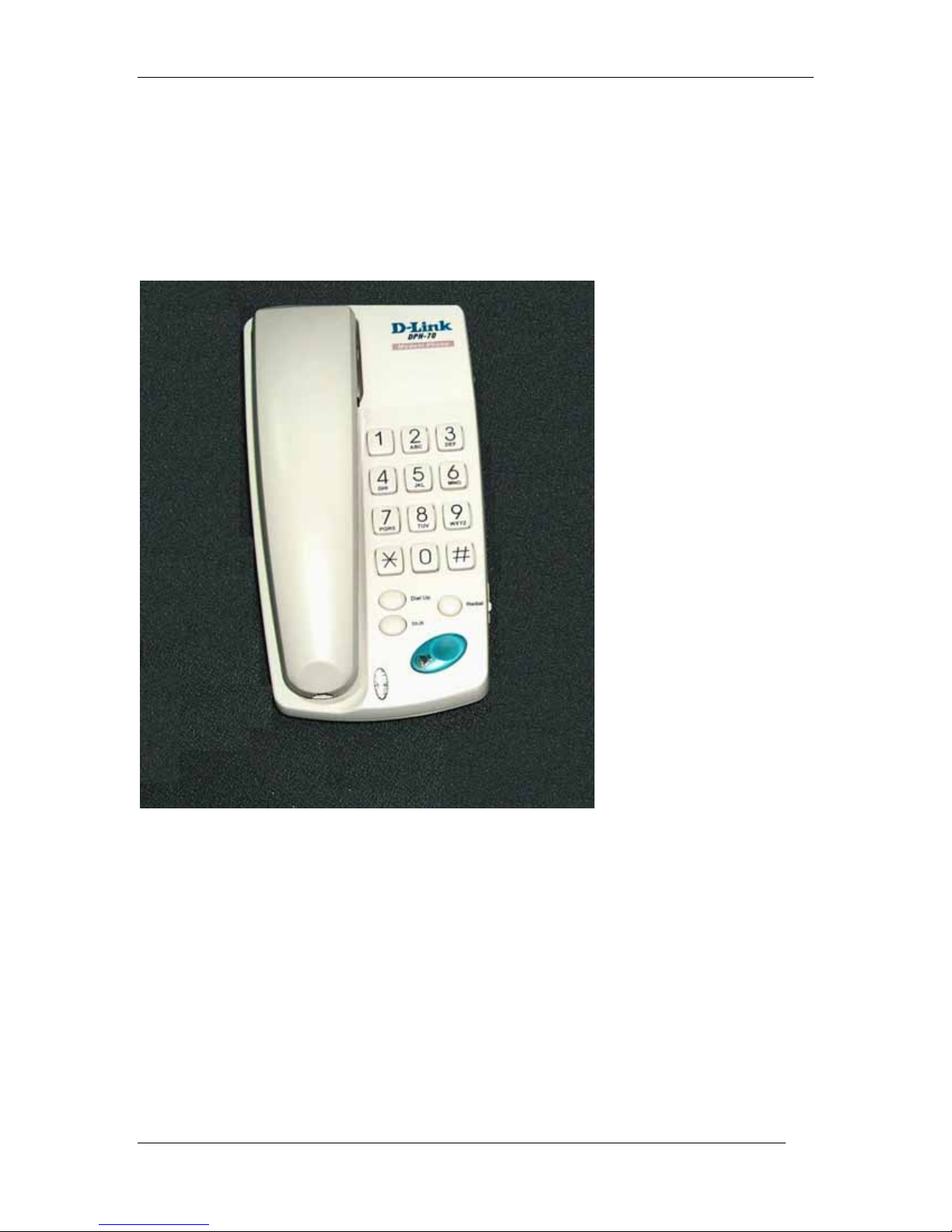
DPH-70 is a two-in-one phone, allows Internet and PSTN phone calls. It is a dial-up Internet (IP)
telephone, operates using Session Initialization Protocol (SIP) and H.323 protocol. It allows you
to make inexpensive long distance (STD and ISD) calls on dial-up Internet connection.
It, also, works as a normal PSTN phone. It looks and feels like a normal PSTN phone. A DIAL-UP
button differentiates an Internet phone call.
DPH-70 needs to be configured once and there is no need to configure it again unless there i s
change in Internet access or calling card information.
DPH-70 is a standard based device and works with any Internet Service Provider (ISP) and VoIP
(Internet telephone) service provider. It plays user-friendly status messages and configuration
messages in a language of your choice.
DPH-70 has a user-friendly dialing option whereby you just dial the number. It will try many times
and ring back when the called party answers the call.
DPH-70 software can be upgraded over the Internet for new features and functions.
Features
Two-in-one device supports Internet and PSTN phone calls.
Standard based device, works with all Internet Service Provider (ISP), VoIP service
providers, and PC based soft phones.
6
Page 7

DPH-70 User’s Guide
Easy to use set-up, guided by voice prompts in local language.
Intelligent selection of codec (G.723 or G.729A) based on Internet connection speed.
Excellent voice quality and low end-to-end delay using low latency adaptive jitter buffer,
silence suppression, and comfort noise generation techniques.
User-friendly hands-free dialing method.
Make multiple calls without connecting to the Internet each time.
Call transfer, last number redial, and adjustable speaker volume control.
Password protection to your valuable configuration information.
Remote software update support.
1.1 Acronyms
LED Light Emitting Diode
IP Internet Protocol
ISP Internet Service Provider
PPP Point-to-Point Protocol
PSTN Public Switched Telephone Network
RTP Real Tim e Protocol
SIP Session Initiation Protocol
TFTP Trivial File Transfer Protocol
VOIP Voice Over Internet Protocol, same as Internet Telephony
1.2 Definitions
Idle State: DPH-70 is said to be in idle state when the speaker is off, LEDs are off and handset is
on Hook.
Configuration state: DPH-70 goes to configuration state to edit and verify the configuration
information.
Receive state: DPH-70 goes to this state to receive calls from other phones. In this state, phone
is always connected to Internet.
Speaker Mode: You can dial a phone number in hands free mode and listen to call progress
messages.
Handset Mode: You can lift the handset any time to listen. If the speaker is on while lifting, it is
turned off automatically.
7
Page 8
DPH-70 User’s Guide
2 Unpacking and Installation
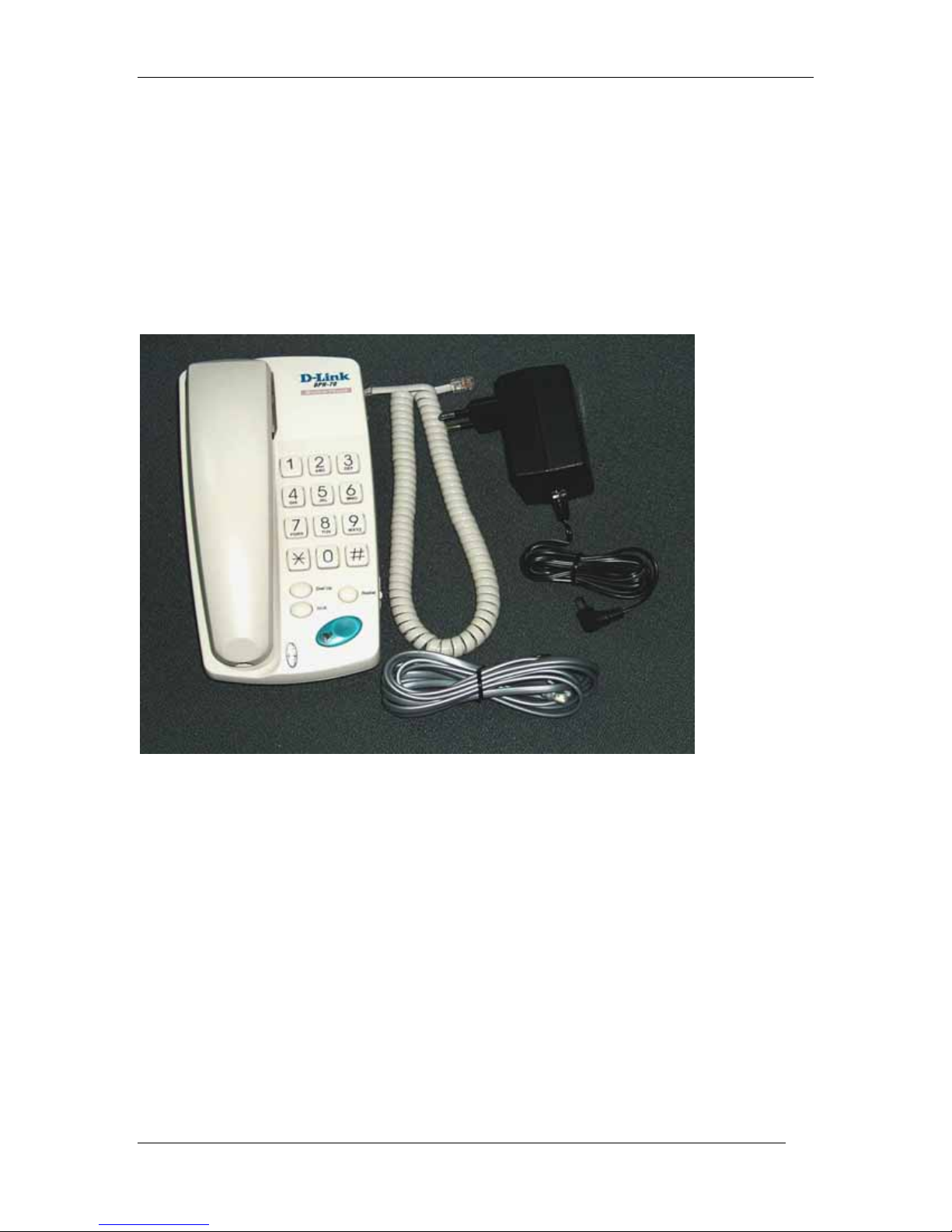
Open the shipping carton and carefully remove all items. In addition to this User’s Guide, make
sure you have received all of the following items:
• Modem IP phone, DPH-70
• One telephone cable (RJ-11)
• Handset
• Handset cord
• Power adapter
• Warranty card
If any item appears to be missing or damaged, please contact your local reseller.
2.1 System Requirements
You will need the following to use DPH-70.
• AC power outlet (230V, 50Hz)
• Local telephone line connection
• Access to dial-up Internet connection (via ISP) that is PPP compatible
• Account with a VoIP (Internet Telephone) service provider
2.2 Installation
1. Connect the handset to DPH-70 with handset cord.
2. Plug one end of telephone cable (RJ-11) into the LINE port on the rear panel of DPH-70
and the other end into a working telephone wall jack.
3. Plug the AC power adaptor provided into an AC outlet and insert the power cord into the
connector marked “AC” on the rear panel of the DPH-70.
4. Lift the handset and listen for the dial tone that indicates the DPH-70 has been installed
properly. If you do not hear a dial tone, check that the power adaptor is plugged into a
live electrical outlet and that the power cord is pushed securely into the connector.
5. Now DPH-70 is ready for basic configuration as described in the next section.
8
Page 9

DPH-70 User’s Guide
Warning: DPH-70 needs Internet access and Internet calling card information to make Internet
phone calls. However, it can make normal PSTN phone calls without any configuration.
9
Page 10

DPH-70 User’s Guide
3 Getting Started
After installation, DPH-70 is ready for configuration. You need to enter Internet Service Provider
(ISP) and Calling Card information to make and receive Internet phone calls. However, it can
make normal PSTN phone calls without any configuration. Refer to Appendix A to know how to
enter alphanumeric and special characters required for user n ame and password.
Warning: DPH-70 identifies end of each parameter by ‘#’. Please terminate each parameter
entry by pressing ‘#’ key. For example, to enter the password as ‘123’ you should press ‘123#’.
3.1.1 ISP Information
Following Internet Service Provider (ISP) account information is required for dial-up Internet
connection. Refer to your Internet Service Provider’s card for this information.
Internet Access Telephone Number
User Name
Password
To enter these parameters, follow the steps below. DPH-70 voice menu guides you through the
configuration process.
1. Enter ‘∗123∗#’ to enter the configuration menu.
2. Enter the configuration password. The default password is ‘12345’.
3. Enter ‘11’, to edit the ISP parameters. It plays “Please enter the ISP phone number and
terminate by ‘#’ button”.
4. Enter the Internet access phone number and terminate by pressing ‘#’ button. During
entry, it echoes the character pressed.
5. After the termination, it plays back the value, as “You entered xxxx, press ‘1’ to accept, ‘2’
to re-enter. Press ‘1’ to accept the entered parameter. If you want to re-enter the
parameter, press ‘2’.
6. Follow the voice menu to enter ISP User Name and password. After ISP configuration,
phone plays the main menu.
7. Enter ‘5’ to save the ISP information.
3.1.2 VoIP Calling Card Information
Following VoIP (Internet Telephone) calling card information is required for Internet phone
connection. The VoIP service provider will provide these parameters. Refer your calling card for
these parameters. After entering the calling card parameters, your Internet phone number will be
same as user ID.
User ID
Password or PIN
To enter these parameters, follow the steps below and the voice menu from DPH-70.
1. Enter ‘∗123∗#’ to enter the configuration menu.
2. Enter the configuration password. The default password is ‘12345’.
3. Enter ‘21’, to edit the VoIP calling card parameters. It plays “Please enter the calling card
user ID and terminate by ‘#’ button”.
4. Enter the calling card User ID and terminate by pressing ‘#’ button. During entry, it
echoes the character pressed.
5. After the termination, it plays back the value, as “You entered xxxx, press ‘1’ to accept, ‘2’
to re-enter. Press ‘1’ to accept the entered parameter. If you want to re-enter the
parameter, press ‘2’.
10
Page 11

DPH-70 User’s Guide
6. Follow the voice menu to enter the calling card password. After calling card password
configuration, phone plays “Please enter the password”. This is required only to configure
the VoIP server address. The default password is ‘abcd’. If password is not known, press
‘#’ to come to main menu.
7. Enter ‘5’ to save the calling card information.
After these basic configurations, DPH-70 is ready to make and receive Internet phone call s as
described in the next section.
11
Page 12

DPH-70 User’s Guide
4 Internet Phone Calls
After basic configuration, DPH-70 allows you to make and receive Internet phone calls as
described in this section. DIAL-UP button distinguishes the Internet phone call from normal PSTN
phone call. To make Internet phone call press DIAL-UP button followed by destination telephone
number. It supports a user-friendly dialing method as described below.
Warning: You need to have Internet access information and VoIP calling card information
configured in DPH-70 to make and receive Internet calls.
4.1 Receiving Internet call
DPH-70 needs to be connected to VoIP server to receive Internet phone calls. This is called
RECEIVE state. DIAL-UP button enables and disables this state and the corresponding Dial Up
LED indicate whether the DPH-70 is in receive state.
When you press the DIAL-UP button, DPH-70 connects to Internet and VoIP (Internet Telephone)
Service Provider. During this connection process, DPH-70 will play progre ss tone and blink the
DIAL-UP LED. After connecting to the VoIP server, it will turn on the DIAL-UP LED and stop
progress tone. It stays connected to Internet for 15 minutes or until you cancel it by pressing the
DIAL-UP button again.
During this connection process if anything fails, dph-70 will disconnect modem, turn off Dial Up
LED, plays an error message, and then goes to idle state. If the Internet access line is busy it will
retry 4 times before giving up.
Warning: In RECEIVE state, DPH-70 is connected to the Internet and you will be charged for
Internet access. Do not leave the phone in RECEIVE mode unless you are expecting an Internet
phone call.
4.2 Making Internet call
4.2.1 Normal dialing
Like conventional phone, lift the handset, press DIAL-UP button and dial the other party phone
number followed by ‘#’ key. For example, you press ‘dial-up12345#’ to call 12345 through the
Internet. The DIAL-UP button tells the DPH-70 to connect to Internet.
DPH-70 plays progress tone and establishes call with the called party. You will hear ringing tone
if the called phone is free and reachable. When the called party attends the call, you can talk to
him. If anything goes wrong you will hear appropriate error messages. Please refer to Appendix B:
Troubleshooting for more information about the error messages.
During the process of establishing Internet call, DPH-70 connects to the Internet and then,
connects to the VoIP service provider. This may take some time unlike normal phone.
Warning:
into DPH-70 by pressing ‘#’ key. If you don’t press any key for more than 5 sec, DPH-70 identifies
it as end of phone number.
DPH-70 identifies end of phone number by ‘#’. Please terminate phone number entry
12
Page 13

DPH-70 User’s Guide
4.2.2 Multiple Calls
RECEIVE state allows you to make multiple Internet calls without connecting to the Internet each
time. You press DIAL-UP to go to RECEIVE state, please refer to a section on “Receiving Internet
Calls” for more detail.
In this mode, you just dial the phone number followed by ‘#’. Since DPH-70 is already connected
to Internet, you do not press the DIAL-UP button before dialing a number. For example, you press
‘12345#’ to dial 12345 through Internet. It remains in call receive state after the end of each call.
Please note that you cannot make normal PSTN call while DPH-70 is in RECEIVE state.
Warning: In RECEIVE state, DPH-70 is connected to the Internet and you will be charged for
Internet access. Do not leave the phone in RECEIVE mode unless you are expecting an Internet
phone call.
4.2.3 Special Dialing
Dial-up connection sometime takes time to connect to the Internet depending on the Internet
access line availability and network congestion. Your DPH-70 is designed with a user-friendly
dialing method to help you in such situations.
You dial in hands free mode. Press speaker button, the speaker will be turned ON. Then press
DIAL-UP button and dial a number followed by ‘#’ without lifting the handset. DPH-70 will
establish Internet call with the called party and play ring back tone. However, if the Internet
access line is busy, dph-70 will retry 5 times before giving up.
During the process of establishing the Internet call, DPH-70 will play different call progress tones
(like progress, ring back, or error tone) and blink the speaker LED. Once the other party lifts the
handset, it establishes the Internet call and turns on the speaker LED. Remember that you can
listen to call progress tones in hands free but you have to use the handset to talk to the other
party.
Warning: DPH-70 identifies end of phone number by ‘#’. Please terminate phone number ent ry
into DPH-70 by pressing ‘#’ key. If you don’t press any key for more than 5 sec, DPH-70 identifies
it as end of phone number.
4.3 Internet Call Transfer
SIP signaling protocol in DPH-70 supports call transfer feature. This feature is not available in
H.323 signaling protocol.
This feature allows the user to transfer an Internet phone call to another phone connected to the
Internet. To transfer the call, you flash the hook for a short period and dial the destination number
followed by ‘#’. The destination number will ring and on off-hook the call transfer will be complete.
13
Page 14

DPH-70 User’s Guide
5 PSTN Phone Calls
DPH-70 can make and receive normal PSTN phone calls. When DPH-70 is not connected to the
Internet through the DIAL-UP button (RECEIVE state), it is known to be in idle state. In this state
it works as a normal phone, making and receiving PSTN phone calls. This feature does not need
any configuration.
5.1 Making PSTN call
To make an outgoing call, go off hook and dial the destination number, followed by #. For
example, you press 12345# to call 12345 through PSTN network. It plays various call progress
tone as in normal phone and plays ring back tone if the called party is free. DPH-70 establishes
the call on called party attending the call.
To make PSTN call in pulse mode, press SHIFT key and dial the phone number. For example,
press <SHIFT> 12345# to dial 12345 in pulse mode.
The dialing mode of PSTN number depends upon configuration of ISP number. If ISP number is
configured with & (for BLIND DIALING), PSTN number is also dialed in blind mode, and if ISP
number is configured with $ (for PULSE MODE DIALING), PSTN number is also dialed in pulse
mode. (Please refer section 錯誤! 找不到參照來源。).
DPH-70 has special supports for operation behind an EPABX. For example, you may have to dial
9 to get external dial tone and then dial the destination number. In this scenario, first dial ‘9#’ to
dial to EPABX and get external dial tone, then dial the destination number.
Warning: DPH-70 identifies end of phone number by ‘#’. Please terminate phone number ent ry
by pressing ‘#’ key. If you don’t press any key for more than 5 sec, DPH-70 identifies it as end of
phone number.
5.2 Receiving PSTN call
DPH-70 can receive any normal PSTN phone call when DPH-70 is not connected to the Internet
through the DIAL-UP button. It rings on incoming call and establishes call on off hook. Either
party can disconnect the call by going on hook.
5.3 Transferring PSTN call
This feature allows the user to transfer a PSTN phone call to any PSTN phone. To transfer the
call, you flash the hook for a short period and dial the destination number followed by ‘#’. The
destination number will ring and on off-hook the call transfer will be complete.
14
Page 15
DPH-70 User’s Guide
6 DPH-70 Configuration
DPH-70 voice menu helps you through the configuration process. You can enter the configuration
menu by pressing the key sequence ‘∗123∗’ and terminate with a hash (#) key when DPH-70 is in
idle state.
DPH-70 will ask for password on entering configuration menu. Since the configuration information
contains valuable information it is password protected. If you don’t remember your password, you
can reset DPH-70 to default password as described in Loading factory defaults. The default
password is ‘12345’.
Warning: DPH-70 identifies end of a parameter by ‘#’. Please terminate each parameter entry
into DPH-70 by pressing ‘#’ key.
Configuration: Main Menu
1. ISP P arameters
Phone Number
User Name
Password
2. C a llin g c ard
Parameters
User ID
Password
VoIP server address
Calling card configuration
password
3. Extended Menu
1. Co n fig u ra tio n
Password
2. Software Server
Address
3. Country Code
4. Language
5. Service Provider
6. Software Version
7. Vo lu me C o n tro l
9. E x it to M a in Men u
4. Review
Configuration
Internet access phone number
ISP User Name
ISP Password
Callin g c a r d U ser ID
Callin g c a r d Pas s w ord
Configuration password
Software server
address
8. Review
Configuration
Country code
Language
VoIP service provider
Softw a re ve rs io n
Volu me leve l
5. Save and Quit
DPH-70 configuration menu is shown above. It has five options in the main menu and seven
options in the extended menu. Each of them is described below. The configurable parameters are
shown in bold letters. DPH-70 plays the current value of each parameter and allows you to edit
or skip to next parameter. After entering a parameters value, it plays it back for verification.
After password verification, DPH-70 will play the main menu as below.
“Press
‘1’ to enter ISP parameters,
‘2’ to enter calling card parameters,
‘3’ to enter extended menu,
15
Page 16

DPH-70 User’s Guide
‘4’ to review configuration parameters,
‘5’ to save & quit
Note:
If power goes off while you are configuring, the phone will work with the previous saved
parameters.
If you idle more than 90 seconds, dph-70 will accept the keys entered and go to next
state.
If you leave the phone without completing the configuration it will go back to idle state
without saving the parameters.
6.1 ISP Parameters
DPH-70 needs to connect to the Internet to make Internet phone calls. The following information
should be configured in DPH-70 to connect to the Internet and make calls. The user will get this
information while subscribing to Internet Service Provider (ISP). Please note that DPH-70 will not
work without this information.
ISP Phone Number
This is the phone number to which DPH-70 will dial-up to connect to the Internet. The Internet
access phone number can be maximum 20 digits. If you enter more digits and try to save, you will
hear a prompt “The parameter you have entered is incorrect, Press ‘1’ to edit, ‘2’ to skip”. Press
‘1’ or ‘2’ appropriately.
DPH-70 normally dials out with DTMF tones. However, if Internet access phone number is
configured to start with a ‘$’, then the phone dials out in pulse mode.
DPH-70 supports a mode called blind dialing mode. In this mode, DPH-70 won’t look for dial tone
on line before dialing the ISP number. User can enter '&' (Ampersand) as first character in ISP
Phone number (or as second character if first character is '$' for pu lse mode dialing) for dialing
ISP number in blind mode.
Warning: In blind dial mode DPH-70 won’t prompt any error messages related to line conditions.
DPH-70 has special supports for operation behind an EPABX. In some scenarios, you may have
to introduce a delay after dialing external access number or wait for secondary dial tone. A ‘.’ (dot)
in phone number will introduce a delay and a ‘_’ (under-score) will look for secondary dial tone.
For example, 9.6788341 will introduce a small delay after dialing 9, before dialing other digits.
ISP User Name
The user name identifies the user to Internet Service Provider (ISP). It can have a mix of digits,
lower and upper case letters, and special characters. The user name can have a maximum of 30
characters. Please refer to Appendix A: Procedure for entering alphanumeric and special
characters to enter special characters.
ISP Password
The password used for verifying the user to Internet Service Provider (ISP). It can have a mix of
digits, lower and lower case letters, and special characters. It can have a maximum of 30
characters. Please refer to Appendix A: Procedure for entering alphanumeric and special
characters to enter special characters.
16
Page 17

DPH-70 User’s Guide
6.2 Calling Card Parameters
The following information is required for DPH-70 to make and receive Internet phone calls. The
user will get this information from the VoIP (Internet Telephone) service provider. Please note that
DPH-70 will not work before configuring this information.
Calling Card User ID
This is the Internet phone number or user ID assigned to you. It can have a maximum of 30
characters. This information is required to verify the calling card user identity to the VoIP (Internet
Telephone) Service Provider.
Calling Card Password
This information is required to verify the calling card user identity to the VoIP (Internet Telephone)
Service Provider. It can have a maximum of 30 characters.
VoIP Server Address
This is the IP address where VoIP (Internet Telephone) Server is running. It can be a valid IP
address like 198.62.73.101 or a valid domain name like sip.dlink.com. The domain name can
have a maximum of 30 characters, including ‘dots’. Default server address is sip.cityonlines.com.
VoIP server address is of the form xxx.xxx.xxx.xxx where xxx is between 0 and 255. If the
entered number is invalid, phone prompts with a message “ The parameter you have entered is
incorrect, Press ‘1’ to edit, ‘2’ to skip”.
Calling Card configuration Password
This is the password for accessing and configuring the calling card informatio n. It can have
maximum of 30 characters. Default is “abcd”. The user is advised to change this value. If you
forget this password, reset the phone to factory values and configure the phone again.
6.3 Review Configuration
This option plays current information for all parameters in main menu as
“ISP Phone number is xxxx,
ISP User name is xxxx,
ISP Password is xxxx,
Calling Card user ID is xxxx,
Calling Card password is xxxx”
After playing this message, it prompts with the main menu.
6.4 Save and Exit
This option saves all the information entered in the configuration and exits from configuration
option. You can leave the configuration without saving the information by replacing the handset or
switching the speaker off.
17
Page 18

DPH-70 User’s Guide
6.5 Extended Menu
6.5.1 Configuration Password
Internet access and calling card parameters are valuable information and it can be misused. Thus,
DPH-70 has password protection to enter the configuration module. It can have maximum of 30
characters. Default is “12345”. The user is advised to change this value. If you forget this
password, reset the phone to factory values and configure the phone again.
6.5.2 Software server address
This is the IP address of software server from where the latest DPH-70 software can be
downloaded. It can be a valid IP address like 198.62.73.101 or a valid domain name like
dph70.cityonlines.com. The domain name can have maximum of 30 characters, including ‘dots’.
Default server address is dph70.cityonlines.com (or 202.62.83.106).
6.5.3 Country Code
Following is a list of countries supported with their respective codes
Table 1 Country Codes
Country Code
Brazil 0
China 1
India 2
Korea 3
Malaysia 4
Mexico 5
South Africa 6
Taiwan 7
USA 8
Australia 9
Austria 10
Belgium 11
Denmark 12
Finland 13
France 14
Germany 15
Ireland 16
Italy 17
Japan 18
Netherlands 19
Norway 20
Poland 21
Portugal 22
Singapore 23
Spain 24
Sweden 25
Switzerland 26
UK 27
Others 28
If you enter a value other than the listed, the phone prompts with a message “The parameter you
have entered is incorrect, Press ‘1’ to edit, ‘2’ to skip”. Choose appropriately.
18
Page 19
DPH-70 User’s Guide
Based on the country code selection, the various tones and modem software will vary. Default
country code is 2 (India). If you change it to some other country than yours, the phone may not be
able to make calls and you will hear some error message. So please be sure to select the correct
country code.
6.5.4 Language Support
DPH-70 plays voice prompts in many languages. Following is the list of languages supported with
their respective codes.
Table 2 Languages
Language Code
Default 0
English 1
Hindi 2
If you enter other than the listed value, the phone prompts with a message “The parameter you
have entered is incorrect, Press ‘1’ to edit, ‘2’ to skip”. Choose appropriately.
If you change the language code, please do a software upgrade as described in Upgrading
Software section.
6.5.5 VoIP Service Provider
DPH-70 works with many service providers. Following is the list of service providers supported
with their respective codes.
Table 3 Service Providers
Service Provider Code
Default 0
VSNL 1
SatyamOnLine 2
Pioneer Online 3
If you enter other than the listed value, the phone prompts with a message “The parameter you
have entered is incorrect, Press ‘1’ to edit, ‘2’ to skip”. Choose appropriately.
If you change the service provider code, please do a software upgrade as described in Upgrading
Software section.
6.5.6 Software version number
This option plays the current software version in DPH-70. It will change if you download newer
version of software from Internet.
6.5.7 Volume Control
The volume level can vary depending on the VoIP gateway of your VoIP service provider. This
option allows configuration of volume levels for Internet (VoIP) and PSTN calls. DPH-70 has
separate volume control for Internet and PSTN calls. You can select a level in the range of 1 – 5
to adjust the volume level. The default values are 3 for VoIP calls and 3 for PSTN calls.
19
Page 20

DPH-70 User’s Guide
6.5.8 Review Configuration
This option plays current information for all parameters in extended menu as
“Configuration password is x
Software server address is x
Country Code is x
Language selected is x
VoIP Service provider is X
Current software version is x
VoIP volume level is x
PSTN volume level is x”
After playing this message, it prompts with the extended menu.
6.5.9 Exit to main menu
This option takes you to the main menu. You need to save the information entered in extended
menu by selecting ‘Save and Exit’ in main menu.
20
Page 21

DPH-70 User’s Guide
7 Additional Features
7.1 Upgrading Software
DPH-70 has a facility to upgrade the software, remotely through the Internet at no cost to you.
Software can be downloaded when the phone is in RECEIVE state or when not in use.
On pressing ‘∗456∗#’, the phone connects to the Internet and downloads the software. During the
download process, DPH-70 will play progress tone and blink the SHIFT LED. After successful
download, the phone restarts with the newer software. Due to some reason if download fails, the
phone will continue working with the earlier software. You can check the current software version
through configuration menu.
D-Link will release latest DPH-70 software in its website at
server IP address from where the latest software can be downloaded. This information is required
to be entered into DPH-70 through the configuration menu.
Note: On pressing ‘*456*#’, DPH-70 will ask for confirmation.
7.2 Loading factory defaults
If it is required to reset DPH-70 and start with default configuration parameters, you can do so by
pressing ‘∗789∗#’ while DPH-70 is in idle state. The phone restarts i n few seconds with the
default parameters. Default configuration password is ‘12345’. The phone needs to be configured
again for Internet access and calling card information before it can be used.
Note: On pressing ‘*789*#’, DPH-70 will ask for confirmation.
http://www.dlink.co.in along with the
21
Page 22
DPH-70 User’s Guide
8 Appendix A: Procedure for entering alphanumeric and
special characters
The section describes how to enter digits, upper and lower case alphabets, and special
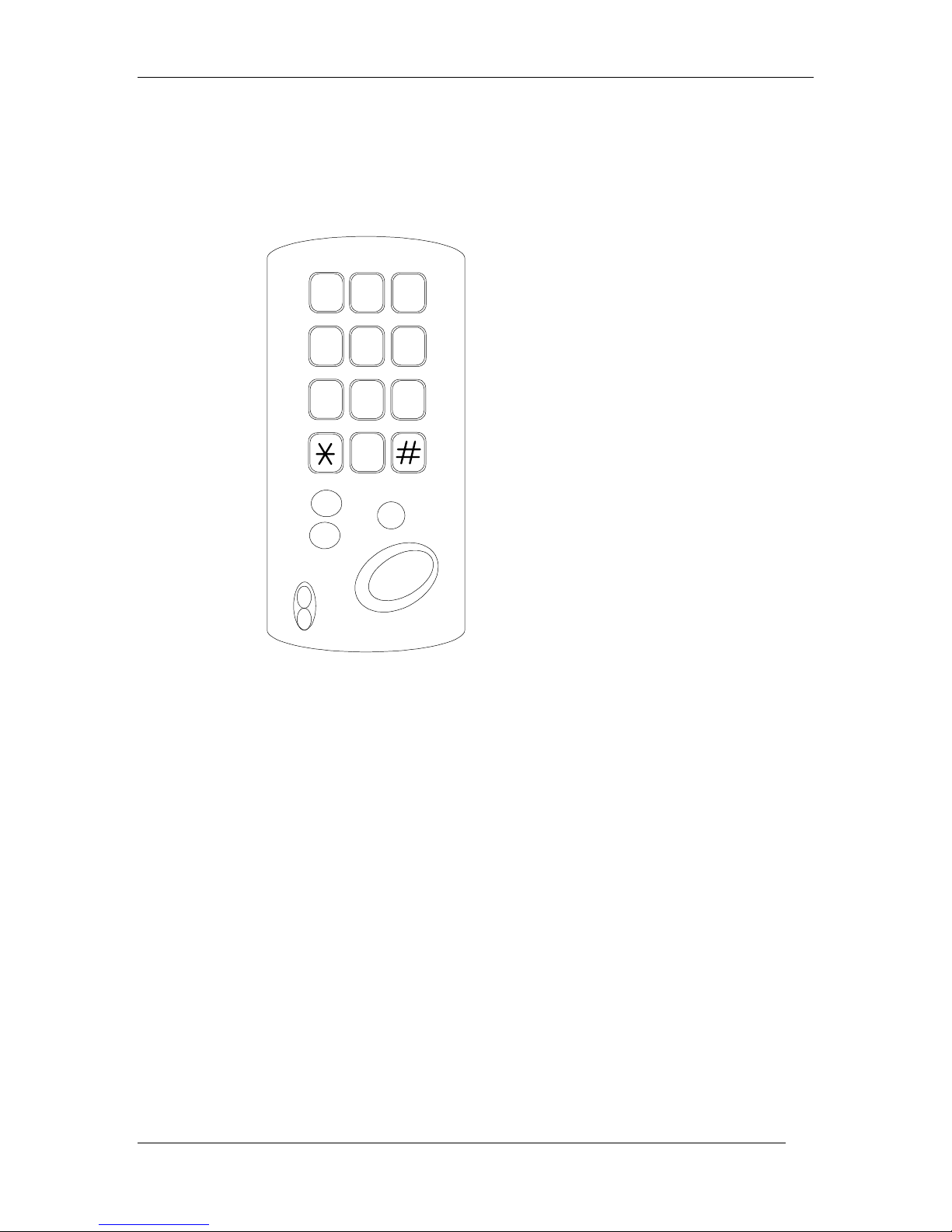
characters using the DPH-70 keypad shown below.
1
2
3
ABC
DEF
4
5
GHI
JKL6MNO
8
7
TUV9WXYZ
PQRS
0
Dial Up
Shift
Green
Red
L
D
E
Redial
8.1 Entering Digits
• Press any digit key once to enter the corresponding digit.
Example: To enter 4, press key 4 once.
8.2 Entering Small Letters
• Press a digit key twice to enter the first character written on that key.
• Press thrice to enter the second character written on that key
• Press four times to enter the third character written on that key.
• Press five times to enter the fourth character written on that key.
• If the key is pressed more than above mentioned times, it accepts the last letter written
on that key.
Examples: To enter a, press key 2 two times.
To enter e, press key 3 three times.
To enter z, press key 9 five times.
NOTE: Press the appropriate key firmly, specified number of times, in quick succession to enter
alphabets.
22
Page 23

DPH-70 User’s Guide
8.3 Entering Capital Letters
You need to press a SHIFT button and a digit key, specified number of times, to enter the capital
letters marked on digit keys. SHIFT LED turns on after SHIFT button is pressed and turns off after
the digit key is pressed.
• Press a SHIFT button and then the digit key, the following number of times to enter the
capital letters.
o Twice to enter the capital of the first letter written on that key.
o Thrice to enter the capital of the second letter written on that key.
o Four times to enter the capital of the third letter written on that key.
o Five times to enter the capital of the fourth letter written on that key.
• If the key is pressed once after SHIFT button is pressed, it accepts the corresponding
digit.
• If the key is pressed more than above mentioned times after the SHIFT button is pressed,
it accepts as a last capital letter written on that key.
Examples: To enter A, press SHIFT followed by key 2 two times.
To enter E, press SHIFT followed by key 3 three times.
To enter Z, press SHIFT followed by key 9 five times.
NOTE: Press the appropriate key firmly, specified number of times, in quick succession to enter
alphabets.
8.4 Entering Special Characters
Press DIAL UP button and then press the corresponding key mentioned in table below to
enter special characters. DIAL UP LED turns on after pressing the DIAL UP button and turns
off after accepting a special character.
Special
Character
“Backspace”
@ “At ”
. “Dot”
- “Hyphen”
_ “Underscore”
$ “Dollar”
& “Ampersand”
/ “Slash”
: “Colon”
# “Hash”
Note: Backspace can be used to delete the unwanted character. It will delete the last entered
character.
Examples: To enter @, press DIAL UP followed by key 1.
To enter ., press DIAL UP followed by key 2.
To delete the last character, press DIAL UP followed by key 0.
Description
Key To be
pressed
0
1
2
3
4
5
6
7
8
9
23
Page 24

DPH-70 User’s Guide
9 Appendix B: Troubleshooting
DPH-70 can play the following error messages at different error conditions. These messages aid
in troubleshooting any error conditions.
All outgoing calls are PSTN calls. It does not dial in Internet mode.
To make a call in Internet mode, you have to press DIAL-UP button first. Please refer to the user
manual for more details. If you don’t press DIAL-UP, DPH-70 will dial out in PSTN mode.
“Please configure the phone and try again”
This message is played if you try to use DPH-70 without configuring important parameters. You
need to configure the Internet Service Provider (ISP) access parameters and VoIP (Internet
Telephone) calling card parameters to use the phone.
“Please check the phone line and try again”
This message is played if DPH-70 is not connected to the phone line properly. Please check the
phone line connection and try again. Test the phone line with a normal phone if it persists.
If DPH-70 is behind EPBX you may have to program DPH-70 to look for secondary dial tone or
introduce a delay. Please refer to configuration section for more information.
“Password entered is incorrect. Try again”
If invalid password is entered to access configuration state, this message is played.
“The ISP line is busy, please call after some time”
This message is played when the Internet access line is busy. This may happen during peak
hours.
“The ISP server is not responding”
It is played when the Internet access modem is not responding properly. If this happens please
check the Internet access phone number and country code in configuration menu. If you call
Internet access phone number from a phone you will hear modem noise.
“ISP connection could not be established, try later”
It is played when Internet access server is down. Please contact the ISP customer service or try
again after some time.
“Please check your ISP parameters and try again”
This message is played when the configured ISP user name and password is incorrect. Please
verify the ISP user name and password.
“Bad phone line, Please contact customer support”
It indicates that your phone line may not connect to the Internet at sufficient speed to establish
Internet phone calls. Please try another phone line or contact customer support.
24
Page 25

DPH-70 User’s Guide
“Please check your calling card parameters and try again”
This message is played when the configured calling card information is incorrect. Please verify
the calling card parameters. This may also be due to VoIP server not responding or no balance in
your calling card account or wrong VoIP server IP address.
“The number you have dialed is not locatable, please check the number”
This message is played when the called phone number does not exist or not ready to receive
calls.
“The number you have called is busy, please call after some time”
This message is played when the called phone is busy.
“Incorrect value. Press ‘1’ to edit, ‘2’ to skip”
This message is played when invalid information is entered as part of configuration.
Fast error tone for a short period while disconnection phone
This error tone is played while the modem disconnects from the Internet. This process takes a
short time and the phone is inaccessible during this period.
25
Page 26
DPH-70 User’s Guide
10 Appendix C: DPH-70 Product Specifications
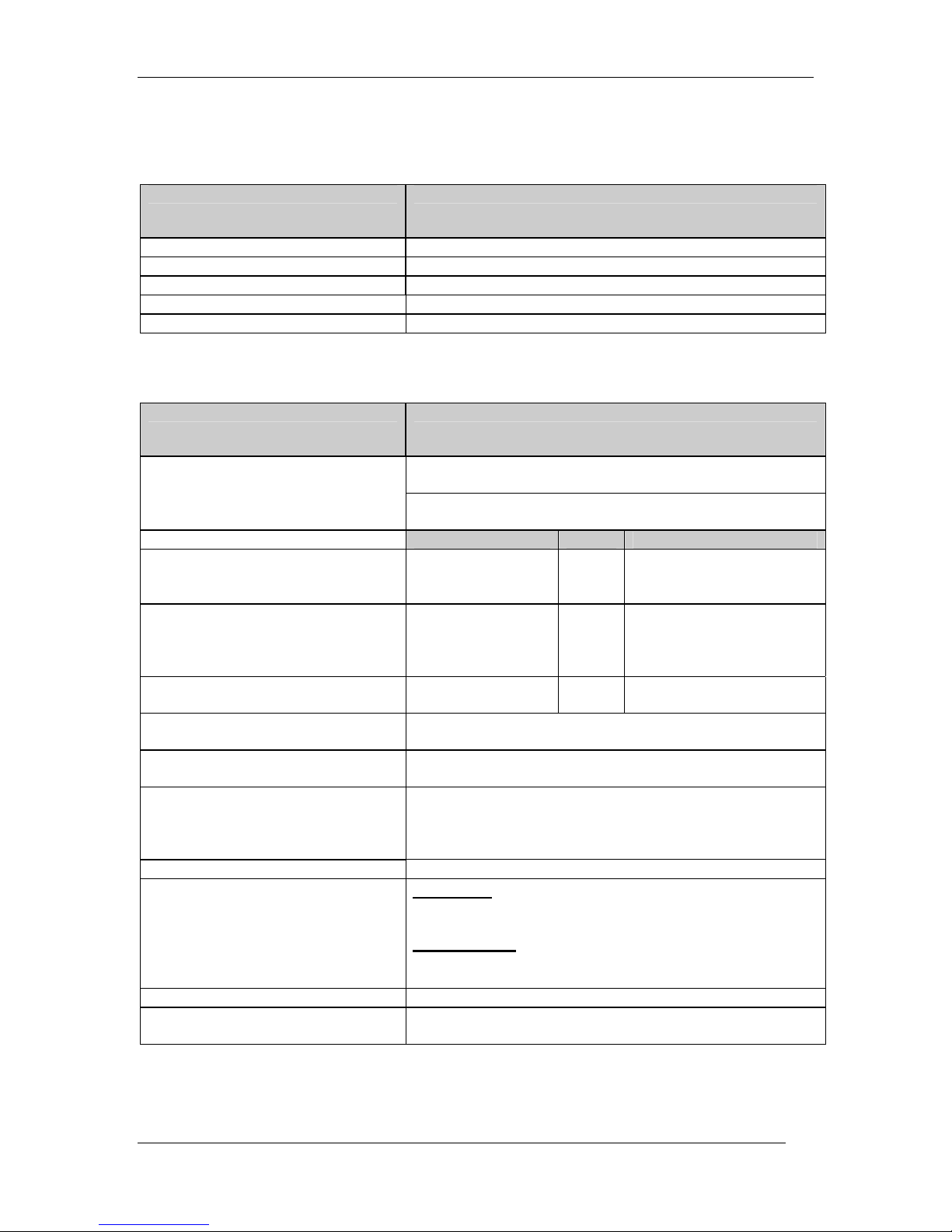
General
Product Feature Description
Model DPH-70A1
VoIP signaling protocol H.323 Version 2 or SIP (RFC2543)
Data Modem Standard V.34
Power Adapter 9V 1000mA AC Adapter (180-260V AC).
Power consumption 5W max.
Hardware Specifications
Product Feature Description
One Port for Telephone line
connection
Dial Up LED Indicates if the
Shift LED Used in
Speaker LED Indicates if speaker
Speaker button Press this button to turn on and off the speaker for handsShift button Used for entering upper case letters during configuration
Dial Up button Tells the phone to connect to Internet while making an
Redial button Redials the last dialed number.
Number Keys
Speaker Volume Adjustment Speaker volume can be adjusted using this facility.
Handset Volume Adjustment This can be used for adjusting the volume switch on the
RJ11
The Smart DAA Interface feature that reliably operates
without drawing power from the line
Remarks Color Timing
Green Steady
phone is in receive
state or not
Red Steady
configuration to
enter upper case
letters
Red Steady
is on or off.
free dialing.
state.
internet phone call.
Puts the phone ready to receive IP phone calls or to make
multiple calls.
0 to 9, #, ∗:
These are normal number keys and can be used for
dialing or entering digits.
Alphanumeric
Alphanumeric and special characters can also be entered
through keypad.
handset
26
Page 27
DPH-70 User’s Guide
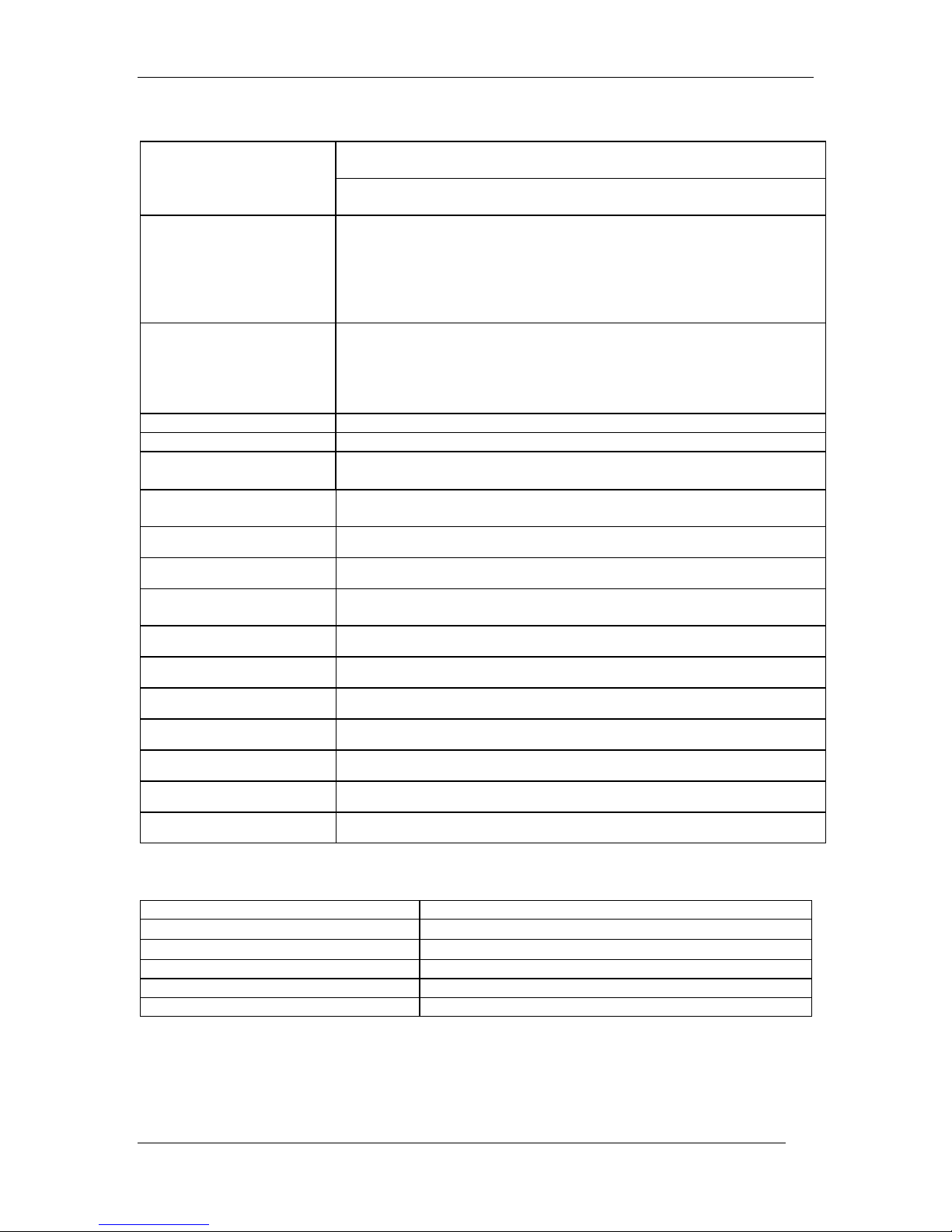
Software Specifications
G.723.1 is available for modem connection speeds of 16.8 Kbps or
Voice Codec
Voice activity detection,
Silence suppression,
Comfort noise generation
Internet protocol IP (RFC0791)
PPP (RFC1661) To connect to ISP via dial-up connection.
TFTP Trivial File Transfer Protocol is used for firmware download.
Reset to factory defaults After pressing a factory reset key sequence, the phone restarts with
Configuration using
Keypad
User authentication Password protection for configuration menu.
above.
G.729A/AB is available for modem connection speeds of 24 Kbps or
above.
Algorithms minimize the bandwidth requirements.
TCP (RFC0793)
UDP (RFC0768)
RTP/RTCP (RFC1889, RFC1890)
SDP (RFC2327)
all default parameters. The access sequence is ‘∗789∗#’.
Digits, Special characters and all letters can be entered.
Configuration password Default password is ‘12345’.
Calling card configuration
password
Configuration menu
Software upgrade
Factory reset
VoIP call volume level Default is 3
PSTN call volume level Default is 3
VoIP server address Default is sip.cityonlines.com (or 202.62.83.106)
Software server address Default is dph70.cityonlines.com (or 202.62.83.106)
Default password is ‘abcd’. If password is not known, press ‘#’ to
come to main menu.
Access code is ‘∗123∗’.
Access code is ‘∗456∗’.
Access code is ‘∗789∗’.
Safety / EMI Specifications
Standards Compliance FCC Class B part 15 and part 68
Operating Temperature
Storage Temperature
Humidity Range 5% to 95% Non-condensing
Dimensions 52 (H) x 206 (L) x 103 mm (without handset)
Weight 800gms
0 °C to 50 °C
-10 °C to 60 °C
27
Page 28
Registration Card
Offices
AUSTRALIA D-Link AUSTRALIA PTY.LTD.
Uni t 16 , 39 0 Eastern Valley Way Roseville, NSW 2069 Australia
TEL: 61-2-9417-7100 FAX: 61-2-9417-1077 TO LL FREE: 180017710 WEB: www.dlink.com.au
E-MAIL: [email protected]
CANADA D-Link CANADA, INC.
2180 Winston Park Drive, Oakville, Ontario L6H 5W1 Canada
TEL: 1-905-829-5033 FAX: 1-905-829-5223
WEB: www.dlinknet.com FTP: ftp.dlinknet.com E-MAIL: [email protected]
CHINA D-Link BEIJING
15th Floor, Science & Technology Tower,
No. 1 1 , Baishiqiao Road, Haidian District, Beijing 100081 China
TEL: 86-10-68467106-9 FAX: 86-10-68467 110 WEB: www.dlink.co.cn
DENMARK D-Link DENMARK
Naverland 2 DK-2600 Glostrup Copenhagen, Denmark
TEL:45-43-969-040 FAX:45-43-424-347
EGYPT D-Link MIDDLE EAST
7 Ass em Ben Sabet Street, Heliopolis Cairo, Egypt
TEL: 202-245-6176 FAX: 202-245-6192 WEB: www.dlink-me.com
FRANCE D-Link FRANCE
Le FLORILEGE #2, Allee de la Fresnerie
78330 Fontenay Le Fleury France
TEL: 33-1-3023-8688 FAX: 33-1-3023-8689 WEB : www.dlink-france.com
GERMANY D-Link (DEUTSCHLAND) GMBH I.G.
Bachstrae 22, D-65830 Kriftel Germany
TEL: 49-6192-97110 FAX: 49-6192-97111 1 WE B: www.dlink.de BBS: 49-6192-971199
INFO: 0130-7250-00 (toll free) HELP: 0130- 7250-40 (toll free)
INDIA D-Link (INDIA) PVT. LTD.
Plot No.5, Kurla-Bandra Complex Rd.
Off Cst Rd., Santacruz (E) Bombay - 400 098 India
TEL: 91-22-26526696/56902210 FAX: 91-22-26528914
ITALY D-Link ITALY
Via Nino Bonne t n.6, 201 54 Milano, Italy
TEL: 39-2-2900-0676 FAX: 39-2-2900-1723
JAPAN D-Link TOKYO
10F, 8-8-15 Nishigotanda, Shinagawa-ku Tokyo 141 Japan
TEL: 81-3-5434-9678 FAX: 81-3-5434-9868 WEB: www.d-link.co.jp
SINGAPORE D-Link SINGAPORE PTE.LTD.
1 International Business Park, #03-12 The Synergy, Singapore 6 17 099
TEL : 65-774-6233 FAX: 65-774-6322 E-MAIL: [email protected]
SWEDEN D-Link A/B
Worl d Trade Center P. O. Box 70396, 107 24 Stockholm Sweden
TEL: 46-8-700-6211 FAX: 46-8-219-640 E- MAIL: [email protected]
TAIWAN D-Link TAIWAN
2F, No. 233-2 Pao-Chiao Rd, Hsin-Tien , Taipei, Taiwan, R.O.C.
TEL: 886-2-2916-1600 FAX: 886-2-2914-6299 WEB: www.dlink.com.tw
U.K. D-Link (EUROPE) LTD.
D-Link House, 6 Garland Road, Stanmore, Middlesex HA7 1DP U.K.
TEL: 44-181-235-5555 FAX: 44-181-235-5500 WEB: www.dlink.co.uk
E-MAIL: [email protected]
U.S.A. D-Link SYSTEMS, INC.
53 Discovery Drive, Irvine, CA 92618 USA
TEL: 1-949-788-0805 FAX: 1-949-753-7033 WEB: www.dlink.com E-MAIL: [email protected]
DPH-70 User’s Guide
28
Page 29
DPH-70 User’s Guide
Registration Card
Print, type or use block letters.
Your name:Mr./Ms ____________________________________________________
Organization: _____________________________Dept. _______________________
Your title at organization:_______________________________________________
Telephone: ______________________ Fax: ___________________________
Organization's full address:____________________________________________________________
Country:________________ Date of purchase (Month/Day/Year) :_____________
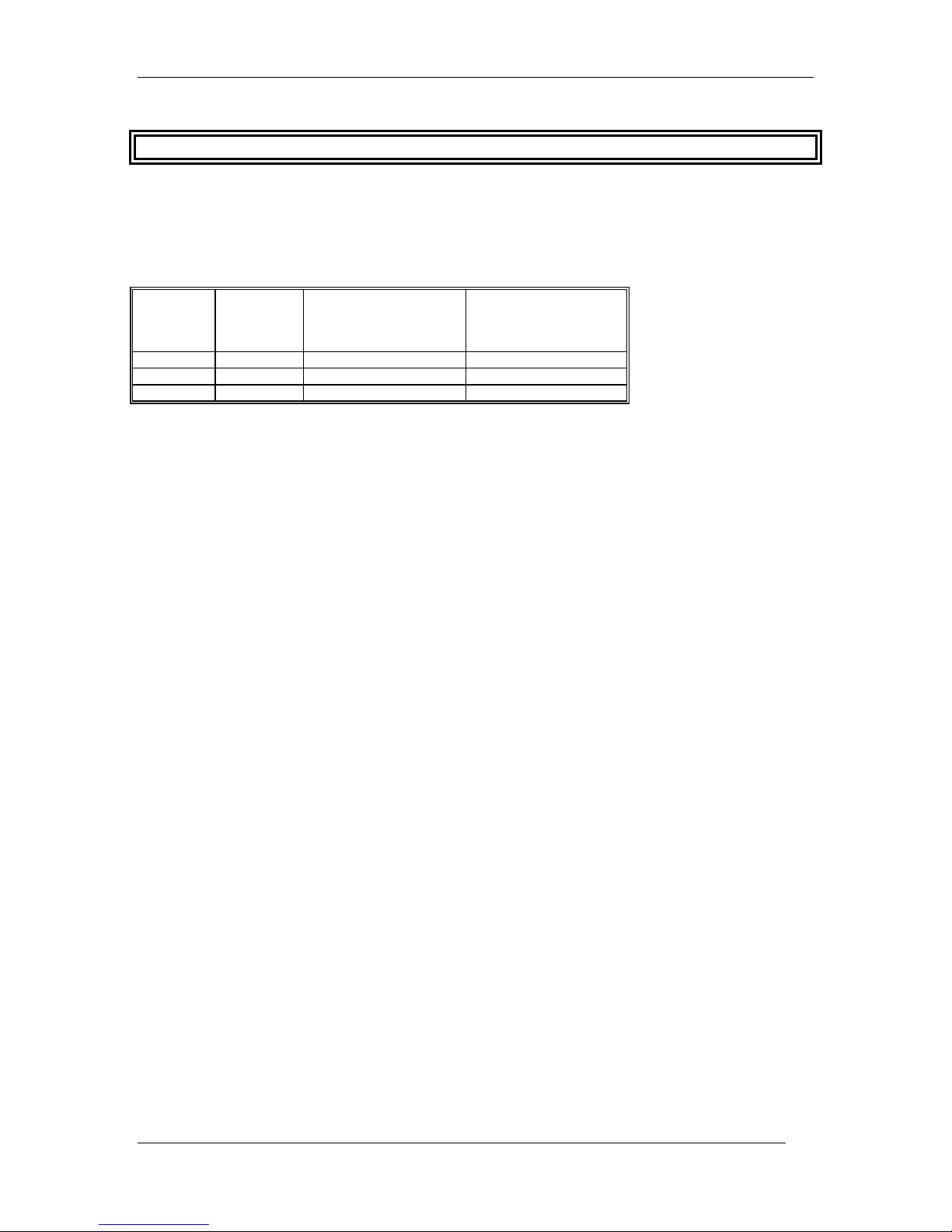
Product
Model
(* Applies to adapters only)
Product was purchased from:
Reseller's name:___________________________________________Telephone:______________ Fax:_________________
Reseller's full address: _______________________________________________________________________
Answers to the following questions help us to support your product:
1.Where and how will the product primarily be used?
Home Office Travel Company Business Home Business Personal Use
2. How many employees work at installation site?
1 employee 2-9 10-49 50-99 100-499 500-999 1000 or more
3. What network protocol(s) does your organization use ?
XNS/IPX TCP/IP DECnet Others_____________________________
4. What network operating system(s) does your organization use ?
D-Link LANsmart Novell NetWar e NetWare Lite SCO Unix/Xenix PC NFS 3Com 3+Open Banyan Vines
DECnet Pathwork Windows NT Windows NTAS Windows '95 Others__________________ _______________
5. What network management program does your organization use ?
D -View HP OpenView/Windows HP OpenView/Unix SunNet Manager Novell NMS NetView 6000
Others________________________________________
6. What network medium/media does your organization use ?
Fiber -optics Thick coax Ethernet Thin coax Ethernet 10BASE -T UTP/STP 100BASE -TX 100BASE -T4
100VGAnyLAN Others_________________
7. What applications are used on your network?
Desktop publishing Spreadsheet Word processing CAD/CA M Database management Accounting
Others_____________________
8. What category best describes your company?
Aerospace Engineering Education Finance Hospital Legal Insurance/Real Estate
Manufacturing Retail/Chainstore/Wholesale Government VAR Sy stem house/company
Transportation/Utilities/Communication Other________________________________
9. Would you recommend your D-Link product to a friend?
Yes No Don't know yet
10.Your comments on this product?______________________________________________________________
Product
Serial No.
* Product installed in
type of
computer (e.g.,
Compaq 486)
* Product installed in
computer serial No.
29
Page 30
DPH-70 User’s Guide
30
Page 31
DPH-70 User’s Guide
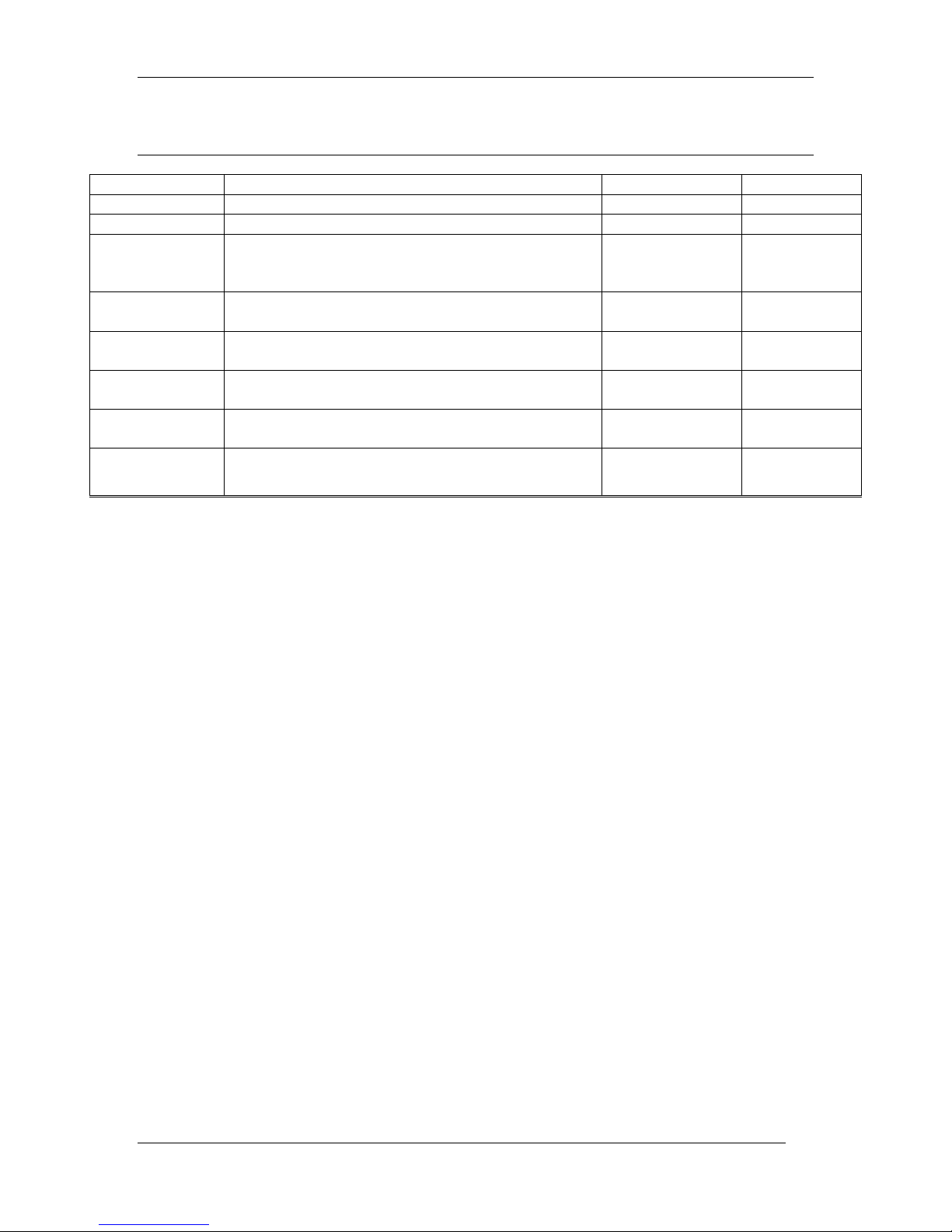
Revision History
Originator Comments Manual Revision S/W Revision
Victor First release 1.0 1.0 (SIP)
Aravindan Added configurable volume control 1.01 2.24 (SIP)
Aravindan Modified volume range to 5, removed ‘*’ for
delay in ISP number, * for pulse dialing, and
default values for servers.
Achuth Added calling card configuration password 1.03 2.36 (SIP)
Rahul Corrected description of access to calling card
configuration menu.
Rahul Added pulse dialing in PSTN, Blind dialing support
and Password protection of VoIP server address.
Achuth Added # special character support 1.06 2.50(SIP)
Achuth Added new country codes, blind mode and
pulse mode support in PSTN as in VoIP case
Last Saved on 8/2/2004 3:26 PM
1.02 2.30 (SIP)
1.31 (H.323)
1.04 2.36 (SIP)
1.31 (H.323)
1.05 1.51 (H.323)
1.61(H.323)
1.07 2.60(SIP)
1.61(H.323)
31
 Loading...