

Page 1
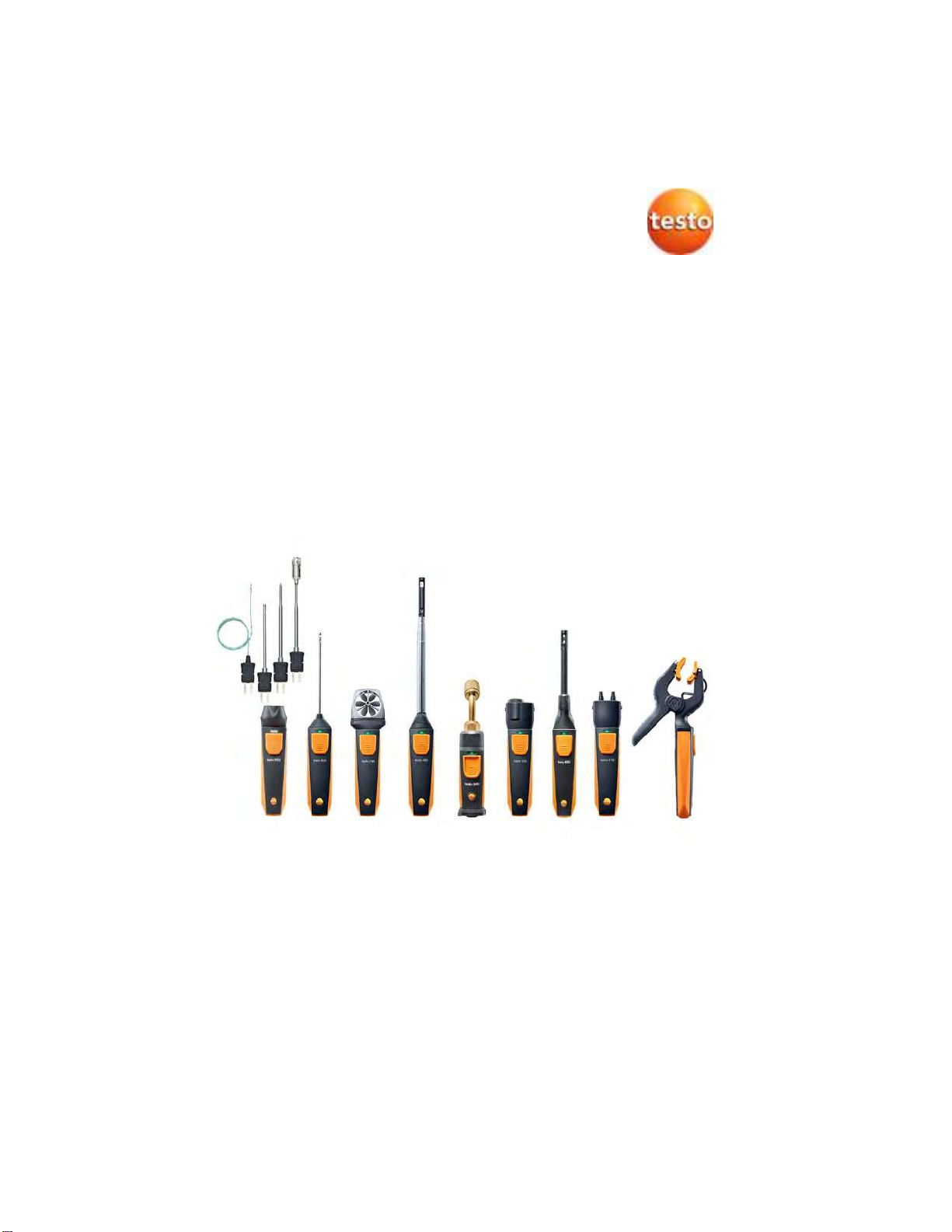
testo · Smart Probes
Instruction manual
Find Quality Products Online at: [email protected]
www.GlobalTestSupply.com
Page 2

1 Contents
1 Contents
1 Contents ................................................................................ 3
2 Safety and the environment ................................................ 5
2.1. About this document .......................................................... 5
2.2. Ensure safety ...................................................................... 6
2.2.1. Safety and the testo 510i/605i/915i ........................................................................ 6
2.2.2. Safety and the testo 605i ......................................................................................... 6
2.2.3. Safety and the testo 549i/552i ................................................................................. 6
2.2.4. Safety and the testo 805i ......................................................................................... 7
2.2.5. Safety and the testo 552i ......................................................................................... 7
2.3. Protecting the environment ............................................... 7
3 Specifications ....................................................................... 8
4 Product description ............................................................. 9
4.1. Overview of Smart Probes ................................................ 9
4.2. LED status ........................................................................... 9
5 First steps ........................................................................... 10
5.1. Switching on/off ................................................................ 10
5.1.1. Switching on ............................................................................................................ 10
5.1.2. Switching off ............................................................................................................ 10
®
5.2. Establishing Bluetooth
5.3. Transmitting readings ...................................................... 11
connection ............................... 10
6 Using the App ..................................................................... 12
6.1. Overview of operating controls ....................................... 12
6.2. App options ........................................................................ 12
6.2.1. Set “Language”........................................................................................................ 12
6.2.2. Display Tutorial........................................................................................................ 13
6.2.3. Display App Info ...................................................................................................... 13
6.3. Application menus ............................................................ 13
6.3.1. Selecting the application menu ............................................................................. 13
6.3.2. Setting favourites .................................................................................................... 13
6.3.3. Displaying informatio n about an application ........................................................ 13
6.4. Smart Probe settings ....................................................... 14
3
Find Quality Products Online at: [email protected]
www.GlobalTestSupply.com
Page 3

1 Contents
6.5. testo 115i/915i - Surface increment ............................... 14
6.6. List, graphic diagram and table view ............................. 15
6.7. Settings view ..................................................................... 16
6.8. Exporting readings ........................................................... 16
6.8.1. Excel (CSV) Export ................................................................................................. 17
6.8.2. PDF Export .............................................................................................................. 17
7 Maintaining the product .................................................... 18
7.1. Maintaining Smart Probes ............................................... 18
7.2. Smart Probes App ............................................................ 18
8 Tips and assistance .......................................................... 19
8.1. Questions and answers ................................................... 19
8.2. Accessories and spare parts .......................................... 19
9 Technical data .................................................................... 20
9.1. Bluetooth module ............................................................. 20
9.2. General technical data ..................................................... 20
9.2.1. testo 905i .................................................................................................................. 20
9.2.2. testo 410i .................................................................................................................. 21
9.2.3. testo 405i .................................................................................................................. 21
9.2.4. testo 549i .................................................................................................................. 22
9.2.5. testo 805i .................................................................................................................. 23
9.2.6. testo 605i .................................................................................................................. 24
9.2.7. testo 510i .................................................................................................................. 24
9.2.8. testo 115i .................................................................................................................. 25
9.2.9. testo 915i .................................................................................................................. 26
9.2.10. testo 552i .................................................................................................................. 27
10 Certifications ...................................................................... 28
4
Find Quality Products Online at: [email protected]
www.GlobalTestSupply.com
Page 4
2 Safety and the environment
2 Safety and the environment
2.1. About this document
Use
> Please read this documentation through carefully and
familiarize yourself with the product before putting it to use. Pay
particular attention to the safety instructions and warning advice
in order to prevent injuries and damage to the products.
> Keep this document to hand so that you can refer to it when
necessary.
> Hand this documentation on to any subsequent users of the
product.
Symbols and writing standards
Representation Explanation
Warning advice, risk level according to the
signal word:
Warning! Serious physical injury may oc cur.
Caution! Slight physical injury or damage to
the equipment may occur.
> Implement the specified precautionary
measures.
Note: Basic or further information.
1. ...
2. ...
Action: more steps, the sequence must be
followed.
> ... Action: a step or an optional step.
- ... Result of an action.
Menu Elements of the instrument, the instrument
display or the program interface.
[OK] Control keys of the instrument or buttons of
the program interface.
... | ... Functions/paths within a menu.
“...” Example entries
5
Find Quality Products Online at: [email protected]
www.GlobalTestSupply.com
Page 5

2 Safety and the environment
2.2. Ensure safety
> Do not operate the instrument if there are signs of damage at
the housing, mains unit or feed lines.
> Do not perform contact measurements on non-insulated, live
parts.
> Do not store the product together with solvents. Do not use any
desiccants.
> Carry out only the maintenance and repair work on this
instrument that is described in the documentation. Follow the
prescribed steps exactly. Use only original spare parts
from Testo.
> Dangers may also arise from the systems being measured or
the measuring environment: Note the safety regulations valid in
your area when performing the measurements.
2.2.1. Safety and the testo 510i/605i/915i
• Magnetic field
• May be harmful to those with p ace maker s.
> Keep a minimum distance of 10 cm between pacemaker and
instrument.
2.2.2. Safety and the testo 605i
• Not for condensing atmospheres. For continuous application in
high humidity (> 80 %RH at ≤ 30 °C for > 12 h, > 60 %RH at >
30 °C for > 12 h), contact us
• The sensor must not be exposed to volatile chemicals such as
solvents (e.g. ketene, ethanol, isopropyl alcohol, toluene) or
organic compounds, especially in high concentrations and
corresponding gases, over a prolonged period of time.
2.2.3. Safety and the testo 549i/552i
• Risk of injury due to pressurized, hot, cold or toxic
refrigerants/media!
> Only to be used by qualified staff.
> Wear protective goggles and safety gloves.
> Before applying pressure to the measuring instrument: always
fix the instrument tightly onto the pressure connection
> Comply with the permissible measuring range (0 to 60 bar). Pay
particular attention to this in systems with R744 refrigerant,
since these are frequently operated at higher pressures!
> Use with A2L refrigerants
6
Find Quality Products Online at: [email protected]
www.GlobalTestSupply.com
Page 6

Testo measuring instruments (as of July 2020) can be used in
compliance with the prescribed laws, standards, directives and
safety regulations for refrigeration systems and refrigerants as
well as regulations of the manufacturers of refrigerants of safety
group A2L as per ISO 817.
Regional standardization and interpretation must always be
observed.
For example, DIN EN 378-Part 1-4 applies to the scope of the
EN standards.
During maintenance work, the employer must ensure that a
hazardous explosive atmosphere is prevented (see also
TRBS1112, TRBS2152 VDMA 24020-3).
A hazardous and potentially explosive atmosphere must be
anticipated during maintenance and repair work on refrigeration
systems with flammable refrigerants (e.g. those of category A2L
and A3).
Maintenance, repairs, removal of refrigerants and
commissioning of systems may only be carried out by qualified
personnel.
2.2.4. Safety and the testo 805i
• Laser radiation! Cl as s 2 laser
> Do not look into the laser beam!
2 Safety and the environment
2.2.5. Safety and the testo 552i
• The testo 552i Smart Probe must not be connected if the
pressure is higher than 5 bar. Otherwise, damage may occur.
2.3. Protecting the environment
> Dispose of faulty rechargeable batteries/spent batteries in
7
accordance with the valid legal specifications.
> At the end of its useful life, send the product to the separate
collection for electric and electronic devices (observe local
regulations) or return the product to Testo for disposal.
Find Quality Products Online at: [email protected]
www.GlobalTestSupply.com
Page 7

3 Specifications
3 Specifications
Testo Smart Probes are different hand-held measuring instrumen ts
for various applications that communicate with your mobile terminal
devices by means of an app. The respective Smart Probe performs
the measurement and is operated by your mobile terminal device.
The various Smart Probes allow you to measure the temperature,
humidity, flow, and volume flow at the outlet, or perform pressure,
differential pressure, and non-contact temperature measurements
in the duct.
8
Find Quality Products Online at: [email protected]
www.GlobalTestSupply.com
Page 8
4 Product descript ion
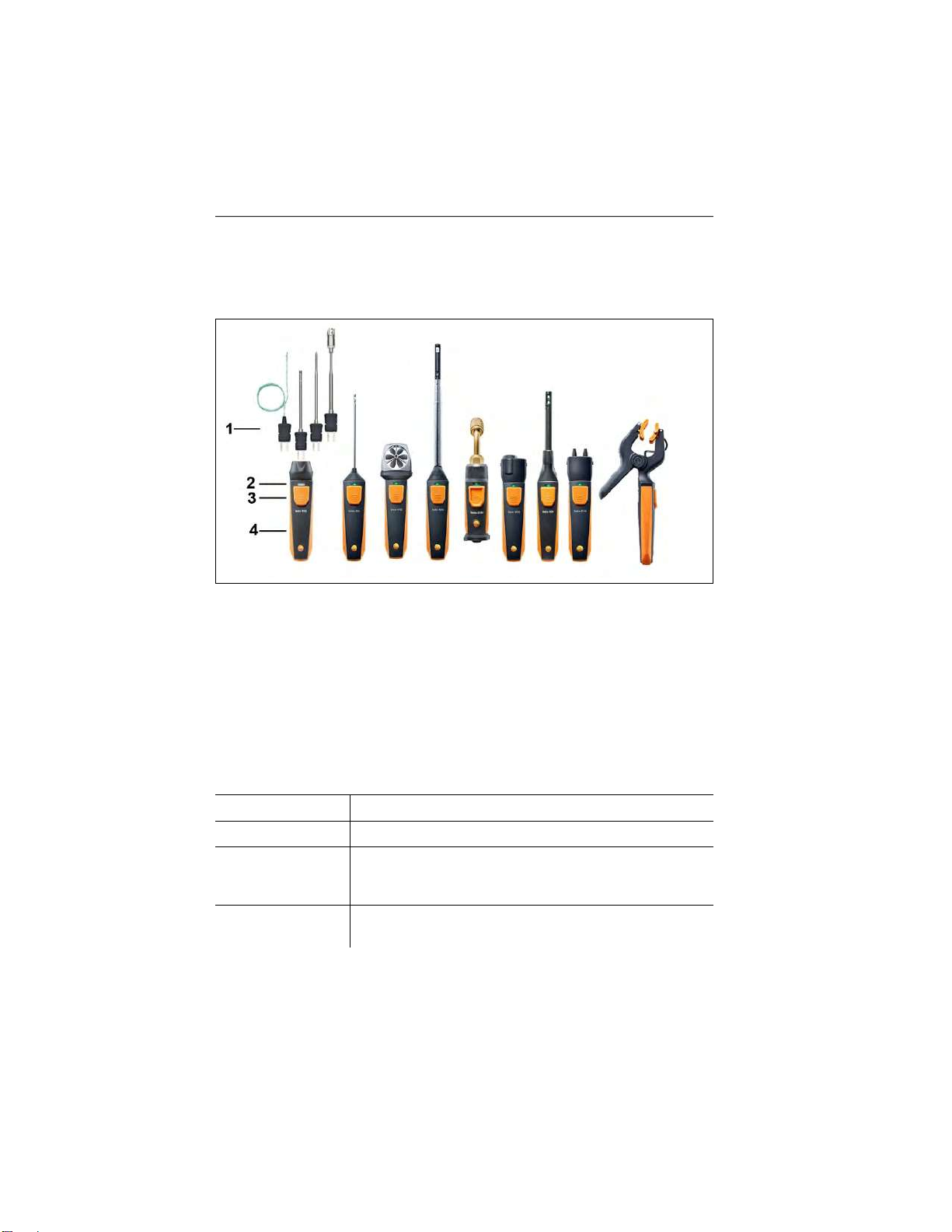
4.1. Overview of Smart Probes
1 Measuring unit
2 LED
3 Key
4 Battery compartment (at the back)
5 Direction of flow testo 405i / testo 410i (not shown)
(An arrow on the top of the housing displays the direction of
flow in which the measuring instrument has been calibrated and
which achieves the best measurement result s. Plea se note t he
direction of flow during usage.)
4 Product description
4.2. LED status
LED status Meaning
Flashing red Low battery status
Flashing yellow
Flashing green
9
Find Quality Products Online at: [email protected]
• Smart Probe is switched on.
• Smart Probe is searching for a BT connection, but is
not connected.
• Smart Probe is switched on.
• Bluetooth is connected.
www.GlobalTestSupply.com
Page 9
5 First steps
5 First steps
5.1. Switching on/off
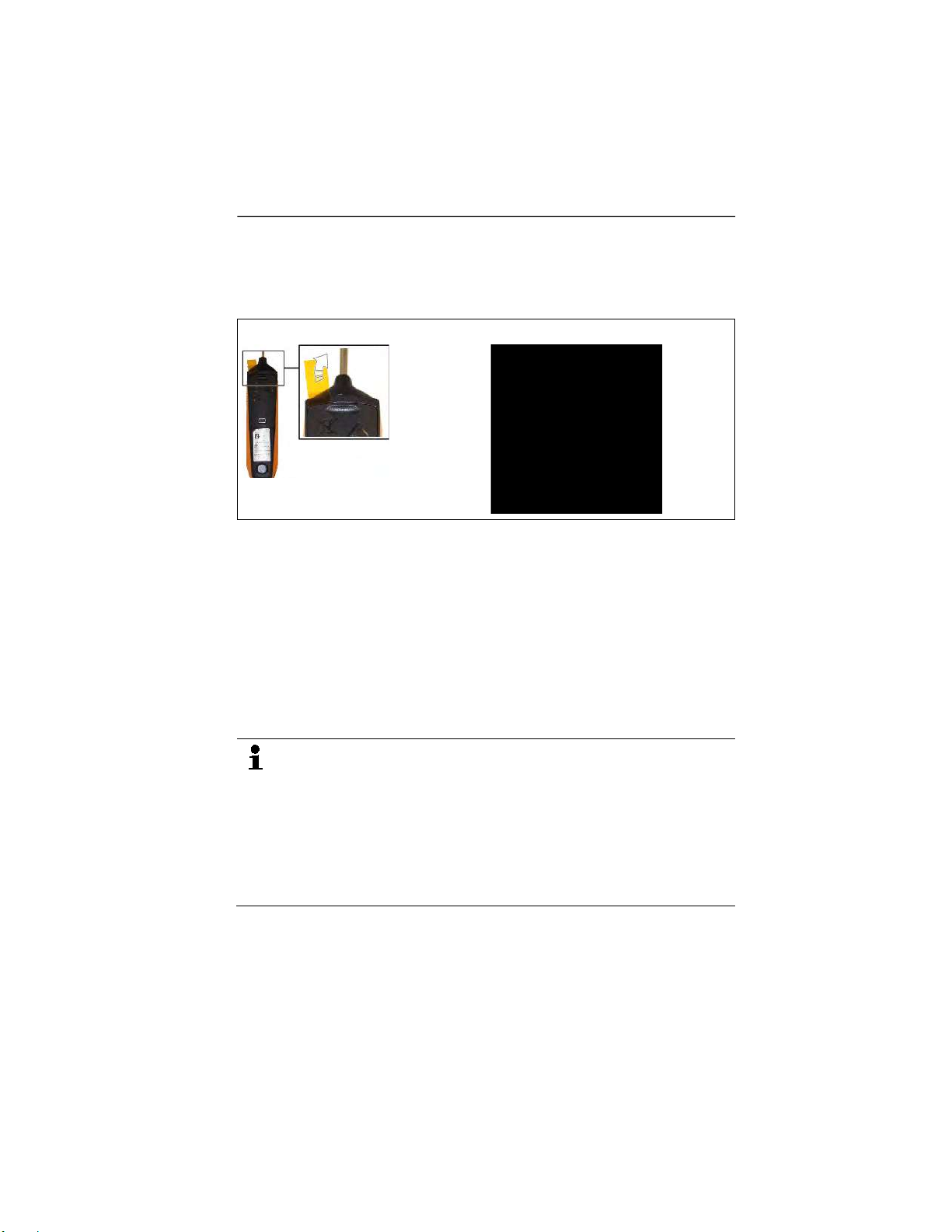
testo 549i/552i
5.1.1. Switching on
1. Pull the film out of the battery compartment.
2. Press the button on your Smart Probe.
- The Smart Probe switches on.
5.1.2. Switching off
1. Press and hold the button on your Smart Probe.
- The Smart Probe switches off.
5.2. Establishing Bluetooth® connection
You need a tablet or smartphone with the Testo SMART App already
installed on it to be able to establish a Bluetooth connection.
You can get the App for iOS instruments in the App Store or for
Android instruments in the Play Store.
Compatibility:
• requires iOS 12.0 or later/Android 6.0 or later
• requires Bluetooth 4.2
✓ The Testo SMART App is installed on your terminal device and
ready for use.
1. Press the button on the Smart Probe.
- The Smart Probe switches on.
10
Find Quality Products Online at: [email protected]
www.GlobalTestSupply.com
Page 10

- The LED flashes yellow while connecting via Bluetooth and
then flashes green once the connection is established.
- The connection between the Smart Probe and your mobile
terminal device is established.
5.3. Transmitting readi ngs
✓ The Smart Probe is switched on and connected to your mobile
terminal device via Bluetooth.
- The current readings are automatically displayed in the App.
5 First steps
11
Find Quality Products Online at: [email protected]
www.GlobalTestSupply.com
Page 11
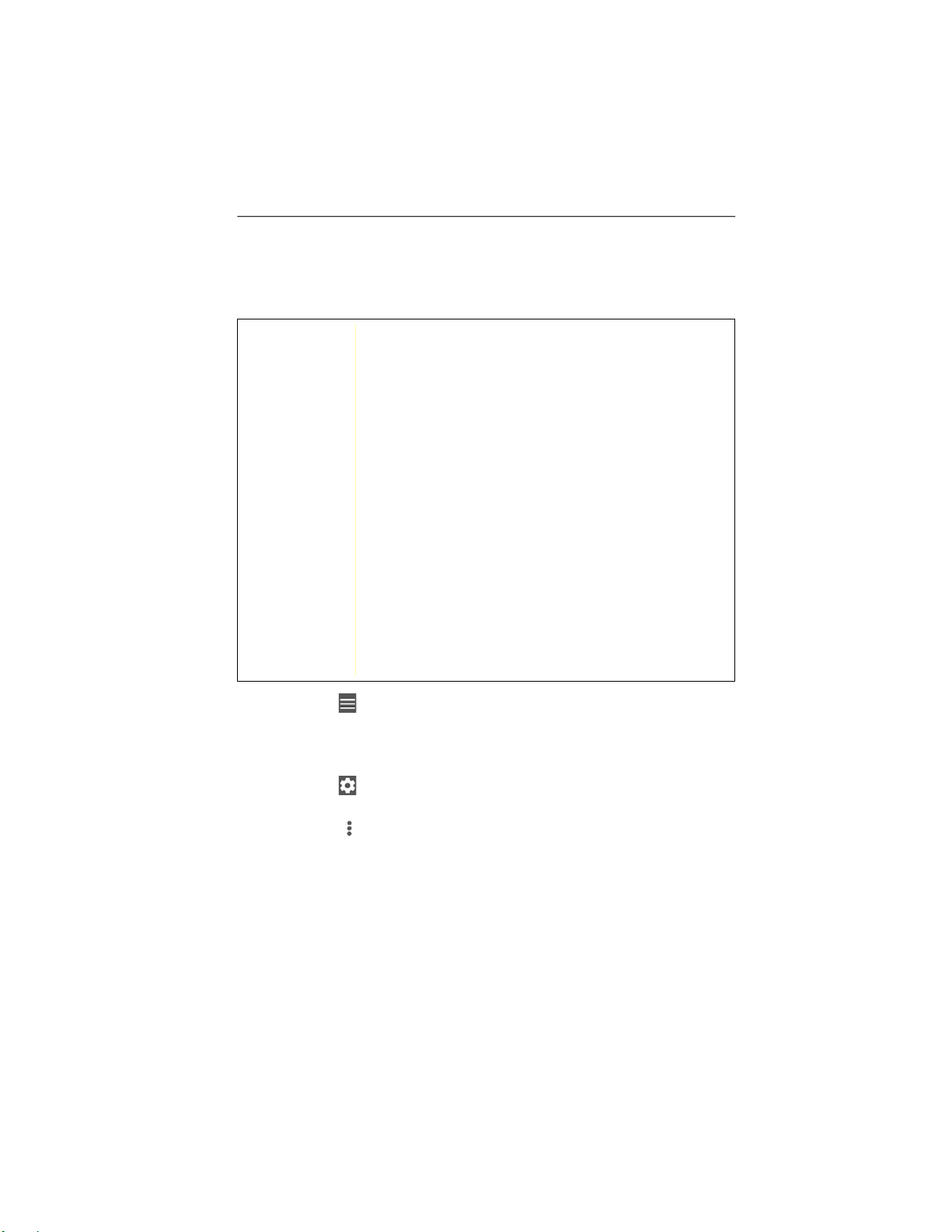
6 Using the App
6 Using the App
6.1. Overview of operating controls
1 Choice of applications.
2 Switch between the views (list, graphic diagram, table)
3 Display of connected Smart Probes including readings
4 Start/stop
5 Measurement configuration (the menu changes depending
on the Smart Probe connected and the application selected)
6 Smart Probe configuration
6.2. App options
6.2.1. Set “Language”
1. Tap -> Settings -> Language.
- A selection list is displayed.
2. Tap the required language.
- The language has been changed.
12
Find Quality Products Online at: [email protected]
www.GlobalTestSupply.com
Page 12
6.2.2. Display Tutorial
The Tutorial guides you through the first steps when operating the
Testo SMART App.
1. Tap -> Help & Information -> Tutorial
- The Tutorial is displayed. In Tutorial, swipe to display the next
page.
2. Tap X to close the Tutorial.
6.2.3. Display App Info
In App Info you can find the version number of the installed App.
1. Tap -> Help & Information -> Instrument information
- The App’s version number is displayed, as well as the ID.
6.3. Application me nus
6.3.1. Selecting the application menu
1. Press .
- A selection of menus for various applications is displayed.
2. Select the required application.
- The selection disappears and your selected application is
displayed.
6 Using the App
6.3.2. Setting favourites
1. Press .
- A selection of applications is displayed.
2. Press next to the application that you would like to
designate as a favourite.
- The asterisk is displayed in orange .
6.3.3. Displaying information about an application
1. Press .
- A selection of applications is displayed.
2. Press .
- The information about an application is displayed.
13
Find Quality Products Online at: [email protected]
www.GlobalTestSupply.com
Page 13
6 Using the App
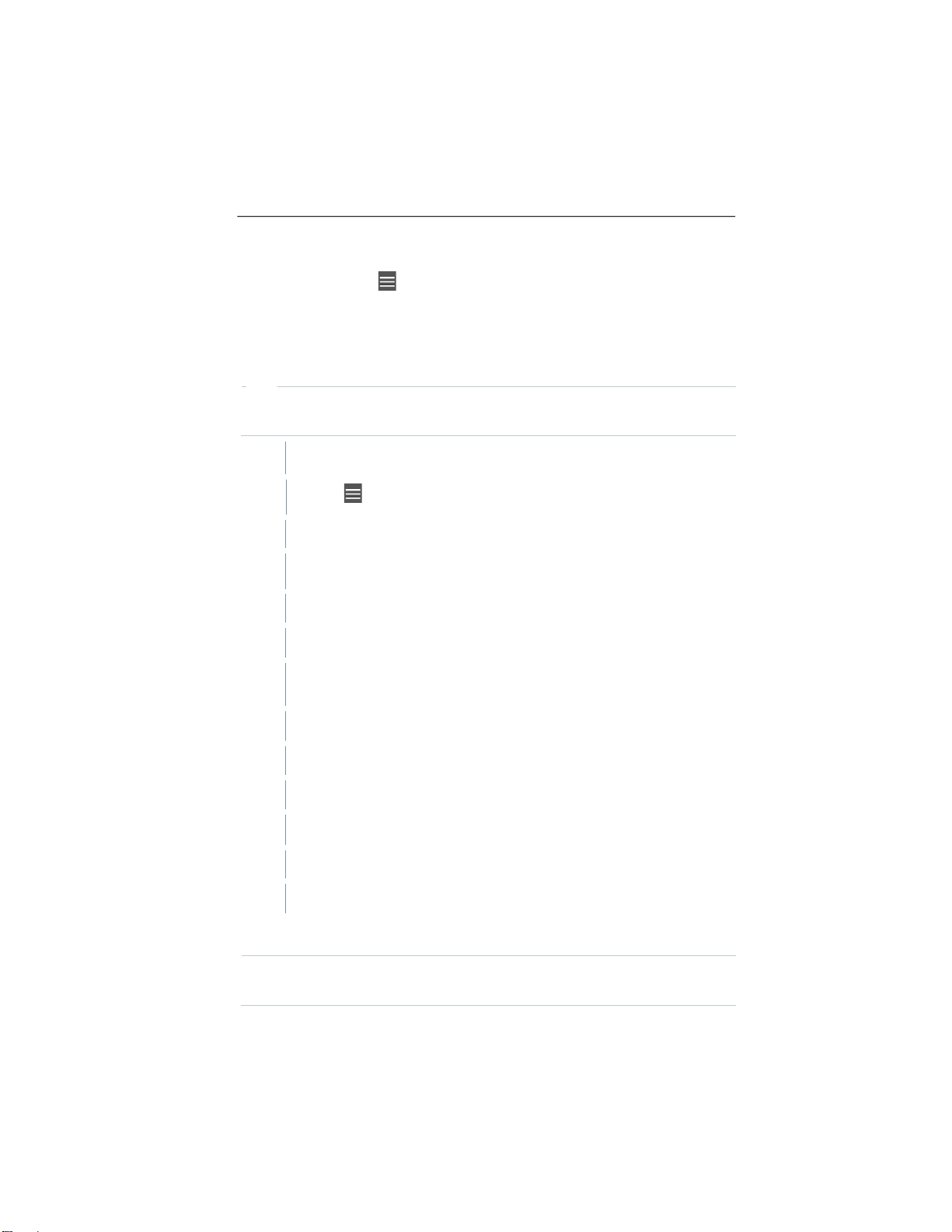
If the readings fluctuate wildly, it is advisable to damp the readings.
The probe is connected to the SMART App.
1
2
3
Click on the required sensor.
4
Click on the Settings tab.
5
Enable Activate damping using the slider.
6
Click on Average of the measured values.
7
Enter a value between 2 and 20 seconds.
Surface probes withdraw heat from the measured surface immediately
6.4. Smart Probe settings
1. Press -> Sensors.
3. Select the Smart Probe to display the details you would like to
see.
- A list with details about the Smart Probe appears in the
Information tab.
4. You can activate the damping in the Settings tab.
Click on .
Main menu opens.
Click on Sensors.
The Sensors menu opens.
Information is displayed about the model, order number, serial number
and firmware version.
The settings window opens.
Window for Average of the measured values opens.
6.5. testo 115i/915i - Surface increment
after the initial contact. This makes the measurement result lower than
14
Find Quality Products Online at: [email protected]
www.GlobalTestSupply.com
Page 14
6 Using the App
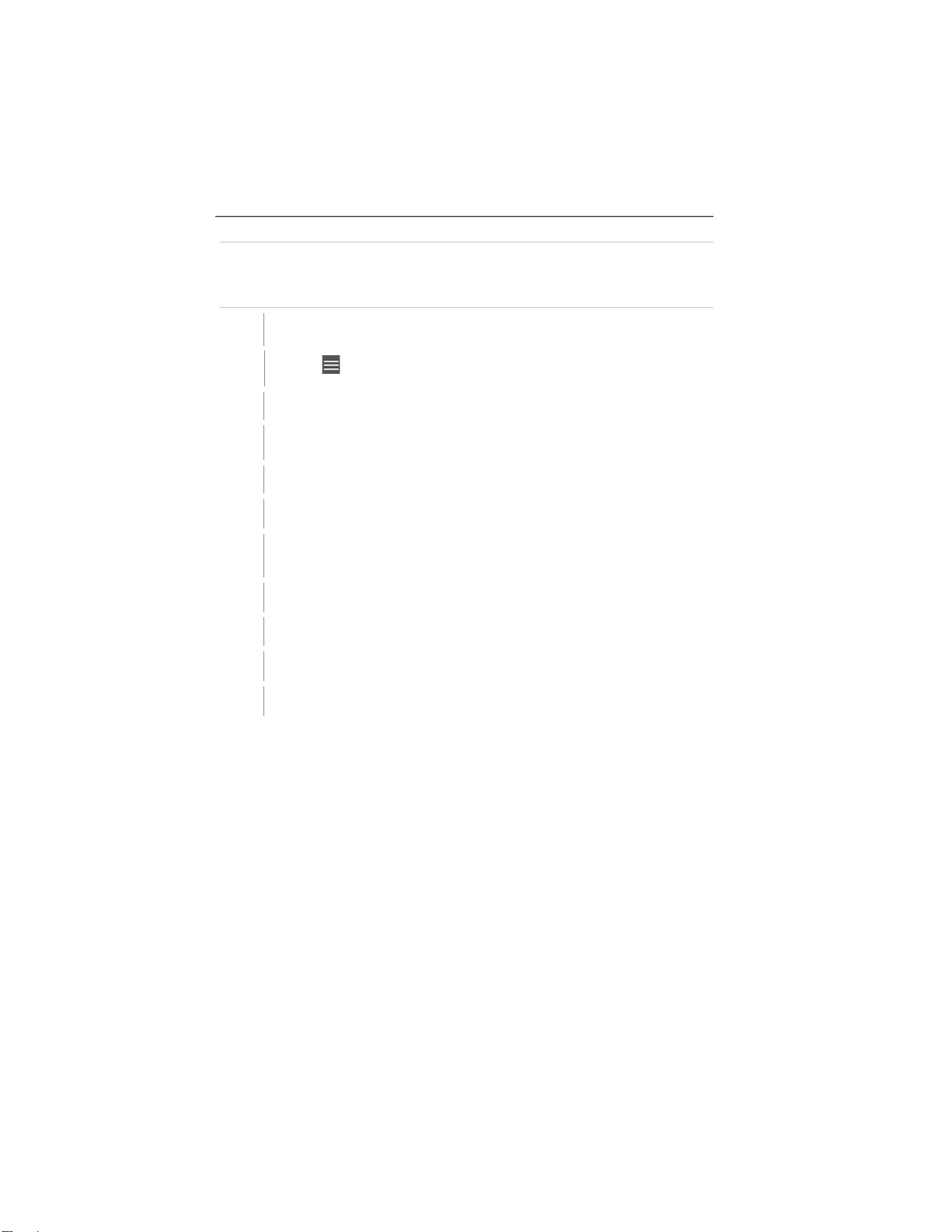
the true surface temperature without the probe (or the reverse if the
surface is colder than the environment). This effect can be corrected by
The probe is connected to the SMART App.
1
2
3
Click on the required sensor.
4
Click on the Settings tab.
5
Click on Use surface increment.
6
Enable Activate surface increment using the slider.
an increment in % of the reading.
Click on .
Main menu opens.
Click on Sensors.
The Sensors menu opens.
Information is displayed about the model, order number, serial number
and firmware version.
The settings window opens.
6.6. List, graphic diagram and table view
The available readings can be displayed in different ways in the
various views.
• List view
Displays the readings transmitted by the Smart Probe in the
form of a list. Readings from all connected Smart Probes are
displayed here.
• Graphic diagram view
The graphical progression of up to four different readings can
be displayed. Tap on a reading above the diagram to select the
readings to be displayed.
• Table view
In the Table view, all readings are displayed in sequence
according to date and time. The different readings from the
individual Smart Probes can be selected by pressing ◄ ►.
15
Find Quality Products Online at: [email protected]
www.GlobalTestSupply.com
Page 15
6 Using the App
6.7. Settings view
1. Press and select Edit View.
- An overview of parameters is displayed.
2. Deselect the check mar k to hide a Smart Probe reading.
3. Press ▼ to select the unit for a reading.
4. Press OK to confirm your settings
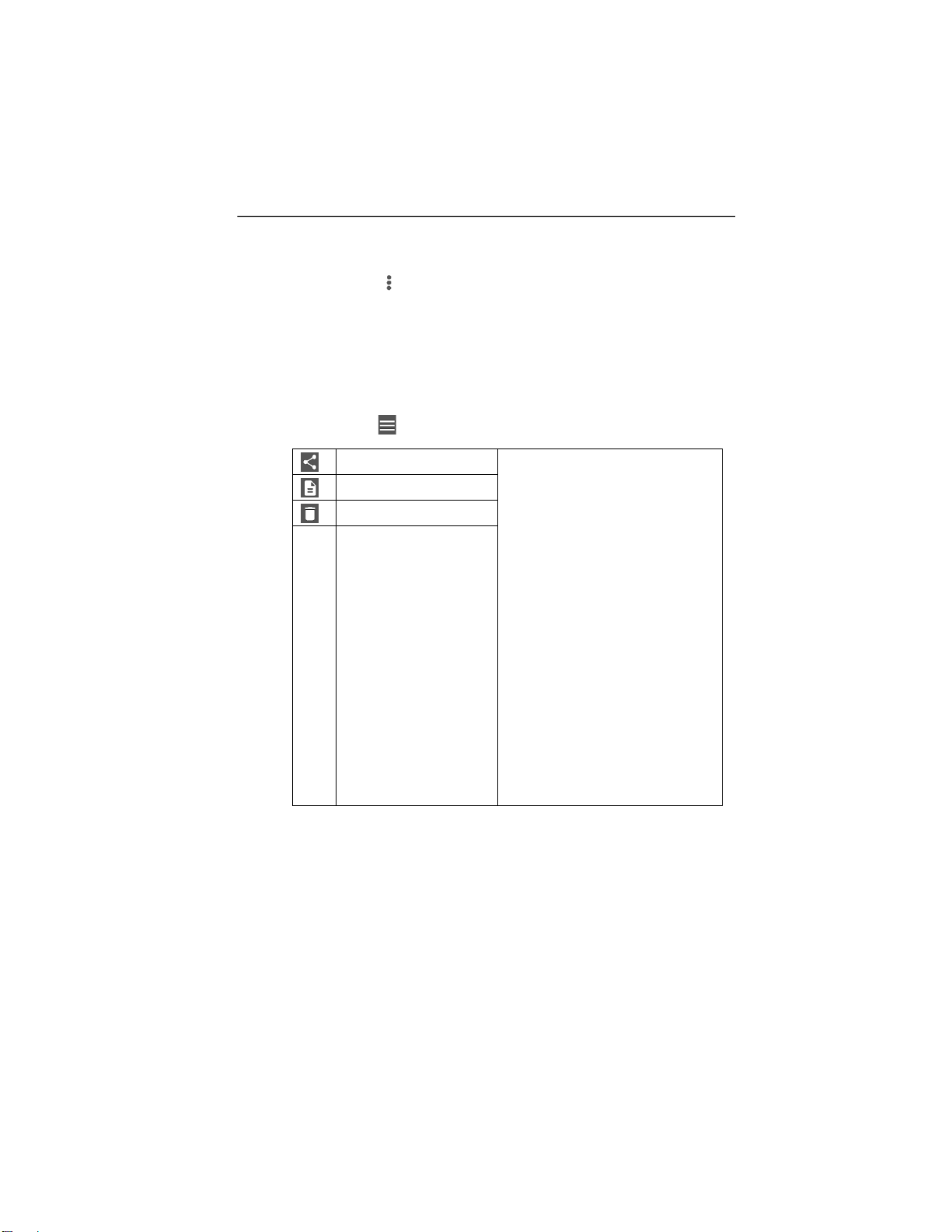
6.8. Exporting readings
1. Press -> Memory -> Select measure ment.
Export
Report
Delete
16
Find Quality Products Online at: [email protected]
www.GlobalTestSupply.com
Page 16
6.8.1. Excel (CSV) Export
1
2
If required, activate the Create PDF with all readings button.
3
Click on Create.
For measurements, please be aware that the option Create PDF with
4
Click on e-mail or Bluetooth®.
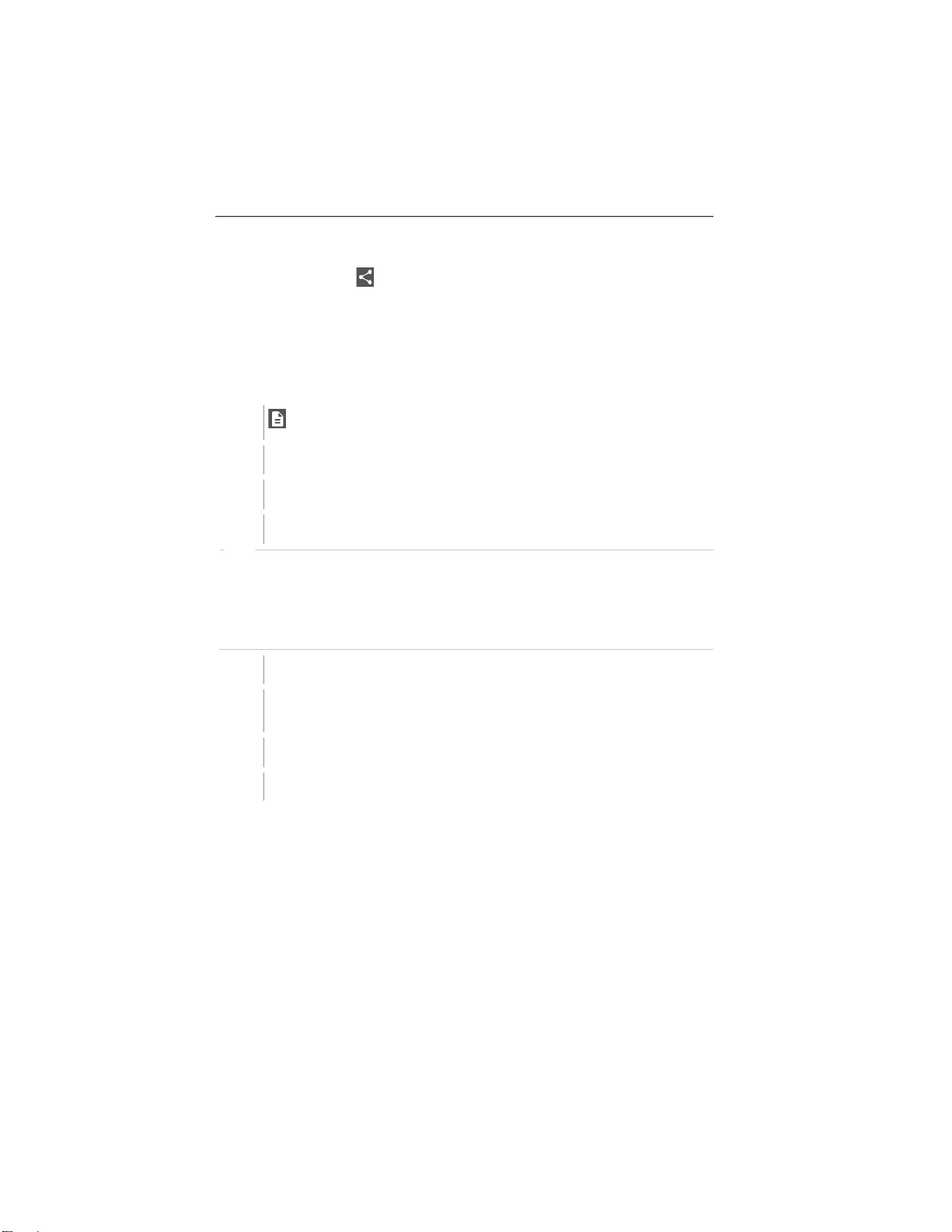
1. Press .
- A selection of export options appears.
2. Press Start export.
- A selection of sending/export options appe ar s.
3. Select your required sending/export options.
6.8.2. PDF Export
Click on Report.
A selection window is displayed.
all readings is only possible up to 30 pages, due to the resulting file
size and number of pages. In the testo DataControl software, however,
PDF reports can be created for all measurements without any
restrictions.
A report containing all the information is created.
A selection window is displayed. The report can be sent via e-mail or
Bluetooth
®
.
6 Using the App
The report will be sent.
17
Find Quality Products Online at: [email protected]
www.GlobalTestSupply.com
Page 17

7 Maintaining the product
7 Maintaining the pr oduct
7.1. Maintaining Smart Probes
Cleaning the instrument
> Do not use any aggressive cleaning agents or solvents!
> Mild household cleaning agents or soap suds may be used.
> If the housing of the instrument is dirty, clean it with a damp
cloth.
Keeping connections clean
> Keep connections clean and free of grease and other deposits,
clean with a damp cloth as required.
Ensuring measuring accuracy
> Customer Service would be glad to further assist you if you
so wish.
> Keep within the permissible measuring range!
> Calibrate instrument regularly (recommendation: once a
year).
7.2. Smart Probes App
The Testo SMART App is kept updated via the Play Store for
Android devices and the App Store for iOS devices. Please update
the App as soon as a new update is available. We therefore
recommend that you do not disable automatic notifications when
new updates are available.
18
Find Quality Products Online at: [email protected]
www.GlobalTestSupply.com
Page 18
8 Tips and assistance
8.1. Questions and answers
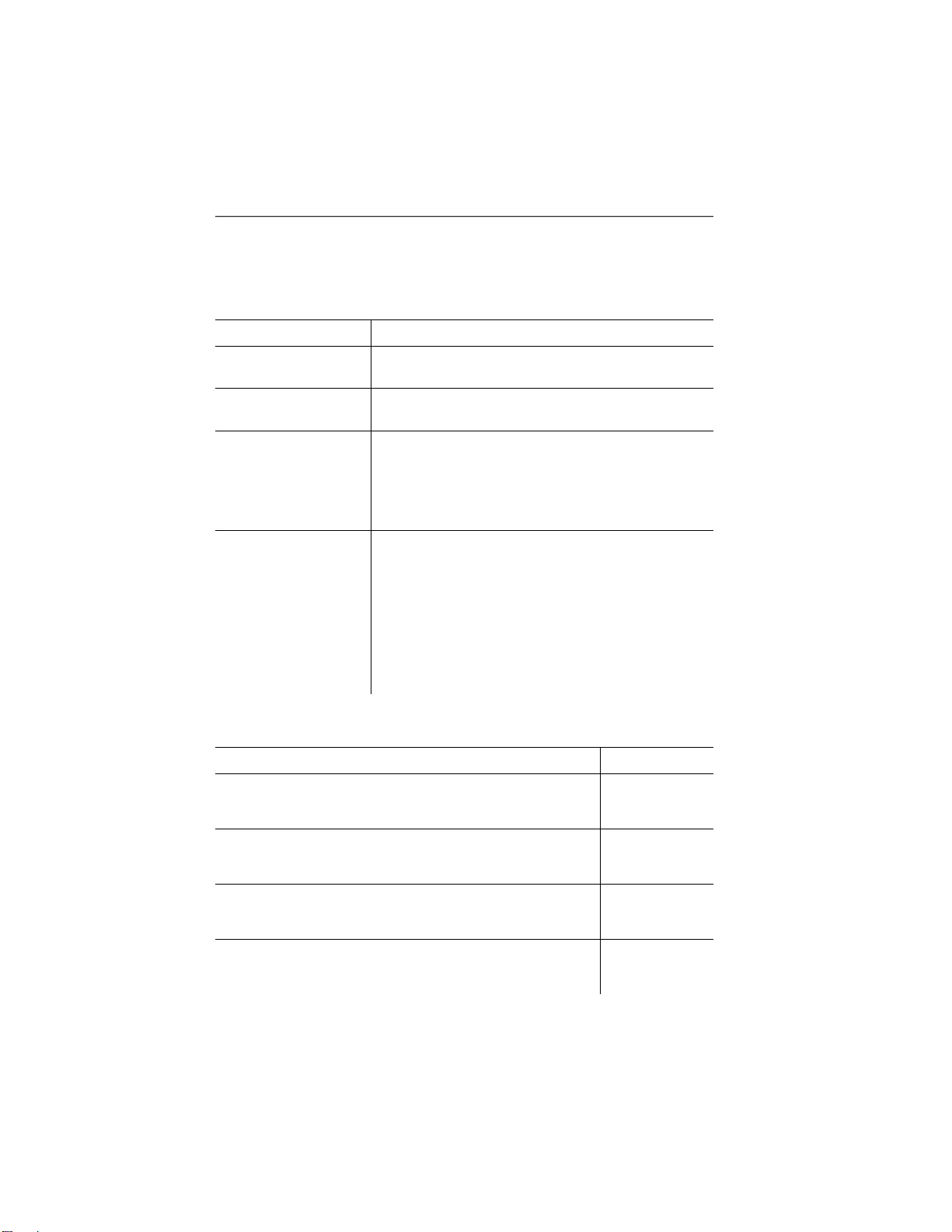
Question Answer
LED flashes red • Batteries are almost spent.
• Change batteries.
The instrument
switches itself off
--- lights up instead of
the measurement
parameter display
The App cannot be
found in the store
Remaining battery capacity ins uffic ien t
> Change the batteries.
• Outside the permissible measuring range.
> Keep within the permissible measuring range.
or
• Sensor is defective
> Contact your Service department.
• No correct search terms were entered.
> Enter an unambiguous search term, e.g.: “testo
Smart Probes” or use the link on the website.
or
• Your mobile terminal device does not meet the
technical requirements (iOS 12.0 or later, Android
6.0 or later / Bluetooth 4.2 (Low Energy))
> Please check the technical data for your mobile
terminal device
8 Tips and assistance
8.2. Accessories and spare parts
Designation Item number
testo Smart Case (Refrigeration) for storing and transporting
2 × testo 115i and 2 × testo 549i, dimensions 250 × 180 ×
70 mm
testo Smart Case (Heating) for storing and transporting
testo 115i, testo 410i, testo 510i, testo 549i and testo 805i,
dimensions 250 × 180 × 70 mm
testo Smart Case (VAC) for storing and transporting
testo 405i, testo 410i, testo 510i, testo 605i testo 805i and
testo 905i, dimensions 270 × 190 × 60 mm
testo Smart Case (temperature) for the storage and
transportation of testo 915i and plug-in probes, dimensions
250 x 180 x 70 mm
0516 0240
0516 0270
0516 0250
0516 0032
19
Find Quality Products Online at: [email protected]
www.GlobalTestSupply.com
Page 19
9 Technical data
All accuracy specifications apply at a nominal temperature
9 Technical data
9.1. Bluetooth module
The use of the wireless module is subject to the
regulations and stipulations of the respe cti ve cou ntr y of
use, and the module may only be used in each case in
countries for which a country certification has been
granted.
The user and every owner undertake to adhere to these
regulations and prerequisites for use, and acknowledge
that the re-sale, export, import, etc. in particular in, to or
from countries without wireless permits, is their
responsibility.
9.2. General technical data
of 22 °C.
9.2.1. testo 905i
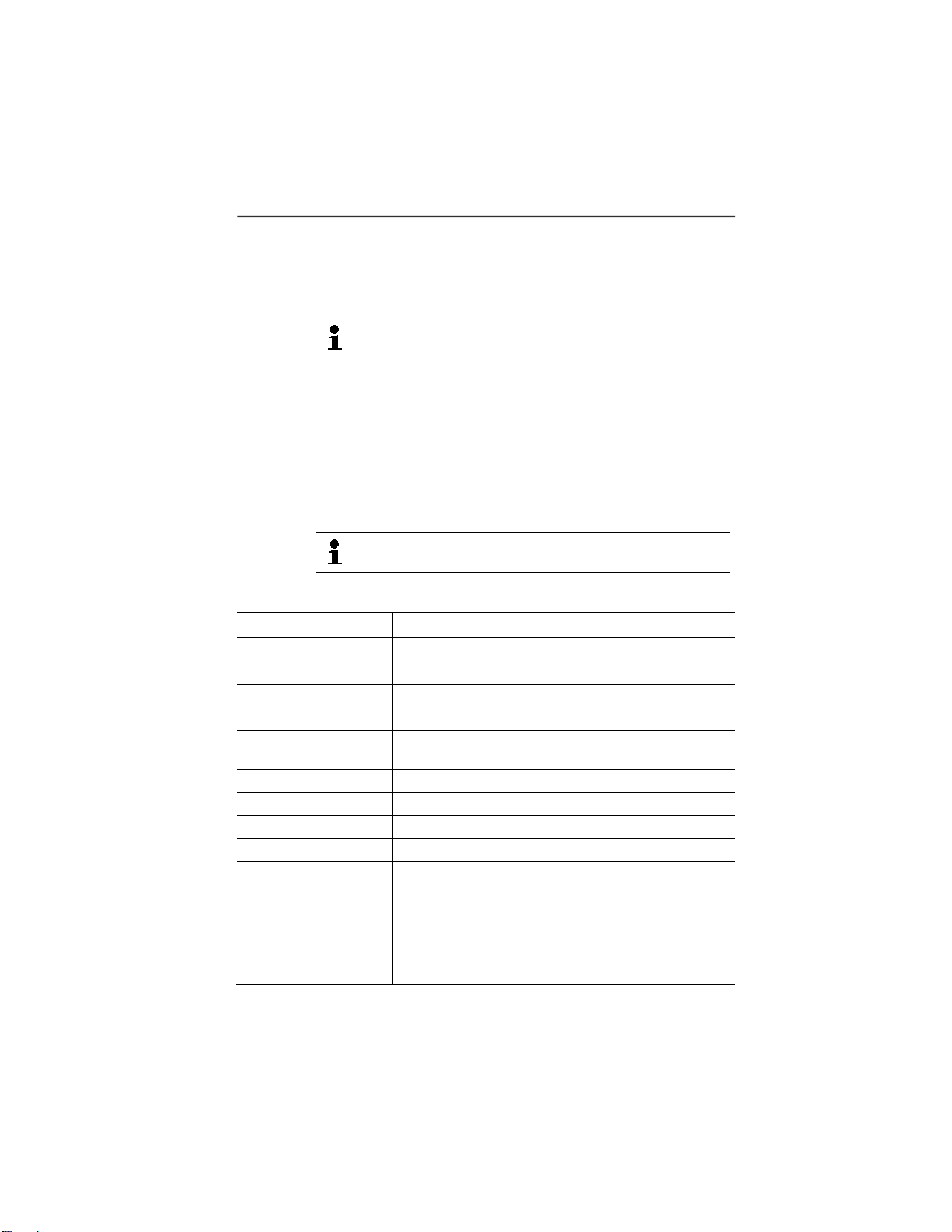
Feature Values
Measuring range -50 to 150 °C / -58 to 302 °F
Accuracy ± 1 digit ± 1 °C / ± 1.8 °F
Resolution 0.1 °C / 0.1 °F
Measurement rate 1/sec
Available units of
measurement
Storage temperature -20 °C to 60 °C / -4 to 140 °F
Operating temperature -20 °C to +50 °C / -4 to 122 °F
Battery type 3 micro batteries AAA
Battery life 150 h
Dimensions 222 mm × 30 mm × 24 mm
Directives, standards
and tests
°C, °F
Probe shaft length 100 mm
Probe shaft diameter 4 mm
EU guideline: 2014/30/EU
RED: 2014/53/EU
RoHS: 2011/65/EU + (EU) 2015/863
20
Find Quality Products Online at: [email protected]
www.GlobalTestSupply.com
Page 20
9.2.2. testo 410i
Storage temperature
-20 °C to 60 °C / -4 to 140 °F
Feature Values
Measuring range 0.4 to 30 m/s / 80 to 5,900 fpm
-20 to 60 °C / -4 to 140 °F
Accuracy ± 1 digit ± (0.2 m/s + 2% of m.v.) (0.4 to 20 m/s)
± (40 fpm + 2% of m.v.) (80 to 4,000 fpm)
± 0.5 °C / ±0.9 °F
Resolution 0.1 °C / 0.1 °F
0.1 m/s / 1 fpm
Measurement rate 1/sec
Available units of
measurement
Operating temperature -20 °C to +50 °C / -4 to 122 °F
Battery type 3 micro batteries AAA
Battery life 130 h
Dimensions 154 mm × 43 mm × 21 mm
Directives, standards
and tests
°C, °F, m/s, fpm, m³/h, cfm, l/s
30 mm vane diameter
EU guideline: 2014/30/EU
RED: 2014/53/EU
RoHS: 2011/65/EU + (EU) 2015/863
9 Technical data
9.2.3. testo 405i
Feature Values
Measuring range 1 0 to 30 m/s / 0 to 5,900 fpm
-20 to 60 °C / -4 to 140 °F
Accuracy ± 1 digit ± (0.1 m/s + 5% of m.v.) (0 to +2 m/s)
± (0.3 m/s + 5% of m.v.) (2 to +15 m/s)
± (20 fpm + 5% of m.v.) (0 to +394 fpm)
± (59 fpm + 5% of m.v.) (394 to +3.000 fpm)
± 0.5 °C / ±0.9 °F
1
Please switch on the Smart Probe in the following ambient conditions: > 10 °C,
air velocity 0 m/s = protective cap closed to enable the sensor to heat up.
21
Find Quality Products Online at: [email protected]
www.GlobalTestSupply.com
Page 21
9 Technical data
measurement
Feature Values
Resolution 0.01 m/s / 1 fpm
0.1 °C / 0.1 °F
Measurement rate 1/sec
Available units of
measurement
Storage temperature -20 °C to 60 °C / -4 to 140 °F
Operating temperature -20 °C to +50 °C / -4 to 122 °F
Battery type 3 micro batteries AAA
Battery life 15 hrs
Dimensions 200 mm × 30 mm × 41 mm
Directives, standards
and tests
°C, °F, m/s, fpm, m³/h, cfm, l/s
Extendible telescope 400 mm
Probe shaft diameter 12 mm
Probe tip diameter 9 mm
EU guideline: 2014/30/EU
RED: 2014/53/EU
RoHS: 2011/65/EU + (EU) 2015/863
9.2.4. testo 549i
Feature Values
Measuring range 0 to 60 bar (rel) / 0 to 870 psi (rel)
Overpressure 65 bar
Accuracy ± 1 digit 0.5% of full scale value
Resolution 0.01 bar / 0.1 psi
Measurement rate 2/sec
Available units of
bar, psi, MPa, kPa
Connection 1× 7/16" UNF / 1/4" SAE connection
Overload rel. 65 bar
Storage temperature -20 °C to 60 °C / -4 to 140 °F
Operating temperature -20 °C to +50 °C / -4 to 122 °F
Battery type 3 micro batteries AAA
Battery life 130 hrs
Measurable media CFC, HFC, HCFC, N, H20, CO2
22
Find Quality Products Online at: [email protected]
www.GlobalTestSupply.com
Page 22
Feature Values
Battery type
3 micro batteries AAA
Dimensions 152 mm x 35 mm x 35 mm
Directives, standards
and tests
EU guideline: 2014/30/EU
RED: 2014/53/EU
RoHS: 2011/65/EU + (EU) 2015/863
9.2.5. testo 805i
Feature Values
Measuring range -30 °C to 250 °C / -22 to 482 °F
Accuracy ± 1 digit ± 1.5 °C or ± 1.5% of m.v. (0 to 250 °C)
± 2.0 °C (-20.0 to -0.1 °C)
± 2.5 °C (-30.0 to -20.1 °C)
± 2.7 °F or ± 1.5% of m.v. (32 to 482 °F)
± 3.6 °F (-4 to 32 °F)
± 4.5 °F (-22 to -4 °F)
Resolution 0.1 °C / 0.1 °F
Measurement rate 2/sec
Available units of
measurement
Connection 7/16“ – UNF
Storage temperature -20 °C to 60 °C / -4 to 140 °F
Operating temperature -10 °C to +50 °C / 14 to 122 °F
°C, °F
9 Technical data
Battery life 30 hrs
Optics 10:1
Laser marking Diffraction lens as laser marking (laser circle)
Dimensions 140 mm × 36 mm × 25 mm
Emission level Adjustable from 0.1 to 1.0
Directives, standards
and tests
23
Find Quality Products Online at: [email protected]
www.GlobalTestSupply.com
EU guideline: 2014/30/EU
RED: 2014/53/EU
RoHS: 2011/65/EU + (EU) 2015/863
Page 23
9 Technical data
9.2.6. testo 605i
Feature Values
Measuring range -20 to 60 °C, -4 to 140 °F, 0 to 100% RH
Accuracy ± 1 digit ±0.8 °C (-20 … 0 °C) / ±1.44 °F (-4 … 32 °F)
±0.5 °C (0 … +60 °C) / ±0.9 °F (32 … 140 °F)
± 3.0 %RH (10%RH…35%RH)
± 2.0 %RH (35%RH…65%RH)
± 3.0 %RH (65%RH…90%RH)
± 5.0 %RH (<10%RH or >90%RH)
@ 25°C ±1°C
Hysteresis: ± 1.0 %RH
Long term stability/year :± 1.0 %RH/year
Resolution 0.1 °F / 0.1 °C
0.1% RH
Measurement rate 1/sec
Available units of
measurement
Storage temperature -20 °C to 60 °C / -4 to 140 °F
Operating temperature -20 °C to +50 °C / -4 to 122 °F
Battery type 3 micro batteries AAA
Battery life 150 h
Dimensions 218 mm × 30 mm × 27 mm
Directives, standards
and tests
°C, °F, %RH, °Ctd, °Ftd, wetbulb °C, wetbulb °F
Probe shaft length 90 mm
EU guideline: 2014/30/EU
RED: 2014/53/EU
RoHS: 2011/65/EU + (EU) 2015/863
9.2.7. testo 510i
Feature Values
Measuring range -150 … 150 hPa / 60 in wc
Accuracy ± 1 digit ± 0.05 hPa (0 to 1.00 hPa) /
± 0.02 in wc (0 to 0.4 in wc)
± 0.2 hPa + 1.5% of m.v. (1.01 to 150 hPa)
± 0.08 in wc + 1.5% of m.v. (0.41 to 60 in wc)
Overpressure 500 mbar
24
Find Quality Products Online at: [email protected]
www.GlobalTestSupply.com
Page 24
Feature Values
Resolution 0.01 hPa / 0.01 inch wc
Measurement rate 2/sec
Available units of
measurement
Storage temperature -20 °C to 60 °C / -4 to 140 °F
Operating temperature -20 °C to +50 °C / -4 to 122 °F
Battery type 3 micro batteries AAA
Battery life 150 hrs
Dimensions 148 × 36 × 23 mm
Directives, standards
and tests
mbar, hPa, Pa, mmHg, inHg, in WC, psi, mmWC
In conjunction with Pitot tube (optional): m/s, fpm,
m³/h, cfm, l/s
EU guideline: 2014/30/EU
RED: 2014/53/EU
RoHS: 2011/65/EU + (EU) 2015/863
9.2.8. testo 115i
Feature Values
Measuring range -40 to 150 °C / -58 to 302 °F
Accuracy ± 1 digit ± 1.3 °C (-20 to 85 °C)
± 2.34 °F (-4 to 185 °F)
Resolution 0.1 °C / 0.1 °F
Measurement rate 1/sec
Available units of
measurement
Storage temperature -20 °C to 60 °C / -4 to 140 °F
Operating temperature -20 °C to +50 °C / -4 to 122 °F
Battery type 3 micro batteries AAA
Battery life 150 h
Dimensions 183 mm × 90 mm × 30 mm
Directives, standards
and tests
°C, °F
max. 35 mm pipe diameter
EU guideline: 2014/30/EU
RED: 2014/53/EU
RoHS: 2011/65/EU + (EU) 2015/863
9 Technical data
25
Find Quality Products Online at: [email protected]
www.GlobalTestSupply.com
Page 25
9 Technical data
9.2.9. testo 915i
Feature Values
Measuring range:
handle (0560 1915)
Measuring range with
TC probe 0602 1093
Measuring range with
TC probe 0602 2093
Measuring range with
TC probe 0602 3093
Measuring range with
TC probe 0602 4093
Accuracy ± 1 digit:
handle (0560 1915)
Accuracy ± 1 digit:
handle with TC probe
0602 1093
Accuracy ± 1 digit:
handle with TC probe
0602 2093
Accuracy ± 1 digit:
handle with TC probe
0602 3093
Accuracy ± 1 digit:
handle with TC probe
0602 4093
Resolution 0.1 °C / 0.1 °F
Available units of
measurement
Storage temperature -20 °C to 60 °C / -4 to 140 °F
Operating temperature -20 °C to + 50 °C / -4 to 122 °F
-60 to +1000 °C
-76 to +1832 °F
-50 to +400 °C
-58 to +752 °F
-50 to +350 °C
-58 to +662 °F
-50 to +400 °C
-58 to +752 °F
-50 to +400 °C
-58 to +752 °F
±(0.5 °C + 0.3% of m.v.)
±(0.9 °F + 0.3% of m.v.)
±1.0 °C (-50 °C to 100 °C)
±1% of m.v. (remaining meas. range)
±1.8 °F (-58 °C to 212 °F)
±1% of m.v. (remaining meas. range)
±(1.0 + 1% of m.v.) °C
±(1.8 + 1% of m.v.) °F
±1.0 °C (-50 °C to 100 °C)
±1% of m.v. (remaining meas. range)
±1.8 °F (-58 °C to 212 °F)
±1% of m.v. (remaining meas. range)
±1.0 °C (-30 °C to +80 °C)
±(0.7 + 1% of m.v.)(-50 to -30 °C)
±(0.2 + 1% of m.v.) (+80 °C to 400 °C)
±1.8 °F (-22 °F to +186 °F)
±(1.3 + 1% of m.v.)(-58 °F to -22 °F)
±(0.4 + 1% of m.v.)(+186 °F to +752 °F)
°C, °F
26
Find Quality Products Online at: [email protected]
www.GlobalTestSupply.com
Page 26
Feature Values
±10 microns + 10% of m.v. (100 to 1000 microns)
1 micron (0 to 1000 microns) /
100 microns (2000 to 5000 microns)
1/sec
bar, psi, MPa, kPa
Battery type
3 AAA batteries
Battery type 3 AAA batteries
Battery life 150 h
Dimensions of handle 129 x 31 x 31 mm
Directives, standards
and tests
EU Directive: 2014/30/EU
RED: 2014/53/EU
RoHS: 2011/65/EU + (EU) 2015/863
9.2.10. testo 552i
Feature Values
Measuring range 0 to 26.66 mbar
0 to 20000 microns
Accuracy ± 1 digit
Resolution
Measurement rate
Available units of
measurement
Storage temperature -20 °C to 50 °C / -4 to 122 °F
Operating temperature -10 °C to + 50 °C / -14 to 122 °F
PA66 +30 % GF TPE, P
Protection class IP 54
10 microns (1000 to 2000 microns) /
9 Technical data
Battery life 39 h
Connection 7/16" UNF
Dimensions 155 x 35 x 35 mm
6.10 x 1.38 x 1.38 inch
Directives, standards
and tests
EU Directive: 2014/30/EU
RED: 2014/53/EU
RoHS: 2011/65/EU + (EU) 2015/863
27
Find Quality Products Online at: [email protected]
www.GlobalTestSupply.com
Page 27
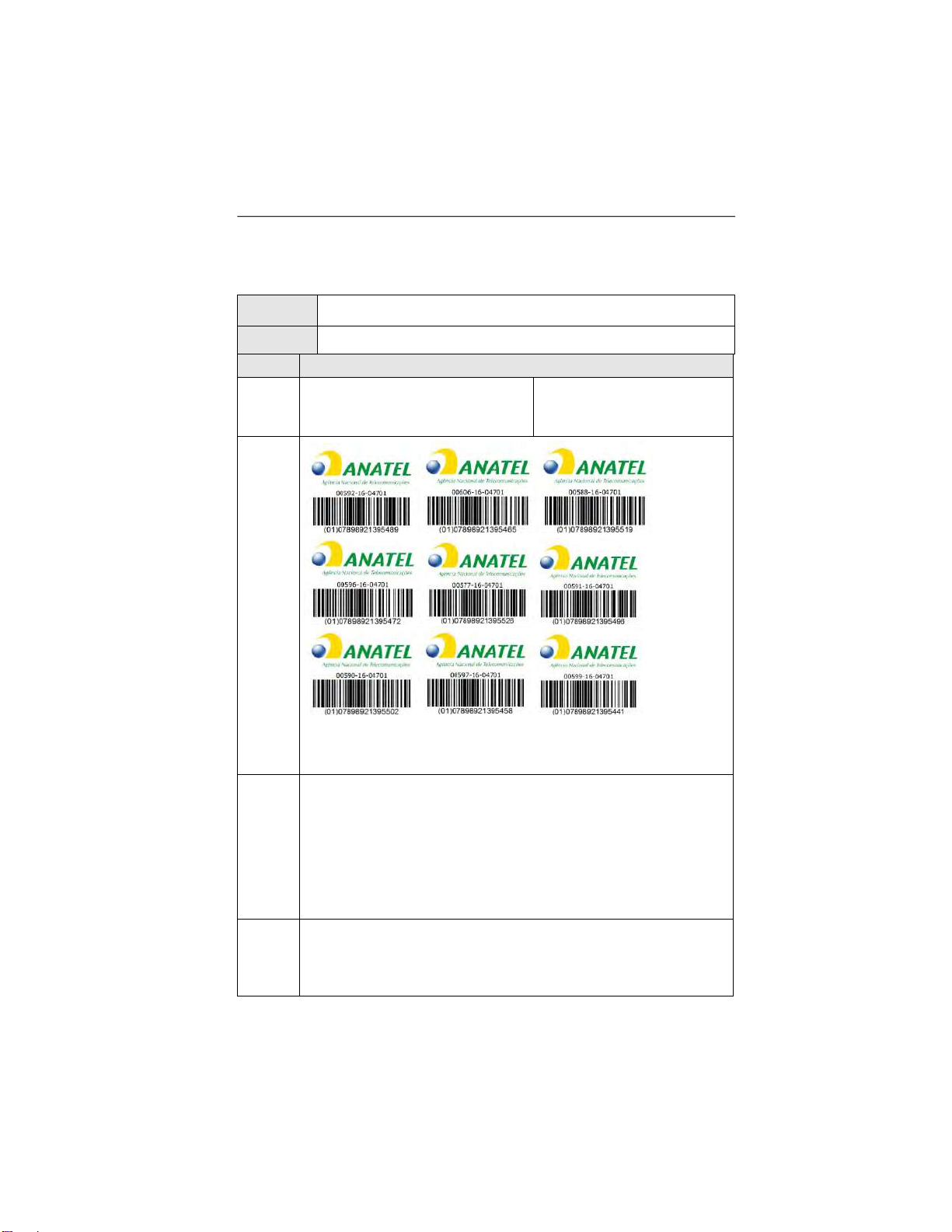
10 Certifications
0560 1115, 0560 1405, 0560 1410, 0560 1510, 0560 1549, 0560 1605, 0560 1805,
0560 1905
Country
Comments
Brazil
interferência a sistemas operando em caráter primário. ”
Canada
Product IC ID:
see IC Warnings
China
CMII ID:
testo 510i CMIIT ID: 2015DP6559
10 Certifications
Module Lierda L Series BLE Module
Product
Mat.-No.
testo 115i, testo 405i, testo 410i, testo 510i, testo 549i, testo 605i, testo 805i, testo
905i
Australia
“Este equipamento opera em caráter secundário, isto é, não tem direito a proteção
contra interferência prejudicial, mesmo de estações do mesmo tipo, e não pode causar
testo 115i IC ID: 12231A-1115
testo 405i IC ID: 12231A-1405
testo 410i IC ID: 12231A-1410
testo 510i IC ID: 12231A-1510
testo 549i IC ID: 12231A-1549
testo 605i IC ID: 12231A-1605
testo 805i IC ID: 12231A-1805
testo 905i IC ID: 12231A-1905
E 1561
testo 115i CMIIT ID: 2015DP6557
testo 405i CMIIT ID: 2015DP6558
testo 410i CMIIT ID: 2015DP6612
28
Find Quality Products Online at: [email protected]
www.GlobalTestSupply.com
Page 28
testo 549i CMIIT ID: 2015DP6560
testo 605i CMIIT ID: 2015DP6561
testo 905i CMIIT ID: 2015DP6563
Iceland, Liechtenstein, Norway, Switzerland
Hongkong
testo 805i CMIIT ID: 2015DP6562
The EU Declaration of Conformity can be found on the testo
homepage under the product specific downloads.
10 Certifications
Europa +
EFTA
EU countries:
Belgium (BE), Bulgaria (BG), Denmark (DK), Germany (DE), Estonia (EE), Finland (FI),
France (FR), Greece (GR), Ireland (IE), Italy (IT), Latvia (LV), Lithuania (LT),
Luxembourg (LU), Malta (MT), Netherlands (NL), Austria (AT), Poland (PL), Portugal
(PT), Romania (RO ), Sw ed en (SE ), Sl o vak ia (S K), Sl ov e nia (S I) , Sp ain (E S), C zech
Republic (CZ), Hungary (HU), United Kingdom (GB), Republic of Cyprus (CY).
countries:
EFTA
Authorized
29
Find Quality Products Online at: [email protected]
www.GlobalTestSupply.com
Page 29
10 Certifications
Japan
testo 115i
see Japan Information
Korea
see KCC Warning
Taiwan
testo 115i NCC: CCAB16LP177FT0
testo 905i NCC: CCAB16LP177GT2
testo 405i
testo 410i
testo 510i
testo 549i
testo 605i
testo 905i
testo 115i Certification No. MSIP-CRM-Toi-115i
testo 405i Certification No. MSIP-CRM-Toi-405i
testo 410i Certification No. MSIP-CRM-Toi-410i
testo 510i Certification No. MSIP-CRM-Toi-510i
testo 549i Certification No. MSIP-CRM-Toi-549i
testo 605i Certification No. MSIP-CRM-Toi-605i
testo 805i Certification No. MSIP-CRM-Toi-805i
testo 905i Certification No. MSIP-CRM-Toi-905i
testo 405i NCC: CCAB16LP177AT3
testo 410i NCC: CCAB16LP1770T1
testo 510i NCC: CCAB16LP177DT9
testo 549i NCC: CCAB16LP177ET1
testo 605i NCC: CCAB16LP177BT5
testo 805i NCC: CCAB16LP177CT7
30
Find Quality Products Online at: [email protected]
www.GlobalTestSupply.com
Page 30
Turkey
Authorized
USA
Product FCC ID:
testo 115i FCC ID: 2ACVD-1115
see FCC Warnings
Russia
Authorized
Philippines
Authorized
South
testo 115i TA-2016/1207
testo 905i TA-2016/1205
Bluetooth
Bluetooth®
Range 15 m (free field)
(varies with the used mobile device)
Bluetooth® type
LSD Science & Technology Co., Ltd
CC254X chip
Qualified Design ID
B016552
Bluetooth® radio class
Class 3
Bluetooth® company ID
10274
testo 405i FCC ID: 2ACVD-1405
testo 410i FCC ID: 2ACVD-1410
testo 510i FCC ID: 2ACVD-1510
testo 549i FCC ID: 2ACVD-1549
testo 605i FCC ID: 2ACVD-1605
testo 805i FCC ID: 2ACVD-1805
testo 905i FCC ID: 2ACVD-1905
10 Certifications
Africa
SIG List
IC Warnings
This instrument complies with Part 15C of the FCC Rules and
Industry Canada RSS-210 (revision 8). Commissioning is subject to
the following two conditions:
(1) This instrument must not cause any harmful interfe ren ce an d
(2) this instrument must be able to cope with interference, even if
this has undesirable effe cts on op era tio n.
Cet appareil satisfait à la partie 15C des directives FCC et au standard Industrie Canada RSS-210
(révision 8). Sa mise en service est soumise aux deux conditions suivantes :
(1) cet appareil ne doit causer aucune interférence dangereuse et
(2) cet appareil doit supporter toute interférence, y compris des interférences qui provoquerait des
opérations indésirables.
FCC Warnings
testo 405i TA-2016/1201
testo 410i TA-2016/1200
testo 510i TA-2016/1199
testo 549i TA-2016/1198
testo 605i TA-2016/1204
testo 805i TA-2016/1206
L Series BLE Module (08 Mai 2013) based
on TI
31
Find Quality Products Online at: [email protected]
www.GlobalTestSupply.com
Page 31

10 Certifications
Information from the FCC (Federal Communications Commission)
For your own safety
Shielded cables should be used for a composite interface. This is to ensure continued protection
against radio frequency interference.
FCC warning statement
This equipment has been tested and found to comply with the limits for a Class C digital device,
pursuant to Part 15 of the FCC Rules. These limits are designed to provide reasonable protection
against harmful interference in a residential installation. This equipment generates, uses and can
radiate radio frequency energy and, if not installed and used in accordance with the instructions, may
cause harmful interference to radio communications. However, there is no guarantee that interference
will not occur in a particular installation. If this equipment does cause harmful interference to radio or
television reception, which can be determined by turning the equipment off and on, the user is
encouraged to try to correct the interference by one or more of the following measures:
• Reorient or relocate the recei ving antenna.
• Increase the separation between the equipment and receiver.
• Connect the equipment into an outlet on a circuit different from that to which the receiver is
connected.
• Consult the dealer or an experienced radio/TV technician for help.
Caution
Changes or modifications not expressly approved by the party responsible for compliance could void
the user's authority to operate the equipment. Shielded interface cable must be used in order to comply
with the emission limits.
Warning
This device complies with Part 15 of the FCC Rules. Operation is subject to the following two
conditions:
(1) this device may not cause harmful interference, and
(2) this device must accept any interference received,
including interference that may cause undesired operation.
KCC Warning
해당 무선 설비는 운용 중 전파혼신 가능성이 있음
Japan Information
当該機器には電波法に基づく、技術基準適合証明等を受けた特定無線設備を装着している。
32
Find Quality Products Online at: [email protected]
www.GlobalTestSupply.com
Page 32
10 Certifications
Mat.-No.
0560 2115, 0560 2549, 0560 2605
Date
29.03.2021
without wireless permits, is his responsibility.
Country
Comments
Australia
Canada
Product IC ID:
see IC Warnings
Module Lierda LSD4BT-S37
Product testo 115i, testo 549i, testo 605i
The use of the wireless module is subject to the regulations and stipulations of the respective
country of use, and the module may only be used in countries for which a country certification has
been granted. The user and every owner has the obligation to adhere to these regulations and
prerequisites for use, and acknowledges that the re-sale, export, import etc. in particular in countries
E 1561
Brazil
testo 605i:
testo 549i:
testo 115i
Este equipamento não tem direito à proteção contra interferência prejudicial e
não pode causar interferência em sistemas devidamente autorizados
testo 115i: IC: 6127B-05602115
testo 549i: IC: 6127B-05602549
testo 605i: IC: 6127B-05602605
33
Find Quality Products Online at: [email protected]
www.GlobalTestSupply.com
Page 33
10 Certifications
testo 605i: CMIIT ID: 2020DJ5782
WEEE Reg. no.: DE 75334352
Malaysia
Type Approval Code:
testo 605i: RGNH/02A/0321/S(21-1024)
testo 605i: TA-2019/547
USA
see FCC Warnings
China testo 115i: CMIIT ID: 2020DJ5843
Europa + EFTA
India Authorized
testo 549i: CMIIT ID: 2020DJ5838
The EU Declaration of Conformity can be found on the testo
homepage under the product specific downloads.
EU countries:
Belgium (BE), Bulgaria (BG), Denmark (DK), Germany (DE), Estonia (EE),
Finland (FI), France (FR), Greece (GR), Ireland (IE), Italy (IT), Latvia (LV),
Lithuania (LT), Luxembourg (LU), Malta (MT), Netherlands (NL), Austria (AT),
Poland (PL), Portugal (PT), Romania (RO), Sweden (SE), Slovakia (SK), Slovenia
(SI), Spain (ES), Czech Republic (CZ), Hungary (HU), United Kingdom (GB),
Republic of Cyprus (CY).
countries:
EFTA
Iceland, Liechtenstein, Norway, Switzerland
testo 115i: RGJP/21A/0321/S(21-1021)
testo 549i: RGJP/19A/0321/S(21-1022)
South Africa
Turkey Authorized
UAE testo 605i: ER78468/20
testo 115i: TA-2019/546
testo 549i: TA-2019/548
testo 115i: WAF-05602115
testo 549i: WAF-05602549
testo 605i: WAF-05602605
34
Find Quality Products Online at: [email protected]
www.GlobalTestSupply.com
Page 34
Bluetooth®
Information
Feature
Values
Bluetooth® range
Open air: typical 100 m
radio type
Bluetooth® Low Energy (BLE) 4.2
Bluetooth® radio class
1
LSD Science & Technology Co., Ltd
Lierda LSD4BT_S37
RF Band
BT LE: 2402 – 2480MHz
power output [E.I.R.P]
BT LE: 16.94dBm
Bluetooth® SIG List
Declaration ID
D043363
member company
Testo SE & Co. KGaA
10 Certifications
Bluetooth® company
Feature Values
IC Warnings
RSS-Gen & RSS- 247 statement:
This device complies with Industry Canada licence-exempt RSS standard(s). Operation is subject to the following
two conditions:
(1) this device may not cause interference, and
(2) this device must accept any interference, including interference that may cause undesired operation of the
device.
Le présent appareil est conforme aux CNR d'Industrie Canada applicables aux appareils radio exempts de
licence. L'exploitation est autorisée aux deux conditions suivantes :
(1) l'appareil ne doit pas produire de brouillage, et
(2) l'utilisateur de l'appareil doit accepter tout brouillage radioélectrique subi, même si le brouillage est
susceptible d'en compromettre le fonctionnement.
Caution: Radio Frequency Radiation Exposure
This equipment complies with IC radiation exposure limits set forth for an uncontrolled environment and meets
the IC radio frequency (RF) Exposure Guidelines. This equipment should be installed and operated keeping the
radiator at least 20 cm or more away from person´s body in normal use position to ensure compliance with RF
exposure requirement.
Co-Location:
This transmitter must not be co-located or operated in conjunction with any other antenna or transmitter.
Attention : exposition au rayonnement de radiofréquences
Cet équipement est conforme aux limites d'exposition aux radiofréquences IC fixées pour un environnement
non contrôlé et aux Lignes directrices relatives à l'exposition aux radiofréquences (RF). Cet équipement doit être
installé et utilisé en gardant le radiateur à une distance d'au moins 20 cm du corps humain en position normale
d’utlisation pour garantir la conformité a d'exposition aux RF.
Co-location
Ce transmetteur ne peut pas être installé en colocation ou être utilisé avec une autre antenne ou transmetteur,
quel qu'en soit le type.
FCC Warnings
Information from the FCC (Federal Communications Commission)
35
Find Quality Products Online at: [email protected]
www.GlobalTestSupply.com
Page 35
10 Certifications
0560 2115 55
0560 2605 55
For your own safety
Shielded cables should be used for a composite interface. This is to ensure continued protection against radio
frequency interference.
FCC warning statement
This equipment has been tested and found to comply with the limits for a Class C digital device, pursuant to Part
15 of the FCC Rules. These limits are designed to provide reasonable protection against harmful interference in a
residential installation. This equipment generates, uses and can radiate radio frequency energy and, if not
installed and used in accordance with the instructions, may cause harmful interference to radio
communications. However, there is no guarantee that interference will not occur in a particular installation. If
this equipment does cause harmful interference to radio or television reception, which can be determined by
turning the equipment off and on, the user is encouraged to try to correct the interference by one or more of
the following measures:
• Reorient or relocate the receiving antenna.
• Increase the separation between the equipment and receiver.
• Connect the equipment into an outlet on a circuit different from that to which the receiver is connected.
• Consult the dealer or an experienced radio/TV technician for help.
Caution
Changes or modifications not expressly approved by the party responsible for compliance could void the user's
authority to operate the equipment. Shielded interface cable must be used in order to comply with the emission
limits.
Warning
This device complies with Part 15 of the FCC Rules.
Operation is subject to the following two conditions:
(1) this device may not cause harmful interference, and
(2) this device must accept any interference received,
including interference that may cause undesired operation.
Caution: Radio Frequency Radiation Exposure
This equipment complies with FCC radiation exposure limits set forth for an uncontrolled environment and
meets the FCC radio frequency (RF) Exposure Guidelines. Exposure Guidelines. This equipment should be
installed and operated keeping the radiator at least 20 cm or more away from person´s body in normal use
position to ensure compliance with RF exposure requirement.
Co-Location:
This transmitter must not be co-located or operated in conjunction with any other antenna or transmitter.
Mat.-No.
型号
0560 2549 55
36
Find Quality Products Online at: [email protected]
www.GlobalTestSupply.com
Page 36
Country
Comments
Japan Contains Lierda S37 BLE module
see Japan Information
see KCC Warning
Bluetooth®
Feature
Values
power output
South Korea
testo 115i: R-R-TTT-testo115i
testo 549i: R-R-TTT-testo549i
testo 605i: R-R-TTT-testo605i
10 Certifications
Information
特征与参数
Bluetooth® range / 范围
输出功率
数值
up to100m (328
feet) (free field /无障碍场地)
9.37dBm
KCC Warning
해당 무선 설비는 운용 중 전파혼신 가능성이 있음。
Japan Information
当該機器には電波法に基づく、技術基準適合証明等を受けた特定無線設
備を装着している。
37
Find Quality Products Online at: [email protected]
www.GlobalTestSupply.com
Page 37
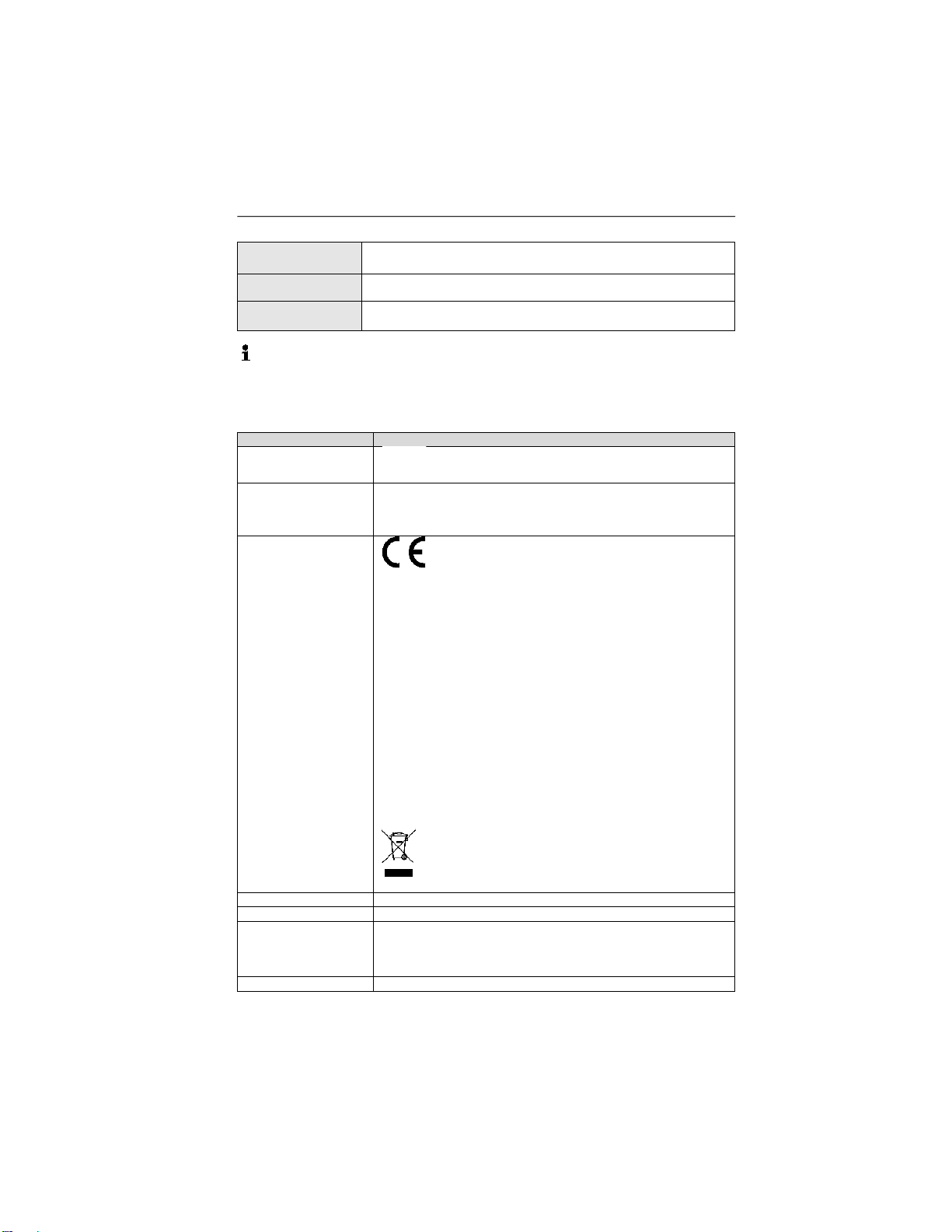
10 Certifications
Product
testo 552i
Mat.-No.
0564 1552
Date
22.02.2021
Country
Comment
Australia
E 1561
Canada
IC ID: 6127B-05641552
Europa + EFTA
Hongkong
Authorized
South Africa
TA-2020/8013
South Korea
See KCC Warning
Turkey
Authorized
产品名称
型号
日期
The use of the wireless module is subject to the regulations and stipulations of the respective country
of use, and the module may only be used in countries for which a country certification has been granted.
The user and every ow ner has the obli gation to adhere to these regul ations and prerequisite s for use,
and acknowledges that the re-sale, export, import etc. in particular in countries without wireless permits,
is his responsibility.
See IC Warnings
The EU Declaration of Conformity can be found on the testo
homepage under the product specific downloads.
EU countries:
Belgium (BE), Bulgaria (BG), Denmark (DK), Germany (DE), Estonia
(EE), Finland (FI), France (FR), Greece (GR), Ireland (IE), Italy (IT),
Latvia (LV), Lithuania (LT), Luxembourg (LU), Malta (MT), Netherlands
(NL), Austria (AT), Poland (PL), Portugal (PT), Romania (RO), Sweden
(SE), Slovakia (SK), Slovenia (SI), Spain (ES), Czech Republic (CZ),
Hungary (HU), United Kingdom (GB), Republic of Cyprus (CY).
countries:
EFTA
Iceland, Liechtenstein, Norway, Switzerland
WEEE Reg. no.: DE 75334352
R-R-te2-05641552
38
Find Quality Products Online at: [email protected]
www.GlobalTestSupply.com
Page 38
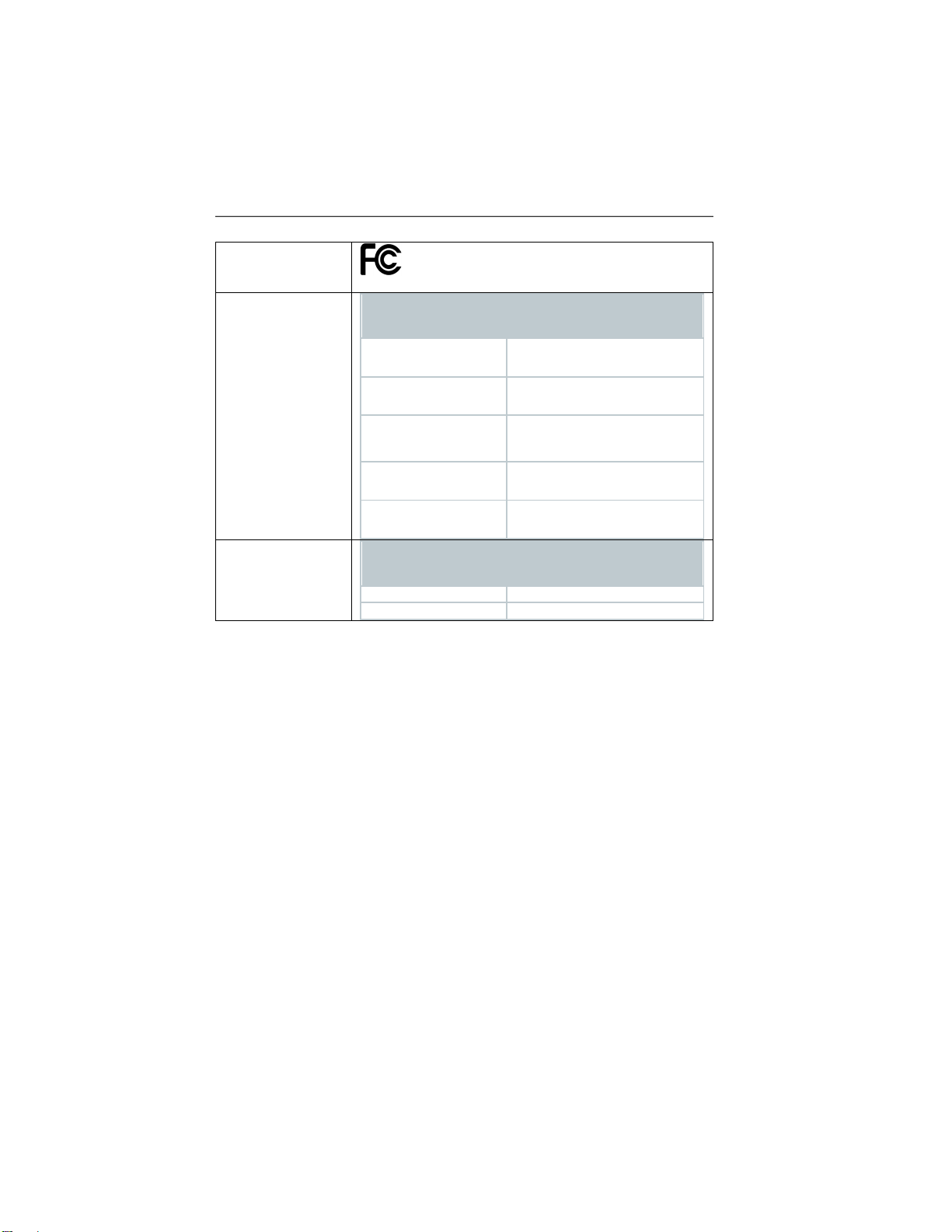
USA
FCC ID: WAF-05641552
See FCC Warnings
Bluetooth®
up to150m (490
feet) (free field /
company
LSD Science &
Lierda LSD4BT_S37
power output
Bluetooth®
Declaration ID
D043363
member company
Testo SE & Co. KGaA
10 Certifications
Feature
Information
SIG Listing
IC Warnings
CAN ICES-003(B)/NMB-003(B):
This Class B digital apparatus complies with Canadian ICES-003.
Cet appareil numérique de la classe [B] est conforme à la norme NMB-003 du Cana da .
RSS-Gen & RSS-247 statement:
This device complies with Industry Canada licence-exempt RSS standard(s).
Operation is subject to the following two conditions:
(1) this device may not cause interference, and
(2) this device must accept any interference, including interference that may cause undesired operation
of the device.
Le présent appareil est conforme aux CNR d'Industrie Canada applicables aux appareils radio exempts
de licence.
L'exploitation est autorisée aux deux conditions suivantes :
(1) l'appareil ne doit pas produire de brouillage, et
(2) l'utilisateur de l'appareil doit accepter tout brouillage radioélectrique subi, même si le brouillage est
susceptible d'en compromettre le fonctionnement.
Caution: Radio Frequency Radiation Exposure
This equipment compli es wi th IC radiation exposure limits set for th for an uncontrolled environment and
meets the IC radio frequency (RF) Exposure Guidelines. This equipment should be installed and
operated keeping the radiator at least 20 cm or more away from person´s body in normal use position
to ensure compliance with RF exposure requirement.
特征与参数
Bluetooth® range / 范围
radio type
型号
制造商
RF Band
射频频段
输出功率
Feature
特征与参数
Values
数值
无障碍场地)
Bluetooth® Low
Energy (BLE) 4.2
Technology Co., Ltd
2402 – 2480MHz
15.22dBm
Values
数值
39
Find Quality Products Online at: [email protected]
www.GlobalTestSupply.com
Page 39

10 Certifications
Co-Location:
This transmitter must not be co-located or operated in conjunction with any other antenna or
transmitter.
Attention : exposition au rayonnement de radiofréquences
Cet équipement est conforme aux limites d'exposition aux radiofréquences IC fixées pour un
environnement non co ntr ôlé et aux Lignes directrices relativ e s à l'ex posi ti on a ux radi ofr éq uences (RF).
Cet équipement doit être installé et utilisé en gardant le radiateur à une distance d'au moins 20 cm du
corps humain en position normale d’utlisation pour garantir la conformité a d'exposition aux RF.
Co-location
Ce transmetteur ne peut pas être installé en colocation ou être utilisé avec une autre antenne ou
transmetteur, quel qu'en soit le type.
FCC Warnings
Information from the FCC (Federal Communications Commission)
For your own safety
Shielded cables should be used for a composite interface. This is to ensure continued protection
against radio frequency interference.
FCC warning statement
This equipment has been tested and found to comply with the limits for a Class B digital device,
pursuant to Part 15 of the FCC Rules. These limits are designed to provide reasonable protection
against harmful interference in a residential installation. This equipment generates, uses and can
radiate radio frequency energy and, if not installed and used in accordance with the instructions, may
cause harmful interference to radio communications. However, there is no guarantee that interference
will not occur in a particular installation. If this equipment does cause harmful interference to radio or
television reception, which can be determined by turning the equipment off and on, the user is
encouraged to try to correct the interference by one or more of the following measures:
• Reorient or relocate the re c eiving antenna.
• Increase the separation between the equipment and receiver.
• Connect the equipment into an outlet on a circuit different from that to which the receiver is
connected.
• Consult the dealer or an experienced radio/TV technician for help.
Caution
Changes or modifications not expressly approved by the party responsible for compliance could void
the user's authority to operate the equipment. Shielded interface cable must be used in order to comply
with the emission limits.
Warning
This device complies with Part 15 of the FCC Rules.
Operation is subject to the following two conditions:
(1) this device may not cause harmful interference, and
(2) this device must accept any interference received,
including interference that may cause undesired operation.
Caution: Radio Frequency Radiation Exposure
This equipment complies with FCC radiation exposure limits set forth for an uncontrolled environment
and meets the FCC radio frequency (RF) Exposure Guidelines. This equipment should be installed and
operated keeping the radiator at least 20 cm or more away from person´s body in normal use position
to ensure compliance with RF exposure requirement.
40
Find Quality Products Online at: [email protected]
www.GlobalTestSupply.com
Page 40

10 Certifications
Co-Location:
This transmitter must not be co-located or operated in conjunction with any other antenna or
transmitter.
KCC Warning
해당 무선 설비는 운용 중 전파혼신 가능성이 있음。
41
Find Quality Products Online at: [email protected]
www.GlobalTestSupply.com
Page 41
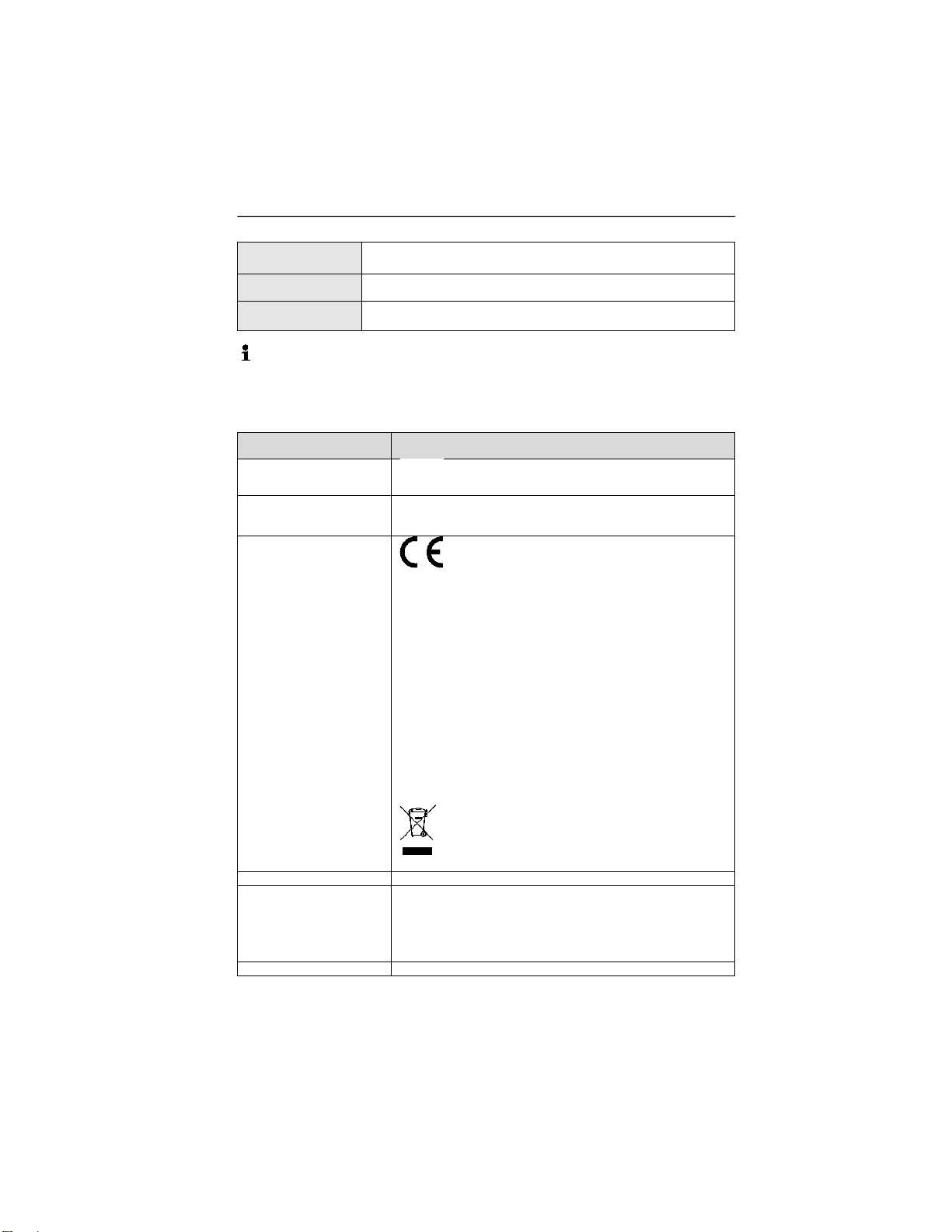
10 Certifications
Product
testo 915i
Mat.-No.
0560 1915
Date
21.01.2021
Country
Comments
Australia
E 1561
Canada
IC ID: 6127B-05601915
See ISED Warnings
Europa + EFTA
Hongkong
Authorized
South Korea
Turkey
Authorized
产品名称
型号
日期
The use of the wireless module is subject to the regulations and stipulations of the respective country
of use, and the module may only be used in countries for which a country certification has been granted.
The user and every ow ner has the obli gation to adhere to these regul ations and prerequisite s for use,
and acknowledges that the re-sale, export, import etc. in particular in countries without wireless permits,
is his responsibility.
The EU Declaration of Conformity can be found on the
testo homepage under the product specific downloads.
EU countries:
Belgium (BE), Bulgaria (B G) , De nm ar k (DK ), Ge rm any (D E) ,
Estonia (EE), Finland (FI), France (FR), Greece (GR), Ireland (IE),
Italy (IT), Latvia (LV), Lithu ania (LT), Luxembourg (LU), M alta (MT ) ,
Netherlands (NL), Austria (AT), Poland (PL), Portugal (PT),
Romania (RO), Sweden (SE), Slovakia (SK), Slovenia (SI), Spain
(ES), Czech Republic (CZ), Hungary (HU), United Kingdom (GB),
Republic of Cyprus (CY).
EFTA
countries:
Iceland, Liechtenstein, Norway, Switzerland
WEEE Reg. no.: DE 75334352
R-R-te2-05601915
See KCC Warning
42
Find Quality Products Online at: [email protected]
www.GlobalTestSupply.com
Page 42
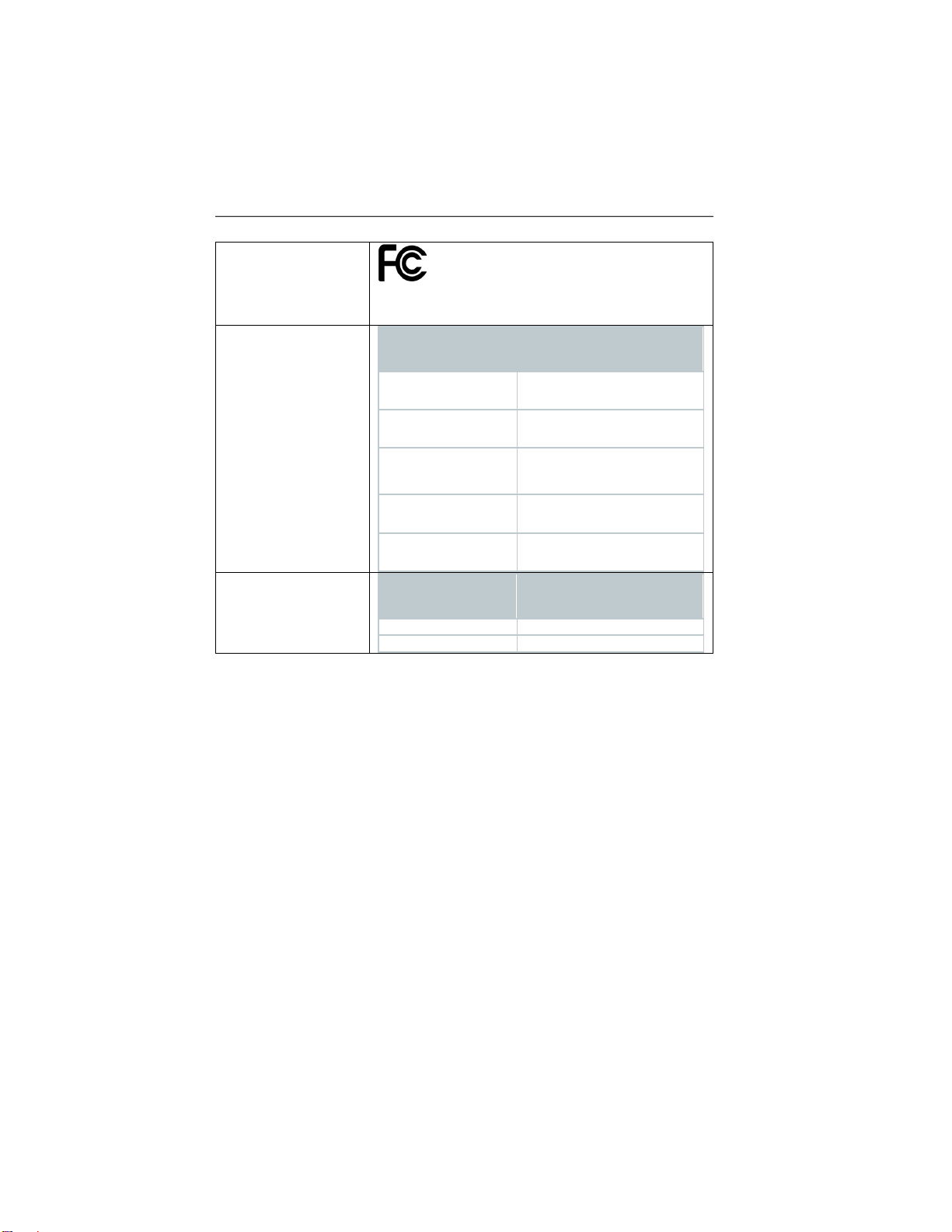
10 Certifications
USA
See FCC Warnings
Bluetooth®
up to150m (490
feet) (free field /
radio type
Lierda LSD4BT_S37
power output
Bluetooth®
Declaration ID
D043363
member company
Testo SE & Co. KGaA
Information
SIG Listing
EU SAR Information
The SAR limit of Europe is 2.0 W/kg. The highest SAR value reported for 0560 1915 under testing
standard for use in hand is 0.275W/kg.
This device and its antenna(s) must not be co-located or operating in conjunction with any other
antenna or transmitter.
ISED Warnings
CAN ICES-003(B)/NMB-003(B):
This Class B digital apparatus complies with Canadian ICES-003.
Cet appareil numérique de la classe [B] est conforme à la norme NMB-003 du Cana da .
RSS-Gen & RSS-247 statement:
This device complies with Industry Canada licence-exempt RSS standard(s).
Operation is subject to the following two conditions:
(1) this device may not cause interference, and
(2) this device must accept any interference, including interference that may cause undesire d ope ra ti on
of the device.
Le présent appareil est conforme aux CNR d'Industrie Canada applicables aux appareils radio exempts
de licence.
L'exploitation est autorisée aux deux conditions suivantes :
(1) l'appareil ne doit pas produire de brouillage, et
43
FCC ID: WAF-05601915
Feature
特征与参数
Bluetooth® range / 范围
型号
company
制造商
RF Band
射频频段
输出功率
Feature
特征与参数
Values
数值
无障碍场地)
Bluetooth® Low
Energy (BLE) 4.2
LSD Science &
Technology Co., Ltd
2402 – 2480MHz
13.70dBm
Values
数值
Find Quality Products Online at: [email protected]
www.GlobalTestSupply.com
Page 43

10 Certifications
(2) l'utilisateur de l'appareil doit accepter tout brouillage radioélectrique subi, même si le brouillage est
susceptible d'en compromettre le fonctionnement.
ISED SAR warning:
The highest SAR value reported under this standard during product certification for use in the hand is
0.450W/kg.
Co-Location:
This transmitter must not be co-located or operated in conjunction with any other antenna or
transmitter.
Avertissement DAS d'ISED:
La valeur DAS la plus élevée rapportée durant la prise en main pour utilisation selon la norme standard
de certification de prod uit est de 0,4 50 W / kg.
Co-location
Ce transmetteur ne peut pas être installé en colocation ou être utilisé avec une autre antenne ou
transmetteur, quel qu'en soit le type.
FCC Warnings
Information from the FCC (Federal Communications Commission)
For your own safety
Shielded cables should be used for a composite interface. This is to ensure continued protection
against radio frequency interference.
FCC warning statement
This equipment has been tested and found to comply with the limits for a Class B digital device,
pursuant to Part 15 of the FCC Rules. These limits are designed to provide reasonable protection
against harmful interference in a residential installation. This equipment generates, uses and can
radiate radio frequency energy and, if not installed and used in accordance with the instructions, may
cause harmful interference to radio communications. However, there is no guarantee that interference
will not occur in a particular installation. If this equipment does cause harmful interference to radio or
television reception, which can be determined by turning the equipment off and on, the user is
encouraged to try to correct the interference by one or more of the following measures:
• Reorient or relocate the recei ving antenna.
• Increase the separation between the equipment and receiver.
• Connect the equipment into an outlet on a circuit different from that to which the receiver is
connected.
• Consult the dealer or an experienced radio/TV technician for help.
Caution
Changes or modifications not expressly approved by the party responsible for compliance could void
the user's authority to operate the equipment. Shielded interface cable must be used in order to comply
with the emission limits.
Warning
This device complies with Part 15 of the FCC Rules.
Operation is subject to the following two conditions:
(1) this device may not cause harmful interference, and
(2) this device must accept any interference received,
including interference that may cause undesired operation.
FCC SAR warning:
44
Find Quality Products Online at: [email protected]
www.GlobalTestSupply.com
Page 44

10 Certifications
The SAR limit of USA (FCC) is 1.6 W/kg averaged over one gram of tissue. The highest SAR value
reported under this standard during product certification of 0560 1915 (FCC ID:WAF-05601915) for
use when properly worn in the hand is 0.450 W/kg.
Co-Location:
This transmitter must not be co-located or operated in conjunction with any other antenna or
transmitter.
KCC Warning
해당 무선 설비는 운용 중 전파혼신 가능성이 있음
45
Find Quality Products Online at: [email protected]
www.GlobalTestSupply.com
 Loading...