

Page 1
1
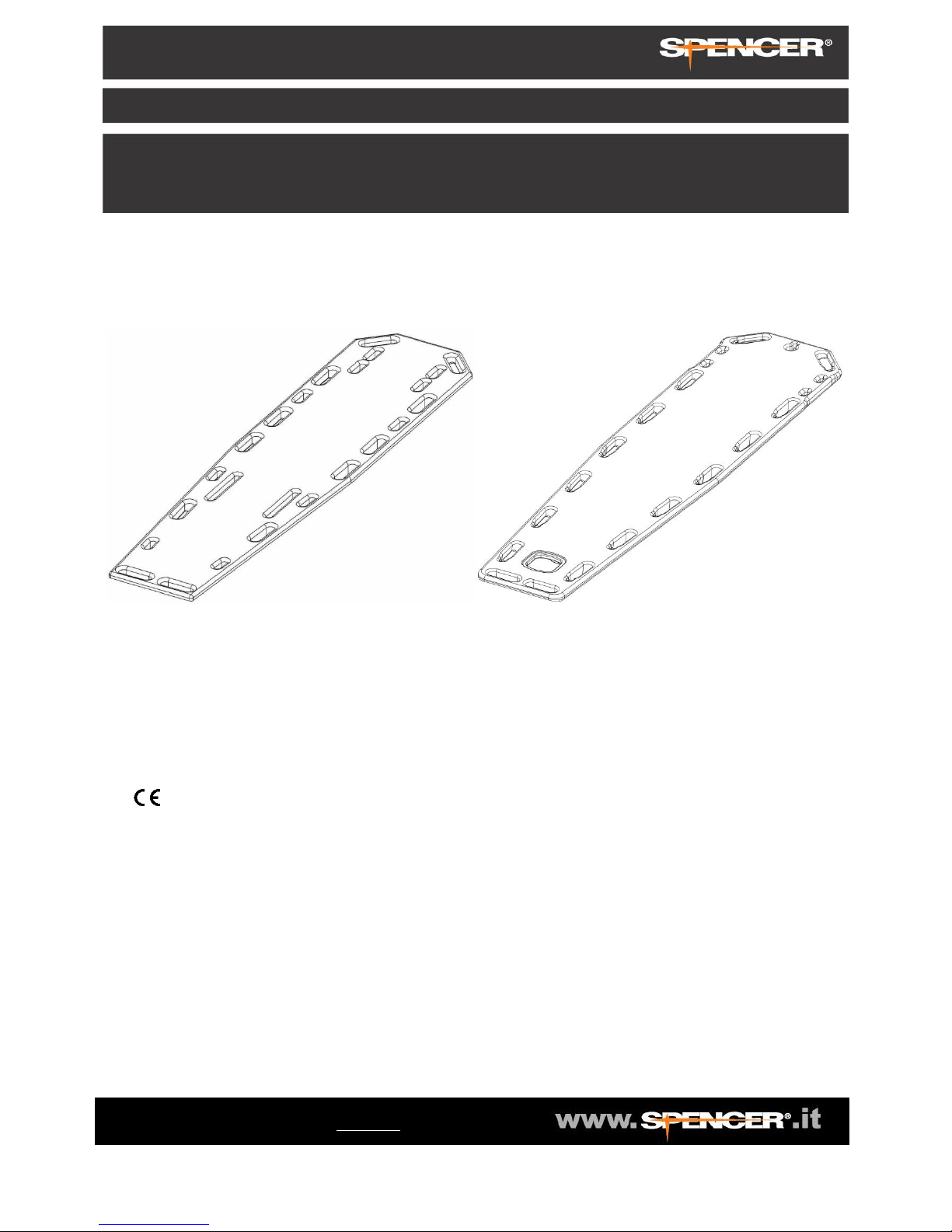
Spencer Rock
Rock Pin
User’s Manual
Spencer Rock / Rock Pin
Spine board
This appliance conforms with the Directive 93/42/CEE “Medical Devices”
Guarantee of Quality system for the production and the final control of the products certified by
the notifying body TÜV SÜD Product Service GmbH
INDEX
General information pag. 2
Warnings pag. 2
Product description pag. 5
Operating instructions pag. 6
Maintenance and cleaning pag. 10
Accessories and spare parts pag. 12
First edition: 2001
Rev. 2: 23/08/18
Spencer Italia s.r.l.
Tel. +39 0521.541111 / Fax +39 0521.541222 / e-mail: [email protected]
Page 2
2
Thank you for choosing a Spencer product
1. GENERAL INFORMATION
1.1 Aim and contents
The aim of this manual is to supply all the information necessary so that the client, will not only
attain adequate use of the appliance, he will also be capable of using the instrument in the most
autonomous and secure way possible. This includes information regarding technical aspects,
functioning, maintenance, spare parts and safety.
1.2 Conservation of the instruction and maintenance manual
The instruction and maintenance manual must be kept together with the product, for the whole life
of the device, inside a dedicated container and above all, away from any substances or liquids which
could compromise perfect legibility.
1.3 Symbols used
Symbol Meaning
General or specific warnings
See instructions for use
Lot number
Product code
The product is compliant with the specifications of the Directive 93/42/CEE
1.4 Servicing request
For any information regarding the correct interpretation of the instruction manual, the use,
maintenance, installation and restore of the product, please contact the Spencer Customer Care
Service tel. 0039 0521 541111, fax 0039 0521 541222, e-mail [email protected] or write to Spencer
Italia S.r.l. – Via Provinciale, 12 - 43038 Sala Baganza (Parma) - ITALY. In order to facilitate the
assistance service, please always indicate the lot number (LOT) shown on the label applied on the
box or on the device.
1.5 Demolition
When the devices are no more suitable for being used, if they haven’t been contaminated by any
particular agents, they can be disposed of as normal solid waste, otherwise follow the current
regulations about demolition in each country.
1.6 Labelling
Each device has got an identifying label, positioned on the device itself and/or on the box. This label
includes information about the manufacturer, the product, the CE mark, the lot number (LOT). It
must never be removed or covered.
2. WARNINGS
2.1 General warnings
The product must be used by trained personnel only, having attended specific training for this
device and not for similar products.
Training routines must be registered on a special register in which the names of those trained, of
the trainers, date and place are indicated. This register which will certify the eligibility of the
operators to use the Spencer device has to be kept for a period of 10 years after the disposal of
the device itself. This register will be made available to the competent authorities and/or
manufacturer if requested.
Spencer Italia S.r.l. is always at your disposal to plan trainings on products.
Before carrying out any kind of operation on the appliance (training, installation, use), the
operator must carefully read the enclosed instructions, paying particular attention to the correct
safety precautions and to the procedures to be followed for installation and for correct use.
If the instructions belong to another device and not to the device received, inform the
manufacturer immediately and avoid use of the device.
In case of any doubts about the correct interpretation of the instructions, please contact Spencer
Italia S.r.l. for any necessary clarifications.
Page 3

3
Do not allow untrained persons to help during the use of the device, because they could cause
damage to the patient or to themselves.
Regularly check the appliance, carry out the prescribed maintenance and respect the average life
span, as indicated by the manufacturer in this user’s manual.
Before each use of device the perfect operating state of the device must be checked as specified
in the instruction manual. If any damage or abnormalities which could in any way influence the
correct functioning and the safety of the device, of the patient and of the user are detected, the
device must be immediately removed from service and the manufacturer must be contacted.
If any failure or incorrect functioning of the device is detected, it must be immediately substituted
with a similar item so that the rescue procedures are guaranteed without any interruption.
Use of the device in anyway other than described in this manual is forbidden.
Do not alter or modify in any way the appliance; any such interference could cause malfunctions
and injury to the patient and/or rescuer.
The appliance must not in any way be tampered with (modification, adjustment, addition,
replacement). In such cases all responsibility will be denied for any malfunctions or injuries
caused by the appliance itself; moreover CE certification and product warranty will be considered
void.
Those who modify or have modified, prepare or have prepared medical appliances in such a way
that they no longer serve the purpose for which they were intended, or no longer supply the
intended service, must satisfy the valid conditions for the introduction onto the market.
Handle with care.
Ensure that all the necessary precautions are taken in order to avoid the hazards that can arise
as the result of contact with blood or body fluids.
Register and store with these instructions: lot number, place and date of purchase, first date of
use, date of checks, name of users, any comments.
When the device is being used, the assistance of qualified staff must be guaranteed.
Do not store the device underneath any heavy objects which could cause structural damage.
Store in a cool, dry, dark place and do not expose to direct sun.
Store and transport device in its original packaging.
The device not be exposed to or come into contact with any source of combustion or inflammable
agents.
Position and adjust the device taking care not to cause any obstruction to rescuers and or any
other rescue equipment.
Attention: laboratory testing, post production tests, instruction manuals cannot always consider
every possible scenario for use. This means that in some cases the performance of the product
could be notable different from results to date obtained. Instructions are continually being
updated and are under tight surveillance of fully qualified staffs with adequate technical
formation.
With reference to the D. Lgs. 24th February 1997, n. 46 emended by D. Lgs. 25/01/2010, n. 37 –
Acknowledgement of Directive 93/42/CEE and 2007/47/CE, we remind both public and private
operators that they are obliged to report any accident that involves any medical device to the
Ministry of Health and to the Manufacture as specified and within time given by the European
regulations.
In addition, both public and private operators are obliged to inform the manufacturer of any
measures that should be adopted to make the steps necessary to guarantee the safety and the
health of the patients and the users o any medical device.
As a distributor or end user of products manufactured and/or marketed by Spencer Italia S.r.l.,
you are strictly required to have a basic knowledge of any legal requirements applying to the
devices contained in this supply that are in power in the goods final destination Country
(including laws and norms regarding technical specifications and/or safety requirements) and
therefore you are also strictly required to have the necessary knowledge to guarantee all aspects
regarding the total conformity of the products to the regulations in the relevant territory.
Promptly notify Spencer Italia S.r.l. regarding any revisions to be made by manufacturer in order
to guarantee the conformity of the product to the territory’s legal specifications (including those
resulting from rules and/or norms of other nature).
Act, with all due care and diligence, and contribute to ensure conformity to general safety
requirements of all devices marketed in the territory, by providing final users with all necessary
information for carrying out periodical checks on their devices, as specified in the relevant user’s
manual.
Actively contribute to product safety checks on products sold, by communicating any relevant risk
analysis information both to the manufacturer and to any competent authorities so that the
necessary action can be promptly taken.
Page 4

4
The distributor or final user is aware that in the event of any failure to conform to the above
mentioned requirements you will be deemed fully responsible for all damages that might occur.
Therefore Spencer Italia S.r.l. expressly disclaims any responsibility and/or liability for your noncompliance with the present regulatory provisions.
2.2 Specific warnings
Establish a maintenance program and periodic testing, identifying a reference employee. The
person to whom the ordinary maintenance of the device is entrusted must ensure the basic
requirements foreseen by the manufacturer in the user’s manual.
All maintenance and periodic check activities must be registered and collected together with their
intervention reports (see Maintenance Register) these documents have to be kept for a period of
10 years after the disposal of the device itself. This register will be made available to the
competent authorities and/or manufacturer if requested.
Use only components/spare parts and/or accessories that are original or approved by Spencer
Italia S.r.l. in order to carry out any operation without causing any alteration or modification to
the device, otherwise we assume no responsibility for the proper functioning or damage resulting
from device to the patient or the operator and warranty and will be considered void according to
the compliance to the Medical Device Directive 93/42/CEE.
Always respect the maximum load capacity of the device, as indicated in this user's manual.
Maximum load capacity means the total weight distributed according to the human anatomy. In
determining the load of the total weight on the product, the operator must consider the weight of
the patient, the equipment and the accessories. Moreover, the operator must consider that the
overall dimensions of the patient do not reduce the functionality of the device.
Never leave the patient unassisted on the device, because he may be injured.
The device and all its components, after washing, should be allowed to dry completely before
storing.
Follow the procedures approved by the Emergency Medical Services for the immobilization of the
patient.
Follow the procedures approved by the Emergency Medical Services for the positioning and
transport of the patient.
Do not wash the device in the washing machine.
Do not use drying machines.
Avoid contact with sharp objects.
Do not use the device if it is pierced, torn,frayed or eccessively worn out.
Make sure,before lifting,that the operators have a firm grip on the device.
Avoid pulling the device on rough surfaces.
Do not lift by crane or other mechanical lifts.
The device is a spine board for patients transport and cannot be used as a stationing device
First practice with an empty spine board in order to get used to the way in which the spine board
manoeuvres.
For the use of the device, at least two operators in suitable physical conditions are needed; they
must therefore have strength, balance, coordination, and common sense and must be trained on
the correct functioning of the Spencer device.
For techniques for loading particularly heavy patients, for rescue operations on steep ground or in
unusual circumstances, it is recommended the presence of more operators (not just as required
under standard conditions).
The maximum weight sustained by each rescuer must comply with requirements prescribed by
the law of the Country, concerning Health and Safety at Work.
Always immobilize the patient, using the straps supplied by the manufacturer; lack of
immobilization may cause serious damage.
Do not operate in case the weight has not been distributed correctly.
Use the backboard only as described in this Manual
Do not alter or modify the spine borad arbitrarily, the modification may cause unforeseeable
functioning and damages to the patient and operators. In any case the warranty will be lost. The
manufacturer will no more considered responsible.
Pay a lot of attention to possible obstacles (water, ice, debris, etc.) on the route of the chair,
because they could cause loss of balance for the operator and compromise the proper functioning
of the device. If you can not set the path free from obstacles, choose an alternative path.
Condensation, water, ice and accumulations of dust can affect the correct operation of the device,
making it unpredictable and causing a sudden alteration of the weight that operators have to
carry.
Should it be necessary to secure the device within the ambulance, we recommend the use of the
dedicated fastening system by Spencer. The use of fasteners not approved by the manufacturer is
forbidden, as they may alter the structural and functional characteristics of the spine board.
Page 5
5
2.3 Contraindications and side effects
The use of this device, if used as described in this manual, does not present any contraindications or
collateral effects.
2.4 Physical requirements of the operators
The series of Spencer Rock spine boards is a device destined to professional use only. The rescue
operators must have the following minimum requirements:
physical capacity for operating the device
be able to seize the device firmly with both hands
have strong back, arms and legs for lifting, pushing and pulling the device
have a good muscular coordination
Every operator must be trained in efficient and safe patient transport.
Patient loading procedures for extremely heavy patients, operations in rough terrain and in
particular situations more operators may be needed (not only as in normal conditions).
The capacities of the operators must be considered before determining their roles in the
employment of the device.
3. DESCRIPTION OF PRODUCT
3.1 Intended use
The Rock series spine boards are devices for the immobilization of the patient with suspected
traumatic injury. Basic device for emergency trauma care, the Spencer Rock spine board is based on
the concept of absolute versatility. Using the four skids of high density polyethylene, Spencer Rock
can slip on the steps of the stairs. It ensures in all situations a proper, safe and secure total
immobilization of the spine and of the patient. The material and the construction technique confer
the Spencer Rock exclusive characteristics: rigidity, water resistance, buoyancy, resistance to impact
and corrosion, X-ray homogeneity and compatibility.
The model Rock Pin presents in the lateral handles rapid anchoring elements, X-ray compatibles, for
fastening the dedicated immobilisation system.
3.2 Main components
The device consists of the following main components:
polyethylene shell
plugs (2 pcs)
3.3 Models
ST02030A
Spencer Rock – Spine board, orange
ST02014B
Rock Pin – Spine board with pins, military
ST02051A
Spencer Rock – Spine board, yellow
ST02110B
Rock Pin Max – Spine board with pins, yellow
ST02032A
Spencer Rock – Spine board, green
ST02112B
Rock Pin Max – Spine board with pins, orange
ST02033A
Spencer Rock – Spine board, red
ST02113B
Rock Pin Max – Spine board with pins, red
ST02036A
Spencer Rock – Spine board, military
ST02114B
Rock Pin Max – Spine board with pins, military
ST02010B
Rock Pin – Spine board with pins, yellow
ST02012B
Rock Pin – Spine board with pins, orange
ST02013B
Rock Pin – Spine board with pins, red
These basic models could be modified, with reference to codes and/or descriptions
without any previous notification.
Page 6
6
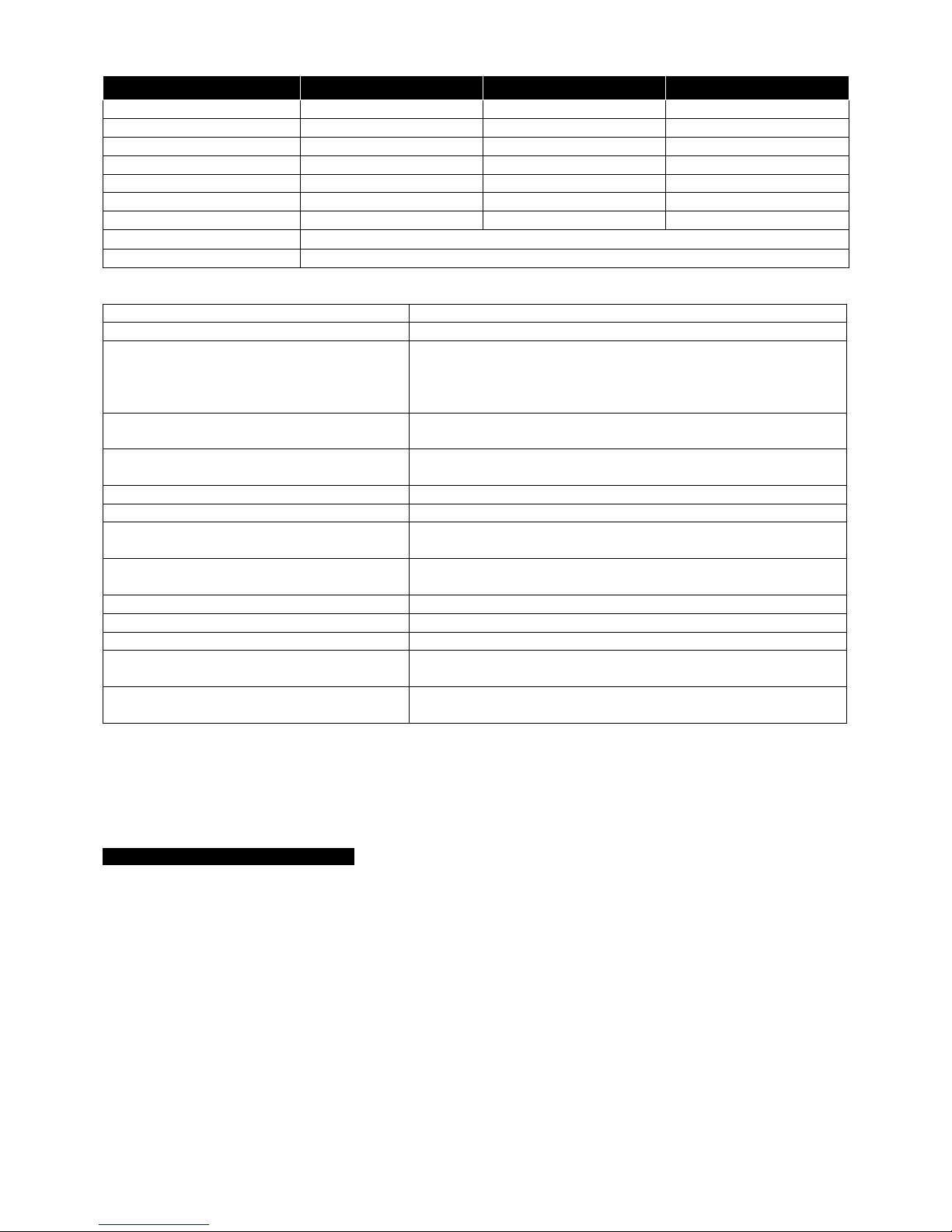
3.4 Technical data
Characteristics
Spencer Rock
Rock Pin
Rock Pin Max
Length (mm)
1825
1840
1840
Width (mm)
445
445
445
Thickness (mm)
66
50
50
Handles
12
16
16
Fixing pins / 14
14
Load capacity (kg)
192
200
350
Radiolucent
SI
SI
SI
Weight
7,8 ± 0,2 kg
Material
Polyethylene
3.5 Reference standards
Reference
Title of document
MDD 93/42/CEE
European Directive about Medical Devices
MDD 2007/47/CEE
Modifications to 90/385/CEE Directive about active
implants, Directive 93/42/CEE about medical devices
and Directive 98/8/CE about the introduction of biocides
onto the market
Legislative Decree 24/02/1997, n. 46
Application of the 93/42/CEE Directive about Medical
Devices
Legislative Decree 25/01/2010, n. 35
Modifications and additions to the 20/02/97 Decree n.
46
UNI EN ISO 14971
Application of risks managing to medical devices
UNI CEI EN 980
Graphic symbols used for medical devices labelling
UNI CEI EN 1041
Information supplied by the medical devices
manufacturer
CEI EN 62366
Medical Devices - Application of the utilisation
characteristics of engineering to medical devices
MEDDEV 2.4/1a-b
Guideline for the classification of medical devices
NB-MED 2.5.1/Rec 5
Technical Documentation
MEDDEV 2.7.1
Clinical Data
UNI EN 14155
Clinical evaluation of the medical devices for human
beings - Part 2: Clinical evaluation plans
UNI EN 1865-1:2010
Directives for stretchers and other patient transport
equipment on ambulances
3.6 Environmental conditions
Functioning temperature Spencer Rock: from -35 to +55 °C
Functioning temperature Rock Pin/Pin Max: from -20 to +50 °C
Storage temperature: from -20 to +60 °C
Relative humidity: from 0 to 100 %
4. OPERATING INSTRUCTIONS
4.1 Transport and storage
Before transporting the appliance, make sure that it is correctly packaged ensuring also that there
are no risks of shocks, bumps or falls during the transport itself.
Keep the original packaging for use in case of any further transport and for storage. Damage to the
appliance caused during transport and handling is not covered by the guarantee. Repairs or
replacement of the damaged parts are the responsibility of the client. The device must be stored in a
dry, cool area away from direct sunlight. It must not be placed in contact with any substances or
chemical agents which could cause damage and reduce safety characteristics.
Page 7
7
Fig.A
Fig.B
Fig.C
4.2 Preparation
On receipt of the product:
Remove the packaging and display the material so that all components are visible.
Check that all the components/pieces on the accompanying list are present.
The appliance must be checked before every use so as to reveal any working abnormalities and/or
damage caused by transport and/or storage. In particular, check:
General functionality of the device
Cleanliness of the device (remember that the failure of cleaning may cause the risk of cross
infections)
Absence of cuts, holes, tears on the structure, including the straps
State of use
Integrity of handles (are torn or signs of laceration?)
The emergency vehicle is equipped with a fastening system dedicated to the Spencer spine
board
There are belts for the immobilization of the patient and they are intact and functioning
If the above conditions are met, the device may be considered ready for use; otherwise you must
immediately remove the device from service and contact the Manufacturer.
4.3 Functioning
Follow the procedures approved by the reference Emergency Medical Service for
immobilization, positioning and patient transport.
The following procedures are shown on the basis of general information use.
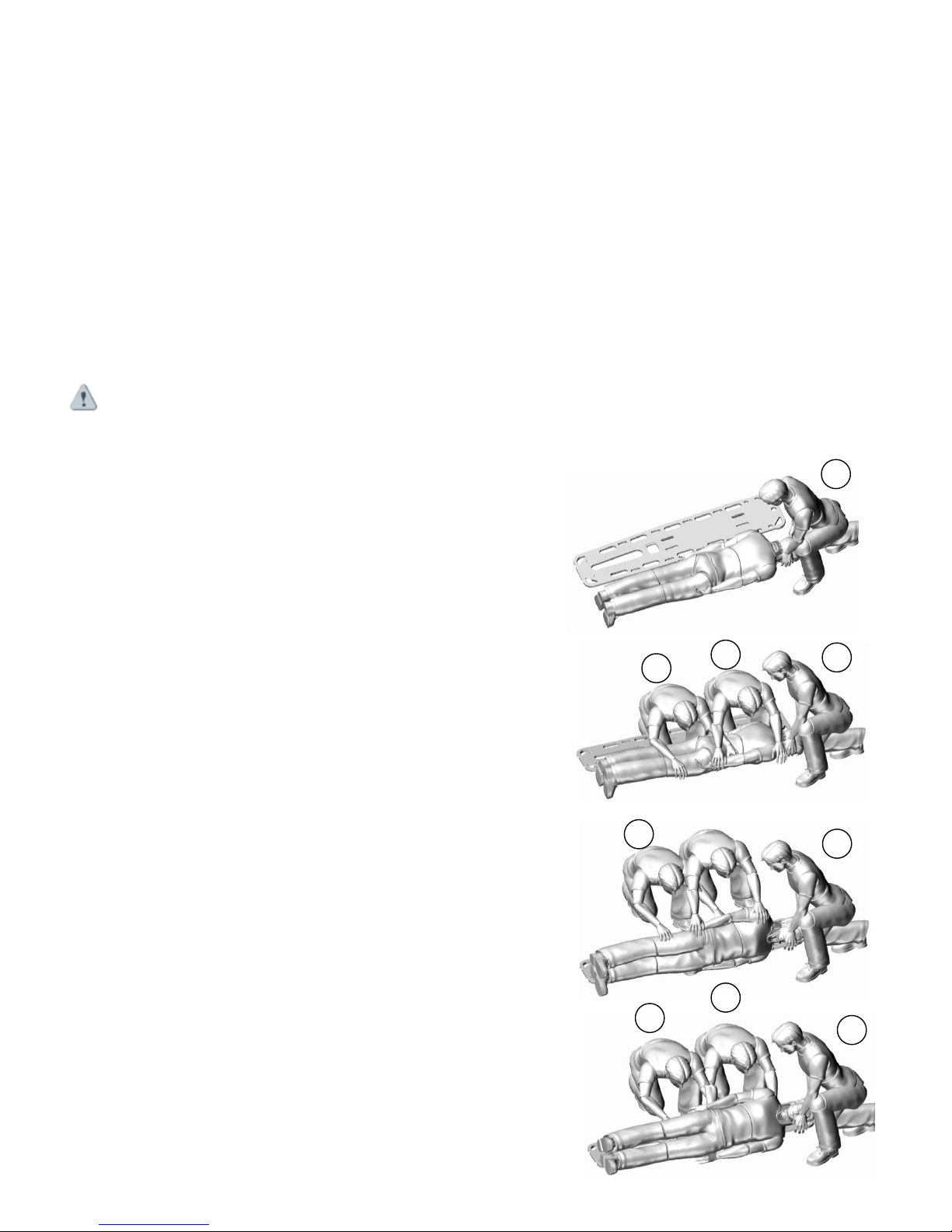
4.3.1 Loading the prone patient on the spine board
This manoeuvre should be performed by at least three rescuers
(Res.).
Res. 1 sends Res. 2 to immobilize the spine, at the same
time he tells the patient not to move and communicate the
manoeuvres to be carried out.
Res. 2 takes kneeling position behind the patient's head in
misaligned position, so that at the end of the pronationsupination he will be aligned as much as possible to the
patient's head.
Res. 2 manually immobilizes the cervical spine with his
hands in such a position that they do not become crossed
during rotation; he slips his hand under the patient's head
to get a good grip, making sure to move the head as little
as possible (fig. A).
Res. 1 and 3 align the limbs along the axis of the body,
lifting them the bare minimum. The movement of alignment
is carried out in two phases:
o Alignment of the limb
o Approach of the body
Res. 3 places the spine board at the patient's side (the
opposite side of the sight), lying on the ground, and makes
sure that the head is at the centre of the pillow.
Res. 1 and 3 take kneeling position at the side of the
patient from the side of rotation, with a knee above the
spine board, and are positioned one on the trunk and one to
the pelvis. Res. 1 places his hands at shoulder and pelvis,
including the patient's wrist. Res. 3 places his hands at the
side and the femur (fig. B).
Res. 2 at the head controls the rotation of the patient on
the side, saying: "On three. One, two, three.".
At "three" Res. 1 and 3 rotates the patient 90 degrees,
keeping the entire column immobilized in line, they stop at
the "stop" of Res. 2 (fig. C).
Res. 1 and 3, keeping the patient on the side, move their
hands. Res. 1 rotates both hands, Res. 3 rotates the one
on the femur, while he moves to the back the hand that
was previously on the side. This allows to support the
patient during descent in the supine position (fig. D).
When Res. 1 and 3 are ready, they shall notify Res. 2,
which gives instructions to rotate the patient an additional
Fig.D
3
3
2
2
2
2 1 3
1
Page 8
8
Fig.E
Fig.G
Fig.F
90 degrees up to the supine position. At the same time they
draw back up to get off the spine board with their knees.
Once on the ground Res. 2, placed at the head, keeps the immobilization of the cervical spine.
If necessary Res. 2 communicates to others that the patient should be centred on the spine
board. Res. 1 and 3 are put astride the patient and position respectively hands under her armpits
and on the iliac crests. At the start of Res. 2 at the head, they place the patient at the centre of
the spine board translating him without lifting and maintaining the alignment of the column.
Once the patient is aligned, place a shim under the head if necessary to maintain the neutral
position.
Secure the patient to the spine board after he has been centred on the device.
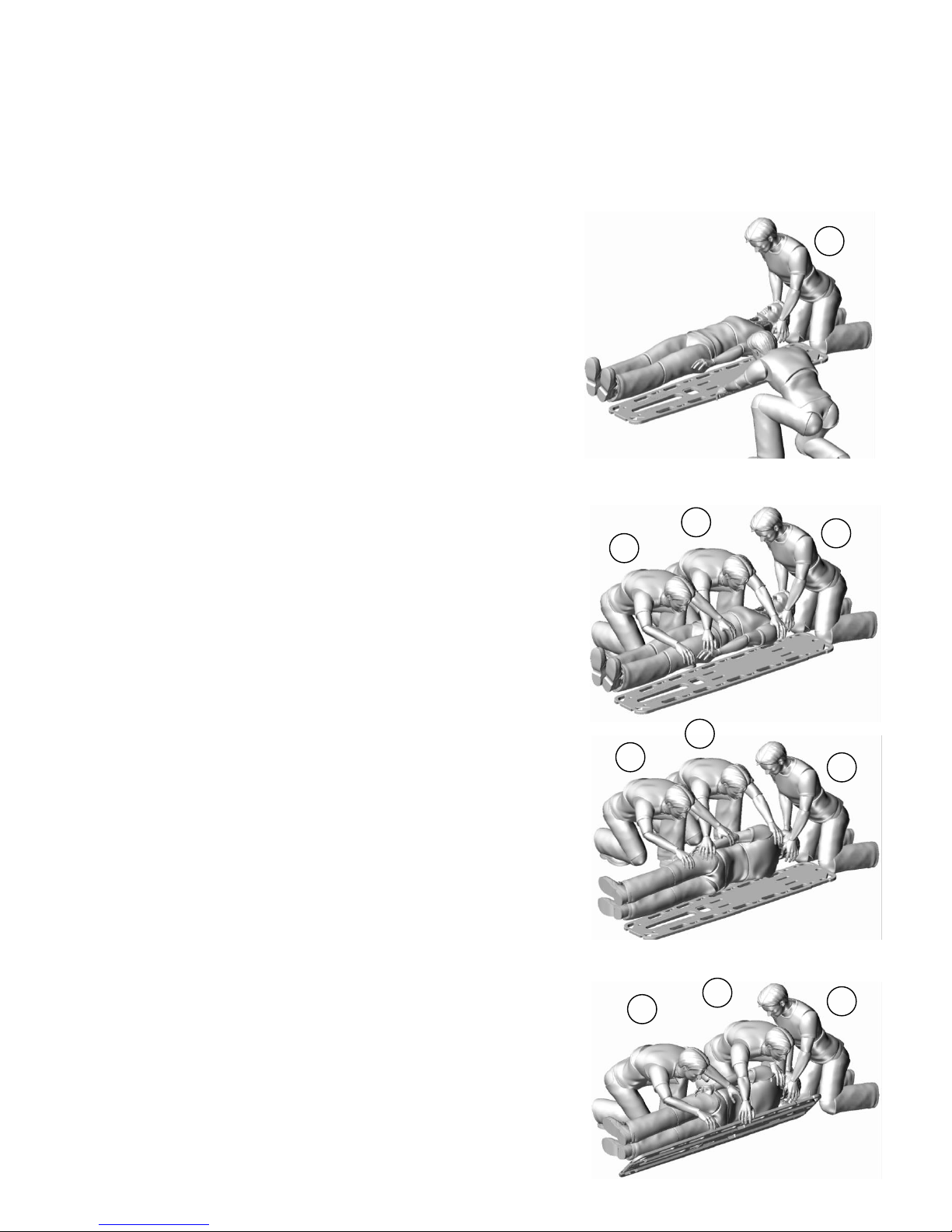
4.3.2 Loading the supine patient on the spine board
This manoeuvre should be performed by at least three rescuers
(Res.).
Res. 1 sends Res. 2 to immobilize the spine, at the same
time he tells the patient not to move and communicate the
manoeuvres to be carried out.
Res. 1 and 3 align the limbs along the axis of the body,
lifting them the bare minimum. The movement of alignment
is carried out in two phases:
o Alignment of the limb
o Approach of the body
Res. 3 places the spine board at the patient's side, lying on
the ground, and makes sure that the head is (in height) at
the centre of the pillow.
Res. 1 and 3 take kneeling position at the side of the
patient from the side of rotation, with a knee above the
spine board, and are positioned one on the trunk and one to
the pelvis. Res. 1 places his hands at shoulder and pelvis,
including the patient's wrist. Res. 3 places his hands at the
side and the femur (fig. F).
Res. 2 at the head controls the rotation of the patient on
the side, saying: "On three. One, two, three.".
At "three" Res. 1 and 3 rotates the patient 90 degrees,
keeping the entire column immobilized in line, they stop at
the "stop" of Res. 2 (fig. G).
While Res. 1 maintains the patient still on the side, Res. 3
puts his hand, that first held the femur, on the spine board
to move it towards the patient and keeping it aligned and in
contact with him. At this point he raises it on the opposite
side of about 45 degrees and Res. 1 with the hand that held
the basin before, helps Res. 3 to support the spine board
(fig. H).
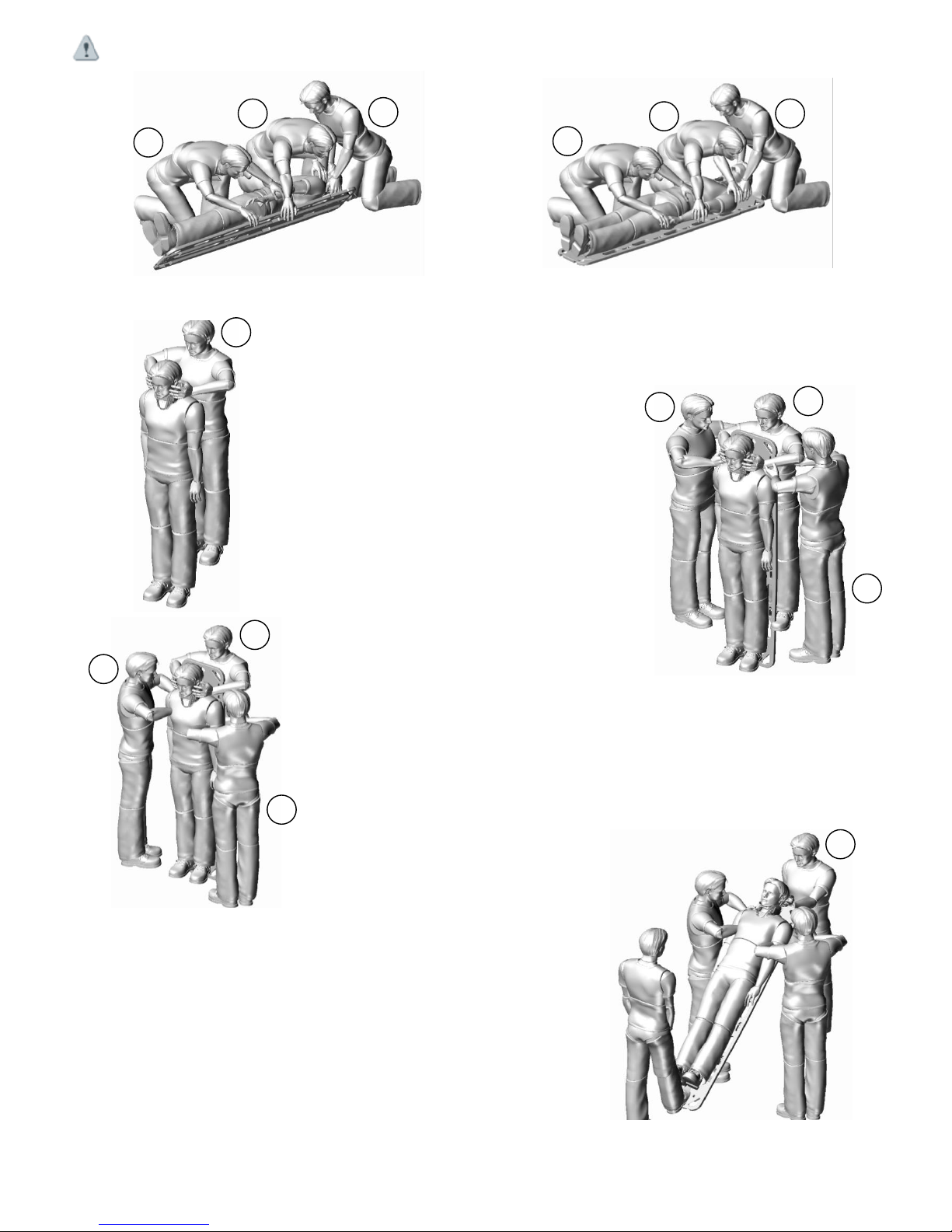
When Res. 1 and 3 are ready, they shall notify Res. 2,
which gives instructions to rotate the patient an additional
45 degrees to make him lay on the spine board (fig. I).
When the patient is leaning against the spine board, Res. 1
and 3 move their hands, which previously held the patient,
on the side of rotation thereof to support him and keep him
in position on the stretcher during the completion of the
rotation (fig. L).
If the patient will not be centred on the spine board, to
centre him the rescuers will use a "bridge" manoeuvre:
o Res. 2 at the head of the patient
o Res. 1 is positioned in the chest with his hands under
the armpits of the patient
o Res. 3 places his hands at the iliac crests
o Res. 1, 2 and 3, maintaining the alignment and at the
start of Res. 2, centre the patient by sliding him to the
side
Once the patient is aligned, place a shim under the head if
necessary to maintain the neutral position.
Secure the patient to the spine board after he has been
centred on the device.
2
1 2 3 1 2
3
3 1 2
Page 9
9
Fig.I
Fig.L
Fig.O
Fig.M
Fig.N
If you suspect a lesion of the column, to place the supine patient on the spine board, use
a scoop stretcher.
4.3.3 Loading the standing patient on the spine board
This operation should be performed by at least four rescuers (one can be a
bystander).
Res. 2 stands behind the patient and applies the manual fixed-line
immobilization from behind (fig.M).
Res. 1 positions the cervical collar.
Res. 1 and 3 insert the spine board
behind the patient, inserting it
sideways into the arms of Res. 2.
Res. 3 maintains the asset in line
hold down the boards against the
patient with the pelvis and legs
(fig.N).
Res. 1 and 3, one on each side, insert the arm in the armpit of the patient
grasping the handle of the spine board just above the armpit (fig.O);
• Res. 4 or a bystander puts a foot on the end of the table so
that it can not slip.
• Res. 1 and 3 are challenging the spine board with the other
free hand and the lower to the ground, stopping approximately
half way to allow the Res. 2 officer heads to reposition the
hands without leaving immobilization. Even the Res. 1 and 3 on
the sides can relocate your hands (fig.P).
• Once the spine board is lowered to the ground, the Res. 2
head kneels down and keeps the spine immobilized.
• Once the patient is aligned, place a shim under the head if
necessary to maintain the neutral position.
• Secure the patient to the spine board after he has been
centred on the device.
3 3 3
2 2 2 2 1 1 1
1 2 2
3
Page 10
10
4.3.4 Immobilization of the patient on the spine board
This operation must be carried out as the final stage of the procedures outlined above.
Pay particular attention during immobilization as, if not correctly performed, it could
jeopardize the success of the rescue.
Place the head immobilizer (for example Spencer Contour), in such a way as to ensure the best
alignment of the cervical spine.
Immobilization of the patient on the spine board, using the belts to ensure stability and solidarity
of the patient to the table. Pass the belts in the slots of the spine board, so that the slots in
charge to be used as handles are free.
The rock Pin version allows quick anchoring of belt thanks to the special pins with the belt system
Pin Straps (ST02015B)
Use the appropriate pin only to fix the belts for immobilization and not to lift the table
with the patient.
4.4 Troubleshooting
PROBLEM
CAUSE
REMEDY
The spinal board not sustains
the weight of the patient and
tends to bend
Internal rods damaged or
broken
Put immediately the stretcher
out of service and contact the
service centre.
Inside the bodyshell enters the
liquid
Closing caps damaged
Put immediately the stretcher
out of service and contact the
service centre.
5. MAINTENANCE AND CLEANING
5.1 Cleaning
Failure to carry out the correct cleaning routine could increase the risk of cross infection,
due to presence of body fluids and/or residuals.
The operator must always wear adequate personal protection such as gloves and mask
etc. during all checking and cleaning procedures.
Clean the exposed parts with water and delicate soap then dry with a soft cloth.
In the event of a possible disinfection use products that have not solvent or corrosive action on the
materials constituting the device.
Rinse thoroughly with warm water making sure that you have removed all traces of detergent,
which could degrade or compromise the integrity and durability of the device.
The use of high pressure water should be avoided.
Allow to dry thoroughly before storing. Drying after washing or after use in wet environments must
be natural and not forced, do not use flames or other sources of direct heat.
In the presence of blood, let it oxydate before proceeding to washing with water.
5.2 Maintenance
Establish a maintenance program and periodic testing, identifying an reference employee. The
person who carries out the maintenance of the appliance has to guarantee the basic requirements
indicated by the Manufacturer in the following paragraphs.
All maintenance activities, both precautionary and special, must be registered on documents
including technical reports about operations. This register has to be kept for a period of at least 10
years after the disposal of the device itself. This register will be made available to the Competent
Authorities and/or Manufacturer if requested.
With reference to the D. Lgs. 24th February 1997, n. 46 emended by D. Lgs. 25/01/2010, n. 37 –
Acknowledgement of Directive 93/42/CEE and 2007/47/CE, we remind both public and private
operators that they are obliged to report any accident that involves any medical device to the
Ministry of Health and to the Manufacture as specified and within time given by the European
regulations. In addition, both public and private operators are obliged to inform the Manufacturer of
any measures that should be adopted to make the steps necessary to guarantee the safety and the
health of the patients and the users o any medical device.
Page 11

11
5.2.1 Precautionary maintenance
The person who carries out the precautionary maintenance of the appliance has to guarantee the
following basic requirements:
Technical knowledge of the appliance and of the periodic maintenance procedures as described in
these instructions.
Specific qualifications and training in the maintenance operations of the appliance in question.
The use of components/replacement parts/accessories that are either original or approved by the
supplier, in such a way that each operation causes no alteration or modification to the appliance.
Possession of the checklist of operations carried out on the appliance.
Guarantee complete adherence to the instructions of the Directive 93/42/CEE which includes also
the obligation towards the Manufacturer to maintain post sales records and traceability of the
appliance if requested.
During all checking, maintenance and cleaning procedures, the operator must wear
adequate personal protection such as gloves, mask, glasses etc.
Checks to be carried out before and after each use, are as follows:
General functionality of the device
Cleanliness of the device (remember that the failure of cleaning may cause the risk of cross
infections)
Absence of cuts, holes, tears on the structure
State of use
Integrity of handles (are torn or signs of laceration?)
The inspection frequency is determined by factors such as legal requirements, the type of
use, frequency of use, environmental conditions during use and storage. Please note that
you must do the cleaning as described in paragraph 5.1 and verify functionality before and after
each use. Spencer Italia S.r.l. declines any responsibility for the proper functioning or damages
caused to the patient or user by the use of devices not subject to routine maintenance warranty and
will void the compliance to the Medical Device Directive 93/42/CEE.
The replacement or restoration can only be done by the manufacturer or by an authorized service
center.
Use only accessories/original spare parts approved by Spencer Italia S.r.l., otherwise we will accept
no responsibility for the incorrect functioning and/or damage caused by the use of any device which
has not been repaired, or certified on expiry date by the Manufacturer or by one of the
Manufacturer's Authorised Service centres. Warranty will be considered void in compliance with the
Medical Device Directive 93/42/EEC.
5.2.2 Periodic maintenance
There is no regular review.
5.2.3 Special servicing
Only the Manufacturer or centres with written authorisation are authorised to complete
any special servicing operations.
For any operations that are not carried out directly by the Manufacturer but by an authorised centre,
we have to underline that a report regarding all operations carried out must be requested. This will
permit both Spencer Italia S.r.l. and the end user to keep a log book regarding the operations
carried out on the device. The device, if used as indicated in the following instruction manual, has an
average life span of 5 years.
Spencer Italia S.r.l. will accept no responsibility for the incorrect functioning and/or damage caused
by the use of any device which has not been repaired, or certified on expiry date by the
Manufacturer or by one of the Manufacturer's Authorised Service centres, making void the guarantee
and the conformity to the Medical Devices Directive 93/42/CEE
Page 12

12
6. ACCESSORIES AND SPARE PARTS
6.1 Accessories
ST02106A Mark-Up – System for permanent personalisation
ST02039A T-Straps – Universal restrain system for immobilization
ST02022A ECS-Straps – Restrain system for immobilization for spine board
ST02032A Rock-Straps – Universal spider straps system for spine board
ST02020A Reflex-Straps – Reflective universal spider straps system
ST02021A Pro Reflex-Straps – Quick closing reflective universal spider straps system
ST02015B Pin-Straps – Universal spider straps system for spine board with hook
ST02024A Board Straps STX 24 - Set with 3 belts with strap system
ST00594A Board Straps STX 594 - Set with 3 belts with quick release buckle
ST00494B Board Straps STX 494 - Set with 3 belts with carabiner
SH00111C Super Blue – Compact universal head immobilizer
SH00201A Spencer Contour – Anatomic universal head immobilizer
SH00300A Fix Head – Advanced universal head immobilizer
SH00240A Tango Fix – Integrated adult/paediatric head immobilizer
SH00150A FXA – Universal ankle immobilizer
SH00151A FXA Pro – Anatomic Universal ankle immobilizer
ST02101A Fix Board – Wall mounted fastening system for spine board
ST02105A Fix Board 10 G - Wall mounted fastening system for spine board certifield 10 G
ST02100B Ranger Board – Foldable trolley for the transport of a spine board
ST02104B Maxxis – Universal floatation inflatable system
ST02102B Spine Pack – Trasnsport bag for spine boards
6.2 Spare parts
There are no spare parts for these products
Page 13
13
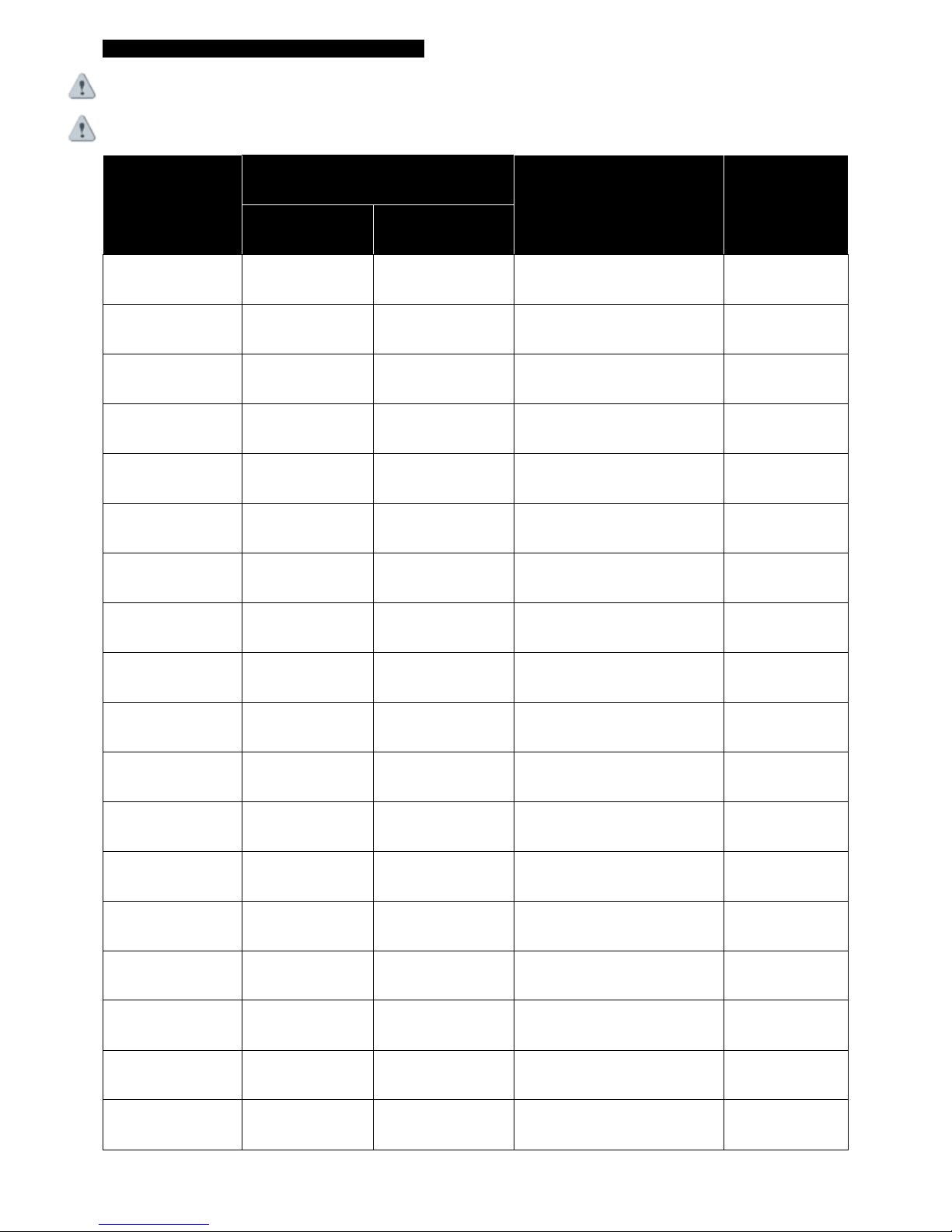
ATTACHMENT A – TRAINING REGISTER
The product must be used by trained personnel only, having attended specific training for this device
and not for similar products.
Keep this document at least 10 years from the end of life of the device.
Operator’s
name
Training date
Training method
(user’s manual, during
service, former class,
etc.)
Trainer
Basic training
Advanced
training
Page 14
14
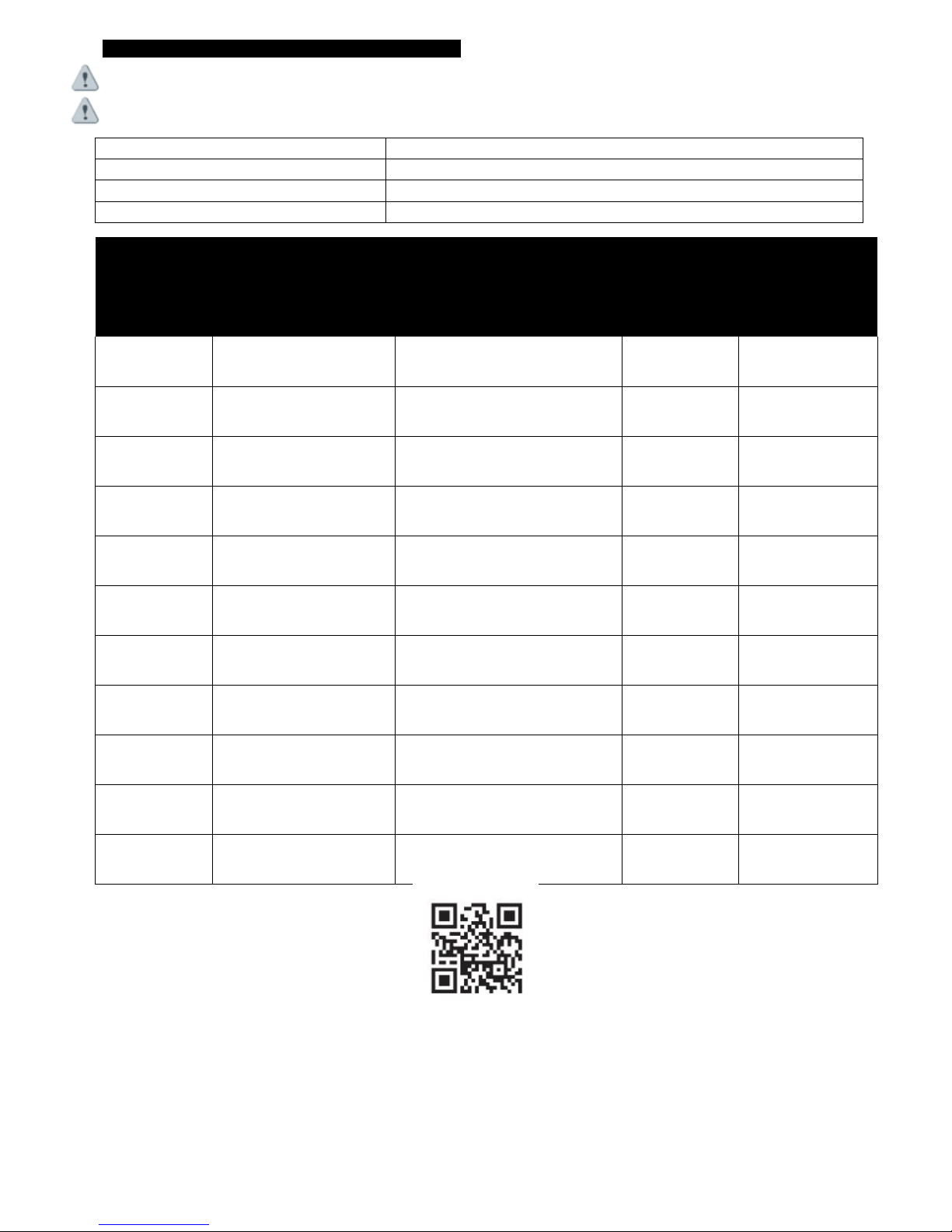
ATTACHMENT B – MAINTENANCE REGISTER
Keep this document at least 10 years from the end of life of the device.
Perform the required maintenance and to respect the life span of the device, as indicated by the
Manufacturer in the User’s Manual.
Code and description of device
Purchase date
Lot (LOT) or serial number (SN)
Bought by
SERVICE
DATE
KIND OF SERVICE
(Maintenace/
check/ extension
of life span)
OPERATIONS MADE ON
THE DEVICE
RESULT
PERSON IN
CHARGE OF
SERVICE
(Operator/
Authorized center
/ Manufacturer)
Warning
The information contained in this document could be modified without any warning and is not to be intended as a
commitment on behalf of Spencer Italia S.r.l. Spencer products are exported to many countries and the same identical
regulations are not always valid. For this reason there could be differences between the description here described and the
product actually delivered. Spencer continually strives to reach the perfection of all items sold. We therefore hope you will
understand if we reserve the right, at any time, to modify the shape, equipment, lay-out or technical aspects that are herein
described.
© Copyright Spencer Italia S.r.l.
All rights reserved.
No part of this document can be photocopied, reproduced or translated into another language without the written approval of
Spencer Italia S.r.l.
 Loading...