

Page 1

Print date: 13-July-2009
Page: 1 of 9
SAFETY DATA SHEET
ANHYDROUS CALCIUM CHLORIDE 94 - 97% MINI-PELLETS
MSDS No.: M48002 Rev. Date: 2009-07-13 Rev. Num. 00
1. CHEMICAL PRODUCT AND COMPANY IDENTIFICATION
Company Identification: Perk Products & Chemical Co., Inc.
42 Industry St.
Nashville, TN 37210
24 Hour Emergency Telephone
Number:
To Request an MSDS: [email protected] or 1-615-242-6157
Customer Service: 1-615-242-6157
Product Use: Agriculture: Pre-harvest, Concrete Acceleration, Drilling Fluid Additive, Dust Control,
1-800-733-3665 or 1-972-404-3228 (U.S.); 32.3.575.55.55 (Europe); 1800-033-111
(Australia)
Refrigeration, Road Base Stabilization and Full Depth Reclamation, Tire Weighting,
Water Treatment (Non-potable)
2. HAZARDS IDENTIFICATION
*****************************************************************************************************************************************
EMERGENCY OVERVIEW:
Color: White
Physical State: Pellets
Odor: Odorless
Signal Word: WARNING
MAJOR HEALTH HAZARDS: CAUSES EYE AND SKIN IRRITATION. HARMFUL IF SWALLOWED.
PRECAUTIONARY STATEMENT S: Isolate area. S lip p ing hazard.
*****************************************************************************************************************************************
POTENTIAL HEALTH EFFECTS:
Inhalation: Dust may cause irritation to upper respiratory tract (nose and throat).
Skin contact: Brief contact is essentially nonirritating to skin. Prolonged contact may cause skin irritation, even a
burn. Not classified as corrosive to the skin according to DOT guidelines. May cause more severe response if skin
is damp. May cause more severe response if skin is abraded (scratched or cut). May cause more severe response
on covered skin (under clothing, gloves).
Page 2
Print date: 13-July-2009
Page: 2 of 9
ANHYDROUS CALCIUM CHLORI DE 94 - 97% MINI-PELLETS
MSDS No.: M48002
Rev. Date: 2009-07-13
Rev. Num. 00
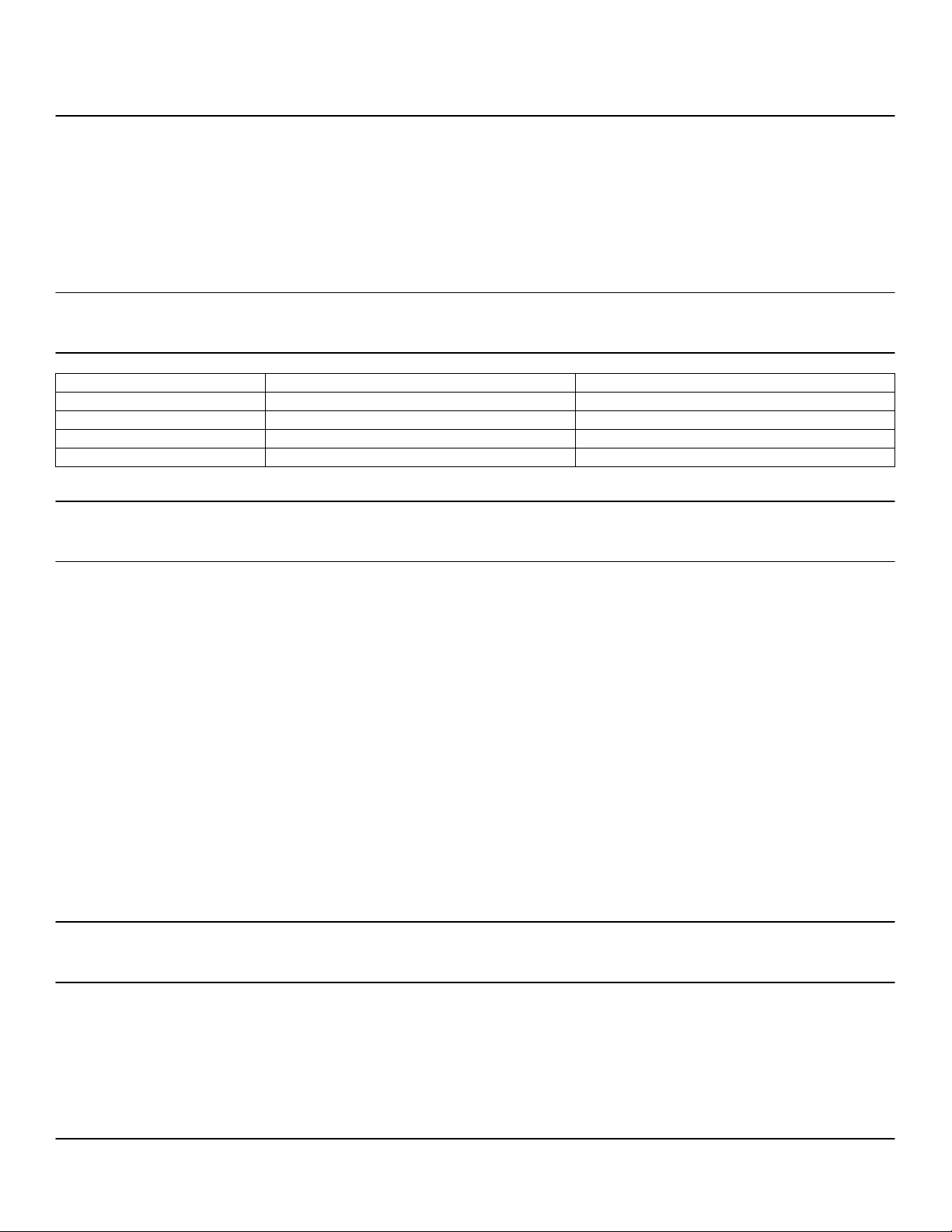
Component
Percentage
CAS Number
Calcium chloride
> 94 - < 97
10043-52-4
Potassium Chloride
> 2 - < 3
7447-40-7
Sodium chloride
> 1 - < 2
7647-14-5
Calcium bromide (CaBr2)
< 1
7789-41-5
Eye contact: For solid: May cause slight eye irritation, mechanical injury only. Dust formation should be avoided, as
dust can cause severe eye irritation with corneal injury.
Ingestion: Low toxicity if swallowed. Small amounts swallowed incidentally as a result of normal handling
operations are not likely to cause injury; however, swallowing larger amounts may cause injury. Swallowing may
result in gastrointestinal irritation or ulceration.
See Section 11: TOXICOLOGICAL INFORMATION
3. COMPOSITION/INFORMATION ON INGREDIENTS
4. FIRST AID MEASURES
INHALATION: Move person to fresh air; if effects occur, consult a physician.
SKIN CONTACT: Wash off immediately with plenty of water.
EYE CONTACT: Immediately flush with plenty of water. After initial flushing, remove any contact lenses and continue
flushing for at least 15 minutes. If effects occur, consult a physician, preferably an ophthalmologist. May cause injury due
to mechanical action.
INGESTION: If swallowed, do not induce vomiting. Give one cup (8 ounces or 240 ml) of water or milk if available and
transport to a medical facility. Never give anything by mouth to an unconscious or convulsive person.
Protection of First-Aiders: If potential for exposure exists refer to Section 8 for specific personal protective equipment.
Notes to Physician: Due to irritant properties, swallowing may result in burns/ulceration of mouth, stomach and lower
gastrointestinal tract with subsequent stricture. Aspiration of vomitus may cause lung injury. Suggest
endotracheal/esophageal control if lavage is done. If burn is present, treat as any thermal burn, after decontamination. No
specific antidote. Treatment of exposure should be directed at the control of symptoms and the clinical condition of the
patient.
5. FIRE-FIGHTING MEASURES
Fire Hazard: This material does not burn.
Extinguishing Media: Use extinguishing agents appropriate for surrounding fire.
Page 3

Print date: 13-July-2009
Page: 3 of 9
ANHYDROUS CALCIUM CHLORI DE 94 - 97% MINI-PELLETS
MSDS No.: M48002
Rev. Date: 2009-07-13
Rev. Num. 00
Component
CAS Number
OSHA Final PEL
TWA
OSHA Final PEL
STEL
OSHA Final PEL
Ceiling
Particulates not otherwise
regulated
Not Assigned
TWA 15 mg/m3 (total)
-----
-----
Fire Fighting: Keep unnecessary people away, isolate hazard area and deny entry. This material does not burn. Fight
fire for other material that is burning. Water should be applied in large quantities as fine spray. Wear NIOSH approved
positive-pressure self-contained breathing apparatus operated in pressure demand mode. Wear protective fire fighting
clothing (includes fire fighting helmet, coat, trousers, boots, and gloves). Avoid contact with this material during fire
fighting operations. If contact is likely, change to full chemical resistant fire fighting clothing with self-contained breathing
apparatus. If this is not available, wear full chemical resistant clothing with self-contained breathing apparatus and fight
fire from a remote location. For protective equipment in post-fire or non-fire clean-up situations, refer to the relevant
sections.
Lower Flammability Level (air): Not applicable
Upper Flammability Level (air): Not applicable
Flash point: Not applicable
Autoignition Temperature: Not applicable
6. ACCIDENTAL RELEASE MEASURES
Occupational Release:
Small and large spills: Contain spilled material if possible. Collect in suitable and properly labeled containers. Flush
residue with plenty of water. See Section 13, Disposal Considerations, for additional information.
Personal Precautions:
Spilled material may cause a slipping hazard. Isolate area. Keep unnecessary and unprotected personnel from entering
the area. Use appropriate safety equipment. For additional information, refer to Section 8, Exposure Controls and
Personal Protection. Refer to Section 7, Handling, for additional precautionary measures.
Environmental Precautions:
Prevent from entering into soil, ditches, sewers, waterways and/or groundwater. See Section 12, Ecological Information.
7. HANDLING AND STORAGE
Storage Conditions: Store in a dry place. Protect from atmospheric moisture.
Handling Procedures: Heat developed during diluting or dissolving is ver y high. Us e cool water when
diluting or dissolving (temperature less than 80°F, 27°C). Avoid contact with eyes, skin, and clothing. Do not swallow.
Wash thoroughly after handling. Keep container tightly closed. See Section 8, EXPOSURE CONTROLS AND
PERSONAL PROTECTION.
8. EXPOSURE CONTROLS / PERSONAL PROTECTION
Regulatory Exposure limit(s):
TWA 5 mg/m3 (resp)
OEL: Occupational Exposure Level; OSHA: United States Occupational Safety and Health Administration; PEL:
Permissible Exposure Level; TWA: Time We ighted Average; STEL: Short Term Exposure Level
Page 4

Print date: 13-July-2009
Page: 4 of 9
ANHYDROUS CALCIUM CHLORI DE 94 - 97% MINI-PELLETS
MSDS No.: M48002
Rev. Date: 2009-07-13
Rev. Num. 00
Component
CAS
ACGIH
ACGIH
ACGIH
OSHA
(Vacated)
OSHA
(Vacated)
OSHA Ceiling
Particles Not Otherwise
Not
TWA 10
mg/m3 (resp)
-----
-----
-----
-----
-----
Non-Regulatory Exposure Limit(s):
- The Non-Regulatory United States Occupati o nal Sa fety and Health Association (OSHA) limits shown in
the table are the Vacated 1989 PEL's (vacated by 58 FR 35338, June 30, 1993).
- The American Conference of Governmental Industrial Hygienists (ACGIH) is a voluntary organization of
professional industrial hygiene per sonnel in government or educational institutions in the United States.
The ACGIH develops and publishes recommended occupational exposure limits each year called Threshold
Limit Values (TLVs) for hundreds of chemicals, physical agents, and biological exposure indices.
Number
Specified (PNOS)
Assigned
TWA
3
mg/m
(inhalable)
TWA 3
STEL
Ceiling
TWA
STEL
(Vacated)
Additional Advice: Ingestion: Use good personal hygiene. Do not consume or store food in the work area. Wash hands
before smoking or eating.
ENGINEERING CONTROLS: Use local exhaust ventilation, or other engineering controls to maintain airborne levels
below exposure limit requirements or guidelines. If there are no applicable exposure limit requirements or guidelines,
general ventilation should be sufficient for most operations. Local exhaust ventilation may be necessary for some
operations.
PERSONAL PROT EC TIVE EQUIPMENT:
Eye Protection: Wear safety glasses with side-shields. For dusty operations or when handling solutions of the
material, wear chemical goggles.
Skin and Body Protection: Wear clean, body-covering clothing.
Hand Protection: Use gloves chemically resistant to this material. If hands are cut or scratched, use gloves
chemically resistant to this material even for brief exposures. Examples of preferred glove barrier materials include:
Neoprene, Polyvinyl chloride ("PVC" or "vinyl"), Nitrile/butadiene rubber ("nitrile" or "NBR"). NOTICE: The selection
of a specific glove for a particular application and duration of use in a workplace should also take into account all
relevant workplace factors such as, but not limited to: Other chemicals which may be handled, physical
requirements (cut/puncture protection, dexterity, thermal protection), potential body reactions to glove materials, as
well as the instructions/specifications provided by the glove supplier.
Respiratory Protection: Respiratory protection should be worn when there is a potential to exceed the exposure
limit requirements or guidelines. If there are no applicable exposure limit requirements or guidelin es , wear
respiratory protection when adverse effects, such as respiratory irritation or discomfort have been experienced, or
where indicated by your risk assessment process. In dusty or misty atmospheres, use an approved particulate
respirator. The following should be effective types of air-purifying respirators: High efficiency particulate air (HEPA)
N95. A respiratory protection program that meets 29 CFR 1910.134 must be followed whenever workplace
conditions warrant use of a respirator.
9. PHYSICAL AND CHEMICAL PROPERTIES
Physical State: Pellets
Page 5

Print date: 13-July-2009
Page: 5 of 9
ANHYDROUS CALCIUM CHLORI DE 94 - 97% MINI-PELLETS
MSDS No.: M48002
Rev. Date: 2009-07-13
Rev. Num. 00
9. PHYSICAL AND CHEMICAL PROPERTIES
Color: White
Odor: Odorless
Freezing Point/Range: Not applicable to solids
Melting Point/Range: 772 °C (1,422 °F) Literature Approximately
Decomposition temperature: Not applicable
Vapor Pressure: Literature negligible at am bient temperature
Vapor Density (air=1): Not applicable
Specific Gravity (water=1): Not applicable to solids
Bulk Density: 52 - 58 lb/ft3 Estimated
Water Solubility: Readily soluble
pH: Not applicable to solids
Flash point: Not applicable
Lower Flammability Level (air): NA
Upper Flammability Level (air): NA
Autoignition Temperature: Not applicable.
Hygroscopic: Yes
10. STABILITY AND REACTIVITY
Reactivity/ Stability:
Stable. Hygroscopic.
Conditions to Avoid:
None known. Avoid moisture.
Incompatibilities/ Materials to Avoid:
Heat is generated when mixed with water. Spat ter ing and boi li ng ca n occur . Avoi d contact wit h: Sulf uric acid . Corr osi ve
when wet. Flammable hydrogen may be generated from contact with metals such as: Zinc. Sodium. Reaction of bromide
impurity with oxidizing materials may generate trace levels of impurities such as bromate.
Hazardous Decomposition Products:
Does not decompose
Hazardous Polymerization:
Will not occur.
11. TOXICOLOGICAL INFORMATION
TOXICITY DATA:
LD50 Oral Typical for this family of materials. LD50, Rat 918 - 1,668 mg/kg
LD50 Dermal For the major component(s): LD50, Rabbit > 5,000 mg/kg
CHRONIC TOXICITY:
For the minor component(s): Potassium chloride. In animals, effects have been reported on the following organs after
ingestion: Gastrointestinal tract, Heart, and Kidney. Dose levels producing these effects were many times higher than any
dose levels expected from exposure due to use. Medical experience with sodium chloride has shown a strong association
between elevated blood pressure and prolonged dietary overuse. Related effects could occur in the kidneys.
Page 6

Print date: 13-July-2009
Page: 6 of 9
ANHYDROUS CALCIUM CHLORI DE 94 - 97% MINI-PELLETS
MSDS No.: M48002
Rev. Date: 2009-07-13
Rev. Num. 00
CARCINOGENICITY: This product is not classified as a carcinogen by NTP, IARC or OSHA.
MUTAGENIC DATA: The data presented are for the following material: Calcium chloride (CaCl2). In vitro genetic toxicity
studies were negative. The data presented are for the following material: Potassium chloride. In vitro genetic toxicity
studies were positive. However, the relevance of this to humans is unknown. For the minor component(s): Sodium
chloride. In vitro genetic toxicity studies were predominantly negative.
DEVELOPMENTAL TOXICITY: For the major component(s): Did not cause birth defects or any other fetal effects in
laboratory animals.
12. ECOLOGICAL INFORMATION
ECOTOXICITY DATA:
Aquatic Toxicity:
Material is practically non-toxic to aquatic organisms on an acute basis
(LC50/EC50/EL50/LL50 >100 mg/L in the most sensitive species tested)
Freshwater Fish Toxicity:
Calcium Chloride: LC50, bluegill (Lepomis macrochirus): 8,350 - 10,650 mg/l
Potassium Chloride: LC50, rainbow trout (Oncorhynchus mykiss), 96 h: 4,236 mg/l
Sodium Chloride: LC50, fathead minnow (Pimephales promelas): 10,610 mg/l
Invertebrate Toxicity:
Calcium Chloride: LC50, water flea Daphnia magna: 759 - 3,005 mg/l
Potassium Chloride: EC50, water flea Daphnia magna, 24 h, immobilization: 590 mg/l
LC50, water flea Ceriodaphnia dubia, 96 h: 3,470 mg/l
Sodium Chloride: LC50, water flea Daphnia magna: 4,571 mg/l
Microorganism Toxicity: Sodium Chloride: IC50, OECD 209 Test; activated sludge, respiration inhibition: > 1,000 mg/l
FATE AND TRANSPORT:
BIODEGRADATION: Biodegradation is not applicable.
BIOCONCENTRATION: No bioconcentration is expected because of the relatively high water solubility. Potential
for mobility in soil is very high (Koc between 0 and 50). Partitioning from water to n-octanol is not applicable.
13. DISPOSAL CONSIDERATIONS
Page 7
Print date: 13-July-2009
Page: 7 of 9
ANHYDROUS CALCIUM CHLORI DE 94 - 97% MINI-PELLETS
MSDS No.: M48002
Rev. Date: 2009-07-13
Rev. Num. 00
Reuse or reprocess, if possible. All disposal practices must be in compliance with all Federal, State/Provincial and local
laws and regulations. Regulations may vary in different locations. Report spills if applicable. Waste characterizations and
compliance with applicable laws are the responsibility solely of the waste generator. AS YOUR SUPPLIER, WE HAVE NO
CONTROL OVER THE MANAGEMENT PRACTICES OR MANUFACTURING PROCESSES OF PARTIES HANDLING
OR USING THIS MATERIAL. THE INFORMATION PRESENTED HERE PERTAINS ONLY TO THE PRODUCT AS
SHIPPED IN ITS INTENDED CONDITION AS DESCRIBED IN MSDS SECTION: Composition Information. FOR
UNUSED & UNCONTAMINATED PRODUCT, the preferred options include sending to a licensed, permitted: Landfill and
waste water treatment system.
14. TRANSPORT INFORMATION
U.S.DOT 49 CFR 172.101: Not regulated.
CANADIAN TRANSPORTATION OF DANGEROUS GOODS: Not regulated.
15. REGULATORY INFORMATION
U.S. REGULATIONS
OSHA REGULATORY STATUS:
This material is considered hazardous by the OSHA Hazard Communication Standard (29 CFR 1910.1200) (US) CERCLA SECTIONS 102a/103 HAZARDOUS SUBSTANCES (40 CFR 302.4):
Not regulated.
EPCRA EXTREMELY HAZARDOUS SUBSTANCES (40 CFR 355.30):
Not regulated EPCRA SECTIONS 311/312 HAZARD CATEGORIES (40 CFR 370.21):
Acute Health Hazard EPCRA SECTION 313 (40 CFR 372.65):
To the best of our knowledge, this product does not contain chemicals at levels which require reporting under this
statute.
OSHA PROCESS SAFETY (PSM) (29 CFR 1910.119): Not regulated
NATIONAL INVENTORY STATUS
U.S. INVENTORY STATUS: Toxic Substance Control Act (TSCA): All components are listed or exempt
TSCA 12(b): This product is not subject to export notification
Canadian Chemical Inventory: All components are listed
STATE REGULATIONS
Page 8
Print date: 13-July-2009
Page: 8 of 9
ANHYDROUS CALCIUM CHLORI DE 94 - 97% MINI-PELLETS
MSDS No.: M48002
Rev. Date: 2009-07-13
Rev. Num. 00
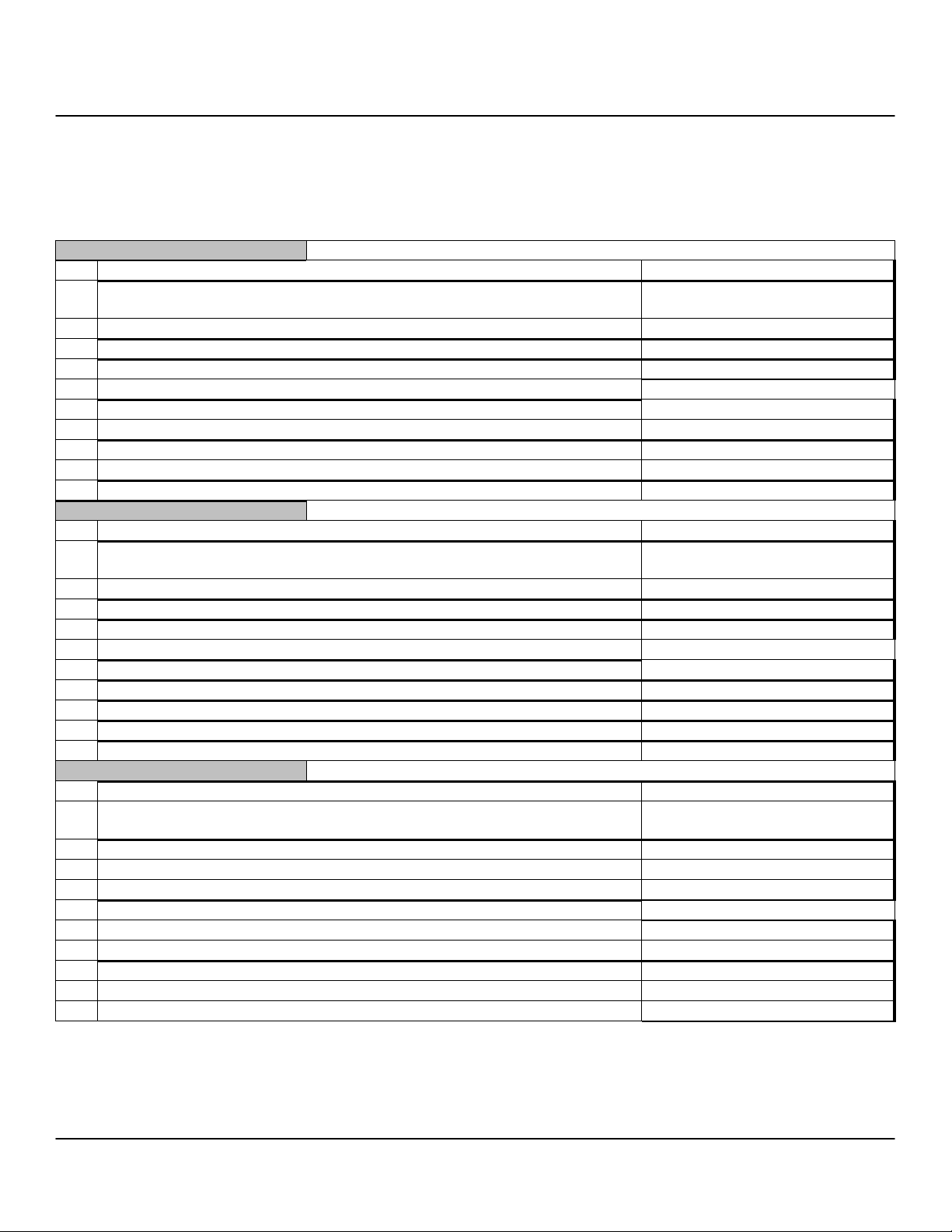
Component
Calcium chloride
California Proposition 65 Cancer WARNING:
Not Listed
California Proposition 65 CRT List - Male
reproductive toxin:
Not Listed
California Proposition 65 CRT List - Female reproductive toxin:
Not Listed
Massachusetts Right to Know Hazardous Substance List
Not Listed
New Jersey Right to Know Hazardous Substance List
Not Listed
New Jersey Special Health Hazards Substance List
Not Listed
New Jersey - Environmental Hazardous Substance List
Not Listed
Pennsylvania Right to Know Hazardous Substa nce List
Not Listed
Pennsylvania Right to Know Special Hazardous Substances
Not Listed
Pennsylvania Right to Know Environmental Hazard List
Not Listed
Rhode Island Right to Know Hazardous Substance List
Not Listed
Component
Potassium Chloride
California Proposition 65 Cancer WARNING:
Not Listed
California Proposition 65 CRT List - Male
reproductive toxin:
Not Listed
California Proposition 65 CRT List - Female reproductive toxin:
Not Listed
Massachusetts Right to Know Hazardous Substance List
Not Listed
New Jersey Right to Know Hazardous Substance List
Not Listed
New Jersey Special Health Hazards Substance List
Not Listed
New Jersey - Environmental Hazardous Substance List
Not Listed
Pennsylvania Right to Know Hazardous Substa nce List
Not Listed
Pennsylvania Right to Know Special Hazardous Substances
Not Listed
Pennsylvania Right to Know Environmental Hazard List
Not Listed
Rhode Island Right to Know Hazardous Substance List
Not Listed
Component
Sodium chloride
California Proposition 65 Cancer WARNING:
Not Listed
California Proposition 65 CRT List - Male
reproductive toxin:
Not Listed
California Proposition 65 CRT List - Female reproductive toxin:
Not Listed
Massachusetts Right to Know Hazardous Substance List
Not Listed
New Jersey Right to Know Hazardous Substance List
Not Listed
New Jersey Special Health Hazards Substance List
Not Listed
New Jersey - Environmental Hazardous Substance List
Not Listed
Pennsylvania Right to Know Hazardous Substa nce List
Not Listed
Pennsylvania Right to Know Special Hazardous Substances
Not Listed
Pennsylvania Right to Know Environmental Hazard List
Not Listed
Rhode Island Right to Know Hazardous Substance List
Not Listed
California Proposition 65: This product contains no listed substances known to the State of California to cause cancer,
birth defects or other reproductive harm, at levels which would require a warning under the statute. WARNING: This
product (when used in aqueous formulations with a chemical oxidizer such as ozone) may react to form calcium bromate,
a chemical known to the State of California to cause cancer.
CANADIAN REGULATIONS
This product has been classified in accordance with the hazard criteria of the Controlled Products Regulations and the
MSDS contains all the inform ation requir ed b y the Contr olled Products Regulations.
Page 9

Print date: 13-July-2009
Page: 9 of 9
ANHYDROUS CALCIUM CHLORI DE 94 - 97% MINI-PELLETS
MSDS No.: M48002
Rev. Date: 2009-07-13
Rev. Num. 00
WHMIS Classification:
D2B
16. OTHER INFORMATION
Prepared by: OxyChem Corporate HESS - Health Risk Management
Disclaimer:
A calcium chloride product - For industrial use. We recommend that you use this product in a manner consistent with the
listed use. If your intended use is not consistent with the stated uses in Section 1 of this SDS, please contact your sales or
technical service representative.
This information is intended solely for the use of individuals trained in the NFPA and/or HMIS systems.
HMIS: (SCALE 0-4) (Rated using National Paint & Coatings Association HMIS: Rating Instructions, 2nd Edition)
Health: 2 Flammability: 0 Reactivity: 0
NFPA 704 - Hazard Identification Ratings (SCALE 0-4)
Health: 1 Flammability: 0 Reactivity: 0
IMPORTANT:
The information presented herein, while not guaranteed, was prepared by technical personnel and is true and accurate to
the best of our knowledge. NO WARRANTY OF MERCHANTABILITY OR OF FITNESS FOR A PARTICULAR
PURPOSE, OR WARRANTY OR GUARANTY OF ANY OTHER KIND, EXPRESS OR IMPLIED, IS MADE REGARDING
PERFORMANCE, SAFETY, SUITABILITY, STABILITY OR OTHERWISE. This information is not intended to be all-
inclusive as to the manner and conditions of use, handling, storage, disposal and other factors that may involve other or
additional legal, environmental, safety or performance considerations, and OxyChem assumes no liability whatsoever for
the use of or reliance upon this information. While our technical personnel will be happy to respond to questions, safe
handling and use of the product remains the responsibility of the customer. No suggestions for use are intended as, and
nothing herein shall be construed as, a recommendation to infringe any existing patents or to violate any Federal, State,
local or foreign laws.
OSHA Standard 29 CFR 1910.1200 requires that information be provided to employees regarding the hazards of
chemicals by means of a hazard communication program including labeling, material safety data sheets, training and
access to written records. We request that you, and it is your legal duty to, make all information in this Material Safety
Data Sheet available to your employees.
 Loading...