

Page 1
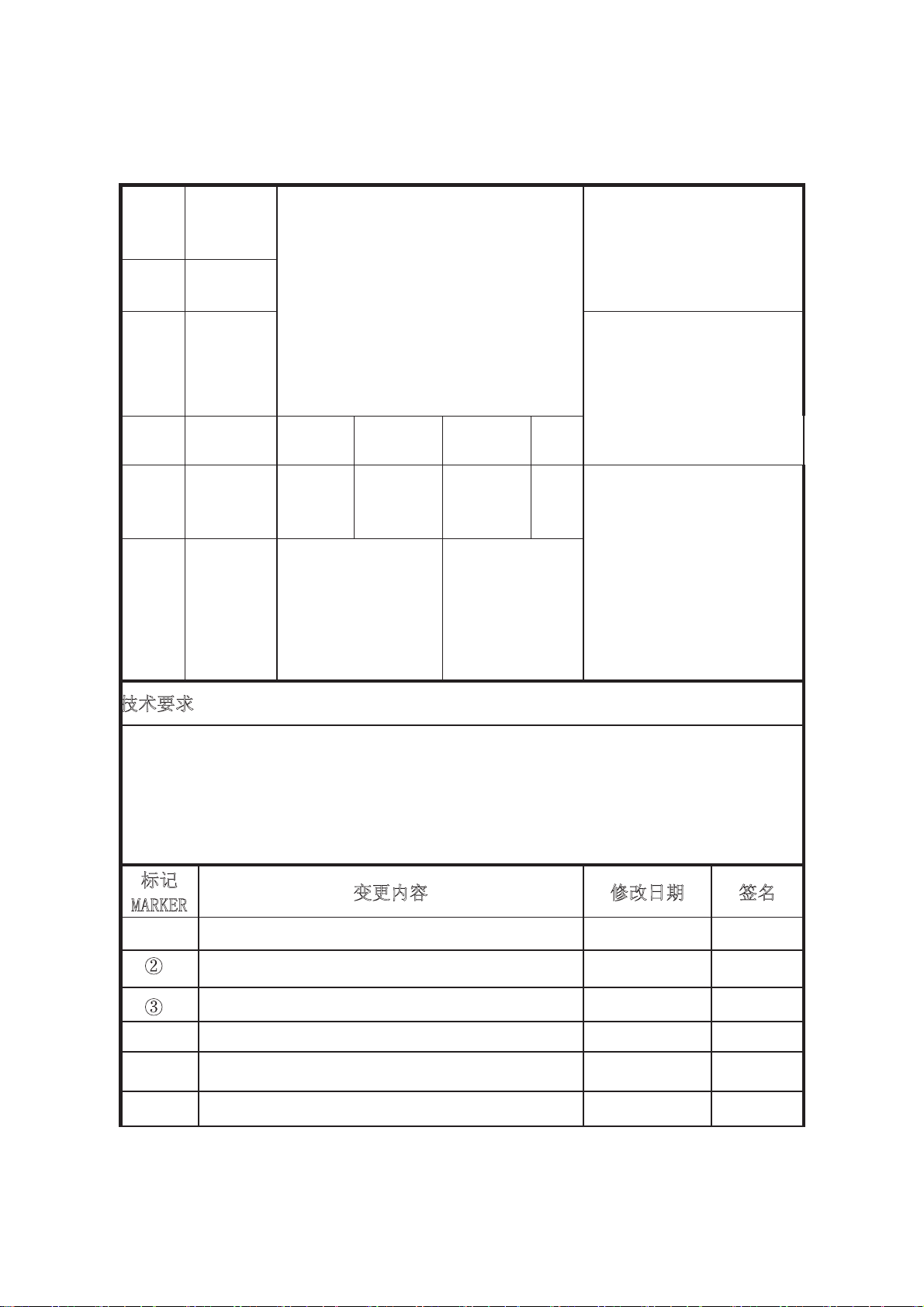
设 计
DESIGN
校 对
CO.BY
标准化
STANDA
RD
宗培
2016.6.17
***
图纸名称 PART NAME
图号/物料编码 PART NO.
材料 MATERIAL
80g 双胶纸
业务
seller
张兵
图样标记
REL
版本号
REV.NO.
重量(g)
WEIGHT
比例
scale
批 准
AUTHOR
0 1:1
IZE
美的冰箱事业部
MIDEA REFRIGERATION
共 页
TOTAL SHEETS
第 页
NO. OF SHEETS
DIVISION
技术要求
尺寸:32K
1、
2、 印刷颜色:单色
3、制件必须满足QMB-J53.005 产品说明书及其它类似印刷件技术规范。
4、需要符合美的冰箱事业的最新版《QMB-GC08.007 有害物质管理规定》的限值要求。
5、产品需经过封样合格后方可进行批量生产。
6、封底右下角印刷9号宋体物料编码,页边距为20mm
标记
ARKER
M
变
更内容 修改日期 签名
Page 2

www.midea.com/sg
Refrigerator
MODEL:MS-50
Page 3
1
General
This appliance is intended to be used in
household and similar applications such as
– staff kitchen areas in shops, offices and
other working environments;
– farm houses and by clients in hotels,
motels and other residential type
environments;
– bed and breakfast type environments;
– catering and similar non-retail applications.
This type of refrigerator is widely used in places
such as hotels ,offices, student dormitories and
houses. It is mostly suitable for refrigerating and
preserving foods such as fruits and beverage. It
enjoys the advantages of small size, Lightweight,
Low electric consumption and easy use.
Page 4
2
Instructions for Installation
1.Do not tilt the refrigerator for more than 450
form upright during moving it. And do not apply
force on any part such as condenser and door to
prevent the refrigerator from deforming, or else
it will influence its performance.
2.Let the refrigerator have enough space to work
well.
3.Don’t install it in high temperature of humidity
place so as to avoid being damaged, dampened
and rusted.
Cautions for Safety
1.Before the refrigerator is plugged in chech in the
electric voltage to be used fit is the same as the
rated voltage. The power plug should have its
independent socket, adapter may cause the
socket overheat.
2.Don’t store inflammable materials such as ether,
benzine, LP gas and glue etc in the refrigerator.
3.Don’t splash water on the refrigerator, it may
arouse malfunction or electric shock.
4.When gas leaks from its container. Don’t pull the
plug out or in. it may arose sparks and fire
calamities.
5. This appliance is not intended for use by persons
(including children) with reduced physical, sensory
Page 5

3
or mental capabilities, or lack of experience and
knowledge, unless they have been given
supervision or instruction concerning use of the
appliance by a person responsible for their safety.
6. Children should be supervised to ensure that
they do not play with the appliance.
7. If the supply cord is damaged, it must be
replaced by the manufacturer, its service agent or
similarly qualified persons in order to avoid a
hazard.
8.Keep ventilation openings, in the appliance
enclosure or in the built-in structure, clear of
obstruction.
9. Do not use mechanical devices or other means
to accelerate the defrosting process, other than
those recommended by the manufacturer.
10.Do not damage the refrigerant circuit.
11. Do not use electrical appliances inside the food
storage compartments of the appliance, unless they
are of the type recommended by the manufacturer.
12. Do not store explosive substances such as
aerosol cans with a flammable propellant in this
appliance.
Disposal
1. Old appliances still have some residual value.
An environmentally friendly method of disposal
Page 6

4
will ensure that valuable raw materials can be
recovered and used again.
2. The refrigerant used in your appliance and
insulation materials require special disposal
procedures. Ensure that none of the pipes on the
back of the appliance are damaged prior to
disposal. Up to date information concerning
options for disposing of your old appliance and
packaging from the new one can be obtained from
your local council office.
Instructions for Use
1.When operating the refrigerator for the first time,
run it without loading any food until it autos
tops at the desired temperature. Usually it takes
2 or 3hours,then set the thermostatic dial at the
setting desired and put foods in the refrigerator.
2.The temperature of the refrigerator can be
adjusted by turning the thermostatic dial. A
medium setting of the thermostatic dial is the
most suitable for general operation.
3.Defrost the freezing compartment whenever the
layer of frost on the surface of the evaporator
reaches 3 or 4 mm. When defrosting remove all
food and set the thermostat at “OFF” position.
Put the drip tray under the evaporator to collect
melted water. After the frost has melted, discard
the melted water and dry up the interior of
Page 7

5
refrigerator. The refrigerator can then be
restarted by turning its thermostat to the desired
setting.
Cautions for Use
1.The more foods tuff put in or the more and the
longer for once the door is opened, the more it
needs electric consumption, which even leads
malfunction.
2.Better not to place the objects which are too
heavy ,pointed or corrosion on table board.
3.Re-plugging in the power plug at the interval of
over ten minutes.
4.Don’t store bottled drink in the freezer, so as to
prevent from being broken and damaging the
refrigerator.
5.Open the door as less as possible during
power-cut.
6.When defrosting, never use any sharp or metallic
objects to remove the frost on the surface of the
evaporator as it will damage the evaporator.
7.Don’t touch foods and containers in the freezing
compartment with your wet hands so as to
prevent from being frostbitten.
Maintenance
1.While cleaning the refrigerator. pull out the
electric power plug, rub carefully with a piece of
cloth soaked with natural cleanser then wipe
Page 8

6
with clean water. The abrasive cleaning power,
alkali cleansers, chemical cloth, thinner, alcohol,
acid petroleum product and hot water are not
suitable for cleaning the refrigerator, they may
damage the painting cover and plastics.
2.The door gasket is dirty and fogged easily, so
clean it frequently.
3.If the refrigerator is out of use for a long time,
please pull out the plug, clean and dry the
freezing compartment then close the door
tightly.
The following cases are not malfunction
1.A flowing water sound:
Flowing water sound will be heard under normal
operation.
2.Outside condensation:
Outside condensation is normal in high humidity
condition. You may just wipe it up yourself.
3.It takes some times for the temperature of the
freezer and refrigerator compartments to become
cold after the refrigerator starts to operate: If the
temperature of the two compartments is higher
while the refrigerator is operating, it takes some
times for the temperature of the two
compartments to become cold. If the
environmental temperature is higher, it takes a
long time to make the compartments to become
cold.
Page 9

7
4.The surface of the compressor becomes hot:
case
Inspection
Not
refrigerating
Is there no electric current?
Is the voltage normal or not?
Has the socket fused?
Has the plug been put in
effectively?
Not efficient
Is the thermostatic dial set to the
correct position?
Is there any suitable clearance
surrounding the refrigerator?
Has the door been opened too
frequently or too long?
Is the refrigerator exposed to
sunlight directly or placed near
some heating devices.
Are there too much food inside?
Or are too hot?
The surface of the compressor may become hot
under normal operation. Don’t touch it with
hands.
Methods of inspecting malfunction
If any case of malfunction happens, please
inspect and dispel it according to the methods
shown in the following table.
Page 10

8
Food frozen
in the
refrigerator
Compartment
Is the thermostatic dial set to the
correct position?
Have the foods stuff been put too
crowded?
Noises
Is the refrigerator installed firmly?
Has the refrigerator been struck by
some other objects?
Compressor
Cannot stop
automatically
Are the foods stored too much at
one setting?
Are the doors opened too
frequently or too long?
If the above methods are not yet effective, please
contact with the maintenance service department
for help without any delay.
DANGER or WARNING:
1. Risk of child entrapment. Before you throw
away your old refrigerator or freezer:
-Take off doors.
-Leave the shelves in place so that children may
not easily climb inside.”
2. Do not use extension cords.
For household refrigerating appliances
Try not to open the door too often, especially when the weather
is wet and hot. Once you open the door, mind to close it as
soon as possible.
Page 11

9
Every now and then check if the appliance is sufficiently
ventilated (adequate air circulation behind the appliance).
For household refrigerating appliances, in normal temperature
conditions, please arrange the thermostat at the middle setting.
Before loading the appliance with packages of fresh
foods, make sure they are cooled to ambient temperature.
Ice and frost layer increase energy consumption, so do clean
the appliance as soon as the layer is 3-5 mm thick.
If it is the outer condenser, the rear wall should be always
clean free of dust or any impurities.
Always consider instructions stated in sections Positioning and
Energy Saving Tips, otherwise the energy consumption is
substantially higher.
 Loading...