

Page 1

.32-.36 AND .46 ASSEMBLY INSTRUCTIONS
ERGO SPECIFICATIONS
Overall Length 46.5"
Overall Height 16.38"
Main Rotor Diameter 48.5" (.32-.36)
50" (.46 3D)
Tail Rotor Diameter 9.17"
Gear Ratio 9.78:1:5.18
Gross W eight 6.75-7.0 lbs.
Page 2

INTRODUCTION
Congratulations on your purchase of the JR Ergo helicopter kit.
This kit has been both engineered and manufactured by JR with help from some
of Japan’s top R/C helicopter engineers (now employed by JR).
As you may well know, the name JR has for years been synonymous with state-
of-the-art, high quality radio control systems known the world over for their
exceptional reliability and engineering.
JR now brings this reputation and knowledge into the helicopter market with the
development of the Ergo and the organization of the JR heli division. Years in the
making, the Ergo’s superior quality and exceptional parts fit and finish create a
new standard of quality that was previously unavailable.
Before you begin the assembly of your Ergo, we suggest that you first review the
entire instruction manual to become familiar with the assembly sequences and
parts layout.
WARNING
The radio controlled model helicopter contained in this kit is not a toy, but a
sophisticated piece of equipment. This product is not recommended for use by
children. Radio controlled models such as this are capable of causing both
property damage and/or bodily harm to both the operator/assembler and/or
spectator if not properly assembled and operated. Horizon Hobby Distributors
assumes no liability for damage that could occur from the assembly and/or
use/misuse of this product.
AMA INFORMATION
We strongly encourage all prospective and current R/C aircraft pilots to join the
Academy of Model Aeronautics. The AMA is a non-profit organization which
provides services to model aircraft pilots. As an AMA member you will receive a
monthly magazine entitled Model Aviation, as well as a liability insurance plan to
cover against possible accident or injury. All AMA charter aircraft clubs require
individuals to hold a current AMA sporting license prior to operation of their
models. For further information, you can contact the AMA at:
Academy of Model Aeronautics
5151 East Memorial Drive
Muncie, IN 47302
(317) 287-1256
PRE-ASSEMBLY INFORMATION
When first opening your Ergo kit, you will notice that all of the parts are
packaged and numbered to coordinate with the assembly step numbers of this
instruction manual.
All small hardware (nuts, bolts, washers, etc.) for each step are separated and
packaged separately within the main parts bags. When beginning a section, you
will need to open only the bag with the corresponding number to the section you
are going to start. It is suggested that you place all of the hardware in an open
container (e.g., coffee can) during assembly so as not to lose any of the small
parts. It may also be helpful to familiarize yourself with the various sizes of
screws, bolts, nuts, etc., as illustrated in the appropriate assembly section before
you begin assembly. At the end of each assembly, in most cases, there should be
no parts remaining.
Great care has been taken in filling the bags with the correct quantity of parts and
hardware for each section. However, occasionally mistakes do happen. In the
event that you find a parts shortage or are in need of technical assistance, please
contact your local JR heli division parts dealer, or contact the Horizon Service
Center directly.
Horizon Service Center
4105 Fieldstone Road
Champaign, IL 61821
(217) 355-9511 (9am to 5pm CST)
2
Page 3

3
Tools . . . . . . . . . . . . . . . . . . . . . . . . . . . . . . . . . . . . . . . . . . . . .4-6
Hardware Identification . . . . . . . . . . . . . . . . . . . . . . . . . . . . . . . . . . . .7
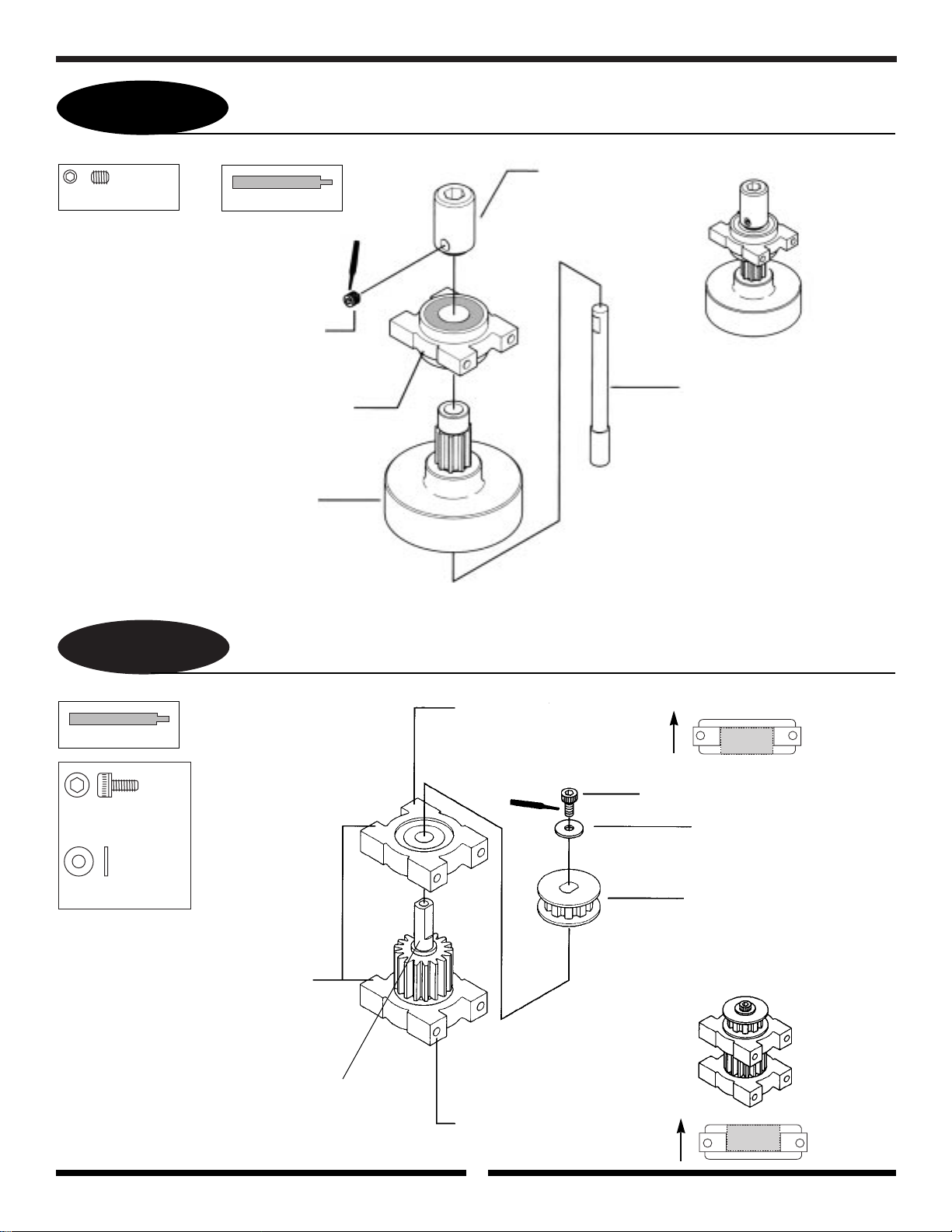
1-1 Clutch Bell/Start Shaft Assembly . . . . . . . . . . . . . . . . . . . .8
1-2 Tail Drive Pinion/Bearing Block Assembly . . . . . . . . . . . .8
1-3 Control Ball Installation . . . . . . . . . . . . . . . . . . . . . . . . . . .9
1-4 Servo Mixing Lever Unit Assembly . . . . . . . . . . . . . . . . .9
1-5 Elevator Arm Assembly . . . . . . . . . . . . . . . . . . . . . . . . . .10
1-6 Fuel Tank Assembly . . . . . . . . . . . . . . . . . . . . . . . . . . . . .10
2-1 Upper Main Frame Section Assembly . . . . . . . . . . . . . . .11
2-2 Upper Main Frame Control Lever Installation . . . . . . . . .12
2-3 Lower Main Frame Assembly . . . . . . . . . . . . . . . . . . . . .13
2-4 Fuel Tank Installation . . . . . . . . . . . . . . . . . . . . . . . . . . . .13
2-5 Front Radio Bed/Gyro Mounting Plate Installation . . . . .14
2-6 Cooling Fan Shroud Installlation . . . . . . . . . . . . . . . . . . .14
2-7 Upper/Lower Main Frame Assembly Attachment . . . . . .15
3-1 Main Drive Gear/Autorotation Assembly . . . . . . . . . . . . .16
3-2 Main Drive Gear/Autorotation Assembly Installation . . .16
3-3 Landing Gear Assembly Installation . . . . . . . . . . . . . . . .17
3-4 .32/.36 Cooling Fan/Hub Installation . . . . . . . . . . . . . . . .17
3-4.1 .46 Cooling Fan Installation . . . . . . . . . . . . . . . . . . . . . . .18
3-5 .32/.36 Engine Mount Attachment . . . . . . . . . . . . . . . . . .18
3-5.1 .46 Engine Mount Attachment . . . . . . . . . . . . . . . . . . . . .19
3-6 Clutch Assembly Attachment (ALL) . . . . . . . . . . . . . . . .19
3-7 Engine Installation (ALL) . . . . . . . . . . . . . . . . . . . . . . . . .20
3-8 Installation of the Muffler . . . . . . . . . . . . . . . . . . . . . . . . .20
4-1 Rotor Head Hub Assembly . . . . . . . . . . . . . . . . . . . . . . . .21
4-2 Main Blade Holder Assembly . . . . . . . . . . . . . . . . . . . . . .21
4-3 Main Blade Holder/Seesaw Attachment . . . . . . . . . . . . . .22
4-4 Seesaw Mixing Arm Installation . . . . . . . . . . . . . . . . . . .22
4-5 Swashplate/Washout Assembly Installation . . . . . . . . . . .23
4-6 Rotor Head Installation . . . . . . . . . . . . . . . . . . . . . . . . . . .24
4-7 Flybar Installation . . . . . . . . . . . . . . . . . . . . . . . . . . . . . . .25
4-8 Flybar Paddle Attachment . . . . . . . . . . . . . . . . . . . . . . . . .25
4-9 Rotor Head/Swashplate Control Rod Installation . . . . . . .26
5-1 Tail Output Shaft/Pulley Assembly . . . . . . . . . . . . . . . . . .27
5-2 Tail Gear Case Assembly . . . . . . . . . . . . . . . . . . . . . . . . .27
5-3 Tail Center Hub Assembly . . . . . . . . . . . . . . . . . . . . . . . .28
5-4 Tail Blade Holder Assembly . . . . . . . . . . . . . . . . . . . . . . .28
5-5 Tail Pitch Control Lever Installation . . . . . . . . . . . . . . . . .29
5-6 Tail Fin Attachment . . . . . . . . . . . . . . . . . . . . . . . . . . . . .29
5-7 Tail Boom Carrier Installation . . . . . . . . . . . . . . . . . . . . .30
5-8 Tail Boom Assembly Installation . . . . . . . . . . . . . . . . . . .30
5-9 Tail Boom Brace Assembly . . . . . . . . . . . . . . . . . . . . . . .31
5-10 Tail Boom Brace Installation . . . . . . . . . . . . . . . . . . . . . .31
6-1 Upper Servo Tray Installation . . . . . . . . . . . . . . . . . . . . . .32
6-2 Servo/Switch Harness Installation . . . . . . . . . . . . . . . . . .33
6-3 Tail Control Rod Assembly . . . . . . . . . . . . . . . . . . . . . . .34
6-4 Tail Control Rod Installation . . . . . . . . . . . . . . . . . . . . . .34
6-5 Gyro/Receiver/Battery Installation . . . . . . . . . . . . . . . . . .35
Radio System Preparation . . . . . . . . . . . . . . . . . . . . . . . . . . . . . . . . . .36
7-1 Aileron Linkages . . . . . . . . . . . . . . . . . . . . . . . . . . . . . . .37
7-2 Elevator Linkage Installation . . . . . . . . . . . . . . . . . . . . . .37
7-3 Collective Linkage Installation . . . . . . . . . . . . . . . . . . . . .38
7-4 Tail Control Rod Servo Connection . . . . . . . . . . . . . . . . .38
7-5 Throttle Linkage Installation (ALL) . . . . . . . . . . . . . . . . .39
8-1 Body Assembly/Canopy Attachment . . . . . . . . . . . . . . . .40
8-2 Body Attachment . . . . . . . . . . . . . . . . . . . . . . . . . . . . . . .40
8-3 Main Rotor Blade Balancing . . . . . . . . . . . . . . . . . . . . . .41
8-4 Main Rotor Blade Attachment . . . . . . . . . . . . . . . . . . . . .41
Servo Adjustment and Radio Set Up . . . . . . . . . . . . . . . . . . . . . . .42-43
Data Sheets . . . . . . . . . . . . . . . . . . . . . . . . . . . . . . . . . . . . . . . . . .44-49
Final Pre-Flight Check . . . . . . . . . . . . . . . . . . . . . . . . . . . . . . . . . . . .50
General Maintenance . . . . . . . . . . . . . . . . . . . . . . . . . . . . . . . . . . . . .51
Rotor Head/Swashplate/Washout Assembly Parts List . . . . . . . . .52-53
Start Shaft/Clutch/Engine Assembly Parts List . . . . . . . . . . . . . . .54-55
Cyclic Mixing Arms/Elevator/Aileron Control Arms Parts List . .56-57
Upper Main Frame/Radio Tray/Body Set Parts List . . . . . . . . . . .58-59
Lower Main Frame/Landing Gear/Fuel Tank Parts List . . . . . . . .60-61
Tail Boom/Tail Brace/Tail Boom Carrier Parts List . . . . . . . . . . .62-63
Tail Case/Tail Blade Holders/Tail Pitch Plate Parts List . . . . . . . .64-65
INDEX
Section Description Page
Section Description Page
Page 4
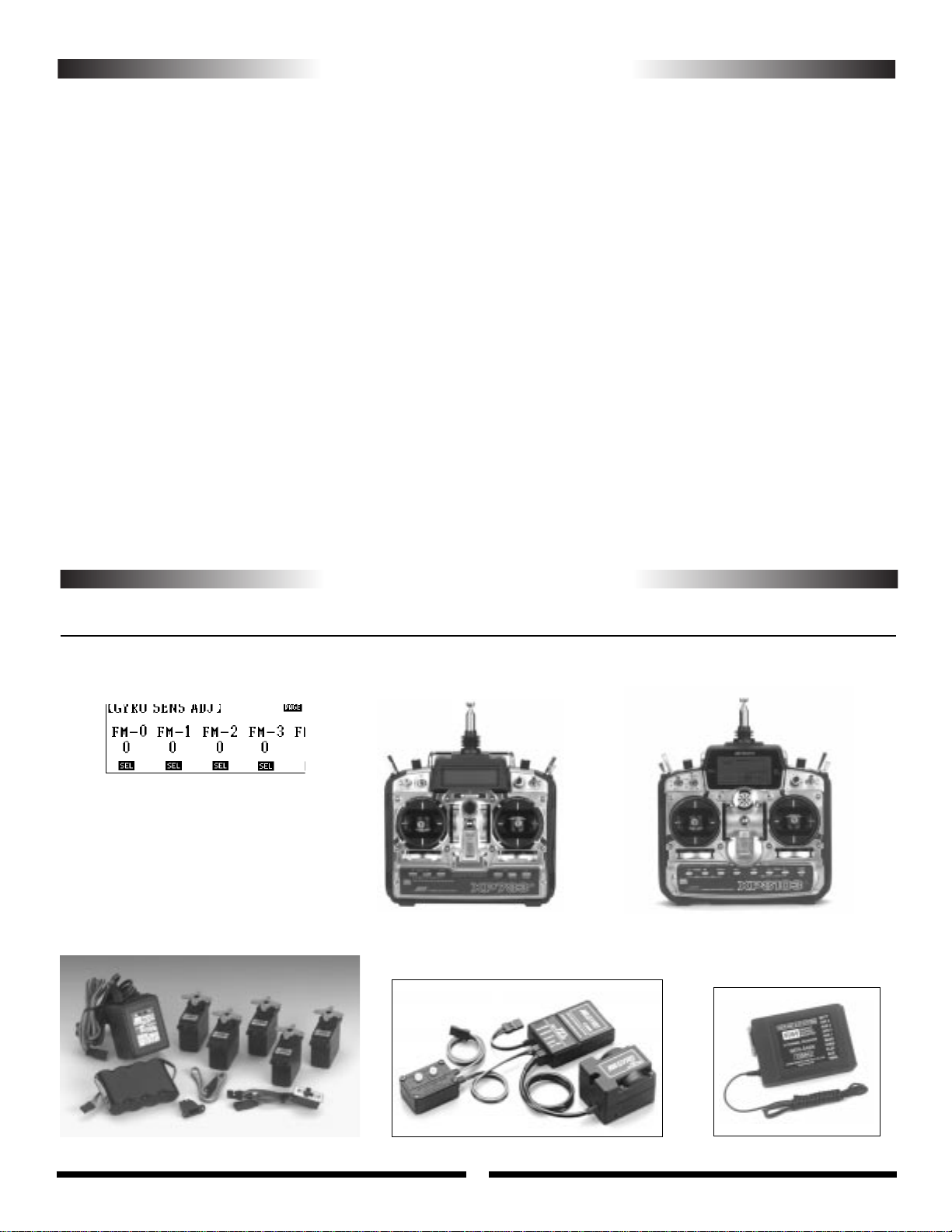
ITEMS REQUIRED TO COMPLETE THE JR ERGO
1. RADIO SYSTEM REQUIREMENTS (NOT INCLUDED):
6-channel or greater R/C helicopter system with 5 servos, 1000 mAh receiver battery and gyro.
(not supplied in kit)
ERGO .32-.36 AND ERGO .46 3D FEATURES
Heavy-Duty Aluminum Quad Frame System
Provides excellent rigidity and vibration absorption.
One-Way Hex Start Shaft System
Provides positive starting. Starter shaft utilizes a one-way bearing
that allows the shaft to stop after the engine is started.
Wide Spread Tail Output Shaft Bearings
Reduces vibration and improves control response.
Belt-Driven Tail Rotor Design
Provides easy adjustment and low maintenance. Also eliminates
the need for optional/expensive tube drive shafts.
Precision Ball Bearings at All Critical Locations
Provide low wear, high precision and reduced maintenance.
Unique Cyclic Mixing Control System
Offers easy adjustment and precise control.
Self-Aligning One-Piece Steel Clutch System
Offers easy installation and adjustment with exceptional reliability.
Pre-Assembled Control Linkages
High quality JR ball links are installed and pre-adjusted to take
the guesswork out of assembly while saving building time.
Straight Blade Axle Rotor Head Design
Provides high responsiveness and solid blade tracking.
Low Drag Flybar Paddles
Provide quick yet smooth cyclic response at all flight speeds.
Heavy-Duty Main Blade Grips With 4mm Blade Bolts
Provide a solid and secure mounting surface to easily handle
the stresses of radical 3D flight.
Rearward Facing Engine Design
Provides easy access to the glow plug for starting. Engine slips
easily through the main frame for trouble-free engine maintenance.
Heavy-Duty Tail Boom Carrier
Provides increased structural rigidity and improved tail rotor precision.
Pre-Finished Main Rotor Blades (.30 Kit)
Provide easy assembly with excellent flight characteristics.
Superior Parts Fit and Finish
Make assembly trouble free and enjoyable.
4
Page 5
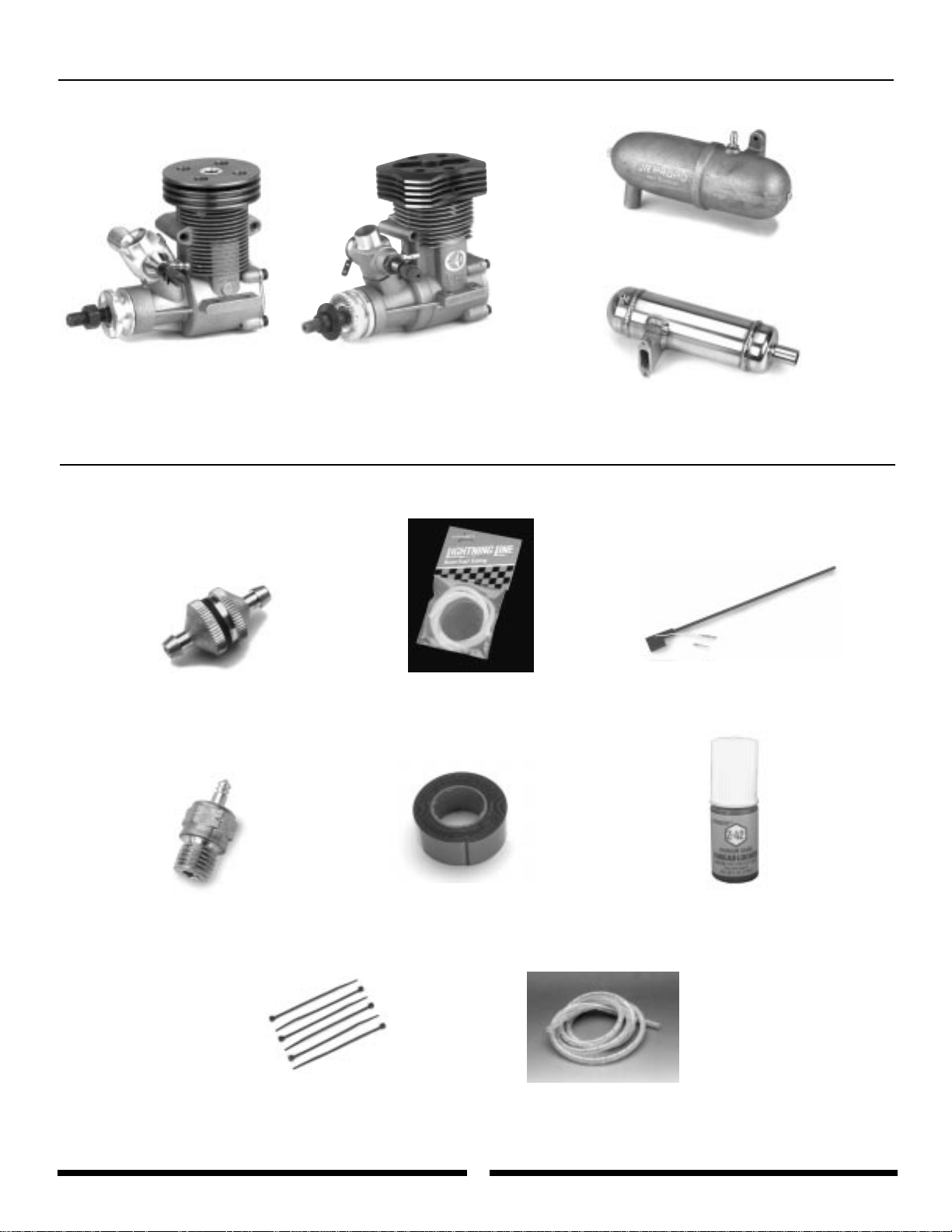
5
Double Sided Servo
Mounting Tape
Locktite 242 or
equivalent
Nylon Wire Ties To
Secure Radio Wires
Spiral Tubing
Silicone Fuel Tubing
Whip Antenna
Fuel Filter
Glow Plugs
2. ENGINE REQUIREMENTS (NOT INCLUDED):
3. BUILDING SUPPLIES (NOT INCLUDED):
The following items are needed to complete the assembly of the JR Ergo:
A .32-.36 R/C Helicopter Engine (Ergo .30) or .46 R/C Helicopter Engine (Ergo .46)
A special helicopter type muffler is also required
(Webra .33 Heli Engine Shown)
(Thunder Tiger Pro .46 Heli Engine Shown)
(JRP960078 Ergo .32-.36 Muffler Shown)
(JRP960079 Ergo .46 Muffler Shown)
Page 6
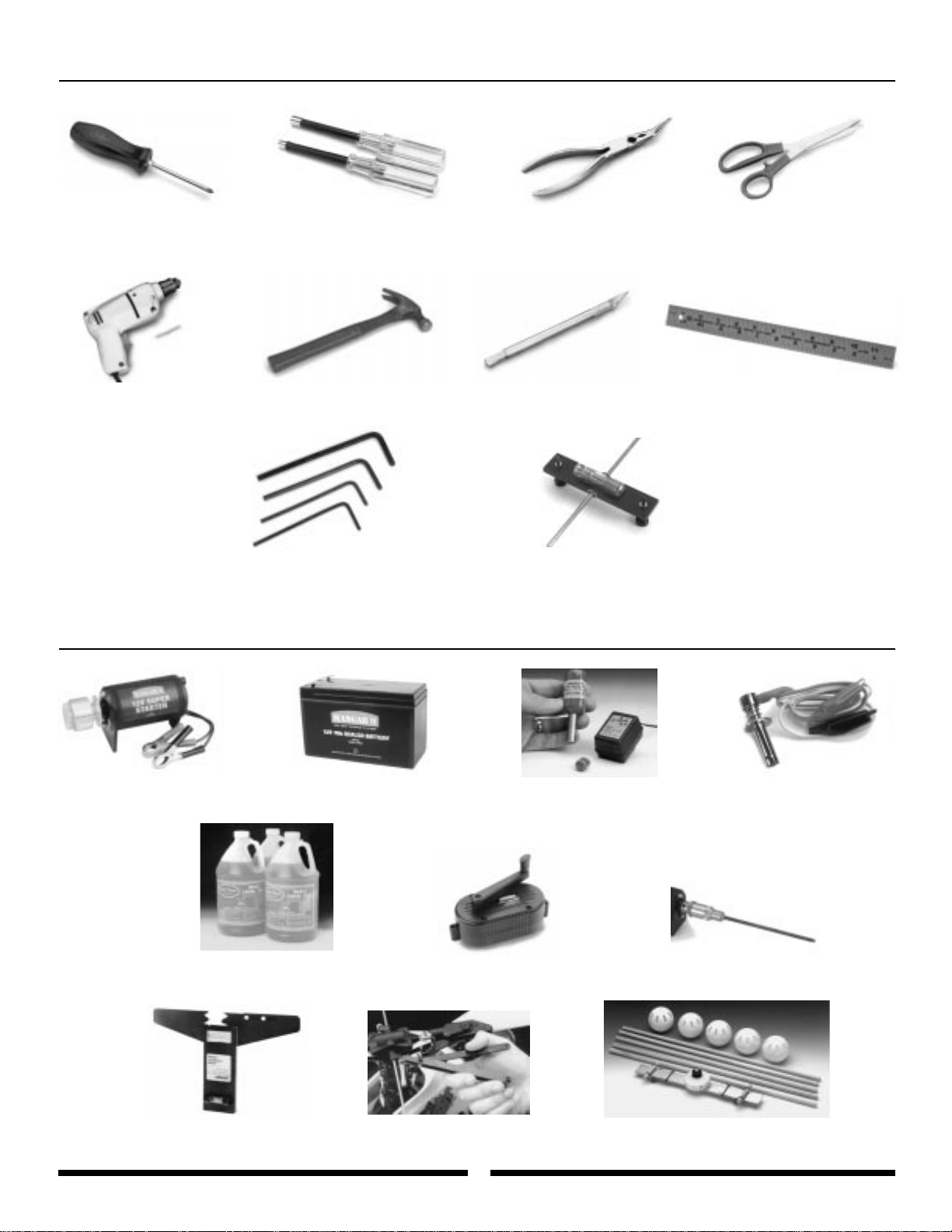
6
Needle Nose Pliers
Drill and Drill Bits
Allen Wrenches: 1.5, 2.0, 2.5,
3.0mm
Blade Balancer
Small Hammer
X-Acto Knife
Metric Ruler
Scissors
12 Volt Electric Starter
12 Volt Starting Battery
1.5 Volt Glow Plug Battery
Remote Glow Plug Adaptor
Helicopter Fuel 15% - 30%
Pitch Gauge
Fuel Pump
Ball Link Pliers
Training Gear (Beginners Only)
Hex Starting Shaft
Phillips Screwdirver
Nut Drivers: 5mm, 7mm
4. TOOLS NEEDED TO ASSEMBLE THE JR ERGO (NOT INCLUDED):
5. FIELD EQUIPMENT REQUIRED (NOT INCLUDED):
Page 7
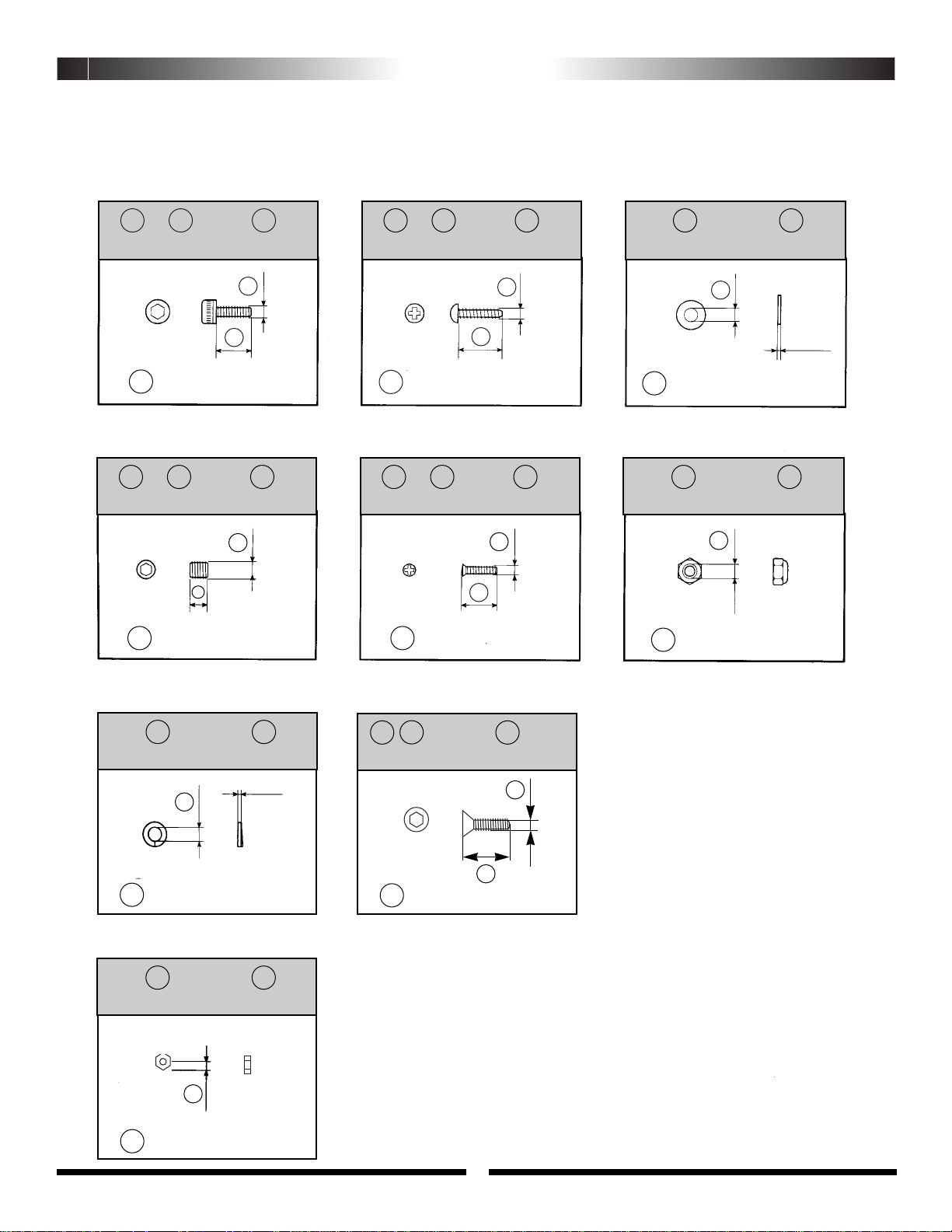
7
Socket Head Bolt
Tapping Screw
Flat W asher
.05mm
.05mm
Flat Head Screw
Lock Nut
There are many various sizes and shapes of hardware included in this kit.
Prior to assembly, please be careful to identify each screw by matching it to the
full size screw outlines included in each step.
All of the hardware, screws, nuts, etc., contained in the Ergo kit are described in
the following A, B, C manner:
C
C
C
A
A
B
A
A
B
B
B
C
A
B
3x8mm Socket Head Bolt
Set Screw
C
A
B
C
C
A
A
A
A
B
2x8mm Flat Head Screw
2.6x10mm Self T apping Scre w
A
B
B
3mm Flat W asher
A
B
B
3mm Lock Nut
Spring W asher
A
B
B
3mm Spring W asher
A
Hex Nut
A
B
B
2mm Hex Nut
C
A
B
4x4mm Set Screw
HARDWARE IDENTIFICA TION
A
B
Flat Head Cap Screw
A
C
B
C
3x8mm Flat Head Cap Screw
Page 8
8
1-1
3x4mm Set Screw
3x4mm Set Screw
* When installing the Start Shaft
Bearing Block Assembly, be sure
the Bearing Block is positioned so
the Bushing faces upward toward
the starter hex adaptor, with the
bearing toward the Clutchbell
Assembly.
Starter Hex Adaptor
*Start Shaft Bearing Block
Start Shaft
Complete Assembly
Clutch Bell Assembly
..........1 pc
3x6mm Socket Head Bolt
...1 pc
3mm Flat Washer
.........1 pc
CLUTCH BELL/ST AR T SHAFT ASSEMBLY
1-2
T AIL DRIVE PINION/BEARING BLOCK ASSEMBLY
Install the Lower Bearing Block so the
bearing face is toward the bottom:
Install the Upper Bearing Block so that
the bearing is toward the top:
Note: Be sure to allow a slight amount of
clearance between the Start Hex
Adaptor and the Bearing Block to
prevent binding.
Tail Drive Pinion
Bearing Blocks
Tail Drive Pinion
with Shaft
Front Tail Belt Pulley
(Install Flat Side Up)
3mm Flat Washer
3x6mm Socket Head Bolt
Complete Assembly
UP
UP
Bearing
Bearing
Use Threadlock
Use Threadlock
Page 9
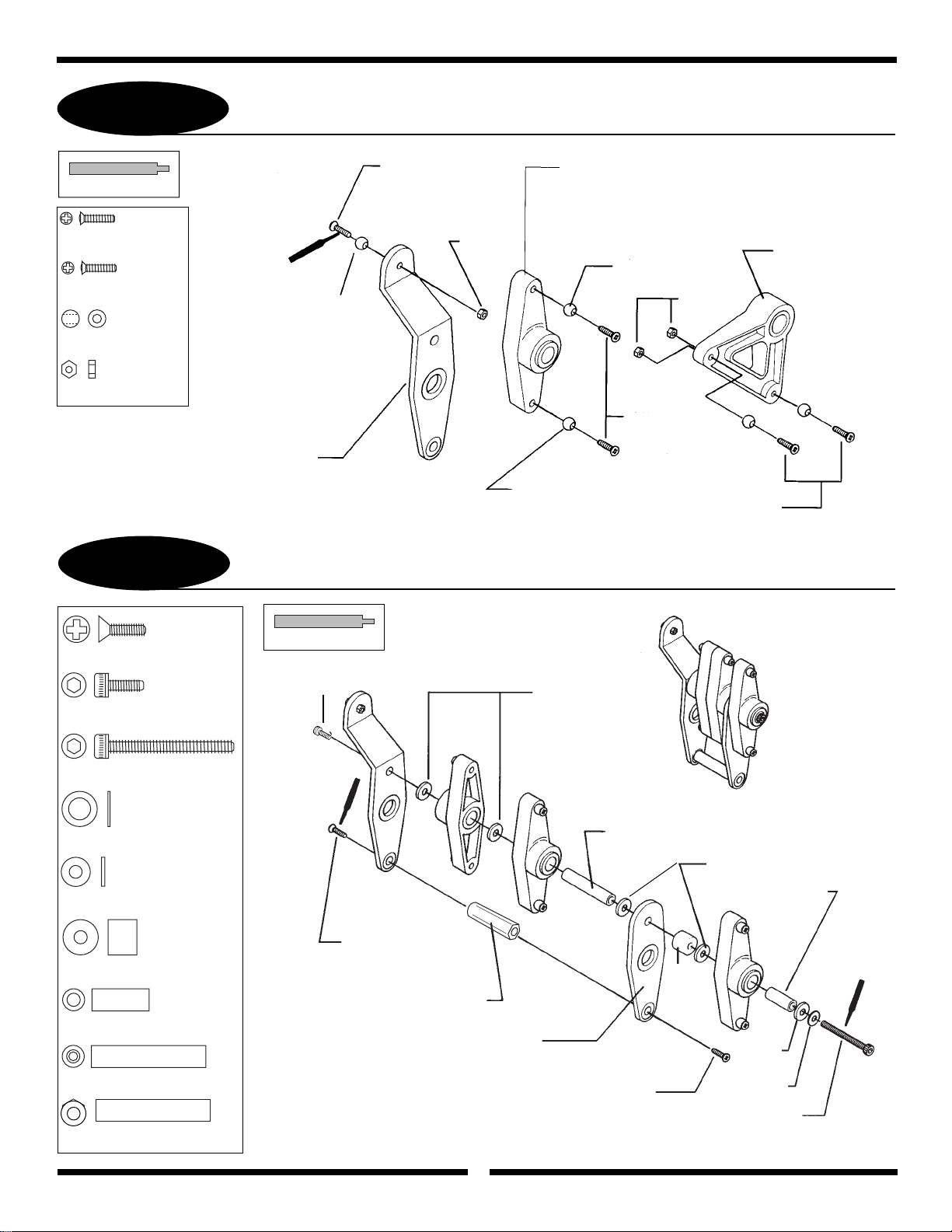
1-3
2x8mm Flat Head Screw
2x10mm Flat Head Screw
........1 pc
........8 pc
Steel Joint Ball
........9 pc
2mm Nut
........3 pc
3x8mm Flat Head Screw
3x8mm Socket Head Bolt
........2 pc
Mixing Lever Bushing B
......1 pc
....1 pc
........1 pc
Nylon Washers
........5 pc
....1 pc
CONTROL BALL INST ALLATION
1-4
SERVO MIXING LEVER UNIT ASSEMBLY
Steel Joint Ball
Steel Joint Ball
Joint Ball (9 pc)
Roll Bell Crank
2x10mm Flat
Head Screw (8 pc)
2x10mm Flat
Head Screw
Mixing Base Arm
(Collective)
2mm Nut
2x8mm Flat Head Screw
Mixing Lever (3 pc)
(Prepare 3 Sets)
2mm Nut
9
3x28mm Socket Head Bolt
Mixing Lever Spacer
........1 pc
Mixing Lever Bushing A
........1 pc
3mm Flat Washer
........1 pc
After assembly, any additional play or
movement in the Mixing Lever Unit can
be reduced by adding additional Nylon
Washers as needed.
Nylon
Washer
3mm Flat
Washer
3x28mm Socket Head Bolt
Nylon Washers
Mixing Lever Bushing B
Mixing Lever Bushing A
3x8mm Flat Head Screw
Mixing Base Arm (Roll)
Mixing Base Cross Member
3x8mm Flat Head Screw
Complete Assembly
Nylon Washers
3x8mm Socket
Head Bolt
Mixing Base Cross Member
Mixing
Lever
Spacer
Use Threadlock
Use Threadlock
Page 10
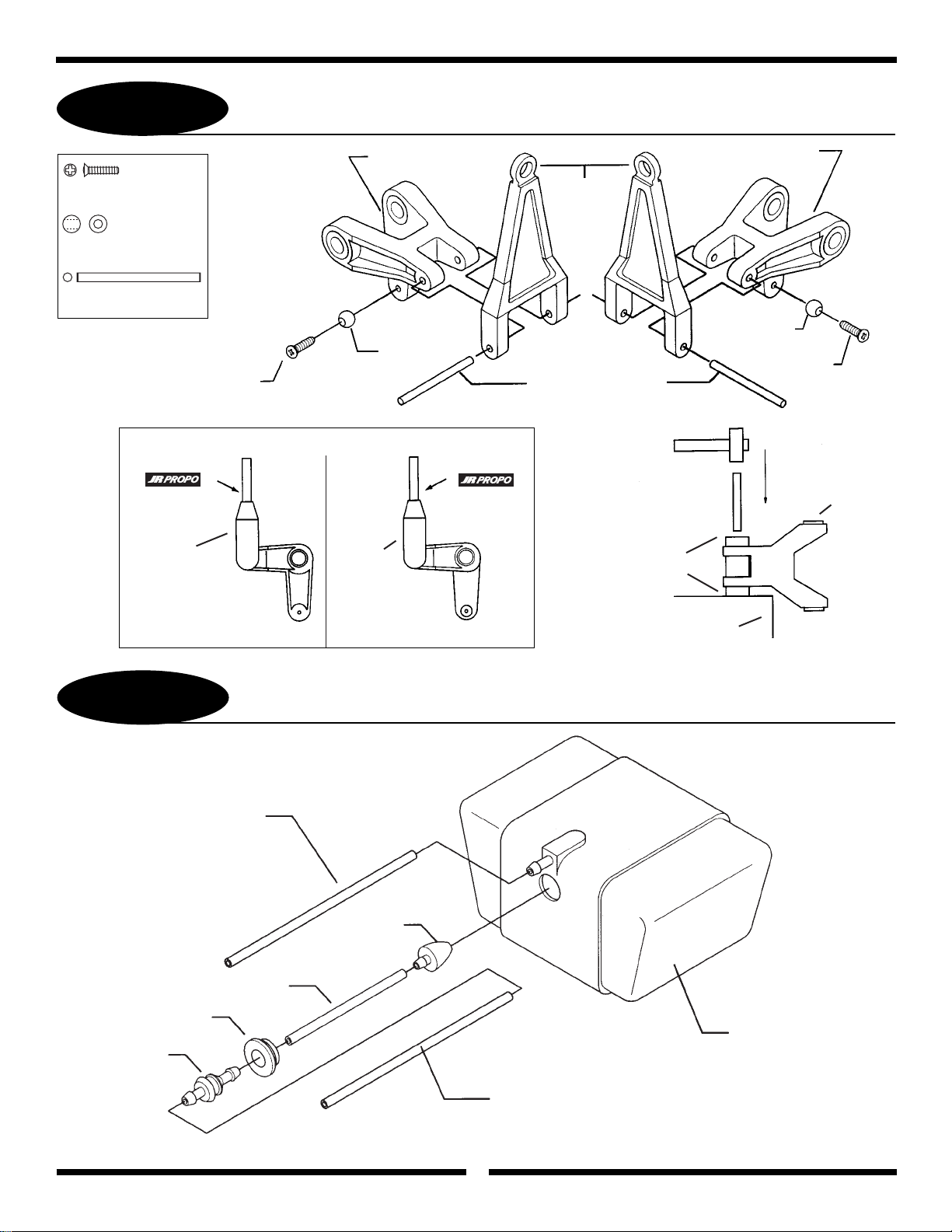
1-5
ELEVATOR ARM ASSEMBLY
10
2x8mm Flat Head Screw
Steel Joint Ball
......2pc
Elevator Arm Pin
......2pc
..........2pc
2x8mm Flat Head Screw
Steel Joint Ball
Elevator Arm Front
Elevator Arm Pin
Steel Joint Ball
Swashplate A Arm
Swashplate A
Arms
Edge of Work Bench
Elevator Arm
Tap-in gently with
a small hammer.
Elevator Arm Rear
2x8mm Flat
Head Screw
Caution: Be sure to note correct Swashplate A Arm installation direction.
Elevator Arm (Front)
Elevator Arm (Rear)
Marked Side Out
Swashplate A
Arm
Swashplate A
Arm
Marked Side In
After assembly, check to be sure the
Fuel Tank Clunk can move from the
bottom to the top of the tank without
touching the back wall of the Fuel Tank.
Fuel Tank
Silicone Fuel Tubing
(not incuded)
Connects to Engine Carburetor
* Trim before installation to a length of 58mm
Nipple
Tank Grommet
* Silicone Tube (Small)
Fuel Tank Clunk
Silicone Fuel Tubing
(not included)
Connects to Muffler Pressure Tap
1-6
FUEL T ANK ASSEMBLY
Page 11
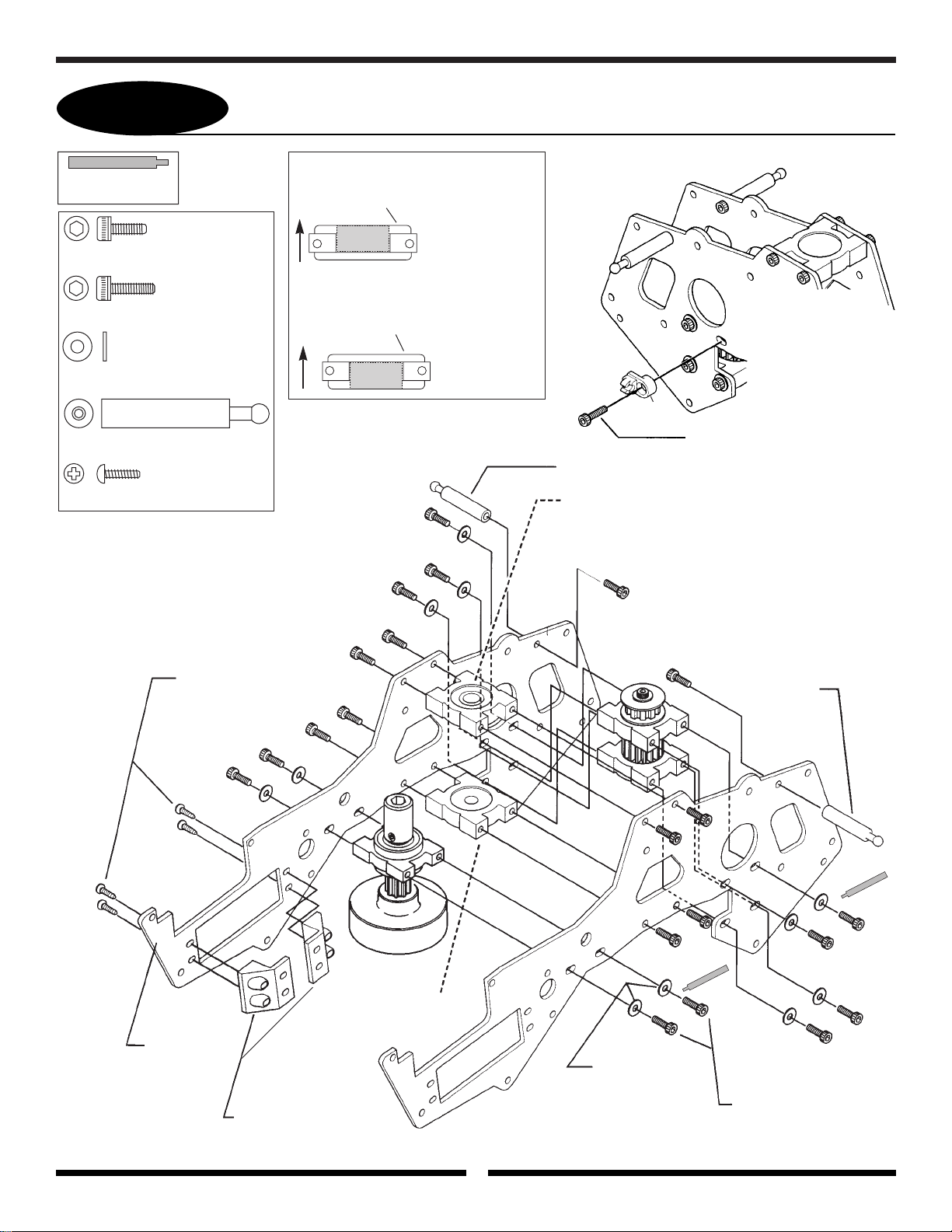
11
2-1
UPPER MAIN FRAME SECTION ASSEMBLY
Note: Be sure to use the two shorter Body
Mount Standoffs for this installation.
Note: Both the Clutch Bell/Start Shaft Assembly
(Step 1-1) and the Tail Drive Pinion/
Bearing Block Assembly (Step 1-2) are
temporarily installed at this time. These
assemblies will be adjusted and secured
in Step 3-2.
3x8mm Socket Head Bolt
..........21 pc
Body Mounting Standoffs Shaft
.......2 pc
3mm Flat Washer
..........11 pc
2.6x8mm Self Tapping Screw
..........4 pc
3x10mm Socket Head Bolt
..........1 pc
Tail Control
Rod Guide
3x10mm Socket Head Bolt
Body Mounting Standoff: Short
Bearing side must face upward*
Body Mounting
Standoff: Short
3x8mm Socket Head Bolt
(21 pc)
3mm Flat Washer
(11 pc)
*Bearing side must
face downward
Servo Mounting Plates
Upper Main Frame
2.6x8mm Self Tapping
Screw (4pc)
Upper Main Shaft Bearing Block
Position so the side
of the bearing block
that has the bearing
flush with the flange
is upward.
UP
Lower Main Shaft Bearing Block
UP
Bearing Flush
with Flange
Bearing
Bearing
Bearing Flush
with Flange
Position so side of
the bearing block
that has the bearing
flush with the flange
is downward.
Use Threadlock On
All Screws
Page 12
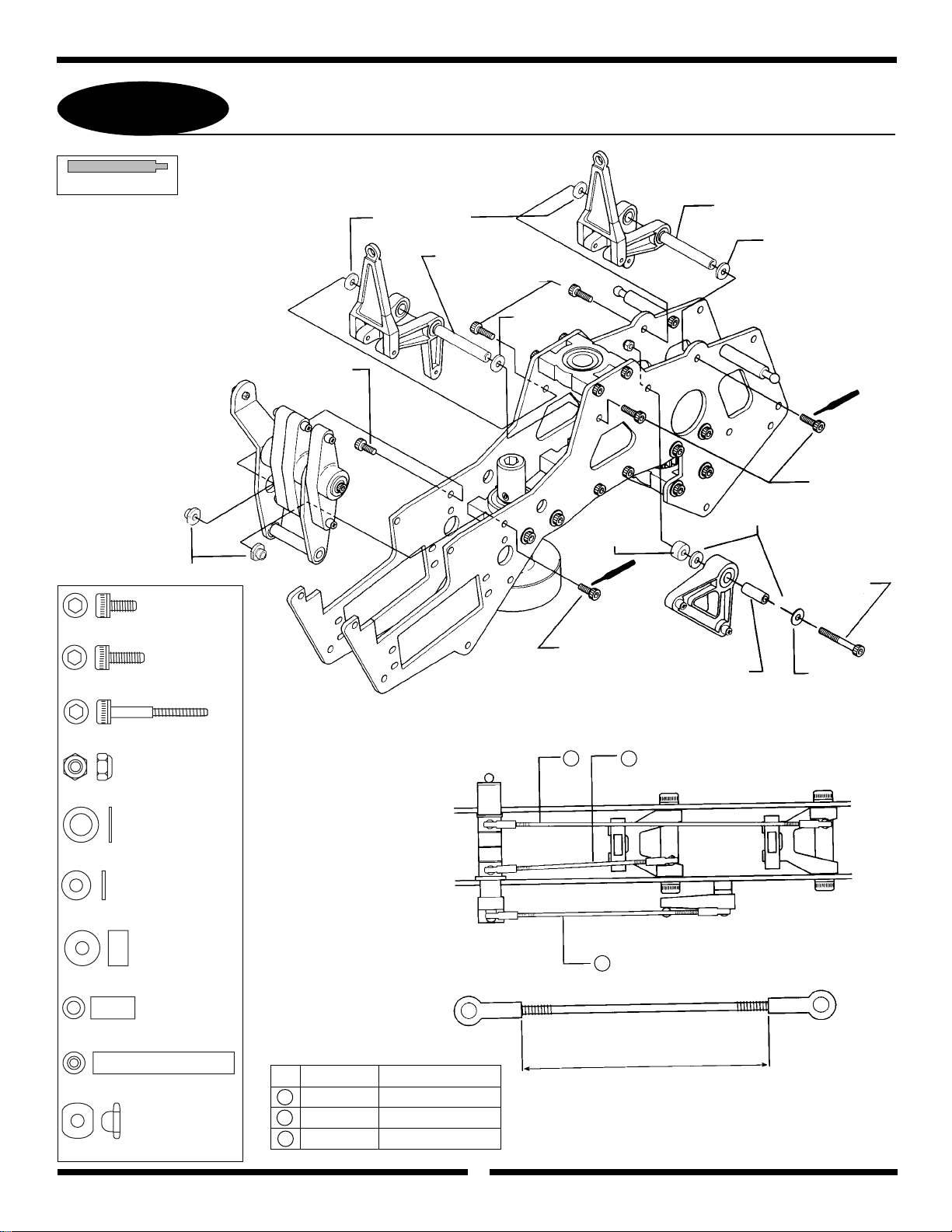
2-2
UPPER MAIN FRAME CONTROL LEVER INST ALLATION
12
Note: Be sure to install the Elevator
Arm Units in their proper
location as there is a “Front”
and a “Rear” Unit (Step 1-5).
Attach the pre-finished Control Rods to the
Mixing Levers/Control Arms as shown:
Nylon Washer
Elevator Arm Bushing
3x8mm Socket Head Bolt
3x6mm Socket Head Bolt
Elevator Arm Bushing
Nylon Washer
Nylon Washer
3x8mm Socket
Head Bolt
Nylon Washer
3x22mm Socket
Head Bolt
3x8mm Socket Head Bolt
........2 pc
........4 pc
........1 pc
Nylon Washers
........5 pc
......1 pc
3x22mm Socket Head Bolt
........1 pc
Elevator Arm Bushing
........2 pc
Mixing Base Nut
........2 pc
........1 pc
Rod Length Pre-Adjusted Length
110mm 92mm
45mm 24mm
75mm 59mm
A
B
A
B
C
C
Roll Bellcrank
Spacer
3x6mm Socket
Head Bolt
Washout Arm
Bushing
Top View
3mm Flat Washer
Mixing Base Nut
Pre-Adjusted Length
Washout Arm Bushing
3mm Flat Washer
3x6mm Socket Head Bolt
Roll Bellcrank Spacer
........1 pc
3mm Lock Nut
Use Threadlock
Page 13
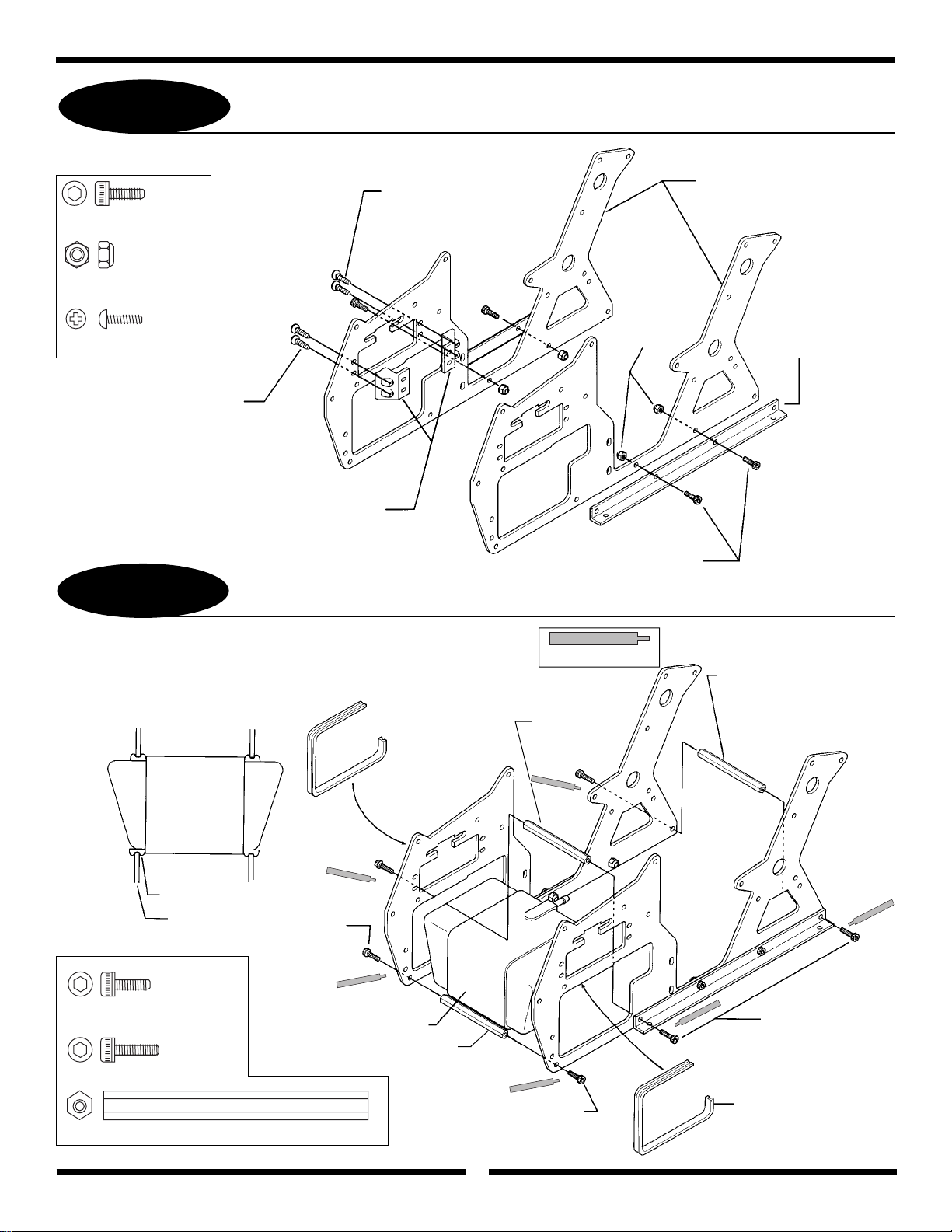
2-3
LOWER MAIN FRAME ASSEMBLY
3x8mm Socket Head Bolt
........ 4pc
3mm Lock Nut
........4 pc
2.6x8mm Self Tapping Screw
........4 pc
2-4
FUEL T ANK INSTALLATION
Note: Install the Fuel Tank and Tank Mounting Rubber into the lower frame halves before
attaching the Main Frame Standoffs.
When securing Standoffs to frame, position the bottoms of the level surface to
prevent twisting during tightening.
13
2.6x8mm Self Tapping Screw (4 pc)
2.6x8mm Self Tapping Screw
Servo Mounting Plate
3x8mm Socket Head Bolt (4 pc)
Lower Main Frame
3mm Lock Nut
(4 pc)
Lower Frame Angle (2 pc)
Main Frame Standoff, 60mm
Main Frame
Standoff, 60mm
Main Frame Standoff,
60mm
3x10mm Socket
Head Bolt (4 pc)
Tank Mounting
3x8mm Socket Head Bolt
Fuel Tank
3x8mm Socket
Head Bolt
Tank Mounting
Lower Main Frame
3x8mm Socket Head Bolt
........2 pc
3x10mm Socket Head Bolt
........4 pc
Main Frame Standoff, 60mm
........ 3 pc
Use Threadlock
Page 14
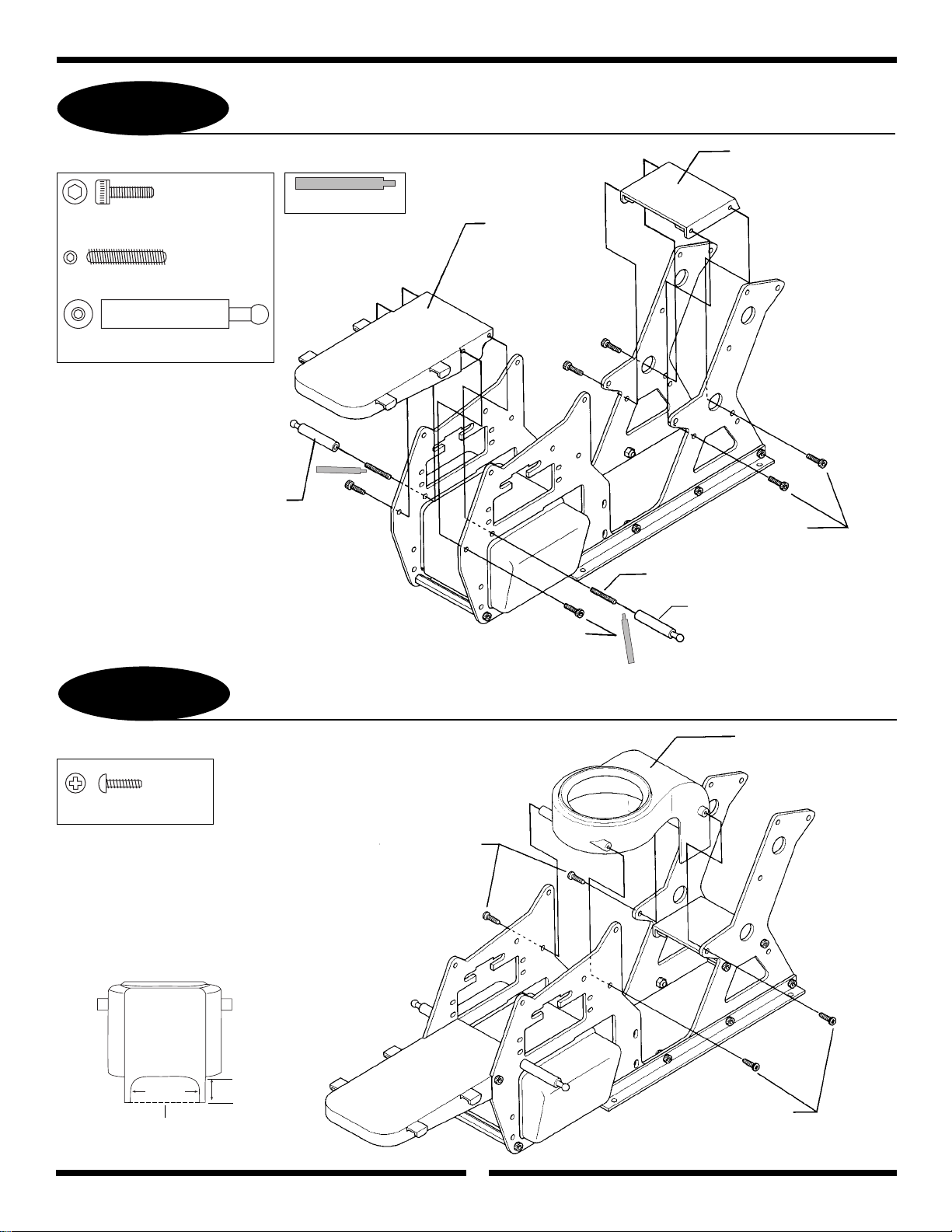
2-5
FRONT RADIO BED/GYRO MOUNTING PLA TE INSTALLATION
2-6
COOLING FAN SHROUD INSTALLA TION
14
3x18mm Set Screw
Body Mounting Standoff Long
........2 pc
3x10mm Socket Head Bolt
........6 pc
........2 pc
2.6x8mm Self Tapping Screw
........4 pc
When installing a .46 size engine it
will be necessary to trim the bottom
portion of the Fan Shroud as shown:
Front Radio Bed
Body Mounting
Standoff Long
3x10mm Socket
Head Bolt
2.6x8mm Self
Tapping Screw
Cooling Fan Shroud
2.6x8mm Self Tapping Screw
3x18mm Set Screw (2 pc)
Body Mount Standoff, Long
3x10mm Socket
Head Bolt (6 pc)
Gyro Mounting Plate
Ergo .46 Fan Shroud Adjustment
3/4"1 7/8"
Remove
Use Threadlock
Page 15
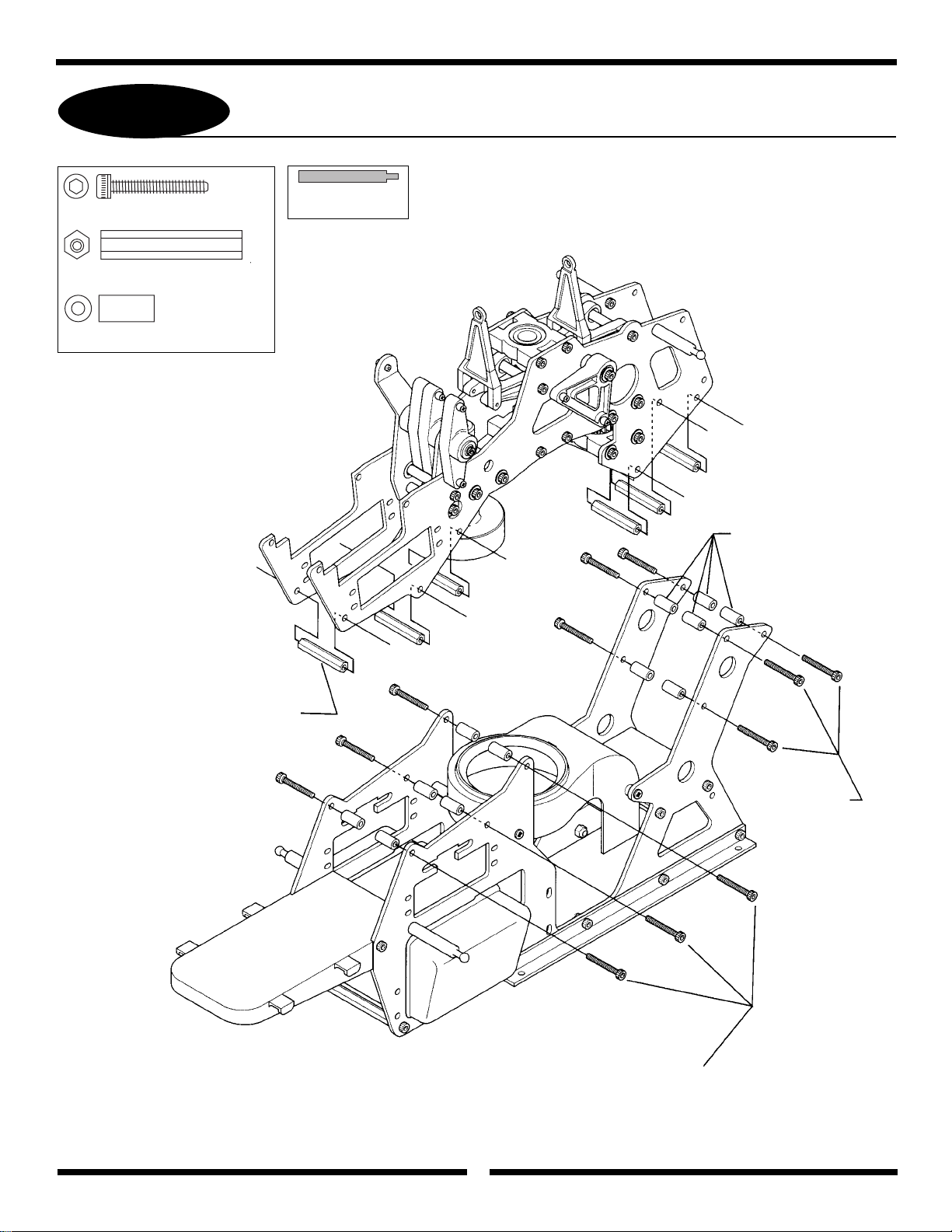
2-7
UPPER/LOWER MAIN FRAME ASSEMBLY A TT ACHMENT
15
Main Frame Standoff, 32mm
Main Frame Spacer, 12.5mm
........12 pc
3x22mm Socket Head Bolt
........12 pc
........6 pc
Main Frame Spacer, 12.5mm
(12 pc)
Main Frame Standoff, 32mm (6 pc)
3x22mm Socket
Head Bolt (12 pc)
3x22mm Socket Head Bolt
Use Threadlock On
All Screws
Page 16
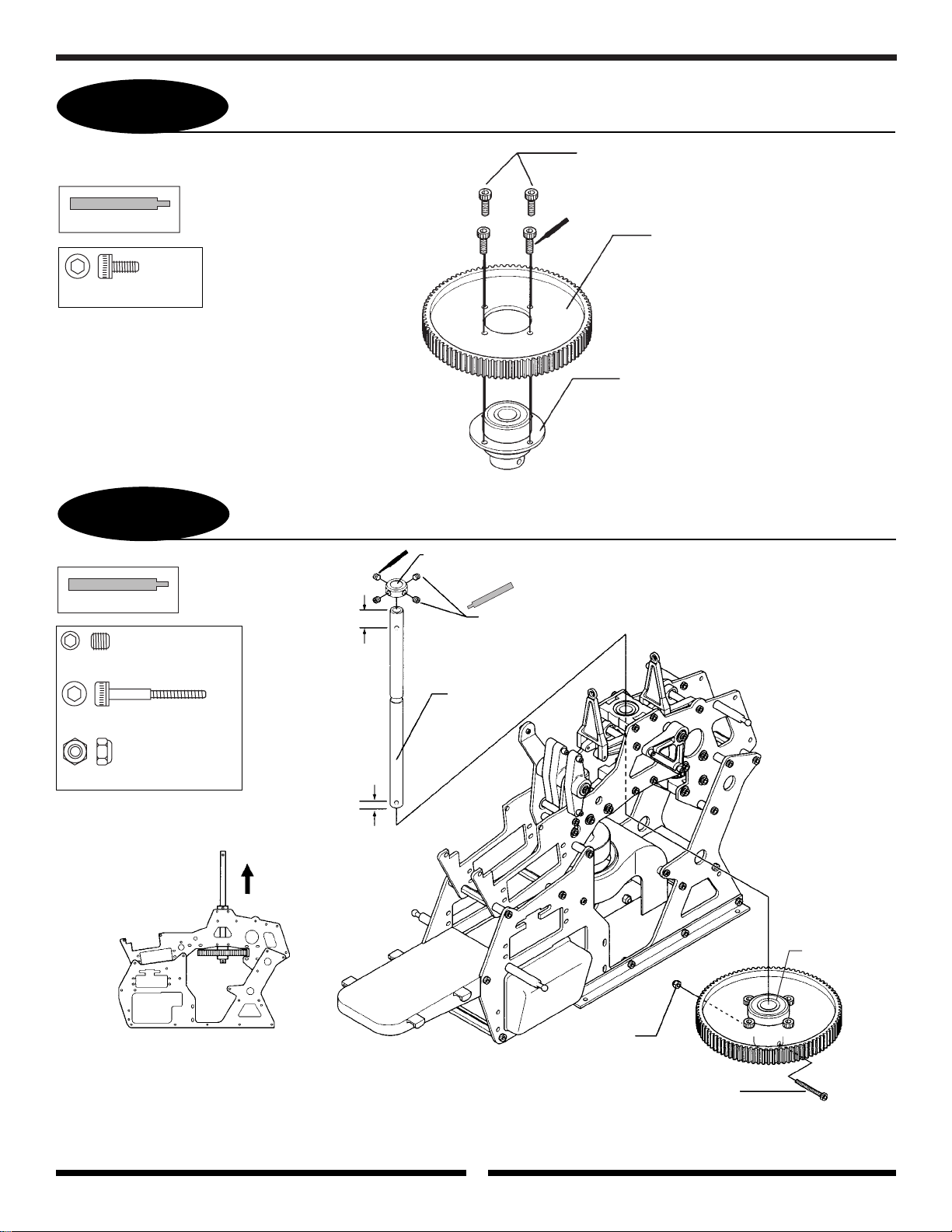
16
3-1
MAIN DRIVE GEAR/AUTOROT ATION ASSEMBL Y
3-2
MAIN DRIVE GEAR/AUTOROT ATION ASSEMBL Y INSTALLA TION
3x6mm Socket Head Bolt
.......4 pc
3mm Lock Nut
........1 pc
4x4mm Set Screw
........4 pc
......1 pc
3x22mm Socket Head Bolt
1. Secure the Autorotation Hub to the Main Rotor Shaft using
the 3x22mm Socket Head Bolt. Next, slide the Main Shaft
Collar onto the Main Rotor Shaft. While pulling upward on
the Main Rotor Shaft, secure the Main Shaft Collar to the
Main Rotor Shaft using the four 4x4mm Set Screws.
2. Once the Main Shaft Assembly is in place, adjust the gear mesh of the Clutch Bell
and Tail Belt Pinion Gears, and secure the bolts left loose from Step 2-1.
3x6mm Socket Head Bolt (4 pc)
[Tighten equally to prevent
warping of Main Drive Gear]
Main Drive Gear
Autorotaion Assembly
Main Shaft Collar
8mm
3mm
4x4mm Set Screw (4 pc)
Main Rotor Shaft
3mm Lock Nut
3x22mm Socket Head Bolt
Autorotation Hub
Use Threadlock
Use Threadlock
Page 17
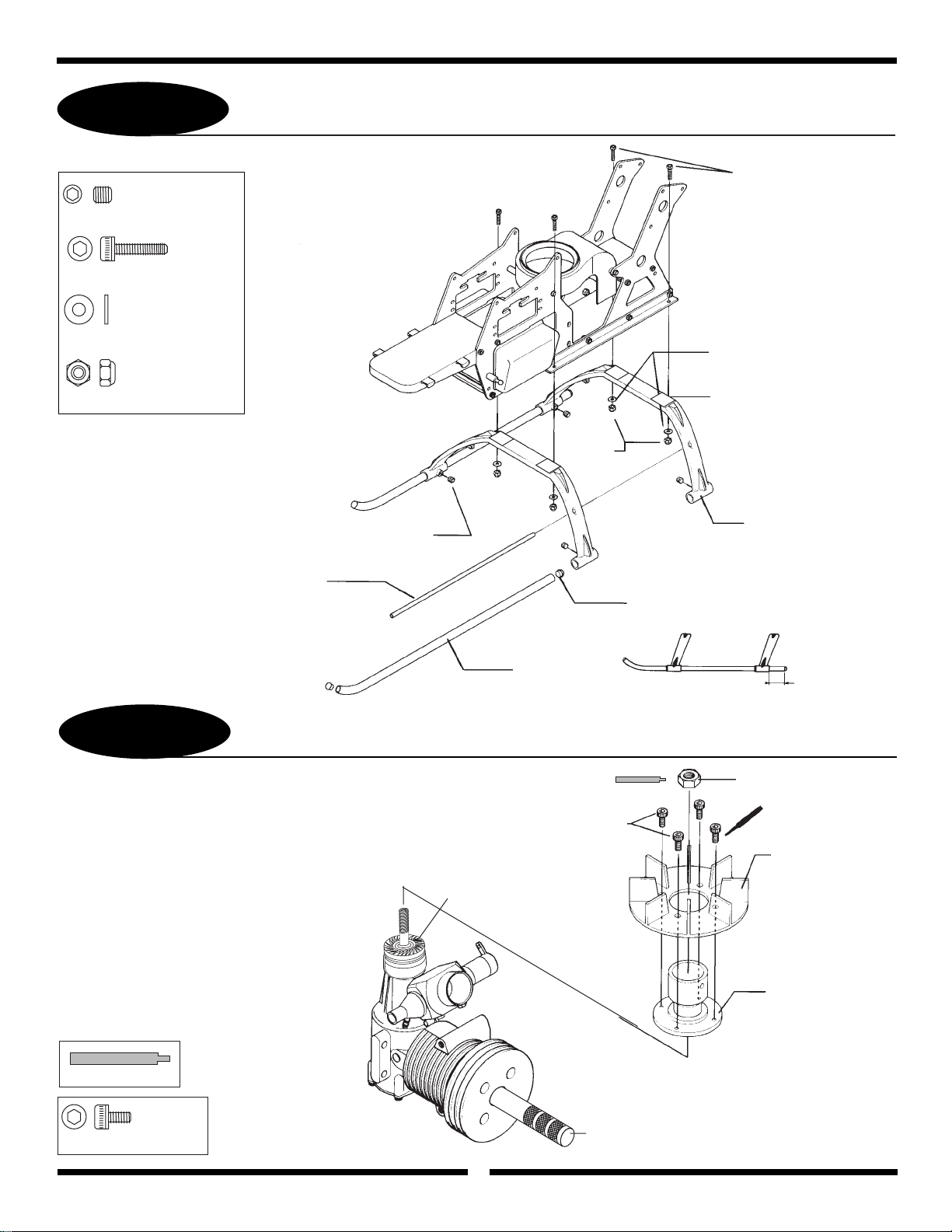
3-3
LANDING GEAR ASSEMBLY INST ALLA TION
3-4
.32-.36 CO0LING FAN/HUB INSTALLA TION
17
3mm Lock Nut
........4 pc
3x12mm Socket Head Bolt
........4 pc
3mm Flat Washer
........4 pc
4x4mm Set Screw
........4 pc
Note: If you are building the Ergo .46 3D Version,
proceed to Step 3-4.1
O.S. .32SX-H Installation
For proper installation of this engine, it will be
necessary to purchase the O.S. Prop Drive
Washer for this engine (Part #23408000).
*It is recommended that a Piston Locking Tool
be used to properly secure the Fan Assembly to
the engine.
3x5mm Socket Head Bolt
........4 pc
3x12mm Socket Head Bolt (4 pc)
3mm Flat Washer (4 pc)
Landing Strut
Landing Gear Dampers (4 pc)
Landing Skid Cap
Landing Skid
20mm
Antenna Tube
4x4mm Set Screw (4 pc)
3mm Lock
Nut (4 pc)
Cooling Fan Hub .32-.36
Cooling Fan .32-.36
Nut Supplied with Engine
3x5mm Socket
Head Bolt (4 pc)
Use Threadlock
For proper installation of the fan assembly, it is neccessary for
the engine to have the prop drive washer installed.
Prop drive washer must be
used for correct installation
* Revolution 1003 Piston Locking Tool
(Purchased Separately)
Page 18
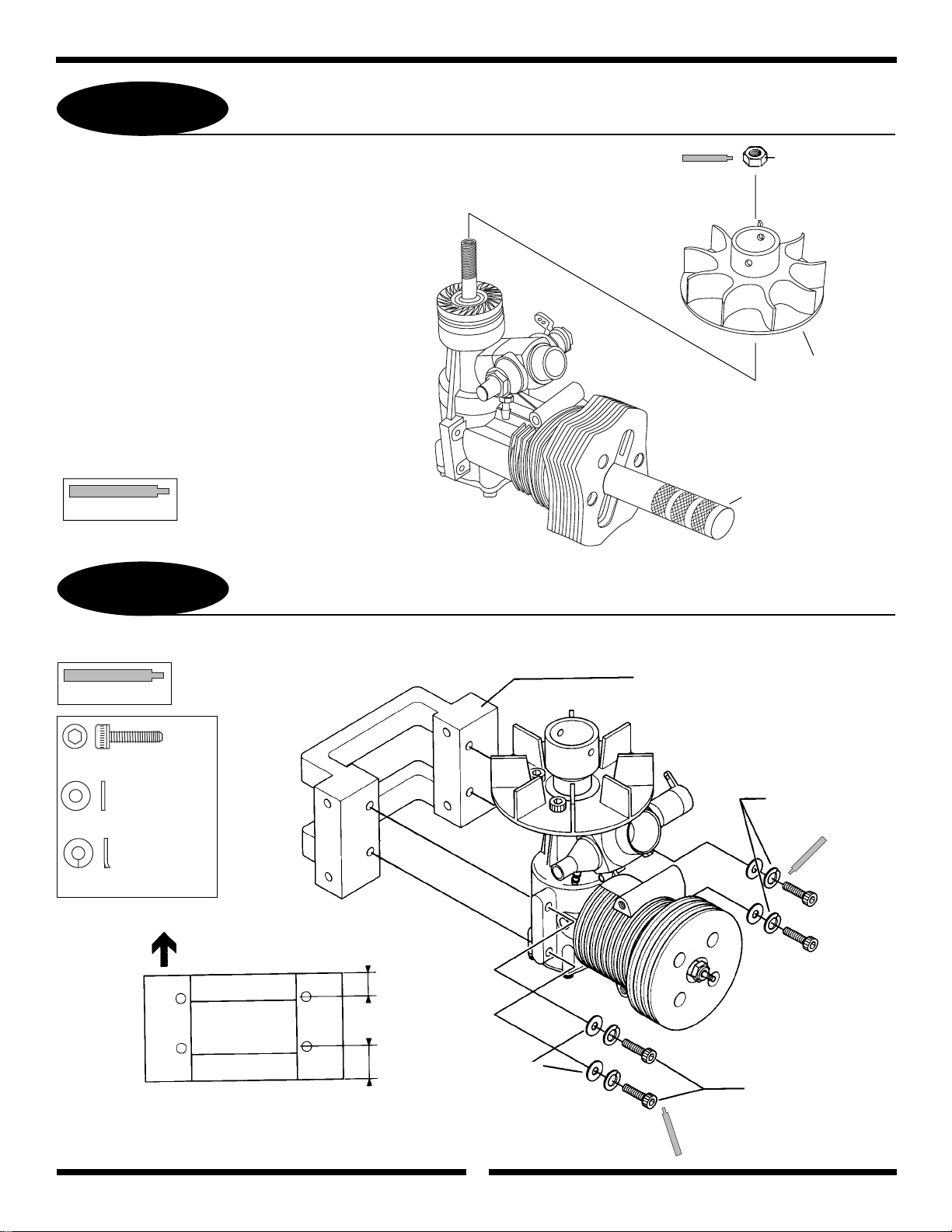
3-4.1
.46 COOLING FAN INSTALLA TION
3-5
.32-.36 ENGINE MOUNT A TTACHMENT
Note: If you are building the Ergo .46 3D Version proceed to Step 3-5.1.
Longer Distance
Shorter Distance
Note: If you are building the Ergo .32-.36 Version, proceed to Step 3-5.
Note: It will not be necessary to use the four 3x5mm
Socket Head Bolts included in this screw bag.
Note: It will be necessary to shorten the Crankshaft of
the engine to allow clearance. Test fit the Fan
Assembly to determine the correct amount to be
removed. On the Thunder Tiger Pro .46 Heli
Engine, it will be necessary to remove 1/2" from
the tip of the Crankshaft.
*It is recommended that a Piston Locking Tool be used to
properly secure the Cooling Fan Assembly to the engine.
18
3x15mm Socket Head Bolt
3mm Flat Washer
........4 pc
3mm Serrated Washer
........4 pc
Top
Bottom
Motor Mount Direction
Engine Mount .32-.36
3mm Serrated
Washer (4 pc)
3x15mm Socket
Head Bolt
3mm Flat
Washer (4 pc)
Nut Supplied with Engine
* Revolution 1003 Piston Locking Too
(Purchased Separately)
It is important to note the proper direction that the motor mount
is installed to achieve the correct alignment of the engine.
Aluminum Cooling Fan
(Ergo .46)
Use Threadlock
Use Threadlock
......4 pc
Page 19
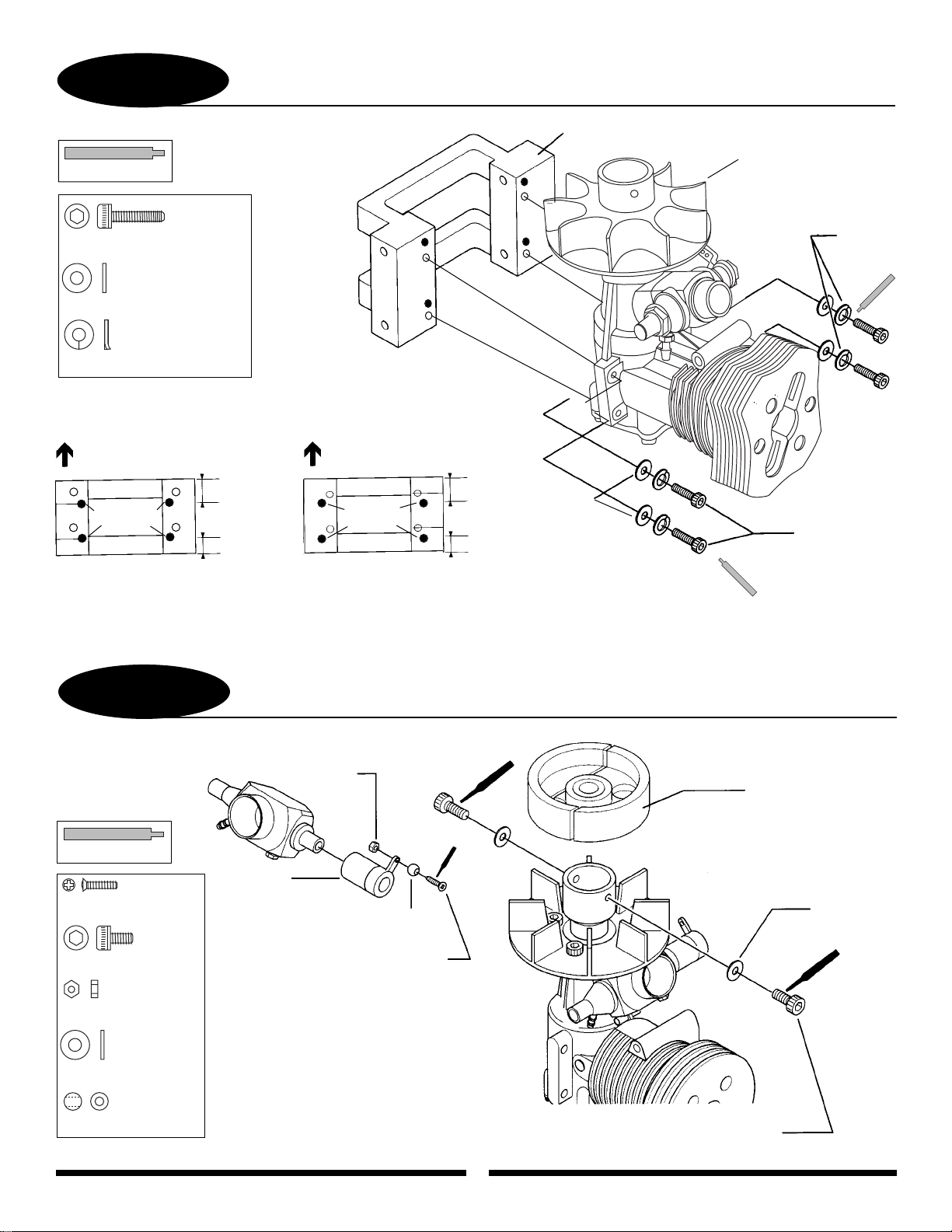
3-5.1
.46 ENGINE MOUNT A TTACHMENT
3-6
CLUTCH ASSEMBLY A TT ACHMENT (ALL)
19
*Note: When installing the Thunder Tiger Pro .46
Heli Engine, it will be necessary to replace
the Standard Throttle Arm with the Long
Offset Arm supplied with the engine.
It is important to note the proper direction that the Motor Mount
is installed to achieve the correct alignment of the engine.
3mm Flat Washer
........4 pc
3x15mm Socket Head Bolt
........4 pc
3mm Serrated Washer
........4 pc
2x8mm Flat Head Screw
........1 pc
3mm Flat Washer
........2 pc
Steel Joint Ball
........1 pc
3x5mm Socket Head Bolt
........2 pc
2mm Hex Nut
........1 pc
Engine Mount .46
Fan Assembly: .46
3mm Serrated
Washer (4 pc)
3x15mm Socket
Head Bolts (4 pc)
Shorter Distance
Longer Distance
Longer Distance
3mm Flat
Washer (4 pc)
2mm Hex Nut
Clutch Assembly
3mm Flat Washer
(2 pc)
3x5mm Socket Head Bolt
(2 pc)
2x8mm Flat
Head Screw
Steel Joint Ball
*see note
Top
Bottom
Bottom
Motor Mount Direction:
Thunder Tiger
Motor Mount Direction:
O.S.
Thunder Tiger
Pro .46
Top
O.S. .46 FS
R-H
Shorter Distance
Use Threadlock
Use Threadlock
Page 20
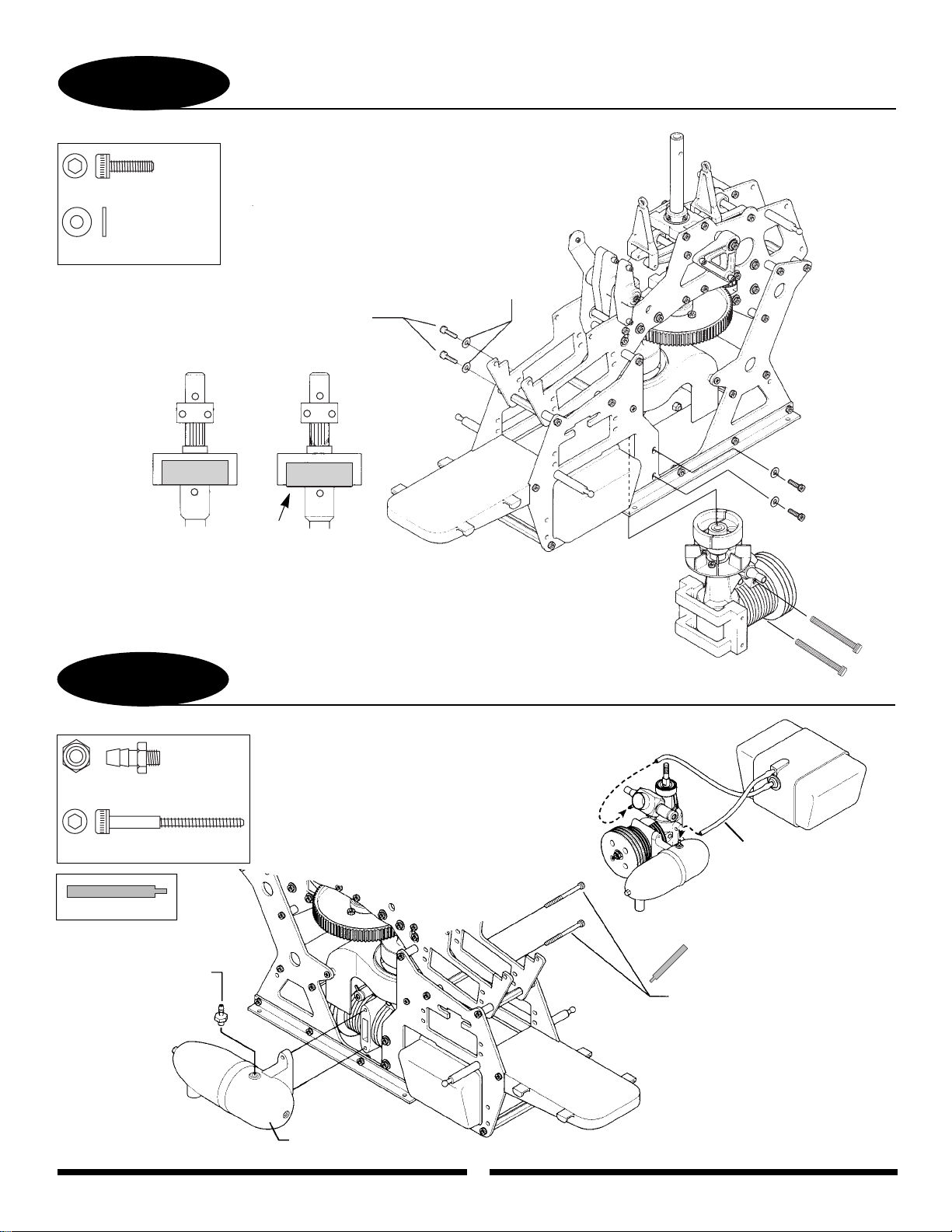
3-7
ENGINE INST ALLATION (ALL)
3-8
INST ALLATION OF THE MUFFLER
20
Pressure Tap
........1 pc
3x30mm Socket Head Bolt
.......2 pc
Adjust the height and position of the Engine
as shown so the bottom of the Clutch
Assembly is flush with the bottom of the
Clutch Bell. Also check to insure that the
Engine and Clutch Bell are parallel.
*It is highly recommended that you insert
the Muffler Bolts into the Engine Case prior
to installing the engine in the frame.
Note: The installation shown is for a .32-.36 size
engine with the JR muffler (JRP960078).
Installation of other .32-.36/.46 engine
muffler combinations may vary. Please refer
to your engine/muffler instructions for proper
installation.
3x10mm Socket Head Bolt
........4 pc
3mm Flat Washer
........4 pc
3x10mm Socket Head Bolt (4 pc)
3mm Flat Washer (4 pc)
Pressure Fuel Line Attachment
3x30mm Socket Head Bolts
(*Inserted in Step 3-7)
JR .32-.36 Muffler Shown
(Purchased Separately, JRP960078)
Pressure Tap
Correct
Incorrect
Use Threadlock
Page 21
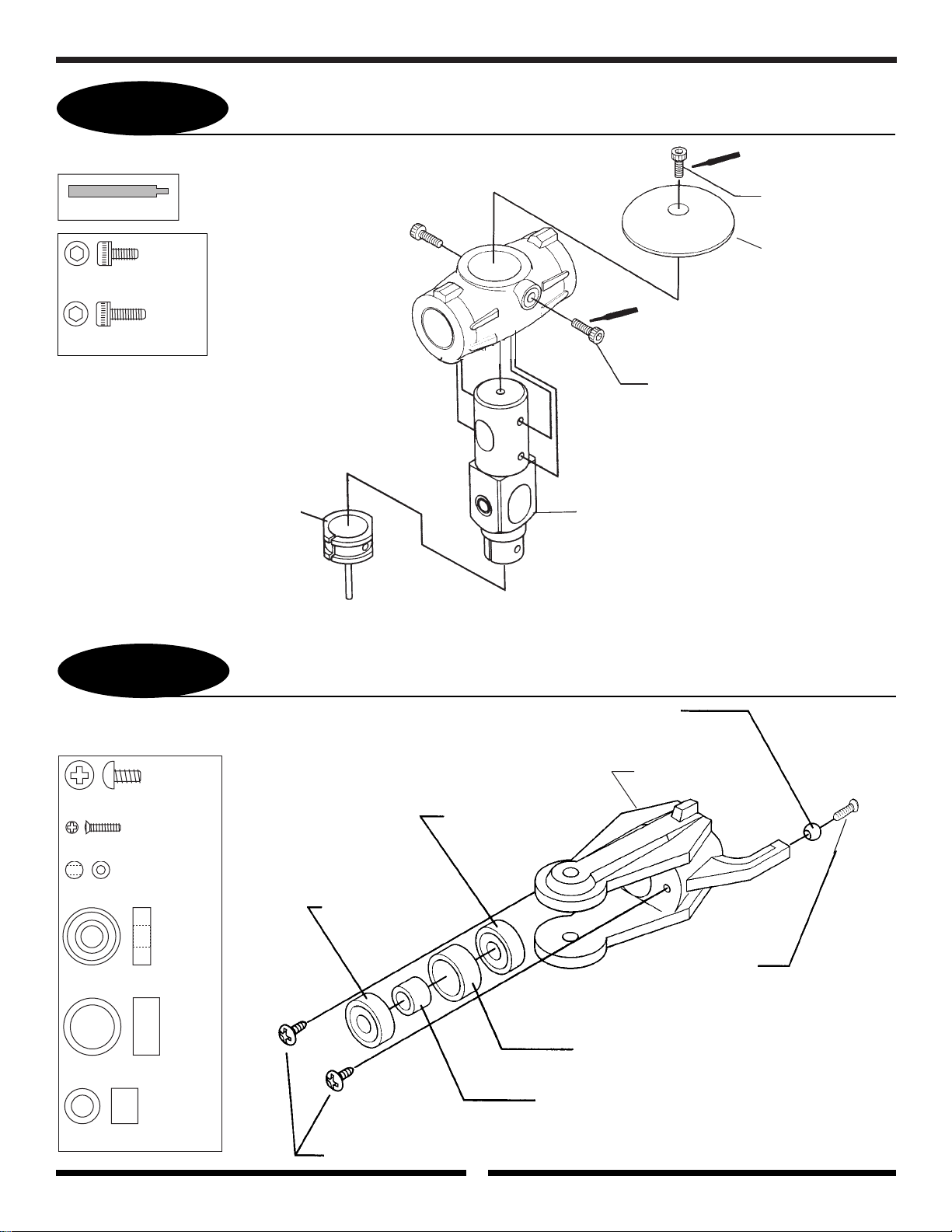
21
4-1
ROTOR HEAD HUB ASSEMBLY
4-2
MAIN BLADE HOLDER ASSEMBLY
3x6mm Socket Head Bolt
........1 pc
3x8mm Socket Head Bolt
......2 pc
2x10mm Flat Head Screw
........2 pc
Steel Joint Ball
........2 pc
3x6mm Self Tapping Screw
........4 pc
Main Blade Holder Bearing
........4 pc
Outer Main Blade Bearing Spacer
........2 pc
Inner Main Blade Bearing Spacer
........2 pc
3x6mm Socket Head Bolt
Head Button
3x8mm Socket Head Bolt
(2 pc)
Phase Adjustment Ring
(insert onto base of Main Rotor Hub)
Main Rotor Hub
Two Sets Required
Main Blade Holder Bearing
Main Blade Holder
Main Blade Holder Bearing
Steel Joint Ball
2x10mm Flat Head Screw
Outer Main Blade Bearing Spacer
Inner Main Blade Bearing Spacer
3x6mm Self Tapping Screw
Use Threadlock
Page 22
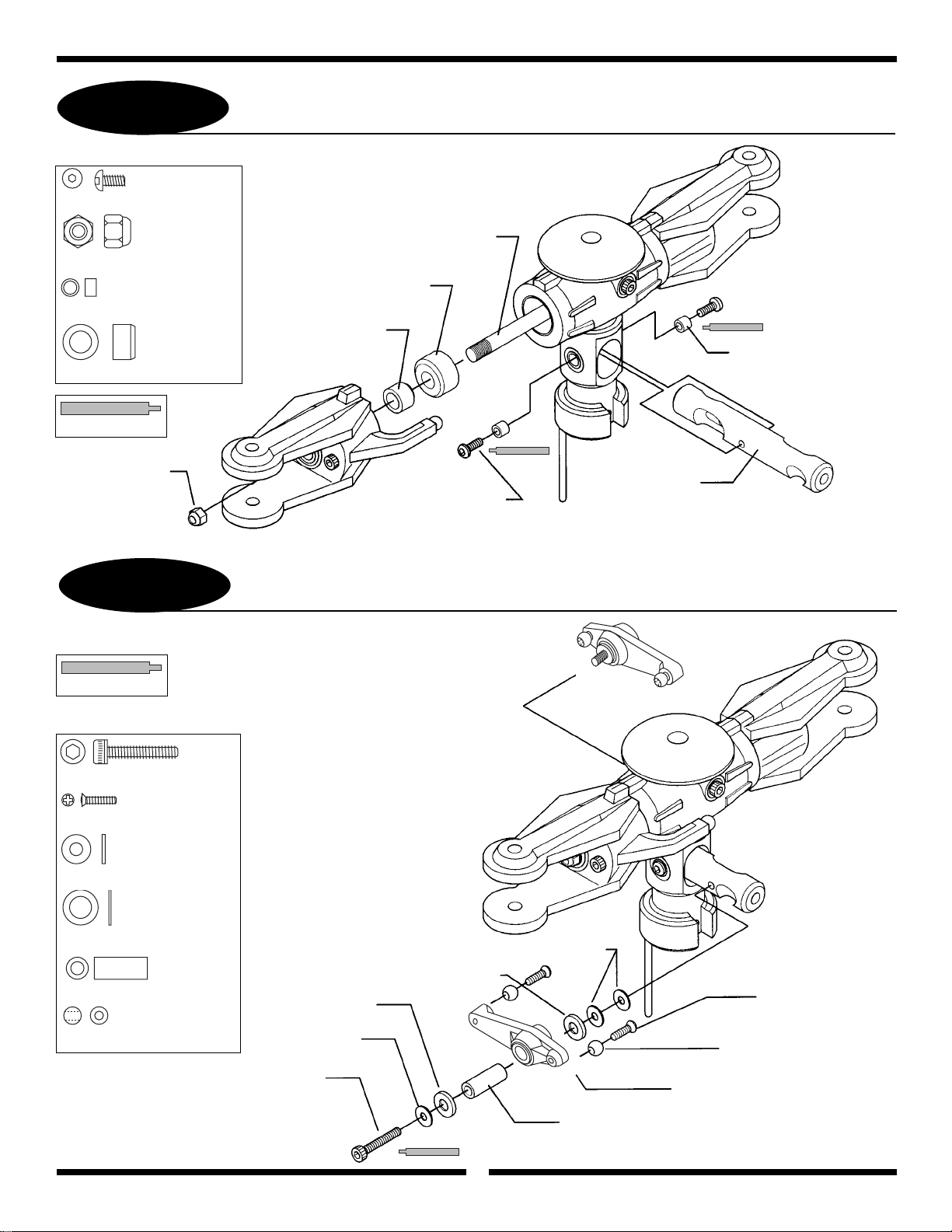
4-3
MAIN BLADE HOLDER/SEESAW ATT ACHMENT
4-4
SEESAW MIXING ARM INSTALLA TION
22
Blade Holder Spacer A
........2 pc
4mm Lock Nut
........2 pc
Seesaw Spacer (Steel)
........2 pc
3x16mm Socket Head Bolt
........2 pc
3x16mm Socket Head Bolt
........2 pc
........2 pc
2x10mm Flat Head Screw
........4 pc
3mm Flat Washer
........6 pc
Nylon Washer
........4 pc
Steel Joint Ball
........4 pc
Blade Spindle Shaft
Damper Rubber (2 pc)
Blade Holder Spacer
(Bevel Inward) (2 pc)
4mm Lock Nut (2 pc)
3x5mm Button Head Bolt
(2 pc)
Seesaw Shaft
Seesaw Spacer (Steel)
(2 pc)
Nylon Washer
3mm Flat Washers
Nylon Washer
3mm Flat Washer
3x16mm Socket
Head Bolt
Mixing Arm Bushing
Seesaw Mixing Arm
Steel Joint Ball
2x10mm Flat Head Screw
(2 pc)
Two Sets Required
Use Threadlock
Use Threadlock
3x5mm Button Head Bolt
Page 23
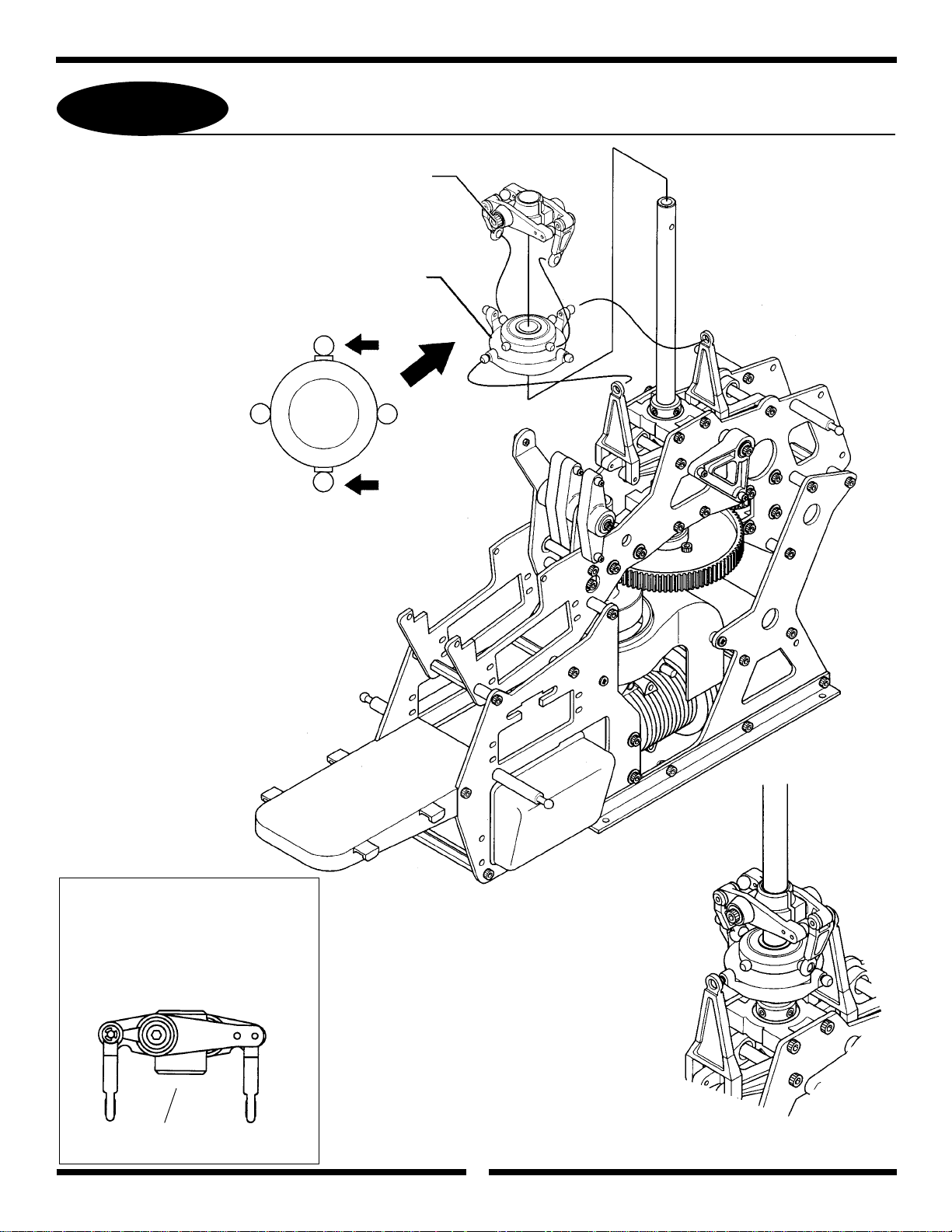
4-5
SWASHPLATE/WASHOUT ASSEMBLY INSTALLATION
23
Connect the two Washout Links
to the correct upper Swashplate
Balls as shown.
Complete Assembly
*Washout Assembly
Swashplate Assembly
Upper Swashplate Ring
*SWASHOUT ASSEMBLY INSTALLATION
When installing the washout assembly be sure
the long flange of the mixing base is positioned
downward (toward the swashplate) with the short
portion facing upward.
Long portion of mixing base
flange must face downward.
UP
Washout Assembly
Page 24
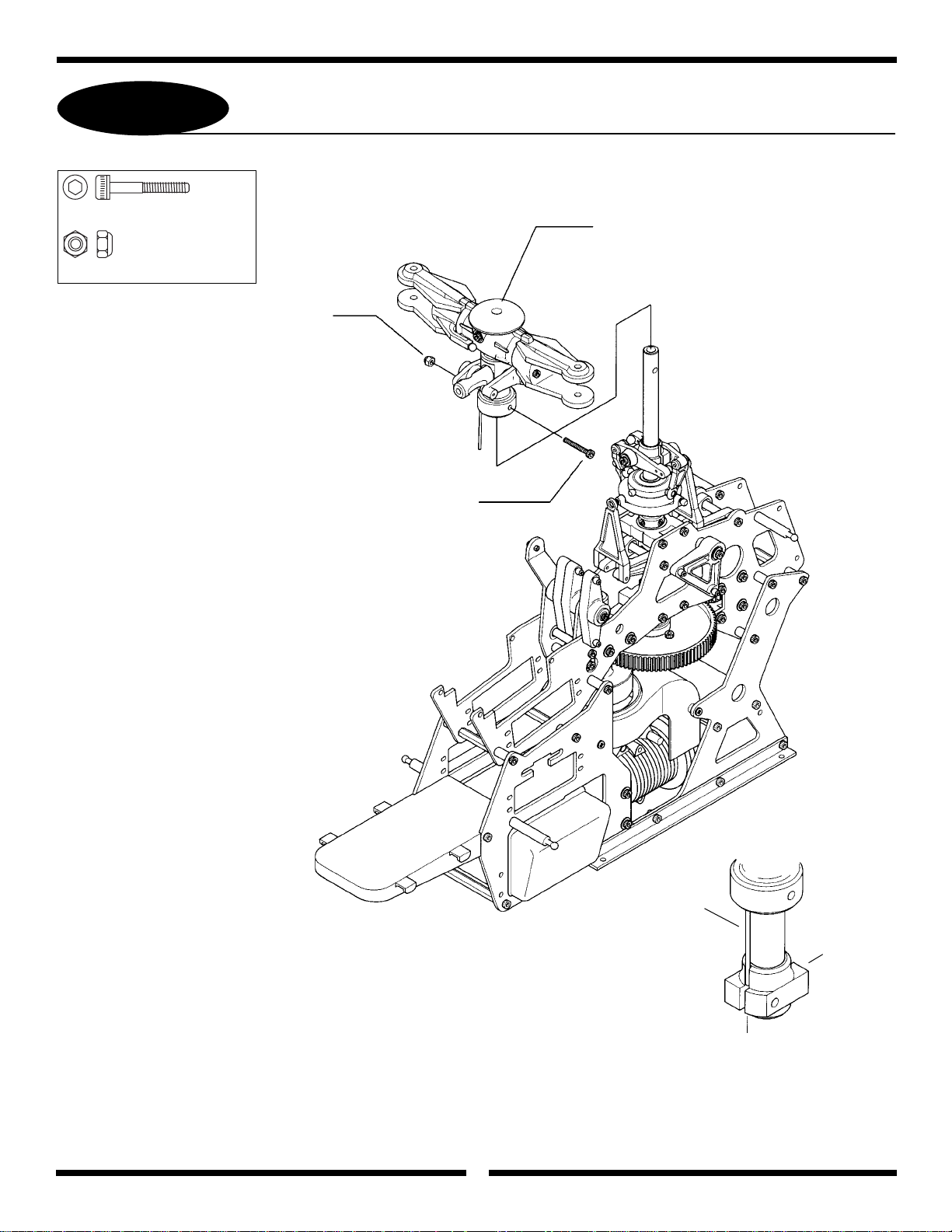
4-6
ROTOR HEAD INST ALLATION
24
3x18mm Socket Head Bolt
........1 pc
3mm Lock Nut
........1 pc
Note: Be sure to engage thePhase
Adjusting Ring into the Washout
Base Groove before securing the
Rotor Head Assembly in place.
3mm Lock Nut
Completed Rotor
Head Assembly
3x18mm Socket Head Bolt
Rotor Hub Pin
Washout Base
Page 25
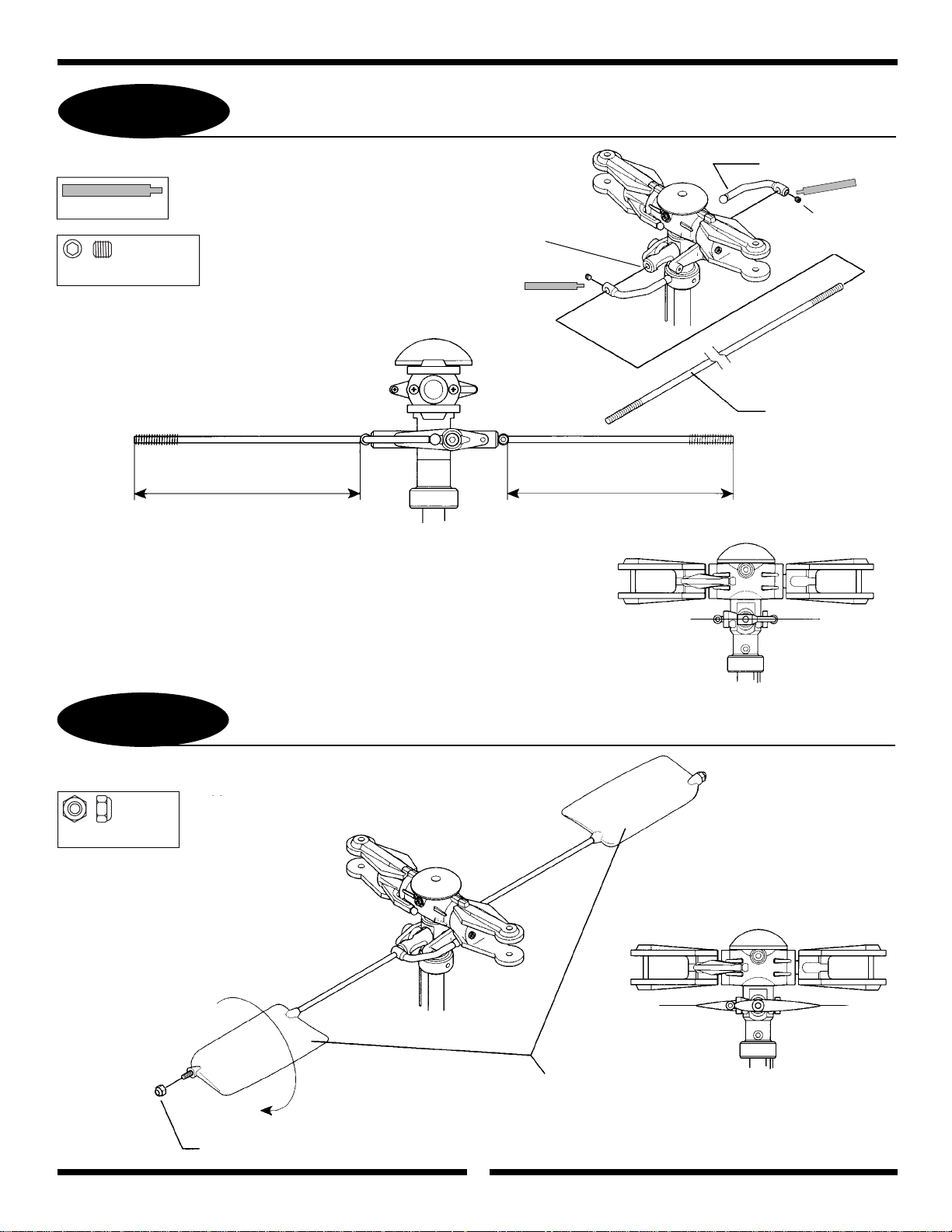
4-7
FLYBAR INST ALLA TION
4-8
FLYBAR PADDLE ATTACHMENT
25
3mm Lock Nut
........2 pc
4x4mm Set Screw
........2 pc
* Be sure to insert Flybar Bushings into
the Seesaw Shaft before inserting Flybar.
Check to insure that the two Flybar
Control Arms are parallel to the
center line of the Flybar.
Note: Center the Flybar in the Seesaw Shaft before securing the two Flybar Control Arms.
Thread each Flybar Paddle onto the Flybar until the
threaded tip of the Flybar protrudes approximately 4mm.
Adjust each Flybar Paddle so they are parallel to the
Flybar Control Arms, and to each other. Secure to the
Flybar using two 3mm Lock Nuts.
Note proper direction of each Flybar Paddle
(short portion forward, clockwise rotation).
*Flybar Bushings (2 pc)
Flybar Control Arm (2 pc)
4x4mm Set Screw
(2 pc)
Flybar
Flybar Centering
Center Line
3mm Lock Nut (2 pc)
Flybar Paddle (2 pc)
Use Threadlock
Page 26
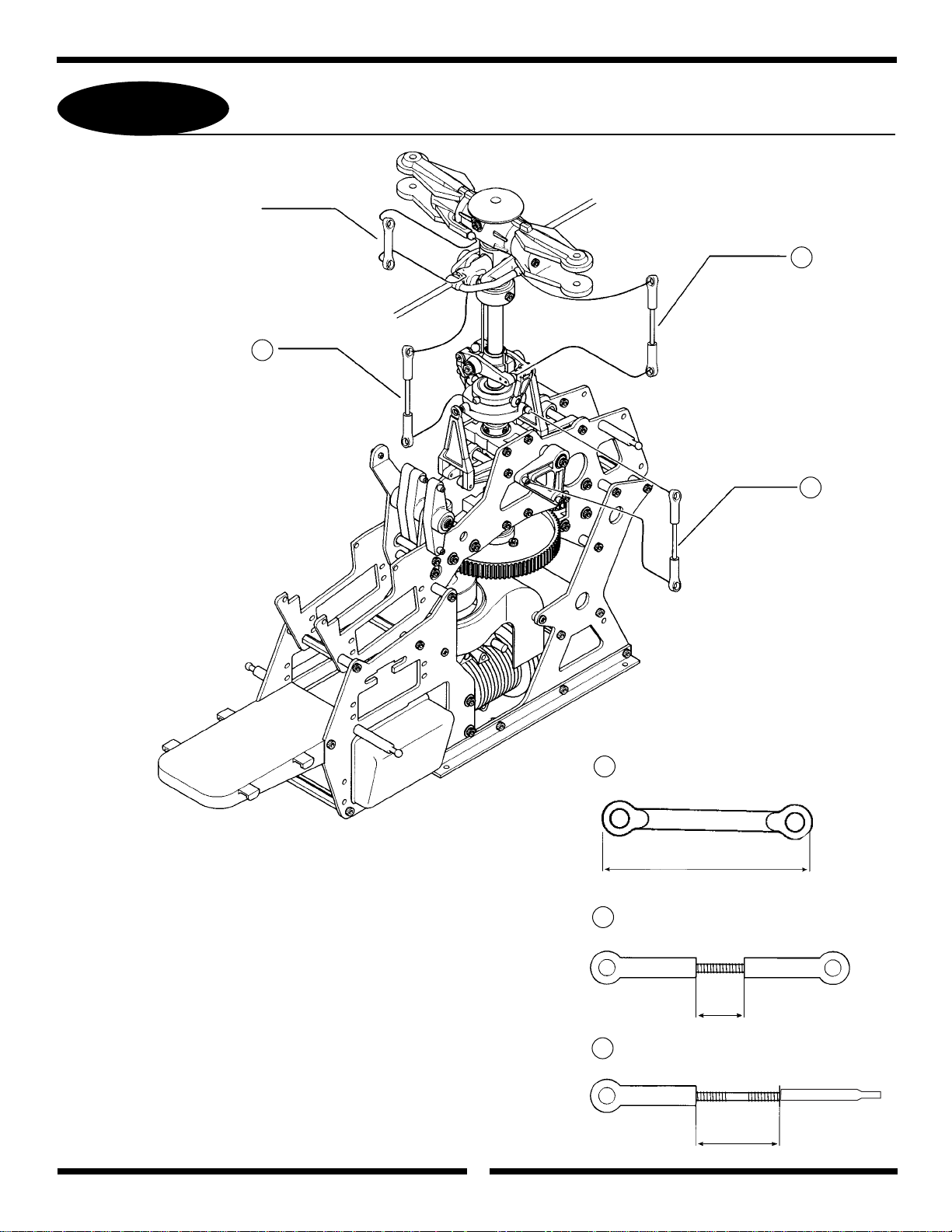
4-9
ROTOR HEAD/SWASHPLATE CONTROL ROD INSTALLATION
26
Note: Ergo .46 3D Kit
Your Ergo .46 3D Kit includes an additional set of
Double Links (B Style #960081). These links are
designed to provide proper blade pitch for 3D
Flight (+10° thru -10°).
Using the Standard Double Link “A” will provide a
Standard Blade Pitch Range (+15 thru -4).
Standard Double Links “A” are recommended for
all training and sport flying applications.
Pre-Assembled Control Rod Identification:
Swashplate to Roll Bellcrank
(2.3mmx30mm Threaded Rod)
Swashplate to Washout Arm
(2.3mmx40mm Threaded Rod)
*Double Link A (2 pc)
(Washout Arm to
Main Blade Holder)
3
1
2
2
3
11mm
19mm
Washout Arm to Flybar Control Arm
(1 Piece Double Link)
47mm
x2
x1
x2
1
Page 27
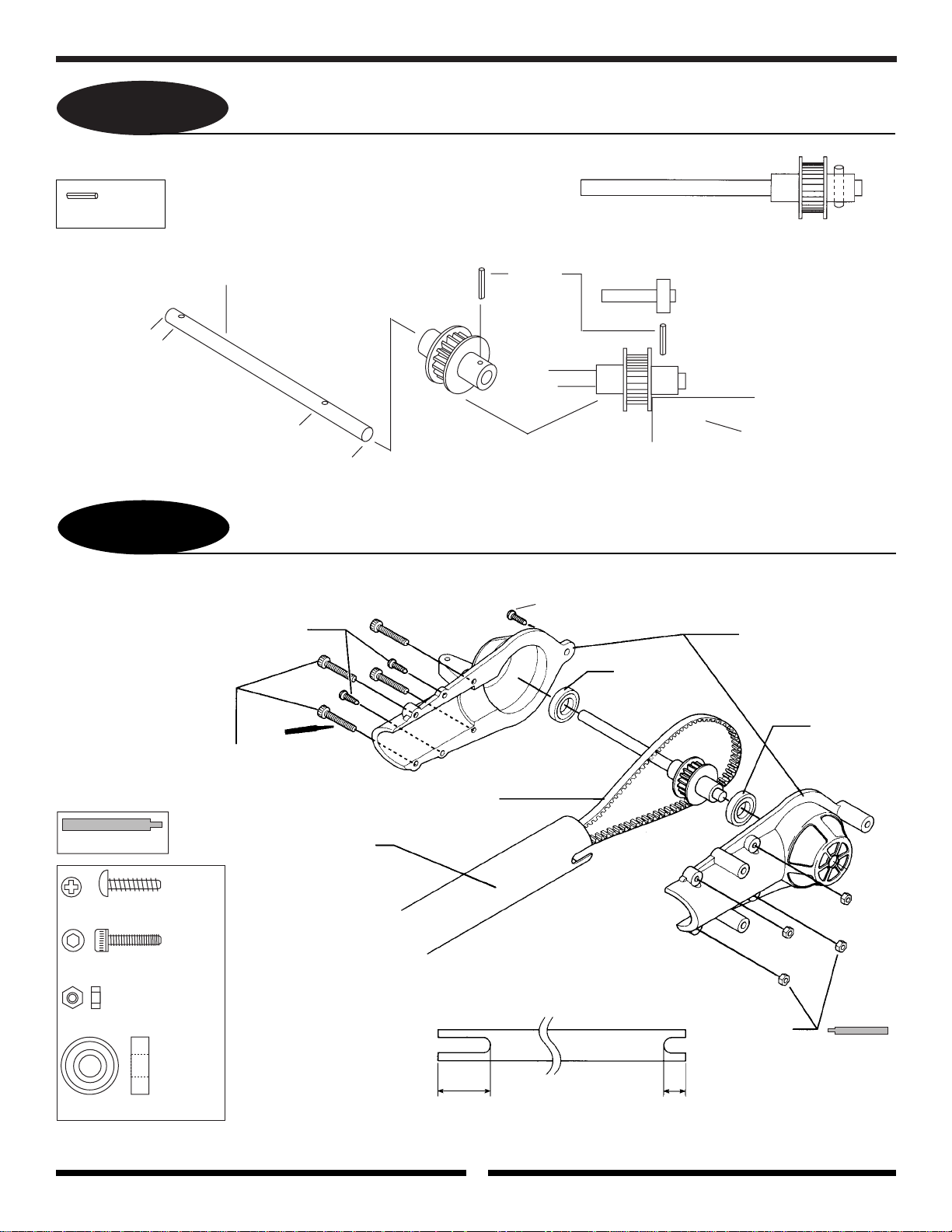
27
5-1
T AIL OUTPUT SHAFT/PULLEY ASSEMBLY
5-2
T AIL GEAR CASE ASSEMBLY
Spring Pin
........1 pc
3x12mm Self Tapping Screw
........3 pc
Tail Output Shaft Bearing
........2 pc
2.6x12mm Socket Head Bolt
........4 pc
2.6mm Hex Nut
........4 pc
Note: Be sure to position the
Tail Gear Case onto
the shorter slotted side
of the Tail Boom.
Tail Output Shaft
Short Distance
Tail Case Pulley
Edge of Work Bench
Complete Assembly
Spring Pin
Hammer
Longer (Helicopter)
Shorter (Tail Gear Case)
2.6mm Hex Nut
(4 pc)
Tail Boom
Tail Drive Belt
2.6x12mm Socket
Head Bolt (4 pc)
Tail Output
Shaft Bearing
Tail Gear Case (L/R)
Tail Output
Shaft Bearing
3x12mm Self
Tapping Screw
3x12mm Self
Tapping Screw
Tail Boom
Long Distance
Note correct direction of Tail
Output Shaft during assembly.
Use Threadlock
Page 28
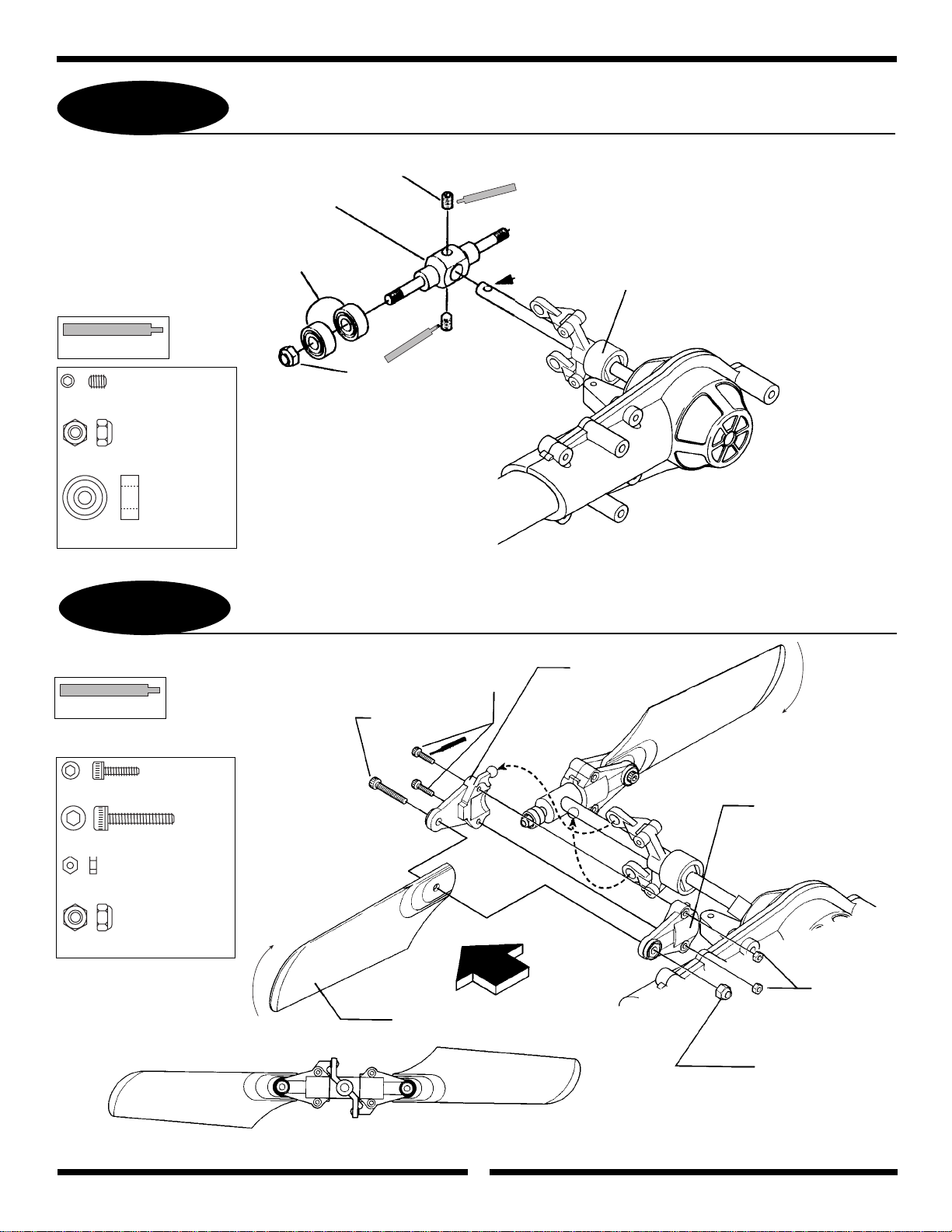
5-3
T AIL CENTER HUB ASSEMBLY
28
3x3mm Set Screw
.......2 pc
3mm Lock Nut
........2 pc
Tail Blade Holder Bearing
........4 pc
2x8mm Socket Head Bolt
........4 pc
3x15mm Socket Head Bolt
.......2 pc
3mm Lock Nut
........2 pc
2mm Hex Nut
........4 pc
* Be sure to note direction of Tail Rotor Blades during assembly.
5-4
T AIL BLADE HOLDER ASSEMBLY
Tail Output Shaft Hole
Tail Blade Holder w/Ball
(Outside)
3x15mm Socket
Head Bolt
2x8mm Socket
Head Bolt
Tail Blade Holder
w/o Ball (Inside)
Rotation
2mm Hex Nut
3mm Lock Nut
Tail Rotor Blade
Rotation
Two Sets Required
* Be certain to apply Locktite to the two
3x3mm set screws and attach securely to
the tail output shaft so the set screws
engage into the tail output shaft hole.
Failure to secure this assembly properly
can result in tail rotor failure during flight.
Tail Center Hub
Tail Blade Holder Bearing
(4pc)
Tail Slide Ring Assembly
3x3mm Set Screw (2pc)
Use Threadlock
Use Threadlock
*
3mm Lock Nut
(2 pc)
*
Page 29
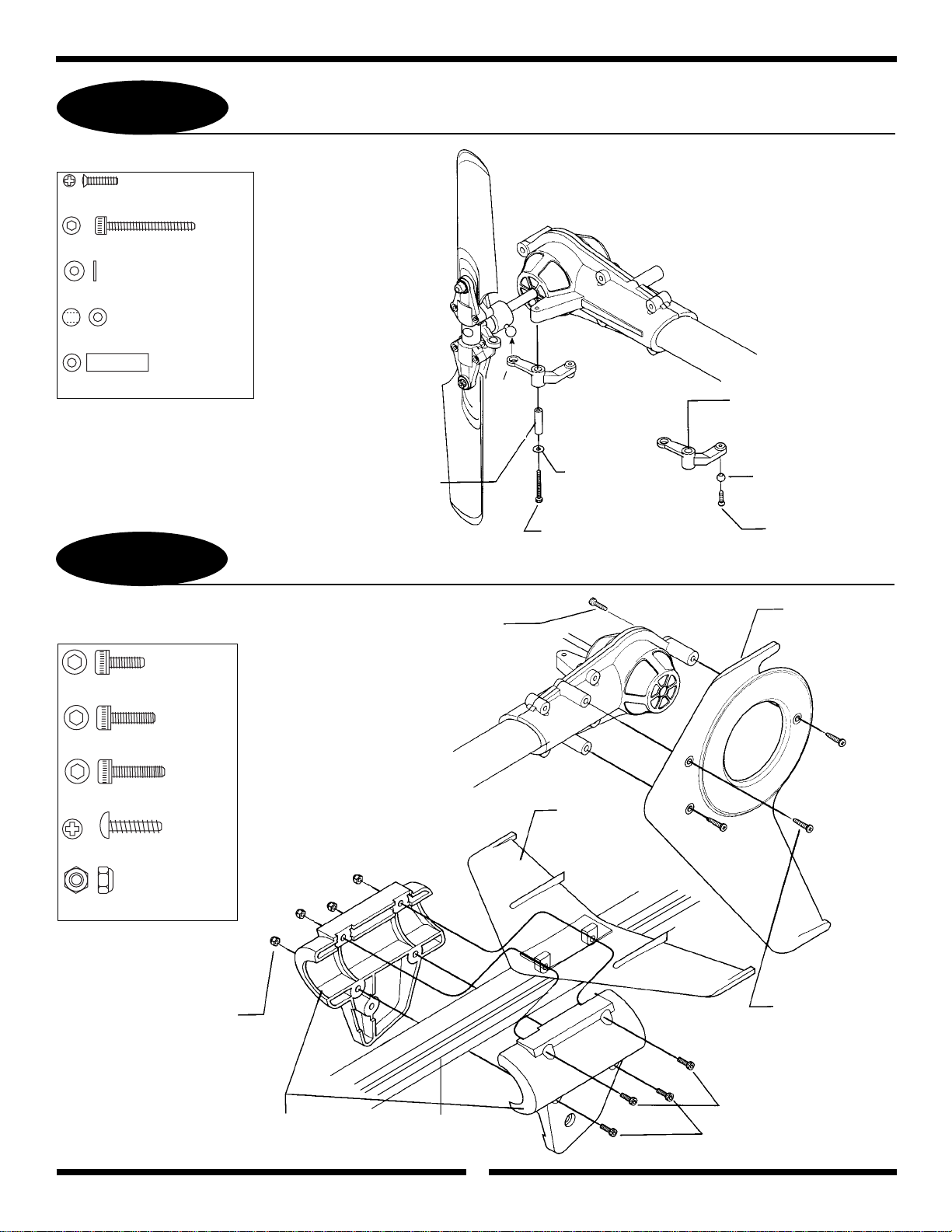
5-5
T AIL PITCH CONTROL LEVER INSTALLATION
5-6
T AIL FIN ATTACHMENT
29
3mm Lock Nut
........4 pc
3x8mm Socket Head Bolt
........2 pc
3x10mm Socket Head Bolt
........1 pc
3x12mm Socket Head Bolt
........2 pc
2x20mm Socket Head Bolt
.......1 pc
2mm Flat Washer
........1 pc
Tail Lever Bushing
........1 pc
3x12mm Self Tapping Screw
........3 pc
2x8 Flat Head Screw
........1 pc
Steel Joint Ball
........1 pc
* Do not completly secure these
bolts as this assembly will need to be
correctly positioned in Step 5-10.
* Note: Please attach the Tail Boom
Decal Stripe (located on the decal
sheet) prior to attaching the horizontal
fin/brace clamp.
Tail Lever Bushing
2x20mm Socket Head Bolt
3x10mm Socket Head Bolt
Vertical Fin
Horizontal Fin
3x12mm Self Tapping
Screw (3 pc)
*3x12mm Socket Head Bolt (2 pc)
*3x8mm Socket Head Bolt (2 pc)
Horizontal Fin/Brace Clamp (L&R) * Tail Boom Decal Stripe
3mm Lock Nut (4 pc)
2x8mm Flat
Head Screw
Steel Joint Ball
Tail Pitch Control Lever
Snap
Onto
Ball
2mm Flat Washer
Page 30
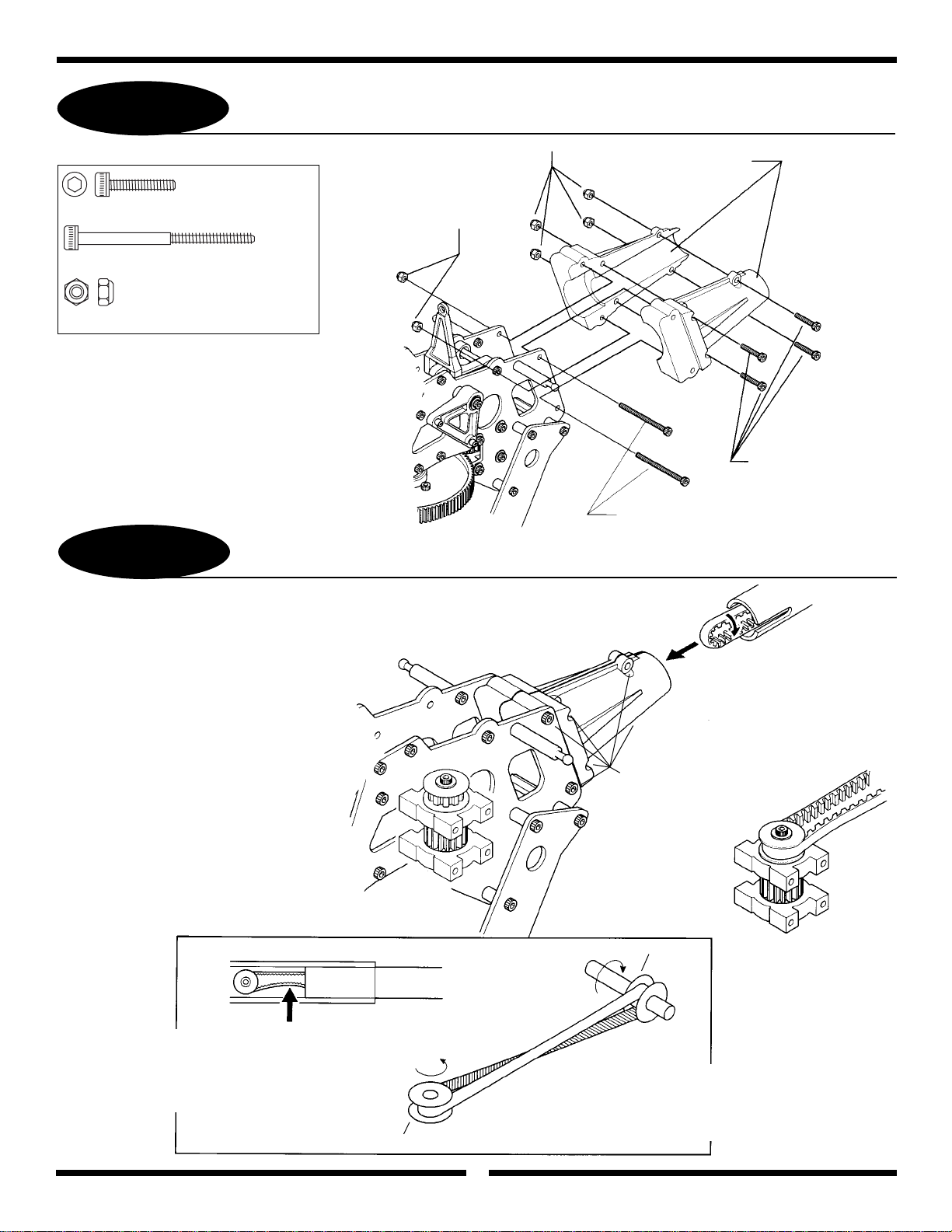
5-7
T AIL BOOM CARRIER INSTALLATION
5-8
T AIL BOOM ASSEMBLY INST ALLATION
30
3mm Lock Nut
........6 pc
3x15mm Socket Head Bolt
........4 pc
3x40mm Socket Head Bolt
........2 pc
* Do not fully tighten at this time. These bolts will
be secured in Step 5-10.
Slide the Tail Boom through the Tail Boom Carrier and
engage the Tail Drive Belt over the Front Pulley. Be
certain to note the correct rotation (direction shown
below. Set the belt tension per the directions below.).
Note: It may be necessary to add one thickness
of electrical tape around the end of the Tail
Boom to insure positive attachment to the
Tail Boom Carrier.
Secure Bolts completly
after inserting Tail Boom
making sure that the
Tail Output Shaft is
exactly 90° to the
Main Rotor Shaft.
Rotate the Tail Drive Belt in the direction shown before
installing it onto the front pulley. It is extremely
important to install the belt in the proper direction to
insure correct rotation of the Tail Rotor Blades.
Belt tension should be set so when pressing with your
finger, both sides of the belt do NOT come in contact
with each other. Be sure not to set the belt too tight,
as this can cause vibration and a loss of power.
3mm Lock Nut
3mm Lock Nut
Tail Boom Carrier (L&R)
*3x15mm Socket Head Bolt
*3x40mm Socket Head Bolt
Tail Output
Shaft Pulley
Front Pulley
Page 31
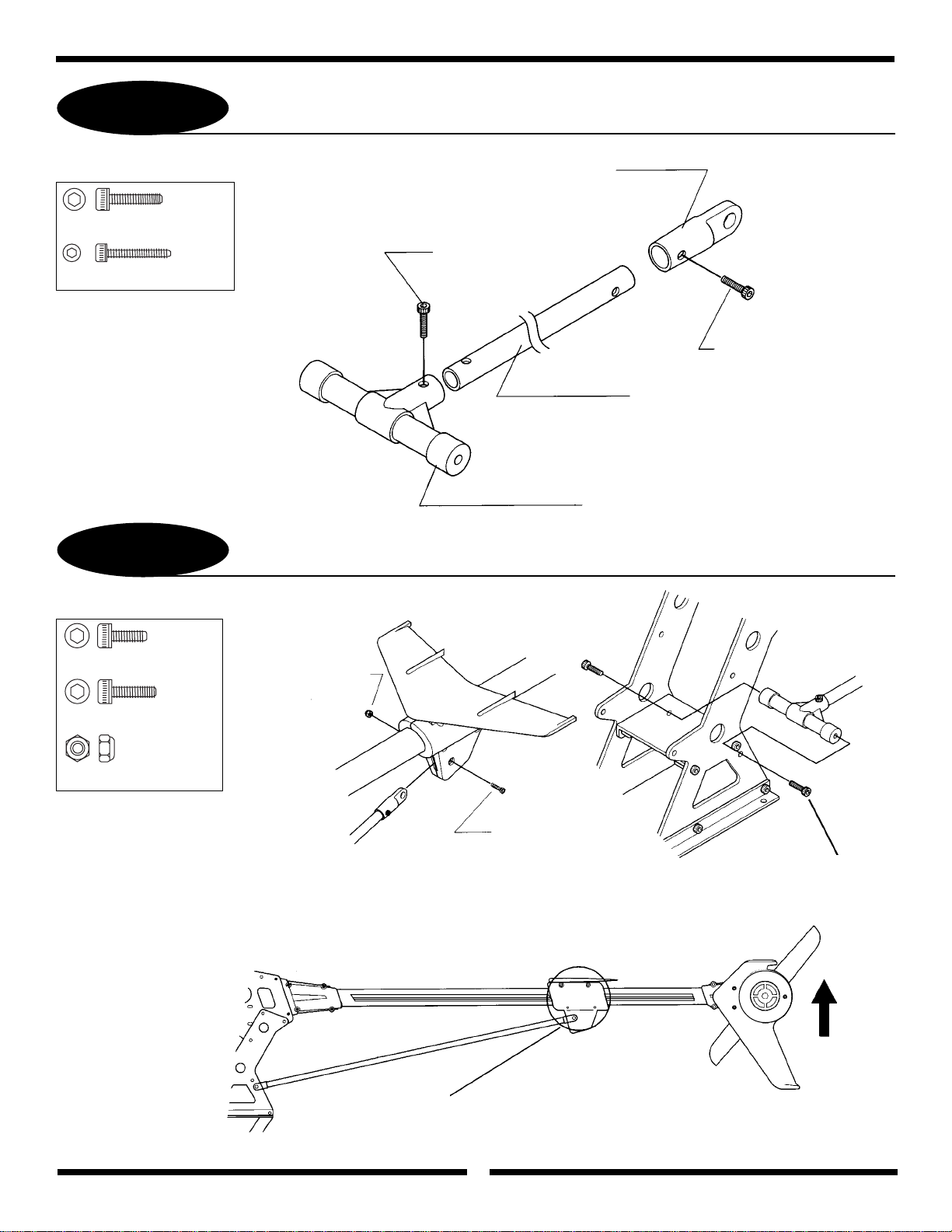
5-9
T AIL BOOM BRACE ASSEMBLY
5-10
T AIL BOOM BRACE INSTALLATION
31
2.6x12mm Socket Head Bolt
........1 pc
2.6x15mm Socket Head Bolt
......1 pc
3mm Lock Nut
........1 pc
3x8mm Socket Head Bolt
........2 pc
3x10mm Socket Head Bolt
........1 pc
Secure the four Socket Head Bolts left loose from Step 5-6.
Make sure that the Horizontal Fin is level.
Tail Brace Connector
2.6x15mm Socket Head Bolt
Tail Brace Tube
Tail Brace T End
2.6x12mm Socket Head Bolt
3x10mm Socket Head Bolt
3mm Lock Nut
3x8mm Socket Head Bolt (2 pc)
Page 32
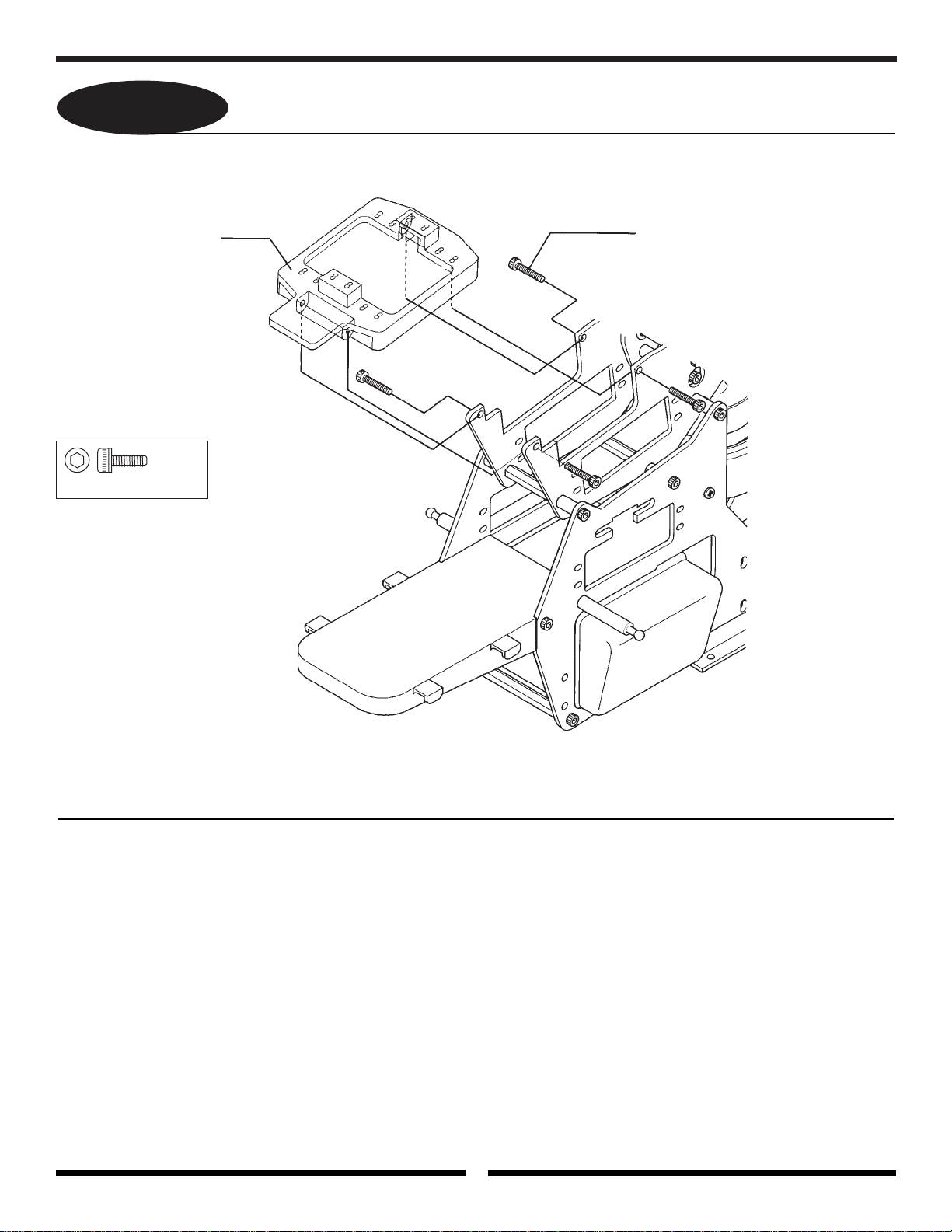
32
6-1
UPPER SERVO TRA Y INSTALLATION
RADIO INSTALLATION SUGGESTIONS
Be sure to install four rubber servo grommets and eyelets to each servo prior to
installation. When securing the servos to the helicopter, be sure not to overtighten the mounting screws.
All servo rods contained in this kit have been pre-adjusted to fit JR servos. If you
are installing a different brand radio system, please adjust the rod lengths to the
correct dimensions as listed in these instructions.
When adjusting control rods, be sure to adjust each universal link the same
amount so as not to unthread one link too far.
It is suggested that both the receiver and gyro amplifier be isolated from vibration
by wrapping them in foam, then securing them to the model using double-sided
servo tape.
Be sure to keep all servo lead wires, etc., away from all servo arms, rods, and
sharp edges of the helicopter’s mechanics. Group these wires together after final
installation using small nylon wire ties.
3x8mm Socket Head Bolt
......4 pc
3x8mm Socket Head Bolt (4 pc)
Upper Servo Tray
Page 33
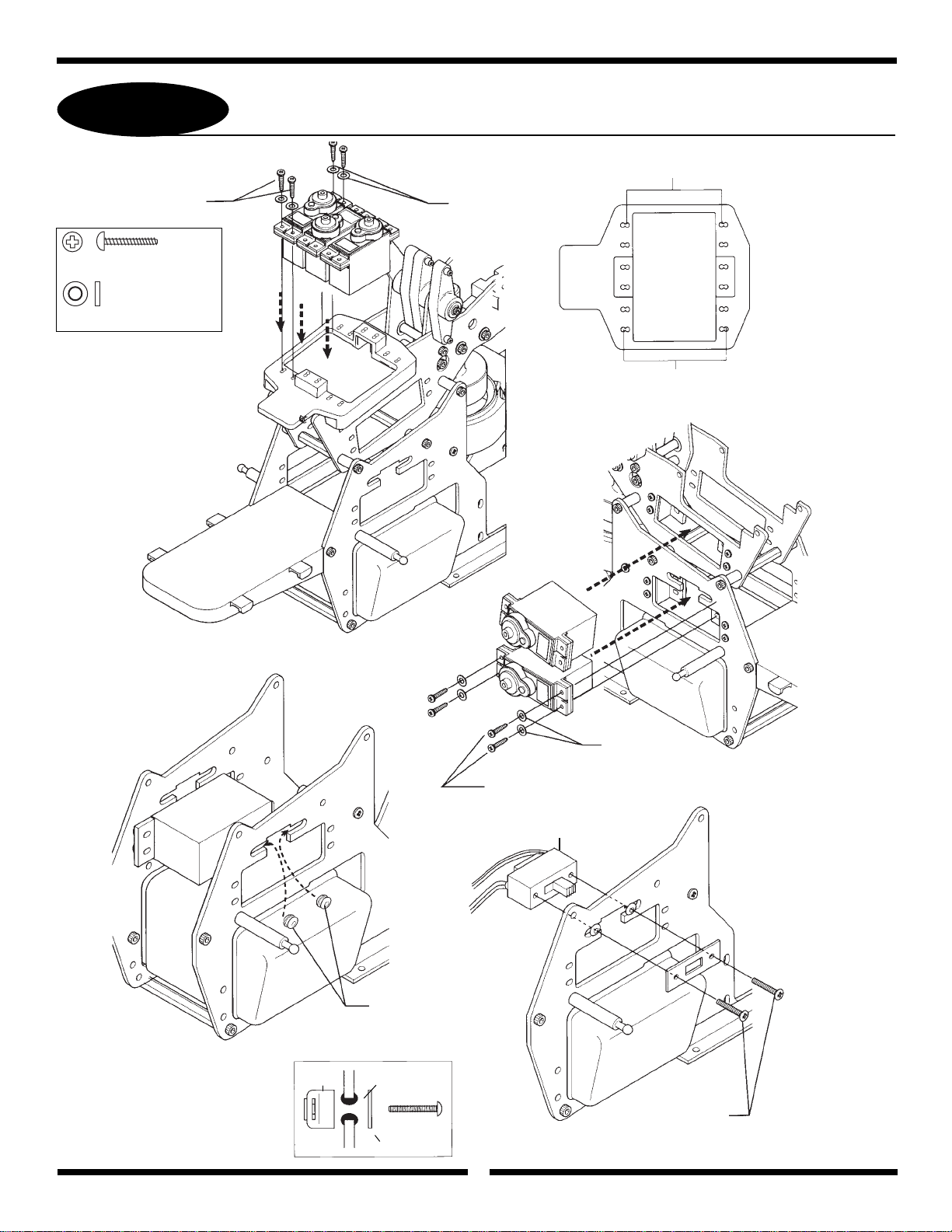
6-2
SERVO/SWITCH HARNESS INST ALLATION
33
2.6x12mm Self Tapping Screw
......20 pc
2.6mm Flat Washer (4 Per Servo)
......20 pc
* Note correct Servo Output Shaft
orientation dring installation.
2.6x12mm Self Tapping Screw
2.6mm Flat Washer
Inner Holes are for JR Servos
Outer Holes are for Futaba Servos
2.6mm Flat Washer
2.6x12mm Self Tapping Screw
Switch Harness
Switch Damper Rubber
Switch
Screws Supplied
with Switch
Rudder
Switch Cover
Page 34
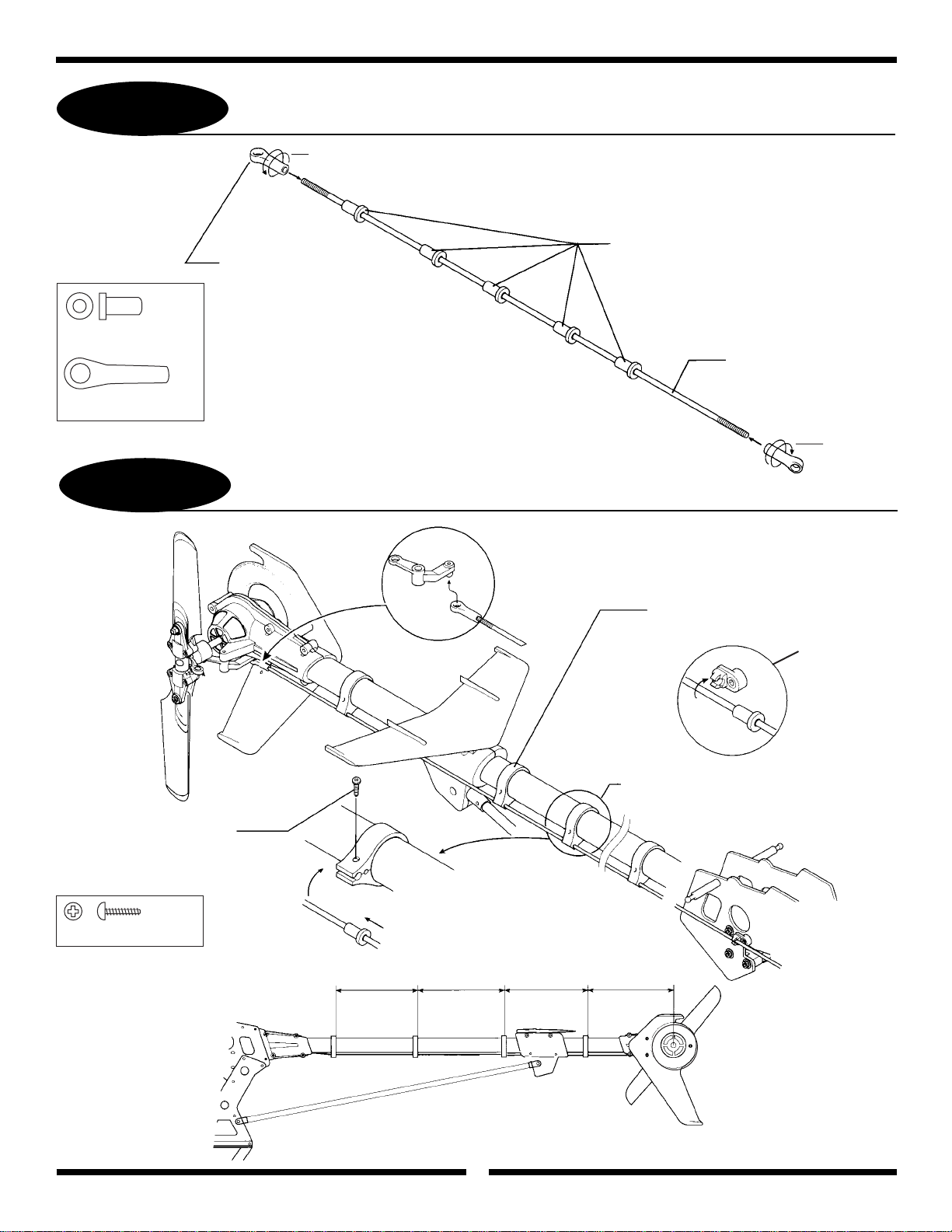
6-3
T AIL CONTROL ROD ASSEMBLY
6-4
T AIL CONTROL ROD INSTALLATION
34
Insert the Tail Control Rod Assembly into the
four guides through the inner holes. Adjust
the spacing of the guides as shown below
and secure using the four 2x8mm Self
Tapping Screws as shown.
Note: Be sure to use the inside hole of
the Tail Control Rod Guide during
assembly.
2x8mm Self Tapping Screw
......4 pc
Universal Link (2 pc)
Tail Control Rod Bushings (5 pc)
Tail Control Rod
Thread Link
8mm onto
Control Rod
Thread Link 8mm onto Control Rod
Tail Contol Rod Guide (4 pc)
2x8mm Self Tapping Screw
Tail Control Rod Clip
located on Main Fram
140mm 140mm 140mm
140mm
Tail Control Rod Bushing
......5 pc
Universal Link
......2 pc
Page 35
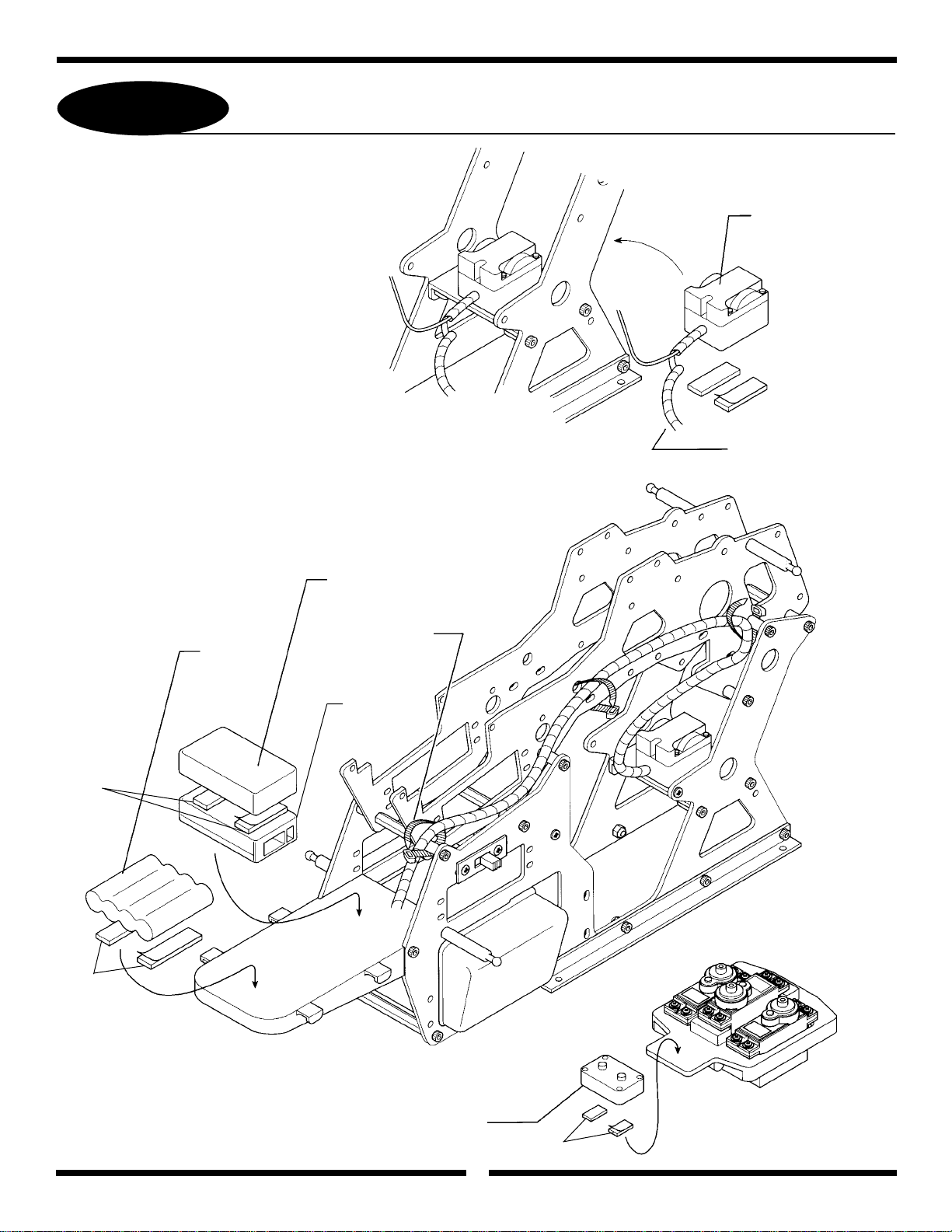
6-5
GYRO/RECEIVER/BATTER Y INST ALLATION
35
Caution: Be certain when installing the Gyro to the
Gyro Mounting Plate that it does not come in
contact with the frame of the helicopter, and
that the surfaces are free from oil, residue,
etc. Clean if neccessary to insure proper
adhesion.
Note: Nylon Wire Ties, Double Sided Servo Tape,
and Spiral Tubing are not included in this kit.
* Wrap with foam or sponge rubber individually before
installation.
Gyro
Spiral Tubing
(Available at local auto supply store)
Receiver*
Nylon Wire Tie
Nicad RX
Battery Pack
Gyro Amp*
Servo Tape
Servo Tape
Gyro Gain Controller
Double Sided Servo Tape
Page 36

36
The following preparations are suggested for use with JR radio systems.
However, these procedures are applicable to most other brand radio systems.
These suggested adjustments are necessary to insure correct installation and
attachment of the control linkages and servo horns.
TRANSMITTER PREPARATION
RECEIVER FLIGHT PACK PREP ARATION
SERVO HORN INST ALLA TION SUGGESTIONS
1. Set all trim levers, trim knobs and switches to the neutral or zero
positions.
2. Turn the transmitter power switch to the “on” position.
3. If you are using a computer radio system that has been adjusted
previously to another model, reset all functions and input values to the
factory preset position.
4. Move the throttle/collective control stick to the center or half stick
position. Next slide the throttle trim lever to the full low position.
1. With the transmitter still on, slide the receiver switch to its “on”
position. All servos should move to the neutral, or center, position.
2. Check to insure that all servos operate with the appropriate control
stick.
3. Rest the throttle stick to the center position, making sure the throttle trim is
still at low.
4. Turn off the receiver switch first, followed by the transmitter.
For proper operation, it is important that the servo horns are positioned on the
servos in the “exact” neutral position. Although most computer radio systems
offer a sub-trim feature, it is suggested that the servo horns be manipulated on the
servos to achieve the “exact” neutral settings.
Since the servo output spline on a JR system has an odd number of teeth (21), it is
possible to reposition the servo arm on the servo at 90° intervals to achieve the
proper neutral attachment of the servo horn.
Once the correct arm of the servo horn has been established, it is suggested that
the remaining, unused arms be removed from the servo horn as shown in the
installation diagrams.
It will also be necessary to enlarge the appropriate hole in the servo horn slightly
to allow correct installation of the steel control balls to the servo horn.
RADIO SYSTEM PREPARATION
Page 37
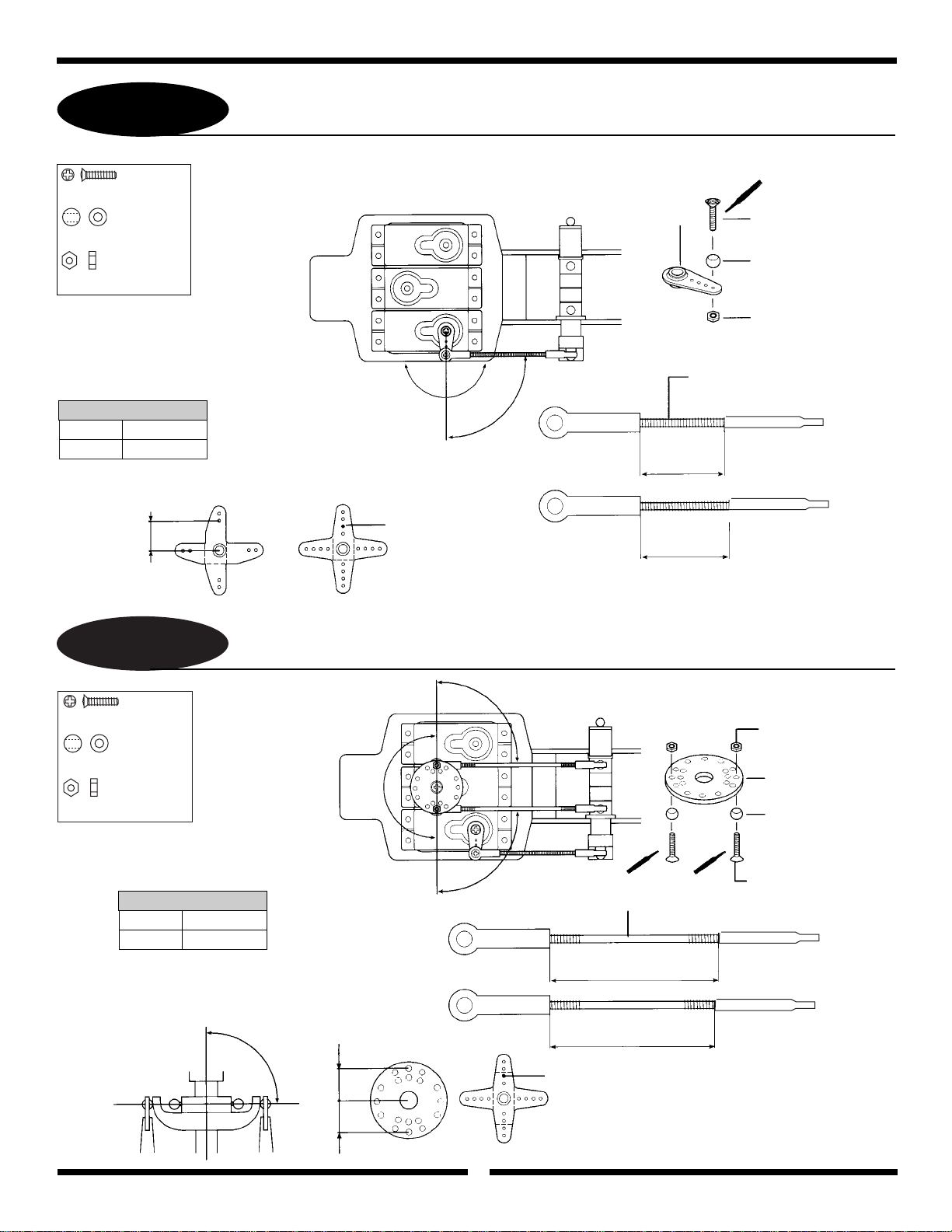
7-1
AILERON LINKAGES
7-2
ELEVATOR LINKAGE INST ALLA TION
37
......... 1 pc
2x8mm Flat Head Screw
..........1 pc
Steel Joint Ball
.........1 pc
2mm Hex Nut
..........2pc
2x8mm Flat Head Screw
..........2pc
Steel Joint Ball
..........2pc
2mm Hex Nut
A Special Note To Beginners: It is suggested that the maximum travel
limits for aileron, elevator, pitch and rudder controls be reduced to 70%.
Note: Attach the steel joint ball to the correct hole as shown below:
Make sure the Aileron Trim is in the
center position before attaching the
Servo Arm to the Servo.
Be sure to remove the excess Servo Horn Arms as shown.
Secure the Servo Horn using the Servo Horn Screw.
Attach the Steel Joint Ball to the bottom side of the Servo Horn.
Make sure the Elevator Trim is in the center position
before attaching the Servo Arm to the Servo.
At this time, check to insure that the Swashplate is at
a 90° angle to the Main Rotor Shaft in both fore/aft
and right/left directions.
Be sure to remove the excess Servo Horn Arms as shown.
Secure the Servo Horn using the Servo Horn Screw.
Servo Reversing Directions
JR Normal
Futaba Normal
2x8mm Flat Head Screw
Steel Joint Ball
2mm Hex Nut
2.3x35mm All Threaded Rod
20mm
21mm
JR
Futaba
Use this Horn
Futaba
JR
10.5mm
Servo Horn Hole Selection
Right
Left
90˚
Servo Horn
2mm Hex Nut (2 pc)
Servo Horn (2 pc)
Steel Joint Ball (2 pc)
2x8mm Flat Head Screw (2 pc)
2.3x60mm All Threaded Rod
39mm
Servo Horn Hole Selection
Use This Hole
10.5mm 10.5mm
40mm
90˚
90˚
Down
Up
90˚
JR
Futaba
Futaba
JR
Servo Reversing Directions
JR Normal
Futaba Normal
Page 38
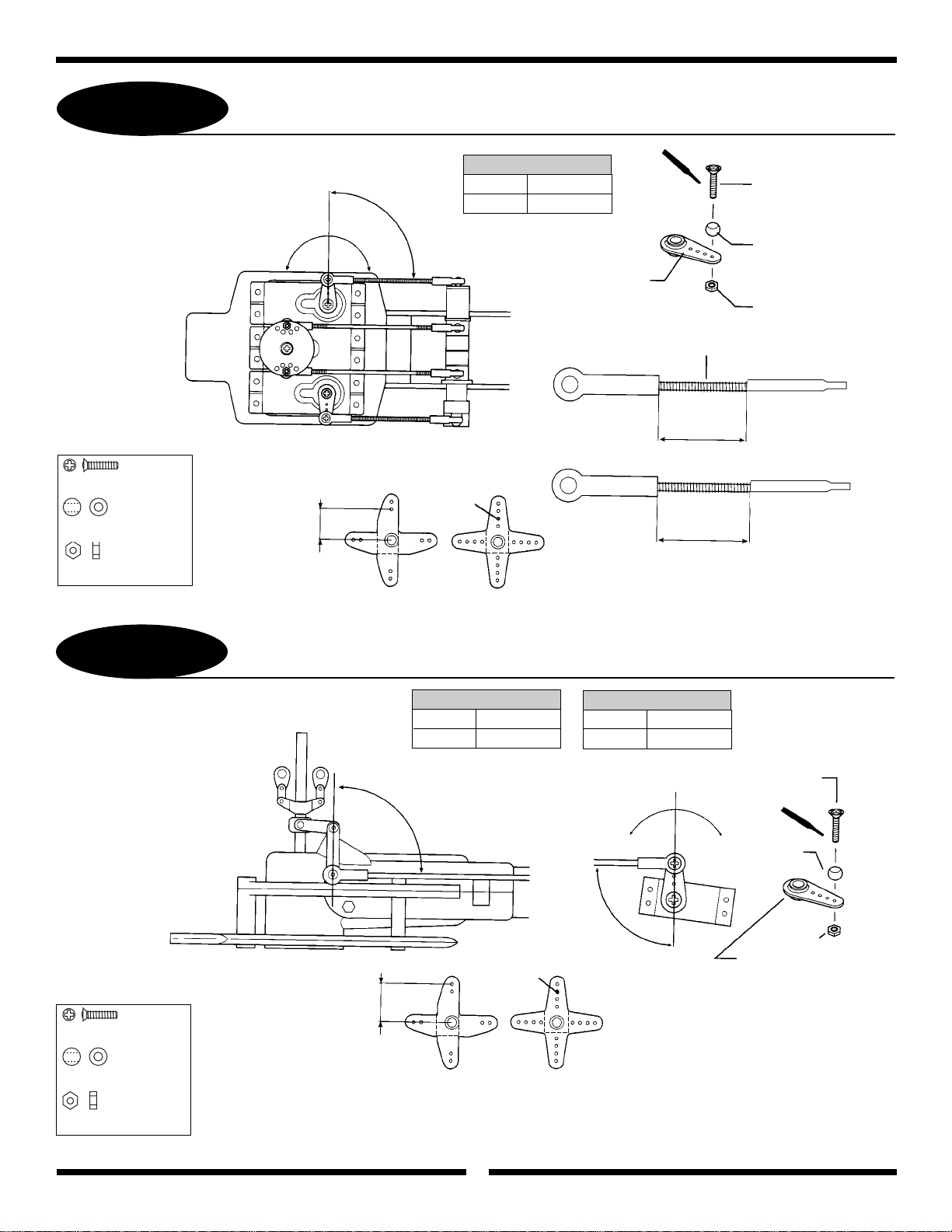
7-3
COLLECTIVE LINKAGE INST ALLATION
7-4
T AIL CONTROL ROD SERVO CONNECTION
38
..........1 pc
2x8mm Flat Head Screw
..........1 pc
Steel Joint Ball
..........1 pc
2mm Hex Nut
..........1 pc
2x8mm Flat Head Screw
..........1 pc
Steel Joint Ball
..........1 pc
2mm Hex Nut
Note: Make certain that the Collective
Servo is in the neutral or hover
position before securing the
Servo Horn to the Servo.
Be sure to remove the excess Servo Horn Arms as shown.
Secure the Servo Horn using the Servo Horn Screw.
Note: Make certain that the Tail Rotor Servo is in the
neutral or hover position before securing the
Servo Horn to the Servo.
Be sure to remove the excess Servo Horn
Arms as shown. Secure the Servo Horn using
the Servo Horn Screw.
An Important Note: Check to insure the Tail Control Rod can slide through the
Tail Control Rod Guides smoothly before connecting it to the Servo. If resistance is felt,
rotate the Tail Control Rod Guides slightly until the Control Rod slides smoothly.
2x8mm Flat Head Screw
Steel Joint Ball
2mm Hex Nut
Servo Horn
10.5mm
12.5mm
Use This Hole
JR
Futaba
Servo Horn Hole Selection
Use This Hole
JR
Futaba
Servo Horn Hole Selection
2.3x35mm All Threaded Rod
20mm
21mm
90°
Tail Control Lever Position at Center Stick
90°
90°
Left
Right
2x8mm Flat
Head Screw
Steel Joint Ball
2mm Hex Nut
Servo Horn
Servo Reversing Directions
JR Reverse
Futaba Reverse
Servo Reversing Directions
JR Reverse
Futaba Reverse
Servo Reversing Directions
JR Reverse
Futaba Normal
Page 39
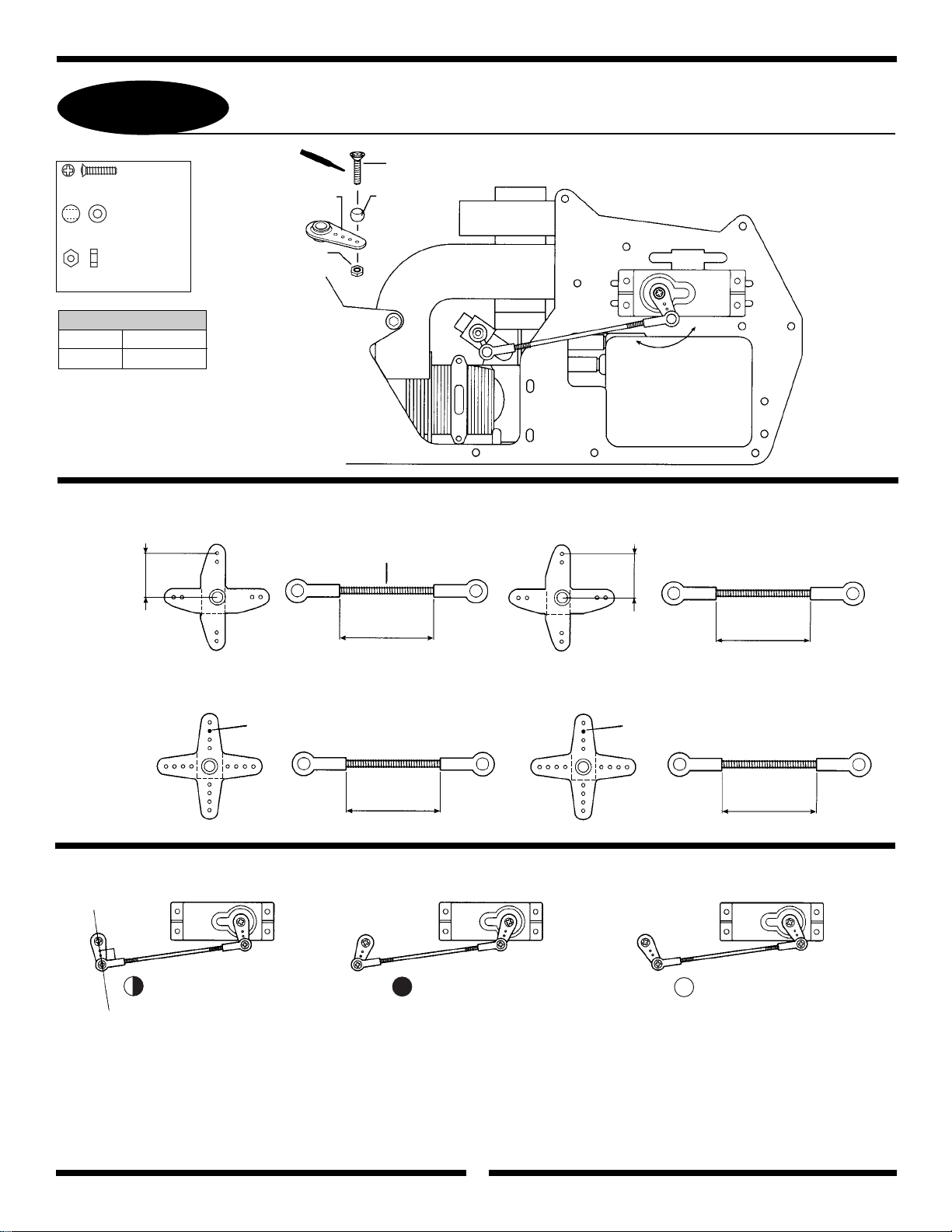
7-5
THROTTLE LINKAGE INST ALLATION (ALL)
39
..........1 pc
2x8mm Flat Head Screw
..........1 pc
Steel Joint Ball
..........1 pc
2mm Hex Nut
Note: Make sure that the Throttle Trim
is in the low position before
attaching the Servo Horn.
SERVO HORN SELECTION/LINKAGE ADJUSTMENTS
THROTTLE ARM/SERVO HORN POSITIONS
JR System/Webra .33 Engine or Thunder Tiger Pro .46 Heli Engine
JR System/O.S. .32SX-H Engine
Futaba System/Webra .33 Engine or Thunder Tiger Pro .46 Heli Engine
Futaba System/O.S. .32SX-H Engine
Be sure to remove
the excess Servo
Horn Arms as
shown. Secure the
Servo Horn using the
Servo Horn Screw.
*To avoid differential throttle travel, make certain both the throttle arm and the servo horn are positioned as shown in the above diagrams.
1/2 Stick (Throttle) Position
(Throttle Barrel 1/2 open)
Low Stick (Throttle) Position
(Throttle Barrel Fully Closed)
High Stick (Throttle) Position
(Throttle Barrel Fully Open)
To achieve the correct position of the throttle/servo arm, it may be necessary
to re-position the throttle arm on the carburetor. It may also be necessary to
adjust the length of the throttle linkage slightly to achieve full open and closed
positions of the carburetor.
It is also possible to increase/reduce the travel of the throttle servo through
the travel adjust function found in most computer radio systems. If this
function is used, make sure the values for the high and low positions remain
equal (same value for high/low). If these values are not equal, this will create a
differential, or uneven movement of the throttle, making rotor RPM
adjustment and fine tuning more difficult.
2x8mm Flat Head Screw
Steel Joint Ball
2mm Hex Nut
Servo Horn
Low
Throttle
High
Throttle
12.5mm
12.5mm
2.3x75mm
58mm
60mm
59mm
57mm
Use This Hole
Use This Hole
90°
Servo Reversing Directions
JR Reverse
Futaba Reverse
Page 40
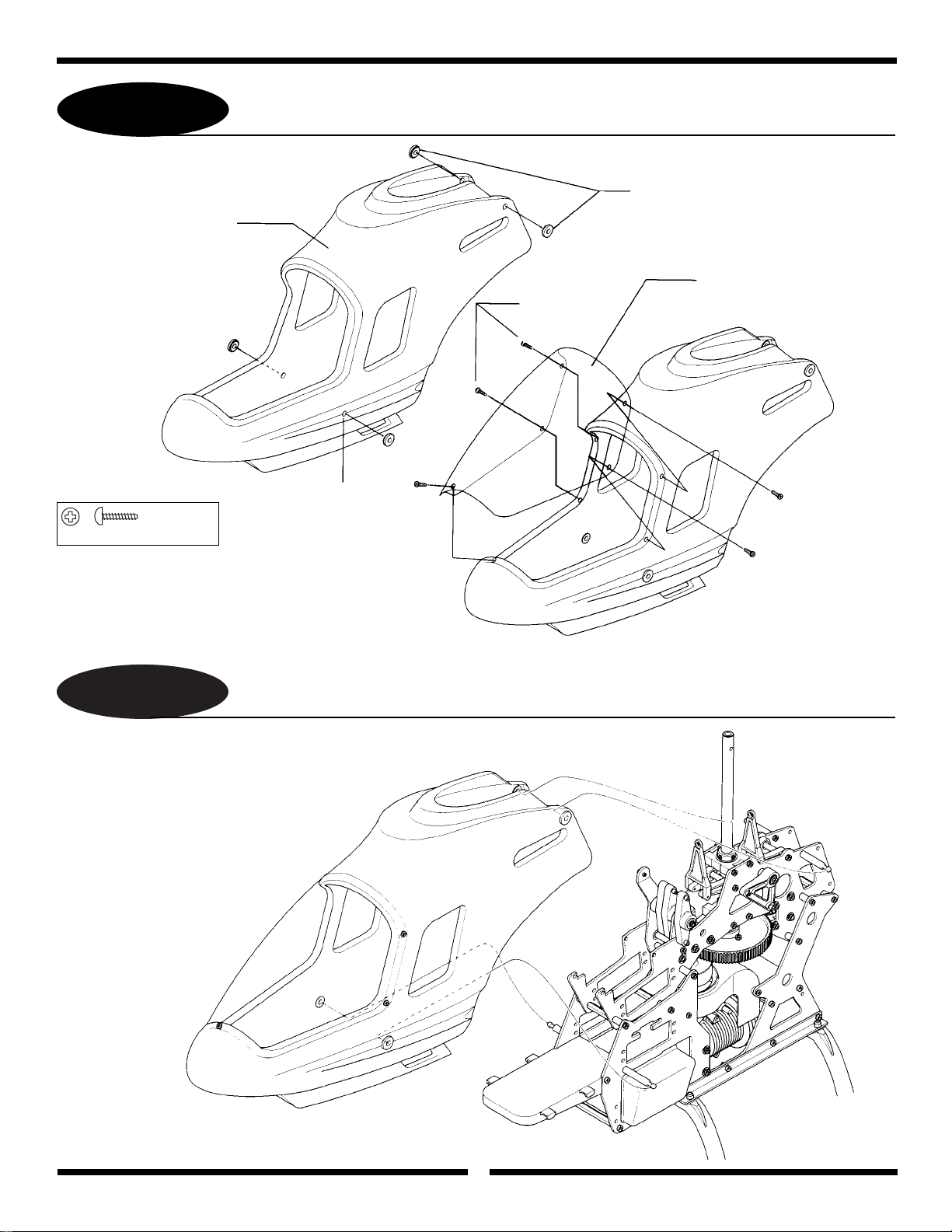
8-1
BODY ASSEMBLY/CANOPY A TT ACHMENT
8-2
BODY A TTACHMENT
40
..........5 pc
2.3x8mm Self Tapping Screw
*After trimming, attach the canopy to the body
temporarily with tape. Next drill five 1/16" holes
through both the canopy and the body and
secure using the 2.3x8mm screws provided.
Note: It will be necessary to trim
away the unwanted plastic
off the canopy and side
window areas using an
X-Acto knife.
Slide the completed body over the mechanics and secure
through the four canopy mount standoffs as shown.
Check to insure that the body does not come contact with any portion of the
Main Frame, Muffler, Servo/Servo Horns, etc. Trim for clearance if necessary.
Body
Drill four 15/64" holes and
insert Rubber Grommets
as shown.
2.3x8mm Self
Tapping Screw
(5 pc)
*Canopy (Trim prior to attachment)
Rubber Grommets (4 pc)
Page 41
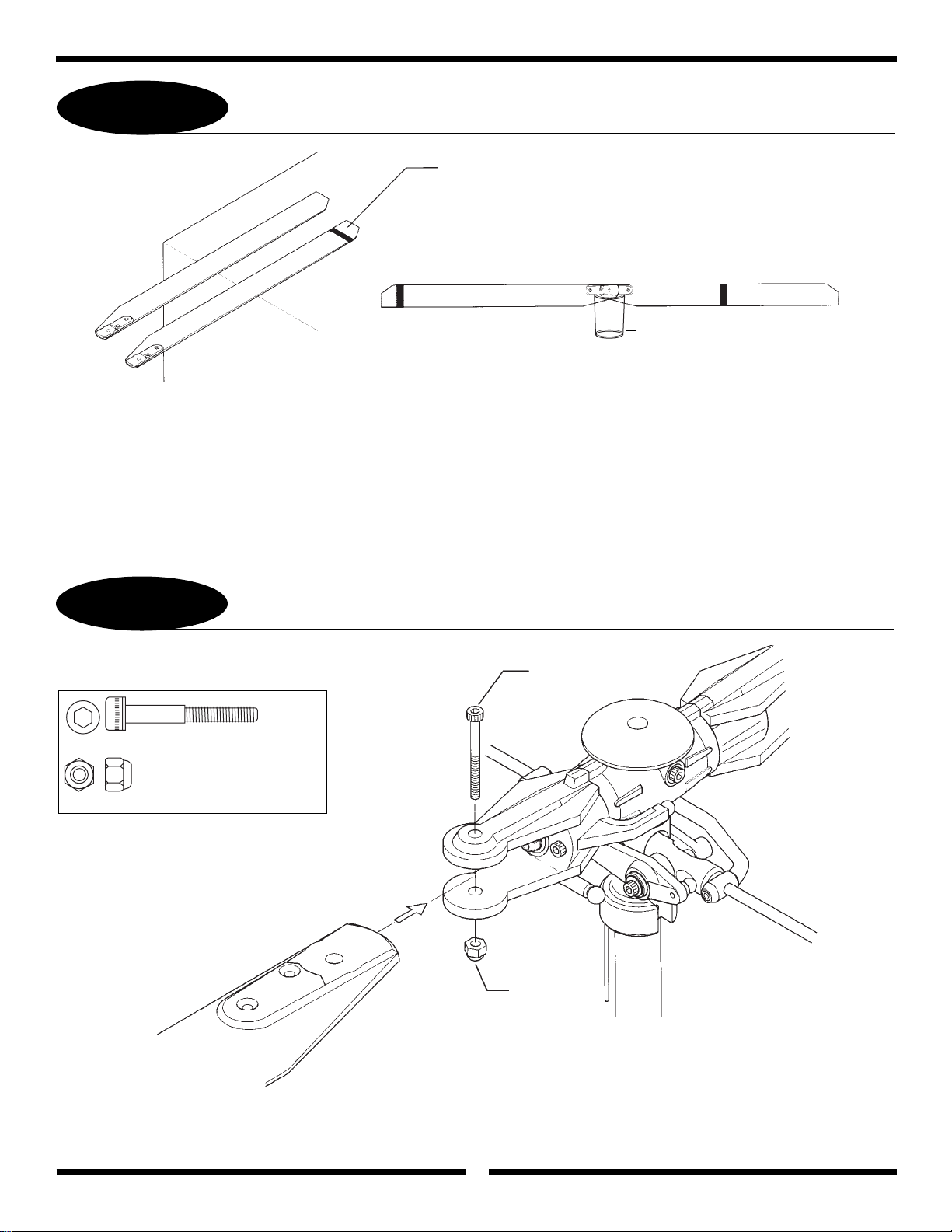
8-3
MAIN ROTOR BLADE BALANCING
8-4
MAIN ROTOR BLADE A TTACHMENT
41
.........2 pc
4mm Lock Nut
.........2 pc
4x30mm Socket Head Bolt
Firmly secure the main rotor blades to the rotor head as
shown above. Be certain to note the proper direction of
the rotor blades when assembling (clockwise rotation).
Main blades should be tightened so they can pivot when
moderate pressure is applied. Do not allow the main
blades to swing freely within the main blade holders.
Spanwise C.G. Balancing
Place each rotor blade on a sharp edge of a table as
shown and adjust so each rotor blade “teeters” on the
edge of the table. If the blades are correctly balanced, they
should be at an equal distance to the edge of the table. If
they are not, apply tape to the center of the light or short
blade until equal distance can be achieved.
Final Static Balancing
To static balance the main rotor blades, it is suggested to either
attach each blade to a “seesaw” type blade balancer (RVO1001), or
bolt each of the two blades together through the blade mounting
holes shown and suspend this unit between two drinking glasses.
Add blade tracking tape (from decal sheet) to the tip of the light or
high blade until they each become level to the table surface.
Step 1 Step 2
Main Rotor Blades
Drinking Glass (2 pc)
4x30mm Socket Head Bolt
4mm Lock Nut
Page 42
Now that the radio system is completely installed into the helicopter, it is
necessary to check and adjust the following:
1. Servo Direction (Servo Reversing)
Check to insure that all servos have been set to the correct direction as
shown in the Control Linkage Installation Section (Steps 7-1 to 7-5).
2. Dual Rates
It is suggested that for initial flights, the dual rate function values be
set as follows:
0 Position (low rate) 60%
1 Position (high rate) 100%
3. Exponential Settings
It is suggested that the exponential rate settings remain in the 0 value
position until the initial test flights. After initial flights, adjust the
exponential values to achieve the desired control feel.
4. Sub-Trim Settings
It is suggested that the correct neutral settings be achieved without the
use of the sub-trim feature. If sub-trim is used for final flight
adjustments, it is not suggested that the sub-trim values exceed 10. If
the sub-trim values are greater, readjust the control linkages and reset
the sub-trims to 0.
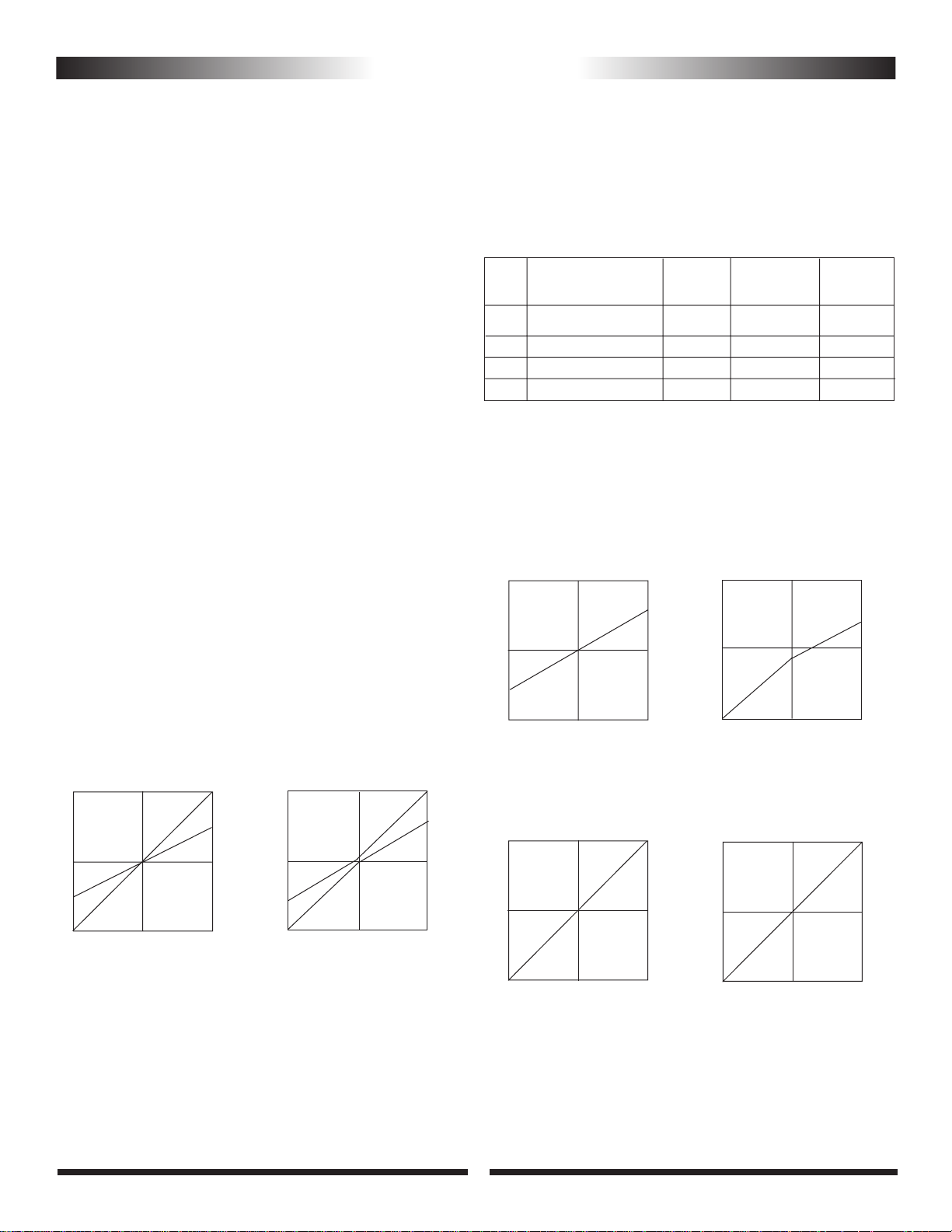
5. Tra vel Adjustment
The travel adjustment feature allows the control surface to be
adjusted to achieve maximum travel, or surface deflection. When using
this feature, it is extremely important that the high/low, up/down
values for each channel be set at an equal value or a differential
movement will occur (Diagram B). It is especially important that the
throttle and collective pitch travel limits are set to an equal value
(Diagram A).
Please refer to the diagrams below for clarification.
6. Pitch/Throttle Curve Adjustment
It is very important that the throttle and pitch curves are adjusted
properly to achieve the best performance from your helicopter. When
properly adjusted, the main rotor head RPM should remain consistent
throughout all maneuvers and throttle stick positions. A constant RPM
will also help to improve the effectiveness and accuracy of the tail rotor
and gyro systems.
A. Pitch Curve Adjustment
Using a pitch gauge (optional) set the low, mid and high stick pitch
settings as shown in the diagram below. Use the travel adjust feature
to set the maximum high and low pitch required for all flight modes.
This pitch travel can then be reduced by altering the pitch curves as
shown below.
Note: * To achieve this pitch range settings with the Ergo, it will be
necessary to use the optional “B” style double link set (#960081).
(This item is included with the Ergo .46 kit.)
Note: When using the “B” style double link set for 3D flight, the
maximum pitch range is altered to +10¯ – ¯10, reducing the + pitch
range for autorotations.
42
FINAL SERVO ADJUSTMENT AND RADIO SET UP
Correct
50
50
50
100
+10°
0°
-10°
-10°
+13°
5°
-5°
13°
8.5°
-5°
13°
10°
5°
-5°
-5°
-2°
A
Incorrect
Hovering (Linear Curve)
Flight Mode
N
Flight Mode
1
Flight Mode
2 (optional)
Flight Mode
H
Stick Position
Stick Position
Low
Half High Low
Half
High
Stick Position
Low
Half
High
Stick Position
Low
Half
High
Stunt & Aerobatic Flight
Autorotation
3D Flight (Ergo 46)
B
50
100
Straight & Linear Servo Travel
Non-Linear Servo Travel
Flight Application Low Pitch Hovering Pitch High Pitch
Mode (Low Stick) (Half Stick) (High Stick)
N Hovering -2° 5° 10°
I Stunt & Aerobatic Flight -5° 5° 8.5°
*2 3D Flight (Ergo 46) -10° 0° 10°
H Auto-Rotation -5° 5° 13°
100
100
Pitch Range Settings
Pitch Curve Settings
Pitch Range Pitch Range
Pitch Range Pitch Range
Page 43
43
It will also be necessary to set the correct idle speed of the engine when the
throttle hold function is activated.
This idle value is located within the throttle hold function. This will allow the
engine to remain at idle when practicing autorotations.
7. Revolution Mixing
It will be necessary to adjust the revolution mixing to properly
compensate for the torque of the engine during all flight conditions
(except autorotation).
Since there are many variables that can alter the value of the
revolution mixing (engine, blade pitch, fuel, etc.), it will be necessary
to fine tune this function during test flights.
The following values are shown only as a starting point toward achieving
proper compensation:
Flight Mode N Flight Mode 1 Flight Mode 2 (3D)
Up 35 Up 15 Up 15
Down 30 Down 10 Down 15
8. Gyro Gain Adjustment
It will be necessary to adjust the “gain” or compensation of the gyro to
create the correct amount of “holding power” necessary for a solid
neutral tail rotor. The intent of the gyro is to compensate for abrupt
movements, or wind direction changes, working in conjunction with
the revolution mixing function.
For hovering, it is recommended that you start with the gyro gain at
approximately 60°, and continue to increase slightly until the tail of the
helicopter “hunts”, then reduce the value slightly.
This same adjustment will also be necessary to achieve proper forward flight.
Generally, the gyro gain for forward flight will be approximately 10% - 20% less
than that of the established hover gain due to aerodynamic forces present in
forward flight.
If you are using a dual rate gyro, adjust the gain so that you are using “higher”
gain setting for hover, and the “lower” gain setting for forward flight.
It will also be necessary to confirm the direction that the gyro compensates when
the body of the helicopter is rotated.
To do this, turn the radio system on and suspend the helicopter by the main rotor
head. Next, move the rudder stick to the right and watch the direction that the tail
rotor servo arm travels. Now while watching the tail rotor servo arm, rotate the
body of the helicopter counter clockwise. The servo arm should move in the same
direction as when the rudder stick was moved to the left.
If the arm moves in the opposite direction, reverse the gyro and re-test.
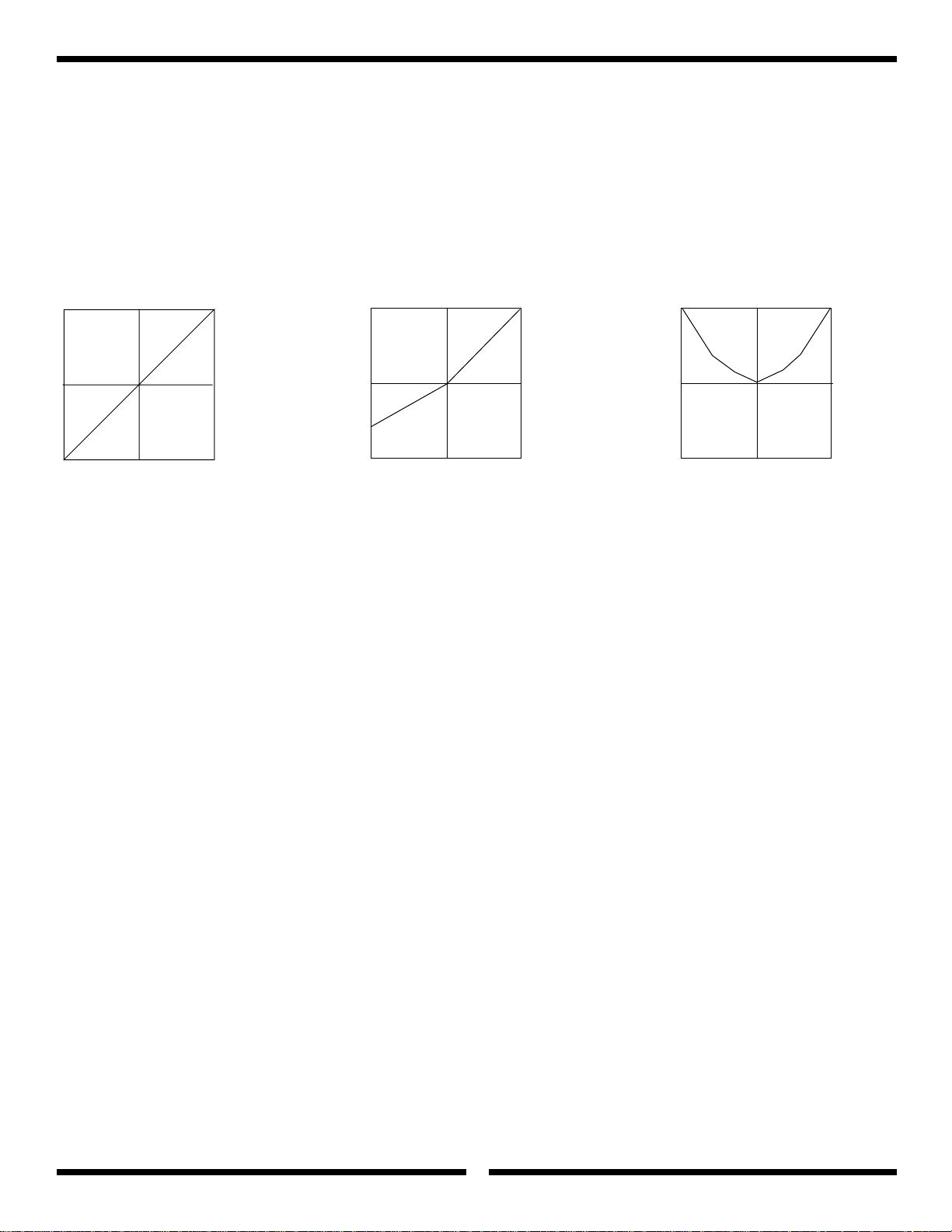
Note: The throttle curve examples shown correspond to
the pitch curve examples show in Step 6A.
100%
50%
40%
0% Idle
Power Output
Hovering (Linear Curve)
Stick Position
Low Half
High
Flight Mode
N
100%
50%
0% Idle
Power Output
Stunt & Aerobatic Flight
Stick Position
Low
Half
High
Flight Mode
1
100%
100%
50%
0% Idle
3D Flight (Optional)
Stick Position
Low
Half
High
Flight
Mode 2
Power Output
B. Throttle Curve Settings
Below are several examples of possible throttle curves during various
flight conditions.
Since throttle curves can vary greatly due to engine and muffler
combinations, it will be necessary to fine tune and adjust these values
during test flights to achieve a constant main rotor RPM.
Page 44
44
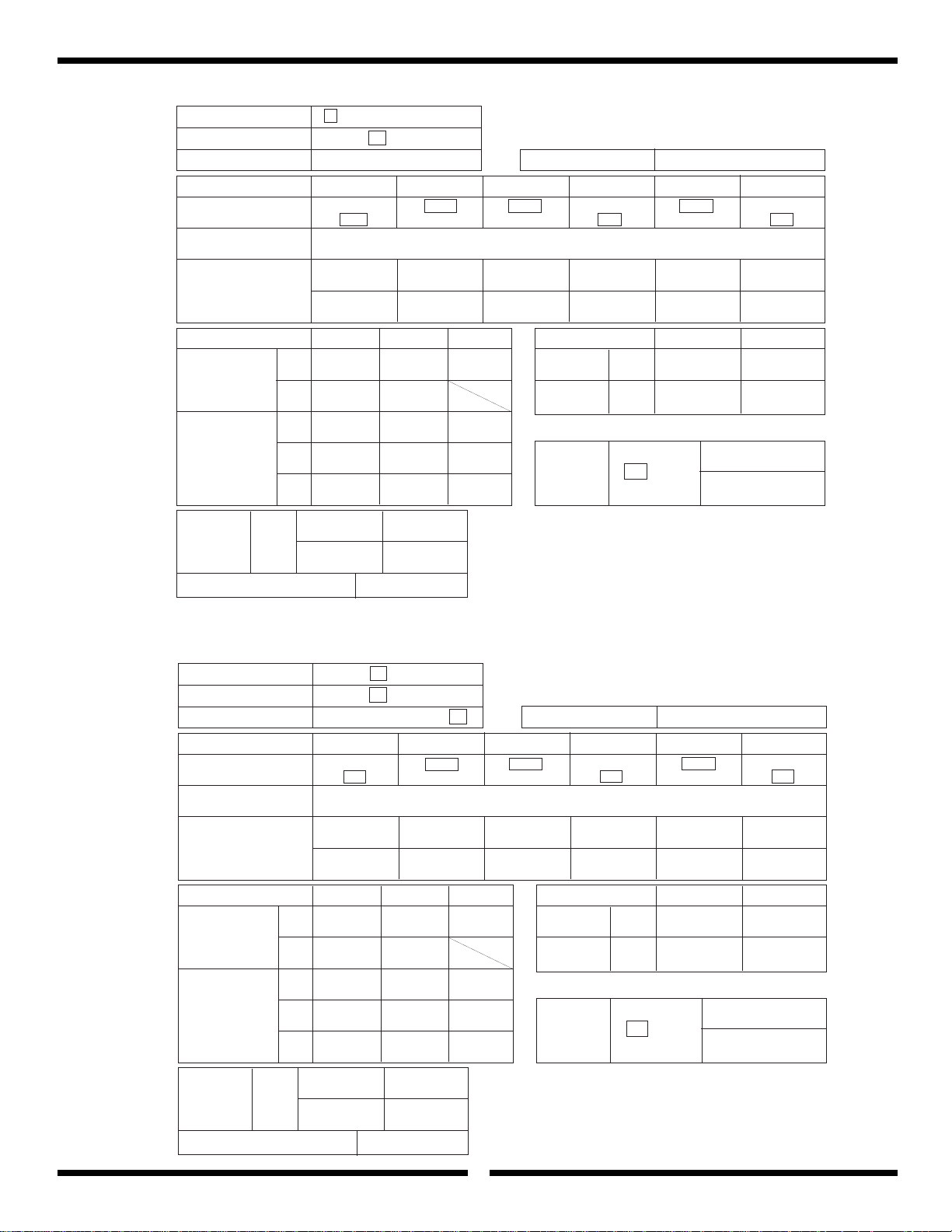
XF622 DATA SHEET #1 ERGO .32/.46 (INITIAL SET-UP)
*
REVERSE SW
SUB-TRIM
TRAVEL ADJUST
(TRV ADJ.)
THR AIL ELE RUD GER PITCH
GEAR SW FACTORY PRE-SET
NORM NORM NORM NORM NORM NORM
REV REV REV REV REV REV
+80%
–80%
+80%
–80%
+
–
+100%
–100%
+%
–%
+150%
–150%
N 0% 50% 100%
S 40% 50%
N -2° Pitch 5° Pitch 10° Pitch
S -5° Pitch 5° Pitch 8.5° Pitch
H -5° Pitch 5° Pitch 13° Pitch
THRO CURVE
TLN, T2N, THN
TLS, T2S
PITCH CURVE
PLN, P2N, PHN
PLS, P2S, PHS
PLH, P2H, PHH
L2H
DUAL RATE POS 0 90% 90%
(A1, EL) POS 1 100% 100%
AILE ELEV
REVO MIX UP (U) 35%
(RV) DOWN (D) 30%
HOLD RUDD OFFSET (HLD)
+ –
THRO HOLD POSITION
ON OFF
HOLD
D/R SW FACTORY PRE-SET
TYP AC HE
MDL 1 2
Adjust so that no trim is required
Adjust for Full
Power
Adjust for
Engine Off
Adjust for Idle
*
REVERSE SW
SUB-TRIM
TRAVEL ADJUST
(TRV ADJ.)
THR AIL ELE RUD GER PITCH
GEAR SW FACTORY PRE-SET
NORM NORM NORM NORM NORM NORM
REV REV REV REV REV REV
+80%
–80%
+80%
–80%
+
–
+100%
–100%
+%
–%
+150%
–150%
N 0% 50% 100%
100% 50%
N -2° Pitch 5° Pitch 10° Pitch
-10° Pitch 0° Pitch 10° Pitch
H -5° Pitch 5° Pitch 13° Pitch
THRO CURVE
TLN, T2N, THN
TLS, T2S
PITCH CURVE
PLN, P2N, PHN
PLS, P2S, PHS
PLH, P2H, PHH
L2H
DUAL RATE POS 0 90% 90%
(A1, EL) POS 1 100% 100%
AILE ELEV
REVO MIX UP (U) 35%
(RV) DOWN (D) 35%
HOLD RUDD OFFSET (HLD)
+ –
THRO HOLD POSITION
ON OFF
HOLD
D/R SW E.A A E. CF
TYP AC HE
MDL 1 2
Adjust so that no trim is required
Adjust for Full
Power
Adjust for
Engine Off
Adjust for Idle
**S
**S
* Before flying, confirm that all controls function in
the proper direction.
* Before flying, confirm that all controls function in the
proper direction.
**Note: Flight Mode “S” shown is for 3D type flying only
and is not recommended for use by entry-level pilots.
XF622 DATA SHEET #2 ERGO .32/.46 (INITIAL SET-UP WITH 3D PITCH/THROTTLE CURVE)
Page 45
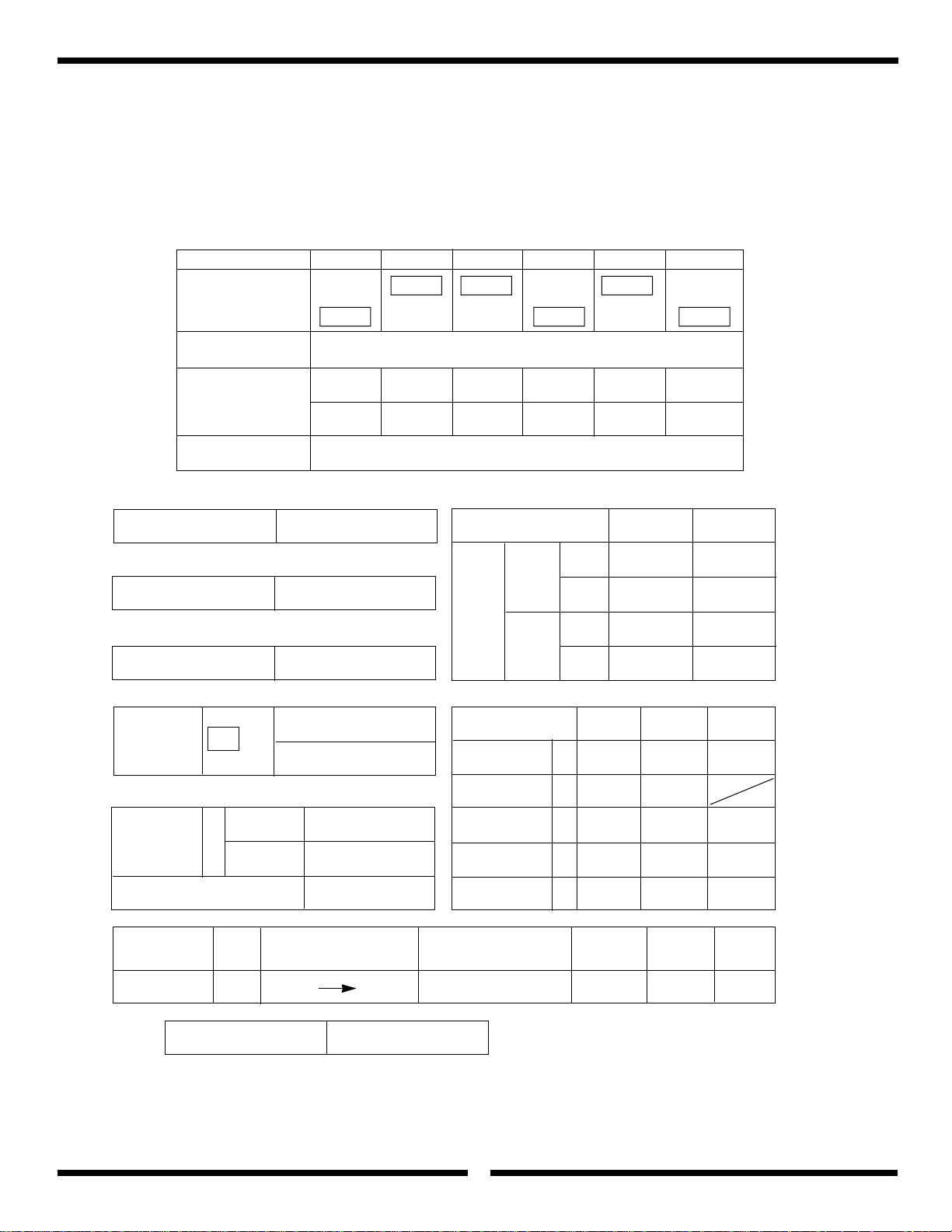
D/R % %
EXP % %
D/R % %
EXP % %
TRIM OFFSET
CHANNEL THR (1) AIL (2) ELE (3) RUD (4) GER (5) PITCH (6)
NORM NORM NORM NORM NORM NORM
••••• •
REV REV REV REV REV REV
SUB-TRIM Adjust so that no trim is required
TRAVEL ADJUST + % + % + % + % + %
(TRV ADJ.) - % - % - % - % - %
FAIL-SAFE (S-PCM) Adjust only if S-PCM modulation is selected
80 80 100 100 150
80 80 100 100 150
90 90
20 20
100 100
20 20
0 50 100
40 50
Adjust for
full power
Adjust only if Z-PCM
modulation is selected
Store trim positions after
initial test flight
Factory Pre-Sets
Factory Pre-Sets
Adjust for idle
35
35
Adjust for
engine off
REVERSE SW
*
* Note: Before flying, confirm that all controls
function in their proper direction.
FAIL-SAFE TIME (ZPCM)
AILE (AI) ELEV (EL)
POS O
POS 1
L 2 H
N
S
N
S
H
THRO CURVE
TLN, T2N, THN,
TLS, T2S
PITCH CURVE
PLN, P2N, PHN,
PLS, P2S, PHS,
PLH, P2H, PHH
% % %
% %
-2° pitch 5° pitch 10° pitch
-5° pitch 5° pitch 8.5° pitch
-5° pitch 5° pitch 13° pitch
DUAL
RATE
•
EXP
D/R SW
GEAR SW
REVO-MIX
(RV)
HOLD RUDD OFFSET
(OFFSET HLD)
UP (U)
%
%
±
DOWN (D)
+
–
THRO HOLD
(HLD)
ON OF
PROG. MIX
A
CHANNEL
MASTER SLAVE MIX SWITCH OFFSET +GAIN -GAIN
ON • F1 • FO • H
POSITION
±
Modulation S-PCM • Z-PCM • PPM (FM)
Model Number 1
Model Name E32
45
XP642 DATA SHEET #1
ERGO .32/.46 (INITIAL SET-UP)
Page 46
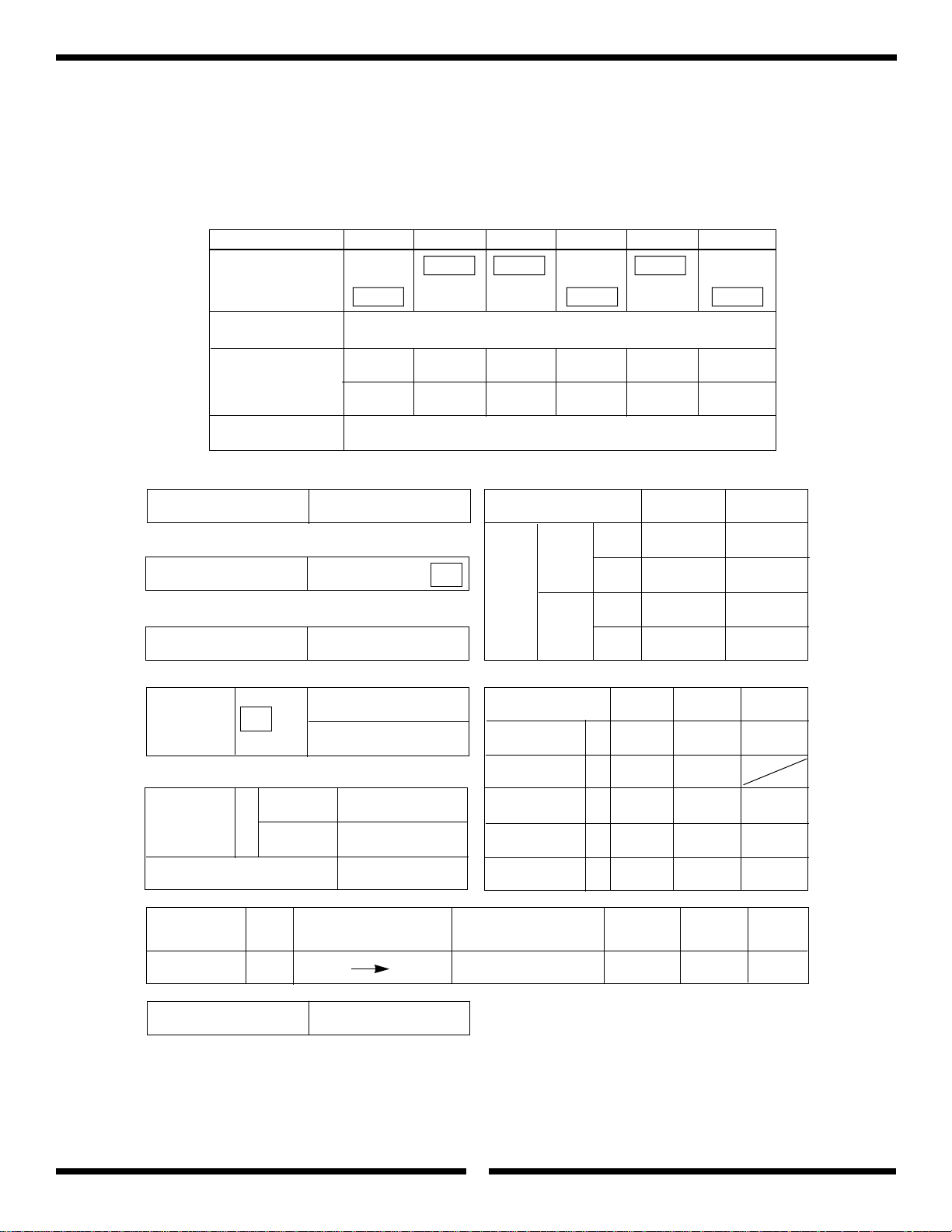
46
EA • A • E • CF
D/R % %
EXP % %
D/R % %
EXP % %
TRIM OFFSET
CHANNEL THR (1) AIL (2) ELE (3) RUD (4) GER (5) PITCH (6)
NORM NORM NORM NORM NORM NORM
••••• •
REV REV REV REV REV REV
SUB-TRIM Adjust so that no trim is required
TRAVEL ADJUST + % + % + % + % + %
(TRV ADJ.) - % - % - % - % - %
FAIL-SAFE (S-PCM) Adjust only if S-PCM modulation is selected
80 80 100 100 150
80 80 100 100 150
90 90
20 20
100 100
20 20
0 50 100
100 50
Adjust for
full power
Adjust only if Z-PCM
modulation is selected
Store trim positions after
initial test flight
Factory Pre-Sets
Adjust for idle
30
30
Adjust for
engine off
REVERSE SW
*
* Note: Before flying, confirm that all controls
function in their proper direction.
** Note: Flight mode “S” (Stunt) shown is for
3D type flying only and is not
recommended for use by entry level pilots.
**
FAIL-SAFE TIME (Z-PCM)
AILE (AI) ELEV (EL)
POS O
POS 1
L 2 H
N
S
N
S
H
THRO CURVE
TLN, T2N, THN,
TLS, T2S
PITCH CURVE
PLN, P2N, PHN,
PLS, P2S, PHS,
PLH, P2H, PHH
% % %
% %
-2° pitch 5° pitch 10° pitch
-10°
pitch
0° pitch 10° pitch
-5° pitch 5° pitch 13° pitch
DUAL
RATE
•
EXP
D/R SW
GEAR SW
REVO-MIX
(RV)
HOLD RUDD OFFSET
(OFFSET HLD)
UP (U)
%
%
±
DOWN (D)
+
–
THRO HOLD
(HLD)
ON OF
PROG. MIX
A
CHANNEL
MASTER SLAVE MIX SWITCH OFFSET +GAIN -GAIN
ON • F1 • FO • H
POSITION
±
Modulation S-PCM • Z-PCM • PPM (FM)
Model Number 2
Model Name E46
**
XP642 DATA SHEET #2
ERGO .32/.46 (INITIAL SET-UP WITH 3D PITCH/THROTTLE CURVE)
Page 47
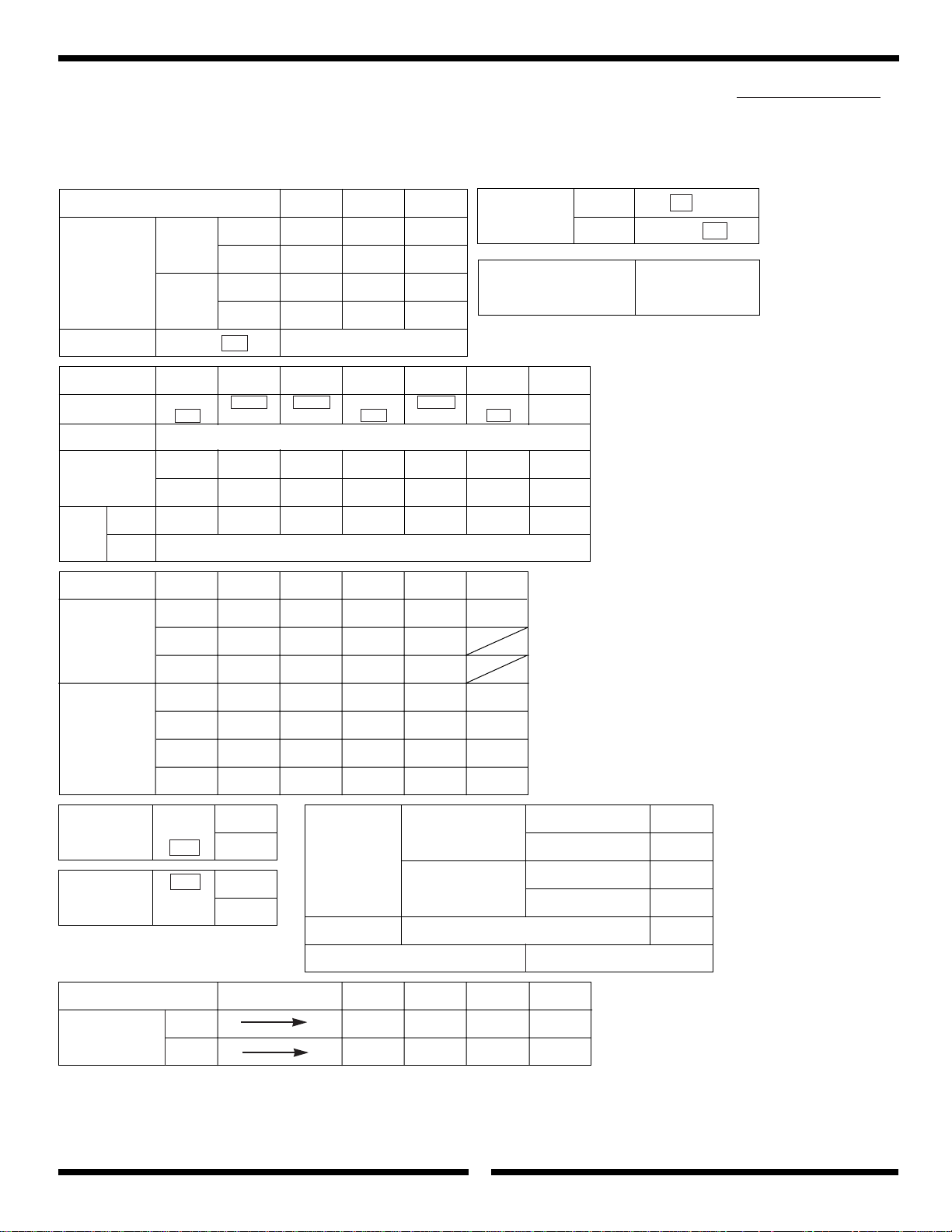
47
ST-1 INH
•
ACT
ST-2 INH
•
ACT
THRO AILE ELEV RUDD GEAR PITCH AUX2
REVERSESW
SUB-TRIM
TRAVEL
L 80% D 80% L 100% + % H 150% + %
ADJUST
R 80% U 80% R 100% – % L 150% – %
S(TYPE)
Z(TYPE) HOLD•1.0 S•0.5S •0.25S
OFFSET
%
CHANNEL + POS – POS SW OFFSET
PROGRAM MIX
MIX A
%%%%
MIX B
%%%%
L123H
THRO
N 0 % % 50% % 100%
CURVE 1 40% % 50% %
(TH:) *2 100% % 50% %
PITCH
N -2° Pitch 5° Pitch 10° Pitch
CURVE
1 -5° Pitch 5° Pitch 8.5° Pitch
(PI:)
*2 -10° Pitch 0° Pitch 10°Pitch
H -5° Pitch 5° Pitch 13° Pitch
AILE ELEV RUDD
0
D/R 90 % 90% 70 %
D/R EXP 25% 25% 30%
EXP
1
D/R 100% 100% 100%
EXP % % 40%
STUNT TRIM INH
•
ACT
NORMAL
UP (U.N.) 35%
DOWN (D.N.) 30%
STUNT
UP (U.S.) 15 %
DOWN (D.S.) 15%
HOLD RUDD OFFSET
ACC-MIX %
NORM NORM NORM NORM NORM NORM NORM
REV REV REV REV REV REV REV
THRO-HOLD
(HOLD)
INH
•
ACT
POS
INVERTED
(INV.P)
REVOLUTION
MIX
(RV)
INH
•
ACT
AUTO
D/R
(POS.1)
AUX 2 INPUT
D/R • R
HOLD
FAIL-
SAFE
MODEL NO.
MODEL NAME ERGO .32/.46
MODULATION S-PCM • Z-PCM • PPM
XP-783 DATA SHEET
ERGO .32/.46 (INITIAL SET-UP)
Adjust as necessary during flight
Adjust so that no trim is required
Adjust for
Full Power
Adjust for
Engine Off
Adjust for
Idle
*
* Note: Flight Mode 2 shown is for 3D type flying only with 0° pitch at half stick. This is not recommended for use by entry-level pilots.
**Before flying, confirm that all controls function in the proper direction.
Page 48
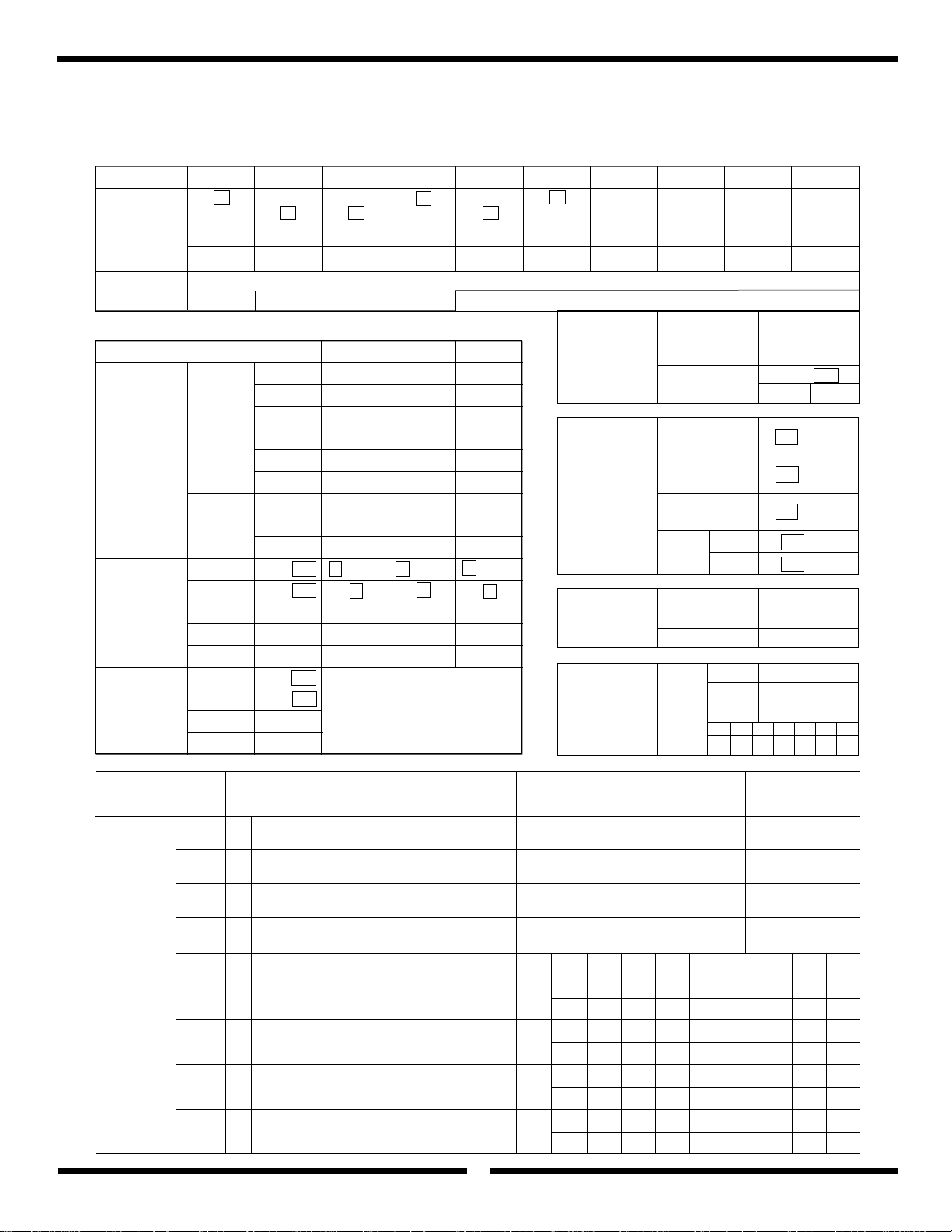
48
THRO AILE ELEV RUDD GEAR PITCH AUX2 AUX3 AUX4 AUX5
RRRRRRRRRR
NNNNNNNNNN
L 80% D 80% L 100% + % +150% + % + % + % + %
R 80% U 80% R 100% – % –150% – % – % – % – %
%%%%
REVERSE SW (11)
TRAVEL ADJUST
(12)
SUB-TRIM (15)
TRIM RATE (83)
AILE ELEV RUDD
D/R 90% 90% 70%
0 EXP 25% 25% 30%
TYPE NORM NORM NORM
D/R 100% 100% 100%
1 EXP % % 40%
TYPE
D/R % % %
2 EXP % % %
TYPE
ST-1 INH
•
ACT 0 •1 • 20 •1 • 20 •1 •2
ST-2 INH
•
ACT 0 •1 • 20 •1 •20 •1 •2
ST-3 INH
•
ACT 0 •1 • 20 •1 •20 • 1 • 2
ST-4 INH
•
ACT 0 •1 •20 •1 •20 •1 • 2
HOLD INH
•
ACT 0 •1 • 20 •1 • 20 •1 •2
ST-1 INH
•
ACT
ST-2 INH
•
ACT
ST-3 INH
•
ACT
ST-4 INH
•
ACT
D/R
EXP
(13)
AUTO
D/R
(23)
STUNT
TRIM
(25)
PROGRAM
MIX
(51) - (58)
HOLD
INH•
HOLD
SW GEAR
POS
AUTO CUT INH • ACT
POS
FLIGHT
INH •
GEAR
EXTRA AILE
GEAR
INH •
GEAR
SW HOLD
INVERTED
INH •
INVT
SW HOLD
PIT.
LOW INH • ACT
LEVER
HI INH • ACT
THROTTLE
HOLD
(16)
R%
L%
MIX SW INH
•
ACT
4→1
MIX
(41)
INH
•
AUX 3
•
AUTO
0 85%
1 50%
2
NR S1 S2 S3 S4 HD INV
GYRO
SENS
(44)
FUNCTION
SELECT
(16)
CHANNEL
TRIM SW OFFSET +GAIN –GAIN
MASTER SLAVE
INH OFF NR•S1•S2•S3•S4
1
•
→
•
ACT ON MX•HD•INV
INH OFF NR
•S1•S2•S3•
S4
2
•
→
•
ACT ON MX•HD•INV
INH OFF NR
•S1•S2•S3•
S4
3
•
→
•
ACT ON MX•HD•INV
INH OFF NR
•S1•S2•S3•
S4
4
•
→
•
ACT ON MX•HD•INV
EXP L 1 2 3 4 5 6 H
INH OFF NR•S1•S2•S3•S4 OFF IN 0 100
5
•
→
••
ACT ON MX•HD•INV ON OUT
INH OFF NR•S1•S2•S3•S4 OFF IN 0 100
6
•
→
••
ACT ON MX•HD•INV ON OUT
INH OFF NR•S1•S2•S3•S4 OFF IN 0 100
7
•
→
••
ACT ON MX•HD•INV ON OUT
INH OFF NR•S1•S2•S3•S4 OFF IN 0 100
8
•
→
••
ACT ON MX•HD•INV ON OUT
MODEL NO. (84) _____________________________________
MODEL NAME (81) ERGO .32/.46
MODULATION (85) SPCM-ZPCM-PPM
PCM10SX DATA SHEET
ERGO .32/.46 (INITIAL SET-UP)
Adjust for
Full Power
Adjust for
Engine Off
Adjust so that no trim is required
**
Adjust for Idle
0 1 1
Adjust as necessary
during flight.
Page 49
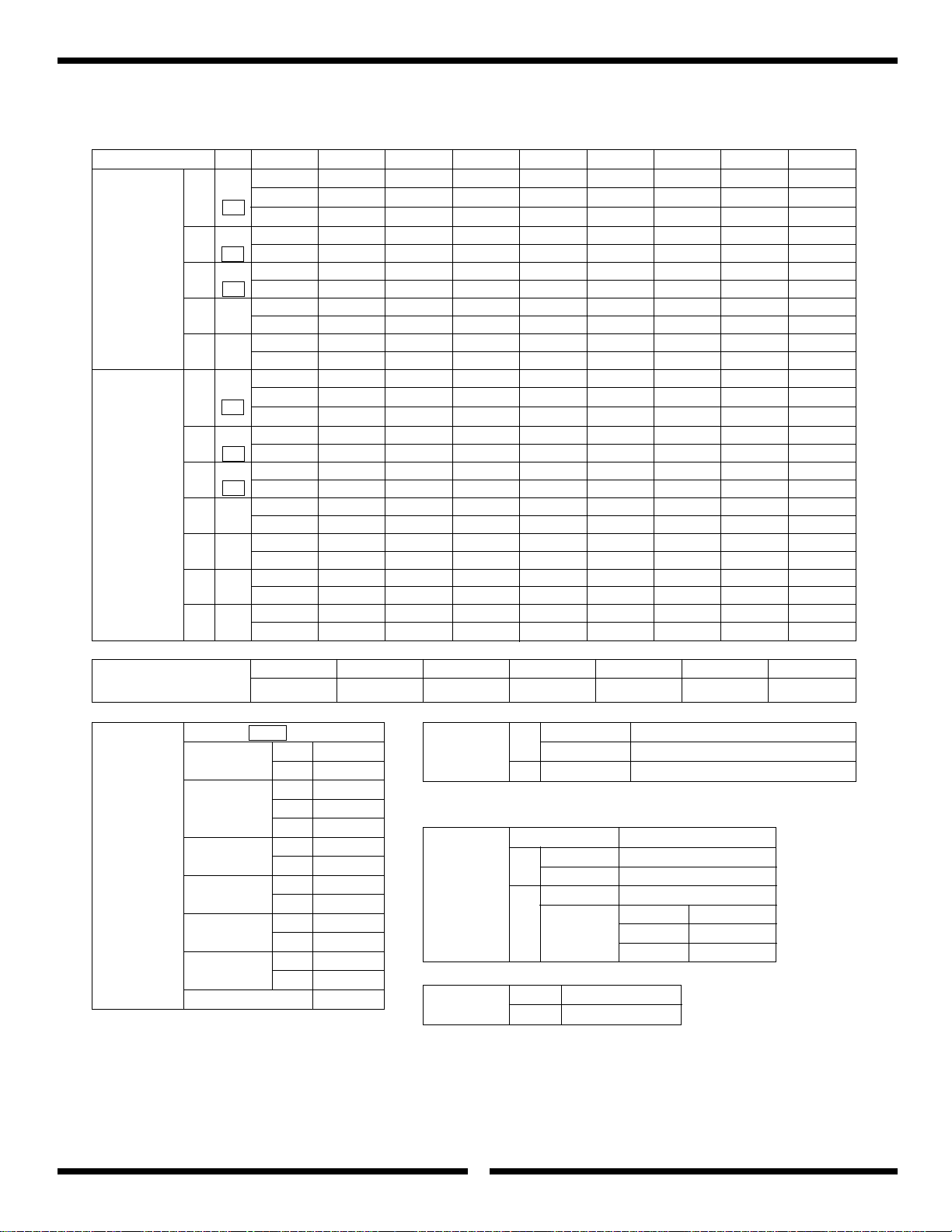
EXP L 1 2 3 4 5 6 H
OFF
IN 0 50 100
N
•
OUT 0 50% Power 100% Power
ON
HOV.SEL
——
HOV HOV HOV HOV HOV HOV
——
1
OFF IN 0 50 100
•
ON OUT 40% Power 50% Power
100% Power
2
OFF IN 0 50 100
•
ON OUT 100% Power 50% Power 100% Power
3
OFF IN 0 100
•
ON OUT
4
OFF IN 0 100
•
ON OUT
OFF
IN 0 50 100
N
•
OUT -2° Pitch 5° Pitch 10° Pitch
ON
HOV.SEL
——
HOV HOV HOV HOV HOV HOV
——
1
OFF IN 0 100
•
ON OUT -5° Pitch 5° Pitch 8.5°Pitch
2
OFF IN 0 100
•
ON OUT -10° Pitch 0° Pitch 10° Pitch
3
OFF IN 0 100
•
ON OUT
4
OFF IN 0 100
•
ON OUT
HOLD
OFF IN 0 100
•
ON OUT -5° Pitch 5° Pitch 13° Pitch
INVT
OFF IN 0 100
•
ON OUT
TRIM OFFSET
HV.T HV.P LO.P HI.P AILE ELEV RUDD
(82)
THRO
CURVE
(18)
TH,TRIM=SLOW
HOV .T=CENTER
PITCH
CURVE
(68)
P,TRIM=CENTER
HOV .P=CENTER
RIGHT
•
LEFT
POS
HOV 6°Pitch
ZERO 0°Pitch
UP 35
NORM DN 30
–P 0
STNT1
+P 15
–P 15
STNT2
+P 15
–P 15
STNT3
+P
–P
STNT4
+P
–P
HOLD RUDD OFS.
ATS
REVO-MIX
(47)
Z
MODE HOLD • 1.0s • 0.5s • 0.25s
MEMORY
S MEMORY
FAILSAFE
(77)
TYPE 1s • 3s(90°) • 3s(120°)
1s
SWASH + •
—
SW NR • S1 • S2 • S3 • S4 • HD
EXP
AILE %
3s
GAIN ELEV %
PITCH %
SWASH
TYPE
(65)
VOL %
TIME
ATS ACC-MIX
(48)
49
PCM10SX DATA SHEET
ERGO .32/.46 (INITIAL SET -UP) CONTINUED
*
*
*Note: Flight Mode 2 shown is for 3D type flying only with 0° pitch at half stick.
This is not recommended for use by entry-level pilots.
**Before flying, confirm that all controls function in the proper direction.
Page 50
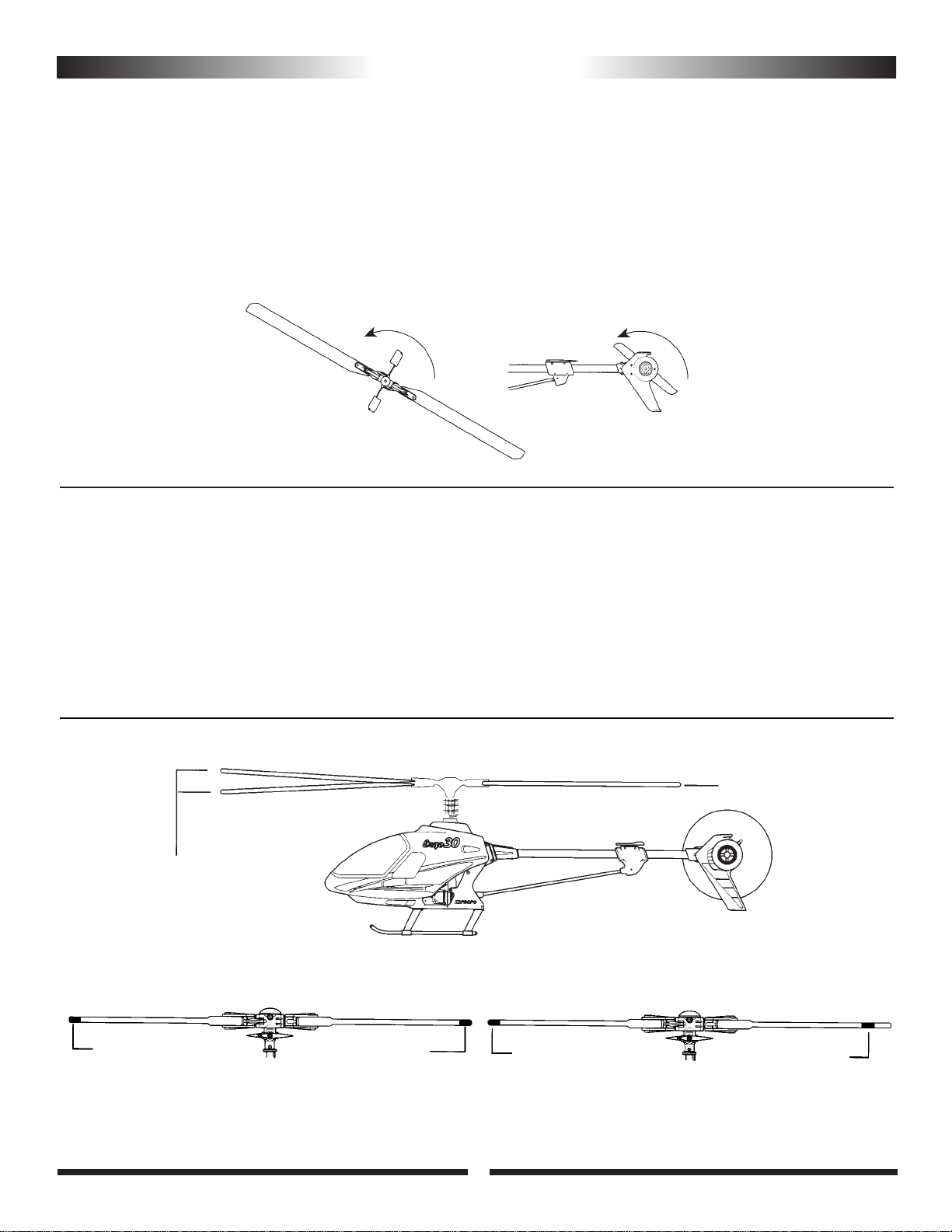
Once all assemblies have been completed, please review the following
suggestions before attempting initial flights.
• Review the instruction book and confirm that all assembly steps have
been completed thoroughly.
• Check to verify that the tail rotor assembly rotates in the correct
direction (see the diagram below).
• Check to insure that all servos are operating smoothly and in the
correct direction. Also verify that there is no binding in the control rods
and that each servo horn is secured with a servo horn mounting screw.
• Verify that the gyro is operational and compensating in the correct
direction (detailed in Step 8, page 42).
• Make sure that both the transmitter and receiver have been fully
charged (refer to your radio system instructions for proper charging
procedures).
• Check to insure that the throttle is working properly and in the correct
direction.
50
FINAL PRE-FLIGHT CHECK
Correct Main/Tail Rotor Rotation Direction
BLADE TRACKING IDENTIFICATION
A: Use two different blade tracking tape colors (e.g., black and red) at
the tip of each main rotor blade.
B: Use the same color blade tracking tape located at different positions
on each rotor blade.
Note: Adding additional blade tracking tape to the rotor blades at this stage
will make it necessary to re-static balance the main rotor blades.
Blade Labeling for Tracking Purposes
BLADE TRACKING ADJUSTMENT
Blade “tracking” is an adjustment to the main rotor blade pitch that must be
accomplished during the initial test flights.
Although the blade pitch angle in each blade may appear equal, it is still possible
for a set of main rotor blades to run “out of track”, making adjustment necessary.
Main rotor blades that are out of track with one another can cause vibration,
instability, and a loss of power due to additional drag.
On the initial flight, it will be necessary to increase the blade speed to just before
lift-off RPM and view the rotor disc at eye level from a safe distance
(approximately 15 to 20 feet).
Note which blade is running low (by colored tracking tape) and increase the pitch
of the low blade one turn of the ball link at a time until each blade runs in track
(on the same plane).
Please refer to the diagrams below to identify the different tracking situations, as
well as several methods to mark each rotor blade for tracking identification.
Incorrect
Out of Track
Correct
In Track
Caution: Be sure to maintain a safe distance from the helicopter
(15 to 20 feet) when tracking main rotor blades.
Adjustment is Necessary
Adjustment is NOT Necessary
A
Red
Black
B
Red
Black
Rotate the Main Rotor counter clockwise (backward)
and note the rotation of the Tail Rotor.
Page 51

51
Engine
After each day of flying, fully drain the fuel tank. Then, start the engine
and let it idle until the engine and the fuel line are completely burned off. It is
also suggested that an after-run oil be used to prevent premature engine corrosion.
Tail Rotor Belt
Periodically check the tension on the Tail Drive Belt (as shown in Step 5,
page 29) to insure that it has sufficient tension for proper engagement. It is
especially important to check this after initial test flights.
Check All Nuts and Bolts
A helicopter is subject to high vibration during flight. It is important
to check that all screws, nuts and bolts are properly secured after each
day of flying. It is also suggested that you perform a “quick” inspection
between each initial test flight for approximately the first 6 to 10 flights.
Check Ball Link Wear
Check to insure that all universal links fit freely but securely to the control balls.
If there is excessive play noted, replace the universal link in question.
Battery Maintenance
Check to insure that your batteries are properly mounted and charged.
The most frequent cause of crashes (aside from pilot error) is battery failure or
disconnection. Be certain that your batteries are fully charged and limit your
flight time to 3 or 4 flights between charging. If more flight time is required,
purchase a reliable quick field charger.
Cleaning
At the end of each flight or flying session, wipe down your helicopter with
a clean towel or rag. This is also a good time to inspect all parts for tightness or
fatigue. Remember, a clean, well-maintained helicopter will provide you with
many hours of trouble-free flight.
GENERAL MAINTENANCE
Page 52
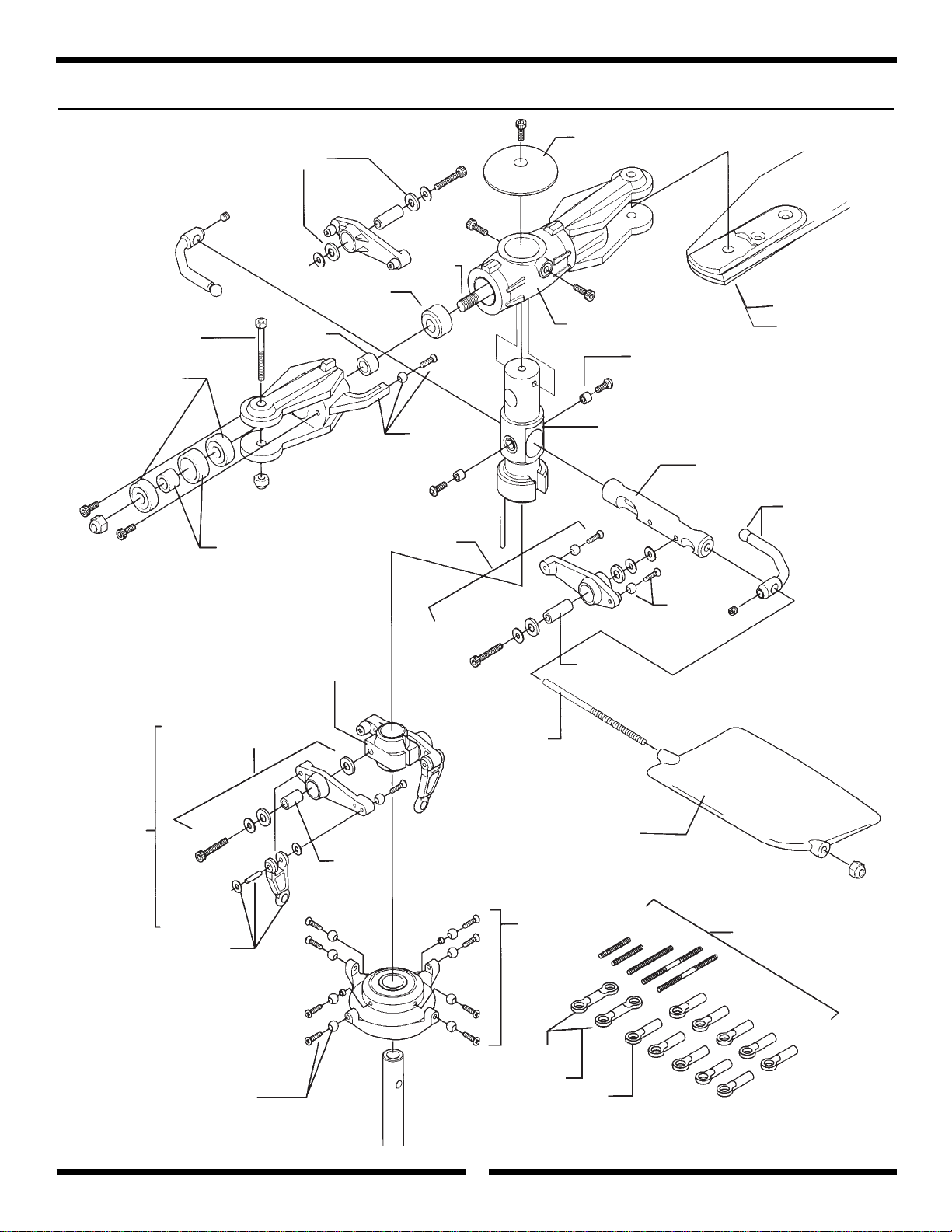
52
ROTOR HEAD/SWASHPLA TE/W ASHOUT ASSEMBLY
980049
960062
960070
960068
980023
960071
960064
983003
983004
970029
960066
960063
960067
960069
981004
970030
960065
970002
970013
960060
960059
960013
970011
960012
970010
970001
960014
970006
970004
960081
960075
Page 53
53
ROTOR HEAD/SWASHPLA TE/W ASHOUT ASSEMBLY PARTS LIST
PART # DESCRIPTION QUANTITY COMMENTS /ADDITIONAL CONTENTS
960012 Washout Assembly 1 Complete w/all Components
960013 Washout Base 1
960014 Swashplate Assembly 1 3 - 2x8mm Flat Head Screws
4 - 2x10mm Flat Head Screws
7 - Steel Joint Balls
960059 Flybar Paddles 2 2 - 3mm Lock Nuts
960060 Flybar 2
960061 Rotor Head Assembly 1 Complete w/all Components
960062 Head Button 1 1 - 3x6mm Socket Head Bolt
960063 Main Blade Holder 2 2 - 2x10mm Flat Head Screws
2 - Steel Joint Balls
960064 Main Rotor Body 1 2 - 3x8mm Socket Head Bolts
960065 Mixing Arms 2 2 - Mixing Arm Bushings
4 - Nylon Washers
4 - 2x10mm Flat Head Screws
4 - Steel Joint Balls
2 - 3x16mm Socket Head Bolts
6 - 3mm Flat Washers
960066 Main Rotor Hub 1 1 - Washout Pin
1 - Oiless Bushing
960067 Seesaw Shaft 1 2 - Seesaw Collars
2 - 3x5mm Button Head Cap Screws
2 - Flybar Bushings
960068 Blade Spindle Shaft 1 2 - 4mm Lock Nuts
960069 Flybar Control Arm 2 2 - 4mm Set Screws
960070 Blade Damper Rubber 4
960071 Blade Holder Spacer A 2
960075 Linkage Set A 1 2 - 2.3x20mm Threaded Rod
1 - 2.3x30mm Threaded Rod
2 - 2.3x40mm Threaded Rod
10 - Universal Ball Links
2 - Double Link A
960081 3D Double Link 4
970001 Steel Joint Ball w/2x8mm Screw 10 10 - 2x8mm Flat Head Screws
970002 Steel Joint Ball w/2x10mm Screw 10 10 - 2x10mm Flat Head Screws
970004 Universal Ball Links 10
970006 Double Link 4
970010 Washout Link 2 2 - Washout Link Pins
970011 Washout Arm 2 2 - Washout Arm Bushings
4 - Nylon Washers
2 - 3x15mm Socket Head Bolts
2 - 3mm Flat Washers
970012 Washout Arm Bushing 2
970013 Mixing Arm Bushing 2
970029 Seesaw Spacer Collar 2
970030 Main Blade Bearing Spacer 2 2 - Inner Bearing Spacers
2 - Outer Bearing Spacers
980023 Main Blade Bolt Set 2 2 - 4mm Lock Nuts
980049 Nylon Washer .5 10
980051 Nylon Washer 1.3 10
981004 Main Blade Holder Bearing 2
983003 Main Rotor Blade (.32-.36) 2 Pre-Covered & Weighted
983004 Main Rotor Blade (.46) 2
Page 54
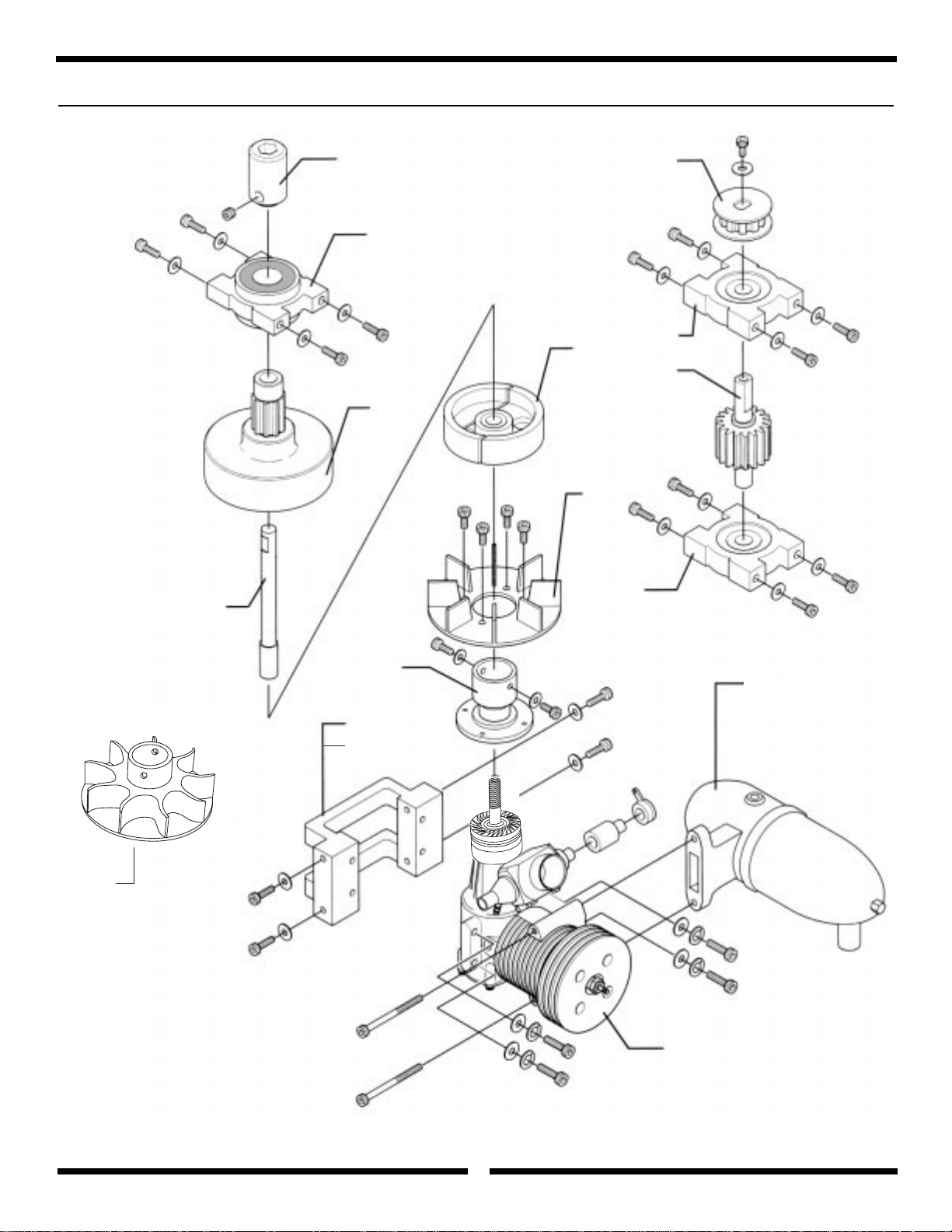
54
STAR T SHAFT/CLUTCH/ENGINE ASSEMBLY
96005
960016
960004
960006
960040
960003
960007
960018
970009
960011
960018
960019
960078
(optional)
960008
960039
950032
Page 55
55
STAR T SHAFT/CLUTCH/ENGINE ASSEMBLY PARTS LIST
PART # DESCRIPTION QUANTITY COMMENTS /ADDITIONAL CONTENTS
960003 Clutch Assembly 1 Complete w/One-Way Bearing
2 - 3x5mm Socket Head Bolts
960004 Clutch Bell Assembly 1 Complete w/Pinion Gear, Clutch Lining
and Oiless Bushing
960005 Starter Hex Adaptor 1 Complete w/One 4x4mm Set Screw
960006 Start Shaft Assembly 1
960007 Front Tail Belt Pulley 1 Complete w/One 3x6mm Socket Head Bolt
960008 Engine Mount .32-.36 1 Complete w/Four 3x10mm Socket Head
Bolts and Four 3mm Flat Washers
960039 Engine Mount .46 1
960011 Cooling Fan Blades .32-.36 1 Complete w/Four 3x5mm Socket Head Bolts
960016 Start Shaft Bearing Block 1 Complete w/Bearing
960018 Tail Drive Pinion Bearing Block 1 Complete w/Bearing
960019 Fan Hub .32-.36 1
960040 Aluminum Fan Assembly .46 1
970009 Tail Drive Pinion w/Shaft 1 Complete w/One 3x6mm Socket Head Bolt and
One 3mm Flat Washer
960078 .32-.36 Muffler 1 Complete w/One Pressure Tap
Page 56
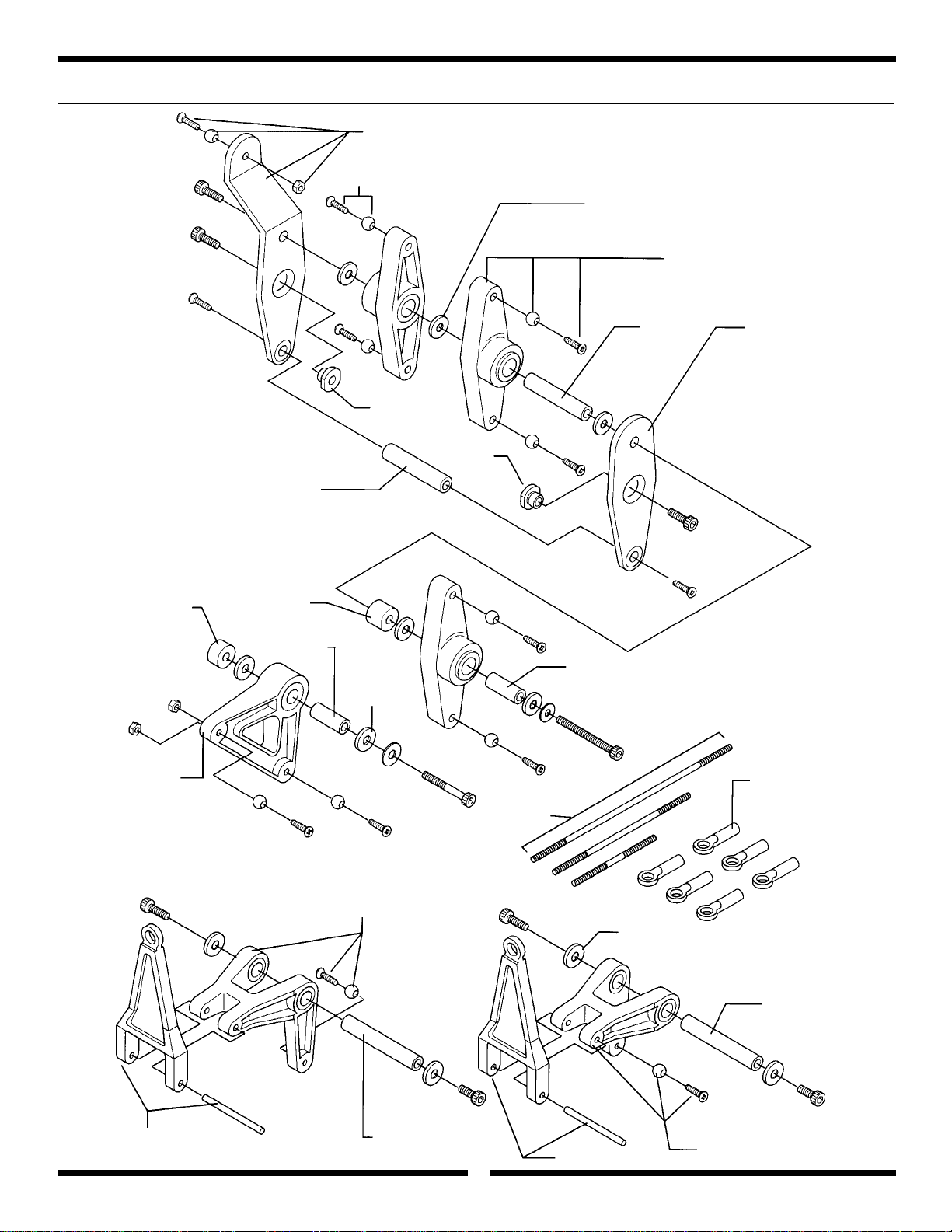
56
CYCLIC MIXING ARMS/ELEVATOR/AILERON CONTROL ARMS
960024
970002
980049
960025
970003
970015
960023
970019
970018
970017
970014
960015
970012
980049
960076
970004
970016
980049
960021
960022
970016
960020
960022
970003
Page 57
57
CYCLIC MIXING ARMS/ELEVATOR/AILERON CONTROL ARMS PARTS LIST
PART # DESCRIPTION QUANTITY COMMENTS /ADDITIONAL CONTENTS
960015 Roll Bellcrank 1 Complete w/Bushing
2 - Steel Joint Balls
2 - 2x8mm Flat Head Screws
2 - 2mm Hex Nuts
960020 Elevator Arm: Front 1 Complete w/Bushing
Steel Joint Ball
2x8mm Flat Head Screw
960021 Elevator Arm: Rear 1 Complete w/Bushing
Steel Joint Ball
2x8mm Flat Head Screw
960022 Swashplate A Arm 2 Complete w/2 A-Arm Pins
960023 Mixing Base Arm: Roll 1 Complete w/Bushing
960024 Mixing Base Arm: Collective 1 Complete w/Bushing
Steel Joint Ball
2x8mm Flat Head Screw
2mm Hex Nut
960025 Mixing Lever: Cyclic 3 Complete w/Bushings
6 - Steel Joint Balls
6 - 2x8mm Flat Head Screws
960076 Linkage Set B 1 1 - 2.3x45mm Threaded Rod
1 - 2.3x75mm Threaded Rod
1 - 2.3x10mm Threaded Rod
6 - Universal Links
970002 Steel Joint Ball w/2x10mm Screw 10
970003 Mixing Base Nut 2
970004 Universal Ball Link 10
970012 Washout Arm Bushing 2
970014 Mixing Lever Bushing A 2
970015 Mixing Lever Bushing B 2
970016 Elevator Arm Bushing 2
970017 Roll Bellcrank Spacer 2
970018 Mixing Lever Spacer 2
970019 Mixing Base Cross Member 1
980049 Nylon Washer .5mm 10
Page 58
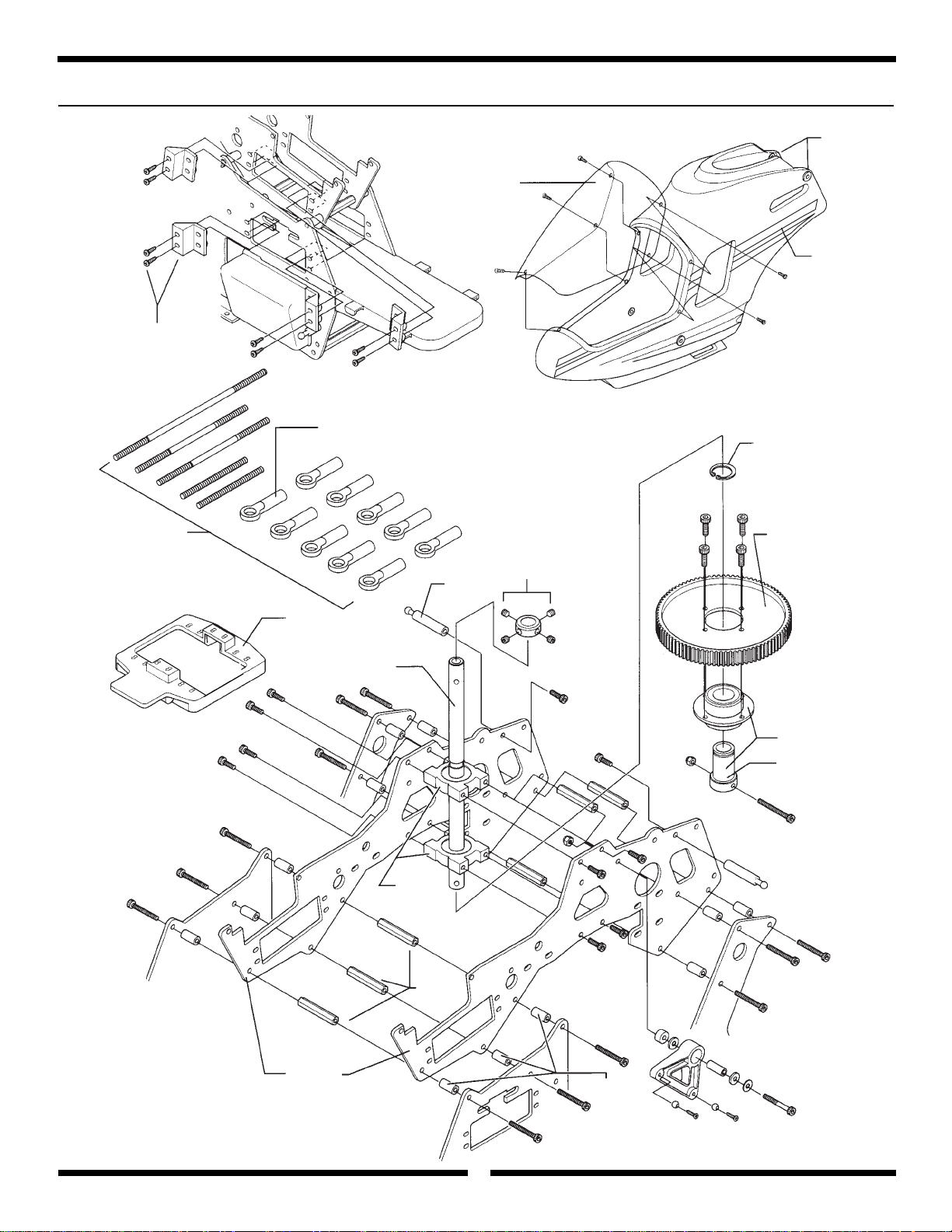
58
UPPER MAIN FRAME/RADIO TRAY/BODY SET
960031
982002
960072
982001
970004
960077
970008
970005
970022
960035
960009
960002
960001
970005
960017
970020
960029
970024
Page 59
PART # DESCRIPTION QUANTITY COMMENTS /ADDITIONAL CONTENTS
960001 Autorotation Assembly 1 Complete w/Four 3x6mm Socket Head Bolts
960002 Main Drive Gear 88T 1 Complete w/Four 3x6mm Socket Head Bolts
960009 Main Rotor Shaft 1
960017 Main Shaft Bearing Block 1 Complete w/Bearing
960029 Upper Main Frame 2
960031 Servo Mounting Plates 4 8 - 2.6x8mm Self Tapping Screws
8 - 2.6x12mm Self Tapping Screws
8 - 2.6mm Flat Washers
960035 Upper Servo Tray 1 4 - 3x8mm Socket Head Bolts
12 - 2.6x12mm Self Tapping Screws
12 - 2.6mm Flat Washers
960072 Rubber Grommet 4
960077 Linkage Set C 1 2 - 2.3x35mm Threaded Rod
2 - 2.3x60mm Threaded Rod
1 - 2.3x75mm Threaded Rod
10 - Universal Ball Links
970004 Universal Ball Links 10
970005 Autorotation Shaft Hub Sleeve 1 Complete w/Clip
970008 Main Shaft Collar 1 Complete w/Four 4x4mm Set Screws
970020 Main Frame Standoff: 32mm 2
970022 Body Mounting Standoff 4 2-3x8mm Socket Head Bolts
2-3x18mm Socket Head Bolts
970024 Main Frame Spacer 12.5mm 6
982001 Ergo .32/.46 Body Set 1 4 - Rubber Gromments
5 - 2.3x8mm Self Tapping Screws
982002 Ergo .32/.46 Canopy 1 5 - 2.3x8mm Self Tapping Screws
960073 Ergo .32/.46 Decal Set 1
59
UPPER MAIN FRAME/RADIO TRA Y/BODY SET P ARTS LIST
Page 60
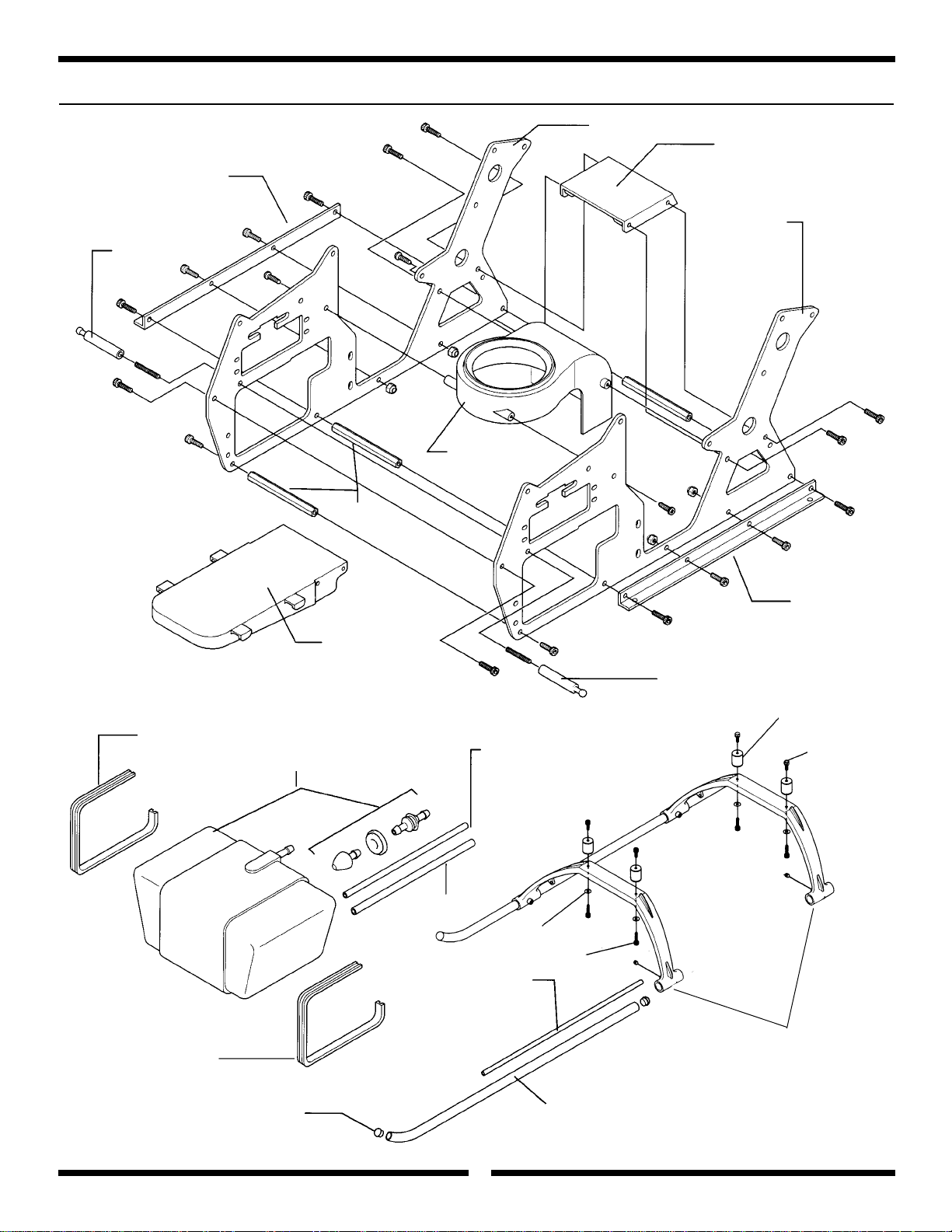
60
LOWER MAIN FRAME/LANDING GEAR/FUEL TANK
960030
960026
960027
970022
960010
970021
960030
960027
960028
970022
960038
960037
960039
960038
970023
960033
980015
960036
960117
980013
980036
960040
960034
Page 61
PART # DESCRIPTION QUANTITY COMMENTS /ADDITIONAL CONTENTS
960010 Cooling Fan Shroud 1 4 - 2.6x8mm Self Tapping Screws
960026 Gyro Mounting Plate 1 4 - 3x10mm Socket Head Bolts
960027 Lower Frame Angles 2
960028 Front Radio Bed 1
960030 Lower Main Frame 2
960032 Landing Gear Set 1 2 - Landing Skids
2 - Landing Struts
4 - Skid Caps
4 - 3x4mm Set Screws
4 - 3x12mm Socket Head Bolts
4 - 3mm Flat Washers
4 - 3mm Lock Nuts
960033 Landing Struts 2 4 - 3x4mm Set Screws
960034 Landing Skids 2 4 - Skid Caps
960036 Antenna Tube 3
960037 Fuel Tank Set 1 1 - Fuel Stopper
1 - Tank Grommet
2 - Installation Rubbers
1 - Silicone Fuel Tubing
1 - Fuel Clunk
960038 Tank Mounting Rubber 2
970021 Main Frame Standoff: 60mm 2
970022 Body Mounting Standoff 4 2 - 3x8mm Socket Head Bolt
2 - 3x18mm Socket Head Bolt
970023 Landing Skid Caps 4
970025 Switch Damper Rubber 4
960117 Landing Gear Damper 4
61
LOWER MAIN FRAME/LANDING GEAR/FUEL TANK PARTS LIST
Page 62
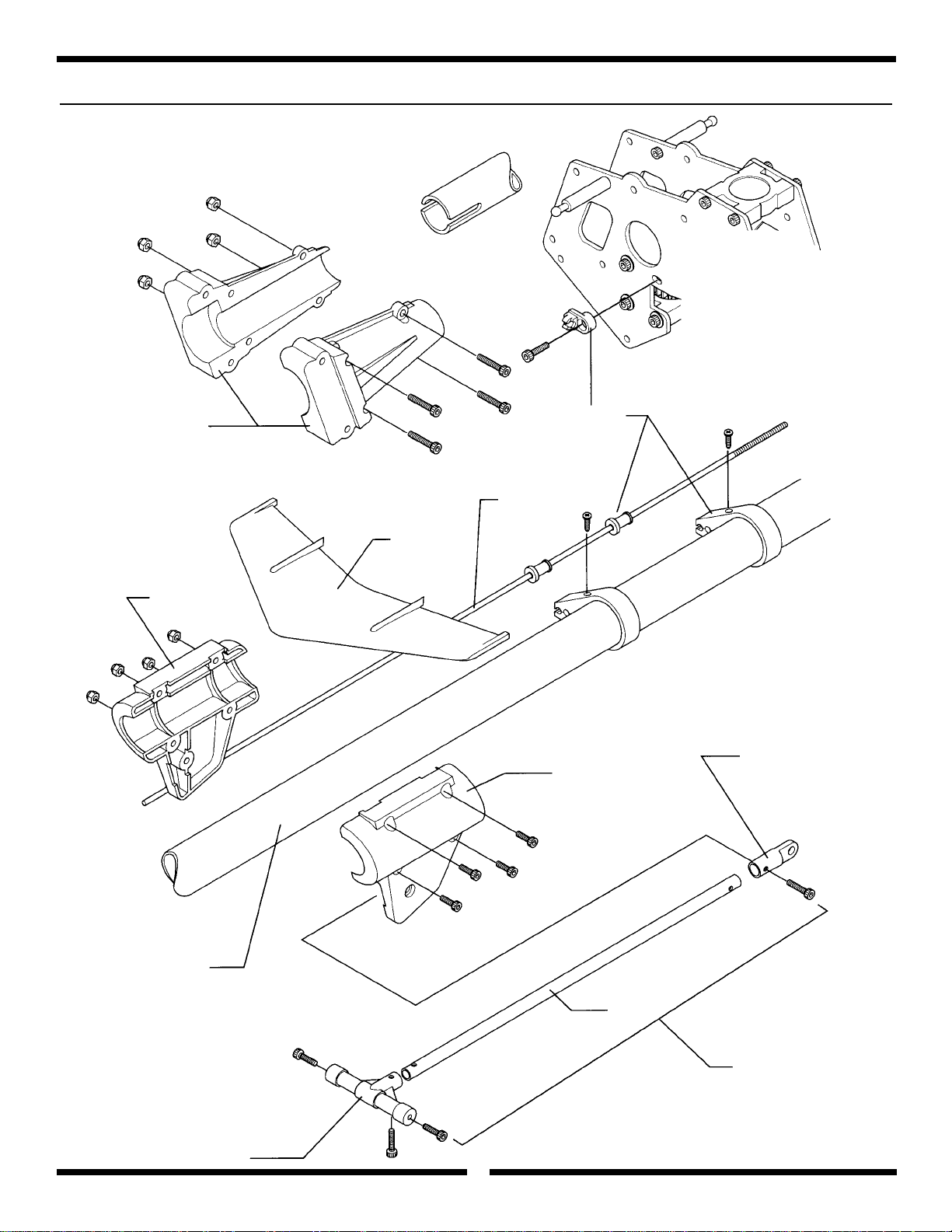
TAIL BOOM/TAIL BRACE/TAIL BOOM CARRIER
960047
960048
983002
960045
960046
960046
960044
983001
960042
960041
960043
62
Page 63
PART # DESCRIPTION QUANTITY COMMENTS /ADDITIONAL CONTENTS
960041 Tail Brace Set 1 1 - Tail Brace Tube
1 - Tail Brace Connector
1 - Tail Brace T End
1 - 2.6x12mm Socket Head Bolt
1 - 2.6x15mm Socket Head Bolt
960042 Tail Brace Tube 1
960043 Tail Brace T End 1 2 - 3x8mm Socket Head Bolt
1 - 2.6x15mm Socket Head Bolt
960044 Tail Brace Connector 1 1 - 2.6x12mm Socket Head Bolt
960045 Tail Fin Set 1 1 - Vertical Fin
1 - Horizontal Fin
3 - 3x12mm Self Tapping Screw
2 - 3x12mm Socket Head Bolts
2 - 3mm Lock Nuts
960046 Horizontal Tail
Fin/Brace Clamp 1 2 - 3x8mm Socket Head Bolts
2 - 3x12mm Socket Head Bolts
5 - 3mm Lock Nuts
1 - 3x10mm Socket Head Bolt
960047 Tail Boom Carrier 1 2 - 3x40mm Socket Head Bolts
4 - 3x15mm Socket Head Bolts
6 - 3mm Lock Nuts
960048 Tail Rod Guide Set 4 4 - Tail Rod Guides
5 - Tail Rod Guide Collars
1 - Tail Control Rod Guide
4 - 2x8mm Self Tapping Screws
1 - 3x10mm Socket Head Bolt
983001 Tail Boom 1
983002 Tail Control Rod 1
63
TAIL BOOM/TAIL BRACE/TAIL BOOM CARRIER P ARTS LIST
Page 64
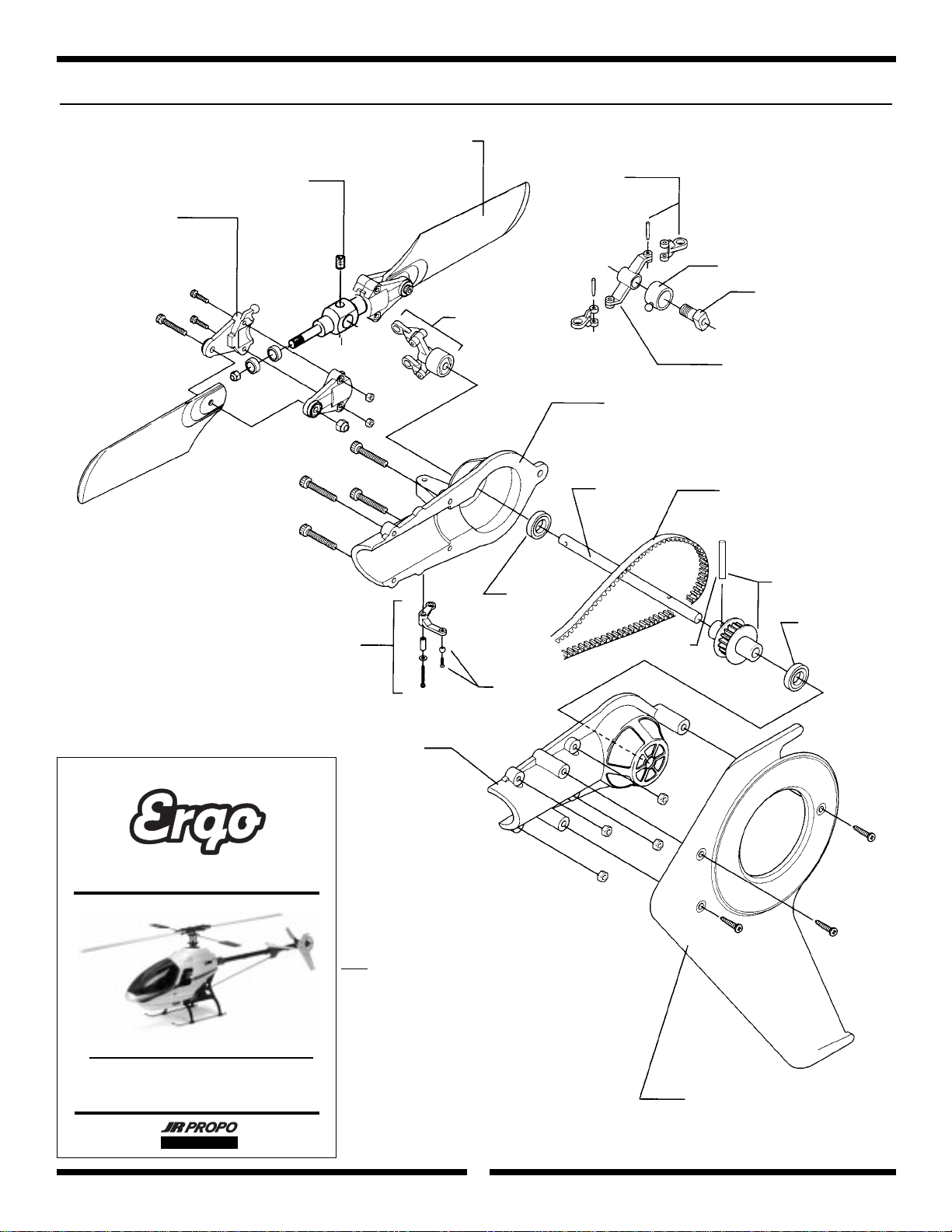
64
TAIL CASE/TAIL BLADE HOLDERS/TAIL PITCH PLA TE
960051
960056
970026
970222
960052
960050
960058
970028
960057
960053
970027
960049
981003
960054
960053
960074
970001
960055
980007
981003
960045
.32-.36 AND .46 ASSEMBL Y INSTRUCTIONS
ERGO SPECIFICATIONS
Overall Length 46.5"
Overall Height 16.38"
Main Rotor Diameter 48.5" (32-36)
50" (46 3D)
Tail Rotor Diameter 9.17"
Gear Ratio 9.78:1:5.18
Gross Weight 6.75-7.0 lbs.
Heli Division
Page 65
PART # DESCRIPTION QUANTITY COMMENTS /ADDITIONAL CONTENTS
960045 Tail Fin Set 1 1 - Horizntal Fin
1 - Vertical Fin
3 - 3x12mm Self Tapping Screws
2 - 3x12mm Socket Head Bolts
2 - 3mm Lock Nuts
960049 Tail Drive Belt 1
960050 Tail Slide Ring Assembly 1 Complete w/all Components
960051 Tail Rotor Blades 2
960052 Tail Blade Holder Set 2 2 - 3x15mm Socket Head Bolts
4 - 2x8mm Socket Head Bolts
2 - 3mm Lock Nuts
4 - 2mm Hex Nuts
960053 Tail Case Set (L&R) 1 4 - 2.6x12mm Socket Head Bolts
4 - 2.6mm Hex Nuts
1 -3x10mm Socket Head Bolt
960054 Tail Pitch Control Lever 1 1 - Lever Bushing
1 - 2x20mm Socket Head Bolt
1 - 2mm Flat Washer
1 - Steel Joint Ball
1 - 2x8mm Flat Head Screw
960055 Tail Case Pulley 1 1 - Pressure Pin
960056 Tail Pitch Link 2 Complete w/2 Link Pins
960057 Tail Pitch Plate 2
960058 Tail Slide Ring 1 Complete w/Bearing
960074 Ergo .32/.46 Assembly Manual 1
970001 Steel Joint Ball w/2x8mm Screw 10 10 - 2x8mm Flat Head Screws
970222 Tail Center Hub, 1 Piece 1
970027 Tail Output Shaft 1
970028 Tail Slide Ring Sleeve 1
981003 Tail Output Shaft Bearing 2
65
TAIL CASE/TAIL BLADE HOLDERS/TAIL PITCH PLA TE PARTS LIST
Page 66

Heli Division
Revised 3/4/97
 Loading...