

Page 1
Test Line
Operating instructions
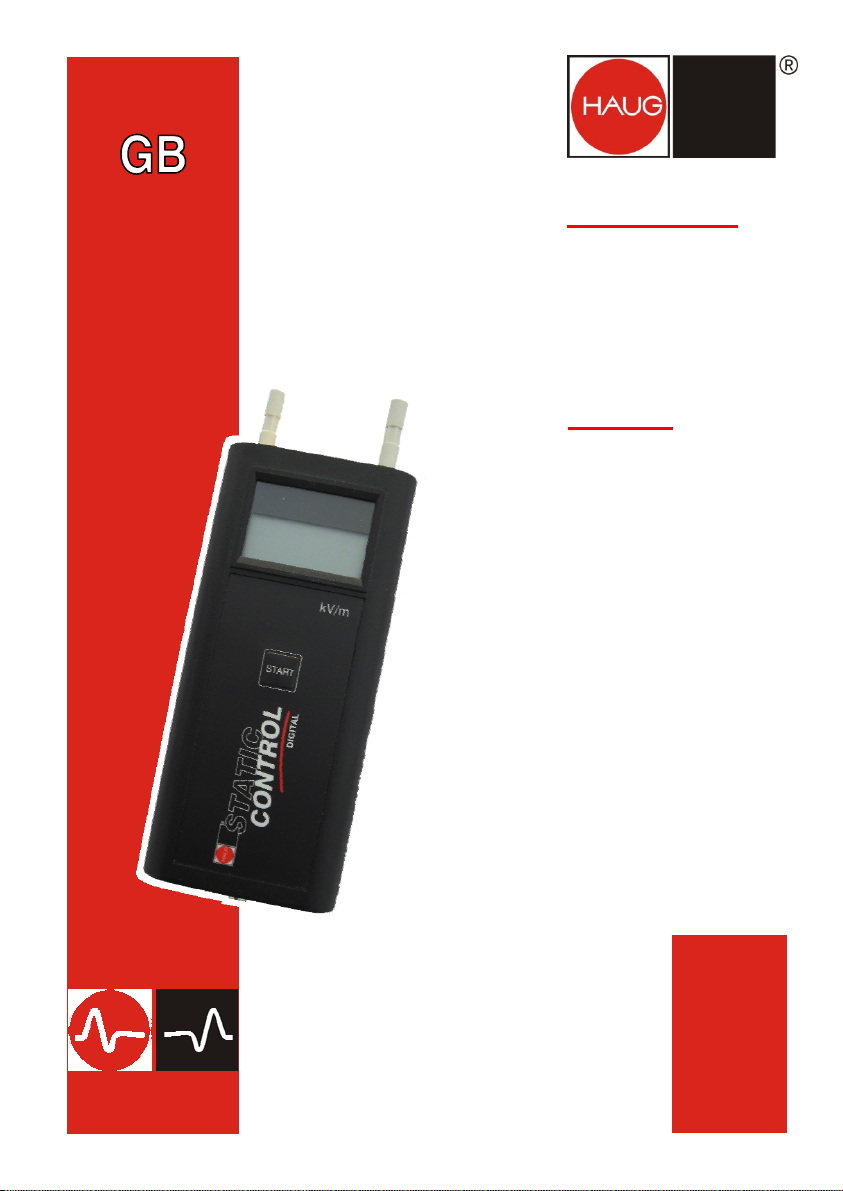
Static Control Digital
Ident number:
12.720
6.000
Please read the
complete operating
instructions carefully
before use!
HAUG GmbH & Co. KG
Friedrich-List-Straße 18
D-70771 Leinfelden-Echterdingen
Phone: +49 711 / 94 98-0
Telefax: +49 711 / 94 98-298
www.haug.de
E-Mail: [email protected]
HAUG Biel AG
Johann-Renfer Strasse 60
CH-2500 Biel-Bienne 6
Phone: +41 32 / 344 96-96
Telefax: +41 32 / 344 96-97
www.haug-ionisation.com
E-Mail: [email protected]
Page 2
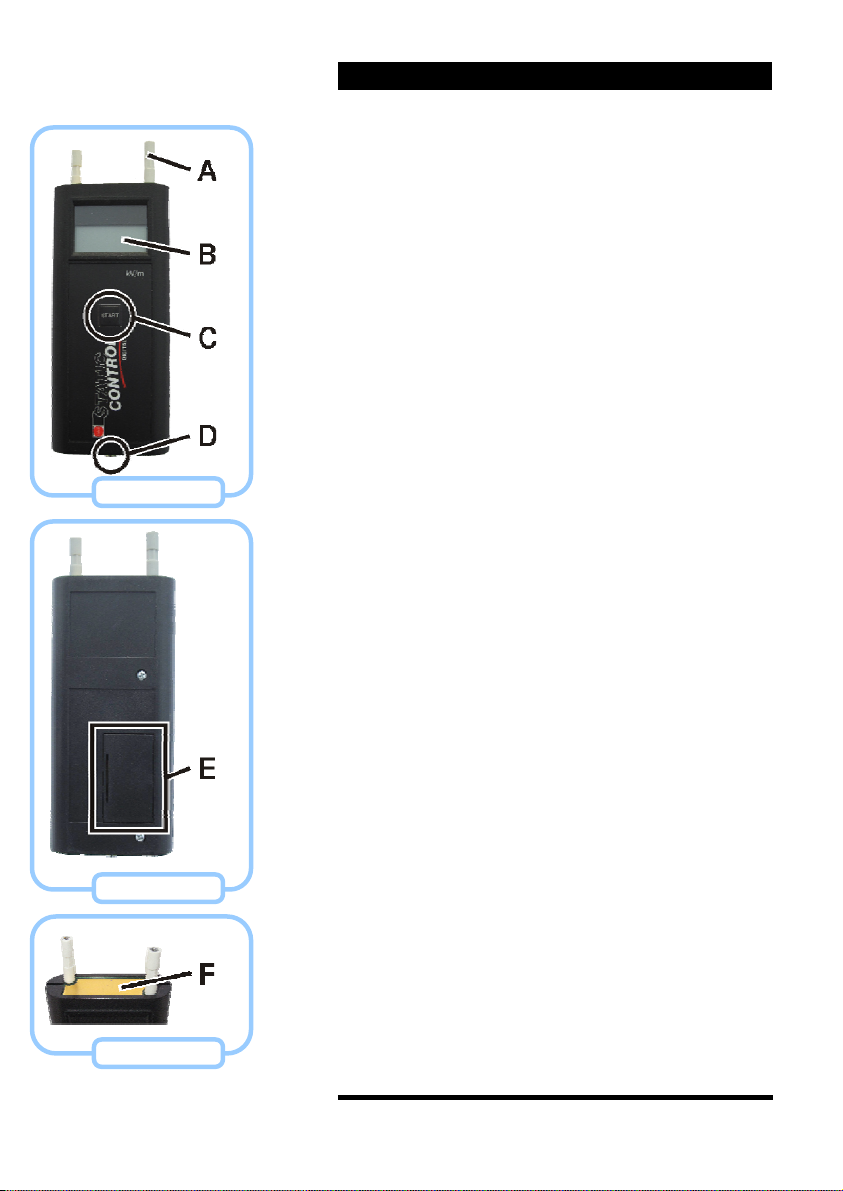
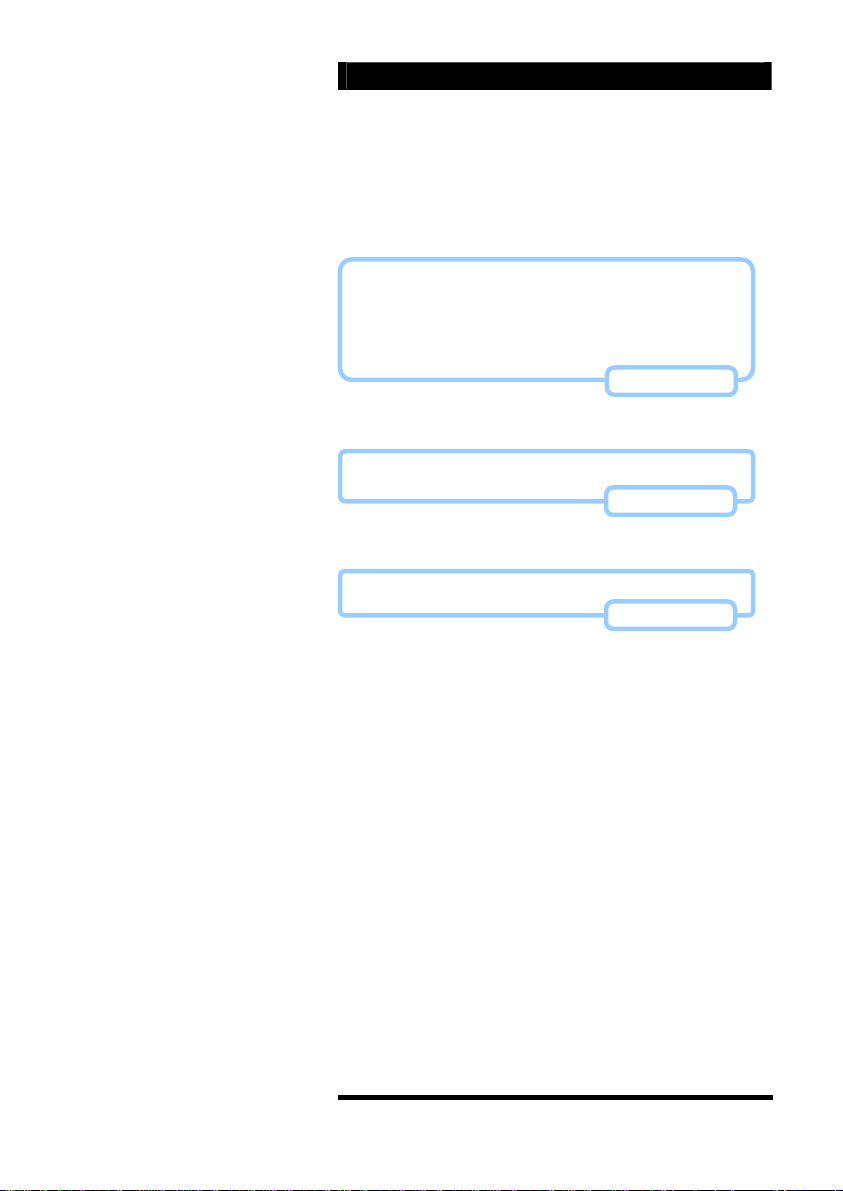
Fig. 1
Fig. 2
Fig. 3
Page 3

Table of contents
1
Introduction .......................................4
2 Scope of delivery............................... 5
3 Operator instructions ........................ 6
4 General safety instructions............... 8
5 Intended use...................................... 9
6 Description of unit........................... 10
7 Measuring ........................................11
8 Maintenance ....................................14
9 Spare parts ......................................15
10 Technical data .................................16
11 Decommissioning............................ 17
3
Page 4

1 Introduction
1 Introduction
Electrostatic charges may interfere with
industrial production processes and destroy
sensitive electronic components in the event of
uncontrolled discharge. In particular,
electrostatic charges occur in areas where
highly insulating materials are used.
The Static Control Digital enables you to
measure such electrostatic charges.
Where electrostatic charges are present,
targeted counter-measures for their elimination
can be considered.
HAUG GmbH & Co. KG has been solving
problems associated with electrostatic charges
for a long time. We will be pleased to help you
optimize your production processes.
Just give us a call or send us an e-mail….
4
Page 5
2 Scope of delivery
2 Scope of delivery
Before using the Static Control Digital for the
first time, make sure to check whether your
delivery is complete.
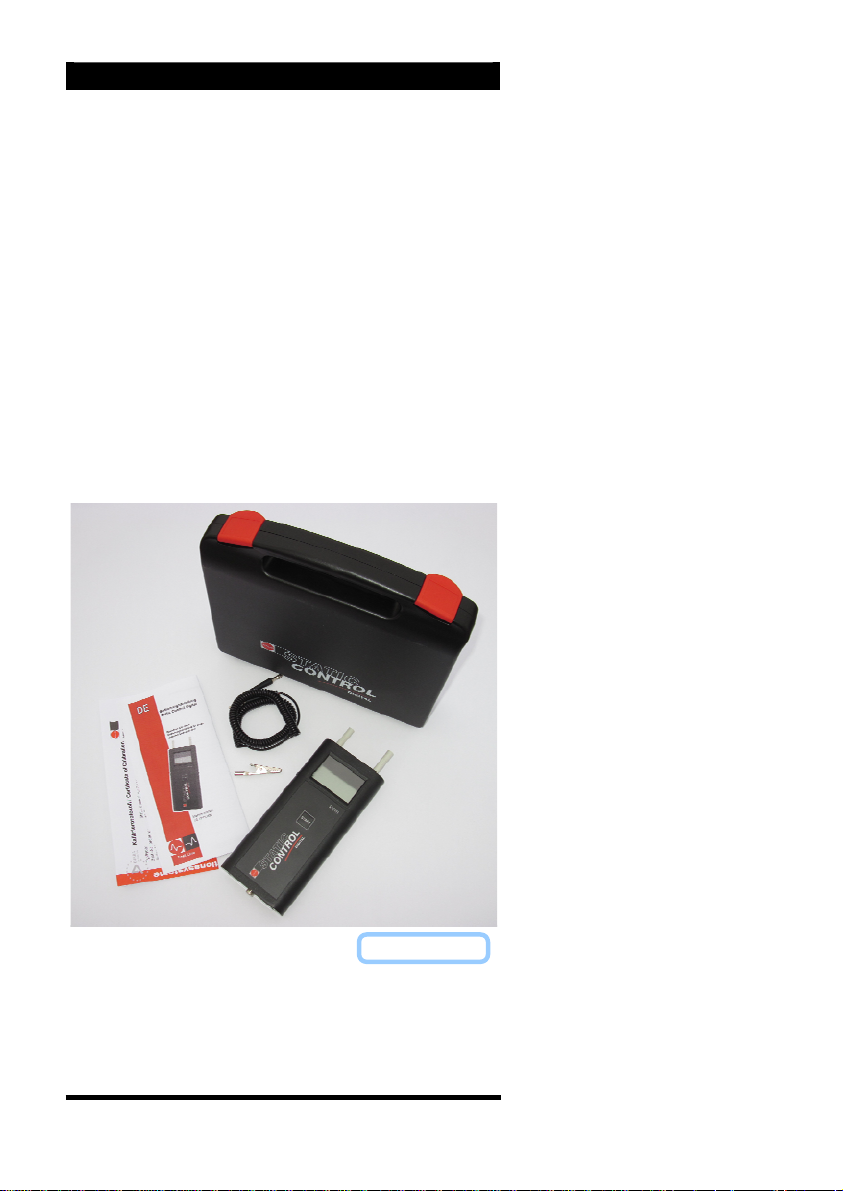
The following parts are included in the delivery:
Carrying case
Static Control Digital
9 V monobloc battery (installed)
Grounding cable
Pick-off clip
Calibration certificate
Operating instructions D-0327-GB
Fig. 4
5
Page 6

3 Operator instructions
3 Operator instructions
Notes on operating instructions
Please keep these operating instructions for
later use or future users. They form part of the
Static Control Digital.
The term “Static Control Digital“ is abbreviated
SCD in these operating instructions.
General notes regarding your Static Control
Digital
The SCD has been designed and tested in
accordance with the safety regulations for
measuring and control equipment.
When using the SCD, make sure you read and
observe the information and safety instructions
contained in these operating instructions.
The SCD is operationally safe, provided that it is
operated in accordance with its intended use.
6
Page 7
Symbols used
3 Operator instructions
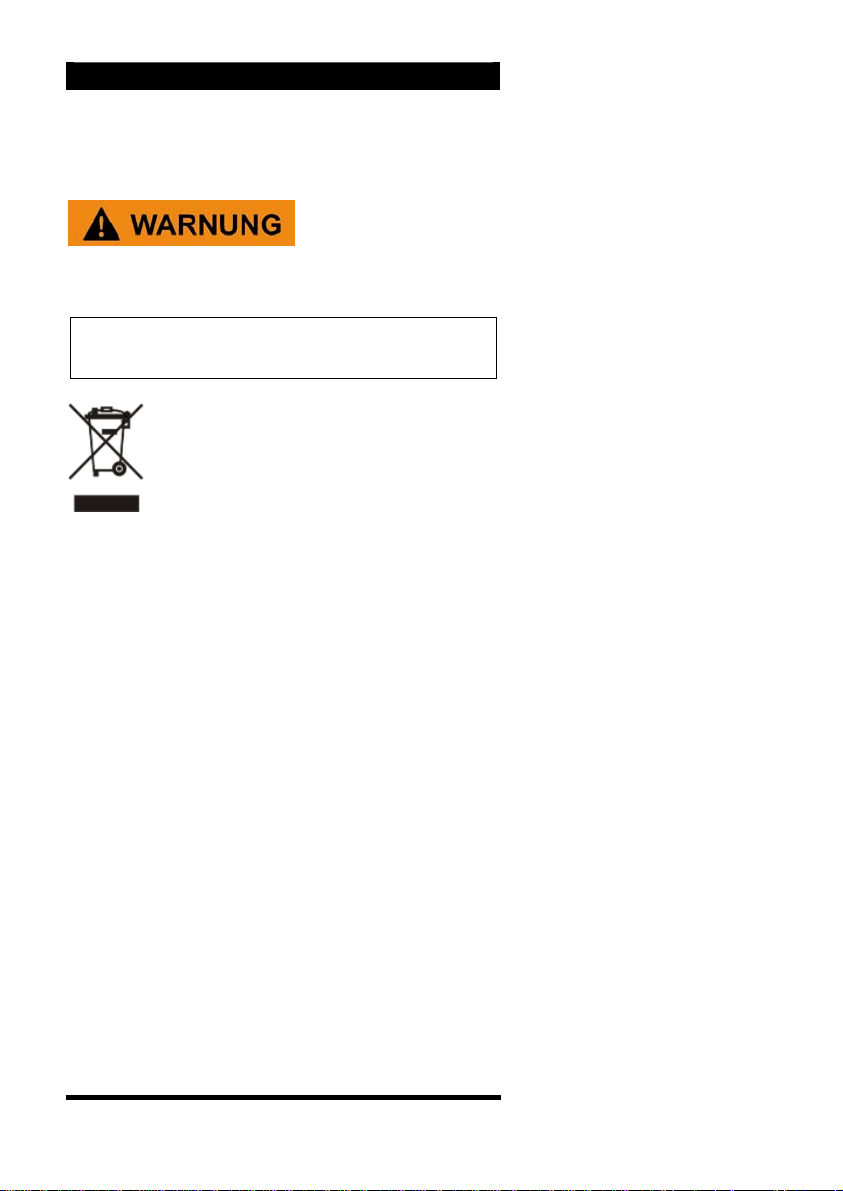
If this safety information is not observed, severe
injuries or death may result.
NOTE:
Important notes and additional information.
Do not dispose of with household
garbage.
7
Page 8

4 General safety instructions
4 General safety instructions
All activities must be performed only by persons
authorized by the owner. Such persons must
have read and understood the operating
instructions.
Unauthorized conversions and modifications of
the SCD are not permissible for safety reasons.
Carry out a visual inspection each time before
you use the SCD.
Do not use the SCD in the event of visible
damage and suspected electrical defects.
Contact HAUG GmbH & Co. KG. in this case
(see cover sheet).
The SCD housing is not protected against
moisture. Moisture and wetness may therefore
enter the SCD. This may result in defects within
the SCD or even failure.
Protect the SCD from humidity and wetness.
In the event of large temperature
differentials, condensation water will form on
the colder object. Condensation water which
has formed within the SCD may result in
measuring errors or failure of the SCD.
Do not use the SCD immediately after you
have brought it from a cold into a warm
environment.
Allow the SCD to dry if condensation water
has formed.
8
Page 9

5 Intended use
5 Intended use
Risk of explosion in areas with potentially
explosive atmospheres.
During the measurement of electrostatic
charges using the SCD, ignitable sparks may
form. These may ignite gases, dust or similar
substances.
Do not use the SCD in areas with potentially
explosive atmospheres.
The SCD is a measuring unit intended to
measure electrostatic charges on surfaces and
allows such charges to be measured in the
range of ±1999 kV/m.
Only use the SCD under the operating
conditions specified in these operating
instructions.
9
Page 10
6 Description of unit
A
6 Description of unit
You will find images (Figs.) of the SCD on the
inside cover page.
Front view
Rear view
Narr
Spacer pin
B Display
C Start button
D Ground button
Fig. 1
E Battery compartment lid
Fig. 2
ow side view
F Sensor plate
Fig. 3
10
Page 11
7 Measuring
7 Measuring
Before measuring
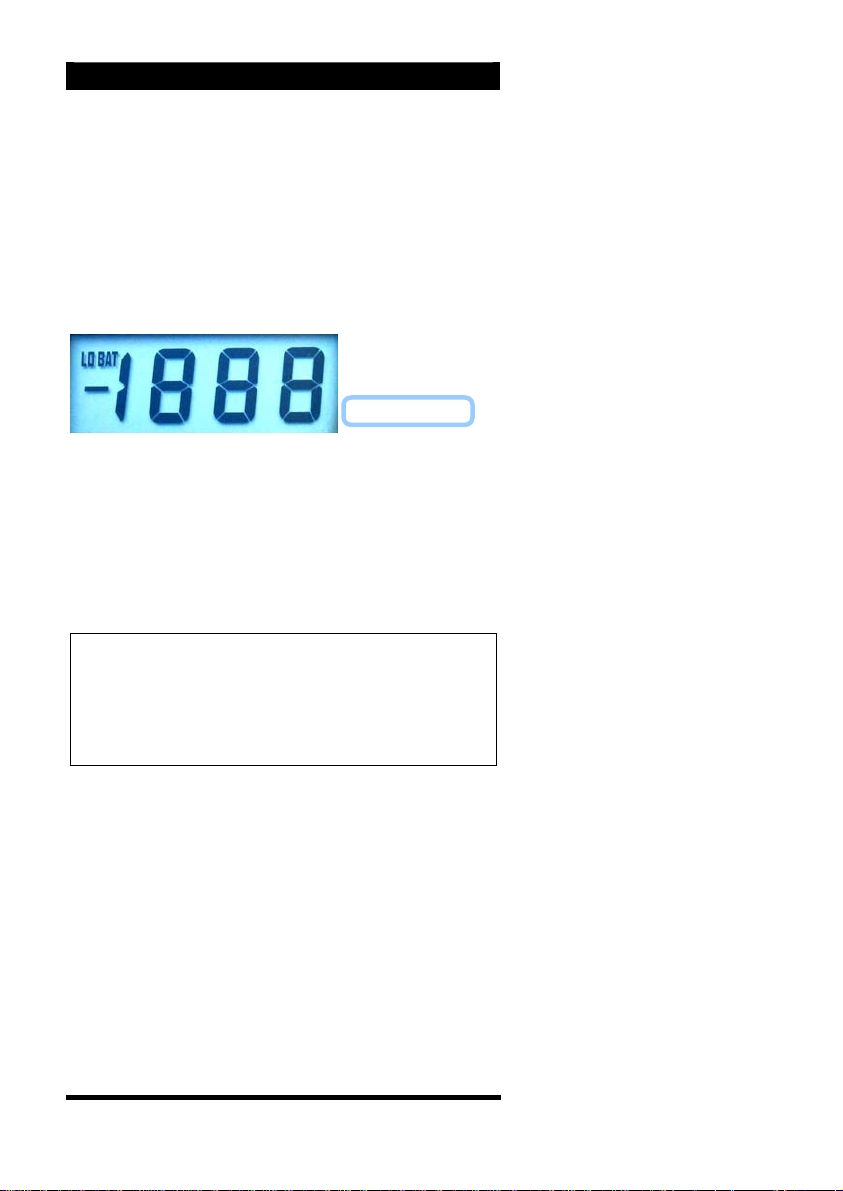
Before measuring, check the SCD. Check the
function of the display and the state of the
battery.
Press and hold the start button. The display will
show all segments briefly (Fig. 5).
Fig. 5
The LOBAT i
low voltage of the block battery.
If the LOBAT indicator is displayed
continuously, the voltage is too low for accurate
measurement. No reliable measuring value can
be provided. Replace the block battery (see
page 14: “Replacing the block battery“).
NOTE:
The S
segments of the display can be shown while
holding the Start button. The SCD will switch
off automatically after 15 s.
Visually inspect the SCD for any contamination.
To obtain a reliable measuring value, the spacer
pins and sensor plate must be dry and free of
grease (see page 14: “Cleaning the SCD“).
ndicator will flash to alert you to a
CD must be switched off so that all
11
Page 12
7 Measuring
Preparing a measurement
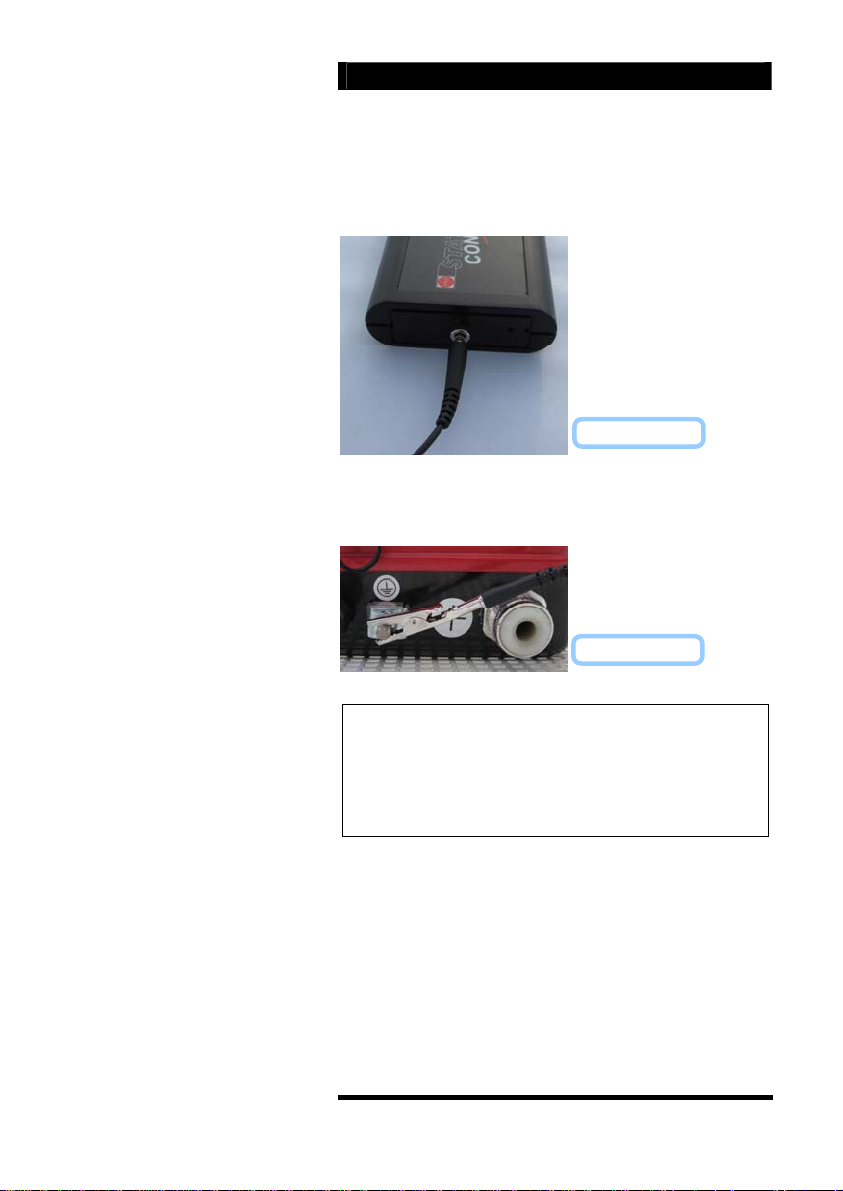
Plug one end of the grounding cable into the
ground socket of the SCD.
Fig. 6
Connect
to a protective ground, e.g. by using the pick-off
clip.
NOTE:
The S
ground. A reliable measuring value can only
be provided when the SCD is connected to
ground.
the other end of the grounding cable
Fig. 7
CD is calibrated when connected to
12
Page 13
7 Measuring
Carrying out a measurement
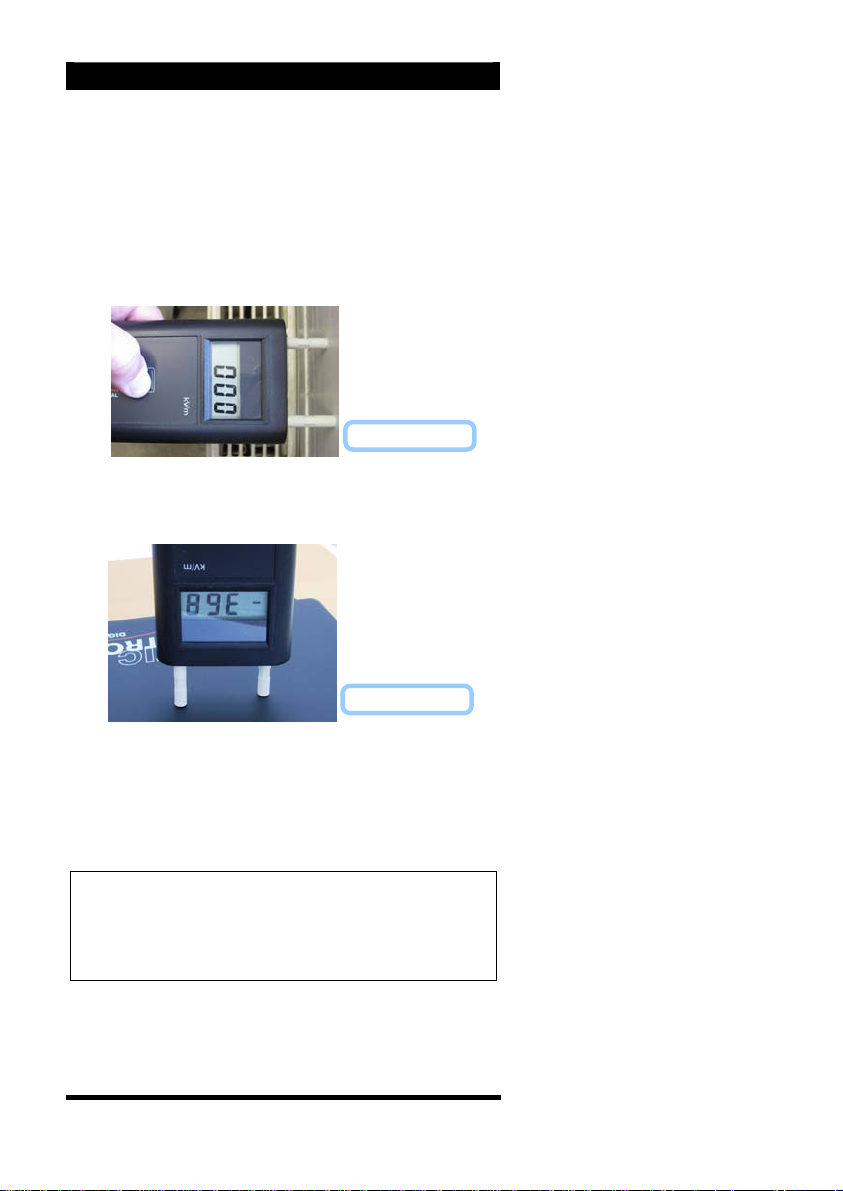
1. Hold the SCD vertically with its two spacer
pins against a grounded surface.
2. Press and hold the start button. The SCD
will calibrate itself and show a value of
"000" on the display.
Fig. 8
3. Now approach the surface
with the SCD, until the spacer pins come to
rest vertically.
4. Release the Start
value will now be saved.
5. Remove the SCD from the surface
measured.
6. Read the measured value on the display.
NOTE:
The measuring value will be displayed for
about 15 s (hold function). The SCD will then
switch off automatically.
button. The measuring
to be measured
Fig. 9
13
Page 14
8 Maintenance
f
8 Maintenance
Replacing the block battery
1. Open the battery compartment lid at
Cleaning the SCD
the rear of the SCD.
2. Remove the block battery from the
compartment and separate from the
connection clip.
3. Connect a new block battery to the
connection clip, and insert battery
into compartment.
4. Reattach the lid to close the battery
compartment.
Fig. 2
NOTE:
Do not dispose of batteries with the
household garbage (see page 18: ”Disposal
of batteries”).
1. Moisten a dust- and lint-
ree cloth with
our special cleaning agent SRM1 or
with medical-grade alcohol.
2. Clean the spacer pins and sensor
plate using the moistened cloth.
3. Allow the SCD to dry before
performing a measurement.
Fig. 3
NOTE:
liable measuring values will not be
Re
provided unless the cleaning agent has
evaporated completely.
14
Page 15
9 Spare parts
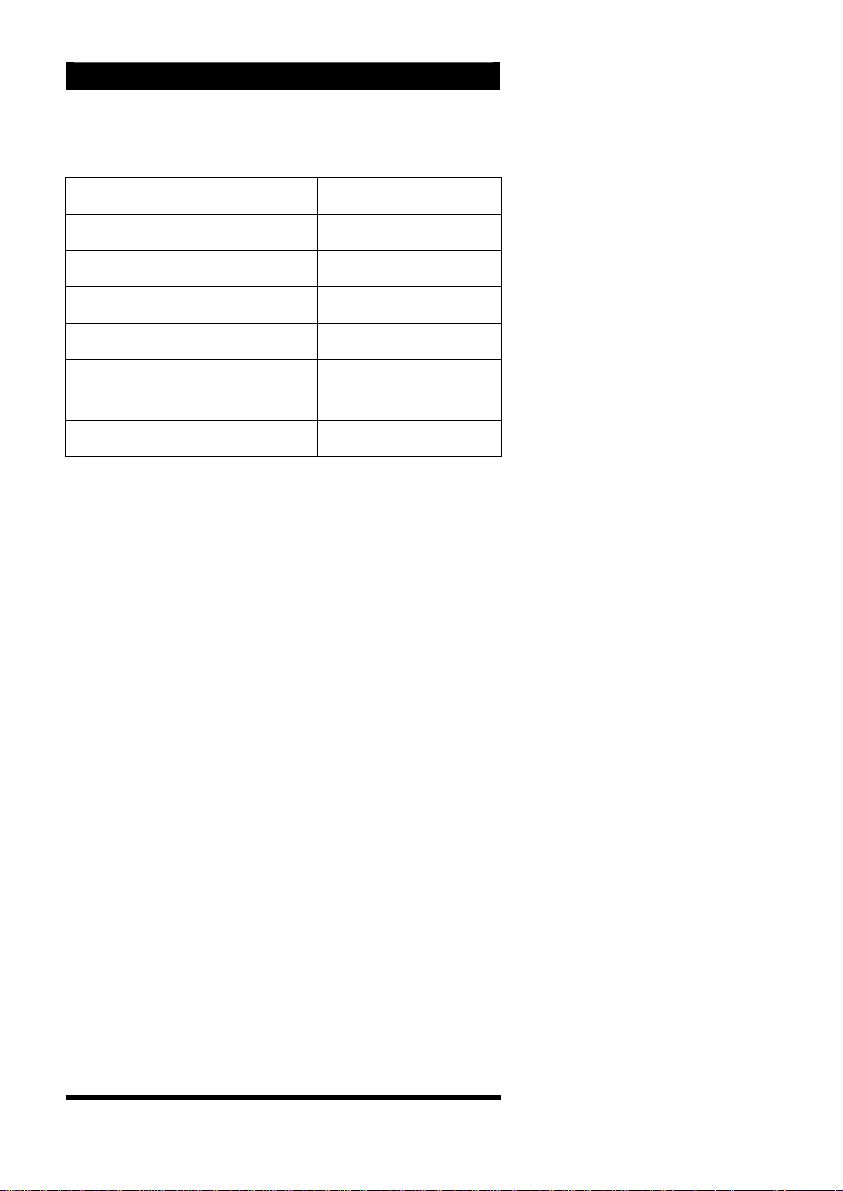
9 Spare parts
Article Ident number
Carrying case X - 4568
Spacer pin X - 8308
Grounding cable X - 6350
Pick-off clip X - 6349
9 V monobloc battery X - 0071
Special cleaning fluid
SRM1
10.7220.000
Operating instructions D – 0327 – GB
15
Page 16
10 Technical data
10 Technical data
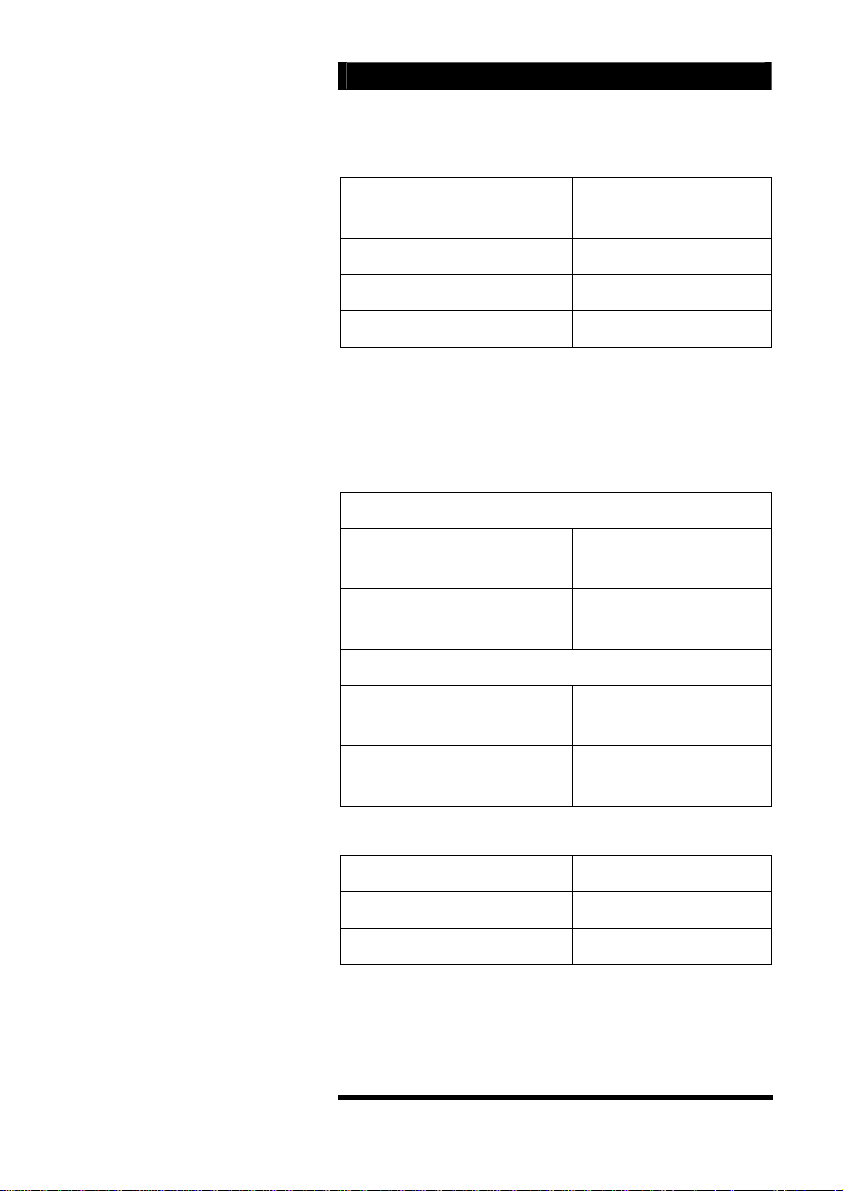
Characteristics and specification
Voltage supply 9 V monobloc
battery
Measuring range ±1999 kV/m
Measuring accuracy ±20 %
Weight 220 g
Ambient conditions
The meter must not be used in areas with
potentially explosive atmospheres or power
plants.
Only for use in interiors.
Temperature:
Rated application
range
Extreme range for
storage and transport
+10 °C to +35 °C
-15 °C to +60 °C
Humidity:
Rated application
range
Extreme range for
storage and transport
10 % to 50 % RF
0 % to 85 % RF
Overall dimensions
Height 205 mm
Width 77 mm
Thickness 26.5 mm
16
Page 17
11 Decommissioning
11 Decommissioning
Taking the SCD out of operation
1. Open the battery compartment lid at
the rear of the SCD.
2. Remove the block battery.
3. Separate the block battery from the
connection clip.
4. Reattach the lid to close the battery
compartment.
5. Place the SCD with its accessories in
the carrying case.
Sto
ring the SCD
Store the SCD in its carrying case in a dry and
cool location.
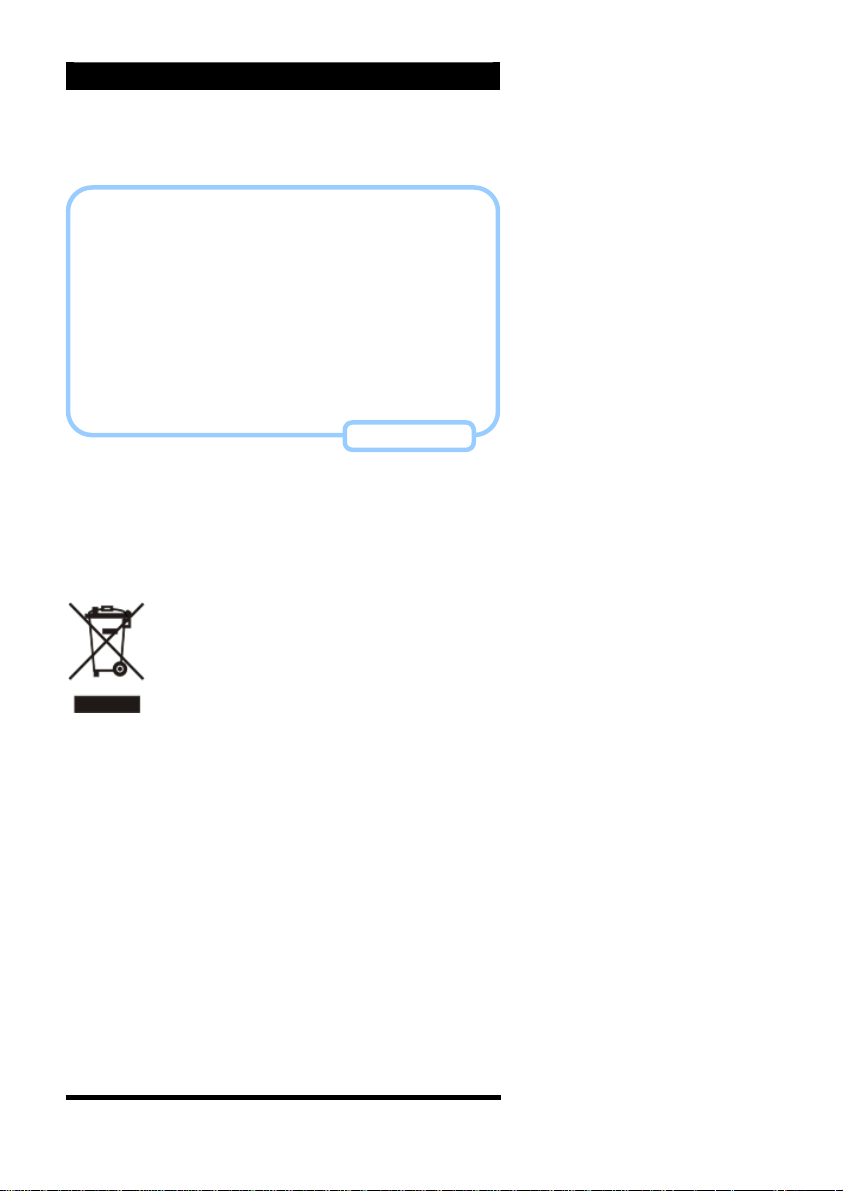
Disposing of the SCD
Do not dispose of electrical units with
your household garbage.
cal appliances must be
Electri
collected separately and recycled in
an environmentally responsible way.
All national and regional waste disposal
regulations must be observed and complied
with during disposal.
If you are unable to find an appropriate disposal
facility, please feel free to return the electrical
unit to HAUG GmbH & Co. KG for
environmentally responsible disposal (for
address, refer to cover sheet).
Fig. 2
17
Page 18

11 Decommissioning
Disposal of batteries
Do not dispose of batteries with
your household garb
You are obliged to dispose of
batteries properly.
Batteries can be taken to the
recycling points in your community or returned
to shops selling batteries.
age.
18
Page 19

Page 20

–
made by
SCD v02gb.doc
D
0327 –GB
V02
2011-06-10
 Loading...