

Page 1
benutzerinformation
notice d'utilisation
istruzioni per l’uso
user manual
Gefriergerät
Congélateur
Congelatore
Freezer
TG092
EUT6259
Page 2
Electrolux. Thinking of you.
Mehr zu unserem Denken finden Sie unter www.electrolux.com
INHALT
Sicherheitshinweise 2
Bedienblende 4
Erste Inbetriebnahme 6
Täglicher Gebrauch 6
Praktische Tipps und Hinweise 6
Reinigung und Pflege 7
Was tun, wenn … 9
Technische Daten 10
Montage 11
Hinweise zum Umweltschutz 13
Änderungen vorbehalten
SICHERHEITSHINWEISE
Lesen Sie zu Ihrer Sicherheit und für die optimale Geräteanwendung vor der Installation
und dem Gebrauch des Gerätes die vorliegende Benutzerinformation aufmerksam
durch, einschließlich der Ratschläge und
Warnungen. Es ist wichtig, dass zur Vermeidung von Fehlern und Unfällen alle Personen, die das Gerät benutzen, mit der Bedienung und den Sicherheitsvorschriften vertraut sind. Heben Sie die Benutzerinformation gut auf und übergeben Sie sie bei einem
Weiterverkauf des Gerätes dem neuen Besitzer, so dass jeder während der gesamten
Lebensdauer des Gerätes über Gebrauch
und Sicherheit informiert ist.
Halten Sie sich zu Ihrer Sicherheit und zum
Schutz Ihres Eigentums strikt an die Vorsichtsmaßnahmen der vorliegenden Benutzerinformation, da der Hersteller bei Missachtung derselben von jeder Haftung freigestellt ist.
Sicherheit von Kindern und
hilfsbedürftigen Personen
• Das Gerät darf von Personen (einschließlich Kindern), deren physische, sensorische Fähigkeiten und deren Mangel an Erfahrung und Kenntnissen einen sicheren
Gebrauch des Gerätes ausschließen nur
unter Aufsicht oder nach ausreichender
Einweisung durch eine verantwortungsbewusste Person benutzt werden, die sicherstellt, dass sie sich der Gefahren des Gebrauchs bewusst sind.
Kinder müssen beaufsichtigt werden, damit sie nicht am Gerät herumspielen können.
• Halten Sie das Verpackungsmaterial unbedingt von Kindern fern. Erstickungsgefahr!
• Ziehen Sie vor der Entsorgung des Gerätes den Netzstecker, schneiden Sie das
Netzkabel (so nah wie möglich am Gerät)
ab und entfernen Sie die Tür, so dass
spielende Kinder vor elektrischem Schlag
geschützt sind und sich nicht in dem Gerät einschließen können.
• Wenn dieses Gerät mit magnetischer Türdichtung ein älteres Modell mit Schnappverschluss (Türlasche) an der Tür oder
auf dem Deckel ersetzt, machen Sie den
Schnappverschluss vor dem Entsorgen
des Altgerätes unbrauchbar. So verhindern Sie, dass das Gerät nicht zu einer Todesfalle für Kinder wird.
Allgemeine Sicherheitshinweise
Vorsicht! Die Belüftungsöffnungen
müssen immer frei zugänglich sein.
• Das Gerät ist für die Aufbewahrung von
Lebensmitteln und/oder Getränken in einem normalen Haushalt bestimmt, wie in
der vorliegenden Gebrauchsanweisung
beschrieben wird.
• Benutzen Sie keine mechanischen oder
sonstigen Hilfsmittel, um den Abtauprozess zu beschleunigen.
• Verwenden Sie keine anderen Elektrogeräte (wie Speiseeisbereiter) in Kühlgeräten, wenn solche Geräte nicht ausdrücklich vom Hersteller für diesen Zweck zugelassen sind.
• Achten Sie darauf, den Kältekreislauf
nicht zu beschädigen.
• Das Kältemittel Isobutan (R600a) im Kältekreislauf des Gerätes ist ein natürliches
und sehr umweltfreundliches Gas, das jedoch leicht entflammbar ist.
2 electrolux
Page 3

Achten Sie beim Transport und bei der
Aufstellung des Gerätes darauf, nicht die
Komponenten des Kältekreislaufs zu beschädigen.
Bei einer eventuellen Beschädigung des
Kältekreislaufs:
– Offene Flammen und Zündfunken ver-
meiden
– Den Raum, in dem das Gerät installiert
ist, gut lüften
• Änderungen der technischen Eigenschaften oder am Gerät sind gefährlich. Ein defektes Netzkabel kann Kurzschlüsse und
einen Brand verursachen und/oder zu
Stromschlägen führen.
Warnung! Elektrische Bauteile (Netzkabel, Stecker, Kompressor) dürfen nur
vom Kundendienst oder einer Fachkraft
ausgewechselt werden.
1. Das Netzkabel darf nicht verlängert
werden.
2. Vergewissern Sie sich, dass der Netz-
stecker nicht von der Geräterückseite
gequetscht oder beschädigt wird. Ein
gequetschter oder beschädigter Netzstecker überhitzt und kann einen
Brand verursachen.
3. Vergewissern Sie sich, dass der Netz-
stecker des Gerätes frei zugänglich ist.
4. Ziehen Sie nicht am Netzkabel.
5. Stecken Sie den Netzstecker nie in ei-
ne lockere Steckdose. Es besteht
Brand- und Stromschlaggefahr.
6. Betreiben Sie das Gerät nicht ohne
Lampenabdeckung
1)
, der Innenbe-
leuchtung.
• Dieses Gerät ist schwer. Vorsicht beim
Transport.
• Entnehmen oder berühren Sie nie mit nassen/feuchten Händen Tiefkühlgut, da dies
zu Hautverletzungen oder Kälteverbrennungen führen kann.
• Das Gerät nicht direkter Sonneneinstrahlung aussetzen.
•
Die Leuchtmittel
2)
in diesem Gerät sind
Speziallampen, die nur für Haushaltsgeräte geeignet sind. Sie eignen sich nicht zur
Raumbeleuchtung.
Legen Sie keine tiefgefrorenen
Lebensmittel auf die Arbeitsplatte, da
die Verdunstungskälte zur
Wasserkondensation in ihrem Inneren
führen kann. Die tropfende Flüssigkeit
könnte Störungen verursachen. Stellen
Sie daher keine gefrorenen
Lebensmittel auf die Arbeitsplatte oder
lassen sie darauf liegen.
Täglicher Gebrauch
• Stellen Sie keine heißen Töpfe auf die
Kunststoffteile des Gerätes.
• Lagern Sie keine feuergefährlichen Gase
oder Flüssigkeiten in dem Gerät. Explosionsgefahr.
• Legen Sie Lebensmittel nicht direkt vor
den Luftauslass auf der Rückwand.
3)
• Ein aufgetautes Produkt darf nicht wieder
eingefroren werden.
• Abgepackte Tiefkühlkost immer entsprechend den Herstellerangaben aufbewahren.
• Die Lagerempfehlungen des Geräteherstellers sollten strikt eingehalten werden.
Halten Sie sich an die betreffenden Anweisungen.
• Keine kohlensäurehaltigen Getränke oder
Sprudel in den Tiefkühlschrank stellen, da
der Druckanstieg in den Behältern zur Explosion führen und das Gerät beschädigen kann.
• Eis am Stiel kann Kälteverbrennungen verursachen, wenn es direkt nach der Entnahme aus dem Gefrierschrank gegessen wird.
Reinigung und Pflege
• Schalten Sie vor Wartungsarbeiten immer
das Gerät ab und ziehen Sie den Netzstecker aus der Steckdose.
• Reinigen Sie das Gerät nicht mit Metallgegenständen.
• Verwenden Sie keine scharfen Gegenstände zum Entfernen von Reif und Eis
im Gerät. Verwenden Sie einen Kunststoffschaber.
• Verwenden Sie niemals einen Haartrockner oder andere Heizgeräte, um das Abtauen zu beschleunigen. Starke Hitze
kann die Plastikteile im Innenraum beschä-
1) Falls Lampenabdeckung vorhanden.
2) Falls Lampe vorhanden.
3) Wenn das Gerät mit dem Frost-Free-System ausgestattet ist.
electrolux 3
Page 4
digen und Feuchtigkeit kann in das elektrische System eindringen, so dass die Teile unter Spannung stehen.
Montage
Wichtig! Halten Sie sich für den
elektrischen Anschluss strikt an die
Anweisungen der betreffenden Abschnitte.
• Kontrollieren Sie nach dem Auspacken
das Gerät auf eventuelle Beschädigungen. Nehmen Sie das Gerät nicht in Betrieb, wenn es beschädigt ist. Melden Sie
die Schäden umgehend dem Händler,
bei dem Sie es erworben haben. Bewahren Sie in diesem Fall die Verpackung auf.
• Lassen Sie das Gerät mindestens vier
Stunden stehen, bevor Sie es elektrisch
anschließen, damit das Öl in den Kompressor zurückfließen kann.
• Ausreichenden Freiraum zur Luftzirkulation um das Gerät lassen; anderenfalls besteht Überhitzungsgefahr. Halten Sie sich
für die Belüftung an die Installationsanweisungen.
• Das Gerät sollte zur Vermeidung von Verbrennungen durch Berührung von heißen
Bauteilen (Kompressor, Kondensator)
möglichst mit der Rückseite gegen eine
Wand aufgestellt werden.
• Das Gerät darf nicht in der Nähe von Heizkörpern oder Kochern installiert werden.
• Vergewissern Sie sich, dass der Netzstecker des Gerätes nach der Installation frei
zugänglich ist.
• Verbinden Sie das Gerät ausschließlich
mit einer Trinkwasserzuleitung.
4)
Kundendienst
• Sollte die Wartung des Gerätes elektrische Arbeiten verlangen, so dürfen diese
nur von einem qualifizierten Elektriker
oder einem Elektro-Fachmann durchgeführt werden.
• Wenden Sie sich für Reparaturen und
Wartung nur an Fachkräfte der autorisierten Kundendienststellen und verlangen
Sie stets Original-Ersatzteile.
Umweltschutz
Das Gerät enthält im Kältekreis oder in
dem Isoliermaterial keine ozonschädigenden Gase. Das Gerät darf nicht wie
normaler Hausmüll entsorgt werden.
Die Isolierung enthält entzündliche Gase: das Gerät muss gemäß den geltenden Vorschriften entsorgt werden; sie
erhalten diese bei Ihrer Gemeindeverwaltung. Nicht das Kälteaggregat beschädigen, insbesondere nicht in der
Nähe des Wärmetauschers. Die Materialien, die bei der Herstellung dieses Geräts verwendet wurden und mit dem
Symbol
markiert sind, können recy-
celt werden.
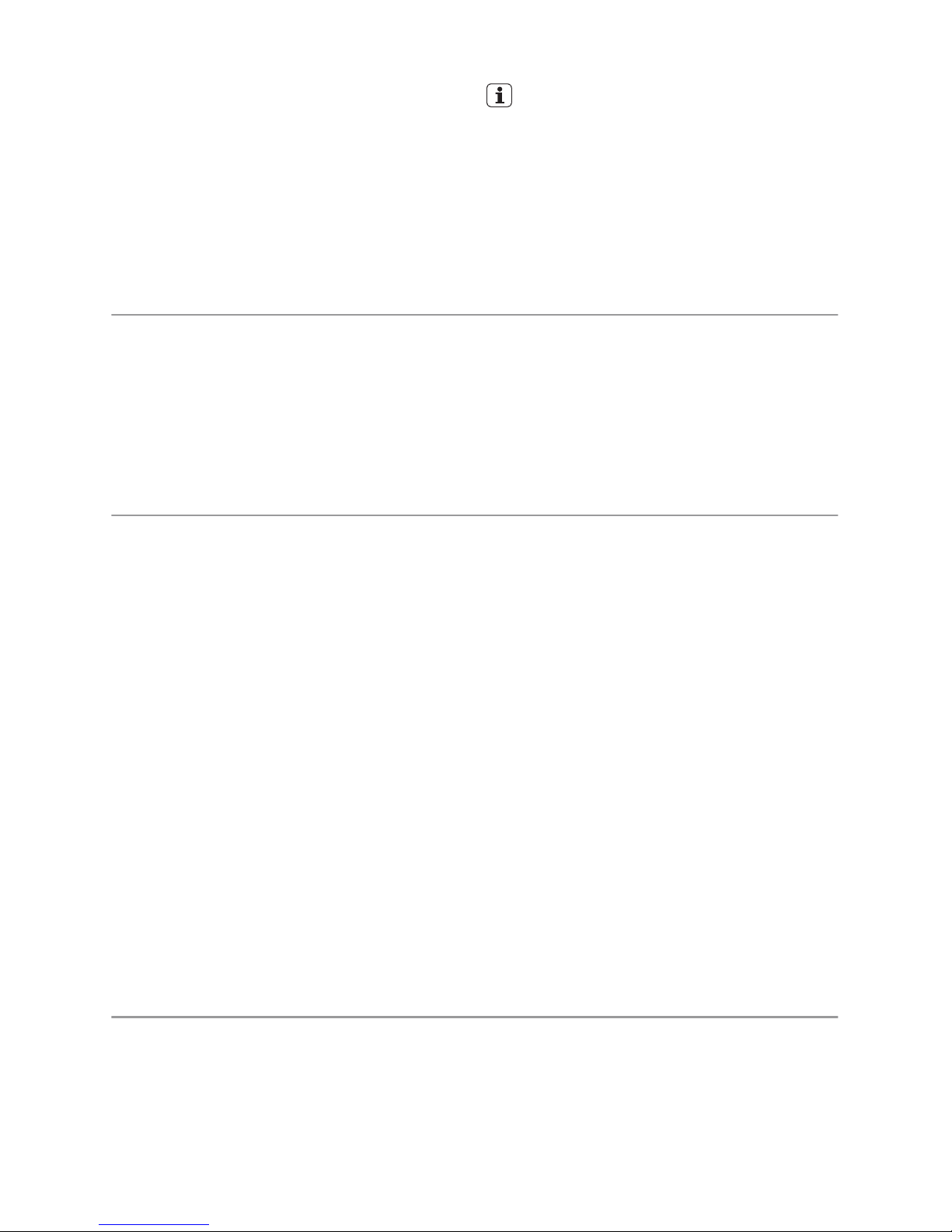
BEDIENBLENDE
1 2 3 4 5
1 Grüne Ein/Aus-Kontrolllampe
2 Temperaturregler und Ein-/Aus-Taste
3 Gelbe Superfrost-Kontrolllampe
4 Taste zum Abschalten des Alarmsignals
und für die Superfrost-Funktion
5 Rote Alarm-Kontrolllampe
Einschalten
1. Lassen Sie das Gerät nach dem Aufstel-
len 4 Stunden stehen.
2. Stecken Sie den Stecker in die Netz-
steckdose.
4) Falls ein Wasseranschluss erforderlich ist.
4 electrolux
Page 5

3. Drehen Sie den Temperaturregler im Uhrzeigersinn auf eine niedrigere Temperatur unterhalb der - 16 °C-Position.
4. Die grüne Ein/Aus-Kontrolllampe leuchtet auf und die rote Alarm-Kontrolllampe
beginnt zu blinken.
5. Das Aufleuchten der grünen Ein/AusKontrolllampe zeigt an, dass das Gerät
eingeschaltet ist.
6. Das Blinken der roten Alarm-Kontrolllampe zeigt an, dass die Temperatur im Gefrierfach nicht richtig ist. Zudem ist eine
akustische Signalabfolge zu hören, die
durch einmaliges Drücken der Taste
zum Abschalten des Alarmsignals und
für die Superfrost-Funktion abgeschaltet
werden kann.
7. Wenn das Gefriergerät zum ersten Mal
eingeschaltet wird, beginnt die rote
Alarm-Kontrolllampe zu blinken, bis die
Innentemperatur den Wert erreicht hat,
der für die sichere Aufbewahrung des
Gefrierguts erforderlich ist.
Ausschalten
1. Drehen Sie den Temperaturregler zum
Ausschalten des Geräts in die Position
„O“.
2. Ziehen Sie den Netzstecker aus der
Steckdose, um das Gerät von der Stromversorgung zu trennen.
Temperaturregelung
Die Temperatur im Gefrierraum wird durch
den Temperaturregler, der sich auf der Bedienblende befindet, geregelt.
Bedienen Sie das Gerät wie folgt:
• Drehen Sie den Temperaturregler auf ei-
ne niedrigere Einstellung, um die minimal
mögliche Kühlung zu erreichen.
• Drehen Sie den Temperaturregler auf ei-
ne höhere Einstellung, um die maximal
mögliche Kühlung zu erreichen.
Eine mittlere Einstellung ist im Allgemeinen am besten geeignet.
Allerdings muss für eine exakte Einstellung
berücksichtigt werden, dass die Temperatur im Innern des Gerätes von verschiedenen Faktoren abhängt:
• Raumtemperatur
• Von der Häufigkeit der Türöffnung
• Von der Menge der eingelagerten Lebensmittel
• Und vom Standort des Geräts.
Rote Alarm-Kontrolllampe
Unter normalen Betriebsbedingungen gewährleistet die Innentemperatur des Gefriergeräts die Haltbarkeit der eingelagerten Lebensmittel über einen längeren Zeitraum.
Sobald die Temperatur einen bestimmten
Wert (-12 °C) übersteigt, löst das Gerät einen akustischen und optischen Alarm aus.
Als optischer Alarm blinkt die rote Lampe (rote Alarm-Kontrolllampe) und als akustischer
Alarm gibt das Gerät eine akustische Signalabfolge aus.
Der Alarmton kann durch einmaliges Drücken der Taste zum Abschalten des Alarmtons ausgeschaltet werden.
Wenn das Gefriergerät zum ersten Mal
eingeschaltet wird, beginnt die rote
Alarm-Kontrolllampe zu blinken, bis die
Innentemperatur auf einen Wert abgesunken ist, der für die sichere Lagerung
des Gefrierguts erforderlich ist.
Superfrost-Funktion (Schnellgefrieren)
Wenn mehr als 3-4 kg Lebensmittel eingefroren werden sollen:
1. Aktivieren Sie die Superfrost-Funktion
6-24 Stunden, bevor Sie frische Lebensmittel in das Gefriergerät legen. Halten
Sie dafür die Superfrost-Taste 2-3 Sekunden gedrückt. Die gelbe Kontrolllampe leuchtet auf. Der Kompressor läuft
jetzt kontinuierlich und gewährleistet so
eine möglichst schnelle Tiefkühlung der
frischen Lebensmittel.
2. Diese Funktion kann jederzeit ausge-
schaltet werden. Halten Sie dafür die Superfrost-Taste 2-3 Sekunden gedrückt.
3. Legen Sie die Lebensmittel in das Ge-
frierfach (das obere Fach). Um die höchste Gefrierleistung zu ermöglichen, entnehmen Sie die Schublade (falls vorhanden) und legen Sie dann die einzufrierenden Lebensmittel direkt auf den Verdampfer. Beim Gefrieren kleinerer Mengen ist eine Herausnahme der Schublade nicht notwendig.
4. Sobald die Lebensmittel vollständig ge-
froren sind (dies kann bis zu 24 Stunden
dauern), können Sie die Superfrost-Funk-
electrolux 5
Page 6
tion ausschalten. Halten Sie dafür die Superfrost-Taste 2-3 Sekunden gedrückt.
Die gelbe Superfrost-Kontrolllampe erlischt dann ebenfalls.
5. Nehmen Sie das Gefriergut aus dem Gefrierfach heraus und legen Sie es in die
anderen beiden Fächer (Lagerfächer),
um wieder Platz für ein erneutes Schnellgefrieren zu schaffen.
Falls die Superfrost-Taste versehentlich
eingeschaltet bleibt, schaltet sich die
Superfrost-Funktion automatisch 48
Stunden später aus. Die gelbe Superfrost-Kontrolllampe erlischt dann ebenfalls.
ERSTE INBETRIEBNAHME
Reinigung des Innenraums
Bevor Sie das Gerät in Betrieb nehmen, beseitigen Sie den typischen "Neugeruch" am
besten durch Auswaschen der Innenteile
mit lauwarmem Wasser und einem neutralen Reinigungsmittel. Sorgfältig nachtrocknen.
Wichtig! Verwenden Sie keine Reinigungsmittel oder Scheuerpulver, da hierdurch die
Oberfläche beschädigt wird.
TÄGLICHER GEBRAUCH
Einfrieren frischer Lebensmittel
Der Gefrierraum (das oberste Fach) eignet
sich zum Einfrieren von frischen Lebensmitteln und zum Lagern von gefrorenen und tiefgefrorenen Lebensmitteln über einen längeren Zeitraum.
Aktivieren Sie zum Einfrieren frischer Lebensmittel die Superfrost-Funktion.
Die maximale Menge an Lebensmitteln, die
in 24 Stunden eingefroren werden kann, ist
auf dem Typenschild angegeben, das sich
im Innern des Geräts befindet.
Der Gefriervorgang dauert 24 Stunden: Legen Sie während dieses Zeitraums keine weiteren einzufrierenden Lebensmittel in das
Gerät.
Lagerung gefrorener Produkte
Lassen Sie das Gerät vor der ersten Inbetriebnahme oder nach einer Zeit, in der
das Gerät nicht benutzt wurde, mindestens
zwei Stunden lang auf den höheren Einstel-
lungen laufen, bevor Sie Lebensmittel in
das Gefrierfach hinein legen.
Wichtig! Kam es zum Beispiel durch einen
Stromausfall, der länger dauerte als der in
der Tabelle mit den technischen Daten
angegebene Wert (siehe "Ausfalldauer") zu
einem ungewollten Abtauen, dann müssen
die aufgetauten Lebensmittel sehr rasch
verbraucht oder sofort gekocht und (nach
dem Abkühlen) erneut eingefroren werden.
Auftauen
Tiefgefrorene oder gefrorene Lebensmittel
können vor der Verwendung bei Raumtemperatur aufgetaut werden.
Kleinere Gefriergutteile können sogar direkt
aus dem Gefriergerät entnommen und anschließend sofort gekocht werden: in diesem Fall dauert der Garvorgang allerdings
etwas länger.
PRAKTISCHE TIPPS UND HINWEISE
Normale Betriebsgeräusche
• Unter Umständen ist ein leichtes Gurgeln
und Blubbern zu hören, wenn das Kältemittel durch die Leitungen gepumpt wird.
Das ist normal.
• Bei eingeschaltetem Kompressor wird
das Kältemittel umgewälzt und Sie hören
ein Surren und ein pulsierendes Geräusch vom Kompressor. Das ist normal.
• Die thermische Ausdehnung kann ein
plötzliches Krachen verursachen. Das ist
eine natürliche und nicht gefährliche physikalische Erscheinung. Das ist normal.
6 electrolux
Page 7
• Beim Ein- oder Ausschalten des Kompressors ist ein leises "Klicken" des Temperaturreglers zu hören. Das ist normal.
Hinweise zum Einfrieren
Im Folgenden finden Sie einige wertvolle
Tipps für einen optimalen Gefriervorgang:
• die maximale Menge an Lebensmitteln,
die innerhalb von 24 Stunden eingefroren
werden kann. ist auf dem Typschild angegeben;
• der Gefriervorgang dauert 24 Stunden. Legen Sie während dieses Zeitraums keine
weiteren einzufrierenden Lebensmittel in
das Gefrierfach;
• frieren Sie ausschließlich frische und
gründlich gewaschene Lebensmittel von
sehr guter Qualität ein;
• teilen Sie die Lebensmittel in kleinere Portionen ein, damit diese schnell und vollständig gefrieren und Sie später nur die
Menge auftauen müssen, die Sie gerade
benötigen;
• die einzufrierenden Lebensmittelportionen sollten stets luftdicht in Aluminiumfolie oder in lebensmittelechte Gefrierbeutel
verpackt werden, um so wenig Luft wie
möglich in der Verpackung zu haben;
• achten Sie beim Hineinlegen von frischen, noch ungefrorenen Lebensmitteln
darauf, dass diese keinen Kontakt mit Gefriergut bekommen, da dieses sonst antauen kann;
• weniger fetthaltige Lebensmittel lassen
sich besser lagern als fetthaltigere; Salz
verkürzt die Lagerzeit von Lebensmitteln
im Gefrierfach;
• werden Gefrierwürfel direkt nach der Entnahme aus dem Gefrierfach verwendet,
können Sie zu Frostbrand auf der Haut
führen;
• es empfiehlt sich, das Einfrierdatum auf jeder einzelnen Packung zu notieren, um einen genauen Überblick über die Lagerzeit
zu haben.
Hinweise zur Lagerung gefrorener
Produkte
So erzielen Sie die besten Ergebnisse mit Ihrem Gerät:
• Prüfen Sie sorgfältig, dass die im Handel
erworbenen gefrorenen Lebensmittel
sachgerecht gelagert wurden.
• Achten Sie unbedingt darauf, die eingekauften gefrorenen Lebensmittel in der
kürzest möglichen Zeit in Ihren Gefrierschrank zu bringen.
• Öffnen Sie die Tür nicht zu häufig, und lassen Sie diese nicht länger offen als unbedingt notwendig.
• Abgetaute Lebensmittel verderben sehr
schnell und eignen sich nicht für ein erneutes Einfrieren.
• Das Haltbarkeitsdatum auf der Tiefkühlkostverpackung sollte nicht überschritten
werden.
REINIGUNG UND PFLEGE
Vorsicht! Ziehen Sie bitte vor jeder
Reinigungsarbeit immer den
Netzstecker aus der Steckdose.
Der Kältekreis des Gerätes enthält Kohlenwasserstoffe; Wartungsarbeiten und
Nachfüllen von Kältemittel dürfen daher
nur durch vom Hersteller autorisiertes
Fachpersonal ausgeführt werden.
Regelmäßige Reinigung
Der gesamte Kühlschrank muss regelmäßig
gereinigt werden:
• Reinigen Sie die Innenseiten und die Zubehörteile mit lauwarmem Wasser und etwas Neutralseife.
• Prüfen und säubern Sie die Türdichtungen in regelmäßigen Abständen und kon-
trollieren Sie, dass diese sauber und frei
von Verunreinigungen sind.
• Spülen und trocknen Sie diese sorgfältig
ab.
Wichtig! Ziehen Sie nicht an Leitungen und/
oder Kabeln im Innern des Kühlschranks
und achten Sie darauf, diese nicht zu
verschieben oder zu beschädigen.
Benutzen Sie zur Reinigung des Innenraums keinesfalls Putzmittel, Scheuerpulver,
stark parfümierte Reinigungsmittel oder
Wachspolituren, da diese die Oberfläche
des Innenraums beschädigen und einen
starken Eigengeruch hinterlassen können.
Reinigen Sie den Kondensator (schwarzes
Gitter) und den Motorkompressor auf der
electrolux 7
Page 8
Geräterückseite mit einer Bürste oder einem Staubsauger. Dadurch verbessert sich
die Leistung des Geräts und es verbraucht
weniger Strom.
Wichtig! Bitte achten Sie darauf, das
Kühlsystem nicht zu beschädigen.
Viele Haushaltsreiniger für Küchen enthalten
Chemikalien, die den im Gerät verwendeten
Kunststoff angreifen können. Aus diesem
Grund ist es empfehlenswert, das Gerät außen nur mit warmem Wasser und etwas flüssigem Tellerspülmittel zu reinigen.
Schließen Sie das Gerät nach der Reinigung wieder an die Netzversorgung an.
Abtauen des Gefriergeräts
Auf den Ablagen des Gefriergeräts und im
Innern des oberen Fachs bildet sich stets etwas Reif.
Tauen Sie das Gefriergerät ab, wenn die Reifschicht eine Stärke von etwa 3 bis 5 mm erreicht hat.
Wichtig! Stellen Sie den Temperaturregler
bitte 12 Stunden vor dem Abtauen auf
einen kälteren Wert ein, damit sich bis zur
Betriebsunterbrechung genügend
Kältereserve aufgebaut hat.
Entfernen Sie den Reif wie nachstehend erläutert:
1. Schalten Sie das Gerät ab und ziehen
Sie den Netzstecker aus der Steckdose.
2. Nehmen Sie das gesamte Gefriergut heraus, verpacken Sie es in mehrere
Schichten Zeitungspapier und lagern Sie
es an einem kühlen Ort.
Vorsicht! Fassen Sie das Gefriergut
nicht mit nassen Händen an. Ihre
Hände könnten an den Lebensmitteln
festfrieren.
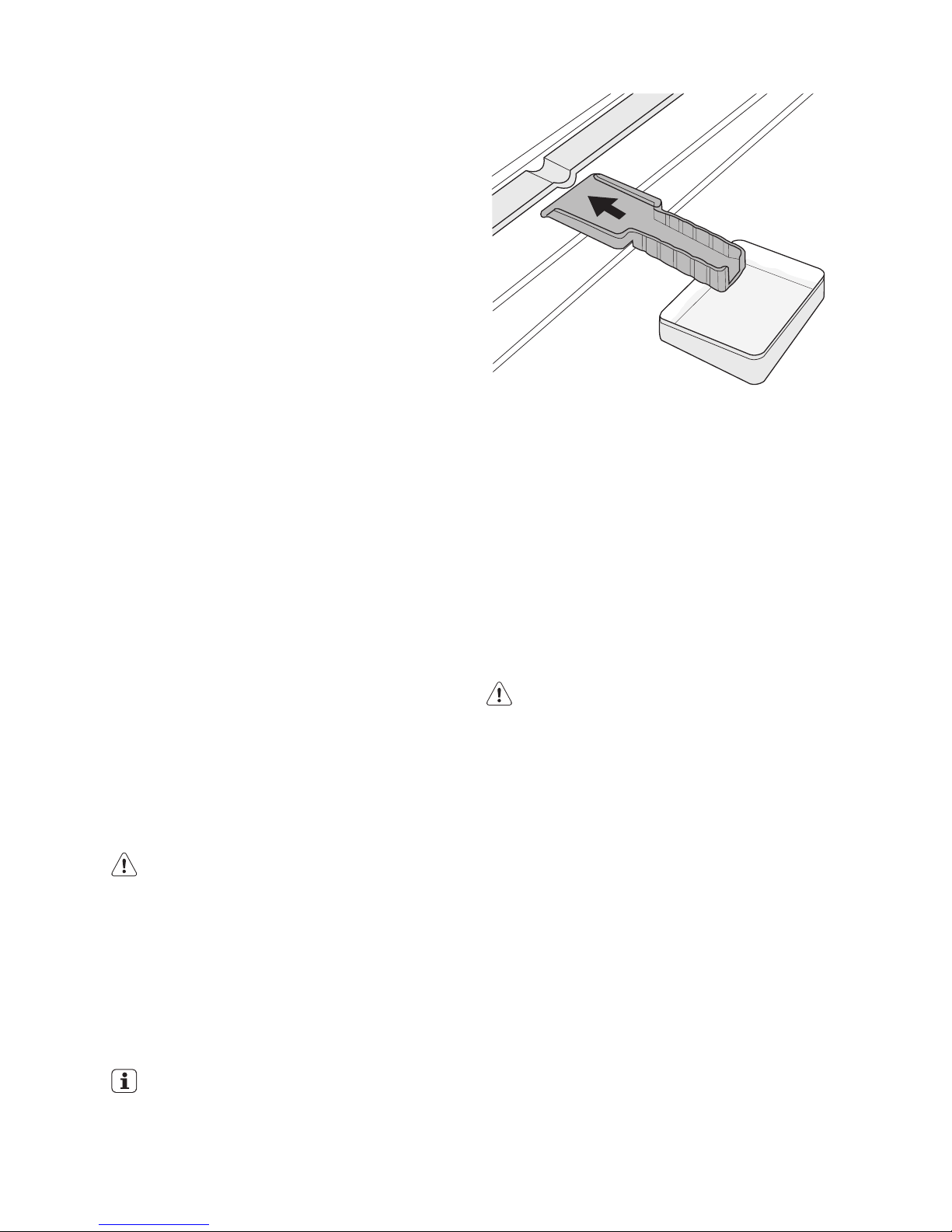
3. Lassen Sie die Tür des Geräts offen stehen und setzen Sie den Kunststoffschaber in die entsprechende Aufnahme in
Bodenmitte ein; stellen Sie eine Schale
zum Auffangen des Tauwassers darunter.
Stellen Sie eine Schale mit warmem
Wasser in den Gefrierraum, um den Abtauprozess zu beschleunigen Entfernen
Sie bereits während des Abtauprozesses vorsichtig Eisstücke, die sich lösen
lassen.
4. Ist das Geräteinnere vollständig abgetaut, trocken Sie die nassen Oberflächen gründlich ab und heben Sie den
Kunststoffschaber zur späteren Verwendung auf.
5. Gerät einschalten.
6. Stellen Sie den Temperaturregler auf die
Position -18 °C und lassen Sie das Gerät mindestens 4 Stunden mit eingeschalteter Superfrost-Funktion laufen.
7. Nach 4 Stunden legen Sie die ausgelagerten Lebensmittel wieder in die Gerätefächer.
Warnung! Entfernen Sie Reif und Eis
vom Verdampfer bitte niemals mit
scharfen Gegenständen, da dieser
dadurch beschädigt werden könnte.
Versuchen Sie nicht, den Abtauvorgang durch andere als vom Hersteller
empfohlene mechanische oder sonstige Hilfsmittel zu beschleunigen.
Ein Temperaturanstieg des Gefrierguts
während des Abtauens des Gerätes
kann die Lagerzeit dieser Lebensmittel
verkürzen.
Stillstandzeiten
Bei längerem Stillstand des Geräts müssen
Sie folgendermaßen vorgehen:
1. Trennen Sie das Gerät von der Netzversorgung.
2. Entnehmen Sie alle Lebensmittel.
3. Tauen Sie das Gerät ab; reinigen Sie
den Innenraum und das gesamte Zubehör.
4. Lassen Sie die Türen offen, um das Entstehen unangenehmer Gerüche zu vermeiden.
8 electrolux
Page 9
Wichtig! Möchten Sie bei einer längeren
Abwesenheit das Gerät weiter laufen
lassen, bitten Sie jemanden, gelegentlich
die Temperatur zu prüfen, damit das
Gefriergut bei einem möglichen
Stromausfall nicht im Innern des Geräts
verdirbt.
WAS TUN, WENN …
Warnung! Ziehen Sie vor der
Fehlersuche immer den Netzstecker
aus der Steckdose.
Eine Fehlersuche, die in der vorliegenden Gebrauchsanweisung nicht beschrieben ist, darf nur von einem qualifizierten Elektriker oder einer Fachkraft
durchgeführt werden.
Wichtig! Während das Gerät in Betrieb ist,
entstehen bestimmte Geräusche
(Kompressor und Kühlkreislauf).
Wichtig! Das Gerät arbeitet nicht
kontinuierlich; wenn der Kompressor
aufhört zu arbeiten, bedeutet das nicht,
dass kein Strom mehr fließt. Aus diesem
Grund dürfen Sie erst dann elektrische Teile
des Geräts berühren, wenn das Gerät vom
Netz getrennt wurde.
Problem Mögliche Ursache Abhilfe
Das Gerät ist zu laut. Das Gerät steht nicht genau waa-
gerecht auf dem Boden.
Kontrollieren Sie, ob das Gerät stabil steht (alle vier Füße müssen
fest auf dem Boden stehen).
Der Kompressor arbeitet
ständig.
Der Temperaturregler ist falsch
eingestellt.
Stellen Sie eine höhere Temperatur ein.
Die Türen schließen nicht richtig
oder sind nicht fest geschlossen.
Prüfen Sie, ob die Türen gut schließen und die Dichtungen unbeschädigt und sauber sind.
Die Tür wurde zu häufig geöffnet. Lassen Sie die Tür nicht länger als
unbedingt erforderlich offen.
Es wurden zu große Mengen an
Lebensmitteln gleichzeitig zum
Einfrieren eingelegt.
Warten Sie einige Stunden und
prüfen Sie dann die Temperatur erneut.
In das Gerät eingelegte Lebens-
mittel waren noch zu warm.
Lassen Sie Lebensmittel auf
Raumtemperatur abkühlen, bevor
Sie diese einlagern.
Die Raumtemperatur ist zu hoch. Senken Sie die Raumtemperatur.
Zu starke Reif- und Eisbildung.
Das Gefriergut ist nicht korrekt
verpackt.
Verpacken Sie die Lebensmittel
besser.
Die Türen schließen nicht richtig
oder sind nicht fest geschlossen.
Prüfen Sie, ob die Türen gut schließen und die Dichtungen unbeschädigt und sauber sind.
Der Temperaturregler kann
falsch eingestellt sein.
Stellen Sie eine höhere Temperatur ein.
Es ist zu warm im Gefriergerät.
Der Temperaturregler kann
falsch eingestellt sein.
Stellen Sie eine niedrigere Temperatur ein.
Die Tür schließt nicht richtig oder
ist nicht fest geschlossen.
Prüfen Sie, ob die Tür gut schließt
und die Dichtung unbeschädigt
und sauber ist.
electrolux 9
Page 10
Problem Mögliche Ursache Abhilfe
Es wurden zu große Mengen an
Lebensmitteln gleichzeitig zum
Einfrieren eingelegt.
Legen Sie kleinere Mengen an Lebensmitteln in den Gefrierschrank.
In das Gerät eingelegte Lebens-
mittel waren noch zu warm.
Lassen Sie Lebensmittel auf
Raumtemperatur abkühlen, bevor
Sie diese einlagern.
Die einzelnen Packungen des
einzufrierenden Gefrierguts liegt
zu dicht aneinander.
Legen Sie das Gefriergut so hinein, dass die Kaltluft dazwischen
frei zirkulieren kann.
Es ist zu kalt im Gefriergerät.
Der Temperaturregler kann
falsch eingestellt sein.
Stellen Sie eine höhere Temperatur ein.
Das Gerät funktioniert
überhaupt nicht. Weder
die Kühlung noch die Beleuchtung funktioniert.
Der Stecker ist nicht richtig in die
Steckdose gesteckt.
Stecken Sie den Netzstecker richtig in die Steckdose.
Das Gerät bekommt keinen
Strom.
Versuchen Sie, ein anderes elektrisches Gerät an die Steckdose an-
zuschließen.
Das Gerät ist nicht eingeschaltet. Schalten Sie das Gerät ein.
Es liegt keine Spannung an der
Netzsteckdose an (schließen Sie
zum Test ein anderes Gerät an).
Rufen Sie einen Elektriker.
Das Gerät kühlt überhaupt nicht.
Der Stecker ist nicht richtig in die
Steckdose gesteckt.
Stecken Sie den Netzstecker rich-
tig in die Steckdose.
Es liegt keine Spannung an der
Netzsteckdose an (schließen Sie
zum Test ein anderes Gerät an).
Rufen Sie einen Elektriker.
Das Gerät ist nicht eingeschaltet. Schalten Sie das Gerät ein.
Der Temperaturregler ist nicht
eingestellt.
Überprüfen Sie den Temperatur-
regler.
Die grüne Kontrolllampe
blinkt.
Temperatursensor - Störung Rufen Sie den Kundendienst.
Schließen der Tür
1. Reinigen Sie die Türdichtungen.
2. Stellen Sie die Tür nach Bedarf ein. Siehe hierzu "Montage".
3. Ersetzen Sie die defekten Türdichtungen, falls erforderlich. Kontaktieren Sie
den Kundendienst.
TECHNISCHE DATEN
TG092 EUT6259
Abmessungen
Höhe 850 mm 850 mm
Breite 595 mm 595 mm
Tiefe 635 mm 635 mm
Ausfalldauer 24 Std. 24 Std.
Die technischen Informationen befinden
sich auf dem Typenschild innen links im Gerät sowie auf der Energieplakette.
10 electrolux
Page 11
MONTAGE
Lesen Sie bitte die
"Sicherheitshinweise" sorgfältig vor der
Aufstellung des Geräts durch, um
Gefahren für Sie selbst zu vermeiden
und einen korrekten Betrieb des Geräts
zu gewährleisten.
Aufstellung
Dieses Gerät kann auch in einer trockenen,
gut belüfteten Garage oder in einem Keller
installiert werden, doch für eine optimale
Leistung sollte dieses Gerät an einem Ort installiert werden, an dem die Umgebungstemperatur mit der Klimaklasse übereinstimmt, die auf dem Typschild des Geräts
angegeben ist:
Klimaklasse
Umgebungstemperatur
SN +10 °C bis 32 °C
N +16 °C bis 32 °C
ST +16 °C bis 38 °C
T +16 °C bis 43 °C
Ausrichten
Bei der Aufstellung des Gerätes ist dieses
waagerecht auszurichten. Dies lässt sich
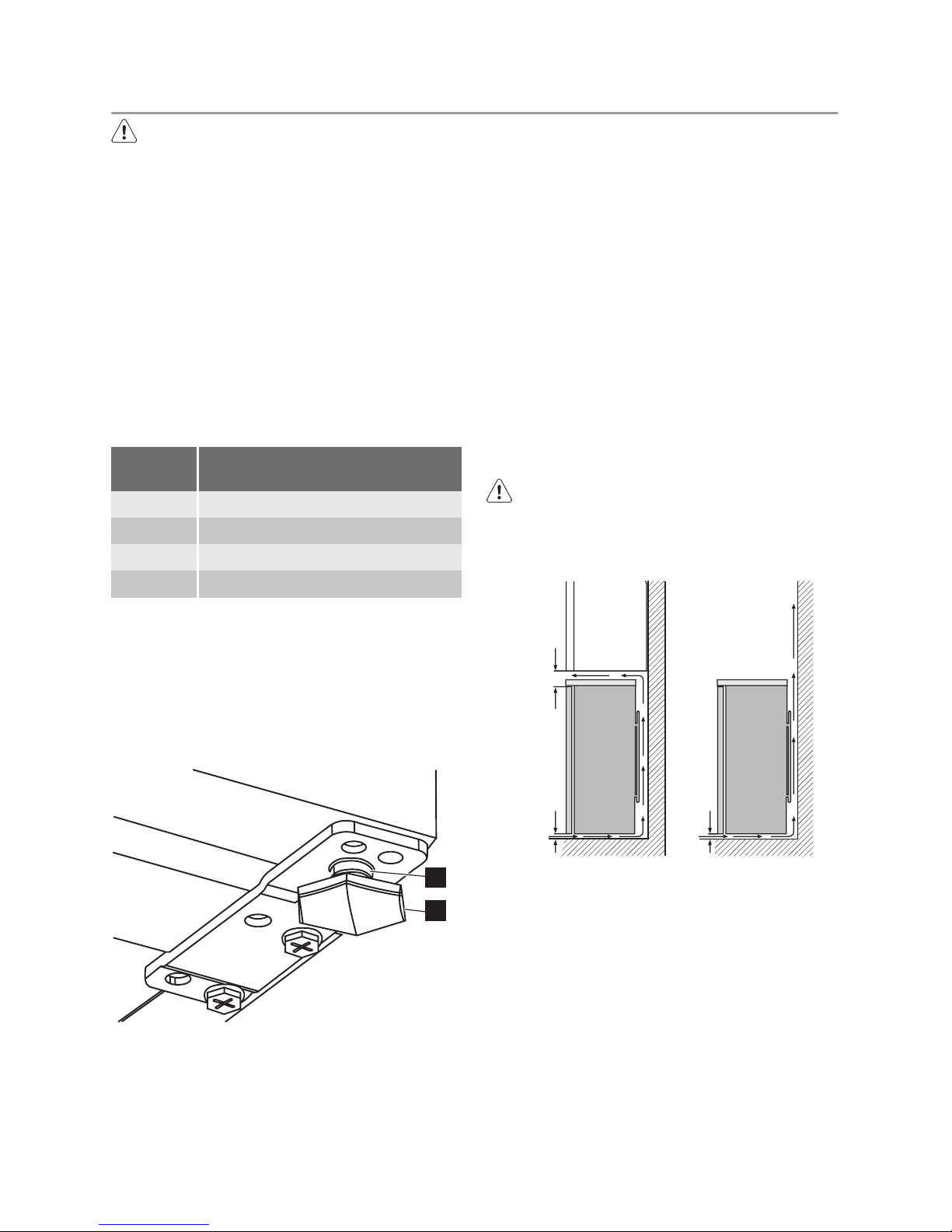
mit zwei Schraubfüßen (2) am vorderen Sockel des Gerätes erreichen. Bei Bedarf
kann zum Einstellen der Schraubfüße das
Distanzstück (1) entfernt werden.
1
2
Standort
Das Gerät sollte möglichst weit entfernt von
Wärmequellen wie Heizungen, Boilern oder
direktem Sonnenlicht usw. aufgestellt werden. Sicherstellen, dass die Luft frei auf der
Rückseite des Gerätes zirkulieren kann. Da-
mit das Gerät die optimale Leistung bringen
kann, wenn es unter einer überhängenden
Wand installliert wird, sollte der Mindestabstand zwischen der Geräteoberseite und
der Wand mindestens 100 mm betragen. Allerdings sollte die Aufstellung des Gerätes
unter einer überhängenden Wand nach
Möglichkeit vermieden werden. Die korrekte
waagerechte Ausrichtung des Gerätes kann
mit Hilfe eines oder mehrerer Schraubfüße
am Sockel des Gerätes erfolgen.
Wird das Gerät in einer Ecke aufgestellt,
und zeigt die Scharnierseite dabei zur
Wand, so muss der Abstand zwischen
Wand und Gerät mindestens 10 mm betragen, damit die Tür zum Herausnehmen der
Ablagen geöffnet werden kann.
Warnung! Es muss möglich sein, das
Gerät vom Netz zu trennen; nach der
Installation muss die Steckdose daher
zugänglich bleiben.
15mm
15mm 100mm
Wechsel des Türanschlags
Wichtig! Die nachfolgend beschriebenen
Tätigkeiten müssen mit Hilfe einer zweiten
Person durchgeführt werden, um ein
Herunterfallen der Türen zu vermeiden.
Beim Wechsel des Türanschlags muss wie
folgt vorgegangen werden:
1. Ziehen Sie den Stecker aus der Steck-
dose.
2. Neigen Sie das Gerät vorsichtig nach
hinten, so dass der Kompressor nicht
den Boden berühren kann.
electrolux 11
Page 12
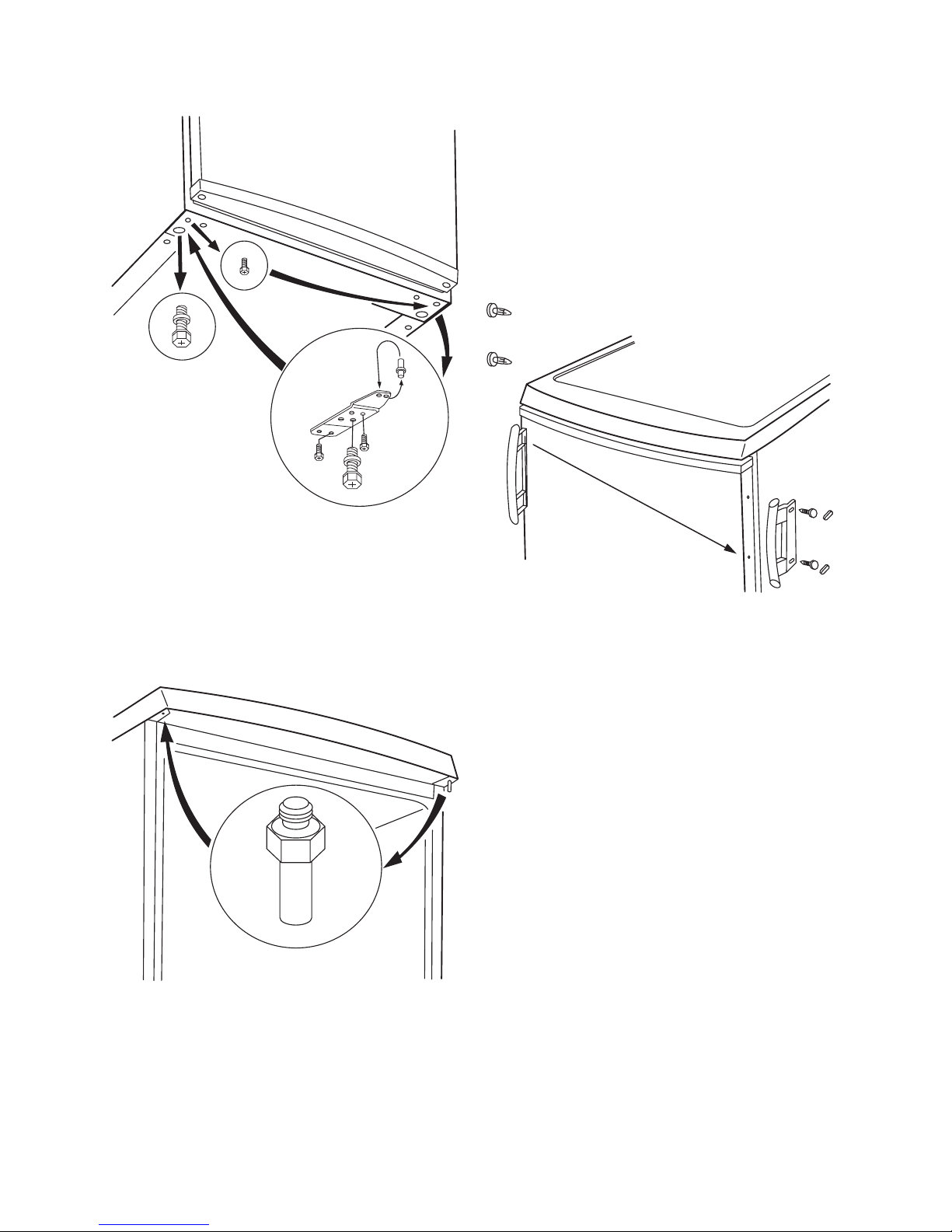
3. Schrauben Sie beide Schraubfüße ab.
4. Lösen Sie die Schrauben des unteren
Türscharniers.
5. Nehmen Sie die Gerätetür ab, indem
Sie sie vorsichtig nach unten ziehen.
6. Schrauben Sie den Haltestift des oberen Türscharniers heraus und schrauben Sie ihn dann auf der anderen Seite
wieder an.
7. Setzen Sie danach die Gerätetür auf
den oberen Haltestift des Scharniers.
8. Nehmen Sie das untere Scharnier ab.
Stecken Sie den Bolzen in Pfeilrichtung
um.
9. Lösen Sie die Schraube und bringen
Sie sie an der gegenüberliegenden Seite wieder an.
10. Bauen Sie das untere Türscharnier auf
der gegenüberliegenden Seite ein. Lassen Sie dabei die Position der Tür unverändert.
11. Schrauben Sie die einzelne Schraube
an der dafür vorgesehenen Stelle auf
der gegenüberliegenden Seite fest,
ebenso die beiden Verstellfüße (2 Stück).
12.
Bauen Sie den Griff ab
5)
und auf der ge-
genüberliegenden Seite wieder an.
13. Schieben Sie das Gerät wieder an seinen Standort, richten Sie es waagerecht aus und nehmen Sie es mindestens vier Stunden lang nicht in Betrieb.
Schließen Sie es dann an die Stromversorgung an.
Prüfen Sie alles erneut, um sicherzustellen,
dass:
• Alle Schrauben fest angezogen sind.
• Die Tür korrekt öffnet und schließt.
Bei niedrigen Umgebungstemperaturen
(z.B. im Winter) kann es sein, dass die Türdichtung nicht richtig am Gerät anliegt. Warten Sie in diesem Fall auf die natürliche Anpassung der Dichtung.
Wenden Sie sich bitte an den Kundendienst, falls Sie die oben beschriebenen Tätigkeiten nicht selbst durchführen möchten.
Ein Kundendiensttechniker wird die Türen
dann auf Ihre Kosten umbauen.
Elektrischer Anschluss
Kontrollieren Sie vor der ersten Benutzung
des Gerätes, ob die Netzspannung und -frequenz Ihres Hausanschlusses mit den auf
dem Typenschild angegebenen Anschlusswerten übereinstimmen.
5) Falls dies vorgesehen ist
12 electrolux
Page 13
Das Gerät muss geerdet sein. Zu diesem
Zweck ist die Netzkabelsteckdose mit einem Schutzkontakt ausgestattet. Falls die
Steckdose Ihres Hausanschlusses nicht geerdet sein sollte, lassen Sie das Gerät bitte
gemäß den geltenden Vorschriften erden
und fragen Sie dafür einen qualifizierten
Elektriker.
Der Hersteller übernimmt keinerlei Haftung
für Schäden oder Verletzungen, die durch
Missachtung der oben genannten Sicherheitshinweise entstehen.
Das Gerät entspricht den EU- Richtlinien.
HINWEISE ZUM UMWELTSCHUTZ
Das Symbol auf dem Produkt oder
seiner Verpackung weist darauf hin, dass
dieses Produkt nicht als normaler
Haushaltsabfall zu behandeln ist, sondern
an einem Sammelpunkt für das Recycling
von elektrischen und elektronischen
Geräten abgegeben werden muss. Durch
Ihren Beitrag zum korrekten Entsorgen
dieses Produkts schützen Sie die Umwelt
und die Gesundheit Ihrer Mitmenschen.
Umwelt und Gesundheit werden durch
falsches Entsorgen gefährdet. Weitere
Informationen über das Recycling dieses
Produkts erhalten Sie von Ihrem Rathaus,
Ihrer Müllabfuhr oder dem Geschäft, in dem
Sie das Produkt gekauft haben.
Wohin mit den Altgeräten?
Überall dort wo neue Geräte verkauft
werden oder Abgabe bei den offiziellen
SENS-Sammelstellen oder offiziellen
SENS-Recyclern.
Die Liste der offiziellen SENSSammelstellen findet sich unter
www.sens.ch.
electrolux 13
Page 14
Electrolux. Thinking of you.
Partagez notre imagination sur www.electrolux.com
SOMMAIRE
Consignes de sécurité 14
Bandeau de commande 16
Première utilisation 18
Utilisation quotidienne 18
Conseils utiles 18
Entretien et nettoyage 19
En cas d'anomalie de fonctionnement
20
Caractéristiques techniques 22
Installation 22
En matière de sauvegarde de
l'environnement 25
Sous réserve de modifications
CONSIGNES DE SÉCURITÉ
Pour votre sécurité et garantir une utilisation
correcte de l'appareil, lisez attentivement
cette notice, y compris les conseils et avertissements, avant d'installer et d'utiliser l'appareil pour la première fois. Pour éviter toute erreur ou accident, veillez à ce que toute
personne qui utilise l'appareil connaisse
bien son fonctionnement et ses fonctions
de sécurité. Conservez cette notice avec
l'appareil. Si l'appareil doit être vendu ou cédé à une autre personne, veillez à remettre
cette notice au nouveau propriétaire, afin
qu'il puisse se familiariser avec son fonctionnement et sa sécurité.
Pour la sécurité des personnes et des
biens, conservez et respectez les consignes de sécurité figurant dans cette notice.
Le fabricant décline toute responsabilité en
cas de dommages dus au non-respect de
ces instructions.
Sécurité des enfants et des personnes
vulnérables
• Cet appareil n'est pas destiné à être utilisé par des enfants ou des personnes
dont les capacités physiques, sensorielles ou mentales, ou le manque d'expérience et de connaissance les empêchent
d'utiliser l'appareil sans risque lorsqu'ils
sont sans surveillance ou en l'absence
d'instruction d'une personne responsable
qui puisse leur assurer une utilisation de
l'appareil sans danger.
Empêchez les enfants de jouer avec l'appareil.
• Ne laissez pas les différents emballages à
portée des enfants. Ils pourraient s'asphyxier.
• Si l'appareil doit être mis au rebut, veillez
à couper le câble d'alimentation électrique au ras de l'appareil pour éviter les risques d'électrocution. Démontez la porte
pour éviter que des enfants ne restent enfermés à l'intérieur.
• Cet appareil est muni de fermetures magnétiques. S'il remplace un appareil équipé d'une fermeture à ressort, nous vous
conseillons de rendre celle-ci inutilisable
avant de vous en débarrasser. Ceci afin
d'éviter aux enfants de s'enfermer dans
l'appareil et de mettre ainsi leur vie en danger.
Mesures générales de sécurité
Attention Veillez à ce que les orifices
de ventilation ne soient pas obstrués.
• Cet appareil est destiné uniquement à la
conservation d’aliments et/ou de boissons dans le cadre d’un usage domestique normal, tel que celui décrit dans la
présente notice.
• N'utilisez pas d'appareils électriques,
d'agents chimiques ou tout autre système artificiel pour accélérer le processus
de dégivrage.
• N’utilisez pas d'autres appareils électriques (par exemple, sorbetières) à l'intérieur d’appareils réfrigérants sauf s’ils
sont homologués pour cet usage par leur
fabricant.
• Faites très attention lorsque vous déplacez l'appareil afin de ne pas endommager des parties du circuit de refroidissement et ainsi d'éviter des risques de fuite.
• Le circuit de refroidissement de l’appareil
contient de l’isobutane (R600a), un gaz
14 electrolux
Page 15
naturel offrant un haut niveau de compatibilité avec l’environnement mais qui est
néanmoins inflammable.
Pendant le transport et l'installation de
l’appareil, assurez-vous qu'aucune pièce
du circuit de refroidissement n'est endommagée.
Si tel est le cas :
– Évitez les flammes vives (briquet) et
tout autre allumage (étincelles).
– Aérez soigneusement la pièce où se
trouve l'appareil.
• Ne modifiez pas les spécifications de l'appareil. Un cordon d'alimentation endommagé peut être la cause de courts-circuits, d'incendies et/ou de décharges
électriques.
Avertissement Les composants électriques (cordon d'alimentation, prise,
compresseur) doivent être remplacés
par un technicien d’entretien agréé ou
par un électricien spécialisé.
1. L'appareil ne doit pas être raccordé à
l'aide d'un prolongateur, d'une prise
multiple ou d'un raccordement multiple (risque d'incendie).
2. Assurez-vous que la prise n'est pas
écrasée ou endommagée par l'arrière
de l'appareil. Une prise de courant endommagée peut surchauffer et provoquer un incendie.
3. Vérifiez que la prise murale reste ac-
cessible une fois que l'installation est
terminée.
4. Ne débranchez pas l'appareil en tirant
sur le câble, particulièrement lorsque
l'appareil est tiré de son logement.
5. Si la fiche du cordon d'alimentation
est desserrée, ne la branchez pas
dans la prise murale. Risque d'électrocution ou d'incendie !
6. N'utilisez pas l'appareil si le diffuseur
de l'ampoule d'éclairage n'est pas présent
6)
pour l'éclairage intérieur.
• Cet appareil est lourd. Faites attention en
le déplaçant.
• Ne touchez pas avec les mains humides
les surfaces givrées et les produits conge-
lés (risque de brûlure et d'arrachement
de la peau).
• Évitez une exposition prolongée de l'appareil aux rayons solaires.
•
Ampoules
7)
utilisées dans cet appareil
sont des ampoules spéciales dédiées uniquement à un usage avec des appareils
ménagers. Elles ne conviennent pas à
l'éclairage des pièces d'une habitation.
Ne placez pas d'aliments surgelés sur
le plan de travail car le froid et la vapeur
peuvent produire une condensation
d'eau sur sa face intérieure.
L'égouttement qui en résulterait
risquerait de provoquer des
dysfonctionnements. Par conséquent,
ne placez et ne déposez aucun aliment
surgelé sur le plan de travail.
Utilisation quotidienne
• Ne posez pas d'éléments chauds sur les
parties en plastique de l'appareil.
• Ne stockez pas de gaz ou de liquides inflammables dans l'appareil (risque d'explosion).
• Ne placez pas d'aliments directement
contre la sortie d'air sur la paroi arrière de
l'appareil.
8)
• Un produit décongelé ne doit jamais être
recongelé.
• Conservez les aliments emballés conformément aux instructions de leur fabricant.
• Respectez scrupuleusement les conseils
de conservation donnés par le fabricant
de l'appareil. Consultez les instructions
respectives.
• Ne mettez pas de bouteilles ni de boîtes
de boissons gazeuses dans le compartiment congélateur, car la pression se formant à l'intérieur du contenant pourrait le
faire éclater et endommager ainsi l'appareil.
• Ne consommez pas certains produits tels
que les bâtonnets glacés dès leur sortie
de l'appareil, car ils peuvent provoquer
des brûlures.
Entretien et nettoyage
• Avant toute opération d'entretien, mettez
l'appareil à l'arrêt et débranchez-le.
6) Si le diffuseur est prévu.
7) Si l'ampoule est prévue.
8) Si l'appareil est sans givre.
electrolux 15
Page 16
• N'utilisez pas d'objets métalliques pour
nettoyer l'appareil.
• N'utilisez pas d'objet tranchant pour gratter la couche de givre. Utilisez une spatule en plastique.
• N'utilisez pas d'appareils électriques ou
agents chimiques pour dégivrer l'appareil. La chaleur excessive pourrait endommager le revêtement plastique interne et
l'humidité pourrait s'introduire dans le système électrique.
Installation
Important Avant de procéder au
branchement électrique, respectez
scrupuleusement les instructions fournies
dans cette notice.
• Déballez l'appareil et vérifiez qu'il n'est
pas endommagé. Ne branchez pas l'appareil s'il est endommagé. Signalez immédiatement au revendeur de l'appareil les
dommages constatés. Dans ce cas, gardez l'emballage.
• Il est conseillé d'attendre au moins quatre
heures avant de brancher l'appareil pour
que le circuit frigorifique soit stabilisé.
• Veillez à ce que l'air circule librement autour de l'appareil pour éviter qu'il ne surchauffe. Pour assurer une ventilation suffisante, respectez les instructions de la notice (chapitre Installation).
• Placez l'appareil dos au mur pour éviter
tout contact avec le compresseur et le
condenseur (risque de brûlure).
• Placez de préférence votre appareil loin
d'une source de chaleur (chauffage, cuisson ou rayons solaires trop intenses).
• Assurez-vous que la prise murale reste accessible après l'installation de l'appareil.
• Branchez à l'alimentation en eau potable
uniquement.
9)
Maintenance
• Les branchements électriques nécessaires à l'entretien de l'appareil doivent être
réalisés par un électricien qualifié ou une
personne compétente.
• Cet appareil ne doit être entretenu et réparé que par un Service après-vente autorisé, exclusivement avec des pièces
d'origine.
Protection de l'environnement
Le système frigorifique et l'isolation de
votre appareil ne contiennent pas de
C.F.C. contribuant ainsi à préserver l'environnement. L'appareil ne doit pas
être mis au rebut avec les ordures ménagères et les déchets urbains. La
mousse d'isolation contient des gaz inflammables : l'appareil sera mis au rebut conformément aux règlements applicables disponibles auprès des autorités locales. Veillez à ne pas détériorer
les circuits frigorifiques, notamment au
niveau du condenseur. Les matériaux
utilisés dans cet appareil identifiés par
le symbole
sont recyclables.
BANDEAU DE COMMANDE
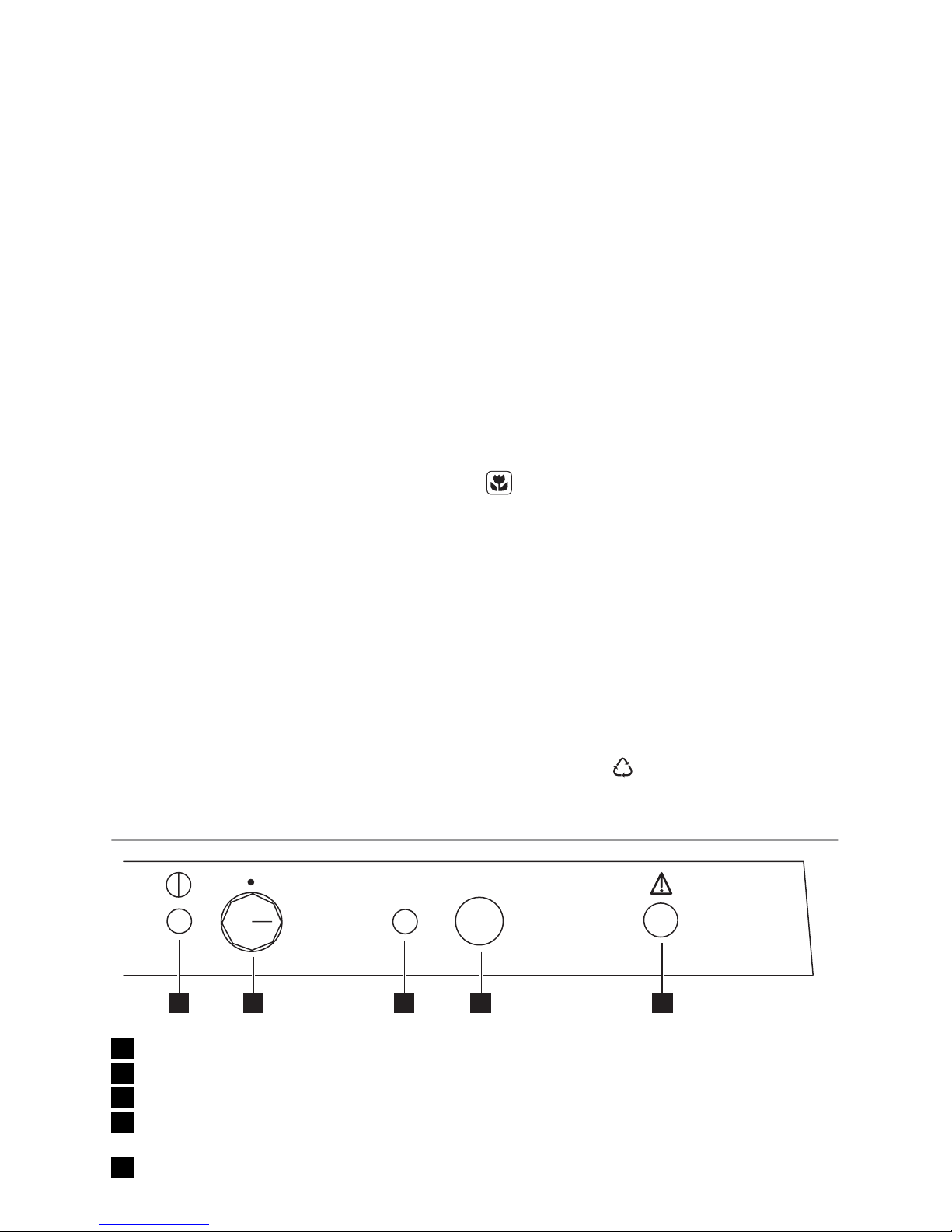
1 2 3 4 5
1 Voyant Marche/ Arrêt vert
2 Thermostat et interrupteur Marche/ Arrêt
3 Voyant Congélation rapide jaune
4 Touche Arrêt du signal sonore et Congé-
lation rapide
5 Voyant Alarme rouge
Mise en fonctionnement
1. Après l'installation, attendez quatre heu-
res avant de brancher votre appareil.
2. Branchez l'appareil à une prise murale.
3. Tournez le thermostat dans le sens des
aiguilles d'une montre pour le régler sur
9) Si un branchement sur le réseau d'eau est prévu.
16 electrolux
Page 17

une température inférieure à << - 16 °C
>>.
4. Le voyant Marche/ Arrêt vert s'allume et
le voyant Alarme rouge clignote.
5. Le voyant Marche/ Arrêt vert allumé signifie que le congélateur est sous tension et fonctionne.
6. Le voyant Alarme rouge allumé signifie
que la température à l'intérieur du congélateur est incorrecte. En outre, cet
avertissement est confirmé par un signal
sonore intermittent que l'on peut arrêter
en appuyant une fois sur la touche Arrêt
du signal sonore et Congélation rapide.
7. Lorsque l'on allume le congélateur pour
la première fois, le voyant Alarme rouge
clignote jusqu'à ce que la température interne atteigne le niveau requis pour assurer une conservation sûre des produits congelés.
Mise à l'arrêt
1. Pour mettre à l'arrêt l'appareil, tournez
le thermostat sur la position "O"
2. Pour mettre l'appareil hors tension, débranchez-le électriquement.
Réglage de la température
La température régnant à l'intérieur de l'appareil est contrôlée par un thermostat situé
sur le bandeau de commande.
Pour faire fonctionner l'appareil, procédez
comme suit :
• tournez le thermostat sur la position mini-
mum pour obtenir moins de froid.
• tournez le thermostat sur la position maxi-
mum pour obtenir plus de froid.
Une position moyenne est généralement la plus indiquée.
Toutefois, le réglage doit être choisi en tenant compte du fait que la température à l'intérieur de l'appareil dépend de plusieurs facteurs :
• la température ambiante
• la fréquence d'ouverture de la porte
• la quantité de denrées stockées
• l'emplacement de l'appareil.
Voyant Alarme rouge
Dans des conditions d'utilisation normales,
la température interne du congélateur assu-
re une conservation à long terme des produits congelés.
Lorsque la température interne remonte
anormalement (-12°C ), l'alarme visuelle et
sonore se déclenche. L'alarme visuelle est
un voyant rouge clignotant (voyant Alarme
rouge). L'alarme sonore est une tonalité intermittente.
Vous pouvez arrêter l'alarme sonore en appuyant une fois sur la touche Arrêt du signal
sonore.
Lorsque l'on allume le congélateur pour
la première fois, le voyant Alarme rouge
clignote jusqu'à ce que la température
interne atteigne le niveau requis pour assurer une conservation sûre des produits congelés.
Fonction Congélation Rapide
Pour congeler plus de 3-4 kg d'aliments :
1. Appuyez sur la touche de congélation rapide pendant 2-3 secondes pour activer
la fonction Congélation Rapide 6 à
24 heures avant de placer les aliments
frais dans le congélateur, le voyant jaune s'allume. Le compresseur fonctionne
désormais continuellement pour que les
denrées fraîches soient congelées le
plus rapidement possible.
2. Il est possible de désactiver la fonction à
n'importe quel moment en appuyant sur
la touche de congélation rapide pendant
2 ou 3 secondes.
3. Placez les aliments dans le compartiment de congélation (compartiment supérieur). Pour une performance de congélation optimale, retirez le tiroir (si présent) et rangez les aliments directement
sur l'évaporateur. Vous n'avez pas besoin d'enlever le tiroir si vous congelez
des quantités d'aliments moins importantes.
4. Lorsque les aliments sont totalement
congelés (la congélation peut nécessiter
jusqu'à 24 heures), vous pouvez appuyer pendant 2 à 3 secondes sur la touche Congélation rapide pour désactiver
cette fonction. Le voyant jaune Congélation rapide s'éteindra.
5. Transférez les aliments congelés du compartiment de congélation dans les deux
electrolux 17
Page 18

autres compartiments de stockage pour
pouvoir congeler d'autres aliments.
Si la touche Congélation rapide reste involontairement activée, la congélation
rapide sera automatiquement désactivée après 48 heures. Le voyant Congélation rapide jaune s'éteindra également.
PREMIÈRE UTILISATION
Nettoyage intérieur
Avant d'utiliser l'appareil pour la première
fois, nettoyez l'intérieur et tous les accessoires internes avec de l'eau tiède savonneuse
pour supprimer l'odeur caractéristique du
"neuf" puis séchez soigneusement.
Important N'utilisez pas de produits abrasifs, poudre à récurer, éponge métallique
pour ne pas abîmer la finition.
UTILISATION QUOTIDIENNE
Congélation d'aliments frais
Le compartiment congélateur (supérieur)
est idéal pour congeler des denrées fraîches et conserver à long terme des aliments surgelés ou congelés.
Pour congeler des denrées fraîches, activez
la fonction Congélation Rapide.
La quantité maximale de denrées fraîches
que vous pouvez congeler par tranche de
24 heures est indiquée sur la plaque signa-
létique (située à l'intérieur de l'appareil).
Le processus de congélation dure 24 heures : vous ne devez ajouter aucune autre
denrée à congeler au cours de cette période.
Conservation des aliments congelés
À la mise en service ou après un arrêt prolongé, placez le thermostat sur la position
Max pendant 2 heures environ, avant d'introduire les produits dans le compartiment.
Important En cas de dégivrage accidentel,
dû par exemple à une panne de courant, si
la panne doit se prolonger plus longtemps
qu'il n'est indiqué à la rubrique "temps
d'augmentation" dans la section
Caractéristiques techniques, consommez
les aliments décongelés le plus rapidement
possible ou recongelez-les après les avoir
cuits (une fois refroidis).
La décongélation
Les aliments surgelés ou congelés peuvent
être décongelés à température ambiante.
Les petites pièces peuvent même être cuites sans décongélation préalable : dans ce
cas, la cuisson est plus longue.
CONSEILS UTILES
Bruits de fonctionnement normaux
• Le liquide de refroidissement qui passe
dans le circuit d'évaporation peut produire un bruit de gargouillis ou de bouillonnement. Ce phénomène est normal.
• Le compresseur peut produire un ronronnement aigu ou un bruit de pulsation. Ce
phénomène est normal.
• La dilatation thermique peut provoquer
un soudain, léger bruit de craquement.
C'est un phénomène normal et sans gravité. Ce phénomène est normal.
• Un léger claquement se produit lors de la
mise en fonctionnement/à l'arrêt du compresseur. Ce phénomène est normal.
Conseils pour la congélation
Pour obtenir les meilleurs résultats, voici
quelques conseils importants :
• la quantité maximale de denrées que
vous pouvez congeler par 24 heures est
indiquée sur la plaque signalétique.
• le temps de congélation est de 24 heures. Aucune autre denrée à congeler ne
doit être ajoutée pendant cette période.
• congelez seulement les denrées alimentaires fraîches, de qualité supérieure (une
fois nettoyées).
• préparez la nourriture en petits paquets
pour une congélation rapide et uniforme,
18 electrolux
Page 19
adaptés à l'importance de la consommation.
• enveloppez les aliments dans des feuilles
d'aluminium ou de polyéthylène et assurez-vous que les emballages sont étanches ;
• ne laissez pas des aliments frais, non congelés, toucher des aliments déjà congelés pour éviter une remontée en température de ces derniers.
• les aliments maigres se conservent mieux
et plus longtemps que les aliments gras ;
le sel réduit la durée de conservation des
aliments
• la température très basse à laquelle se
trouvent les bâtonnets glacés, s'ils sont
consommés dès leur sortie du compartiment congélateur, peut provoquer des
brûlures.
• L'identification des emballages est importante : indiquez la date de congélation du
produit, et respectez la durée de conservation indiquée par le fabricant.
Conseils pour la conservation des
produits surgelés et congelés du
commerce
Pour une bonne conservation des produits
surgelés et congelés, vous devez :
• vous assurer qu'ils ont bien été conservés au magasin ;
• prévoir un temps réduit au minimum pour
leur transport du magasin d'alimentation
à votre domicile ;
• éviter d'ouvrir trop souvent la porte du
congélateur et ne la laisser ouverte que le
temps nécessaire.
• une fois décongelés, les aliments se détériorent rapidement et ne peuvent pas être
recongelés.
• respecter la durée de conservation indiquée par le fabricant.
ENTRETIEN ET NETTOYAGE
Attention débrancher l'appareil avant
toute opération d'entretien.
Cet appareil contient des hydrocarbures dans son circuit réfrigérant : l'entretien et la recharge ne doivent donc être
effectués que par du personnel autorisé.
Nettoyage périodique
Cet appareil doit être nettoyé régulièrement :
• Nettoyez l'intérieur et tous les accessoires avec de l'eau tiède savonneuse.
• Vérifiez régulièrement les joints de porte
et nettoyez-les en les essuyant pour éviter toute accumulation de déchets.
• Rincez et séchez soigneusement.
Important Ne pas tirer, déplacer ou
endommager les tuyaux et/ou câbles qui se
trouvent à l'intérieur de l'appareil.
Ne JAMAIS utiliser de produits abrasifs ou
caustiques ni d'éponges avec grattoir pour
nettoyer l'intérieur de façon à ne pas l'abîmer et laisser de fortes odeurs.
Nettoyer le condenseur (grille noire) et le
compresseur situés à l'arrière de l'appareil
avec une brosse ou un aspirateur. Cette opération améliore les performances de l'appareil et permet des économies d'énergie.
Important Attention à ne pas endommager
le système de réfrigération.
De nombreux détergents pour la cuisine recommandés par les fabricants contiennent
des produits chimiques qui peuvent attaquer/endommager les pièces en plastique
utilisées dans cet appareil. Il est par conséquent recommandé d'utiliser seulement de
l'eau chaude additionnée d'un peu de savon liquide pour nettoyer la carrosserie de
l'appareil.
Après le nettoyage, rebranchez l'appareil.
Dégivrage du congélateur
Une certaine quantité de givre se forme toujours sur les clayettes du congélateur et autour du compartiment supérieur.
Dégivrez le congélateur lorsque l'épaisseur
de la couche de givre est d'environ 3-5 mm.
Important Environ 12 heures avant
d'effectuer un dégivrage, mettez le
thermostat sur une position de froid
supérieure pour que les aliments soient
assez congelés pendant l'interruption de
fonctionnement.
Pour enlever le givre, suivez les instructions
ci-dessous :
electrolux 19
Page 20
1. Mettez l'appareil à l'arrêt et débranchez-
le électriquement.
2. Sortez les denrées congelées, envelop-
pez celles-ci dans plusieurs feuilles de
papier journal et conservez-les dans un
endroit frais.
Attention Ne touchez pas avec les
mains humides les surfaces givrées et
les produits congelés. Risque de
brûlures ou arrachement de la peau.
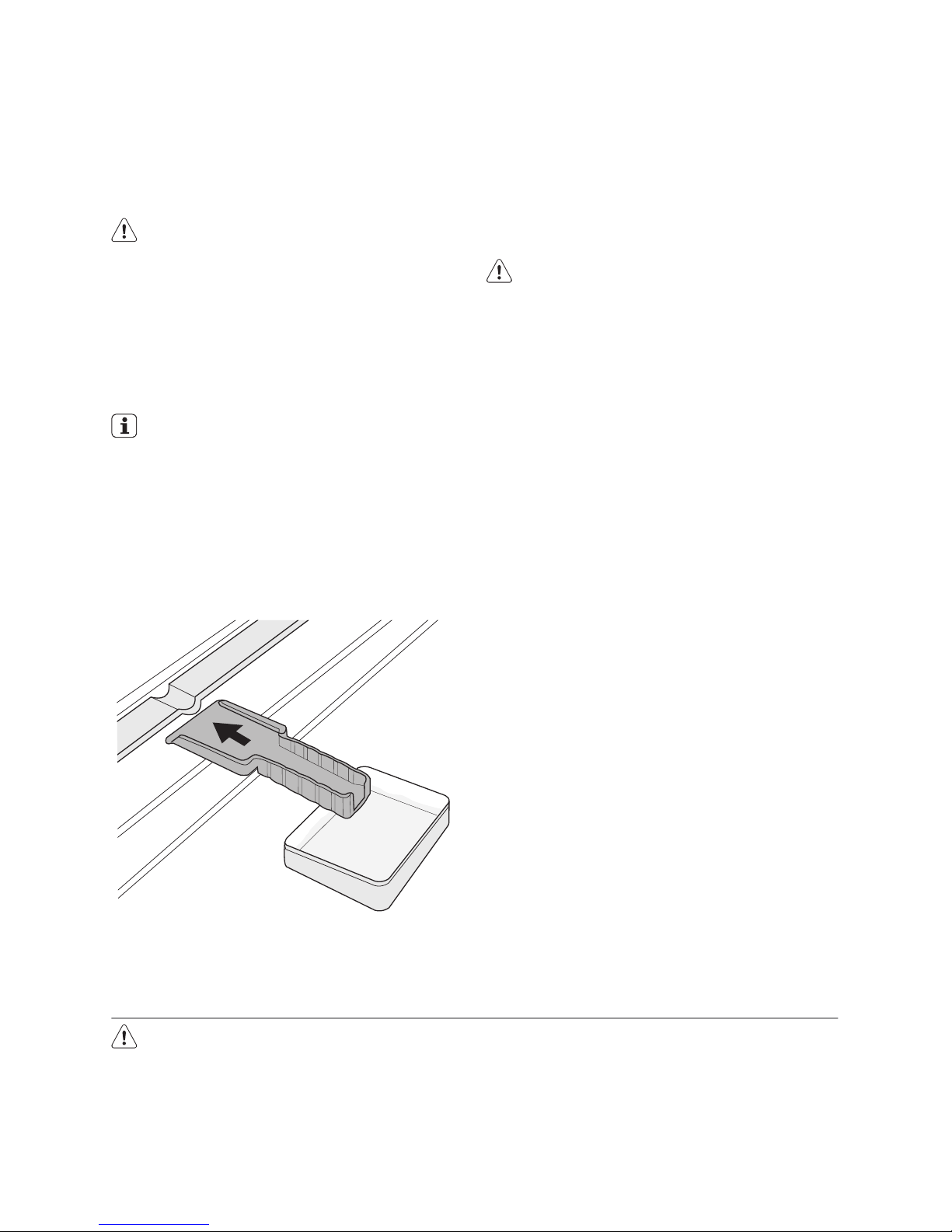
3. Maintenez la porte ouverte et utilisez
une spatule en plastique comme gouttière en l'insérant dans l'emplacement prévu à cet effet. Placez au-dessous un récipient pour recueillir l'eau de dégivrage.
Le dégivrage peut être accéléré en plaçant dans le compartiment congélateur
un ou plusieurs récipients d'eau chaude non bouillante, à l'exclusion de toute autre source de chaleur. Retirez également les morceaux de glace au fur et
à mesure que ceux-ci se détachent,
avant que le processus de dégivrage
ne soit terminé.
4. Une fois le dégivrage terminé, épongez
et séchez bien l'intérieur du congélateur
et conservez la spatule pour une prochaine utilisation.
5. Mettez l'appareil sous tension.
6. Réglez le thermostat sur << -18 °C >>
et laissez la fonction Congélation rapide
activée pendant au moins 4 heures.
7. Après 4 heures, replacez les produits
dans les compartiments.
Avertissement N'utilisez en aucun
cas un couteau, un autre objet
tranchant ou un objet métallique pour
gratter la couche de givre, vous risquez
de détériorer irrémédiablement
l'évaporateur.
N'utilisez aucun dispositif mécanique
ou autre pour accélérer le processus
de dégivrage hormis ceux recommandés par le fabricant.
Une élévation de la température des
denrées congelées, pendant la décongélation, peut réduire leur durée de conservation.
En cas d'absence prolongée ou de nonutilisation
Prenez les précautions suivantes :
1. débranchez l'appareil
2. retirez tous les aliments
3. dégivrez et nettoyez l'appareil et tous
les accessoires
4. laissez la porte/les portes ouverte(s)
pour prévenir la formation d'odeurs désagréables.
Important Si, toutefois, vous n'avez pas la
possibilité de débrancher et de vider
l'appareil, faites vérifier régulièrement son
bon fonctionnement pour éviter la
détérioration des aliments en cas de panne
de courant.
EN CAS D'ANOMALIE DE FONCTIONNEMENT
Avertissement Avant d'intervenir sur
l'appareil, débranchez-le
électriquement.
La résolution des problèmes non mentionnés dans la présente notice doit
être exclusivement confiée à un électricien qualifié ou à votre service après
vente.
Important Certains bruits pendant le
fonctionnement (compresseur, circuit de
réfrigérant) sont normaux.
20 electrolux
Page 21
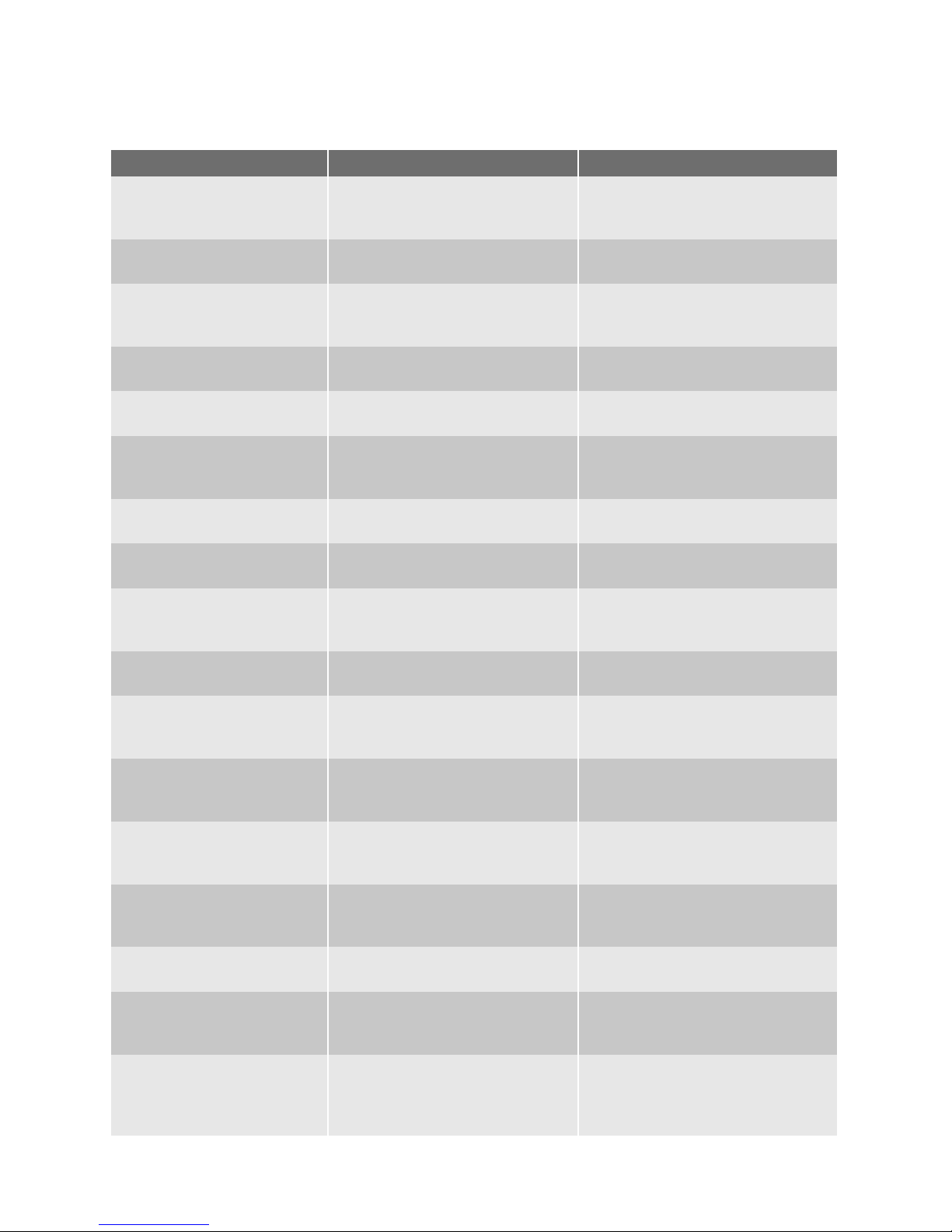
Important L'appareil fonctionne de façon
discontinue. L'arrêt du compresseur ne
signifie donc pas l'absence de courant
électrique. L'appareil doit être débranché
électriquement avant toute intervention sur
votre appareil.
Anomalie Cause possible Solution
L'appareil est bruyant.
L'appareil n'est pas stable. Vérifiez la stabilité (les quatre
pieds doivent être en contact
avec le sol).
Le compresseur fonctionne en permanence.
Le thermostat n'est pas correctement réglé
Modifiez la position du thermostat
pour obtenir moins de froid.
Les portes ne sont pas correcte-
ment fermées ou ne ferment pas
de façon hermétique
Vérifiez que les portes ferment correctement et que les joints sont
en bon état et propres
La porte a été ouverte trop sou-
vent
Ne laissez pas la porte ouverte
plus longtemps que nécessaire
Trop de produits frais ont été in-
troduits dans l'appareil.
Attendez quelques heures et vérifiez de nouveau la température
Les aliments introduits dans l'ap-
pareil étaient trop chauds.
Laissez refroidir les aliments à température ambiante avant de les
ranger dans l'appareil.
La température ambiante est
trop élevée.
Réduisez la température ambiante.
Il y a trop de givre et de
glace.
Les produits ne sont pas correctement emballés.
Emballez les produits de façon
plus adaptée.
Les portes ne sont pas correcte-
ment fermées ou ne ferment pas
de façon hermétique
Vérifiez que les portes ferment correctement et que les joints sont
en bon état et propres
Le thermostat n'est pas réglé
correctement.
Modifiez la position du thermostat
pour obtenir moins de froid.
La température à l'intérieur du congélateur est
trop élevée.
Le thermostat n'est pas réglé
correctement.
Modifiez la position du thermostat
pour obtenir plus de froid.
La porte ne ferme pas de façon
hermétique ou n'est pas correctement fermée
Vérifiez que la porte ferme correctement et que le joint est en bon
état et propre
Trop de produits frais ont été in-
troduits dans l'appareil.
Introduisez de plus petites quantités d'aliments à congeler en même temps.
Les aliments introduits dans l'ap-
pareil étaient trop chauds.
Laissez refroidir les aliments à température ambiante avant de les
mettre dans l'appareil.
Les produits à congeler sont pla-
cés trop près les uns des autres.
Placez les produits de façon à ce
que l'air puisse circuler entre eux.
La température à l'intérieur du congélateur est
trop basse.
Le thermostat n'est pas réglé
correctement.
Modifiez la position du thermostat
pour obtenir moins de froid.
L'appareil ne fonctionne
pas du tout. Ni la production de froid ni l'éclairage
ne fonctionnent
L'appareil n'est pas correctement branché.
Branchez correctement l'appareil.
electrolux 21
Page 22
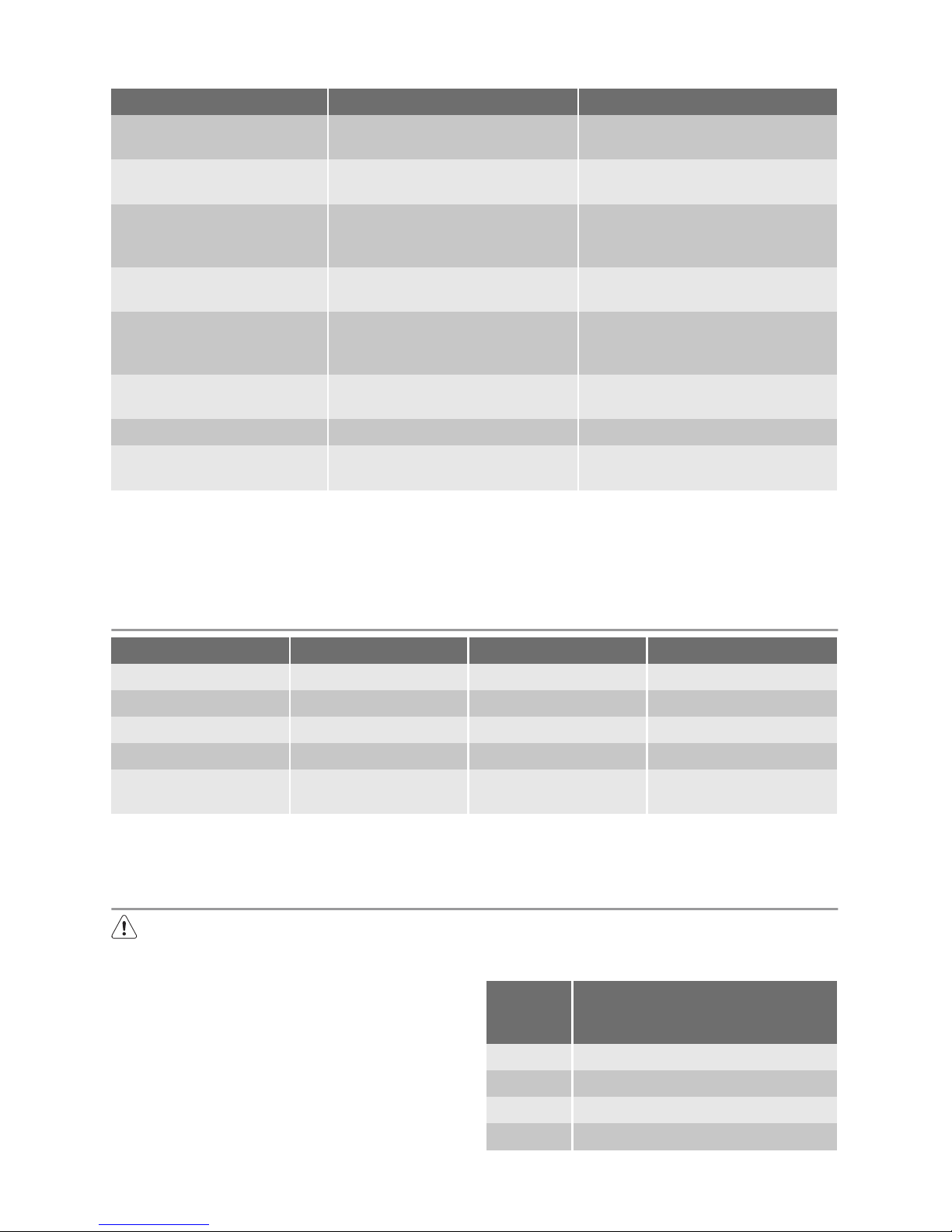
Anomalie Cause possible Solution
L'appareil n'est pas alimenté
électriquement.
Essayez de brancher un autre appareil dans la prise de courant.
L'appareil n'est pas sous tension. Mettez l'appareil en fonctionne-
ment
La prise de courant n'est pas ali-
mentée (essayez de brancher un
autre appareil dans la prise).
Faites appel à un électricien qualifié.
L'appareil ne refroidit
pas du tout
L'appareil n'est pas correctement branché.
Branchez correctement l'appareil.
La prise de courant n'est pas ali-
mentée (essayez de brancher un
autre appareil dans la prise).
Faites appel à un électricien qualifié.
L'appareil n'est pas sous tension. Mettez l'appareil en fonctionne-
ment
Le thermostat n'est pas sur Vérifiez la position du thermostat
Clignotement du voyant
vert
Capteur de température défectueux
Faites appel au service après-vente
Fermeture de la porte
1. Nettoyez les joints de la porte.
2. Si nécessaire, ajustez la porte. Consultez le paragraphe "Installation".
3. Si nécessaire, remplacez les joints défectueux. Contactez le Service Après-vente.
CARACTÉRISTIQUES TECHNIQUES
TG092 EUT6259
Dimensions
Hauteur 850 mm 850 mm
Largeur 595 mm 595 mm
Profondeur 635 mm 635 mm
Temps de montée en
température
24 h 24 h
Les caractéristiques techniques figurent sur
la plaque signalétique située sur le côté gau-
che à l'intérieur de l'appareil et sur l'étiquette d'énergie.
INSTALLATION
Pour votre sécurité et le bon
fonctionnement de l'appareil, veuillez
lire attentivement les "Consignes de
sécurité" avant d'installer l'appareil.
Emplacement
Pour le bon fonctionnement de l'appareil, il
est impératif de respecter les températures
ambiantes du local où doit être placé l'appareil, suivant la classe climatique (indiquée
sur la plaque signalétique) pour lequel il est
prévu. Au delà de ces températures, ses performances peuvent s'en trouver diminuées :
les différentes classes climatiques existan-
tes et les températures ambiantes correspondantes en fonction du modèle de l'appareil sont les suivantes :
Classe
climati-
que
Température ambiante
SN +10 °C à +32 °C
N +16 °C à +32 °C
ST +16 °C à +38 °C
T +16 °C à +43 °C
22 electrolux
Page 23
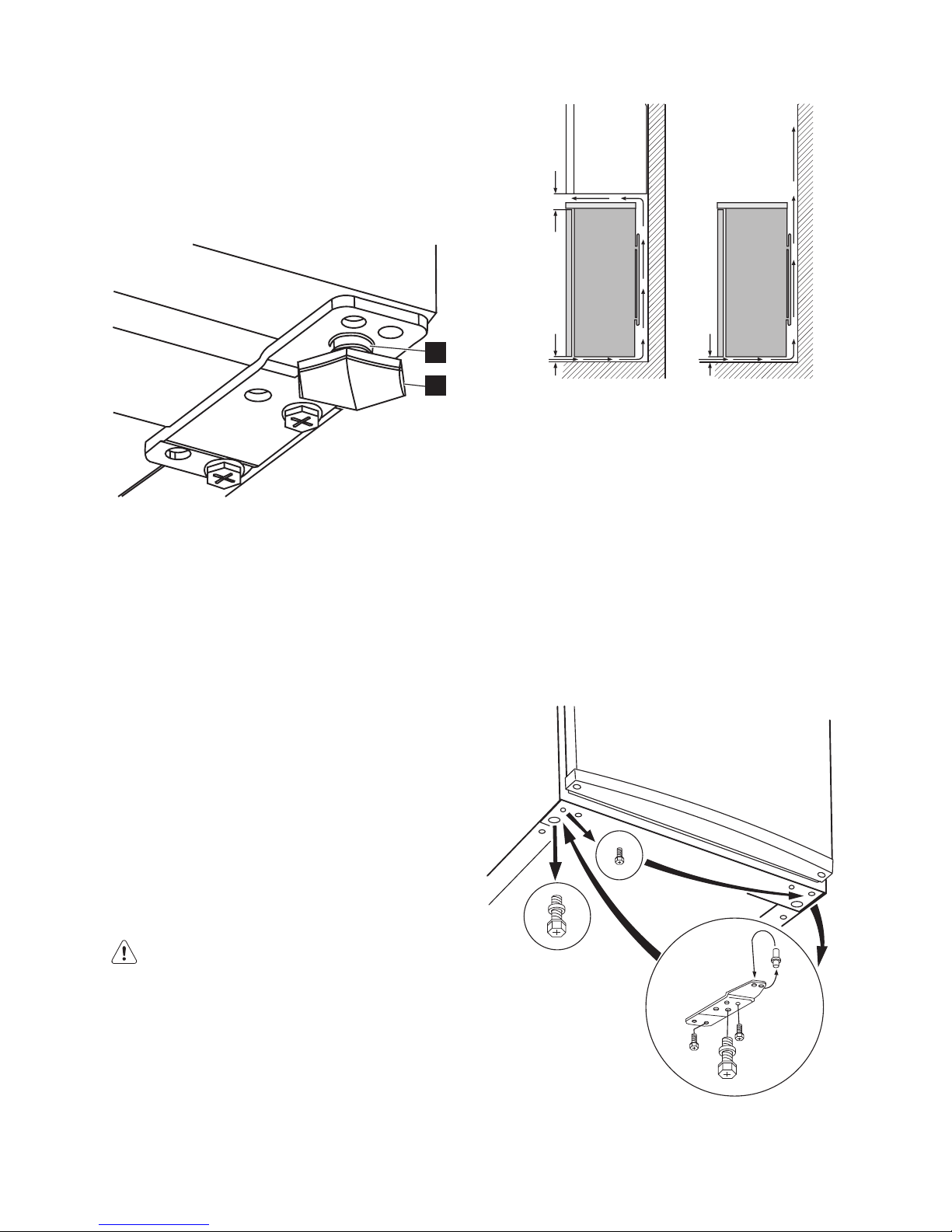
Mise à niveau
Lors de la mise en place de l'appareil, assurez-vous qu'il soit positionné de façon plane. Servez-vous des deux pieds réglables
se trouvant à l'avant de l'appareil (2). Si besoin, réglez les pieds en retirant l'entretoise
(1).
1
2
Emplacement
L'appareil doit être installé à bonne distance de toute source de chaleur telle que les
radiateurs, chauffe-eau, lumière directe du
soleil etc. Assurez-vous que l'air circule librement à l'arrière de l'appareil. Pour garantir
un rendement optimum si l'appareil est installé sous un élément suspendu, la distance entre le haut de l'armoire et l'élément suspendu doit être de 100 mm minimum. Si
possible, évitez de placer l'appareil sous
des éléments suspendus. La mise à niveau
se fait à l'aide d'un ou de plusieurs pieds réglables à la base de l'armoire.
Si l'armoire est placée dans un angle et le
côté avec les charnières est face au mur, la
distance entre le mur et l'armoire doit être
de 10 mm minimum afin de permettre à la
porte de s'ouvrir suffisamment pour pouvoir
sortir les clayettes.
Avertissement L'appareil doit pouvoir
être débranché à tout moment ; Il est
donc nécessaire que la prise murale
reste accessible après l'installation.
15mm
15mm 100mm
Réversibilité de la porte
Important Pour effectuer les opérations
suivantes, il est conseillé de se faire aider
par une autre personne pour maintenir
fermement les portes de l'appareil pendant
les opérations.
Pour changer le sens d'ouverture de la porte, procédez comme suit :
1. Retirez la fiche de la prise de courant.
2. Inclinez l'appareil avec précaution vers
l'arrière pour que le compresseur ne touche pas le sol.
3. Dévissez les deux pieds réglables.
4. Dévissez les vis de la charnière inférieu-
re de la porte.
electrolux 23
Page 24
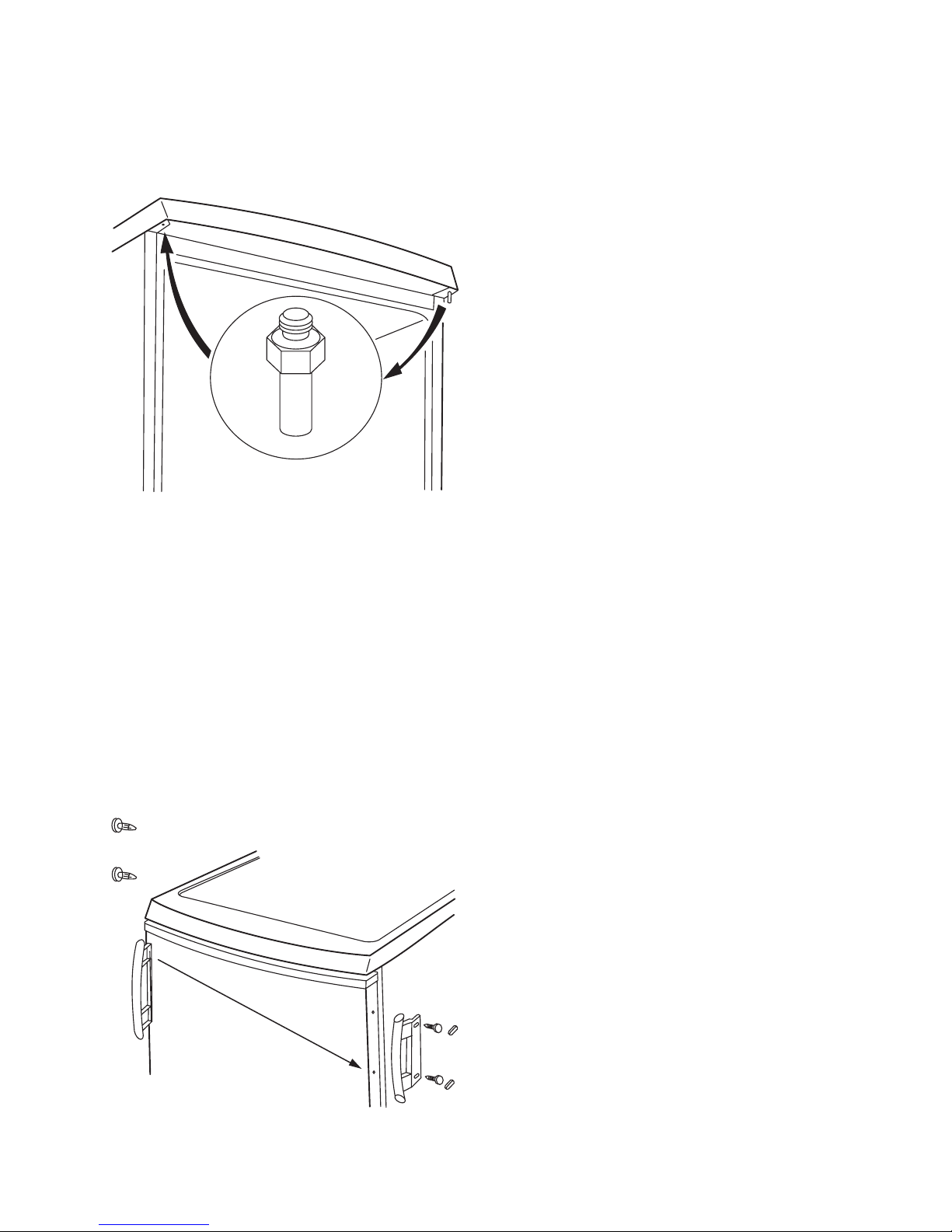
5. Retirez la porte de l'appareil en la tirant
légèrement vers le bas.
6. Dévissez la goupille de la charnière de
la porte supérieure de l'appareil et revissez-la de l'autre côté.
7. Installez la porte de l'appareil sur la goupille de la charnière de la porte supérieure.
8. Retirez la charnière inférieure. Placez la
goupille dans le sens de la flèche.
9. Dévissez et installez la vis sur le côté opposé.
10. Installez la charnière inférieure sur le côté opposé sans modifier la position de
la porte.
11. Vissez la vis dans l'orifice resté libre de
l'autre côté ainsi que les pieds réglables (2 pieds).
12.
Déposez et installez la poignée
10)
de
l'autre côté.
13. Remettez l'appareil en place, mettez-le
d'aplomb, attendez quatre heures au
moins puis branchez-le sur la prise de
courant.
Contrôlez une dernière fois pour vous assurer que :
• Toutes les vis sont correctement serrées.
• La porte ouvre et ferme correctement.
Si la température ambiante est basse (en hiver, par exemple), il se peut que le joint n'adhère pas parfaitement. Dans ce cas, attendez que le joint reprenne sa taille naturelle.
Si vous ne voulez pas effectuer personnellement les opérations décrites ci-dessus, contactez votre Service Après-vente. Un technicien du Sercice Après-vente pourra effectuer la réversibilité de la porte, mais cette intervention vous sera facturée.
Branchement électrique
Contrôlez, avant de brancher l'appareil, si la
tension et la fréquence indiquées sur la plaque signalétique correspondent à celles de
votre réseau.
L'appareil doit être relié à la terre. La fiche
du câble d'alimentation comporte un logement pour mise à la terre. Si la prise de courant murale n'est pas mise à la terre, branchez l'appareil sur une prise de terre conformément aux normes en vigueur, en demandant conseil à un électricien qualifié.
Le fabricant décline toute responsabilité en
cas d'incident suite au non-respect des consignes de sécurité sus-mentionnées.
Cet appareil est conforme aux directives
communautaires.
10) Le cas échéant
24 electrolux
Page 25
EN MATIÈRE DE SAUVEGARDE DE L'ENVIRONNEMENT
Le symbole sur le produit ou son
emballage indique que ce produit ne peut
être traité comme déchet ménager. Il doit
plutôt être remis au point de ramassage
concerné, se chargeant du recyclage du
matériel électrique et électronique. En vous
assurant que ce produit est éliminé
correctement, vous favorisez la prévention
des conséquences négatives pour
l’environnement et la santé humaine qui,
sinon, seraient le résultat d’un traitement
inapproprié des déchets de ce produit.
Pour obtenir plus de détails sur le recyclage
de ce produit, veuillez prendre contact avec
le bureau municipal de votre région, votre
service d’élimination des déchets ménagers
ou le magasin où vous avez acheté le produit.
Où aller avec les appareils usagés?
Partout où des appareils neufs sont
vendus, mais aussi dans un centre de
collecte ou une entreprise de
récupération officiels SENS.
La liste des centres de collecte officiels
SENS est disponible sous
www.sens.ch.
electrolux 25
Page 26
Electrolux. Thinking of you.
Per conoscere meglio il nostro modo di pensare, visitate il
sito www.electrolux.com
INDICE
Informazioni per la sicurezza 26
Pannello dei comandi 28
Primo utilizzo 30
Utilizzo quotidiano 30
Consigli e suggerimenti utili 30
Pulizia e cura 31
Cosa fare se… 32
Dati tecnici 34
Installazione 34
Considerazioni ambientali 36
Con riserva di modifiche
INFORMAZIONI PER LA SICUREZZA
Per garantire un impiego corretto e sicuro
dell'apparecchio, prima dell'installazione e
del primo utilizzo leggere con attenzione il libretto istruzioni, inclusi i suggerimenti e le
avvertenze. Per evitare errori e incidenti, è
importante garantire che tutte le persone
che utilizzano l'apparecchio ne conoscano il
funzionamento e le caratteristiche di sicurezza. Conservare queste istruzioni e accertarsi che rimangano unite all'apparecchio in caso di vendita o trasloco, in modo che chiunque lo utilizzi sia correttamente informato sull'uso e sulle norme di sicurezza.
Per la sicurezza delle persone e delle cose
osservare le precauzioni indicate nelle presenti istruzioni per l'utente, il produttore non
è responsabile dei danni provocati da eventuali omissioni.
Sicurezza dei bambini e delle persone
fragili
• Questo apparecchio non deve essere usato da persone, bambini inclusi, con ridotte capacità fisiche, sensoriali o psichiche,
oppure prive di conoscenza e esperienza, a meno che non siano state istruite all'uso dell'apparecchio da parte dei responsabili della loro sicurezza, oppure sotto vigilanza di questi.
I bambini devono essere sorvegliati per assicurarsi che non giochino con l'apparecchio.
• Tenere i materiali di imballaggio al di fuori
della portata dei bambini. Alcuni materiali
possono creare rischi di soffocamento.
• Qualora l'apparecchio venga demolito,
estrarre la spina dalla presa, tagliare il cavo di collegamento (il più vicino possibile
all'apparecchio) e smontare lo sportello
per evitare che i bambini giocando possano subire scosse elettriche o chiudersi
dentro l'apparecchio.
• Se questo nuovo apparecchio, che è dotato di guarnizioni magnetiche nello sportello, va a sostituirne uno più vecchio avente sportello o coperchio con chiusure a
molla, si deve rendere inutilizzabili tali chiusure prima di eliminare l'apparecchio sostituito, per evitare che diventi una trappola mortale per i bambini.
Norme di sicurezza generali
Attenzione Accertarsi che le aperture
di ventilazione non siano ostruite.
• L'apparecchiatura è progettata per la conservazione domestica di alimenti e/o bevande nelle modalità descritte nelle presenti istruzioni.
• Non utilizzare dispositivi meccanici o altri
mezzi artificiali per accelerare lo sbrinamento.
• Non utilizzare altre apparecchiature elettriche (per esempio gelatiere) all'interno del
frigorifero, salvo quelle approvate per tale
scopo dal produttore.
• Non danneggiare il circuito refrigerante.
• Il circuito refrigerante dell'apparecchiatura contiene isobutano (R600a), un gas naturale con un elevato livello di compatibilità ambientale che, tuttavia, è infiammabile.
Durante il trasporto e l'installazione dell'apparecchiatura, assicurarsi che nessuno dei componenti del circuito refrigerante venga danneggiato.
In caso di danneggiamento del circuito refrigerante:
– Evitare fiamme libere e scintille
26 electrolux
Page 27

– Aerare bene il locale in cui si trova l'ap-
parecchiatura
• È pericoloso cambiare le specifiche o modificare il prodotto in qualunque modo.
Un danneggiamento del cavo potrebbe
provocare cortocircuiti, incendi e/o scosse elettriche.
Avvertenza Tutti i componenti elettrici
(cavo di alimentazione, spina, compressore) devono essere sostituiti da un tecnico certificato o da personale d'assistenza qualificato.
1. Non collegare prolunghe al cavo di ali-
mentazione.
2. Evitare che il lato posteriore dell'appa-
recchiatura possa schiacciare o danneggiare la spina, causandone il surriscaldamento con un conseguente rischio di incendio.
3. La spina dell'apparecchiatura deve tro-
varsi in una posizione accessibile.
4. Evitare di tirare il cavo di alimentazione.
5. Se la presa elettrica non è perfetta-
mente stabile, non inserire la spina. Il
collegamento potrebbe provocare
scosse elettriche o creare un rischio
di incendio.
6. L'apparecchiatura non deve essere
messo in funzione senza il coprilampada interno
11)
della luce interna.
• Questa apparecchiatura è pesante. Prestare attenzione quando occorre spostarla.
• Evitare di estrarre o di toccare gli alimenti
riposti nel vano congelatore con le mani
bagnate o umide; il contatto potrebbe provocare abrasioni o ustioni da freddo.
• Evitare un'esposizione prolungata dell'apparecchiatura alla luce solare diretta.
•
Lampadine
12)
utilizzate in questa apparecchiatura sono lampadine speciali selezionate per essere usate unicamente negli
elettrodomestici. Non sono adatte per l'illuminazione degli ambienti.
Non posizionare cibo congelato sul
piano di lavoro, in quanto il freddo e il
vapore potrebbero produrre condensa
all'interno. Il liquido risultante potrebbe
provocare dei malfunzionamenti. Si
consiglia quindi di non posizionare o
lasciare cibi congelati di nessun tipo sul
piano di lavoro.
Uso quotidiano
• Non collocare pentole calde sulle parti in
plastica dell'apparecchio.
• Non collocare gas e liquidi infiammabili nell'apparecchio, perché potrebbero esplodere.
• Non collocare gli alimenti direttamente
contro l'uscita dell'aria nella parete poste-
riore.
13)
• Gli alimenti congelati non devono essere
ricongelati una volta scongelati.
• Riporre gli alimenti surgelati preconfezionati secondo le istruzioni del produttore
dell'alimento surgelato.
• Osservare rigorosamente i consigli per la
conservazione degli alimenti del produttore dell'apparecchio. Vedere le relative
istruzioni.
• Non collocare bevande gassate o frizzanti nello scomparto congelatore perché
creano pressione sul recipiente che può
esplodere danneggiando l'apparecchio.
• I ghiaccioli possono provocare bruciature
da gelo se consumati immediatamente
dopo averli tolti dall'apparecchio.
Pulizia e cura
• Prima di eseguire qualunque intervento di
manutenzione, spegnere l'apparecchiatura ed estrarre la spina dalla presa.
• Non pulire l'apparecchiatura con oggetti
metallici.
• Non usare oggetti appuntiti per sbrinare
l'apparecchiatura. Usare un raschietto di
plastica.
• Non utilizzare mai asciugacapelli o altri apparecchi riscaldanti per accelerare lo sbrinamento. Un calore eccessivo può danneggiare le parti in plastica interne e l'umidità può penetrare nel sistema elettrico
rendendolo sotto tensione.
Installazione
Importante Per il collegamento elettrico,
seguire attentamente le istruzioni dei
paragrafi corrispondenti.
11) Per le apparecchiature che prevedono il coprilampada.
12) Nel caso in cui la lampadina sia prevista.
13) Se l'apparecchio è di tipo No-Frost.
electrolux 27
Page 28
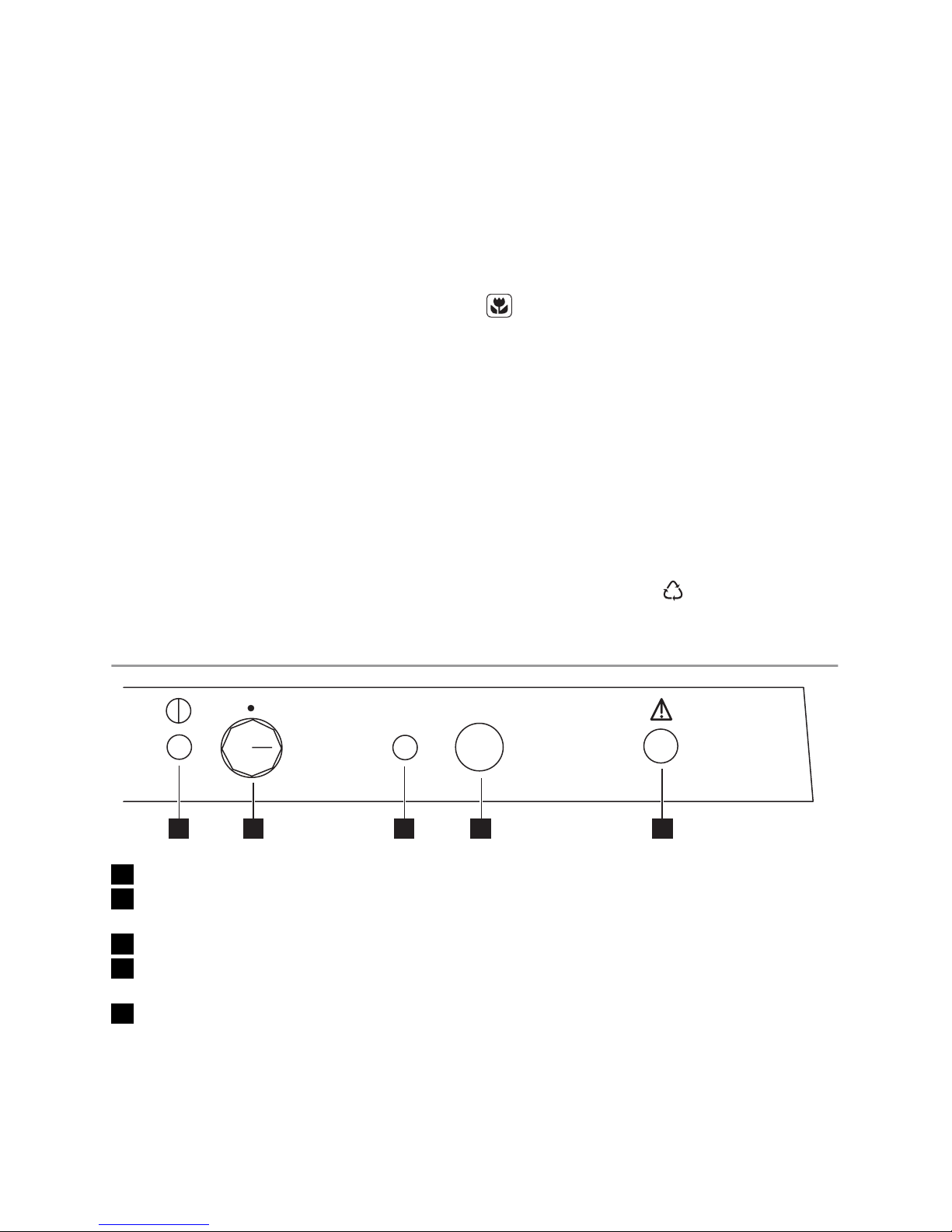
• Disimballare l'apparecchio e assicurarsi
che non presenti danni. Non collegare
l'apparecchio se è danneggiato. Segnalare immediatamente gli eventuali danni al
negozio in cui è stato acquistato. In questo caso conservare l'imballaggio.
• Si consiglia di attendere almeno due ore
prima di collegare l'apparecchio per consentire all'olio di arrivare nel compressore.
• Attorno all'apparecchio vi deve essere
un'adeguata circolazione dell'aria, altrimenti si può surriscaldare. Per ottenere
una ventilazione sufficiente seguire le istruzioni di installazione.
• Se possibile il retro dell'apparecchio dovrebbe essere posizionato contro una parete per evitare di toccare le parti calde o
di rimanervi impigliati (compressore, condensatore), evitando così possibili scottature.
• L'apparecchio non deve essere posto vicino a radiatori o piani di cottura a gas.
• Installare l'apparecchio in modo che la
presa rimanga accessibile.
• Per il collegamento idrico, usare solo sorgenti d'acqua potabile.
14)
Assistenza tecnica
• Gli interventi elettrici sull'apparecchiatura
devono essere eseguiti esclusivamente
da elettricisti qualificati o da personale
competente.
• Gli interventi di assistenza devono essere
eseguiti esclusivamente da tecnici autorizzati e utilizzando solo ricambi originali.
Tutela ambientale
Questo apparecchio non contiene gas
che potrebbero danneggiare lo strato
di ozono nel circuito refrigerante o nei
materiali isolanti. L'apparecchio non deve essere smaltito assieme ai rifiuti urbani e alla spazzatura. La schiuma dell'isolamento contiene gas infiammabili:
lo smaltimento dell'apparecchio va eseguito secondo le prescrizioni vigenti da
richiedere alle autorità locali. Evitare di
danneggiare il gruppo refrigerante, specialmente nella parte posteriore vicino
allo scambiatore di calore. I materiali
usati su questo apparecchio contrasse-
gnati dal simbolo
sono riciclabili.
PANNELLO DEI COMANDI
1 2 3 4 5
1 Spia On/Off verde
2 Regolatore della temperatura e interrut-
tore On/Off
3 Spia congelamento rapido gialla
4 Interruttore disattivazione segnale acusti-
co e congelamento rapido
5 Spia allarme rossa
Accensione
1. Al termine dell'installazione, lasciare riposare l'apparecchio per 4 ore.
2. Inserire la spina nella presa a parete.
3. Impostare il regolatore della temperatura
su livello inferiore alla posizione << - 16
°C >>.
4. La spia On/Off verde si accenderà e quella di allarme rossa lampeggerà.
5. L'accensione della spia On/Off verde indica che l'apparecchiatura è accesa.
6. Il lampeggiamento della spia allarme rossa indica una temperatura errata nel vano congelatore. Inoltre, è possibile che
sia emesso un suono intermittente, disattivabile premendo una volta l'interruttore
disattivazione segnale acustico e congelamento rapido.
14) Per gli apparecchi che prevedono un collegamento alla rete idrica.
28 electrolux
Page 29

7. Quando si accende il congelatore per la
prima volta, la spia di allarme rossa lampeggerà fino a quando la temperatura interna raggiunge un livello adeguato per
la conservazione sicura del cibo congelato.
Spegnimento
1. Per spegnere l’apparecchiatura, ruotare
il regolatore della temperatura in posizione "O".
2. Per scollegare l’apparecchiatura dalla
corrente elettrica, staccare la spina dalla
presa a parete.
Regolazione della temperatura
La temperatura all'interno dell'apparecchiatura è controllata dal Regolatore della Temperatura che si trova sul Pannello dei comandi.
Per regolare il livello di raffreddamento, procedere come segue:
• ruotare il regolatore della temperatura sul
massimo per aumentare l'intensità di raffreddamento.
• ruotare il regolatore della temperatura ver-
so l'impostazione massima per aumentare l'intensità del raffreddamento.
In condizioni normali, si consiglia di utilizzare una regolazione media.
Tuttavia, è importante ricordare che la temperatura all'interno dell'apparecchiatura dipende dai seguenti fattori:
• temperatura ambiente
• frequenza di apertura della porta
• quantità di alimenti conservati
• posizione dell'apparecchiatura.
Spia allarme rossa
In normali condizioni di funzionamento, la
temperatura interna del congelatore assicurerà la conservazione duratura del cibo conservato.
Quando la temperatura sale oltre un certo livello (-12 °C), l'apparecchio emettere un allarme acustico e luminoso. La spia luminosa lampeggerà di rosso (spia allarme rossa),
mentre l'allarme acustico sarà emesso a intervalli intermittenti.
Per disattivare l'allarme acustico premere
una volta l'interruttore di disattivazione segnale acustico.
Quando si accende il congelatore per
la prima volta, la spia di allarme rossa
lampeggerà fino a quando la temperatura interna raggiunge un livello adeguato per la conservazione sicura del cibo
congelato.
Funzione di congelamento rapido
Se è necessario congelare più di 3-4 kg di
cibo:
1. Premere l'interruttore di congelamento
rapido per 2-3 secondi per attivare la funzione di congelamento rapido 6-24 ore
prima di inserire il cibo fresco nel congelatore; la spia di congelamento rapido
gialla si accenderà. Il compressore funzionerà ora in modo continuo, al fine di
garantire che i cibi freschi vengano congelati il più rapidamente possibile.
2. È possibile disattivare la funzione in qualsiasi momento premendo l'interruttore
di congelamento rapido per 2-3 secondi.
3. Sistemare gli alimenti nei vani del congelatore (il contenitore in alto); per ottenere
la massima prestazione togliere il vassoio (se previsto dal modello) e collocare
direttamente i cibi da congelare sull'evaporatore. Per congelare piccole quantità
di cibo non occorre rimuovere il cestello.
4. Quando il cibo è completamente congelato (potrebbero occorrere fino a 24 ore)
disattivare manualmente la funzione di
congelamento rapido premendo l'interruttore di congelamento rapido per 2-3
secondi; anche la spia di congelamento
rapido gialla si spegnerà.
5. Spostare gli alimenti congelati dal vano
del congelatore negli altri due scomparti
(destinati alla conservazione), onde fare
posto per un altro congelamento.
Se si lascia accidentalmente accesa la
funzione di congelamento rapido, la
suddetta sarà spenta automaticamente
48 ore dopo. Anche la spia di congelamento rapido gialla si spegnerà.
electrolux 29
Page 30

PRIMO UTILIZZO
Pulizia dell'interno
Prima di utilizzare l'apparecchio per la prima volta, lavare l'interno e gli accessori interni con acqua tiepida e un po' di sapone
neutro in modo a togliere il tipico odore dei
prodotti nuovi, quindi asciugare accuratamente.
Importante Non usare detergenti corrosivi
o polveri abrasive che danneggiano le finiture.
UTILIZZO QUOTIDIANO
Congelazione di alimenti freschi
Il vano congelatore (il contenitore in alto) è
adatto alla congelazione di alimenti freschi e
alla conservazione a lungo termine di alimenti congelati e surgelati.
Per la congelazione di cibi freschi azionare
la funzione di congelamento rapido.
La quantità massima di alimenti congelabile
in 24 ore è riportata sulla targhetta , un'etichetta presente sulle pareti interne dell'apparecchio.
Il processo di congelamento dura 24 ore:
non aggiungere altri alimenti da congelare
per tutta la durata del processo.
Conservazione dei surgelati
Al primo avvio o dopo un periodo di non utilizzo, lasciare in funzione l'apparecchiatura
per almeno 2 ore con una regolazione alta
prima di introdurre gli alimenti.
Importante Se si verifica un'interruzione
della corrente elettrica di durata superiore al
"tempo di salita" indicato nella tabella dei
dati tecnici, il cibo scongelato deve essere
consumato rapidamente o cucinato
immediatamente e quindi ricongelato (dopo
il raffreddamento).
Scongelamento
Prima dell'utilizzo, i cibi surgelati o congelati
possono essere scongelati a temperatura
ambiente.
Gli alimenti divisi in piccole porzioni possono essere cucinati direttamente, senza essere prima scongelati: in questo caso, tuttavia, la cottura durerà più a lungo.
CONSIGLI E SUGGERIMENTI UTILI
Rumori normali durante il
funzionamento
• Quando il refrigerante viene pompato attraverso le bobine o le tubazioni si può
sentire un fievole gorgoglio e un borbottio. Non si tratta di un'anomalia.
• Quando il compressore è in funzione, viene pompato il refrigerante e si può sentire
un ronzio e un rumore pulsante dal compressore. Non si tratta di un'anomalia.
• La dilatazione termica potrebbe provocare uno schiocco improvviso. È un fenomeno naturale, non pericoloso. Non si tratta
di un'anomalia.
• Quando il compressore si accende o si
spegne, si sente un lieve scatto del regolatore della temperatura. Non si tratta di
un'anomalia.
Consigli per il congelamento
Per un processo di congelamento ottimale,
ecco alcuni consigli importanti:
• la quantità massima di cibo che può essere congelata in 24 h è riportata sulla targhetta;
• il processo di congelamento dura 24 ore.
In questo periodo non aggiungere altro cibo da congelare;
• congelare solo alimenti freschi, di ottima
qualità e accuratamente puliti;
• preparare il cibo in piccole porzioni per
consentire un congelamento rapido e
completo e per scongelare in seguito solo la quantità necessaria;
• avvolgere il cibo in pellicole di alluminio o
in politene e verificare che i pacchetti siano ermetici;
• non lasciare che cibo fresco non congelato entri in contatto con quello già conge-
30 electrolux
Page 31
lato, per evitare un aumento della temperatura in quest'ultimo;
• i cibi magri si conservano meglio e più a
lungo di quelli grassi; il sale riduce il periodo di conservazione del cibo;
• i ghiaccioli, se consumati immediatamente dopo la rimozione dal vano congelatore, possono causare ustioni da congelamento della pelle;
• si consiglia di riportare la data di congelamento su ogni singolo pacchetto per riuscire a tenere traccia del tempo di conservazione;
Consigli per la conservazione dei
surgelati
Per ottenere i migliori risultati con questo apparecchio:
• Accertare che i cibi congelati commercialmente siano adeguatamente conservati
dal rivenditore.
• Fare in modo che i cibi congelati siano trasferiti dal negozio al congelatore nel più
breve tempo possibile.
• Non aprire la porta frequentemente o lasciarla aperta più del tempo strettamente
necessario.
• Una volta scongelato, il cibo si deteriora
rapidamente e non può essere ricongelato.
• Non superare il periodo di conservazione
indicato dal produttore.
PULIZIA E CURA
Attenzione Staccare la spina
dell'apparecchio prima di eseguire
lavori di manutenzione.
Questo apparecchio contiene idrocarburi nell'unità di raffreddamento; la manutenzione e la ricarica devono pertanto essere effettuate esclusivamente da
tecnici autorizzati.
Pulizia periodica
L'apparecchio deve essere pulito regolarmente:
• Pulire l'interno e gli accessori con acqua
tiepida e un po' di sapone neutro.
• Controllare regolarmente le guarnizioni
della porta e verificare che siano pulite e
prive di residui.
• Risciacquare e asciugare accuratamente.
Importante Non tirare, spostare o
danneggiare tubi e/o cavi all'interno
dell'apparecchio.
Non usare mai detergenti, polveri abrasive,
prodotti per la pulizia con una forte profumazione o cere lucidanti per pulire l'interno, in
quanto danneggiano la superficie e lasciano
un odore forte.
Pulire il condensatore (griglia nera) e il compressore sul retro con una spazzola o un
aspirapolvere. Questa operazione migliorerà
le prestazioni dell'apparecchio riducendo i
consumi elettrici.
Importante Non danneggiare il sistema di
raffreddamento.
Molti detergenti per cucine di marca contengono sostanze chimiche in grado di attaccare/danneggiare la plastica impiegata in questo apparecchio. Per questo motivo si raccomanda di pulire l'involucro esterno dell'apparecchio solo con acqua calda con un po'
di liquido detergente.
Dopo la pulizia, ricollegare l'apparecchio alla rete di alimentazione.
Sbrinamento del congelatore
È normale che sui ripiani del congelatore e
intorno allo scomparto superiore si formi,
con il tempo, uno strato di brina.
Quando tale strato raggiunge uno spessore
di circa 3-5 mm, è necessario procedere allo sbrinamento del vano congelatore.
Importante Circa 12 ore prima dello
sbrinamento, impostare il regolatore della
temperatura su una regolazione più alta per
accumulare una riserva di freddo sufficiente
per l'interruzione del funzionamento.
Per rimuovere la brina, procedere come segue:
1. Spegnere l'apparecchiatura ed estrarre
la spina dalla presa di alimentazione.
2. Rimuovere i surgelati, avvolgerli in alcuni
strati di carta di giornale e riporli in un luogo fresco.
electrolux 31
Page 32
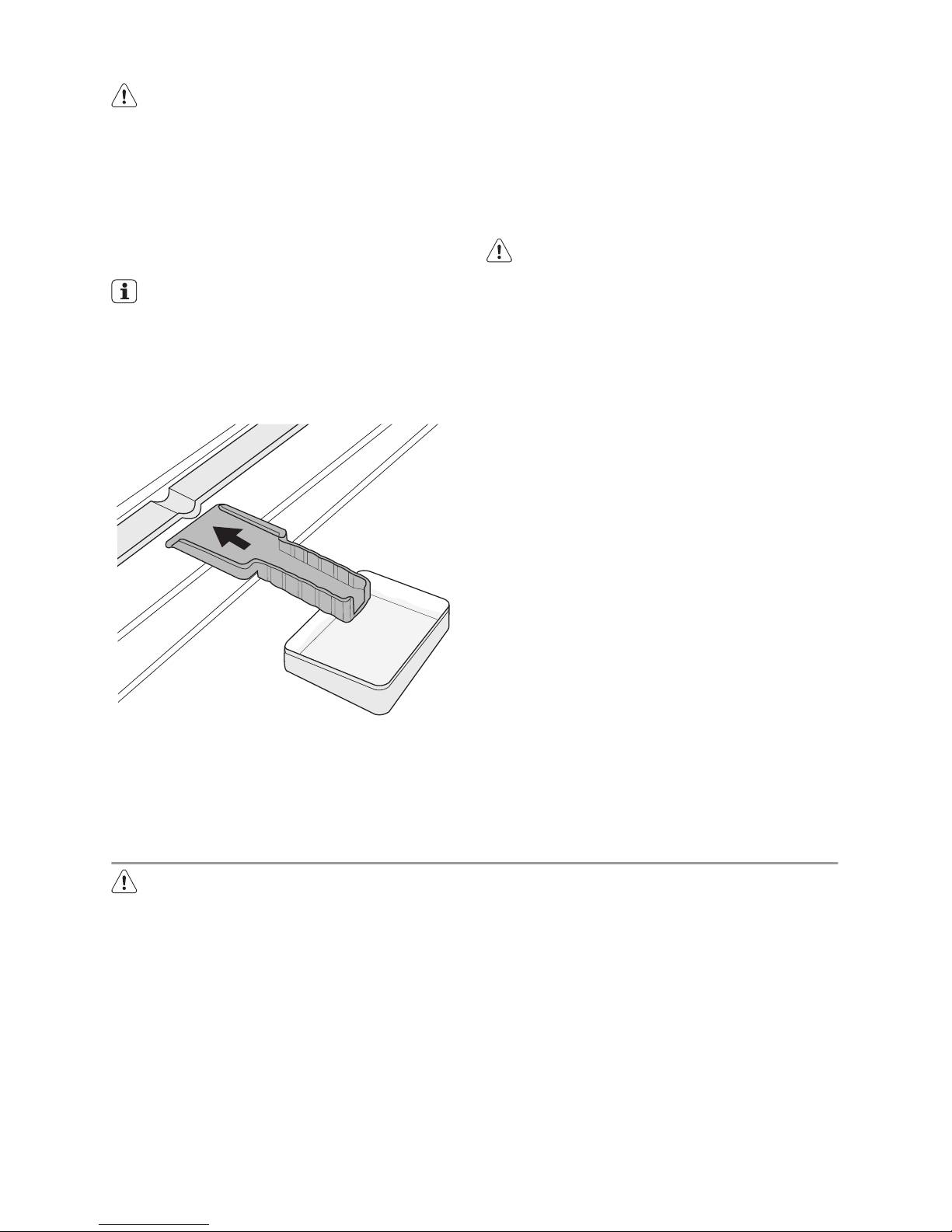
Attenzione Non toccare il cibo
congelato con le mani bagnate. Le
mani potrebbero aderire all'alimento
congelato.
3. Lasciare aperta la porta e inserire il raschietto in plastica nella sede appropriata al centro sul fondo, collocando una bacinella al di sotto per raccogliere l'acqua
di sbrinamento.
Per accelerare il processo di sbrinamento, collocare un recipiente di acqua calda nel vano congelatore. Rimuovere
inoltre i pezzi di ghiaccio che si staccano prima che lo sbrinamento sia completo.
4. Una volta completato lo sbrinamento,
asciugare accuratamente l'interno conservando il raschietto per l'uso futuro.
5. Accendere l’apparecchiatura.
6. Impostare il regolatore della temperatura
sulla posizione << -18 °C >> e lasciarlo
funzionare in modalità di congelamento
rapido per almeno 4 ore.
7. Dopo tale periodo reintrodurre nel vano
congelatore gli alimenti precedentemente rimossi.
Avvertenza Per rimuovere la brina
dall'evaporatore, non usare utensili
metallici appuntiti che possano
danneggiarlo.
Non usare dispositivi elettrici o altri strumenti artificiali non raccomandati dal
produttore allo scopo di accelerare il
processo di sbrinamento.
Un aumento della temperatura dei surgelati durante lo sbrinamento può ridurre la loro durata di conservazione.
Periodi di inutilizzo
Se l'apparecchiatura non viene utilizzata per
un lungo periodo, adottare le seguenti precauzioni:
1. Scollegare l'apparecchiatura dalla rete
elettrica.
2. Estrarre tutti gli alimenti.
3. Sbrinare e pulire l'apparecchiatura e tutti
gli accessori.
4. Lasciare le porte aperte per evitare la formazione di odori sgradevoli.
Importante Se l'apparecchiatura rimane
accesa, farla controllare periodicamente per
evitare che gli alimenti si deteriorino in caso
di interruzione della corrente elettrica.
COSA FARE SE…
Avvertenza Prima di eseguire la
ricerca guasti, estrarre la spina dalla
presa di alimentazione.
Le operazioni di ricerca guasti, non descritte nel presente manuale, devono essere eseguite esclusivamente da elettricisti qualificati o da personale competente.
Importante Durante l'uso alcuni rumori di
funzionamento (come quelli del
compressore o del circuito refrigerante)
sono da considerarsi normali.
Importante Il funzionamento
dell'apparecchiatura è discontinuo, perciò
l'arresto del compressore non segnala
un'interruzione della corrente elettrica. Non
toccare i componenti elettrici
dell'apparecchiatura senza aver prima
interrotto il circuito.
32 electrolux
Page 33
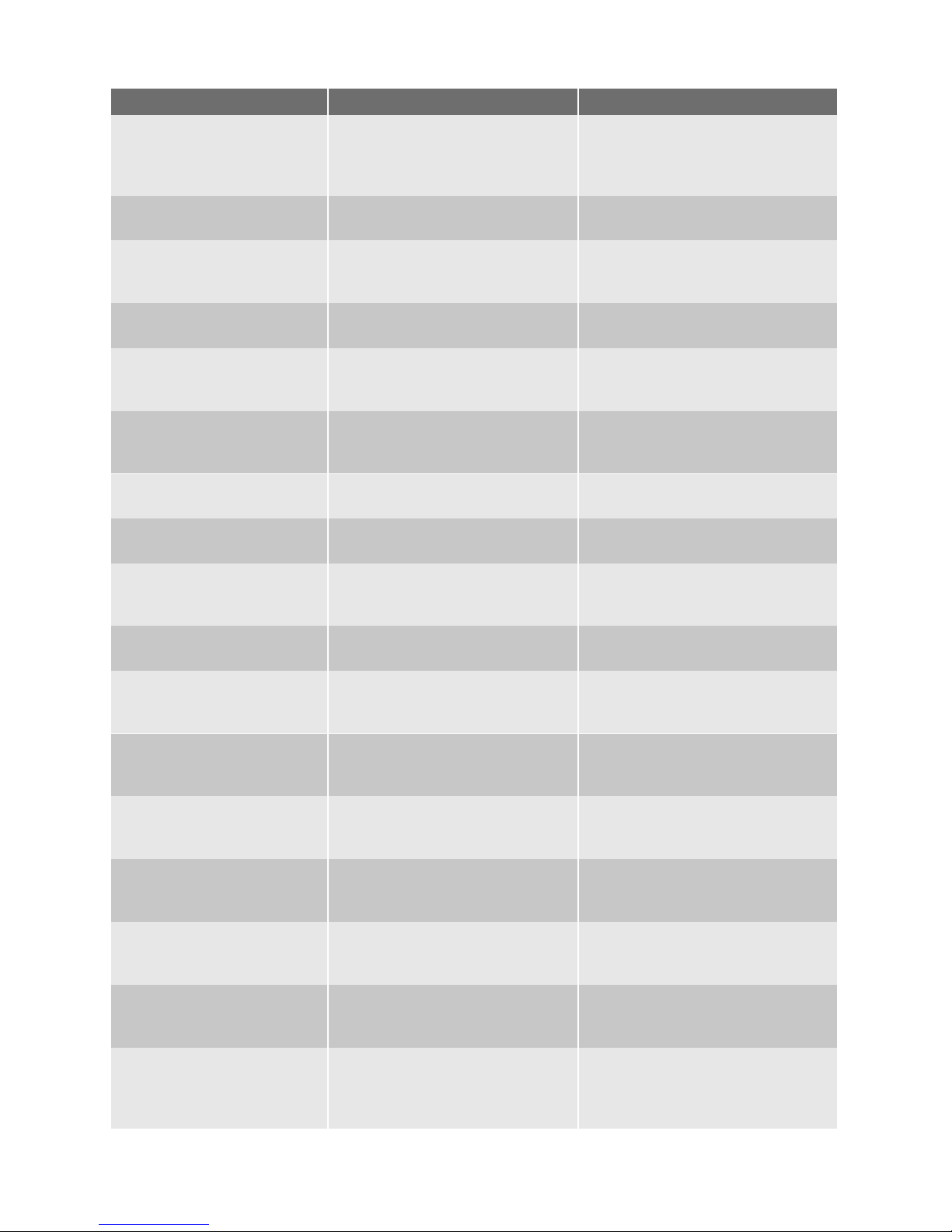
Problema Possibile causa Soluzione
L'apparecchiatura è rumorosa
L'apparecchiatura non è appoggiata in modo corretto
Controllare che l'apparecchiatura
sia appoggiata in modo stabile (tutti e quattro i piedini devono essere a contatto con il pavimento)
Il compressore rimane
sempre in funzione.
Il controllo termostatico non è
stato impostato correttamente
Impostare una temperatura superiore
Le porte non sono perfettamen-
te chiuse
Controllare che le porte si chiudano perfettamente e che le guarnizioni siano integre e pulite
La porta viene aperta troppo fre-
quentemente.
Limitare il più possibile il tempo di
apertura della porta.
Sono stati introdotti molti alimen-
ti da surgelare contemporaneamente
Attendere alcune ore e ricontrollare la temperatura.
Gli alimenti introdotti nell'appa-
recchiatura erano troppo caldi.
Prima di introdurre alimenti caldi
nel congelatore, lasciarli raffreddare a temperatura ambiente.
La temperatura ambiente è trop-
po alta.
Abbassare la temperatura ambiente.
Presenza di brina eccessiva.
Gli alimenti non sono avvolti correttamente.
Avvolgere correttamente gli alimenti.
Le porte non sono perfettamen-
te chiuse
Controllare che le porte si chiudano perfettamente e che le guarnizioni siano integre e pulite
Il regolatore della temperatura
non è impostato correttamente
Impostare una temperatura superiore
La temperatura all'interno del congelatore è troppo alta
Il regolatore della temperatura
non è impostato correttamente
Impostare una temperatura inferiore
La porta non si chiude perfetta-
mente
Controllare che la porta si chiuda
perfettamente e che le guarnizioni
siano integre e pulite
Sono stati introdotti molti alimen-
ti da surgelare contemporaneamente
Introdurre gli alimenti da congelare poco alla volta
Gli alimenti introdotti nell'appa-
recchiatura erano troppo caldi.
Prima di introdurre alimenti nel
congelatore, lasciarli raffreddare a
temperatura ambiente.
Gli alimenti da congelare sono
troppo vicini tra loro.
Disporre i surgelati in modo da
consentire una corretta circolazione dell'aria fredda.
La temperatura all'interno del congelatore è troppo bassa
Il regolatore della temperatura
non è impostato correttamente
Impostare una temperatura superiore
L'apparecchiatura non
funziona. Non si accendono né il circuito refrigerante né la lampadina
La spina non è inserita correttamente nella presa di alimentazione
Inserire correttamente la spina nella presa.
electrolux 33
Page 34

Problema Possibile causa Soluzione
L'apparecchiatura non riceve
corrente
Provare a collegare un'altra apparecchiatura elettrica alla presa di
alimentazione
L'apparecchiatura non è accesa. Accendere l'apparecchiatura
Nella presa di alimentazione non
è presente tensione (provare a
collegarvi un'altra apparecchiatura elettrica)
Rivolgersi a un elettricista.
L'apparecchiatura non
raffredda
La spina non è inserita correttamente nella presa di alimentazione
Inserire correttamente la spina nel-
la presa.
Nella presa di alimentazione non
è presente tensione (provare a
collegarvi un'altra apparecchiatura elettrica)
Rivolgersi a un elettricista.
L'apparecchiatura non è accesa. Accendere l'apparecchiatura
Il regolatore della temperatura
non è acceso
Controllare il regolatore della tem-
peratura
Spia verde lampeggiante
Problema nel sensore di temperatura
Contattare il servizio assistenza
Chiusura della porta
1. Pulire le guarnizioni della porta.
2. Se necessario, regolare la porta. Vedere
"Installazione".
3. Se necessario, sostituire le guarnizioni
della porta difettose. Contattare il Centro di assistenza locale.
DATI TECNICI
TG092 EUT6259
Dimensioni
Altezza 850 mm 850 mm
Larghezza 595 mm 595 mm
Profondità 635 mm 635 mm
Tempo di salita 24 h 24 h
I dati tecnici sono riportati sulla targhetta
del modello applicata sul lato sinistro inter-
no dell'apparecchiatura e sull'etichetta dei
valori energetici.
INSTALLAZIONE
Leggere con attenzione le "Informazioni
per la sicurezza" per la vostra sicurezza
e per il corretto funzionamento
dell'apparecchio prima di procedere
all'installazione.
Luogo d'installazione
Questa apparecchiatura può essere installata in un luogo asciutto e ben ventilato (garage o una cantina); tuttavia, per ottenere prestazioni ottimali è consigliabile installarlo in
un luogo la cui temperatura ambiente corri-
sponda alla classe climatica indicata sulla
targhetta del modello:
Classe
climati-
ca
Temperatura ambiente
SN da +10°C a 32°C
N da +16°C a 32°C
ST da +16°C a 38°C
T da +16°C a 43°C
34 electrolux
Page 35
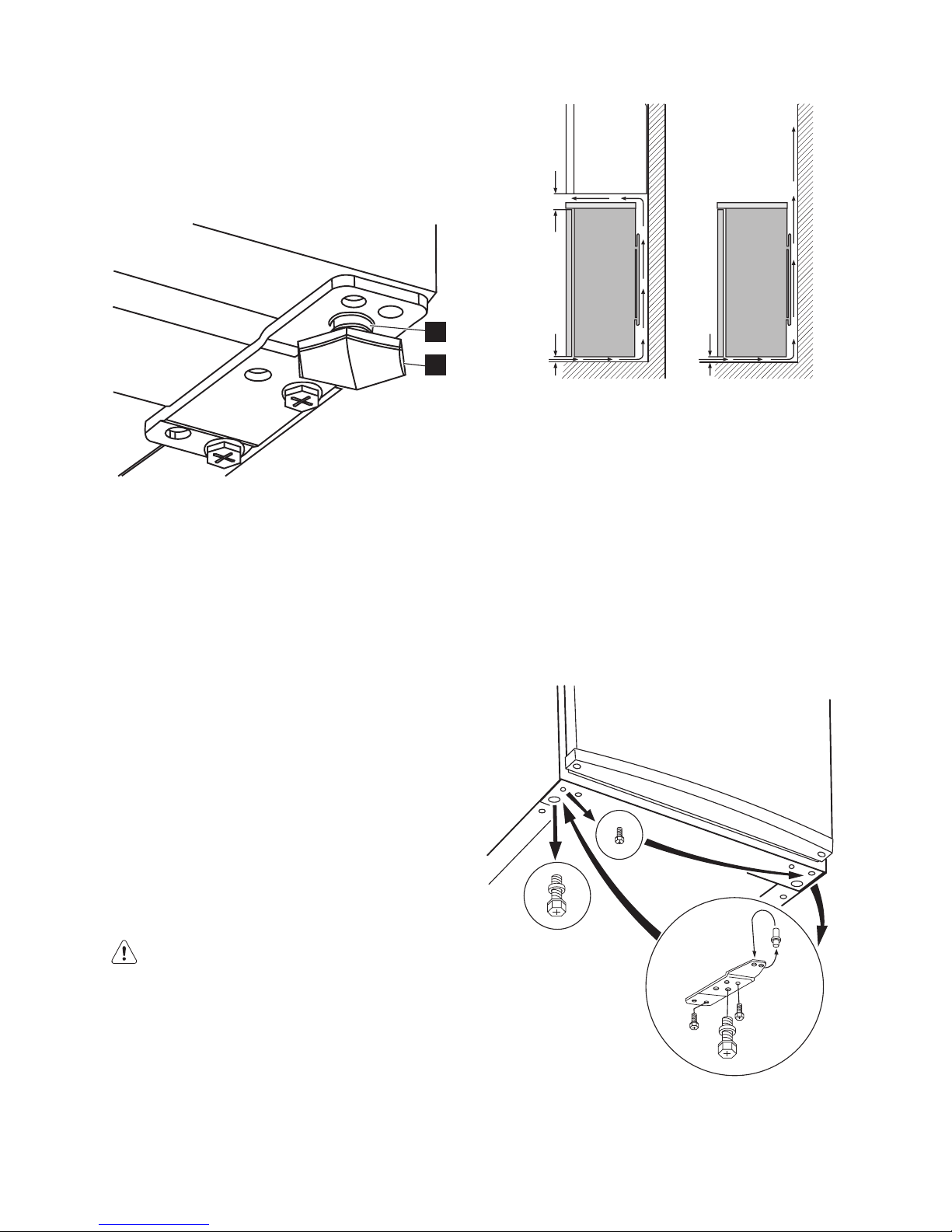
Livellamento
L'apparecchio deve trovarsi perfettamente
in piano. Per correggere gli eventuali dislivelli è possibile regolare in altezza i due piedini
anteriori (2). Se necessario, regolare i piedini
rimuovendo il distanziatore (1).
1
2
Posizione
L'apparecchio deve essere installato lontano da fonti di calore (termosifoni, boiler, luce solare diretta, ecc.). Verificare che sul lato posteriore sia garantita un'adeguata circolazione dell'aria. Per ottenere prestazioni
ottimali, se l'apparecchio è installato al di sotto di un pensile si raccomanda di mantenere una distanza minima tra quest'ultimo e lo
spigolo superiore dell'apparecchio di almeno 100 mm. Se possibile, tuttavia, evitare di
installare l'apparecchio sotto un pensile.
Per consentire un perfetto livellamento dell'apparecchio sono provvisti uno o più piedini regolabili.
Se l'apparecchio è installato in un angolo
con il lato incernierato verso la parete, la distanza rispetto a quest'utima deve essere
di almeno 10 mm, in modo che la porta possa aprirsi in misura sufficiente per consentire la rimozione dei ripiani.
Avvertenza Deve essere possibile
scollegare l'apparecchio dalla rete
elettrica; eseguire perciò l'installazione
facendo sì che la spina rimanga
facilmente accessibile.
15mm
15mm 100mm
Reversibilità della porta
Importante Per eseguire le seguenti
operazioni, si raccomanda di farsi aiutare
da un'altra persona che tenga ben ferme le
porte dell'apparecchiatura.
Per cambiare la direzione di apertura della
porta, procedere come segue:
1. Estrarre la spina dalla presa.
2. Inclinare con attenzione all'indietro l'ap-
parecchiatura in modo che il compressore non tocchi il pavimento.
3. Svitare i due piedini regolabili.
4. Rimuovere le viti dalla cerniera inferiore
della porta.
5. Togliere la porta dell'apparecchiatura ti-
randola leggermente verso il basso.
electrolux 35
Page 36
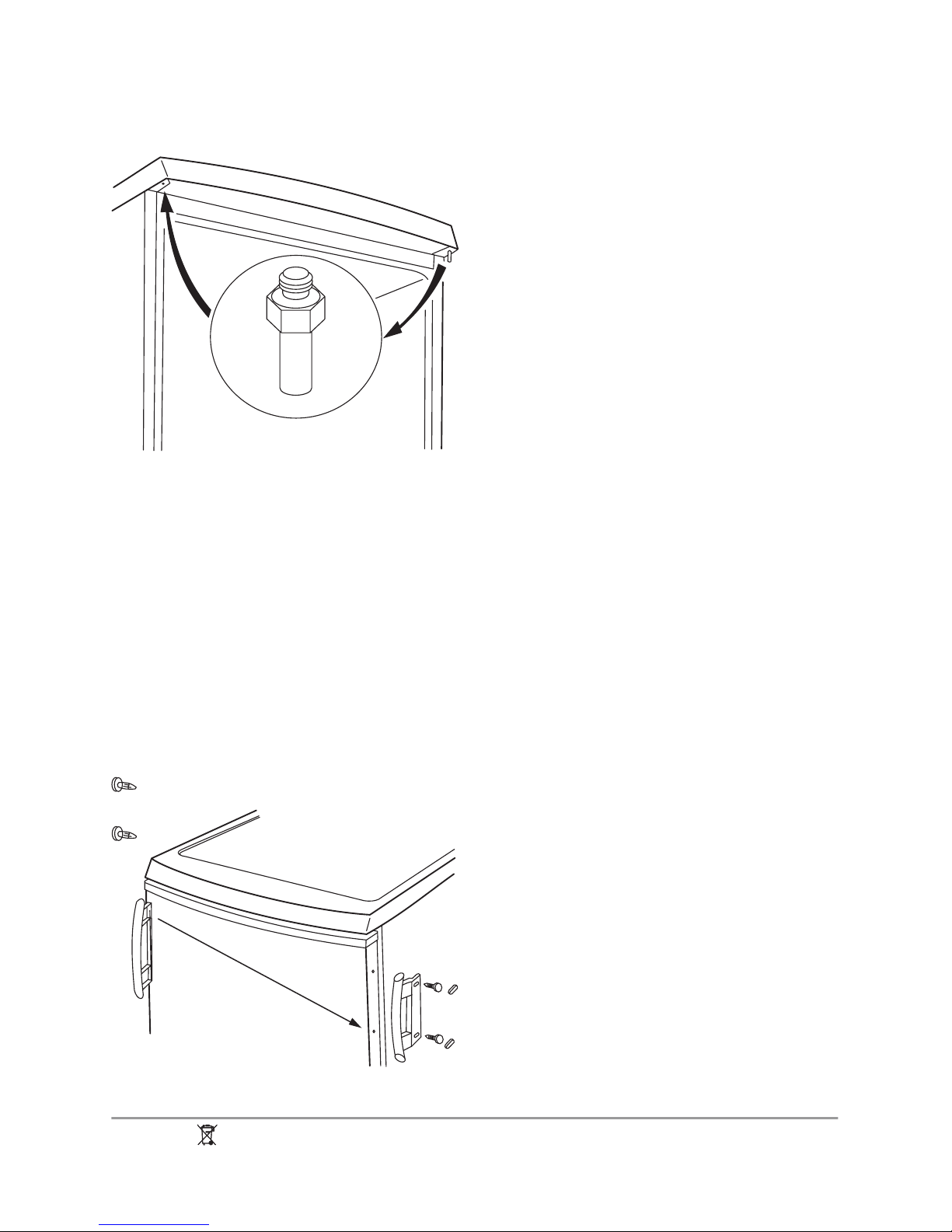
6. Svitare il perno della ceniera della porta
dell'apparecchiatura, quindi riavvitarlo
sul lato opposto.
7. Inserire la porta dell'apparecchiatura sul
perno della cerniera della porta superiore.
8. Rimuovere la cerniera inferiore. Inserire
il perno nella direzione della freccia.
9. Rimuovere la vite e installarla sul lato opposto.
10. Installare la cerniera inferiore sul lato opposto lasciando invariata la posizione
della porta.
11. Inserire una vite nel posto lasciato libero sull'altro lato unitamente ai piedini regolabili (2 pz).
12.
Rimuovere e installare la maniglia
15)
sul
lato opposto.
13. Riposizionare l'apparecchiatura, livellarla, attendere almeno quattro ore e inserire la spina nella presa.
Effettuare un controllo finale per verificare
che:
• Tutte le viti siano serrate.
• La porta si apra e si chiuda correttamente.
Se la temperatura ambiente è bassa (ad
esempio in inverno), è possibile che la guarnizione non aderisca perfettamente. In tal caso, attendere che aderisca naturalmente.
Per chi preferisca non eseguire direttamente le operazioni sopra descritte, rivolgersi al
servizio post-vendita più vicino. L'intervento
di inversione delle porte eseguito dai tecnici
del servizio post-vendita sarà a carico dell'utente.
Collegamento elettrico
Prima di inserire la spina, verificare che la
tensione e la frequenza riportate sulla targhetta corrispondano ai valori della rete elettrica domestica.
L'apparecchio deve essere collegato a massa. La spina del cavo di alimentazione è dotata di un contatto a tale scopo. Se la presa
della rete elettrica domestica non è collegata a massa, collegare l'apparecchio ad una
massa separata in conformità alle norme relative alla corrente, consultando un elettricista qualificato.
Il fabbricante declina qualsiasi responsabilità se le precauzioni suddette non sono rispettate.
Il presente apparecchio è conforme alle direttive CEE.
CONSIDERAZIONI AMBIENTALI
Il simbolo sul prodotto o sulla
confezione indica che il prodotto non deve
essere considerato come un normale rifiuto
domestico, ma deve essere portato nel
15) Nelle apparecchiature in cui è presente
36 electrolux
Page 37

punto di raccolta appropriato per il
riciclaggio di apparecchiature elettriche ed
elettroniche. Provvedendo a smaltire questo
prodotto in modo appropriato, si
contribuisce a evitare potenziali
conseguenze negative, che potrebbero
derivare da uno smaltimento inadeguato del
prodotto. Per informazioni più dettagliate
sul riciclaggio di questo prodotto,
contattare l’ufficio comunale, il servizio
locale di smaltimento rifiuti o il negozio in
cui è stato acquistato il prodotto.
Dove portare gli apparecchi fuori
uso?
In qualsiasi negozio che vende
apparecchi nuovi oppure si
restituiscono ai centri di raccolta ufficiali
della SENS oppure ai riciclatori ufficiali
della SENS.
La lista dei centri di raccolta ufficiali
della SENS è visibile nel sito
www.sens.ch.
electrolux 37
Page 38
Electrolux. Thinking of you.
Share more of our thinking at www.electrolux.com
CONTENTS
Safety information 38
Control panel 40
First use 41
Daily use 42
Helpful Hints and Tips 42
Care and cleaning 43
What to do if… 44
Technical data 45
Installation 46
Environmental concerns 48
Subject to change without notice
SAFETY INFORMATION
In the interest of your safety and to ensure
the correct use, before installing and first using the appliance, read this user manual
carefully, including its hints and warnings.
To avoid unnecessary mistakes and accidents, it is important to ensure that all people using the appliance are thoroughly familiar with its operation and safety features.
Save these instructions and make sure that
they remain with the appliance if it is moved
or sold, so that everyone using it through its
life will be properly informed on appliance
use and safety.
For the safety of life and property keep the
precautions of these user's instructions as
the manufacturer is not responsible for damages caused by omission.
Children and vulnerable people safety
• This appliance is not intended for use by
persons (including children) with reduced
physical, sensory or mental capabilities,
or lack of experience and knowledge, unless they have been given supervision or
instruction concerning use of the appliance by a person responsible for their
safety.
Children should be supervised to ensure
that they do not play with the appliance.
• Keep all packaging well away from children. There is risk of suffocation.
• If you are discarding the appliance pull
the plug out of the socket, cut the connection cable (as close to the appliance
as you can) and remove the door to prevent playing children to suffer electric
shock or to close themselves into it.
• If this appliance featuring magnetic door
seals is to replace an older appliance having a spring lock (latch) on the door or lid,
be sure to make that spring lock unusable before you discard the old appliance.
This will prevent it from becoming a
death trap for a child.
General safety
Caution! Keep ventilation openings
clear of obstruction.
• The appliance is intended for keeping
foodstuff and/or beverages in a normal
household as explained in this instruction
booklet.
• Do not use a mechanical device or any artificial means to speed up the thawing
process.
• Do not use other electrical appliances
(such as ice cream makers) inside of refrigerating appliances, unless they are approved for this purpose by the manufacturer.
• Do not damage the refrigerant circuit.
• The refrigerant isobutane (R600a) is contained within the refrigerant circuit of the
appliance, a natural gas with a high level
of environmental compatibility, which is
nevertheless flammable.
During transportation and installation of
the appliance, be certain that none of the
components of the refrigerant circuit become damaged.
If the refrigerant circuit should become
damaged:
– avoid open flames and sources of igni-
tion
– thoroughly ventilate the room in which
the appliance is situated
• It is dangerous to alter the specifications
or modify this product in any way. Any
38 electrolux
Page 39

damage to the cord may cause a shortcircuit, fire and/or electric shock.
Warning! Any electrical component
(power cord, plug, compressor) must
be replaced by a certified service agent
or qualified service personnel.
1. Power cord must not be lengthened.
2. Make sure that the power plug is not
squashed or damaged by the back of
the appliance. A squashed or damaged power plug may overheat and
cause a fire.
3. Make sure that you can come to the
mains plug of the appliance.
4. Do not pull the mains cable.
5. If the power plug socket is loose, do
not insert the power plug. There is a
risk of electric shock or fire.
6. You must not operate the appliance
without the lamp cover
16)
of interior
lighting.
• This appliance is heavy. Care should be
taken when moving it.
• Do not remove nor touch items from the
freezer compartment if your hands are
damp/wet, as this could cause skin abrasions or frost/freezer burns.
• Avoid prolonged exposure of the appliance to direct sunlight.
•
Bulb lamps
17)
used in this appliance are
special purpose lamps selected for household appliances use only. They are not
suitable for household room illumination.
Do not place frozen food on the
worktop since cold and vapour may
produce water condensate within its
inner side. The resulting drip liquid may
cause malfunctions. Therefore, do not
place nor leave frozen items of any kind
on the worktop.
Daily Use
• Do not put hot pot on the plastic parts in
the appliance.
• Do not store flammable gas and liquid in
the appliance, because they may explode.
• Do not place food products directly
against the air outlet on the rear wall.
18)
• Frozen food must not be re-frozen once
it has been thawed out.
• Store pre-packed frozen food in accordance with the frozen food manufacturer's
instructions.
• Appliance's manufacturers storage recommendations should be strictly adhered
to. Refer to relevant instructions.
• Do not place carbonated or fizzy drinks in
the freezer compartment as it creates
pressure on the container, which may
cause it to explode, resulting in damage
to the appliance.
• Ice lollies can cause frost burns if consumed straight from the appliance.
Care and cleaning
• Before maintenance, switch off the appliance and disconnect the mains plug from
the mains socket.
• Do not clean the appliance with metal objects.
• Do not use sharp objects to remove frost
from the appliance. Use a plastic scraper.
• Never use a hair drier or other heating appliances to speed up defrosting. Excessive heat may damage the plastic interior,
and humidity could enter the electric system making it live.
Installation
Important! For electrical connection
carefully follow the instructions given in
specific paragraphs.
• Unpack the appliance and check if there
are damages on it. Do not connect the appliance if it is damaged. Report possible
damages immediately to the place you
bought it. In that case retain packing.
• It is advisable to wait at least four hours
before connecting the appliance to allow
the oil to flow back in the compressor.
• Adequate air circulation should be
around the appliance, lacking this leads
to overheating. To achieve sufficient ventilation follow the instructions relevant to
installation.
• Wherever possible the back of the product should be against a wall to avoid
touching or catching warm parts (com-
16) If the lamp cover is foreseen.
17) If the lamp is foreseen.
18) If the appliance is Frost Free.
electrolux 39
Page 40
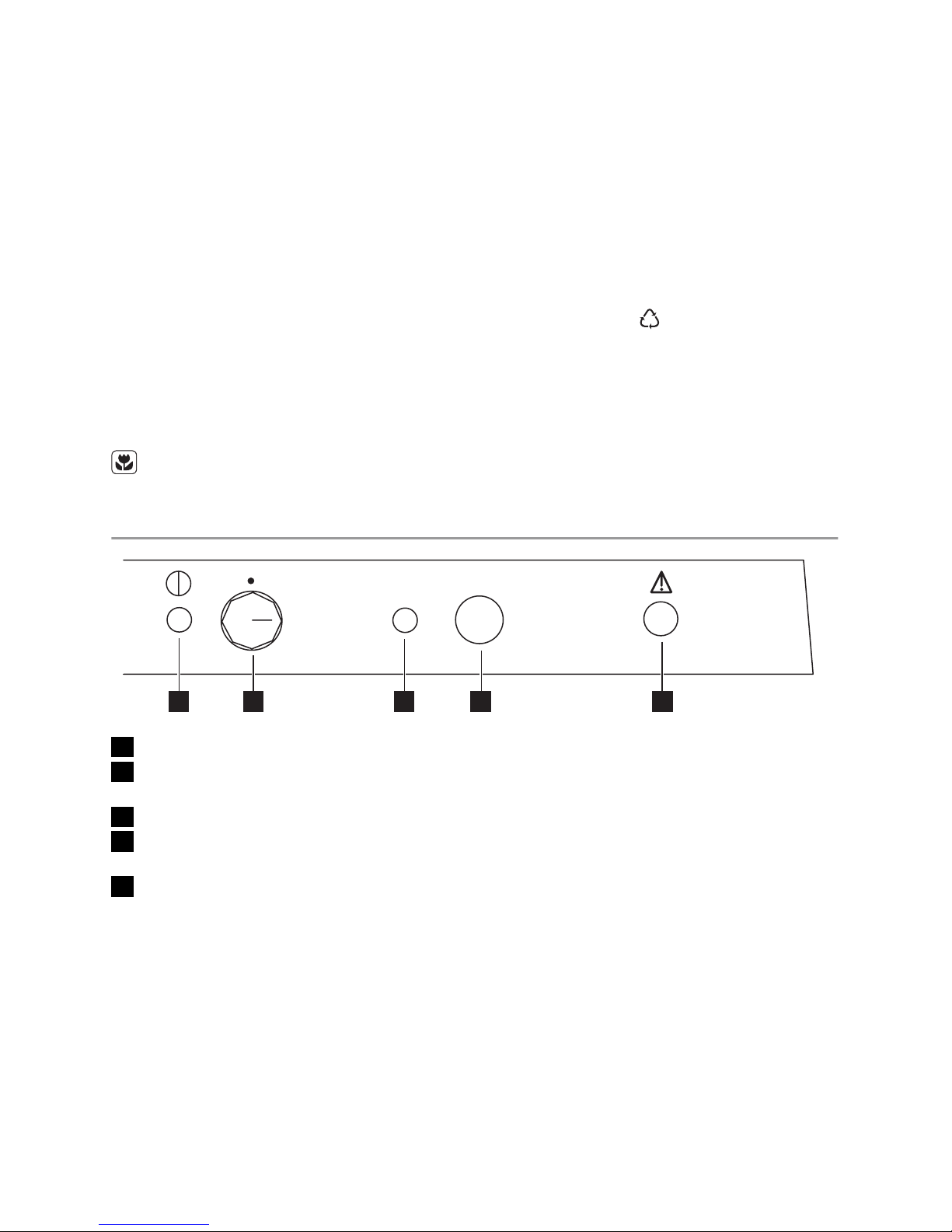
pressor, condenser) to prevent possible
burn.
• The appliance must not be located close
to radiators or cookers.
• Make sure that the mains plug is accessible after the installation of the appliance.
•
Connect to potable water supply only.
19)
Service
• Any electrical work required to do the servicing of the appliance should be carried
out by a qualified electrician or competent person.
• This product must be serviced by an authorized Service Centre, and only genuine spare parts must be used.
Environment Protection
This appliance does not contain gasses
which could damage the ozone layer,
in either its refrigerant circuit or insulation materials. The appliance shall not
be discarded together with the urban refuse and rubbish. The insulation foam
contains flammable gases: the appliance shall be disposed according to
the applicable regulations to obtain
from your local authorities. Avoid damaging the cooling unit, especially at the
rear near the heat exchanger. The materials used on this appliance marked
by the symbol
are recyclable.
CONTROL PANEL
1 2 3 4 5
1 Green On/Off Indicator Light
2 Temperature Regulator and On/Off
Switch
3 Yellow Fast Freeze Indicator Light
4 Acoustic Signal Stop and Fast Freeze
Switch
5 Red Alarm Indicator Light
Switching on
1. Allow the appliance to stand for 4 hrs after installation.
2. Insert the plug into the wall socket.
3. Turn the Temperature Regulator clockwise to a temperature lower than << 16 °C >> position.
4. The Green On/Off Indicator Light will
light up and Red Alarm Indicator Light
will blink.
5. The lighting up of the Green On/Off Indicator Light means that the appliance is
switched on.
6. The blinking of the Red Alarm Indicator
Light means an improper temperature in
the freezing compartment. In addition,
an intermittent sound can be heard,
which can be stopped by pressing the
Acoustic Signal Stop and Fast Freeze
Switch once.
7. When switching on the freezer for the
first time, the Red Alarm Indicator Light
will blink until the internal temperature
has reached a level required for the safe
conservation of frozen food.
Switching off
1. To turn off the appliance, turn the Temperature Regulator to the "O" position.
2. To disconnect the appliance from the
power disconnect the mains plug from
the wall socket.
19) If a water connection is foreseen.
40 electrolux
Page 41
Temperature regulation
The temperature within the appliance is controlled by the Temperature Regulator situated on the control panel.
To operate the appliance, proceed as follows:
• turn the Temperature Regulator toward
lower settings to obtain the minimum coldness.
• turn the Temperature Regulator toward
higher settings to obtain the maximum
coldness.
A medium setting is generally the most
suitable.
However, the exact setting should be chosen keeping in mind that the temperature inside the appliance depends on:
• room temperature
• how often the door is opened
• the quantity of food stored
• the location of the appliance.
Red Alarm Indicator Light
Under normal operating conditions, the internal temperature of the freezer will ensure
the long-term conservation of the stored
food.
When such temperature rises above a certain level (-12 °C), the appliance will trigger
an acoustic and light alarm. The light alarm
is a blink red light (Red Alarm Indicator
Light), while the acoustic alarm is an intermittent sound.
You can stop the acoustic alarm by pressing the Acoustic Signal Stop Switch once.
When switching on the freezer for the
first time, the Red Alarm Indicator Light
will blink until the internal temperature
has reached a level required for the
safe conservation of frozen food.
Fast Freeze function
If more than 3-4 kg of food is to be frozen:
1. Press the Fast Freeze Switch for 2-3 seconds to activate the fast-freeze function
6-24 hours before placing the fresh food
in the freezer, the Yellow Fast Freeze Indicator Light will illuminate. The compressor will now run continuously, to ensure
that the fresh food is frozen as quickly
as possible.
2. It is possible to deactivate the function
at any time by pressing the Fast Freeze
Switch for 2-3 seconds.
3. Place the foods in the freezing compartment (the top box), for maximum freezing performance remove the drawer (if
the drawer is foreseen) and then place
the foods to be frozen directly on the
evaporator. In case of freezing smaller
food volumes do not need to remove
the drawer.
4. Once the food is completely frozen (it
may take up to 24 hours) you can manually switch off the fast-freeze function
by pressing the Fast Freeze Switch for
2- 3 seconds and the Yellow Fast
Freeze Indicator light will also go out.
5. Move frozen food from the freezing compartment into the other two compartments (storing compartments) to make
room for another freezing.
If the Fast Freeze Switch is accidentally
left on, the fast-freeze function will be
automatically switched off 48 hours later. The Yellow Fast Freeze Indicator
light will also go out.
FIRST USE
Cleaning the interior
Before using the appliance for the first time,
wash the interior and all internal accessories with lukewarm water and some neutral
soap so as to remove the typical smell of a
brand-new product, then dry thoroughly.
Important! Do not use detergents or abrasive powders, as these will damage the finish.
electrolux 41
Page 42

DAILY USE
Freezing fresh food
The freezer compartment (the top box) is
suitable for freezing fresh food and storing
frozen and deep-frozen food for a long time.
To freeze fresh food activate the fast freeze
function.
The maximum amount of food that can be
frozen in 24 hours is specified on the rating
plate , a label located on the inside of the
appliance.
The freezing process lasts 24 hours: during
this period do not add other food to be frozen.
Storage of frozen food
When first starting-up or after a period out
of use, before putting the products in the
compartment let the appliance run at least
2 hours on the higher settings.
Important! In the event of accidental
defrosting, for example due to a power
failure, if the power has been off for longer
than the value shown in the technical
characteristics chart under "rising time", the
defrosted food must be consumed quickly
or cooked immediately and then re-frozen
(after cooling).
Thawing
Deep-frozen or frozen food, prior to being
used, can be thawed at room temperature.
Small pieces may even be cooked still frozen, directly from the freezer: in this case,
cooking will take longer.
HELPFUL HINTS AND TIPS
Normal Operating Sounds
• You may hear a faint gurgling and a bubbling sound when the refrigerant is pumped through the coils or tubing. This is correct.
• When the compressor is on, the refrigerant is being pumped around and you will
hear a whirring sound and a pulsating
noise from the compressor. This is correct.
• The thermic dilatation might cause a sudden cracking noise. It is natural, not dangerous physical phenomenon. This is correct.
• When the compressor switches on or
switches off, you will hear a faint "click" of
the temperature regulator. This is correct.
Hints for freezing
To help you make the most of the freezing
process, here are some important hints:
• the maximum quantity of food which can
be frozen in 24 hrs. is shown on the rating plate;
• the freezing process takes 24 hours. No
further food to be frozen should be added during this period;
• only freeze top quality, fresh and thoroughly cleaned, foodstuffs;
• prepare food in small portions to enable it
to be rapidly and completely frozen and
to make it possible subsequently to thaw
only the quantity required;
• wrap up the food in aluminium foil or polythene and make sure that the packages
are airtight;
• do not allow fresh, unfrozen food to
touch food which is already frozen, thus
avoiding a rise in temperature of the latter;
• lean foods store better and longer than
fatty ones; salt reduces the storage life of
food;
• water ices, if consumed immediately after
removal from the freezer compartment,
can possibly cause the skin to be freeze
burnt;
• it is advisable to show the freezing in date
on each individual pack to enable you to
keep tab of the storage time.
Hints for storage of frozen food
To obtain the best performance from this appliance, you should:
• make sure that the commercially frozen
foodstuffs were adequately stored by the
retailer;
• be sure that frozen foodstuffs are transferred from the foodstore to the freezer in
the shortest possible time;
• not open the door frequently or leave it
open longer than absolutely necessary.
42 electrolux
Page 43
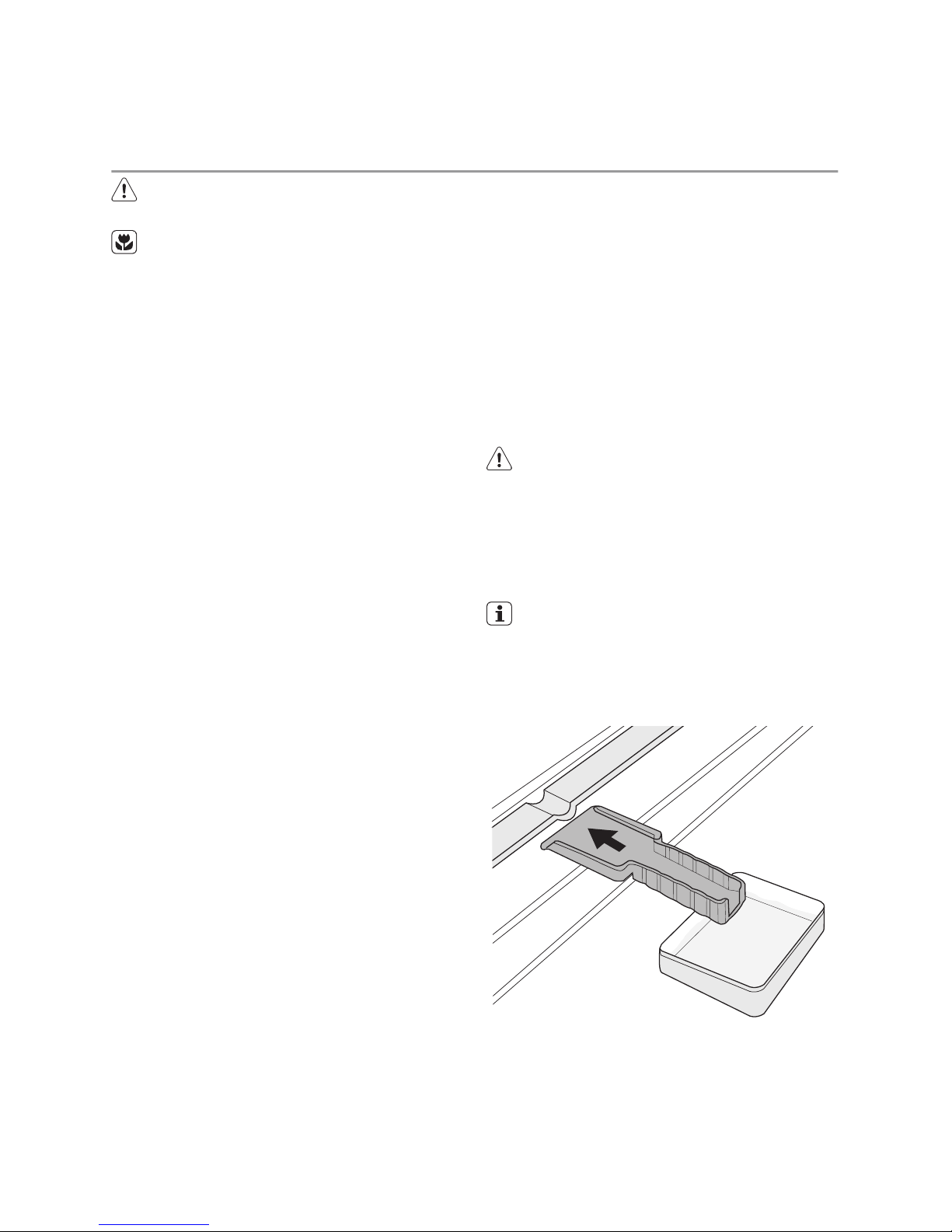
• Once defrosted, food deteriorates rapidly
and cannot be refrozen.
• Do not exceed the storage period indicated by the food manufacturer.
CARE AND CLEANING
Caution! Unplug the appliance before
carrying out any maintenance operation.
This appliance contains hydrocarbons
in its cooling unit; maintenance and recharging must therefore only be carried
out by authorized technicians.
Periodic cleaning
The equipment has to be cleaned regularly:
• clean the inside and accessories with lukewarm water and some neutral soap.
• regularly check the door seals and wipe
clean to ensure they are clean and free
from debris.
• rinse and dry thoroughly.
Important! Do not pull, move or damage
any pipes and/or cables inside the cabinet.
Never use detergents, abrasive powders,
highly perfumed cleaning products or wax
polishes to clean the interior as this will damage the surface and leave a strong odour.
Clean the condenser (black grill) and the
compressor at the back of the appliance
with a brush or a vacuum cleaner. This operation will improve the performance of the
appliance and save electricity consumption.
Important! Take care of not to damage the
cooling system.
Many proprietary kitchen surface cleaners
contain chemicals that can attack/damage
the plastics used in this appliance. For this
reason it is recommended that the outer casing of this appliance is only cleaned with
warm water with a little washing-up liquid
added.
After cleaning, reconnect the equipment to
the mains supply.
Defrosting the freezer
A certain amount of frost will always form
on the freezer shelves and around the top
compartment.
Defrost the freezer when the frost layer reaches a thickness of about 3-5 mm.
Important! About 12 hours prior to
defrosting, set the Temperature Regulator
toward higher settings , in order to build up
sufficient chill reserve for the interruption in
operation.
To remove the frost, follow the instructions
below:
1. Switch off the appliance and disconnect
the mains plug from the mains socket.
2. Remove any stored food, wrap it in several layers of newspaper and put it in a
cool place.
Caution! Do not touch frozen goods
with wet hands. Hands can freeze to
the goods.
3. Leave the door open and insert the plastic scraper in the appropriate seating at
the bottom centre, placing a basin underneath to collect the defrost water.
In order to speed up the defrosting process, place a pot of warm water in the
freezer compartment. In addition, remove pieces of ice that break away before defrosting is complete.
4. When defrosting is completed, dry the interior thoroughly and keep the scraper
for future use.
5. Switch on the appliance.
electrolux 43
Page 44
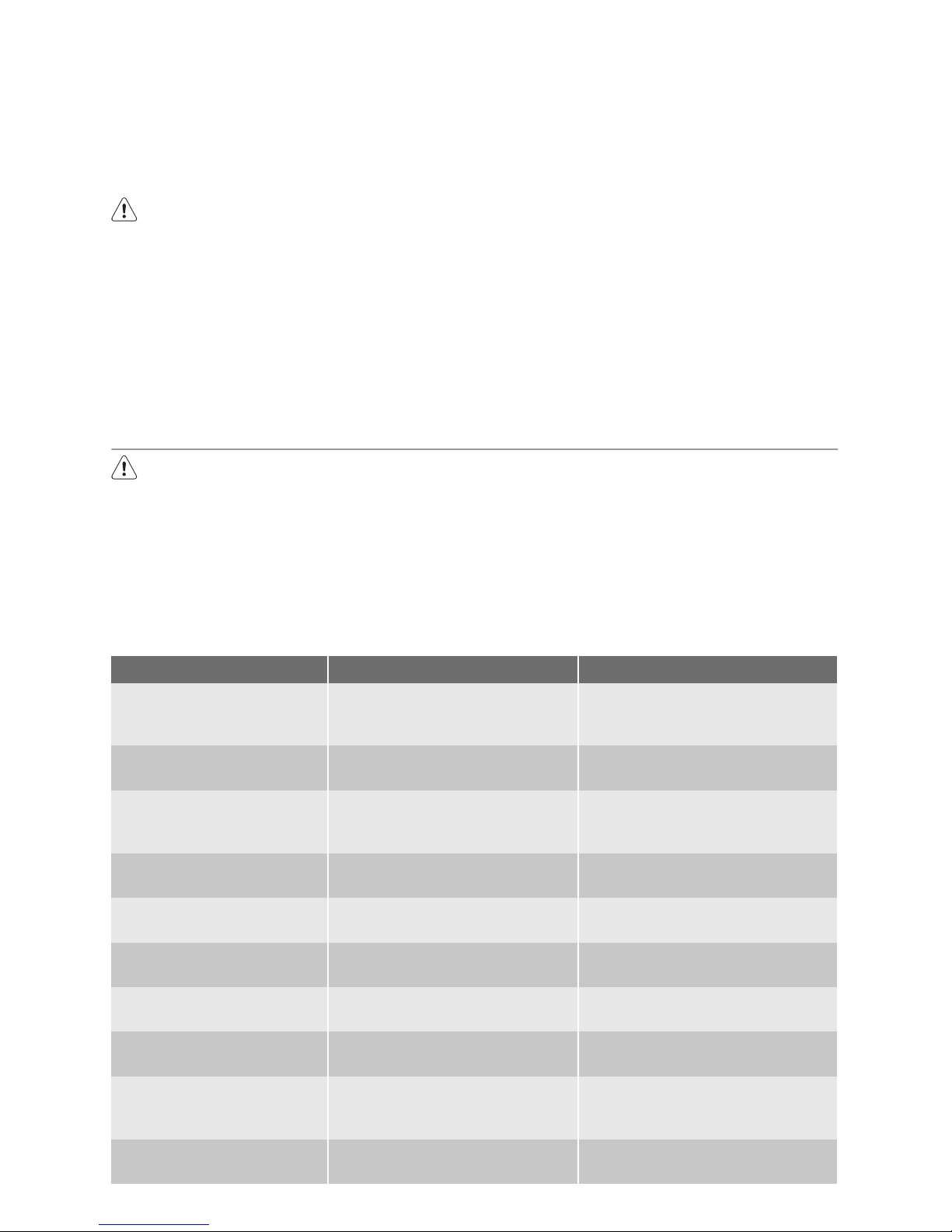
6. Turn the Temperature Regulator to the
<< -18 °C >> position and leave to run
for at least 4 hours in quick freeze mode.
7. After 4 hours reload the previously removed food into the compartments.
Warning! Never use sharp metal tools
to scrape off frost from the evaporator
as you could damage it.
Do not use a mechanical device or any
artificial means to speed up the thawing process other than those recommended by the manufacturer.
A temperature rise of the frozen food
packs, during defrosting, may shorten
their safe storage life.
Periods of non-operation
When the appliance is not in use for long periods, take the following precautions:
1. disconnect the appliance from electricity
supply
2. remove all food
3. defrost and clean the appliance and all
accessories
4. leave the door/doors open to prevent unpleasant smells.
Important! If the cabinet will be kept on,
ask somebody to check it once in a while to
prevent the food inside from spoiling in
case of a power failure.
WHAT TO DO IF…
Warning! Before troubleshooting,
disconnect the mains plug from the
mains socket.
Only a qualified electrician or competent person must do the troubleshooting that is not in this manual.
Important! There are some sounds during
normal use (compressor, refrigerant
circulation).
Important! The appliance operates
discontinuously, so the stopping of
compressor does not mean being no
current. That is why you must not touch the
electrical parts of the appliance before
breaking the circuit.
Problem Possible cause Solution
The appliance is noisy The appliance is not supported
properly
Check if the appliance stands stable (all the four feet should be on
the floor)
The compressor operates continually
The thermostatic control is set incorrectly
Set a warmer temperature
Doors are not shut properly or
do not close tightly
Check if the doors close well and
the gaskets are undamaged and
clean
The door has been opened too
frequently
Do not leave the door open longer
than necessary
Large quantities of food to be fro-
zen were put in at the same time
Wait some hours and then check
the temperature again
Food placed in the appliance
was too warm
Allow food to cool to room temperature before storing
The room temperature is too
high.
Decrease the room temperature
There is too much frost
and ice
Products are not wrapped properly
Wrap the products better
Doors are not shut properly or
do not close tightly
Check if the doors close well and
the gaskets are undamaged and
clean
The Temperature regulator may
be set incorrectly
Set a warmer temperature
44 electrolux
Page 45

Problem Possible cause Solution
It is too warm in the freezer
Temperature regulator may be
set incorrectly
Set a lower temperature
The door does not close tightly
or it is not shut properly
Check if the door closes well and
the gasket is undamaged and
clean
Large quantities of food to be fro-
zen were put in at the same time
Insert smaller quantities of food to
be frozen at any one time.
Food placed in the appliance
was too warm
Allow food to cool to room temperature before storing.
Products to be frozen are
placed too closely to each other
Place the products in a way so
that cold air could circulate
among them
It is too cold inside the
freezer
Temperature regulator may be
set incorrectly
Set a warmer temperature
The appliance does not
work at all. Neither cooling nor lighting works
Plug is not connected to the
mains socket properly
Connect the mains plug properly
Power does not reach the appli-
ance
Try connecting another electrical
device to the power outlet
The appliance is not switched on Switch on the appliance
There is no voltage in the mains
socket (try to connect another
appliance into it)
Call an electrician
The appliance does not
cool at all
Plug is not connected to the
mains socket properly
Connect the mains plug properly
There is no voltage in the mains
socket (try to connect another
appliance into it)
Call an electrician
The appliance is not switched on Switch on the appliance
Temperature Regulator is not on Check the Temperature Regulator
Green indicator flashing
Temperature sensor problem Call the service personnel
Closing the door
1. Clean the door gaskets.
2. If necessary, adjust the door. Refer to "Installation".
3. If necessary, replace the defective door
gaskets. Contact the Service Center.
TECHNICAL DATA
TG092 EUT6259
Dimension
Height 850 mm 850 mm
Width 595 mm 595 mm
Depth 635 mm 635 mm
Rising Time 24 h 24 h
electrolux 45
Page 46
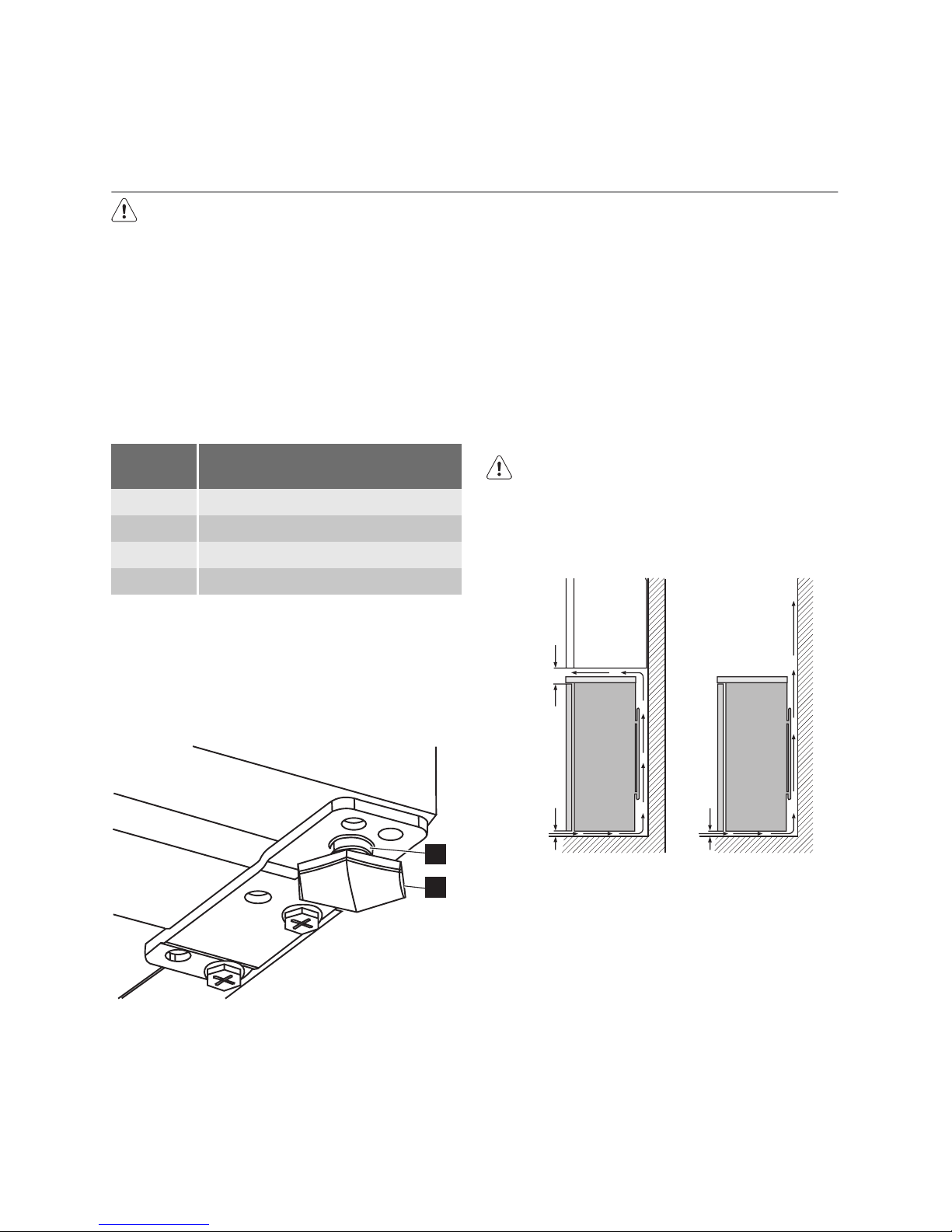
The technical information are situated in the
rating plate on the internal left side of the appliance and in the energy label.
INSTALLATION
Read the "Safety Information" carefully
for your safety and correct operation of
the appliance before installing the
appliance.
Positioning
This appliance can be installed in a dry, well
ventilated indoor (garage or cellar) also, but
for optimum performance install this appliance at a location where the ambient temperature corresponds to the climate class indicated on the rating plate of the appliance:
Climate
class
Ambient temperature
SN +10°C to + 32°C
N +16°C to + 32°C
ST +16°C to + 38°C
T +16°C to + 43°C
Levelling
When placing the appliance ensure that it
stands level. This can be achieved by two
adjustable feet at the bottom in front (2). If
necessary adjust the feet by removing the
spacer (1).
1
2
Location
The appliance should be installed well away
from sources of heat such as radiators, boilers, direct sunlight etc. Ensure that air can
circulate freely around the back of the cabinet. To ensure best performance, if the appliance is positioned below an overhanging
wall unit, the minimum distance between
the top of the cabinet and the wall unit
must be at least 100 mm . Ideally, however,
the appliance should not be positioned below overhanging wall units. Accurate levelling is ensured by one or more adjustable
feet at the base of the cabinet.
If the cabinet is placed in a corner and the
side with the hinges facing the wall, the distance between the wall and the cabinet
must be at least 10 mm to allow the door to
open enough so that the shelves can be removed.
Warning! It must be possible to
disconnect the appliance from the
mains power supply; the plug must
therefore be easily accessible after
installation.
15mm
15mm 100mm
Door reversibility
Important! To carry out the following
operations, we suggest that this be made
with another person that will keep a firm
hold on the doors of the appliance during
the operations.
To change the opening direction of the
door, do these steps:
1. Remove the plug from the power socket.
2. Tilt back the appliance carefully so that
the compressor cannot touch the floor.
46 electrolux
Page 47
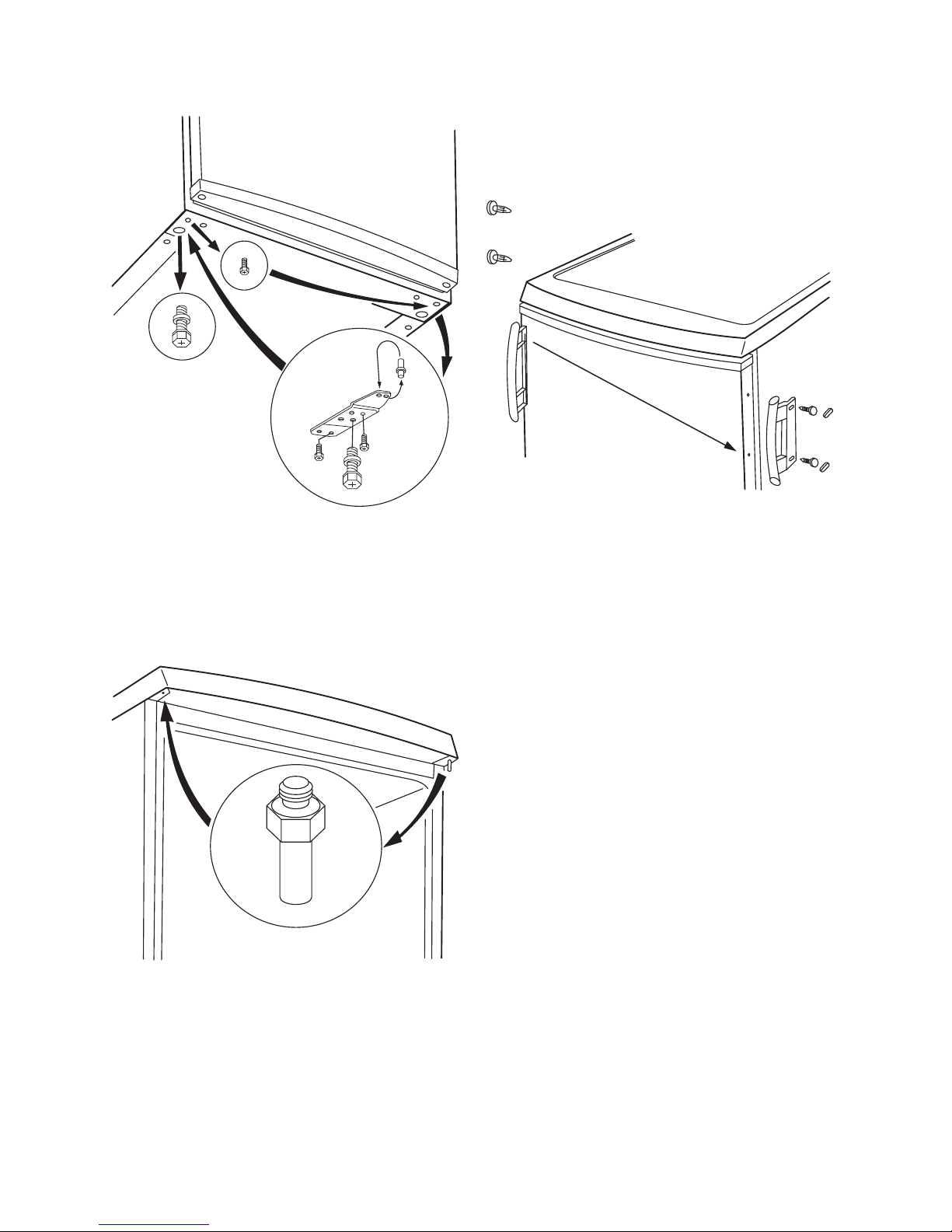
3. Unscrew both adjustable feet.
4. Unscrew the screws of the door bottom hinge.
5. Take off the appliance door by pulling it
slightly downwards.
6. Unscrew the top door hinge pin of the
appliance then screw it back on the other side.
7. Fit the appliance door on the upper
door hinge pin.
8. Remove the lower hinge. Put over the
pin in the direction of the arrow.
9. Unscrew and install the screw on the opposite side.
10. Install the lower hinge on the opposite
side leaving the position of the door unchanged.
11. Screw in the one screw in the place set
free on the other side as well as the adjustable feet (2 pieces).
12.
Remove and install the handle
20)
on the
opposite side.
13. Reposition, level the appliance, wait for
at least four hours and then connect it
to the power socket.
Do a final check to make sure that:
• All screws are tightened.
• The door opens and closes correctly.
If the ambient temperature is cold (i.e. in Winter), the gasket may not fit perfectly to the
cabinet. In that case, wait for the natural fitting of the gasket.
In case you do not want to carry out the
above mentioned operations, contact the
nearest After Sales Service Force. The After
Sales Service specialist will carry out the reversibility of the doors at your cost.
Electrical connection
Before plugging in, ensure that the voltage
and frequency shown on the rating plate correspond to your domestic power supply.
The appliance must be earthed. The power
supply cable plug is provided with a contact
for this purpose. If the domestic power supply socket is not earthed, connect the appliance to a separate earth in compliance with
current regulations, consulting a qualified
electrician.
The manufacturer declines all responsibility
if the above safety precautions are not observed.
This appliance complies with the E.E.C. Directives.
20) If foreseen
electrolux 47
Page 48

ENVIRONMENTAL CONCERNS
The symbol on the product or on its
packaging indicates that this product may
not be treated as household waste. Instead
it should be taken to the appropriate
collection point for the recycling of electrical
and electronic equipment. By ensuring this
product is disposed of correctly, you will
help prevent potential negative
consequences for the environment and
human health, which could otherwise be
caused by inappropriate waste handling of
this product. For more detailed information
about recycling of this product, please
contact your local council, your household
waste disposal service or the shop where
you purchased the product.
48 electrolux
Page 49

electrolux 49
Page 50

50 electrolux
Page 51

electrolux 51
Page 52
200383696-00-082010
www.electrolux.com/shop
 Loading...