

Page 1
1-Port VNA Series
R54
R140
R60
R180/RP180
Programming Manual SCPI
Software version 18.3.2
December 2018
Page 2

TABLE OF CONTENTS
1 Introduction ...................................................................................................... 10
1.1 Programming Manual Scope ................................................................................... 10
1.2 Related Documents..................................................................................................... 10
1.3 References ...................................................................................................................... 10
2 Analyzer Interfaces .......................................................................................... 11
2.1 Ethernet Interface ....................................................................................................... 11
3 SCPI Overview................................................................................................... 12
3.1 Command Tree ............................................................................................................. 12
3.2 Subsystems .................................................................................................................... 13
3.3 Optional Subsystems .................................................................................................. 13
3.4 Long and Short Formats ........................................................................................... 14
3.5 Case Sensitivity ............................................................................................................ 14
3.6 Parameters ..................................................................................................................... 14
3.6.1 Numeric Values ..................................................................................................... 14
3.6.1.1 Multiplier Prefixes .................................................................................. 15
3.6.1.2 Notations .................................................................................................... 16
3.6.2 Booleans .................................................................................................................. 16
3.6.3 Character Data ...................................................................................................... 16
3.6.4 String Parameters ................................................................................................ 17
3.6.5 Numeric Lists ......................................................................................................... 17
3.7 Query Commands ........................................................................................................ 18
3.8 Numeric Suffixes .......................................................................................................... 18
3.9 Compound Commands .............................................................................................. 18
3.10 IEEE488.2 Common Commands Overview ...................................................... 19
3.11 String Terminator ...................................................................................................... 19
4 Remote Control Commands ............................................................................ 20
4.1 Conventions ................................................................................................................... 20
4.1.1 Syntax ....................................................................................................................... 20
4.1.2 Identifiers ................................................................................................................ 21
4.2 IEEE488.2 Common Commands ............................................................................. 22
*CLS ................................................................................................................................. 22
*ESE ................................................................................................................................. 23
*ESR? ................................................................................................................................. 23
*IDN? ................................................................................................................................. 24
*OPC ................................................................................................................................. 24
*OPC? ................................................................................................................................. 25
*RST ................................................................................................................................. 25
*SRE ................................................................................................................................. 26
*STB? ................................................................................................................................. 26
*TRG ................................................................................................................................. 27
Page 3

3
*WAI ................................................................................................................................. 27
4.3 Vector Analyzer Commands ..................................................................................... 28
ABOR ................................................................................................................................. 28
CALC:CONV ........................................................................................................................ 28
CALC:CONV:FUNC ............................................................................................................ 29
CALC:CORR:EDEL:TIME ................................................................................................. 30
CALC:CORR:OFFS:PHAS ................................................................................................ 31
CALC:DATA:FDAT?........................................................................................................... 32
CALC:DATA:FMEM? ......................................................................................................... 33
CALC:DATA:SDAT? .......................................................................................................... 34
CALC:DATA:SMEM? ......................................................................................................... 35
CALC:FILT:TIME ................................................................................................................ 36
CALC:FILT:TIME:CENT ................................................................................................... 37
CALC:FILT:TIME:SHAP ................................................................................................... 38
CALC:FILT:TIME:SPAN ................................................................................................... 39
CALC:FILT:TIME:STAR .................................................................................................... 40
CALC:FILT:TIME:STAT .................................................................................................... 41
CALC:FILT:TIME:STOP.................................................................................................... 42
CALC:FORM ........................................................................................................................ 43
CALC:FSIM:SEND:DEEM:PORT:STAT ........................................................................ 44
CALC:FSIM:SEND:DEEM:PORT:USER:FIL................................................................. 45
CALC:FSIM:SEND:PMC:PORT:STAT ........................................................................... 46
CALC:FSIM:SEND:PMC:PORT:USER:FIL ................................................................... 47
CALC:FSIM:SEND:ZCON:PORT:Z0 .............................................................................. 48
CALC:FSIM:SEND:ZCON:STAT ..................................................................................... 49
CALC:FUNC:DATA? .......................................................................................................... 49
CALC:FUNC:DOM ............................................................................................................. 50
CALC:FUNC:DOM:COUP................................................................................................. 50
CALC:FUNC:DOM:STAR ................................................................................................. 51
CALC:FUNC:DOM:STOP ................................................................................................. 52
CALC:FUNC:EXEC ............................................................................................................. 53
CALC:FUNC:PEXC ............................................................................................................. 54
CALC:FUNC:POIN? ........................................................................................................... 55
CALC:FUNC:PPOL ............................................................................................................ 56
CALC:FUNC:TARG ............................................................................................................ 57
CALC:FUNC:TTR ............................................................................................................... 58
CALC:FUNC:TYPE ............................................................................................................. 59
CALC:LIM ............................................................................................................................ 60
CALC:LIM:DATA ................................................................................................................ 61
CALC:LIM:DISP .................................................................................................................. 62
CALC:LIM:FAIL? ................................................................................................................ 62
CALC:LIM:OFFS:AMPL .................................................................................................... 63
CALC:LIM:OFFS:STIM ..................................................................................................... 64
CALC:LIM:REP:ALL? ........................................................................................................ 65
Page 4

4
CALC:LIM:REP:POIN? ...................................................................................................... 66
CALC:LIM:REP? ................................................................................................................. 67
CALC:MARK ........................................................................................................................ 68
CALC:MARK:ACT............................................................................................................... 68
CALC:MARK:BWID ........................................................................................................... 69
CALC:MARK:BWID:DATA? ............................................................................................. 69
CALC:MARK:BWID:REF................................................................................................... 70
CALC:MARK:BWID:THR .................................................................................................. 71
CALC:MARK:BWID:TYPE ................................................................................................ 72
CALC:MARK:COUN .......................................................................................................... 72
CALC:MARK:COUP ........................................................................................................... 73
CALC:MARK:FUNC:DOM ................................................................................................ 73
CALC:MARK:FUNC:DOM:STAR .................................................................................... 74
CALC:MARK:FUNC:DOM:STOP .................................................................................... 75
CALC:MARK:FUNC:EXEC ............................................................................................... 76
CALC:MARK:FUNC:PEXC ............................................................................................... 77
CALC:MARK:FUNC:PPOL ............................................................................................... 78
CALC:MARK:FUNC:TARG ............................................................................................... 79
CALC:MARK:FUNC:TRAC ............................................................................................... 80
CALC:MARK:FUNC:TTR .................................................................................................. 81
CALC:MARK:FUNC:TYPE ................................................................................................ 82
CALC:MARK:REF ............................................................................................................... 83
CALC:MARK:SET ............................................................................................................... 83
CALC:MARK:X .................................................................................................................... 84
CALC:MARK:Y? .................................................................................................................. 85
CALC:MATH:DEL .............................................................................................................. 85
CALC:MATH:FUNC ........................................................................................................... 86
CALC:MATH:MEM ............................................................................................................ 86
CALC:MST ........................................................................................................................... 87
CALC:MST:DATA? ............................................................................................................. 87
CALC:MST:DOM ................................................................................................................ 88
CALC:MST:DOM:STAR .................................................................................................... 88
CALC:MST:DOM:STOP .................................................................................................... 89
CALC:PAR:COUN .............................................................................................................. 90
CALC:PAR:DEF................................................................................................................... 91
CALC:PAR:SEL ................................................................................................................... 92
CALC:RLIM.......................................................................................................................... 92
CALC:RLIM:DATA ............................................................................................................. 93
CALC:RLIM:DISP:LINE .................................................................................................... 94
CALC:RLIM:FAIL? ............................................................................................................. 94
CALC:RLIM:REP? .............................................................................................................. 95
CALC:SMO .......................................................................................................................... 95
CALC:SMO:APER ............................................................................................................... 96
CALC:TRAC:DATA:FDAT? .............................................................................................. 97
Page 5

5
CALC:TRAC:DATA:FMEM? ............................................................................................. 98
CALC:TRAC:DATA:SDAT? .............................................................................................. 99
CALC:TRAC:DATA:SMEM? .......................................................................................... 100
CALC:TRAN:TIME .......................................................................................................... 101
CALC:TRAN:TIME:CENT .............................................................................................. 102
CALC:TRAN:TIME:IMP:WIDT ..................................................................................... 103
CALC:TRAN:TIME:KBES .............................................................................................. 104
CALC:TRAN:TIME:LPFR ............................................................................................... 104
CALC:TRAN:TIME:SPAN .............................................................................................. 105
CALC:TRAN:TIME:STAR .............................................................................................. 106
CALC:TRAN:TIME:STAT .............................................................................................. 107
CALC:TRAN:TIME:STEP:RTIM ................................................................................... 108
CALC:TRAN:TIME:STIM ............................................................................................... 109
CALC:TRAN:TIME:STOP .............................................................................................. 110
CALC:TRAN:TIME:UNIT ............................................................................................... 111
DEV:ADDN ....................................................................................................................... 112
DEV:ADDN ....................................................................................................................... 112
DEV:COUN? ..................................................................................................................... 112
DEV:MOVD ...................................................................................................................... 112
DEV:MOVU ...................................................................................................................... 113
DEV:READ? ...................................................................................................................... 113
DEV:ADJ:EXEC ................................................................................................................ 113
DEV:ADJ:PER ................................................................................................................... 114
DEV:PORT#:OFF ............................................................................................................ 114
DEV:REML ........................................................................................................................ 115
DEV:SER? ......................................................................................................................... 115
DEV:METH? ..................................................................................................................... 116
DISP:COL:BACK ............................................................................................................. 117
DISP:COL:GRAT ............................................................................................................. 117
DISP:COL:RES ................................................................................................................. 118
DISP:COL:TRAC:DATA ................................................................................................. 118
DISP:COL:TRAC:MEM .................................................................................................. 119
DISP:ENAB ....................................................................................................................... 119
DISP:FSIG ......................................................................................................................... 120
DISP:IMAG ....................................................................................................................... 121
SYST:HIDE ....................................................................................................................... 121
DISP:MAX ........................................................................................................................ 122
SYSTem:SHOW .............................................................................................................. 122
DISP:SPL .......................................................................................................................... 123
DISP:WIND:ACT ............................................................................................................. 124
DISP:WIND:ANN:MARK:ALIG .................................................................................... 124
DISP:WIND:ANN:MARK:SING .................................................................................... 125
DISP:WIND:MAX ............................................................................................................ 125
DISP:WIND:SPL .............................................................................................................. 126
Page 6

6
DISP:WIND:TITL ............................................................................................................ 127
DISP:WIND:TITL:DATA ................................................................................................ 127
DISP:WIND:TRAC:ANN:MARK:MEM ........................................................................ 128
DISP:WIND:TRAC:ANN:MARK:POS:X ..................................................................... 129
DISP:WIND:TRAC:ANN:MARK:POS:Y ...................................................................... 130
DISP:WIND:TRAC:Y:AUTO .......................................................................................... 130
DISP:WIND:TRAC:Y:PDIV ............................................................................................ 131
DISP:WIND:TRAC:Y:RLEV ........................................................................................... 132
DISP:WIND:TRAC:Y:RPOS .......................................................................................... 133
DISP:WIND:Y:DIV .......................................................................................................... 134
FORM:BORD ................................................................................................................... 135
FORM:DATA .................................................................................................................... 136
HCOP .............................................................................................................................. 137
HCOP:DATE:STAM ........................................................................................................ 137
HCOP:IMAG ..................................................................................................................... 137
HCOP:PAIN ...................................................................................................................... 138
INIT .............................................................................................................................. 138
INIT:CONT ....................................................................................................................... 139
MMEM:COPY................................................................................................................... 139
MMEM:DEL ...................................................................................................................... 140
MMEM:LOAD .................................................................................................................. 140
MMEM:LOAD:CHAN ..................................................................................................... 141
MMEM:LOAD:CKIT........................................................................................................ 141
MMEM:LOAD:LIM.......................................................................................................... 142
MMEM:LOAD:RLIM ....................................................................................................... 142
MMEM:LOAD:SEGM ..................................................................................................... 143
MMEM:MDIR ................................................................................................................... 143
MMEM:STOR ................................................................................................................... 144
MMEM:STOR:CHAN ...................................................................................................... 144
MMEM:STOR:CHAN:CLE ............................................................................................. 145
MMEM:STOR:CKIT ........................................................................................................ 145
MMEM:STOR:FDAT....................................................................................................... 146
MMEM:STOR:IMAG ....................................................................................................... 146
MMEM:STOR:LIM .......................................................................................................... 147
MMEM:STOR:RLIM ....................................................................................................... 147
MMEM:STOR:SEGM ...................................................................................................... 148
MMEM:STOR:SNP ......................................................................................................... 148
MMEM:STOR:SNP:FORM ............................................................................................ 149
MMEM:STOR:SNP:TYPE:S1P ..................................................................................... 149
MMEM:STOR:SNP:TYPE:S2P ..................................................................................... 150
MMEM:STOR:STYP ....................................................................................................... 150
MMEM:TRAN? ................................................................................................................ 151
OUTP .............................................................................................................................. 151
SENS:AVER ...................................................................................................................... 152
Page 7

7
SENS:AVER:CLE ............................................................................................................. 152
SENS:AVER:COUN ......................................................................................................... 153
SENS:BAND ..................................................................................................................... 153
SENS:BWID ...................................................................................................................... 154
SENS:CORR:CLE ............................................................................................................ 154
SENS:CORR:COEF ......................................................................................................... 155
SENS:CORR:COEF:METH:OPEN ............................................................................... 156
SENS:CORR:COEF:METH:SHOR ............................................................................... 157
SENS:CORR:COEF:METH:SOLT1 ............................................................................. 158
SENS:CORR:COEF:SAVE .............................................................................................. 159
SENS:CORR:COLL:CKIT ............................................................................................... 160
SENS:CORR:COLL:CKIT:LAB ..................................................................................... 161
SENS:CORR:COLL:CKIT:RES ...................................................................................... 162
SENS:CORR:COLL:CKIT:STAN:C0 ............................................................................ 162
SENS:CORR:COLL:CKIT:STAN:C1 ............................................................................ 163
SENS:CORR:COLL:CKIT:STAN:C2 ............................................................................ 164
SENS:CORR:COLL:CKIT:STAN:C3 ............................................................................ 165
SENS:CORR:COLL:CKIT:STAN:DEL ......................................................................... 166
SENS:CORR:COLL:CKIT:STAN:L0 ............................................................................ 167
SENS:CORR:COLL:CKIT:STAN:L1 ............................................................................ 168
SENS:CORR:COLL:CKIT:STAN:L2 ............................................................................ 169
SENS:CORR:COLL:CKIT:STAN:L3 ............................................................................ 170
SENS:CORR:COLL:CKIT:STAN:LAB? ....................................................................... 171
SENS:CORR:COLL:CKIT:STAN:LOSS....................................................................... 172
SENS:CORR:COLL:CKIT:STAN:TYPE? ..................................................................... 173
SENS:CORR:COLL:CKIT:STAN:Z0 ............................................................................ 174
SENS:CORR:COLL:CLE ................................................................................................ 174
SENS:CORR:COLL:ECAL:CHECK:EXEC ................................................................... 175
SENS:CORR:COLL:ECAL:ORI:EXEC ......................................................................... 175
SENS:CORR:COLL:ECAL:ORI:STAT.......................................................................... 175
SENS:CORR:COLL:ECAL:SOLT1 ............................................................................... 176
SENS:CORR:COLL:ECAL:SOLT2 ............................................................................... 176
SENS:CORR:COLL:ECAL:UCH .................................................................................... 177
SENS:CORR:COLL:LOAD ............................................................................................. 178
SENS:CORR:COLL:METH:ERES................................................................................. 179
SENS:CORR:COLL:METH:OPEN ............................................................................... 180
SENS:CORR:COLL:METH: SHOR .............................................................................. 181
SENS:CORR:COLL:METH:SOLT1.............................................................................. 182
SENS:CORR:COLL:METH: THRU .............................................................................. 183
SENS:CORR:COLL:METH:TYPE? .............................................................................. 184
SENS:CORR:COLL:OPEN ............................................................................................. 184
SENS:CORR:COLL:SAVE .............................................................................................. 185
SENS:CORR:COLL:SHOR ............................................................................................ 186
SENS:CORR:COLL:THRU ............................................................................................ 187
Page 8

8
SENS:CORR:EXT ............................................................................................................ 188
SENS:CORR:EXT:PORT:FREQ ................................................................................... 189
SENS:CORR:EXT:PORT:INCL ..................................................................................... 190
SENS:CORR:EXT:PORT:LDC ...................................................................................... 190
SENS:CORR:EXT:PORT:LOSS .................................................................................... 191
SENS:CORR:EXT:PORT:TIME .................................................................................... 192
SENS:CORR:IMP ............................................................................................................ 193
SENS:CORR:STAT .......................................................................................................... 194
SENS:CORR:TRAN:TIME:FREQ ................................................................................. 195
SENS:CORR:TRAN:TIME:LOSS.................................................................................. 196
SENS:CORR:TRAN:TIME:RVEL .................................................................................. 197
SENS:CORR:TRAN:TIME:STAT .................................................................................. 198
SENS:CORR:TYPE? ........................................................................................................ 198
SENS:FREQ:DATA? ....................................................................................................... 199
SENS:FREQ:CENT .......................................................................................................... 200
SENS:FREQ:SPAN.......................................................................................................... 201
SENS:FREQ:STAR .......................................................................................................... 202
SENS:FREQ: STOP ........................................................................................................ 203
SENS:ROSC:SOUR ......................................................................................................... 204
SENS:SEGM:DATA ......................................................................................................... 205
SENS:SWE:POIN ............................................................................................................ 206
SENS:SWE:POIN:TIME ................................................................................................. 207
SENS:SWE:TYPE ............................................................................................................ 208
SERV:CHAN:ACT? .......................................................................................................... 208
SERV:CHAN:COUN? ...................................................................................................... 208
SERV:CHAN:TRAC:ACT? .............................................................................................. 209
SERV:CHAN:TRAC:COUN? .......................................................................................... 209
SERV:PORT:COUN? ...................................................................................................... 209
SERV:SWE:FREQ:MAX? ............................................................................................... 210
SERV:SWE:FREQ:MIN? ................................................................................................ 210
SERV:SWE:POIN? .......................................................................................................... 211
SOUR:POW ...................................................................................................................... 212
SOUR:POW:STAT .......................................................................................................... 213
STAT:OPER? .................................................................................................................... 214
STAT:OPER:COND? ...................................................................................................... 214
STAT:OPER:ENAB ......................................................................................................... 215
STAT:OPER:NTR ............................................................................................................ 216
STAT:OPER:PTR ............................................................................................................. 217
STAT:PRES ...................................................................................................................... 217
STAT:QUES:COND? ...................................................................................................... 218
STAT:QUES:ENAB ......................................................................................................... 218
STAT:QUES:LIM:CHAN:COND? ................................................................................. 219
STAT:QUES:LIM:CHAN:ENAB .................................................................................... 219
STAT:QUES:LIM:CHAN:NTR ...................................................................................... 220
Page 9

9
STAT:QUES:LIM:CHAN:PTR ....................................................................................... 221
STAT:QUES:LIM:CHAN? .............................................................................................. 221
STAT:QUES:LIM:COND? .............................................................................................. 222
STAT:QUES:LIM:ENAB ................................................................................................. 222
STAT:QUES:LIM:NTR ................................................................................................... 223
STAT:QUES:LIM:PTR .................................................................................................... 224
STAT:QUES:LIM? ........................................................................................................... 224
STAT:QUES:NTR ............................................................................................................ 225
STAT:QUES:PTR ............................................................................................................ 226
STAT:QUES:RLIM:CHAN:COND? .............................................................................. 226
STAT:QUES:RLIM:CHAN:ENAB ................................................................................. 227
STAT:QUES:RLIM:CHAN:NTR ................................................................................... 228
STAT:QUES:RLIM:CHAN:PTR .................................................................................... 229
STAT:QUES:RLIM:CHAN? ........................................................................................... 229
STAT:QUES:RLIM:COND? ........................................................................................... 230
STAT:QUES:RLIM:ENAB .............................................................................................. 230
STAT:QUES:RLIM:NTR ................................................................................................ 231
STAT:QUES:RLIM:PTR ................................................................................................. 232
STAT:QUES:RLIM? ........................................................................................................ 232
STAT:QUES? .................................................................................................................... 233
SYST:COMM:ECAL:TEMP:SENS? .............................................................................. 233
SYST:CORR ...................................................................................................................... 234
SYST:DATE ...................................................................................................................... 234
SYST:ERR? ....................................................................................................................... 235
SYST:LOC ......................................................................................................................... 235
SYST:PRES ....................................................................................................................... 236
SYST: READy? ................................................................................................................ 236
SYST:REM ........................................................................................................................ 237
SYST:RWL ........................................................................................................................ 237
SYST:TEMP:SENS? ........................................................................................................ 238
SYST:TIME ....................................................................................................................... 239
TRIG .............................................................................................................................. 239
TRIG:SING ........................................................................................................................ 240
TRIG:SOUR ...................................................................................................................... 241
TRIG:WAIT ....................................................................................................................... 242
Appendix 1. IEE488.2 Status Reporting System ............................................ 243
Appendix 2. Error Codes ................................................................................... 249
Appendix 3. Programming Examples .............................................................. 250
Page 10

1 Introduction
This Manual contains information about the CMT Network Analyzer remote
control and its data communication, carried out by means of user program
through a computer network.
This manual describes the analyzer command system and the network protocols
used to deliver commands. The commands sent to the analyzer and the
responses from it are text messages conforming to the SCPI (Standard
Commands for Programmable Instruments) specification. The text messages are
delivered over computer networks using TCP/IP Socket network protocols.
TCP/IP Socket is a general-purpose network protocol. The user program can
connect to the analyzer using the TCP/IP Socket protocol both directly and
through the VISA library.
VISA (Virtual Instrument Software Architecture) is a widely used software
inputoutput interface in the field of testing and measurement for controlling
devices from a personal computer. It is a library of functions for C / C ++, C #,
Visual Basic, MATLAB, LabVIEW and others. The VISA library unifies access to all
measuring instruments, regardless of the protocol and equipment used. The
VISA library is installed on the client side, that is, on the computer where the
user program is executed. The VISA library is available on the websites of many
companies for free.
1.1 Programming Manual Scope
This Manual directly applies to the R54, R140, R60 and R180 models VNA.
1.2 Related Documents
Before reading this Manual, familiarize yourself with VNA Operating Manual.
1.3 References
IEEE Standard 488.2–1992, IEEE Standard Codes, Formats, Protocols and Common
Commands for Use with ANSI/IEEE Std 488.1–1987. IEEE, New York, NY, 1992.
SCPI Standard–1999, Standard Commands for Programmable Instruments Volume
1: Syntax and Style. SCPI Consortium, San Diego, CA, 1999.
VISA specifications, http://www.ivifoundation.org/specifications.
.
Page 11
2 Analyzer Interfaces
2.1 Ethernet Interface
Ethernet interface is part of the equipment of a personal computer that
connects to the device “R54”, “R140”, “R60” or “R180”.
Data transfer between the PC user and the computer that is connected to the
device, is performed via Socket protocol (TCP, port 5025).
Connect the device to a PC in the local Ethernet network of your company.
Activate the function of remote control via Socket protocol on your Analyzer as
described below.
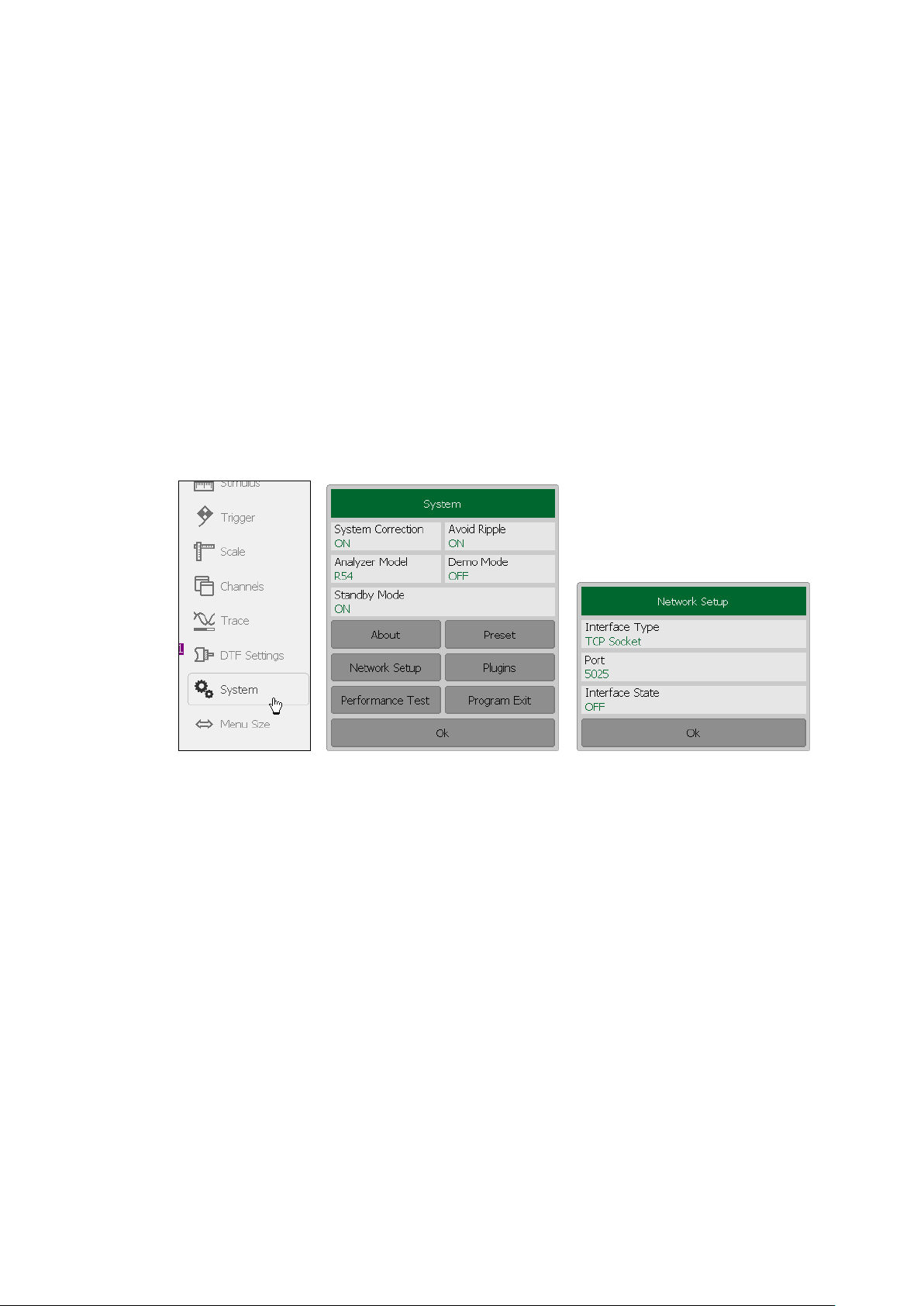
To enable/disable remote control via Socket protocol use the following softkeys:
System > Network Setup > Interface State > ON/OFF.
Page 12
3 SCPI Overview
The Ethernet interface implement the set of commands based on 1999 SCPI
standard (Standard Commands for Programmable Instruments). This command
set allows the exchange of character messages.
SCPI is developed by SCPI Consortium (http:\\www.scpiconsortium.org).The
main features of SCPI standard are described below. For a more detailed
information on SCPI standard, see the website of SCPI Consortium.
3.1 Command Tree
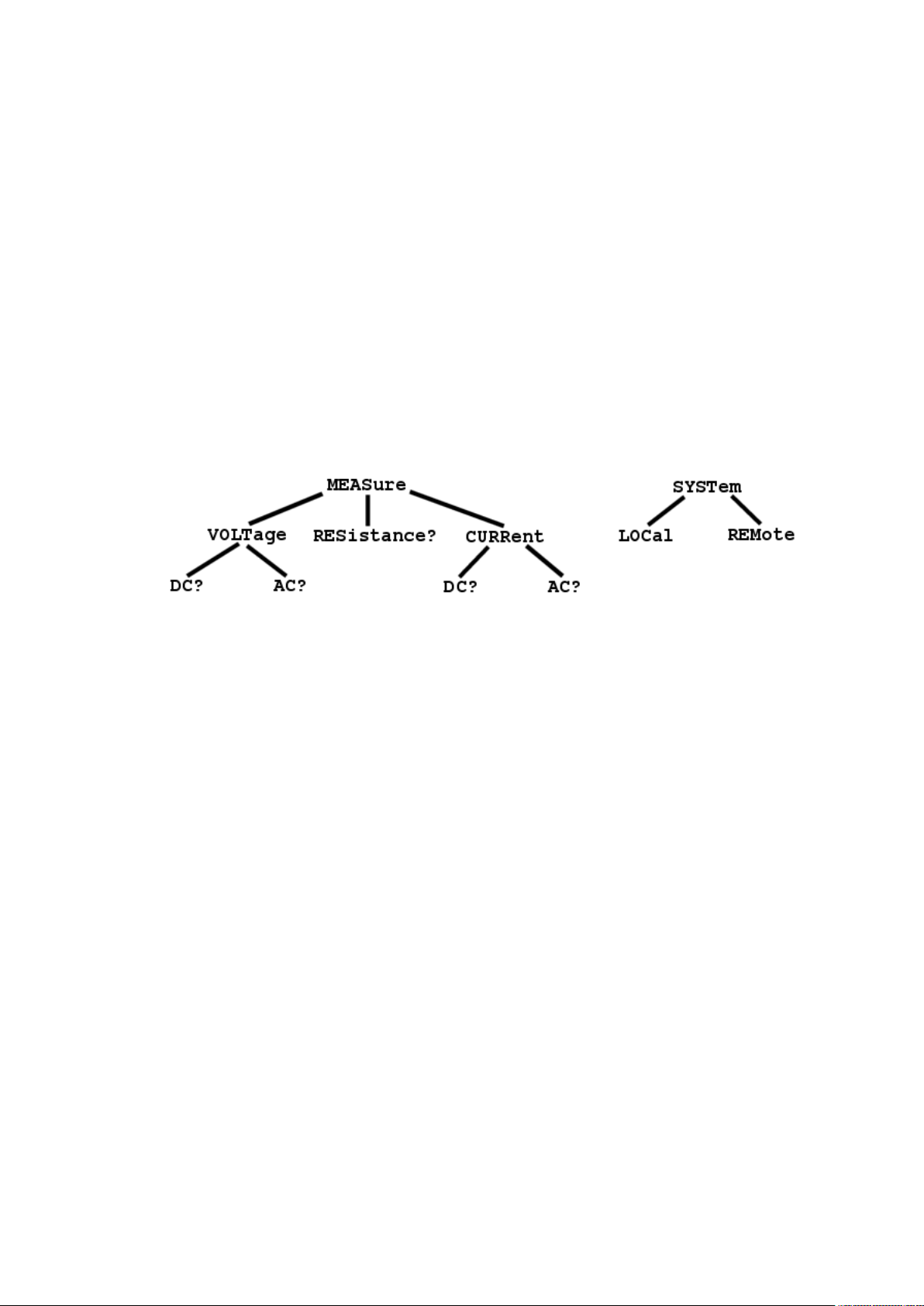
The SCPI commands are organized in a tree structure. For example:
Each tree structure forms a functional system. The base of the tree is called root,
e.g. MEASure and SYSTem. Each functional system can have subsystems of
lower level. The final nodes are called leaves. The entire sequence from the root
to the leaf makes up the command. For example, part of SOURCe functional
system looks as follows:
:SOURce
:POWer
:CENTer
:STARt
:SPAN
:STOP
[:LEVel]
:SLOPe
[:DATA]
:STATe
Page 13

SCPI Overview
13
This SOURce branch has several levels, where CENTer, STARt, SPAN, STOP,
DATA, STATe are the leaves, which represent the following six commands:
:SOURce:POWer:CENTer
:SOURce:POWer:STARt
:SOURce:POWer:SPAN
:SOURce:POWer:STOP
:SOURce:POWer[:LEVel]:SLOPe[:DATA]
:SOURce:POWer[:LEVel]:SLOPe:STATe
The tree can contain subsystems and leaves with the same names if they belong
to different branches, e.g. CENTer leaf is on the tips of different branches:
:SOURce :SENSe
:POWer :FREQuency
:CENTer :CENTer
3.2 Subsystems
A colon (':') separates the subsystems. The subsystems, which follow the colon
are of a lower level. For example, in command:
:SOURce:POWer:STARt
the start power STARt is a part of POWer subsystem, which is a part of SOURce
subsystem. The stop power is also a part of :SOURce:POWer subsystem. It is
specified by:
:SOURce:POWer:STOP
The first colon in the line can be omitted, for example:
SOURce:POWer:STOP
3.3 Optional Subsystems
Some subsystems can be specified as optional, if omission of such a subsystem
will not lead to ambiguity. This means that the subsystem can be omitted in
command line. The optional subsystems are bracketed ("[ ]"). For example, if full
command specification is written as:
SOURce:POWer[:LEVel]:SLOPe[:DATA]
subsystems LEVel and DATA are optional. Therefore the both commands are
valid:
SOURce:POWer:LEVel:SLOPe:DATA
SOURce:POWer:SLOPe
Page 14

SCPI Overview
14
3.4 Long and Short Formats
Each keyword in a command specification has a long format and a short format.
The short format of a command is indicated by capital letters. For example, a
command specification:
SENSe:FREQuency:CENTer
can be written as:
SENS:FREQ:CENT
SENS:FREQ:CENTer
Only long or short form of each keyword is acceptable. For example, the
following specification is incorrect:
:SENS:FREQuen:CEN
3.5 Case Sensitivity
The commands are not case sensitive. Upper case and lower case letters are
only used to indicate the long and short formats of a command specification.
For example, the following commands are equivalent:
SENS:FREQ:STAR
sens:freq:star
3.6 Parameters
The commands can have parameters. The parameters are separated from the
command by a space. If a command has several parameters, they are separated
by commas (',').
3.6.1 Numeric Values
The numeric values are integer or real numbers. These parameters can have
measurement units. For example:
SENS:FREQ 1000000000
SENS:FREQ 1000 MHz
SENS:FREQ 1 GHz
SENS:FREQ 1E9
Page 15

SCPI Overview
15
Prefix
Multiplier
A
1e–18
F
1e–15
P
1e–12
N
1e–9
U
18–6
M
1e–3
K
1e3
MA
1e6
G
1e9
T
1e12
PE
1e15
EX
1e18
3.6.1.1 Multiplier Prefixes
The SCPI standard allows specification of the numeric values with multiplier
prefix to the measurement units.
There are two exceptions to the above designation: prefix M in combination
with HZ or OHM means 1e6 (Mega), and not 1e–3 (milli), i.e. MHZ means
Megahertz, same as MAHZ.
Page 16
SCPI Overview
16
Notation
Prefix
Example
Binary
#B
#B11001010 = 202
10
Octal
#Q
#Q107 = 71
10
Hexadecimal
#H
#H10FF = 4351
10
3.6.1.2 Notations
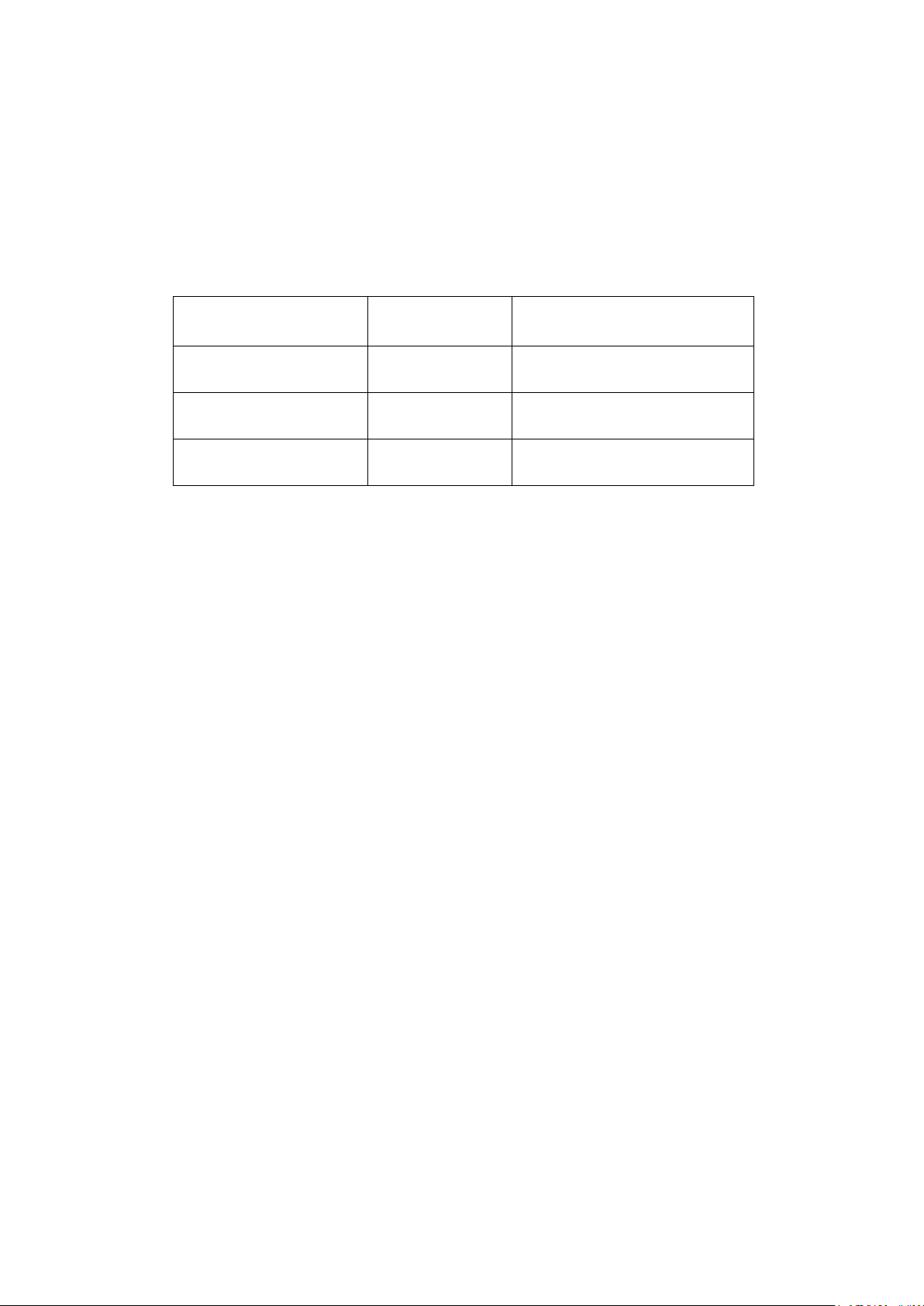
The SCPI standard allows numeric value specification in different notations.
Decimal notation is used by default. To use other notations, specify the numeric
values in the following way:
3.6.2 Booleans
The booleans can assume two values: logical yes and logical no (ON and OFF),
and specified in command as:
ON or 1 – logical yes
OFF or 0 – logical no
For example:
DISPlay:ENABle OFF
DISPlay:ENABle 0
3.6.3 Character Data
The SCPI standard allows specification of parameters as character data, as in the
following command:
TRIGger:SOURce {BUS|IMMediate|EXTernal}
the possible values of the character data – "BUS", "IMMediate", "EXTernal".
The character data have long and short format, and the formats are specified in
accordance with the same rules as described in section 3.4.
Apart from that, the character data can be combined with numerical parameters.
For example:
SENSe:FREQuency:STARt {MINimum|MAXimum|<value>}
Page 17

SCPI Overview
17
The following specifications are acceptable:
SENSe:FREQuency:STARt MIN
SENSe:FREQuency:STARt maximum
SENSe:FREQuency:STARt 1000000
3.6.4 String Parameters
In some cases, the instrument can accept parameters made of character strings.
Such strings are enclosed with single quotes (') or double quotes ("). For
example, the file name in the state saving command:
MMEMory:STORe "state01.sta"
3.6.5 Numeric Lists
The numeric lists (<numeric list>) are used to specify a variable number of
numerical parameters, for example:
CALC:LIMit:DATA 2,1,1E9,3E9,0,0,2,1E9,3E9,–3,–3
Page 18

SCPI Overview
18
3.7 Query Commands
The query commands read out the parameter values from the instrument. After a
query command has been sent, the response should return via remote control
interface.
The query commands has a question mark ('?') in the end of the command. Many
of the commands have two forms. The form with a question mark writes the
parameter, the form without a question mark reads out the parameter. For
expample:
SENSe:FREQuency:STARt 1 MHz
SENSe:FREQuency:STARt?
3.8 Numeric Suffixes
The instrument contains several items of the same type, such as 9 channels,
each of which in turn contains 8 traces, etc. A numeric suffix is used to denote
the item number in a command. The suffix is added to the keyword of the item
(channel, trace, etc). For expample, in the following specification the channel
number <Ch> and trace number <Tr> indicate the channel and trace, to which
this command is addressed:
CALCulate<Ch>:PARameter<Tr>:DEFine
According to this specification, the command referred to the trace 2 of the
channel 1 will be written as follows:
CALC1:PAR2:DEF
The numeric suffix can be omitted. In this case, it is 1 by default. For example,
the following commands are equivalent:
CALC:PAR:DEF
CALC1:PAR1:DEF
3.9 Compound Commands
It is possible to enter more than one command in the same command line. The
commands in the line are separated by a semicolon (';'). The specification of the
first command is valid for the following command, except for the last leaf
before the semicolon. For expample:
SENS:FREQ:STAR 1 MHZ;STOP 2MHZ
If you need to start the next command from the highest level of the structure,
this command should start from a colon (':'):
SENS:FREQ:STAR 1 MHZ;:CALC:PAR:DEF S21
Page 19

SCPI Overview
19
*CLS
*ESE
*ESE?
*ESR?
*IDN?
*OPC
*OPC?
*RST
*SRE
*SRE?
*STB?
*TRG
*WAI
3.10 IEEE488.2 Common Commands Overview
A SCPI compatible instrument must support a set of common commands of
IEEE488.2 standard. These commands start with an asterix ('*'). The list of such
commands see below:
These commands are used for resetting, state queries, etc.
3.11 String Terminator
The <new line> character (ASCII 10) in the last data byte of the command string
is used as a command terminator. The string of instructions sent to the
instrument is executed after the instruction terminator is received.
Page 20

4 Remote Control Commands
4.1 Conventions
The following conventions are used throughout the Manual.
4.1.1 Syntax
The following symbols are used in command syntax:
<> identifiers enclosed in angular brackets indicate that a particular
type of data must be specified
[] part enclosed in square brackets can be omitted
{} part enclosed in curly brackets indicates that you must select
one of the items in this part. Individual items are separated by a
vertical bar "|"
Space space separates commands from parameters
, comma separates adjacent parameters
… ellipsis indicates that parameters in that part are omitted
Page 21

21
4.1.2 Identifiers
Identifier
Parameter
Description
<numeric>
Number
{<integer>|<real>}
<frequency>
Frequency
<numeric>{[HZ]|KHZ|MHZ|GHZ}
<power>
Power
<numeric>{[DBM]|DBMW|DBW|KW|W|MW|UW|
NW}
<time>
Time
<numeric>{[S]|MS|US|NS|PS|FS}
<logmag>
Log
Amplitude
<numeric>[DB]
<phase>
Phase
<numeric>{[DEG]|MADEG|KDEG|MDEG|
UDEG}
<stimulus>
Stimulus
{<frequency>|<power>|<time>}
<response>
Response
{<logmag>|<phase>|<time>}
<numeric
list>
Numeric List
<numeric 1>,<numeric 2>,...<numeric
N>
Remote Control Commands
Page 22
22
4.2 IEEE488.2 Common Commands
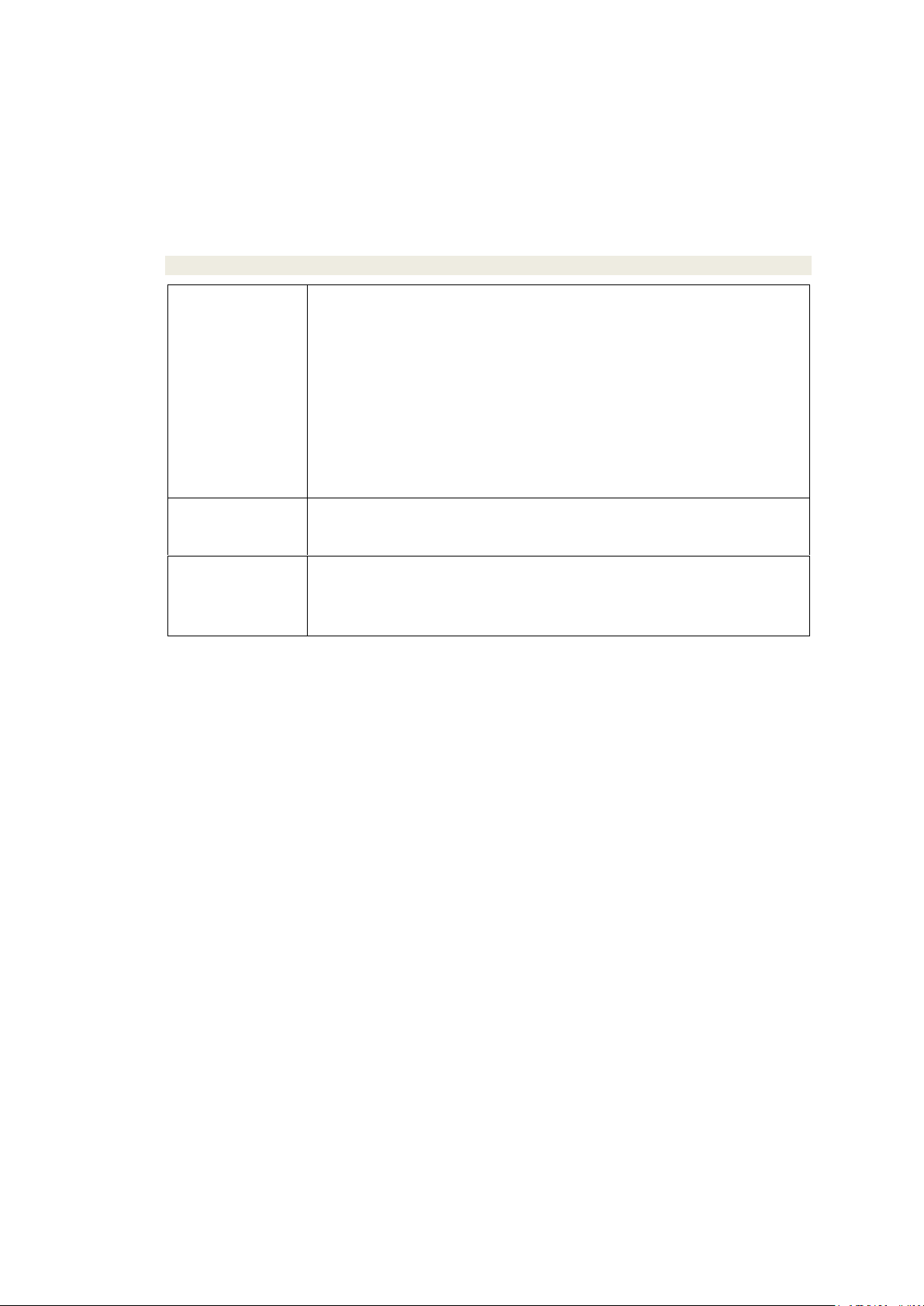
Description
Clears the following (no query)
• Error Queue
• Status Byte Register
• Standard Event Status Register
• Operation Status Event Register
• Questionable Status Event Register
• Questionable Limit Status Event Register
• Questionable Limit Channel Status Event Register
Target
Status Reporting System
Equivalent
Softkeys
None
*CLS
*CLS
Remote Control Commands
Page 23
23
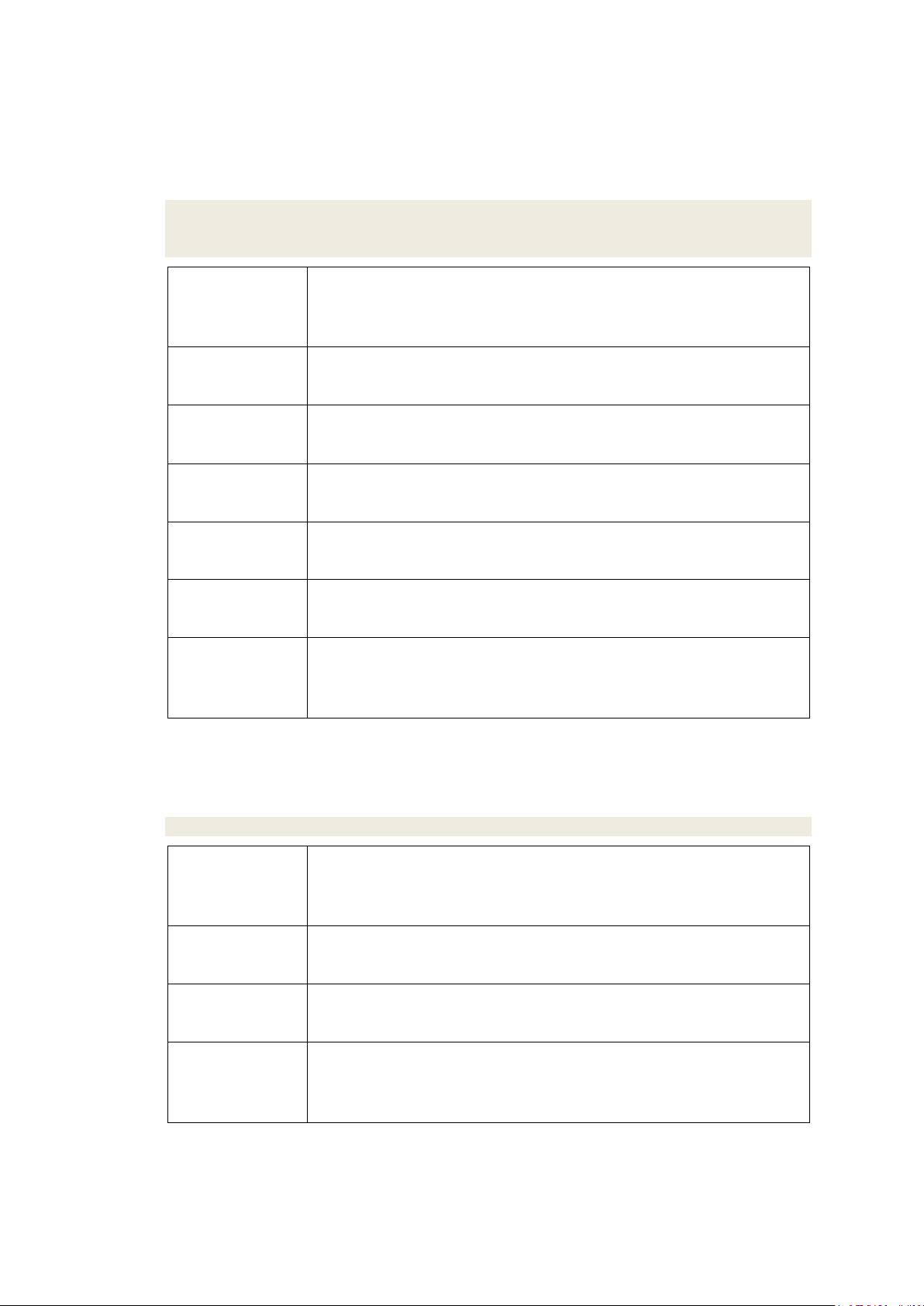
*ESE
Description
Sets or reads out the value of the Standard Event Status Enable
Register (command/query).
Target
Status Reporting System
Parameter
<numeric> 0 to 255
Out of Range
Bitwise AND with 255 number
Query Response
<numeric>
Preset Value
0
Equivalent
Softkeys
None
Description
Reads out the value of the Standard Event Status Register.
Executing this command clears the register value (query only).
Target
Status Reporting System
Query Response
<numeric>
Equivalent
Softkeys
None
*ESE <numeric>
*ESE?
Remote Control Commands
*ESR?
*ESR?
Page 24
24
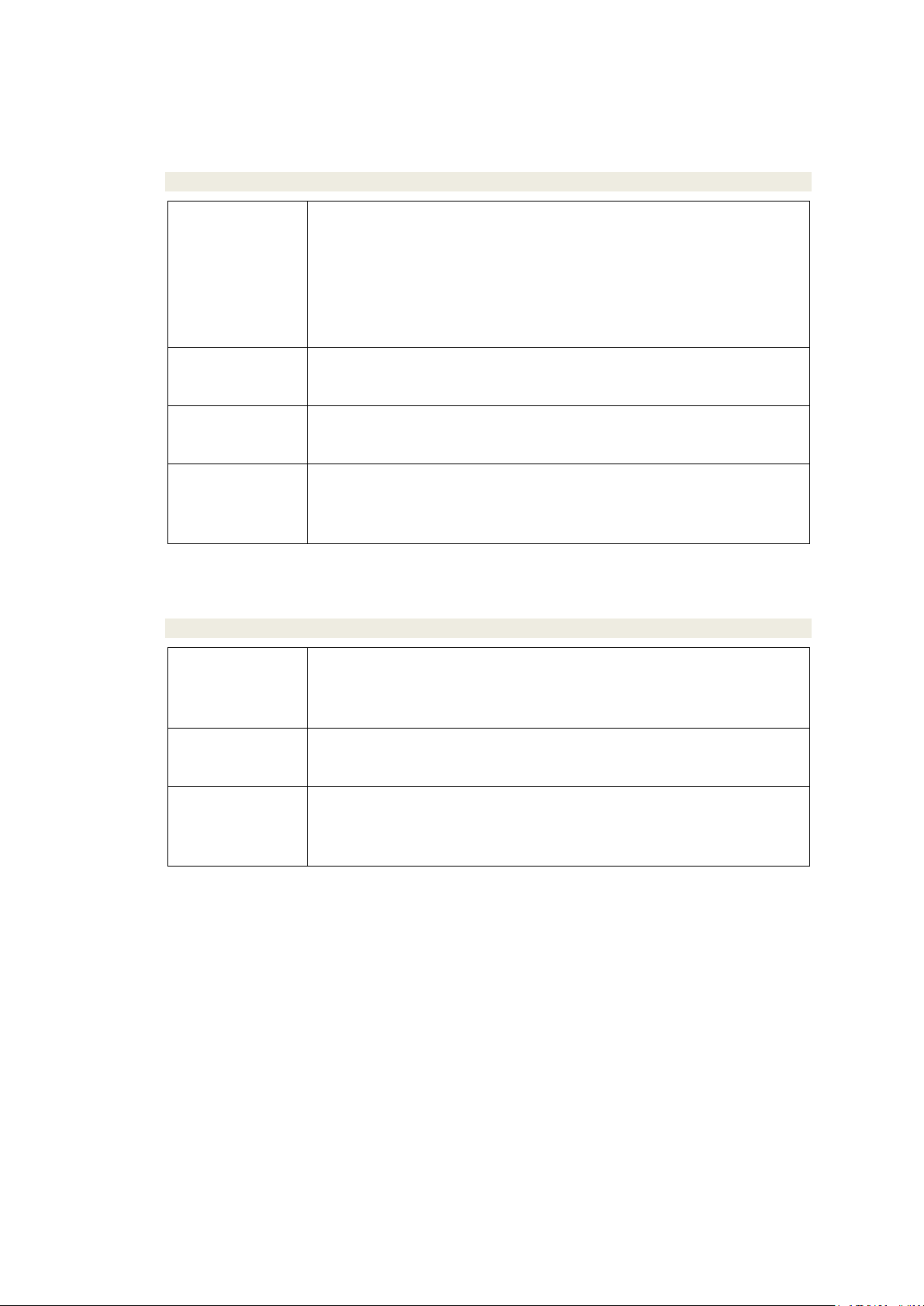
*IDN?
Description
Reads out the instrument information string. The string format:
<manufacturer>, <model>, <serial number>, <software
version/firmware version> (query only).
For example: Copper Mountain Technologies, Planar – TR1300/1,
00000101, 0.8.12/1.0
Target
Instrument
Query Response
String up to 40 characters
Equivalent
Softkeys
None
Description
Sets the OPC bit (bit 0) of the Standard Event Status Register at
the completion of all pending operations (no query).
Target
Status Reporting System
Equivalent
Softkeys
None
*IDN?
Remote Control Commands
*OPC
*OPC
Page 25
25
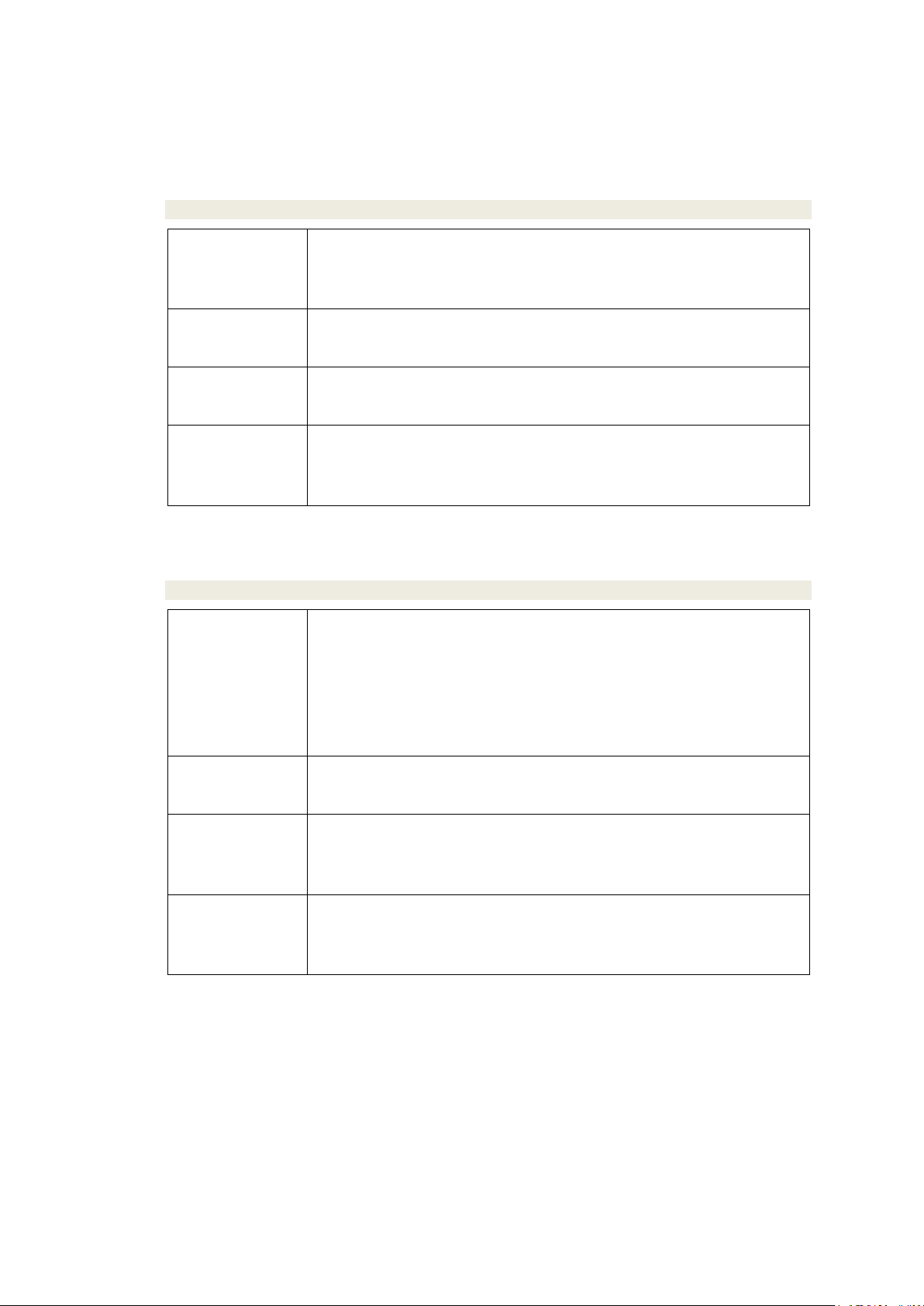
*OPC?
Description
1 is read out at the completion of all pending operations (query
only).
Target
Status Reporting System
Query Response
1
Equivalent
Softkeys
None
Description
Restores the default settings of the instrument (no query).
There is difference from presetting the instrument with
:SYST:PRES command – in this case the trigger mode is set to
Hold.
Target
Instrument
Related
Commands
SYSTem:PRESet
Equivalent
Softkeys
None
*OPC?
Remote Control Commands
*RST
*RST
Page 26
26
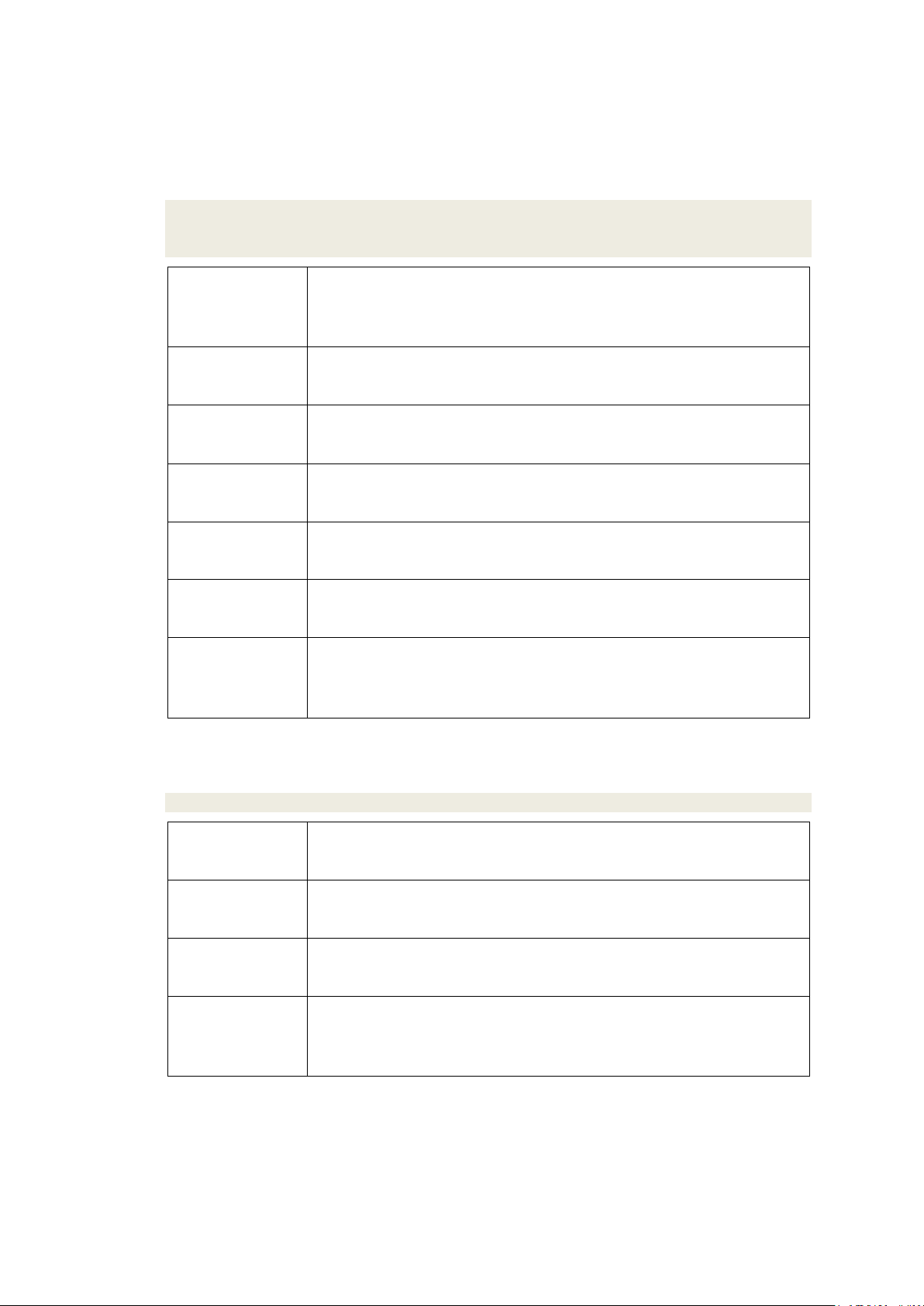
*SRE
Description
Sets or reads out the value of the Service Request Enable Register
(command/query)
Target
Status Reporting System
Parameter
<numeric> 0 to 255.
Out of Range
Bitwise AND with 255 number
Query Response
<numeric>
Preset Value
0
Equivalent
Softkeys
None
Description
Reads out the value of the Status Byte Register (query only).
Target
Status Reporting System
Query Response
<numeric>
Equivalent
Softkeys
None
*SRE <numeric>
*SRE?
Remote Control Commands
*STB?
*STB?
Page 27
27
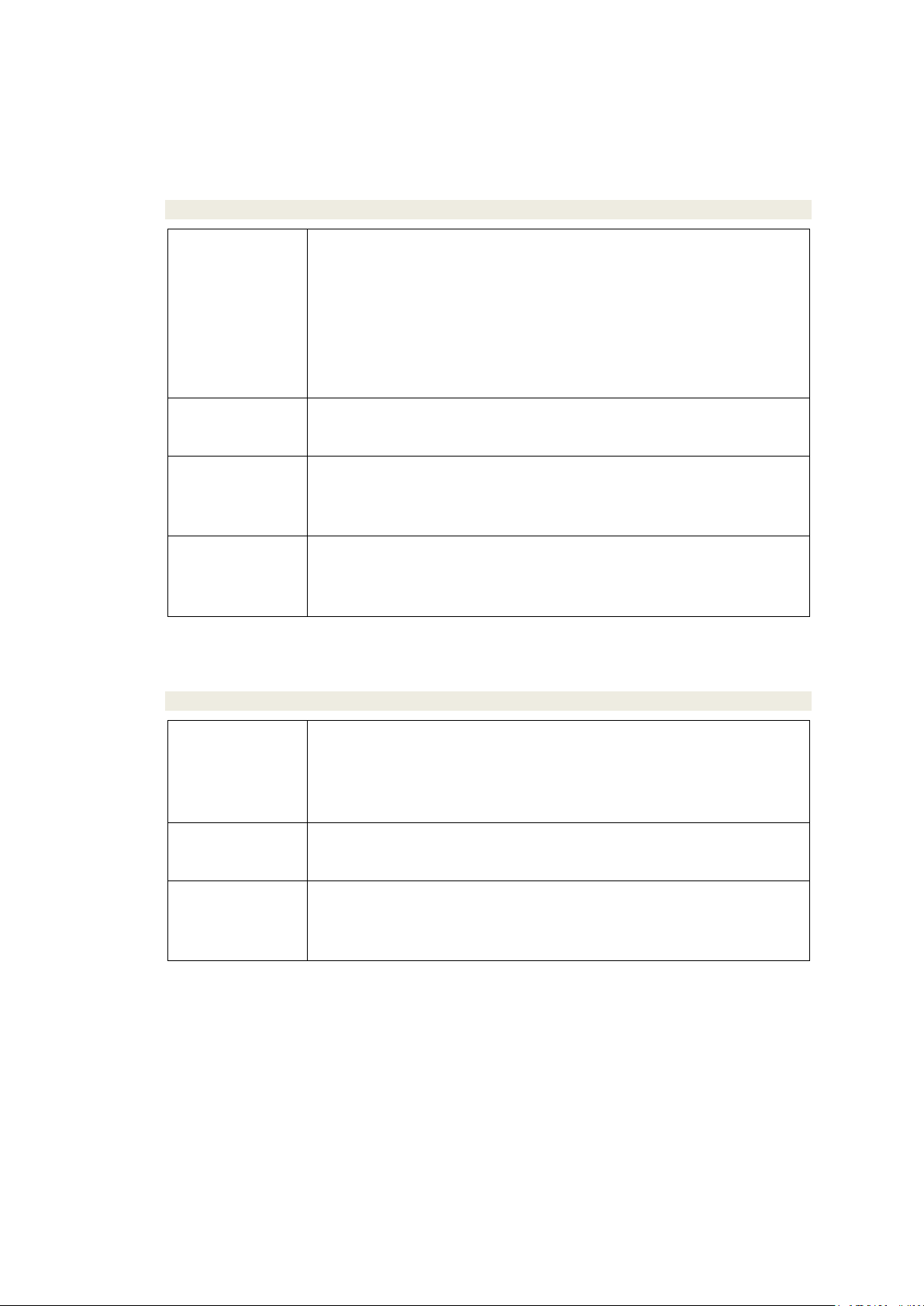
*TRG
Description
If the trigger source is set to LAN (set to BUS with the
:TRIG:SOUR command), triggers a sweep.
If the trigger source is not set to the bus or the instrument is not
waiting for a trigger, the command is ignored.
The command is completed before the end of the sweep.
(no query)
Target
Instrument
Related
Commands
TRIG:SOUR
Equivalent
Softkeys
None
Description
Waits for the execution of all commands sent before this
command.
(no query)
Target
Instrument
Equivalent
Softkeys
None
*TRG
Remote Control Commands
*WAI
*WAI
Page 28
28
4.3 Vector Analyzer Commands
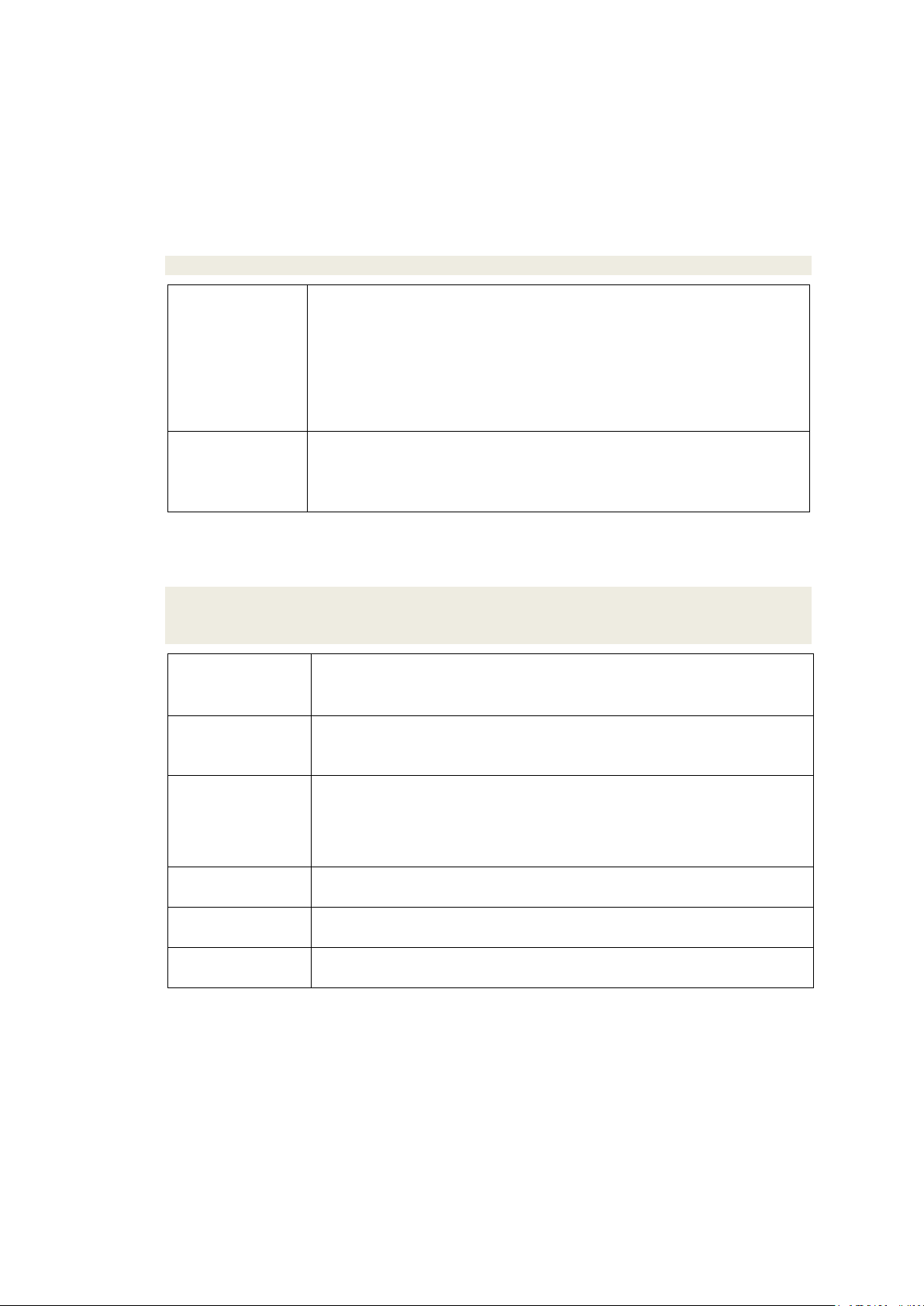
Description
Aborts the sweep and switches the triggers of all the channels to
Hold. The channels in Continuous trigger mode switch to waiting
for a trigger. If the trigger source is set to Internal, the channel
from waiting for a trigger turns to a new sweep.
(no query)
Equivalent
Softkeys
None
Description
Sets or reads out the ON/OFF state of S–parameter conversion
function (command/query).
Target
The active trace of channel <Ch>,
<Ch>={[1]|2|3|4}
Parameter
{ON|1}
S–parameter conversion function ON
{OFF|0}
S–parameter conversion function OFF
Query Response
{0|1}
Preset Value
0
Equivalent Softkeys
Analysis > Conversion > Conversion
ABOR
ABORt
Remote Control Commands
CALC:CONV
CALCulate<Ch>[:SELected]:CONVersion[:STATe] {ON|OFF|1|0}
CALCulate<Ch>[:SELected]:CONVersion[:STATe]?
Page 29
Remote Control Commands
29
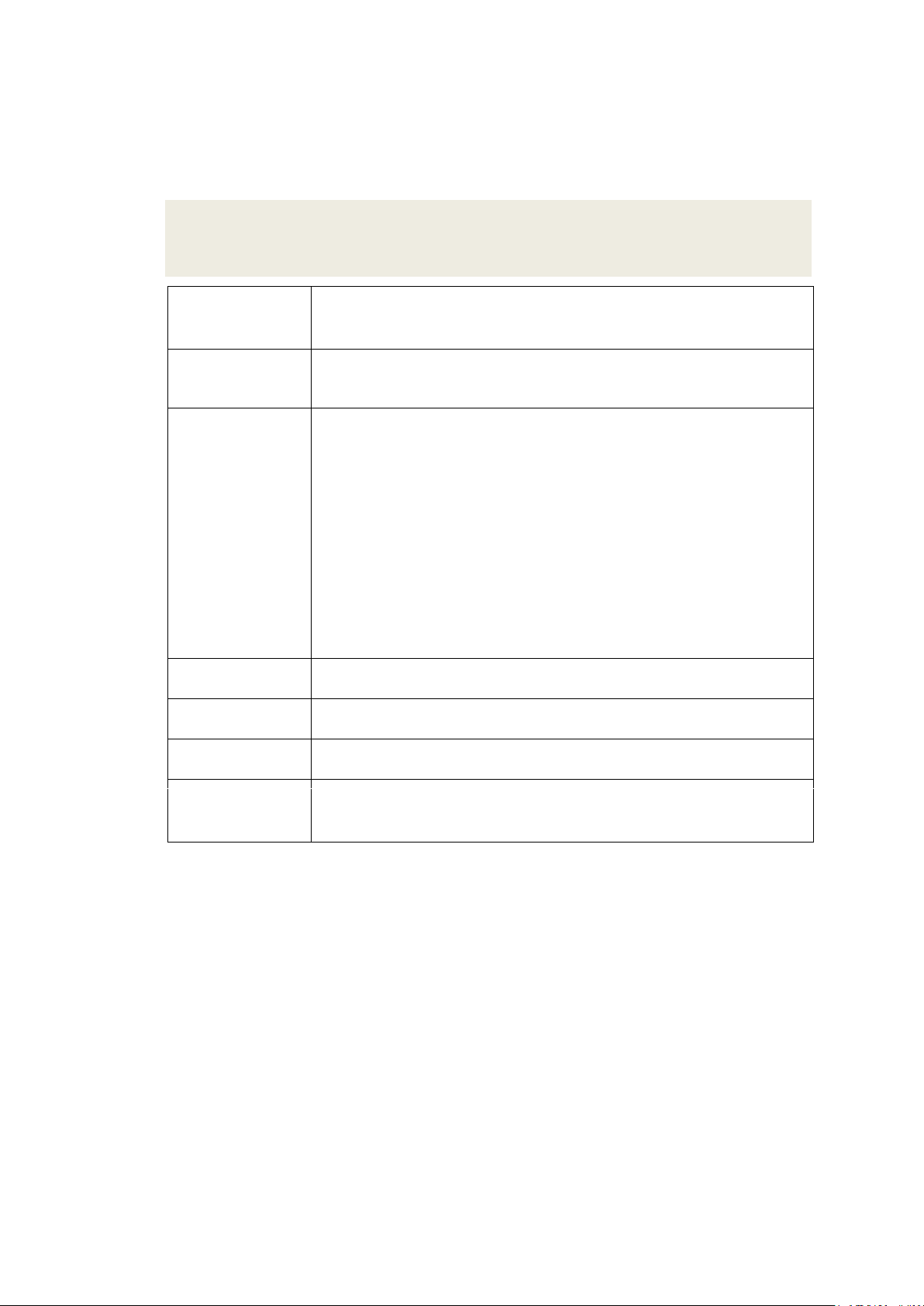
Description
Sets or reads out the S–parameter conversion function type
(command/query).
Target
The active trace of channel <Ch>,
<Ch>={[1]|2|3|4}
Parameter
"IMPedance"
Equivalent transmission or reflection
impedance, depending on the parameter S11 or
S21
"ADMittance"
Equivalent transmission or reflection
conductance, depending on the parameter S11
or S21
"INVersion"
Inverse S–parameter
"CONJugation"
S–parameter conjugate
Out of Range
Error occurs. The command is ignored. Error code: 217
Query Response
{IMP|ADM|INV|CONJ}
Preset Value
IMP
Equivalent Softkeys
Analysis > Conversion > Function { Impedance Z | Admittance Y |
Inverse 1/S | Conjugation }
CALC:CONV:FUNC
CALCulate<Ch>[:SELected]:CONVersion:FUNCtion { IMPedance|
ADMittance|INVersion|CONJugation }
CALCulate<Ch>[:SELected]:CONVersion:FUNCtion?
Page 30
Remote Control Commands
30
Description
Sets or reads out the value of the electrical delay
(command/query).
Target
The active trace of channel <Ch>,
<Ch>={[1]|2|3|4}
Parameter
<time> the electrical delay value from –10 to 10
Unit
s (second)
Out of Range
Sets the value of the limit, which is closer to the specified value.
Query Response
<numeric>
Preset Value
0
Equivalent
Softkeys
Scale > Electrical Delay
CALC:CORR:EDEL:TIME
CALCulate<Ch>[:SELected]:CORRection:EDELay:TIME <time>
CALCulate<Ch>[:SELected]:CORRection:EDELay:TIME?
Page 31
Remote Control Commands
31
Description
Sets or reads out the value of the phase offset (command/query).
Target
The active trace of channel <Ch>,
<Ch>={[1]|2|3|4}
Parameter
<phase> the phase offset value from –360 to 360
Unit
° (degree)
Out of Range
Sets the value of the limit, which is closer to the specified value.
Query Response
<numeric>
Preset Value
0
Equivalent
Softkeys
Scale > Phase Offset
CALC:CORR:OFFS:PHAS
CALCulate<Ch>[:SELected]:CORRection:OFFSet:PHASe <phase>
CALCulate<Ch>[:SELected]:CORRection:OFFSet:PHASe?
Page 32

32
CALC:DATA:FDAT?
Description
Reads out the formatted data array (query only).
The formatted data array is the data, whose processing is
completed including the formatting as the last step. Such data
represent the data trace values as they are shown on the screen.
The array size is 2N, where N is the number of measurement points.
For the n–th point, where n from 1 to N:
<numeric 2n–1>
real number in rectangular format, real part
in polar and Smith chart formats;
<numeric 2n>
0 in rectangular format, imaginary part in
polar and Smith chart formats.
Target
The active trace of channel <Ch>,
<Ch>={[1]|2|3|4}
Query Response
<numeric 1>, <numeric 2>, …<numeric 2N>
The data transfer format depends on the FORM:DATA command
setting.
Related Commands
CALC:FORM
FORM:DATA
Equivalent Softkeys
None
CALCulate<Ch>[:SELected]:DATA:FDATa?
Remote Control Commands
Page 33

33
CALC:DATA:FMEM?
Description
Reads out the formatted memory array (query only).
The formatted memory array is the data, whose processing is
completed including the formatting as the last step. Such data
represent the memory trace values as they are shown on the
screen.
The array size is 2N, where N is the number of measurement points.
For the n–th point, where n from 1 to N:
<numeric 2n–1>
real number in rectangular format, real part
in polar and Smith chart formats;
<numeric 2n>
0 in rectangular format, imaginary part in
polar and Smith chart formats
Target
The active trace of channel <Ch>,
<Ch>={[1]|2|3|4}
Query Response
<numeric 1>, <numeric 2>, …<numeric 2N>
The data transfer format depends on the FORM:DATA command
setting.
Notes
If the memory is empty, an error occurs and the command is
ignored.
Related Commands
CALC:MATH:MEM
CALC:FORM
FORM:DATA
Equivalent Softkeys
None
CALCulate<Ch>[:SELected]:DATA:FMEMory?
Remote Control Commands
Page 34

34
CALC:DATA:SDAT?
Description
Reads out the corrected data array (query only).
The corrected data array is the data, whose processing is
completed excluding the formatting as the last step. Such data
represent S–parameter complex values.
The array size is 2N, where N is the number of measurement points.
For the n–th point, where n from 1 to N:
<numeric 2n–1>
the real part of corrected measurement;
<numeric 2n>
the imaginary part of corrected
measurement
Target
The active trace of channel <Ch>,
<Ch>={[1]|2|3|4}
Query Response
<numeric 1>, <numeric 2>, …<numeric 2N>
The data transfer format depends on the FORM:DATA command
setting.
Related Commands
FORM:DATA
Equivalent Softkeys
None
CALCulate<Ch>[:SELected]:DATA:SDATa?
Remote Control Commands
Page 35

35
CALC:DATA:SMEM?
Description
Reads out the corrected memory array (query only).
The corrected memory array is the data, whose processing is
completed excluding the formatting as the last step. Such data
represent S–parameter complex values.
The array size is 2N, where N is the number of measurement points.
For the n–th point, where n from 1 to N:
<numeric 2n–1>
the real part of corrected measurement
memory;
<numeric 2n>
the imaginary part of corrected measurement
memory.
Target
The active trace of channel <Ch>,
<Ch>={[1]|2|3|4}
Query Response
<numeric 1>, <numeric 2>, …<numeric 2N>
The data transfer format depends on the FORM:DATA command
setting.
Notes
If the memory is empty, an error occurs and the command is
ignored.
Related Commands
CALC:MATH:MEM
FORM:DATA
Equivalent
Softkeys
None
CALCulate<Ch>[:SELected]:DATA:SMEMory?
Remote Control Commands
Page 36
Remote Control Commands
36
Description
Sets or reads out the gate type of the gating function
(command/query).
Target
The active trace of channel <Ch>,
<Ch>={[1]|2|3|4}
Parameter
"BPASs"
Bandpass type
"NOTCh"
Notch type
Out of Range
Error occurs. The command is ignored. Error code: 219
Query Response
{BPAS|NOTC}
Preset Value
BPAS
Equivalent Softkeys
Analysis > Gating > Type
CALC:FILT:TIME
CALCulate<Ch>[:SELected]:FILTer[:GATE]:TIME[:TYPE]
{BPASs|NOTCh}
CALCulate<Ch>[:SELected]:FILTer[:GATE]:TIME[:TYPE]?
Page 37
Remote Control Commands
37
Description
Sets or reads out the gate center value of the gating function
(command/query).
Target
The active trace of channel <Ch>,
<Ch>={[1]|2|3|4}
Parameter
<time> the center value of the gate, the range varies depending
on the frequency span and the number of points
Unit
s (second)
Out of Range
Sets the value of the limit, which is closer to the specified value.
Query Response
<numeric>
Preset Value
0
Equivalent
Softkeys
None
CALC:FILT:TIME:CENT
CALCulate<Ch>[:SELected]:FILTer[:GATE]:TIME:CENTer <time>
CALCulate<Ch>[:SELected]:FILTer[:GATE]:TIME:CENTer?
Page 38
Remote Control Commands
38
Description
Sets or reads out the gate shape of the gating function
(command/query).
Target
The active trace of channel <Ch>,
<Ch>={[1]|2|3|4}
Parameter
"MAXimum"
Maximum shape
"WIDE"
Wide shape
"NORMal"
Normal shape
"MINimum"
Minimum shape
Out of Range
Error occurs. The command is ignored. Error code: 218
Query Response
{MAX|WIDE|NORM|MIN}
Preset Value
NORM
Equivalent
Softkeys
Analysis > Gating > Shape >{ Maximum | Wide | Normal | Minimum }
CALC:FILT:TIME:SHAP
CALCulate<Ch>[:SELected]:FILTer[:GATE]:TIME:SHAPe
{MAXimum|WIDE| NORMal|MINimum}
CALCulate<Ch>[:SELected]:FILTer[:GATE]:TIME:SHAPe?
Page 39
Remote Control Commands
39
Description
Sets or reads out the gate span value of the gating function
(command/query).
Target
The active trace of channel <Ch>,
<Ch>={[1]|2|3|4}
Parameter
<time> the span value of the gate, the range varies depending
on the frequency span and the number of points
Unit
s (second)
Out of Range
Sets the value of the limit, which is closer to the specified value.
Query Response
<numeric>
Preset Value
2e–8
Equivalent
Softkeys
None
CALC:FILT:TIME:SPAN
CALCulate<Ch>[:SELected]:FILTer[:GATE]:TIME:SPAN <time>
CALCulate<Ch>[:SELected]:FILTer[:GATE]:TIME:SPAN?
Page 40
Remote Control Commands
40
Description
Sets or reads out the gate start value of the gating function
(command/query).
Target
The active trace of channel <Ch>,
<Ch>={[1]|2|3|4}
Parameter
<time> the start value of the gate, the range varies depending on
the frequency span and the number of points
Unit
s (second)
Out of Range
Sets the value of the limit, which is closer to the specified value.
Query Response
<numeric>
Preset Value
–1e–8
Equivalent
Softkeys
Analysis > Gating > Start
CALC:FILT:TIME:STAR
CALCulate<Ch>[:SELected]:FILTer[:GATE]:TIME:STARt <time>
CALCulate<Ch>[:SELected]:FILTer[:GATE]:TIME:STARt?
Page 41
Remote Control Commands
41
Description
Sets or reads out the ON/OFF state of the gating function
(command/query).
Target
The active trace of channel <Ch>,
<Ch>={[1]|2|3|4}
Parameter
{ON|1}
Gating function ON
{OFF|0}
Gating function OFF
Query Response
{0|1}
Preset Value
0
Equivalent Softkeys
Analysis > Gating > Gating
CALC:FILT:TIME:STAT
CALCulate<Ch>[:SELected]:FILTer[:GATE]:TIME:STATe {ON|OFF|1|0}
CALCulate<Ch>[:SELected]:FILTer[:GATE]:TIME:STATe?
Page 42
Remote Control Commands
42
Description
Sets or reads out the gate stop value of the gating function
(command/query).
Target
The active trace of channel <Ch>,
<Ch>={[1]|2|3|4}
Parameter
<time> the stop value of the gate, the range varies depending on
the frequency span and the number of points
Unit
s (second)
Out of Range
Sets the value of the limit, which is closer to the specified value.
Query Response
<numeric>
Preset Value
+1e–8
Equivalent
Softkeys
Analysis > Gating > Stop
CALC:FILT:TIME:STOP
CALCulate<Ch>[:SELected]:FILTer[:GATE]:TIME:STOP <time>
CALCulate<Ch>[:SELected]:FILTer[:GATE]:TIME:STOP?
Page 43

Remote Control Commands
43
Description
Sets or reads out the trace format (command/query).
Target
The active trace of channel <Ch>,
<Ch>={[1]|2|3|4}
Parameter
"MLOGarithmic"
Logarithmic magnitude
"PHASe"
Phase
"UPHase"
Expanded phase
"GDELay"
Group delay time
"SWR"
Voltage standing wave ratio
"REAL"
Real part
"IMAGinary"
Imaginary part
"MLINear"
Linear magnitude
"SLINear"
Smith chart format (Lin)
"SLOGarithmic"
Smith chart format (Log)
"SCOMplex"
Smith chart format (Real/Imag)
"SMITh"
Smith chart format (R + jX)
"SADMittance"
Smith chart format (G + jB)
"PLINear"
Polar format (Lin)
"PLOGarithmic"
Polar format (Log)
"POLar"
Polar format (Real/Imag)
"CLOS"
Cable Loss - Logarithmic magnitude
"RLOSs"
Retutn Loss (obsolete, write only) use MLOG1
"DSWR"
DFT in SWR chart format (obsolete, write only)
use SWR+Time Domain1
"DRLOSs"
DFT Logarithmic magnitude (obsolete, write
only) useMLOG+Time Domain1
Out of Range
Error occurs. The command is ignored.
Query Response
{MLOG|PHAS|UPH|GDEL|SWR|REAL|IMAG|MLIN|SLIN|SLOG
|SCOM|SMITh|SADM|PLIN|PLOG|POL|CLOS}
Preset Value
MLOG
Equivalent Softkeys
Trace > Format> Log Magnitude | Phase | Expand Phase | Group
Delay | SWR | Real | Imag | Lin Magnitude | Smith (Lin) | Smith (Log)
| Smith (Re/Im) | Smith (R+jX) | Smith (G+jB) | Polar (Lin) | Polar
(Log) | Polar (Re/Im) Cable Loss
CALC:FORM
CALCulate<Ch>[:SELected]:FORMat{MLOGarithmic|PHASe|UPHase|
GDELay|SWR|REAL|IMAGinary|MLINear|SLINear|SLOGarithmic|
SCOMplex|SMITh|SADMittance|PLINear|PLOGarithmic|POLar|CLOS}
CALCulate<Ch>[:SELected]:FORMat?
1
To switch on Time Domain mode – Analysis > Time Domain > Time Domain
Page 44
Remote Control Commands
44
Description
Sets or reads out the ON/OFF state of the de–embedding function
(command/query).
Target
Port <Pt> of channel <Ch>,
<Ch>={[1]|2|3|4}
<Pt>={[1]}
Parameter
{ON|1}
De–embedding function ON
{OFF|0}
De–embedding function OFF
Query Response
{0|1}
Preset Value
0
Equivalent Softkeys
Analysis > Fixture Simulator > De–Embedding
CALC:FSIM:SEND:DEEM:PORT:STAT
CALCulate<Ch>:FSIMulator:SENDed:DEEMbed:PORT<Pt>:STATe
{ON|OFF|1|0}
CALCulate<Ch>:FSIMulator:SENDed:DEEMbed:PORT<Pt>:STATe?
Page 45
Remote Control Commands
45
Description
Sets or reads out the name of *.s2p file of the de–embedded
circuit of the de–embedding function (command/query). The file
contains the circuit S–parameters in Touchstone format.
Target
Port <Pt> of channel <Ch>,
<Ch>={[1]|2|3|4}
<Pt>={[1]}
Parameter
<srting>, up to 256 characters
Preset Value
""
Notes
If the full path of the file is not specified, the \FixtireSim
subdirectory of the main directory will be searched for the file.
Equivalent
Softkeys
Analysis > Fixture Simulator > De–Embedding > S–parameters
File
CALC:FSIM:SEND:DEEM:PORT:USER:FIL
CALCulate<Ch>:FSIMulator:SENDed:DEEMbed:PORT<Pt>:USER:FILename
<string>
CALCulate<Ch>:FSIMulator:SENDed:DEEMbed:PORT<Pt>:USER:FILename
?
Page 46
Remote Control Commands
46
Description
Sets or reads out the ON/OFF state of the embedding function
(command/query).
Target
Port <Pt> of channel <Ch>,
<Ch>={[1]|2|3|4}
<Pt>={[1]}
Parameter
{ON|1}
Embedding function ON
{OFF|0}
Embedding function OFF
Query Response
{0|1}
Preset Value
0
Equivalent Softkeys
Analysis > Fixture Simulator > Embedding
CALC:FSIM:SEND:PMC:PORT:STAT
CALCulate<Ch>:FSIMulator:SENDed:DEEMbed:PORT<Pt>:STATe
{ON|OFF|1|0}
CALCulate<Ch>:FSIMulator:SENDed:PMCircuit:PORT<Pt>:STATe?
Page 47
Remote Control Commands
47
Description
Sets or reads out the name of *.s2p file of the embedded circuit of
the embedding function (command/query). The file contains the
circuit S–parameters in Touchstone format.
Target
Port <Pt> of channel <Ch>,
<Ch>={[1]|2|3|4}
<Pt>={[1]}
Parameter
<string>, up to 256 characters
Preset Value
""
Notes
If the full path of the file is not specified, the \FixtireSim
subdirectory of the main directory will be searched for the file.
Equivalent
Softkeys
Analysis > Fixture Simulator > S–parameters File (Embedding)
CALC:FSIM:SEND:PMC:PORT:USER:FIL
CALCulate<Ch>:FSIMulator:SENDed:PMCircuit:PORT<Pt>:USER:
FILename <string>
CALCulate<Ch>:FSIMulator:SENDed:PMCircuit:PORT<Pt>:USER:
FILename?
Page 48
Remote Control Commands
48
Description
Sets or reads out the value of the impedance for port impedance
conversion function (command/query).
Target
Port <Pt> of channel <Ch>,
<Ch>={[1]|2|3|4}
<Pt>={[1]}
Parameter
<impedance> the impedance value from 1e–6 to 1e6
Unit
Ω (Ohm)
Out of Range
Sets the value of the limit, which is closer to the specified value.
Query Response
<numeric>
Preset Value
50
Equivalent
Softkeys
Analysis > Fixture Simulator > Port Z0
CALC:FSIM:SEND:ZCON:PORT:Z0
CALCulate<Ch>:FSIMulator:SENDed:ZCONversion:PORT<Pt>:Z0[:R]
<impedance>
CALCulate<Ch>:FSIMulator:SENDed:ZCONversion:PORT<Pt>:Z0[:R]?
Page 49
Remote Control Commands
49
Description
Sets or reads out the ON/OFF state of the port impedance
conversion function (command/query).
Target
Channel <Ch>,
<Ch>={[1]|2|3|4}
Parameter
{ON|1}
Port Z conversion function ON
{OFF|0}
Port Z conversion function OFF
Query Response
{0|1}
Preset Value
0
Equivalent Softkeys
Analysis > Fixture Simulator > Port Z Conversion
Description
Reads out the data array, which is the CALC:FUNC:EXEC
command analysis result (query only).
The array size is 2N, where N is the number of points set by
CALC:FUNC:POIN? command.
For the n–th point, where n from 1 to N:
<numeric 2n–1>
the response value in n–th measurement
point;
<numeric 2n>
the stimulus value in n–th measurement
point Always set to 0 for the analysis of
mean value, standard deviation, and peak–
to–peak value.
Target
The active trace of channel <Ch>,
<Ch>={[1]|2|3|4}
Query Response
<numeric 1>, <numeric 2>, …<numeric 2N>
The data transfer format depends on the FORM:DATA command
setting.
Related Commands
CALC:FUNC:EXEC
CALC:FUNC:POIN?
FORM:DATA
Equivalent Softkeys
None
CALC:FSIM:SEND:ZCON:STAT
CALCulate<Ch>:FSIMulator:SENDed:ZCONversion:STATe {ON|OFF|1|0}
CALCulate<Ch>:FSIMulator:SENDed:ZCONversion:STATe?
CALC:FUNC:DATA?
CALCulate<Ch>[:SELected]:FUNCtion:DATA?
Page 50
Remote Control Commands
50
Description
Sets or reads out the ON/OFF state of an arbitrary range use in
CALC:FUNC:EXEC command (command/query).
Target
All traces of channel <Ch> (if the coupling is set to ON by the
CALC:FUNC:DOM:COUP command), the active trace of channel
<Ch> (if otherwise),
<Ch>={[1]|2|3|4}
Parameter
{ON|1}
Arbitrary range ON
{OFF|0}
Arbitrary range OFF (entire sweep range)
Query Response
{0|1}
Preset Value
0
Related Commands
CALC:FUNC:EXEC
CALC:FUNC:DOM:COUP
Equivalent Softkeys
None
Description
Sets or reads out the ON/OFF state of trace coupling for analysis
range of the CALC:FUNC:EXEC command (command/query).
Target
All traces of channel <Ch>,
<Ch>={[1]|2|3|4}
Parameter
{ON|1}
Coupling ON
{OFF|0}
Coupling OFF
Query Response
{0|1}
Preset Value
1
Related Commands
CALC:FUNC:EXEC
Equivalent Softkeys
None
CALC:FUNC:DOM
CALCulate<Ch>[:SELected]:FUNCtion:DOMain[:STATe] {ON|OFF|1|0}
CALCulate<Ch>[:SELected]:FUNCtion:DOMain[:STATe]?
CALC:FUNC:DOM:COUP
CALCulate<Ch>[:SELected]:FUNCtion:DOMain:COUPle {ON|OFF|1|0}
CALCulate<Ch>[:SELected]:FUNCtion:DOMain:COUPle?
Page 51
Remote Control Commands
51
Description
Sets the start value of the analysis range of the
CALC:FUNC:EXEC command (command/query).
Target
All traces of channel <Ch> (if the coupling is set to ON by the
CALC:FUNC:DOM:COUP command), the active trace of channel
<Ch> (if otherwise),
<Ch>={[1]|2|3|4}
Parameter
<stimulus> the start value of analysis range
Unit
{ Hz (Hertz) | s (second) | dBm (decibels above 1 milliwatt) }
Query Response
<numeric>
Preset Value
0
Related
Commands
CALC:FUNC:DOM
Equivalent
Softkeys
None
CALC:FUNC:DOM:STAR
CALCulate<Ch>[:SELected]:FUNCtion:DOMain:STARt <stimulus>
CALCulate<Ch>[:SELected]:FUNCtion:DOMain:STARt?
Page 52
Remote Control Commands
52
Description
Sets the stop value of the analysis range of the
CALC:FUNC:EXEC command (command/query).
Target
All traces of channel <Ch> (if the coupling is set to ON by the
CALC:FUNC:DOM:COUP command), the active trace of channel
<Ch> (if otherwise),
<Ch>={[1]|2|3|4}
Parameter
<stimulus> the stop value of analysis range
Unit
{ Hz (Hertz) | s (second) | dBm (decibels above 1 milliwatt) }
Query Response
<numeric>
Preset Value
0
Related
Commands
CALC:FUNC:DOM
Equivalent
Softkeys
None
CALC:FUNC:DOM:STOP
CALCulate<Ch>[:SELected]:FUNCtion:DOMain:STOP <stimulus>
CALCulate<Ch>[:SELected]:FUNCtion:DOMain:STOP?
Page 53

Remote Control Commands
53
Description
Executes the analysis specified by the CALC:FUNC:TYPE
command.
The analysis result can be read out by the CALC:FUNC:DATA?
command.
(no query)
Target
The active trace of channel <Ch>,
<Ch>={[1]|2|3|4}
Related
Commands
CALC:FUNC:TYPE
CALC:FUNC:DATA?
Equivalent
Softkeys
None
CALC:FUNC:EXEC
CALCulate<Ch>[:SELected]:FUNCtion:EXECute
Page 54
Remote Control Commands
54
Description
Sets the lower limit for the peak excursion value when executing
the peak search with the CALC:FUNC:EXEC command
(command/query).
Target
The active trace of channel <Ch>,
<Ch>={[1]|2|3|4}
Parameter
<response> the lower limit of the peak excursion value, varies
depending on the data format
Unit
{ dB (decibel) | ° (degree) | s (second) }
Query Response
<numeric>
Preset Value
3
Related
Commands
CALC:FUNC:EXEC
Equivalent
Softkeys
None
CALC:FUNC:PEXC
CALCulate<Ch>[:SELected]:FUNCtion:PEXCursion <response>
CALCulate<Ch>[:SELected]:FUNCtion:PEXCursion?
Page 55

55
CALC:FUNC:POIN?
Description
Reads out the number of points (data pairs) of the analysis result
by the CALC:FUNC:EXEC command (query only).
Always reads out 1, when the search is executed for the
maximum, minimum, mean, standard deviation, peak, and peak–
to–peak values. The actual number of points is read out, when the
search is executed for all peak or all targets.
Target
The active trace of channel <Ch>,
<Ch>={[1]|2|3|4}
Query Response
<numeric>
Related
Commands
CALC:FUNC:EXEC
Equivalent
Softkeys
None
CALCulate<Ch>[:SELected]:FUNCtion:POINts?
Remote Control Commands
Page 56
Remote Control Commands
56
Description
Selects the polarity when performing the peak search with the
CALC:FUNC:EXEC command (command/query).
Target
The active trace of channel <Ch>,
<Ch>={[1]|2|3|4}
Parameter
"POSitive"
Positive peaks
"NEGative"
Negative peaks
"BOTH"
Both positive peaks and negative peaks
Out of Range
The command is ignored.
Query Response
{POS|NEG|BOTH}
Preset Value
POS
Related Commands
CALC:FUNC:EXEC
Equivalent Softkeys
None
CALC:FUNC:PPOL
CALCulate<Ch>[:SELected]:FUNCtion:PPOLarity
{POSitive|NEGative|BOTH}
CALCulate<Ch>[:SELected]:FUNCtion:PPOLarity?
Page 57
Remote Control Commands
57
Description
Selects the target level when performing the search for the trace
and the target level crosspoints with the CALC:FUNC:EXEC
command (command/query).
Target
The active trace of channel <Ch>,
<Ch>={[1]|2|3|4}
Parameter
<response> the target value, varies depending on the data
format
Unit
{ dB (decibel) | ° (degree) | s (second) }
Query Response
<numeric>
Preset Value
0
Related
Commands
CALC:FUNC:EXEC
Equivalent
Softkeys
None
CALC:FUNC:TARG
CALCulate<Ch>[:SELected]:FUNCtion:TARGet <response>
CALCulate<Ch>[:SELected]:FUNCtion:TARGet?
Page 58
Remote Control Commands
58
Description
Selects the transition type when performing the search for the
trace and the target level crosspoints with the CALC:FUNC:EXEC
command (command/query).
Target
The active trace of channel <Ch>,
<Ch>={[1]|2|3|4}
Parameter
"POSitive"
Positive peaks
"NEGative"
Negative peaks
"BOTH"
Both positive peaks and negative peaks
Out of Range
The command is ignored.
Query Response
{POS|NEG|BOTH}
Preset Value
POS
Related Commands
CALC:FUNC:EXEC
Equivalent Softkeys
None
CALC:FUNC:TTR
CALCulate<Ch>[:SELected]:FUNCtion:TTRansition
{POSitive|NEGative|BOTH}
CALCulate<Ch>[:SELected]:FUNCtion:TTRansition?
Page 59
Remote Control Commands
59
Description
Selects the type of analysis executed with the CALC:FUNC:EXEC
command (command/query).
Target
The active trace of channel <Ch>,
<Ch>={[1]|2|3|4}
Parameter
"PTPeak"
Peak–to–peak (difference between the maximum
value and the minimum value)
"STDEV"
Standard deviation
"MEAN"
Mean value
"MAXimum"
Maximum value
"MINimum"
Minimum value
"PEAK"
Search for peak
"APEak"
Search for all the peaks
"ATARget"
Search for all targets
Out of Range
The command is ignored.
Query Response
{PTP|STDEV|MEAN|MAX|MIN|PEAK|APE|ATAR}
Preset Value
PTP
Related Commands
CALC:FUNC:EXEC
Equivalent Softkeys
None
CALC:FUNC:TYPE
CALCulate<Ch>[:SELected]:FUNCtion:TYPE
{PTPeak|STDEV|MEAN|MAXimum| MINimum|PEAK|APEak|ATARget}
CALCulate<Ch>[:SELected]:FUNCtion:TYPE?
Page 60
Remote Control Commands
60
Description
Sets or reads out the ON/OFF state of the limit test function
(command/query).
Target
The active trace of channel <Ch>,
<Ch>={[1]|2|3|4}
Parameter
{ON|1}
Limit test function ON
{OFF|0}
Limit test function OFF
Query Response
{0|1}
Preset Value
0
Equivalent Softkeys
Analysis > Limit Test > Limit Test
CALC:LIM
CALCulate<Ch>[:SELected]:LIMit[:STATe] {ON|OFF|1|0}
CALCulate<Ch>[:SELected]:LIMit[:STATe]?
Page 61

Remote Control Commands
61
Description
Sets the data array, which is the limit line in the limit test function
(command/query).
The array size is 1 + 5N, where N is the number of limit line
segments.
For the n–th point, where n from 1 to N:
<numeric 1>
the number of limit line segments N is from
0 to 100. Setting 0 clears the limit line.
<numeric 5n –3>
type of the n–th limit line segment 0: Off.
1: Upper limit
2: Lower limit
3: Single Point limit
<numeric 5n–2>
the stimulus value in the start point of the
n– th segment
<numeric 5n–1>
the stimulus value in the end point of the n–
th segment
<numeric 5n–0>
the response value in the start point of the
n–th segment
<numeric 5n+1>
the response value in the end point of the
n–th segment
Target
The active trace of channel <Ch>,
<Ch>={[1]|2|3|4}
Query Response
<numeric 1>, <numeric 2>, …<numeric 5N+1>
The data transfer format depends on the FORM:DATA command
setting.
Notes
If the array size is not 1 + 5N, where N is <numeric 1>, an error
occurs (error code 214). If <numeric 5n–3> is less than 0 or
more than 2, an error occurs (error code 214). When <numeric
5n–2>, <numeric 5n–1>, <numeric 5n–0>, and
<numeric 5n+1> elements are out of allowable range, the value
is set to the limit, which is closer to the specified value.
Related Commands
FORM:DATA
Equivalent Softkeys
Analysis > Limit Test > Edit Limit Line
CALC:LIM:DATA
CALCulate<Ch>[:SELected]:LIMit:DATA <numeric list>
CALCulate<Ch>[:SELected]:LIMit:DATA?
Page 62
Remote Control Commands
62
Description
Sets or reads out the ON/OFF state of the limit line display of the
limit test function (command/query).
Target
The active trace of channel <Ch>,
<Ch>={[1]|2|3|4}
Parameter
{ON|1}
Limit line display ON
{OFF|0}
Limit line display OFF
Query Response
{0|1}
Preset Value
0
Equivalent Softkeys
Analysis > Limit Test > Limit Line
Description
Reads out the limit test result (query only).
Target
The active trace of channel <Ch>,
<Ch>={[1]|2|3|4}
Query Response
1
Fail
0
Pass
Equivalent Softkeys
None
CALC:LIM:DISP
CALCulate<Ch>[:SELected]:LIMit:DISPlay[:STATe] {ON|OFF|1|0}
CALCulate<Ch>[:SELected]:LIMit:DISPlay[:STATe]?
CALC:LIM:FAIL?
CALCulate<Ch>[:SELected]:LIMit:FAIL?
Page 63
Remote Control Commands
63
Description
Sets the value of the limit line offset along Y–axis
(command/query).
Target
The active trace of channel <Ch>,
<Ch>={[1]|2|3|4}
Parameter
<response> the value of the limit line offset along Y–axis,
varies depending on the data format
Unit
{ dB (decibel) | ° (degree) | s (second) }
Query Response
<numeric>
Preset Value
0
Equivalent
Softkeys
Analysis > Limit Test > Response Offset
CALC:LIM:OFFS:AMPL
CALCulate<Ch>[:SELected]:LIMit:OFFSet:AMPLitude <response>
CALCulate<Ch>[:SELected]:LIMit:OFFSet:AMPLitude?
Page 64
Remote Control Commands
64
Description
Sets the value of the limit line offset along X–axis
(command/query).
Target
The active trace of channel <Ch>,
<Ch>={[1]|2|3|4}
Parameter
<stimulus> the value of the limit line offset along X–axis
Unit
{ Hz (Hertz) | s (second) | dBm (decibels above 1 milliwatt) }
Query Response
<numeric>
Preset Value
0
Equivalent
Softkeys
Analysis > Limit Test > Stimulus Offset
CALC:LIM:OFFS:STIM
CALCulate<Ch>[:SELected]:LIMit:OFFSet:STIMulus <stimulus>
CALCulate<Ch>[:SELected]:LIMit:OFFSet:STIMulus?
Page 65

Remote Control Commands
65
Description
Reads out the data array, which is the limit test results (query only).
The array size is 4N, where N is the number of measurement points.
For the n–th point, where n from 1 to N:
<numeric 4n–3>
the stimulus value in the n–th point;
<numeric 4n–2>
the limit test result in the n–th point;–1:
No limit
0: Fail
1: Pass
<numeric 4n–1>
the upper limit value in the n–th point (0 –
if there is no limit)
<numeric 4n–0>
the lower limit value in the n–th point (0 –
if there is no limit)
Target
The active trace of channel <Ch>,
<Ch>={[1]|2|3|4}
Query Response
<numeric 1>, <numeric 2>, …<numeric 4N>
The data transfer format depends on the FORM:DATA command
setting.
Related Commands
FORM:DATA
Equivalent Softkeys
None
CALC:LIM:REP:ALL?
CALCulate<Ch>[:SELected]:LIMit:REPort:ALL?
Page 66
Remote Control Commands
66
Description
Reads out the number of the measurement points that failed the
limit test (query only).
The stimulus data array of these points can be read out by the
CALC:LIM:REP? command.
Target
The active trace of channel <Ch>,
<Ch>={[1]|2|3|4}
Query Response
<numeric>
Related
Commands
CALC:LIM:REP?
Equivalent
Softkeys
None
CALC:LIM:REP:POIN?
CALCulate<Ch>[:SELected]:LIMit:REPort:POINts?
Page 67

Remote Control Commands
67
Description
Reads out the data array, which is the stimulus values of the
measurement points that failed the limit test (query only).
The array size is set by the CALC:LIM:REP:POIN? command.
Target
The active trace of channel <Ch>,
<Ch>={[1]|2|3|4}
Query Response
<numeric 1>, <numeric 2>,…<numeric N>
The data transfer format depends on the FORM:DATA command
setting.
Related
Commands
CALC:LIM:REP:POIN?
FORM:DATA
Equivalent
Softkeys
None
CALC:LIM:REP?
CALCulate<Ch>[:SELected]:LIMit:REPort[:DATA]?
Page 68
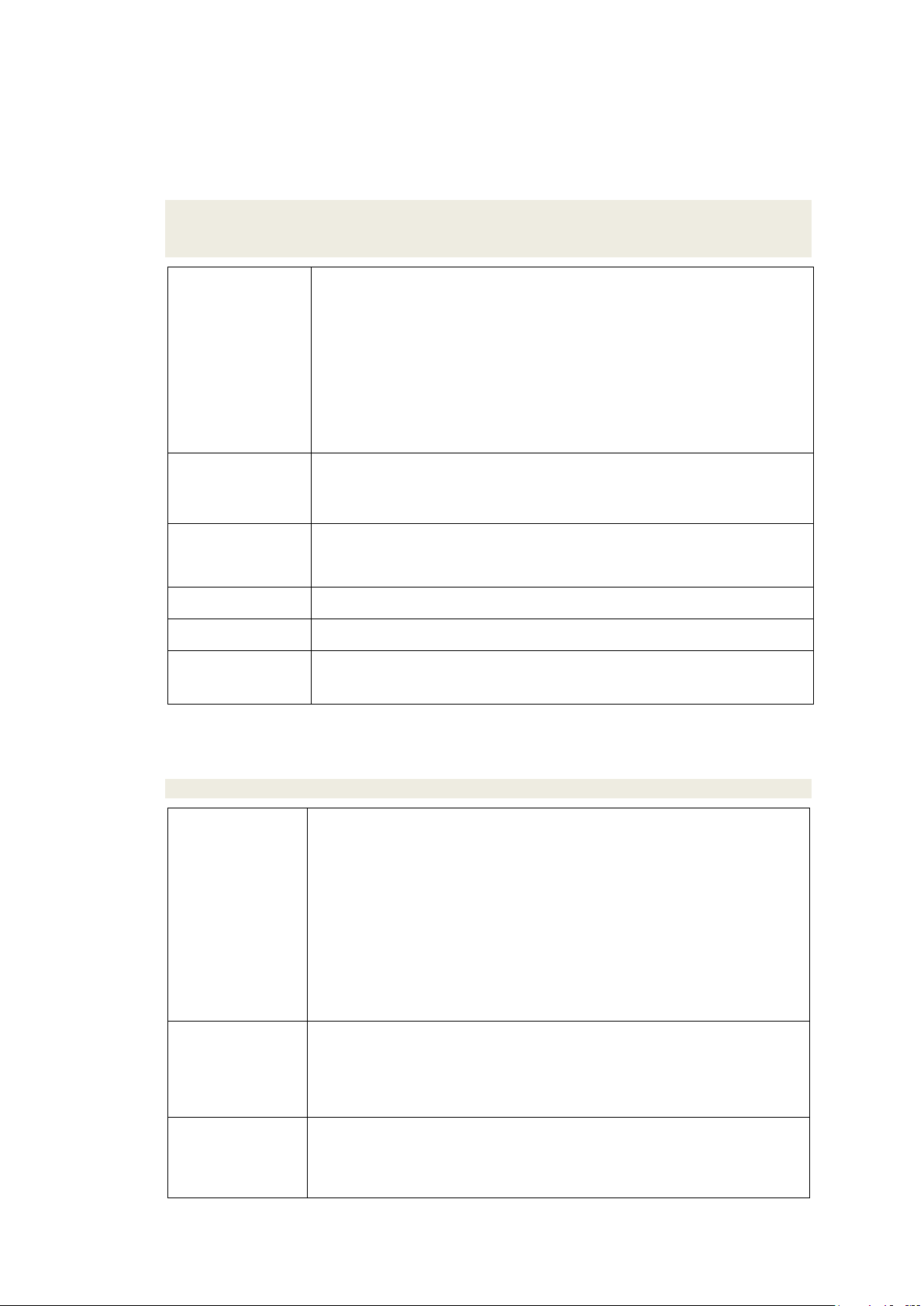
Remote Control Commands
68
Description
Sets or reads out the ON/OFF state of a marker (command/query).
Turning ON a marker with the number from 1 to 15 will turn ON all
the markers of smaller numbers. Turning OFF a marker with the
number from 1 to 15 will turn OFF all the markers of greater
numbers (except of the reference marker). Turning ON/OFF the
reference marker with number 16 does not turn ON/OFF the
markers with the numbers from 1 to 15, but switchs these markers
to the relative measurement mode.
Target
Marker <Mk> of the active trace of channel <Ch>,
<Ch>={[1]|2|3|4}
<Mk>={[1]|2|3|4|5|6|7|8|9|10|11|12|13|14|15|16}
Parameter
{ON|1}
Marker ON
{OFF|0}
Marker OFF
Query Response
{0|1}
Preset Value
0
Equivalent Softkeys
Marker > Add Marker | Remove Marker
Marker > Reference Marker
Description
Sets the active marker (no query).
If the marker is not ON, this function will turn the marker ON.
Turning ON a marker with the number from 1 to 15 will turn ON
all the markers of smaller numbers. Turning ON the reference
marker with number 16 does not turn ON the markers with the
numbers from 1 to 15, but switchs these markers to the relative
measurement mode.
Target
Marker <Mk> of the active trace of channel <Ch>,
<Ch>={[1]|2|3|4}
<Mk>={[1]|2|3|4|5|6|7|8|9|10|11|12|13|14|15|16}
Equivalent
Softkeys
None
CALC:MARK
CALCulate<Ch>[:SELected]:MARKer<Mk>[:STATe] {ON|OFF|1|0}
CALCulate<Ch>[:SELected]:MARKer<Mk>[:STATe]?
CALC:MARK:ACT
CALCulate<Ch>:SELected]:MARKer<Mk>:ACTivate
Page 69
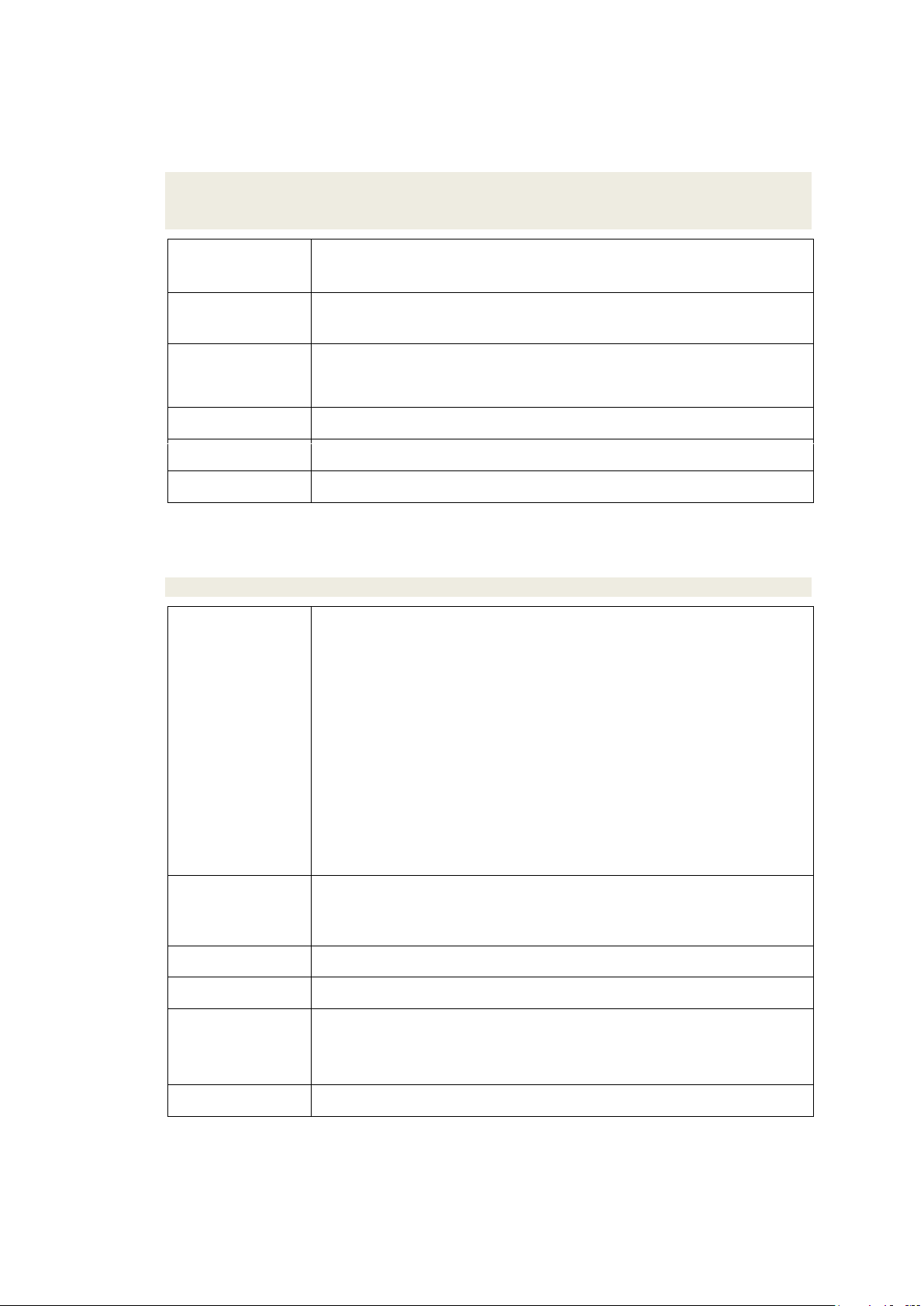
Remote Control Commands
69
Description
Sets or reads out the ON/OFF state of the bandwidth search
function (command/query).
Target
The active trace of channel <Ch>,
<Ch>={[1]|2|3|4}
Parameter
{ON|1}
Bandwidth search function ON
{OFF|0}
Bandwidth search function OFF
Query Response
{0|1}
Preset Value
0
Equivalent Softkeys
Marker > Math > Bandwidth Search > Bandwidth Search
Description
Reads out the bandwidth search result (query only).
The bandwidth search can performed relatively to the marker
<Mk>, or relatively to the absolute maximum value of the trace (in
this case the number of the marker is ignored), what is set by the
CALC:MARK:BWID:REF command.
The data include 4 elements:
<numeric 1>
Bandwidth;
<numeric 2>
Center frequency;
<numeric 3>
Q value;
<numeric 4>
Loss;
Target
Marker <Mk> of the active trace of channel <Ch>,
<Ch>={[1]|2|3|4}
<Mk>={[1]|2|3|4|5|6|7|8|9|10|11|12|13|14|15|16}
Query Response
<numeric 1>, <numeric 2>, …<numeric 4>
Related Commands
CALC:MARK:BWID:REF
Notes
If the bandwidth search is impossible, all the read out values are 0.
If the search is performed relatively to a maker, which is OFF, an
error occurs (error code 204).
Equivalent Softkeys
None
CALC:MARK:BWID
CALCulate<Ch>[:SELected]:MARKer:BWIDth[:STATe] {ON|OFF|1|0}
CALCulate<Ch>[:SELected]:MARKer:BWIDth[:STATe]?
CALC:MARK:BWID:DATA?
CALCulate<Ch>[:SELected]:MARKer<Mk>:BWIDth:DATA?
Page 70
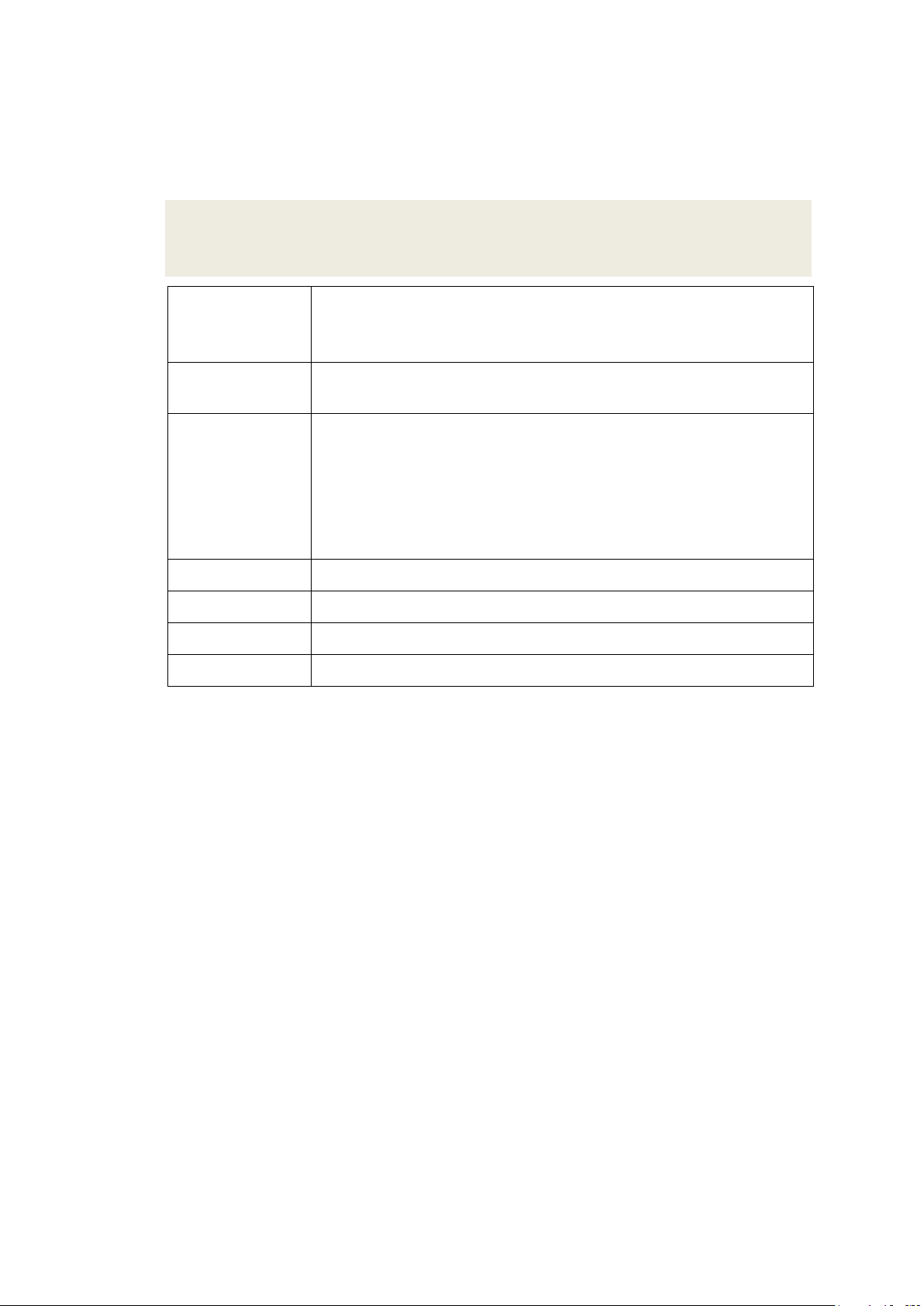
Remote Control Commands
70
Description
Selects the reference point for the bandwidth search function:
reference marker or absolute maximum value of the trace
(command/query).
Target
The active trace of channel <Ch>,
<Ch>={[1]|2|3|4}
Parameter
"MARKer"
Bandwidth search relative to the reference marker
"MAXimum"
Bandwidth search relative to the absolute
maximum of the trace
"MINimum"
Bandwidth search relative to the absolute
minimum of the trace
Out of Range
The command is ignored.
Query Response
{MAX|MARK|MIN}
Preset Value
MAX
Equivalent Softkeys
Marker > Math > Bandwidth Search > Search Ref To
CALC:MARK:BWID:REF
CALCulate<Ch>[:SELected]:MARKer:BWIDth:REFerence
{MAXimum|MARKer|MINimum}
CALCulate<Ch>[:SELected]:MARKer:BWIDth:REFerence?
Page 71
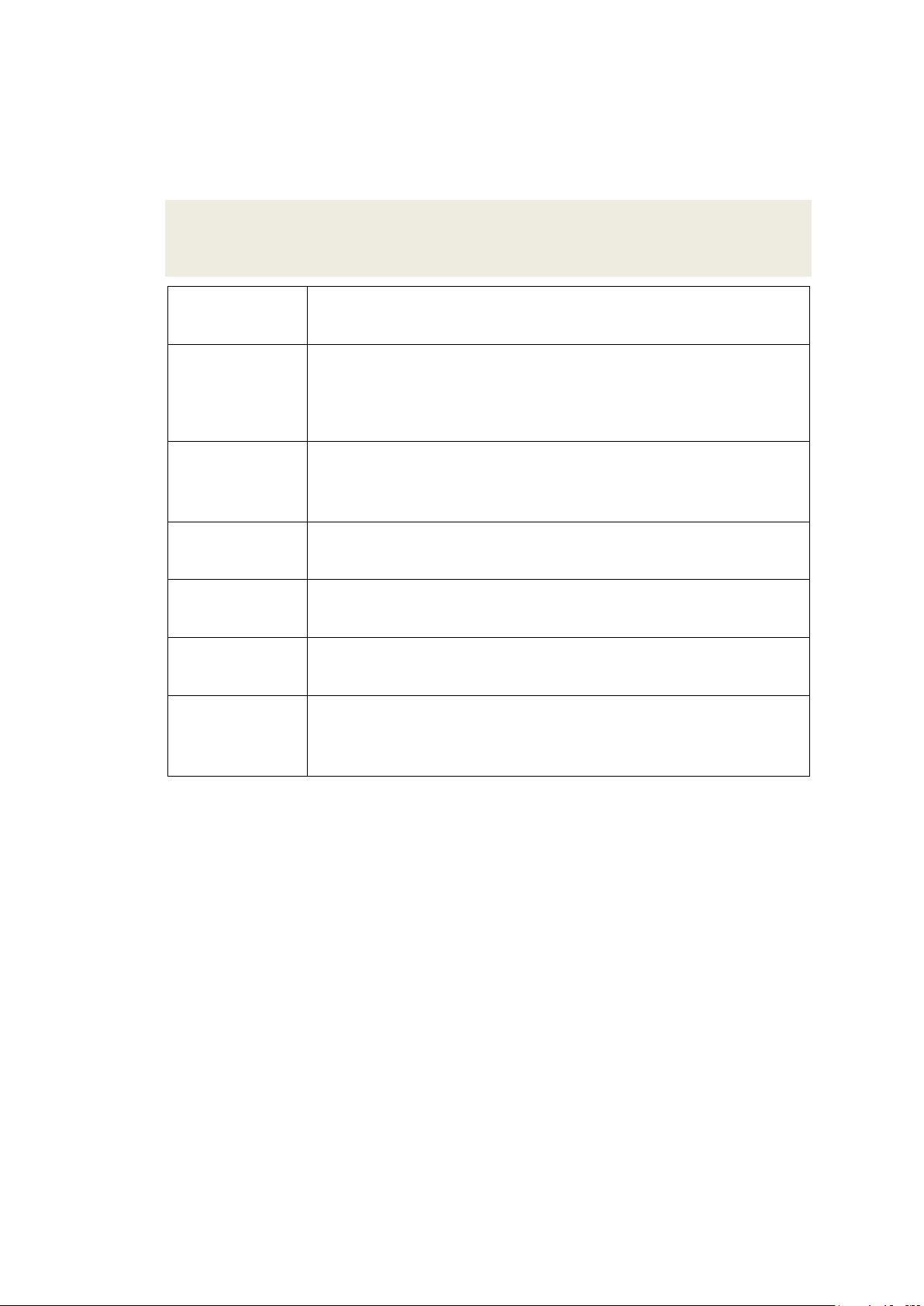
Remote Control Commands
71
Description
Sets the bandwidth definition value. (command/query).
Target
Marker <Mk> of the active trace of channel <Ch>,
<Ch>={[1]|2|3|4}
<Mk>={[1]|2|3|4|5|6|7|8|9|10|11|12|13|14|15|16}
Parameter
<response> the bandwidth definition value, the range varies
depending on the data format
Unit
{ dB (decibel) | ° (degree) | s (second) }
Query Response
<numeric>
Preset Value
–3
Equivalent
Softkeys
Marker > Math > Bandwidth Search > Bandwidth Value
CALC:MARK:BWID:THR
CALCulate<Ch>[:SELected]:MARKer<Mk>:BWIDth:THReshold
<response>
CALCulate<Ch>[:SELected]:MARKer<Mk>:BWIDth:THReshold?
Page 72
Remote Control Commands
72
Description
Sets the type of the bandwidth search function (command/query).
Target
The active trace of channel <Ch>,
<Ch>={[1]|2|3|4}
Parameter
"BPASs"
Bandpass
"NOTCh"
Notch
Out of Range
The command is ignored.
Query Response
{BPAS|NOTC}
Preset Value
BPAS
Equivalent Softkeys
Marker > Math > Bandwidth Search > Type Search
Description
Sets the number of the turned ON markers (command/query).
Target
The active trace of channel <Ch>,
<Ch>={[1]|2|3|4}
Parameter
<numeric>, range from 0 to 16
Out of Range
Sets the value of the limit, which is closer to the specified value.
Query Response
<numeric>
Preset Value
0
Equivalent
Softkeys
None
CALC:MARK:BWID:TYPE
CALCulate<Ch>[:SELected]:MARKer:BWIDth:TYPE {BPASs|NOTCh}
CALCulate<Ch>[:SELected]:MARKer:BWIDth:TYPE?
CALC:MARK:COUN
CALCulate<Ch>[:SELected]:MARKer:COUNt <numeric>
CALCulate<Ch>[:SELected]:MARKer:COUNt?
Page 73
Remote Control Commands
73
Description
Sets or reads out the ON/OFF state of the marker coupling function
(command/query).
Target
All the traces of channel <Ch>,
<Ch>={[1]|2|3|4}
Parameter
{ON|1}
Marker coupling ON
{OFF|0}
Marker coupling OFF
Query Response
{0|1}
Preset Value
1
Equivalent Softkeys
Marker > Properties > Marker Couple
Description
Sets or reads out the ON/OFF state of the marker search range
(command/query).
Target
All traces of channel <Ch> (if the marker search range coupling is
set to ON by the CALC:MARK:FUNC:DOM:COUP command),
The active trace of channel <Ch> (if otherwise),
<Ch>={[1]|2|3|4}
Parameter
{ON|1}
Marker search range ON
{OFF|0}
Marker search range OFF
Query Response
{0|1}
Preset Value
0
Equivalent Softkeys
Marker > Search > Search Range
CALC:MARK:COUP
CALCulate<Ch>[:SELected]:MARKer:COUPle {ON|OFF|1|0}
CALCulate<Ch>[:SELected]:MARKer:COUPle?
CALC:MARK:FUNC:DOM
CALCulate<Ch>[:SELected]:MARKer:FUNCtion:DOMain[:STATe]
{ON|OFF|1|0}
CALCulate<Ch>[:SELected]:MARKer:FUNCtion:DOMain[:STATe]?
Page 74
Remote Control Commands
74
Description
Sets or reads out the start value of the marker search range
(command/query).
Target
All traces of channel <Ch> (if the marker search range coupling is
set to ON by the CALC:MARK:FUNC:DOM:COUP command),
The active trace of channel <Ch> (if otherwise),
<Ch>={[1]|2|3|4}
Parameter
<stimulus> the start value of the marker search
Unit
{ Hz (Hertz) | s (second) | dBm (decibels above 1 milliwatt) }
Query Response
<numeric>
Equivalent
Softkeys
Markers > Search > Search Start
CALC:MARK:FUNC:DOM:STAR
CALCulate<Ch>[:SELected]:MARKer:FUNCtion:DOMain:STARt
<stimulus>
CALCulate<Ch>[:SELected]:MARKer:FUNCtion:DOMain:STARt?
Page 75
Remote Control Commands
75
Description
Sets or reads out the stop value of the marker search range
(command/query).
Target
All traces of channel <Ch> (if the marker search range coupling is
set to ON by the CALC:MARK:FUNC:DOM:COUP command),
The active trace of channel <Ch> (if otherwise),
<Ch>={[1]|2|3|4}
Parameter
<stimulus> the stop value of the marker search
Unit
{ Hz (Hertz) | s (second) | dBm (decibels above 1 milliwatt) }
Query Response
<numeric>
Equivalent
Softkeys
Markers > Search > Search Stop
CALC:MARK:FUNC:DOM:STOP
CALCulate<Ch>[:SELected]:MARKer:FUNCtion:DOMain:STOP
<stimulus>
CALCulate<Ch>[:SELected]:MARKer:FUNCtion:DOMain:STOP?
Page 76

Remote Control Commands
76
Description
Executes the marker search according to the specified criterion.
The type of the marker search is set by the
CALC:MARK:FUNC:TYPE command.
(no query)
Target
Marker <Mk> of the active trace of channel <Ch>,
<Ch>={[1]|2|3|4}
<Mk>={[1]|2|3|4|5|6|7|8|9|10|11|12|13|14|15|16}
Related
Commands
CALC:MARK:FUNC:TYPE
CALC:MARK:FUNC:DOM
Equivalent
Softkeys
Marker > Search > { Maximum | Minimum }
Marker > Search > Search Peak > { Search Peak | Search Max
Peak | Search Peak Left | Search Peak Right }
Marker > Search > Search Target > { Search Target | Search
Target Left | Search Target Right }
CALC:MARK:FUNC:EXEC
CALCulate<Ch>[:SELected]:MARKer<Mk>:FUNCtion:EXECute
Page 77
Remote Control Commands
77
Description
Sets or reads out the peak excursion value, when the marker
search for peak is performed by the CALC:MARK:FUNC:EXEC
command (command/query).
Target
Marker <Mk> of the active trace of channel <Ch>,
<Ch>={[1]|2|3|4}
<Mk>={[1]|2|3|4|5|6|7|8|9|10|11|12|13|14|15|16}
Parameter
<response> the peak excursion value, the range varies
depending on the data format
Unit
{ dB (decibel) | ° (degree) | s (second) }
Query Response
<numeric>
Preset Value
1
Equivalent
Softkeys
Marker > Search > Search Peak > Peak Excursion
CALC:MARK:FUNC:PEXC
CALCulate<Ch>[:SELected]:MARKer<Mk>:FUNCtion:PEXCursion
<response>
CALCulate<Ch>[:SELected]:MARKer<Mk>:FUNCtion:PEXCursion?
Page 78
Remote Control Commands
78
Description
Selects the peak polarity, when the marker search for peak is
performed by the CALC:MARK:FUNC:EXEC command
(command/query).
Target
Marker <Mk> of the active trace of channel <Ch>,
<Ch>={[1]|2|3|4}
<Mk>={[1]|2|3|4|5|6|7|8|9|10|11|12|13|14|15|16}
Parameter
"POSitive"
Positive polarity
"NEGative"
Negative polarity
"BOTH"
Both positive polarity and negative polarity
Out of Range
The command is ignored.
Query Response
{POS|NEG|BOTH}
Preset Value
POS
Related Commands
CALC:MARK:FUNC:EXEC
Equivalent Softkeys
Marker > Search > Search Peak > Peak Polarity > { Positive |
Negative | Both }
CALC:MARK:FUNC:PPOL
CALCulate<Ch>[:SELected]:MARKer<Mk>:FUNCtion:PPOLarity
{POSitive| NEGative|BOTH}
CALCulate<Ch>[:SELected]:MARKer<Mk>:FUNCtion:PPOLarity?
Page 79
Remote Control Commands
79
Description
Sets or reads out the target value, when the marker search for
target is performed by the CALC:MARK:FUNC:EXEC command
(command/query).
Target
Marker <Mk> of the active trace of channel <Ch>,
<Ch>={[1]|2|3|4}
<Mk>={[1]|2|3|4|5|6|7|8|9|10|11|12|13|14|15|16}
Parameter
<response> the target value, the range varies depending on the
data format
Unit
{ dB (decibel) | ° (degree) | s (second) }
Query Response
<numeric>
Preset Value
0
Equivalent
Softkeys
Marker > Search > Search Target > Target Value
CALC:MARK:FUNC:TARG
CALCulate<Ch>[:SELected]:MARKer<Mk>:FUNCtion:TARGet <response>
CALCulate<Ch>[:SELected]:MARKer<Mk>:FUNCtion:TARGet?
Page 80
Remote Control Commands
80
Description
Sets or reads out the ON/OFF state of the marker search tracking
function (command/query).
Target
Marker <Mk> of the active trace of channel <Ch>,
<Ch>={[1]|2|3|4}
<Mk>={[1]|2|3|4|5|6|7|8|9|10|11|12|13|14|15|16}
Parameter
{ON|1}
Marker search tracking ON
{OFF|0}
Marker search tracking OFF
Query Response
{0|1}
Preset Value
0
Equivalent Softkeys
Marker > Search > Tracking
CALC:MARK:FUNC:TRAC
CALCulate<Ch>[:SELected]:MARKer<Mk>:FUNCtion:TRACking
{ON|OFF|1|0}
CALCulate<Ch>[:SELected]:MARKer<Mk>:FUNCtion:TRACking?
Page 81
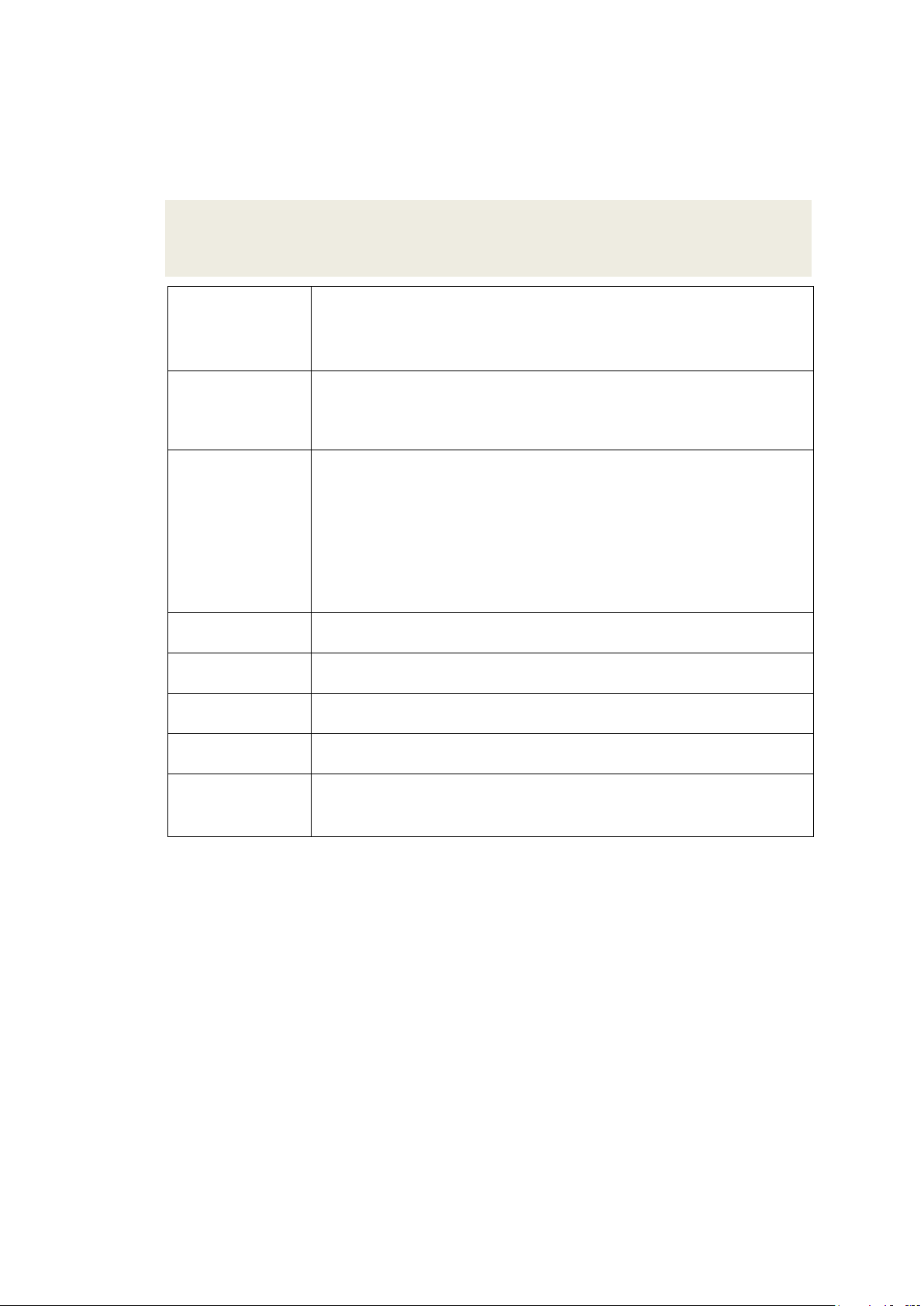
Remote Control Commands
81
Description
Selects the type of the target transition, when the marker search
for transition is performed by the CALC:MARK:FUNC:EXEC
command (command/query).
Target
Marker <Mk> of the active trace of channel <Ch>,
<Ch>={[1]|2|3|4}
<Mk>={[1]|2|3|4|5|6|7|8|9|10|11|12|13|14|15|16}
Parameter
"POSitive"
Positive target transition
"NEGative"
Negative target transition
"BOTH"
Both positive target transition and negative target
transition
Out of Range
The command is ignored.
Query Response
{POS|NEG|BOTH}
Preset Value
POS
Related Commands
CALC:MARK:FUNC:EXEC
Equivalent Softkeys
Marker > Search > Search Target > Target Transition > { Positive |
Negative | Both }
CALC:MARK:FUNC:TTR
CALCulate<Ch>[:SELected]:MARKer<Mk>:FUNCtion:TTRansition
{POSitive| NEGative|BOTH}
CALCulate<Ch>[:SELected]:MARKer<Mk>:FUNCtion:TTRansition?
Page 82
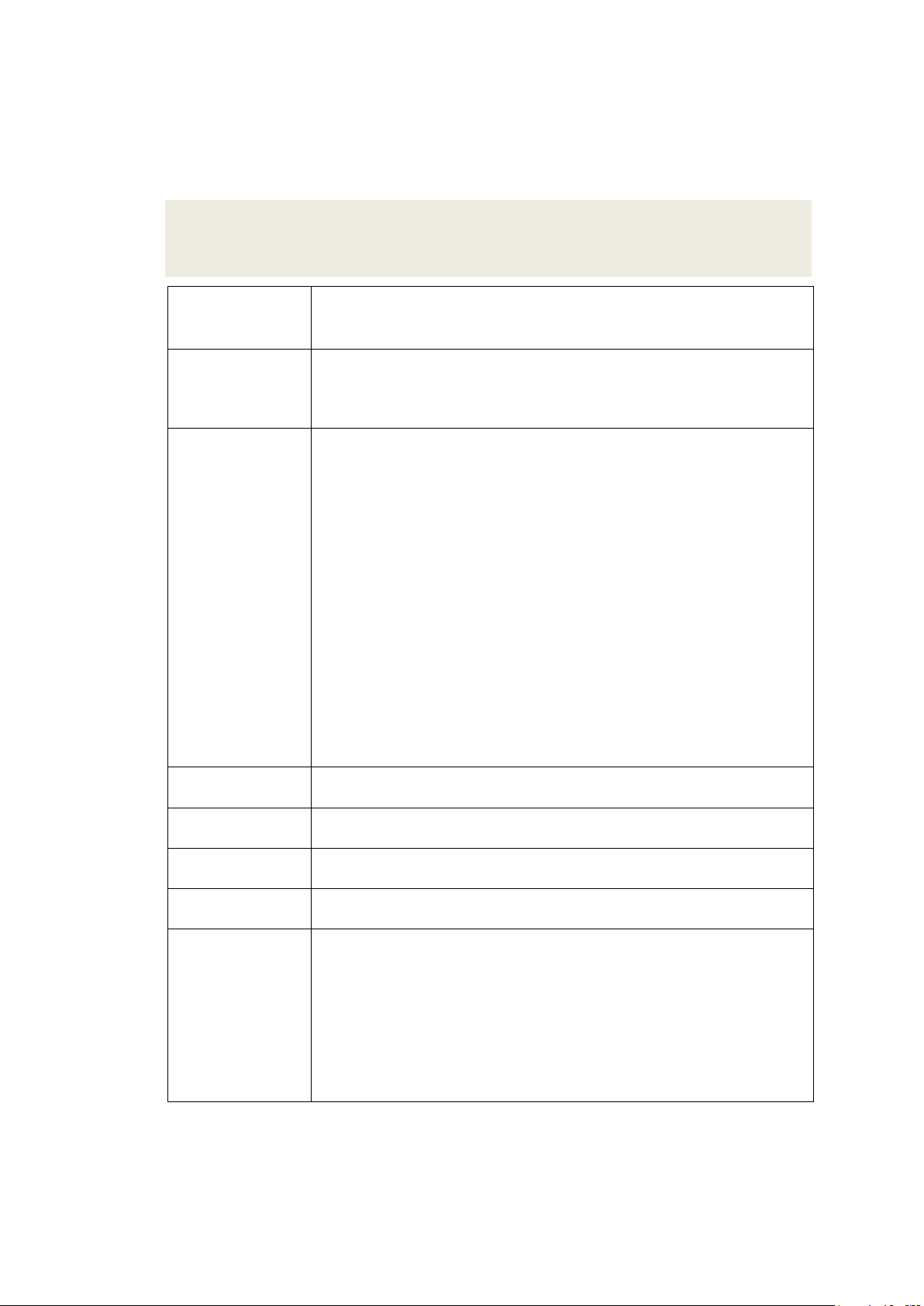
Remote Control Commands
82
Description
Selects the type of the marker search, which is performed by the
CALC:MARK:FUNC:EXEC command (command/query).
Target
Marker <Mk> the active trace of channel <Ch>,
<Ch>={[1]|2|3|4}
<Mk>={[1]|2|3|4|5|6|7|8|9|10|11|12|13|14|15|16}
Parameter
"MAXimum"
Maximum value search
"MINimum"
Minimum value search
"PEAK"
Peak search
"LPEak"
Peak search to the left from the marker
"RPEak"
Peak search to the right from the marker
"TARGet"
Target search
"LTARget"
Target search to the left from the marker
"RTARget"
Target search to the right from the marker
Out of Range
The command is ignored.
Query Response
{MAX|MIN|PEAK|LPE|RPE|TARG|LTAR|RTAR}
Preset Value
MAX
Related Commands
CALC:MARK:FUNC:EXEC
Equivalent Softkeys
Marker > Search > { Maximum | Minimum }
Marker > Search > Peak > { Search Peak | Search Max Peak | Search
Peak Left | Search Peak Right }
Marker > Search > Target > { Search Target | Search Target Left |
Search Target Right }
CALC:MARK:FUNC:TYPE
CALCulate<Ch>[:SELected]:MARKer<Mk>:FUNCtion:TYPE
{MAXimum|MINimum| PEAK|LPEak|RPEak|TARGet|LTARget|RTARget}
CALCulate<Ch>[:SELected]:MARKer<Mk>:FUNCtion:TYPE?
Page 83
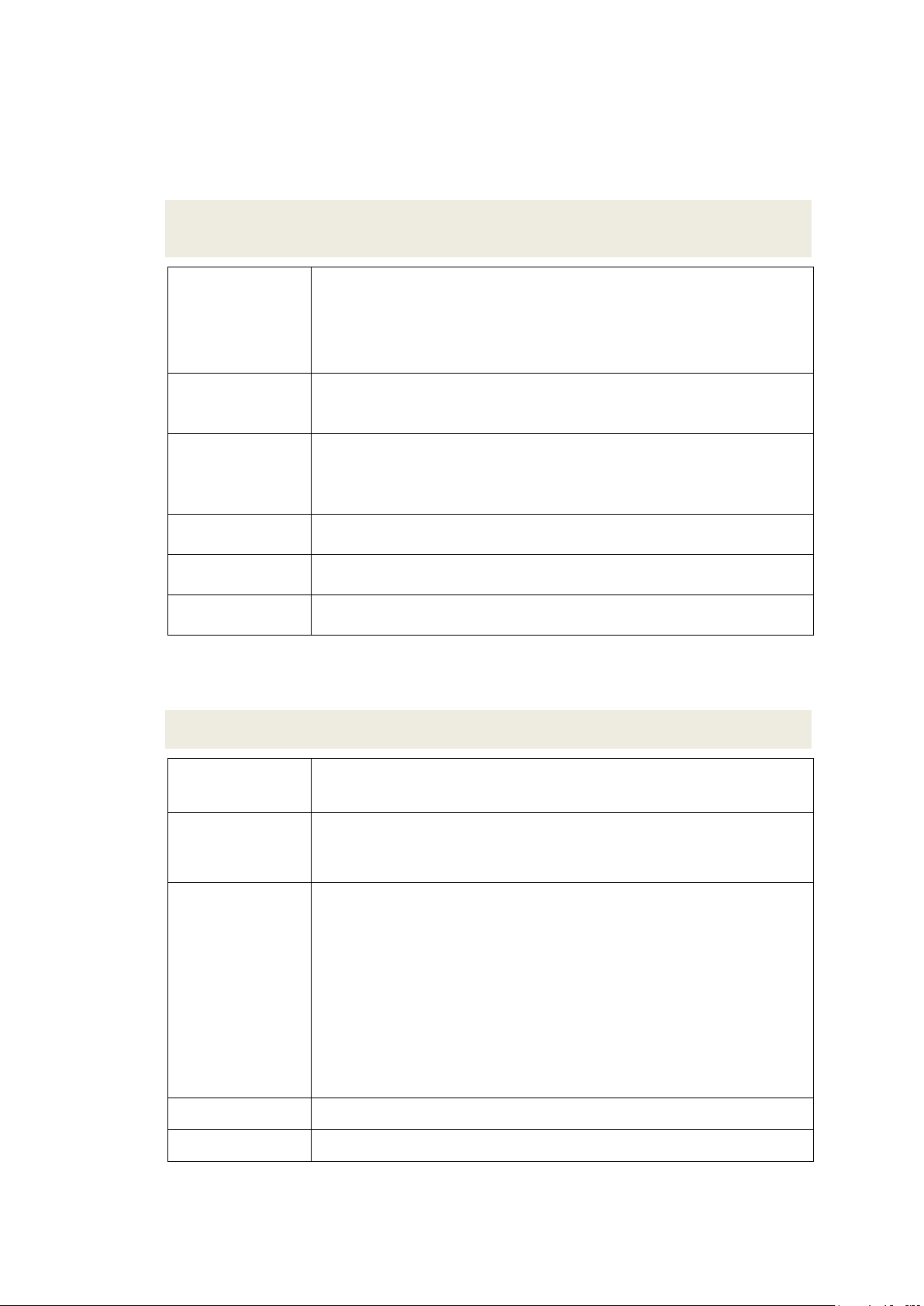
Remote Control Commands
83
Description
Sets or reads out the ON/OFF state of the reference marker
(command/query).
When the reference marker is turned ON, all the values of the other
markers turn to relative values.
Target
The active trace of channel <Ch>,
<Ch>={[1]|2|3|4}
Parameter
{ON|1}
Reference marker ON
{OFF|0}
Reference marker OFF
Query Response
{0|1}
Preset Value
0
Equivalent Softkeys
Marker > Reference Marker
Description
Sets the value of the specified item to the value of the position of
the marker (no query).
Target
Marker <Mk> of the active trace of channel <Ch>,
<Ch>={[1]|2|3|4}
<Mk>={[1]|2|3|4|5|6|7|8|9|10|11|12|13|14|15|16}
Parameter
"STARt"
Sweep start value set to the stimulus value of the
marker position.
"STOP"
Sweep stop value set to the stimulus value of the
marker position.
"CENTer"
Sweep center value set to the stimulus value of the
marker position.
"RLEVel"
Reference value set to the response value of the
marker position.
Out of Range
The command is ignored.
Equivalent Softkeys
None
CALC:MARK:REF
CALCulate<Ch>[:SELected]:MARKer:REFerence[:STATe] {ON|OFF|1|0}
CALCulate<Ch>[:SELected]:MARKer:REFerence[:STATe]?
CALC:MARK:SET
CALCulate<Ch>[:SELected]:MARKer<Mk>:SET
{STARt|STOP|CENTer|RLEVel| DELay}
Page 84
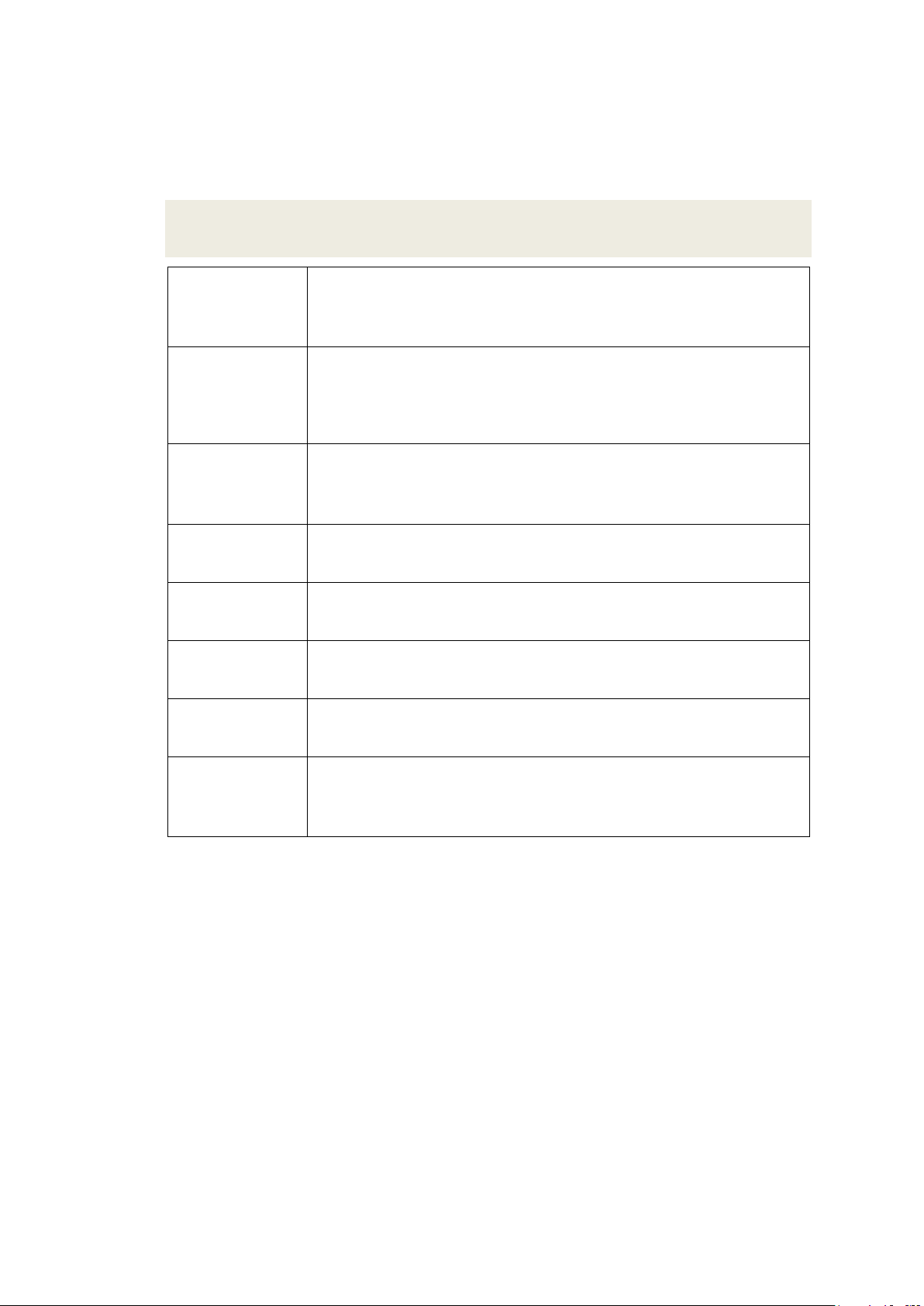
Remote Control Commands
84
Description
Sets or reads out the stimulus value of the marker
(command/query).
Target
Marker <Mk> of the active trace of channel <Ch>,
<Ch>={[1]|2|3|4}
<Mk>={[1]|2|3|4|5|6|7|8|9|10|11|12|13|14|15|16}
Parameter
<stimulus> the stimulus value of the marker, the range is from
the stimulus start value to the stimulus stop value currently set
Unit
{ Hz (Hertz) | s (second) | dBm (decibels above 1 milliwatt) }
Out of Range
Sets the value of the limit, which is closer to the specified value.
Query Response
<numeric>
Preset Value
Stimulus center value
Equivalent
Softkeys
None
CALC:MARK:X
CALCulate<Ch>[:SELected]:MARKer<Mk>:X <stimulus>
CALCulate<Ch>[:SELected]:MARKer<Mk>:X?
Page 85
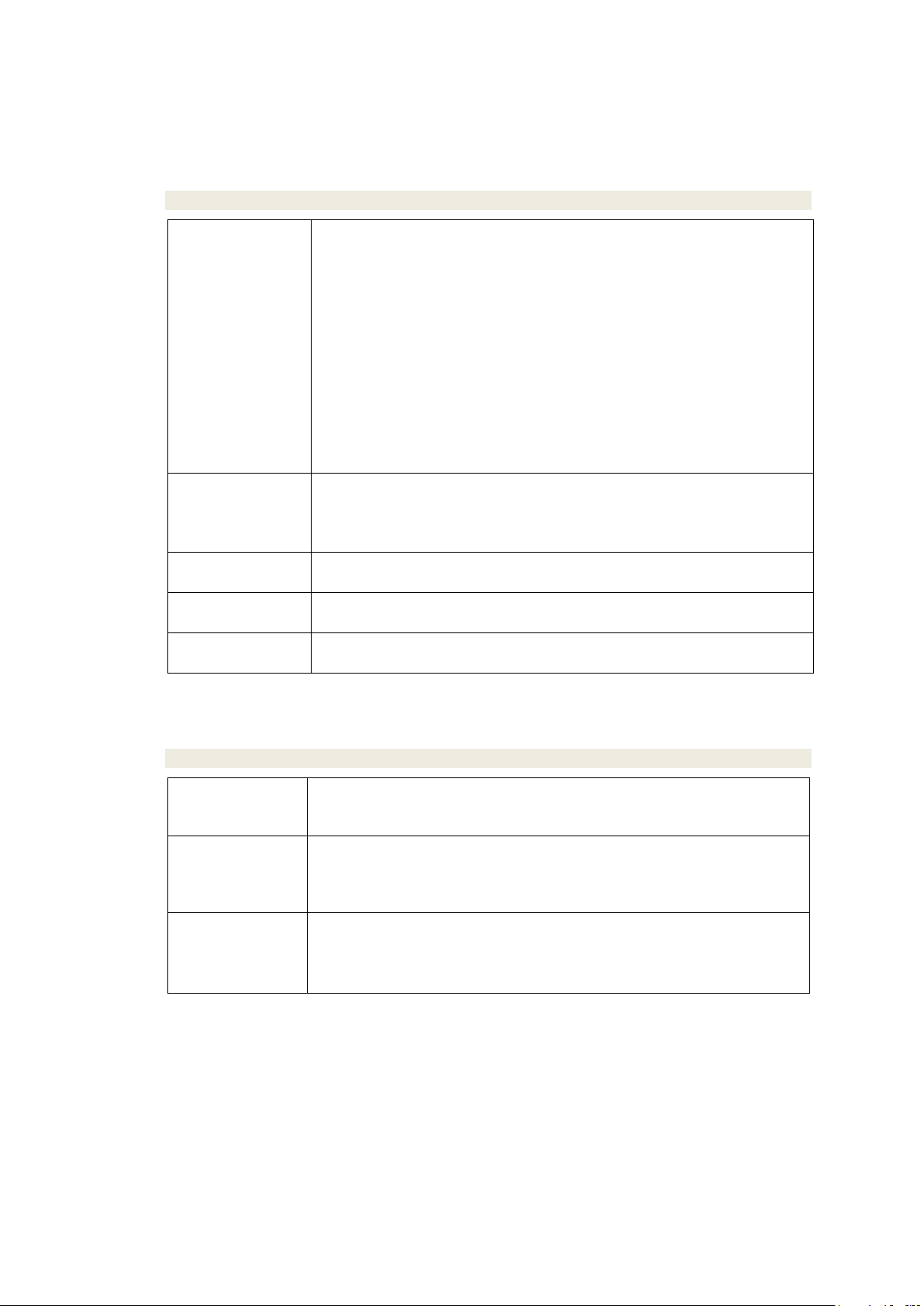
85
CALC:MARK:Y?
Description
Reads out the response value of the marker (query only).
If the reference marker is turned ON, the values of the markers
from 1 to 15 are read out as relative values to the reference
marker.
The data include 2 elements:
<numeric 1>
real number in rectangular format, real part in
polar and Smith chart formats;
<numeric 2>
0 in rectangular format, imaginary part in polar
and Smith chart formats.
Target
Marker <Mk> of the active trace of channel <Ch>,
<Ch>={[1]|2|3|4}
<Mk>={[1]|2|3|4|5|6|7|8|9|10|11|12|13|14|15|16}
Query Response
<numeric 1>, <numeric 2>
Related Commands
CALC:MARK:REF
Equivalent Softkeys
None
Description
Removes the data from the memory trace.
Target
The active trace of channel <Ch>,
<Ch>={[1]|2|3|4}
Equivalent
Softkeys
Trace > Clear Memory
CALCulate<Ch>[:SELected]:MARKer<Mk>:Y?
Remote Control Commands
CALC:MATH:DEL
CALCulate<Ch>[:SELected]:MATH:DELete
Page 86
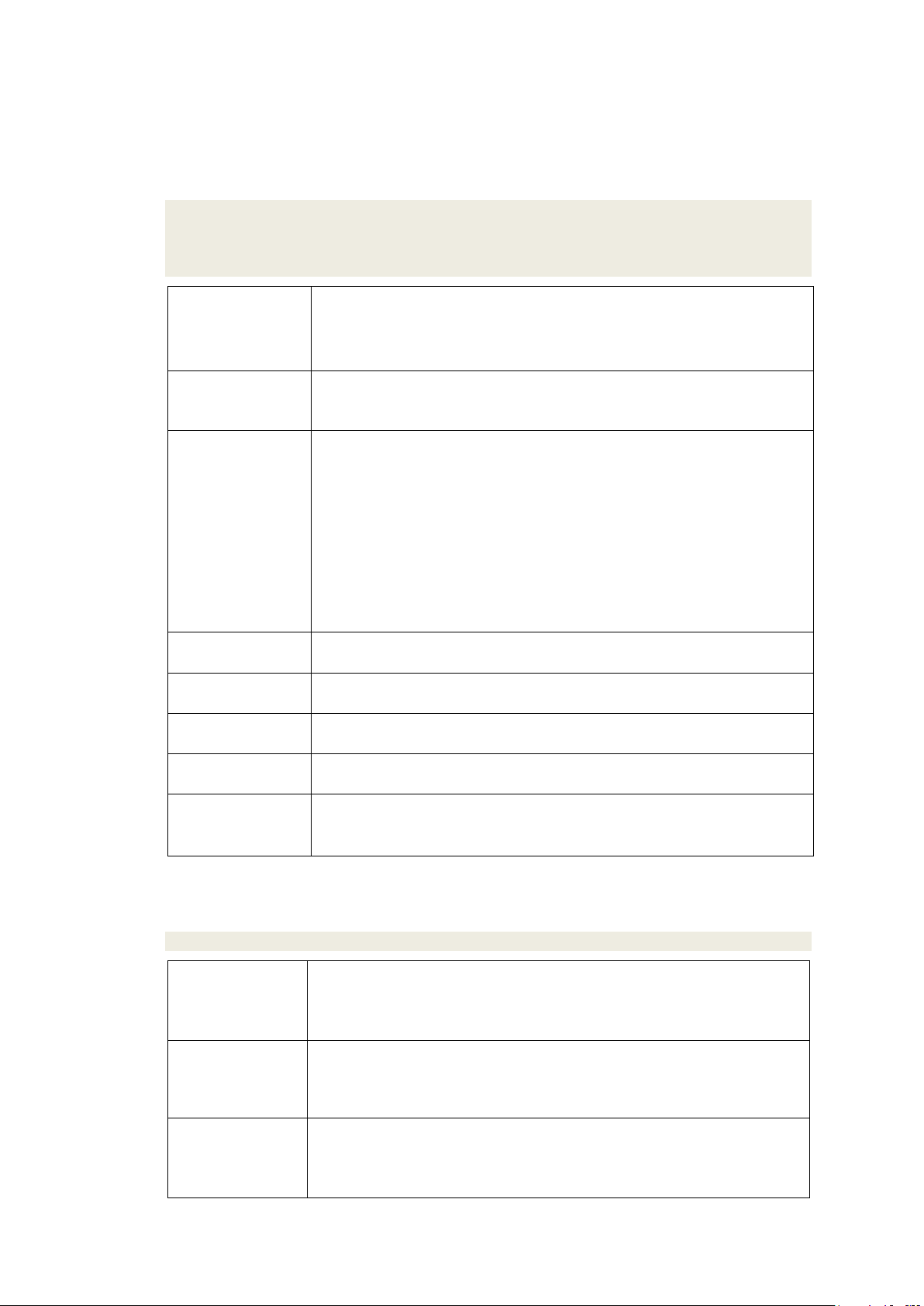
86
CALC:MATH:FUNC
Description
Selects the math operation between the measurement data and the
memory trace data. The math result replaces the data trace. If the
data trace is not saved, the command is ignored (command/query).
Target
The active trace of channel <Ch>,
<Ch>={[1]|2|3|4}
Parameter
"DIVide"
Division Data / Mem.
"MULTiply"
Multiplication Data x Mem.
"ADD"
Addition Data + Mem.
"SUBTract"
Subtraction Data – Mem.
"NORMal"
No math
Out of Range
Error occurs. The command is ignored. Error code: 210.
Query Response
{NORM|SUBT|DIV|ADD|MULT}
Preset Value
NORM
Related Commands
CALC:MATH:MEM
Equivalent Softkeys
Trace > Data Math > { Data/Mem | Data*Mem | Data+Mem | Data–
Mem | OFF }
Description
Saves the measurement data to the memory trace. Automatically
turns on the display the memory trace (no query).
Target
The active trace of channel <Ch>,
<Ch>={[1]|2|3|4}
Equivalent
Softkeys
Trace > Memory Trace
CALCulate<Ch>[:SELected]:MATH:FUNCtion
{NORMal|SUBTract|DIVide|ADD| MULTiply}
CALCulate<Ch>[:SELected]:MATH:FUNCtion?
Remote Control Commands
CALC:MATH:MEM
CALCulate<Ch>[:SELected]:MATH:MEMorize
Page 87
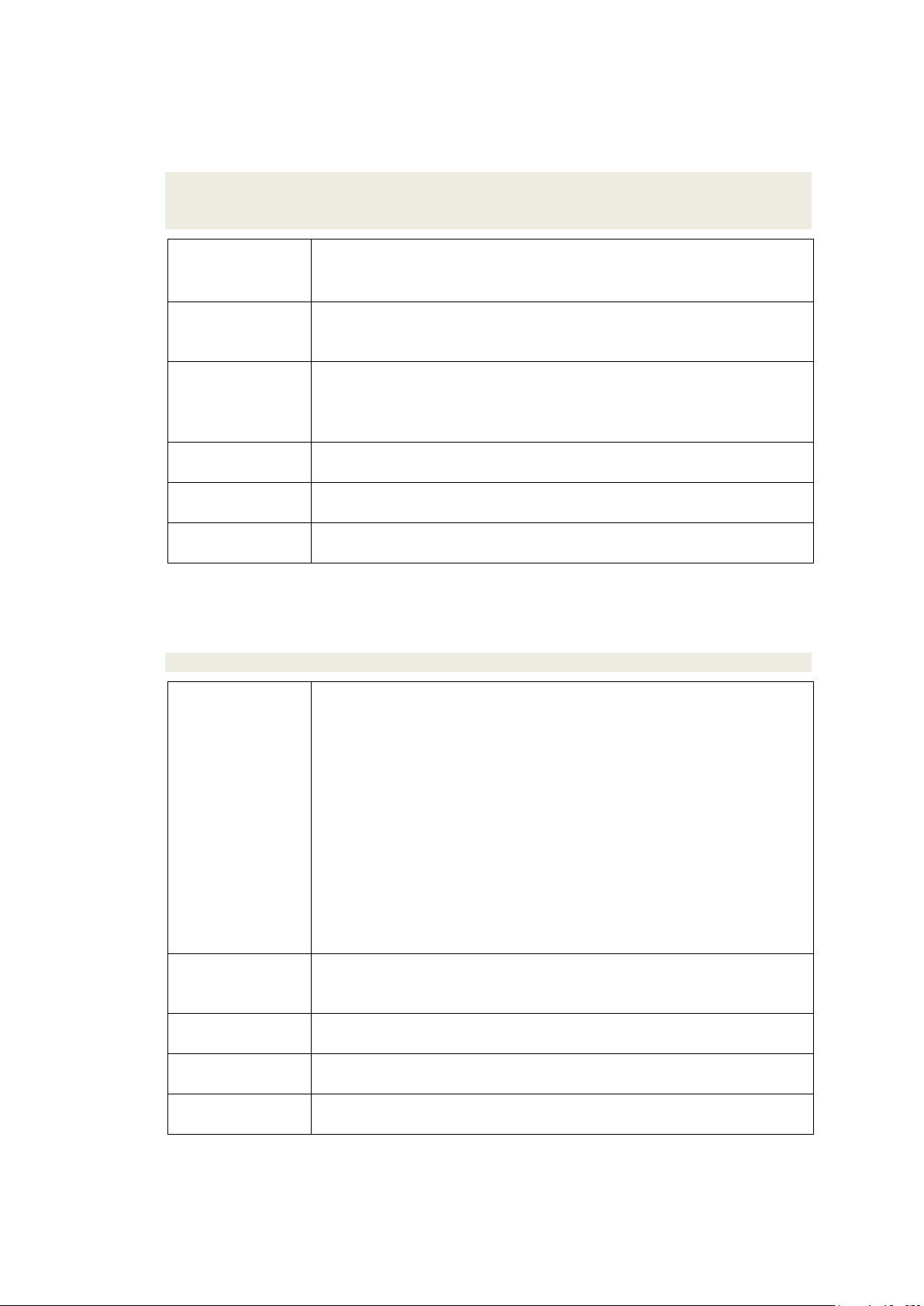
Remote Control Commands
87
Description
Sets or reads out the ON/OFF state of the math statistics display
(command/query).
Target
The active trace of channel <Ch>,
<Ch>={[1]|2|3|4}
Parameter
{ON|1}
Statistics display ON
{OFF|0}
Statistics display OFF
Query Response
{0|1}
Preset Value
0
Equivalent Softkeys
Marker > Math > Statistics > Statistics
Description
Reads out the math statistics values (query only).
The statistics function is applied either over the whole range (for
all the trace), or within the range specified by CALC:MST:DOM
command (the range limits are determined by two markers).
The data include 3 elements:
<numeric 1>
Mean value;
<numeric 2>
Standard deviation;
<numeric 3>
Peak–to–peak (difference between the
maximum value and the minimum value).
Target
The active trace of channel <Ch>,
<Ch>={[1]|2|3|4}
Query Response
<numeric 1>, <numeric 2>, <numeric 3>
Related Commands
CALC:MST:DOM
Equivalent Softkeys
None
CALC:MST
CALCulate<Ch>[:SELected]:MSTatistics[:STATe] {ON|OFF|1|0}
CALCulate<Ch>[:SELected]:MSTatistics[:STATe]?
CALC:MST:DATA?
CALCulate<Ch>[:SELected]:MSTatistics:DATA?
Page 88
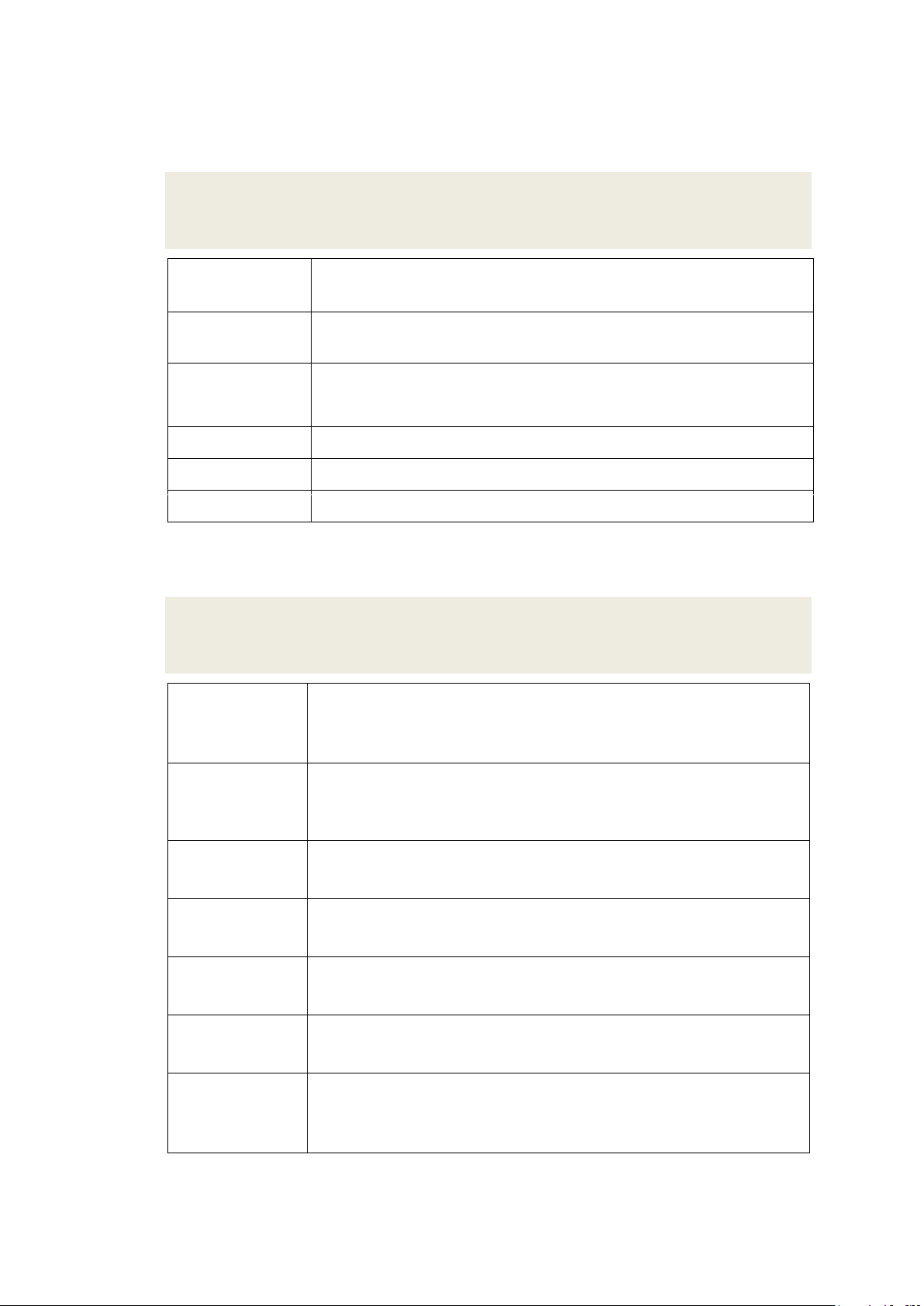
Remote Control Commands
88
Description
Sets or reads out the ON/OFF state of the math statistics range
(command/query).
Target
The active trace of channel <Ch>,
<Ch>={[1]|2|3|4}
Parameter
{ON|1}
Statistics range ON
{OFF|0}
Statistics range OFF
Query Response
{0|1}
Preset Value
0
Equivalent Softkeys
Marker > Math > Statistics > Statistics Range
Description
Sets or reads out the number of the marker, which specifies the
start frequency of the math statistics range (command/query).
Target
The active trace of channel <Ch>,
<Ch>={[1]|2|3|4}
Parameter
<numeric> marker number from 1 to 16
Out of Range
Sets the value of the limit, which is closer to the specified value.
Query Response
<numeric>
Preset Value
1
Equivalent
Softkeys
Marker > Math > Statistics > Statistics Start
CALC:MST:DOM
CALCulate<Ch>[:SELected]:MSTatistics:DOMain[:STATe]
{ON|OFF|1|0}
CALCulate<Ch>[:SELected]:MSTatistics:DOMain[:STATe]?
CALC:MST:DOM:STAR
CALCulate<Ch>[:SELected]:MSTatistics:DOMain[:MARKer]:STARt
<numeric>
CALCulate<Ch>[:SELected]:MSTatistics:DOMain[:MARKer]:STARt?
Page 89
Remote Control Commands
89
Description
Sets or reads out the number of the marker, which specifies the
stop frequency of the math statistics range (command/query).
Target
The active trace of channel <Ch>,
<Ch>={[1]|2|3|4}
Parameter
<numeric> marker number from 1 to 16
Out of Range
Sets the value of the limit, which is closer to the specified value.
Query Response
<numeric>
Preset Value
2
Equivalent
Softkeys
Marker > Math > Statistics > Statistics Stop
CALC:MST:DOM:STOP
CALCulate<Ch>[:SELected]:MSTatistics:DOMain[:MARKer]:STOP
<numeric>
CALCulate<Ch>[:SELected]:MSTatistics:DOMain[:MARKer]:STOP?
Page 90
90
CALC:PAR:COUN
Description
Sets or reads out the number of traces in the channel
(command/query).
Target
Channel <Ch>,
<Ch>={[1]|2|3|4}
Parameter
<numeric> the number of the trace in the channel from 1 to 16
Out of Range
Sets the value of the limit, which is closer to the specified value.
Query Response
<numeric>
Preset Value
1
Equivalent
Softkeys
None
CALCulate<Ch>:PARameter:COUNt <numeric>
CALCulate<Ch>:PARameter:COUNt?
Remote Control Commands
Page 91
Remote Control Commands
91
Description
Sets the measurement parameter of the trace (command/query)
(in multiport mode only).
Target
Trace <Tr> of channel <Ch>,
<Tr>={[1]|2|3|4}
<Ch>={[1]|2|3|4}
<Tr>={[1]…|16}(in multiport mode only).
<Ch>={[1]…|16}(in multiport mode only).
Parameter
{ S11|S21|...|S16.1|...|S1.16|... |S16.16 }
Out of Range
Error occurs. The command is ignored.
Query Response
{ S11|S21|...|S16.1|... |S16.16}
Equivalent Softkeys
Trace > Measurement (in multiport mode only)
CALC:PAR:DEF
CALCulate<Ch>:PARameter<Tr>:DEFine <string>
CALCulate<Ch>:PARameter<Tr>:DEFine?
Page 92
92
CALC:PAR:SEL
Description
Sets the active trace in channel <Ch> (no query).
Target
Trace <Tr> of channel <Ch>,
<Tr>={[1]|2|3|4}
<Ch>={[1]|2|3|4}
Notes
If the trace number is greater than the number of the traces
displayed in the channel, an error occurs and the command is
ignored.
Related
Commands
CALC:PAR:COUN
Equivalent
Softkeys
Trace > Active Trace
Description
Sets or reads out the ON/OFF state of the ripple limit test
(command/query).
Target
The active trace of channel <Ch>,
<Ch>={[1]|2|3|4}
Parameter
{ON|1}
Ripple limit test ON
{OFF|0}
Ripple limit test OFF
Query Response
{0|1}
Preset Value
0
Equivalent Softkeys
Analysis > Ripple Test > Ripple Test
CALCulate<Ch>:PARameter<Tr>:SELect
Remote Control Commands
CALC:RLIM
CALCulate<Ch>[:SELected]:RLIMit[:STATe] {ON|OFF|1|0}
CALCulate<Ch>[:SELected]:RLIMit[:STATe]?
Page 93

Remote Control Commands
93
Description
Sets the data array, which is the limit line for the ripple limit
function (command/query).
The array size is 1 + 4N, where N is the number of limit line
segments.
For the n–th point, where n from 1 to N:
<numeric 1>
the number of limit line segments N is the
integer from 0 to 12. Setting 0 clears the
limit line.
<numeric 4n –2>
type of the n–th limit line segment
0: Off.
1: On
<numeric 4n–1>
the stimulus value in the beginning point
of the n–th segment
<numeric 4n–0>
the stimulus value in the end point of the
n–th segment
<numeric 4n+1>
the ripple limit value of the n–th segment
Target
The active trace of channel <Ch>,
<Ch>={[1]|2|3|4}
Query Response
<numeric 1>, <numeric 2>, …<numeric 4N+1>
The data transfer format depends on the FORM:DATA command
setting.
Notes
If the array size is not 1 + 4N, where N is <numeric 1>, an error
occurs (error code 214). If <numeric 4n–2> is less than 0 or
more than 1, an error occurs (error code 214). When <numeric
4n–1>, <numeric 4n–0>, and <numeric 4n+1> elements are
out of allowable range, the value is set to the limit, which is closer
to the specified value.
Related Commands
FORM:DATA
Equivalent Softkeys
Analysis > Ripple Test > Edit Ripple Limit
CALC:RLIM:DATA
CALCulate<Ch>[:SELected]:RLIMit:DATA <numeric list>
CALCulate<Ch>[:SELected]:RLIMit:DATA?
Page 94
Remote Control Commands
94
Description
Sets or reads out the ON/OFF state of the ripple limit line display
(command/query).
Target
Active trace of channel <Ch>,
<Ch>={[1]|2|3|4}
Parameter
{ON|1}
Ripple limit line ON
{OFF|0}
Ripple limit line OFF
Query Response
{0|1}
Preset Value
0
Equivalent Softkeys
Analysis > Ripple Test > Limit Line
Description
Reads out the ripple limit test result (query only).
Target
The active trace of channel <Ch>,
<Ch>={[1]|2|3|4}
Query Response
1
Fail
0
Pass
Equivalent Softkeys
None
CALC:RLIM:DISP:LINE
CALCulate<Ch>[:SELected]:RLIMit:DISPlay:LINE {ON|OFF|1|0}
CALCulate<Ch>[:SELected]:RLIMit:DISPlay:LINE?
CALC:RLIM:FAIL?
CALCulate#[:SELected]:RLIMit:FAIL?
Page 95
Remote Control Commands
95
Description
Reads out the data array, which is the ripple limit test results
(query only).
The array size is 1+3N, where N is the number of ripple limit bands.
For the n–th point, where n from 1 to N:
<numeric 1>
N total number of the bands
<numeric 3n–1>
n number of the band
<numeric 3n–0>
Ripple value in the n–th band
<numeric 3n+1>
Ripple limit test result in the n–th band:
0: Pass
1: Fail
Target
The active trace of channel <Ch>,
<Ch>={[1]|2|3|4}
Query Response
<numeric 1>, <numeric 2>, …<numeric 3N+1>
The data transfer format depends on the FORM:DATA command
setting.
Related Commands
FORM:DATA
Equivalent Softkeys
None
Description
Sets or reads out the ON/OFF state of the trace smoothing function
(command/query).
Target
Active trace of channel <Ch>,
<Ch>={[1]|2|3|4}
Parameter
{ON|1}
Trace smoothing ON
{OFF|0}
Trace smoothing OFF
Query Response
{0|1}
Preset Value
0
Equivalent Softkeys
Average > Smoothing
CALC:RLIM:REP?
CALCulate<Ch>[:SELected]:RLIMit:REPort[:DATA]?
CALC:SMO
CALCulate<Ch>[:SELected]:SMOothing[:STATe] {ON|OFF|1|0}
CALCulate<Ch>[:SELected]:SMOothing[:STATe]?
Page 96
Remote Control Commands
96
Description
Sets or reads out the smoothing aperture, when performing
smoothing function (command/query).
Target
Active trace of channel <Ch>,
<Ch>={[1]|2|3|4}
Parameter
<numeric> the smoothing aperture from 0.01 to 20
Unit
% (percent)
Out of Range
Sets the value of the limit, which is closer to the specified value.
Query Response
<numeric>
Preset Value
1
Equivalent
Softkeys
Average > Smoothing Aperture
CALC:SMO:APER
CALCulate<Ch>[:SELected]:SMOothing:APERture <numeric>
CALCulate<Ch>[:SELected]:SMOothing:APERture?
Page 97

97
CALC:TRAC:DATA:FDAT?
Description
Reads out the formatted data array (query only).
The formatted data array is the data, whose processing is
completed including the formatting as the last step. Such data
represent the data trace values as they are shown on the screen.
The array size is 2N, where N is the number of measurement points.
For the n–th point, where n from 1 to N:
<numeric 2n–1>
real number in rectangular format, real part
in polar and Smith chart formats;
<numeric 2n>
0 in rectangular format, imaginary part in
polar and Smith chart formats.
Target
The specified trace <Tr> of channel <Ch>,
<Tr>={[1]|2|3|4}
<Ch>={[1]|2|3|4}
Query Response
<numeric 1>, <numeric 2>, …<numeric 2N>
The data transfer format depends on the FORM:DATA command
setting.
Related Commands
CALC:DATA:FDAT
Equivalent Softkeys
None
CALCulate<Ch>:TRACe<Tr>:DATA:FDATa?
Remote Control Commands
Page 98

98
CALC:TRAC:DATA:FMEM?
Description
Reads out the formatted memory array (query only).
The formatted memory array is the data, whose processing is
completed including the formatting as the last step. Such data
represent the memory trace values as they are shown on the
screen.
The array size is 2N, where N is the number of measurement points.
For the n–th point, where n from 1 to N:
<numeric 2n–1>
real number in rectangular format, real part
in polar and Smith chart formats;
<numeric 2n>
0 in rectangular format, imaginary part in
polar and Smith chart formats.
Target
The specified trace <Tr> of channel <Ch>,
<Tr>={[1]|2|3|4}
<Ch>={[1]|2|3|4}
Query Response
<numeric 1>, <numeric 2>, …<numeric 2N>
The data transfer format depends on the FORM:DATA command
setting.
Notes
If the memory is empty, an error occurs and the command is
ignored.
Related Commands
CALC:DATA:FMEM
Equivalent Softkeys
None
CALCulate<Ch>:TRACe<Tr>:DATA:FMEMory?
Remote Control Commands
Page 99

99
CALC:TRAC:DATA:SDAT?
Description
Reads out the corrected data array (query only).
The corrected data array is the data, whose processing is
completed excluding the formatting as the last step. Such data
represent S–parameter complex values.
The array size is 2N, where N is the number of measurement points.
For the n–th point, where n from 1 to N:
<numeric 2n–1>
the real part of corrected measurement;
<numeric 2n>
the imaginary part of corrected
measurement.
Target
The specified trace <Tr> of channel <Ch>,
<Tr>={[1]|2|3|4}
<Ch>={[1]|2|3|4}
Query Response
<numeric 1>, <numeric 2>, …<numeric 2N>
The data transfer format depends on the FORM:DATA command
setting.
Related Commands
CALC:DATA:SDAT
Equivalent Softkeys
None
CALCulate<Ch>:TRACe<Tr>:DATA:SDATa?
Remote Control Commands
Page 100

100
CALC:TRAC:DATA:SMEM?
Description
Reads out the corrected memory array (query only).
The corrected memory array is the data, whose processing is
completed excluding the formatting as the last step. Such data
represent S–parameter complex values.
The array size is 2N, where N is the number of measurement points.
For the n–th point, where n from 1 to N:
<numeric 2n–1>
the real part of corrected measurement
memory;
<numeric 2n>
the imaginary part of corrected measurement
memory.
Target
The specified trace <Tr> of channel <Ch>,
<Tr>={[1]|2|3|4}
<Ch>={[1]|2|3|4}
Query Response
<numeric 1>, <numeric 2>, …<numeric 2N>
The data transfer format depends on the FORM:DATA command
setting.
Notes
If the memory is empty, an error occurs and the command is
ignored.
Related Commands
CALC:DATA:SMEM
Equivalent Softkeys
None
CALCulate<Ch>:TRACe<Tr>:DATA:SMEMory?
Remote Control Commands
 Loading...