

Page 1
USER MANUAL
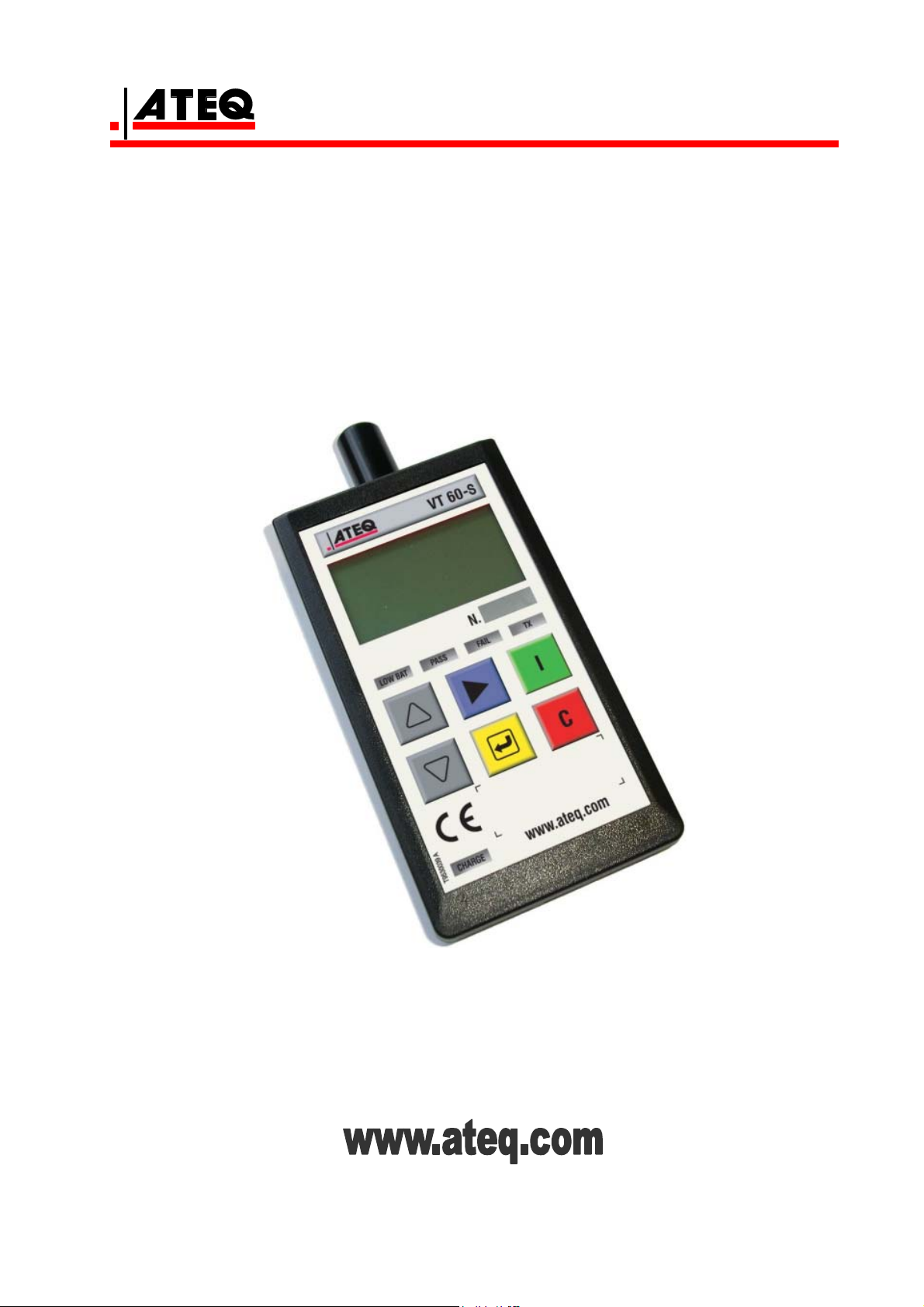
ATEQ VT60-S
Reference: UM-25810A-U
Page 2

Page 3

REVISION OF THE ATEQ VT60-S OWNER'S MANUAL
Edition/
Revision
First edition UM-25810A-U 51/2010 -----
Reference
Date
(week/year)
Chapters updated
Page 4

Page 5

5110/CE-25810A-U
DECLARATION OF CONFORMITY 00
We the undersigned, ATEQ, manufacturers of the ATEQ VT60-S REF : 258.10 declare that it
complies with the requirements of :
- LOW VOLTAGE Directive 93/68/CEE regarding :
• standard EN 61 010-1 « Safety requirements for electrical equipment for
measurement, control and laboratory use »,
- Directive CEM 89/336/CEE partially modified by Directive CEM 92/31/CEE regarding :
• standard EN 50 081-2 « Industrial environment emission generic standard »,
except in the 95 MHz to 140 MHz range.
• standard EN 50 082-2 « Industrial environment immunity generic standard »,
• standard EN 61 000-4-2 « Test for immunity to electrostatic discharges »,
• standard EN 61 000-4-3 « Test for immunity to electromagnetic fields radiated at
radio frequencies »,
This enables ATEQ to guarantee that this instrument may be used in complete safety under
the following environmental conditions :
• indoor use,
• altitude up to 3000 metres,
• ambient operating temperature from 5°C to 45 °C,
• 70 % maximum relative humidity without condensation,
• degree of pollution 2 as in CEI 664 (only non-conductive pollution. However a
temporary conductivity caused by condensation may occasionally be expected ).
Chairman and Managing Director.
Mr. Jacques MOUCHET
Tél. : +33 (0) 1 30 80 10 20 - Fax : +33 (0) 1 30 54 11 00
15, rue des Dames - 78340 LES CLAYES SOUS BOIS – France
www.ateq.com
Page 6

Page 7

PREFACE
Dear Customer,
You have just purchased an ATEQ instrument, we thank you for the trust you have
placed on our brand. This instrument has been designed to ensure a long and
unparalleled life expectancy, and we are convinced that it will give you complete
satisfaction during many long years of operation.
In order to maximise the life expectancy and reliability of your ATEQ instrument, we
recommend that you install this instrument on a secured workbench and advise you to
consult this manual in order to familiarise yourself with the functions and capabilities of
the instrument.
Our ATEQ After Sales Service centre can give you recommendations based on your
specific operation requirements.
ATEQ
0650/PREFd-U
Page 8

Page 9

Table of contents
TABLE OF CONTENTS
User guide VT60-S
1. VT60-S DESCRIPTION........................................................................................................................3
1.1. Front face .....................................................................................................................................3
1.2. Connectors ...................................................................................................................................4
1.3. Power Supply connector ..............................................................................................................4
1.4. USB connector .............................................................................................................................4
1.5. RJ45 connector ............................................................................................................................4
2. LANGUAGES ......................................................................................................................................5
3. LIGHT INDICATORS ...........................................................................................................................5
4. KEYS....................................................................................................................................................6
4.1. Power on key................................................................................................................................6
4.2. Cancel key....................................................................................................................................7
4.3. Cycle key......................................................................................................................................7
4.4. Navigations keys ..........................................................................................................................8
4.5. Validation key...............................................................................................................................8
4.6. Key Pad summary........................................................................................................................8
5. TESTING A TPM SENSOR .................................................................................................................9
5.1. Launch a test................................................................................................................................9
5.2. Results explanation....................................................................................................................10
5.3. No sensor response ...................................................................................................................10
6. TESTING A REMOTE KEYLESS ENTRY.........................................................................................11
7. SETTING ADJUSTMENT FOR VT60-S ............................................................................................12
8. PARAMETERS SETTING..................................................................................................................13
8.1. Pressure unit ..............................................................................................................................13
8.2. Buzzer ........................................................................................................................................14
8.3. Back light....................................................................................................................................15
8.4. Auto Off parameter.....................................................................................................................16
8.5. Zone ...........................................................................................................................................17
9. FEATURES ........................................................................................................................................18
9.1. Radio frequencies ......................................................................................................................18
9.2. Type of sensor............................................................................................................................18
10. OBD TRANSFER (OPTION)............................................................................................................19
10.1. Presentation .............................................................................................................................19
10.2. Operation..................................................................................................................................20
11. ERROR MESSAGES .......................................................................................................................21
12. TROUBLESHOUTINGS AND SOLUTIONS....................................................................................22
13. PROGRAM AND DRIVERS INSTALLATION .................................................................................23
13.1. Installation under Windows© Vista ..........................................................................................23
13.2. Installation under Windows© XP..............................................................................................25
Appendices ATEQ VT60-S
1. TECHNICAL CHARACTERISTICS ...................................................................................................27
2. SECURITY, CARE AND RECYCLING..............................................................................................28
2.1. Security ......................................................................................................................................28
2.2. Care and maintenance...............................................................................................................29
2.3. Certification information (sar) .....................................................................................................29
2.4. Safety informations ....................................................................................................................30
2.5. Recycling....................................................................................................................................31
Index 33
UM-25810A-U User manual ATEQ VT60-S Page 1/34
Page 10

Table of contents
UM-25810A-U User manual ATEQ VT60-S Page 2/34
Page 11
User guide
User guide
VT60-S
See appendices for the security, care, maintenance and
recycling information.
1. VT60-S DESCRIPTION
The purpose of the VT60-S is to:
• Retrieve data from the tire pressure sensor.
• Verify the identities of each tire pressure sensor mounted on vehicle wheels.
• Assist a technician to reset TPM system on vehicle.
• Test the RKE signal strength.
• Possibility to transfer data into the vehicle ECU (OBD2 interface option).
The instrument interacts with the tire pressure sensor without contact through wireless
communication.
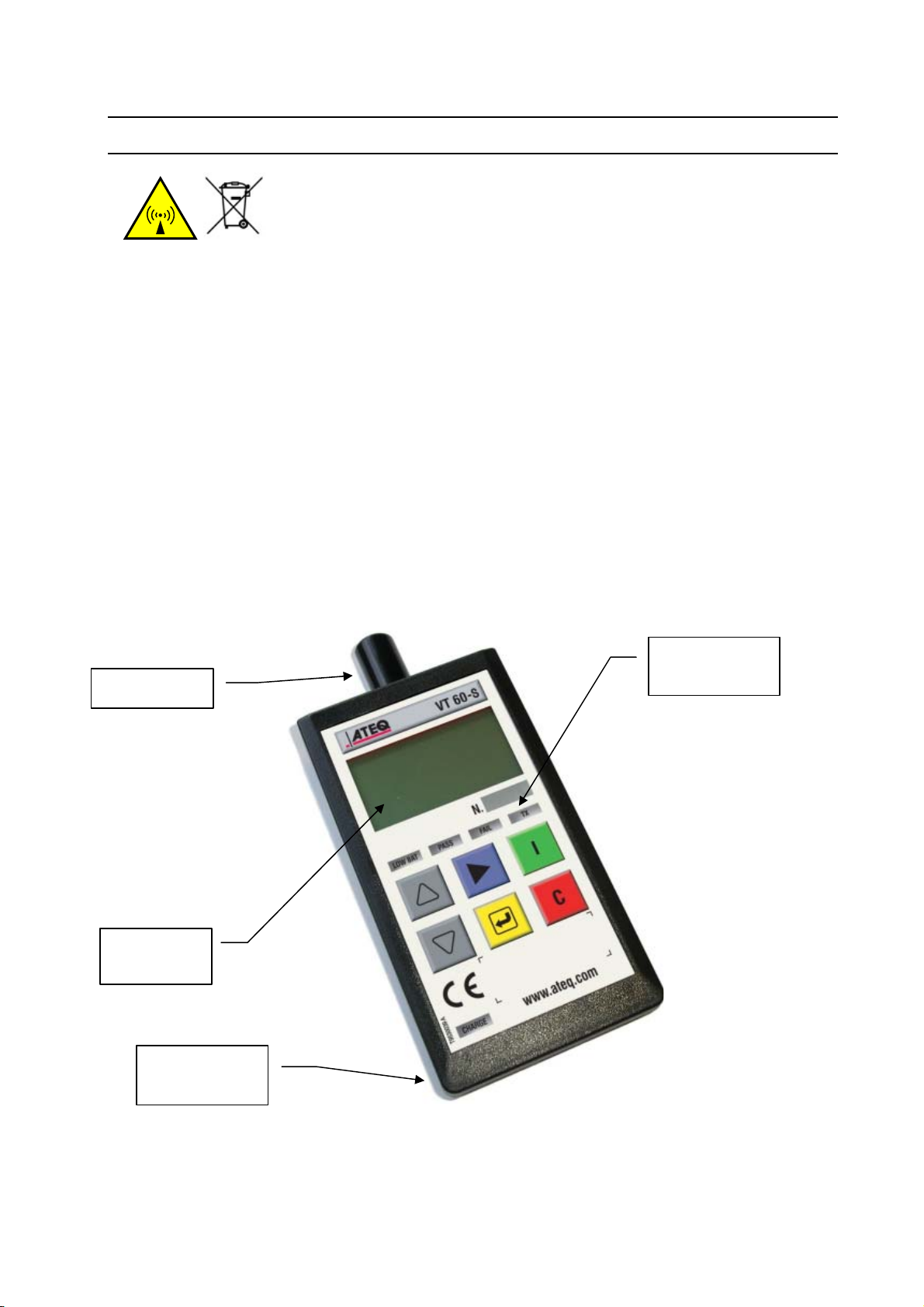
1.1. FRONT FACE
Lights
Antenna
indicators
LCD
display
Connectors
see below
UM-25810A-U User manual ATEQ VT60-S Page 3/34
Page 12
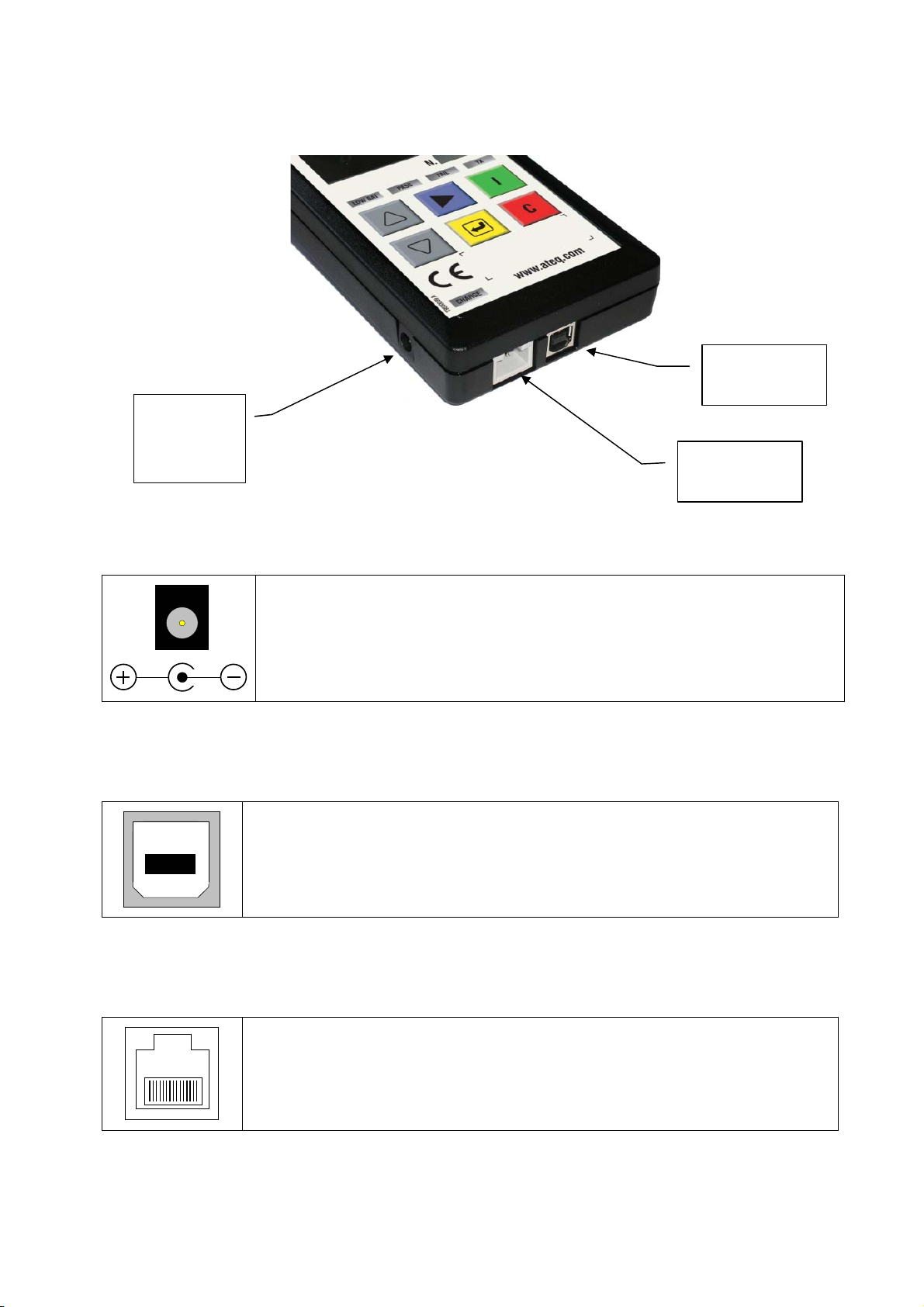
1.2. CONNECTORS
24 V DC
supply
connector
User guide
USB
connector
RS232
connector
1.3. POWER SUPPLY CONNECTOR
Power supply connection to the tool for charging the internal battery.
The voltage of the charger is a 24 V DC.
1.4. USB CONNECTOR
The USB connector allows software updates to be installed onto the
tool.
1.5. RJ45 CONNECTOR
The RJ45 connector allows to connect the option OBD interface.
UM-25810A-U User manual ATEQ VT60-S Page 4/34
Page 13
User guide
LANGU
AG
E
>FRANCAIS
MAIN
MENU
>LANGU
AGE
2. LANGUAGES
Several languages are available. If the displayed is not suitable, press the key
repeatedly until the menu LANGUAGE appears.
Then by using the or keys, choose the
ENGLISH
suitable menu's language and validate with the
key. Languages
The LANGUAGE menu is also available from the
main menu, below the SETTINGS menu.
ESPANOL
RKE TEST
SETTINGS
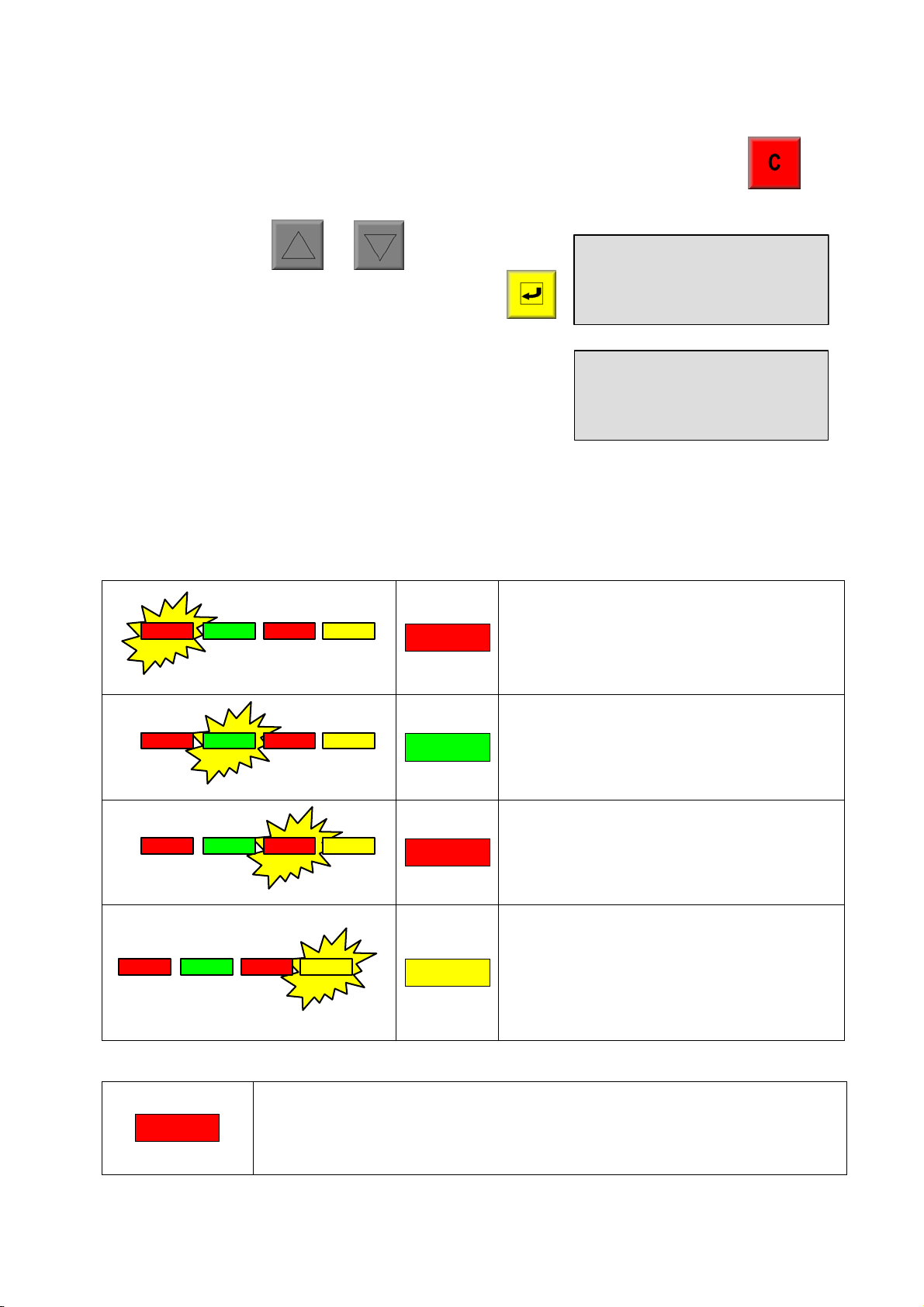
3. LIGHT INDICATORS
Four lights placed under the LCD display indicate the status of the instrument and the
results of the measurement.
Battery level light: When this light is
Low Bat Pass Fail Tx
Low Bat
on the battery level is low.
Connect the power supply to charge
the battery.
Low Bat Pass Fail Tx
Pass
Low Bat Pass Fail Tx
Fail
Low Bat Pass Fail Tx
Tx
Charge indicator on the bottom of the front face:
Battery charging light: When this red light is on the power supply is
Charge
currently charging the tool.
When this light switches off the tool battery is filled.
Pass test light: When this light is on
the tool has correctly received the
information from the sensor or the
remote keyless entry unit.
Fail test light: When this light is on the
tool has not received the information
from the sensor or the remote keyless
entry unit.
Transmission light: When this light is
flashing the tool is currently transmitting
a signal to activate a sensor.
Note: light may illuminate continuously
and will not always flash.
UM-25810A-U User manual ATEQ VT60-S Page 5/34
Page 14
4. KEYS
FORD
(TEST)
READ SENSOR
BATTERY
STATUS
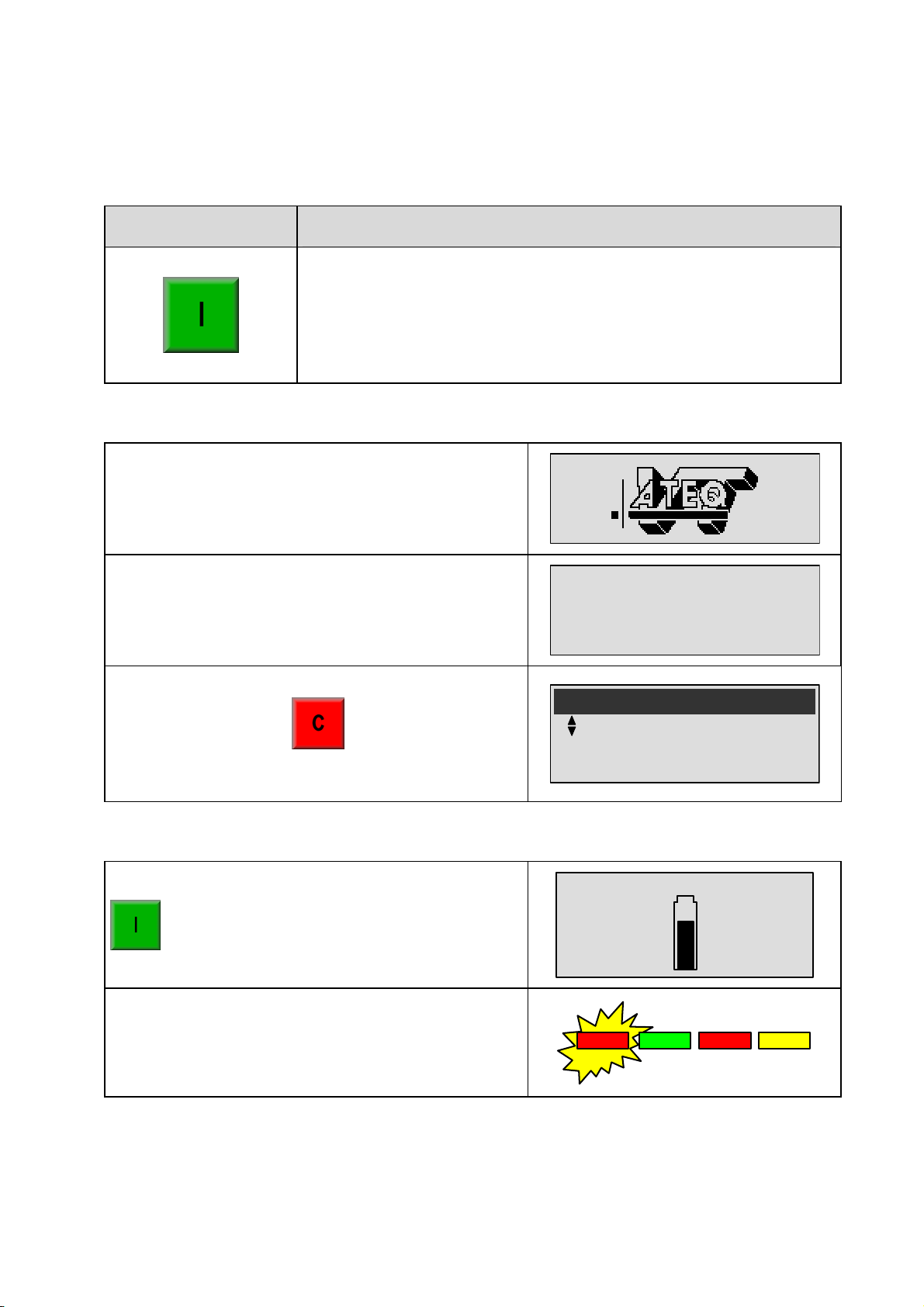
4.1. POWER ON KEY
KEY FUNCTION
First function: Power on and Power off: when off press this
key to power on the tool. When on press and hold this key more
Second function: Indicates the battery level. Press and hold to
4.1.1. First function
At power on, it displays the ATEQ logo.
User guide
than 3 seconds to power off the tool.
see the battery status (less than 3 seconds).
Then it displays the software revision number.
And after it displays the test menu with the last
tested vehicle, press one time to return to
the brand selection menu or two times to return to
the main menu.
4.1.2. Second function
When the instrument is on, keep pressing this key
and the battery level is displayed (less than
3 seconds).
ATEQ VT55
Version CA1.35
) SELECT TIRE
(
LEFT FRONT
(C) RETURN TO MENU
Connect the power supply to charge the battery.
UM-25810A-U User manual ATEQ VT60-S Page 6/34
When the “LOW BATT” light flashes the
instrument will turn off.
Low Bat Pass Fail Tx
Page 15
4.2. CANCEL KEY
FORD
(TEST)
READ SENSOR
FORD
FORD
KEY FUNCTION
4.3. CYCLE KEY
KEY FUNCTION
User guide
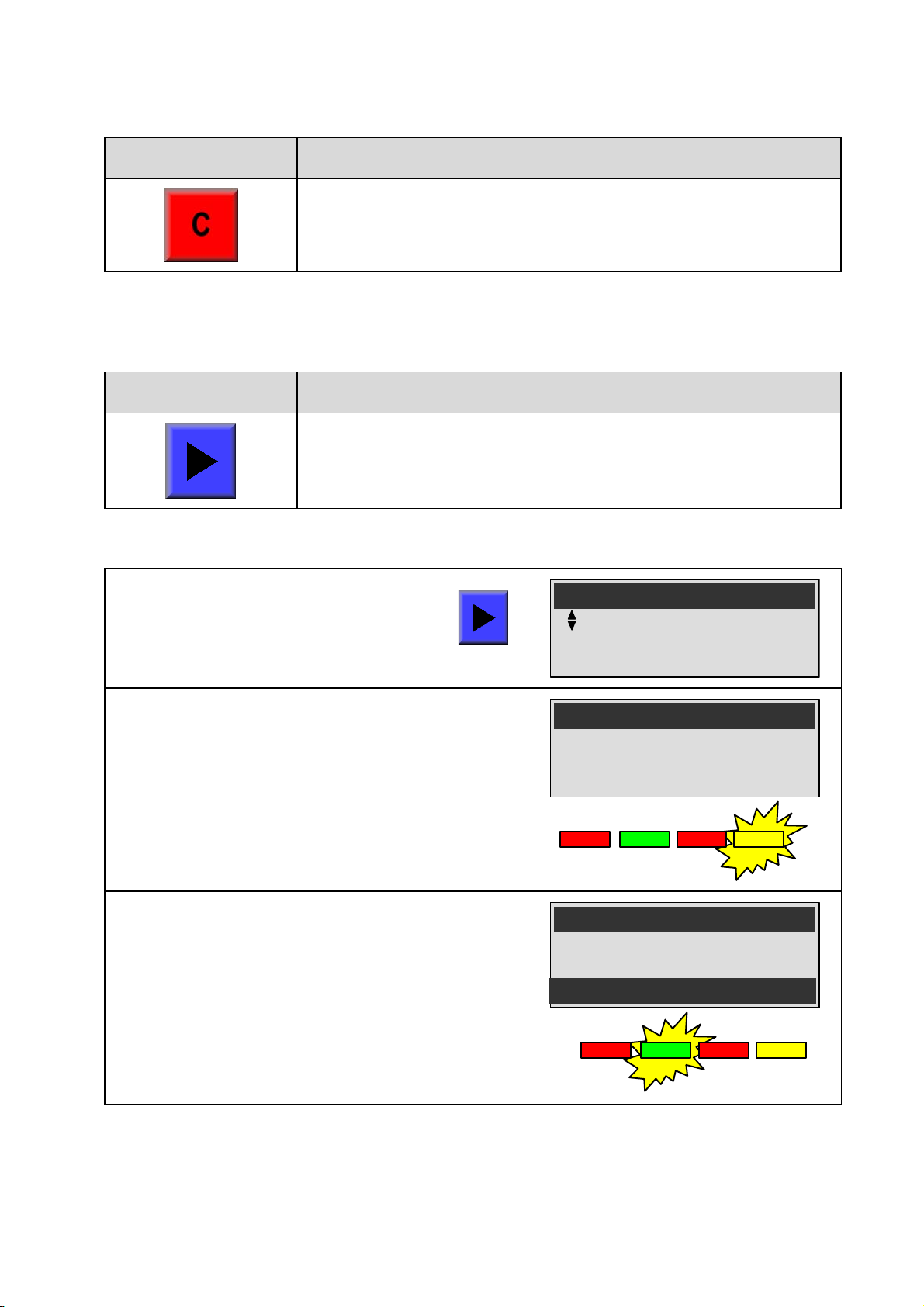
“C” for CANCEL returns to the previous menu or function
without modifying a parameter.
Starts the acquisition cycle for a sensor.
4.3.1. Measurement
When the instrument is ready, press the
acquisition key.
During the test cycle, the message
“TRIGGER PROCESSING” is displayed, and the
“Tx” light will illuminate.
After a few seconds, the instrument vibrates and
the sensor data is displayed.
) SELECT TIRE
(
LEFT FRONT
(C) RETURN TO MENU
LEFT FRONT
STEP: 1 / 3
(C) : STOP
TRIGGER PROCESSING
Low Bat Pass Fail Tx
LEFT FRONT
84031C3F 32.24 PSI
78°F 1.0 g
BAT:OK 434 MHz
(C) MENU
(T) START
( ) NEXT
UM-25810A-U User manual ATEQ VT60-S Page 7/34
Low Bat Pass Fail Tx
Page 16
4.4. NAVIGATIONS KEYS
KEY FUNCTION
4.5. VALIDATION KEY
KEY FUNCTION
User guide
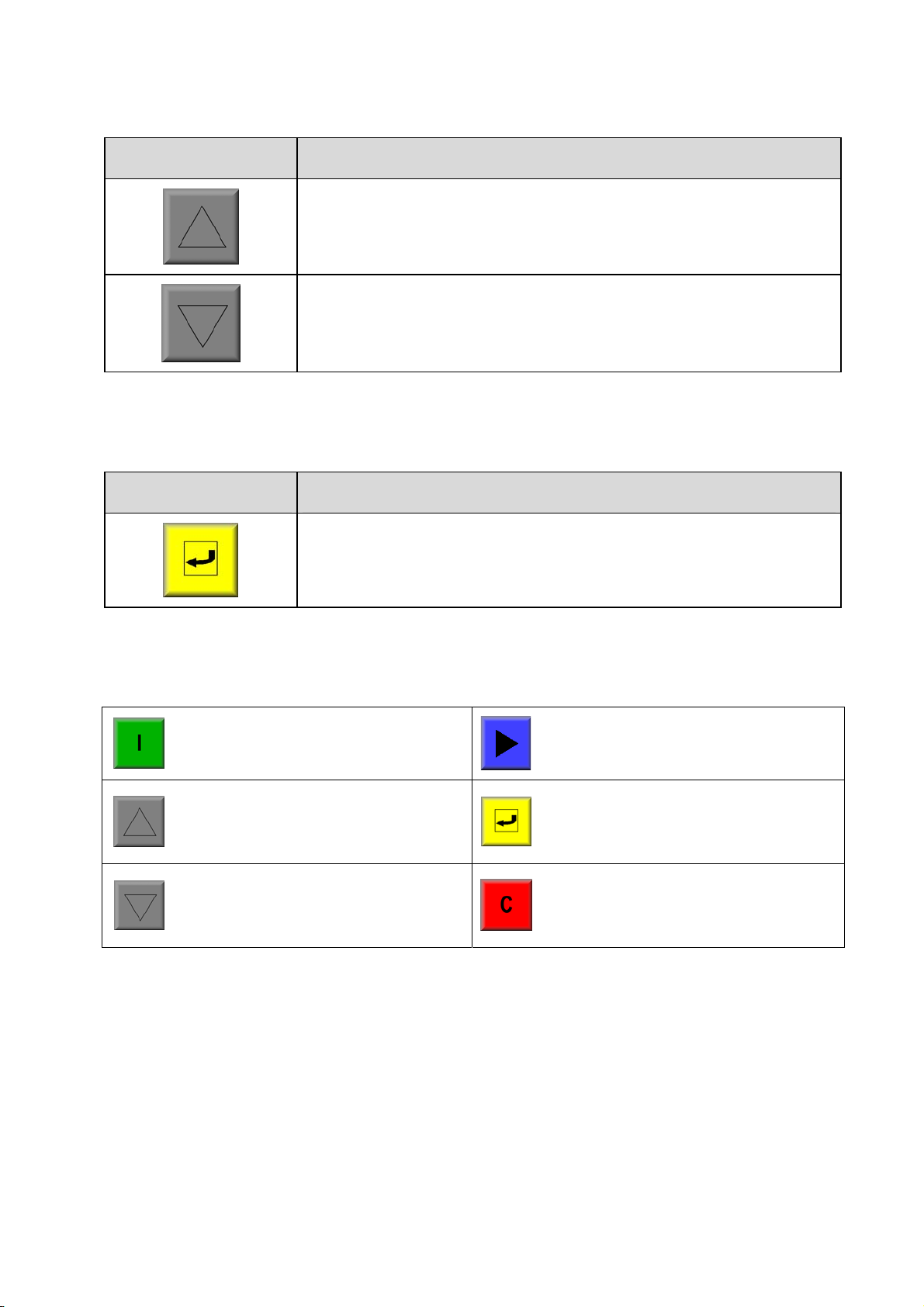
Navigation through menu or adjust a parameter “up”, scroll up
or increase numerical values or change the wheel location.
Navigation through menu or adjust a parameter “down”, scroll
down or decrease numerical values or change the wheel
location.
4.6. KEY PAD SUMMARY
Power on or off and battery
status.
Navigation through menu or
adjust a parameter “up”.
Navigation through menu or
adjust a parameter “down”.
Press the ENTER key to open a menu, enter a parameter and
confirm a parameter.
Test key, to force a test cycle.
Selection key, press to enter the
chosen function or validate a
parameter.
Cancel key, return to the previous
menu or function without parameter
validation or stop the current test.
UM-25810A-U User manual ATEQ VT60-S Page 8/34
Page 17
5. TESTING A TPM SENSOR
SETTINGS
BRAND
FORD
(TEST)
: READ SENSOR
FORD
FORD
MENU
START
FORD
MENU
START
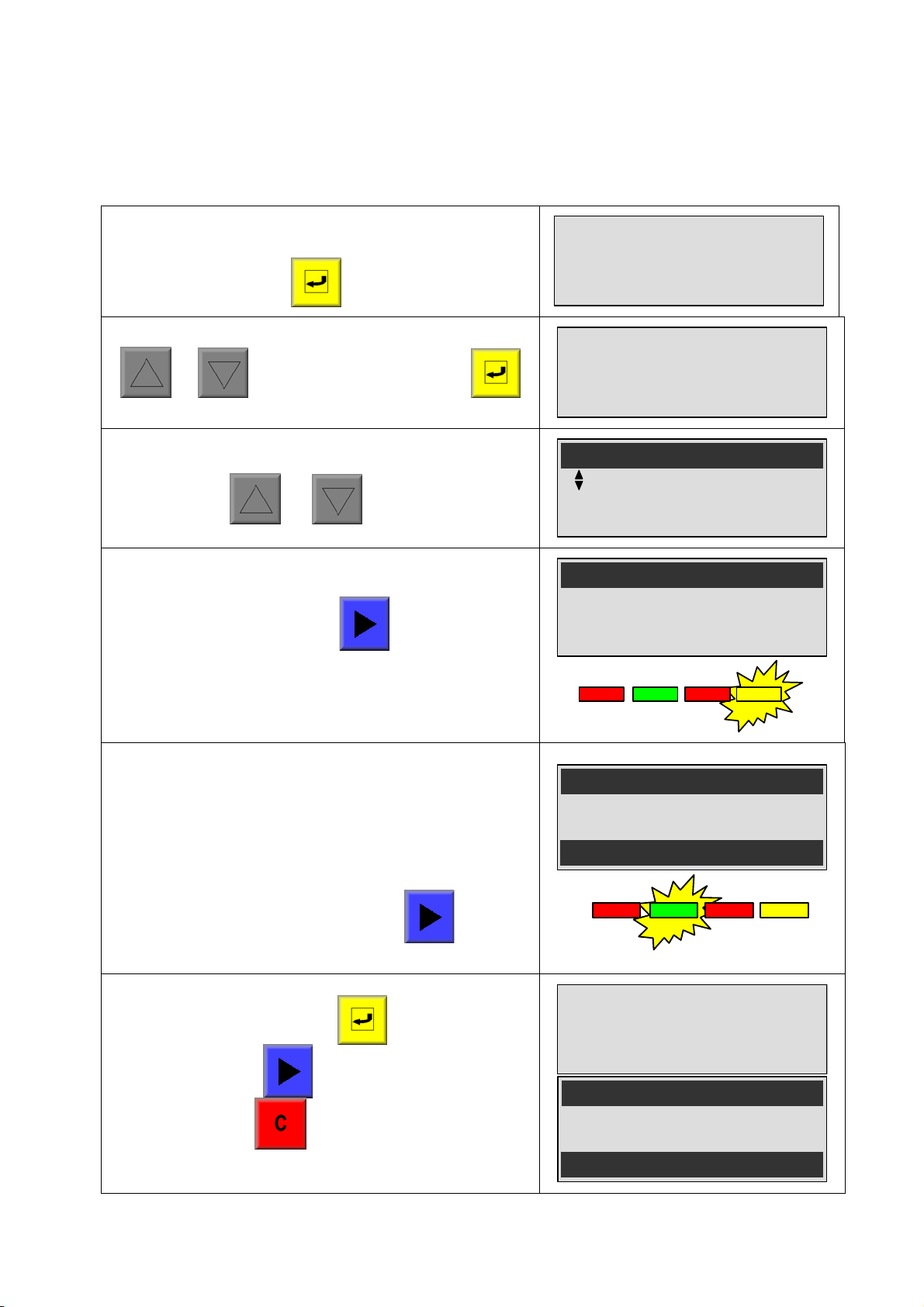
5.1. LAUNCH A TEST
User guide
Step 1 – From the main menu, select the
“VEHICLE SELECTION” menu and validate with
the
key.
Step 2 – Select the vehicle brand by using the
or keys and validate with the
key.
Step 3 – Select the wheel location by using the
or keys.
Step 4 - Hold the tool with in a few inches from the
TPM sensor and press the button. The tool
will begin to transmit some frames and search step
by step between the several sensors types of the
selected brand.
MAIN MENU
> VEHICLE SELECTION
RKE TEST
> FORD TG1C
) : SELECT TIRE
(
LEFT FRONT
(C) : RETURN TO MENU
LEFT FRONT
STEP: 1 of 3
(C) : STOP
TRIGGER PROCESSING
Low Bat Pass Fail Tx
Step 5 – The tool will vibrate after receiving the
sensor information. The tool will store the sensor
results and will display the sensor ID, pressure,
and sensor state of the sensor that is triggered.
If the tool does not receive the correct information,
the fail LED will illuminate and you can restart the
trigger sequence by pressing the
button
again.
Step 6 – Several options: button to select
the next wheel, button to test again the
same wheel or key to return to the main
menu.
LEFT FRONT
84031C3F 32.24 PSI
78°F 1.0 g
BAT:OK 434 MHz
Low Bat
Pass
( ) NEXT
Fail
Tx
RIGHT FRONT
LEFT FRONT
84031C3F 32.24 PSI
78°F 1.0 g
BAT:OK 434 MHz
( ) NEXT
UM-25810A-U User manual ATEQ VT60-S Page 9/34
Page 18
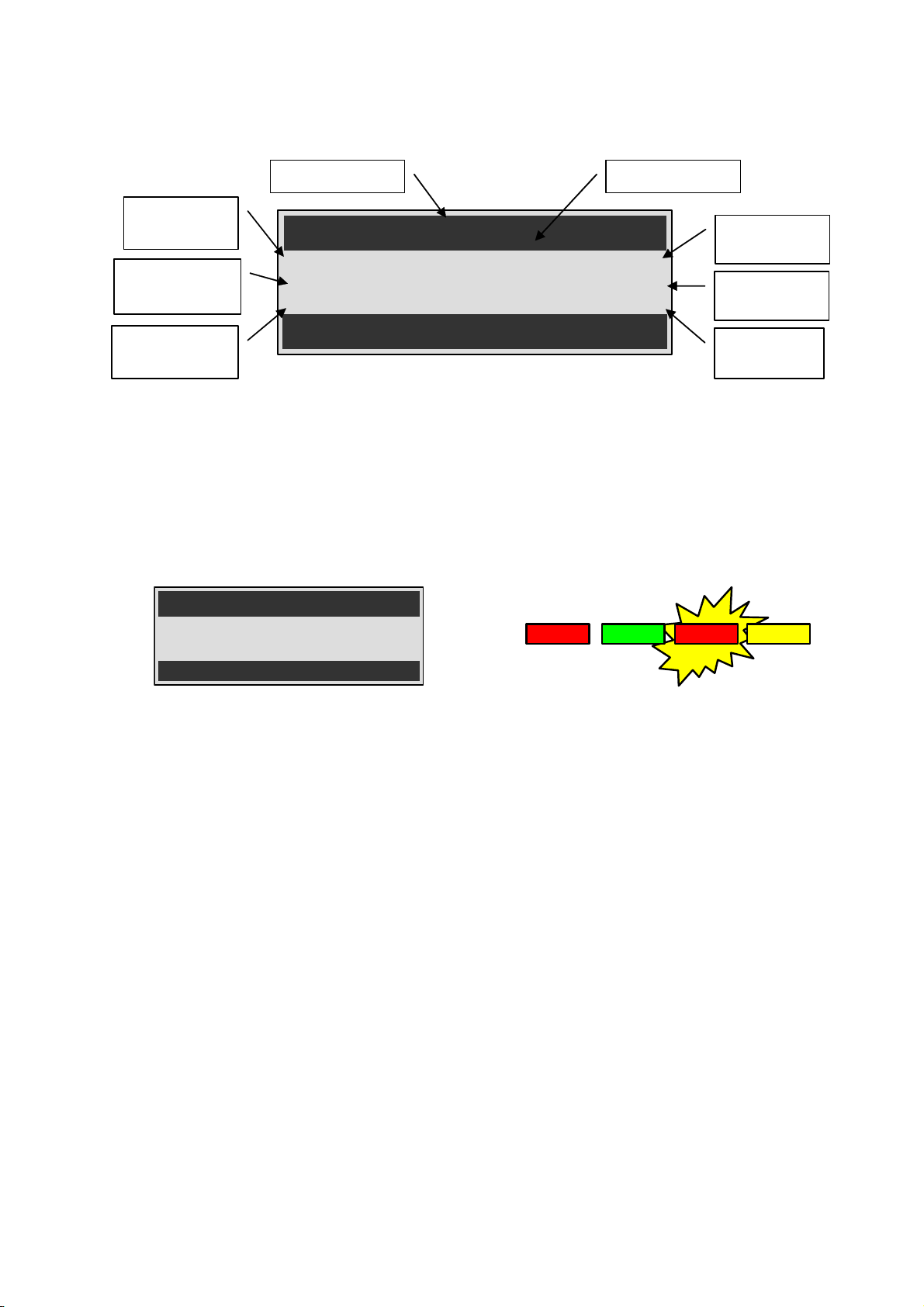
5.2. RESULTS EXPLANATION
FORD
p
FORD
The picture below is an example of a sensor data communication result:
User guide
Sensor
identifier
Internal wheel
temperature
Sensor
battery status
Vehicle brand
LEFT FRONT
84031C3F 32.24 PSI
78°F 1.0 g
BAT:OK 434 MHz
(C) MENU
(T) START
( ) NEXT
Wheel location
Tire internal
ressure
Wheel
acceleration
Transmit
frequency
Warning: depending on sensor model, the information contained in this screen may
vary.
5.3. NO SENSOR RESPONSE
If the instrument doesn’t receive any information from the sensor, or if the sensor is not
compatible with the parameters, after a time out the instrument stops its cycle, the
message “No sensor detected” is displayed and the “Fail” light is on.
LEFT FRONT
NO SENSOR DETECTED
(C) MENU (T) START
Low Bat
Pass
Fail
Tx
UM-25810A-U User manual ATEQ VT60-S Page 10/34
Page 19

6. TESTING A REMOTE KEYLESS ENTRY
SETTINGS
BRAND
P
PRESS KEY FOB BUTTON
H
SETTINGS
This is to test the signal strength (RF) emitted by a remote keyless entry.
Step 1 - Select the “RKE TEST” mode in the main
MAIN MENU
menu with the or keys and validate
VEHICLE SELECTION
> RKE TEST
with the key.
User guide
Step 2 - The tool prompts you to select the car
brand remote key to test and validate with the
key.
Step 3 - Wait a few seconds until a horizontal bar
is displayed.
Step 4 – When the horizontal bar and the
message “Press key fob button” are displayed
hold the Key fob approximately 3 to 6 inches from
the nose (antenna) of the VT60-S. (Press any
button on the key fob).
Step 5 - The intensity of the RF signal force is
indicated on the scale of the horizontal bar. The
greater the RF signal power, the greater the
horizontal bar is filled.
> FORD
RKE TEST
LEASE WAIT...
RKE TEST
RKE TEST
IGH 315 MHz SIGNAL
MAIN MENU
Step 6 - Press the button to return to the
VEHICLE SELECTION
> RKE TEST
main menu.
UM-25810A-U User manual ATEQ VT60-S Page 11/34
Page 20
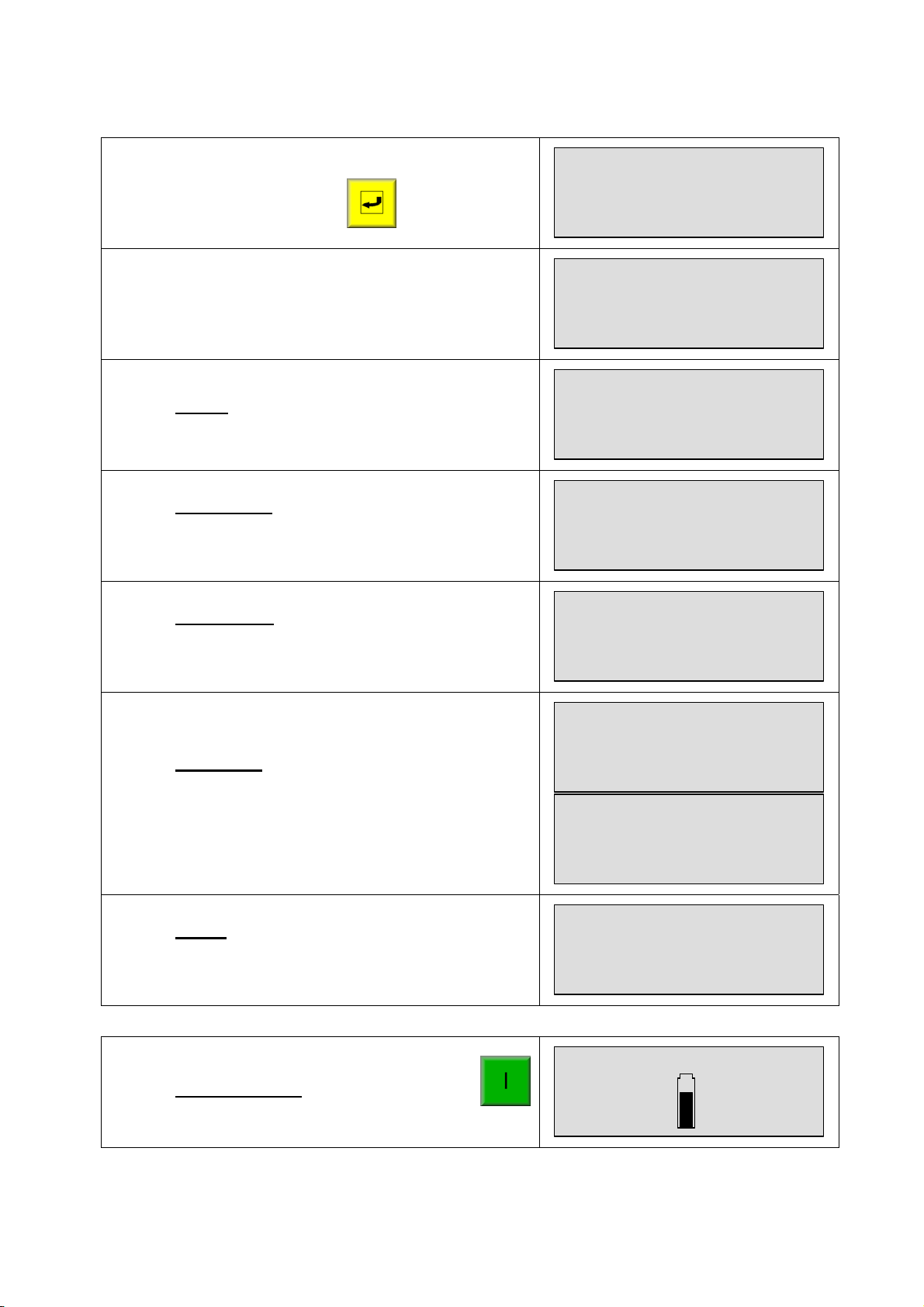
7. SETTING ADJUSTMENT FOR VT60-S
>
SETTINGS
BACK
LIGHT
100 %
BACK
LIGHT
100 %
B
>
BACK
LIGHT
100 %
>
AUTO OFF: DISABLE
D
A
<
>
B
ATTERY
STATUS
User guide
Step 1 – press the select button on settings in the
main menu.
Step 2 – Press the up or down keys until you are
ready to select the feature you would like to adjust.
¾ Units: User can change the unit of result
display among kPa and ° C or PSI and ° F.
¾ Buzzer on: The user can select if the tool
is vibrating after receiving the sensor
information.
¾ Back light: The user can adjust the light
intensity of the display. The back light
increases the battery consumption.
MAIN MENU
VEHICLE SELECTION
RKE TEST
SETTINGS
> UNITS : kPa/°C
BUZZER ON: YES
:
SETTINGS
> UNITS : kPa/°C
BUZZER ON: YES
:
SETTINGS
UNITS : kPa/°C
> BUZZER ON: YES
ACKLIGHT: 100 %
SETTINGS
UNITS : kPa/°C
BUZZER ON: YES
:
¾ Auto Off: The VT60-S tool will turn off
automatically after a preset number of
minutes since the tool has been last used.
This feature can be disabled.
¾ Zone: User can change the choice
between: America, Europe, Asia and
others.
¾ Battery Level: press and hold the
key to check the battery status.
SETTINGS
BUZZER ON: YES
BACK LIGHT: 100 %
SETTINGS
BUZZER ON: YES
BACK LIGHT: 100 %
UTO OFF: 3 mn
SETTINGS
BACK LIGHT: 100 %
AUTO OFF: DISABLED
ZONE : OTHER
UM-25810A-U User manual ATEQ VT60-S Page 12/34
Page 21
User guide
>
S
B
B
>
S
8. PARAMETERS SETTING
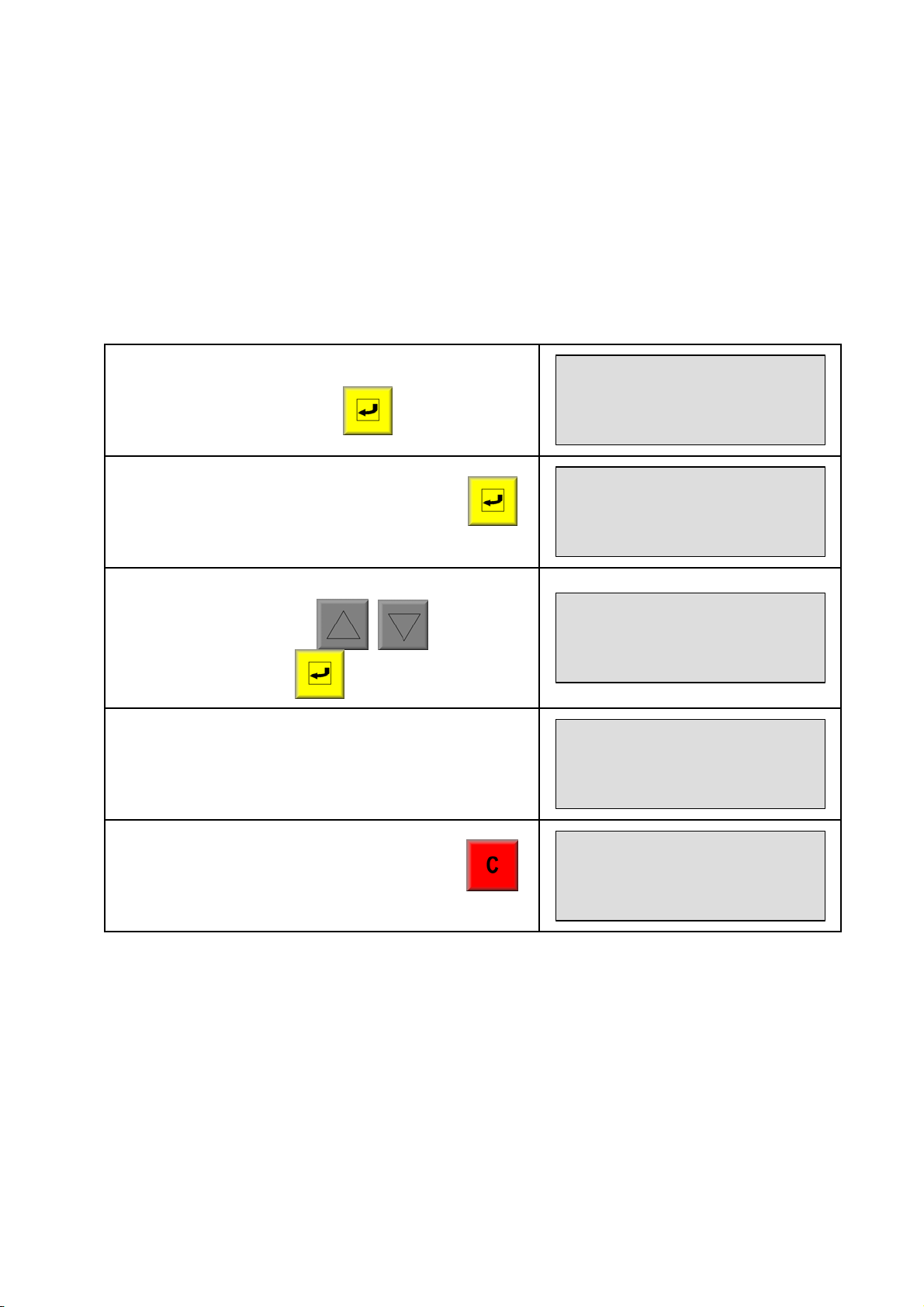
8.1. PRESSURE UNIT
This parameter allows the operator to choose the pressure unit displayed by the
instrument.
8.1.1. You have a choice among kPa/°C or PSI/°F.
From the main menu, access to the settings menu
by pressing the key.
Select UNITS menu and confirm with the
key.
Move the cursor in front of the unit to use by using
the up and down arrows
and confirm
with Key.
The new units are selected.
MAIN MENU
VEHICLE SELECTION
RKE TEST
ETTINGS
SETTINGS
> UNITS : kPa/°C
BUZZER ON : YES
ACKLIGHT : 100 %
UNITS SELECTION
kPa/°C
> PSI/°F
SETTINGS
> UNITS : PSI/°F
BUZZER ON : YES
ACKLIGHT : 100 %
MAIN MENU
Return to the main menu by pressing the
VEHICLE SELECTION
RKE TEST
key.
ETTINGS
Note: Depending on the selected zone, the units automatically adapt. It's possible to
change according to user preferences.
UM-25810A-U User manual ATEQ VT60-S Page 13/34
Page 22
User guide
>
S
B
BACK
LIGHT
100 %
B
>
S
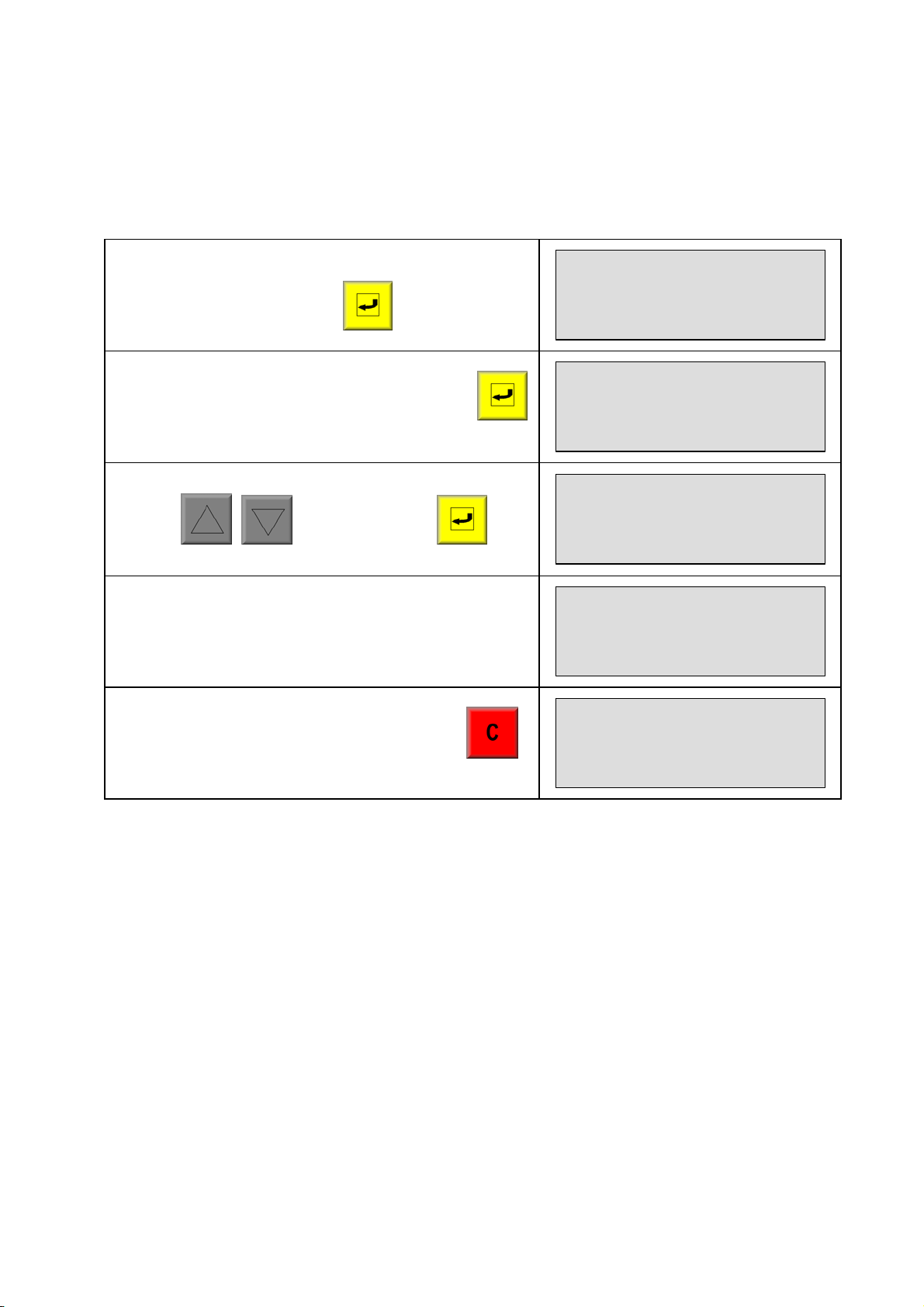
8.2. BUZZER
This parameter allows the user to select if the tool will vibrate after receiving the sensor
information.
You have a choice among YES or NO.
From the main menu, access to the settings menu
by pressing the key.
Select BUZZER menu and confirm with the
key (the cursor goes on the right side).
Select YES or NO by using the up and down
arrows
and confirm with Key
(the cursor return to the left side).
The new option is selected.
Return to the main menu by pressing the
key.
MAIN MENU
VEHICLE SELECTION
RKE TEST
ETTINGS
SETTINGS
UNITS : kPa/°C
> BUZZER ON : YES
ACKLIGHT : 100 %
SETTINGS
UNITS : kPa/°C
BUZZER ON : YES <
:
SETTINGS
UNITS : PSI/°F
> BUZZER ON : NO
ACKLIGHT : 100 %
MAIN MENU
VEHICLE SELECTION
RKE TEST
ETTINGS
UM-25810A-U User manual ATEQ VT60-S Page 14/34
Page 23
User guide
>
S
>
B
B
<
>
S
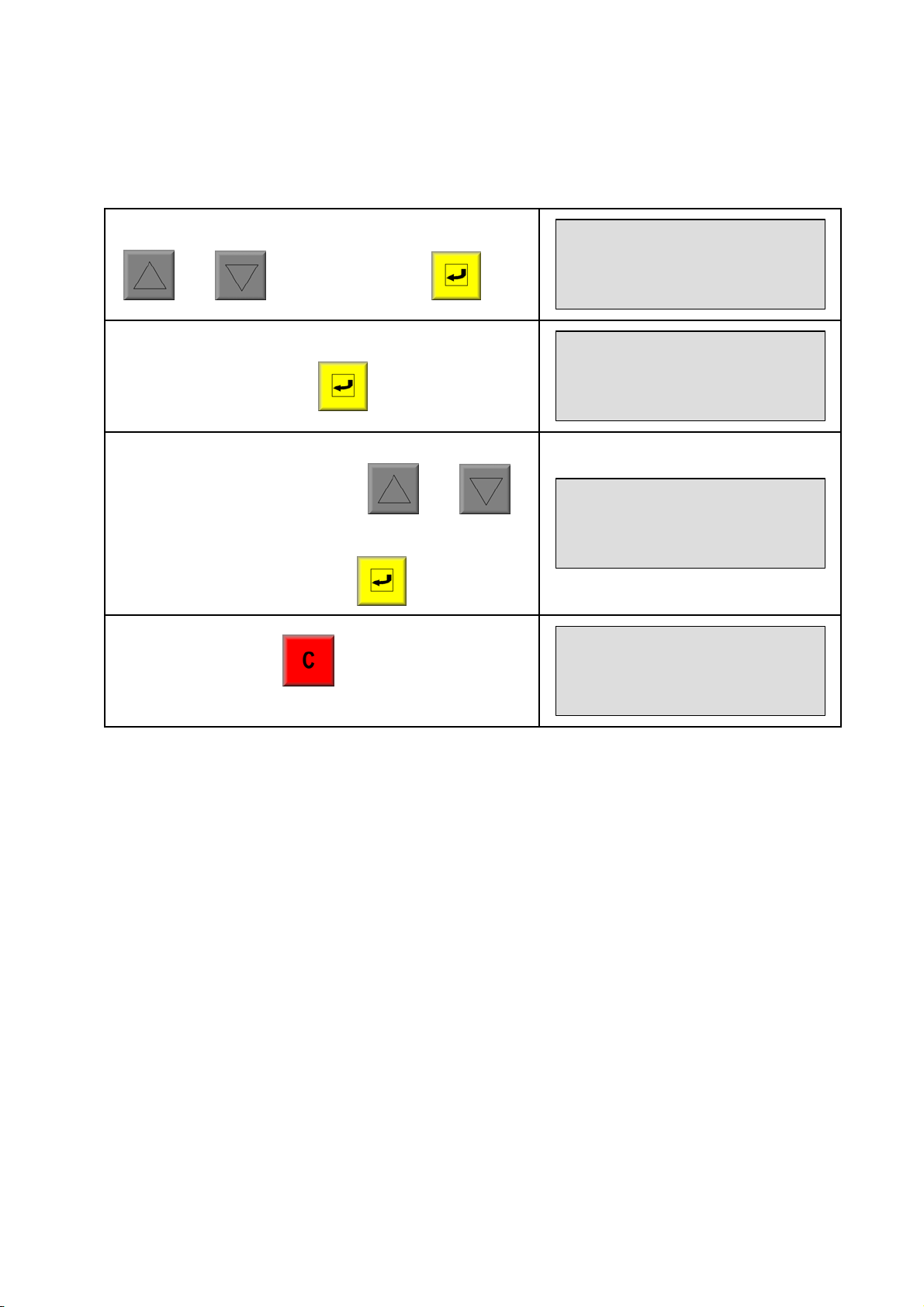
8.3. BACK LIGHT
The “BACK LIGHT” function allows the user to adjust the light intensity of the display.
The back light increases the battery consumption.
Step 1 - Select the “SETTINGS” menu by using the
and keys and press the key.
Step 2 - Select the “BACK LIGHT” parameter and
press the key.
Step 3 - The cursor position moves to the right of
the screen and by using the and
keys, adjust the back light intensity. Choose
between 1 to 100 percent in 1 percent increments
and then press the key.
Step 4 - Press the button to return to the
main menu.
MAIN MENU
VEHICLE SELECTION
RKE TEST
ETTINGS
SETTINGS
UNITS : kPa/°C
BUZZER ON : YES
ACKLIGHT : 100 %
SETTINGS
UNITS : kPa/°C
BUZZER ON : YES
ACKLIGHT : 70 %
MAIN MENU
VEHICLE SELECTION
RKE TEST
ETTINGS
UM-25810A-U User manual ATEQ VT60-S Page 15/34
Page 24
User guide
>
S
>
A
D
A
D
<
A
m
n <
>
SETTINGS
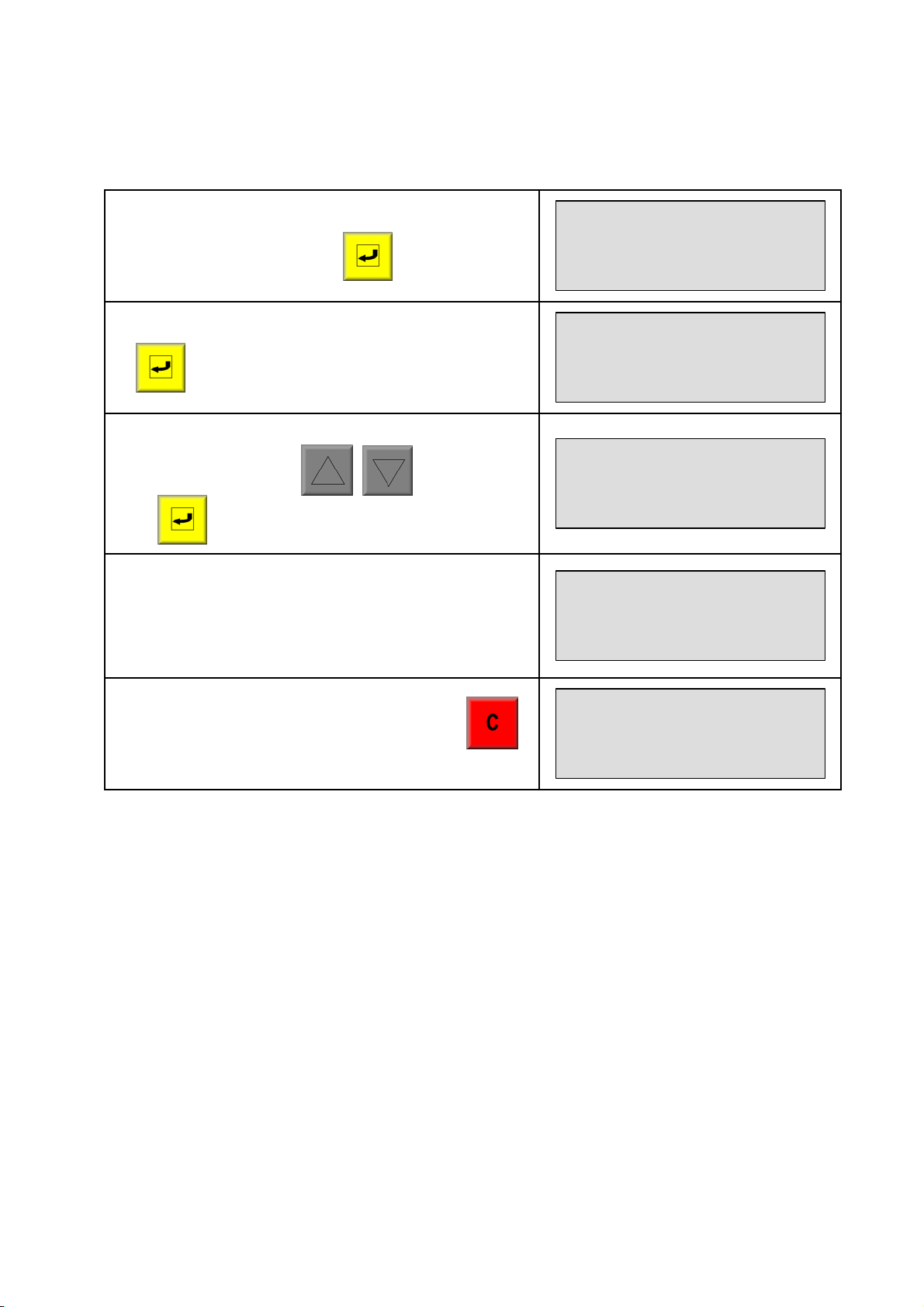
8.4. AUTO OFF PARAMETER
This function is used to turn off the instrument after a programmed time without use.
The programmed time is between 1 and 60 minutes or never.
From the main menu, access to the settings menu
by pressing the key.
Select AUTO OFF menu and confirm with the
key (the cursor goes on the right side).
Configure a new timing for the auto off by using the
up and down arrows
and confirm
with Key (the cursor return to the left side).
The new timing is validated.
Note: to have a disable AUTO OFF function,
configure the timing under 1 minute then DISABLE
is displayed.
MAIN MENU
VEHICLE SELECTION
RKE TEST
ETTINGS
SETTINGS
BUZZER ON : YES
BACK LIGHT : 100 %
UTOOFF : DISABLE
SETTINGS
BUZZER ON : YES
BACK LIGHT : 100 %
UTOOFF : DISABLE
SETTINGS
BUZZER ON : NO
BACK LIGHT : 100 %
UTO OFF : 10
Return to the main menu by pressing the
key.
MAIN MENU
VEHICLE SELECTION
RKE TEST
UM-25810A-U User manual ATEQ VT60-S Page 16/34
Page 25
User guide
>
S
>
:
E
A
>
SETTINGS
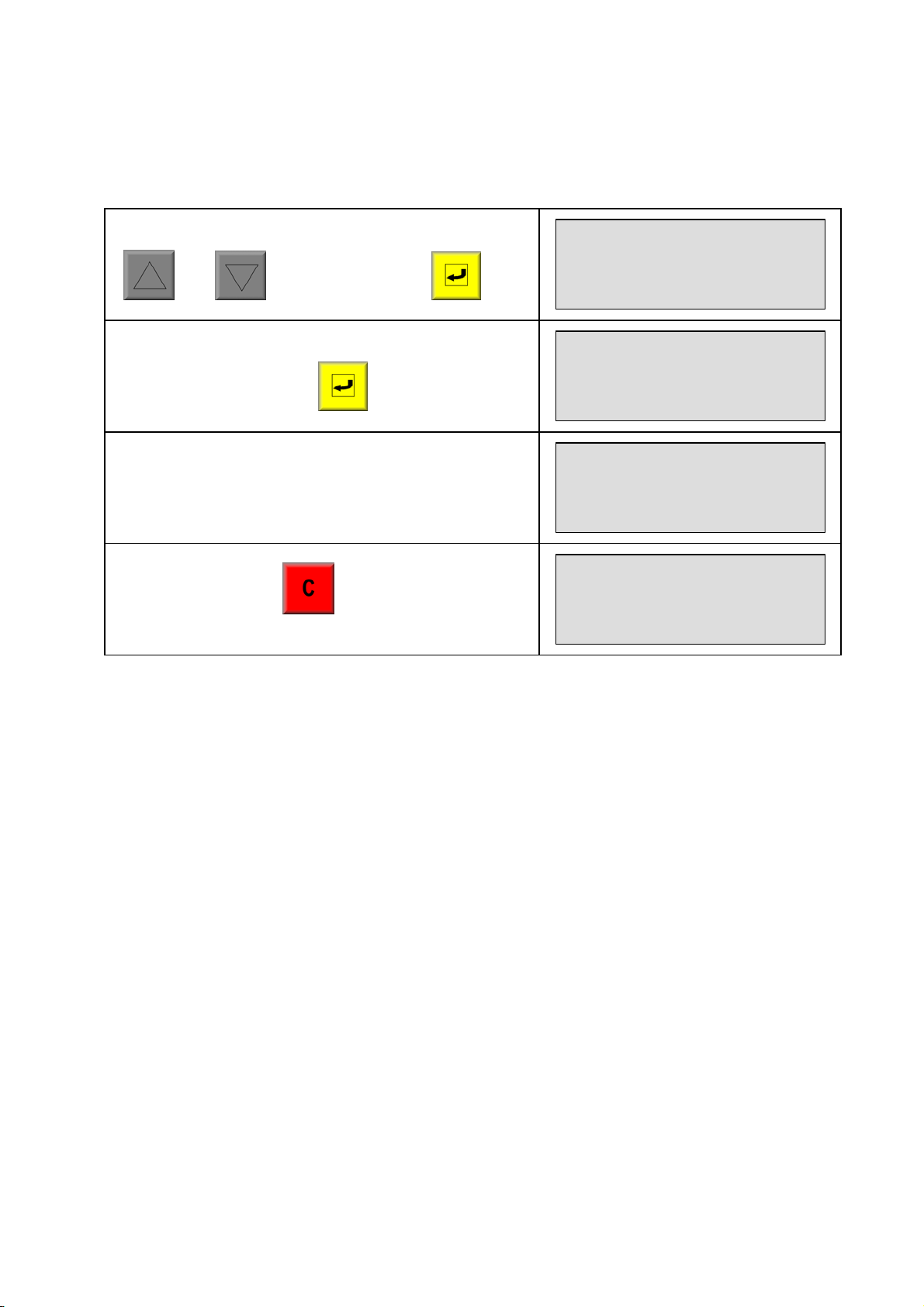
8.5. ZONE
The parameter “ZONE” allows the user to select the geographic location of the vehicles
being tested.
Step 1 - Select the “SETTINGS” menu by using the
and keys and press the key.
Step 2 - Select the “COUNTRY” parameter and
press the key.
Step 3 - Then select the region between
AMERICA, EUROPE, ASIA or OTHER.
Step 4 - Press the button to return to the
main menu.
MAIN MENU
VEHICLE SELECTION
RKE TEST
ETTINGS
SETTINGS
BACK LIGHT : 100 %
AUTO OFF : DISABLED
ZONE
UROPE
SELECTION
AMERICA
> EUROPE
SIA
MAIN MENU
VEHICLE SELECTION
RKE TEST
UM-25810A-U User manual ATEQ VT60-S Page 17/34
Page 26

User guide
9. FEATURES
9.1. RADIO FREQUENCIES
The awakening transmission frequency is: 125 kHz (LF).
The reception frequencies are: 433 MHz and/or 315 MHz (VHF) following the
geographic zones.
9.2. TYPE OF SENSOR
This instrument is designed and can be used for the measurement of any requested
sensors.
UM-25810A-U User manual ATEQ VT60-S Page 18/34
Page 27
User guide
10. OBD TRANSFER (OPTION)
10.1. PRESENTATION
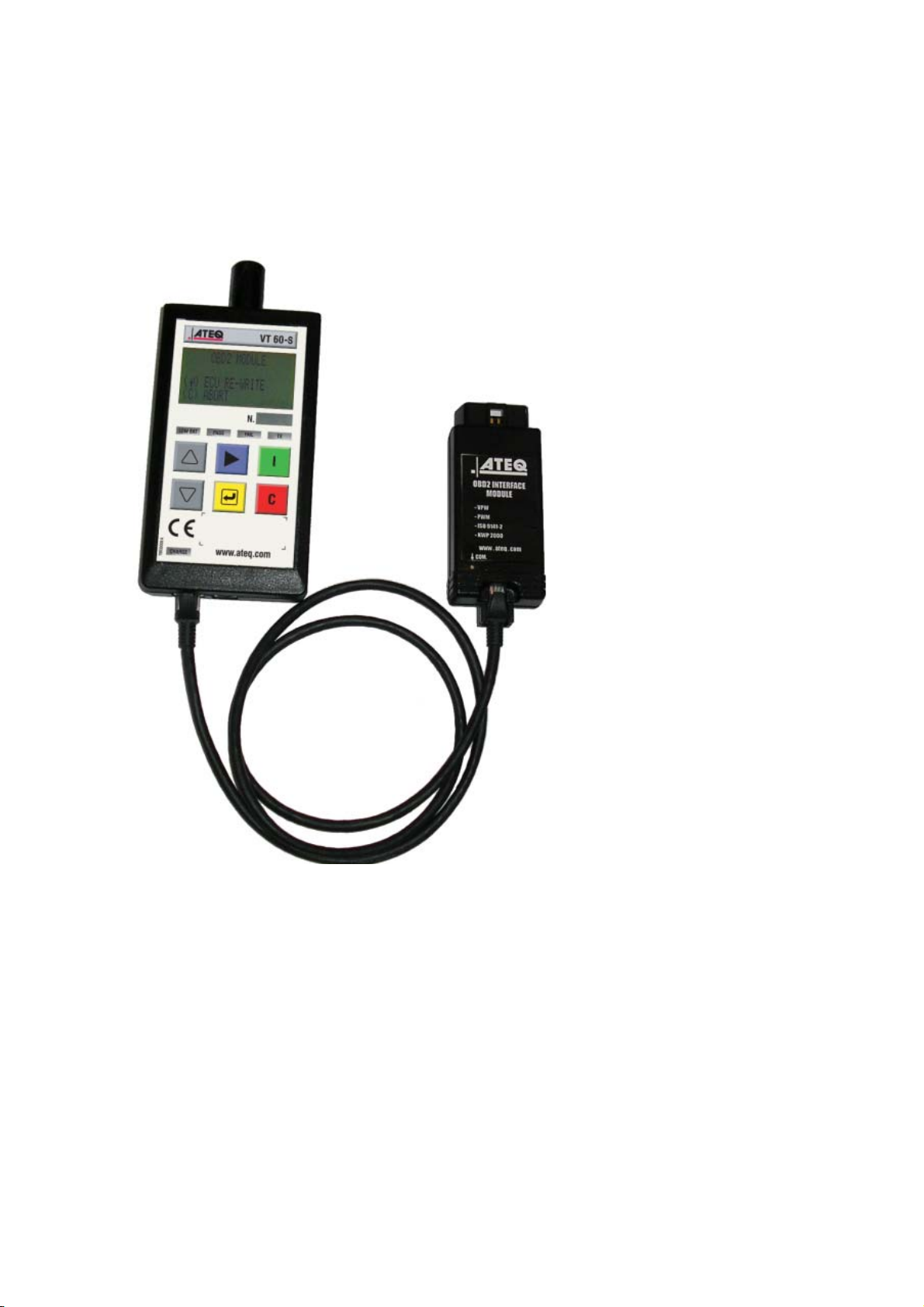
The information captured by the tool can be transferred to the vehicle ECU* (option with
the OBD interface).
*ECU = Engine Control Unit.
The VT60-S device with OBD
operation is supplied in option
with an OBD interface.
UM-25810A-U User manual ATEQ VT60-S Page 19/34
Page 28
User guide
10.2. OPERATION
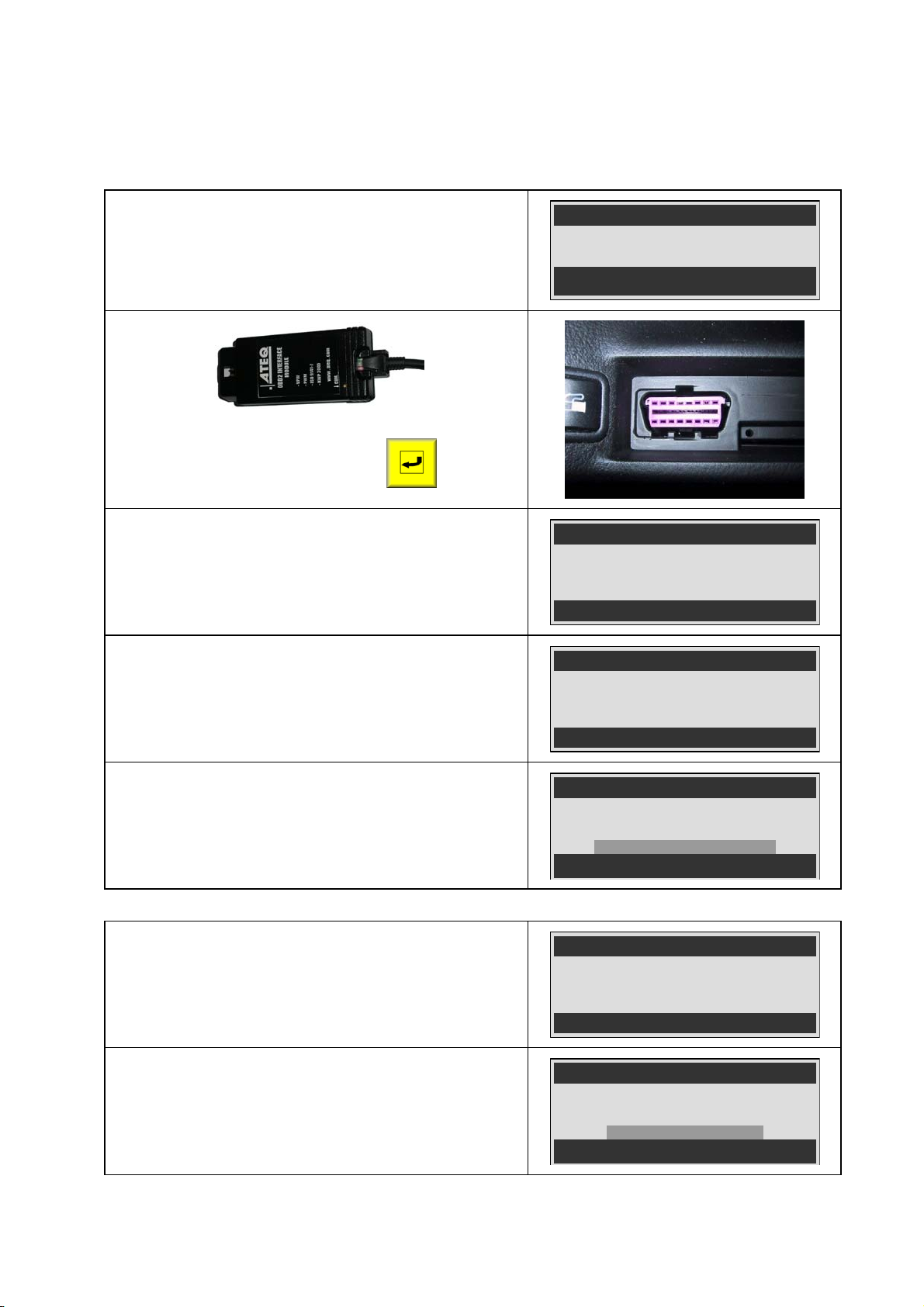
First, start the acquisition of the four wheels sensors of the car (see paragraph 4
“Testing a TPM sensor”).
Tthe detection is automatic at the connection of
the OBD2 module to the VT60-S device. The
OBD2 module menu is displayed. When this
message appears, turn on the vehicle ignition
key.
Connect the OBD2 module to the vehicle ECU
connector then confirm with Key.
The device is connecting to the ECU.
OBD2 MODULE
TURN IGNITION ON THEN
CONNECT OBD2 MODULE
()RUN (C) ABORT
OBD2 MODULE
CONNECTING ...
(C) STOP
Transmit the data in the ECU.
When the transfer is carried out, the message
SUCCESSFUL TRANSFER is displayed, the new
sensors data are correctly transferred. Turn the
ignition key off and disconnect the OBD2 module
from the vehicle.
If the connection is fail or if the ignition key is not
turned on this message appears.
If there a failure in the data transfer, the message
TRANSFER FAILURE appears, check the
connections and try again from acquisition of the
four wheels sensors data.
OBD2 MODULE
CONNECTED ...
SENDING
(C) STOP
OBD2 MODULE
CONNECTED
TRANSFER OK
VERIFY OK
SUCCESSFUL TRANSFER
(C) MENU
OBD2 MODULE
CONNECT MODULE
AND CHECK
IGNITION KEY POSITION
(C) MENU
OBD2 MODULE
CONNECTED
TRANSFER ERROR
TRANSFER FAILURE
(C) MENU
UM-25810A-U User manual ATEQ VT60-S Page 20/34
Page 29

11. ERROR MESSAGES
FORD
FORD
NO SENSOR DETECTED
User guide
Il n'y a eu aucune information de retour de la valve.
Actions:
1) Try again the test and modify the position of the
device on the wheel.
2) Check the vehicle brand and the selected zone.
3) Change the sensor by a new one.
DUPLICATE SENSOR
The detected sensor is still recorded for another wheel.
Actions:
1) Test another wheel.
LEFT FRONT
NO SENSOR DETECTED
(C) MENU
START
RIGHT FRONT
() NEXT
DUPLICATE SENSOR
(C) MENU
START
() NEXT
UM-25810A-U User manual ATEQ VT60-S Page 21/34
Page 30

12. TROUBLESHOUTINGS AND SOLUTIONS
Troubleshooting Possible cause and solution
1) The battery is empty. Charge completely
the battery and try again.
My device does not switch on.
2) If it doesn’t start after charging, contact
ATEQ after sales service.
1) The car brand selected is a wrong one.
Check the car brand selected in the device, it
must be the same than the controlled car.
2) The selected zone is not the same of the
My device doesn’t detect sensor or no
information returns from the sensor.
car origin. Check the configured zone in the
device, if it not the right one, it won't be the
right communication frequency.
3) No sensors in he wheels. Check the
presence of sensors in the wheels.
User guide
The brand doesn't exist in my device, I
can't run a control.
My device can't be updated.
My device doesn't communicate with
my PC.
My device won't transfer the data to
the ECU.
4) The sensor is out of services, change it.
1) The device is not updated. Possibility of
later up date, check with the WebVT software
for updates.
1) The subscription date is expired. Check the
subscription date validation, if the date is
expired, you may get a new subscription.
2) Check Internet connection.
1) A wrong communication port is selected.
Check the communication port for the USB
wire.
1) The communication is not right. Check the
connection of the OBD2 module to the car
connector.
2) The ECU is not switched on. Check the
position of the ignition key that must be on.
UM-25810A-U User manual ATEQ VT60-S Page 22/34
Page 31
User guide
13. PROGRAM AND DRIVERS INSTALLATION
For this device, the connections for update are carried out by the USB connector.
13.1. INSTALLATION UNDER WINDOWS© VISTA
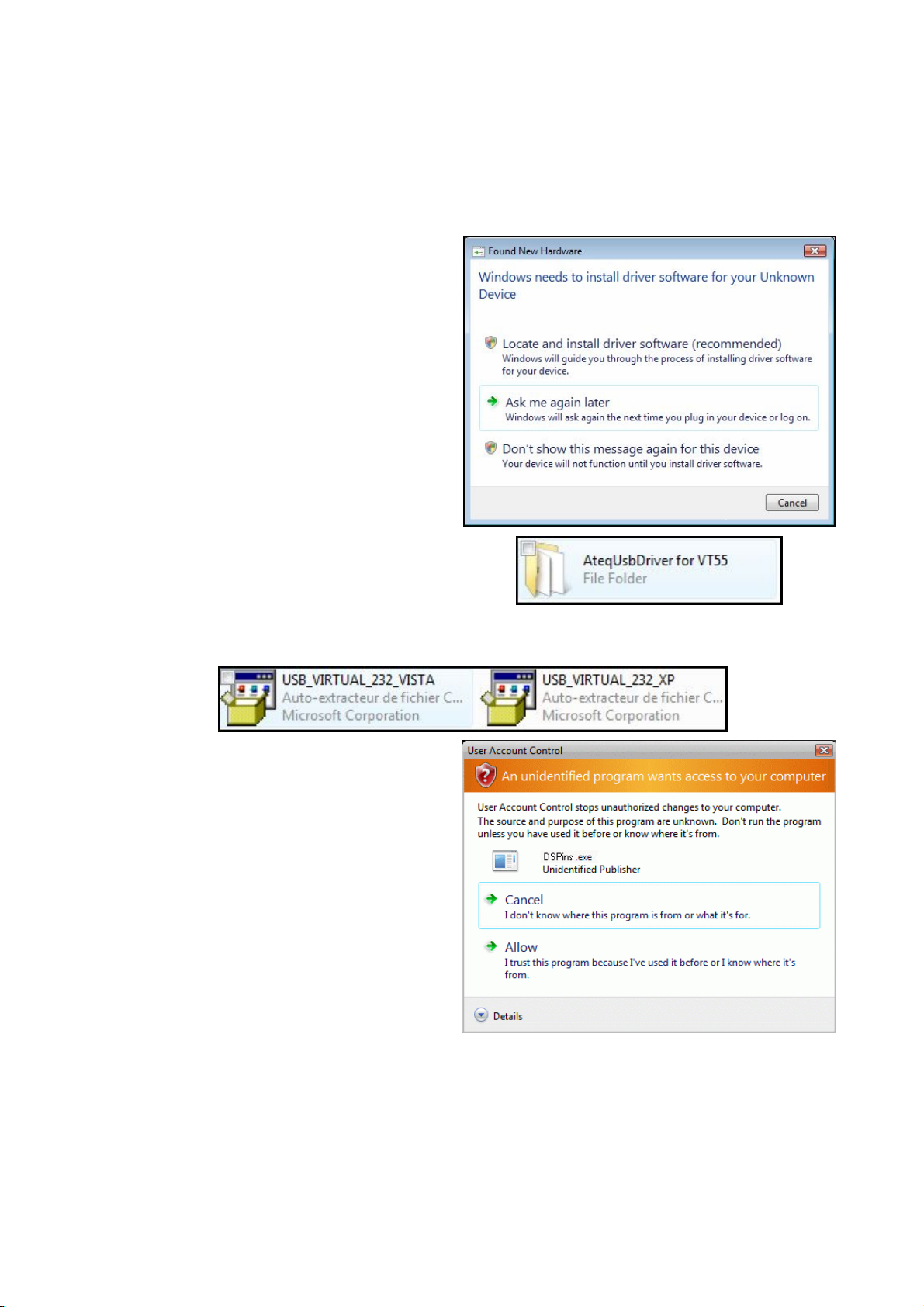
1) Please insert the CD that was
provided with the VT60-S.
2) Connect the USB wire to the USB
connector of your PC and VT60-S.
3) Then turn on the instrument.
4) The following window will appear.
Click the “Cancel” button in the
bottom right corner of the screen.
5) In the CD drive, open the file
“AteqUsbDriver for VT60-S”.
6) The following screen will appear. Depending on your operating system, open the
file for “XP” or “VISTA”. For XP see paragraph 13.2.
7) Using “VISTA” file as an example,
the following window may appear.
Select “Allow”.
UM-25810A-U User manual ATEQ VT60-S Page 23/34
Page 32
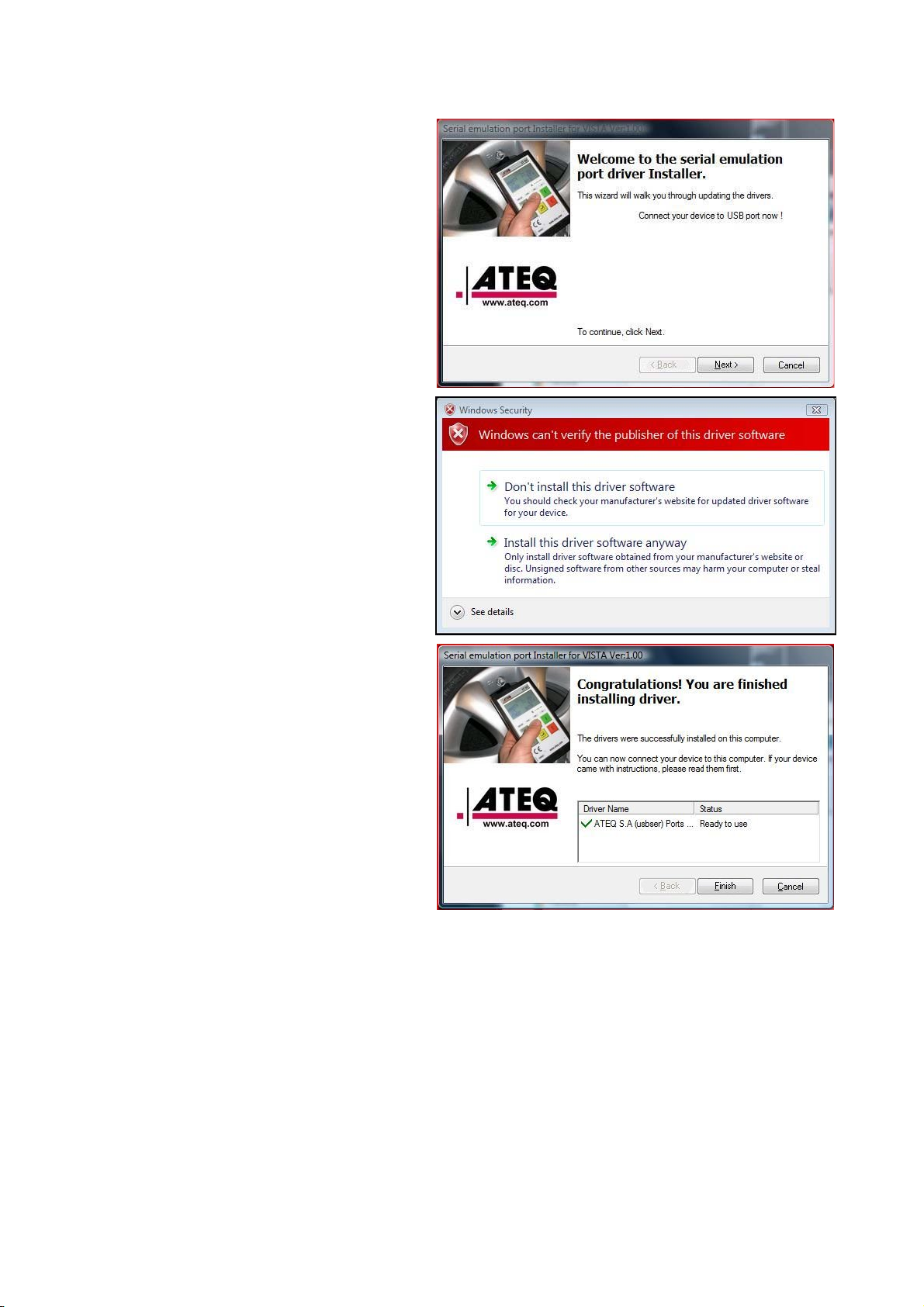
8) The following window will
appear, click “Next >” to
continue and follow the
onscreen instructions to
complete.
User guide
9) Click “Install driver software
anyway” if this appears.
10)When the drivers are
successfully installed, the
following window will appear.
Click “Finish”.
UM-25810A-U User manual ATEQ VT60-S Page 24/34
Page 33
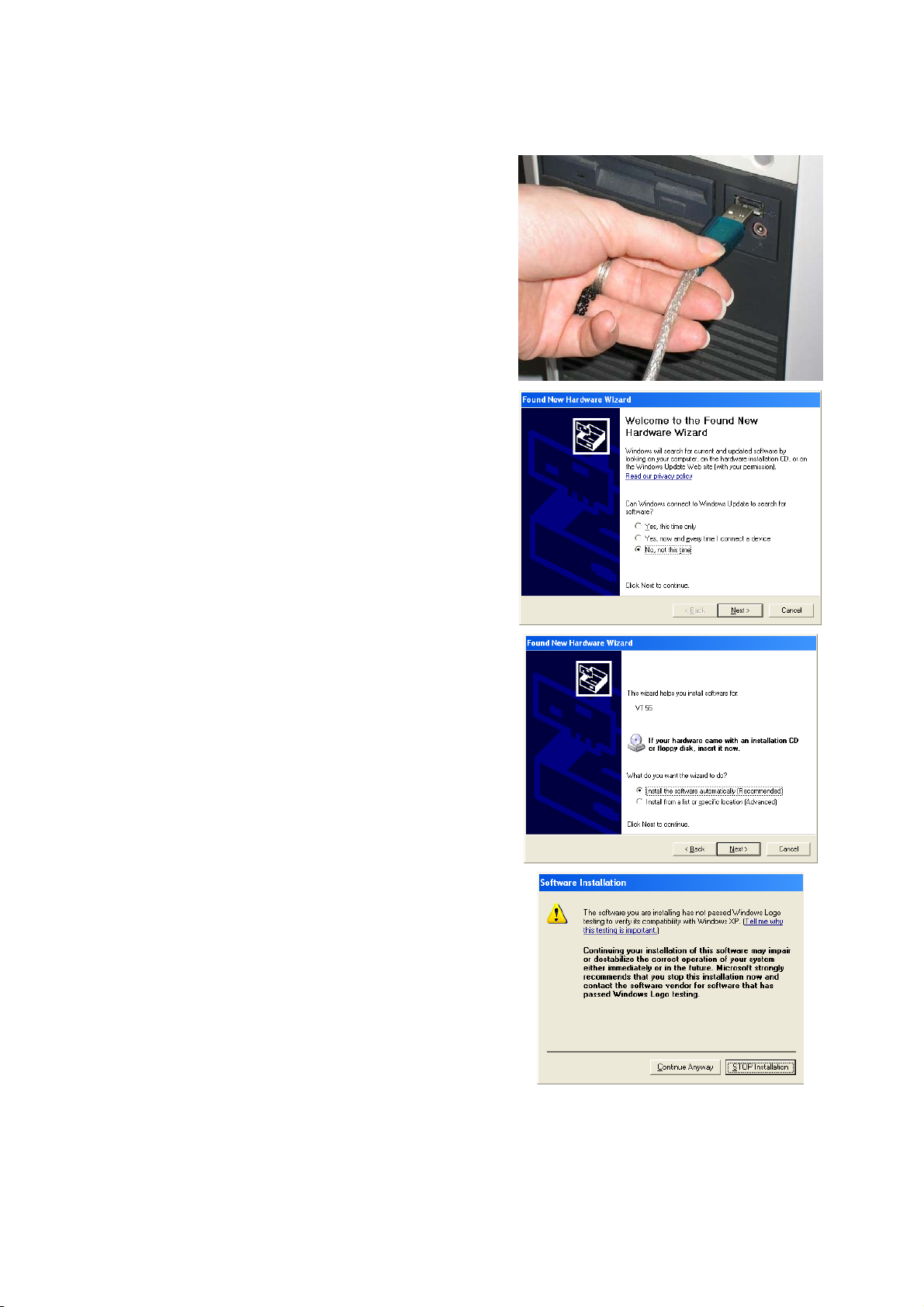
13.2. INSTALLATION UNDER WINDOWS© XP
1) Connect the USB wire to the USB
connector of your PC and on the VT60-S
device.
2) Switch on the device.
3) The following window appears, select “No,
not this time” and click on the “Next >”
button.
User guide
4) Select the “Install the software
automatically (recommended)” option and
click on the “Next >” button.
5) When this window appears, click on the
“Continue anyway” button.
UM-25810A-U User manual ATEQ VT60-S Page 25/34
Page 34
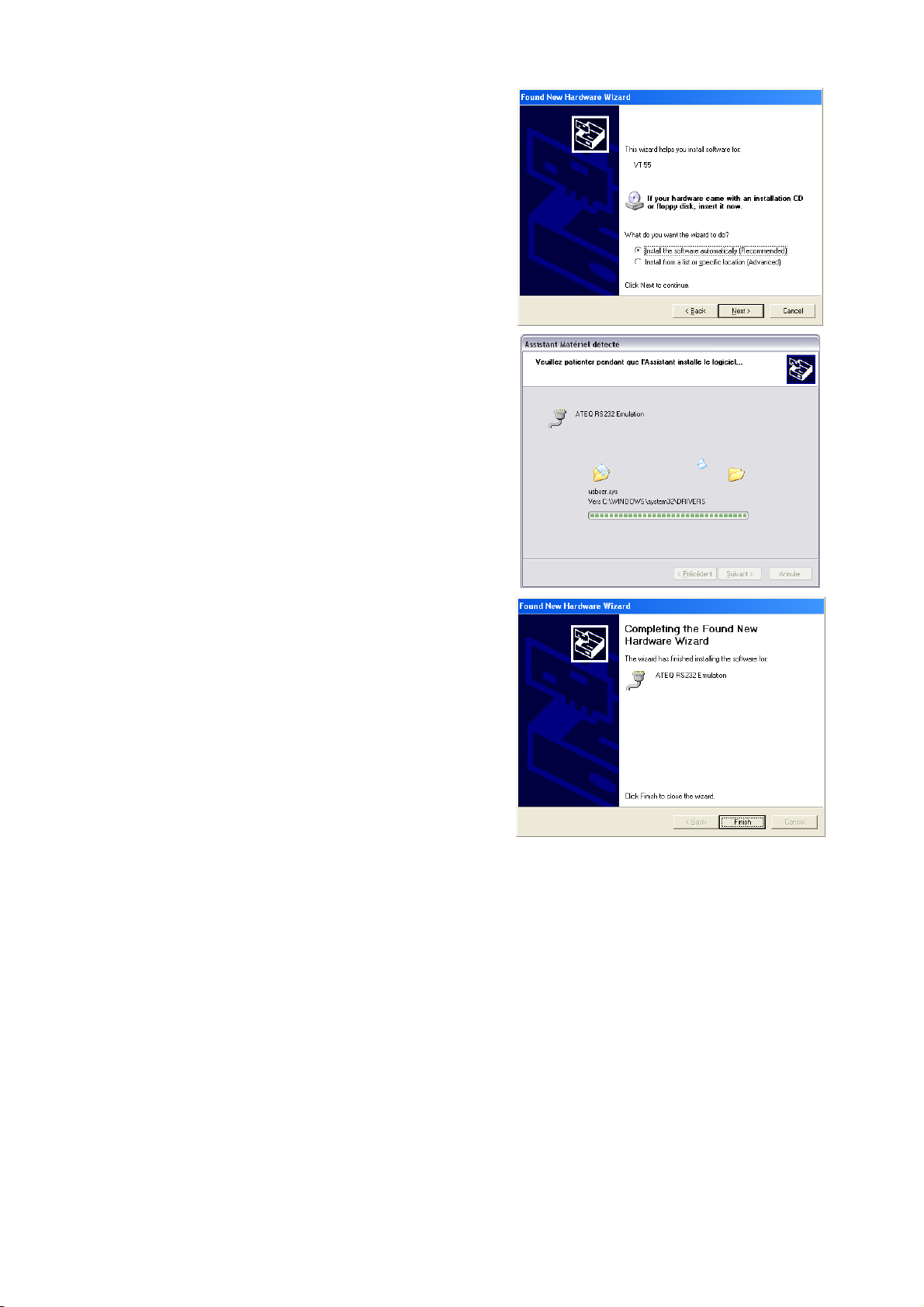
6) Please insert the CD that was provided with
the VT60-S.
7) Then drivers are installed.
User guide
8) Congratulations, the VT60-S device is
ready to be updated. Click on the “Finish”
button.
UM-25810A-U User manual ATEQ VT60-S Page 26/34
Page 35

Appendices
ATEQ VT60-S
1. TECHNICAL CHARACTERISTICS
Appendices
Case dimensions
H x L x P (mm) :
Power supply:
Battery:
Autonomy:
Charging time:
Electrical connections:
Display:
Weight (kg): About 310 g.
(184 x 82 x 34 with antenna)
24 V DC power supply
Rechargeable Lithium-Ion Battery
About 8 hours following standard use
and about 3 hours following intensive
Complete charge about 90 minutes
maximum (no use during the charge).
4 lines L.C.D. 65 mm x 32 mm
VT60-S
152 x 82 x 34
use.
RS232 or USB
Temperatures:
Operational: + 5°C to + 45°C
Storage: 0°C to + 60 °C
Relative humidity: 70 to 80 %
UM-25810A-U User manual ATEQ VT60-S Page 27/34
Page 36
2. SECURITY, CARE AND RECYCLING
2.1. SECURITY
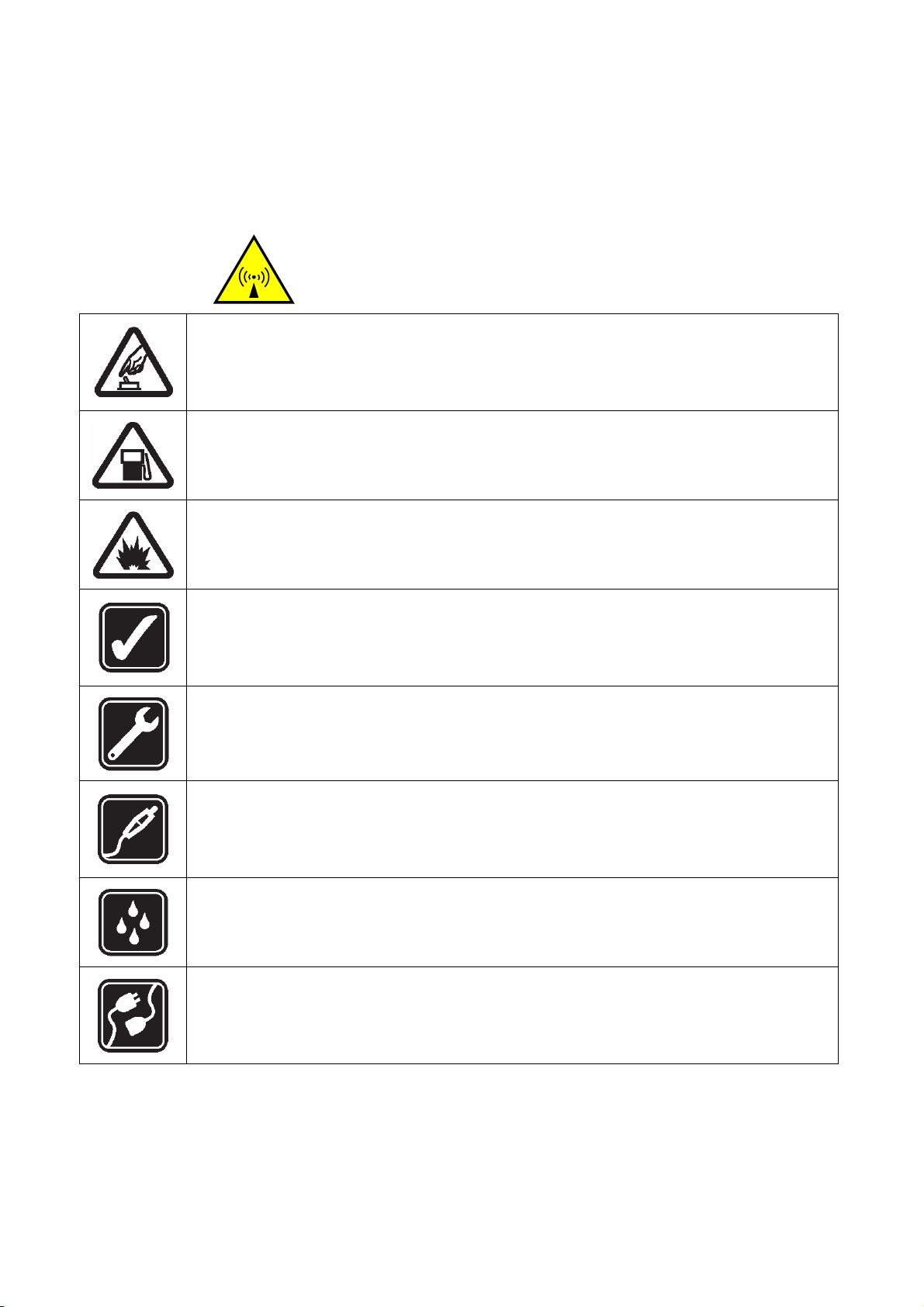
This device is a radio transmitter and receiver.
SWITCH ON SAFELY
Do not switch on the device when wireless tool is prohibited or when it may cause
interference or danger.
SWITCH OFF WHEN REFUELLING
Do not use the device at a refuelling point. Do not use near fuel or chemicals.
Appendices
SWITCH OFF NEAR BLASTING
Follow any restrictions. Do not use the device where blasting is in progress.
USE SENSIBLY
Use only in the normal position as explained in the product documentation. Do not
touch the antenna unnecessarily.
QUALIFIED SERVICE
Only qualified personnel may install or repair this device.
EHANCEMENTS AND BATTERIES
Use only approved enhancements and batteries. Do not connect incompatible
products.
WATER-RESISTANCE
The device is not water-resistant. Keep it dry.
CONNECTING TO OTHER DEVICES
When connecting to any other device, read its user guide for detailed safety
instructions. Do not connect incompatible products.
UM-25810A-U User manual ATEQ VT60-S Page 28/34
Page 37

Appendices
2.2. CARE AND MAINTENANCE
This device is a product of superior design and craftsmanship and should be treated with care. The
suggestions below will help you protect your warranty coverage
• Keep the device dry. Precipitations, humidity and all types of liquids or moisture can contain
minerals that will corrode electronic circuits. If your device does get wet, remove the battery and
allow the device to dry completely before replacing it.
• Do not use or store the device in dusty, dirty areas. Its electronic components can be damage.
• Do not store the device in hot areas. High temperatures can shorten the life of electronic
devices, damage batteries and warp or melt certain plastics.
• Do not store the device in cold areas. When the device returns to its normal temperature,
moisture can form inside the device and damage electronic circuit boards.
• Do not attempt to open the device other than instructed in this guide.
• Do not drop, knock or shake the device. Rough handling can break internal circuit boards and
fine mechanics.
• Do not use harsh chemicals, cleaning solvent or strong detergent to clean the device.
• Do not paint the device. Paint can clog the moving parts and prevent proper operation.
• Do not touch the main display with hard or angular materials. Objects like earrings or jewellery
may scratch the display.
• Use a soft, clean, dry cloth to clean the device.
• Use only the supplied antenna. Unauthorized antennas, modifications or attachments could
damage the device and may violate regulations governing radio devices.
All of the above suggestions apply equally to your device, battery or any enhancements. If any
device is not working properly, take it the nearest ATEQ service facility for service.
2.3. CERTIFICATION INFORMATION (SAR)
This device meets guidelines for exposure to radio waves.
This device is a radio transmitter and receiver. It is designed not to exceed the limits for exposure
to radio waves recommended by international guidelines. These guidelines were developed by the
independent scientific organization ICNIRP and include safety margins designed to assure the
protection off all persons, regardless of age and health.
For further information see ICNIRP "guidelines for limiting exposure to time-varying electric,
magnetic and electromagnetic fields (up to 300 GHz)" or contact ATEQ.
The SAR value for this device is less than 5A/m. This value is the reference level for general public
exposure to time varying electric and magnetic fields (unperturbed rms values) for the 3 – 150 kHz
frequency range.
UM-25810A-U User manual ATEQ VT60-S Page 29/34
Page 38

Appendices
2.4. SAFETY INFORMATIONS
Your device and its enhancements may contain small part. Keep them out of the reach of small
children.
Operating environment
Remember to follow any special regulations in force in any area, and always switch off your device
when its use is prohibited or when it may cause interference or danger. Use the device only in its
normal operating positions.
Potentially explosive environments
Switch of the device in any area with a potentially explosive atmosphere and obey all signs and
instructions. Potentially explosives atmospheres include areas where you would normally be
advised to turn of vehicles engines. Sparks in such areas could cause an explosion or fire resulting
in bodily injury or even death. Switch of the device at refuelling points such as near gas pumps at
service stations. Observe restrictions on the use of radio equipments in fuel depots, storage, and
distribution areas; chemicals plants; or where blasting operation are in progress. Areas with
potentially explosive atmosphere are often but not always clearly marked. They included chemicals
transfer or storage facilities, vehicle using liquefied petroleum gas (such as butane or propane),
and areas where the air contains chemicals or particles such as grain, dust or metal powders.
About Charging
Use only the charger supplied with your device. Use of another type of charger will result in
malfunction and/or danger.
Use a specified battery in the equipment.
About the Charger
Do not use the charger in a high moisture environment. Never touch the charger when your hands
or feet are wet.
Allow adequate ventilation around the charger when using it to operate the device or charge the
battery. Do not cover the charger with paper or other objects that will reduce cooling. Do not use
the charger while it is inside a carrying case.
Connect the charger to a proper power source. The voltage requirements are found on the product
case and/or packaging.
Do not use the charger if the cord becomes damaged.
Do not attempt to service the unit. There are no serviceable parts inside. Replace the unit if it is
damaged or exposed to excess moisture.
About the Battery
CAUTION: This unit contains an internal Lithium Ion battery, it is replaceable only by the
competent ATEQ personnel. The battery can burst or explode, releasing hazardous chemicals. To
reduce the risk of fire or burns, do not disassemble, crush, puncture, or dispose of in fire or water,
do not short-circuit or connect the contacts with a metal object.
Use a specified charger approved by the ATEQ manufacturer.
Important instructions (for service personnel only)
CAUTION: Risk of explosion if battery is replaced by an incorrect type. Dispose of used batteries
according to the instructions.
Replace only with the same or equivalent type recommended by the manufacturer.
Use the battery only in the specified equipment.
The battery must be recycled or disposed of properly.
UM-25810A-U User manual ATEQ VT60-S Page 30/34
Page 39
Appendices
2.5. RECYCLING
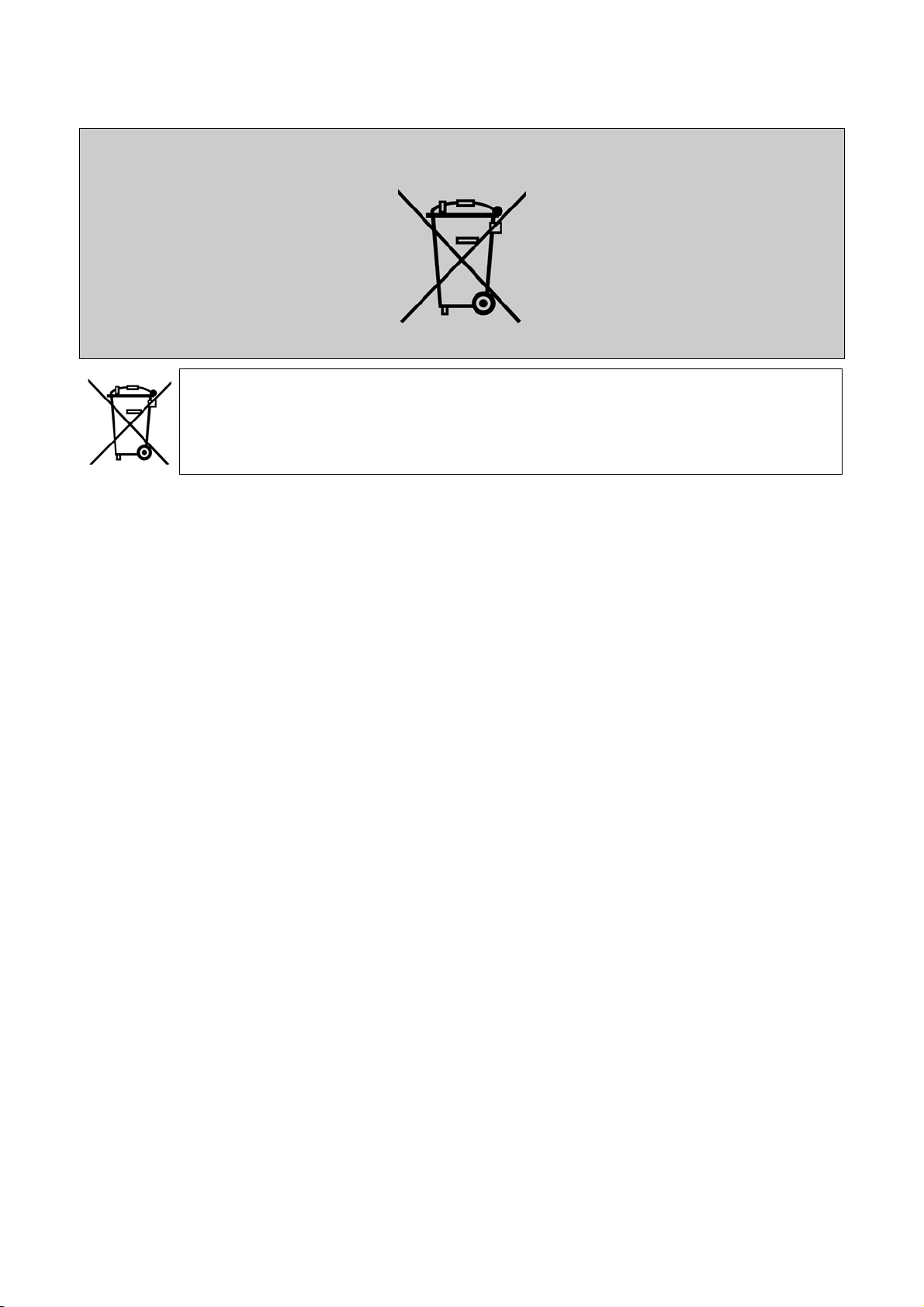
Do not dispose of the rechargeable Lithium-Ion battery or the tool to the
dustbin.
These components must be collected and recycled.
The crossed-out wheeled dustbin means that within the EU the product must be
taken to separate collection at the product end-of life. This applies to your tool but
also to any enhancements marked with this symbol. Do not dispose of these products
as unsorted municipal waste. For further information, please contact ATEQ.
UM-25810A-U User manual ATEQ VT60-S Page 31/34
Page 40

Appendices
UM-25810A-U User manual ATEQ VT60-S Page 32/34
Page 41

2
24 V DC connector ...............................4
B
Back light ............................................15
Battery ................................................30
Buzzer ................................................14
C
Cancel key............................................7
Care.................................................... 29
Characteristics....................................27
Charge.................................................. 5
Charger ..............................................30
Charging............................................. 30
Connectors ........................................... 4
Crossed-out wheeled dustbin ............. 31
Cycle key ..............................................7
D
Description............................................3
Drivers installation ..............................23
E
ECU.................................................... 19
Environment .......................................30
F
Features .............................................18
Front face .............................................3
K
Key fob ...............................................11
Key pad ................................................8
L
Launch a test ........................................9
Lights indicator .....................................5
Low batt................................................ 6
M
Maintenance .......................................29
Measurement........................................7
N
Navigation key ......................................8
Index
Index
No response .......................................10
O
OBD2..................................................19
OBD2 Operation .................................20
OFF key................................................7
P
Parameters setting..............................13
Power on or off .....................................6
Precaution ..........................................30
Pressure unit.......................................13
Program installation ............................23
R
Recycling ......................................27, 31
Remote key test..................................11
Results explanation ............................10
RJ45 connector.....................................4
S
SAR ....................................................29
Security.........................................28, 30
Sensor test ...........................................9
Sensor types.......................................18
Service................................................29
Settings...............................................12
Stand by .............................................16
Start key ...............................................6
Supply connector ..................................4
T
Temperature unit ................................13
Troubleshooting and solutions ............22
U
USB connection..................................26
USB connector......................................4
V
Validation key .......................................8
Z
Zone ...................................................17
UM-25810A-U User manual ATEQ VT60-S Page 33/34
Page 42

Index
UM-25810A-U User manual ATEQ VT60-S Page 34/34
Page 43

Page 44

This document is the exclusive property of ATEQ.
It may not be communicated, reproduced or used without prior consent.
 Loading...