

Page 1

MANUFACTURER
24 HR. EMERGENCY TELEPHONE NUMBERS
E-Mail:
SAFETY DATA SHEET
1. PRODUCT AND COMPANY IDENTIFICATION
GENERAL USE: Abrasives, roofing products and other aggregate uses
PRODUCT DESCRIPTION: BLACK BEAUTY®
PRODUCT CODE: Coal-Fired Boiler Slag
PRODUCT FORMULATION NAME: Abrasive
GENERIC NAME: BLACK BEAUTY®
Page 1 of 7
Date Prepared : 04/02/2015
SDS No : 2014-04
Date Revised : 04/08/2015
Revision No : 2
Harsco Corporation
Metals & Minerals
5000 Ritter Road
Suite 205
Mechanicsburg, PA 17055
Emergency Contact: EHS Manager
Emergency Phone: 717-506-4666
Alternate Emergency Phone: 888-733-3646
2. HAZARDS IDENTIFICATION
GHS CLASSIFICATIONS
Health:
Not Classified.
Environmental:
Not Classified.
Physical:
Not Classified.
EMERGENCY OVERVIEW
PHYSICAL APPEARANCE: Solid
IMMEDIATE CONCERNS: BLACK BEAUTY® is not flammable, combustible or explosive; and poses no unusual hazard in an
unused condition. During use for abrasive blasting, dust may irritate the respiratory tract, skin and eyes; and may cause
inflammation and pulmonary fibrosis.
855-393-9889
Access Code 13793
3. COMPOSITION / INFORMATION ON INGREDIENTS
Page 2
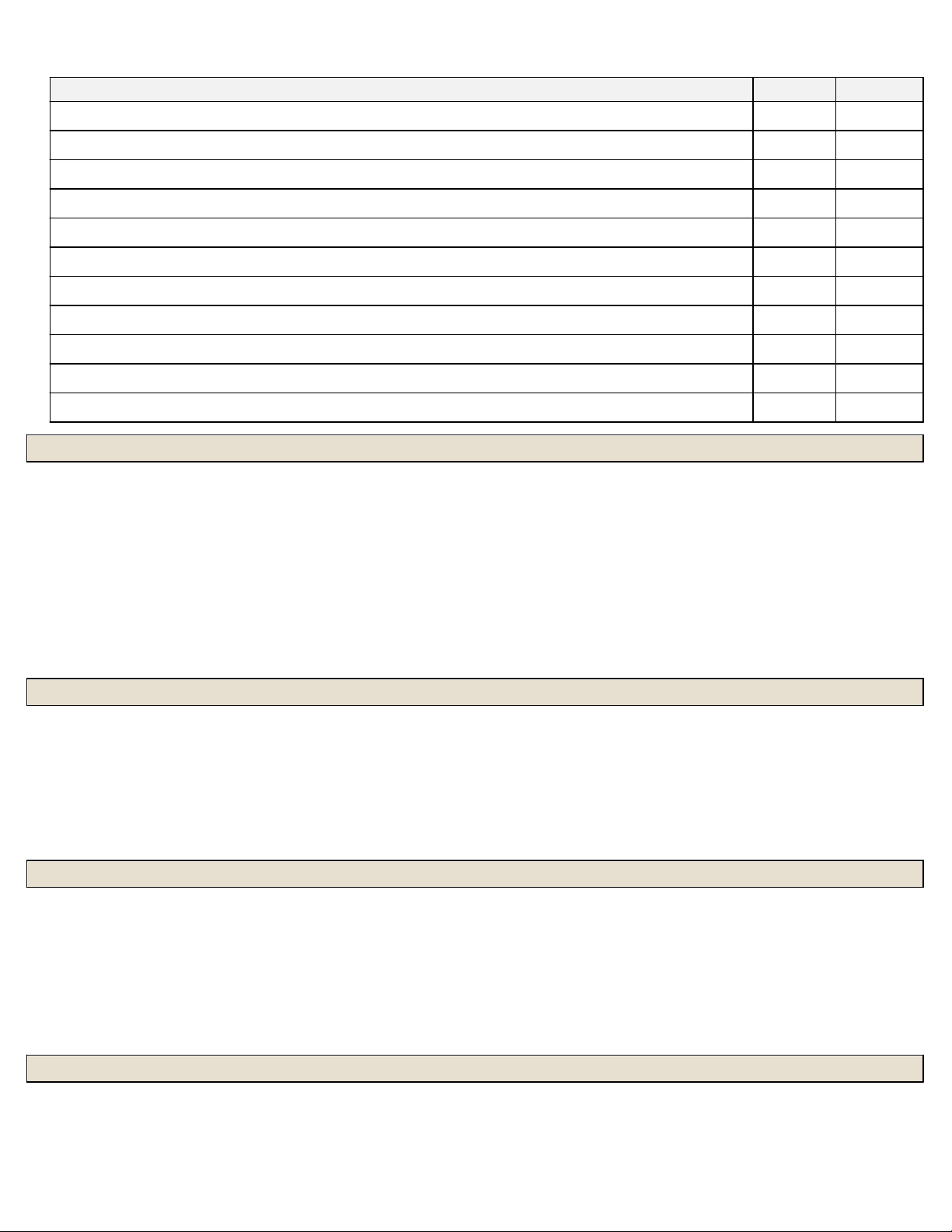
Chemical Name Wt.% CAS
Silica, Amorphous 40 - 53 60676-86-0
Aluminum Oxide 17 - 25 1344-28-1
Iron Oxide 5 - 31 1309-37-1
Calcium Oxide 3 - 20 1305-78-8
Magnesium Oxide 0.1 - 7 1309-48-4
Potassium Oxide 0.1 - 3 12136-45-7
Titanium Dioxide 0.1 - 2 13463-67-7
Silica, Crystalline < 0.1 14808-60-7
Manganese 0.01 - 0.05 7439-96-5
Beryllium 0 - 0.001 7440-41-7
Cadmium 0 - 0.001 7440-43-9
4. FIRST AID MEASURES
EYES: Do not rub eyes. Remove contact lenses. Flush eyes thoroughly with water, taking care to rinse under eyelids. If irritation
continues, continue flushing for 15 minuites, rinsing from time to time under the eyelids. If discomfort continues, consult a
physician.
SKIN: Wash with soap and water. Get medical attention if irritation develops or persists.
INGESTION: Rinse mouth thoroughly if ingested. Do not induce vomiting. If discomfort continues, consult a physician.
INHALATION: Move to fresh air. If discomfort continues, consult a physician.
NOTES TO PHYSICIAN: Treat symptomatically.
COMMENTS: Show this Safety Data Sheet to physician in attendance.
Page 2 of 7
5. FIRE FIGHTING MEASURES
FLAMMABLE CLASS: This product is non-combustible.
GENERAL HAZARD: None known
EXTINGUISHING MEDIA: Use fire-extinguishing media appropriate for surrounding materials.
FIRE FIGHTING PROCEDURES: Move product containers from fire area if it can be done without risk. Cool containers by flooding
with water until heat is dissipated.
HAZARDOUS DECOMPOSITION PRODUCTS: None known
6. ACCIDENTAL RELEASE MEASURES
LARGE SPILL: Avoid runoff into storm sewers and ditches that lead to waterways. Collect spillage using a vacuum equipped with
a HEPA filter. If not possible, gently moisten before collecting with shovel and broom. Dispose of collected materials
inaccordance with Federal, State and local regulations.
GENERAL PROCEDURES: Never return spillage and clean-up materials to original product containers.
RELEASE NOTES: In the unused form, the material is non-hazardous as defined in state and federal regulations.
COMMENTS: Ensure clean-up is conducted by trained personnel wearing appropriate respiratory protection. Avoid inhalation of
dust and contact with skin and eyes. Ventilate area if there is excessive airborne dust.
7. HANDLING AND STORAGE
GENERAL PROCEDURES: Avoid inhalation of dust and contact with skin and eyes. Use only with adequate venitilation. Use work
methods that minimize dust production. Keep workplace clean. Observe good industrial hygiene practices.
HANDLING: Follow Safety Data Sheet and label precautions.
Page 3
STORAGE: Keep container tightly closed. Store away from incompatible materials.
8. EXPOSURE CONTROLS / PERSONAL PROTECTION
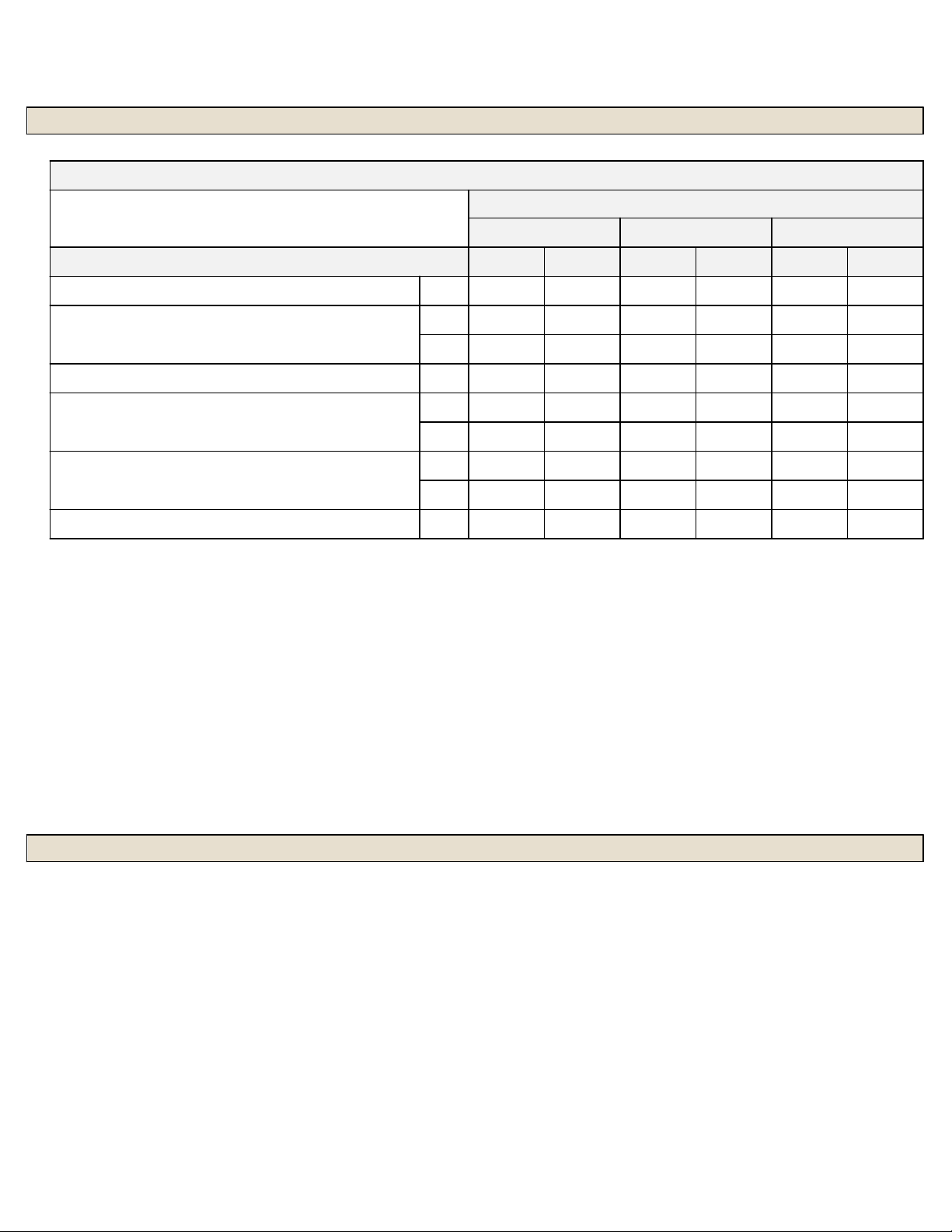
EXPOSURE GUIDELINES
OSHA HAZARDOUS COMPONENTS (29 CFR1910.1200)
EXPOSURE LIMITS
OSHA PEL ACGIH TLV Supplier OEL
Chemical Name ppm mg/m
3
ppm mg/m
3
ppm mg/m
Silica, Amorphous TWA 20 mpp 80
Page 3 of 7
3
Aluminum Oxide
TWA 15 T,
STEL 10
Calcium Oxide TWA 5 2
TWA 15 T 10 NL NL
Titanium Dioxide
STEL NL NL
TWA 250mpp 10 0.025 NL NL
Silica, Crystalline
STEL NL NL
Manganese TWA 0.2
ENGINEERING CONTROLS: Use process enclosures, local exhaust ventilation or other engineering controls to keep airborne
levels below recommended exposure limits.
PERSONAL PROTECTIVE EQUIPMENT
EYES AND FACE: Wear safety glasses with side shields. Use tight fitting googles if dust is generated.
SKIN: Use protective gloves. Wear suitable protective clothing.
RESPIRATORY: Selection and use of respiratory protective equipment should be in accordance with OSHA General Industry
Standard 29 CFR 1910.134; or in Canada with CSA Standard Z94.4.
WORK HYGIENIC PRACTICES: Wash hands after handling. Routinely wash work clothing and protective equipment to remove
contaminants. Handle in accordance with good industrial hygiene and safety practice.
COMMENTS: Proper and safe use of the material is solely the purchaser's responsibility. The manufacturer extends no warranties
and makes no representations as to the suitability of the product for the purchaser's intended purpose or the consequences of
purchaser's actions.
9. PHYSICAL AND CHEMICAL PROPERTIES
ODOR: None
APPEARANCE: Black, granular solid
COLOR: Black
pH: 8.2
FLASH POINT AND METHOD: Not Available
FLAMMABLE LIMITS: Not available
VAPOR PRESSURE: Not Available
VAPOR DENSITY: Not Available
BOILING POINT: Not Available
FREEZING POINT: Not Available
MELTING POINT: Not Available
SOLUBILITY IN WATER: None Expected
Page 4

SPECIFIC GRAVITY: 2.6 - 2.8
VISCOSITY: Not Available
COMMENTS: For additional information contact manufacturer.
10. STABILITY AND REACTIVITY
STABILITY: This product is stable and non-reactive under normal conditions of use, storage and transport.
CONDITIONS TO AVOID: None known
POSSIBILITY OF HAZARDOUS REACTIONS: None
HAZARDOUS DECOMPOSITION PRODUCTS: None known
INCOMPATIBLE MATERIALS: Hydrofluoric acid
11. TOXICOLOGICAL INFORMATION
ACUTE
NOTES: Abrasive blasting agents may cause inflammation and pulmonary fibrosis. Ingestion of dusts generated during working
operations may cause nausea and vomiting.
EYE EFFECTS: May cause eye irritation.
SKIN EFFECTS: May cause skin irritation.
CHRONIC: Frequent inhalation of dust over a long period of time increases the risk of developing lung diseases.
CARCINOGENICITY
IARC: Coal-Fired boiler slag is not listed by IARC.
NTP: Coal-Fired boiler slag is not listed by the National Toxicology Program in their Annual Report.
OSHA: Coal-Fired boiler slag is not listed by NIOSH on their Occupational Cancer List.
Notes:
Page 4 of 7
ACGIH Carcinogens
Aluminum oxide (CAS 1344-28-1) A4 Not classifiable as a human carcinogen.
Beryllium (CAS 7440-41-7) A1 Confirmed human carcinogen.
Cadmium (CAS 7440-43-9) A2 Suspected human carcinogen.
Calcium oxide (CAS 1305-78-8) No designation listed.
Iron oxide (CAS 1309-37-1) A4 Not classifiable as a human carcinogen.
Magnesium oxide (CAS 1309-48-4) A4 Not classifiable as a human carcinogen.
Manganese (CAS 7439-96-5) A4 Not classifiable as a human carcinogen.
Potassium oxide (CAS 12136-45-7) No designation listed.
Silica, amorphous (CAS 7631-86-9) No designation listed.
Titanium dioxide (CAS 13463-67-7) A4 Not classifiable as a human carcinogen.
IARC Monographs. Overall Evaluation of Carcinogenicity
Aluminum oxide (CAS 1344-28-1) Not listed.
Beryllium (CAS 7440-41-7) Group 1. Monographs 58 and 100C (2012).
Cadmium (CAS 7440-43-9) Group 1. Monographs 58 and 100C (2012).
Calcium oxide (CAS 1305-78-8) Not listed.
Iron oxide (CAS 1309-37-1) Not listed.
Magnesium oxide (CAS 1309-48-4) Not listed.
Manganese (CAS 7439-96-5) Not listed.
Potassium oxide (CAS 12136-45-7) Not listed.
Silica, amorphous (CAS 7631-86-9) Not listed.
Titanium dioxide (CAS 13463-67-7) Group 2B. Monographs 47 and 93 (2010).
Page 5

US NTP Report on Carcinogens
Beryllium (CAS 7440-41-7) Known to be a human carcinogen.
Cadmium (CAS 7440-43-9) Known to be a human carcinogen.
CORROSIVITY: None known
SENSITIZATION: Not a skin or respiratory sensitizer.
NEUROTOXICITY: None known
GENETIC EFFECTS: None known
REPRODUCTIVE EFFECTS: None known
TARGET ORGANS: Irritation of nose and throat. Irritation of eyes and mucous membranes. May cause respiratory tract irritation.
Shortness of breath.
TERATOGENIC EFFECTS: None known
MUTAGENICITY: None known
COMMENTS: Although manufacturer has taken reasonable care in the preparation of this Safety Data Sheet, no warranties are
made. Manufacturer makes no representations and assumes no responsibility as to the accuracy or suitability of the Safety Data
Sheet for the applications intended by the purchaser.
Page 5 of 7
12. ECOLOGICAL INFORMATION
ENVIRONMENTAL DATA: An environmental hazard cannot be excluded in the event of unprofessional handling or disposal.
ECOTOXICOLOGICAL INFORMATION: This product is not classified as environmentally hazardous. However, this does not
exclude the possibility that large or frequent spills can have a harmful or damaging effect on the environment.
BIOACCUMULATION/ACCUMULATION: This product is not bioaccumulating.
DISTRIBUTION: Not available
AQUATIC TOXICITY (ACUTE): None known
CHEMICAL FATE INFORMATION: Not available
13. DISPOSAL CONSIDERATIONS
DISPOSAL METHOD: Dispose in accordance with all applicable regulations.
GENERAL COMMENTS: TCLP testing of unused product indicates that it is not hazardous waste by characteristic.
14. TRANSPORT INFORMATION
DOT (DEPARTMENT OF TRANSPORTATION)
OTHER SHIPPING INFORMATION: Unused product is not regulated as a hazardous material by DOT.
COMMENTS: Unused product is not regulated as dangerous goods by IATA, IMDG or TDG.
15. REGULATORY INFORMATION
UNITED STATES
SARA TITLE III (SUPERFUND AMENDMENTS AND REAUTHORIZATION ACT)
311/312 HAZARD CATEGORIES: Hazardous Chemical.
FIRE: No PRESSURE GENERATING: No REACTIVITY: No ACUTE: No CHRONIC: Yes
313 REPORTABLE INGREDIENTS: Aluminum oxide (CAS 1344-28-1)
Page 6
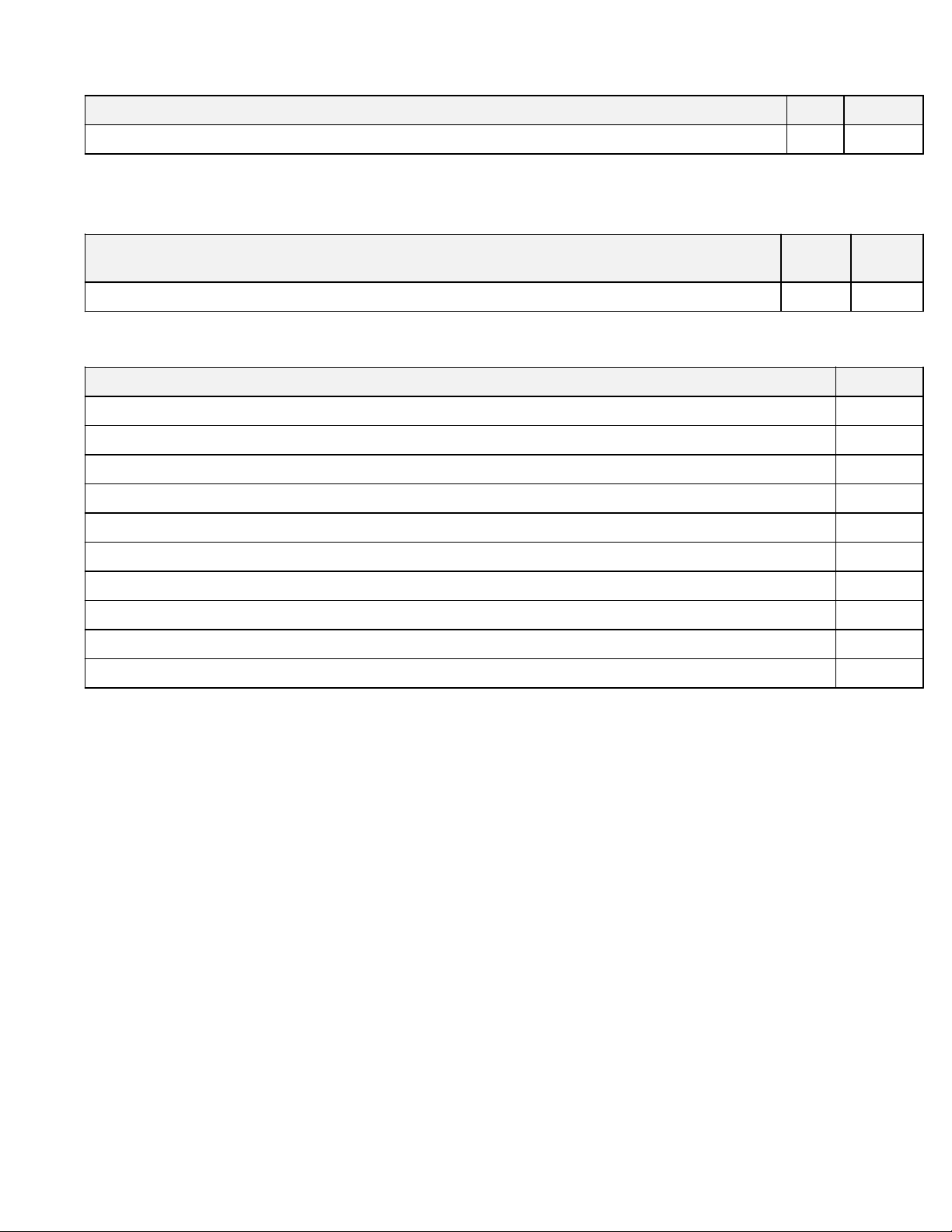
EPCRA SECTION 313 SUPPLIER NOTIFICATION
Chemical Name Wt.% CAS
Aluminum Oxide 17 - 25 1344-28-1
302/304 EMERGENCY PLANNING
EMERGENCY PLAN: None
CERCLA (COMPREHENSIVE ENVIRONMENTAL RESPONSE, COMPENSATION, AND LIABILITY ACT)
Page 6 of 7
Chemical Name Wt.%
Beryllium 0 - 0.001 10
CERCLA RQ: None
TSCA (TOXIC SUBSTANCE CONTROL ACT)
Chemical Name CAS
Silica, Amorphous 60676-86-0
Aluminum Oxide 1344-28-1
Iron Oxide 1309-37-1
Calcium Oxide 1305-78-8
Magnesium Oxide 1309-48-4
Potassium Oxide 12136-45-7
Titanium Dioxide 13463-67-7
Silica, Crystalline 14808-60-7
Manganese 7439-96-5
Beryllium 7440-41-7
CERCLA
RQ
CLEAN AIR ACT
40 CFR PART 68---RISK MANAGEMENT FOR CHEMICAL ACCIDENT RELEASE PREVENTION: None
OCCUPATIONAL SAFETY AND HEALTH ADMINISTRATION (OSHA)
29 CFR1910.119---PROCESS SAFETY MANAGEMENT OF HIGHLY HAZARDOUS CHEMICALS: None
CALIFORNIA PROPOSITION 65: WARNING: This product contains chemicals known to the State of California to cause cancer
and birth defects or other reproductive harm.
RCRA STATUS: Not regulated.
OSHA HAZARD COMM. RULE: Regulated.
CLEAN WATER ACT: Not covered by any water quality criteria under Section 304.
CARCINOGEN: Boiler slag is not listed by IARC, NIOSH or the NTP as a known or suspected carcinogen. However based
upon the presence of beryllium and cadmium, the product would be classified as a Category 2 Carcinogen pursuant to the
GHS Classification System.
CANADA
WHMIS HAZARD SYMBOL AND CLASSIFICATION
Not Controlled.
WHMIS (WORKPLACE HAZARDOUS MATERIALS INFORMATION SYSTEM): Not controlled.
WHMIS CLASS: This product has been classified in accordance with the hazard criteria of the CPR and the Safety Data Sheet
contains all of the information required by the CPR.
DOMESTIC SUBSTANCE LIST (INVENTORY): Listed on Inventory.
MEXICO This Safety Data Sheet has been prepared in accordance with the Official Mexican Standard (NOM-018-STPS-2000).
Page 7
16. OTHER INFORMATION
Date Revised: 04/08/2015
REVISION SUMMARY: This SDS replaces the 04/08/2015 SDS.
Page 7 of 7
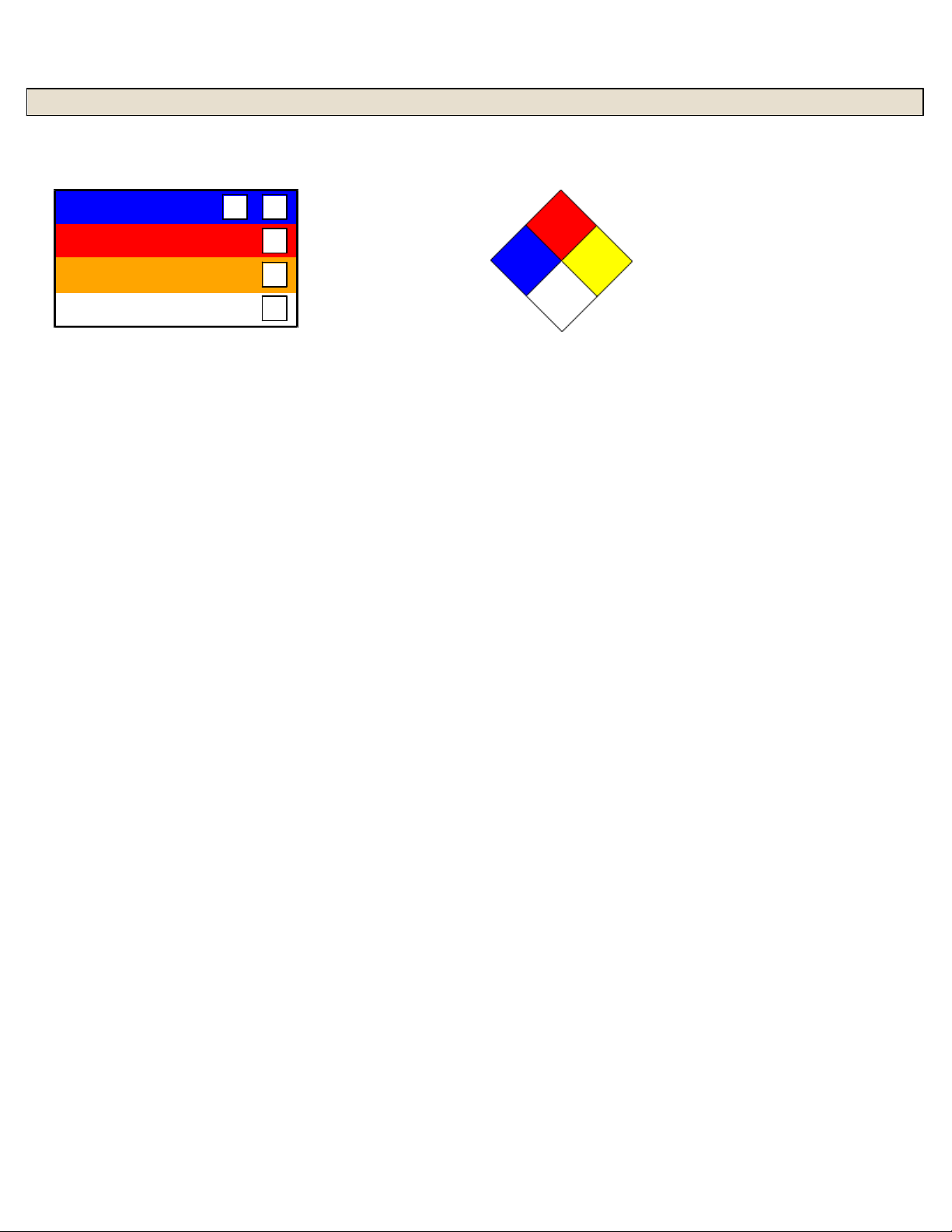
HMIS RATING
HEALTH
FLAMMABILITY
PHYSICAL HAZARD
PERSONAL PROTECTION
1
0
0
A
NFPA CODES
0
1 0
 Loading...