

Wright flow Classic+, CP10/0005/12, CP20/0020/12, CP30/0069/12, CP40/0180/12 Installation, Operation And Maintenance Manual
...Page 1

I
NSTALLATION,
O
PERATION
A
ND
M
AINTENANCE
M
ANUAL
F
OR THE
Range of Pumps
Page 2

Page 2
Installation, Operation & Maintenance Manual
For The Classic+ Range Of Rotary Lobe Pumps
1.0
Safety Information. 5
1.1
Risk assessment relating to the use of Wright Flow Technologies Limited.
Classic+ rotary lobe pumps and pump units in potentially explosive
atmospheres. 8
2.0
Introduction. 9
2.1
General. 9
2.2
Wright Flow Technologies Limited Distributors. 9
2.3
Receipts and Storage. 9
2.4
Cleaning. 10
2.5
Pump Model Designation. 10
2.5.1 ATEX Information 11
2.5.2 Equipment Groups & Categories 11
2.6
Pump Model and Serial Number. 12
3.0
General. 14
3.1
Classic+ Pumping Principal. 14
3.2
Classic+ Range Operating Parameters. 15
3.3
System Design. 17
3.3.1 System Design and Installation. 17
3.3.2 Installations with CIP Systems. 19
3.4
Start Up Procedure. 20
3.5
Shutdown Procedure. 21
3.6
Routine Maintenance. 22
3.7
Heating and Cooling Jackets 22
3.8
Integral Pressure Relief Valves 25
3.8.1 Setting and Operating Spring Loaded Valves 26
3.8.2 Setting and Operating Air Loaded Integral Pressure Relief Valves 27
4.0
Classic+ Disassembly and Assembly. 30
4.1
CP10, CP20 and CP30 Pump - Disassembly and Assembly. 32
4.1.1 CP10, CP20 and CP30 Front Cover and Rotor Removal 32
4.1.2 CP10, CP20 and CP30 Rotorcase Removal 35
4.1.2.1 CP10, CP20 and CP30 Rotorcase Removal for Pumps fitted with Single UnFlushed Mechanical Seals and Single O-Ring Seals 35
4.1.2.2 CP10, CP20 and CP30 Rotorcase Removal for Pumps Fitted with Single
Flushed or Double Flushed Mechanical Seals. 37
4.1.3 CP10, CP20 and CP30 Gearbox Disassembly 38
4.1.3 CP10, CP20 and CP30 Gearbox Assembly 42
4.1.4 CP10, CP20 and CP30 Rotorcase, Rotor and Front Cover Assembly 46
4.2
CP40 Pumps - Disassembly and Assembly 48
Page 3

Page 3
4.2.1
CP40 Front Cover and Rotor Removal 48
4.2.2 CP40 Rotorcase Removal 50
4.2.2.1 CP40 Rotorcase Removal for Pumps fitted with Single Un-flushed
Mechanical Seals and O-Ring Seals 50
4.2.2.2 CP40 Rotorcase Removal for Pumps Fitted with Single Flushed or Double
Flushed Mechanical Seals. 52
4.2.4 CP40 Gearbox Assembly 55
4.2.5 CP40 Rotorcase, Rotor and Front Cover Assembly 58
4.3
CP50 Pumps - Disassembly and Assembly 59
4.3.1 CP50 Front Cover and Rotor Removal 59
4.3.2 CP50 Rotorcase Removal 61
4.3.2.1 CP50 Rotorcase Removal for Pumps fitted with Single Un-flushed
Mechanical Seals and O-Ring Seals 61
4.3.2.2 CP50 Rotorcase Removal for Pumps fitted with Single Flushed and Double
Flushed Mechanical Seals 63
4.3.3 CP50 Gearbox Disassembly 64
4.3.4 CP50 Gearbox Assembly 66
4.3.5 CP50 Rotorcase, Rotor and Front Cover Assembly 69
5.0
Classic+ Mechanical Seal Removal & Replacement. 71
5.1
General Procedures for Installing Mechanical Seals. 71
5.2
CP10, CP20, CP30 and CP40 Mechanical Seals 72
5.2.1 CP10, CP20, CP30 and CP40 Single Mechanical Seal Removal 72
5.2.2 CP10, CP20, CP30 and CP40 Single Mechanical Seal Replacement 73
5.2.3 CP10, CP20, CP30 and CP40 Single Flushed Mechanical Seal Removal 74
5.2.4 CP10, CP20, CP30 and CP40 Single Flushed Mechanical Seal Replacement 75
5.2.5 CP10 Double Flushed Mechanical Seal Removal 76
5.2.6 CP10 Double Flushed Mechanical Seal Replacement 77
5.2.7 CP20, CP30 and CP40 Double Flushed Mechanical Seal Removal 78
5.2.8 CP20, CP30 and CP40 Double Flushed Mechanical Seal Replacement 79
5.3
CP50 Mechanical Seals 80
5.3.1 CP50 Single Mechanical Seal Removal 80
5.3.2 CP50 Single Mechanical Seal Replacement 80
5.3.3 CP50 Single Flushed Mechanical Seal Removal 81
5.3.4 CP50 Single Flushed Mechanical Seal Replacement 81
5.3.5 CP50 Double Flushed Mechanical Seal Removal 82
5.3.6 CP50 Double Flushed Mechanical Seal Replacement 83
6.0
Classic+ Single O-Ring Seals 84
6.1
General Procedures for Fitting Single O-Ring Seals 84
6.2
Oring Seals for CP10, CP20, CP30 and CP40 Pumps 85
6.2.1 CP10, CP20, CP30 and CP40 Oring Seal Assembly and Removal 85
6.3
O-Ring Seal for CP50 Pump 86
6.3.1 CP50 O-Ring Seal Assembly and Removal 86
Page 4

Page 4
6.4
Classic+ Packed Gland Seals 87
6.4.1 General Procedures For Fitting Packed Gland Seals 87
6.5
Packed Gland Seals - CP10, CP20, CP30 and CP40 Series Pumps 88
6.5.1 Packed Gland Seal Removal 88
6.5.2 Packed Gland Seal Replacement 89
6.5.3 Flushed Packed Gland Seal Removal 89
6.5.4 Flushed Packed Gland Seal Replacement 90
6.6
Packed Gland Seals - CP50 Series Pumps. 91
6.6.1 Packed Gland Seal Removal 91
6.6.2 Packed Gland Seal Replacement 91
6.6.3 Flushed Packed Gland Seal Removal 92
6.6.4 Flushed Packed Gland Seal Replacement 93
6.6.5 Seal Conversion to Packed Gland (With Shaft Sleeve) 93
6.6.6 Seal Conversion to Flushed Packed Gland (With Shaft Sleeve) 94
7.0
Flushed Product Seals Auxiliary Services 95
7.1
Single Mechanical Seal (for Low-Pressure Quench or Flush) 95
7.2
Double Mechanical Seal (for High Pressure Flush) 96
7.3
Flushed Packed Gland Seal 96
8.0
Specifications 97
8.1
Clearance Chart 97
8.2
Fasteners & Torque Settings. 99
8.3
Lubricants. 100
8.4
Material Specifications. 100
8.5
Foundation Dimensions and Weights. 101
8.6
Rectangular Inlet 103
8.7
Trouble Shooting. 104
8.8
Typical Noise Emission Data - CP10, CP20 and CP30 Pumps. 105
8.9
Typical Noise Emission Data – CP40 and CP50 Pumps. 106
8.10 Service History. 107
8.11 Tool List. 108
9.0
Notes. 110
Page 5
Page 5
1.0 Safety Information.
INCORRECT INSTALLATION, OPERATION, OR MAINTENANCE OF
EQUIPMENT MAY CAUSE SEVERE PERSONAL INJURY OR DEATH
AND/OR EQUIPMENT DAMAGE AND MAY INVALIDATE THE WARRANTY.
THIS INFORMATION MUST BE READ FULLY BEFORE BEGINNING
INSTALLATION, OPERATION, OR MAINTENANCE AND MUST BE KEPT
WITH THE PUMP. SUITABLY TRAINED OR QUALIFIED PERSONS MUST
UNDERTAKE ALL INSTALLATION AND MAINTENANCE ONLY.
DANGER
DO NOT OPERATE PUMP IF:
- The front cover is not installed correctly.
- Any guards are missing or incorrectly installed.
- The suction or discharge piping is not connected.
DO NOT place fingers, etc. into the pumping chamber or its connection ports
or into any part of the gearbox if there is ANY possibility of the pump shafts
being rotated. Severe injury will occur.
DO NOT exceed the pumps rated pressure, speed, and temperature, or
change the system/duty parameters from those for which the pump was
originally supplied, without confirming its suitability for the new duty. Running
of the pump outside of its operation envelope can cause mechanical contact,
excessive heat and can represent a serious risk to health and safety.
Installation and operation of the pump must always comply with health and
safety regulations.
A device must be incorporated into the pump, system, or drive to prevent the
pump exceeding its stated duty pressure. It must be suitable for both
directions of pump rotation where applicable. Do not allow pump to operate
with a closed/blocked discharge unless a pressure relief device is
incorporated. If an integral relief valve is incorporated into the pump, do not
allow re-circulation through the relief valve for extended periods (refer to
section 3.8).
Warning - Safety instructions which
shall be considered for reasons of safe
operation of the pump or pump unit
and/or protection of the pump or pump
unit itself are marked by the sign:
Danger - Failure to follow the listed
precautionary measures may result
in serious injury or death are
identified by the following symbol:
WARNING
Page 6
Page 6
The mounting of the pump or pump unit should be solid and stable.
Pump orientation must be considered in relation to drainage/cavity
ventilation requirements. Once mounted, shaft drive elements must be
checked for correct alignment. Rotate pump shaft by at least one full
revolution to ensure smoothness of operation. Incorrect alignment will
produce excessive loading and will create high temperatures and
increased noise emissions. It may also be necessary to earth the pump
head to avoid the build up of a potential charge difference that could
cause a spark.
The installation must allow safe routine maintenance and inspection (to
replenish lubricants, check for leakage, monitor pressures, etc) and provide
adequate ventilation necessary to prevent overheating.
Fill all gearboxes with the recommended grades and quantities of lubricant
(refer to section 3.4 and 8.3). Beware of over/under filling the gearbox as this
could cause the pump to overheat and mechanical damage to occur.
Before operating the pump, be sure that it and all parts of the system to which
it is connected are clean and free from debris and that all valves in the suction
and discharge pipelines are fully opened. Ensure that all piping connecting to
the pump is fully supported and correctly aligned with its relevant connections.
Misalignment and/or excess loads will cause severe pump damage. This
could result in unexpected mechanical contact in the pump head and has the
potential to be an ignition source.
Be sure that pump rotation is correct for the desired direction of flow (refer to
section 3.4).
Do not install the pump into a system where it will run dry (i.e. without a supply
of pumped media) unless it is equipped with a flushed shaft seal arrangement
complete with a fully operational flushing system. Mechanical seals require a
thin fluid film to lubricate the seal faces. Dry running can cause excessive heat
and seal failure.
Pressure gauges/sensors are recommended, next to the pump suction and
discharge connections to monitor pressures.
Caution must be taken when lifting the pump. Suitable lifting devices should
be used as appropriate. Lifting eyes installed on the pump must only be used
to lift the pump, not pump with drive and/or base plate. If pump is base plate
mounted, the base plate must be used for all lifting purposes. If slings are
used for lifting, they must be safely and securely attached. For weights of bare
shaft pumps refer to section 8.5.
WARNING
WARNING
WARNING
WARNING
WARNING
Page 7
Page 7
DO NOT attempt any maintenance or disassembly of the pump or pump unit
without first ensuring that:
- The pump is fully isolated from the power source (electric, hydraulic,
pneumatic).
- The pumping chamber, pneumatic relief valve and any shaft seal
support system are depressurised and purged.
- Any temperature control devices (jackets, heat-tracing, etc) are fully
isolated, that they are depressurised and purged, and components are
allowed to reach a safe handling temperature.
DO NOT attempt to dismantle a pressure relief valve, which has not
had the spring pressure relieved, is still connected to a pressurised
gas/air supply or is mounted on a pump that is operating. Serious
personal injury or death and/or pump damage may occur.
DO NOT loosen or undo the front cover, any connections to the pump, shaft
seal housings, temperature control devices, or other components, until sure
that such action will not allow the unsafe escape of any pressurised media.
Pumps and/or drives can produce sound power levels exceeding 85-dB (A)
under certain operating conditions. When necessary, personal protection
against noise must be taken. Typical noise emission data can be found in
section 8.8 and 8.9.
Avoid any contact with hot parts of pumps and/or drives that may cause injury.
Certain operating conditions, temperature control devices (jackets, heattracing, etc.), bad installation, or poor maintenance can all promote high
temperatures on pumps and/or drives.
When cleaning, either manually or by CIP method, the operator must ensure
that a suitable procedure is used in accordance with the system requirements.
During a CIP cleaning cycle, a pump differential pressure of between 2 and 3
bar (30 and 45 psi) is recommended to ensure suitable velocities are reached
within the pump head. The exterior of the pump should be cleaned
periodically.
Surface temperature of pump is also dependent on the temperature of
pumped medium.
WARNING
Page 8
Page 8
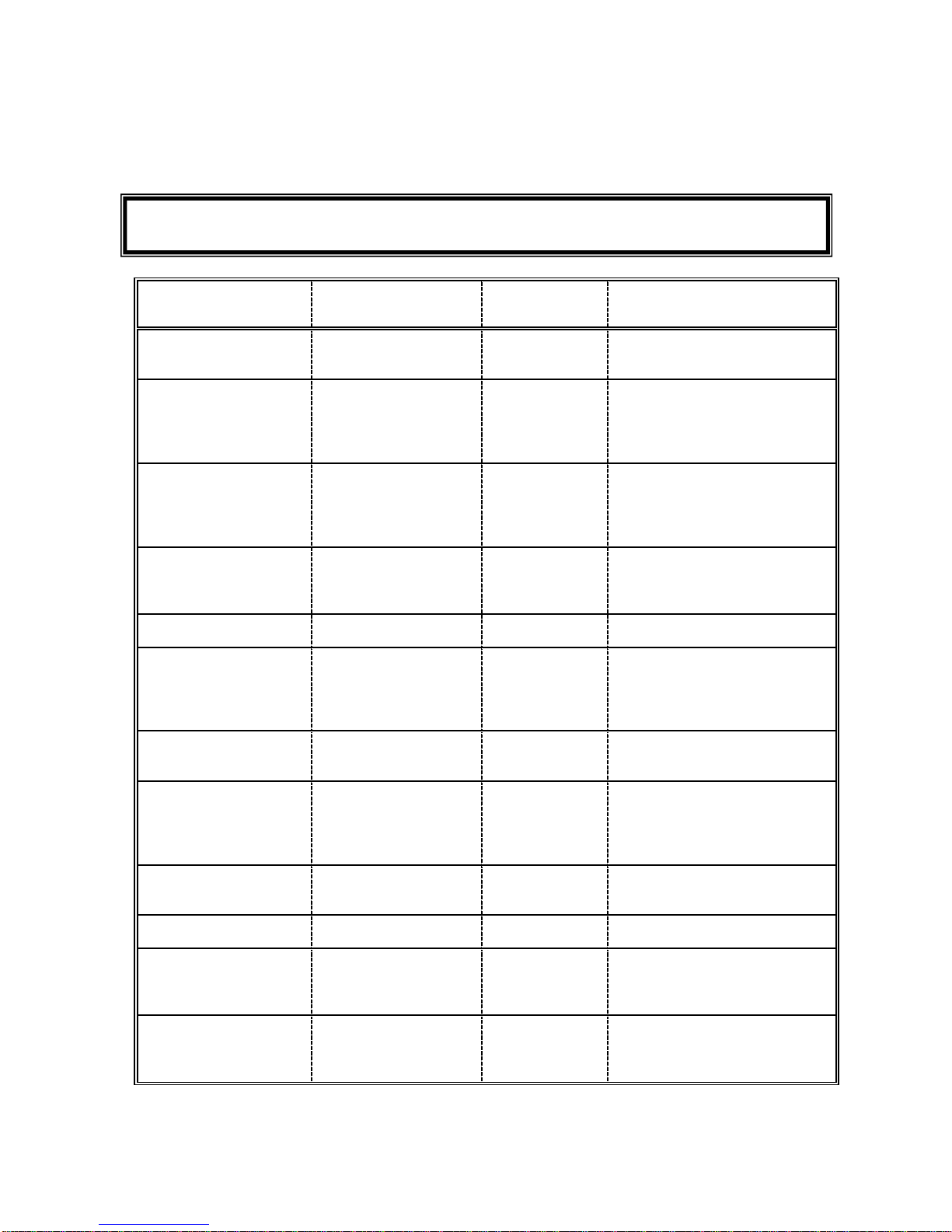
1.1 Risk assessment relating to the use of Wright Flow Technologies Limited.
Classic+ rotary lobe pumps and pump units in potentially explosive
atmospheres.
Source Of Hazards Potential Hazards
Frequency Of
Hazards
Recommended Measures
Unvented cavities Build up of explosive gas
Very Rare
Ensure that pump is totally filled.
Consider mounting ports vertically.
See Chapter 1.0
Rotorcase / Rotors / Front
Cover
Unintended mechanical
contact
Rare
Ensure that operating pressures are
not exceeded. Ensure that suffcient
NPSH to prevent cavitation.
See
Chapter 1.0/3.3.1
Service plan.
Pump external surfaces
excess temperature.
Electrostatic charging
Rare
User must ensure temperature limits.
Do not overfill gearboxes with
lubricant. Provide a ground contact
for pump.
See Chapter 1.0 /
Service
plan.
Cover 'O' ring
Pump liquid leakage. Build
up of explosive gas.
Very Rare
Check selection of elastomers are
suitable for application. Ensure cover
retaining nuts are tight. Service plan.
Pump casing / cover
Pump liquid leakage. Build
up of explosive gas.
Very Rare
Stainless steel, Corrosion resistant.
Shaft seals
excess temperature.
Unintended mechanical
contact.
Leakage.
Build up of explosive gas.
Rare
Selection of seal system must be
suitable for application.
See Chapter
5.0
. Service plan. Seals must never
run dry.
Auxiliary system for shaft
sealing
Pump liquid leakage. Build
up of explosive gas.
Rare
Selection of auxiliary seal system
must be suitable for application.
Seals must never run dry.
Rotation direction test Excess temperature
Very Rare
If flushed seals are installed ensure
that flush is applied to seal
assemblys. Only allow pump to run
for minimum period - just a few
seconds.
Closed valve condition
Excess Temperature.
Excess Pressure.
Mechanical contact.
Rare
Can cause excessive pressue, heat
and mechanical contact.
See
Chapter 1.0
Shaft Random induced current
Very Rare
Provide a ground contact for pump.
See Chapter 1.0.
Mechanical shaft coupling
(Torque Protection)
Temperature from friction
Sparks from break up of
shear pins.
Electrostatic charging
Rare
Coupling selection must suit
application.
See Chapter 1.0.
Mechanical shaft coupling
(standard)
Break up of spider.
Unintended mechanical
contact.
Electrostatic charging
Rare
Coupling selection must suit
application. Service plan.
See
Chapter 1.0.
Note:- For a feature to be suitable for an application, The feature must be fit for its
designated purpose and also suitable for the environment where it is to be installed.
Page 9

Page 9
2.0 Introduction.
2.1 General.
Classic+ rotary lobe pumps are manufactured by Wright Flow Technologies
Limited, a unit of the IDEX Corporation.
This manual includes all the necessary information for the Classic+ and
should be read prior to beginning installation, operation, or
maintenance.
Should you require any additional information regarding the Classic+
contact Wright Flow Technologies Limited or their local authorised
distributor, refer to section 2.2.
When asking for assistance please provide the pump model and serial
number. This information can be obtained from the pump nameplate
which is located on the side of the pump gearbox cover, refer to section
2.6.
Should the nameplate be unreadable or missing, the serial number is also
stamped on either side of the rotorcase refer to section 2.6.
If the system or product characteristics are to be changed from the
original application for which the pump was selected, Wright Flow
Technologies Limited or their authorised distributor should be consulted
to ensure the pump is suitable for the new application.
2.2 Wright Flow Technologies Limited Distributors.
Wright Flow Technologies Limited distributes its products internationally
via a network of authorised distributors. Throughout this manual where
reference is made to Wright Flow Technologies Limited, service and
assistance will also be provided by any Wright Flow Technologies
Limited authorised distributor for Classic+.
2.3 Receipts and Storage.
Upon receipt of the pump, immediately examine it for any signs of
visible damage. If any damage is noted, contact Wright Flow
Technologies Limited or your Wright Flow Technologies Limited
distributor and clearly mark upon the carriers’ paperwork that the goods
have been received in a damaged condition, with a brief description of
damage.
Page 10
Page 10
If the pump is not required for immediate installation then it should be
stored in a clean, dry environment. It is recommended that storage
temperature should be between –10° and 40°C (14°F and 105°F).
Further to the above, if the pump is not intended for installation or use within
18 months or more then refer to Wright Flow Technologies Limited, or the
Wright Flow Technologies Limited authourised distributor for storage
recommendations.
2.4 Cleaning.
The Classic+ pump series is suitable for both manual cleaning and CIP
(Cleaning In Place), refer to section 3.3.2.
It is recommended that the exterior of the pump be cleaned periodically with a
non-aggressive, non-abrasive cleaning solution.
2.5 Pump Model Designation.
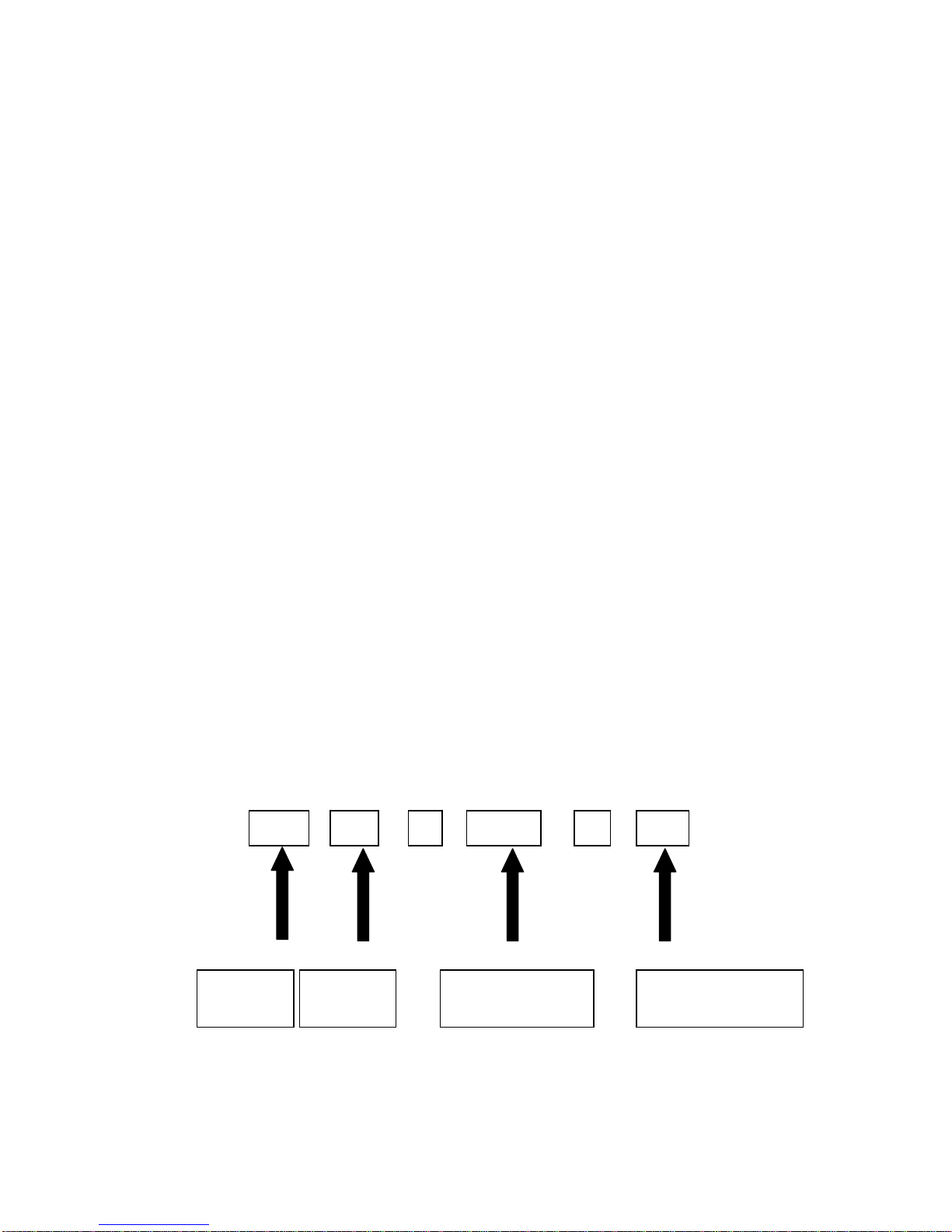
The designations of pump models in the Classic+ range are as follows:
CP10/0005/12 CP20/0020/12 CP30/0069/12 CP40/0180/12 CP50/0351/12
CP10/0008/08 CP20/0031/07 CP30/0113/07 CP40/0250/07 CP50/0525/08
CP10/0011/05
This information, together with the pump serial number, should be
provided when requesting additional information on the pump or when
ordering spare parts. The pump serial number is stamped on the pump
nameplate and the rotorcase, (refer to section 2.6, Figs 2 and 3).
For the maximum operating pressures, temperatures and speeds refer
to section 3.2, Fig 6.
Fig 1 CP designated models only.
CP 30 0069
12 / /
P
UMP
R
ANGE
D
ISPLACEMENT
(
LTRS/REV
)
M
ODEL
S
IZE
M
AX
P
RESSURE
(
BAR)
Page 11
Page 11
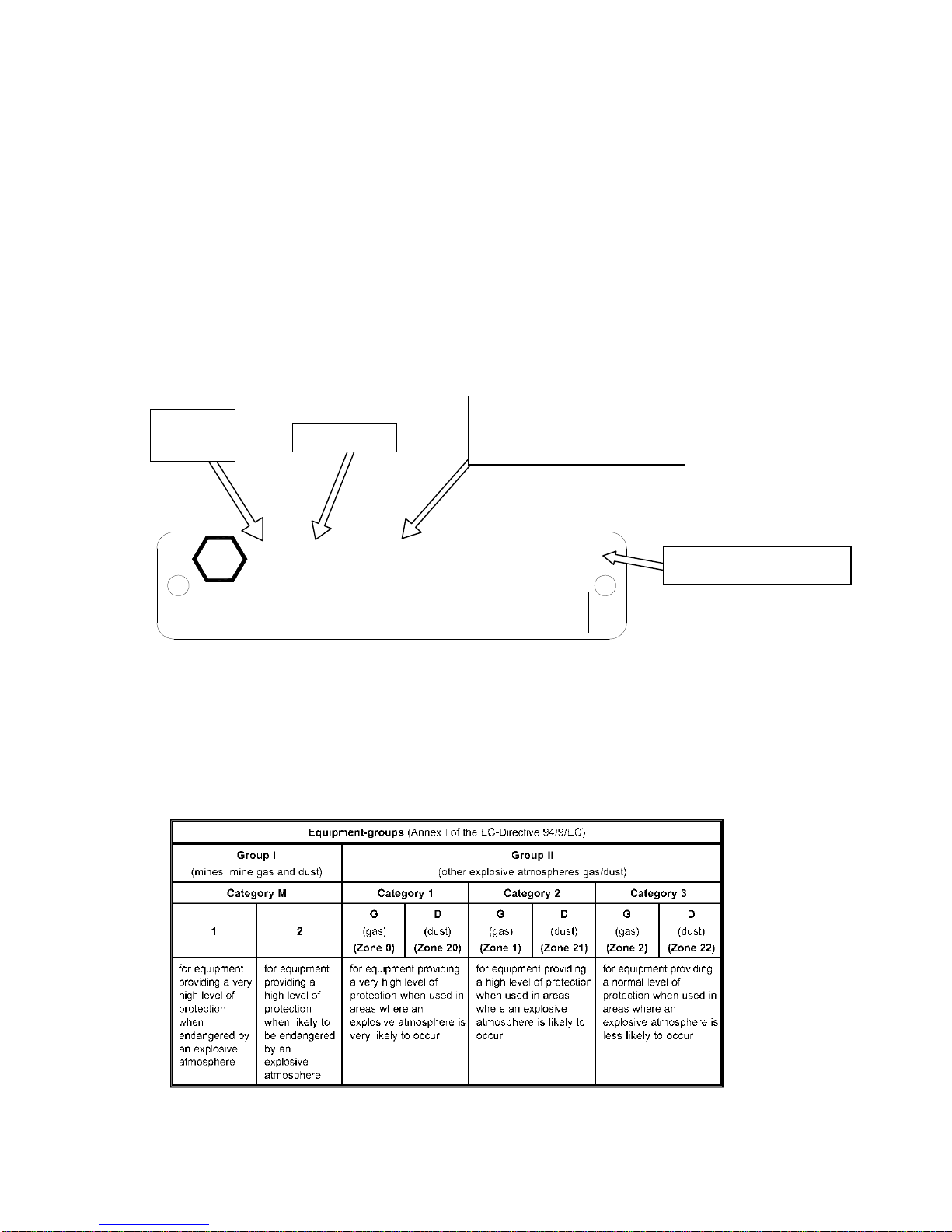
2.5.1 ATEX Information
ATEX Pump Requirements
Please be aware that mechanical seals are a source of heat and must never be
allowed to run dry. We would recommend provision be made to ensure that there is
a flow of fluid around the pump seals at all times. If there is a risk of the supply
being interrupted, we would recommend that the flush on the seals be fitted with a
flow detection device. The surface temperature of the pump is dependent on the
temperature of the pumped fluid and due account of this should be taken whilst
undertaking your risk assessment of the installation. These pumps are rated to T3.
2.5.2 Equipment Groups & Categories
TEMP - T3
SERIAL NO:
ex
II - 2 - G/D
Group
II.
Category
Unit is suitable for
environments containing
dust or gas
Temperature Class.
Page 12
Page 12
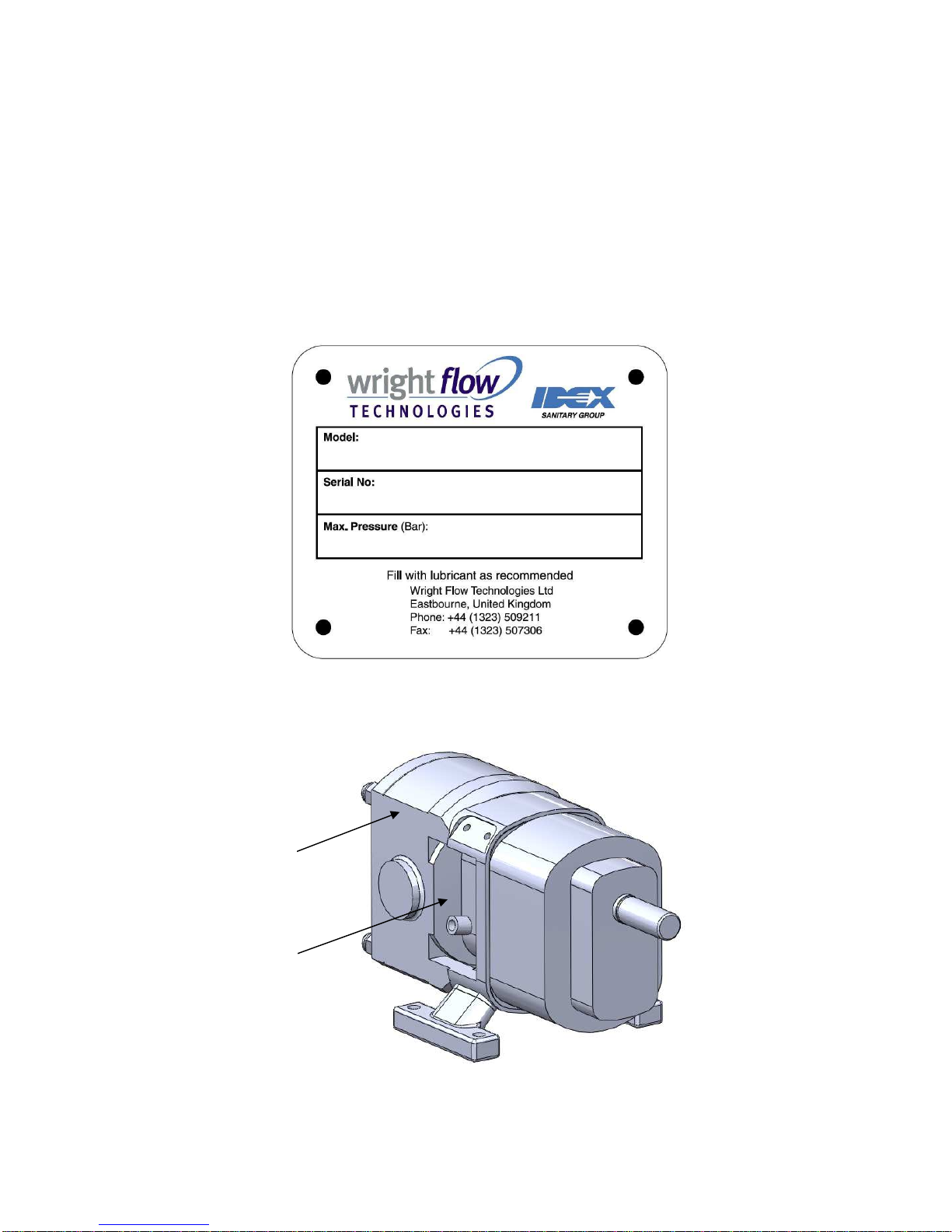
2.6 Pump Model and Serial Number.
Should you require any information regarding your Classic+ rotary lobe
pump contact Wright Flow Technologies Limited or your Wright Flow
Technologies Limited distributor, providing the pump model and serial
number as stated on the pump nameplate, see Fig 2, which is fixed to
the pump gearbox cover.
Should this be damaged or missing, the pump serial number is also stamped
on opposite corners of the rotorcase or on the rear face of the rotorcase, (see
Fig 3).
Fig 2 Nameplate
Fig 3 Serial Number Position on Rotorcase
12345/A/67
12345/A/67
Or
Page 13
Page 13
2.7 Standard Pump Component Terms.
ROTORS
FRONT COVER
ROTOR
RETAINER
ROTORCASE
BEARING
HOUSING
FRONT
BEARINGS
GEARBOX
COVER
BREATHER
/FILLER CAP
REAR
BEARINGS
DRIVE
SHAFT
DRIVEN
SHAFT
TIMING
GEARS
Fig 4 Pump Component Terms
Page 14
Page 14
3.0 General.
3.1 Classic+ Pumping Principal.
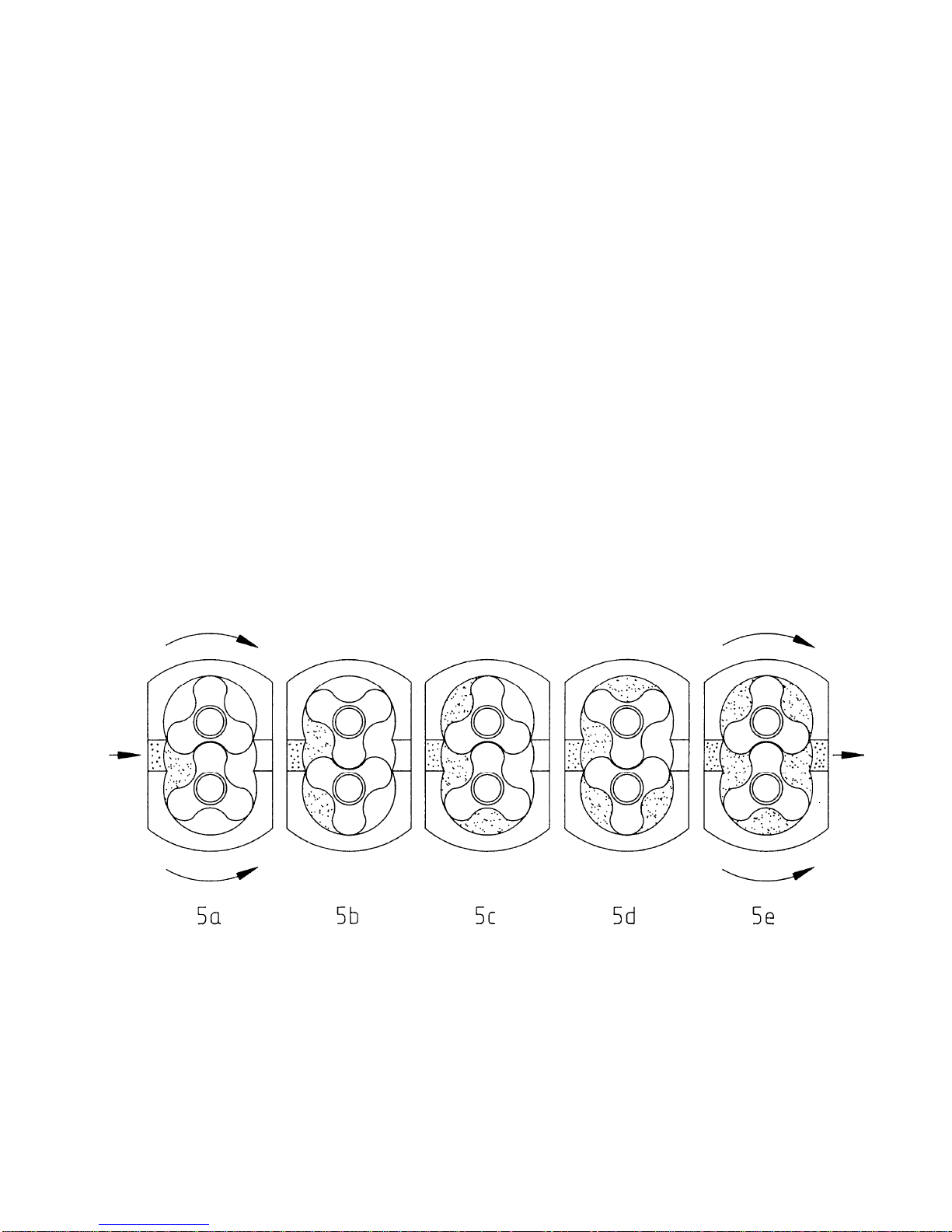
The pumping action of the rotary lobe pump principle is generated by the
contra rotation of two pumping elements (rotors) within a chamber (rotorcase)
- see Fig 5. The rotors are located on shafts, which in turn are mounted within
an external gearbox and supported by the bearings; the timing gears are also
located on the shafts. The timing gears transfer the energy from the drive
shaft to the driven shaft, synchronising the rotors such that they rotate without
contact with each other.
As the rotors pass the suction port, see Fig 5a, the cavity generated increases
creating a pressure decrease, which induces the pumped medium to flow into
the rotorcase.
The pumped medium is carried around the rotorcase by the rotors; see Fig 5b
and 5c, to the discharge side of the pump, Fig 5d. Here the cavity decreases
and the pumped medium is discharged from the rotorcase, Fig 5e.
For pump component terms see Fig 4.
Fig 5 Rotary Lobe Pumping Principle.
Page 15

Page 15
3.2 Classic+ Range Operating Parameters.
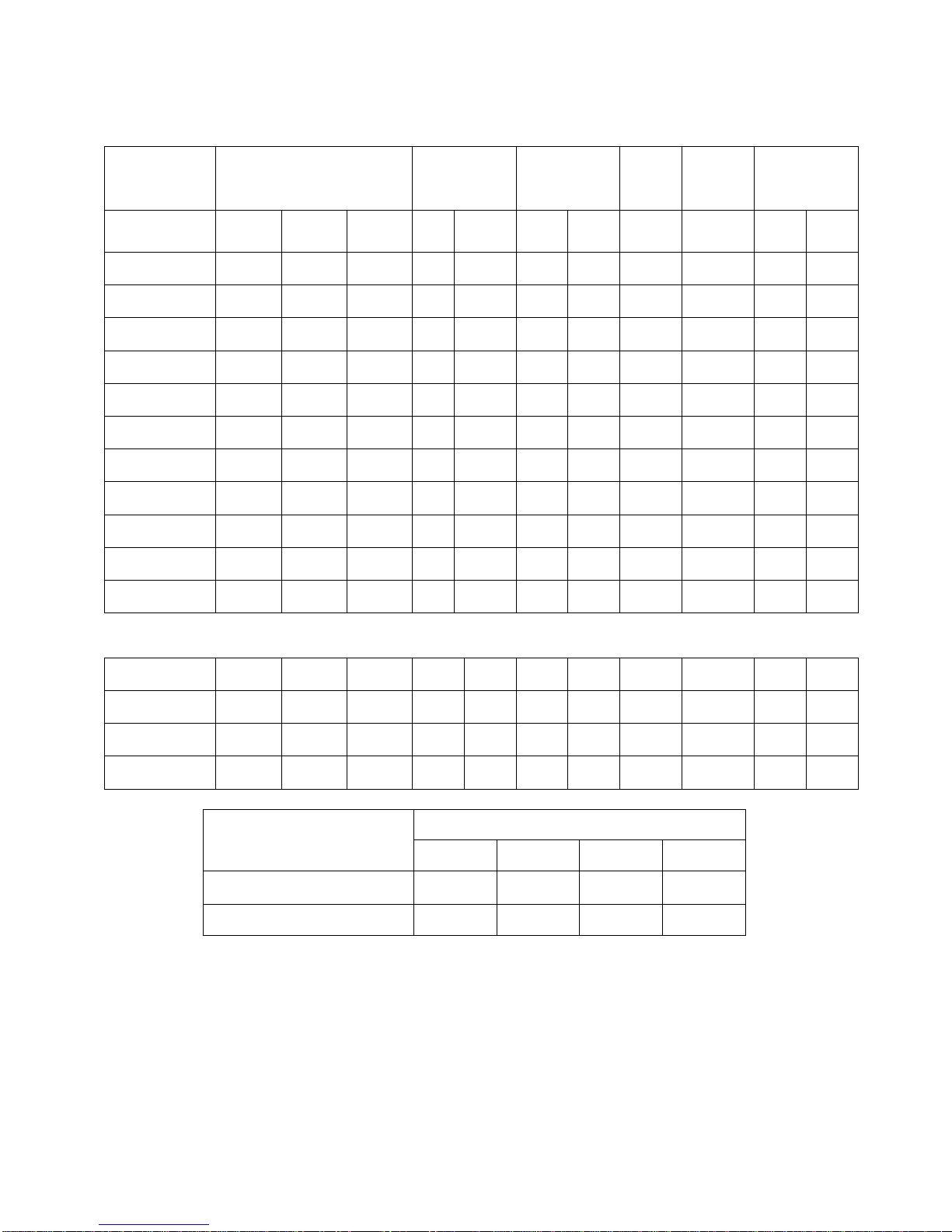
The maximum pressure and speed operating parameters are given in Fig 6. In
practice these may be limited due to the nature of the product to be pumped
and/or design of the system in which the pump is to be installed. Consult
Wright Flow Technologies Limited or your Wright Flow Technologies Limited
distributor for assistance.
The operating temperature limit of the pump is determined by the rotor
clearance. For the CP10, CP20, CP30 and CP40 series pumps there are
three rotor clearance bands (class A, B and C), and two (class B and D) for
the CP50 series pumps.
If the system or product characteristics are to be changed from the original
application for which the pump was selected, Wright Flow Technologies
Limited or their authorized distributor should be consulted to ensure the pump
is suitable for the new application.
The pump should not be subjected to sudden temperature changes to avoid
the risk of damage from sudden expansion/contraction of components. Care
should be taken when selecting pumps for handling liquids containing
abrasive particles as these may cause wear of pump head components. For
advice or assistance contact Wright Flow Technologies Limited or your Wright
Flow Technologies Limited distributor.
WARNING
Page 16
Page 16
Classic+ Series
Operating Temperature Limit (°C)
Class A Class B Class C Class D
CP10, 20, 30, 40 70 100 150 N/A
CP50
N/A 100 N/A 180
N/A = Not Available
Fig 6 Operating Parameters
Pump Range Theoretical Displacement
Nominal
Connection
Size
Max Diff.
Pressure
Max.
Speed
Max
Speed @
Max Diff.
Pressure
Max Diff.
Pressure @
Max Speed
ltr/rev
Imp.gal
/100 rev
US gal
/100 rev
mm inches bar psi rev/min rev/min bar psi
CP10/0005/12 0.046 1.01 1.22 25 1 12 175 1400 1000 8.5 120
CP10/0008/08 0.083 1.83 2.19 38 1.5 8 120 1400 1000 5.5 75
CP10/0011/05 0.111 2.44 2.93 38 1.5 5 70 1400 1000 3.5 50
CP20/0020/12 0.202 4.44 5.34 38 1.5 12 175 1000 750 8.5 120
CP20/0031/07 0.313 6.89 8.27 50 2 7 100 1000 750 5.0 70
CP30/0069/12 0.694 15.27 18.34 50 2 12 175 750 550 8.5 120
CP30/0113/07 1.125 24.75 29.72 76 3 7 100 750 550 5.0 70
CP40/0180/12 1.800 39.60 47.56 76 3 12 175 700 520 8.5 120
CP40/0250/07 2.500 55.00 66.05 101 4 7 100 700 520 5.0 70
CP50/0351/12 3.514 77.31 92.84 101 4 12 175 650 420 8.5 120
CP50/0525/08 5.250 115.50 138.70 152 6 8 115 600 420 5.5 75
CP20/CP30 High Efficiency Operating Parameters.
CP20/0020/07 0.202 4.44 5.34 38 1.5 7 100 1000 750 5.0 70
CP20/0031/04 0.313 6.89 8.27 50 2 4 55 1000 750 3.0 40
CP30/0069/07 0.694 15.27 18.34 50 2 7 100 750 520 5.0 70
CP30/0113/04 1.125 24.75 29.72 76 3 4 55 750 520 3.0 40
Page 17
Page 17
3.3 System Design.
3.3.1 System Design and Installation.
When incorporating any pump into a system it is considered good practice to
minimize piping runs and the number of pipe fittings (tees, unions, bends etc.)
and restrictions. Particular care should be taken in designing the suction line,
which should be as short and straight as possible with a minimum of pipe
fittings to minimise restricting product flow to the pump. The following should
be considered at the design stage of any system
Be sure ample room is provided around the pump to allow for:
− Access to the pump and drive for routine inspection and maintenance, i.e.
to remove pump front cover and rotors.
− Ventilation of the drive to prevent over heating.
The exterior of the pump unit may exceed 68°C (154°F),
Appropriate measures must be taken to warn or protect operators.
The pump must not be used to support piping. All piping to and from the pump
unit must be independently supported. Failure to observe this may distort the
pump head components or assembly and cause serious consequential
damage to the pump.
Valves should be provided adjacent to the pump suction and discharge
connections to allow the pump to be isolated from the system for routine
inspection and maintenance.
Rotary lobe pumps are of the positive displacement type and therefore an
overload protection device must be provided. This can take the form of:
− An in-line pressure relief system, i.e. external to the pump.
− Incorporation of a torque-limiting device in the drive system.
It is recommended that all piping and associated equipment from the tank to
the discharge point is thoroughly cleaned before installation of the pump to
avoid the possibility of debris entering the pump and causing damage.
Pressure gauges should be installed adjacent to the pump suction and
discharge connections such that system pressures can be monitored. These
gauges will provide a clear indication of changes in operating conditions and
where a relief valve is incorporated in the system, will be necessary for setting
and checking the functioning of the valve.
It is imperative that the suction condition at the pump inlet meets the Net
Positive Suction Head required (NPSHr) by the pump. Failure to observe this
could cause cavitation, resulting in noisy operation, reduction in flow rate and
mechanical damage to the pump and associated equipment.
WARNING
WARNING
WARNING
WARNING
Page 18
Page 18
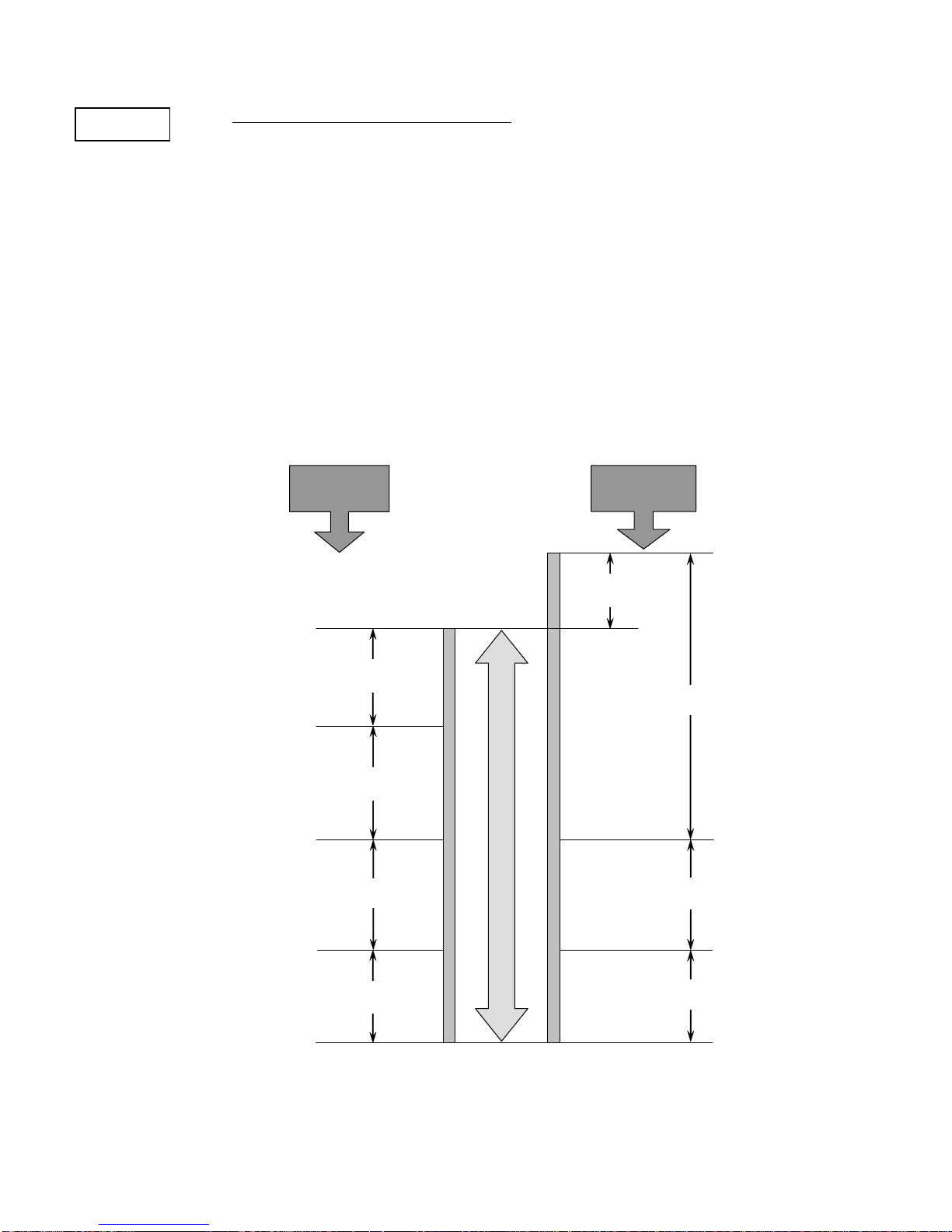
The Net Positive Suction Head available (NPSHa) from the system must
always exceed the Net Positive Suction Head required (NPSHr) by the pump.
Observing the following general guidelines should ensure the best possible
suction condition is created.
− Suction piping is at least the same diameter as the pump connections.
− The length of suction piping is kept to the absolute minimum.
− The minimum number of bends, tees and pipework restrictions are used.
− Calculations to determine system NPSHa are carried out for the worst
condition see below.
Should advice on pump or system NPSH characteristics be required contact
the factory or their authorised distributor.
10.0 Meters (32.8 Feet) Water Column
Suction Lift
Or Vacuum
Atmospheric
Pressure
Suction
Head
NPSH
Available
Suction Line
Friction Loss
Vapour
Pressure
NPSH
Available
Suction Line
Friction Loss
Vapour
Pressure
For Suction Lift
Or Vacuum
Conditions.
For Conditions
With Positive
Suction Head.
Atmospheric
Vacuum
Fig 7 NPSH
WARNING
Page 19
Page 19
When installing a pump complete with base plate, motor and drive, the following
guidelines must be observed:
a) The preferred drive arrangement for any rotary lobe pump is in-line
direct coupled. If an alternative is required please contact Wright Flow
Technologies Limited or your Wright Flow Technologies Limited
distributor.
b) Flexible couplings must always be incorporated and correctly aligned
within the limits recommended by the coupling manufacturer. To
check coupling alignment rotate the shaft by at least one full revolution
and ensure that the shaft rotates smoothly.
Couplings of a non-flexible design must never be used.
c) Couplings must always be enclosed in a suitable guard to prevent
contact with rotating parts, which could result in personal injury.
Guards should be of suitable material, (see d) and of sufficiently rigid
design to prevent contact with rotating parts under normal operating
conditions.
d) When the pump is installed in a flammable or explosive environment,
or is used for handling flammable or explosive materials, special
consideration must be given. Not only to the safety aspects of the
drive unit enclosure but also to the materials used for both the
coupling and the guard to eliminate the risk of explosion.
e) Base plates must be secured to a flat level surface such that distortion
and misalignment are avoided. Once base plates are fastened in
position the drive alignment must be re-checked, (see b).
f) When using electric motor drives, ensure that the electrical supply is
compatible with the drive and controls and that the method of wiring is
correct for the type of starting required by the motor i.e. Direct On
Line, or other similar method. Ensure all components are correctly
grounded.
3.3.2 Installations with CIP Systems.
The Classic+ pump range is designed to be effectively cleaned by the CIP
procedures recommended for in place cleaning of process plant. It is
recommended that a differential pressure of 2 to 3 Bar (30 to 45 psi) be
developed across the pump head during cleaning in order to develop the
necessary fluid velocities required for thorough cleaning.
Page 20
Page 20
3.4 Start Up Procedure.
- Check that all piping and associated equipment are clean and free from
debris and that all pipe connections are secure and leak free.
- For pumps fitted with flushed product seals check all auxiliary services
are in place and connected and provide sufficient flow and pressure for
flushing purposes, refer to section 7.0.
- Ensure lubrication is provided for both pump and drive. The Classic+ is
shipped without oil as standard and should be filled to the level of the
oil sight glass - refer to section 8.3 for pump oil capacities and grades.
- If an external relief valve is incorporated in the system, check that it is set
correctly. For start up purposes, it is considered good practice to set the
relief valve lower than the system design pressure. On completion of
start up, the relief valve should be reset to the required setting for the
application. The required setting should never exceed the lower of either
the pumps maximum pressure rating or the system design pressure. For
setting integral relief valves refer to sections 3.8.1 and 3.8.2.
- Be sure both suction and discharge valves are fully opened and that pipe
work is free from all obstructions. The Classic+ is a positive displacement
type pump and should therefore never be operated against a closed
valve as this would result in pressure overload, resulting in damage to
the pump and possibly the system.
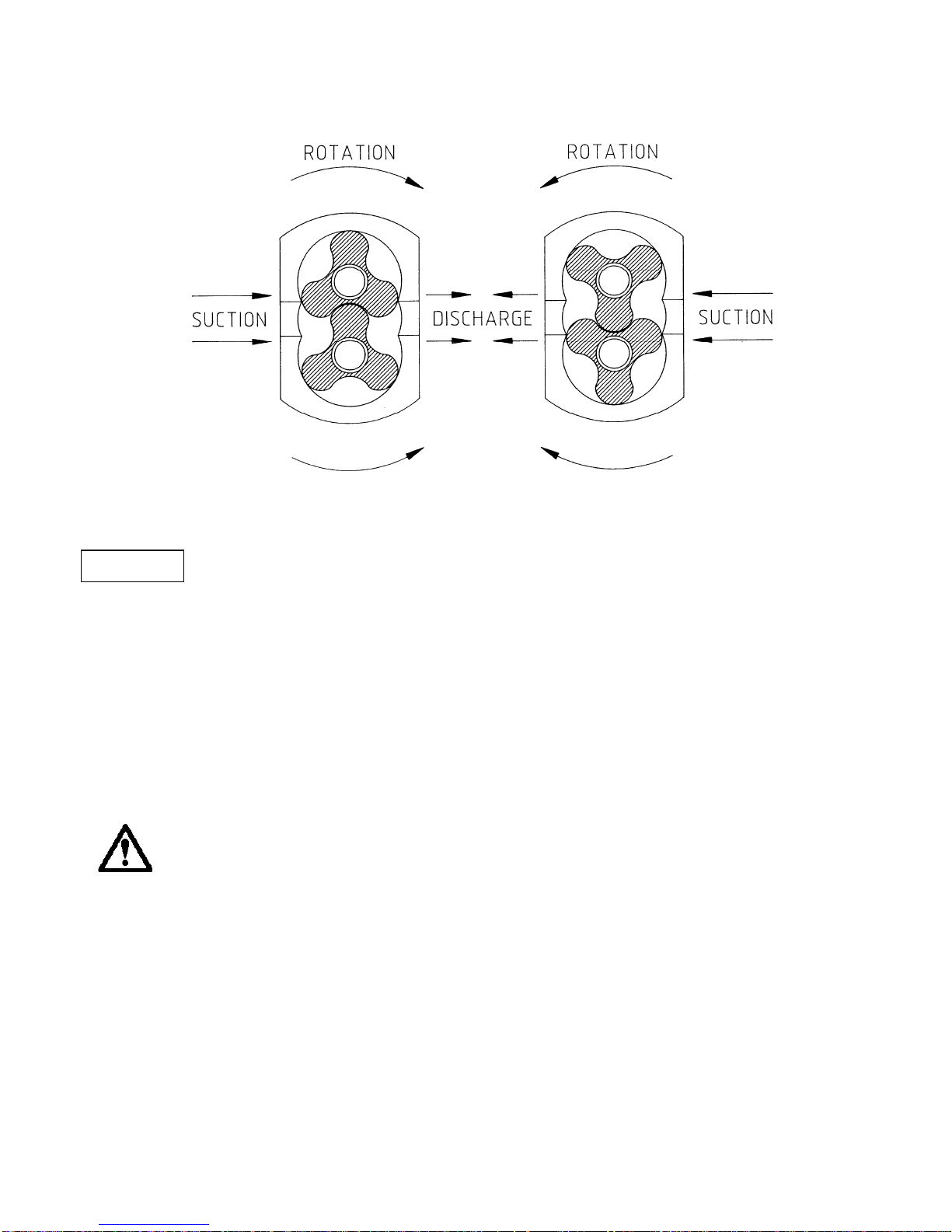
- Make sure that the drive shaft rotation is correct for the direction of flow
required. See Fig 8.
WARNING
WARNING
WARNING
WARNING
WARNING
WARNING
Page 21
Page 21
Fig 8 Rotation against Suction and Discharge
- Be sure product is available in the suction vessel before starting the
pump. This is very important for pumps fitted with un-flushed product
seals, as these sealing arrangements must never be allowed to run dry.
- Before beginning operation, it is considered good practice to momentarily
start/stop the pump to check the direction of rotation and ensure that the
pump is free of obstructions. Once this has been carried out, begin
operation keeping a visual check on suction and discharge pressure
gauges and monitor the pump temperature and absorbed power where
possible.
3.5 Shutdown Procedure.
When shutting the pump down, stop pump, close both the suction and
discharge valves and ensure that the necessary safety precautions are taken:
- The prime mover power source has been isolated.
- If installed, pneumatically operated integral relief valve has been
depressurised.
- Flushed product seal auxiliary services have been isolated and
depressurised.
- Pump head and piping have been drained and purged.
- Before undertaking any work on the pump refer to sections 4, 5, 6 and 7.
WARNING
Page 22
Page 22
3.6 Routine Maintenance.
- Check oil levels regularly.
- Change the oil every 12 months or 3000 operating hours, whichever is the
sooner.
- For lubricant capacities and grades refer to section 8.3.
3.7 Heating and Cooling Jackets
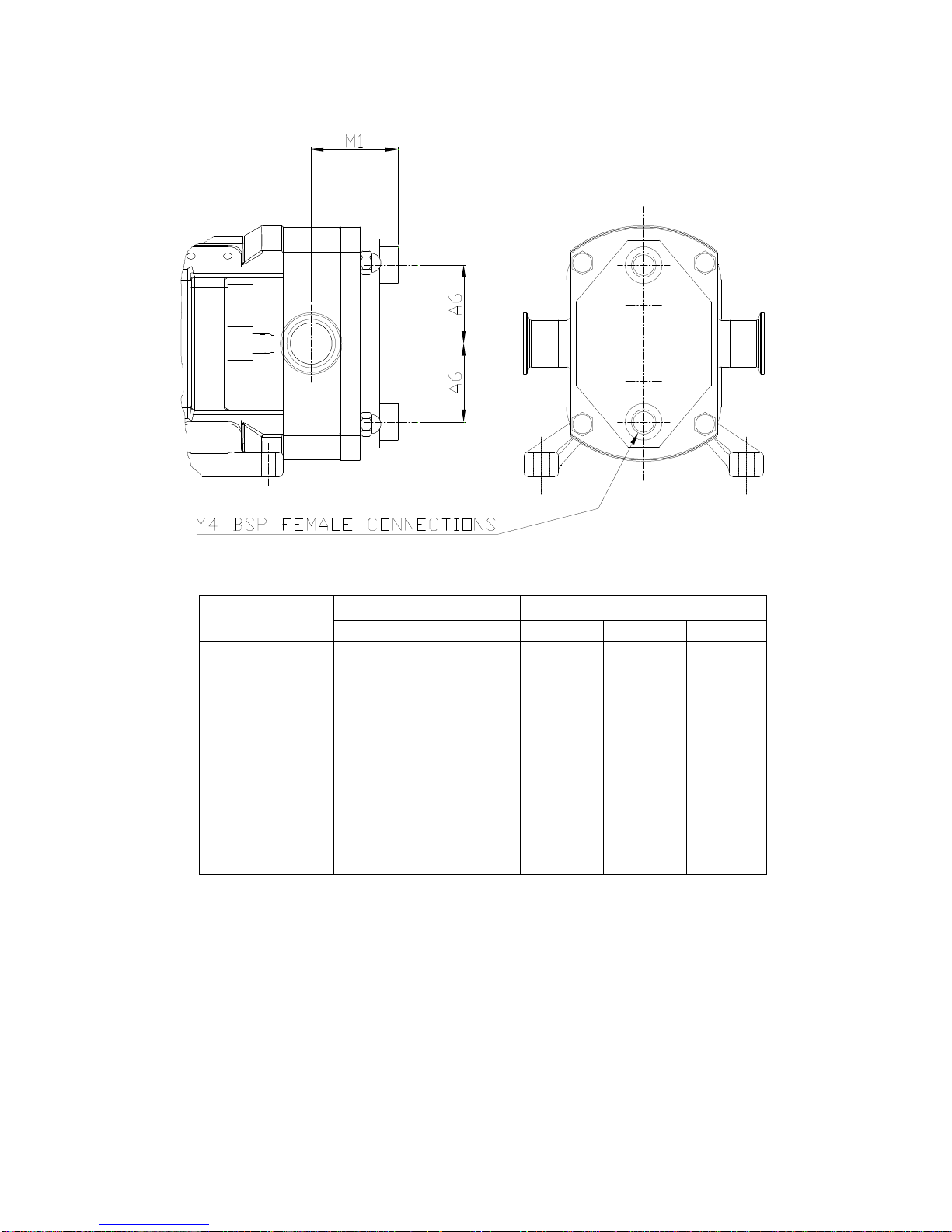
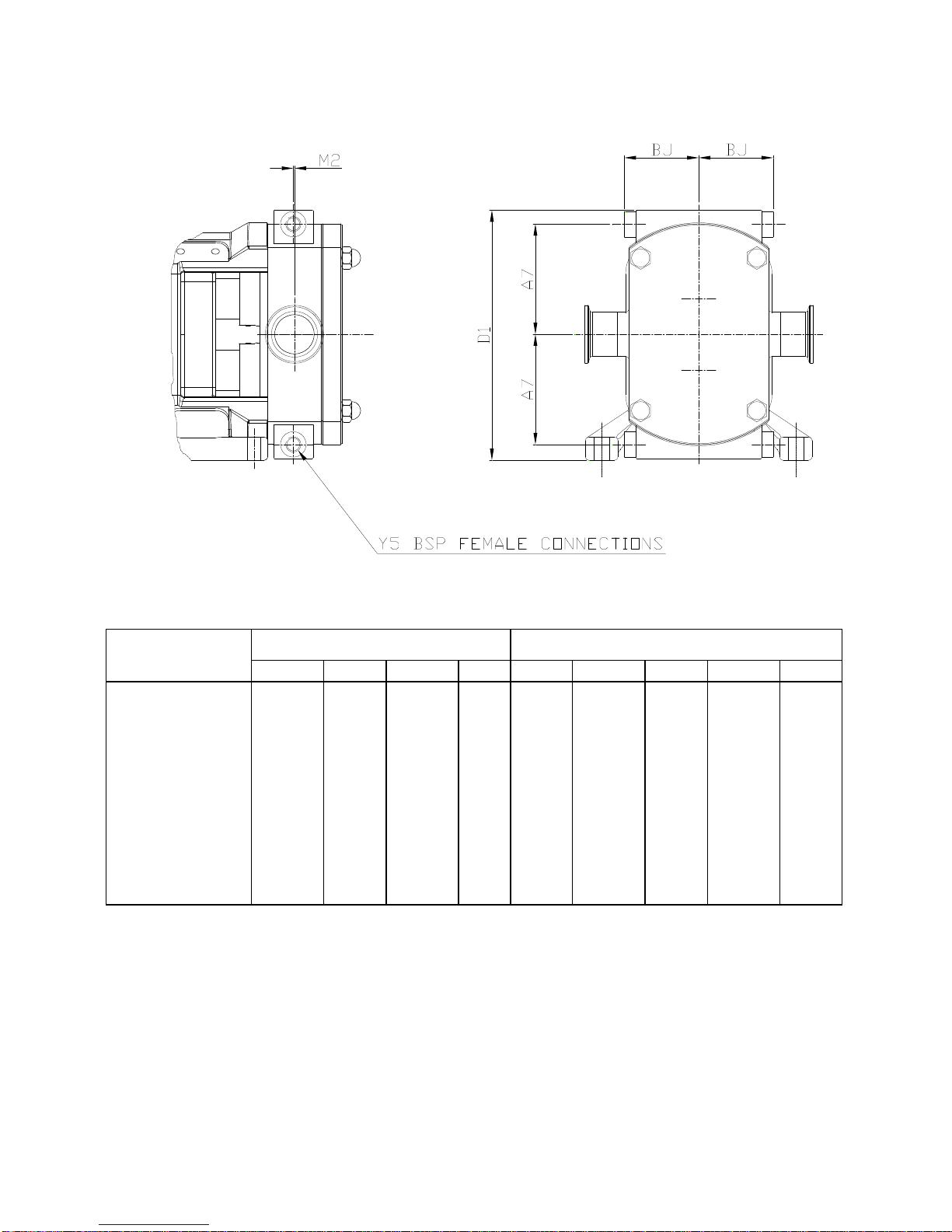
See Fig 9 and Fig 10.
The Classic+ can be supplied with a jacketed front cover and rotorcase for
circulation of a heating/cooling media.
The front cover and rotorcase jacket ports are strategically positioned such
that the required thermal effect acts on the pumping chamber.
The pressure rating of the Classic+ series jacketed front cover and rotorcase
is 3 Bar (50 psi) and this should not be exceeded without consulting Wright
Flow Technologies Limited or your local Wright Flow Technologies Limited
distributor.
Heating/cooling of the pump head is used to maintain, rather than
increase/decrease the temperature of the pumped media and should be used
as part of a complete system where suction and discharge lines and vessels
are also heated/cooled.
Where heating/cooling devices are employed, the heating/cooling media
should be circulated 15-20 minutes prior to pump start-up and should be
allowed to continue for a similar period of time after the pump has been shut
down. Where a CIP cycle is employed as part of the process, then the
heating/cooling media should continue to be circulated during the cleaning
cycle.
WARNING
Page 23
Page 23
Fig 9 Dimensions of Front Cover Jacket for Heating/Cooling.
Model
Millimetres Inches
A6 M1 A6 M1 Y4
CP10/0005/12
CP10/0008/08
CP10/0011/05
CP20/0020/12
CP20/0031/07
CP30/0069/12
CP30/0113/07
CP40/0180/12
CP40/0250/07
CP50/0351/12
CP50/0525/08
50.0
50.0
50.0
64.0
64.0
92.5
92.5
130.0
130.0
175.0
175.0
52.0
61.0
61.0
71.0
81.0
81.0
96.0
108.0
123.0
115.0
138.0
1.97
1.97
1.97
2.52
2.52
3.64
3.64
5.12
5.12
6.89
6.89
2.05
2.40
2.40
2.80
3.19
3.19
3.78
4.25
4.84
4.53
5.43
¼”
¼”
¼”
½”
½”
½”
½”
½”
½”
½”
½”
Page 24
Page 24
Fig 10 Dimensions of Rotorcase Jacket for Heating/Cooling.
Model
Millimetres Inches
A7 BJ D1 M2 A7 BJ D1 M2 Y5
CP10/0005/12
CP10/0008/08
CP10/0011/05
CP20/0020/12
CP20/0031/07
CP30/0069/12
CP30/0113/07
CP40/0180/12
CP40/0250/07
CP50/0351/12
CP50/0525/08
70.0
70.0
70.0
80.0
80.0
118.0
118.0
156.0
156.0
191.0
191.0
56.0
56.0
56.0
64.0
64.0
93.0
93.0
125.0
125.0
155.0
155.0
156.0
156.0
156.0
216.0
216.0
280.0
280.0
352.0
352.0
430.0
430.0
3.0
2.0
7.5
0.0
1.0
1.0
3.5
2.5
3.5
8.0
10.0
2.76
2.76
2.76
3.15
3.15
4.65
4.65
6.14
6.14
7.52
7.52
2.20
2.20
2.20
2.52
2.52
3.66
3.66
4.92
4.92
6.10
6.10
6.14
6.14
6.14
8.50
8.50
11.02
11.02
13.86
13.86
16.93
16.93
0.12
0.08
0.30
0.00
0.04
0.04
0.14
0.10
0.14
0.31
0.39
¼
¼
¼
¼
¼
½
½
½
½
½
½
Page 25

Page 25
3.8 Integral Pressure Relief Valves
See Fig 11, 12, 13 and 14.
The Classic+ models CP10, CP20, CP30 and CP40 can be supplied with
integral pressure relief valves. For the CP10, CP20 and CP30 both spring and
air loaded versions are available. The function of the valves can be further
enhanced with the option of manual or airlift override, offering particular
benefits where CIP or SIP procedures are employed. Valves incorporating this
option can be opened to regulate the flow of the cleaning media through the
pump chamber, thereby avoiding the need for manual cleaning or external
bypass.
Where the pump is mounted onto a portable base plate, complete with motor
and drive to be used as a mobile set, an integral pressure relief valve should
be installed.
The Classic+ integral pressure relief valves available include:
Spring Loaded - see Fig 11.
- Valve can be set to the required pressure relief setting.
Spring Loaded with Manual Lift - see Fig 12.
- Valve can be set to the required pressure relief setting. Manual lift
override can be used to open valve without disturbing pressure relief
setting.
Spring Loaded with Air Lift - see Fig 13.
- Valve can be set to the required pressure relief setting. Airlift override,
which operates on an air supply of up to 7 Bar (102 psi) depending on
pressure relief setting, can be used to open valve without disturbing
pressure relief setting.
Air Loaded with Air Lift - see Fig 14.
- Valve, which operates on an air supply of up to 7 Bar (102 psi) regulated
for required setting, can be set to the required pressure relief setting. Airlift
override, which operates on an air supply of up to 7 Bar (102 psi)
depending on pressure relief setting, can be used to open valve without
disturbing pressure relief setting.
Air actuated relief valves can be operated remotely and interfaced with other
elements of the system or process control.
Page 26
Page 26
Integral pressure relief valves are normally used to protect the pump from the
effects of increases in system pressure caused, for example, by a restricted or
closed discharge line. In response to a pressure increase, the valve opens
and internally circulates the pumped media within the pump chamber. When
the valve opens, because the volume of liquid circulating is relatively small,
the temperature of the liquid in the pump chamber may rise if the pump
continues to operate for an extended period. In severe cases, this may result
in temperatures in excess of the pumps operating limits, or vaporisation of the
liquid, both of which should be avoided. For these reasons when the valve is
activated the cause of the system pressure increase should be eliminated as
continuous operation of the pump with the valve open is not recommended
and may cause severe damage to the pump.
If the pump on which the valve is fitted is to be installed within either a
pressurised system or one incorporating a vessel under vacuum then the
application of the valve should be referred to Wright Flow Technologies
Limited.
The selection, setting and application of integral relief valves is influenced by
the viscosity and nature of the pumped media, the pumps operating speed
and the required pressure relief setting and mode of operation. For these
reasons and to cover the diverse range of products, the conditions under
which they are pumped and application demands, it is not practical to factoryset integral relief. Valves and the setting of the valves should be carried out on
site, under the proposed duty conditions for which the pump and valve were
selected.
For setting and operating Classic+ integral relief valves refer to sections 3.8.1
and 3.8.2. Before beginning the relief valve setting procedure the pump should
be installed, refer to section 3.3.1, paragraph (vi), with a pressure gauge in the
discharge line adjacent to the pump discharge port.
3.8.1 Setting and Operating Spring Loaded Valves
See Fig 11, 12 and 13.
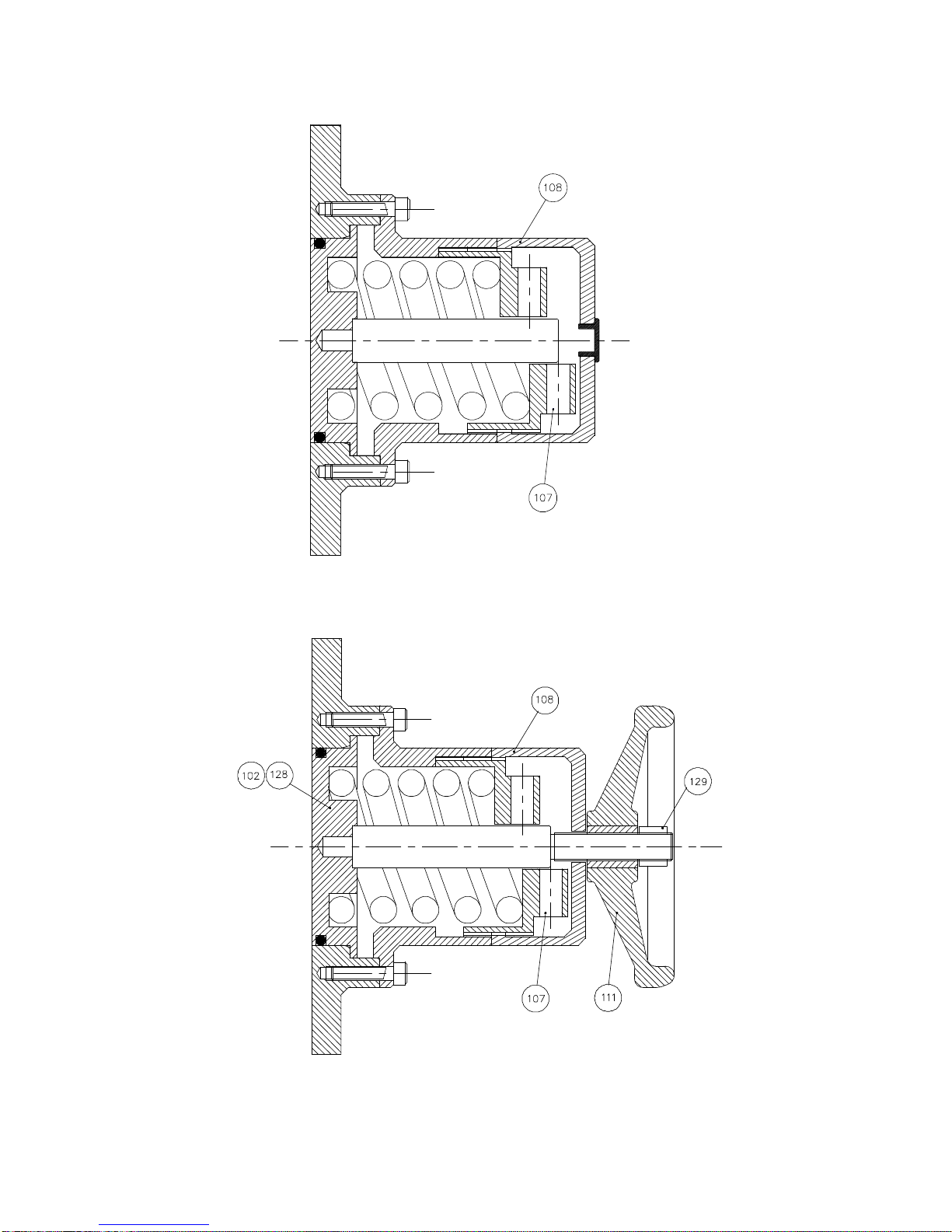
- Remove cover (108). For integral relief valve with manual lift, see Fig 12;
first remove nut (129) and hand wheel (111).
- Unscrew nut (107) using pry bar in holes provided to relieve spring
compression. For integral relief valve with airlift, see Fig 13, the air
cylinder must be exhausted prior to unscrewing the nut (107).
- Start pump. - refer to section 3.4.
- Screw in nut (107) using pry bar in holes provided until the required
pressure relief setting is reached.
Note: Care should be taken not to exceed the lower of either the pump's
maximum pressure rating or the system design pressure.
WARNING
WARNING
Page 27
Page 27
- Reinstall cover (108). For integral relief valve with manual lift, see Fig 12;
reinstall hand wheel (111) and nut (129).
- The relief valve is now set.
For Integral Relief Valve with Manual Lift - see Fig 12.
- To operate the manual lift, turn the hand wheel (111) clockwise, which will
lift the valve head (102/128). To resume normal relief valve operation,
turn the hand wheel (111) counter-clockwise.
For Integral Relief Valve with Air Lift - see Fig 13.
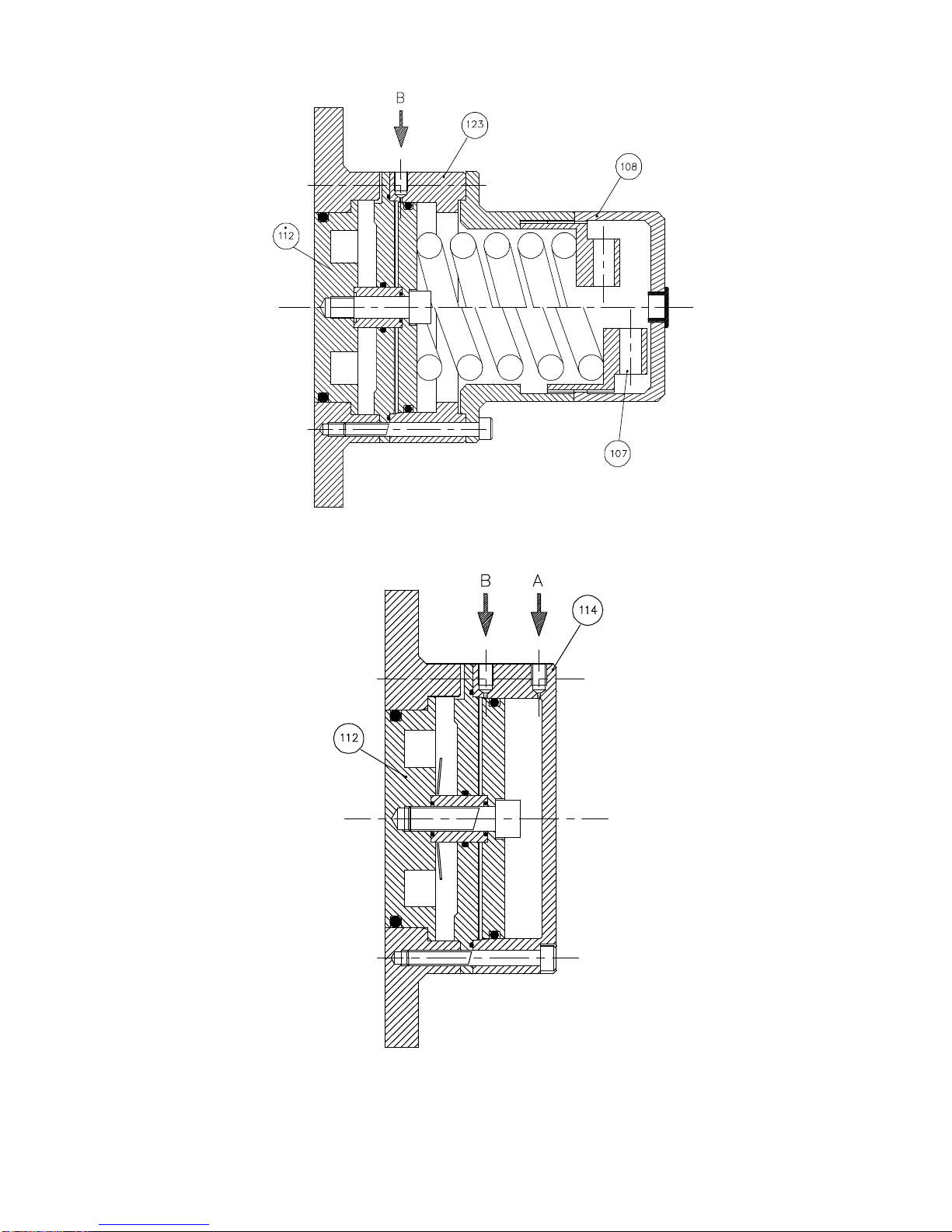
- To actuate the airlift, connect an air supply not exceeding 7 Bar (102 psi)
to the cylinder (123), connection 'B', which will lift the valve head (112).
To resume normal relief valve operation, exhaust the cylinder (123).
3.8.2 Setting and Operating Air Loaded Integral Pressure Relief Valves
See Fig 14.
- Connect an air supply, not exceeding 7 Bar (102 psi), via a regulating
valve to the relief valve connection 'A' in the cylinder (114). Do not turn on
the air supply.
- Start the pump, refer to section 3.4.
- Using the regulating valve, gradually increase the air pressure until
required pressure relief setting is reached. The air pressure must not
exceed 7 Bar (102 psi).
- The relief valve is now set.
Note: Care should be taken not to exceed the lower of either the pump's
maximum pressure rating or the system design pressure.
- To use the air lift system, the regulated air supply must be routed through
a change-over valve in order to transfer air from the relief valve load air
chamber, connection 'A', to the lift air chamber, connection 'B', while
depressurizing the load chamber and vice versa. The change-over valve
will actuate the air lift which will lift when the air supply is diverted to
connection 'B', and will close, restoring normal relief valve operation, when
the air supply is diverted back to connection 'A'.
DANGER
Under no circumstances should any attempt be made to disassemble a
pressure relief valve which has not had the spring pressure relieved, is still
connected to a pressurized air supply or is mounted on a pump that is
operating. Serious personal injury or pump damage may occur.
WARNING
Page 28
Page 28
Fig 11 Spring Loaded Integral Pressure Relief Valve CP10, CP20, CP30, CP40.
Fig 12 Spring Loaded Integral Pressure Relief Valve with Manual Lift CP10, CP20
and CP30.
Page 29
Page 29
Fig 13 Spring Loaded Integral Pressure Relief Valve with Air Lift CP10, CP20
and CP30.
Fig 14 Air Loaded Integral Pressure Relief Valve with Air Lift CP10, CP20, CP30
and CP40.
Page 30
Page 30
4.0 Classic+ Disassembly and Assembly.
Before starting any work on the pump the recommended Shutdown Procedure
should be followed, refer to section 3.5.
While disassembling or assembling the pump it is essential to ensure that the
pump and/or components are secured to provide adequate stability.
Large pump components or sub-assemblies should be installed using suitable
devices. Use threaded holes for the attachment of lifting eyes where
appropriate.
During disassembly or before assembly, all components should be inspected
for fit, wear and damage. If worn or damaged the components should be
replaced.
The position of all parts should be identified as they are removed to ensure
they are reinstalled in the same position.
Lipseals and o-rings are incorporated within the gearbox assembly to contain
the lubricant for the bearings and timing gears. Regular inspection and correct
maintenance of these items will ensure that the lubrication is sustained and
the pump maximum working life is achieved. To ensure this, it is extremely
important that care is taken when removing and replacing new o-rings and
lipseals. When removing and replacing lipseals ensure that the location bore
for the outside diameter and the seat for the back of the lipseal is not
damaged as this may create a leak path for the lubricant.
When removing lipseals or o-rings care should be taken to avoid cutting or
tearing the sealing faces as they pass over keyways, splines, threads or other
potentially sharp or abrasive edges. All lipseals and o-rings should be carefully
examined and if damaged in any way, be replaced.
All o-rings and sealing lips of lipseals should be lightly lubricated with an
appropriate lubricant (suitable for application) before installing.
When installing lipseals do not allow the rear face to come into contact with
bearings or other rotating parts.
Prior to beginning assembly, ensure all parts are clean and free from burrs or
damage. Where a vice is to be used then this should be installed with
protective jaws to avoid damage to components. Do not hammer or apply
undue force to install or position components.
All fasteners are required to be tightened to the required torque setting during
assembly, refer to section 8.2.
WARNING
Page 31

Page 31
The preferred method of installing bearing cones is that they are heated to
approximately 125°C (250°F) prior to installation. During this operation
protective gloves should be used. Once bearing cones are installed in the
correct position they should be allowed to cool before proceeding with
assembly. As an alternative, bearing cones may be pressed into position
providing the proper equipment is utilised and the necessary procedures are
used to prevent component damage.
Under no circumstances should bearing cones or cups be hammered
into position.
Page 32

Page 32
4.1 CP10, CP20 and CP30 Pump - Disassembly and Assembly.
4.1.1 CP10, CP20 and CP30 Front Cover and Rotor Removal
Fig 15 CP10 Exploded View of Rotorcase and Rotor Assembly
Page 33

Page 33
Fig 16 CP20 / CP30 Exploded View of Rotorcase and Rotor Assembly
Page 34

Page 34
- Follow recommended shutdown procedure. Refer to section 3.5.
- For CP10 Pump – refer to Fig 15.
- For CP20 Pump – refer to Fig 16.
- Gradually loosen front cover retaining dome nuts (1.03). Care should be
taken as there may still be residual product and pressure in the pump
head and as the dome nuts are loosened, this will vent to atmosphere.
- Remove dome nuts (1.03).
Note: CP10 Pump Only - Do not rotate shafts at this stage as the
rotorcase is held in place by the front cover retaining dome nuts
(1.03).
- Failure to observe this will result in damage to the pump.
- Remove front cover (1.01) using lever slots where necessary and the front
cover o-ring (1.02) or optional gasket (not shown).
- Remove rotor retainers’ (2.02) with socket supplied (not shown).
Note: The socket tool should always be used, the use of other tools may
damage the retainer.
- Remove retainer o-rings (2.03).
- Remove rotors (2.01) from shafts (5.01 and 5.02).
- Remove rotor o-rings (2.04) – Not fitted on O-Ring seal version of CP10.
Note: If the pump is fitted with o-ring Seals (instead of mechanical seals) then
the o-ring seal will now be visible – Chapter 6.0 for further information.
WARNING
WARNING
Page 35

Page 35
4.1.2 CP10, CP20 and CP30 Rotorcase Removal
Note: Ensure all pipe work is disconnected before commencing rotorcase
removal.
4.1.2.1 CP10, CP20 and CP30 Rotorcase Removal for Pumps fitted with Single
Un-Flushed Mechanical Seals and Single O-Ring Seals
CP10 Pump Only
(After completing section 4.1.1)
- Slide rotorcase (3.01) from bearing housing (4.01), noting it is
located on dowels (4.03), keep arch shims (4.05) in
appropriate sets if they are to be reused.
CP20 and CP30 Pump Only
(After completing section 4.1.1)
- Remove rotorcase retention socket cap head screws (4.04) with
appropriate metric allen key (not supplied).
- Slide rotorcase (3.01) from bearing housing (4.01), noting it is
located on dowels (4.03), keep arch shims (4.05) in
appropriate sets if they are to be reused.
Single Un-Flushed Mechanical Seal as shown in Fig 17.
- See section 5.2.1 for removal and section 5.2.2 for replacement.
WARNING
Fig 17 Single Un-flushed
Mechanical Seal
Page 36

Page 36
Single O-Ring Seal as shown in Fig 18 – see section 6.2.1 for removal and
replacement.
- Remove rotor (2.01).
- Remove O-Ring seal (7.04) from rotorcase (3.01).
Fig 18 O-Ring Seal
Page 37

Page 37
4.1.2.2 CP10, CP20 and CP30 Rotorcase Removal for Pumps Fitted with Single
Flushed or Double Flushed Mechanical Seals.
Prior to removal of rotorcase (3.01) for CP10, CP20 and CP30, remove
seal housing screws (7.10) and separate housing (7.06) from rotorcase
(3.01) noting it is located on dowels (7.09).
CP10 Pump Only
(After completing section 4.1.1) - see Fig 15.
- Slide rotorcase (3.01) from bearing housing (4.01), noting it is
located on dowels (4.03), keep arch shims (4.05) in
appropriate sets if they are to be reused.
CP20 and CP30 Only
(After completing section 4.1.1) - see Fig 16.
- Remove rotorcase retention socket cap head screws (4.04) with
appropriate metric allen key (not supplied).
- Slide rotorcase (3.01) from bearing housing (4.01), noting it is
located on dowels (4.03), keep arch shims (4.05) in
appropriate sets if they are to be reused.
Single Flushed Mechanical Seal as shown in Fig 19.
- See section 5.2.3 for removal and section 5.2.4 for replacement.
Fig 19 Single Flushed Mechanical Seal.
Page 38

Page 38
Double Flushed Mechanical Seal as shown in Fig 20 and Fig 21.
- CP10 Pump - see section 5.2.5 for removal and 5.2.6 for replacement.
- CP20 and CP30 Pumps – see section 5.2.7 for removal and 5.2.8 for
replacement.
Fig 20 Double Flushed
Mechanical Seal – CP10
Fig 21 Double Flushed
Mechanical Seal – CP20 and CP30
Page 39

Page 39
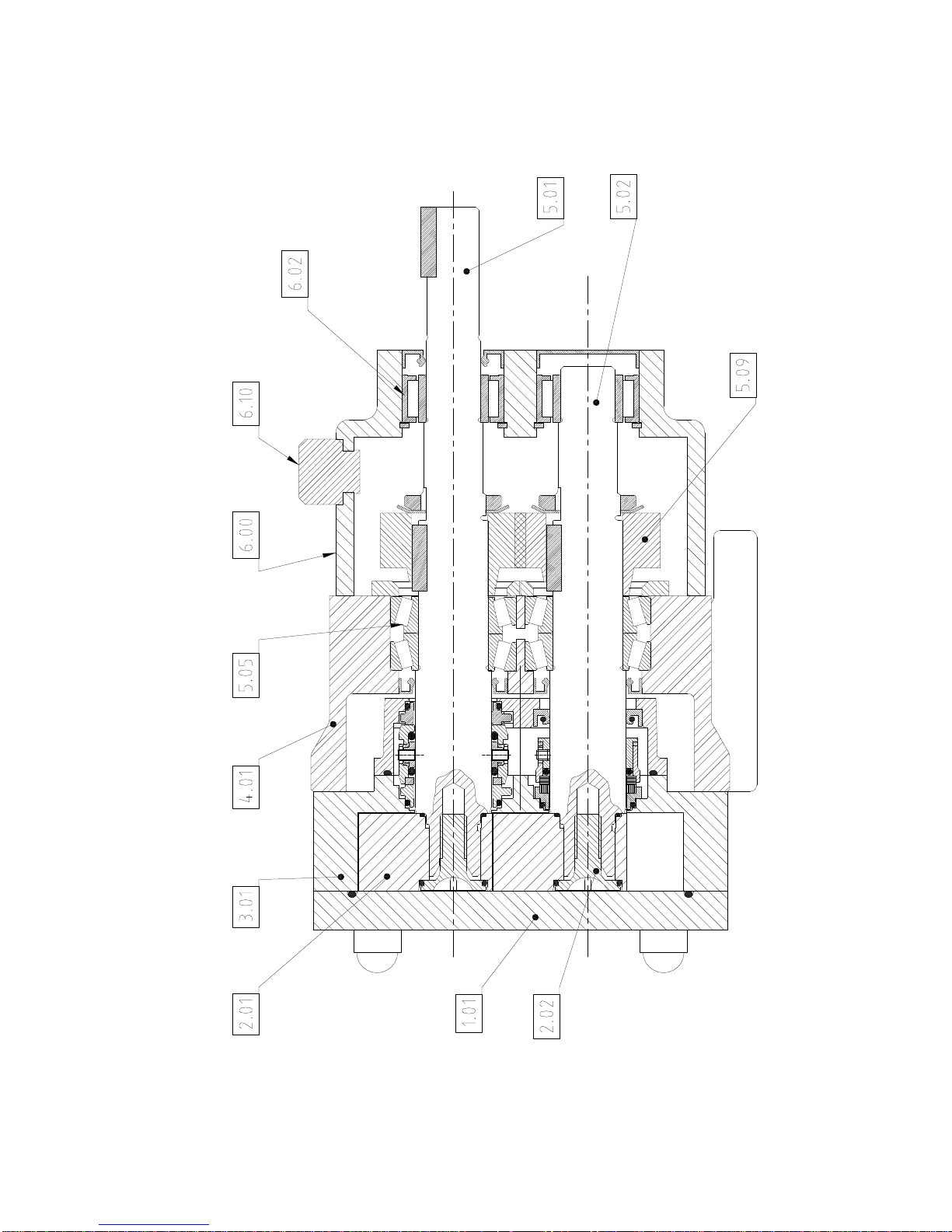
4.1.3 CP10, CP20 and CP30 Gearbox Disassembly
(After completing 4.1.1 or 4.1.2).
Fig 22 CP10 Component Parts
Page 40

Page 40
Fig 23 CP20 and CP30 Component Parts
Page 41

Page 41
Before starting disassembly of the gearbox remove product seals; refer to
section 5.0 for Mechanical Seals, or section 6.0 for O-Ring seals.
The following procedure describes complete disassembly of the gearbox.
- Refer to Fig 22 for CP10; Refer to Fig 33 for CP20 and CP30.
- Remove guard (5.06).
- Remove drive key (6.12).
- Remove oil drain plug (6.09) and breather (6.10), drain oil into suitable
container and retain if later inspection is required.
- Remove screws (6.11) and separate gearbox cover (6.00) from bearing
housing (4.01). The gearbox cover (6.00) is located on dowels (6.06)
Note: The bearing housing (4.01) is provided with two jacking holes (tapped
M8 on CP10; M10 on CP20; M12 on CP30), which can be used to
separate the gearbox cover (6.00) from the bearing housing (4.01).
- Remove gasket (6.05) from gearbox cover (6.00) or bearing housing
(4.01) depending upon which part the gasket is adhered to.
- Remove oil seal (6.03) and blanking cap (6.04) from gearbox cover
(6.00).
- Remove retaining rings (6.01) from gearbox cover (6.00) and press out
bearing outer rings (6.02).
- Remove bearing inner ring (6.02) from shafts (5.01 and 5.02).
- CP10 & CP20 Pumps Only - Remove lock nuts (5.12) and tab
washers’ (5.11).
- CP30 Pumps Only – Loosen locking screws from and lock nuts (5.12).
- Remove timing gears (5.09) and gear keys (5.10).
- CP10 Pumps Only
Remove shims (5.08) and spacers (5.16), keep shims and spacers in
sets and identify position.
- CP30 Pumps Only
Remove shims (5.08) in sets and identify position
- Remove screws (5.07) and retainers (5.06) from bearing housing
(4.01).
Page 42

Page 42
- Remove shafts (5.01 and 5.02) from bearing housing (4.01).
Shafts (5.01 and 5.02) will be complete with bearings (5.05) and shims
(5.04), keep shims in sets and identify position.
- Remove oil seals (5.03) from bearing housing (4.01).
- Remove bearing cups (5.05) and any associated shims (5.04) from
bearing housing (4.01), keep bearing cups (5.05) and shims (5.04) in
sets and identify position.
- Remove bearing cones (5.05) from shafts (5.01 and 5.02).
4.1.3 CP10, CP20 and CP30 Gearbox Assembly
Refer to Fig 22 for CP10 or Fig 23 for CP20 and CP30.
- Install bearing cones (5.05) to shafts (5.01 and 5.02) ensuring they locate
against shaft shoulder. The cones are installed as shown in Fig 24.
Fig 24 Installation of bearing cones onto shafts
- Install two bearing cups (5.05) to bearing housing (4.01).
- Install shafts (5.01 and 5.02) in bearing housing (4.01).
- Install remaining bearing cups (5.05), shims (5.04) to nominal value of
0.60mm (0.024"), retainers (5.06) and secure with screws (5.07) tightened
to correct torque refer to section 8.2.
- Using a torque wrench, check the rolling torque of each shaft assembly,
referring to section 8.2. If necessary, adjust amount of shim (5.04), either
by adding shim (5.04) to increase rolling torque or removing shim (5.04) to
decrease rolling torque, until correct rolling torque has been achieved. If
shim (5.04) is adjusted ensure screws (5.07) are tightened to correct torque
before final check of rolling torque.
- Install rotors (2.01) on to shafts (5.01 and 5.02) with rotor retainers (2.02).
Note: The socket tool (not shown) should always be used, the use of other
tools may damage the retainer.
WARNING
Page 43

Page 43
- Using a depth micrometer or similar device measure any difference (X) in
rotor front face alignment, see Fig 25. If a difference is found move shims
(5.04) of thickness equal to the difference (X) from beneath the forward
rotor's bearing retainer (5.06) and reposition under the front bearing (5.05)
cup.
- After adjusting shim (5.04) check rotor front face alignment and rolling
torque.
- Remove rotor retainers’ (2.02) and rotors (2.01).
- CP10 Pumps Only
Install spacers (5.16) and gear keys (5.10) to shafts (5.01 and 5.02).
- CP20 and CP30 Pumps Only
Install gear keys (5.10) to shafts (5.01 and 5.02).
Fig 25 Rotor / Bearing abutment setting.
Page 44

Page 44
- CP10 Pumps Only
Timing marks and gear marks ‘D’ and ‘L’ on gears (5.09) should be visible
when viewed on the drive end of the drive shaft.
- CP20 and CP30 Pumps Only
Timing marks and gear marks ‘D’ and ‘L’ on gears (5.09) should be visible
when viewed on the drive end of the shafts (5.01 and 5.02), and the
tapered shoulder on the gear (5.09) should face the bearings (5.05).
Fig 26 Timing marks on gears
- Install gears (5.09) to shafts (5.01 and 5.02). Gear marked 'D' should be
installed to drive shaft (5.01). Gear marked 'L' should be installed to lay
shaft (5.02) ensuring correct alignment of timing marks, see Fig 26.
- CP10 and CP20 Pumps Only
Install tab washers (5.11) and lock nuts (5.12) tightened to correct torque,
refer to section 8.2. Do not secure tab washers (5.11).
- CP30 Pumps Only
Install locknuts (5.12) and tighten to correct torque (refer to section 8.2).
Install, but do not tighten lock-screws (5.12) which are fitted in the locknuts
(5.12).
Page 45

Page 45
- Install rotors (2.01) and rotor retainers (2.02)
- Check mesh clearance against the Clearance Chart (refer to section 8.1).
- To adjust mesh clearance shims (5.08) will need to be inserted between the
spacer (5.16) and the gear (5.09). As a guide for a mesh clearance change
of one unit (say 0.1mm or 0.004"), shims (5.08) of four units’ thickness (say
0.4mm or 0.016") need to be inserted. Further, for clockwise movement of
the rotor (when viewed from the rotor end) insert shim (5.08) in between the
spacer (5.16) on the CP10; or bearing (5.05) on the CP20 and CP30; and
the gear (5.09) having a right hand helix, and vice versa, see Fig 27.
- Having installed shim (5.08) ensure lock nuts (5.12) are tightened to correct
torque (refer to section 8.2), before checking mesh clearance (refer to
section 8.1).
- CP10 and CP20 Pumps Only.
Having achieved optimum mesh clearances the tab washers’ (5.11) can be
secured.
- CP30 Pump Only.
Having achieved optimum mesh clearances the lock screws in the locknuts
(5.12) can be secured.
ADD SHIM
LEFT HAND
HELIX
RIGHT HAND
HELIX
ADD SHIM
Fig 27 Preload setting
- Remove rotor retainers’ (2.02) and rotors (2.01).
- Install bearing (6.02) inner races to shafts (5.01 and 5.02), positioning
against shoulder on shaft.
Page 46

Page 46
- Install inner retaining rings (6.01), bearing (6.02) outers, outer retaining
rings (6.01), lipseal (6.03), blanking cap (6.04), filler plug (6.10), sight glass
(6.07) and drain plug (6.09) to cover (6.00).
- Install cover (6.00) to bearing housing (4.01) with gasket (6.05), locating on
dowels (6.06), and secure with screws (6.11) tightened to correct torque,
refer to section 8.2.
4.1.4 CP10, CP20 and CP30 Rotorcase, Rotor and Front Cover Assembly
- see Fig 15 for CP10.
- see Fig 16 for CP20 and CP30.
- Install rotorcase (3.01) to bearing housing (4.01) locating on dowels
(4.03).
- CP10 Pump Only.
Secure rotorcase (3.01) in position with nuts (1.03) using four temporary
spacers (12mm long x 9mm bore or 0.472" long x 0.354" bore).
- CP20 and CP30 Pumps Only.
Secure rotorcase (3.01) in position with socket cap head screws (4.04)
using appropriate metric allen key (not supplied), tightened to correct
torque, refer to section 8.2. For additional clamping whilst checking the
clearances clamp the rotorcase on the opposite corners to the socket cap
screws using washers (not supplied) and nuts (1.03).
Note: The rotorcase must be clamped in position as above to enable front and
rear rotor clearances to be checked.
- Install rotors (2.01) to shafts (5.01 and 5.02) with retainers (2.02).
- Using a depth micrometer or similar device measure front clearance (refer
to section 8.1 Clearance Chart) between the rotorcase and rotor front
faces and check that this corresponds to the appropriate clearance as
indicated on the Clearance Chart.
- To adjust front clearance, remove rotors (2.01) and rotorcase (3.01) and
insert arch shims (4.05) between the rotorcase (3.01) and bearing housing
(4.01).
Note: It is essential that the thickness of arch shim (4.05) inserted is the
same at both the top and bottom of the rotorcase (3.01).
- Install product seals; refer to section 5.0 or 6.0.
- Install guard (5.06).
WARNING
WARNING
Page 47

Page 47
- Install rotorcase (3.01) securing in position with temporary spacers (CP10)
or socket cap head screws, washers and nuts (CP20 and CP30) as
before.
- Install rotors (2.01) with o-rings (2.03 and 2.04) and retainers (2.02)
tightened to correct torque, refer to section 8.2, using socket tool (not
shown).
- Check all rotor clearances i.e. front, rear, top/bottom, sides’ and mesh.
(Refer to section 8.1 Clearance Chart.)
- CP10 Pump Only.
Remove temporary spacers retaining rotorcase (3.01).
- CP10, CP20 and CP30 Pumps Only.
Install front cover (1.01) with o-ring (1.02) or gasket and secure with nuts
(1.03) tightened to correct torque, refer to section 8.2.
Page 48

Page 48
4.2 CP40 Pumps - Disassembly and Assembly
4.2.1 CP40 Front Cover and Rotor Removal
Fig 28 Front Cover and Rotorcase Removal for CP40
Page 49

Page 49
Follow recommended shutdown procedure - refer to section 3.5.
- Refer to Fig 28.
- Gradually loosen front cover retaining dome nuts (1.03). Care should be
taken as there may still be residual product and pressure in the pump
head and as the dome nuts are loosened, this will vent to atmosphere.
- Remove dome nuts (1.03).
- Remove front cover (1.01), using lever slots as necessary.
- Remove front cover o-ring (1.02).
- Remove rotor retainers’ (2.02) with socket (not shown).
Note: The socket tool supplied (not shown) should always be used to
remove the retainer. The use of other tools may damage the retainer.
- Remove retainer o-rings (2.03).
- Remove rotors (2.01) from shafts (5.01 and 5.02).
- Remove rotor o-rings (2.04).
Page 50

Page 50
4.2.2 CP40 Rotorcase Removal
Note: Ensure all pipe work is disconnected before commencing rotorcase
removal.
4.2.2.1 CP40 Rotorcase Removal for Pumps fitted with Single Un-flushed
Mechanical Seals and O-Ring Seals
(After completing 4.2.1)
- Remove dome nuts (4.08) fastening rotorcase (3.01) to gearbox (4.01).
Single Un-flushed Mechanical Seal for CP40 - see Fig 29 and sections 5.2.1
for removal and section 5.2.2 for replacement.
Fig 29 Single Un-Flushed Mechanical Seal – CP40
- Slide rotorcase (3.01) from gearbox (4.01) noting it is located on dowels
(4.03), keep arch shims (4.05) in appropriate sets if they are to be reused.
WARNING
Page 51

Page 51
Single O-Ring Seal as shown in Fig 30 – see section 6.2.1 for removal and
replacement.
- Remove O-Ring seal (7.04) from rotorcase (3.01).
Fig 30 O-Ring Seal
- Slide rotorcase (3.01) from gearbox (4.01) noting it is located on dowels
(4.03), keep arch shims (4.05) in appropriate sets if they are to be reused.
Page 52

Page 52
4.2.2.2 CP40 Rotorcase Removal for Pumps Fitted with Single Flushed or Double
Flushed Mechanical Seals.
- Prior to removal of rotorcase (3.01) remove seal housing screws (7.10)
and separate housing (7.06) from rotorcase (3.01) noting it is located on
dowels (7.09).
- Slide rotorcase from bearing housing (4.01), noting it is located on dowels
(4.03), keep arch shims (4.05) in appropriate sets if they are to be re-used
Single Flushed Mechanical Seal as shown in Fig 31 and see sections 5.2.3 for
removal and 5.2.4 for replacement.
Double Flushed Mechanical Seal as shown in Fig 32 and see section 5.2.7 for
removal and 5.2.8 for replacement.
Fig 31 – Single Flushed Mechanical Seal – CP40
Fig 32 – Double Flushed Mechanical Seal – CP40
Page 53

Page 53
4.2.3 CP40 Gearbox Disassembly
(After completing 4.3.1 and 4.3.2) - see Fig 33
Fig 33 CP40 Components
Page 54

Page 54
Before proceeding with disassembly of the gearbox remove product seals; refer to
sections 5.0 for Mechanical Seals or section 6.0 for O-Ring seals.
The following procedure describes complete disassembly of the gearbox, refer to
Fig 33.
- Remove drive key (6.12), oil drain (6.09) and breather plugs (6.10), drain
oil into suitable container and retain if later inspection is required.
- Remove screws (6.11) and gearbox cover (6.00). The gearbox cover
(6.00) is located on dowels (6.06) and sealed with suitable liquid sealer.
- Remove oil seal (6.03) from gearbox cover (6.00).
- Loosen by 2 full turns all screws in retainer (5.16). Once this is done, the
retainer may release its grip. If it does not become free, remove the two
screws, which differ in colour (these may also have a washer under the
head). Once these screws are removed, tapped holes will be revealed.
Insert two jacking M8 x 40 setscrews into the tapped holes and tighten
until the retainer's grip is broken. Remove the retainer.
- Remove lock nut (5.12) and tab washer (5.11).
- Remove timing gears (5.09), gear key (5.10), o-ring (5.22), spacer (5.18)
and lipseal (6.19).
- Support pump with shafts in the vertical position with rotor end up.
- Remove guard (4.06) and slingers (7.03) – (only fitted on single un-flushed
mechanical and single oring seal pumps).
- Remove screws (5.07).
- Remove bearing retainers’ (4.01), o-rings (5.21) and shims (5.04), keep
shims (5.04) in sets and identify position.
- Remove lipseals (5.03) from bearing retainers’ (5.06).
- Remove shafts (5.01 and 5.02) from gearbox (4.01). Shafts (5.01 and
5.02) will be complete with bearings (5.05), spacers (5.18), lock nuts
(5.19), lock washers (5.20) and bearing inner races (6.02).
- Remove bearing cups (5.05) from gearbox (4.01), keep any further shims
(4.05) in sets and identify position.
- Remove lock nuts (5.19), lock washers (5.19), spacers’ (5.18) and bearing
cones (5.05) from shafts (5.01 and 5.02).
- Remove retaining rings (6.01) and bearing outers (6.02) from gearbox
(4.01).
Page 55

Page 55
4.2.4 CP40 Gearbox Assembly
Refer to Fig 33.
- Install bearing cones (5.05) to shafts (5.01 and 5.02) ensuring they locate
against the shaft shoulder. The cones are installed as shown in Fig 34.
Fig 34 Installation of Bearing cones onto shafts
- Install spacers (5.17), tab washers (5.20) and lock nuts (5.14) to shafts
(5.01 and 5.02) tightening to correct torque, refer to section 8.2. Secure
tab washers.
- Install bearing (6.02) inner races to shafts (5.01 and 5.02) positioning
against shoulder on shaft.
- Install bearing (6.02) outer races and retaining rings (6.01) to gearbox
(4.01).
- Install two bearing cups (5.05) to gearbox (4.01).
- Support gearbox (4.01) in a vertical position and install shafts (5.01 and
5.02) to gearbox (4.01).
- Install remaining bearing cups (5.05), shims (5.04) to nominal value of
0.6mm (0.024"), o-rings (5.21), retainers (5.06) and secure with screws
(5.07) tightening to correct torque, refer to section 8.2.
- Using a torque wrench, check rolling torque of each shaft assembly, refer
to section 8.2, if necessary adjust amount of shim (5.04) either by adding
shim (5.04) to increase rolling torque or removing shim (5.04) to decrease
rolling torque until correct rolling torque has been achieved. If shim is
adjusted ensure screws (5.07) are tightened to correct torque before final
check of rolling torque.
- Install rotors (2.01) onto shafts (5.01 and 5.02) with rotor retainers (2.02).
Note: The socket tool (not shown) should always be used to remove the
retainer. The use of other tools may damage the retainer.
WARNING
Page 56

Page 56
- Using a depth micrometer or similar device measure any difference (X) in
rotor front face alignment, see Fig 35. If a difference is found move shims
(5.04) of thickness equal to the difference (X) from beneath the lower
rotors bearing retainer (5.06) and reposition under the front bearing (5.05)
cup.
Fig 35 Rotor face alignment.
- After adjusting shim (5.04) check rotor front face alignment and rolling
torque.
- Remove rotor retainers’ (2.02) and rotors (2.01).
- Install lipseals (5.03) to bearing retainers’ (5.06).
- Return pump to normal horizontal mounting position.
- Install lipseal (6.19) to gearbox (4.01). Install spacer (5.18) and o-ring (5.22)
to drive shaft (5.01). Install gear key (5.10) to drive shaft (5.01).
- Install timing gears (5.09) to shafts (5.01 and 5.02).
- Install tab washer (5.11) and lock nut (5.12) tightening to correct torque -
refer to section 8.2. Secure tab washer (5.11).
- Rotate shafts (5.01 and 5.02) so as to position the gaps made by the missing
splines in the vertically uppermost positions, see Fig 36.
Page 57

Page 57
- Lubricate retainer (5.16) with oil and mount to timing gear (5.09). Do not
tighten.
Fig 36 Missing spline alignment.
- Install rotors (2.01) and rotor retainers (2.02) to shafts (5.01 and 5.02).
- Check rotor mesh clearance against Clearance Chart - refer to section
8.1. To adjust the mesh clearance rotate shafts (5.01 and 5.02). Having
achieved optimum mesh clearance, retainer (5.16) can be tightened to
correct torque, refer to section 8.2, taking note of typical tightening
sequence, see Fig 37.
- After tightening of retainer (5.16) check mesh clearance, refer to section
8.1, Clearance Chart.
- Remove rotors (2.01) and retainers (2.02).
- Install oil seal (6.03) to gearbox cover (6.00).
- Apply liquid sealant (Loctite 573 or similar) to sealing area of gearbox
cover (6.00) and install to gearbox (4.01), locating on dowels (6.06) and
securing with screws (6.11), tightened to correct torque, refer to section
8.2.
Fig 37 Retainer tightening sequence
Page 58

Page 58
4.2.5 CP40 Rotorcase, Rotor and Front Cover Assembly
- Fit shaft slingers and guard
(if fitted, depending upon
seal configuration).
- Install rotorcase (3.01) to
gearbox (4.01) locating on
dowels (4.03) and secure
with nuts (4.08) tightened to
correct torque, refer to
section 8.2.
- Install rotors (2.01) and rotor
retainers (2.02). Using a
depth micrometer or similar
device measure front
clearance (refer to section
8.1, Clearance Chart),
between the rotorcase and
rotor front faces and check
that this corresponds to the
appropriate clearance.
- To adjust front clearance remove rotor retainers’ (2.02), rotors (2.01), nuts
(4.08) and rotorcase (3.01) and insert arch shims (4.05) between the
rotorcase (3.01) and gearbox (4.01).
Note: It is essential that the thickness of arch shims (4.05) inserted is the
same at both the top and bottom of the rotorcase.
- Install product seals; refer to section 5.0 or section 6.0.
- Install rotorcase (3.01) to gearbox (4.01), noting it locates on dowels
(4.03), securing with dome nuts (4.08).
- Install rotors (2.01) with o-rings (2.03 and 2.04) and retainers (2.02)
tightening to correct torque, refer to section 8.2, using socket tool supplied
(not shown).
- Check all rotor clearances, front, rear, top/bottom, sides’ and mesh, refer
to section 8.1, Clearance Chart.
- Install front cover (1.01) with o-ring (1.02) and secure with nuts (1.03)
tightened to correct torque, refer to section 8.2.
Fig 38 - CP40 Rotorcase Assembly
Page 59

Page 59
4.3 CP50 Pumps - Disassembly and Assembly
4.3.1 CP50 Front Cover and Rotor Removal
Fig 39 – Front Cover and Rotor Components
Page 60

Page 60
Follow recommended shutdown procedure - refer to section 3.5.
- Refer to Fig 39.
- Gradually loosen front cover retaining dome nuts (1.03). Care should be
taken as there may still be residual product and pressure in the pump
head and as the dome nuts are loosened, this will vent to atmosphere.
- Remove dome nuts (1.03).
- Remove front cover (1.01), using lever slots where necessary and the
front cover o-ring (1.02).
- Remove rotor caps (2.02) with tool (supplied, not shown).
Note: The tool provided should always be used to remove the rotor cap. The
use of other tools may damage the rotor cap.
- Remove rotor cap o-rings (2.03).
- Loosen by 2 full turns all screws in rotor retainer (2.05). Once this is done
the retainer may release its grip. If it does not, loosen further the screws
until the assembly becomes free to remove.
(On some brands of locking device there are two screws that are different
in colour (these may also have a washer under the head). Once these
screws are removed tapped holes will be revealed. By inserting two
jackscrews (M8 x 40 setscrews), into the tapped holes and tightening, the
retainer's grip is broken. Remove the retainers’ (2.05).
- Remove rotors (2.01) from shafts (5.01 and 5.02).
- Remove o-rings (2.04) and keys (2.06).
WARNING
Page 61

Page 61
4.3.2 CP50 Rotorcase Removal
Note: Ensure all pipe work is disconnected before commencing rotorcase
removal.
4.3.2.1 CP50 Rotorcase Removal for Pumps fitted with Single Un-flushed
Mechanical Seals and O-Ring Seals
(After completing 4.3.1)
- Remove dome nuts (4.08).
- Slide rotorcase (3.01) from gearbox (4.01), noting it is located on dowels
(4.03).
Single Un-flushed Mechanical Seals as shown in Fig 40 and see sections
5.3.1 for removal and 5.3.2 for replacement.
Fig 40 Single Un-flushed Mechanical Seal – CP50
WARNING
Page 62

Page 62
Single O-Ring Seal for CP50 see Fig 41 and see section 6.3.1 for removal
and replacement.
Fig 41 Single O-Ring Seal CP50
- Remove O-Ring seal (7.04) from rotorcase (3.01).
- Slide rotorcase (3.01) from gearbox (4.01) noting it is located on dowels
(4.03).
Page 63

Page 63
4.3.2.2 CP50 Rotorcase Removal for Pumps fitted with Single Flushed and
Double Flushed Mechanical Seals
- Refer to Fig 42 for Single flushed mechanical seal for CP50.
- Refer to Fig 43 for Double flushed mechanical seal for CP50.
- Prior to removal of rotorcase (3.01), remove seal housing nuts (7.18)
from studs (7.17) and separate housing (7.06) from rotorcase (3.01).
- Remove dome nuts (4.08).
- Slide rotorcase from bearing housing (4.01), noting it is located on
dowels (4.03).
Fig 42 Single Flushed Mechanical Seal for CP50
Fig 43 Double Flushed Mechanical Seal for CP50
Page 64

Page 64
4.3.3 CP50 Gearbox Disassembly
(After completing 4.3.1 and 4.3.2)
Fig 44 CP50 Components
Page 65

Page 65
Before proceeding with disassembly of the gearbox remove product seals;
refer to section 5.3 for Mechanical Seals and 6.3 for O-Ring Seals.
The following procedure describes complete disassembly of the gearbox, refer
to Fig 44.
- Remove guard (4.06) and shaft slingers (7.03) if fitted.
- Remove drive key (6.12).
- Remove oil drain plugs (6.09) and breather plugs (6.10), drain oil into
suitable container and retain (inspection may later be required).
- Remove screws (6.11) and gearbox cover (6.00). The gearbox cover
(6.00) is located on dowels (6.06) and sealed with suitable liquid sealant.
- Remove oil seal (6.03) from gearbox cover (6.00).
- Loosen by two full turns all screws in retainer (5.16) on the lay shaft
(5.02). Once this is done the retainer may release its grip. If it does not
become free identify and remove the three screws which differ in colour
(these may also have a washer under the head). Once these screws are
removed tapped holes will be revealed. Insert three jackscrews (M10 x 40
setscrews), into the tapped holes and tighten until the retainer's grip is
broken. Remove the retainer.
- Remove lock nut (5.12) and tab washer (5.11), then remove timing gears
(5.09), gear key (5.10), spacer (5.18), o-ring (5.22) and lipseal (83).
- Support pump with shafts in the vertical position with rotor end up.
- Remove screws (5.07), and then remove bearing retainers’ (5.06) and o-
rings (5.21), then remove lipseals (5.03) from bearing retainers’ (5.06).
- Remove shafts (5.01 and 5.02) from gearbox (4.01). Shafts (5.01 and
5.02) will be complete with pins (5.23), spacers (5.24), bearings (5.05),
spacers (5.05), tab washers (5.20), lock nuts (5.19), bearings (6.02) and
spacers (6.02).
- Remove bearings (6.02) complete with spacers (6.02) from shafts (5.01
and 5.02) keep them in matched sets and identify position.
- Remove lock nuts (5.19) and tab washers’ (5.07).
- Remove bearings (5.05) complete with spacers (5.05) from shafts (5.01
and 5.02), keep them in matched sets and identify position.
- Remove shaft sleeve drive pins (5.23) from shafts (5.01 and 5.02),
remove spacers (5.24), note fitting position.
Page 66

Page 66
4.3.4 CP50 Gearbox Assembly
The following procedure describes the assembly of the gearbox, refer to Fig
44.
- Install bearings (5.05) complete with spacers (5.05) to shafts (5.01 and 5.02)
ensuring correct positioning of all components as either removed in 4.3.3.
Above or supplied as new replacement set, see Fig 45.
- Install spacers (5.24), product seal sleeves (28 or 66), rotor keys (78) and
rotors (41) to shafts (5.01 and 5.02) and secure with rotor retainers (35)
using tool (58).
Fig 45 Front bearing assembly – CP50
Page 67

Page 67
- Install tab washers (5.07) and lock nuts (5.19) tightening to
correct torque, refer to section 8.2. Secure tab washers.
Note: Ensure that the cups of the rear most bearings (5.05) are in position on
inner races before proceeding.
- Install bearings (6.02) complete with spacers (6.02) to shafts (5.01 and 5.02)
ensuring correct positioning of all components as either removed in 4.3.3
above or as supplied as new replacement set, see Fig 46.
- Support gearbox (4.01) in a vertical position and install shafts (5.01 and
5.02) to gearbox (4.01).
- If not already installed install cups of front most bearings (5.05).
- Install lipseals (5.03) to bearing retainers’ (5.09).
- Install retainers’ (5.09) and o-rings (5.21) and secure with screws (5.07)
tightening to correct torque, refer to section 8.2.
- Return pump to normal horizontal mounting position.
- Install lipseal (6.19) to gearbox (4.01). Install o-ring (5.22), spacer (5.18) and
key (5.10) to drive shaft (5.01).
- Install timing gears (5.09) to shafts (5.01 and 5.02).
- Install tab washer (5.11) and lock nut (5.12) tightening to correct torque, refer
to section 8.2. Secure tab washer (5.11).
Fig 46 Rear bearing assembly – CP50
Page 68

Page 68
- Rotate shafts (5.01 and 5.02) such that keyways for rotor keys are vertically
upwards.
- Lubricate retainer (5.16) with oil and install to timing gear (5.09). Do not
tighten.
Note: Pins (5.23) should not be installed at this stage.
- Clamp gear (5.09) to shaft (5.02) using tool (supplied) and associated stud
and nut, ensuring that two screws in retainer (5.16) are visible through holes in
tool.
- Check rotor mesh clearance against Clearance Chart, refer to section 8.1.
Adjustment of mesh clearance is made by rotating the shafts (5.01 and 5.02).
Having achieved optimum mesh clearance, partially tighten visible screws in
retainer (5.16), to clamp gear in place. Remove tool and associated studs
and nuts. Fully tighten screws in retainer (5.16) to correct torque, refer to
section 8.2, taking note of typical tightening sequence, see Fig 47.
- After tightening of retainer (5.16) check rotor mesh clearance; refer to
section 8.1 (Clearance Chart).
- Install oil seal (6.03) to gearbox cover (6.00).
- Apply liquid sealant (Loctite 573 or similar) to sealing area of gearbox cover
(6.00) and install to gearbox (4.01), locating on dowels (6.06) and securing
with screws (6.11), tightened to correct torque, refer to section 8.2.
- Install drive key (6.12).
- Install drain plugs (6.09) and breather plugs (6.10).
- Remove rotor retainers (2.02) using tool, rotors (2.01) and spacers (5.24)
Fig 47 Retainer Tightening
Sequence
Page 69

Page 69
4.3.5 CP50 Rotorcase, Rotor and Front Cover Assembly
Referring to Fig 33 and Fig 44.
- Install spacers’ (5.24) and product seal sleeves (7.15) to shafts (5.01 and
5.02).
Note: Pins (5.23) should not be installed at this stage.
- Install rotorcase (3.01) to gearbox (4.01) locating on dowels (4.03) and
secure with dome nuts (4.08) tightened to correct torque, refer to section
8.2.
- Install rotors (2.01) to shafts (5.01 and 5.02).
- Clamp one rotor (2.01) to shaft (5.01 or 5.02) using tool and associated
stud and nut see Fig 48.
Fig 48 Rotor Clamping Tool Fitment
- Using a depth micrometer or similar device, measure front clearance; refer
to section 8.1, Clearance Chart, between the rotorcase and clamped rotors
front face and check that this corresponds to the appropriate clearance as
indicated on the Clearance Chart. Note any discrepancy in front clearance.
- Remove tool and associated stud and nut (shown above).
- Repeat clamping and front clearance measurement for other rotor (again
note any discrepancy in front clearance.
- Remove tool and associated stud and nut.
- Remove rotors (2.01), rotorcase (3.01) and product seal sleeves (7.15).
- If any discrepancies were noted in front clearances, between rotors and
front face of rotorcase, then spacers (5.24) will require machining to shorten
them to achieve the correct front clearance, refer to section 8.1.
Page 70

Page 70
Note: If it is found that the measured front clearance is greater than that
shown in the Clearance Chart, refer to section 8.1, then new spacers
(5.24) will need to be obtained and machined to the correct lengths to
achieve correct front clearance.
- Be sure faces of spacers’ (5.24) are parallel after machining.
- After any machining of spacers’ (5.24), check front clearances for both
rotors, refer to section 8.1, Clearance Chart.
- Install spacers (5.24) to shafts (5.01 and 5.02) ensuring they are correctly
located.
- Install pins (5.23) to shafts (5.01 and 5.02) using a liquid retainer (Loctite 648
or similar).
- Install product seals; refer to section 5.3 and 6.3.
- Install rotorcase (3.01) to gearbox (4.01) locating onto dowels (4.03) and
securing with dome nuts (4.08) tightened to correct torque, refer to section
8.2.
- Install o-rings (2.05) and rotors (2.01) to shafts (5.01 and 5.02).
- Lubricate retainers’ (53) with oil and install to shafts (5.01 and 5.02).
- Clamp one rotor (2.01) to shaft (5.01 or 5.02) using tool and associated stud
and nut, see Fig 48, ensuring that two of the screws in retainer (2.05) are
visible through holes in tool.
- Moderately tighten visible screws in retainer (2.05) in clamped rotor to lock
rotor in position. Remove tool and associated stud and nut, tighten fully
screws in retainer (2.05) to correct torque, refer to section 8.2, taking note of
typical tightening sequence, see Fig 47.
- Repeat clamping and retainer (2.05) tightening procedure for other rotor.
- Remove tool and associated stud and nut.
- Install o-rings (2.03) and retainers (2.02) tightening to correct torque refer
to section 8.2, using tool.
- Check all rotor clearances, front, rear, top/bottom, sides’ and mesh, refer
to section 8.1, Clearance Chart.
- Install front cover (1.01) with o-ring (1.02) and secure with nuts (1.03)
tightened to correct torque, refer to section 8.2.
Page 71

Page 71
5.0 Classic+ Mechanical Seal Removal & Replacement.
5.1 General Procedures for Installing Mechanical Seals.
"Quick summary" of mechanical seal installation
- Mechanical seals are precision-engineered assemblies incorporating finely
lapped seal faces and seats. They must be handled with care and will not
give optimum performance unless installed carefully and according to
instructions.
- When mechanical seals are to be reused, ensure seal components are
kept in their appropriate sets. Do not mix old and new seal faces on the
same seal.
- Remove any sharp corners and burrs that may damage any elastomers
such as o-rings or lipseals.
- Be sure that all seal component fitting bores and housings are thoroughly
cleaned before installation.
- The seal faces and seats must be handled with care and cleaned
thoroughly before installation.
- Be sure that seal faces are undamaged and the o-rings are not cut,
swollen or cracked.
- All o-rings should be lightly lubricated with a suitable lubricant (silicon
grease, soap etc.) before installation but ensure there is no excessive
amount of lubricant especially around the seal face area.
- Ensure when installing seals with brittle faces and seats such as silicon
carbide that extra care is taken.
- Do not use any excessive force to install a mechanical seal. If it is difficult
to position and assemble the seal then something is wrong.
- If you drop or damage a seal, do not install it before an inspection has
been carried out.
- Do not run a mechanical seal dry.
WARNING
Page 72

Page 72
5.2 CP10, CP20, CP30 and CP40 Mechanical Seals
5.2.1 CP10, CP20, CP30 and CP40 Single Mechanical Seal Removal
Fig 49 Single Un-flushed Mechanical Seal
- Remove front cover (1.01), rotor retainers (2.02), o-rings (2.04) and
rotorcase (3.01), refer to section 4.1.2.1 (CP10, CP20 and CP30) or
section 4.2.2.1 (CP40).
- Loosen but do not remove screws in rotary cartridge assembly (7.05)
which secure rotary seal cartridges to shafts (5.01 and 5.02).
- Remove rotary seal cartridges (7.05) with o-ring (7.02) from shafts (5.01
and 5.02).
- Remove stationary seal seats (7.04) and o-rings (7.01) from rotorcase
(3.01).
Page 73

Page 73
5.2.2 CP10, CP20, CP30 and CP40 Single Mechanical Seal Replacement
Refer to Fig 50 for CP10, CP20, CP30 and CP40
- Install o-rings (7.01) to stationary seal seat (7.04).
- Install stationary seal seats (7.04) to rotorcase (3.01) ensuring correct
location of o-rings (7.01).
Note: On CP10 models the stationary seal seat (7.04) has a location recess
which fits over the anti-rotation washer (7.13).
Note: On CP20, CP30 and CP40 models the stationary seal seat (7.04) has a
triangular shape, which must locate fully into the rotorcase (3.01)
bore.
- Install rotary seal cartridges (7.05) with o-ring (7.02) to shafts (5.01 and
5.02) positioning to correct setting distance, see Fig 50 and tighten screws
(7.05) to correct torque, refer to section 8.2.
Pump Model X (mm) X (inches)
CP10 14.3 0.5630
CP20 10.8 0.4252
CP30 13.4 0.5276
CP40 17.5 0.6890
Fig 50 Setting Distance for Seals
- Install rotorcase (3.01), o-rings (2.04), rotors (2.01), o-rings (2.03), rotor
retainers (2.02) and front cover (1.01), refer to sections 4.1.4 (CP10,
CP20 and CP30) or 4.2.5 (CP40).
WARNING
Page 74

Page 74
5.2.3 CP10, CP20, CP30 and CP40 Single Flushed Mechanical Seal Removal
Refer to Fig 51 for CP10, CP20, CP30 and CP40
- Remove front cover (1.01), rotor retainers’ (2.02), o-rings (2.03), rotors
(2.01), o-rings (2.04) and rotorcase (3.01), refer to sections 4.1.2.1 and
4.1.2 (CP10, CP20 or CP30) or 4.2.2.1 (CP40).
- Loosen but do not remove screws in rotary seal cartridge assemblies
(7.05), which secure rotary seal cartridges to shafts (5.01 and 5.02).
Note: Access to screws in rotary seal cartridge (7.05) is through the flush
pipe connections of housing (7.06).
- Remove rotary seal cartridges (7.05) with o-ring (7.02) from shafts (5.01
and 5.02).
- Remove housing(s) (7.06) complete with lipseals (7.08) and o-ring(s)
(7.07) from shafts (5.01 and 5.02).
- Remove lipseals (7.08) and o-ring (s) (7.07) from housing(s) (7.06).
- Remove stationary seal seats (7.04) and o-rings (7.01) from rotorcase
(3.01).
Fig 51 Single Flushed Mechanical Seal
Page 75

Page 75
5.2.4 CP10, CP20, CP30 and CP40 Single Flushed Mechanical Seal Replacement
Refer to Fig 51 for CP10, CP20, CP30 and CP40
- Install o-rings (7.01) to stationary seal seats (7.04).
- Install stationary seal seats (7.04) to rotorcase (3.01) ensuring correct
location of o-rings (7.01).
Note: On CP10 models the stationary seal seat (7.04) has a location recess
which fits over the anti-rotation washer (7.13).
Note: On CP20, CP30 and CP40 models the stationary seal seat (7.04)
has a triangular shape, which must locate fully into the rotorcase
(3.01) bore.
- Install lipseals (7.08) and o-rings (7.07) to housing(s) (7.06).
- Install housing(s) (7.06) to shafts (5.01 and 5.02).
- Install rotary seal cartridges (7.05) to shafts (5.01 and 5.02) positioning to
correct setting distance, see Fig 50 and tightening screws in rotary seal
cartridge assemblies (7.05) to correct torque, refer to section 8.2.
Note: Access to screws in rotary cartridge seal assemblies (7.05) is through
the flush pipe connections of housing (7.06).
- Install rotorcase (3.01), o-rings (2.04), rotors (2.01), o-rings (2.03), rotor
retainers (2.02) and front cover (1.01), refer to sections 4.1.4 (CP10,
CP20 and CP30) or 4.2.5 (CP40).
-
- Secure housing(s) (7.06) to rotorcase (3.01) with screws (7.10) ensuring
correct location onto dowels (7.09).
WARNING
Page 76

Page 76
5.2.5 CP10 Double Flushed Mechanical Seal Removal
Refer to Fig 52.
- Remove front cover (1.01), rotor retainers’ (2.02), o-rings (2.03), rotors
(2.01), o-rings (2.04) and rotorcase (3.01), refer to sections 4.1.1 and
4.1.2.
- Loosen but do not remove screws (7.11), which secure rotary seal
cartridge assemblies (7.11) to shafts (5.01 and 5.02).
Note: Access to screws (7.13) is through the flush pipe connections of
housing (7.06)
- Remove rotary seal cartridges (7.11) with o-rings (7.02) from shafts (5.01
and 5.02).
- Remove housing (7.06) complete with o-ring (7.07), stationary seal seats
(7.12) and o-rings (7.01) from shafts (5.01 and 5.02).
- Remove stationary seal seats (7.12), o-rings (7.01) and o-ring (7.07) from
housing (7.06).
- Remove stationary seal seats (7.04) and o-rings (7.01) from rotorcase
(3.01).
Fig 52 Double Flushed Mechanical Seal
Page 77

Page 77
5.2.6 CP10 Double Flushed Mechanical Seal Replacement
Refer to Fig 52
- Install o-rings (7.01) to stationary seal seats (7.04 and 7.12).
- Install stationary seal seats (7.04) to rotorcase (3.01) ensuring correct
location of o-rings (7.01).
Note: The stationary seal seat (7.04) has a location recess which fits over the
anti-rotation washer (7.13).
- Install o-rings (7.01) to stationary seal seats (7.11).
- Install stationary seal seats (7.11) to housing (7.06) ensuring correct
location of o-ring (7.01).
- Install housing (7.06) to shafts (5.01 and 5.02).
- Clean faces of outboard seal (7.11 and 7.12) use a soft tissue and
suitable solvent based cleaner for best results.
- Install rotary seal cartridges (7.11) with o-ring (7.02) to shafts (5.01 and
5.02).
Note: For pumps installed with flange type rotorcase (3.01) connections, it
may be easier to set the position of the rotary seal cartridge (7.11)
onto the shafts (5.01 and 5.02) using the setting distance, see fig 50,
before installing the rotorcase (3.01). Screws in rotary seal cartridge
assemblies (7.11) must be tightened to the correct torque refer to
section 8.2.
- Install rotorcase (3.01), o-rings (2.04), rotors (2.01), o-rings (2.03), rotor
retainers (2.02) and front cover (1.01) - refer to section 4.1.4.
- Secure housing (7.06) to rotorcase (3.01) with screws (7.10) ensuring
correct location onto dowels (7.09).
- Rotate pump shafts by two or three full revolutions.
- If not already tightened, tighten screws (7.11) to correct torque, refer to
section 8.2.
Note: Access to screws (7.11) is through the flush pipe connections of
housing (7.06)
WARNING
Page 78

Page 78
5.2.7 CP20, CP30 and CP40 Double Flushed Mechanical Seal Removal
Fig 53 Double Flushed Mechanical Seal
- Remove front cover (1.01), rotor retainers’ (2.02), o-rings (2.03), rotors
(2.01), o-rings (2.04) and rotorcase (3.01), refer to sections 4.1.1 and
4.1.2 (CP20/CP30) or sections 4.2.1 and 4.2.2 (CP40).
- Loosen but do not remove screws in rotary seal cartridge assemblies
(7.11), which secure rotary seal cartridge assemblies (7.11) to shafts (5.01
and 5.02).
Note: Access to screws (7.11) is through the flush connections of housings
(7.06).
- Remove rotary seal cartridge assemblies (7.11) with o-ring (32) from
shafts (5.01 and 5.02).
- Remove housings (7.06) from shafts (5.01 and 5.02) complete with
stationary seal seats (7.12), o-rings (7.01) and o-rings (7.07).
- Remove stationary seal seats (7.04), o-rings (7.01) and o-rings (7.07) from
housings (7.06).
- Remove stationary seal seats (7.04) and o-rings (7.01) from rotorcase
(3.01).
Page 79

Page 79
5.2.8 CP20, CP30 and CP40 Double Flushed Mechanical Seal Replacement
Refer to Fig 53.
- Install o-rings (7.01) to stationary seal seats (7.04).
- Install stationary seal seats (7.04) to rotorcase (3.01) ensuring correct
location of o-rings (7.01).
Note: The stationary seal seats (7.04) have a triangular shape which must
locate fully into the rotorcase (3.01) bore.
- Install o-rings (7.01) to stationary seal seats (7.12).
- Install stationary seal seats (7.12) to housings (7.06) ensuring both correct
locations of o-ring (7.01) and stationary seal seats (7.04) in housings
(7.06).
Note: The stationary seal seats (7.12) have a triangular shape which must
locate fully into the housing (7.06) bore.
- Install housings (7.06) to shafts (5.01 and 5.02).
- Clean faces of outboard seal (7.11 and 7.12) use a soft tissue and a
suitable solvent based cleaner for best results.
- Install rotary seal cartridge assemblies (7.11) to shafts (5.01 and 5.02).
Note: For pumps installed with flange type rotorcase (3.01) connections, it
may be easier to set the position of the rotary seal cartridge (7.11)
onto the shafts (5.01 and 5.02) using the setting distance, see Fig 50,
before installing the rotorcase (3.01). Screws in rotary seal cartridge
assemblies (7.11) must be tightened to the correct torque refer to
section 8.2.
- Install rotorcase (3.01), o-rings (2.04), rotors (2.01), o-rings (2.03), rotor
retainers (2.02) and front cover (1.01) refer to sections 4.1.4 (CP20/CP30)
or 4.2.5 (CP40).
- Secure housings (7.06) to rotorcase (3.01) with screws (7.10) ensuring
correct location onto dowels (7.09).
- Rotate pump shafts by two or three full revolutions.
- If not already tightened, tighten screws in rotary seal cartridge assemblies
(7.11) to correct torque, refer to section 8.2.
Note: Access to screws in rotary seal cartridge assemblies (7.11) is through
the flush connections of housings (7.06).
WARNING
WARNING
Page 80

Page 80
5.3 CP50 Mechanical Seals
5.3.1 CP50 Single Mechanical Seal Removal
Fig 54 Single Un-Flushed Mechanical Seal CP50
- Remove front cover (1.01), rotor caps (2.02), o-rings (2.03), retainers’
(2.05), rotors (41), o-rings (2.04) and rotorcase (3.01), refer to sections
4.3.1 and 4.3.2.
- Remove rotary seal cartridge assemblies (7.11) with o-ring (7.01) from
shafts (5.01 and 5.02) by simply sliding off. Do not loosen screws in rotary
seal cartridge assemblies (7.05).
- Remove stationary seal seats (7.04) and o-rings (7.02) from rotorcase
(3.01).
5.3.2 CP50 Single Mechanical Seal Replacement
- Install o-rings (7.02) to stationary seal seats (7.04).
- Install stationary seal seats (7.04) to rotorcase (3.01) ensuring correct
location of o-rings (7.02).
Note: The stationary seal seat (7.04) has a triangular shape, which must
locate fully into the rotorcase (3.01), bore.
- Install rotary seal cartridge assemblies (7.11) with o-ring (7.01) to shafts
(5.01 and 5.02) ensuring engagement of drive slots with pins (5.23) in shafts
(5.01 and 5.02).
- Install rotorcase (3.01), o-rings (2.04), rotors (2.01), retainers (2.05), o-
rings (2.03), rotor caps (2.02) and front cover (1.01) - refer to section
4.3.5.
WARNING
Page 81

Page 81
5.3.3 CP50 Single Flushed Mechanical Seal Removal
Refer to Fig 55.
Fig 55 Single Flushed Mechanical Seal CP50
- Remove front cover (1.01), rotor caps (2.02), o-rings (2.03), retainers
(2.05), rotors (2.01), o-rings (2.04) and rotorcase (3.01) refer to sections
4.3.1 and 4.3.2.
- Remove rotary seal cartridge assemblies (7.05) with o-ring (7.01) from
shafts (5.01 and 5.02) by simply sliding off. Do not loosen screws in rotary
seal cartridge assemblies (7.05).
- Remove housings (7.06) complete with lipseals (7.08) and o-rings (7.07)
from shafts (5.01 and 5.02).
- Remove lipseals (7.08) and o-rings (7.07) from housings (7.06).
- Remove stationary seal seats (7.04) and o-rings (7.02) from rotorcase
(3.01).
5.3.4 CP50 Single Flushed Mechanical Seal Replacement
Refer to Fig 55
- Install o-rings (7.02) to stationary seal seats (7.04).
- Install stationary seal seats (7.04) to rotorcase (3.01) ensuring correct
location of o-rings (7.02).
Note: The stationary seal seat (7.04) has a triangular shape, which must
locate fully into the rotorcase (3.01), bore.
WARNING
Page 82

Page 82
- Install lipseals (7.08) and o-rings (7.07) to housings (7.06).
- Install housings (7.06) to shafts (5.01 and 5.02).
- Install rotary seal cartridge assemblies (7.05) with o-ring (7.01) to shafts
(5.01 and 5.02) ensuring engagement of drive slots with pins (5.23) in
shafts (5.01 and 5.02).
- Install rotorcase (3.01), o-rings (2.04), rotors (2.01), retainers (2.05), o-
rings (2.03), rotor caps (2.02) and front cover (1.01) - refer to section
4.3.5.
- Secure housings (7.06) to rotorcase (3.01) with nuts (7.18).
5.3.5 CP50 Double Flushed Mechanical Seal Removal
Fig 56 Double flushed mechanical seal CP50
- Remove front cover (1.01), rotor caps (2.02), o-rings (2.03), retainers
(2.05), rotors (2.01), o-rings (2.04) and rotorcase (3.01), refer to sections
4.3.1 and 4.3.2.
- Remove rotary seal cartridge assemblies (7.11) with o-rings (7.01) and
(7.16) from shafts (5.01 and 5.02) by simply sliding off. Do not loosen
screws in rotary seal cartridge assemblies (7.11).
- Remove housings (7.06) from shafts (5.01 and 5.02) complete with
stationary seal seats (7.04), o-rings (7.02) and o-rings (7.07).
- Remove stationary seal seats (7.04), and o-rings (7.07) from housings
(7.06).
- Remove stationary seal seats (7.04) and o-rings (7.02) from rotorcase
(3.01).
Page 83

Page 83
5.3.6 CP50 Double Flushed Mechanical Seal Replacement
Refer to Fig 56.
- Install o-rings (7.02) to stationary seal seats (7.04).
- Install stationary seal seats (7.04) to rotorcase (3.01) ensuring correct
location of o-rings (7.02).
Note: The stationary seal seat (7.04) has a triangular shape, which must
locate fully into the rotorcase (3.01), bore.
- Install o-rings (7.02) to stationary seal seat (7.04).
- Install stationary seal seats (7.04) to housings (7.06) ensuring correct
locations of o-rings (7.02) and stationary seal seats (7.04) in housings
(7.06).
Note: The stationary seal seat (7.04) has a triangular shape, which must
locate fully into the housing (7.06), bore.
- Install housings (7.06) to shafts (5.01 and 5.02).
- Clean faces of outboard seal (7.11 and 7.04) use a soft tissue and a
suitable solvent based cleaner for best results.
- Install rotary seal cartridge assemblies (7.11) with o-ring (7.01) and (7.16)
to shafts (5.01 and 5.02) ensuring engagement of drive slots with pins
(5.23) in shafts (5.01 and 5.02).
- Install rotorcase (3.01), o-rings (2.04), rotors (2.01), retainers (2.05), o-
rings (2.03), rotor caps (2.02) and front cover (1.01), refer to section 4.3.5.
- Secure housings (7.06) to rotorcase (3.01) with nuts (7.18).
WARNING
WARNING
Page 84

Page 84
6.0 Classic+ Single O-Ring Seals
6.1 General Procedures for Fitting Single O-Ring Seals
"Quick Summary" of O-Ring seal installation.
- O-Ring seals are a simple but effective means of shaft sealing. They will
provide optimum performance only if installed carefully in accordance to
the following instructions below and sections 6.2 and 6.3.
- Remove any sharp corners and burrs that could damage O-Rings.
- Always inspect for wear, the diameter on the rotor where the O-Ring seal
is located.
- Be sure that all seal component fitting bores, housings, followers, sleeves
etc. are thoroughly cleaned before installation.
- All O-Rings should be lightly lubricated with an appropriate lubricant
(suitable for application) before installation.
Note: Do not run an O-Ring seal dry.
WARNING
Page 85

Page 85
6.2 Oring Seals for CP10, CP20, CP30 and CP40 Pumps
6.2.1 CP10, CP20, CP30 and CP40 Oring Seal Assembly and Removal
Fig 57 O-Ring Seal for an CP10, CP20, CP30 and CP40.
- Before assembly or disassembly of the seals, ensure pump is fully
shutdown, refer to section 3.5.
- Install o-ring (7.04) into the rotorcase (3.01).
- Install o-ring (2.04) onto shaft (5.01 and 5.02).
Note: During installing of the rotors to shafts care must be taken not
to damage or unseat the o-ring seal when inserting the rotor (2.01)
into o-ring (7.04).
- To disassemble reverse the above procedure.
Page 86

Page 86
6.3 O-Ring Seal for CP50 Pump
6.3.1 CP50 O-Ring Seal Assembly and Removal
Fig 58 CP50 O-Ring Seal.
- Before assembly or disassembly of the seals, ensure pump is fully
shutdown, refer to section 3.5.
- Install o-ring (7.04) into the rotorcase (3.01).
- Install rotary seal sleeves (7.15) onto shafts (5.01 and 5.02), ensuring
engagement of slots in rotary seal sleeves (7.15) and drives pins (5.230
- Install o-ring (2.04 onto shaft (5.01 and 5.02).
Note: During installing of the rotors to shafts care must be taken not
to damage or unseat the o-ring seal when inserting the rotor (2.01)
into o-ring (7.04).
- To disassemble reverse the above procedure.
Page 87

Page 87
6.4 Classic+ Packed Gland Seals
6.4.1 General Procedures For Fitting Packed Gland Seals
"Quick Summary" of packed gland seal installation.
- Packed gland seals are a simple but effective means of shaft sealing.
They will provide optimum performance only if installed carefully and
according to instructions.
- For satisfactory lubrication purposes the pumped media or the
flushing media must always weep slowly out of the rear of the
packed gland seal assembly. Never tighten so much as to
completely stop leakage.
- Remove any sharp corners and burrs that may damage packing rings or
any elastomers such as o-rings or lipseals.
- Always inspect shaft sleeves for wear when the packed gland seal is
dismantled or serviced.
- Be sure that all seal component fitting bores, housings, followers, sleeves
etc. are thoroughly cleaned before installation.
- When inserting packing rings ensure that they are installed neatly to the
rotorcase bores without loose strands.
- Be sure that ring joint gaps are set at approximately 120° to each other
around the rotorcase bores so as not to create a leakage path.
- All o-rings should be lightly lubricated with a suitable lubricant (silicon
grease, soap etc.) before installation.
- When installing PTFE encapsulated o-rings it is important to immerse
them in hot water for several minutes to soften them.
- Where installed ensure lantern rings are positioned so as to match
correctly the flushing ports.
- Do not run a packed gland seal dry.
WARNING
WARNING
Page 88

Page 88
6.5 Packed Gland Seals - CP10, CP20, CP30 and CP40 Series Pumps
6.5.1 Packed Gland Seal Removal
See Fig 71
Fig 71
- Remove front cover (38), rotor retainers (35), o-rings (34), rotors (41), o-
rings (25), dome nuts (87) and rotorcase (40) refer to sections 4.1.1 and
4.1.2 (CP10/CP20/CP30) or 4.2.1 and 4.2.2 (CP40).
- Remove nuts (81), which secure followers (67) to rotorcase (40).
- Remove followers (67) and packing rings (65).
Note: It is not recommended that gland tubes (64) are removed unless
replacement is necessary. They may be damaged during removal.
- Remove sleeves (60) and slingers (62) from shafts (9 and 10).
Page 89

Page 89
6.5.2 Packed Gland Seal Replacement
See Fig 71
- Install slingers (62) and sleeves (66) to shafts (9 and 10).
- Install spacers (63), if previously removed.
Note: If gland tubes (64) have been removed from rotorcase (40) they should
be installed at this point. Apply liquid retainer (Loctite 640 or similar)
to one end of tubes (64) on outside diameters to a width of
approximately 5mm (3/16"), and similarly apply to inside diameters of
rotorcase (40) bores. Press tubes (64) into rotorcase (40) bores.
Remove any excess liquid retainer. Allow sufficient time for liquid
retainer to fully cure.
- Install packing rings (65) and followers (67) to gland tubes (64).
- Install nuts (81) to studs (80) but do not tighten.
- Install rotorcase (40), dome nuts (87), o-rings (25), rotors (41), o-rings
(34), rotor retainers (35) and front cover (38), refer to section 4.1.1
(CP10/CP20/CP30) or 4.2.1 (CP40).
- Once pump is installed and started adjust packed gland seals by a slow
and even tightening of nuts (81).
6.5.3 Flushed Packed Gland Seal Removal
See Fig 72
Fig 72
Page 90

Page 90
- Remove front cover (38), rotor retainers (35), o-rings (34), rotors (41), o-
rings (25), dome nuts (87) and rotorcase (40), (which is located on dowels
(57)), refer to sections 4.1.1 and 4.1.2, (CP10/CP20/CP30) or 4.2.1 and
4.2.2, (CP40).
- Remove nuts (81), which secure followers (67) to rotorcase (40).
- Remove followers (67).
- Remove packing rings (65) and lantern ring (88) from housing (94) bores,
carefully noting location of lantern rings (88).
Note: It is not recommended that housings (94) be removed unless
replacement is necessary as they are tight press fit into rotorcase (40)
and may be damaged during removal. For models CP30, it is
necessary to remove additional nuts (81) before housings (94) can be
removed.
- Remove sleeves (66) and slingers (62) from shafts (9 and 10).
6.5.4 Flushed Packed Gland Seal Replacement
See Fig 72
- Install slingers (62) and sleeves (66) to shafts (9 and 10).
Note: If housings (94) have been removed from rotorcase (40) they should be
installed at this point. Apply liquid retainer (Loctite 640 or similar) to
outside diameter of location spigots of housings (94), and similarly
apply to inside diameters of rotorcase (40) bores. Install housings (94)
over studs (80) and press into rotorcase (40) bores. Remove any excess
liquid retainer. For models CP30, install nuts (81) to studs (80).
- Install packing rings (65) and lantern rings (88) to housing (94) bores,
ensuring correct location of lantern rings such that they align with the
liquid supply connection holes in housings (94).
- Install followers (67) to rotorcase (40) locating on studs (80).
- Install nuts (81) to studs (80) but do not tighten.
- Install rotorcase (40), (which locates onto dowels (57)), dome nuts (87), o-
rings (25), rotors (41), o-rings (34), rotor retainers (35) and front cover
(38), refer to section 4.1.4 (CP10/CP20/CP30) or 4.2.5 (CP40).
- Once pump is installed, ensure flush/quench supply is connected and
operating correctly, refer to section 6.3, then start pump. Adjust the
packed gland seals by a slow and even tightening of nuts (81).
Page 91

Page 91
6.6 Packed Gland Seals - CP50 Series Pumps.
6.6.1 Packed Gland Seal Removal
See Fig 73.
Fig 73
- Remove front cover (38), rotor caps (35), o-rings (34), retainers (53),
rotors (41), o-rings (25), dome nuts (87) and rotorcase (40), refer to
sections 4.3.1 and 4.3.2.
- Remove nuts (81), which secure followers (67) to rotorcase (40).
- Remove followers (67), sleeves (66), slingers (62), packing rings (65) and
sleeves (63).
6.6.2 Packed Gland Seal Replacement
See Fig 73
- Install slingers (62) and sleeves (66) to shafts (9 and 10) ensuring
engagement of drive slots with pins (76) in shafts (9 and 10).
- Install sleeves (63), packing rings (65) and followers (67) to gland tubes
(64).
- Install nuts (81) to studs (80) but do not tighten.
- Install rotorcase (40); dome nuts (87), o-rings (25), rotors (41), retainers
(53), o-rings (34), rotor caps (35) and front cover (38) refer to section 4.3.5.
- Once pump is installed and started adjust packed gland seals by slow and
even tightening of nuts (81).
Page 92

Page 92
6.6.3 Flushed Packed Gland Seal Removal
See Fig 74.
Fig 74
- Remove front cover (38), rotor caps (35), o-rings (34), rotors (41), o-rings
(25), dome nuts (87) and rotorcase (40) (which is located on dowels (57)) refer to sections 4.3.1 and 4.3.2.
- Remove nuts (81), which secure followers (67) to rotorcase (40).
- Remove followers (67).
- Remove packing rings (65) and lantern rings (88) from tube (94) bores,
carefully noting location of lantern rings (88).
- Remove sleeves (66) and slingers (62) from shafts (9 and 10).
Page 93

Page 93
6.6.4 Flushed Packed Gland Seal Replacement
See Fig 74
- Install slingers (62) and sleeves (66) to shafts (9 and 10) ensuring
engagement of drive slots over pins (76) in shafts (9 and 10).
- Install packing rings (65) and lantern rings (88) to gland tube (94) bores,
ensuring correct location of lantern rings such that they align with the
liquid supply connection holes in tubes (94).
- Install followers (67) to rotorcase (40) locating on studs (80).
- Install nuts (81) to studs (80) but do not tighten.
- Install rotorcase (40), (which locates onto dowels (57)), dome nuts (87), o-
rings (25), rotors (41), retainers (53), o-rings (34), rotor caps (35) and front
cover (38) - refer to section 4.3.5.
- Once pump is installed, ensure flush/quench supply is connected and
operating correctly, refer to section 7.3, then start pump. Adjust the
packed glands seals by a slow and even tightening of nuts (81).
6.6.5 Seal Conversion to Packed Gland (With Shaft Sleeve)
See Fig 73.
- Remove front cover (38), rotor caps (35), o-rings (34), retainers (53),
rotors (41), o-rings (25), dome nuts (87) and rotorcase (40) (which is
located on dowels 57)), refer to sections 4.3.1 and 4.3.2
- Remove all parts of the existing shaft seal arrangement including any
stationary and rotary parts, housings, sleeves, o-rings etc.
- Apply liquid retainer (Loctite 640 or similar) to outer end of tubes (64) on
outside diameters to a width of approximately 5mm (3/16") - see Fig 75.
- Press tubes (64) into rotorcase (40) bore. Remove any excess liquid retainer.
- Apply liquid retainer (Loctite 270 or similar) to studs (80) and install studs (80)
to rotorcase (40).
Fig 75
Page 94

Page 94
- Follow instructions for packed gland replacement, refer to section 6.3.2.
6.6.6 Seal Conversion to Flushed Packed Gland (With Shaft Sleeve)
See Fig 75
- Remove front cover (38), rotor caps (35), o-rings (34), retainers (53),
rotors (41), o-rings (25), dome nuts (87) and rotorcase (40) (which is
located on dowels (57)), refer to sections 4.3.1 and 4.3.2.
- Remove all parts of the existing shaft seal assembly including any
stationary and rotary parts, housings, sleeves o-rings etc.
- Install o-rings (50) to tubes (94).
- Apply liquid retainer (Loctite 640 or similar) to outside diameter of tubes
(94) adjacent to o-ring (50), see Fig 77.
Fig 77
- Install tubes (94) to rotorcase (40) bores. Remove any excess liquid
retainer.
Note: The tubes (94) have a triangular shape, which must locate fully into the
rotorcase (40) bores.
- The tubes (94) have two sets of drillings for the flush/quench liquid to pass
through. Ensure that one set of drillings aligns with the liquid supply
connection holes in rotorcase (40) bores.
- Apply liquid retainer (Loctite 270 or similar) to studs (80) and install studs
(80) to rotorcase (40).
- Follow instructions for flushed packed gland seal replacement - refer to
section 6.6.4.
Page 95

Page 95
7.0 Flushed Product Seals Auxiliary Services
i) Terminology.
a) "Quench"
- To provide a liquid barrier that is not induced to flow through the
seal area by any external means.
b) "Flush"
- To provide a liquid barrier that is induced to flow through the seal
area by an external means.
ii) Quench or Flush Media
The media used for quenching or flushing a seal area must be fully compatible
with the pumped media, and the relevant materials of construction of the
pump.
Special consideration must be given to the temperature limitations of the
media to ensure that no hazards are created, e.g. risk of fire or explosion.
7.1 Single Mechanical Seal (for Low-Pressure Quench or Flush)
See Fig 17 (CP10), Fig 27 (CP20, CP30, CP40) and Fig 50 (CP50).
Refer to section 4.3.3.
This seal arrangement requires a supply of media to the outboard side of the
mechanical seal to quench or flush the seal area. The nature of the pumped
media and the specific duty conditions will determine whether a quench or a
flush is required.
A quench provides a static head. The quench media vessel should be
mounted a minimum of 0.5m (1.5 Feet) above the pump, preferably directly
above the seal area. The interconnecting pipe work should be as straight as
possible, avoiding horizontal runs, and with the minimum number of bends
and restrictions.
For a suitable flush, the media must be supplied at a flow rate of 4.5 Litres per
minute per shaft seal.
Note: The limiting flush or q
uench pressure in any application
is 0.7 Bar (10 psig).
WARNING
WARNING
Page 96

Page 96
7.2 Double Mechanical Seal (for High Pressure Flush)
- See Fig 18 (CP10) and Fig 28 (CP20, CP30, CP40) and Fig 51 (CP50)
Refer to section 4.3.4.
This seal arrangement requires a supply of media to be circulated between
the inboard and outboard mechanical seals.
The flush media must be supplied at a flow rate of 4.5 Litres per minute per
shaft seal assembly.
The flush pressure must be a minimum of 1 Bar (15 psi) greater than the
maximum discharge pressure created by, or the maximum suction pressure
applied to, the pump, whichever is the greater.
Note: The limiting flush pressure in any application is 13 Bar (188 psig).
Note: The liquid supply connections to flushed seals are made using the
threaded ports on the sides of the seal housings (two per seal,
except CP10 & CP20 models, which have common seal housings
encompassing both shaft seals). For models CP30 to CP50
inclusive, one port on each housing should be used for flush 'in'
and the other for flush 'out'. The pipe work should be arranged to
provide an independent flush to each seal.
7.3 Flushed Packed Gland Seal
- See Fig 73 (CP10, CP20, CP30 & CP40) & Fig 75 (CP50)
This seal arrangement requires a supply of compatible liquid to be fed to the
lantern ring, which is, located part way along the length of the packed seal so
as to quench or flush the seal area, or to provide suitable lubrication.
The flushing media should be supplied at a suitable flow rate and pressure so
as to ensure, at minimum, a continuous weep out of the rear of the packed
gland seal assembly.
WARNING
WARNING
Page 97

Page 97
8.0 Specifications
8.1 Clearance Chart
Page 98

Page 98
Millimetres x 0.01
Inches x 0.001
Page 99

Page 99
8.2 Fasteners & Torque Settings.
Page 100

Page 100
8.3 Lubricants.
Gearbox oil recommended for use with Classic+ is an ‘EP (Extreme Pressure)
grade gear lube’ for the following temperature ranges.
EP150 -2 – 0°C (0 – 32°F)
EP220 0 – 30°C (32 - 85°F)
EP320 30°C (85°F) and higher
Approximate lubricant capacities for the Classic+:
Pump Model
Mounting Attitude with Suction and Discharge ports in:
Horizontal Plane Vertical Plane
Litres US Pints Litres US Pints
CP10 0.25 .53 0.18 0.38
CP20 0.50 1.06 0.45 0.95
CP30 1.00 2.11 0.80 1.69
CP40*
(Top Cavity)
0.35 0.74
See Note below referring to
Sight Glass Oil Level.**
CP40*
(Bottom Cavity)
0.90 1.90
CP50*
(Top Cavity)
0.60 1.27
CP50*
(Bottom Cavity)
0.80 1.69
* Note: The CP40 and CP50 have two gearbox cavities that should be subject to
the same maintenance program.
** Note: Always add oil to the level of the sight glass. The sight glass must be
located in the uppermost position on the side of the gearbox.
8.4 Material Specifications.
CP10 CP20 CP30 CP40 CP50
Rotorcase
316 St.Steel 316 St.Steel 316 St.Steel 316 St.Steel 316 St.Steel
Front Cover
316 St.Steel 316 St.Steel 316 St.Steel 316 St.Steel 316 St.Steel
Rotors
316 St.Steel 316 St.Steel 316 St.Steel 316 St.Steel 316 St.Steel
Rotor Retainers
316 St.Steel 316 St.Steel 316 St.Steel 316 St.Steel 316 St.Steel
Shafts
316 St.Steel 316 St.Steel 316 St.Steel 316 St.Steel 416 St.Steel
Shaft Sleeves
N/A N/A N/A N/A 316 St.Steel
Gearbox
Cast Iron Cast Iron Cast Iron Cast Iron Cast Iron
Bearing Housing
Cast Iron Cast Iron Cast Iron N/A N/A
Gearbox Cover
N/A N/A N/A Mild Steel Mild Steel
 Loading...