

Page 1
SAFETY DATA SHEET
1. Identification
Uvex FOG ELIMINATOR PLUS AF Gel 6pk 10ml dropperProduct identifier
Other means of identification
Product code
Recommended use
Recommended restrictions
Manufacturer/Importer/Supplier/Distributor information
Company name:
Address:
Telephone:
Contact Person
E-mail:
Emergency telephone
number:
2. Hazard(s) identification
Physical hazards
S481
Anti-Fog Gel
None known.
Honeywell Safety Products USA, Inc
825 East Highway 151
Platteville, WI 53818 USA
800 873 5242
+1-703-741-5500 for USA/Canada
Not classified.
Health hazards
OSHA defined hazards
Label elements
Signal word
Hazard statement
Precautionary statement
Prevention
Response
Storage
Disposal
Hazard(s) not otherwise
classified (HNOC)
Supplemental information
Not classified.
Warning
Causes serious eye irritation.
Wash thoroughly after handling. Wear eye protection/face protection.
If in eyes: Rinse cautiously with water for several minutes. Remove contact lenses, if present and
easy to do. Continue rinsing. If eye irritation persists: Get medical advice/attention.
Store away from incompatible materials.
Dispose of waste and residues in accordance with local authority requirements.
None known.
None.
3. Composition/information on ingredients
Mixtures
adduct
Category 2Serious eye damage/eye irritation
CAS number %Chemical name
Proprietary 1 - 3Fluoroaliphatic oxyethylene
Composition comments
All concentrations are in percent by weight unless ingredient is a gas. Gas concentrations are in
percent by volume.
4. First-aid measures
Inhalation
Skin contact
Uvex FOG ELIMINATOR PLUS AF Gel 6pk 10ml dropper SDS US
950064 Version #: 01 Revision date: - Issue date: 16-September-2019
Move to fresh air. Call a physician if symptoms develop or persist.
Wash off with soap and water. Get medical attention if irritation develops and persists.
1 / 6
Page 2

Eye contact
Ingestion
Most important
symptoms/effects, acute and
delayed
Indication of immediate
medical attention and special
treatment needed
General information
5. Fire-fighting measures
Suitable extinguishing media
Unsuitable extinguishing
media
Specific hazards arising from
the chemical
Special protective equipment
and precautions for firefighters
Fire fighting
equipment/instructions
Specific methods
General fire hazards
Immediately flush eyes with plenty of water for at least 15 minutes. Remove contact lenses, if
present and easy to do. Continue rinsing. If eye irritation persists: Get medical advice/attention.
Rinse mouth. Get medical attention if symptoms occur.
Severe eye irritation. Symptoms may include stinging, tearing, redness, swelling, and blurred
vision.
Provide general supportive measures and treat symptomatically. Keep victim under observation.
Symptoms may be delayed.
Ensure that medical personnel are aware of the material(s) involved, and take precautions to
protect themselves.
Use fire-extinguishing media appropriate for surrounding materials.
No restrictions known.
None known.
Self-contained breathing apparatus and full protective clothing must be worn in case of fire.
Move containers from fire area if you can do so without risk.
Use standard firefighting procedures and consider the hazards of other involved materials.
No unusual fire or explosion hazards noted.
6. Accidental release measures
Personal precautions,
protective equipment and
emergency procedures
Methods and materials for
containment and cleaning up
Environmental precautions
Keep unnecessary personnel away. Keep people away from and upwind of spill/leak. Wear
appropriate protective equipment and clothing during clean-up. Do not touch damaged containers
or spilled material unless wearing appropriate protective clothing. Ensure adequate ventilation.
Local authorities should be advised if significant spillages cannot be contained. For personal
protection, see section 8 of the SDS.
Large Spills: Stop the flow of material, if this is without risk. Dike the spilled material, where this is
possible. Absorb in vermiculite, dry sand or earth and place into containers. Following product
recovery, flush area with water.
Small Spills: Wipe up with absorbent material (e.g. cloth, fleece). Clean surface thoroughly to
remove residual contamination.
Never return spills to original containers for re-use. For waste disposal, see section 13 of the SDS.
Avoid discharge into drains, water courses or onto the ground.
7. Handling and storage
Precautions for safe handling
Conditions for safe storage,
including any incompatibilities
Avoid contact with eyes. Provide adequate ventilation. Wear appropriate personal protective
equipment.
Store in tightly closed container. Store away from incompatible materials (see Section 10 of the
SDS). Store at room temperature.
8. Exposure controls/personal protection
Occupational exposure limits
Biological limit values
Appropriate engineering
controls
Individual protection measures, such as personal protective equipment
Eye/face protection
No exposure limits noted for ingredient(s).
No biological exposure limits noted for the ingredient(s).
Good general ventilation should be used. Ventilation rates should be matched to conditions. If
applicable, use process enclosures, local exhaust ventilation, or other engineering controls to
maintain airborne levels below recommended exposure limits. If exposure limits have not been
established, maintain airborne levels to an acceptable level. Provide easy access to water supply
and eye wash facilities.
Wear safety glasses with side shields (or goggles).
Skin protection
Hand protection
Uvex FOG ELIMINATOR PLUS AF Gel 6pk 10ml dropper SDS US
950064 Version #: 01 Revision date: - Issue date: 16-September-2019
Wear appropriate chemical resistant gloves.
2 / 6
Page 3

Skin protection
Other
Respiratory protection
Thermal hazards
Wear suitable protective clothing.
No personal respiratory protective equipment normally required.
Wear appropriate thermal protective clothing, when necessary.
General hygiene
considerations
Always observe good personal hygiene measures, such as washing after handling the material
and before eating, drinking, and/or smoking. Routinely wash work clothing and protective
equipment to remove contaminants.
9. Physical and chemical properties
Appearance
Physical state
Form
Color
Odor
Odor threshold
pH
Melting point/freezing point
Initial boiling point and boiling
range
Flash point
Evaporation rate
Flammability (solid, gas)
Upper/lower flammability or explosive limits
Flammability limit - lower
(%)
Flammability limit - upper
(%)
Vapor pressure
Vapor density
Relative density
Solubility(ies)
Solubility (water)
Partition coefficient
(n-octanol/water)
Auto-ignition temperature
Decomposition temperature
Viscosity
Other information
Density
Explosive properties
Kinematic viscosity
Kinematic viscosity
temperature
Oxidizing properties
Liquid.
Liquid.
Light blue.
Not available.
Not available.
6.8 - 7.2
Not available.
Not available.
> 200.0 °F (> 93.3 °C) Pensky-Martens Closed Cup
Not available.
Not applicable.
Not available.
Not available.
Not available.
Not available.
Not available.
Not available.
Not available.
Not available.
Not available.
Not available.
1.00 g/ml
Not explosive.
10000 cSt estimated
104 °F (40 °C)
Not oxidizing.
10. Stability and reactivity
Reactivity
Chemical stability
Possibility of hazardous
reactions
Conditions to avoid
Incompatible materials
Uvex FOG ELIMINATOR PLUS AF Gel 6pk 10ml dropper SDS US
950064 Version #: 01 Revision date: - Issue date: 16-September-2019
The product is stable and non-reactive under normal conditions of use, storage and transport.
Material is stable under normal conditions.
No dangerous reaction known under conditions of normal use.
Avoid temperatures exceeding the flash point. Contact with incompatible materials.
Strong oxidizing agents.
3 / 6
Page 4

Hazardous decomposition
Inhalation
Skin contact
Eye contact
Ingestion
Acute toxicity
Respiratory sensitization
Carcinogenicity
Aspiration hazard
products
No hazardous decomposition products are known.
11. Toxicological information
Information on likely routes of exposure
No adverse effects due to inhalation are expected.
Prolonged skin contact may cause temporary irritation.
Causes serious eye irritation.
May cause discomfort if swallowed.
Symptoms related to the
physical, chemical and
toxicological characteristics
Information on toxicological effects
Fluoroaliphatic oxyethylene adduct (CAS Proprietary)
Dermal
LD50 Rat > 5000 mg/kg
Inhalation
LC50 Rat > 5.9 mg/l
Oral
LD50 Rat 550 mg/kg
Severe eye irritation. Symptoms may include stinging, tearing, redness, swelling, and blurred
vision.
Not expected to be acutely toxic.
Test ResultsComponents Species
Skin corrosion/irritation
Serious eye damage/eye
irritation
Respiratory or skin sensitization
Skin sensitization
Germ cell mutagenicity
IARC Monographs. Overall Evaluation of Carcinogenicity
Not listed.
NTP Report on Carcinogens
Not listed.
OSHA Specifically Regulated Substances (29 CFR 1910.1001-1053)
Not listed.
Reproductive toxicity
Specific target organ toxicity single exposure
Specific target organ toxicity repeated exposure
Prolonged skin contact may cause temporary irritation.
Causes serious eye irritation.
Not a respiratory sensitizer.
This product is not expected to cause skin sensitization.
No data available to indicate product or any components present at greater than 0.1% are
mutagenic or genotoxic.
This product is not considered to be a carcinogen by IARC, ACGIH, NTP, or OSHA.
This product is not expected to cause reproductive or developmental effects.
Not classified.
Not classified.
Not an aspiration hazard.
12. Ecological information
Ecotoxicity
Components Test ResultsSpecies
Fluoroaliphatic oxyethylene adduct (CAS Proprietary)
Aquatic
Chronic
The product is not classified as environmentally hazardous. However, this does not exclude the
possibility that large or frequent spills can have a harmful or damaging effect on the environment.
EC50Crustacea 28.8 mg/lWater flea
LC50Fish 36.7 mg/lRainbow trout (Oncorhynchus mykiss)
Uvex FOG ELIMINATOR PLUS AF Gel 6pk 10ml dropper SDS US
950064 Version #: 01 Revision date: - Issue date: 16-September-2019
4 / 6
Page 5

Persistence and degradability
Bioaccumulative potential
Mobility in soil
Other adverse effects
13. Disposal considerations
Disposal instructions
Local disposal regulations
Hazardous waste code
Waste from residues / unused
products
Contaminated packaging
14. Transport information
DOT
Not regulated as dangerous goods.
IATA
Not regulated as dangerous goods.
IMDG
Not regulated as dangerous goods.
Transport in bulk according to
Annex II of MARPOL 73/78 and
the IBC Code
No data is available on the degradability of this product.
No data available.
No data available.
No other adverse environmental effects (e.g. ozone depletion, photochemical ozone creation
potential, endocrine disruption, global warming potential) are expected from this component.
Collect and reclaim or dispose in sealed containers at licensed waste disposal site. Dispose of
contents/container in accordance with local/regional/national/international regulations.
Dispose in accordance with all applicable regulations.
The waste code should be assigned in discussion between the user, the producer and the waste
disposal company.
Dispose of in accordance with local regulations. Empty containers or liners may retain some
product residues. This material and its container must be disposed of in a safe manner (see:
Disposal instructions).
Since emptied containers may retain product residue, follow label warnings even after container is
emptied. Empty containers should be taken to an approved waste handling site for recycling or
disposal.
Not applicable.
15. Regulatory information
US federal regulations
TSCA Section 12(b) Export Notification (40 CFR 707, Subpt. D)
Not regulated.
CERCLA Hazardous Substance List (40 CFR 302.4)
Not listed.
SARA 304 Emergency release notification
Not regulated.
OSHA Specifically Regulated Substances (29 CFR 1910.1001-1053)
Not listed.
Toxic Substances Control Act (TSCA)
Superfund Amendments and Reauthorization Act of 1986 (SARA)
SARA 302 Extremely hazardous substance
Not listed.
SARA 311/312 Hazardous
chemical
Classified hazard
categories
SARA 313 (TRI reporting)
Not regulated.
Other federal regulations
Clean Air Act (CAA) Section 112 Hazardous Air Pollutants (HAPs) List
Not regulated.
Clean Air Act (CAA) Section 112(r) Accidental Release Prevention (40 CFR 68.130)
Not regulated.
This product is a "Hazardous Chemical" as defined by the OSHA Hazard Communication
Standard, 29 CFR 1910.1200.
All components of the mixture on the TSCA 8(b) inventory are designated
“active”.
Yes
Serious eye damage or eye irritation
Uvex FOG ELIMINATOR PLUS AF Gel 6pk 10ml dropper SDS US
950064 Version #: 01 Revision date: - Issue date: 16-September-2019
5 / 6
Page 6
Safe Drinking Water Act
workers and the environment.
(SDWA)
US state regulations
US. Massachusetts RTK - Substance List
Not regulated.
US. New Jersey Worker and Community Right-to-Know Act
Not listed.
US. Pennsylvania Worker and Community Right-to-Know Law
Not listed.
US. Rhode Island RTK
Not regulated.
California Proposition 65
California Safe Drinking Water and Toxic Enforcement Act of 1986 (Proposition 65): This material
is not known to contain any chemicals currently listed as carcinogens or reproductive toxins. For
more information go to www.P65Warnings.ca.gov.
Not regulated.
16. Other information, including date of preparation or last revision
Issue date
Revision date
Version #
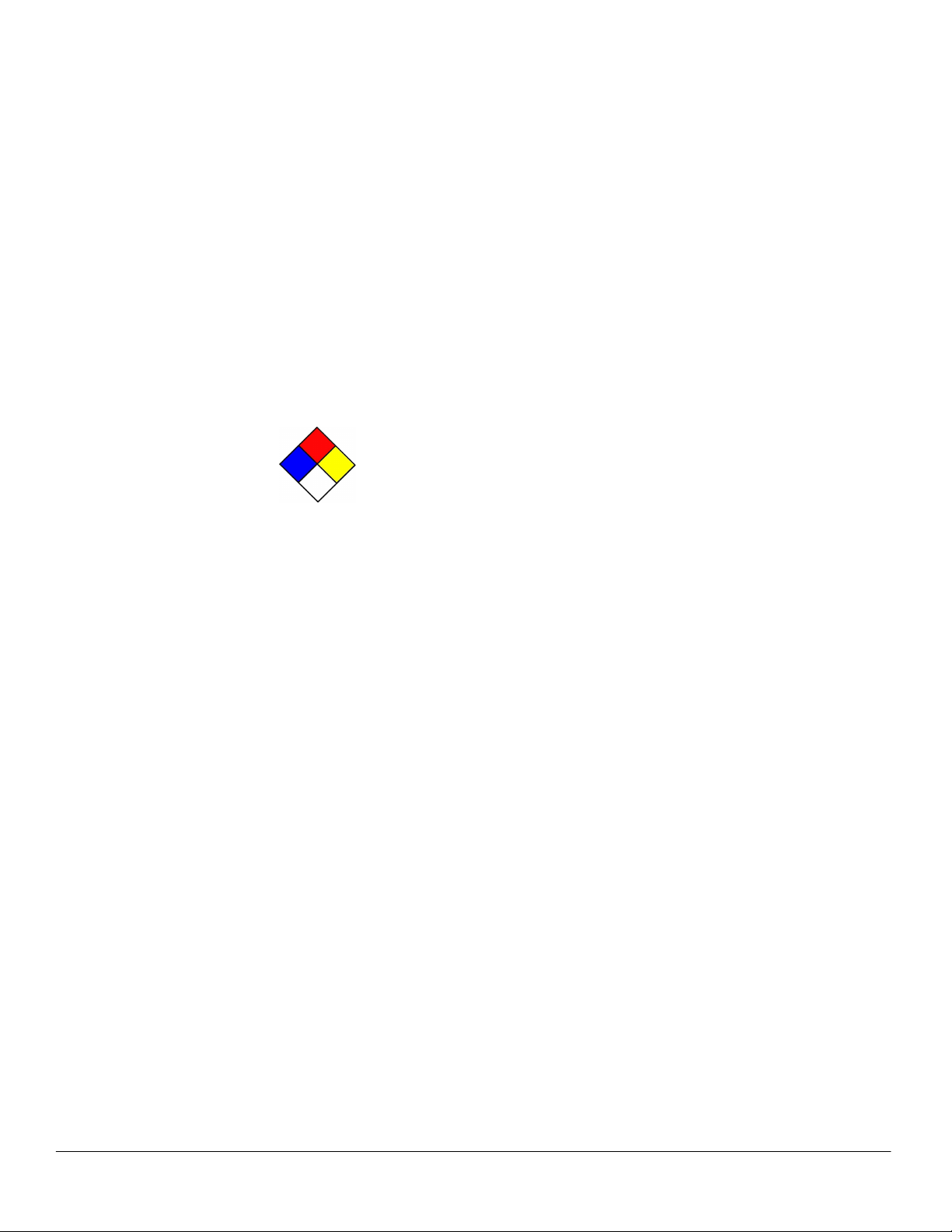
NFPA ratings
16-September-2019
-
01
0
02
Disclaimer
This information is provided without warranty. The information is believed to be correct. This
information should be used to make an independent determination of the methods to safeguard
Uvex FOG ELIMINATOR PLUS AF Gel 6pk 10ml dropper SDS US
950064 Version #: 01 Revision date: - Issue date: 16-September-2019
6 / 6
 Loading...