

Page 1

MODEL
Oxford Dictionary of English
New Oxford Thesaurus of English
Oxford Dictionary of Quotations
PW-E500
ELECTRONIC DICTIONARY
OPERATION MANUAL
Page
• Getting Started ........................................................ 2
• Using the
• Using the
• Using the
• Using the Super Jump function ............................ 23
• Using the History function .................................... 25
• Using the Calculator function ............................... 26
• Using the Converter function ................................ 27
• Appendices ........................................................... 29
• Introductions to the Dictionaries ........................... 32
Oxford Dictionary of English ................
New Oxford Thesaurus of English .......
Oxford Dictionary of Quotations ..........
14
18
20
Page 2

Introduction
Thank you for purchasing the SHARP Electronic Dictionary, model PW-E500.
The PW-E500 contains data based on the following dictionaries (see page 4):
• Oxford Dictionary of English
•New Oxford Thesaurus of English
• Oxford Dictionary of Quotations
After reading this manual, store it in a convenient location for future reference.
NOTICE
• SHARP will not be liable nor responsible for any incidental or consequential economic or property damage caused by misuse and/or malfunction of this product
and its peripherals, unless such liability is acknowledged by law.
• The specification of this product and its accessories, as well as information provided in this manual, is subject to change without prior notice.
CAUTION
• Do not carry the PW-E500 in the back pocket of slacks or trousers.
• Do not apply excessive physical pressure on the LCD panel because the glass material may break.
• Do not drop the PW-E500 or apply excessive force to it. Bending the unit unduly can damage it.
• Do not subject the PW-E500 to extreme temperatures. Do not expose the unit to an extremely humid or dusty environment.
• Do not apply extreme force when pressing the keys.
• Sharp or hard objects can scratch and damage the unit. Make sure it is adequately protected when carried with other objects.
• Since the unit is not waterproof, do not use it or store it where fluids can splash onto it. Raindrops, water spray, juice, coffee, steam, perspiration, etc. will also
cause malfunction.
• Clean only with a soft, dry cloth. Do not use solvents.
• Use only a SHARP approved service facility.
NOTES
• Oxford is a registered trademark of Oxford University Press in the UK and in certain other countries.
• All company and/or product names are trademarks and/or registered trademarks of their respective holders.
58
Page 3

CONTENTS
Getting Started
Using the PW-E500 for the first time ............................................................ 2
Layout ........................................................................................................... 5
Basic Operation ............................................................................................7
Set-up Menu ............................................................................................... 11
Inputting Characters ...................................................................................12
Using the
Using the
Using the
Oxford Dictionary of English
Looking up a word (Filter search) .............................................................. 14
Phrase search............................................................................................. 15
Crossword solver ........................................................................................ 15
Anagram solver........................................................................................... 16
Spellcheck function..................................................................................... 16
Further information .....................................................................................17
New Oxford Thesaurus of English
Looking up a word (Filter search) .............................................................. 18
Phrase search............................................................................................. 19
Further information .....................................................................................19
Oxford Dictionary of Quotations
Searching by an author name (Filter search) ............................................ 20
Keyword search .......................................................................................... 21
Theme search .............................................................................................22
Random quote ............................................................................................22
Further information .....................................................................................22
Using the History function
How to use the History function ................................................................. 25
Using the Calculator function
Prior to initiating calculations ..................................................................... 26
Calculation examples ................................................................................. 26
Using the Converter function
Currency converter .....................................................................................27
Metric converter ..........................................................................................28
Appendices
Replacing the battery ................................................................................. 29
Reset procedure if trouble occurs ..............................................................30
Specifications ............................................................................................. 30
Troubleshooting .......................................................................................... 31
Product support .......................................................................................... 31
Introductions to the Dictionaries
Oxford Dictionary of English ....................................................................... 32
New Oxford Thesaurus of English ..............................................................45
Oxford Dictionary of Quotations ................................................................. 50
Using the Super Jump function
How to use the Super Jump function .........................................................23
1
Page 4
Getting Started
Using the PW-E500 for the first time
Be sure to perform the following operations before using the PW-E500 for the first
time.
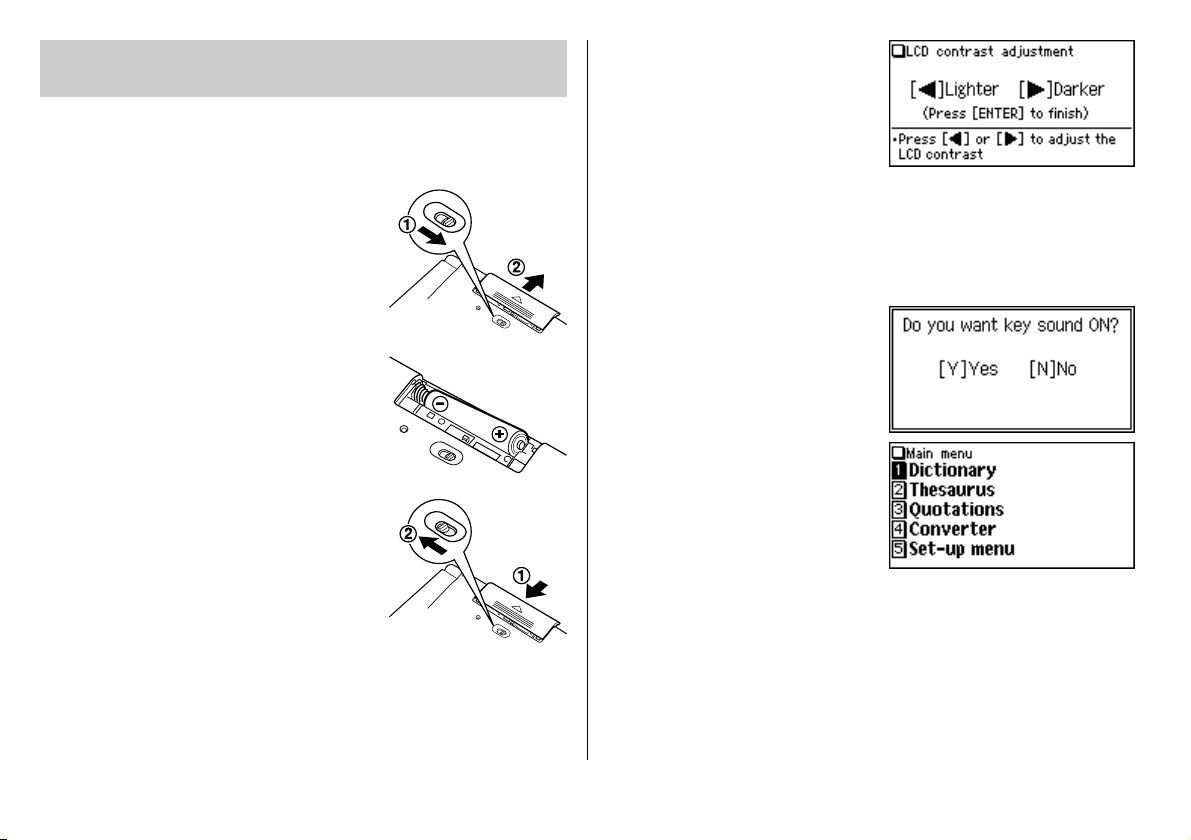
1. Set the battery replacement switch on the bottom
of the unit to the ‘REPLACE BATTERY’ position.
2. Remove the battery cover.
3. Insert the one battery. Make sure the battery
polarity is correct.
4. Replace the battery cover.
5. Set the battery replacement switch to the
‘NORMAL OPERATION’ position.
6. Open the unit and press
turn the power on.
The LCD contrast screen will appear.
• Should a different screen appear,
follow the reset procedure on page
30.
• If the power cannot be turned on:
• Make sure the battery replacement switch is placed at the ‘NORMAL
OPERATION’ position, then press
• If the power still cannot be switched on, try following steps 1 through 6 in the
above procedure again.
7. Adjust the LCD contrast by using
, and press
]
The key sound on/off screen will
appear.
8. Select
on/off.
The main menu screen will appear.
• The LCD contrast and the key sound
settings can be adjusted later in the
Set-up menu.
e
Y
or N to turn the key sound
o
.
to
[
o
again.
2
Page 5
Turning the power on/off
The power can be switched on by pressing the keys listed below.
To turn off the power, press
Key
o
m
d
t
u
s
a
Restores the display as it was before the unit was switched off
(Resume function).
The main menu screen appears.
The main display of each dictionary and/or function appears (Direct-
on function)
o
.
Display status upon start-up
Auto power off function
To save the battery, the PW-E500 will automatically turn its power off if no key
operations are detected for a set period of time. The activation interval initial setting
is 5 minutes, but it can be adjusted by following the directions on page 12.
Key notation used in this manual
• All keys are framed (A, for instance); exceptions are found in the Calculator
section, where the numeral entries are shown with real numbers.
•Keys are often assigned with more than one function. The appropriate key/
function will be shown according to the input status.
<Example 1>
will be shown as either ‘Q’, ‘1’ or ‘1’ depending on the input status.
<Example 2>
will be shown as either ‘G’ or ‘+’ depending on the input status.
• The functions indicated with green typeface are second functions. Press and
release
^
, then press an appropriate key.
<Example 1>
^ l
^ w
directs to press and release ^, then press l (f).
directs to press and release ^, then press
w (<
).
3
Page 6

Data contained in the PW-E500
The dictionary data contained in this unit is based on the following dictionaries:
• Oxford Dictionary of English 2e © Oxford University Press 2003
•New Oxford Thesaurus of English © Oxford University Press 2000
• Oxford Dictionary of Quotations 5e © Oxford University Press 1999
* All rights reserved. No part of this publication may be reproduced, stored in a
retrieval system, or transmitted, in any form or by any means, without the prior
permission in writing of Oxford University Press, or as expressly permitted by
law, or under terms agreed with the appropriate reprographics rights organization. Enquiries concerning reproduction outside the scope of the above should
be sent to the Rights Department, Oxford University Press.
• The data content of each Dictionary is mostly retained faithful to the original.
However, some sections of the dictionary contents have had to be altered due to
the limitations of the LCD display and for other reasons; these modifications have
been implemented under the provisions of the publisher(s). In some rare cases,
misspellings and/or mistypings may be found; these are ‘errors’ that have been
retained unmodified from the source Dictionaries.
Note:
•For full information on the contents of the dictionaries, see Introductions on
pages 32–54.
• This product does not contain the Appendix data found in the book version of the
Oxford Dictionary of English 2e.
4
Page 7
Layout
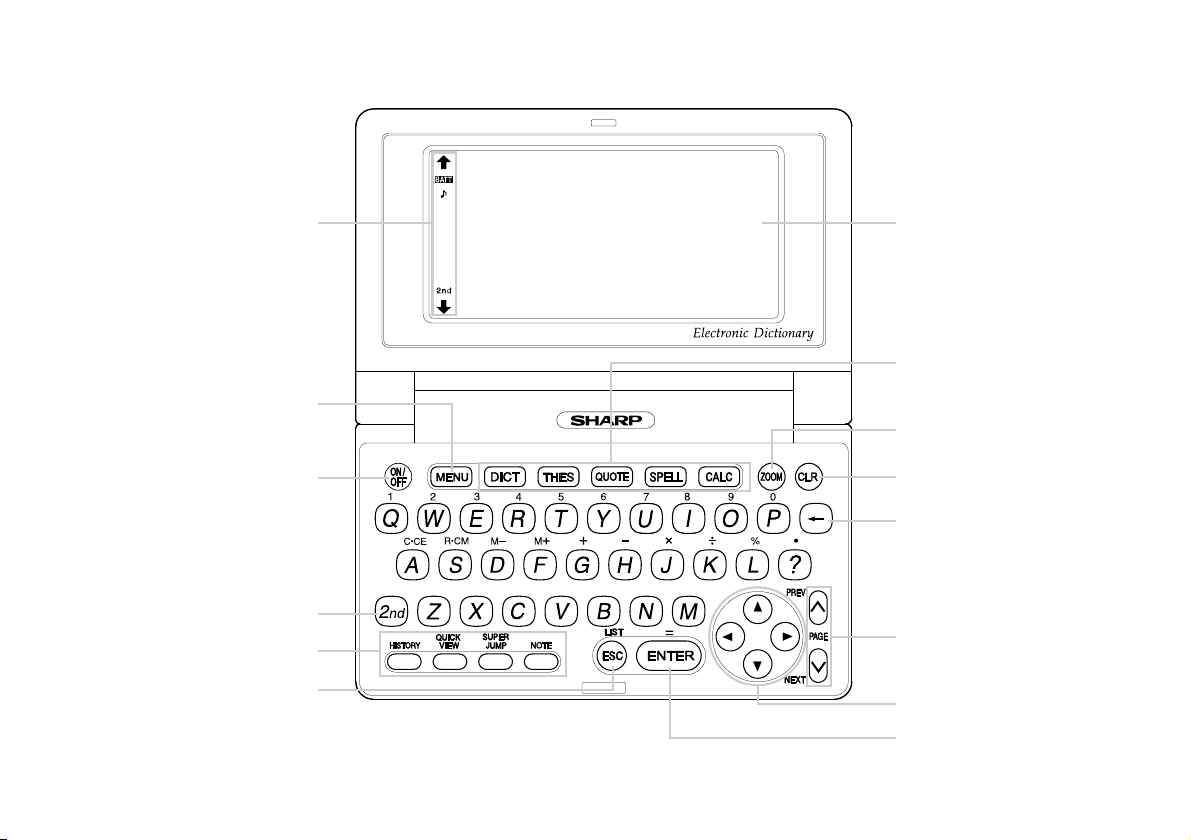
Display symbols
(Refer to the next page for details)
Menu key
Power on/off key
2nd function key
Utility keys for Dictionaries
Escape key
Display
Dictionary/function
selection key
Font size shift key
Clear key
Back space key
Page scroll key
Cursor keys
Enter key
5
Page 8
Key assignments Display symbols
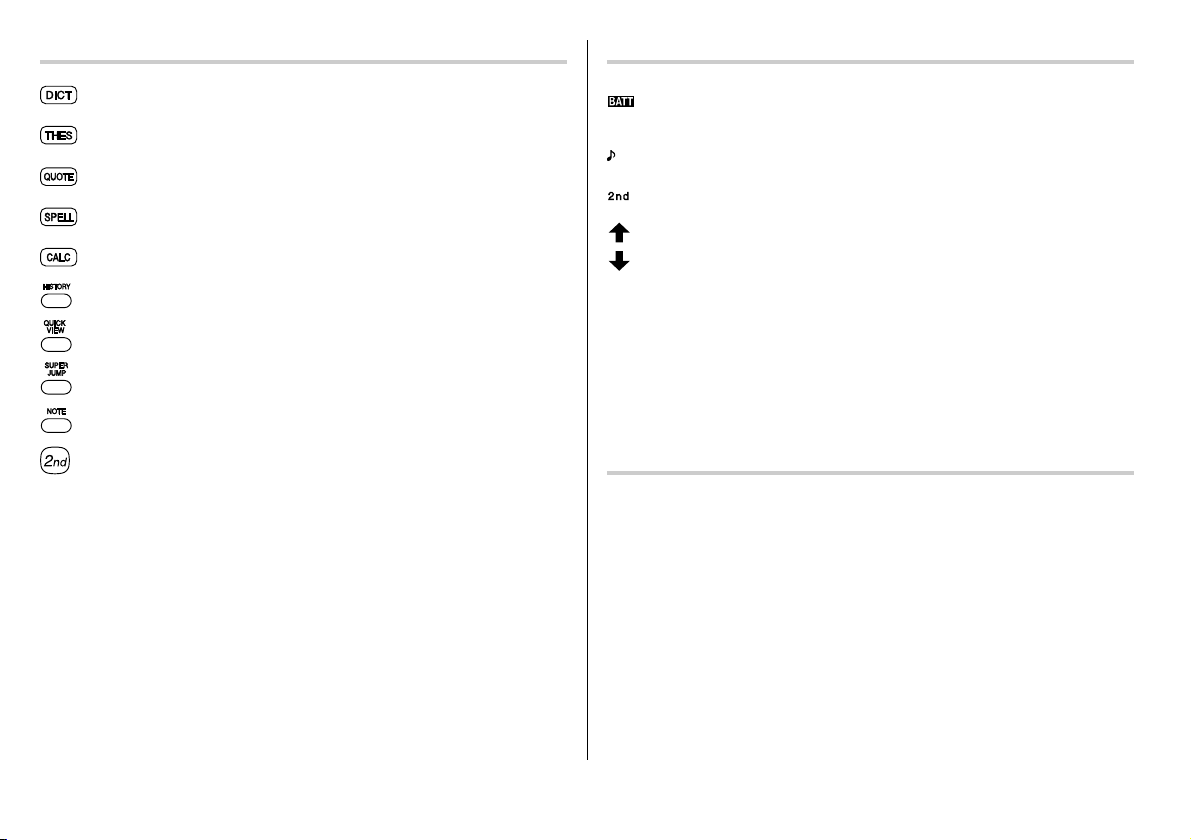
: Opens the input screen for the
: Opens the input screen for the
: Opens the input screen for the
: Opens the input screen for the spell checker
: Opens the calculator function screen
: Opens the history list of each Dictionary
:Brings up a ‘digest’ view of descriptions
: Initiates a definition search of a term in a detail view of each Dictionary
: Selects a Note icon in the detail view
: 2nd function key
Activates the second function (printed in green) assigned to the next key
pressed.
Oxford Dictionary of English
New Oxford Thesaurus of English
Oxford Dictionary of Quotations
This symbol will be displayed when the battery level is low. Promptly
replace the old battery with a new one.
Indicates that the key sound (beep) is set to ON.
Indicates that
These arrows suggest that more contents can be browsed by scrolling up/
down the window.
{ }
< >
Note:
• In this manual, symbols are not shown in the display examples.
• Certain symbols may appear on the display only when the LCD contrast is set to
dark. Please ignore these symbols as they are not used by this product.
^
has been pressed.
: Press to scroll up/down per text row.
: Press to scroll up/down per visible window.
Operation guidance message
A brief guidance message may appear at the bottom of the screen to help you
utilise functions more effectively.
6
Page 9
Basic Operation
Inputting words for a dictionary search
In this section, the basic search operation is described. For details, refer to the
manual chapter for each dictionary.
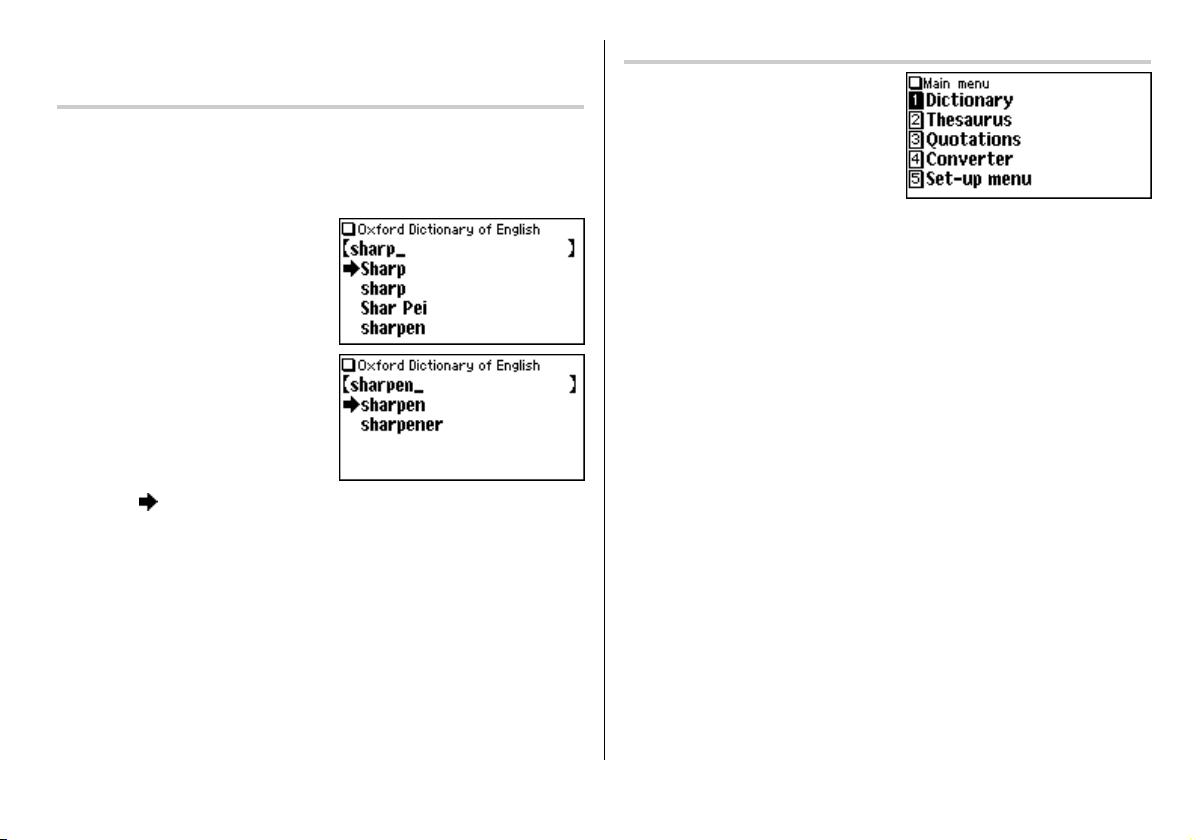
<Example>
Find definitions of ‘sharpen’ in the
1. Press
d
to display the input
screen for the
English
starting with ‘sharp’ is listed.
2. Enter ‘en’ to complete the spelling. The
list is narrowed down further.
Oxford Dictionary of
, then input ‘sharp’. The entries
Oxford Dictionary of English
.
Selecting a dictionary / function in the main menu
Press
m
.
The main menu appears.
• Select an item by its index number
1
key.
through
{ }
keys, followed by
using the number keys (
5
). The initial screen of the selected
item appears.
• The desired item can also be selected by using the
pressing the
e
3. While the ‘
• Press
• Press
Note:
•To learn different searching methods from those above, refer to the manual
chapter for each dictionary.
’ indication is visible on the left of ‘sharpen’, press
f
to go back to the previous view.
^ l
to list the headwords in the
Oxford Dictionary of English
e
.
.
7
Page 10
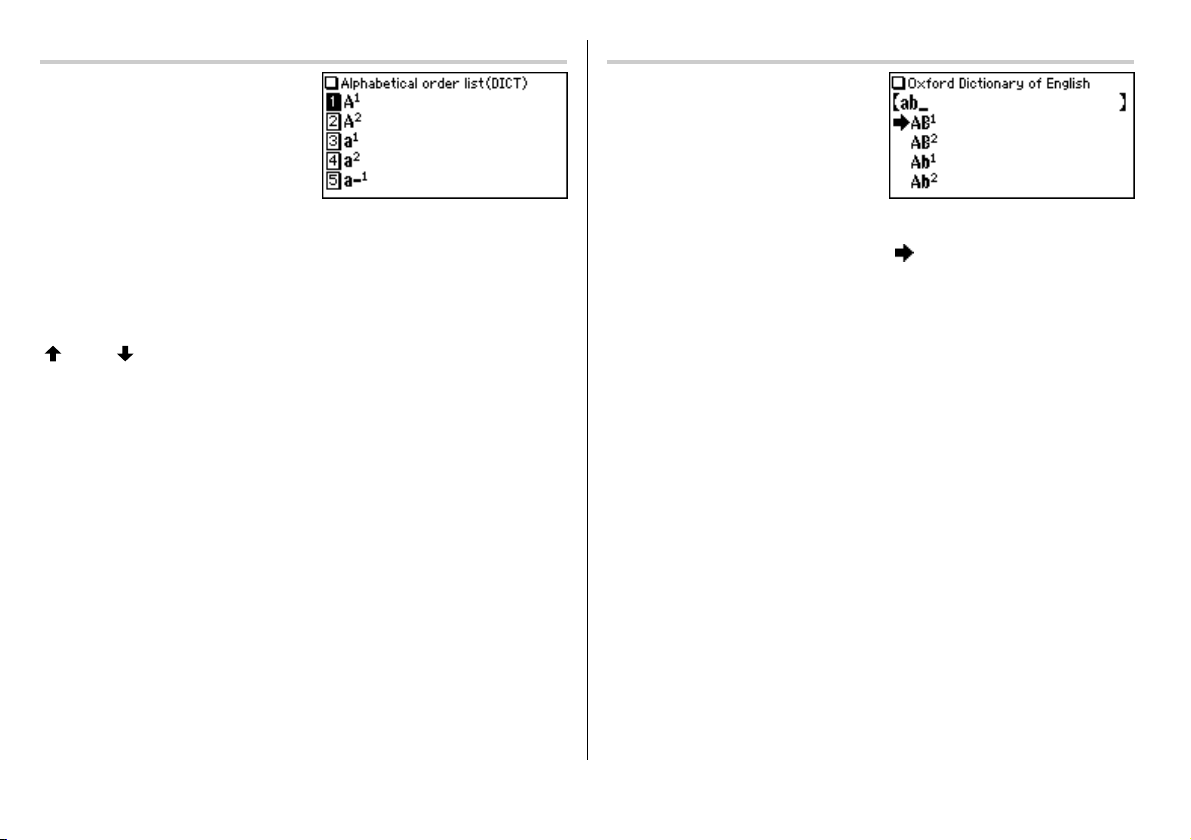
List view: selecting an item; scrolling
Press d to display the initial screen
Oxford Dictionary of English
of the
e
press
Dictionary of English
. The list view of the
appears.
, then
Oxford
Filter search view: selecting an item; scrolling
Press d, then type A, and B.
‘ab’ is entered, and words starting from
‘ab’ listed.
Selecting an item or a word
Use the corresponding number key to the index number on the left of each item, or
{
use the
the
or } key to place the cursor on the desired item, followed by pressing
e
key.
Scrolling the view
‘ ’ and/or ‘ ’ may appear on the left side of the screen, indicating that more
information can be browsed by scrolling up/down the view.
}
1) Press
once.
2) Press
• Press and hold these keys to continuously scroll the lines/pages.
8
once to scroll down one text row. To scroll back one text row, press
>
to scroll down a page. Press < to scroll the page up.
{
Selecting each entry
Use
} {
to place the cursor (indicated as ‘ ’ on the left of the listed items) at
e
the desired entry, then press
. The detail view of the entry appears.
Scrolling the view
Refer to the section ‘Scrolling the view’ in the previous section, ‘List view: selecting
an item; scrolling’.
Page 11
Detail view: scrolling
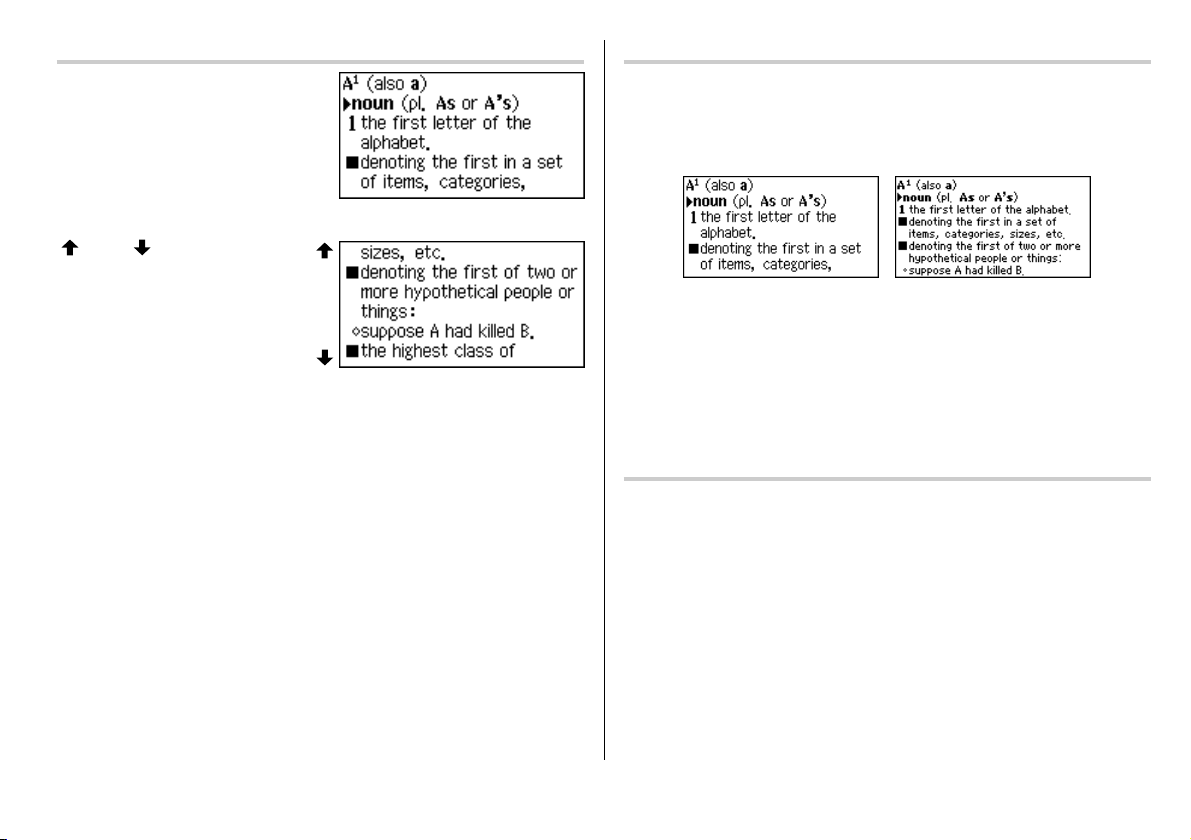
Press d, then type A, and
The detail view with definitions appears.
Browsing contents above/below the screen
‘ ’ and/or ‘ ’ may appear on the left
side of the screen, indicating that more
information can be browsed by
scrolling up/down the view. Use
or > <.
Scrolling up/down to the previous/next entry header
Press ^
header, press
n
to show the next entry header. To show the previous entry
^ w
Other useful keys
f
: Restores the previous view
b
: Shows the input screen of each Dictionary or the initial display of a
function
^ l
: Shows the list view starting from the previously displayed header
.
e
} {
.
Shifting the displayed character size (z)
Press the
12 dot-based (vertical pixel resolution) or 9 dot-based characters can be selected.
For instance, press
Press
z
key to shift the character size to be displayed.
z
to display the 12 dot characters to 9 dot characters.
z
again to toggle back the displayed characters to 12 dot-base.
12 dot-based (default)
• The character size setting will be retained until the next time
• The
z
key is functional in the following views:
• The list view, detail view or filter search view of each Dictionary
• The Super Jump window
• The contents of the Note
9 dot-based
z
is pressed.
Recalling the terms previously searched (h)
The history of up to 30 items in each dictionary is automatically stored, and can be
recalled easily by selecting the word in the history list. (For more information, see
page 25.)
9
Page 12
Listing a summary of detail view items (q)
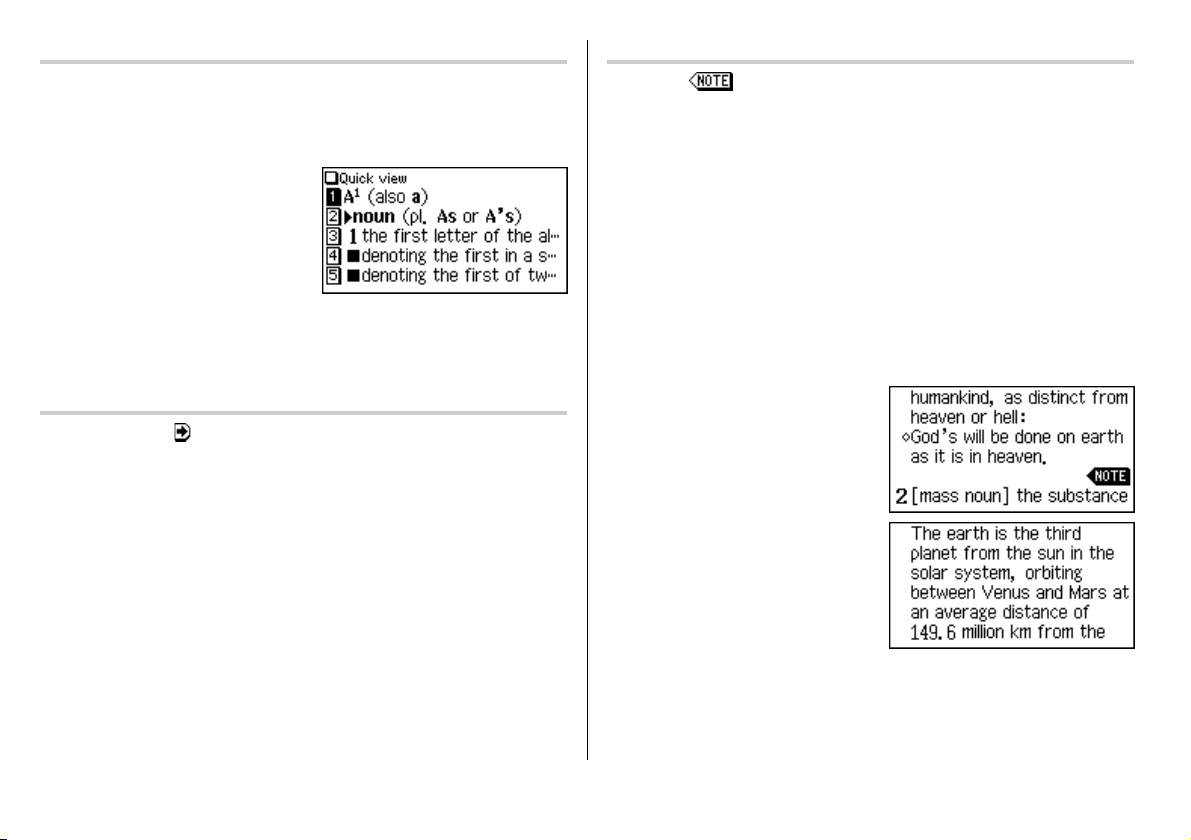
The Quick View function suppresses some examples and additional information,
and lists out the main sections and senses (or quotations) from each detail view
entry. Use this function to browse quickly through the summary of an entry.
<Example>
1. In the detail view shown on page 9,
q
press
The Quick View screen appears.
2. While the relevant sense or section is on the screen, select the desired item by
the index number. The detail view of the selected sense/section appears.
q
• Press
.
in the Quick View to display the detail view.
Searching a word on the screen (v)
A word or jump icon ( ) in the detail view can be selected for searching. (For more
information, see page 23.)
Browsing Notes (r)
A Note icon ( ) may appear in the detail view. This indicates that a note can
be selected to view extra information (additional information, usage note, etc.) of
the entry.
r
Press
icon will be selected, and use the
necessary, then press
To exit, press
then the second deselects the icon.
<Example>
Browse the Note contents of ‘earth’ in the
1. Open the detail view of ‘earth’.
2. Use the
visible.
3. Press
selected (reversed).
4. Press
Note is displayed.
to select the icon. If more than one icon is visible, then the topmost
} { ] [
e
to view the contents.
f
twice. The first push of the f key closes the contents view,
>
key or } key to scroll down the view so that a Note icon will be
r
. The Note icon will be
e
. The contents of the
keys to select the desired icon if
Oxford Dictionary of English
.
10
Page 13
Note:
r
Using the
• Oxford Dictionary of English
• Usage notes
• Additional (boxed) information
•New Oxford Thesaurus of English
•Tables (lists of items relevant to particular headwords)
•Awkward synonyms and confusable terms
• Oxford Dictionary of Quotations
• The full set of quotations for the given author (see page 21.)
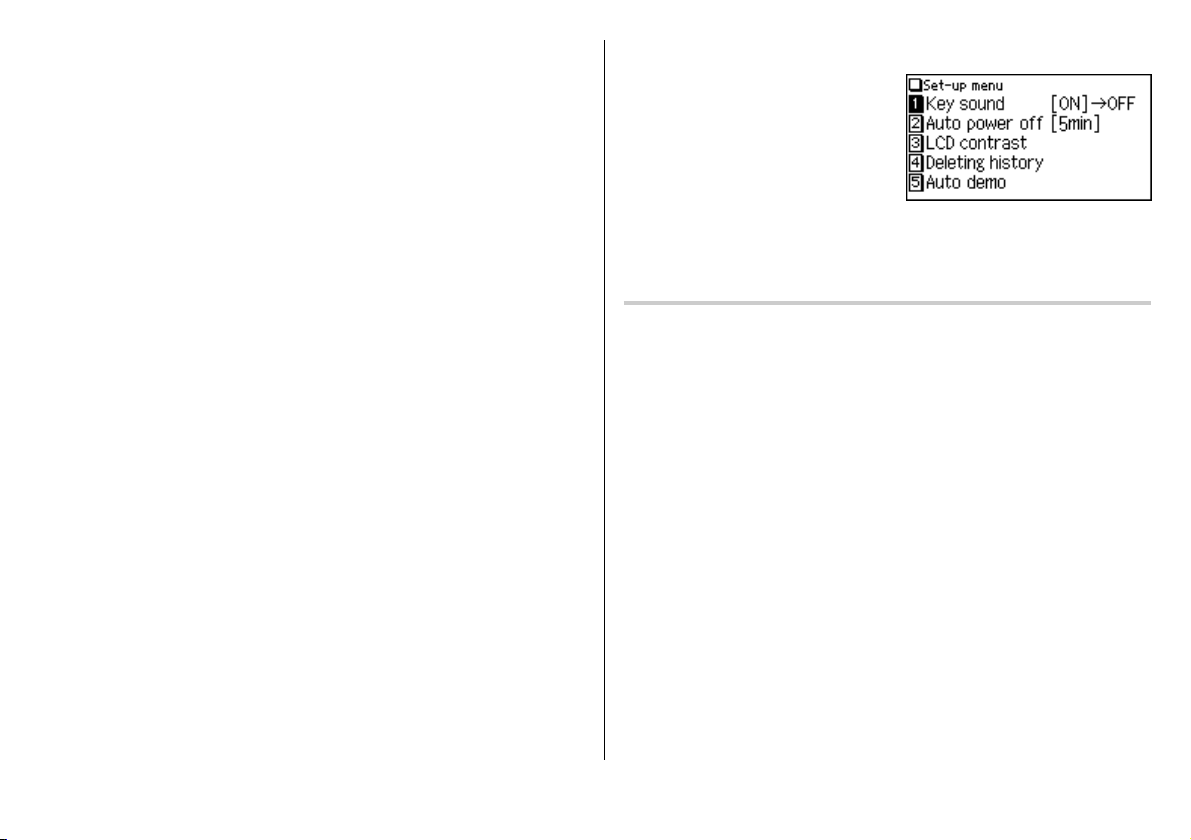
key will display the following:
Set-up Menu
Press
m
to display the main menu,
5
then press
Select a desired item to change the setting.
•To delete the history list, see page 25.
Setting the key sound on/off
The key sound (a short audible beep when a key is pressed) can be set to on or off.
1. Press
A splash message appears to indicate the change of setting, then the main
menu will be displayed.
. The set-up menu appears.
m, 5
, then 1, to toggle the key sound on or off.
11
Page 14
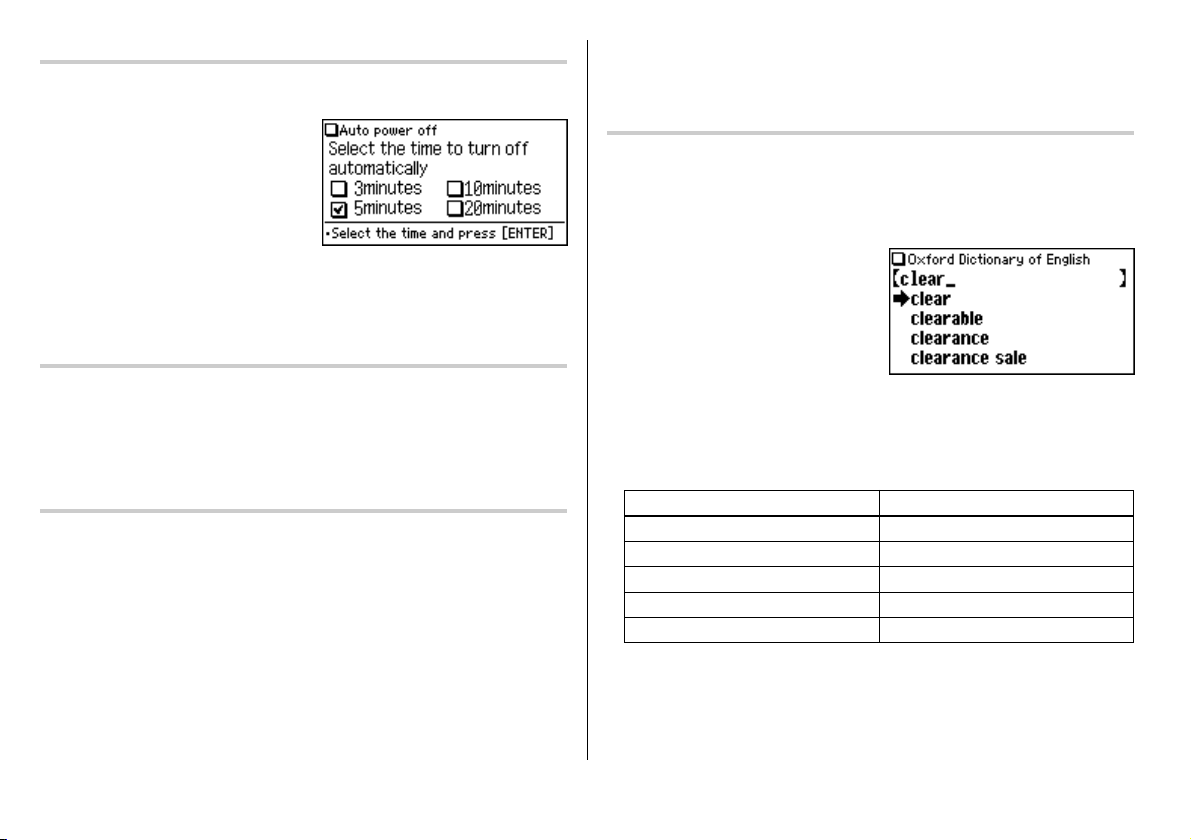
Setting the Auto power off activation time
This product automatically turns its power off to save the battery. The turn-off time
is set to five minutes by default.
m, 5
1. Press
The Auto power off setting screen
appears.
2. Use the
{, }, [
duration, then press
The time will be set, then the main menu will be displayed.
, then 2.
and ] keys to place the check mark on the desired
e
.
Adjusting the LCD contrast
Select this menu item to adjust the LCD contrast.
1. Press
m, 5
2. To adjust the LCD contrast, use the
e
press
, then 3.
[
(Lighter) key or ] (Darker) key, then
to return to the main menu.
Starting Auto Demo mode
Activate the Auto demo for a guided tour through the key features of the product.
1. Press
• Press
menu.
m, 5
f
, then 5, to start the Auto demo mode.
or
e
to end the Auto demo mode and return to the main
Inputting Characters
Methods of inputting characters are described in this section.
Character entry
A simple example of inputting characters is shown below.
<Example>
Enter a word ‘clear’ for search.
d
1. Press
2. Type ‘clear’.
On the keyboard, press
A
Note:
• While entering characters, exclude characters such as spaces, hyphens,
apostrophes, slashes, and periods.
<Example>
to open the input screen of the
C, L, E
, then R.
Word Entry for search
fast food fastfood
weak-kneed weakkneed
let's lets
either/or eitheror
a.m. am
Oxford Dictionary of English
,
.
12
Page 15
• Convert uppercase letters to lowercase.
<Example>
Word Entry for search
AC ac
UK uk
• Spell out the numbers when applicable.
<Example>
Word Entry for search
4WD fourwd
A5 afive
• Enter ‘and’ instead of ‘&’.
•To enter ‘£’, place ‘l’ instead. Likewise, place ‘a’ for ‘@’ instead.
• When searching for a word with accented characters (such as ‘ü’, ‘á’, etc.), enter
their unaccented equivalents via the keypad (such as ‘u’, ‘a’, etc.).
Modifying entry
Deleting unnecessary characters
<Example>
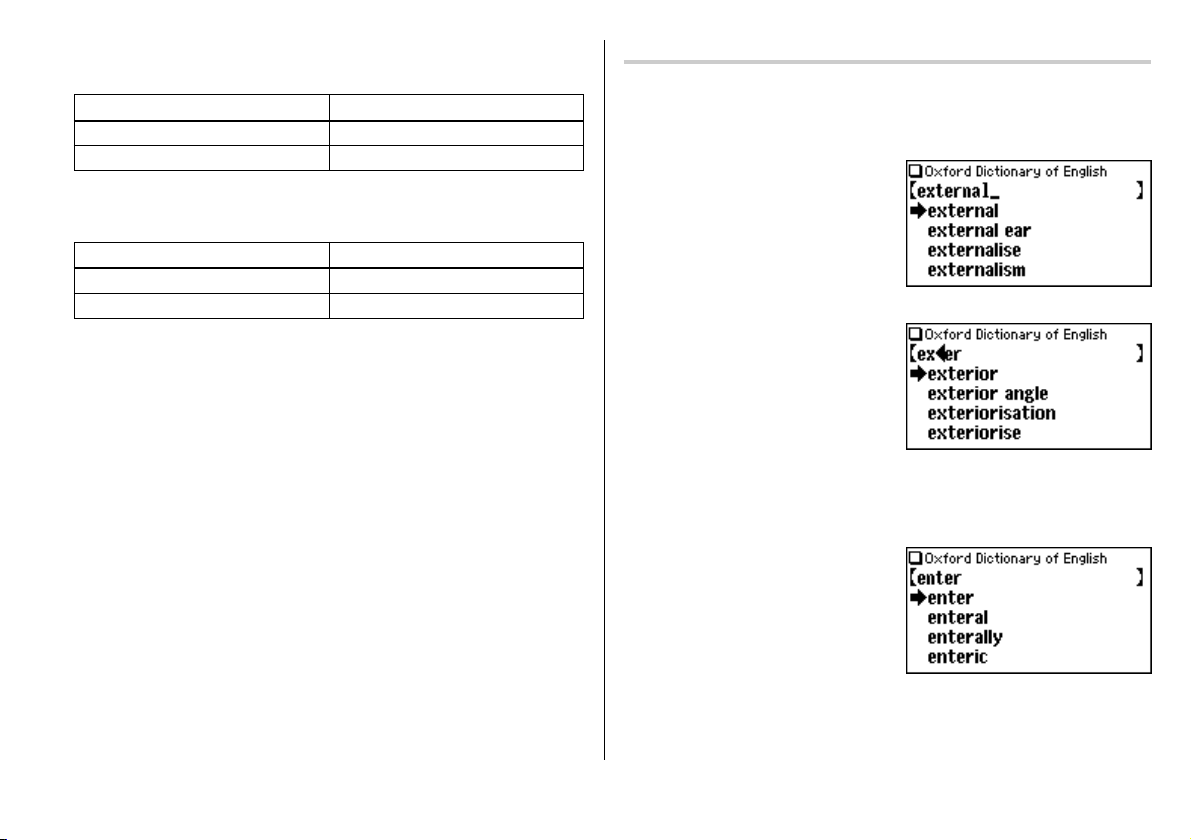
1. Press
d
to open the input screen of the
2. Type ‘external’.
3. While the cursor is at the end of the string, press
4. Next, press
cursor under the letter ‘t’.
5. Press
[
three times to move the
(
once to delete a character on the left of cursor. ‘x’ will be deleted.
Adding characters
<Example>
6. In the above example, press
insert a letter ‘n’ on the left of the
cursor. The search will be narrowed
with the word ‘enter’.
N
to
Oxford Dictionary of English
(
three times to delete ‘nal’.
.
Note:
• Press
b
to delete all characters entered.
13
Page 16
Using the
Oxford Dictionary of
English
In this Dictionary, definitions of a word can be found by entering its spelling.
Features such as Phrase search, Crossword solver, and Anagram solver are also
available.
Looking up a word (Filter search)
A definition of a word can be looked up by inputting its spelling.
<Example>
Find the definition of ‘advance’.
d
1. Press
Dictionary of English
The input screen appears.
2. Input the spelling of ‘advance’.
As you type, candidates for matching narrow. If the desired word is found, then
there is no need to type any more letters.
3. While ‘
word appears.
•To browse contents on the next/previous page, press
may also find the Quick View function useful.
• If a word selected is a close derivative of a headword, it may not have its own
definitions. In these cases, it is helpful to scroll up within the detail view to find
the definitions of the headword itself.
•To search for a word in the detail view, use the Super Jump function.
• Press
to open the
’ appears on the left of ‘advance’, press
f
to return to the previous screen.
.
Oxford
e
. The detail view of the
} {
or
> <
. You
• Press
^ l
•To search a different word, simply input a new spelling for the word, or press
b
or d to go to the dictionary's input screen.
to list the headwords in the
Oxford Dictionary of English
.
If there is no match found
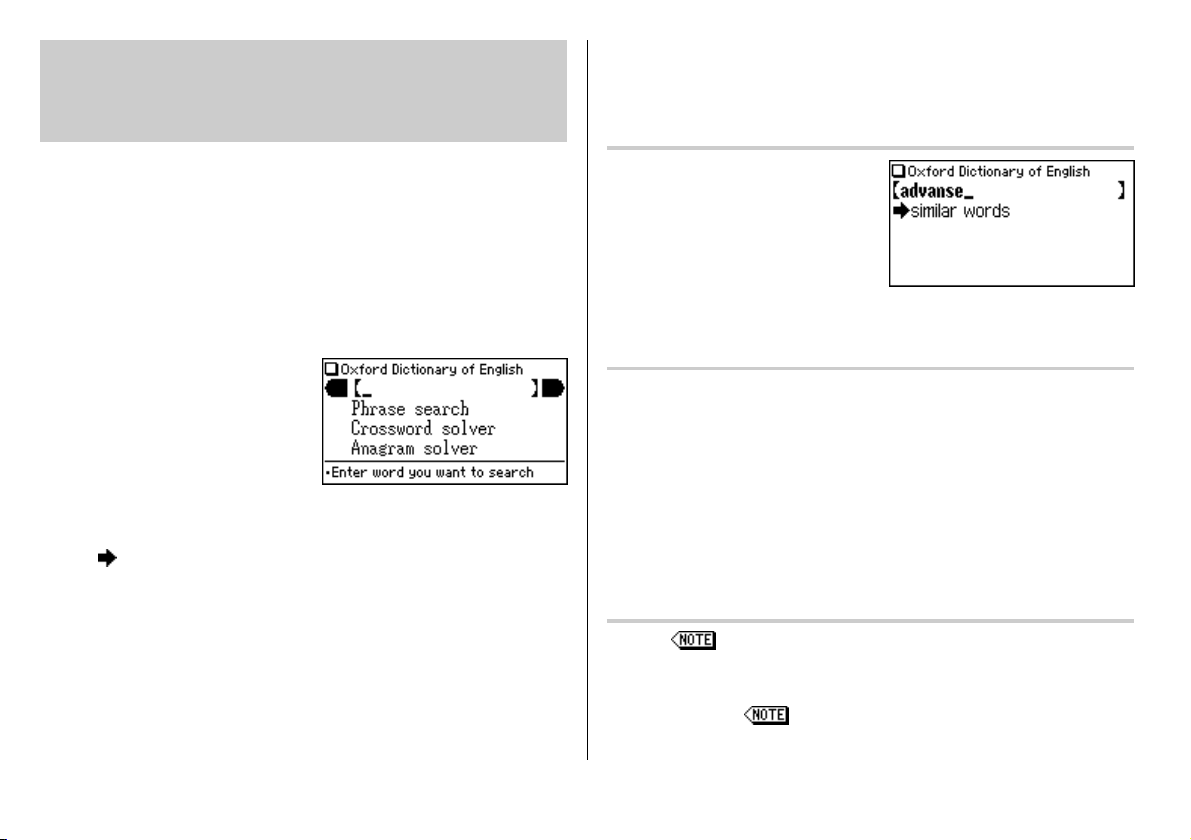
As you input the spelling of the desired
word, the dictionary will narrow down the
matching candidates. If the match is
narrowed down to none (i.e. no word starting
with the spelling is found in the Dictionary),
the message ‘similar words’ appears.
In this case, press
dictionary entries alphabetically after the entered spelling.
e
to list the
Note about entering characters
While entering characters, exclude characters such as spaces, hyphens,
apostrophes, slashes, and periods. See page 12 for details.
Note:
• The wildcard character ‘?’ must not be entered in the input field of the Dictionary.
The wildcard character ‘?’ can be used in the Crossword solver (see page 15)
and Random quote function (see page 22).
• Up to 24 characters can be entered in the input field of the Dictionary. When
searching words containing 25 characters or more, narrow down the search to
select the words from the list manually.
Browsing Notes
When the icons appear in the detail view, a note can be selected and
browsed. For details, refer to page 10–11.
Note:
In many cases, the icon only appears at the bottom of an entry, but
•
contains important information about usage of the headword as a whole. If unsure
about usage, scroll down to the bottom of the entry to access any relevant notes.
14
Page 17
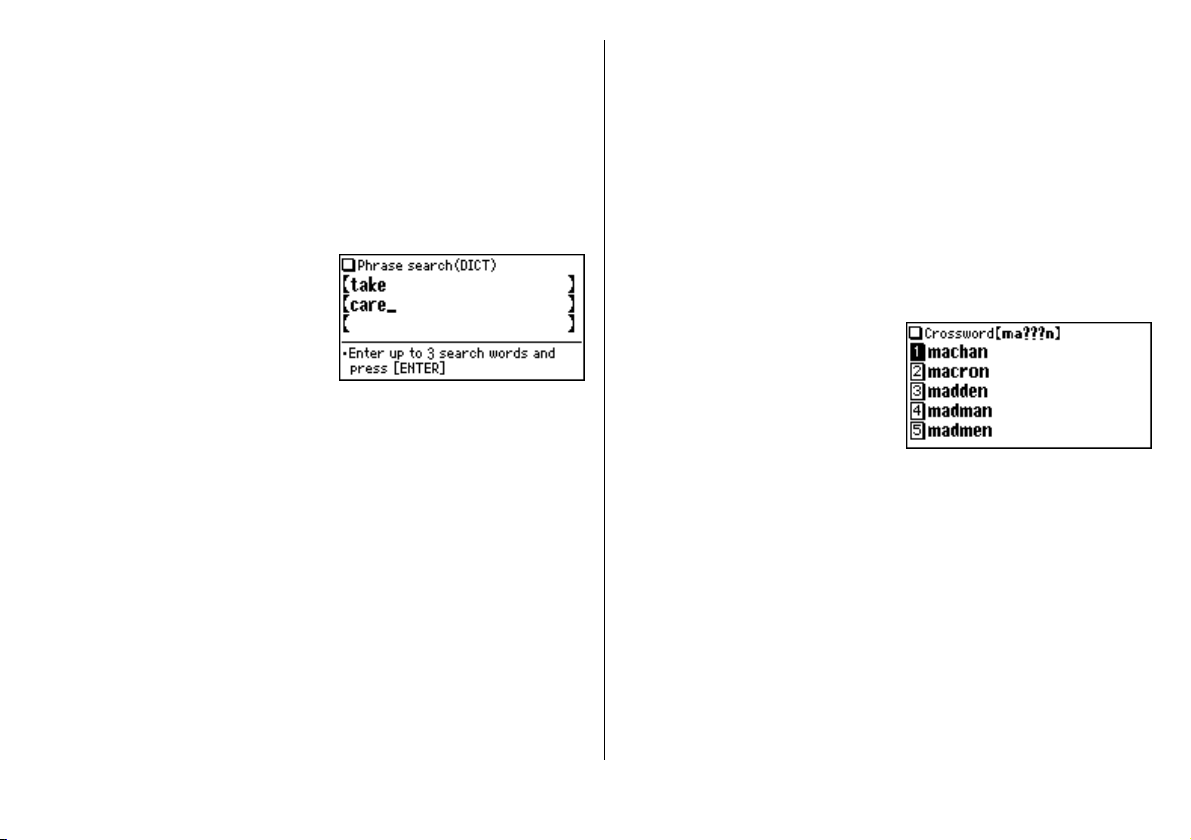
Phrase search
To search for idioms or phrasal verbs, enter no more than three words in the input
field. The phrases containing ALL the entered words can be searched for.
<Example>
Search for a phrase containing ‘take’ and ‘care’.
d
1. Press
Press
The input screen of the Phrase search appears.
2. Input ‘take’, press
‘care’.
To input more than one word, input
each word in the separate input field.
Use the
cursor. Each input field can accommodate up to 24 characters.
3. Press
A list of phrases containing the words appears.
If no matching phrase is found, then a message ‘Not Found!’ will momentarily be
displayed.
4. Select the desired index of the phrase using the number key(s). The definition of
the selected phrase is displayed.
• Press
• Press
•To search for a new phrase, simply begin inputting new words, or press
to go back to the input screen to start a new search.
to open the
}
once to place the cursor at the ‘Phrase search’, then press
} {
e
.
f
to return to the previous view.
^ l
Oxford Dictionary of English
}
, followed by
keys to move the
to list the index of phrases containing the words.
.
e
b
.
Crossword solver
Use a wildcard character ‘?’ to search for words with ambiguous spellings. Place the
appropriate number of ‘?’ characters in the places of characters yet to be
determined.
<Example>
Find a matching word for a query ‘ma???n’.
d
1. Press
Press the
e
The Crossword solver's input screen appears.
2. Type ‘ma???n’ into the input field. Press the
3. Press
A list of the wildcard matches appear.
Up to 100 words may be displayed in
the list.
4. In the list, select a desired word using the number keys.
The detail view with definitions of the selected word appears.
• Press
• Press
•To initiate another search, simply type in the new spelling or press
return to the input screen of the Crossword solver.
to open the
}
key twice to place the cursor at the ‘Crossword solver’, then press
.
e
to start the search.
f
to return to the previous view.
^ l
Oxford Dictionary of English
?
key three times to enter ‘???’.
to list the headwords in the
.
Oxford Dictionary of English
b
.
to
15
Page 18
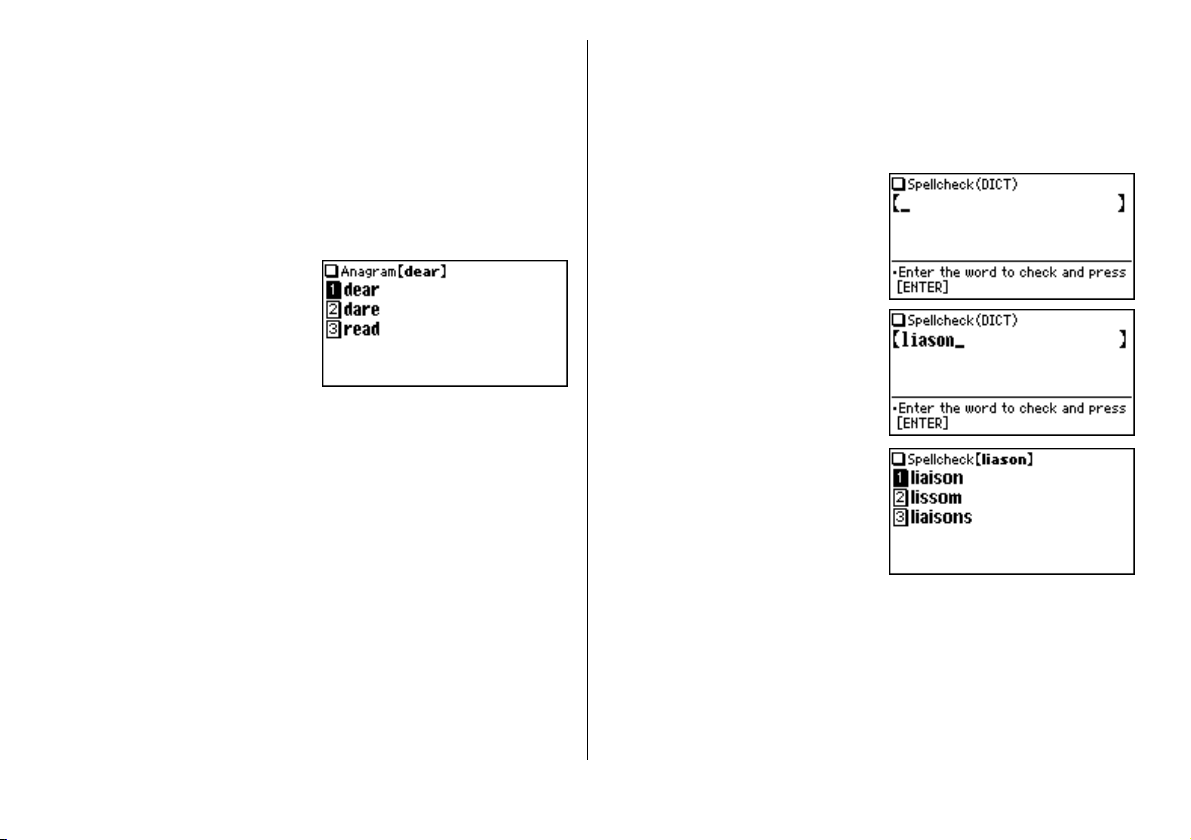
Anagram solver
A word or series of letters can be entered to find any matching anagrams found in
Oxford Dictionary of English
the
<Example>
Find anagrams for ‘dear’.
d
1. Press
Press the
e
2. Place ‘dear’ in the input field, then
press
Up to 100 words may be displayed in
the list.
3. In the list of matches, use the number keys to select a word.
The detail view with definitions of the selected word appears.
• Press
• Press
•To initiate another search, simply type in the new spelling or press
return to the input screen of the Anagram solver.
to open the
}
three times to place the cursor at the ‘Anagram solver’, then press
. The input screen of the Anagram solver appears.
e
to initiate the search.
f
to return to the previous view.
^ l
.
Oxford Dictionary of English
to list the headwords in the
Oxford Dictionary of English
.
.
b
to
Spellcheck function
The spellcheck function can be helpful when the exact spelling of a query word is
not known.
<Example>
You are not sure whether ‘liason’ or ‘liaison’ is correct.
s
1. Press
of the spellcheck function.
2. Enter ‘liason’.
3. Press
function.
Words with similar spellings will be
listed.
• While ‘Searching... Press [ENTER] to
break’ is visible, press
stop the search. Note that if the search is interrupted, the list of possible
results may not include all the closest matches.
• If the word is typed with the correct spelling, it will appear at the top of the
displayed list.
• If two or more words with an identical spelling are found in the list, then the
relevant headword will also be displayed, after an arrow symbol.
to open the input screen
e
to initiate the spellcheck
e
to
16
Page 19

4. In the list, select a desired word using the number keys (press 1, in this
example). The detail view with descriptions of the word is displayed.
• If a word selected is not in its original form, and cannot be found as a
headword, then the detail view of the word's original form will be displayed. It
may be necessary to scroll down within the detail view to find the desired
word form.
f
• Press
• Press
Note:
• Up to 100 words may be displayed in the list.
to go back to the previous view.
^ l
to list the headwords in the
Oxford Dictionary of English
.
If the list of words do not appear as expected:
• Searching words with particular spellings may take more time to complete than
others.
• If no word is given, a message ‘Not Found!’ will momentarily be displayed,
followed by the input screen of the spellcheck function. In this case you may wish
to start the search again with a new spelling for the word.
Further information
For further information on using this dictionary, refer to the Introduction on pages
32-45.
17
Page 20
Using the
New Oxford
Thesaurus of English
Input a word in this Thesaurus to find its synonyms, as well as antonyms and other
related terms in the detail view.
Looking up a word (Filter search)
Find a set of related words by inputting the spelling of a given word.
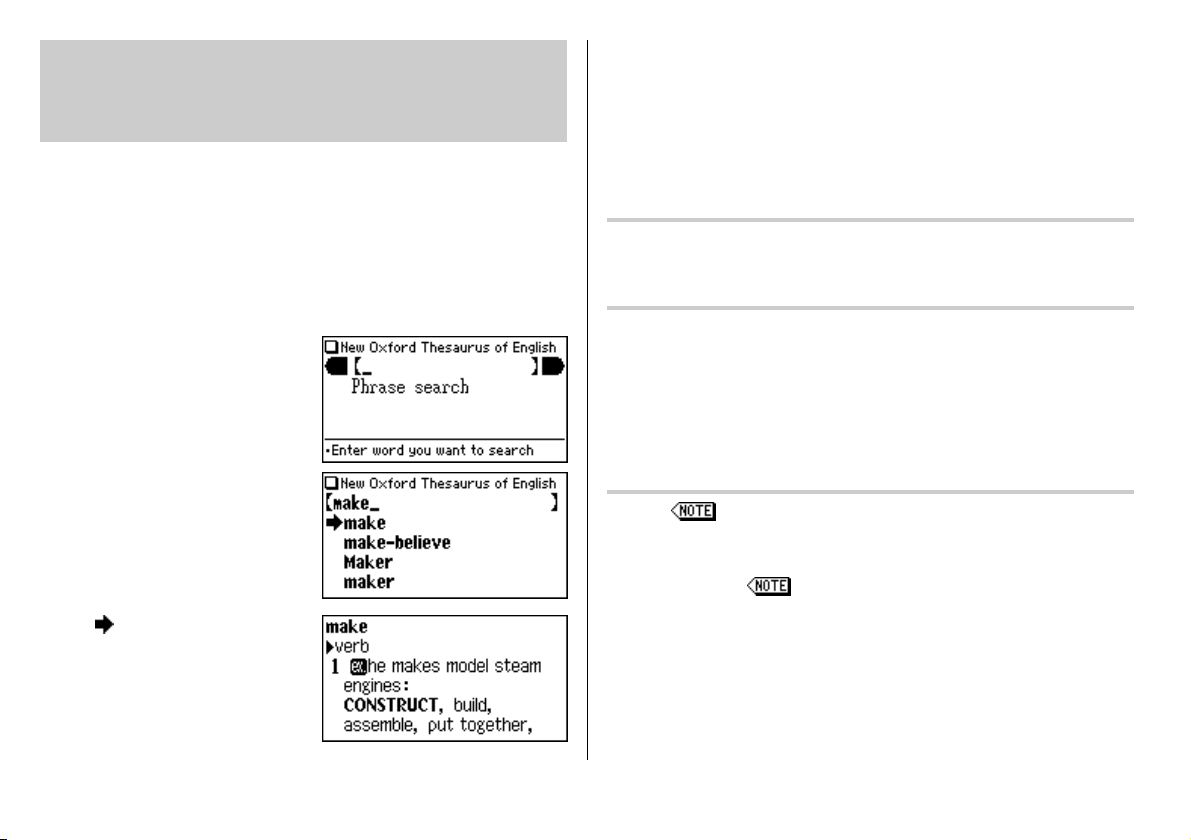
<Example>
Find a set of relative words for ‘make’.
t
1. Press
Thesaurus of English
The spelling input screen of the
Thesaurus appears.
to open the
New Oxford
.
•To search a word in the detail view, use the Super Jump function.
f
• Press
• Press
English
•To search a different word, simply begin inputting a new word, or press
or
to return to the previous screen.
^ l
.
t
to list the headwords in the
to go to the input screen of the
New Oxford Thesaurus of
New Oxford Thesaurus of English
If there is no match found
The same view / message appears as for the
page 14 for details.
Oxford Dictionary of English
. See
Note about entering characters
While entering characters, exclude characters such as spaces, hyphens,
apostrophes, slashes, and periods. See page 12 for details.
Note:
• Up to 24 characters can be entered in the input field. When searching words
containing 25 characters or more, narrow down the search to select the words
from the list manually.
b
.
2. Input ‘make’.
As you type, options are narrowed. If
the desired word is found, then you do
not need to type any more letters.
3. While ‘
18
’ appears on the left of ‘make’,
e
press
word ‘make’ appears.
•To browse contents on the next/
previous page, press
<
View function useful.
. The detail view of the
} {
. You may also find the Quick
or
>
Browsing Notes
When the icons appear in the detail view, a note can be selected and
browsed. For details, refer to page 10-11.
Note:
• In many cases, the
contains important information about usage of the headword as a whole. If
unsure about usage, scroll down to the bottom of the entry to access any
relevant notes.
icon only appears at the bottom of an entry, but
Page 21
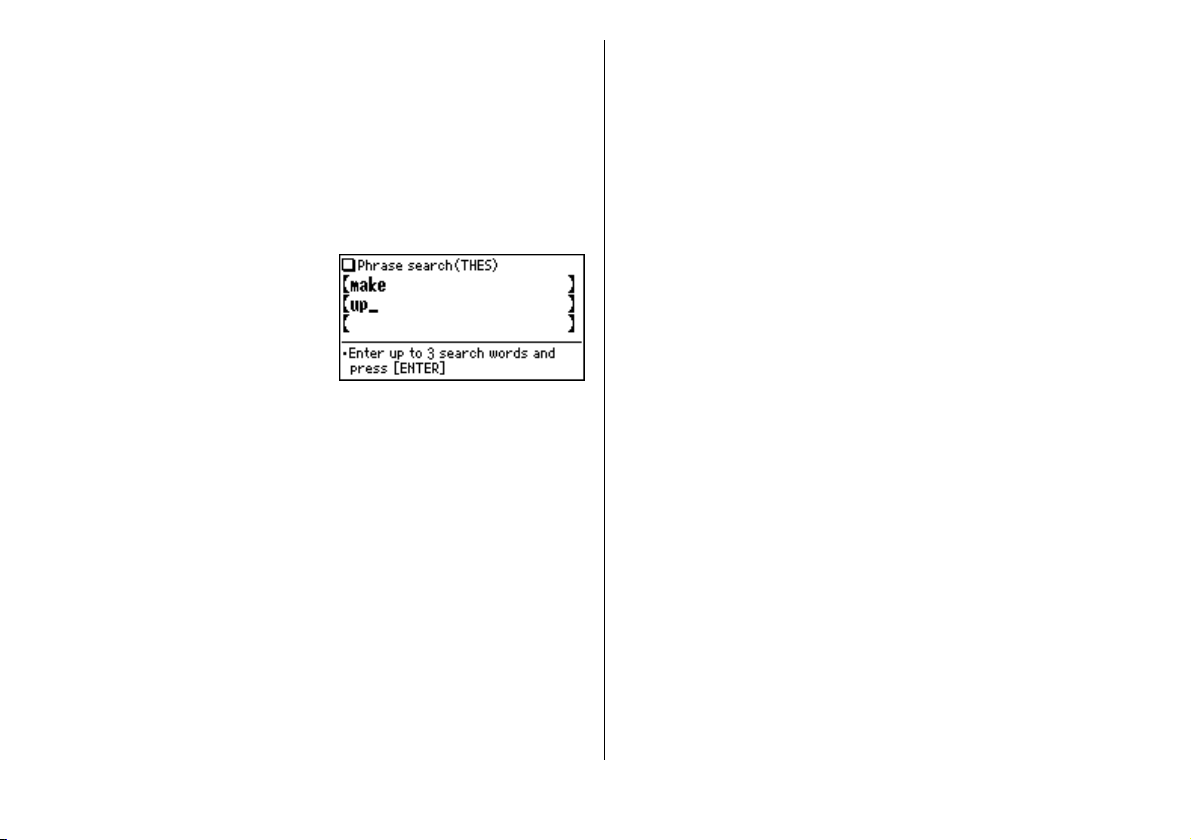
Phrase search
To search for idioms or phrasal verbs, enter no more than three words in the input
field. The phrases containing ALL the entered words can be searched for.
<Example>
Search for a phrase containing ‘make’ and ‘up’, and find its synonyms.
t
1. Press
Press
The input screen of the Phrase search appears.
2. Input ‘make’, press
‘up’.
To input more than one word, input
each word in the separate input field.
Use the
cursor. Each input field can accommodate up to 24 characters.
3. Press
A list of phrases containing the words appears.
If no matching phrase is found, then a message ‘Not Found!’ will momentarily be
displayed.
4. Select the desired index of the phrase using the number key(s). The detail view
of the selected phrase is displayed.
• Press
• Press
•To search for a new phrase, simply begin inputting new words, or press
to go back to the input screen to start a new search.
to open the
}
once to place the cursor at the ‘Phrase search’, then press
} {
keys to move the
e
.
f
to return to the previous view.
^ l
New Oxford Thesaurus of English
}
, followed by
to list the index of phrases containing the words.
.
e
b
.
Further information
For further information on using this thesaurus, refer to the Introduction on pages
45-50.
19
Page 22
Using the
Oxford Dictionary of
Quotations
Input an author’s surname in the
quotations. A search can also be initiated by keywords and themes, or it is possible
to display quotations at random.
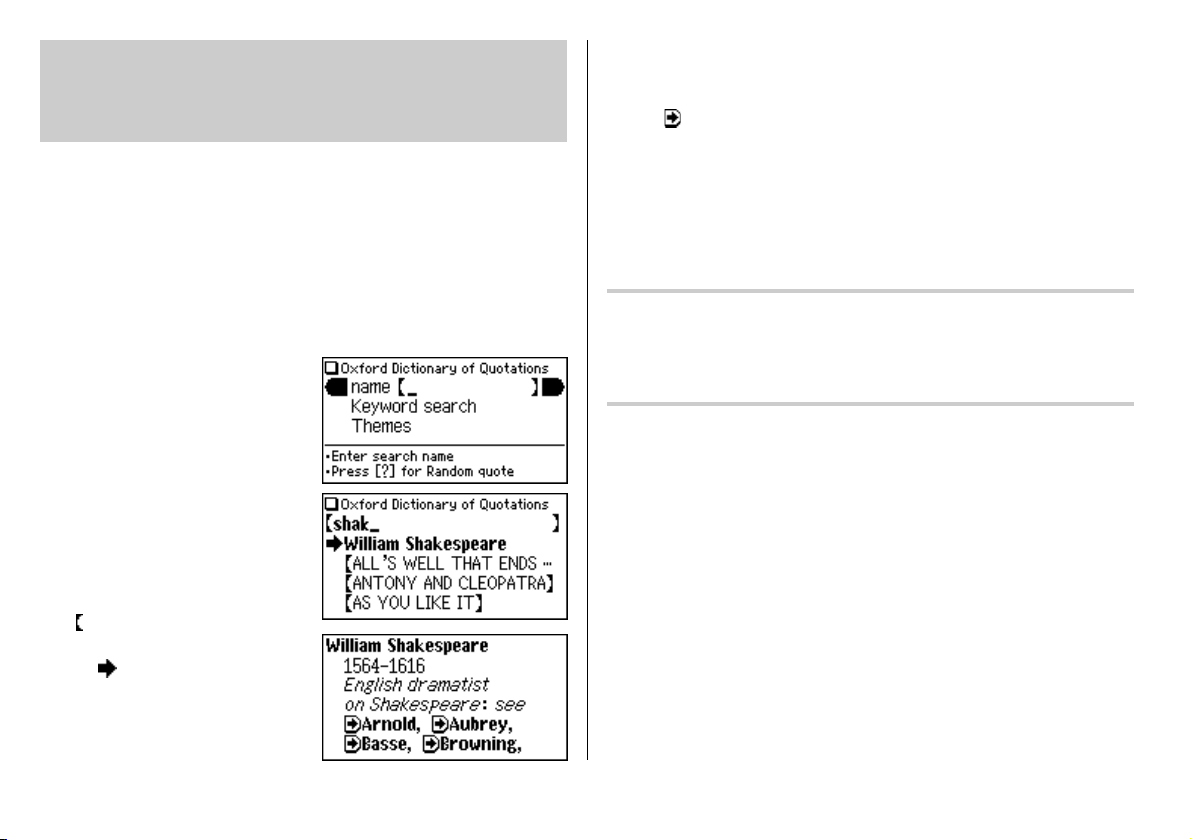
Searching by an author name (Filter search)
Find a set of related quotations by inputting the spelling of an author.
<Example>
List a set of quotations by ‘William Shakespeare’.
u
1. Press
Dictionary of Quotations
The name input screen of the
Dictionary of Quotations
2. Start to input the word ‘shakespeare’.
As you type, the match narrows. If the
desired word is found, then you do not
need to type any more letters.
• In this example, the rows headed by
‘
’ contain subheadings within the
entry for ‘William Shakespeare’.
3. While ‘
Shakespeare’, press
detail view of the entry ‘William
Shakespeare’ appears.
to open the
’ appears to the left of ‘William
Oxford Dictionary of Quotations
Oxford
.
Oxford
appears.
e
. The
to find his/her
} {
or
> <
•To browse contents on the next/previous page, press
may also find the Quick View function useful.
•To search a word in the detail view, or to search for an item indicated under
, use the Super Jump function.
the
• Press
f
to return to the previous screen.
^ l
• Press
•To search a different word, simply begin inputting a new spelling for the word,
or press
of Quotations
to list the headings in the
b
or
u
to go to the input screen of the
.
Oxford Dictionary of Quotations
Oxford Dictionary
. You
.
If there is no match found
The matching headers narrows down as you type. If the match is narrowed down to
e
none, a message ‘similar words’ will be displayed. Press
that alphabetically follow the entered string.
to list the headers
Note about entering characters
While entering characters, exclude characters such as spaces, hyphens,
apostrophes, slashes, and periods. See page 12 for details.
Note:
• The names of collections or compilations, such as the ‘Bible’ or ‘Anonymous’, can
be used for a search.
• Instead of inputting an author's surname, you might wish to try entering his/her
known pseudonym or nickname (See pages 53-54 for details).
• Some authors may appear in a joint entry with a common co-author or associate,
as well as their own individual entry. In these cases, the author's name is listed
twice in search results, ordered according to the first name in the joint entry. The
detail view automatically scrolls down so the search term is at the top - if this is
part of a larger entry, the up arrow will appear top left.
20
Page 23
Keyword search
The
Oxford Dictionary of Quotations
The quotations containing ALL the entered keywords can be searched for.
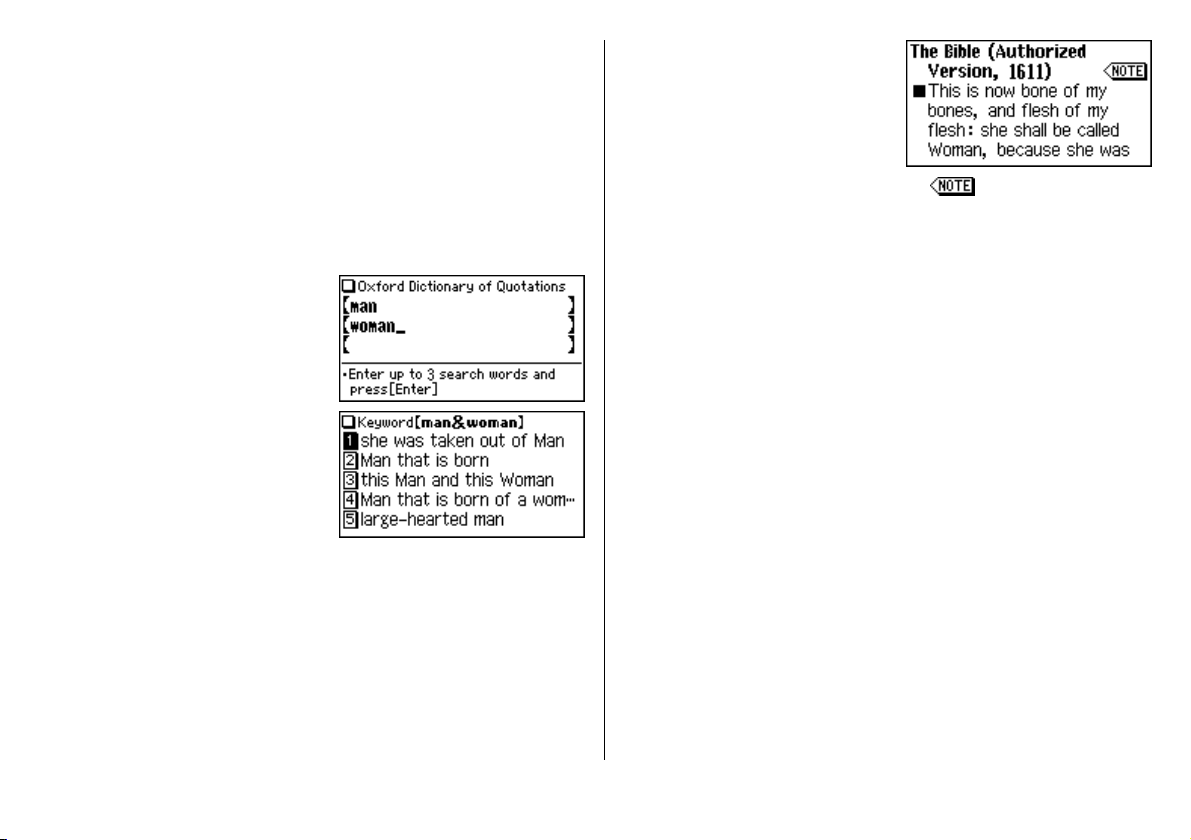
<Example>
Find quotations that incorporate ‘man’ and ‘woman’.
u
1. Press
Press the
e
The input screen of the Keyword search appears.
2. Input ‘man’, press the
input ‘woman’.
Up to 24 characters can be entered in
each input field. To jump the cursor
from one input field to another, use the
{ }
3. Press
The search results of the
to open the
}
key to place the cursor at the ‘Keyword search’, then press
.
}
keys.
e
.
Dictionary of Quotations
no match is found, a message ‘Not
Found!’ will momentarily be displayed.
Note:
• The list consists of essential words in the quotations that include the given
keyword. Even if more than two keywords are given, the list will consist of
essential words in the quotations that include the first keyword.
Singular and plural nouns must be searched for separately. Words such as ‘man’
•
and ‘men’, as well as ‘lover’ and ‘lovers’, are to be searched as two different words.
•To search for compound words such as ‘Holy Ghost’, ‘middle class’, and ‘selfmade’, modify the entry by eliminating space and hyphen (i.e. ‘holyghost’,
‘middleclass’, and ‘selfmade’), to form a single keyword.
can accept up to three keywords for a search.
Oxford Dictionary of Quotations
key, then
.
Oxford
are listed. If
4. Select the desired quotation using the
1
number keys (press
example). The details of the selected
quotation appear.
• The Quick View function cannot be
activated from this screen.
• The name of the author and the Note icon (
second row.
While the Note icon is visible on the screen, press
view the full set of quotations of the author (the same result can be viewed by
initiating the search by entering the name of the author).
• Press
f
^ l
• Press
•To initiate a new search, simply start typing, or press
screen of the keyword search.
, in this
to return to the previous screen.
to list the search results.
) will appear on the first or
r
and
e
b
to go to the input
to
21
Page 24
Theme search
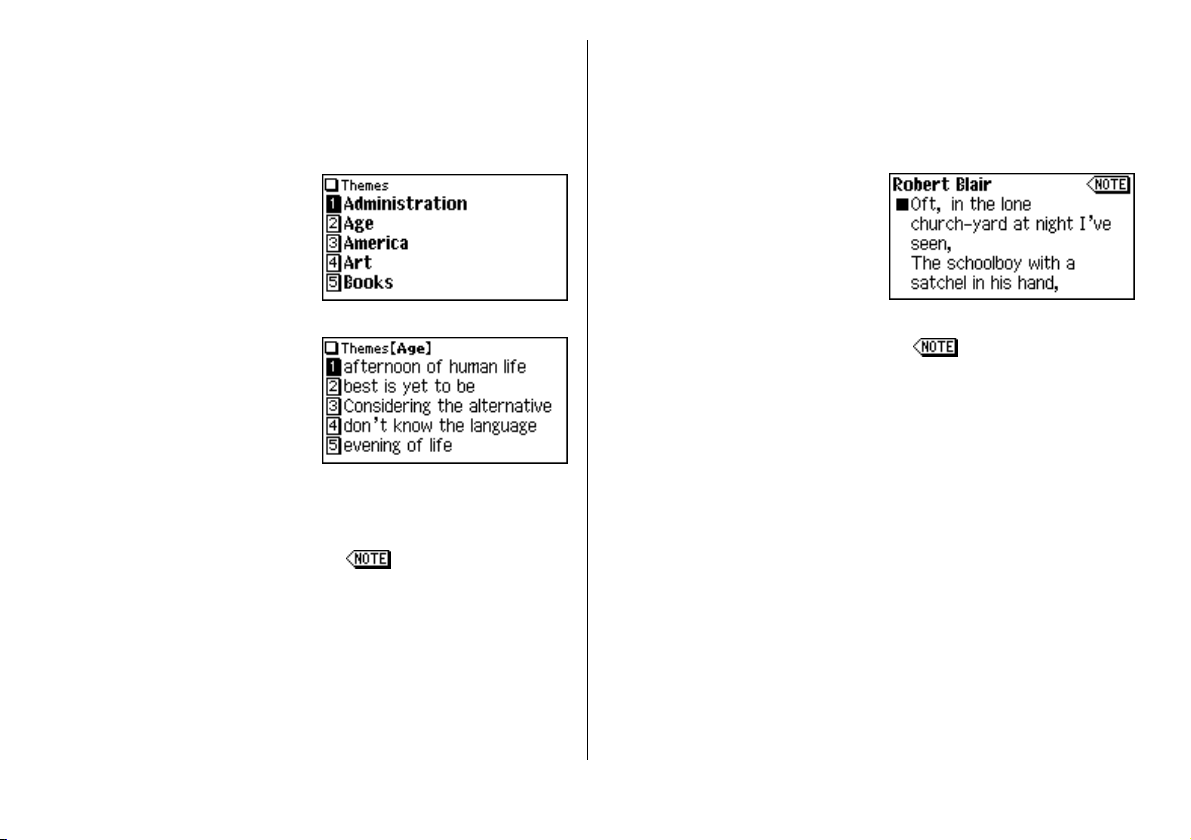
Quotations organized under a particular theme, such as business, politics or love,
can be searched.
<Example>
Find a quotation with ‘Age’ as its theme.
u
1. Press
Dictionary of Quotations.
Press
‘Themes’, then press
A list of themes appear. To scroll up/
down the view, use
.
<
2. Use the number key to select ‘Age’.
A list of quotations under the theme
‘Age’ is displayed.
to open the Oxford
}
twice to set the cursor at
e
.
} {
and/or
>
Random quote
Random quote can be requested by pressing the ? at the initial screen of the
Oxford Dictionary of Quotations
<Example>
u
1. Press
2. Press
quotation is displayed.
• Press
sequentially initiate the Random
quotes.
• Press
screen of the
• The name of the author and the Note icon (
second row.
While the Note icon is visible on the screen, press
view the full set of quotations of the author (the same result can be viewed by
initiating the search by entering the name of the author).
to open the initial screen of the
?
. A randomly selected
?
several times to
f
to return to the initial
Oxford Dictionary of Quotations
or in the detail view of the author.
Oxford Dictionary of Quotations
.
) will appear on the first or
r
and
e
to
.
3. Select a desired quotation using the number keys. The details of the selected
quotation appear.
• The Quick View function cannot be activated from this screen.
• The name of the author and the Note icon (
second row.
While the Note icon is visible on the screen, press
view the full set of quotations of the author (the same result can be viewed by
initiating the search by entering the name of the author).
f
• Press
• Press
22
to return to the previous screen.
^ l
to view a list of quotations under the theme.
) will appear on the first or
r
and
e
to
Further information
For further information on using this dictionary, refer to the Introduction on pages
50-54.
Page 25
Using the Super Jump function
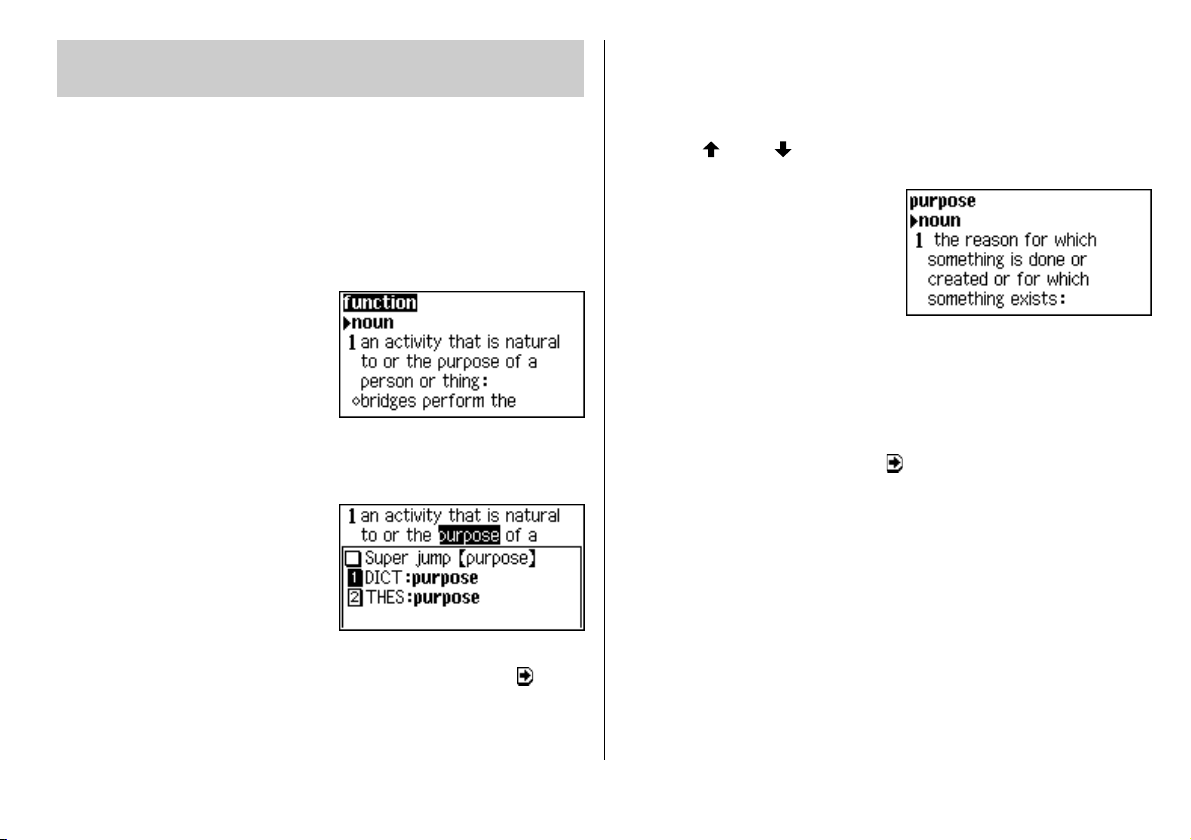
Use the Super Jump function to select any word in the detail view of each
dictionary, then initiate a search based on the selected word.
How to use the Super Jump function
<Example>
Initiate a Super Jump search via the
1. In the
Oxford Dictionary of English
v
2. Press
appears to select the first word in the
view.
3. Use the
4. While the desired word is selected,
} { ] [
desired word.
• The pressing of
press
e
The Super Jump window appears to
display selectable items.
•A list of matching words is displayed.
If the selected word is in a variant or
inflected form, the original spelling may be displayed instead.
• If only one match is found, or if an item indicated by the Jump icon (
selected, then the description of the item will be displayed in the Super Jump
window instead.
. The cursor
keys to move the cursor (and its selection of word) to a
v
.
Oxford Dictionary of English
, show the detail view of the word ‘function’.
moves the cursor to the next.
.
) is
1
5. Use the number keys to select a desired word in the list (Press
example).
The definition of the selected word is displayed in the Super Jump window.
f
• Press
• When ‘
<
6. Press
of the selected word.
The detail view of the selected word
appears.
• Press
view.
Note:
•A Super Jump search from any of the dictionaries will return matching entries
in the following dictionaries:
• Oxford Dictionary of English
• New Oxford Thesaurus of English
•For items marked with a Jump icon (
Quotations
to go back to the previous view.
’ and/or ‘ ’ appears on the left side of the window,
can be used to scroll the window.
e
to jump to the definition
f
to display the previous
) found in the
, the Super Jump executes a cross-reference upon selection.
Oxford Dictionary of
in this
} {
or
>
23
Page 26

Specifying a Dictionary to jump to
In step 4 above, press d or
Dictionary to jump to.
t
instead of pressing
e
, to specify the
Note icon in the Super Jump window
When the Note icon appears in the Super Jump window, press
e
to view the contents.
r
and
About the detail view after the Jump
• The behaviour and function of the detail view is the same as the detail view after
an ordinary search.
b
• Press
•A chain of multiple Super Jump actions can be backtracked up to 10 times by
pressing the
at the detail view to go back to the Dictionary's input screen.
f
key.
24
Page 27
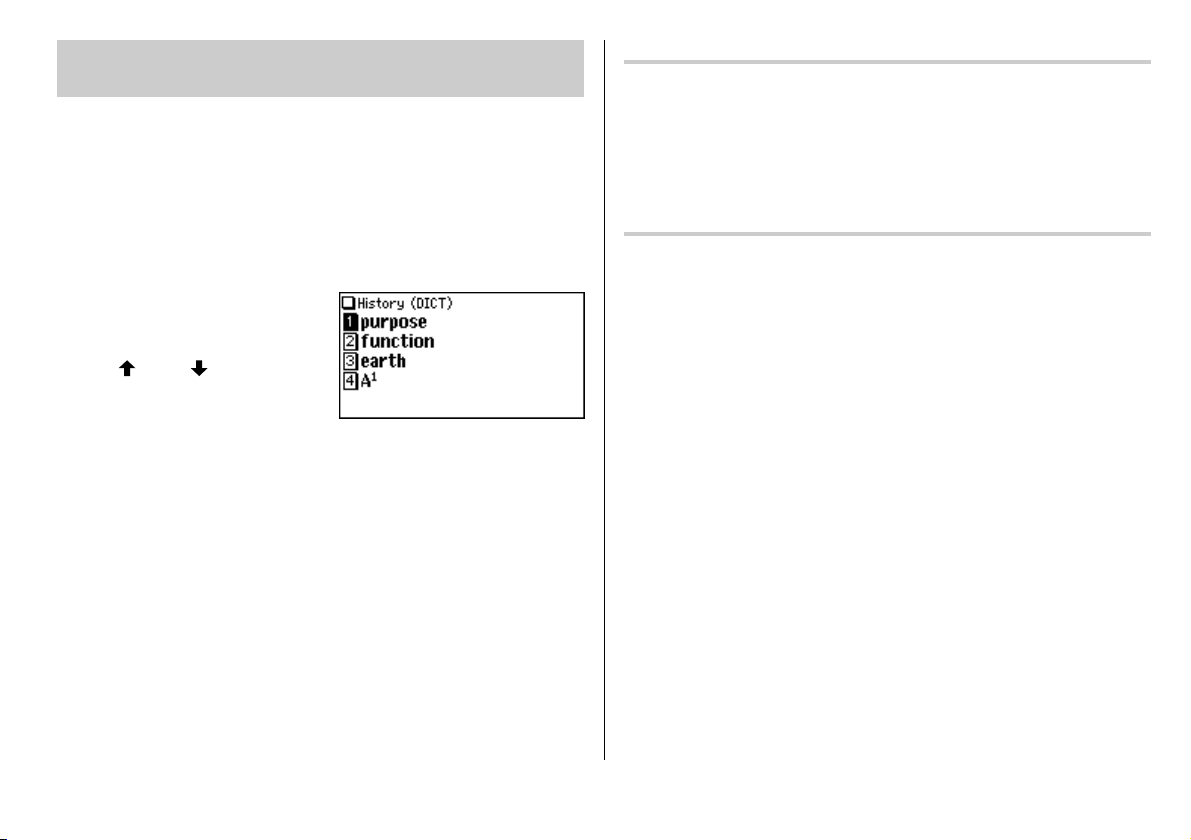
Using the History function
Use the History function to recall a headword or phrase previously searched in the
Dictionaries.
How to use the History function
<Example>
Recall the search history in the
1. Press
d
to open the
h
2. Press
appears, with the most recent search
placed at the top of the list.
When ‘
left side of the window,
can be used to scroll the window.
<
3. Use the number keys to select a desired word in the list.
The detail view of the selected word appears.
Note:
• Each Dictionary has its own history list. Additionally, phrase search history list of
each of the
is made.
English
•To view the history list, press
and the initial screen of each phrase search.
•Truncated words in the list are indicated with trailing ‘...’ at the end.
• Each history list can contain up to 30 items.
• The items selected by the Random quote in the
will also be added in the history.
. The history view
’ and/or ‘ ’ appears on the
Oxford Dictionary of English
Oxford Dictionary of English
Oxford Dictionary of English
} {
or
>
and the
h
at the initial screen of each Dictionary,
.
.
New Oxford Thesaurus of
Oxford Dictionary of Quotations
Deleting a history item
1. Display the history list on the screen.
}
2. Use the
colour indicates the selected item.
3. Press
4. Press
or { key to place the cursor on the word to be deleted. The reverse
(
. A confirmation dialog for deletion appears.
Y
. The selected word is deleted.
Deleting the history list of a Dictionary
1. Press
m
, then 5 to open the Set-up menu.
4
2. Press
3. Use the number keys to select the history list you wish to delete. A confirmation
dialog for deletion appears.
4. Press
to select ‘Deleting history’.
•To delete all history lists, select ‘ALL’.
• Selecting ‘only DICT’ or ‘only THES’ will also delete the history list of each
phrase search.
Y
. The selected history is deleted and the main menu appears.
25
Page 28
Using the Calculator function
The built-in calculator in the Electronic Dictionary can perform twelve-digit
arithmetic calculations with memory function. To access the Calculator function,
a
press
Prior to initiating calculations
• Before performing any calculation, press
memory and the display.
•To start a calculation with a negative number, place a subtraction sign by
pressing
• If you wish to correct a wrong entry, press
• In the calculation examples found in this section, indications and icons that may
appear on the screen (‘=’, ‘M+’, ‘M-’, ‘+’, ‘-’, ‘x’, and ‘÷’) are abbreviated or are not
shown. These icons appear to show you the interim result of calculations. For
example, the ‘=’ icon appears on the screen when
icons such as ‘M+’ and ‘+’ appear after each corresponding key has been
pressed.
• An ‘M’ is shown when a value other than 0 is put in the memory. To clear the
content of the memory, press
also functions as =.
• Press
• An error message ‘E’ is displayed if:
• the integer section of a calculation result exceeds 12 digits
• the memory exceeds 12 digits
• an attempt is made to divide a number by zero.
Press
.
@ @ b
-
at the beginning of the calculation.
!
@
twice. Note that the pressing of $ or
to enter ‘=’. To input ‘.’ (decimal point), press .
!
to clear the error condition.
to clear the
and re-enter the figure.
=
or % is pressed, while
#
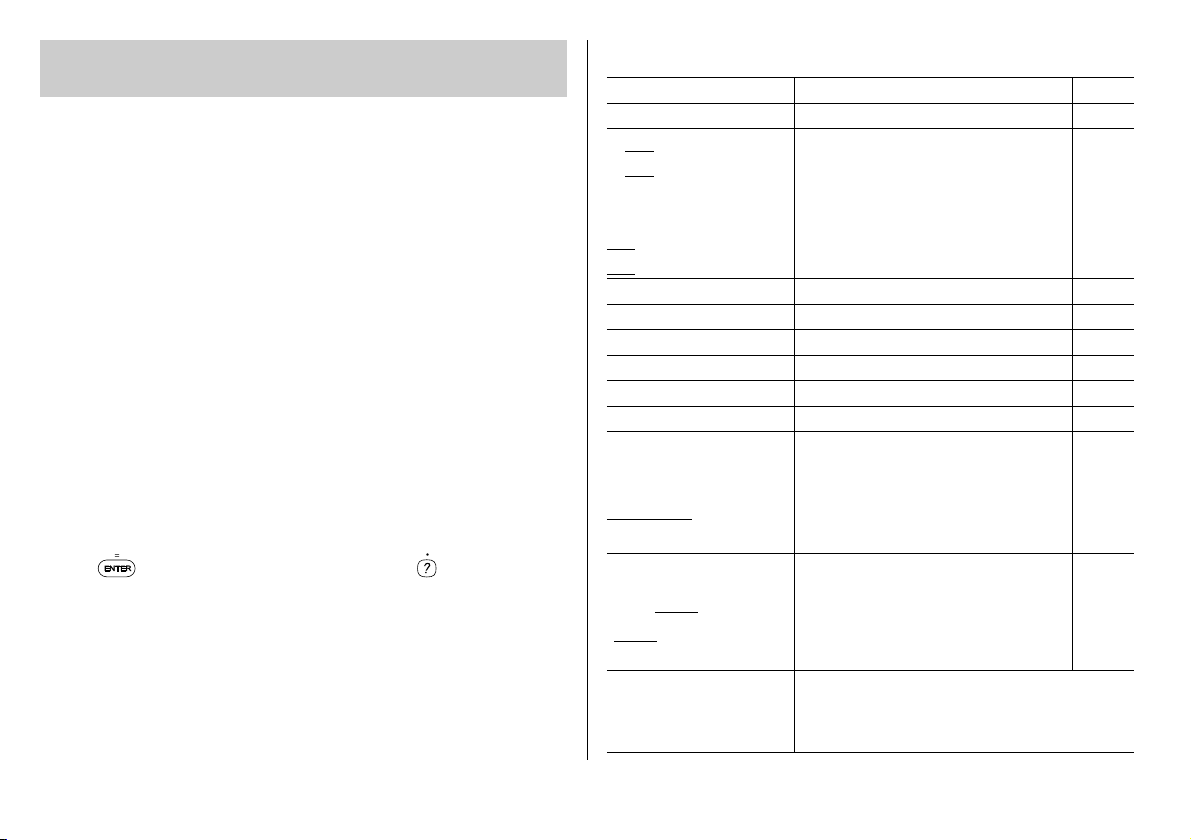
Calculation examples
Example
÷
4 – 2 =
(–24)
34 + 57 =
45 + 57 =
×
25 =
68
68
×
40 =
What is 10% of 200?
What percentage is 9 of 36?
×
200 + (200
500 – (500
3)2
(4
10 %) =
×
20 %) =
=
1/8
25
×
5 =
÷
–) 84
3 =
+) 68 + 17 =
(Total) =
135
×
(12 + 14) =
÷
(12 + 14)
123456789098
5 =
×
145 =
Operation
! -
34 + 57=The second figure (57)
45
(Subtraction and division are performed in
the same way as above.)
68
200
9 / 36
200 + 10
500 - 20
4 * = = *
8 /
@
84 / 3
68 + 17
@
@
135 *
@
@
123456789098 * 145
!
(17.9012344192
24 / 4 - 2
=
becomes the constant.
*
25=The first figure (68)
40
=
becomes the constant.
*
10
%
=
%
%
%
=
=
@
25 * 5
$
#
$
@
12 + 14
$
@ =
/ 5
=
@ b
=
×
1012 = 17901234419200)
Display
–8.
91.
102.
1,700.
2,720.
20.
25.
220.
400.
4,096.
0.125
M
125.
M
28.
M
85.
M
182.
M
26.
M
3,510.
M
5.2
0.
17.9012344192
E
17.9012344192
26
Page 29
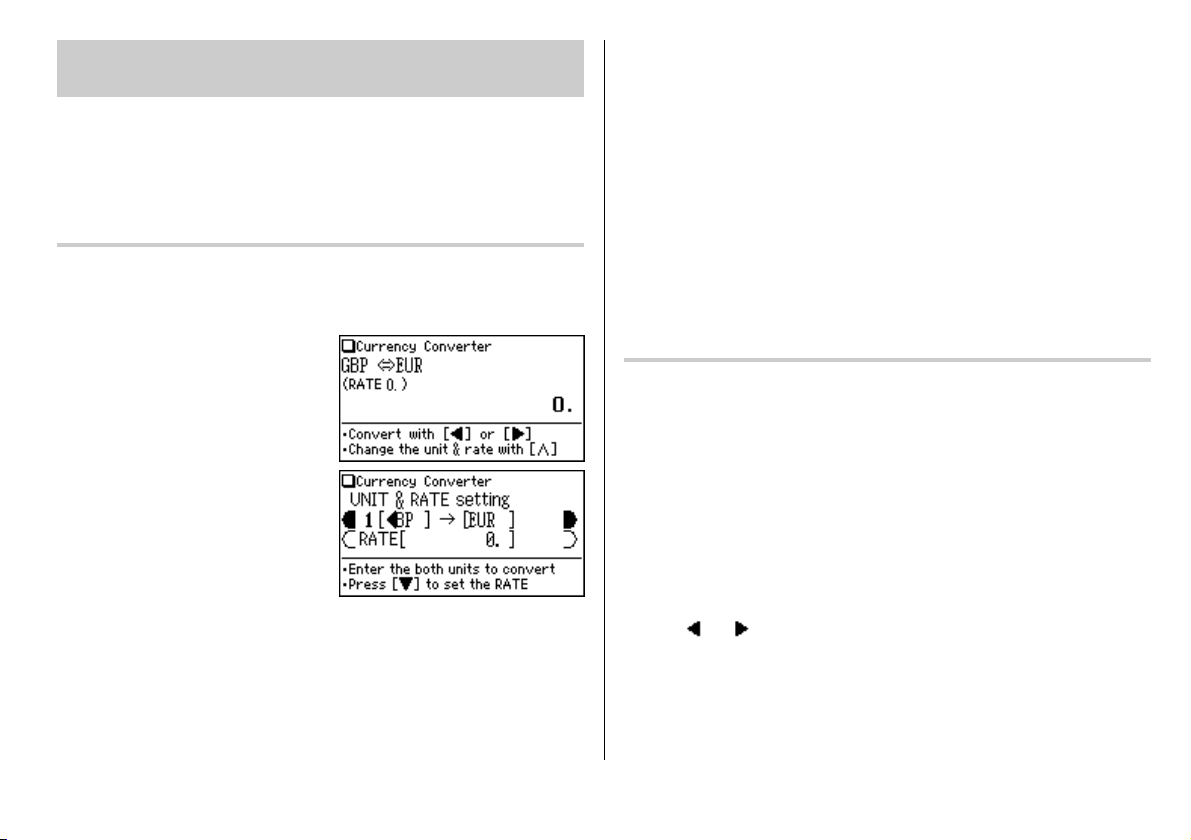
Using the Converter function
The Converter function consists of two converters: the Currency converter, and the
Metric converter.
Currency converter
Setting a currency rate
One conversion rate can be set.
<Example>
Set the following rate: £1 = C= 0.7
m 4 1
1. Press
Currency converter.
<
2. Press
currency name and rate appear.
. The input fields for the
to access the
3. Use the
4. Press
{ }
keys to place the cursor at the desired input field, then input the
}
currency name and its rate. In this example, press
• The currency name field of currency converter is temporarily pre-defined, as
seen in the above example.
• When inputting the desired currency name, press
and use no more than four letters. Use the
the left/right of the currently selected input field.
• In the left input field, enter the base currency name. In the input field on the
right, place the currency name of which you wish to set the conversion rate.
• Up to 10 digits (excluding the decimal point) can be entered in the currency
rate input field.
e
. The currency name and its rate are set.
and input ‘0.7’.
b
to clear the input field
[ ]
keys to set the cursor on
Converting currencies
The conversion calculation can be performed using the previously set conversion
rate.
<Example>
Convert C= 175 to pounds (£) when setting the rate: £1 = C= 0.7.
m 4 1
1. Press
2. Input ‘175’. You may input a simple formula, such as ‘35
[
3. Press
displayed.
to execute the conversion from C= to £. The converted value of £250 is
• Pressing
• The
•To initiate conversion of a different value, just enter the value to be converted,
• Press
]
value of C= 122.5 will be displayed.
and arrows on the screen indicate the direction of conversion.
or press
!
conversion.
f
to display the currency converter.
×
5 =’, instead.
executes a pound-to-euro conversion. In this case, the converted
to clear the value in the input field prior to entering the new
to return to the Converter menu.
27
Page 30
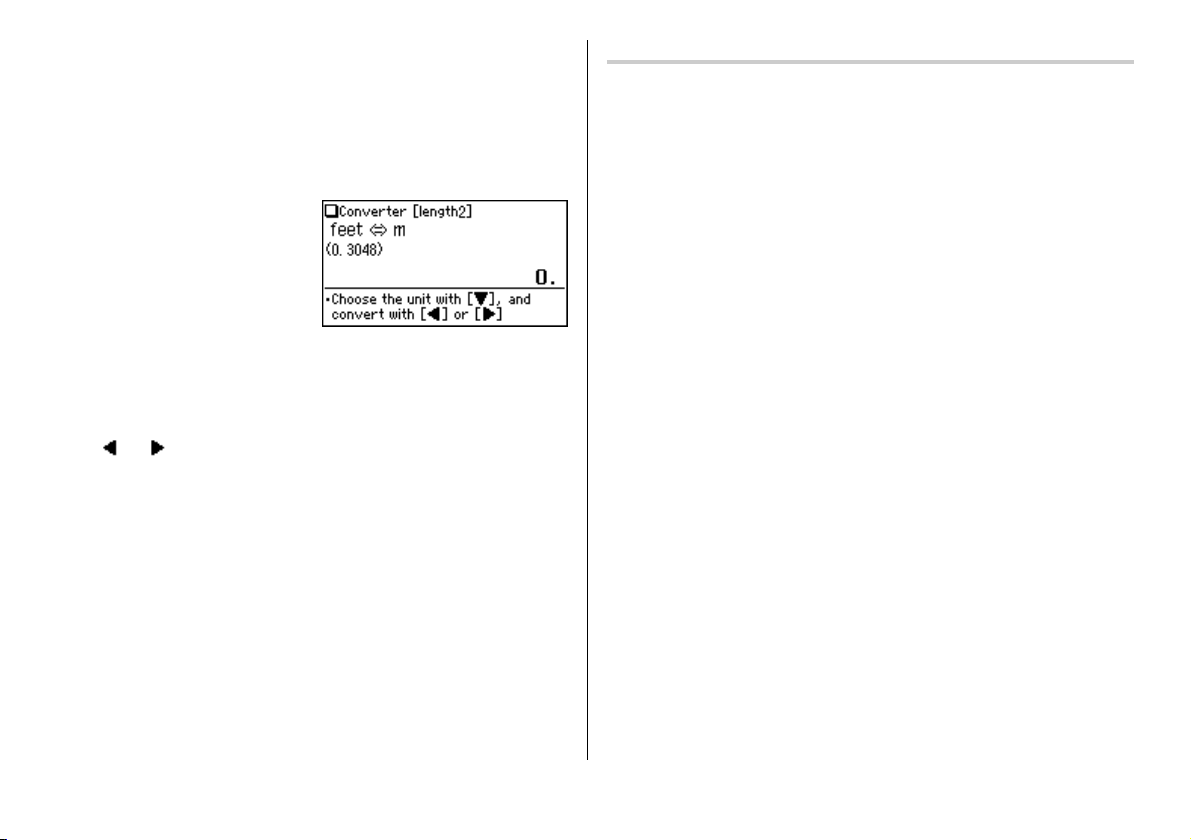
Metric converter
Conversions between different units of measurement (length, mass, etc.) can be
performed.
<Example>
Convert 40 feet to metres.
m 4 2
1. Press
{ }
2. Use
[length2]’.
3. Input ‘40’. You may input a simple formula, such as ‘25 + 15 =’, instead.
4. Press
• Press
• The
•To initiate conversion of a different value, just enter the value to be converted,
• Use the
• Press
to select ‘Converter
]
. The value in feet is converted to the metric value.
[
to convert from the metric value to feet. In this case, the given value
‘40’ will be taken as the metric value to be converted to feet.
and arrows on the screen indicate the direction of conversion.
!
or press
conversion.
}
f
to access the Metric converter.
to clear the value in the input field prior to entering the new
or { key to select one of the other Metric converters.
to return to the Converter menu.
Units capable of being converted
The following conversion formulae can be utilised.
⇔
length1: inch
length2: feet
length3: yard
length4: mile
weight1: ounce
weight2: pound
temperature: °F
volume: pint
surface area1: mile
surface area2: acre⇔hectare
cm
⇔
m
⇔
m
⇔
km
⇔
g
⇔
kg
⇔
°C
⇔
litre
2
⇔
km
2
28
Page 31
Appendices
Replacing the battery
Battery used
• Use only the specified alkaline battery.
Type
Alkaline battery
Size / Model
Size “AAA” / LR03
Precautions
• Fluid from a leaking battery accidentally entering an eye could result in serious
injury. Should this occur, wash with clean water and immediately consult a
doctor.
• Should fluid from a leaking battery come in contact with your skin or clothes,
immediately wash with clean water.
• If the product is not to be used for some time, to avoid damage to the unit from a
leaking battery, remove it and store in a safe place.
• Do not leave an exhausted battery inside the product. It may leak and damage
the product.
•Keep batteries out of the reach of children.
• Incorrect handling of batteries may introduce risk of explosion.
• Do not throw batteries into a fire as they may explode.
• Make sure the new battery is the correct type before fitting.
• When installing, orientate the battery correctly as indicated in the unit.
• The battery packaged with this product may be partially exhausted during the
shipment and/or storage period, and may need to be replaced sooner than
expected.
Quantity
1
When to replace the battery
Replace the battery immediately in the following cases:
• When
• When the message ‘Replace the battery’ appears upon turning the power on.
Note:
• If the battery replacement cannot be done, then the History list, as well as the
Calculator's memory, and the Currency converter configuration may be cleared
shortly. Also, the Set-up menu configuration may be reset.
is displayed.
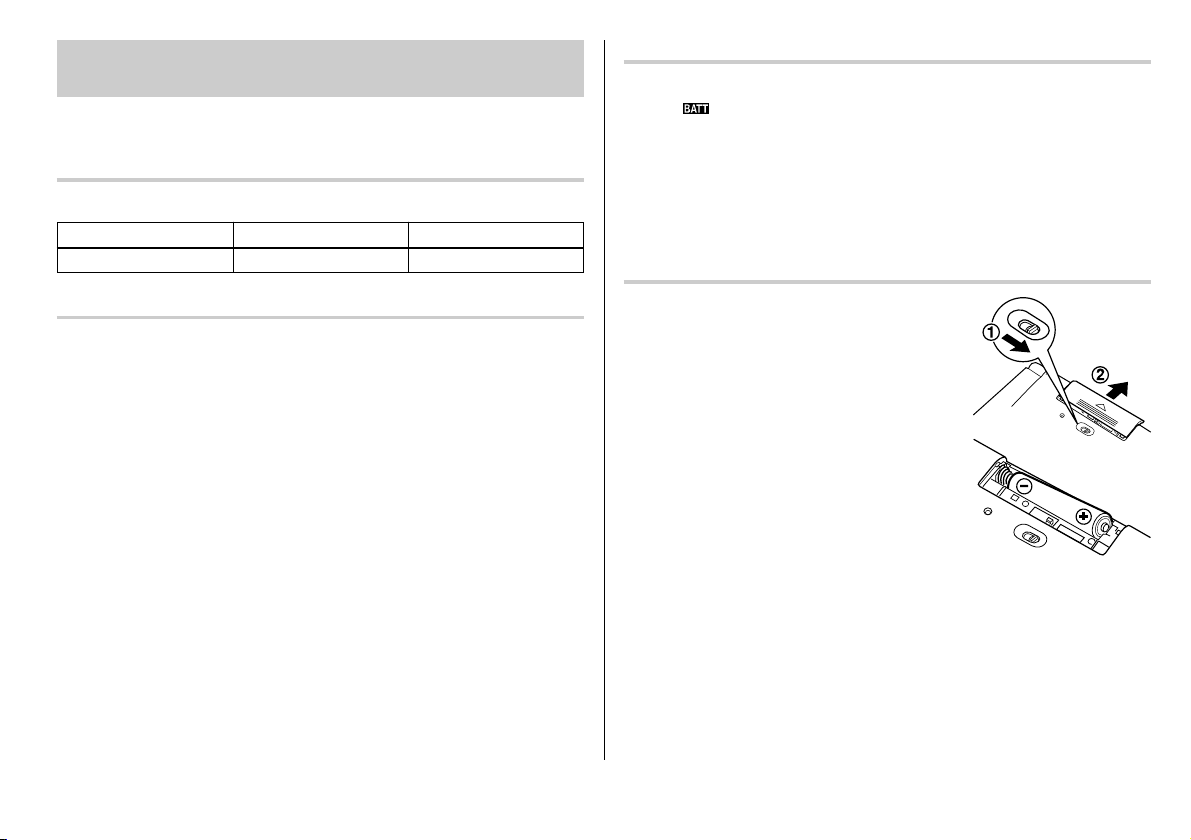
Replacement procedure
1. Switch off the power by pressing
2. Set the battery replacement switch located on the
bottom of the unit to the ‘REPLACE BATTERY’
position.
3. Remove the battery cover.
4. Remove the used battery and insert the one new
battery. Make sure the battery polarity is correctly
orientated.
5. Replace the battery cover.
6. Set the battery replacement switch to the ‘NORMAL OPERATION’ position.
7. Open the unit and press
The LCD contrast screen appears.
• If the power cannot be switched on, try following steps 2 through 7 in the
above procedure again. Should this fail, then follow the reset procedure on the
following page.
8. Follow the instructions on the screen to adjust the LCD contrast, as well as to set
the key sound on/off configuration (see steps 7 through 8 of the procedure on
page 2.)
o
o
.
to turn the power on.
29
Page 32
Reset procedure if trouble occurs
Exposure to a strong physical shock or powerful electrical fields may render the
keys inoperable, to the point that the power cannot be switched on. If such case is
suspected, try following the procedure below.
Reset procedures
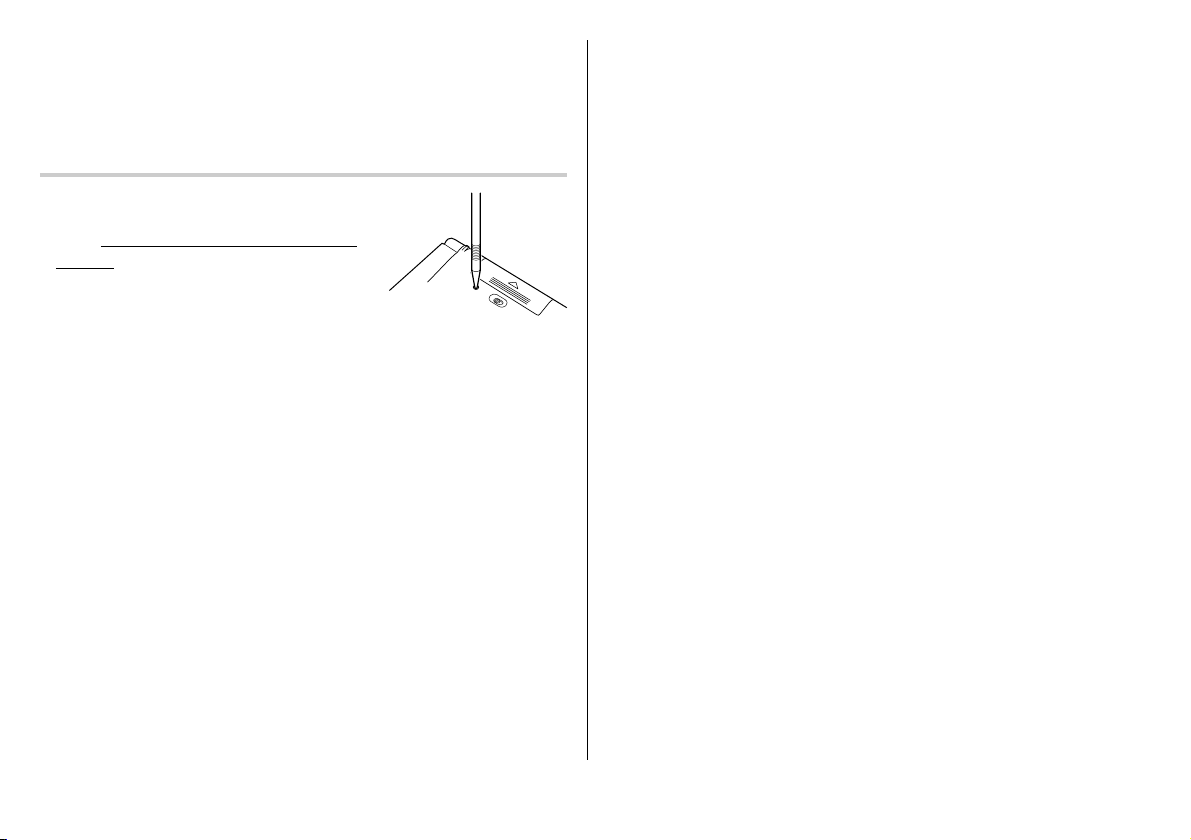
1. Press the RESET switch located on the bottom of
the unit, with the tip of a ball-point pen or similar
object. Do not use an object with a breakable or
sharp tip.
The message ‘Do you want to initialize?’ appears.
Y
2. Press
3. Follow the instructions on the screen to adjust the LCD contrast, as well as to set
the key sound on/off configuration (see steps 7 through 8 of the procedure on
page 2.)
Note:
• The reset procedure will clear the History list, Calculator's memory, and
configuration of the Currency converter, as well as to reset the Set-up
menu configuration. To avoid these, you may press
above.
• Occasionally when corruption of data etc. occurs, the reset procedure may
automatically be initiated upon pressing of the RESET switch or the
key. When this occurs, the message ‘Initialized!’ will be displayed, followed by the
LCD contrast screen. Follow the instructions on the LCD contrast, as well as to
set the key sound on/off configuration.
to initialize the unit.
•A message ‘Initialized!’ is momentarily displayed, followed by the LCD contrast
adjustment screen.
N
is selected, then the unit will not be initialized.
• If
NN
N
at step two of the
NN
o
Specifications
Model: PW-E500
Product name: Electronic Dictionary
×
Display: 159
Number of entries: • Oxford Dictionary of English:
Calculator function: 12-digit calculation of addition, subtraction,
Converter function: 12-digit conversion of currency and measurement
Power consumption: 0.11 W
Operating temperature: 0°C - 40°C (32°F - 104°F)
Power supply: 1.5 V …
Battery life: Approx. 200 hours
Weight (including battery): Approx. 148 g (0.33 lb)
Dimensions (when closed): 125 mm (W)
Accessories: Alkaline battery LR03 (size “AAA”)
80 dot matrix LCD
Approx. 355,000 words, phrases, and definitions
•New Oxford Thesaurus of English:
Approx. 600,000 alternative and opposite words
• Oxford Dictionary of Quotations:
Approx. 20,000 quotations, comprehensively indexed
Approx. 3,200 authors
multiplication, division, percentage, memory
calculation, etc.
–
(DC): Alkaline battery LR03 (size “AAA”) × 1
If data is continuously displayed at 25°C (77°F)
Note: May vary according to various usage conditions
×
79.4 mm (D) × 16.8 mm (H)
×
4-29/32" (W)
operation manual
3-1/8" (D) × 21/32" (H)
×
1,
30
Page 33

Troubleshooting
Refer to the list of possible symptoms, and solutions may be found here.
The unit cannot be switched on.
• Check if the battery is not drained. See page 29.
• Check the battery replacement switch; it should be set at the ‘NORMAL
OPERATION’ position. See page 2.
• Check the polarity of the battery. See page 2.
•Verify the LCD contrast setting; the power may be switched on, but the
message on the screen may not be visible. See page 12.
• If the above settings appear normal, then press the RESET switch. See page
30.
The screen is dark or light.
• Adjust the LCD contrast. See page 12.
The key sound cannot be heard.
• The key sound may be set to OFF. See page 11.
The unit does not respond to a key press.
• Press the RESET switch. See page 30.
The unit shuts off automatically.
• The Auto power off function is in action. The activation interval of the Auto
power off function can be adjusted. See page 12.
Product support
If you have read this operation manual, but you still require product support, you
can:
Visit our web site
http://www.sharp.co.uk
Or Telephone
08705 274277
The desired word cannot be found.
•A variant form of the word may have been entered. Enter the original form.
31
Page 34
Introductions to the
Dictionaries
nose
CORE SENSE
the part projecting above the mouth on the face of a person or animal,
containing the nostrils and used for breathing and smelling.
Oxford Dictionary of English
Introduction
The
Oxford Dictionary of English
are quite different from those of traditional dictionaries. New types of evidence are
now available in sufficient quantity to allow lexicographers to construct a picture of
the language that is more accurate than has been possible before. The approach to
structuring and organizing within individual dictionary entries has been rethought,
as has the approach to the selection and presentation of information in every
aspect of the dictionary: definitions, choice of examples, grammar, word histories,
and every other category. New approaches have been adopted in response to a
reappraisal of the workings of language in general and its relationship to the
presentation of information in a dictionary in particular. The aim of this introduction
is to give the user background information for using this dictionary and, in
particular, to explain some of the thinking behind these new approaches.
Structure: Core Sense and Subsense
The first part of speech is the primary one for that word: thus, for bag and balloon
the senses of the noun are given before those for the verb, while for babble and
bake the senses of the verb are given before those of the noun.
32
has been compiled according to principles which
SUBSENSE
the sense of smell,
especially a dog’s ability to
track something by its scent:
a dog with a keen nose.
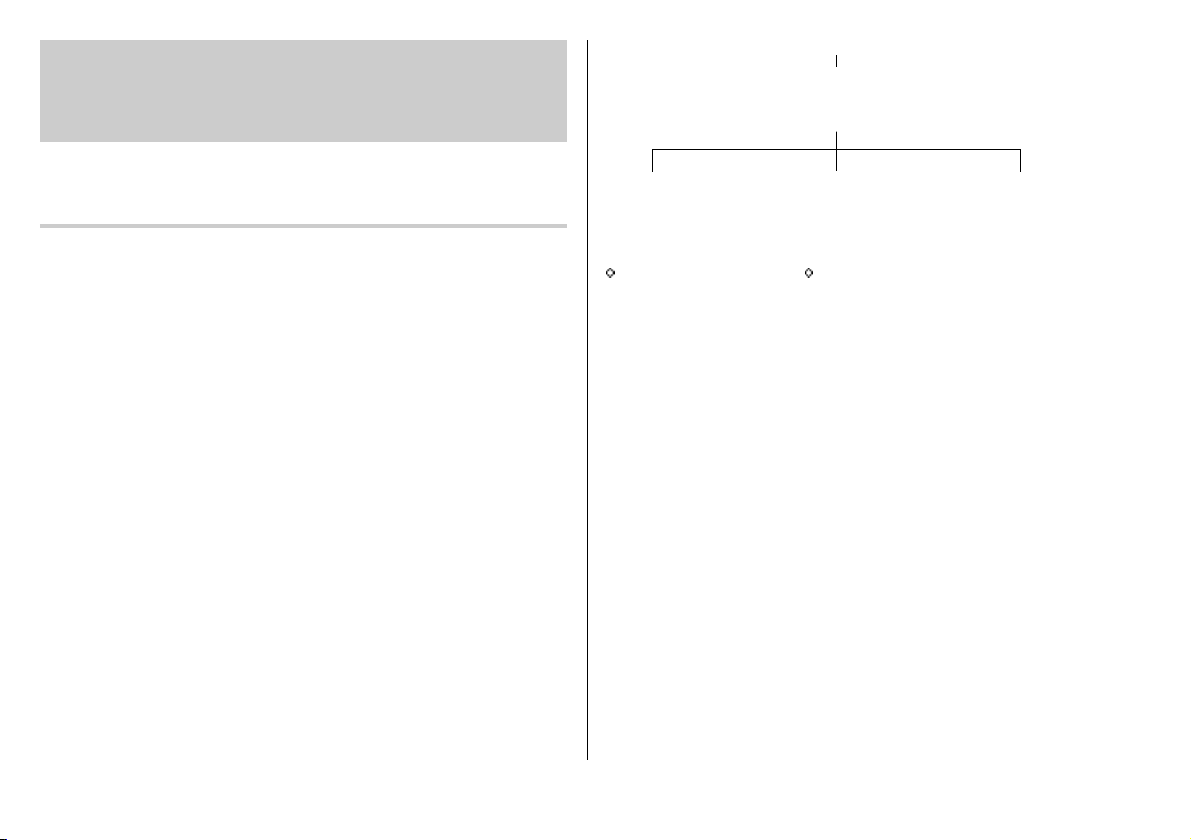
Within each part of speech the first definition given is the core sense. The general
principle on which the senses in the
that each word has at least one core meaning, to which a number of subsenses
may be attached. If there is more than one core sense (see below), this is
introduced by a bold sense number. Core meanings represent typical, central uses
of the word in question in modern standard English, as established by research on
and analysis of the Oxford English Corpus and other citation databases. The core
meaning is the one accepted by native speakers as the most literal and central in
ordinary modern usage. This is not necessarily the same as the oldest meaning,
because word meanings change over time. Nor is it necessarily the most frequent
meaning, because sometimes the most frequently used modern sense of a word is
a figurative one.
The core sense also acts as a gateway to other, related subsenses. These
subsenses are grouped under the core sense, each one being introduced by a solid
square symbol.
There is a logical relationship between each subsense and the core sense under
which it appears. The organization of senses according to this logical relationship is
designed to help the user, not only in being able to navigate the entry more easily
and find relevant senses more readily, but also in building up an understanding of
how senses in the language relate to one another and how the language is
constructed on this model. The main types of relationship of core sense to
subsense are as follows:
SUBSENSE
figurative
an instinctive
talent for detecting
something:
he has a nose for a
good script.
Oxford Dictionary of English
SUBSENSE
the aroma of a particular
substance, especially
wine.
are organized is
Page 35
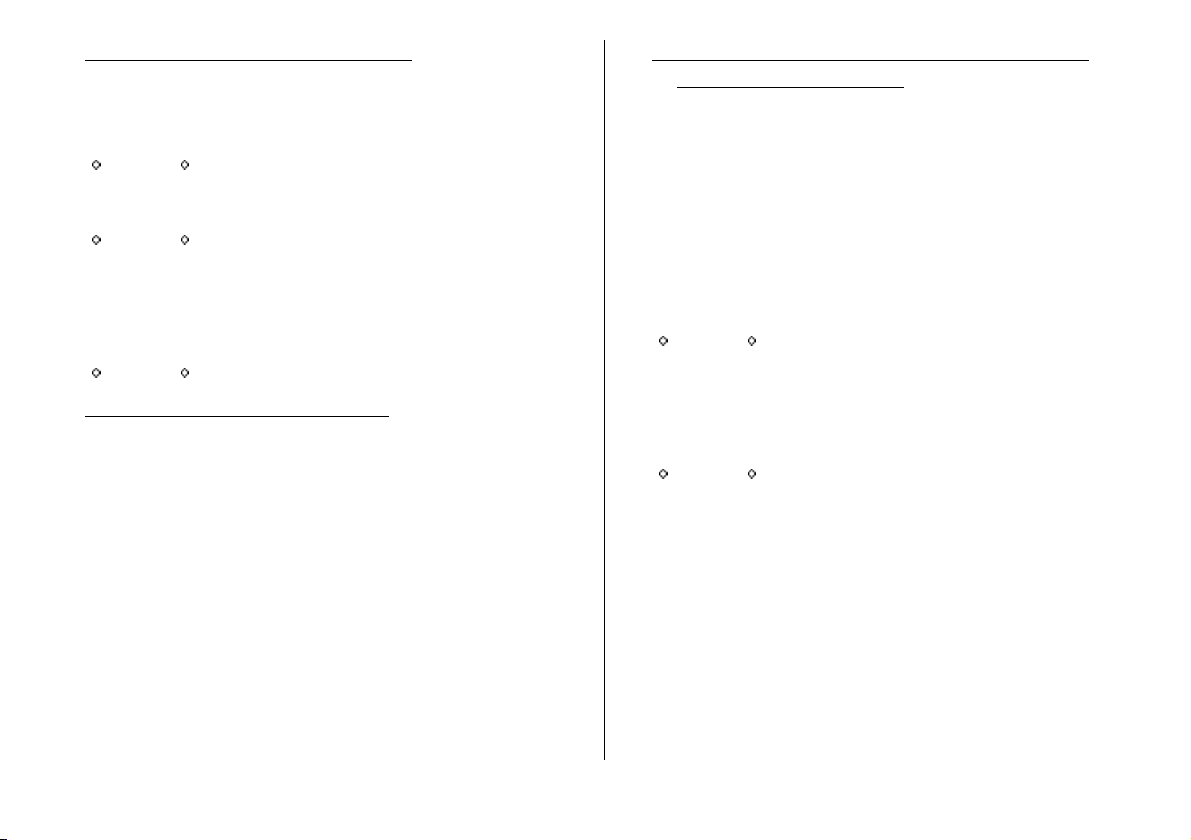
(a) figurative extension of the core sense, e.g.
HEADWORD: logjam
CORE SENSE: a crowded mass of logs blocking a river.
figurative
SUBSENSE:
a situation that seems irresolvable:
EXAMPLE: the president can use his power to break the logjam over
this issue.
figurative
SUBSENSE:
a backlog:
EXAMPLE: keeping a diary may ease the logjam of work.
HEADWORD: bankrupt
CORE SENSE: (of a person or organization) declared in law as unable to pay
their debts:
figurative
SUBSENSE:
completely lacking in a particular good quality:
EXAMPLE: their cause is morally bankrupt.
(b) specialized case of the core sense, e.g.
HEADWORD: ball
1
CORE SENSE: a single throw, kick, or hit of the ball in a game, in particular:
Cricket
SUBSENSE:
SUBSENSE:
a delivery of the ball by the bowler to the batsman.
Baseball
a pitch delivered outside the strike zone which the
batter does not attempt to hit.
HEADWORD: basement
CORE SENSE: the floor of a building which is partly or entirely below ground
level.
Geology
SUBSENSE:
the oldest formation of rocks underlying a particular
area.
(c) other extension or shift in meaning, retaining one or more
elements of the core sense, e.g.
HEADWORD: bamboo
CORE SENSE: [mass noun] a giant woody grass which is grown chiefly in the
tropics.
SUBSENSE: the hollow jointed stem of this plant, used as a cane or to make
furniture and implements.
HEADWORD: management
CORE SENSE: the process of dealing with or controlling things or people.
SUBSENSE: [treated as sing. or pl.] the people managing a company or
organization, regarded collectively:
EXAMPLE: management were extremely cooperative.
HEADWORD: ambassador
CORE SENSE: an accredited diplomat sent by a state as its permanent
representative in a foreign country.
SUBSENSE: a representative or promoter of a specified activity:
EXAMPLE: he is a good ambassador for the industry.
Many entries have just one core sense. However some entries are more complex
and have different strands of meaning, each constituting a core sense. In this case,
each core sense is introduced by a bold sense number, and each potentially has its
own block of subsenses relating to it.
33
Page 36

Specialist Vocabulary
One of the most important uses of a dictionary is to provide explanations of terms
in specialized fields which are unfamiliar to a general user. Yet in many traditional
dictionaries the definitions have been written by specialists as if for other
specialists, and as a result the definitions are often opaque and difficult for the
general user to understand.
One of the primary aims of the
down the barriers to understanding specialist vocabulary. The challenge has been,
on the one hand, to give information which is comprehensible, relevant, and
readable, suitable for the general user, while on the other hand maintaining the high
level of technical information and accuracy suitable for the more specialist user.
This has been achieved in some cases, notably entries for plants and animals and
chemical substances, by separating out technical information, eg Latin names,
chemical formulae, from the rest of the definition (shown immediately after a bullet).
For examples, see balloonfish and benzopyrene.
In other cases, it is achieved by giving additional explanatory information within the
definition itself, typically in a separate sentence. For examples, see curling and
cuttlebone.
As elsewhere, the purpose is to give information which is relevant and interesting,
aiming not just to define the word but also to describe and explain its context in the
real world. Additional information of this type, where it is substantial, is given in the
form of separate note (
An especially important feature of the
of animals and plants. In-depth research and a thorough review have been carried
out for animals and plants throughout the world and, as a result, a large number of
entries have been included which have never before been included in general
dictionaries. The style and presentation of these entries follow the general
principles for specialist vocabulary in the
not only give the technical information, but also describe, in everyday English, the
appearance and other characteristics (of behaviour, medicinal or culinary use,
mythological significance, reason for the name, etc.) and the typical habitat and
distribution. For examples, see mesosaur, kowari and hiba.
Oxford Dictionary of English
). For examples, see earth and Eocene.
Oxford Dictionary of English
Oxford Dictionary of English
has been to break
is the coverage
: the entries
Encyclopedic Material
Some British dictionaries do not include entries for the names of people and places
and other proper names. The argument for this is based on a distinction between
‘words’ and ‘facts’, by which dictionaries are about ‘words’ while encyclopedias and
other reference works are about ‘facts’. The distinction is an interesting theoretical
one but in practice there is a considerable overlap: names such as
and
language
The
enduring common knowledge of English speakers, regardless of whether they are
classified as ‘words’ or ‘names’. The information given is the kind of information that
people are likely to need from a dictionary, however that information may be
traditionally classified. Both the style of definitions in the
English
approach.
The
4,000 biographical entries, and just under 3,000 other proper names. The entries
are designed to provide not just the basic facts (such as birth and death dates, full
name, and nationality), but also a brief context giving information about, for
example, a person's life and why he or she is important.
For a few really important encyclopedic entries - for example, countries - a fuller
treatment is given and additional information is given in a separate note (
Shakespeare
England
are as much part of the language as words such as
, and belong in a large dictionary.
Oxford Dictionary of English
includes all those terms forming part of the
drama
Oxford Dictionary of
and the inclusion of additional material in separate blocks reflect this
Oxford Dictionary of English
includes more than 4,500 place-name entries,
or
).
34
Page 37

Grammar
In recent years grammar has begun to enjoy greater prominence than in previous
decades. It is once again being taught explicitly in state schools throughout Britain
and elsewhere. In addition there is a recognition that different meanings of a word
are closely associated with different lexical and syntactic patterns. The
Dictionary of English
at the relevant senses of each word, thus giving guidance on language use as well
as word meaning.
For example, with the word bomb, it is possible to distinguish the main senses of
the verb simply on the basis of the grammar: whether the verb takes a direct object,
no direct object, or no direct object plus an obligatory adverbial:
CORE SENSE: attack *(a place or object)* with a bomb or bombs:
EXAMPLE: they bombed *the city* at dawn.
GRAMMAR: [with obj.]
records and exemplifies the most important of these patterns
(the asterisks match the direct object in the example with the bracketed item in
the definition)
CORE SENSE:
EXAMPLE: we were bombing *down the motorway* at breakneck speed.
GRAMMAR: [no obj., with adverbial of direction]
Brit. informal
move very quickly:
(asterisks show adverbial in example)
CORE SENSE:
EXAMPLE: it just became another big-budget film that bombed.
GRAMMAR: [no obj.]
This has particular relevance for a dictionary such as the
, where the aim is to present information in such a way that it helps to
English
explain the structure of the language itself, not just the meanings of individual
senses. For this reason, special attention has been paid to the grammar of each
word, and grammatical structures are given explicitly.
informal
(of a film, play, or other event) fail badly:
Oxford Dictionary of
Oxford
Where possible, the syntactic behaviour of a word is presented directly: for
example, if a verb is normally found in a particular sense followed by a certain
preposition, this is indicated before the definition, in bold. For an example, see
build (build on).
In other cases, collocations which are typical of the word in use, though not
obligatory, are shown highlighted within the example sentence. For examples, see
cushy (a cushy number) and end (ended up in, end up with).
Great efforts have been made to use a minimum of specialist terminology.
Nevertheless, a small number of terms are essential in explaining the grammar of a
word. The less familiar terms are explained below. All terms are, of course, defined
and explained under their own entries in the dictionary.
Terms relating to nouns
Nouns and senses of nouns are generally categorized in this dictionary as being
either [mass noun] or [count noun]. A mass noun is one which is not ordinarily
found in the plural and is not used in the singular with the indefinite article ‘a’ (it is
normal to talk about ‘bacon’, for example, but not ‘a bacon’ or ‘three bacons’), while
a count noun is one which can be used with the indefinite article ‘a’ and can take a
plural (e.g. shirt, shirts).
For examples of mass nouns, see bacon, badminton and banking. By default all
nouns in this dictionary are to be regarded as count nouns unless stated otherwise.
The label [count noun] is used to mark those nouns and senses of nouns which
can take a plural where this is in contrast with an already stated mass noun. For
examples, compare the core sense and subsenses at ballet and brokerage.
However, there are particular groups of mass noun that can take a plural form in
certain circumstances, for instance when referring to different types of something
such as food (as in
such uses are recorded in the
particularly important. Some categories of mass noun that can take a plural
(although this may not be explicitly stated in the dictionary) are given below. The
Oxford Dictionary of English
Countdown
programme:
the panel tasted a range of cheeses
Oxford Dictionary of English
is the official dictionary of the television word game
, and the following list may be helpful for people who enjoy the
). For reasons of space,
only when they are
35
Page 38

1 Types or varieties of:
•food and drink, e.g. yogurt/yogurts, pasta/pastas, rum/rums.
• plants: e.g. clover/clovers, barley/barleys.
•fabric: e.g. gingham/ginghams, silk/silks.
• certain languages or subjects: e.g. English/Englishes, music/musics.
• metals and alloys: e.g. steel/steels, solder/solders.
• rocks: e.g. granite/granites, lava/lavas, clay/clays.
• chemical compounds: e.g. fluoride/fluorides, hydride/hydrides.
• other substances or materials: e.g. rind/rinds, soil/soils, sealskin/sealskins,
suncream/suncream.
2 Por tions or units of something, especially food and drink: e.g. lager (glasses/
bottles of lager = lagers), paella (portions of paella = paellas).
3 Shades of colours: e.g. pink/pinks, scarlet/scarlets, grey/greys.
4 An instance of:
• an action or process: e.g. completion (an instance of completing a property
sale = completions), genocide (act of genocide = genocides), lambing (an act
of lambing = lambings).
•a surgical operation: e.g. circumcision/circumcisions.
• an emotion, pain, or feeling: e.g. backache/backaches, grief (an instance or
cause of grief = griefs).
5 An area of land of a specified type: e.g. bogland/boglands, terrain/terrains.
Other terms relating to nouns
[as modifier]: used to mark a noun which can be placed before another noun in
order to modify its meaning. For examples see boom and bedside.
[treated as sing.]: used to mark a noun which is plural in form but is used with a
singular verb, e.g. ‘mumps’ in
‘genetics’ in
[treated as sing. or pl.]: used to mark a noun which can be used with either a
singular or a plural verb without any change in meaning or in the form of the
headword (often called
people considered collectively), e.g.
genetics has played a major role in this work
the government is trying to gag its critics
[in sing.]: used to mark a noun which is used as a count noun but is never or rarely
found in the plural, e.g. ear in
Terms relating to verbs
[with obj.]: used to mark a verb which takes a direct object, i.e. is transitive (the
type of direct object being shown in brackets in the definition). For example, see
belabour.
[no obj.]: used to mark a verb which takes no direct object, i.e. is intransitive. For
example, see bristle.
[with adverbial]: used to mark a verb which takes an obligatory adverbial, typically
a prepositional phrase, without which the sentence in which the verb occurs would
sound unnatural or odd, e.g. barge into under barge.
Terms relating to adjectives
[attrib.]: used to mark an adjective which is normally used attributively, i.e. comes
before the noun which it modifies, e.g. certain in
, which means something very different). Note that attributive use is
certain
standard for many adjectives, especially those in specialist or technical fields: the
[attrib.] label is not used in such cases.
[predic.]: used to mark an adjective which is normally used predicatively, i.e. comes
after the verb, e.g. ajar in
mumps is one of the major childhood diseases
.
collective nouns
, because they typically denote groups of
the government are committed to this policy
.
an ear for rhythm and melody
a certain man
the door was ajar
(not
the ajar door
.
(not
).
or
or
the man is
36
Page 39

[postpositive]: used to mark an adjective which is used postpositively, i.e. it
typically comes immediately after the noun which it modifies. Such uses are
unusual in English and generally arise because the adjective has been adopted
from a language where postpositive use is standard, e.g. galore in
prizes galore for everything
Terms relating to adverbs
[sentence adverb]: used to mark an adverb which stands outside a sentence or
clause, providing commentary on it as a whole or showing the speaker’s or writer’s
attitude to what is being said, rather than the manner in which something was done.
Sentence adverbs most frequently express the speaker's or writer's point of view,
although they may also be used to set a context by stating a field of reference, e.g.
certainly.
[as submodifier]: used to mark an adverb which is used to modify an adjective or
another adverb, e.g. comparatively.
.
there were
Evidence and Illustrative Examples
The information presented in the dictionary about individual words is based on
close analysis of how words behave in real, natural language. Behind every
dictionary entry are examples of the word in use - often hundreds and thousands of
them - which have been analysed to give information about typical usage, about
distribution (whether typically British or typically US, for example), about register
(whether informal or derogatory, for example), about currency (whether archaic or
dated, for example), and about subject field (whether used only in Medicine,
Finance, Chemistry, or Sport, for example).
1. Oxford English Corpus
The
Oxford Dictionary of English
and new material added to this second edition has been derived from this source.
The Oxford English Corpus is the name for the Oxford University Press holdings of
language databases amounting to hundreds of million words of written and spoken
English in machine-readable form, available for computational analysis. Among
these language resources are the British National Corpus (100 million words), a
new corpus of comparable size, and the database of the Oxford Reading
was compiled using the Oxford English Corpus,
Programme (see below). By using concordancing techniques, each word can be
viewed almost instantaneously in the immediate contexts in which it is used.
Whereas compilers of previous dictionaries were able to base their work on only a
limited selection of citations, lexicographers on the
analysed hundreds of real examples of each word to see how real language
behaves today.
Concordances show at a glance that some combinations of words (called
‘collocations’) occur together much more often than others. For example,
concordance entries might show that ‘end in’, ‘end the’, and ‘end up’ all occur quite
often. But are any of these combinations important enough to be given special
treatment in the dictionary?
Recent research has focused on identifying combinations that are not merely
frequent but also statistically significant. In the Oxford English Corpus, the two
words ‘end the’ occur very frequently together but they do not form a statistically
significant unit, since the word ‘the’ is the commonest in the language. The
combinations end up and end in, on the other hand, are shown to be more
significant and tell the lexicographer something about the way the verb end
behaves in normal use. Of course, a dictionary for general use cannot go into
detailed statistical analysis of word combinations, but it can present examples that
are typical of normal usage. In the
significant or important patterns are highlighted, in bold, e.g. end in, end up under
end.
For further details, see the section on Grammar.
The citation database created by the Oxford Reading Programme is an ongoing
research project in which readers around the world select citations from a huge
variety of specialist and non-specialist sources in all varieties of English. This
database currently stands at around 77 million words and is growing at a rate of 7
million words a year.
Oxford Dictionary of English
2. Oxford Reading Programme
Oxford Dictionary of English
particularly
37
Page 40

3. Specialist reading
A general corpus does not, by definition, contain large quantities of specialized
terminology. For this reason, a directed reading programme was set up specially
Oxford Dictionary of English
for the
citations in a number of neglected fields, for example food and cooking, health and
fitness, boats and sailing, photography, genetics, martial arts, and complementary
medicine.
4. Examples
The
Oxford Dictionary of English
than any other comparable dictionary. Generally, they are there to show typical uses
of the word or sense. All examples are authentic, in that they represent actual
usage. In the past, dictionaries have used made-up examples, partly because not
enough authentic text was available and partly through an assumption that invented
examples were somehow better in that they could be tailored to the precise needs
of the dictionary entry. Such a view finds little favour today, and it is now generally
recognized that the ‘naturalness’ provided by authentic examples is of the utmost
importance in providing an accurate picture of language in use.
38
, enabling additional research and collection of
contains many more examples of words in use
Word Histories
The etymologies in standard dictionaries explain the language from which a word
was brought into English, the period at which it is first recorded in English, and the
development of modern word forms. While the
this, it also goes further. It explains sense development as well as morphological (or
form) development. Information is presented clearly and with a minimum of
technical terminology, and the perspective taken is that of the general user who
would like to know about word origins but who is not a philological specialist. In this
context, the history of how and why a particular meaning developed from an
apparently quite different older meaning is likely to be at least as interesting as, for
example, what the original form was in Latin or Greek.
For example, the word history for the word oaf shows how the present meaning
developed from the meaning ‘elf’, while the entry for conker shows how the word
may be related both to ‘conch’ and ‘conquer’ (explaining how the original game of
conkers was played with snail shells rather than the nut of the horse chestnut).
Additional special features of the
etymologies’ and ‘folk etymologies’. Internal etymologies are given within entries to
explain the origin of particular senses, phrases, or idioms. For example, how did the
figurative use of red herring come about? Why do we call something a flash in the
pan? See the internal etymologies under red herring and flash.
Oxford Dictionary of English
The
user-friendly fashion immediately following the relevant definition.
In a similar vein, folk etymologies - those explanations which are unfounded but
nevertheless well known to many people - have traditionally simply been ignored in
dictionaries. The
often erroneous folk etymologies for the benefit of the general user, explaining
competing theories and assessing their relative merits where applicable. See the
folk etymologies at posh and snob.
Researching word histories is similar in some respects to archaeology: the
evidence is often partial or not there at all, and etymologists must make informed
decisions using the evidence available, however inadequate it may be. From time to
time new evidence becomes available, and the known history of a word may need
to be reconsidered. In this, the
on the extensive expertise and ongoing research of the
Oxford Dictionary of English
Oxford Dictionary of English
presents the information in a straightforward,
Oxford Dictionary of English
Oxford Dictionary of English
include ‘internal
gives an account of widely held but
has been able to draw
Oxford English Dictionary
does
.
Page 41

Usage Notes ( )
Interest in questions of good usage is widespread among English speakers
everywhere, and many issues are hotly debated. In the
, traditional issues have been reappraised, and guidance is given on various
English
points, old and new. The aim is to help people to use the language more
accurately, more clearly, and more elegantly, and to give information and offer
reassurance in the face of some of the more baffling assertions about ‘correctness’
that are sometimes made.
This reappraisal has involved looking carefully at evidence of actual usage (in the
Oxford English Corpus, the citations collected by the Oxford Reading Programme,
and other sources) in order to find out where mistakes are actually being made,
and where confusion and ambiguity actually arise. The issues on which journalists
and others tend to comment have been reassessed and a judgement made about
whether their comments are justified.
From the 15th century onwards, traditionalists have been objecting to particular
senses of certain English words and phrases, for example ‘aggravate’, ‘due to’, and
‘hopefully’. Certain grammatical structures, too, have been singled out for adverse
comment, notably the split infinitive and the use of a preposition at the end of a
clause. Some of these objections are founded on very dubious arguments, for
example the notion that English grammatical structures should precisely parallel
those of Latin or that meaning change of any kind is inherently suspect. For
examples of notes on such issues, see preposition, due and aggravate.
The usage notes in the
English, not Latin, and that English is, like all languages, subject to change. Good
usage is usage that gets the writer's message across, not usage that conforms to
some arbitrary rules that fly in the face of historical fact or current evidence. The
editors of the
pundits in the past have had remarkably little practical effect on the way the
language is actually used. A good dictionary reports the language as it is, not as
the editors (or anyone else) would wish it to be, and the usage notes must give
guidance that accords with observed facts about present-day usage.
Oxford Dictionary of English
Oxford Dictionary of English
are well aware that the prescriptions of
Oxford Dictionary of
take the view that English is
This is not to imply that the issues are straightforward or that there are simple
solutions, however. Much of the debate about use of language is highly political and
controversy is, occasionally, inevitable. Changing social attitudes have stigmatized
long-established uses such as the word ‘man’ to denote the human race in general,
for example, and have highlighted the absence of a gender-neutral singular
pronoun meaning both ‘he’ and ‘she’ (for which purpose ‘they’ is increasingly being
used). Similarly, words such as ‘race’ and ‘native’ are now associated with particular
problems of sensitivity in use, and the ways that disability is referred to have come
under close examination. The usage notes in the
information and practical advice on such issues. For examples, see man, native
and disabled.
Oxford Dictionary of English
offer
Standard English
Unless otherwise stated, the words and senses recorded in this dictionary are all
part of standard English; that is, they are in normal use in both speech and writing
everywhere in the world, at many different levels of formality, ranging from official
documents to casual conversation. Some words, however, are appropriate only in
particular contexts, and these are labelled accordingly. The technical term for a
particular level of use in language is register.
Oxford Dictionary of English
The
formal: normally used only in writing, in contexts such as official documents.
informal: normally used only in contexts such as conversations or letters
among friends.
dated: no longer used by the majority of English speakers, but still
encountered occasionally, especially among the older generation.
archaic:very old-fashioned language, not in ordinary use at all today, but
sometimes used to give a deliberately old-fashioned effect or found
in works of the past that are still widely read.
historical: still used today, but only to refer to some practice or artefact that is
no longer part of the modern world, e.g. baldric and almoner.
literary:found only or mainly in literature written in an ‘elevated' style.
uses the following register labels:
39
Page 42

technical: normally used only in technical and specialist language, though not
necessarily restricted to any specific subject field.
rare: not in normal use.
humorous: used with the intention of sounding funny or playful.
dialect: not used in the standard language, but still widely used in certain
local regions of the English-speaking world. A distinction is made
between traditional dialect, which is generally to do with rural society
and agricultural practices which have mostly died out, and
contemporary dialect, where speakers may not even be aware that
the term is in fact a regionalism. The
aims to include the main contemporary dialect terms, but does not
set out to record traditional dialect.
offensive: language that is likely to cause offence, particularly racial offence,
whether the speaker intends it or not.
derogatory: language intended to convey a low opinion or cause personal
offence.
euphemistic: mild or indirect language used to avoid making direct reference to
something unpleasant or taboo.
vulgar slang: informal language that may cause offence, often because it refers to
the bodily functions of sexual activity or excretion, which are still
widely regarded as taboo.
Oxford Dictionary of English
World English
English is spoken as a first language by more than 300 million people throughout
the world, and used as a second language by many millions more. It is the
language of international communication in trade, diplomacy, sport, science,
technology, and countless other fields.
The main regional standards are British, US and Canadian, Australian and New
Zealand, South African, Indian, West Indian, and SE Asian. Within each of these
regional varieties, a number of highly differentiated local dialects may be found. For
example, within British English, Scottish and Irish English have a long history and a
number of distinctive features, which have in turn influenced particular North
American and other varieties.
40
The scope of a dictionary such as the
breadth of material it aims to cover, must be limited in the main to the vocabulary of
the standard language throughout the world rather than local dialectal variation.
Nevertheless, the
encountered in standard contexts in the different English-speaking areas of the
world. For examples, see bakkie, larrikin, ale, history-sheeter, sufferation.
The underlying approach has been to get away from the traditional, parochial
notion that ‘correct’ English is spoken only in England and more particularly only in
Oxford or London. A network of consultants in all parts of the English-speaking
world has assisted in this by giving information and answering queries - by email,
on a regular, often daily basis - on all aspects of the language in a particular region.
Often, the aim has been to find out whether a particular word, sense, or expression,
well known and standard in British English, is used anywhere else. The picture that
emerges is one of complex interactions among an overlapping set of regional
standards.
The vast majority of words and senses in the
common to all the major regional standard varieties of English, but where important
local differences exist, the
more than 14,000 geographical labels on words and senses in this dictionary, but
this contrasts with more than ten times that number which are not labelled at all.
The complexity of the overall picture has necessarily been simplified, principally for
reasons of space and clarity of presentation. For example, a label such as ‘chiefly
Brit.’ implies but does not state that a term is not standard in American English,
though it may nevertheless be found in some local varieties in the US. In addition,
the label ‘US’ implies that the use is typically US (and probably originated in the
US) and is not standard in British English, but it might be found in other varieties
such as Australian or South African English. The label ‘Brit.’, on the other hand,
implies that the use is found typically in standard British English but is not found in
standard American English, though it may be found elsewhere.
Oxford Dictionary of English
Oxford Dictionary of English
Oxford Dictionary of English
includes thousands of regionalisms
Oxford Dictionary of English
records them. There are
, given the
are
Page 43

Spelling
It is often said that English spelling is both irregular and illogical, and it is certainly
true that it is only indirectly related to contemporary pronunciation. English spelling
reflects not modern pronunciation but the pronunciation of the 14th century, as
used by Chaucer. This traditional spelling was reinforced in the 16th and 17th
centuries, in particular through the influence of the works of Shakespeare and the
Authorized Version of the Bible. However, in the two centuries between Chaucer
and Shakespeare English pronunciation had undergone huge changes, but spelling
had failed to follow.
In the 18th century, standard spelling became almost completely fixed. The
dictionaries written in this period, particularly Samuel Johnson's
English Language
minor change and variation, is the standard accepted in English today. The complex
history of the English language, together with the absence of any ruling body
imposing ‘spelling reform’, has ensured that many idiosyncrasies and anomalies in
standard spelling have not only arisen but have also been preserved.
Oxford Dictionary of English
The
particularly those cases which are irregular or which otherwise cause difficulty for
native speakers. The main categories are summarized below.
Variant spellings
The main form of each word given in the
standard British spelling. If there is a standard variant, e.g. a standard US spelling
variant, this is indicated at the top of the entry and is cross-referred if its alphabetical position is more than three entries distant from the main entry. For examples,
compare filo/phyllo and aluminium/aluminum.
Other variants, such as archaic, old-fashioned, or informal spellings, are crossreferred to the main entry, but are not themselves listed at the parent entry. For
example, compare Esquimau/Eskimo.
(1755), helped establish this national standard, which, with only
gives advice and information on spelling,
Oxford Dictionary of English
Dictionary of the
is always the
-ise or ize?
Many verbs end with the suffix –ize or ise. The form –ize has been in use in
English since the 16th century, and, despite what some people think, is not an
Americanism. The alternative form –ise is found more commonly in British than in
American English. For most verbs of this class either –ize or –ise is acceptable; this
dictionary has used –ize spellings, with –ise given as an equally correct, alternative
spelling. For some words, however, -ise is obligatory: first, where it forms part of a
larger word element, such as –mise (= sending) in compromise, and –prise (=
taking) in surprise; and second, in verbs corresponding to nouns with –s- in the
stem, such as advertise and televise.
Hyphenation
Although standard spelling in English is fixed, the use of hyphenation is not. In
standard English a few general rules are followed, and these are outlined below.
Hyphenation of noun compounds: There is no hard-and-fast rule saying whether,
for example, airstream, air stream, or air-stream is correct. All forms are found in
use: all are recorded in the Oxford English Corpus and other standard texts.
However, there is a broad tendency to avoid hyphenation for noun compounds in
modern English (except when used to show grammatical function: see below). Thus
there is, for example, a preference for airstream rather than air-stream and for air
raid rather than air-raid. Although this is a tendency in both British and US English
there is an additional preference in US English for the form to be one word and in
British English for the form to be two words, e.g. buck tooth tends to be the
commonest form in British English, while bucktooth tends to be the commonest
form in US English. To save space and avoid confusion, only one of the three
potential forms of each noun compound (the standard British one) is used as the
headword form in the
that other forms are incorrect or not used.
Grammatical function: Hyphens are also used to perform certain grammatical
functions. When a noun compound made up of two separate words (e.g. credit
card) is placed before another noun and used to modify it, the general rule is that
the noun compound becomes hyphenated, e.g.
. This sort of regular alternation is seen in example sentences in the
debt
Dictionary of English
entries.
Oxford Dictionary of English
but is not otherwise explicitly mentioned in the dictionary
. This does not, however, imply
I used my credit card
but
credit-card
Oxford
41
Page 44

A similar alternation is found in compound adjectives such as well intentioned.
When used predicatively (i.e. after the verb), such adjectives are unhyphenated, but
when used attributively (i.e. before the noun), they are hyphenated:
but
were well intentioned
A general rule governing verb compounds means that, where a noun compound is
two words (e.g. beta test), any verb derived from it is normally hyphenated (to
beta-test:
more often hyphenated than ordinary noun or adjective compounds (e.g. glass-
making, nation-building).
Phrasal verbs such as ‘take off’, ‘take over’, and ‘set up’ are not hyphenated, but
nouns formed from phrasal verbs are hyphenated, or, increasingly, written as one
word:
set-up
the system was beta-tested
the plane accelerated for take-off; a hostile takeover; he didn’t die, it was a
. There is an increasing tendency to hyphenate the verb form as well (
available to take-away
Inflection
Compared with other European languages, English has comparatively few
inflections, and those that exist are remarkably regular. We add an to make a plural; we add
participle, and
Occasionally, a difficulty arises: for example, a single consonant after a short
stressed vowel is doubled before adding
hummed). In addition, words borrowed from other languages generally bring their
foreign inflections with them, causing problems for English speakers who are not
proficient in those languages.
In all such cases, guidance is given in the
areas covered are outlined below.
-ing
a well-intentioned remark
). Similarly, verbal nouns and adjectives are
) but this is not good writing style and should be avoided.
-ed
to most verbs to make a past tense or a past
to make a present participle.
-ed
.
or
-ing
(hum, hums, humming,
Oxford Dictionary of English
his remarks
food
s
to most nouns
. The main
The following forms are regarded as regular and are therefore not shown in the
dictionary:
• third person singular present forms adding -
• past tenses and past participles dropping a final silent
• present participles dropping a final silent
Other forms are given in the dictionary, notably for:
•verbs which inflect by doubling a consonant, e.g. bat
•verbs ending in
•verbs in which past tense and past participle do not follow the regular
• present participles which add
Plurals formed by adding -s (or
regarded as regular and are not shown.
Other plural forms are given in the dictionary, notably for:
• nouns ending in
• nouns ending in
• nouns ending in
• nouns with more than one plural form, e.g. storey
• nouns with plurals showing a change in the stem, e.g. foot
• nouns with plurals unchanged from the singular form, e.g. sheep
Verbs
s
-s, -x, -z, -sh
in
stem, e.g. change
change
, or soft
→
changing or dance → dancing
-y
to the stem (or
-ch
), e.g. find → finds or change → changes
→
changed or dance → danced
e
and adding
which inflect by changing -y to -i, e.g. try → tries, tried
-es
to stems ending
e
and adding
-ing
to the stem, e.g.
→
batting, batted
-ed
to the
-ed
pattern, e.g. feel → past and past participle felt; awake → past awoke; past
participle awoken
-ing
but retain a final e (in order to make clear that
g
the pronunciation of
Nouns
→
alumna
alumnae; spectrum → spectra; alveolus → alveoli
remains soft), e.g. singe → singeing
-es
when they end in -s, -x, -z,
-i
or -o, e.g. agouti → agoutis; albino → albinos
-a, -um
, or
-us
which are or appear to be Latinate forms, e.g.
-y
, e.g. fly → flies
→
-sh
, or soft
storeys or stories
→
feet
→
sheep
-ch
) are
42
Page 45

Adjectives
The following forms for comparative and superlative are regarded as regular and
are not shown in the dictionary:
-er
and
-est
•words of one syllable adding
•words of one syllable ending in silent
→
e.g. brave
•words which form the comparative and superlative by adding ‘more’ and ‘most’
Other forms are given in the dictionary, notably for:
• adjectives which form the comparative and superlative by doubling a final
consonant, e.g. hot
•two-syllable adjectives which form the comparative and superlative with
(typically adjectives ending in -y and their negative forms), e.g. happy
est
happier, happiest; unhappy → unhappier, unhappiest
braver, bravest
→
hotter, hottest
, e.g. great → greater, greatest
e
, which drop the -e and add
-er
and
-er
-est
and
→
,
-
Pronunciations
Generally speaking, native speakers of English do not need information about the
pronunciation for ordinary, everyday words such as bake, baby, beach, bewilder,
boastful, or budget. For this reason, no pronunciations are given for such words
(or their compounds and derivatives) in the
such as baba ganoush, baccalaureate, beatific, bijouterie, bucolic, and
buddleia, on the other hand, are less familiar and may give problems. Similarly,
difficulties are often encountered in pronouncing names of people and places,
especially foreign ones, such as Chechnya, Kieslowski, and Althusser.
Oxford Dictionary of English
In the
given where they are likely to cause problems for the native speaker of English, in
particular for foreign words, foreign names, scientific and other specialist terms,
rare words, words with unusual stress patterns, and words where there are
alternative pronunciations or where there is a dispute about the standard
pronunciation.
Oxford Dictionary of English
, the principle followed is that pronunciations are
. Words
Oxford Dictionary of English
The
represent the standard accent of English as spoken in the south of England
(sometimes called Received Pronunciation or RP). The transcriptions reflect
pronunciation as it actually is in modern English, unlike some longer-established
systems, which reflect the standard pronunciation of broadcasters and public
schools in the 1930s. It is recognized that, although the English of southern
England is the pronunciation given, many variations are heard in standard speech
in other parts of the English-speaking world.
The symbols used for English words, with their values, are given below. In multisyllable words the symbol ' is used to show that the following syllable is stressed
k@"bal
(as in
Consonants:
values. Other symbols are used as follows:
g
Í
Ù
Vowels
); the symbol % indicates a secondary stress (as in
b, d, f, h, k, l, m, n, p, r, s, t, v, w
get
chip
jar
x
N
T
uses the International Phonetic Alphabet (IPA) to
%kal@"bri;s
, and z have their usual English
loch
ring
thin
D
S
Z
this
she
decision
j
).
yes
short vowels long vowels diphthongs triphthongs
(;
indicates length
a
cat
E
bed
@
ago
I
sit
i
cosy
Q
hot
V
run
U
put
A;
arm
E;
hair
@;
her
i;
see
O;
saw
u;
too
)
VI
aU
eI
@U
I@
OI
U@
my
how
day
no
near
boy
poor
VI@
aU@
fire
sour
43
Page 46

@
) before /l/, /m/, or /n/ indicates that the syllable may be realized with a syllabic l,
(
"bVt(@)n
m, or n, rather than with a vowel and consonant, e.g. /
r
) indicates an r that is sometimes sounded when a vowel follows, as in drawer,
(
/ rather than /
"bVt@n
cha-chaing.
Foreign pronunciations
Foreign words and phrases, whether naturalized or not, are always given an
anglicized pronunciation. The anglicized pronunciation represents the normal
pronunciation used by native speakers of standard English (who may not be
speakers of other languages) when using the word in an English context. A foreign
pronunciation is also given for words taken from other languages (principally
French, Dutch, German, Italian, Russian, and Spanish) where this is appreciably
different from the anglicized form and where the other language is familiar to a
reasonable number of English speakers.
Where the native form of a foreign place name is given in addition to the anglicized
form, only the foreign pronunciation of this form is given.
Foreign-language transcriptions are based on current national standards. Regional
variations have not been given, except in the case of Spanish transcriptions, where
both Castilian and American Spanish variants are given (if distinct). Transcriptions
are broad, and many symbols, identical to those used for transcribing English, have
similar values to those of RP. In a few cases, where there is no English equivalent
to a foreign sound, a symbol has been added to the inventory. The additional
symbols used to represent foreign pronunciations are given on the right.
Consonants
C
(German)
J
(French)
(Italian)
(Portuguese)
(Spanish)
B
(Spanish)
Ehrlich, gemütlich
Monseigneur, Auvergne, Daubigny
Emilia-Romagna
Minho
España, Buñuel
Bilbao
/.
G
(Spanish)
F
(Italian)
Û
(Hungarian)
R
French ‘r’
r
all other values of ‘r’ in
other featured languages.
Vowels
Short vowels
6
(German) Abitur
A
(Dutch) Nederland
e
(French) abbé
(Italian) Croce
(Spanish) Albacete
o
(French) auberge
(Italian) Palio
(Spanish) Cortes
O
(French) Bonnard
(German) durchkomponiert
(Greek) Dhílos
(Hungarian) Brassó
(Italian) Borgia
9
(French) Pasteur
{
(French) Montreux
u
(French) Anjou
(Italian) Duccio
(Spanish) Asunción
Burgos
Cagliari
Magyarország
Anvers, Arles
(German) Braunschweig
(Italian) Alberti
(Russian) Grozny
(Spanish) Algeciras, zarzuela
long vowels
(;
indicates length
a;
(Dutch) Den Haag
)
(German) Aachen
e;
(German) Wehrmacht
(Dutch) Nederland
(Irish) Gaeltacht
o;
(German) verboten
(Hungarian) Brassó
{;
(German) Gasthöfe
44
Page 47

y
(French) cru
Y
(German) München
j
(Irish) Dáil
(Russian) Arkhangelsk
>
(French) Horta
nasalized vowels diphthongs
(
~
indicates nasality
~
a
pincette
~
Q
cordon bleu
~
A
(French) Danton, Lac Leman
~
E
(French) Amiens, Rodin
~
9
(French) Verdun
~
O
(French) arrondissement
)
used for anglicized
}
French pronunciations
y;
(German) gemütlich
aI
(German) Gleichschaltung
New Oxford Thesaurus of English
Introduction
The
New Oxford Thesaurus of English (NOTE)
evidence in new ways, in order to create an original work of reference that will be
most useful to a wide range of users for many different purposes. It is an independent work of reference in its own right, but may also be viewed as a companion title
Oxford Dictionary of English (ODE)
to the
accurate picture of the language than had previously been possible,
elaborates the theme, with lists of words grouped together according to their
similarity in meaning and checked against the evidence for actual usage, as found
in the British National Corpus and the database of the Oxford Reading Programme.
It is an essential companion for anyone who wants to expand their vocabulary and
improve their creative writing skills, and for aficionados of word games.
The word
thesauruses contain lists of words that are linked by having a similar meaning, but
this thesaurus goes much further: it also contains antonyms (words with opposite
meanings), related terms, noun lists, detailed studies of closely related synonyms,
advice on confusable words, and other features. A common everyday use for a
thesaurus is as an aid in solving crossword puzzles, and such users will find that
the coverage in this title is fuller and more focused than most. But this is by no
means the only function of an alphabetical thesaurus. Some people will use this
title to look up a familiar word, in order to find a less familiar word which may be on
the tip of their tongue. Others will use it for guidance in choosing
help improve the communicative power and accuracy of their writing, in an essay or
report for example. Whatever the purpose, the user can be assured of finding a rich
and varied selection of words with similar meaning, a selection that has been
systematically enhanced by computerized checking and cross-checking.
thesaurus
comes from a Greek word meaning 'treasure house'. All
has been compiled using new
. Where
ODE
presented a new, more
NOTE
le mot juste
, to
45
Page 48
Selection of entries
The primary purpose of the thesaurus is to give lists of synonyms for the common
everyday words of English: words with roughly the same meaning as the entry word
or 'headword'. Not every word has synonyms. Some words, especially terms
denoting kinds of animals, plants, and physical objects, have no synonyms, so they
do not get entries in a thesaurus. The user will look in vain for synonyms of
and
geranium
. There is an entry for
squirrel
, but it is not there for the noun denoting
gerbil
the animal, which has no synonym. The entry is there in order to give synonyms for
the phrasal verb
(
squirrel something away
) of different kinds of squirrels and related rodents.
, and as a reference point for a table
The words selected as entries are general words that non-specialists are likely to
want to look up. It is the job of a dictionary, not a thesaurus, to explain the
meanings of unusual words, such as
alphabetical entry here. However,
for the more familiar words
inessential, needless
supererogatory
supererogatory
, so such words do not get an
is given as a synonym at entries
, and
unnecessary
. A thesaurus
can thus lead the user from the familiar to the unfamiliar, improving his or her word
power.
Tables (A table is displayed as a in this model.)
A special feature of the
which are included throughout to give additional information relevant to particular
headwords. They range from lists of different breeds or kinds of animals, birds, and
plants to lists of famous artists, architects, and scientists. For example, at the entry
actor/actress
for
together with a comprehensive list of well-known actors and actresses of both
stage and screen.
Certain headwords are included despite the fact that they have no synonyms, in
order to direct the user to a table ( ). For example, at the entry for
the user will find no synonyms but instead a pointer to a list of major volcanoes,
together with their location and the date of their most recent eruption. Tables
) covering the essential vocabulary of such fields as art, economics,
(
computing, and cricket are also included. The provision of these tables (
makes this thesaurus an invaluable aid to crossword-solving and a fascinating
New Oxford Thesaurus of English
is its 480 tables ( ),
there is a selection of synonyms for the words themselves,
volcano
)
source of encyclopedic information on subjects as diverse as marsupials and
military leaders.
Homonyms
Homonyms are words that are written the same but which have completely different
bark
and unrelated meanings. For example, the
bark
word from the
sound
spelled
of a tree. There are three different words spelled
. Some words that are written with the same spelling are pronounced
of a dog is a completely different
bay
, and four
differently. In such cases, a note on pronunciation is given, either by giving a word
that rhymes with the headword, e.g.
1
wind
(rhymes with 'tinned') noun
2
(rhymes with 'mind') verb
wind
or by stating where the stress falls, e.g.
1
(stress on first syllable) noun
defect
2
(stress on second syllable) verb
defect
Synonyms
It is sometimes argued that no two words have exactly the same meaning. Even
close
and
shut
words as similar in meaning as
Closing
a shop implies that the shop is no longer open for business, so no one can
come in. On the other hand,
shutting
secure, so nothing can be taken out. A similar distinction is found between
and
powerful: powerful enemies
may threaten from outside, but a
the inside will deter them from attacking. However, these are unusually subtle
distinctions. For most practical purposes,
strong
and
powerful
as do
. Other synonyms are more distant, or emphasize
different aspects of the meaning. For example, another close synonym of strong is
muscular
, but it places much more emphasis on physical strength. By contrast,
stalwart
and
staunch
are synonyms that emphasize more abstract aspects of this
meaning of
other close synonyms of
strong. Forceful, secure, durable, loud, intense, bright
strong
, but all in quite different senses. They are not, of
course, synonyms of each other.
may have slightly different nuances.
a shop implies that the shop is being made
strong
close
and
shut
have the same meaning,
strong defence
, and
alcoholic
on
are
46
Page 49

In this title, the broadest possible definition of the term 'synonym' has been
adopted, as being the one that will be most useful to users. Even words whose
meaning is quite distantly related to that of the headword are listed if they can be
used to get the same message across in appropriate contexts. Synonyms are not
restricted to single words, and some expressions can be quite colourful: for
tinker
example, the synonyms for
rearrange the deckchairs on the Titanic
also
The synonyms in each entry are grouped together in synonym sets. Major synonym
sets correspond roughly to different senses of a word in a dictionary. Each major
synonym set is numbered, and many have more delicate subdivisions, which are
separated by semicolons. At the start of almost every synonym set is a 'core
synonym': the term which is closest in meaning to the headword in that particular
sense. Core synonyms are displayed in BOLD CAPITALS. Only a very few words
have no core synonym. Some synonym sets have more than one core synonym; for
example at
meaning to the headword, so both are given as core synonyms. Two different core
synonyms within the same sense group may emphasize slightly different aspects of
the meaning of the headword. For example, at
is
meaning. Then, after a semicolon, a second core synonym,
a further group of synonyms grouped around that aspect of the meaning.
Synonyms whose usage is restricted in some way, for example regionalisms or very
formal or informal words, are placed at the end of each major synonym set and
labelled accordingly. See Register below.
avant-garde
conscientious
, followed by a group of words closely related to this aspect of its
include not only
(adjective), both
.
innovative
dutiful
fiddle (with)
and
and
try to mend
advanced
, the first core synonym given
are very close in
obedient
, is given, with
, but
Illustrative examples
Almost every synonym set in
the word in use in the relevant sense. These are authentic examples of natural
usage taken from the British National Corpus and the files of the Oxford Reading
Programme (see Linguistic evidence below). They have occasionally been lightly
edited to make the sense more apparent or to eliminate digressions. The examples
can therefore be trusted for guidance on using unfamiliar words in an idiomatic way.
Where part of an example is displayed in bold type, this indicates that some or all
of the synonyms can be substituted for that particular phrase, not just for the
headword alone. Thus at
she was very attached to her brother.
In this case the synonyms are all equivalent to
FOND OF, devoted to, full of regard for, full of admiration for; affectionate
towards, tender towards, caring towards; <informal> mad about, crazy
about, nuts about.
In the entry for
This is followed by the synonym set:
The synonyms up to the first semicolon are synonyms for
are synonyms for
impute
he imputes selfish views to me.
ATTRIBUTE, ascribe, assign, credit, accredit, chalk up; connect with,
associate with, lay on, lay at the door of; <informal> pin on, stick on.
impute to
NOTE
is illustrated with a carefully chosen example of
attached
, the example given is:
, the example given is:
.
attached to
:
impute
, and those after it
47
Page 50

Linguistic evidence
The compilers of
British National Corpus and the files of the Oxford Reading Programme. The British
National Corpus is a body of 100 million words of English books, newspapers, and
transcribed speech in machine-readable form, used for linguistic and lexicographical research. The Oxford Reading Programme is a database of citations collected
by Oxford's international network of readers, currently amounting to over 77 million
words and increasing by about 7 million words every year.
In both these resources, the context of every occurrence of a given word can be
viewed in a few seconds, making it possible to see more clearly than ever before
how words are actually used. This method was used not only to confirm whether a
word has senses for which there are suitable synonyms and to check the sense of
words being selected as synonyms but also to actively find synonyms which have
not previously been recorded. The British National Corpus, in particular, was also
used to obtain the sentences and phrases given as examples of usage.
NOTE
have had access to two major linguistic resources, the
Phrasal verbs and idiomatic phrases
English is full of idiomatic expressions-phrases whose meaning is more than the
sum of their parts. For example,
means 'a boost'. Neither of these meanings has very much to do with more
the arm
literal meanings of
full selection of idiomatic expressions and to give synonyms for them. If a word is
used as both a noun and a verb, the idiomatic expressions are listed as subentries
under the part of speech in which the word is used. Thus
the noun senses of
Full coverage is also given to phrasal verbs in this thesaurus. Phrasal verbs are
expressions such as
meaning of a phrasal verb is often very different from that of the basic verb; for
example, the meanings of
Phrasal verbs are listed as idiomatic expressions under the main verb entry.
shot
book
book in
a shot in the dark
. In this thesaurus, particular care has been given to make a
, while
book in
is given under the verb senses.
and
turn out
take off
are quite distinct from the meanings of
means 'a guess', while
by the book
, consisting of a verb plus a particle. The
a shot in
is given under
take
.
Register: standard vs informal and regional English
Informal usage is more prevalent than it was a few years ago. Even in quite formal
contexts, people may be heard using slang expressions, while the use of swear
words and taboo words is on the increase. Taboos generally are weakening, though
bastard
more so in Australia, where
in the USA, where taboos are still strong in southern States such as Texas. This
thesaurus contains a rich selection of informal and rude synonyms for more formal
expressions. Users who wish to avoid offensive words may treat the restrictive
labels as warning notices.
Most of the synonyms given are, of course, part of standard English; that is, they
are in normal use in both speech and writing everywhere in the world, at many
different levels of formality, ranging from official documents to casual conversation.
These general synonyms are given first in each synonym set. Some words,
however, are appropriate only in particular contexts, and these are placed after the
standard expressions and labelled accordingly. The technical term for these
differences in levels of usage is 'register'. The main register labels used in this
thesaurus are the following:
informal: normally only used in contexts such as conversations or letters
between friends, e.g.
vulgar slang: informal language that may cause offence, usually because it refers
to bodily functions.
formal: normally only used in writing, in contexts such as official
documents, e.g.
technical: normally only used in technical and specialist language, though not
necessarily restricted to any specific field, e.g.
beach
. Words used in specific fields are given appropriate
for
labels, e.g.
poetic/literary:found only or mainly in poetry or in literature written in an 'elevated'
style, e.g.
dated: still used, but normally only by the older generation, e.g.
one's length
is almost equivalent to British
swig
as a synonym for
dwelling
as a synonym for
medicine, Christianity
ambrosial
as a synonym for
as a synonym
for fall down
.
delicious
.
drink
home
littoral
.
chap
, and less so
.
.
as a synonym
measure
48
Page 51

historical: still used today, but only to refer to some practice or article that is
crinoline
.
as a synonym for
termino-
aliment
as a
steep
.
no longer part of the modern world, e.g.
petticoat
.
humorous: used with the intention of sounding funny or playful, e.g.
logical inexactitude
archaic:very old-fashioned language, not in ordinary use at all today, but
sometimes used to give a deliberately old-fashioned effect or found
in works of the past that are still widely read, e.g.
synonym for
rare: not in common use, e.g.
as a synonym for
food
.
acclivitous
lie
as a synonym for
World English
It is an oft-repeated truism that English is now a world language. In this thesaurus,
particular care has been taken to include synonyms from every variety of English,
not just British, and when these are exclusively or very strongly associated with a
region of the world they are labelled as such.
The main regional standards are British (abbreviated to <Brit.>), North American
(<N. Amer.>), Australian and New Zealand (<Austral./NZ>), South African (<S.
African>), Indian (in the sense of the variety of English found throughout the
subcontinent), and West Indian (<W. Indian>). Only if the distinction is very clear is
any finer labelling used, as with
Scottish, Irish, and Northern English are varieties within the British Isles containing
distinctive vocabulary items of their own. The main synonyms found as regional
terms of this kind are listed here and labelled accordingly.
The term for something found mainly or only in a particular country or region
(although it may be mentioned in any variety of English) is identified by an
indication such as '<<in France>>'. An example is
Many regionally restricted terms are informal, rather than being part of the standard
language. Writers in the northern hemisphere in search of local colour may be
delighted to learn that an Australian synonym for
writers may find it equally useful to be given the equivalent terms in Britain,
and
grotty
.
beer parlour
, a Canadian synonym for
gîte
(as a synonym for
sordid
is
scungy
, while Australian
bar
.
cottage
).
manky
Opposites
Many synonym sets are followed by one or more words that have the opposite
meaning from the headword, often called 'antonyms'. There are several different
Tr u e
and
false
kinds of antonym.
Logically, a statement is either true or false, but cannot be slightly true or rather
Hot
and
cold
false.
makes perfectly good sense to say that something is rather hot or very cold, and
there are a number of words (
stages. It makes sense to ask about something "How hot is it?" but that commits
the speaker to the notion that it is hot at least to some extent. So
at opposite ends of a continuum, rather than being absolutes.
For many words, there is no single word that counts as an antonym, but there may
be a phrase that gets the opposite meaning across. For example, what is the
opposite of
gets the opposite meaning across. In this title the broadest possible definition has
been adopted, giving the maximum amount of information to the user. In some
cases, a phrasal antonym is given for a phrasal subentry, e.g.
antonym for
The antonyms given in this thesaurus are not the only possible opposites, but they
are usually the furthest in meaning from the headword. By looking up the 'opposite'
word as an entry in its own right, the user will generally find a much larger range of
antonyms to choose from. For example, at the entry for
-OPPOSITE(S) add, insert.
add
Both
, on the other hand, are antonyms with gradations of meaning: it
senile
? There is no exact antonym, but the phrase
let off steam
and
insert are
are absolute antonyms, with no middle ground.
warm, tepid, cool
.
) which represent intermediate
delete
entries in their own right.
hot
and
cold
are
in the prime of life
bottle things up
the user will find:
as an
49
Page 52
Related terms
A special feature of
other related terms, especially for concrete nouns such as
a synonym, but a word with a related meaning) and
oppidan
). There are two types of related words: the first are adjectives which
usually mean 'relating to' the headword but have a different origin (e.g.
milk
) and which may therefore not spring to mind as quickly as a straightforward
derivative such as
with the headword, but with a different meaning. For example, a related word may
denote a part of the thing denoted by the headword, or it may denote a particular
form of this thing. Thus, at
hoop
- a maker of barrels, and two important components of a barrel.
NOTE
is that it gives not only synonyms and opposites but also
milk
(where
lactic
town (municipal, urban
, and
lactic
milky
. The second type is typically a word very closely associated
barrel
, the related words given are
cooper, stave
, and
is not
for
Combining forms
Combining forms are given after related terms. These are very similar to the first
kind of related terms, but in the form of a prefix or suffix that is used in combination
oeno
with other elements, e.g.
with the sense 'eat', as in
carnivorous
- with the sense 'wine', as in
.
oenology
, or
-vorous
Awkward synonyms and confusables ( )
One thing a plain list of synonyms cannot do is help the user choose between them
blunt
by describing their nuances and connotations. For instance, the words
candid, forthright, frank
because they all have roughly the same meaning. But there are subtle differences.
This set comprises one of the 120 studies of 'Awkward Synonyms' in the
Oxford Thesaurus of English
between close synonyms. The distinctions are based on careful analysis of actual
usage as recorded in the British National Corpus, and examples of typical usage
are given, selected from the British National Corpus and the citation collection of
the Oxford Reading Programme.
The other type of article displayed as a note ( ), 'Confusables', compares words
which may cause difficulty for the opposite reason to 'awkward synonyms': they are
usually similar in form, as are
the same, as are
, and
principal
outspoken
, devoted to explaining the differences in meaning
militate
and
are all given as synonyms of each other,
and
mitigate
, and sometimes even pronounced
principle
, but are very different in meaning.
,
New
Oxford Dictionary of Quotations
Introduction
Since 1953, all updated editions of the
on their predecessors, and the fifth edition is no exception to this rule. The
character of the
but without the work of earlier editors it would not have been possible to compile
what is the most comprehensive, as well as the most extensive, version of the
Dictionary
The dictionary now runs to well over 20,000 quotations, and represents over 3,000
authors: over 2,000 quotations are completely new additions, and we have also
drawn on our other recent dictionaries, in particular the
Tw entieth Century Quotations
material have, after a gap of many years, been restored: proverbs and nursery
rhymes will now be found here. (It has been clear from correspondents over the
years that many of our users expect to be able to find this material in the
Dictionary
For the first time, the
sacred texts of world religions. This is of course appropriate to a multicultural age,
but it has also been fascinating to see how words and phrases from these sources
are already permeating the English language. When the American physicist Robert
Oppenheimer witnessed the explosion of the first atomic bomb in New Mexico in
1945, he commented, `I remembered the line from the Hindu scripture, the
Bhagavad Gita
relevant verse from the
destroys all things.' The closing words of Eliot's
shantih', are cross-referred to their sources, the
'Peace! Peace! Peace!'
In 1992, Brian Keenan's account of his time as a hostage,
received wide publicity. It may however be less well known that the title of the book
was taken from a verse of the Koran: `You shall be...mustered into Gehenna - an
evil cradling!' The heroine of an earlier book, Nevil
published in 1950, and subsequently twice filmed) quotes directly from the Koran:
Oxford Dictionary of Quotations
Dictionary
.
, responding to its users, changes with each new edition,
Oxford Dictionary of
published in print in 1998. Certain categories of
.)
Oxford Dictionary of Quotations
, "I am become death, the destroyer of worlds.”' We now have the
Bhagavadgita
: `I [Krishna] am all-powerful Time which
gives proper place to the
The Waste Land
Upanishads
, `Shantih, shantih,
, with the translation:
An Evil Cradling
Shute's A Town Like Alice
have built
,
(first
50
Page 53

`if ye be kind towards women and fear to wrong them, God is well acquainted with
what ye do.'
Sometimes the relationship is an echo rather than a direct borrowing. Confucius
tells us that `A ruler who governs his state by virtue is like the north polar star,
which remains in its place while all the other stars revolve around it,' and we are at
once reminded of the assertion of Shakespeare's Julius Caesar: `I am constant as
the northern star.' At other times, we are made aware of a common tradition: the
12th-century rabbi Eleazar of Worms states that `The highest sacrifice is a broken
and a contrite heart,' and we recall the words of the psalm, `a broken and a contrite
heart, O God, thou shalt not despise.'
Oxford dictionaries draw their strength from a constant monitoring of the language,
and it is appropriate that the most up-to-date quotations in the news can be found
here, with politicians as always to the fore. Bill Clinton reflects on the relationship
that should not have occurred (`[It] was not appropriate. In fact, it was wrong'), and
his wife Hillary on the nature of marriage (`the only people who count...are the two
that are in it'). George Mitchell looks forward somewhat ruefully to the peace
negotiations in Northern Ireland (`Nobody ever said it would be easy - and that was
an understatement'), and Bertie Ahern celebrates his achievement (`It is a day we
should treasure'). Tony Benn, whose entry spans 30 years, comments crisply,
`When I think of Cool Britannia, I think of old people dying of hypothermia.' Barbara
Castle gives her recipe for longevity, `I will fight for what I believe in until I drop
dead. And that's what keeps you alive.' Seamus Heaney, in his funeral address,
reflects movingly on the death of Ted Hughes: `No death outside my immediate
family has left me more bereft. No death in my lifetime has hurt poets more.'
Jeremy Paxman takes a firm line on conformity to an official line: `Speaking for
myself, if there is a message I want to be off it.'
While it is important that we cover the up to date, the
Quotations
be encountered today can be checked. Two books recently published in the Oxford
World's Classics editions make the point. Robert Fraser's abridgement of Fraser's
The Golden Bough
Macaulay's The Battle of Lake Regillus
should also be the source in which references in older writers likely to
, published in 1994, carried the original epigraph from
, and the often-quoted lines
Oxford Dictionary of
The priest who slew the slayer,
And shall himself be slain
can now be found in this dictionary.
In another book now available in the World's Classics, Rider Haggard's
Solomon's Mines
and explanation, of this reference can now be found in quotations from `The
Legend of Hamilton Tighe' by Richard Barham. The growth in popularity of audio
cassettes is another trend of which we have taken note, since through this medium
our users may well come into contact with the prose and poetry of an earlier age.
It is pleasing that in some cases we have been able to improve on the information
provided in the last edition, as for example for the quotation then attributed to
Robert Burton: `Every thing, saith Epictetus, hath two handles, the one to be held
by, the other not.' We now have an entry for the Stoic philosopher, where the
original quotation is to be found. The
are now established phrases in our language: `cruel and unusual punishment' and
the `the sins of the fathers' are both for the first time found here.
Chronologically the
able to enrich the dictionary with quotations from earlier centuries which bring the
speakers vividly to life. `Everybody's quick to blame the alien,' says Aeschylus, and
Plutarch comments on Cicero's ability `to see beneath the surface of Caesar's
public policy and to fear it, as one might fear the smiling surface of the sea.' The
historian Thucydides reflects that `Happiness depends on being free, and freedom
depends on being courageous.' Pliny the Elder is concerned about standards of
scholarship: `I have found that the most professedly reliable and modern writers
have copied the old authors word for word, without acknowledgement.'
New quotations are spread through the centuries. The 16th-century merchant and
writer Robert Thorne gives his view on exploration: `There is no land unhabitable,
nor sea innavigable.' Francis Bacon looks nearer home, to his garden: `Nothing is
more pleasant to the eye than green grass kept finely shorn.' William Wycherley
has a sardonic view of the law: `A man without money needs no more fear a crowd
of lawyers than a crowd of pickpockets.' Edward Gibbon, considering the Roman
penal system, gives the view that:
, an allusion is made to the figure of `Hamilton Tighe'. The origin,
Dictionary
Dictionary
spans the ages, and it is exciting that we have been
can also provide the origin of what
King
51
Page 54

Whenever the offence inspires less horror than the punishment, the
rigour of penal law is obliged to give way to the common feelings of
mankind.
Some quotations signal moments of technological and cultural change. `Mr Watson,
come here, I want you!' says Alexander Graham Bell to his assistant in the next
room; the first words spoken on the telephone. Towards the end of his life Walt
Disney reflects wryly, `Fancy being remembered around the world for the invention
of a mouse!' There are some highly individual indications of personal sources of
pleasure: `There is nothing worth living for but Christian architecture and a boat',
asserts the architect Augustus Welby Pugin in 1852, while two centuries earlier the
Puritan Margaret Hoby reflects ruefully that she has spent too long in the garden
`to the detriment of spiritual exercise'. Lady Mary Wortley Montagu, in a letter to her
daughter, describes herself as `a rake in reading'. Some older quotations surprise
us with their topicality: the statement `I want the whole of Europe to have one
currency' is attributable not to a current Europhile but to Napoleon.
Quotations have always clustered around royal figures. `My dear firstborn is...the
greatest beast in the whole world,' says Caroline of Ansbach of her son, Frederick,
Prince of Wales. A later Prince of Wales, George, the Prince Regent, inspires Leigh
Hunt's regretful comment, `This Adonis in loveliness was a corpulent man of fifty.'
The Prince Regent (in view of his marital troubles) was looked on less kindly by
Jane Austen, who found her sympathies with Caroline of Brunswick: `Poor woman, I
shall support her as long as I can, because she is a woman and because I hate her
husband.' There are however indications of happier relationships, as when Queen
Victoria records her first meeting with her future husband: `It was with some
emotion...that I beheld Albert - who is beautiful.' It is their eldest daughter Vicky, on
her marriage to Prince Frederick William of Prussia, who inspires Bismarck's
cautious comment, `If the Princess can leave the Englishwoman at home and
become a Prussian, then she may be a blessing to the country.' In our own time,
the present Princess Royal comments briskly on the way in which she works for
children's charities: `The very idea that all children want to be cuddled by a
complete stranger, I find completely amazing.'
Some notable figures appear for the first time. `Let no man write my epitaph,' runs
Robert Emmet's speech from the dock, and a later Irish nationalist, Eamonn de
Valera, asserts that `Whenever I wanted to know what the Irish people wanted, I
had only to examine my own heart.' The American labour activist Mary Harris
`Mother' Jones advises, `Pray for the dead, and fight like hell for the living.' The
blind and deaf Helen Keller recalls the moment when language became a mode of
communication for her:
It has been an object to provide users with as much access as possible to the
riches of the
Dictionary of Twentieth Century Quotations
category sections integrated into the main author sequence. Advertising slogans
span a chronological range from 1859 (`Worth a guinea a box' - Beecham's pills) to
1998 (`Maybe, just maybe' - the British national lottery). Borrowed titles gives the
origins of, among others,
(Kathleen Raine). Film lines make their usual strong showing, with some new
additions (`And call off Christmas!' snarls Alan Rickman in
words range from Socrates to Timothy Leary, by way of the martyred William
Tyndale (`Lord, open the king of England's eyes'). Newspaper headlines and
leaders now include the sentence from which the Times derived its nickname of
`The Thunderer': `Unless the people...come forward and petition, ay, thunder for
reform!'
We have also improved the accessibility of information by including a selective
thematic index (Theme search function), through which can be found the best
quotations on given topics such as Age (`Although I am 92, my brain is 30 years
old', says the photographer Alfred Eisenstaedt). At America (`God's crucible',
`From sea to shining sea') the Puritan John Winthrop sees the new settlement as `a
city upon a hill'; three centuries later, the Sioux leader Sitting Bull says simply, `the
Black Hills belong to me.' Diane Arbus and Robert Capa give their views on
Photography: `a secret about a secret', `if your pictures aren't good enough, you
aren't close enough'. The Press (`the men with the muck-rakes' - Theodore
The mystery of language was revealed to me. I knew then that
`w-a-t-e-r' meant the wonderful cool something that was flowing
over my hand.
Dictionary
, and we have thus followed the pattern set by the
(1998) in providing a number of special
The Golden Bough
(Virgil) and
Ring of Bright Water
Robin Hood
). Last
Oxford
52
Page 55

Roosevelt) have always elicited strong views (`ferocious, it forgives nothing' - Diana,
Princess of Wales), but the importance of journalism is stated, with dignity, by Amy
Goodman: `Go to where the silence is, and say something.' Views of the Present
range from Cicero (`O tempora! O mores!') to Tom Wolfe (`We are now in the Me
decade').
As well as author descriptions, we have included biographical cross-references
(accessible using the Super Jump): directions to quotations about that author
elsewhere within the
Crossman can also find Hugh Dalton's assessment of him: `loyal to his own career
but only incidentally to anything or anyone else'. Authors mentioned in source notes
who have their own entries appear in bold type, further to facilitate movement
sideways through the dictionary.
In compiling this title we have as always drawn on the substantial resources of
Oxford Quotations Dictionaries: our existing published texts, and our growing bank
of new quotations. Fed by our reading programme, this is constantly enhanced by
the generosity of those who write to us with questions, comments, and suggestions,
a practice which we continue to welcome. Among those who have contributed
particularly to our resources and replied to specific questions, thanks are due to
Pauline Adams, Ralph Bates, Archie Burnett, Glynnis Chantrell, Margot Charlton,
Mike Clark, Robert Franklin, Peter Hennessy, Simon Hornblower, Antony Jay,
Richard Judd, Peter Kemp, John McNeill, Bernard O'Donoghue, Nigel Rees,
Brenda Richardson, Ned Sherrin, Robin Sawers, Hilary Spurling, and Norman
Vance. Colleagues in the Dictionary Department have, as always, supplied us with
quotations that they have come across. We hope once more that our contributors,
as well as those who use the dictionary, will share in the pleasure and interest felt
by the editorial staff in working on it.
Elizabeth Knowles
Oxford 1999
Dictionary
, so that anyone consulting the entry for Richard
How to use the Dictionary
The sequence of entries is by alphabetical order of author, usually by surname but
with occasional exceptions such as members of royal families (e.g. Diana,
Princess of Wales and Elizabeth II) and Popes (John Paul II), or authors known
by a pseudonym (‘Saki’) or a nickname (Caligula). In general authors’ names are
given in the form by which they are best known, so that we have Harold Macmillan
(not Lord Stockton), George Eliot (not Mary Ann Evans), and H.G.Wells (not
Herbert George Wells). Collections such as Anonymous, the Bible, the Book of
Common Prayer, the Missal, and so forth, are included in the alphabetical
sequence. Some Anonymous quotations may be included in one of the special
category sections (see below).
Author names are followed by dates of birth and death (where known) and brief
descriptions; where appropriate, cross-references (
about that author elsewhere in the text (
are also made to other entries in which the author appears, e.g. ‘
Epitaphs’ and ‘
quotations are separated by literary form (novels, plays, poems: see further below)
and within each group arranged by order of title, ‘a’ and ‘the’ being ignored. Foreignlanguage text is given for most literary quotations, or if it is felt that the quotation is
familiar in the language of origin.
Quotations from diaries, letters, and speeches are given in chronological order and
usually follow the literary or published works quoted, with the form for which the
author is best known taking precedence. Thus in the case of political figures,
speeches appear first, just as poetry quotations precede those in prose for poets,
and poetry quotations come second for an author regarded primarily as a novelist.
Quotations from secondary sources such as biographies and other writer’s works,
to which a date in the author’s lifetime can be assigned, are arranged in sequence
with diary entries, letters and speeches. Other quotations from secondary sources
and attributed quotations which cannot be so dated are arranged in alphabetical
order of quotation text.
Within the alphabetical sequence there are a number of special category entries,
such as Advertising slogans, Catchphrases, Film lines, Misquotations, and
Newspaper headlines and leaders. Quotations in these sections are arranged
see also
Lennon and McCartney’. Within each author entry,
on Byron: see
) are then given to quotations
Lamb). Cross-references
see also
53
Page 56

alphabetically according to the first word of the quotation (ignoring ‘a’ and ‘the’). The
special categories contained in this model are shown below:
Advertising slogans
Borrowed titles
Catchphrases
Closing lines
Epitaphs
Film lines
Film titles
Last words
Military sayings, slogans, and songs
Misquotations
Contextual information regarded as essential to a full appreciation of the quotation
precedes the text in an italicized note; information seen as providing useful
amplification follows in an italicized note. Each quotation is accompanied by a
bibliographical note of the source from which the quotation is taken. Titles of
published volumes (
appear in italics; titles of short stories and poems not published as volumes in their
own right, and individual song titles, are given in plain type inside inverted commas
(‘Ode to a Nightingale’ by John Keats and ‘Both Sides Now’ by Joni Mitchell).
All numbers in source references are given in arabic, with the exception of lowercase roman numerals denoting quotations from prefatory matter, whose page
numbering is separate from the main text. The numbering itself relates to the
beginning of the quotation, whether or not it runs on to another stanza or line in the
original. Where possible, chapter numbers have been offered for prose works.
A date in brackets indicates first publication in volume form of the work cited.
Unless otherwise stated, the dates thus offered are intended as chronological
guides only and do not necessarily indicate the date of the text cited; where the
latter is of significance, this has been stated. Where neither date of publication nor
of composition is known, an approximate date (e.g. ‘
date of composition. Where there is a large discrepancy between date of
Don Juan
by Byron and
Mottoes
Newspaper headlines and leaders
Official advice
Opening lines
Political slogans and songs
Prayers
Sayings and slogans
Songs, spirituals, and shanties
Telegrams
Toasts
David Copperfield
c.1625
by Charles Dickens)
’) may indicate the likely
composition (or performance) and of publication, in most cases the former only has
been given (e.g. ‘written 1725’, ‘performed 1622’).
Spellings have been Anglicized and modernized except in those cases, such as
Burns or Chaucer, where this would have been inappropriate; capitalization has
been retained only for personifications; with rare exceptions, verse has been
aligned with the left hand margin. Italic type has been used for all foreign-language
originals.
Sub-headings (shown between
titles under Dickens, for the names of books under the Bible (arranged canonically,
not alphabetically), and for plays and poems under Shakespeare. Anonymous
quotations are grouped by language.
Cross-references (
related item. In each case a reference is given to an author’s name or to the title of
a special category entry. In some cases, the quotation may exist in two forms, or
may depend on an earlier source not quoted in its own right; when that happens,
the subordinate quotation is given directly below the quotation to which it relates.
Authors who have their own entry are typographically distinguished by the use of
bold (‘of William Shakespeare’, ‘by Mae West’) in context or source notes.
Theme Search
A selection of quotations on designated subjects can be traced via the Theme
Search function. Simply browse the list to access a short line from each of the
quotations on the given theme.
Keyword Search
The most significant words from each quotation can be traced via the Keyword
Search function, allowing individual quotations to be accessed. The user can enter
one or more keywords, up to a maximum of three. The results list will feature a
short line from each of the quotations matching the search term(s), which can then
be accessed in the usual way.
braces) have been used as a guide to novel
) to specific quotations are used to direct the user to another
54
Page 57

MEMO
55
Page 58

MEMO
56
Page 59

In Europe:
This equipment complies with the requirements of Directive 89/336/
EEC as amended by 93/68/EEC.
Dieses Gerät entspricht den Anforderungen der EG-Richtlinie 89/
336/EWG mit Änderung 93/68/EWG.
Ce matériel répond aux exigences contenues dans la directive 89/
336/CEE modifiée par la directive 93/68/CEE.
Dit apparaat voldoet aan de eisen van de richtlijn 89/336/EEG,
gewijzigd door 93/68/EEG.
Dette udstyr overholder kravene i direktiv nr. 89/336/EEC med tillæg
nr. 93/68/EEC.
Quest’apparecchio è conforme ai requisiti della direttiva 89/336/EEC
come emendata dalla direttiva 93/68/EEC.
∏ ВБО·Щ¿ЫЩ·ЫЛ ·˘Щ‹ ·УЩ·ФОЪ›УВЩ·И ЫЩИ˜ ··ИЩ‹ЫВИ˜ ЩˆУ Ф‰ЛБИТУ
ЩЛ˜ ∂˘Ъˆ·˚О‹˜ ∂УˆЫЛ˜ 89/336/∂√∫, fiˆ˜ Ф О·УФУИЫМfi˜ ·˘Щfi˜
Ы˘МПЛЪТıЛОВ ·fi ЩЛУ Ф‰ЛБ›· 93/68/∂√∫.
Este equipamento obedece às exigências da directiva 89/336/CEE
na sua versão corrigida pela directiva 93/68/CEE.
Este aparato satisface las exigencias de la Directiva 89/336/CEE,
modificada por medio de la 93/68/CEE.
Denna utrustning uppfyller kraven enligt riktlinjen 89/336/EEC så som
kompletteras av 93/68/EEC.
Dette produktet oppfyller betingelsene i direktivet 89/336/EEC i
endringen 93/68/EEC.
Tämä laite täyttää direktiivin 89/336/EEC vaatimukset, jota on
muutettu direktiivillä 93/68/EEC.
57
Page 60

SHARP CORPORATION
PRINTED IN CHINA
03LGK (TINSE0693EHZZ)
 Loading...