

Page 1
PORTABLE
TRI-BAND
MOBILE PHONE
Quick Reference Manual
Please read this manual before operating your
phone, and keep it for future reference.
Page 2

Intellectual Property
All Intellectual Property, as defined below, owned by or which is
otherwise the property of Samsung or its respective suppliers
relating to the SAMSUNG Phone, including but not limited to,
accessories, parts, or software relating there to (the “Phone
System”), is proprietary to Samsung and protected under federal
laws, state laws, and international treaty provisions. Intellectual
Property includes, but is not limited to, inventions (patentable or
unpatentable), patents, trade secrets, copyrights, software,
computer programs, and related documentation and other works of
authorship. You may not infringe or otherwise violate the rights
secured by the Intellectual Property. Moreover, you agree that you
will not (and will not attempt to) modify, prepare derivative works of,
reverse engineer, decompile, disassemble, or otherwise attempt to
create source code from the software. No title to or ownership in the
Intellectual Property is transferred to you. All applicable rights of the
Intellectual Property shall remain with SAMSUNG and its suppliers.
Samsung Telecommunications America
(STA), LLC
Headquarters: Customer Care Center:
1301 E. Lookout Drive 1000 Klein Rd.
Richardson, TX 75082 Plano, TX 75074
Toll Free Tel: 1.888.987.HELP (4357)
Internet Address:
http://www.samsungusa.com
CKT_R710_Air_English_QRM_DH25_PM_090910_D3
Page 3

©2010 Samsung Telecommunications America, LLC is a registered
trademark of Samsung Electronics America, Inc. and its related
entities.
Do you have questions about your Samsung Mobile Phone?
For 24 hour information and assistance, we offer a new FAQ/ARS
System (Automated Response System) at:
www.samsungtelecom.com/support
Printed in Korea.
Nuance®, VSuite™, T9® Text Input, and the Nuance logo are
trademarks or registered trademarks of Nuance Communications,
Inc. or its affiliates in the United States and/or other countries.
Openwave® is a registered Trademark of Openwave, Inc.
RSA® is a registered Trademark RSA Security, Inc.
The Bluetooth® word mark, figure mark (stylized “B Design”), and
combination mark (Bluetooth word mark and “B Design”) are
registered trademarks and are wholly owned by the Bluetooth SIG.
microSD™, microSDHC™, and the microSD logo are Trademarks of
the SD Card Association.
All other product or service names are the property of their respective
owners.
Page 4

Disclaimer of Warranties; Exclusion of
Liability
EXCEPT AS SET FORTH IN THE EXPRESS WARRANTY CONTAINED ON
THE WARRANTY PAGE ENCLOSED WITH THE PRODUCT, THE
PURCHASER TAKES THE PRODUCT "AS IS", AND SAMSUNG MAKES
NO EXPRESS OR IMPLIED WARRANTY OF ANY KIND WHATSOEVER
WITH RESPECT TO THE PRODUCT, INCLUDING BUT NOT LIMITED TO
THE MERCHANTABILITY OF THE PRODUCT OR ITS FITNESS FOR ANY
PARTICULAR PURPOSE OR USE; THE DESIGN, CONDITION OR
QUALITY OF THE PRODUCT; THE PERFORMANCE OF THE PRODUCT;
THE WORKMANSHIP OF THE PRODUCT OR THE COMPONENTS
CONTAINED THEREIN; OR COMPLIANCE OF THE PRODUCT WITH THE
REQUIREMENTS OF ANY LAW, RULE, SPECIFICATION OR CONTRACT
PERTAINING THERETO. NOTHING CONTAINED IN THE INSTRUCTION
MANUAL SHALL BE CONSTRUED TO CREATE AN EXPRESS OR
IMPLIED WARRANTY OF ANY KIND WHATSOEVER WITH RESPECT TO
THE PRODUCT. IN ADDITION, SAMSUNG SHALL NOT BE LIABLE FOR
ANY DAMAGES OF ANY KIND RESULTING FROM THE PURCHASE OR
USE OF THE PRODUCT OR ARISING FROM THE BREACH OF THE
EXPRESS WARRANTY, INCLUDING INCIDENTAL, SPECIAL OR
CONSEQUENTIAL DAMAGES, OR LOSS OF ANTICIPATED PROFITS OR
BENEFITS.
Page 5

Table of Contents
Section 1: Getting Started ........................................ 4
Understanding this User Manual ......................................... 4
Your Wireless Device .......................................................... 6
Battery ..................... .......................................................... 7
Charging the Battery ........................................................10
Memory Card ................................................................... 11
Headset Jack ................................................................... 12
Turning Your Phone On or Off ........................................... 12
Locking and Unlocking your Phone ................................... 13
Locking and Unlocking your Screen .................................. 14
Understanding the Display ................................................ 15
Learning More About Your Phone .....................................20
Menu ....................... ........................................................ 20
Section 2: Call Functions ........................................ 21
Making a Call ................................................................... 21
Voicemail ................. ........................................................ 21
Voice Commands .............................................................22
Voice Service Settings ...................................................... 23
Section 3: Entering Text ......................................... 24
Entering Text .................................................................... 24
Section 4: Messages ..............................................28
Types of Messages ..........................................................28
Create and Send Text Messages ......................................28
1
Page 6

Section 5: Games & Apps ....................................... 29
Shopping and Downloading ..............................................29
Changing Games & Apps Settings .....................................30
Using On-line Help ............................................................30
Section 6: Muve Music ........................................... 31
Section 7: Bluetooth ............................................... 32
Bluetooth Services ............................................................32
Turning Bluetooth On / Off ................................................32
Pairing With a New Device ................................................32
Bluetooth Settings ............................................................33
Section 8: Health and Safety Information ............. 34
Health and Safety Information ...........................................34
Please Note the Following Information When Using
Your Handset ................................................................36
Samsung Mobile Products and Recycling ..........................37
UL Certified Travel Adapter ...............................................37
Consumer Information on Wireless Phones .......................38
Road Safety ......................................................................49
Responsible Listening .......................................................51
Operating Environment .....................................................54
Using Your Phone Near Other Electronic Devices ...............55
FCC Hearing-Aid Compatibility (HAC) Regulations
for Wireless Devices .....................................................56
Potentially Explosive Environments ...................................59
Emergency Calls ...............................................................60
FCC Notice and Cautions ..................................................61
Other Important Safety Information ...................................62
Product Performance ........................................................63
2
Page 7

Availability of Various Features/Ring Tones ....................... 65
Battery Standby and Talk Time ......................................... 65
Battery Precautions .......................................................... 65
Care and Maintenance .....................................................68
Section 9: Warranty Information ............................ 70
Standard Limited Warranty ............................................... 70
End User License Agreement for Software ........................ 75
Index ........................................................ ................ 84
3
Page 8

Section 1: Getting Started
This section explains how to start using your Samsung Suede.
Understanding this User Manual
The chapters of this manual generally follow the features of your
phone. A robust index for features begins on page 84.
Also included is important safety information that you should know
before using yourphone. ost of this information is near the back of the
manual, beginning on page 34.
Special Text
Throughout this manual, you’ll find text that is set apart from the rest.
These are intended to point out important information, share quick
methods for activating features, to define terms, and more. The
definitions for these methods are as follows:
•
Note
: Presents alternative options within the current feature or menu.
•
Tip
: Provides quick or innovative methods for performing functions related
to the subject.
•
Important
: Points out information about the current feature that could
affect performance or your use of the phone.
•
Warning
: Brings to your attention important information to prevent loss of
data or functionality, or even prevent damage your phone.
4
Page 9

Text Conventions
This manual provides condensed information about how to use your
phone. To make this possible, the following terms and icons appear in
place of often-used procedural steps:
select
Touc h a me nu it em or sc reen item to launch or sa ve
a menu item or screen field of interest.
➔
Used in place of “select” in long “drill down”
procedure steps.
Example:
“...
Settings
➔
Call Settings
➔
Answer Options
Getting Started 5
...”
Page 10
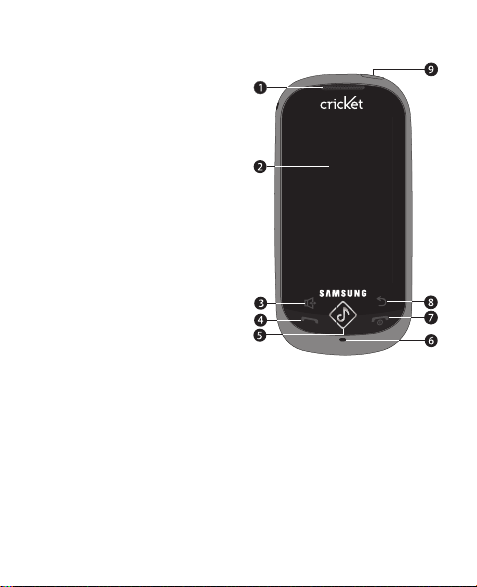
Your Wireless Device
1.
Earpiece / Speaker
: Lets
you hear tones and the
other parties to calls.
2.
Touch Screen
: Displays
your phone’s status and
touch controls.
3.
Speakerphone Key
: Touch
to enable or disable
Speakerphone mode.
4.
Send Key
: Press to place or
answer a call. In Standby
mode, press to access the
Recent Calls log.
5.
Muve Music Key
: In
Standby mode, press to
launch Muve Music.
6.
Microphone
7.
Power
: Lets the other caller hear you clearly.
/
End Key
: Press and hold to power on or off. Press to
end a call, or to return to Standby mode.
8.
Clear Key
: When entering text, press to delete characters. When
navigating, press to return to the previous menu or screen.
9.
Headset Connector
: Used to connect an optional wired headset
or TTY device to your phone.
6
Page 11
Battery
Your phone is powered by a rechargeable, standard Li-Ion battery. A
Travel Adapter is included for charging the battery.
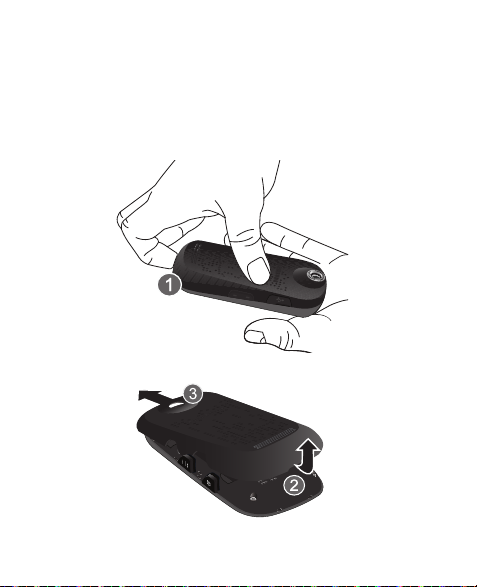
Removing the battery cover
䊳
Pull up on the slot provided (1) while lifting the cover up (2) and
away from the phone (3).
Getting Started 7
Page 12
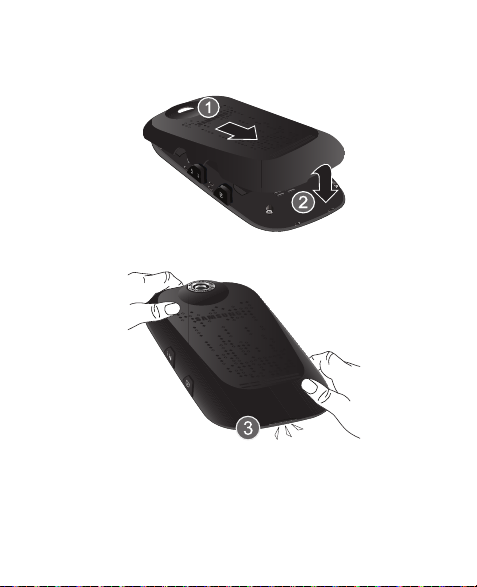
Replacing the batter y cover
䊳
Place the top end of the battery cover over the battery (1) and
press the battery cover down (2) until it clicks into place (3).
8
Page 13
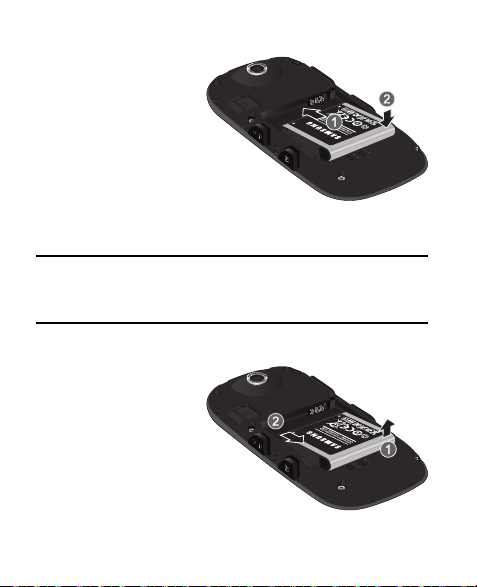
Installing the Battery
䊳
Insert the top end of
the battery,
matching the gold
contacts on the
battery to those on
the inside of the
phone (1), then
press the battery
into the phone (2)
until it slips into place.
Note:
The battery comes partially charged. You must fully charge the battery
before using your phone for the first time. A fully discharged battery
requires up to 4 hours of charge time.
After the first charge, you can use the phone while charging.
Removing the Battery
䊳
Before removing the
battery, turn the
phone off. Lift the
bottom end of the
battery up (1) and
out of the phone (2).
Getting Started 9
Page 14
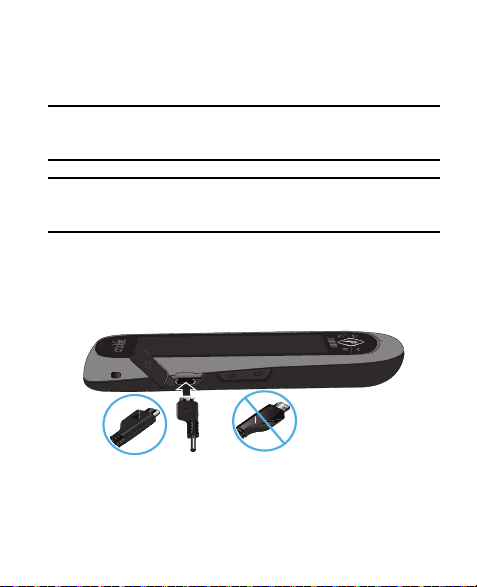
Charging the Battery
Your phone comes with a convenient, light-weight Travel Adapter for
rapidly charging the battery from any 120/220 VAC outlet.
Note:
Use only Samsung-approved charging devices and batteries. Samsung
accessories are designed to maximize battery life. Use of other
accessories may invalidate your warranty and may cause damage.
Warning!:
When connecting to an outlet outside North America, you must use the
proper adapter for the power outlet. Use of the wrong adapter could
damage your phone and void your warranty.
1.
Plug the Travel Adapter into a standard 120/220 VAC wall
outlet.
2.
Connect the Travel Adapter into the Power/Accessory
connector on the side of your phone.
Correct Incorrect
10
Page 15
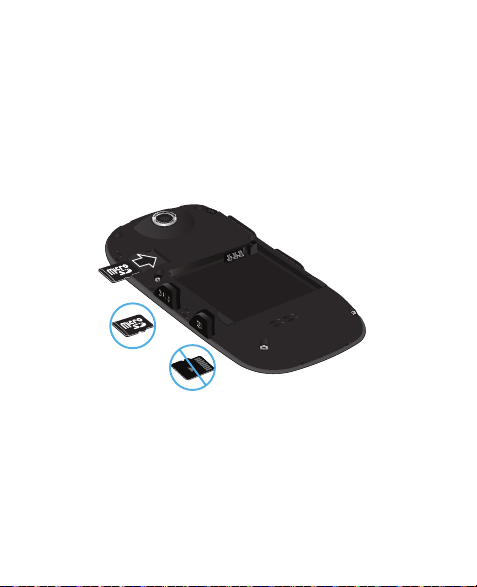
Memory Card
The microSDHCTM card (included) is already installed in your phone
for storing music, sounds, photos, and videos. Follow the procedure
below if you remove the memory card from the memory card slot.
Installing a Memory Card
1.
Remove the battery cover from the phone, as shown. For more
information, refer to “Removing the battery cover” on page 7.
There is no need to turn off the phone.
Correct
Incorrect
2.
Align the memory card as shown, with the gold contacts facing
down, then carefully slide the memory card into the card slot
until you feel the card click into place.
3.
Replace the battery cover.
Getting Started 11
Page 16
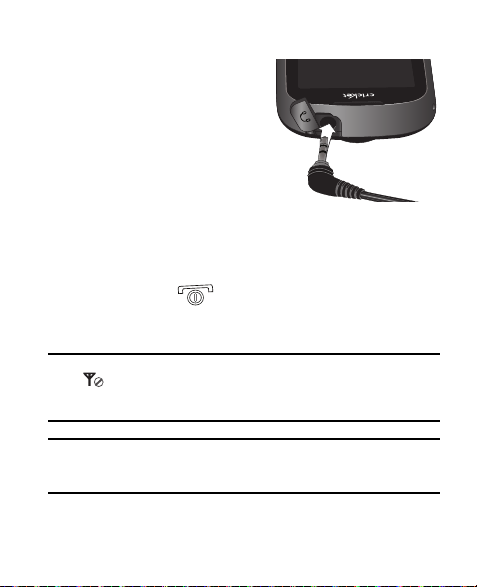
Headset Jack
Your phone includes a jack for
attaching an optional Headset or
Headphones. You can use a Headset
for hands-free telephone
conversations, or Headphones, to
listen to music or videos.
䊳
Plug the Headset or
Headphone cable into the
Headset Jack on the top of the phone.
Turning Your Phone On or Off
Turning Your Phone On
䊳
Press and hold until the display lights. The phone
searches for a network signal, and the time, date, and day
appear on the display.
Note:
If you are outside your carrier’s coverage or roaming area, the
No Service
cannot place or receive calls, try later when service is available, or at
another location.
Note:
Avoid touching the antenna while using your phone, as this can affect call
quality and can cause the phone to operate at a higher power level than
necessary.
12
icon appears at the top of the phone’s display. If you
Page 17
TurningYour Phone Off
䊳
With the phone on, press and hold for two or more
seconds.
Note:
If your phone is on and you press for less than one second, the phone
will not power off. This prevents your phone from being turned off
accidentally.
Locking and Unlocking your Phone
Locking the phone prevents unauthorized access to information on
the phone. Locking and unlocking the phone requires the Lock Code.
Locking the phone
1.
From a Home screen, touch
➔
Security
.
2.
At the prompt, enter the phone’s Lock Code. The default lock
Menu
➔
Settings
➔
Phone Settings
code is the last four digits of your phone number.
3.
Select
Lock Phone
Tip:
The default Lock Code is the last four digits of your telephone number, or you
can set a custom lock code at
Security
.
➔
Lock
, then touch OK.
Menu ➔ Settings ➔ Phone Settings ➔
Getting Started 13
Page 18
Unlocking the phone
Note:
You may need to unlock the screen before unlocking the phone. For more
information, For more information, refer to “Locking and Unlocking your
Screen” on page 14.
1.
Touch the screen, or press any key.
2.
At the prompt, enter the Lock Code. The default lock code is
the last four digits of your phone number.
Locking and Unlocking your Screen
By default, the phone locks automatically when the backlight goes
off, or you can lock it manually.
Note:
You can choose to disable automatic screen locking. For more information,
refer to “Phone Settings” in the User Manual.
Locking the screen manually
䊳
Press the
Lock/Voice Service key
. The lock screen
displays briefly.
Unlocking the screen
䊳
Press and hold the
14
Lock/Voice Service key
.
Page 19
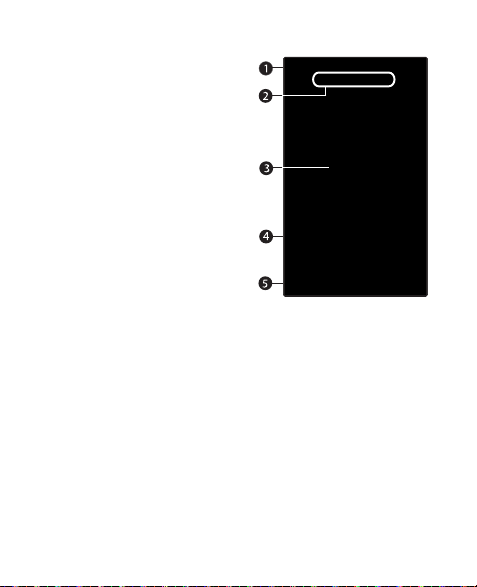
Understanding the Display
1.
Status Bar
: Displays icons to
indicate network status,
battery power, signal
strength, connection type,
and more. For more
information.
2.
Shortcut Bar
: Touch the arrow
at the bottom of the Status
Bar to display the Shortcut
Bar.
The indicators below the
Status Bar show the Home
screen panel.
3.
Home screen
: Shows information such as call progress
information, messages, and widgets. For more information,
see “Home Screen” on page 17.
4.
5.
Widget Tray
Soft Keys
: Touch the tab to open the Widget Tray.
: Touch to quickly access features.
Getting Started 15
Page 20

Shortcut Bar
From a Home screen, touch the arrow
at the bottom of the Status Bar to
display the Shortcut Bar.
To hide Shortcut Bar, touch anywhere
on the Home screen.
The Shortcut Bar contains these
shortcuts:
•
Widget setup
: Choose Widgets to appear
in the Widget Tray.
•
Browser
: Launch your phone’s HTML
web browser.
•
Airplane Mode
: Activate or deactivate
Airplane mode.
•
Bluetooth
: Access Bluetooth. For more information, see
page 32.
16
“Bluetooth”
on
Page 21

Home Screen
The Home screen is your starting point for using your phone. You can
customize home screens by placing widgets and changing wallpaper.
The Home screen consists of three panels that extend beyond the
display width to provide more space for adding widgets. Slide your
finger horizontally across the screen to scroll to the left or right side
panels. As you scroll, the indicator at the top of the display shows
your current position.
Customizing the Home Screens
Customize the Home screens to suit your preferences.
•
Place widgets
: From a Home screen, touch the widget tab ➔ touch and
drag the selected widget onto the Home screen.
•
Change wallpaper: From a Home screen, touch
Settings ➔ Display Settings ➔ Wallpaper
.
Menu
➔
Menu 1 ➔
Getting Started 17
Page 22

Widgets
Widgets are links to applications,
tools, or features, which can be placed
in the Widget Tray, or on a Home
screen.
The Widget Tray, at the left of the
Home screen, provides quick access
to widgets.
Use your finger to scroll in the Widget
Tray to scroll through the widgets.
Accessing the Widget Tray
䊳
From a Home screen, touch the
the Widget Tray.
18
Widget Tray tab
to show or hide
Page 23

Customizing the Widget Tray
Select widgets for display in the Widget Tray, and enable online
widgets to connect to the network.
1.
From a Home screen, display the Shortcut Bar by touching the
arrow at the bottom of the Status Bar, then touch the Widget
setup icon.
2.
Use your finger to scroll the list of widgets. Touch a widget to
select or unselect it, or touch
3.
Touch OK to save your settings and return to the Home screen.
Note:
You can also access Widget setup from Settings. For more information, refer
to “Widget” in the User Manual
Placing Widgets
Select All
or
Unselect All
.
Use these methods to customize the Widget Tray and Home screens:
•
Touch a widget in the Widget Tray to place it on a Home screen.
•
To move a widget on a Home screen, touch and drag it to a new location.
•
To return a widget to the Widget Tray, tap the Widget Tray tab to open it,
then touch and drag the widget to the tray.
Tip:
With the Widget Reset Gesture, you can move all widgets from the current
Home screen back to the Widget Tray. Simply open the Widget Tray, then
shake the phone three times.
Getting Started 19
Page 24
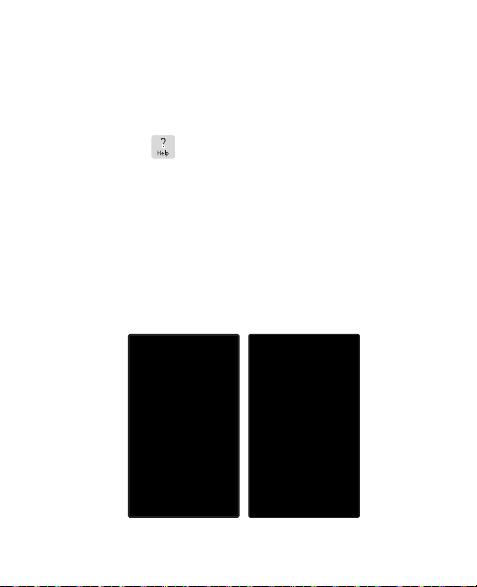
Learning More About Your Phone
The Help widget contains information about many of the features of
your phone.
1.
From a Home screen, open the Widget Tray. For more
information, see “Widgets” on page 18.
2.
Touch the Help
3.
Tap the Help widget to view topics.
widget to place it on the Home screen.
Menu
The Menu displays applications and features.
䊳
From a Home screen, touch
Menu
.
There are two menu screens. Slide your finger horizontally across
the screen to scroll to
Main Menu 1
or
Main Menu 2
.
Touch an icon to launch the application or feature.
20
Page 25
Section 2: Call Functions
Making a Call
1.
From the Home screen, touch Dialer
2.
Touch the digits of the telephone or speed dial number.
•
Touch
Contacts
•
Touch
•
Touch
•
Tou ch
3.
Press to dial the call.
Voicemail
Setting Up Voicemail
Voicemail allows callers to leave voice messages, which can be
retrieved any time.
Note:
Once your Voicemail account has been set up, you can use the
folder (under the
Voicemail box.
䊳
In Standby mode, touch the
hold , or dial your mobile number. Follow the prompts in
the new user tutorial to set up your mail box.
to find a contact.
Groups
to call member(s) of a group.
Favor ites
to call a favorite contact.
Backspace
to delete digits if you enter an incorrect number.
Message
menu) to view details of voice messages in your
Dialer soft key
, then touch and
Call Functions 21
Voicemail
Page 26
Listening to Voicemail
In Standby mode, touch the
Dialer soft key
, then touch and
hold , or dial your mobile number. After connecting, you will
hear your voice greeting, and the prompt to enter your password.
Voice Commands
Your Suede includes Nuance® Voice Service, state-of-the-art voice
recognition software that recognizes your spoken commands to dial
numbers, create messages, and launch phone features.
1.
From a Home screen, press and hold the
Service key
Note:
You can launch Voice Service when you connect an optional headset to the
phone. For more information, see “Voice Service Settings” on page 23.
2.
Follow the spoken prompts to use Voice Service.
• Call <Name or #>
on the right side of your phone.
: Place a call to a saved contact or to a telephone
Lock/Voice
number.
• Send Text <Name or #>
: Create a Text message, addressed to a saved
contact or to a telephone number.
• Send picture <Name or #>
: Create a Picture message, addressed to a
saved contact or to a telephone number.
• Lookup<Name>
• Go to<Menu>
•Check<Item>
22
: Find and view contact details.
: Open a menu item.
: View details about your phone’s status.
Page 27

Voice Service Settings
Customize the way Voice Service interprets your voice commands.
Tip:
When configuring Voice Service settings, touch Help for information about the
setting.
1.
From a Home screen, touch
Voice Settings
2.
Select a setting for customization:
• Confirm Choices
.
: Choose whether the phone prompts you with a list of
potential matches to your command. Select
Confirm
, or
• Adaptation
•Modes
Never Confirm
: Adapt Voice Service to your voice, for optimal recognition
accuracy. Touch
Adapt Voice
: Control the level of guidance provided by Voice Service. Choose
Menu ➔
Tools ➔
Automatic, Always
.
, then follow the prompts.
Voice Service ➔
from:
–
Expert Mode
–
Prompt Mode
–
Readout Mode
screen displays.
• Voice Launch
Only
: The system uses beeps to prompt you for commands.
: The system uses spoken prompts.
: The system prompts you for information, and reads out the
: Choose a method for launching Voice Service, from
, to launch with the Lock/Voice Service key, or
Key/Ear Mic
launch with the Lock/Voice Service key OR with headset controls when
you atttach an optional headset.
• About
: View version and build information for Nuance voice recognition
software.
Call Functions 23
Key
to
Page 28
Section 3: Entering Text
Entering Text
The Suede provides convenient touch text entry with a phone-style
3x4 keypad or the virtual QWERTY keyboard.
Entering Text Using the Vir tual QWERTY Keyboard
Your phone’s virtual QWERTY keyboard offers quick and easy touch
text input, similar to a computer keyboard.
Accessing the QWERTY Keyboard
䊳
With the cursor in a text field, touch the pull-down menu at the
top right of the screen and choose
– or –
Rotate the phone counter-clockwise to automatically switch to
the QWERTY keyboard.
Tip:
The QWERTY Keyboard always displays in landscape mode. To switch back to
the 3x4 Keypad, touch or rotate the phone.
24
QWERTY
.
Page 29

Changing the Text Entry Mode
While entering text with the QWERTY keyboard, choose text entry
modes to make text entry easier:
•
Abc
: Enter text characters. While entering text, touch
between Abc and ABC modes, or touch
mode until you touch
•
123 Sym
: Enter numbers or symbols. While in 123 Sym mode, touch
or
123
to switch between Symbols and Numbers.
•
Shortcuts
Caps
again.
: Insert common internet characters and phrases, such as @,
Caps
Caps
once to switch
twice quickly to lock in ABC
http://, www., or .com.
Using Abc/ABC/abc mode
Enter text in upper and lower case by pressing corresponding keys.
While entering text:
•
Press the key for each letter only once.
•
Touch
Caps
to switch to Abc (initial case) mode.
•
Tap
Caps
twice quickly to switch to ABC (upper case) mode. To switch back
to Abc mode, touch
Using 123 Sym mode
Caps
once.
Enter numbers and symbols by pressing corresponding keys.
While entering text:
•
Touch a key to enter a number.
•
Ta p
SYM
to access more symbols.
Entering Text 25
SYM
Page 30

Entering Text with the 3X4 Keypad
The 3x4 Keypad provides standard text entry for phone keypads.
Accessing the 3x4 Keypad
䊳
With the cursor in a text field, touch the pull-down menu at the
top right of the screen and choose
Note:
The 3x4 Keypad is the default for most text entry fields. The 3x4 Keypad
always displays in portrait mode.
Changing the Text Entry Mode
3X4Keypad
.
Choose text entry modes to make entering text easier.
䊳
While entering text with the 3x4 Keypad, press
Entry Mode
choose Abc, abc, ABC, T9Word, T9word, T9WORD, or 123.
Tip:
The current text entry mode displays in the upper right corner of the 3x4
Keypad.
26
to
Page 31
Using T9 Mode
T9® Word is a predictive text input mode that recognizes common
words matching the sequence of your key touches. T9 Word is
available on your phone’s 3x4 Keypad, requires only one key press
per letter and is much faster than traditional phone text entry.
䊳
While entering text using the 3x4 Keypad, touch the
Mode
, then select T9Word.
•
Touch the key for each letter only once. Enter the entire word before
Entry
editing or deleting.
•
As you touch keys, matching words display. Touch a word to insert it, or
enter a space to automatically accept the first word and continue.
•
Touch to change between T9Word (initial case), T9word (lower
case) and T9WORD (upper case).
•
To enter a space, touch .
•
To enter a period, @, or comma, touch , then touch the symbol.
Using Abc/ABC/abc Mode
䊳
While entering text using the 3x4 Keypad, touch
Entry Mode
then select Abc, ABC, or abc.
–
Touch the key for each letter rapidly until the desired letter appears in the
display, then move to the next key or pause briefly to insert the letter.
–
Tou ch
to switch between Abc (initial case), ABC (upper case),
or abc (lower case).
–
Tou ch
enter a comma.
–
Tou ch
once to enter a space, twice to enter @, or three times to
to enter a space.
Entering Text 27
,
Page 32

Section 4: Messages
This section explains how to send or receive messages. This section
also describes the features and functionality associated with
messaging.
Types of Messages
Your phone can send and receive Text, Picture, and Video messages.
Note:
Available memory is shared between all messages. The number of stored
messages depends on message length.
Create and Send Text Messages
Send Text messages to recipients with compatible devices.
1.
From a Home screen, touch
Message
.
2.
In the
Tex t M sg
screen, enter recipients using one of these
methods:
•
Tou c h
To
field to manually enter the recipient’s number.
•
Tou c h
Contacts
•
Tou c h
•
Tou c h
3.
Touch
to select contact(s).
Groups
to select group members.
Recent Calls
Next
, then enter up to 150 characters in the Text field.
For more information, see “Entering Text” on page 24.
4.
Touch
Done ➔
Send
28
Messages ➔
Send Message ➔
to select a number from the Calls log.
.
Tex t
Page 33

Section 5: Games & Apps
With Games & Apps, you can download full-featured applications,
including games, personalized ringtones, pictures, and more.
This section outlines how to obtain games and other applications for
your phone. For more information, contact your Wireless Provider.
䊳
From a Home screen, touch
The Games & Apps menu appears in the display as shown.
Shopping and Downloading
Download games, ringtones, and more using Games & Apps.
Note:
For information on airtime charges and availability of applications, contact
your Wireless Provider.
1.
From a Home screen, touch
2.
Touch
Games & Apps
3.
Follow the prompts in the Games & Apps Catalog menu to
browse and download applications.
Menu
➔
Menu 1 ➔
Games & Apps
Menu
➔
Menu 1 ➔
Games & Apps
to launch the Games & Appls catalog.
Games & Apps 29
.
.
Page 34

Changing Games & Apps Settings
Use the Settings menu in Games & Apps to manage, move, purchase
applications, and much more.
1.
From a Home screen, touch
2.
At the Games & Apps menu, touch
• Order Apps
• Move Apps
• Manage Apps
• Main Menu View
: Arrange the order of applications in the
Favor ites, Work
, or
: Move downloaded applications between folders.
: View used and available memory.
: Select whether applications in the Games & Apps
Fun
folders.
Menu
➔
Menu 1 ➔
Settings
Games & Apps
for these options:
Main Menu
or the
main menu appear as Icons, or as a List.
•View Log
: View the Mobile Shop log, which displays information about
recent activity using Mobile Shop.
Using On-line Help
The Help sub-menu within Games & Apps lists short tutorials on
several Games & Apps features. View information about charges,
cancelling subscriptions, buying apps, disabling apps, and more.
1.
From a Home screen, touch
2.
At the Games & Apps menu, touch
3.
Touch a Help subject to view the Help information.
30
Menu
➔
Menu 1 ➔
Help
Games & Apps
.
.
.
Page 35

Section 6: Muve Music
䊳
From a Home screen, press the
– or –
From a Home screen, touch
Music
.
Menu
➔ Main Menu 1
Muve Music key
➔ Muve
Muve Music 31
.
Page 36

Section 7: Bluetooth
Bluetooth is a short-range wireless communications technology for
exchanging information over a distance of about 30 feet, without
requiring a physical connection. Your phone supports Bluetooth 2.0.
Bluetooth Services
Your phone includes information about supported Bluetooth services.
䊳
From a Home screen, touch
Services
.
Turning Bluetooth On / Off
䊳
From a Home screen, touch
Off or Tur n On
.
Pairing With a New Device
1.
From a Home screen, touch
2.
Touch
Tur n On
to turn on Bluetooth service.
3.
Place the target device in discovery mode. (See the target
device’s user manual for more information.)
4.
On your phone, touch
discoverable devices and display them.
32
Menu
➔ Tools
Menu
➔ Tools
Menu
➔ Tools
Search
. Your phone will search for
➔ Bluetooth
➔ Bluetooth
➔ Bluetooth
➔ BT
➔ Tur n
.
Page 37

Touch and drag a device to the Bluetooth icon to begin pairing.
5.
Your phone will attempt to automatically pair with the device.
If automatic pairing fails, enter a passkey (create one, or enter
the target device’s passkey) at the prompt. You may also be
prompted to enter the same passkey on the target device. For
more information on pairing headsets and handsfree units,
refer to the device’s user manual.
Bluetooth Settings
Use Bluetooth Settings to set your phone’s Bluetooth visibility, and
view and set information about your phone’s Bluetooth capabilities.
1.
From a Home screen, touch
Settings
.
2.
Configure these settings:
• My Phone’s Name
•Discovery Mode
: Touch On to allow other devices to detect your phone,
Menu
➔ Too ls
➔ Bluetooth
: View the default name. Touch to enter a new name.
or Off for no visibility.
• Address
: View your phone’s Bluetooth address (not configurable).
Bluetooth 33
➔
Page 38

Section 8: Health and Safety Information
This section outlines the safety precautions associated with using
your phone. These safety precautions should be followed to safely
use your phone.
Health and Safety Information
Exposure to Radio Frequency (RF) Signals
Certification Information (SAR)
Your wireless phone is a radio transmitter and receiver. It is designed
and manufactured not to exceed the exposure limits for radio
frequency (RF) energy set by the Federal Communications
Commission (FCC) of the U.S. government.
These FCC exposure limits are derived from the recommendations of
two expert organizations, the National Counsel on Radiation
Protection and Measurement (NCRP) and the Institute of Electrical
and Electronics Engineers (IEEE).
In both cases, the recommendations were developed by scientific and
engineering experts drawn from industry, government, and academia
after extensive reviews of the scientific literature related to the
biological effects of RF energy.
The exposure limit set by the FCC for wireless mobile phones
employs a unit of measurement known as the Specific Absorption
Rate (SAR). The SAR is a measure of the rate of absorption of RF
energy by the human body expressed in units of watts per kilogram
34
Page 39

(W/kg). The FCC requires wireless phones to comply with a safety
limit of 1.6 watts per kilogram (1.6 W/kg).
The FCC exposure limit incorporates a substantial margin of safety to
give additional protection to the public and to account for any
variations in measurements.
SAR tests are conducted using standard operating positions accepted
by the FCC with the phone transmitting at its highest certified power
level in all tested frequency bands. Although the SAR is determined at
the highest certified power level, the actual SAR level of the phone
while operating can be well below the maximum value. This is
because the phone is designed to operate at multiple power levels so
as to use only the power required to reach the network. In general,
the closer you are to a wireless base station antenna, the lower the
power output.
Before a new model phone is available for sale to the public, it must
be tested and certified to the FCC that it does not exceed the
exposure limit established by the FCC. Tests for each model phone
are performed in positions and locations (e.g. at the ear and worn on
the body) as required by the FCC.
For body worn operation, this phone has been tested and meets FCC
RF exposure guidelines when used with an accessory that contains
no metal and that positions the handset a minimum of 1.5 cm from
the body. Use of other accessories may not ensure compliance with
FCC RF exposure guidelines.
Health and Safety Information 35
Page 40

The FCC has granted an Equipment Authorization for this mobile
phone with all reported SAR levels evaluated as in compliance with
the FCC RF exposure guidelines. The maximum SAR values for this
model phone as reported to the FCC are:
•
Head:
0.94 W/Kg.
•
Body-worn:
0.49 W/Kg.
SAR information on this and other model phones can be viewed
online at
http://www.fcc.gov/oet/ea
. To find information that pertains to
a particular model phone, this site uses the phone FCC ID number
which is usually printed somewhere on the case of the phone.
Sometimes it may be necessary to remove the battery pack to find
the number. Once you have the FCC ID number for a particular phone,
follow the instructions on the website and it should provide values for
typical or maximum SAR for a particular phone. Additional product
specific SAR information can also be obtained at
www.fcc.gov/cgb/sar.
Please Note the Following Information When Using
Your Handset
1.
WARNING REGARDING DISPLAY
The display on your handset is made of glass or acrylic and
could break if your handset is dropped or if it receives
significant impact. Do not use if screen is broken or cracked as
this could cause injury to you.
36
Page 41

WARRANTY DISCLAIMER: PROPER USE OF A TOUCH SCREEN
2.
HANDSET
If your handset has a touchscreen display, please note that a
touchscreen responds best to a light touch from the pad of your
finger or a non-metallic stylus. Using excessive force or a
metallic object when pressing on the touchscreen may damage
the tempered glass surface and void the warranty. For more
information, please refer to the “Standard Limited Warranty”
on page 70.
Samsung Mobile Products and Recycling
Samsung cares for the environment and encourages its customers to
recycle Samsung mobile phones and genuine Samsung accessories.
Go to:
http://mobile.samsungusa.com/recycling/index.jsp
or
1-800-822-8837 for more information.
UL Certified Travel Adapter
The Travel Adapter for this phone has met applicable UL safety
requirements. Please adhere to the following safety instructions per
UL guidelines.
FAILURE TO FOLLOW THE INSTRUCTIONS OUTLINED MAY LEAD TO
SERIOUS PERSONAL INJURY AND POSSIBLE PROPERTY DAMAGE.
IMPORTANT SAFETY INSTRUCTIONS - SAVE THESE INSTRUCTIONS.
DANGER - TO REDUCE THE RISK OF FIRE OR ELECTRIC SHOCK,
CAREFULLY FOLLOW THESE INSTRUCTIONS.
Health and Safety Information 37
Page 42

FOR CONNECTION TO A SUPPLY NOT IN NORTH AMERICA, USE AN
ATTACHMENT PLUG ADAPTOR OF THE PROPER CONFIGURATION FOR
THE POWER OUTLET. THIS POWER UNIT IS INTENDED TO BE
CORRECTLY ORIENTATED IN A VERTICAL OR HORIZONTAL OR FLOOR
MOUNT POSITION.
Consumer Information on Wireless Phones
The U.S. Food and Drug Administration (FDA) has published a series
of Questions and Answers for consumers relating to radio frequency
(RF) exposure from wireless phones. The FDA publication includes the
following information:
What kinds of phones are the subject of this update?
The term wireless phone refers here to hand-held wireless phones
with built-in antennas, often called "cell," "mobile," or "PCS"
phones. These types of wireless phones can expose the user to
measurable radio frequency energy (RF) because of the short
distance between the phone and the user's head. These RF
exposures are limited by Federal Communications Commission safety
guidelines that were developed with the advice of FDA and other
federal health and safety agencies.
When the phone is located at greater distances from the user, the
exposure to RF is drastically lower because a person's RF exposure
decreases rapidly with increasing distance from the source. The socalled "cordless phones," which have a base unit connected to the
telephone wiring in a house, typically operate at far lower power
38
Page 43

levels, and thus produce RF exposures well within the FCC's
compliance limits.
Do wireless phones pose a health hazard?
The available scientific evidence does not show that any health
problems are associated with using wireless phones. There is no
proof, however, that wireless phones are absolutely safe. Wireless
phones emit low levels of radio frequency energy (RF) in the
microwave range while being used. They also emit very low levels of
RF when in the stand-by mode. Whereas high levels of RF can
produce health effects (by heating tissue), exposure to low level RF
that does not produce heating effects causes no known adverse
health effects. Many studies of low level RF exposures have not found
any biological effects. Some studies have suggested that some
biological effects may occur, but such findings have not been
confirmed by additional research. In some cases, other researchers
have had difficulty in reproducing those studies, or in determining the
reasons for inconsistent results.
What is FDA's role concerning the safety of wireless phones?
Under the law, FDA does not review the safety of radiation-emitting
consumer products such as wireless phones before they can be sold,
as it does with new drugs or medical devices. However, the agency
has authority to take action if wireless phones are shown to emit
radio frequency energy (RF) at a level that is hazardous to the user.
Health and Safety Information 39
Page 44

In such a case, FDA could require the manufacturers of wireless
phones to notify users of the health hazard and to repair, replace or
recall the phones so that the hazard no longer exists.
Although the existing scientific data do not justify FDA regulatory
actions, FDA has urged the wireless phone industry to take a number
of steps, including the following:
•
Support needed research into possible biological effects of RF of the type
emitted by wireless phones;
•
Design wireless phones in a way that minimizes any RF exposure to the
user that is not necessary for device function; and
•
Cooperate in providing users of wireless phones with the best possible
information on possible effects of wireless phone use on human health.
FDA belongs to an interagency working group of the federal agencies
that have responsibility for different aspects of RF safety to ensure
coordinated efforts at the federal level. The following agencies belong
to this working group:
•
National Institute for Occupational Safety and Health
•
Environmental Protection Agency
•
Federal Communications Commission
•
Occupational Safety and Health Administration
•
National Telecommunications and Information Administration
The National Institutes of Health participates in some interagency
working group activities, as well.
40
Page 45

FDA shares regulatory responsibilities for wireless phones with the
Federal Communications Commission (FCC). All phones that are sold
in the United States must comply with FCC safety guidelines that limit
RF exposure. FCC relies on FDA and other health agencies for safety
questions about wireless phones.
FCC also regulates the base stations that the wireless phone
networks rely upon. While these base stations operate at higher
power than do the wireless phones themselves, the RF exposures
that people get from these base stations are typically thousands of
times lower than those they can get from wireless phones.
Base stations are thus not the primary subject of the safety questions
discussed in this document.
What are the results of the research done already?
The research done thus far has produced conflicting results, and
many studies have suffered from flaws in their research methods.
Animal experiments investigating the effects of radio frequency
energy (RF) exposures characteristic of wireless phones have yielded
conflicting results that often cannot be repeated in other laboratories.
A few animal studies, however, have suggested that low levels of RF
could accelerate the development of cancer in laboratory animals.
However, many of the studies that showed increased tumor
development used animals that had been genetically engineered or
treated with cancer-causing chemicals so as to be pre-disposed to
develop cancer in absence of RF exposure. Other studies exposed the
animals to RF for up to 22 hours per day. These conditions are not
Health and Safety Information 41
Page 46

similar to the conditions under which people use wireless phones, so
we don't know with certainty what the results of such studies mean
for human health.
Three large epidemiology studies have been published since
December 2000. Between them, the studies investigated any
possible association between the use of wireless phones and primary
brain cancer, glioma, meningioma, or acoustic neuroma, tumors of
the brain or salivary gland, leukemia, or other cancers. None of the
studies demonstrated the existence of any harmful health effects
from wireless phones RF exposures.
However, none of the studies can answer questions about long-term
exposures, since the average period of phone use in these studies
was around three years.
What research is needed to decide whether RF exposure
from wireless phones poses a health risk?
A combination of laboratory studies and epidemiological studies of
people actually using wireless phones would provide some of the
data that are needed. Lifetime animal exposure studies could be
completed in a few years. However, very large numbers of animals
would be needed to provide reliable proof of a cancer promoting
effect if one exists. Epidemiological studies can provide data that is
directly applicable to human populations, but ten or more years'
follow-up may be needed to provide answers about some health
effects, such as cancer.
42
Page 47

This is because the interval between the time of exposure to a
cancer-causing agent and the time tumors develop - if they do - may
be many, many years. The interpretation of epidemiological studies is
hampered by difficulties in measuring actual RF exposure during dayto-day use of wireless phones. Many factors affect this
measurement, such as the angle at which the phone is held, or which
model of phone is used.
What is FDA doing to find out more about the possible
health effects of wireless phone RF?
FDA is working with the U.S. National Toxicology Program and with
groups of investigators around the world to ensure that high priority
animal studies are conducted to address important questions about
the effects of exposure to radio frequency energy (RF).
FDA has been a leading participant in the World Health Organization
international Electromagnetic Fields (EMF) Project since its inception
in 1996. An influential result of this work has been the development
of a detailed agenda of research needs that has driven the
establishment of new research programs around the world. The
Project has also helped develop a series of public information
documents on EMF issues.
FDA and Cellular Telecommunications & Internet Association (CTIA)
have a formal Cooperative Research and Development Agreement
(CRADA) to do research on wireless phone safety. FDA provides the
scientific oversight, obtaining input from experts in government,
industry, and academic organizations.
Health and Safety Information 43
Page 48

CTIA-funded research is conducted through contracts to independent
investigators. The initial research will include both laboratory studies
and studies of wireless phone users. The CRADA will also include a
broad assessment of additional research needs in the context of the
latest research developments around the world.
What steps can I take to reduce my exposure to radio
frequency energy from my wireless phone?
If there is a risk from these products - and at this point we do not
know that there is - it is probably very small. But if you are concerned
about avoiding even potential risks, you can take a few simple steps
to minimize your exposure to radio frequency energy (RF). Since time
is a key factor in how much exposure a person receives, reducing the
amount of time spent using a wireless phone will reduce RF
exposure.
•
If you must conduct extended conversations by wireless phone every day,
you could place more distance between your body and the source of the RF,
since the exposure level drops off dramatically with distance. For example,
you could use a headset and carry the wireless phone away from your body
or use a wireless phone connected to a remote antenna.
Again, the scientific data do not demonstrate that wireless phones
are harmful. But if you are concerned about the RF exposure from
these products, you can use measures like those described above to
reduce your RF exposure from wireless phone use.
44
Page 49

What about children using wireless phones?
The scientific evidence does not show a danger to users of wireless
phones, including children and teenagers. If you want to take steps to
lower exposure to radio frequency energy (RF), the measures
described above would apply to children and teenagers using
wireless phones. Reducing the time of wireless phone use and
increasing the distance between the user and the RF source will
reduce RF exposure.
Some groups sponsored by other national governments have advised
that children be discouraged from using wireless phones at all. For
example, the government in the United Kingdom distributed leaflets
containing such a recommendation in December 2000. They noted
that no evidence exists that using a wireless phone causes brain
tumors or other ill effects. Their recommendation to limit wireless
phone use by children was strictly precautionary; it was not based on
scientific evidence that any health hazard exists.
Do hands-free kits for wireless phones reduce
risks from exposure to RF emissions?
Since there are no known risks from exposure to RF emissions from
wireless phones, there is no reason to believe that hands-free kits
reduce risks. Hands-free kits can be used with wireless phones for
convenience and comfort. These systems reduce the absorption of RF
energy in the head because the phone, which is the source of the RF
emissions, will not be placed against the head. On the other hand, if
the phone is mounted against the waist or other part of the body
Health and Safety Information 45
Page 50

during use, then that part of the body will absorb more RF energy.
Wireless phones marketed in the U.S. are required to meet safety
requirements regardless of whether they are used against the head
or against the body. Either configuration should result in compliance
with the safety limit.
Do wireless phone accessories that claim to shield
the head from RF radiation work?
Since there are no known risks from exposure to RF emissions from
wireless phones, there is no reason to believe that accessories that
claim to shield the head from those emissions reduce risks. Some
products that claim to shield the user from RF absorption use special
phone cases, while others involve nothing more than a metallic
accessory attached to the phone. Studies have shown that these
products generally do not work as advertised. Unlike "hand-free"
kits, these so-called "shields" may interfere with proper operation of
the phone. The phone may be forced to boost its power to
compensate, leading to an increase in RF absorption. In February
2002, the Federal trade Commission (FTC) charged two companies
that sold devices that claimed to protect wireless phone users from
radiation with making false and unsubstantiated claims.
According to FTC, these defendants lacked a reasonable basis to
substantiate their claim.
46
Page 51

What about wireless phone interference with
medical equipment?
Radio frequency energy (RF) from wireless phones can interact with
some electronic devices. For this reason, FDA helped develop a
detailed test method to measure electromagnetic interference (EMI)
of implanted cardiac pacemakers and defibrillators from wireless
telephones. This test method is now part of a standard sponsored by
the Association for the Advancement of Medical instrumentation
(AAMI). The final draft, a joint effort by FDA, medical device
manufacturers, and many other groups, was completed in late 2000.
This standard will allow manufacturers to ensure that cardiac
pacemakers and defibrillators are safe from wireless phone EMI. FDA
has tested wireless phones and helped develop a voluntary standard
sponsored by the Institute of Electrical and Electronic Engineers
(IEEE). This standard specifies test methods and performance
requirements for hearing aids and wireless phones so that no
interference occurs when a person uses a compatible phone and a
compatible hearing aid at the same time. This standard was
approved by the IEEE in 2000.
FDA continues to monitor the use of wireless phones for possible
interactions with other medical devices. Should harmful interference
be found to occur, FDA will conduct testing to assess the interference
and work to resolve the problem.
Health and Safety Information 47
Page 52

Additional information on the safety of RF exposures from various
sources can be obtained from the following organizations (Updated 1/
1/2010):
•
FCC RF Safety Program:
http://www.fcc.gov/oet/rfsafety/
•
Environmental Protection Agency (EPA):
http://www.epa.gov/radiation/
•
Occupational Safety and Health Administration's (OSHA):
http://www.osha.gov/SLTC/radiofrequencyradiation/index.html
•
National Institute for Occupational Safety and Health (NIOSH):
http://www.cdc.gov/niosh/
•
World Health Organization (WHO):
http://www.who.int/peh-emf/
•
International Commission on Non-Ionizing Radiation Protection:
http://www.icnirp.de
•
Health Protection Agency:
http://www.hpa.org.uk/radiation
•
US Food and Drug Administration:
http://www.fda.gov/Radiation-EmittingProducts/
RadiationEmittingProductsandProcedures/
HomeBusinessandEntertainment/CellPhones/default.htm
48
Page 53

Road Safety
Your wireless phone gives you the powerful ability to communicate by
voice, almost anywhere, anytime. But an important responsibility
accompanies the benefits of wireless phones, one that every user
must uphold.
When driving a car, driving is your first responsibility. When using
your wireless phone behind the wheel of a car, practice good
common sense and remember the following tips:
1.
Get to know your wireless phone and its features, such as
speed dial and redial. If available, these features help you to
place your call without taking your attention off the road.
2.
When available, use a hands-free device. If possible, add an
additional layer of convenience and safety to your wireless
phone with one of the many hands free accessories available
today.
3.
Position your wireless phone within easy reach. Be able to
access your wireless phone without removing your eyes from
the road. If you get an incoming call at an inconvenient time, let
your voice mail answer it for you.
4.
Let the person you are speaking with know you are driving; if
necessary, suspend the call in heavy traffic or hazardous
weather conditions. Rain, sleet, snow, ice and even heavy
traffic can be hazardous.
Health and Safety Information 49
Page 54

5.
Do not take notes or look up phone numbers while driving.
Jotting down a "to do" list or flipping through your address
book takes attention away from your primary responsibility,
driving safely.
6.
Dial sensibly and assess the traffic; if possible, place calls
when you are not moving or before pulling into traffic. Try to
plan calls when your car will be stationary. If you need to make
a call while moving, dial only a few numbers, check the road
and your mirrors, then continue.
7.
Do not engage in stressful or emotional conversations that may
be distracting. Make people you are talking with aware you are
driving and suspend conversations that have the potential to
divert your attention from the road.
8.
Use your wireless phone to call for help. Dial 9-1-1 or other
local emergency number in the case of fire, traffic accident or
medical emergencies.
9.
Use your wireless phone to help others in emergencies. If you
see an auto accident, crime in progress or other serious
emergency where lives are in danger, call 9-1-1 or other local
emergency number, as you would want others to do for you.
10.
Call roadside assistance or a special non-emergency wireless
assistance number when necessary. If you see a broken-down
vehicle posing no serious hazard, a broken traffic signal, a
50
Page 55

minor traffic accident where no one appears injured, or a
vehicle you know to be stolen, call roadside assistance or other
special non-emergency number.
"The wireless industry reminds you to use your phone safely when
driving."
For more information, please call 1-888-901-SAFE, or visit our
web-site
www.ctia.org
Important!:
If you are using a handset other than a standard numeric keypad,
please call 1-888-901-7233.
.
Provided by the Cellular Telecommunications & Internet Association.
Responsible Listening
Caution!:
Avoid potential hearing loss.
Damage to hearing occurs when a person is exposed to loud sounds
over time. The risk of hearing loss increases as sound is played
louder and for longer durations. Prolonged exposure to loud sounds
(including music) is the most common cause of preventable hearing
loss. Some scientific research suggests that using portable audio
devices, such as portable music players and cellular telephones, at
high volume settings for long durations may lead to permanent noiseinduced hearing loss. This includes the use of headphones (including
headsets, earbuds, and Bluetooth or other wireless devices).
Exposure to very loud sound has also been associated in some
Health and Safety Information 51
Page 56

studies with tinnitus (a ringing in the ear), hypersensitivity to sound
and distorted hearing.
Individual susceptibility to noise-induced hearing loss and potential
hearing problem varies. Additionally, the amount of sound produced
by a portable audio device varies depending on the nature of the
sound, the device settings, and the headphones that are used. As a
result, there is no single volume setting that is appropriate for
everyone or for every combination of sound, settings and equipment.
You should follow some commonsense recommendations when using
any portable audio device:
•
Set the volume in a quiet environment and select the lowest volume at
which you can hear adequately.
•
When using headphones, turn the volume down if you cannot hear the
people speaking near you or if the person sitting next to you can hear what
you are listening to.
•
Do not turn the volume up to block out noisy surroundings. If you choose to
listen to your portable device in a noisy environment, use noise-cancelling
headphones to block out background environmental noise. By blocking
background environment noise, noise cancelling headphones should allow
you to hear the music at lower volumes than when using earbuds.
•
Limit the amount of time you listen. As the volume increases, less time is
required before you hearing could be affected.
•
Avoid using headphones after exposure to extremely loud noises, such as
rock concerts, that might cause temporary hearing loss. Temporary hearing
loss might cause unsafe volumes to sound normal.
52
Page 57

Do not listen at any volume that causes you discomfort. If you experience
•
ringing in your ears, hear muffled speech or experience any temporary
hearing difficulty after listening to your portable audio device, discontinue
use and consult your doctor.
You can obtain additional information on this subject from the
following sources:
American Academy of Audiology
11730 Plaza American Drive, Suite 300
Reston, VA 20190
Voice: (800) 222-2336
Email: [email protected]
Internet:
http://www.audiology.org
National Institute on Deafness and Other Communication Disorders
National Institutes of Health
31 Center Drive, MSC 2320
Bethesda, MD 20892-2320
Email: [email protected]
Internet:
http://www.nidcd.nih.gov/
Health and Safety Information 53
Page 58

National Institute for Occupational Safety and Health (NIOSH)
395 E Street, S.W.
Suite 9200
Patriots Plaza Building
Washington, DC 20201
Voice: 1-800-35-NIOSH (1-800-356-4647)
1-800-CDC-INFO (1-800-232-4636)
Outside the U.S. 513-533-8328
Email: [email protected]
Internet:
http://www.cdc.gov
1-888-232-6348 TTY
Internet:
http://www.cdc.gov/niosh/topics/noise/default.html
Operating Environment
Remember to follow any special regulations in force in any area and
always switch your phone off whenever it is forbidden to use it, or
when it may cause interference or danger.
When connecting the phone or any accessory to another device, read
its user's guide for detailed safety instructions. Do not connect
incompatible products.
As with other mobile radio transmitting equipment, users are advised
that for the satisfactory operation of the equipment and for the safety
54
Page 59

of personnel, it is recommended that the equipment should only be
used in the normal operating position (held to your ear with the
antenna pointing over your shoulder if you are using an external
antenna).
Using Your Phone Near Other Electronic Devices
Most modern electronic equipment is shielded from radio frequency
(RF) signals. However, certain electronic equipment may not be
shielded against the RF signals from your wireless phone. Consult the
manufacturer to discuss alternatives.
Implantable Medical Devices
A minimum separation of six (6) inches should be maintained
between a handheld wireless phone and an implantable medical
device, such as a pacemaker or implantable cardioverter defibrillator,
to avoid potential interference with the device.
Persons who have such devices:
•
Should ALWAYS keep the phone more than six (6) inches from their
implantable medical device when the phone is turned ON;
•
Should not carry the phone in a breast pocket;
•
Should use the ear opposite the implantable medical device to minimize the
potential for interference;
•
Should turn the phone OFF immediately if there is any reason to suspect
that interference is taking place;
Health and Safety Information 55
Page 60

•
Should read and follow the directions from the manufacturer of your
implantable medical device. If you have any questions about using your
wireless phone with such a device, consult your health care provider.
For more information see:
http://www.fcc.gov/oet/rfsafety/rf-faqs.html
FCC Hearing-Aid Compatibility (HAC) Regulations
for Wireless Devices
On July 10, 2003, the U.S. Federal Communications Commission
(FCC) Report and Order in WT Docket 01-309 modified the exception
of wireless phones under the Hearing Aid Compatibility Act of 1988
(HAC Act) to require digital wireless phones be compatible with
hearing-aids.
The intent of the HAC Act is to ensure reasonable access to
telecommunications services for persons with hearing disabilities.
While some wireless phones are used near some hearing devices
(hearing aids and cochlear implants), users may detect a buzzing,
humming, or whining noise. Some hearing devices are more immune
than others to this interference noise, and phones also vary in the
amount of interference they generate.
The wireless telephone industry has developed a rating system for
wireless phones, to assist hearing device users find phones that may
be compatible with their hearing devices. Not all phones have been
rated. Phones that are rated have the rating on their box or a label
located on the box.
56
Page 61
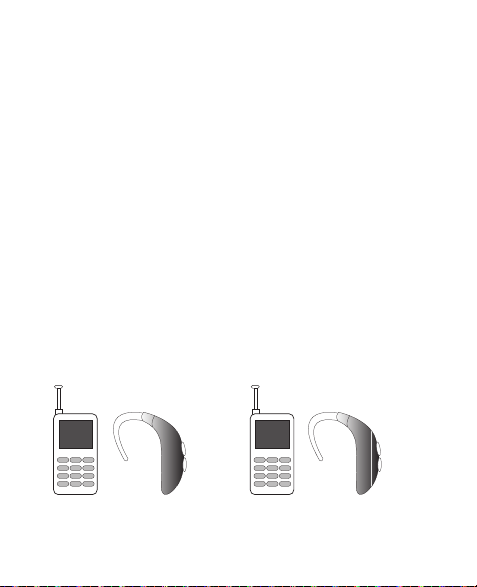
The ratings are not guarantees. Results will vary depending on the
user's hearing device and hearing loss. If your hearing device
happens to be vulnerable to interference, you may not be able to use
a rated phone successfully. Trying out the phone with your hearing
device is the best way to evaluate it for your personal needs.
M-Ratings
: Phones rated M3 or M4 meet FCC requirements and are
likely to generate less interference to hearing devices than phones
that are not labeled. M4 is the better/higher of the two ratings.
T-Ratings
: Phones rated T3 or T4 meet FCC requirements and are
likely to generate less interference to hearing devices than phones
that are not labeled. T4 is the better/higher of the two ratings.
Hearing devices may also be rated. Your hearing device manufacturer
or hearing health professional may help you find this rating. Higher
ratings mean that the hearing device is relatively immune to
interference noise. The hearing aid and wireless phone rating values
are then added together. A sum of 5 is considered acceptable for
normal use. A sum of 6 is considered for best use.
M3 + M2 = 5
T3 + T2 = 5
Health and Safety Information 57
Page 62

In the above example, if a hearing aid meets the M2 level rating and
the wireless phone meets the M3 level rating, the sum of the two
values equal M5. This is synonymous for T ratings. This should
provide the hearing aid user with "normal usage" while using their
hearing aid with the particular wireless phone. "Normal usage" in this
context is defined as a signal quality that is acceptable for normal
operation.
The M mark is intended to be synonymous with the U mark. The T
mark is intended to be synonymous with the UT mark. The M and T
marks are recommended by the Alliance for Telecommunications
Industries Solutions (ATIS). The U and UT marks are referenced in
Section 20.19 of the FCC Rules.
The HAC rating and measurement procedure are described in the
American National Standards Institute (ANSI) C63.19 standard.
Other Medical Devices
If you use any other personal medical devices, consult the
manufacturer of your device to determine if it is adequately shielded
from external RF energy. Your physician may be able to assist you in
obtaining this information. Switch your phone off in health care
facilities when any regulations posted in these areas instruct you to
do so. Hospitals or health care facilities may be using equipment that
could be sensitive to external RF energy.
58
Page 63

Vehicles
RF signals may affect improperly installed or inadequately shielded
electronic systems in motor vehicles. Check with the manufacturer or
its representative regarding your vehicle. You should also consult the
manufacturer of any equipment that has been added to your vehicle.
Posted Facilities
Switch your phone off in any facility where posted notices require you
to do so.
Potentially Explosive Environments
Switch your phone off when in any area with a potentially explosive
atmosphere and obey all signs and instructions. Sparks in such areas
could cause an explosion or fire resulting in bodily injury or even
death.
Users are advised to switch the phone off while at a refueling point
(service station). Users are reminded of the need to observe
restrictions on the use of radio equipment in fuel depots (fuel storage
and distribution areas), chemical plants or where blasting operations
are in progress.
Areas with a potentially explosive atmosphere are often but not
always clearly marked. They include below deck on boats, chemical
transfer or storage facilities, vehicles using liquefied petroleum gas
(such as propane or butane), areas where the air contains chemicals
or particles, such as grain, dust or metal powders, and any other area
where you would normally be advised to turn off your vehicle engine.
Health and Safety Information 59
Page 64

Emergency Calls
This phone, like any wireless phone, operates using radio signals,
wireless and landline networks as well as user-programmed
functions, which cannot guarantee connection in all conditions.
Therefore, you should never rely solely on any wireless phone for
essential communications (medical emergencies, for example).
Remember, to make or receive any calls the phone must be switched
on and in a service area with adequate signal strength. Emergency
calls may not be possible on all wireless phone networks or when
certain network services and/or phone features are in use. Check
with local service providers.
To make an emergency call:
1.
If the phone is not on, switch it on.
2.
Key in the emergency number for your present location (for
example, 911 or other official emergency number). Emergency
numbers vary by location.
3.
Press the key.
If certain features are in use (call barring, for example), you may first
need to deactivate those features before you can make an emergency
call. Consult this document and your local cellular service provider.
When making an emergency call, remember to give all the necessary
information as accurately as possible. Remember that your phone
may be the only means of communication at the scene of an
accident; do not cut off the call until given permission to do so.
60
Page 65

Restricting Children's access to your Phone
Your phone is not a toy. Children should not be allowed to play with it
because they could hurt themselves and others, damage the phone
or make calls that increase your phone bill.
FCC Notice and Cautions
FCC Notice
The phone may cause TV or radio interference if used in close
proximity to receiving equipment. The FCC can require you to stop
using the phone if such interference cannot be eliminated.
Vehicles using liquefied petroleum gas (such as propane or butane)
must comply with the National Fire Protection Standard (NFPA-58).
For a copy of this standard, contact the National Fire Protection
Association:
NFPA (National Fire Protection Agency)
1 Batterymarch Park
Quincy, Massachusetts
USA 02169-7471
Internet:
http://www.nfpa.org
Cautions
Any changes or modifications to your phone not expressly approved
in this document could void your warranty for this equipment, and
Health and Safety Information 61
Page 66

void your authority to operate this equipment. Only use approved
batteries, antennas and chargers. The use of any unauthorized
accessories may be dangerous and void the phone warranty if said
accessories cause damage or a defect to the phone.
Although your phone is quite sturdy, it is a complex piece of
equipment and can be broken. Avoid dropping, hitting, bending or
sitting on it.
Other Important Safety Information
•
Only qualified personnel should service the phone or install the phone in a
vehicle. Faulty installation or service may be dangerous and may invalidate
any warranty applicable to the device.
•
Check regularly that all wireless phone equipment in your vehicle is
mounted and operating properly.
•
Do not store or carry flammable liquids, gases or explosive materials in the
same compartment as the phone, its parts or accessories.
•
For vehicles equipped with an air bag, remember that an air bag inflates
with great force. Do not place objects, including both installed or portable
wireless equipment in the area over the air bag or in the air bag deployment
area. If wireless equipment is improperly installed and the air bag inflates,
serious injury could result.
•
Switch your phone off before boarding an aircraft. The use of wireless
phone in aircraft is illegal and may be dangerous to the aircraft's operation.
•
Failure to observe these instructions may lead to the suspension or denial of
telephone services to the offender, or legal action, or both.
62
Page 67

Product Performance
Getting the Most Out of Your Signal Reception
The quality of each call you make or receive depends on the signal
strength in your area. Your phone informs you of the current signal
strength by displaying a number of bars next to the signal strength
icon. The more bars displayed, the stronger the signal.
If you're inside a building, being near a window may give you better
reception.
Understanding the Power Save Feature
If your phone is unable to find a signal after searching, a Power Save
feature is automatically activated. If your phone is active, it
periodically rechecks service availability or you can check it yourself
by pressing any key. Anytime the Power Save feature is activated, a
message displays on the screen. When a signal is found, your phone
returns to standby mode.
Understanding How Your Phone Operates
Your phone is basically a radio transmitter and receiver. When it's
turned on, it receives and transmits radio frequency (RF) signals.
When you use your phone, the system handling your call controls the
power level. This power can range from 0.006 watts to 0.2 watts in
digital mode.
Health and Safety Information 63
Page 68

Maintaining Your Phone's Peak Performance
For the best care of your phone, only authorized personnel should
service your phone and accessories. Faulty service may void the
warranty.
There are several simple guidelines to operating your phone properly
and maintaining safe, satisfactory service.
•
To ensure that the Hearing Aid Compatibility rating for your phone is
maintained, secondary transmitters such as Bluetooth and WLAN
components must be disabled during a call. For more information, refer to
“Turning Bluetooth On / Off”
•
If your phone is equipped with an external antenna, hold the phone with the
on page 32.
antenna raised, fully-extended and over your shoulder.
•
Do not hold, bend or twist the phone's antenna, if applicable.
•
Do not use the phone if the antenna is damaged.
•
If your phone is equipped with an internal antenna, obstructing the internal
antenna could inhibit call performance.
•
Speak directly into the phone's receiver.
•
Avoid exposing your phone and accessories to rain or liquid spills. If your
phone does get wet, immediately turn the power off and remove the
battery. If it is inoperable, call Customer Care for service.
64
Page 69

Availability of Various Features/Ring Tones
Many services and features are network dependent and may require
additional subscription and/or usage charges. Not all features are
available for purchase or use in all areas. Downloadable Ring Tones
may be available at an additional cost. Other conditions and
restrictions may apply. See your service provider for additional
information.
Battery Standby and Talk Time
Standby and talk times will vary depending on phone usage patterns
and conditions. Battery power consumption depends on factors such
as network configuration, signal strength, operating temperature,
features selected, frequency of calls, and voice, data, and other
application usage patterns.
Battery Precautions
•
Avoid dropping the cell phone. Dropping it, especially on a hard surface,
can potentially cause damage to the phone and battery. If you suspect
damage to the phone or battery, take it to a service center for inspection.
•
Never use any charger or battery that is damaged in any way.
•
Do not modify or remanufacture the battery as this could result in serious
safety hazards.
•
If you use the phone near the network's base station, it uses less power;
talk and standby time are greatly affected by the signal strength on the
cellular network and the parameters set by the network operator.
•
Follow battery usage, storage and charging guidelines found in the user’s
guide.
Health and Safety Information 65
Page 70

•
Battery charging time depends on the remaining battery charge and the
type of battery and charger used. The battery can be charged and
discharged hundreds of times, but it will gradually wear out. When the
operation time (talk time and standby time) is noticeably shorter than
normal, it is time to buy a new battery.
•
If left unused, a fully charged battery will discharge itself over time.
•
Use only Samsung-approved batteries and recharge your battery only with
Samsung-approved chargers. When a charger is not in use, disconnect it
from the power source. Do not leave the battery connected to a charger for
more than a week, since overcharging may shorten its life.
•
Do not use incompatible cell phone batteries and chargers. Some Web sites
and second-hand dealers, not associated with reputable manufacturers
and carriers, might be selling incompatible or even counterfeit batteries
and chargers. Consumers should purchase manufacturer or carrier
recommended products and accessories. If unsure about whether a
replacement battery or charger is compatible, contact the manufacturer of
the battery or charger.
•
Misuse or use of incompatible phones, batteries, and charging devices
could result in damage to the equipment and a possible risk of fire,
explosion, leakage, or other serious hazard.
•
Extreme temperatures will affect the charging capacity of your battery: it
may require cooling or warming first.
•
Do not leave the battery in hot or cold places, such as in a car in summer or
winter conditions, as you will reduce the capacity and lifetime of the
battery. Always try to keep the battery at room temperature. A phone with a
hot or cold battery may temporarily not work, even when the battery is fully
66
Page 71

charged. Li-ion batteries are particularly affected by temperatures below 0
°C (32 °F).
•
Do not place the phone in areas that may get very hot, such as on or near a
cooking surface, cooking appliance, iron, or radiator.
•
Do not get your phone or battery wet. Even though they will dry and appear
to operate normally, the circuitry could slowly corrode and pose a safety
hazard.
•
Do not short-circuit the battery. Accidental short-circuiting can occur when
a metallic object (coin, clip or pen) causes a direct connection between the
+ and - terminals of the battery (metal strips on the battery), for example
when you carry a spare battery in a pocket or bag. Short-circuiting the
terminals may damage the battery or the object causing the shortcircuiting.
•
Do not permit a battery out of the phone to come in contact with metal
objects, such as coins, keys or jewelry.
•
Do not crush, puncture or put a high degree of pressure on the battery as
this can cause an internal short-circuit, resulting in overheating.
•
Dispose of used batteries in accordance with local regulations. In some
areas, the disposal of batteries in household or business trash may be
prohibited. For safe disposal options for Li-Ion batteries, contact your
nearest Samsung authorized service center. Always recycle. Do not dispose
of batteries in a fire.
Health and Safety Information 67
Page 72

Care and Maintenance
Your phone is a product of superior design and craftsmanship and
should be treated with care. The suggestions below will help you
fulfill any warranty obligations and allow you to enjoy this product for
many years.
•
Keep the phone and all its parts and accessories out of the reach of small
children.
•
Keep the phone dry. Precipitation, humidity and liquids contain minerals
that will corrode electronic circuits.
•
Do not use the phone with a wet hand. Doing so may cause an electric
shock to you or damage to the phone.
•
Do not use or store the phone in dusty, dirty areas, as its moving parts may
be damaged.
•
Do not store the phone in hot areas. High temperatures can shorten the life
of electronic devices, damage batteries, and warp or melt certain plastics.
•
Do not store the phone in cold areas. When the phone warms up to its
normal operating temperature, moisture can form inside the phone, which
may damage the phone's electronic circuit boards.
•
Do not drop, knock or shake the phone. Rough handling can break internal
circuit boards.
•
Do not use harsh chemicals, cleaning solvents or strong detergents to clean
the phone. Wipe it with a soft cloth slightly dampened in a mild soap-andwater solution.
•
Do not paint the phone. Paint can clog the device's moving parts and
prevent proper operation.
68
Page 73

Do not put the phone in or on heating devices, such as a microwave oven, a
•
stove or a radiator. The phone may explode when overheated.
•
If your phone is equipped with an external antenna, use only the supplied or
an approved replacement antenna. Unauthorized antennas or modified
accessories may damage the phone and violate regulations governing radio
devices.
•
If the phone, battery, charger or any accessory is not working properly, take
it to your nearest qualified service facility. The personnel there will assist
you, and if necessary, arrange for service.
Health and Safety Information 69
Page 74

Section 9: Warranty Information
Standard Limited Warranty
What is Covered and For How Long?
SAMSUNG TELECOMMUNICATIONS AMERICA, LLC ("SAMSUNG")
warrants to the original purchaser ("Purchaser") that SAMSUNG's
phones and accessories ("Products") are free from defects in
material and workmanship under normal use and service for the
period commencing upon the date of purchase and continuing for the
following specified period of time after that date:
Phone 1 Year
Batteries 1 Year
Leather Case 90 Days
Holster 90 Days
Other Phone Accessories 1 Year
What is Not Covered?
of Product by Purchaser. This Limited Warranty does not cover: (a) defects or
damage resulting from accident, misuse, abnormal use, abnormal conditions,
improper storage, exposure to moisture or dampness, neglect, unusual
physical, electrical or electromechanical stress, or defects in appearance,
cosmetic, decorative or structural items, including framing, and any nonoperative parts unless caused by SAMSUNG; (b) defects or damage resulting
70
This Limited Warranty is conditioned upon proper use
Page 75

from excessive force or use of a metallic object when pressing on a touch
screen; (c) equipment that has the serial number or the enhancement data
code removed, defaced, damaged, altered or made illegible; (d) any plastic
surfaces or other externally exposed parts that are scratched or damaged
due to normal use; (e) malfunctions resulting from the use of Product in
conjunction or connection with accessories, products, or ancillary/peripheral
equipment not furnished or approved by SAMSUNG; (f) defects or damage
from improper testing, operation, maintenance, installation, service, or
adjustment not furnished or approved by SAMSUNG; (g) defects or damage
from external causes such as collision with an object, or from fire, flooding,
sand, dirt, windstorm, lightning, earthquake, or from exposure to weather
conditions, or battery leakage, theft, blown fuse, or improper use of any
electrical source; (h) defects or damage caused by cellular signal reception or
transmission, or viruses or other software problems introduced into the
Product; (j) any other acts which are not the fault of SAMSUNG; or (i) Product
used or purchased outside the United States. This Limited Warranty covers
batteries only if battery capacity falls below 80% of rated capacity or the
battery leaks, and this Limited Warranty does not cover any battery if (i) the
battery has been charged by a battery charger not specified or approved by
SAMSUNG for charging the battery, (ii) any of the seals on the battery are
broken or show evidence of tampering, or (iii) the battery has been used in
equipment other than the SAMSUNG phone for which it is specified.
What are SAMSUNG's Obligations?
During the applicable warranty
period, SAMSUNG will repair or replace, at SAMSUNG's sole option,
without charge to Purchaser, any defective component part of
Product. To obtain service under this Limited Warranty, Purchaser
Warranty Information 71
Page 76

must return Product to an authorized phone service facility in an
adequate container for shipping, accompanied by Purchaser's sales
receipt or comparable substitute proof of sale showing the original
date of purchase, the serial number of Product and the sellers' name
and address. To obtain assistance on where to deliver the Product,
call Samsung Customer Care at 1-888-987-4357. Upon receipt,
SAMSUNG will promptly repair or replace the defective Product.
SAMSUNG may, at SAMSUNG's sole option, use rebuilt,
reconditioned, or new parts or components when repairing any
Product or replace Product with a rebuilt, reconditioned or new
Product. Repaired/replaced cases, pouches and holsters will be
warranted for a period of ninety (90) days. All other repaired/replaced
Product will be warranted for a period equal to the remainder of the
original Limited Warranty on the original Product or for 90 days,
whichever is longer. All replaced parts, components, boards and
equipment shall become the property of SAMSUNG. If SAMSUNG
determines that any Product is not covered by this Limited Warranty,
Purchaser must pay all parts, shipping, and labor charges for the
repair or return of such Product.
What Are The Limits On Samsung's Warranty/liability?
EXCEPT AS SET
FORTH IN THE EXPRESS WARRANTY CONTAINED HEREIN, PURCHASER TAKES
THE PRODUCT "AS IS," AND SAMSUNG MAKES NO WARRANTY OR
REPRESENTATION AND THERE ARE NO CONDITIONS, EXPRESS OR IMPLIED,
STATUTORY OR OTHERWISE, OF ANY KIND WHATSOEVER WITH RESPECT TO
THE PRODUCT, INCLUDING BUT NOT LIMITED TO:
72
Page 77

THE MERCHANTABILITY OF THE PRODUCT OR ITS FITNESS FOR ANY
•
PARTICULAR PURPOSE OR USE;
•
WARRANTIES OF TITLE OR NON-INFRINGEMENT;
•
DESIGN, CONDITION, QUALITY, OR PERFORMANCE OF THE PRODUCT;
•
THE WORKMANSHIP OF THE PRODUCT OR THE COMPONENTS CONTAINED
THEREIN; OR
•
COMPLIANCE OF THE PRODUCT WITH THE REQUIREMENTS OF ANY LAW,
RULE, SPECIFICATION OR CONTRACT PERTAINING THERETO.
NOTHING CONTAINED IN THE INSTRUCTION MANUAL SHALL BE CONSTRUED
TO CREATE AN EXPRESS WARRANTY OF ANY KIND WHATSOEVER WITH
RESPECT TO THE PRODUCT. ALL IMPLIED WARRANTIES AND CONDITIONS
THAT MAY ARISE BY OPERATION OF LAW, INCLUDING IF APPLICABLE THE
IMPLIED WARRANTIES OF MERCHANTABILITY AND FITNESS FOR A
PARTICULAR PURPOSE, ARE HEREBY LIMITED TO THE SAME DURATION OF
TIME AS THE EXPRESS WRITTEN WARRANTY STATED HEREIN. SOME STATES
DO NOT ALLOW LIMITATIONS ON HOW LONG AN IMPLIED WARRANTY LASTS,
SO THE ABOVE LIMITATION MAY NOT APPLY TO YOU. IN ADDITION, SAMSUNG
SHALL NOT BE LIABLE FOR ANY DAMAGES OF ANY KIND RESULTING FROM
THE PURCHASE, USE, OR MISUSE OF, OR INABILITY TO USE THE PRODUCT OR
ARISING DIRECTLY OR INDIRECTLY FROM THE USE OR LOSS OF USE OF THE
PRODUCT OR FROM THE BREACH OF THE EXPRESS WARRANTY, INCLUDING
INCIDENTAL, SPECIAL, CONSEQUENTIAL OR SIMILAR DAMAGES, OR LOSS OF
ANTICIPATED PROFITS OR BENEFITS, OR FOR DAMAGES ARISING FROM ANY
TORT (INCLUDING NEGLIGENCE OR GROSS NEGLIGENCE) OR FAULT
COMMITTED BY SAMSUNG, ITS AGENTS OR EMPLOYEES, OR FOR ANY
BREACH OF CONTRACT OR FOR ANY CLAIM BROUGHT AGAINST PURCHASER
Warranty Information 73
Page 78

BY ANY OTHER PARTY. SOME STATES DO NOT ALLOW THE EXCLUSION OR
LIMITATION OF INCIDENTAL OR CONSEQUENTIAL DAMAGES, SO THE ABOVE
LIMITATION OR EXCLUSION MAY NOT APPLY TO YOU.
THIS WARRANTY GIVES YOU SPECIFIC LEGAL RIGHTS, AND YOU MAY ALSO
HAVE OTHER RIGHTS, WHICH VARY FROM STATE TO STATE. THIS LIMITED
WARRANTY SHALL NOT EXTEND TO ANYONE OTHER THAN THE ORIGINAL
PURCHASER OF THIS PRODUCT AND STATES PURCHASER'S EXCLUSIVE
REMEDY. IF ANY PORTION OF THIS LIMITED WARRANTY IS HELD ILLEGAL OR
UNENFORCEABLE BY REASON OF ANY LAW, SUCH PARTIAL ILLEGALITY OR
UNENFORCEABILITY SHALL NOT AFFECT THE ENFORCEABILITY FOR THE
REMAINDER OF THIS LIMITED WARRANTY WHICH PURCHASER
ACKNOWLEDGES IS AND WILL ALWAYS BE CONSTRUED TO BE LIMITED BY
ITS TERMS OR AS LIMITED AS THE LAW PERMITS.
THE PARTIES UNDERSTAND THAT THE PURCHASER MAY USE THIRD-PARTY
SOFTWARE OR EQUIPMENT IN CONJUNCTION WITH THE PRODUCT.
SAMSUNG MAKES NO WARRANTIES OR REPRESENTATIONS AND THERE ARE
NO CONDITIONS, EXPRESS OR IMPLIED, STATUTORY OR OTHERWISE, AS TO
THE QUALITY, CAPABILITIES, OPERATIONS, PERFORMANCE OR SUITABILITY
OF ANY THIRD-PARTY SOFTWARE OR EQUIPMENT, WHETHER SUCH THIRDPARTY SOFTWARE OR EQUIPMENT IS INCLUDED WITH THE PRODUCT
DISTRIBUTED BY SAMSUNG OR OTHERWISE, INCLUDING THE ABILITY TO
INTEGRATE ANY SUCH SOFTWARE OR EQUIPMENT WITH THE PRODUCT. THE
QUALITY, CAPABILITIES, OPERATIONS, PERFORMANCE AND SUITABILITY OF
ANY SUCH THIRD-PARTY SOFTWARE OR EQUIPMENT LIE SOLELY WITH THE
PURCHASER AND THE DIRECT VENDOR, OWNER OR SUPPLIER OF SUCH
THIRD-PARTY SOFTWARE OR EQUIPMENT, AS THE CASE MAY BE.
74
Page 79

This Limited Warranty allocates risk of Product failure between Purchaser and
SAMSUNG, and SAMSUNG's Product pricing reflects this allocation of risk and
the limitations of liability contained in this Limited Warranty. The agents,
employees, distributors, and dealers of SAMSUNG are not authorized to make
modifications to this Limited Warranty, or make additional warranties binding
on SAMSUNG. Accordingly, additional statements such as dealer advertising
or presentation, whether oral or written, do not constitute warranties by
SAMSUNG and should not be relied upon.
Samsung Telecommunications America, LLC
1301 E. Lookout Drive
Richardson, Texas 75082
Phone: 1-800-SAMSUNG
Phone: 1-888-987-HELP (4357)
©2010 Samsung Telecommunications America, LLC. All rights reserved.
No reproduction in whole or in part allowed without prior written approval.
Specifications and availability subject to change without notice. [021710]
End User License Agreement for Software
IMPORTANT. READ CAREFULLY: This End User License Agreement
("EULA") is a legal agreement between you (either an individual or a
single entity) and Samsung Electronics Co., Ltd. for software owned
by Samsung Electronics Co., Ltd. and its affiliated companies and its
third party suppliers and licensors that accompanies this EULA, which
includes computer software and may include associated media,
Warranty Information 75
Page 80

printed materials, "online" or electronic documentation ("Software").
BY CLICKING THE "I ACCEPT" BUTTON (OR IF YOU BYPASS OR
OTHERWISE DISABLE THE "I ACCEPT", AND STILL INSTALL, COPY,
DOWNLOAD, ACCESS OR OTHERWISE USE THE SOFTWARE), YOU
AGREE TO BE BOUND BY THE TERMS OF THIS EULA. IF YOU DO NOT
ACCEPT THE TERMS IN THIS EULA, YOU MUST CLICK THE "DECLINE"
BUTTON, DISCONTINUE USE OF THE SOFTWARE.
1. GRANT OF LICENSE. Samsung grants you the following rights
provided that you comply with all terms and conditions of this EULA:
You may install, use, access, display and run one copy of the
Software on the local hard disk(s) or other permanent storage media
of one computer and use the Software on a single computer or a
mobile device at a time, and you may not make the Software
available over a network where it could be used by multiple
computers at the same time. You may make one copy of the Software
in machine-readable form for backup purposes only; provided that
the backup copy must include all copyright or other proprietary
notices contained on the original.
2. RESERVATION OF RIGHTS AND OWNERSHIP. Samsung reserves all
rights not expressly granted to you in this EULA. The Software is
protected by copyright and other intellectual property laws and
treaties. Samsung or its suppliers own the title, copyright and other
intellectual property rights in the Software. The Software is licensed,
not sold.
76
Page 81

3. LIMITATIONS ON END USER RIGHTS. You may not reverse engineer,
decompile, disassemble, or otherwise attempt to discover the source
code or algorithms of, the Software (except and only to the extent that
such activity is expressly permitted by applicable law notwithstanding
this limitation), or modify, or disable any features of, the Software, or
create derivative works based on the Software. You may not rent,
lease, lend, sublicense or provide commercial hosting services with
the Software.
4. CONSENT TO USE OF DATA. You agree that Samsung and its
affiliates may collect and use technical information gathered as part
of the product support services related to the Software provided to
you, if any, related to the Software. Samsung may use this
information solely to improve its products or to provide customized
services or technologies to you and will not disclose this information
in a form that personally identifies you.
5. UPGRADES. This EULA applies to updates, supplements and addon components (if any) of the Software that Samsung may provide to
you or make available to you after the date you obtain your initial
copy of the Software, unless we provide other terms along with such
upgrade. To use Software identified as an upgrade, you must first be
licensed for the Software identified by Samsung as eligible for the
upgrade. After upgrading, you may no longer use the Software that
formed the basis for your upgrade eligibility.
Warranty Information 77
Page 82

6. SOFTWARE TRANSFER. You may not transfer this EULA or the
rights to the Software granted herein to any third party unless it is in
connection with the sale of the mobile device which the Software
accompanied. In such event, the transfer must include all of the
Software (including all component parts, the media and printed
materials, any upgrades, this EULA) and you may not retain any
copies of the Software. The transfer may not be an indirect transfer,
such as a consignment. Prior to the transfer, the end user receiving
the Software must agree to all the EULA terms.
7. EXPORT RESTRICTIONS. You acknowledge that the Software is
subject to export restrictions of various countries. You agree to
comply with all applicable international and national laws that apply
to the Software, including the U.S. Export Administration Regulations,
as well as end user, end use, and destination restrictions issued by
U.S. and other governments.
8. TERMINATION. This EULA is effective until terminated. Your rights
under this License will terminate automatically without notice from
Samsung if you fail to comply with any of the terms and conditions of
this EULA. Upon termination of this EULA, you shall cease all use of
the Software and destroy all copies, full or partial, of the Software.
9. DISCLAIMER OF WARRANTIES. You expressly acknowledge and
agree that use of the Software is at your sole risk and that the entire
risk as to satisfactory quality, performance, accuracy and effort is
with you. TO THE MAXIMUM EXTENT PERMITTED BY APPLICABLE
LAW, THE SOFTWARE IS PROVIDED "AS IS" AND WITH ALL FAULTS
78
Page 83

AND WITHOUT WARRANTY OF ANY KIND, AND SAMSUNG AND ITS
LICENSORS (COLLECTIVELY REFERRED TO AS "SAMSUNG" FOR THE
PURPOSES OF SECTIONS 9, 10 and 11) HEREBY DISCLAIM ALL
WARRANTIES AND CONDITIONS WITH RESPECT TO THE SOFTWARE,
EITHER EXPRESS, IMPLIED OR STATUTORY, INCLUDING, BUT NOT
LIMITED TO, THE IMPLIED WARRANTIES AND/OR CONDITIONS OF
MERCHANTABILITY, OF SATISFACTORY QUALITY OR WORKMANLIKE
EFFORT, OF FITNESS FOR A PARTICULAR PURPOSE, OF RELIABILITY
OR AVAILABILITY, OF ACCURACY, OF LACK OF VIRUSES, OF QUIET
ENJOYMENT, AND NON-INFRINGEMENT OF THIRD PARTY RIGHTS.
SAMSUNG DOES NOT WARRANT AGAINST INTERFERENCE WITH YOUR
ENJOYMENT OF THE SOFTWARE, THAT THE FUNCTIONS CONTAINED
IN THE SOFTWARE WILL MEET YOUR REQUIREMENTS, THAT THE
OPERATION OF THE SOFTWARE WILL BE UNINTERRUPTED OR
ERROR-FREE, OR THAT DEFECTS IN THE SOFTWARE WILL BE
CORRECTED. NO ORAL OR WRITTEN INFORMATION OR ADVICE GIVEN
BY SAMSUNG OR A SAMSUNG AUTHORIZED REPRESENTATIVE SHALL
CREATE A WARRANTY. SHOULD THE SOFTWARE PROVE DEFECTIVE,
YOU ASSUME THE ENTIRE COST OF ALL NECESSARY SERVICING,
REPAIR OR CORRECTION. SOME JURISDICTIONS DO NOT ALLOW THE
EXCLUSION OF IMPLIED WARRANTIES OR LIMITATIONS ON
APPLICABLE STATUTORY RIGHTS OF A CONSUMER, SO THESE
EXCLUSIONS AND LIMITATIONS MAY NOT APPLY TO YOU.
10. EXCLUSION OF INCIDENTAL, CONSEQUENTIAL AND CERTAIN
OTHER DAMAGES. TO THE EXTENT NOT PROHIBITED BY LAW, IN NO
EVENT SHALL SAMSUNG BE LIABLE FOR PERSONAL INJURY, OR ANY
Warranty Information 79
Page 84

INCIDENTAL, SPECIAL, INDIRECT OR CONSEQUENTIAL DAMAGES
WHATSOEVER, OR FOR LOSS OF PROFITS, LOSS OF DATA, BUSINESS
INTERRUPTION, OR FOR ANY PECUNIARY DAMAGES OR LOSSES,
ARISING OUT OF OR RELATED TO YOUR USE OR INABILITY TO USE
THE SOFTWARE, THE PROVISION OF OR FAILURE TO PROVIDE
SUPPORT OR OTHER SERVICES, INFORMATION, SOFTWARE, AND
RELATED CONTENT THROUGH THE SOFTWARE OR OTHERWISE
ARISING OUT OF THE USE OF THE SOFTWARE, OR OTHERWISE
UNDER OR IN CONNECTION WITH ANY PROVISION OF THIS EULA,
HOWEVER CAUSED, REGARDLESS OF THE THEORY OF LIABILITY
(CONTRACT, TORT OR OTHERWISE) AND EVEN IF SAMSUNG HAS
BEEN ADVISED OF THE POSSIBILITY OF SUCH DAMAGES. SOME
JURISDICTIONS DO NOT ALLOW THE LIMITATION OF LIABILITY FOR
PERSONAL INJURY, OR OF INCIDENTAL OR CONSEQUENTIAL
DAMAGES, SO THIS LIMITATION MAY NOT APPLY TO YOU.
11. LIMITATION OF LIABILITY. Notwithstanding any damages that you
might incur for any reason whatsoever (including, without limitation,
all damages referenced herein and all direct or general damages in
contract or anything else), the entire liability of Samsung under any
provision of this EULA and your exclusive remedy hereunder shall be
limited to the greater of the actual damages you incur in reasonable
reliance on the Software up to the amount actually paid by you for the
Software or US$5.00. The foregoing limitations, exclusions and
disclaimers (including Sections 9, 10 and 11) shall apply to the
maximum extent permitted by applicable law, even if any remedy
fails its essential purpose.
80
Page 85

12. U.S. GOVERNMENT END USERS. The Software is licensed only
with "restricted rights" and as "commercial items" consisting of
"commercial software" and "commercial software documentation"
with only those rights as are granted to all other end users pursuant
to the terms and conditions herein.
13. APPLICABLE LAW. This EULA is governed by the laws of TEXAS,
without regard to conflicts of laws principles. This EULA shall not be
governed by the UN Convention on Contracts for the International Sale
of Goods, the application of which is expressly excluded. If a dispute,
controversy or difference is not amicably settled, it shall be finally
resolved by arbitration in Seoul, Korea in accordance with the
Arbitration Rules of the Korean Commercial Arbitration Board. The
award of arbitration shall be final and binding upon the parties.
14. ENTIRE AGREEMENT; SEVERABILITY. This EULA is the entire
agreement between you and Samsung relating to the Software and
supersedes all prior or contemporaneous oral or written
communications, proposals and representations with respect to the
Software or any other subject matter covered by this EULA. If any
provision of this EULA is held to be void, invalid, unenforceable or
illegal, the other provisions shall continue in full force and effect.
Warranty Information 81
Page 86

Precautions for Transfer and Disposal
If data stored on this device is deleted or reformatted using the
standard methods, the data only appears to be removed on a
superficial level, and it may be possible for someone to retrieve and
reuse the data by means of special software.
To avoid unintended information leaks and other problems of this
sort, it is recommended that the device be returned to Samsung’s
Customer Care Center for an Extended File System (EFS) Clear which
will eliminate all user memory and return all settings to default
settings. Please contact the
Samsung Customer Care Center
for
details.
Important!:
Please provide warranty information (proof of purchase) to Samsung’s
Customer Care Center in order to provide this service at no charge. If
the warranty has expired on the device, charges may apply.
Customer Care Center:
1000 Klein Rd.
Plano, TX 75074
Toll Free Tel: 1.888.987.HELP (4357)
Samsung Telecommunications America, LLC:
1301 East Lookout Drive
Richardson, Texas 75082
Phone: 1-800-SAMSUNG (726-7864)
82
Page 87

Important!:
If you are using a handset other than a standard numeric keypad, dial
the numbers listed in brackets.
Phone: 1-888-987-HELP (4357)
©2010 Samsung Telecommunications America. All rights reserved.
No reproduction in whole or in part allowed without prior written
approval. Specifications and availability subject to change without
notice.
Warranty Information 83
Page 88

Index
Battery
7
Charging
10
Removal
Bluetooth
Entering Text
Games & Apps
Getting Started
HAC
Health and Safety Information
84
9
32
Pairing with a new device
Settings
33
Turning On/Off
Applications Shopping and Downloading
On-line Help
Settings
Understanding this User Manual
Voicemail
56
24
30
30
4
21
32
32
34
B
E
G
29
4
H
Page 89

Memory Card
installing
Messages
microSD
M-Ratings
Notes and Tips
Phone
Phone Safety
SAR values
Speakerphone
Standard Limited Warranty
Text Conventions
Text Entry
11
28
Create and Send
Types of Messages
installing
11
57
4
Home screen
key
15
54
34
6
changing modes
28
28
5
26
M
N
P
S
70
T
85
Page 90

Text Messages
Create and Send
Tools
Bluetooth
T-Ratings
UL Certification
Voice Service
Settings
Voicemail
Listening to
Warranty Information
86
32
57
37
21
23
22
28
U
V
W
70
Page 91
TELÉFONO MÓVIL
PORTÁTIL
DE BANDA TRIPLE
Manual de referencia rápida
Por favor lea este manual antes de usar el
teléfono y consérvelo para consultarlo en el futuro.
Page 92

Propiedad intelectual
Toda la propiedad intelectual, según se describe a continuación, ya sea
propiedad de Samsung o que de otra forma pertenezca a Samsung o a
sus proveedores respectivos, que esté relacionada con el teléfono
SAMSUNG, incluida, entre otros, los accesorios, las piezas o el software
relacionados con el mismo (el "Sistema del teléfono"), es propiedad de
Samsung y está protegida bajo las leyes federales, estatales y las
disposiciones de tratados internacionales. La propiedad intelectual
incluye, entre otros, las invenciones (que puedan o no patentarse), las
patentes, los secretos comerciales, los derechos de autor, el software,
los programas de cómputo y la documentación conexa y demás obras de
autoría. Queda prohibido infringir o contravenir de cualquier otra forma
los derechos obtenidos en virtud de la propiedad intelectual. Además,
usted se compromete a no modificar, preparar obras derivadas, realizar
la ingeniería inversa, descompilar, desensamblar, ni de otra forma tratar
de crear código fuente a partir del software (ni tampoco intentar lo antes
indicado). A usted no se le transfiere ni derecho ni título alguno de
propiedad sobre la propiedad intelectual. SAMSUNG y sus proveedores
retienen todos los derechos aplicables a la Propiedad intelectual.
Samsung Telecomm unications America
(STA), LLC
Oficina central:
1301 E. Lookout Drive
Richardson, TX 75082
Tel. sin costo:
Dirección de Internet:
CKT_R710_Suede_English_QRM_DH25_PM_092710_F2
http://www.samsungusa.com
Centro de atención a clientes:
1000 Klein Rd.
Plano, TX 75074
1.888.987.HELP (4357)
Page 93

©
2010 Samsung Telecommunications America, LLC es una marca
comercial registrada de Samsung Electronics America, Inc. y sus
entidades relacionadas.
¿Tiene alguna pregunta sobre su teléfono móvil Samsung?
Para obtener información y asistencia las 24 horas del día, ofrecemos
un nuevo sistema de preguntas frecuentes y ARS (Sistema de
Respuestas Automáticas) en:
www.samsungtelecom.com/support
Impreso en Corea.
®
, VSuite™, XT9® y el logotipo de Nuance son marcas
Nuance
comerciales o marcas comerciales registradas de Nuance
Communications, Inc. o sus afiliados en los Estados Unidos y/u otros
países.
®
Openwave
RSA
La palabra marca Bluetooth
es una marca comercial registrada de Openwave, Inc.
®
es una marca comercial registrada de RSA Security, Inc.
®
, su logotipo (el "diseño de la B"
estilizada) y la marca comercial combinada (la palabra marca
Bluetooth y el "diseño de la B") son marcas comerciales registradas y
propiedad exclusiva de Bluetooth SIG.
™
microSD
, microSDHC™ y el logotipo de microSD son marcas
comerciales registradas de SD Card Association.
Todas los otros productos o nombres de servicios son propiedad de
sus respectivos dueños.
Page 94

Descargo de responsabilidad de las
garantías; exclusión de responsabilidad
EXCEPTO SEGÚN SE ESTABLECE EN LA GARANTÍA EXPLÍCITA QUE
APARECE EN LA PÁGINA DE GARANTÍA INCLUIDA CON EL
PRODUCTO, EL COMPRADOR ADQUIERE EL PRODUCTO "TAL CUAL"
Y SAMSUNG NO OFRECE GARANTÍA EXPLÍCITA NI IMPLÍCITA DE
ABSOLUTAMENTE NINGÚN TIPO CON RESPECTO AL PRODUCTO,
INCLUIDA, ENTRE OTRAS, LA DE CONDICIONES APTAS PARA LA
VENTA O LA DE QUE EL PRODUCTO SE ADAPTA A LOS FINES O USOS
ESPECÍFICOS PARA LOS QUE SE ADQUIRIÓ; EL DISEÑO, LA
CONDICIÓN O CALIDAD DEL PRODUCTO; EL DESEMPEÑO DEL
PRODUCTO; LA MANO DE OBRA DEL PRODUCTO O DE LOS
COMPONENTES CONTENIDOS EN EL MISMO; NI LA DE
CUMPLIMIENTO CON LOS REQUISITOS DE LEY, NORMA,
ESPECIFICACIÓN O CONTRATO ALGUNO RELACIONADOS CON EL
PRODUCTO. NADA DE LO CONTENIDO EN EL MANUAL DE
INSTRUCCIONES DEBERÁ INTERPRETARSE COMO QUE SE OTORGA
UNA GARANTÍA EXPLÍCITA O IMPLÍCITA DE ABSOLUTAMENTE
NINGÚN TIPO CON RESPECTO AL PRODUCTO. ADEMÁS, SAMSUNG
NO SE HACE RESPONSABLE POR NINGÚN DAÑO DE NINGÚN TIPO
QUE RESULTE DE LA COMPRA O EL USO DEL PRODUCTO O QUE
SURJA DEL INCUMPLIMIENTO DE LA GARANTÍA EXPLÍCITA,
INCLUIDOS LOS DAÑOS INCIDENTALES, ESPECIALES O
RESULTANTES NI POR LA PÉRDIDA DE GANANCIAS O BENEFICIOS
ESPERADOS.
Page 95

Contenido
Sección 1: Para comenzar .......................................4
Explicación de este manual del usuario ..............................4
Vista frontal del teléfono ..................................................... 6
Batería ...............................................................................7
Carga de la batería ........................................................... 10
Tarjeta de memoria .......................................................... 11
Conector para auriculares ................................................12
Encendido y apagado del teléfono .................................... 12
Bloqueo y desbloqueo de la pantalla ................................14
Explicación de los componentes de la pantalla ................. 15
Más información acerca del teléfono ................................ 20
Menú ...............................................................................20
Sección 2: Funciones de llamada .......................... 21
Realización de una llamada .............................................. 21
Correo de voz ................................................................... 21
Comandos de voz ............................................................. 22
Configuración del servicio de voz .....................................23
Sección 3: Introducción de texto ........................... 24
Introducción de texto ........................................................ 24
Sección 4: Mensajes ............................................... 28
Tipos de mensajes ........................................................... 28
Creación y envío de mensajes de texto ............................. 28
1
Page 96

Sección 5: Juegos y aplicaciones .......................... 29
Compra y descarga de aplicaciones ..................................29
Cambio de los ajustes de juegos y aplicaciones ................30
Uso de la ayuda en línea ...................................................30
Sección 6: Muve Music ..........................................31
Sección 7: Bluetooth ..............................................32
Servicios Bluetooth ...........................................................32
Activación y desactivación de Bluetooth ............................32
Emparejamiento con un nuevo dispositivo ........................32
Ajustes de Bluetooth .........................................................33
Sección 8: Información de salud y seguridad ....... 34
Información de salud y seguridad .....................................34
Tenga en cuenta la siguiente información al
usar su teléfono ...........................................................36
Productos móviles de Samsung y reciclaje .......................37
Adaptador de viaje certificado por UL ................................37
Información al consumidor sobre los teléfonos móviles .....38
Seguridad al conducir .......................................................49
Escuchar con responsabilidad ..........................................51
Entorno de funcionamiento ..............................................55
Uso del teléfono cerca de otros dispositivos electrónicos ..55
Reglamentos para la compatibilidad de aparatos
auditivos FCC (HAC) para dispositivos móviles ..............56
Atmósferas potencialmente explosivas .............................59
Llamadas de emergencia ..................................................60
Precauciones y aviso de la FCC .........................................61
Otra información importante sobre la seguridad ................62
Desempeño de producto ...................................................63
2
Page 97

Disponibilidad de varias funciones y tonos de timbre ........ 65
Reserva de batería y tiempo de conversación ................... 65
Precauciones con la batería .............................................65
Cuidado y mantenimiento ................................................. 68
Sección 9: Información de la garantía ...................70
Garantía limitada estándar ...............................................70
Acuerdo de licencia del usuario final para el software ......76
Índice .......................................................................84
3
Page 98

Sección 1: Para comenzar
En esta sección se explica cómo comenzar a usar el teléfono
Samsung Suede.
Explicación de este manual del usuario
Los capítulos de este manual siguen por lo general las características
del teléfono. A partir de la página 84 aparece un amplio índice para las
características.
También se incluye información de seguridad importante que debe
tener en cuenta antes de usar el teléfono. La mayor parte de dicha
información aparece cerca del final del manual, comenzando en la
página 34.
Texto especial
Por todo el manual encontrará texto apartado del resto del contenido.
Este texto tiene como fin el resaltar información importante, compartir
métodos rápidos para activar características, definir términos y más.
Las definiciones para estos métodos son las siguientes:
•
Nota
: presenta opciones alternativas dentro de la característica o menú
activo.
•
Consejo
: proporciona métodos rápidos o innovadores para realizar
funciones relacionadas con el tema.
•
Importante
: señala información acerca de la característica explicada que
pudiera afectar el desempeño o el uso del teléfono.
•
Advertencia
pérdida de datos o de funcionalidad, o incluso prevenir daños al teléfono.
4
: llama la atención a información importante para prevenir la
Page 99

Convenciones para el uso de texto
Este manual proporciona información condensada sobre cómo usar el
teléfono. Para que esto sea posible, los siguientes términos e iconos
aparecen en vez de los pasos de procedimientos que se utilizan con
frecuencia:
seleccionar
Toque un elemento de menú o de pantalla para
iniciar o guardar un elemento de menú o un campo
en pantalla que le interese.
➔ Se usa en vez de “seleccionar” en pasos largos de
procedimientos que profundizan en submenús.
Ejemplo:
“...
Ajustes
➔
Contestación de llamada
Ajustes de llamadas
➔
...”
Para comenzar 5
Page 100
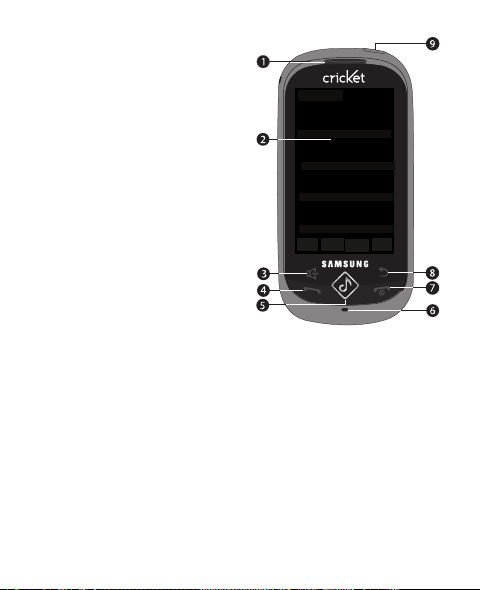
Vista frontal del teléfono
Menú Principal 1
Navegador Cricket Email Calendario
Cámara muve music Videograbadora
Mis imágenes Mis Videos Juegos y Aplic
Alarma Bluetooth Ajustes
Marcador Contactos Mensajes Casa
1.
Audífono/altavoz
escuchar tonos y a los
interlocutores en las
llamadas telefónicas.
2.
Pantalla táctil
estado del teléfono y los
controles táctiles.
3.
Tecla del altavoz
para habilitar o inhabilitar
: permite
: muestra el
: tóquelo
el modo de altavoz.
4.
Tecla de enviar
para realizar o contestar
una llamada. En el modo
de espera, presiónela para
tener acceso al registro de
llamadas recientes.
5.
Tecla de Muve Music
modo de espera,
presiónela para iniciar Muve Music.
6.
Micrófono
7.
Tec la de encender/apagar/finalizar
para encender o apagar el teléfono. Presiónela para finalizar
una llamada o para regresar al modo de espera.
8.
Tecla de cancelar
caracteres. Al navegar, presiónela para regresar al menú o
pantalla anterior.
9.
Conector para auriculares
dispositivo de TTY opcional con cable al teléfono.
: presiónela
: en el
: permite que el interlocutor le escuche claramente.
: manténgala presionada
: al introducir texto, presiónela para eliminar
: se usa para conectar un auricular o
6
 Loading...