

Page 1
SAFETY DATA SHEET
Revision Date 27-Feb-2019 Version 4
1. IDENTIFICATION
Product identifier
Product Name
Other means of identification
Product Code
Recommended use of the chemical and restrictions on use
Recommended Use
Uses advised against
Details of the supplier of the safety data sheet
Manufacturer Address
ITW Permatex
6875 Parkland Blvd.
Solon, Ohio 44139 USA
Telephone: 1-87-Permatex
(866) 732-9502
24-hour emergency phone number
Chem-Tel: 800-255-3924
International Emergency:
00+1+ 813-248-0585
Contract Number: MIS0003453
117EA UNDERCOATING 16OZ AE
80072
Undercoating - Aerosol
No information available
May Also Be Distributed by:
ITW Permatex Canada
101-2360 Bristol Circle
Oakville, ON Canada L6H 6M5
Telephone: (800) 924-6994
E-mail address: [email protected]
2. HAZARDS IDENTIFICATION
Classification
OSHA Regulatory Status
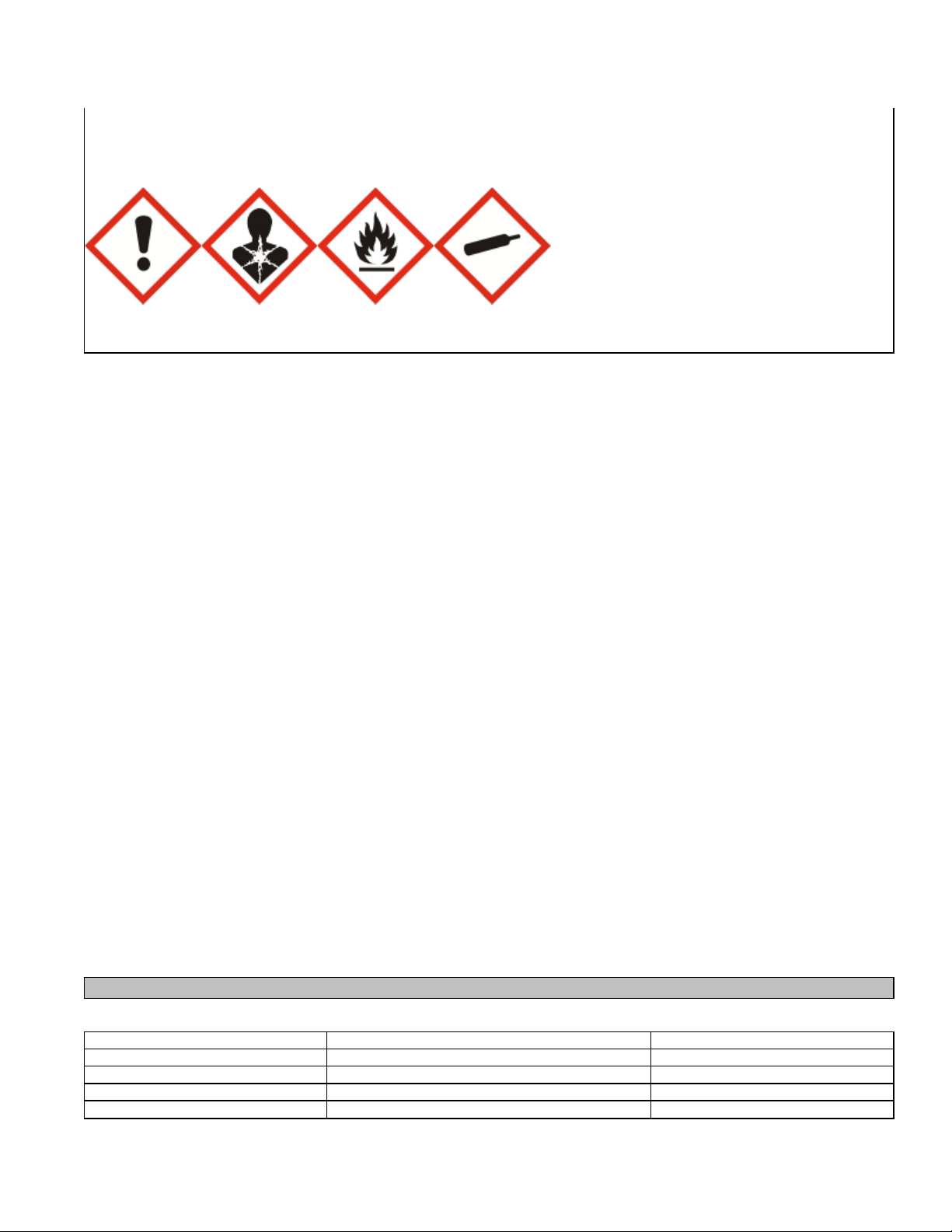
This chemical is considered hazardous by the 2012 OSHA Hazard Communication Standard (29 CFR 1910.1200)
Skin corrosion/irritation Category 2
Reproductive toxicity Category 2
Specific target organ toxicity (single exposure) Category 3
Specific target organ toxicity (repeated exposure) Category 1
Aspiration toxicity Category 1
Flammable aerosols
Gases under pressure
Label elements
Emergency Overview
Signal word
Danger
Causes skin irritation
May cause genetic defects
Suspected of damaging fertility or the unborn child
May cause drowsiness or dizziness
_____________________________________________________________________________________________
Category 1
Liquefied gas
Page 1 / 10
Page 2
80072 - 117EA UNDERCOATING 16OZ AE Revision Date 27-Feb-2019
_____________________________________________________________________________________________
Causes damage to organs through prolonged or repeated exposure
May be fatal if swallowed and enters airways
Extremely flammable aerosol
Contains gas under pressure; may explode if heated
Appearance Dark brown Physical state Flammable Aerosol Odor Solvent
Precautionary Statements - Prevention
Obtain special instructions before use
Do not handle until all safety precautions have been read and understood
Use personal protective equipment as required
Wash face, hands and any exposed skin thoroughly after handling
Do not breathe dust/fume/gas/mist/vapors/spray
Do not eat, drink or smoke when using this product
Use only outdoors or in a well-ventilated area
Keep away from heat/sparks/open flames/hot surfaces. - No smoking
Do not spray on an open flame or other ignition source
Pressurized container: Do not pierce or burn, even after use
Precautionary Statements - Response
IF exposed or concerned: Get medical advice/attention
IF ON SKIN: Wash with plenty of soap and water
If skin irritation occurs: Get medical advice/attention
Take off contaminated clothing and wash before reuse
IF INHALED: Remove victim to fresh air and keep at rest in a position comfortable for breathing
IF SWALLOWED: Immediately call a POISON CENTER or doctor/physician
Do NOT induce vomiting
Precautionary Statements - Storage
Store locked up
Protect from sunlight. Do not expose to temperatures exceeding 50 °C/122 °F
Precautionary Statements - Disposal
Dispose of contents/container to an approved waste disposal plant
Hazards not otherwise classified (HNOC)
Not applicable
Other Information
Not applicable
Unknown acute toxicity 29 % of the mixture consists of ingredient(s) of unknown toxicity
3. COMPOSITION/INFORMATION ON INGREDIENTS
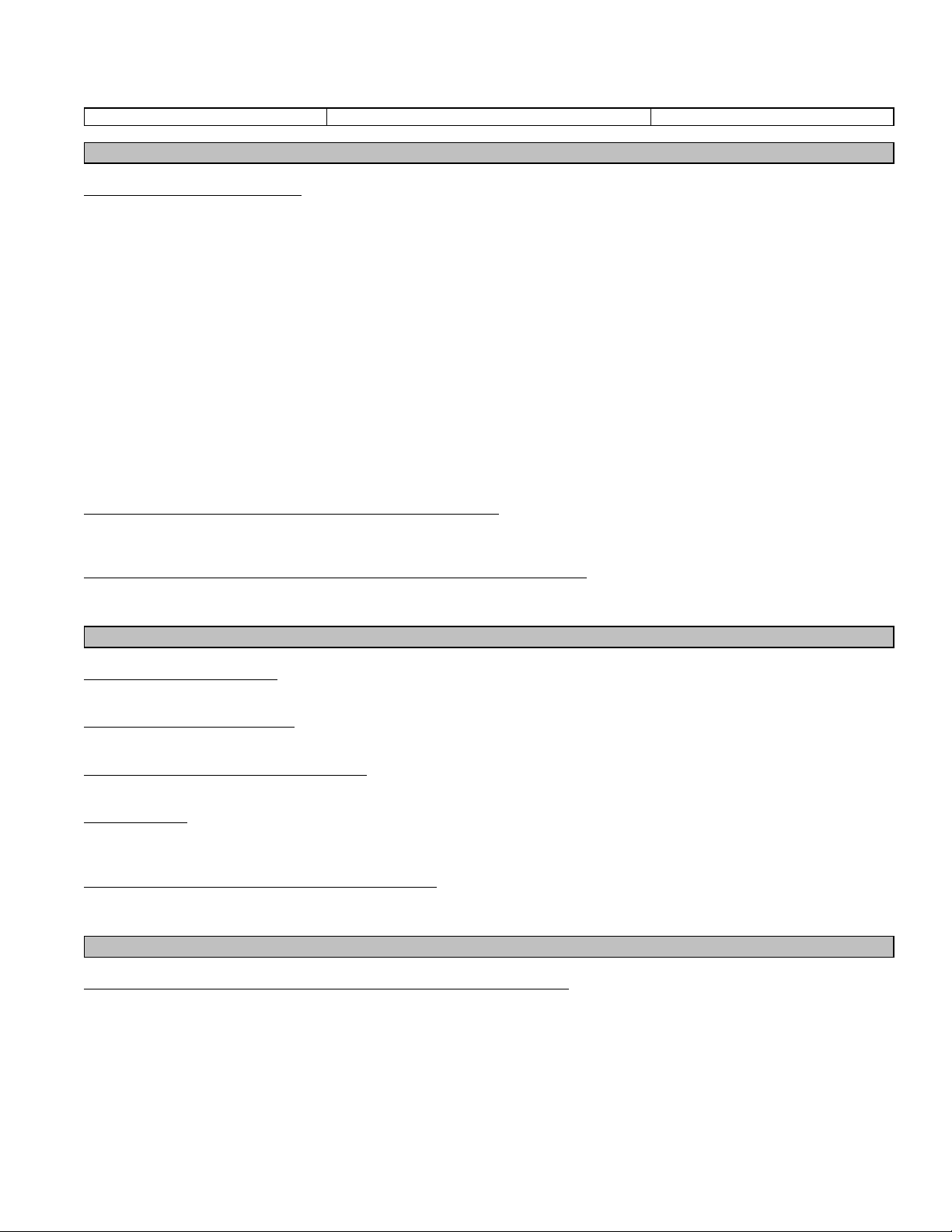
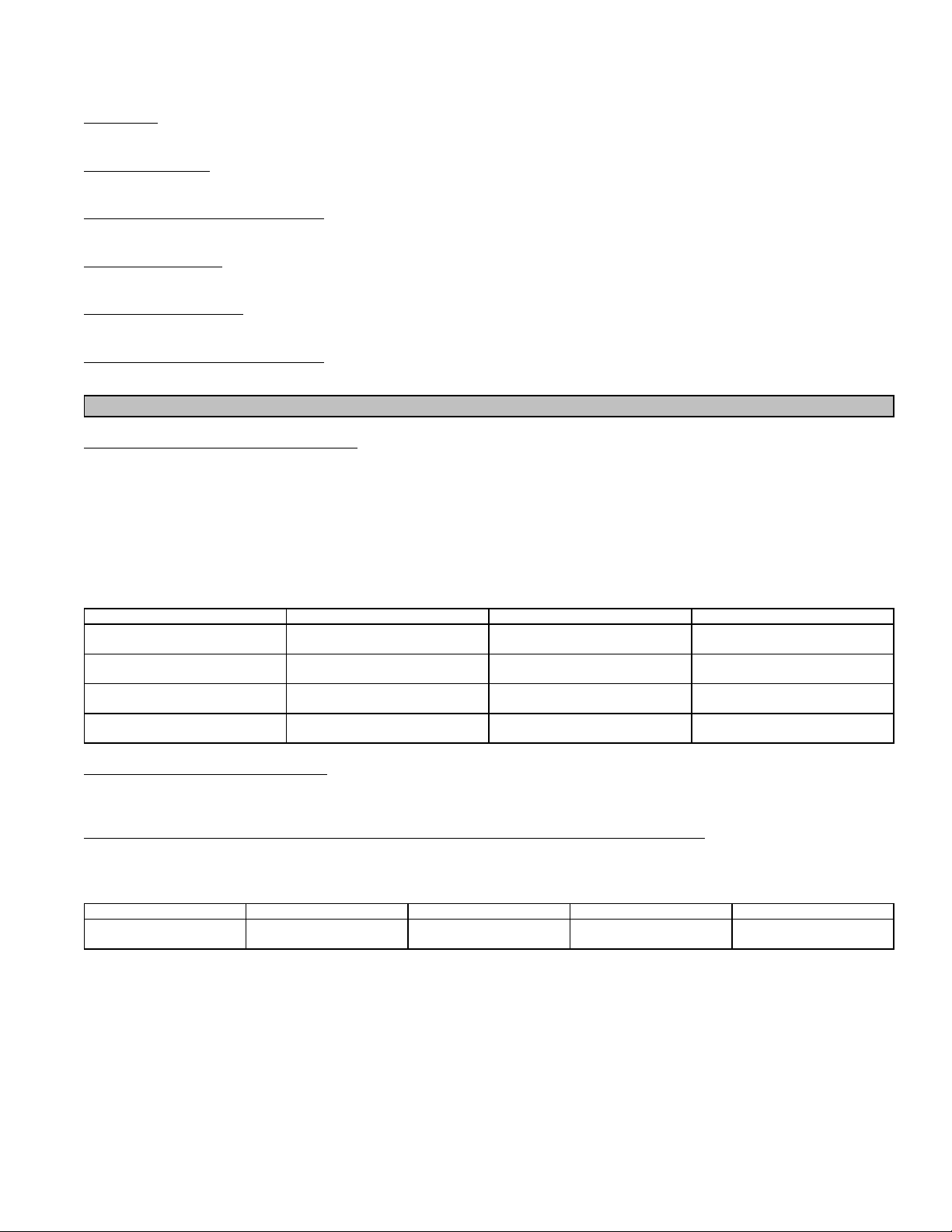
Chemical Name CAS No. Weight-%
TOLUENE 108-88-3 10 - 30
PROPANE 74-98-6 10 - 30
MINERAL SPIRITS 8052-41-3 3 - 7
BUTANE 106-97-8 3 - 7
_____________________________________________________________________________________________
Page 2 / 10
Page 3
80072 - 117EA UNDERCOATING 16OZ AE Revision Date 27-Feb-2019
_____________________________________________________________________________________________
ACETONE 67-64-1 3 - 7
4. FIRST AID MEASURES
Description of first aid measures
General advice
Eye contact
Skin contact
Inhalation
Ingestion
Self-protection of the first aider
Most important symptoms and effects, both acute and delayed
Symptoms
Indication of any immediate medical attention and special treatment needed
Note to physicians
Get medical advice/attention if you feel unwell.
IF IN EYES: Rinse cautiously with water for several minutes. Remove contact lenses, if
present and easy to do. Continue rinsing. If eye irritation persists: Get medical
advice/attention.
IF ON SKIN:. Wash skin with soap and water. If skin irritation persists, call a physician.
Take off contaminated clothing and wash before reuse.
IF INHALED: Remove victim to fresh air and keep at rest in a position comfortable for
breathing. If symptoms persist, call a physician.
IF SWALLOWED:. Call a physician or poison control center immediately. Do NOT induce
vomiting.
Ensure that medical personnel are aware of the material(s) involved and take precautions to
protect themselves.
See section 2 for more information.
Treat symptomatically.
5. FIRE-FIGHTING MEASURES
Suitable extinguishing media
Carbon dioxide (CO2), Dry chemical, Foam
Unsuitable extinguishing media
None
Specific hazards arising from the chemical
Extremely flammable. Heating causes rise in pressure with risk of bursting. Vapors may travel to source of ignition and flash back.
Explosion data
Sensitivity to Mechanical Impact
Sensitivity to Static Discharge
Protective equipment and precautions for firefighters
As in any fire, wear self-contained breathing apparatus pressure-demand, MSHA/NIOSH (approved or equivalent) and full
protective gear.
None.
None.
6. ACCIDENTAL RELEASE MEASURES
Personal precautions, protective equipment and emergency procedures
Personal precautions
Other Information
ELIMINATE all ignition sources (no smoking, flares, sparks or flames in immediate area).
Avoid contact with skin, eyes or clothing. Ensure adequate ventilation, especially in
confined areas. Wash thoroughly after handling. Use personal protective equipment as
required.
Ventilate the area.
_____________________________________________________________________________________________
Page 3 / 10
Page 4
80072 - 117EA UNDERCOATING 16OZ AE Revision Date 27-Feb-2019
_____________________________________________________________________________________________
Environmental precautions
Environmental precautions
See Section 12 for additional Ecological Information.
Methods and material for containment and cleaning up
Methods for containment
Methods for cleaning up
Prevent further leakage or spillage if safe to do so.
Eliminate all ignition sources if safe to do so. Ensure adequate ventilation. Soak up with
inert absorbent material. Sweep up and shovel into suitable containers for disposal. Use
personal protective equipment as required.
Prevention of secondary hazards
Clean contaminated objects and areas thoroughly observing environmental regulations.
7. HANDLING AND STORAGE
Precautions for safe handling
Advice on safe handling
Conditions for safe storage, including any incompatibilities
Storage Conditions
Incompatible materials
Keep away from heat/sparks/open flames/hot surfaces. - No smoking. Contents under
pressure. Do not puncture or incinerate cans. Handle in accordance with good industrial
hygiene and safety practice. Avoid contact with skin, eyes or clothing. Wash thoroughly
after handling. Wash contaminated clothing before reuse. Use personal protective
equipment as required. Avoid breathing vapors or mists.
Store locked up. Do not expose to temperatures exceeding 50 °C/122 °F.
Strong oxidizing agents, Nitrates, Fluorine, Chlorine
8. EXPOSURE CONTROLS/PERSONAL PROTECTION
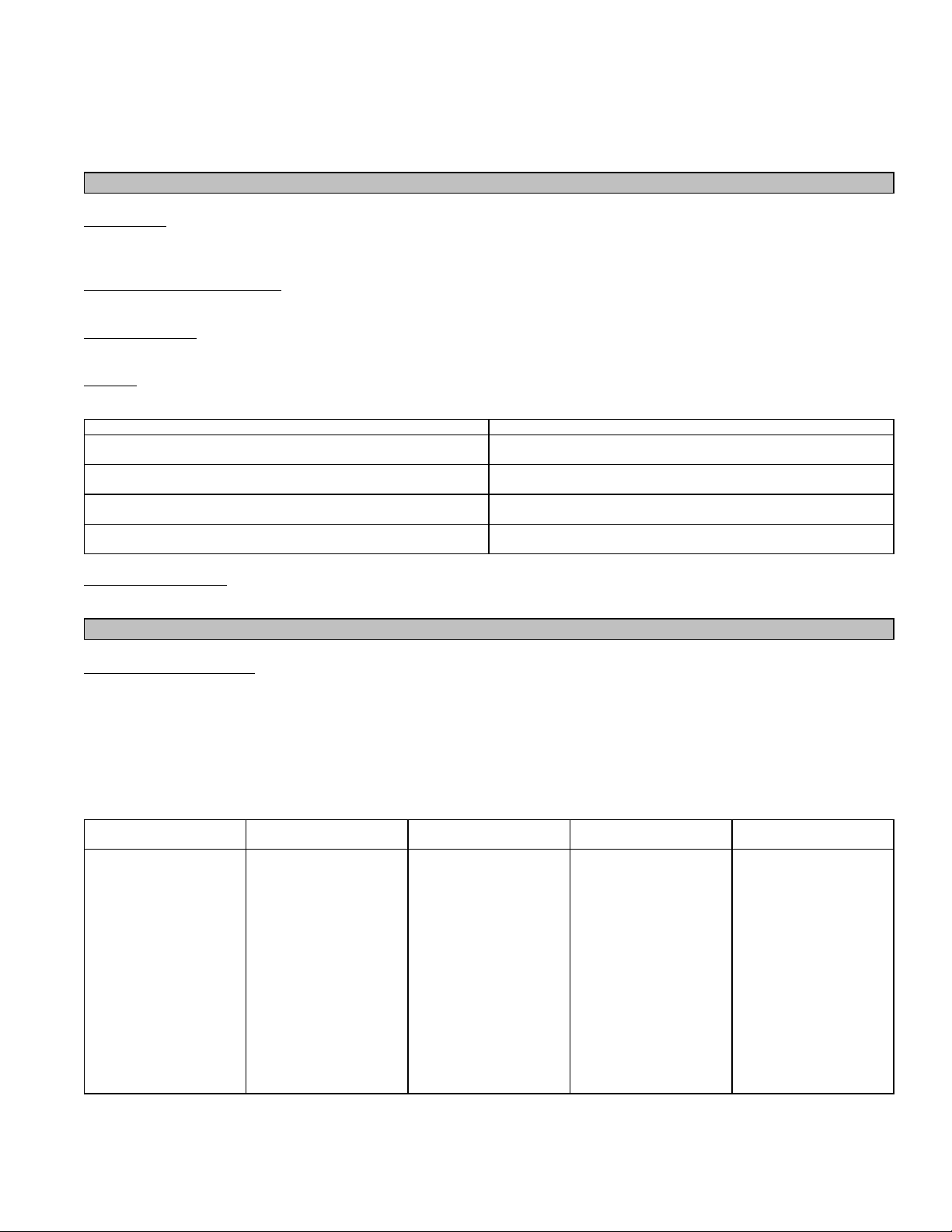
Control parameters
Exposure Guidelines
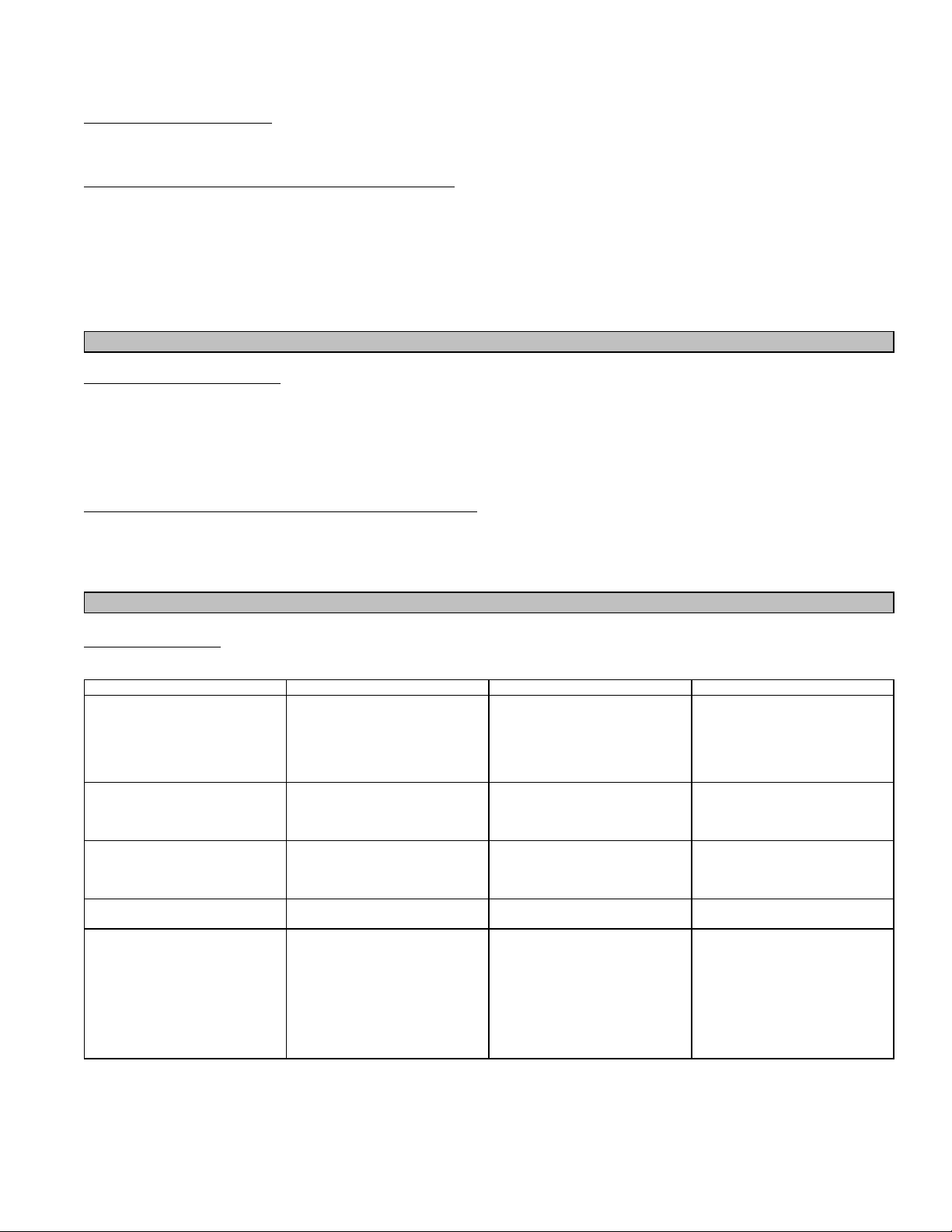
Chemical Name ACGIH TLV OSHA PEL NIOSH IDLH
TOLUENE
108-88-3
PROPANE
74-98-6
MINERAL SPIRITS
8052-41-3
BUTANE
106-97-8
ACETONE
67-64-1
NIOSH IDLH Immediately Dangerous to Life or Health
.
TWA: 20 ppm TWA: 200 ppm
: See Appendix F: Minimal
Oxygen Content
TWA: 100 ppm TWA: 500 ppm
STEL: 1000 ppm (vacated) TWA: 800 ppm
STEL: 500 ppm
TWA: 250 ppm
(vacated) TWA: 100 ppm
(vacated) TWA: 375 mg/m
(vacated) STEL: 150 ppm
(vacated) STEL: 560 mg/m
3
3
Ceiling: 300 ppm
TWA: 1000 ppm
TWA: 1800 mg/m
(vacated) TWA: 1000 ppm
(vacated) TWA: 1800 mg/m
TWA: 2900 mg/m
(vacated) TWA: 100 ppm
(vacated) TWA: 525 mg/m
(vacated) TWA: 1900 mg/m
TWA: 1000 ppm
TWA: 2400 mg/m
(vacated) TWA: 750 ppm
(vacated) TWA: 1800 mg/m
3
3
3
3
3
3
3
(vacated) STEL: 2400 mg/m3 The
acetone STEL does not apply to the
cellulose acetate fiber industry. It is
in effect for all other sectors
(vacated) STEL: 1000 ppm
IDLH: 500 ppm
TWA: 100 ppm
TWA: 375 mg/m
STEL: 150 ppm
STEL: 560 mg/m
3
3
IDLH: 2100 ppm
TWA: 1000 ppm
TWA: 1800 mg/m
IDLH: 20000 mg/m
Ceiling: 1800 mg/m3 15 min
TWA: 350 mg/m
TWA: 800 ppm
TWA: 1900 mg/m
3
3
3
3
IDLH: 2500 ppm
TWA: 250 ppm
TWA: 590 mg/m
3
Other Information
Vacated limits revoked by the Court of Appeals decision in AFL-CIO v. OSHA, 965 F.2d 962
(11th Cir., 1992).
_____________________________________________________________________________________________
Page 4 / 10
Page 5

80072 - 117EA UNDERCOATING 16OZ AE Revision Date 27-Feb-2019
_____________________________________________________________________________________________
Appropriate engineering controls
Engineering Controls
Individual protection measures, such as personal protective equipment
Eye/face protection
Skin and body protection
Respiratory protection
General Hygiene Considerations
Showers
Eyewash stations
Ventilation systems
Wear safety glasses with side shields (or goggles).
Wear protective natural rubber, nitrile rubber, Neoprene™ or PVC gloves.
Use NIOSH-approved air-purifying respirator with organic vapor cartridge or canister, as
appropriate.
Handle in accordance with good industrial hygiene and safety practice. Regular cleaning of
equipment, work area and clothing is recommended.
9. PHYSICAL AND CHEMICAL PROPERTIES
9.1. Information on basic physical and chemical properties
Physical state
Appearance
Odor
Odor threshold
Property Values Remarks • Method
pH
Melting point / freezing point
Boiling point / boiling range
Flash point
Evaporation rate
Flammability (solid, gas)
Flammability Limit in Air
Upper flammability limit:
Lower flammability limit:
Vapor pressure
Vapor density
Relative density
Water solubility
Solubility(ies)
Partition coefficient
Autoignition temperature
Decomposition temperature
Kinematic viscosity
Dynamic viscosity
Explosive properties
Oxidizing properties
Flammable Aerosol
Dark brown
Solvent
No information available
No information available
No information available
249 °C / 480 °F
-104 °C / -155 °F Gives a flame projection at full valve opening or
flashback at any degree of valve opening
No information available
No information available
8.8%
1.6%
70-80 psig @20C estimated
No information available
0.906
No information available
No information available
No information available
480 °C / 896 °F
No information available
No information available
No information available
No information available
No information available
Other Information
Softening point
Molecular weight
VOC Content (%)
Density
Bulk density
SADT (self-accelerating
decomposition temperature)
No information available
No information available
38.06%
No information available
No information available
No information available
10. STABILITY AND REACTIVITY
_____________________________________________________________________________________________
Page 5 / 10
Page 6
80072 - 117EA UNDERCOATING 16OZ AE Revision Date 27-Feb-2019
_____________________________________________________________________________________________
Reactivity
No information available
Chemical stability
Stable under normal conditions
Possibility of Hazardous Reactions
None under normal processing.
Conditions to avoid
Heat, flames and sparks.
Incompatible materials
Strong oxidizing agents, Nitrates, Fluorine, Chlorine
Hazardous Decomposition Products
Carbon oxides
11. TOXICOLOGICAL INFORMATION
Information on likely routes of exposure
Inhalation
Eye contact
Skin contact
Ingestion
Causes damage to organs if inhaled. May cause drowsiness or dizziness.
Contact with eyes may cause irritation. May cause redness and tearing of the eyes.
May cause skin irritation and/or dermatitis.
Potential for aspiration if swallowed. Aspiration may cause pulmonary edema and
pneumonitis.
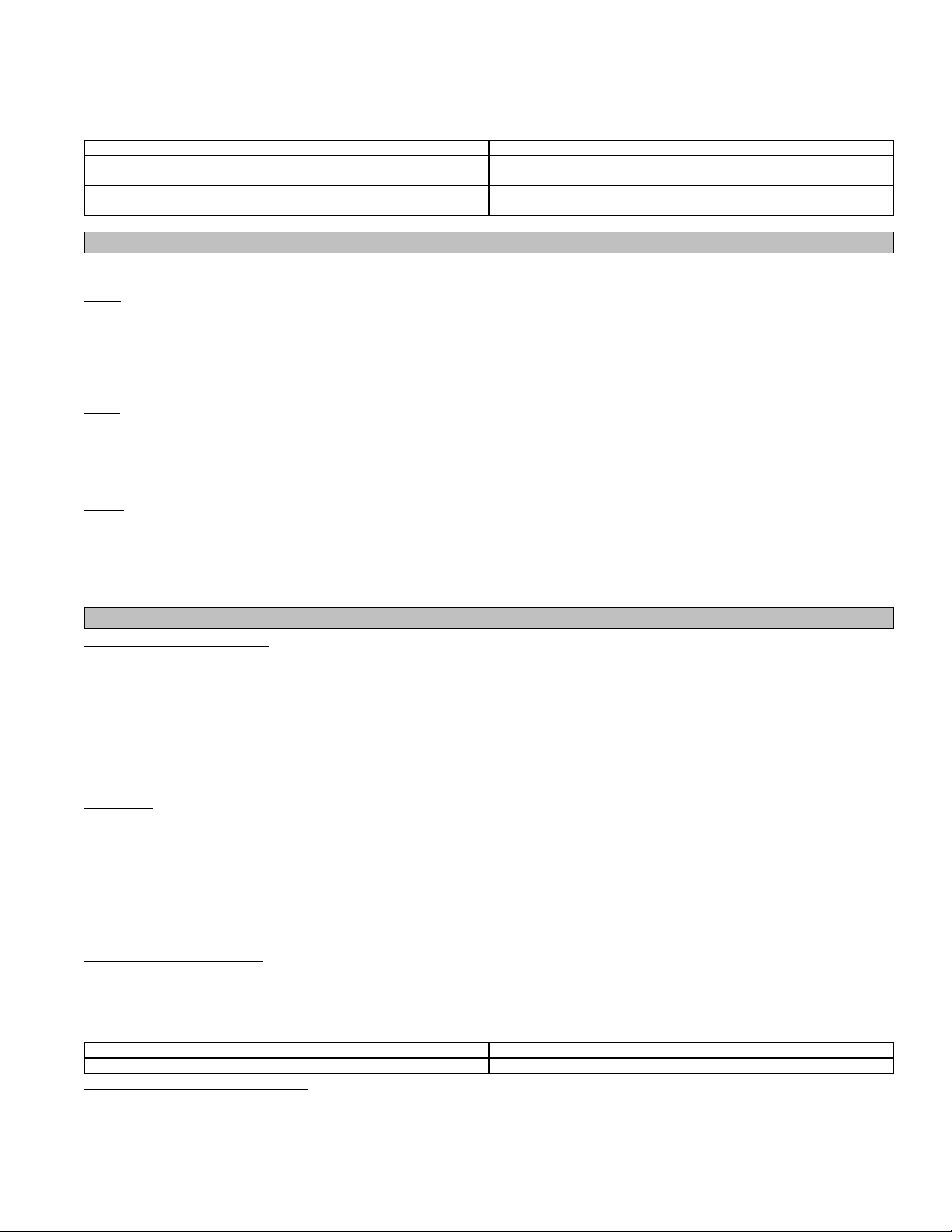
Chemical Name Oral LD50 Dermal LD50 Inhalation LC50
TOLUENE
108-88-3
PROPANE
74-98-6
BUTANE
106-97-8
ACETONE
67-64-1
= 2600 mg/kg ( Rat ) = 12000 mg/kg ( Rabbit ) = 12.5 mg/L ( Rat ) 4 h
- - = 658 mg/L ( Rat ) 4 h
- - = 658 g/m3 ( Rat ) 4 h
= 5800 mg/kg ( Rat ) - = 50100 mg/m3 ( Rat ) 8 h
Information on toxicological effects
Symptoms
No information available.
Delayed and immediate effects as well as chronic effects from short and long-term exposure
Sensitization
Germ cell mutagenicity
Carcinogenicity
Chemical Name ACGIH IARC NTP OSHA
TOLUENE
108-88-3
IARC (International Agency for Research on Cancer)
Group 2B - Possibly Carcinogenic to Humans
Not classifiable as a human carcinogen
OSHA (Occupational Safety and Health Administration of the US Department of Labor)
X - Present
Chronic toxicity
Target Organ Effects
No information available.
No information available.
The table below indicates whether each agency has listed any ingredient as a carcinogen.
- Group 3 - -
May cause adverse liver effects.
Central nervous system, Eyes, Gastrointestinal tract (GI), kidney, Respiratory system, Skin,
Central Vascular System (CVS), Liver.
The following values are calculated based on chapter 3.1 of the GHS document .
ATEmix (oral)
7181 mg/kg
_____________________________________________________________________________________________
Page 6 / 10
Page 7
80072 - 117EA UNDERCOATING 16OZ AE Revision Date 27-Feb-2019
_____________________________________________________________________________________________
ATEmix (dermal)
ATEmix (inhalation-gas)
ATEmix (inhalation-dust/mist)
8121 mg/kg
1099242 mg/l
20 mg/l
12. ECOLOGICAL INFORMATION
Ecotoxicity
65.5 % of the mixture consists of component(s) of unknown hazards to the aquatic environment
Persistence and degradability
No information available.
Bioaccumulation
No information available.
Mobility
No information available.
Chemical Name Partition coefficient
TOLUENE
108-88-3
PROPANE
74-98-6
BUTANE
106-97-8
ACETONE
67-64-1
2.7
2.3
2.89
-0.24
Other adverse effects
No information available
Waste treatment methods
Disposal of wastes
Contaminated packaging
US EPA Waste Number
Chemical Name RCRA - Halogenated
Organic Compounds
TOLUENE
108-88-3
13. DISPOSAL CONSIDERATIONS
Disposal should be in accordance with applicable regional, national and local laws and
regulations.
Do not reuse container.
D001
RCRA - P Series Wastes RCRA - F Series Wastes RCRA - K Series Wastes
- - Toxic waste
waste number F025
Waste description:
Condensed light ends, spent
filters and filter aids, and
spent desiccant wastes from
the production of certain
chlorinated aliphatic
hydrocarbons, by free
radical catalyzed processes.
These chlorinated aliphatic
hydrocarbons are those
having carbon chain lengths
ranging from one to and
including five, with varying
amounts and positions of
chlorine substitution.
-
_____________________________________________________________________________________________
Page 7 / 10
Page 8
80072 - 117EA UNDERCOATING 16OZ AE Revision Date 27-Feb-2019
_____________________________________________________________________________________________
This product contains one or more substances that are listed with the State of California as a hazardous waste.
Chemical Name California Hazardous Waste Status
TOLUENE
108-88-3
ACETONE
67-64-1
Toxic
Ignitable
Ignitable
14. TRANSPORT INFORMATION
DOT
UN/ID No
Proper shipping name:
Hazard Class
Emergency Response Guide
Number
IATA
UN/ID No
Proper shipping name:
Hazard Class
ERG Code
IMDG
UN/ID No
Proper shipping name:
Hazard Class
EmS-No
1950
Aerosols, Limited Quantity (LQ)
2.1
126
ID 8000
Consumer commodity
9
9L
1950
Aerosols, Limited Quantity (LQ)
2.1
F-D, S-U
15. REGULATORY INFORMATION
International Inventories
TSCA
DSL/NDSL
EINECS/ELINCS
ENCS
IECSC
KECL
PICCS
AICS
Legend:
TSCA - United States Toxic Substances Control Act Section 8(b) Inventory
DSL/NDSL - Canadian Domestic Substances List/Non-Domestic Substances List
EINECS/ELINCS - European Inventory of Existing Chemical Substances/European List of Notified Chemical Substances
ENCS - Japan Existing and New Chemical Substances
IECSC - China Inventory of Existing Chemical Substances
KECL - Korean Existing and Evaluated Chemical Substances
PICCS - Philippines Inventory of Chemicals and Chemical Substances
AICS - Australian Inventory of Chemical Substances
US Federal Regulations
SARA 313
Section 313 of Title III of the Superfund Amendments and Reauthorization Act of 1986 (SARA). This product contains a chemical
or chemicals which are subject to the reporting requirements of the Act and Title 40 of the Code of Federal Regulations, Part 372
Chemical Name SARA 313 - Threshold Values %
TOLUENE - 108-88-3 1.0
SARA 311/312 Hazard Categories
Acute health hazard
Chronic Health Hazard
_____________________________________________________________________________________________
Complies
Complies
Not determined
Not determined
Not determined
Not determined
Not determined
Not Listed
Yes
Yes
Page 8 / 10
Page 9
80072 - 117EA UNDERCOATING 16OZ AE Revision Date 27-Feb-2019
_____________________________________________________________________________________________
Fire hazard
Sudden release of pressure hazard
Reactive Hazard
Yes
No
No
CWA (Clean Water Act)
This product contains the following substances which are regulated pollutants pursuant to the Clean Water Act (40 CFR 122.21
and 40 CFR 122.42)
Chemical Name CWA - Reportable
TOLUENE
108-88-3
Quantities
1000 lb X X X
CWA - Toxic Pollutants CWA - Priority Pollutants CWA - Hazardous
Substances
CERCLA
This material, as supplied, contains one or more substances regulated as a hazardous substance under the Comprehensive
Environmental Response Compensation and Liability Act (CERCLA) (40 CFR 302)
Chemical Name Hazardous Substances RQs CERCLA/SARA RQ Reportable Quantity (RQ)
TOLUENE
108-88-3
ACETONE
67-64-1
1000 lb 1 lb - RQ 1000 lb final RQ
RQ 454 kg final RQ RQ 1 lb final
RQ
RQ 0.454 kg final RQ
5000 lb - RQ 5000 lb final RQ
RQ 2270 kg final RQ
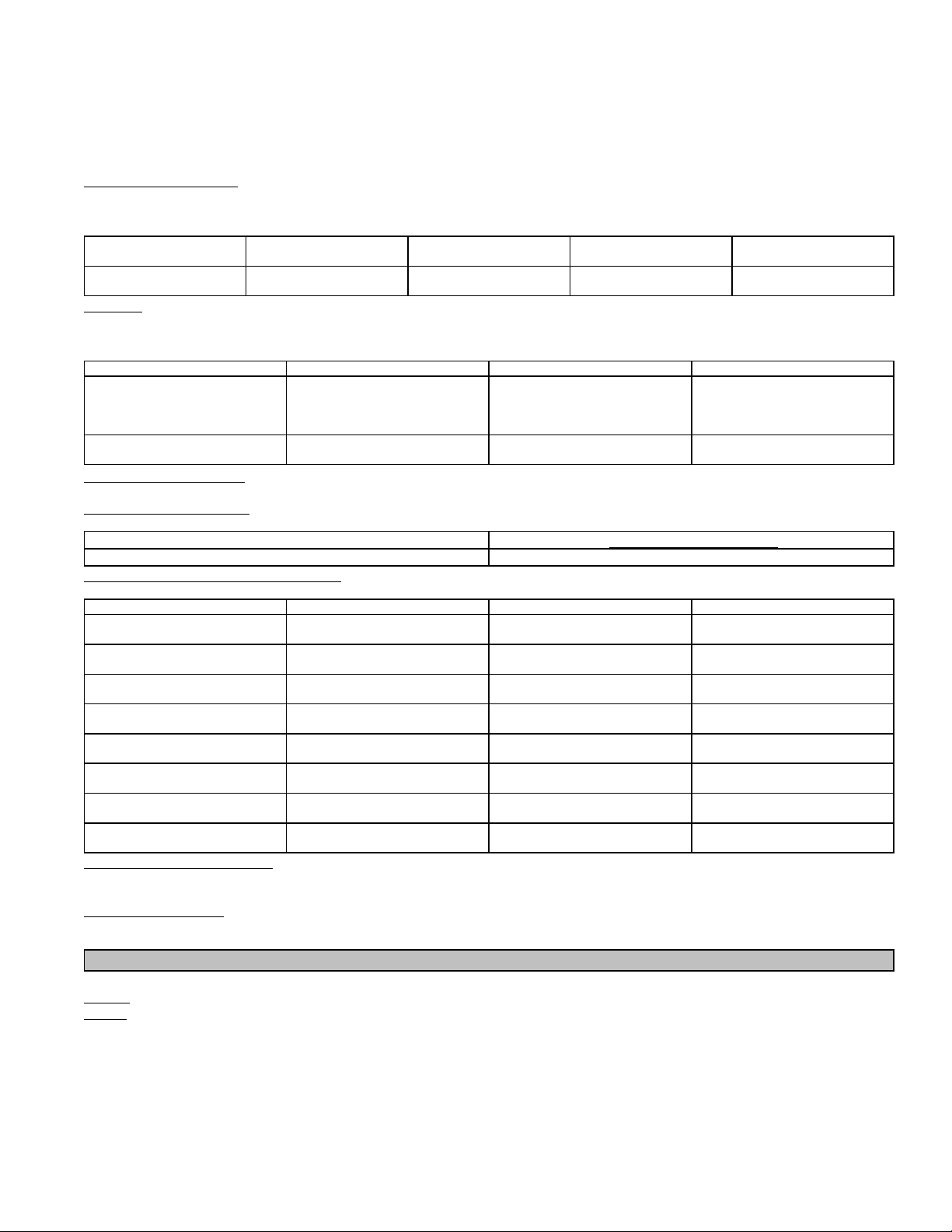
US State Regulations
California Proposition 65
This product contains the following Proposition 65 chemicals
Chemical Name
TOLUENE - 108-88-3
U.S. State Right-to-Know Regulations
California Proposition 65
Developmental
Chemical Name New Jersey Massachusetts Pennsylvania
TOLUENE
108-88-3
PROPANE
74-98-6
ASPHALT (PETROLEUM)
8052-42-4
BUTANE
106-97-8
MINERAL SPIRITS
8052-41-3
KAOLIN
1332-58-7
MAGNESIUM SILICATE
14807-96-6
ACETONE
67-64-1
X X X
X X X
X X X
X X X
X X X
X X X
X X X
X X X
U.S. EPA Label Information
EPA Pesticide Registration Number
Not applicable
WHMIS Hazard Class
A Compressed gases, B5 - Flammable aerosol, D2B - Toxic materials
16. OTHER INFORMATION, INCLUDING DATE OF PREPARATION OF THE LAST REVISION
NFPA Health hazards 2 Flammability 3 Instability 0
HMIS Health hazards 2 Flammability 3 Physical hazards 0
NFPA (National Fire Protection Association)
HMIS (Hazardous Material Information System)
-
Personal protection B
Revision Date
27-Feb-2019
_____________________________________________________________________________________________
Page 9 / 10
Page 10

80072 - 117EA UNDERCOATING 16OZ AE Revision Date 27-Feb-2019
_____________________________________________________________________________________________
Disclaimer
The information provided in this Safety Data Sheet is correct to the best of our knowledge, information and belief at the
date of its publication. The information given is designed only as a guidance for safe handling, use, processing, storage,
transportation, disposal and release and is not to be considered a warranty or quality specification. The information
relates only to the specific material designated and may not be valid for such material used in combination with any other
materials or in any process, unless specified in the text.
End of Safety Data Sheet
_____________________________________________________________________________________________
Page 10 / 10
 Loading...