

Page 1
检测人
审核人
批准人
项目工程师
项目工程师
主管工程师
Report No.:PNS220120272 02011
报告编号
./
材料安全数据表
Material Safety Data Sheet
产 品 名 称: 锂离子电池
Name of Products: Li-ion Battery
委 托 单 位: 东莞市桂通电子科技有限公司
Applicant: DONGGUAN GUITONG ELECTRONICS
TECHNOLOGY CO., LTD.
生 产 单 位: 东莞市桂通电子科技有限公司
Factory: DONGGUAN GUITONG ELECTRONICS
TECHNOLOGY CO., LTD.
Tester
/ Project Engineer
Reviewer
/ Project Engineer
Approver
/ Chief Engineer
广东联鼎检测科技有限公司
GUANGDONG UTL CO., LTD.
Address: Lianding Testing Building, No.18 Center Road of Yayuan Industrial Zone, Nancheng District, Dongguan, Guangdong, China.
Page 2
TEST REPORT
Report No.:PNS220120272 02011
Page 2 of 12
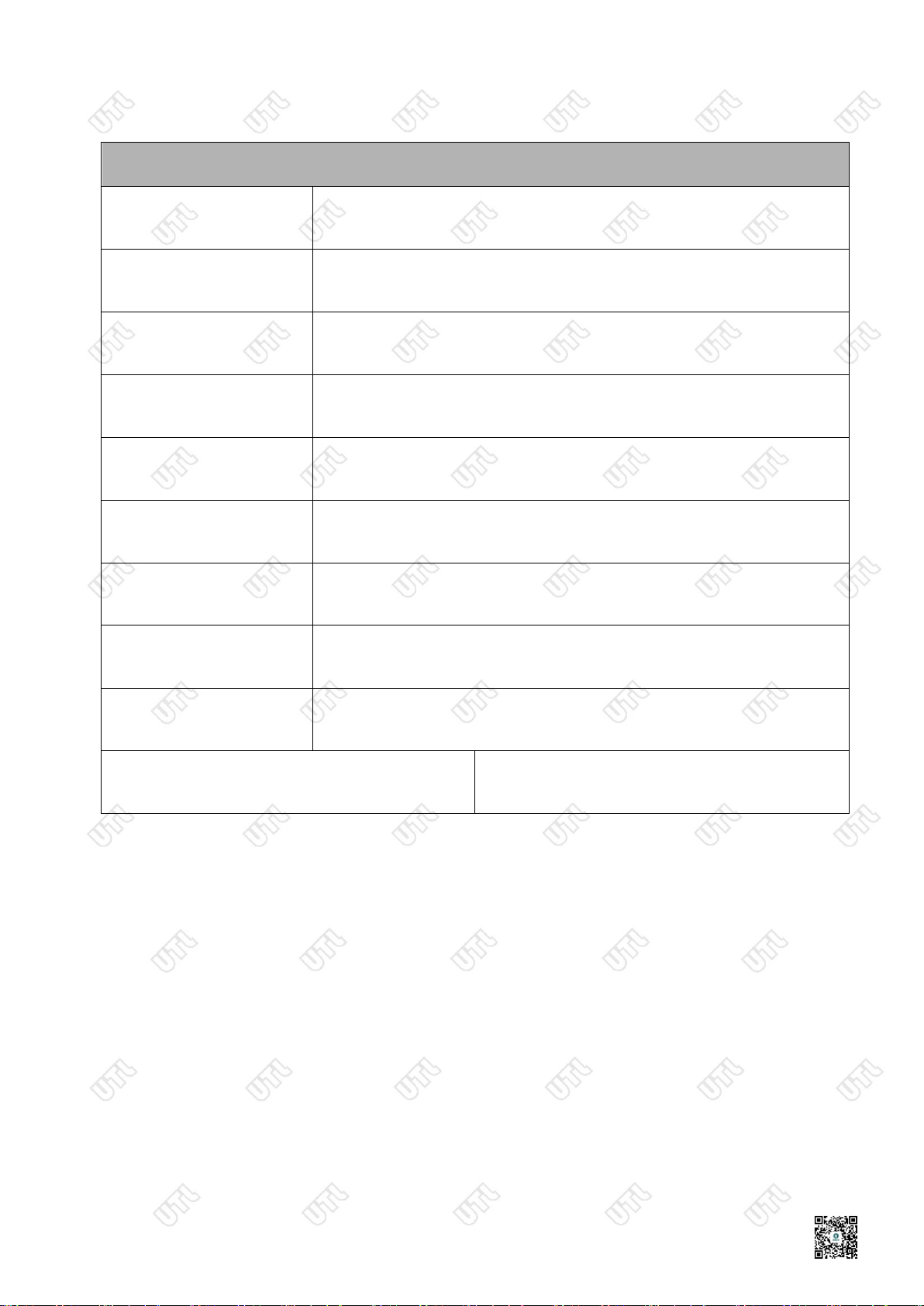
产品和厂商信息
样品名称
样品型号
规格
委托单位
委托单位地址
生产厂
生产厂地址
鉴定依据
紧急联系电话
1. Identification of the product and supplier (
Name of goods
Type/Model
Rating
Commissioned by
Commissioner address
Manufacturer’s name
Manufacturer address
锂离子电池
Li-ion Battery
1260110P
3.7V, 10000mAh, 37Wh
东莞市桂通电子科技有限公司
DONGGUAN GUITONG ELECTRONICS TECHNOLOGY CO., LTD.
广东省东莞市清溪镇罗裙埔一路7号3号楼301室
Room 301, NO.3 Building, NO.7, Luoqunpu 1 Road, Qingxi Town,
Dongguan City, Guangdong, P.R. China
东莞市桂通电子科技有限公司
DONGGUAN GUITONG ELECTRONICS TECHNOLOGY CO., LTD.
广东省东莞市清溪镇罗裙埔一路7号3号楼301室
Room 301, NO.3 Building, NO.7, Luoqunpu 1 Road, Qingxi Town,
Dongguan City, Guangdong, P.R. China
)
Inspection according to
Emergency telephone call
接样日期 / Receiving date: 2022-01-20 签发日期 / Date of issue: 2022-02-19
联合国《关于危险品货物运输的建议书》
UN “Recommendations on the TRANSPORT OF DANGEROUS GOODS”
+86-769-82553065
Address: Lianding Testing Building, No.18 Center Road of Yayuan Industrial Zone, Nancheng District, Dongguan, Guangdong, China.
Page 3
TEST REPORT
Report No.:PNS220120272 02011
Page 3 of 12
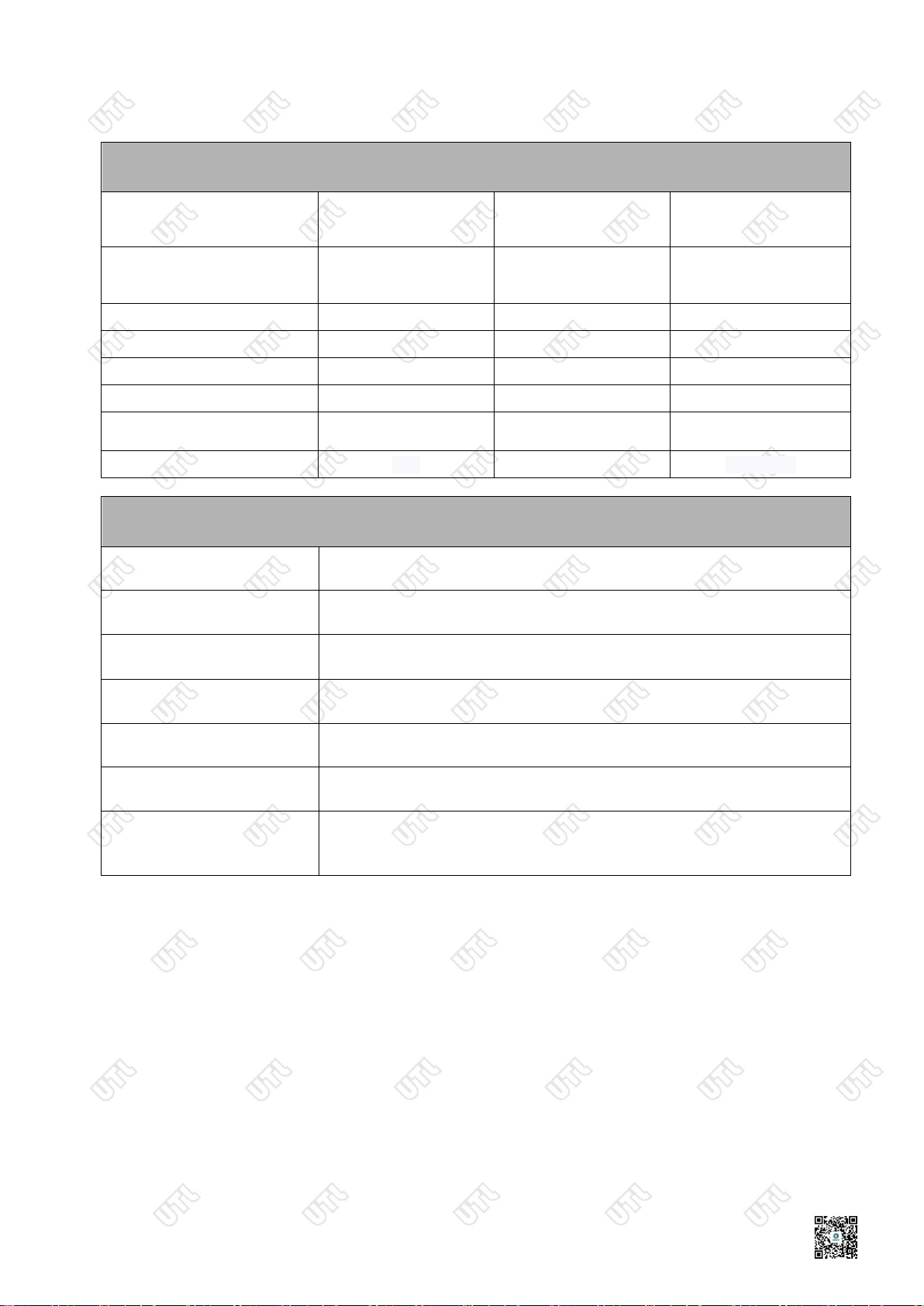
成分/组成信息
/ Lithium
Cobalt
/ Polyvinylidene
Fluoride (PVDF)
危险性概述
Explosive risk
This article does not belong to the explosion dangerous goods
Flammable risk
This article does not belong to the flammable material
Oxidation risk
This article does not belong to the oxidation of dangerous goods
Toxic risk
This article does not belong to the toxic dangerous goods
Radioactive risk
This article does not belong to the radiation of dangerous goods
Mordant risk
This article does not belong to the corrosion of dangerous goods
37Wh
lithium ion polymer batteries)
2. Composition Information (
化学成分
Chemical Composition
镍钴锰酸锂
Manganese Nickel And
石墨/ Graphite
铝/ Aluminium AI 21-23 7429-90-5
铜/ Copper Cu 10-11 7440-50-8
电解液/ Electrolyte -- 10 --
聚偏氟乙烯
乙炔黑/Acetylene Black H4C 0.5-3 1333-86-4
化学式
Chemical Formula
LiNixCoyMn
C24X
12
(CH2-CF2)n 1-5 24937-79-9
25-35 182442-95-1
1-x-yO2
重量百分比
Weight(%)
15-20 7782-42-5
3. Hazards Identification (
爆炸危险性
易燃危险性
该物品不属于爆炸危险品
该物品不属于易燃危险品
)
CAS编号
CAS Number
)
氧化危险性
毒害危险性
放射危险性
腐蚀危险性
其他危险性
other risk
该物品不属于氧化危险品
该物品不属于毒害危险品
该物品不属于放射危险品
该物品不属于腐蚀危险品
该电池瓦时率为
Watt hour rate 37Wh, which belong to the Lithium ion batteries (including
,属于锂离子电池(包括锂离子聚合物电池)
Address: Lianding Testing Building, No.18 Center Road of Yayuan Industrial Zone, Nancheng District, Dongguan, Guangdong, China.
Page 4
TEST REPORT
Report No.:PNS220120272 02011
Page 4 of 12
急救措施
眼睛:
皮肤:
吸入:
食入:
消防措施
燃点:
自燃温度:
灭火介质:
特殊灭火程序:
异常火灾或爆炸:
燃烧产生的危险物品:
4. First aid measures (
万一接触,立即用大量的清水冲洗至少15 分钟,翻起上下眼睑,直到化学的残留物消失为止,迅速就医.
Eye
Flush eyes with plenty of water for at least 15 minutes, occasionally lifting the upper and lower eyelids. Get
medical aid.
万一接触,用大量水冲洗至少15 分钟,同时除去污染的衣物和鞋子,迅速就医。
Skin
Remove contaminated clothes and rinse skin with plenty of water or shower for 15 minutes. Get medical aid.
立即从暴露处移至空气清新处,如果呼吸困难给予输氧,立即就医。
Inhalation
Remove from exposure and move to fresh air immediately. Use oxygen if available.
饮用两杯牛奶或水。如果当事人仍然清晰可以采取催吐的方法,并且立即就医。
Ingestion
Give at least 2 glasses of milk or water. Induce vomiting unless patient is unconscious. Call a physician.
)
Flash Point: N/A.
Auto-Ignition Temperature: N/A.
Extinguishing Media: Water, CO2.
Special Fire-Fighting Procedures: Self-contained breathing apparatus.
Unusual Fire and Explosion Hazards:
Cell may vent when subjected to excessive heat-exposing battery contents.
Hazardous Combustion Products: Carbon monoxide, carbon dioxide, lithium oxide fumes.
5. Fire-fighting measures (
不适用
不适用
大量水(降温),二氧化碳
自给式呼吸器
当电芯暴露于过热的环境中时,安全阀可能会打开。
一氧化碳,二氧化碳,锂氧化物烟气
)
Address: Lianding Testing Building, No.18 Center Road of Yayuan Industrial Zone, Nancheng District, Dongguan, Guangdong, China.
Page 5
TEST REPORT
Report No.:PNS220120272 02011
Page 5 of 12
泄漏应急处理
为防止电池材料泄露或释放采取的措施
废弃物处置方法
操作处置和储存
操作处置和储存中的防范措施
其他要注意的防范措施
6. Accidental release measures (
如果电池内部材料泄露,试验人员应立刻撤离试验区直到烟气消散。将通风设备打开吹散危险性气体。用抹
布擦净试验区,清除溢出的液体,将泄露电池放进塑料袋中,然后放进钢制容器。避免皮肤和眼睛接触或吸
入有害气体。
Steps to be Taken in case Material is Released or Spilled
If the battery material is released, remove personnel from area until fumes dissipate. Provide maximum
ventilation to clear out hazardous gases. Wipe it up with a cloth, and dispose of it in a plastic bag and put
into a steel can. The preferred response is to leave the area and allow the battery to cool and vapors to
dissipate. Provide maximum ventilation. Avoid skin and eye contact or inhalation of vapors. Remove spilled
liquid with absorbent and incinerate.
建议将电池完全放电,消耗电池内部的锂金属,并且深埋于土壤中。
Waste Disposal Method
It is recommended to discharge the battery to the end, to use up the metal lithium inside the battery, and to
bury the discharged battery in soil.
7. Handling and storage (
)
)
禁止打开、毁坏或焚烧电池,因为电池有可能在这些处理过程中发生爆炸、破裂或泄露等事故。
禁止将电池短路、过充、强制放电或扔入火中。禁止挤压刺穿电池或将电池浸入溶液中。
The battery should not be opened, destroyed or incinerate, since they may leak or rupture and release to the
environment the ingredients that they contain in the hermetically sealed container.
Do not short circuit terminals, or over charge the battery, forced over-discharge, throw to fire.
Do not crush or puncture the battery, or immerse in liquids.
禁止物理或电滥用,禁止高温储存,最好将电池储存在阴凉、干燥、通风及温度变化较小的环境中。
禁止将电池接触加热设备或将电池直接暴露与阳光中。
Precautions to be taken in handling and storing
Avoid mechanical or electrical abuse. Storage preferably in cool, dry and ventilated area, which is subject
to little temperature change. Storage at high temperatures should be avoided. Do not place the battery
near heating equipment, nor expose to direct sunlight for long periods.
拆解、挤压、直接放入火中或高温条件下,电池可能发生爆炸和燃烧。禁止短接或将电池正负极错误的安
装在设备中。
Other Precautions
The battery may explode or cause burns, if disassembled, crushed or exposed to fire or high
temperatures.
Do not short or install with incorrect polarity.
Address: Lianding Testing Building, No.18 Center Road of Yayuan Industrial Zone, Nancheng District, Dongguan, Guangdong, China.
Page 6

TEST REPORT
Report No.:PNS220120272 02011
Page 6 of 12
接触控制/个人保护
呼吸防护
通风条件
其他防护服或设备
电池开阀试验时应做好个人防护
8. Exposure controls/personal protection (
当电池排气阀打开时,应尽量使通风设备开至最大,避免将打开排气阀的电芯局限在某一狭窄空间内。正
常操作条件下,呼吸保护是不必要的。
Respiratory Protection
In case of battery venting, provide as much ventilation as possible. Avoid confined areas with venting cell
cores. Respiratory Protection is not necessary under conditions of normal use.
正常使用条件下不需要。
Ventilation
Not necessary under conditions of normal use.
防护手套
正常使用条件下不需要。
)
Protective Gloves
Not necessary under conditions of normal use.
正常使用条件下不需要。
Other Protective Clothing or Equipment
Not necessary under conditions of normal use.
呼吸防护,防护手套,防护服装和有护边的安全玻璃罩都是要准备的。
Personal Protection is recommended for venting battery
Respiratory Protection, Protective Gloves, Protective Clothing and safety glass with side shields.
Address: Lianding Testing Building, No.18 Center Road of Yayuan Industrial Zone, Nancheng District, Dongguan, Guangdong, China.
Page 7
TEST REPORT
Report No.:PNS220120272 02011
Page 7 of 12
物理和化学特性
外观
报告编号:
气味
气味阈值
酸碱度
熔点/凝固点
起始沸点和沸腾范围
闪点
易燃性 (固态,气态
上下易燃极限或暴躁极限:
蒸汽压力:
蒸汽密度:
相对密度
溶解性(水溶性)
溶解性(其他)
辛醇/水分配系数:
自动点火温度
分解温度: 不适用。
: 棱柱形
Appearance: Prismatic shape
Ref. No.: PNS220120272 02001
:泄漏时,有醚的气味。
Odour: If leaking, smells of medical ether.
:不适用。
Odor Threshold: Not applicable.
:不适用。
pH: Not applicable.
Melting Point/freezing point:Not applicable.
Initial boiling point and Boiling range: Not applicable.
:不适用。
Flash Point: Not applicable.
Flammability (solid, gas): Not applicable.
Upper/lower flammability or explosive limits: Not applicable.
Vapor Pressure: Not applicable.
Vapor Density: Not applicable.
:不适用。
Relative density: Not applicable.
Solubility (water): Not applicable.
Solubility (other): Not applicable.
n-
n-octanol/water partition coefficient:Not applicable.
Auto-ignition temperature: Not applicable.
Decomposition temperature: Not applicable.
9. Physical and chemical properties (
PNS220120272 02001
:不适用。
:不适用。
):不适用。
不适用。
不适用。
不适用。
:不适用。
:不适用。
不适用。
: 不适用。
)
Address: Lianding Testing Building, No.18 Center Road of Yayuan Industrial Zone, Nancheng District, Dongguan, Guangdong, China.
Page 8
TEST REPORT
Report No.:PNS220120272 02011
Page 8 of 12
稳定性和反应活性
稳定性
应避免的条件
应避免的材料:
危险分解物:
聚合危害:
毒理性资料
标志及症状:
吸入
皮肤接触:
眼睛接触
食入
10. Stability and reactivity (
:产品在第7节所述的条件下稳定。
Stability: Product is stable under conditions described in Section 7.
:加热70°C以上或焚烧、变形、毁坏、粉碎、拆卸、过充电、短路。
长时间暴露在潮湿的条件下。
Conditions to avoid: Heat above 70°C or incinerate. Deform. Mutilate. Crush. Disassemble. Overcharge.
Short circuit. Expose over a long period to humid conditions.
氧化剂,碱,水。
Materials to avoid: Oxidising agents, alkalis, water.
有毒烟雾,并可能形成过氧化物。
Hazardous Decomposition Products: Toxic Fumes, and may form peroxides.
不适用
Hazardous Polymerization: N/A.
如果发生泄露,避免与强氧化剂,无机酸,强碱,卤代烃接触。
If leaked, forbidden to contact with strong oxidizers, mineral acids, strong alkalies, halogenated
hydrocarbons.
)
11. Toxicological information (
无,除非电池破裂。
Signs & symptoms: None, unless battery ruptures.
内部物质暴露的情况下,蒸汽烟雾可能对眼睛和皮肤的刺激性。
In the event of exposure to internal contents, vapour fumes may be very irritating to the eyes and skin.
:对肺有刺激性。
Inhalation: Lung irritant.
对皮肤刺激性。
Skin contact: Skin irritant
:对眼睛有刺激性。
Eye contact: Eye irritant
:吞下中毒。
Ingestion: Poisoning if swallowed
下列情况下健康状况会恶化:万一发生与电池内部材料接触的事故,轻微或严重的刺激,都可能使皮肤出现
干燥和灼烧的感觉,并且损坏靶器官(肝脏,肾脏)的神经。
Medical conditions generally aggravated by exposure: In the event of exposure to internal contents,
moderate to server irritation, burning and dryness of the skin may occur, Target organs nerves, liver and
kidneys.
)
Address: Lianding Testing Building, No.18 Center Road of Yayuan Industrial Zone, Nancheng District, Dongguan, Guangdong, China.
Page 9
TEST REPORT
Report No.:PNS220120272 02011
Page 9 of 12
生态学资料
对哺乳动物的影响:
生态毒性:
生物体内积累:
环境危害
废弃处置
运输信息
运输标签:
编号:
包装等级:
编号:
海洋污染物:
正确的装运名称:
危险分类:
在其场地内外进行运输或传送时,用户需要了解或需要遵守的特殊预防措施
12. Ecological information (
目前未知。
Mammalian effects: None known at present.
目前未知。
Eco-toxicity: None known at present.
慢慢地生物降解。
Bioaccumulation potential: Slowly Bio-degradable.
:目前没有已知的环境危害。
Environmental fate: None known environmental hazards at present.
13. Disposal consideration (
不要焚烧,或使电池温度超过70°C,这种滥用可导致泄漏和/或电池爆炸。按照相应的地方性法规处理。
Do not incinerate, or subject cells to temperature in excess of 70°C, Such abuse can result in loss of seal
leakage, and/or cell explosion. Dispose of in accordance with appropriate local regulations.
14. Transport information (
)
)
)
Label for conveyance: Lithium Battery Mark.
UN
UN Number: UN3480 or UN3481
Packing Group: N/A.
EmS
EmS No: F-A, S-I
Marine pollutant: No
子聚合物电池)
Proper Shipping name: 1) Lithium ion batteries; 2) Lithium ion batteries packed with equipment; 3) Lithium
ion batteries contained in equipment. (including Lithium ion polymer batteries)
规定188海运危险货物规则(Amdt. 40-20)2020版,包括通过UN38.3测试手册要求。
Hazard Classification: The goods shall be complied with the requirements of Section II (or Section IB) of
Packing Instructions 965~967 of 63rd DGR Manual of IATA (2022 Edition) and Special Provision188 of
IMDG CODE (Amdt. 40-20) 2020 Edition, including the passing of the UN38.3 test.
Special precautions which a user needs to be aware of, or needs to comply with, in connection
with transport or conveyance either within or outside their premises:No further information.
锂电池操作标签。
UN3480 或 UN3481
不适用
F-A , S-I
无
1) 锂离子电池; 2) 锂离子电池伴随设备包装在一起; 3) 锂离子电池装在设备中(包括锂离
货物应遵守IATA 第63版DGR手册包装说明965~967第II(或者IB节)规定(2022年版),和特殊
:无其它信息。
Address: Lianding Testing Building, No.18 Center Road of Yayuan Industrial Zone, Nancheng District, Dongguan, Guangdong, China.
Page 10
TEST REPORT
Report No.:PNS220120272 02011
Page 10 of 12
法规信息
法律信息
其他信息
15. Regulation information (
Law information
《危险物品规则》
《Dangerous Goods Regulations》
《对危险货物运输的有关规定的建议》
《Recommendations on the Transport of Dangerous Goods Model Regulations》
《国际海运危险货物规则》
《International Maritime Dangerous Goods》
《危险品安全运输技术指令》
《Technical Instructions for the Safe Transport of Dangerous Goods》
《危险货物分类和品名编号》
《Classification and code of dangerous goods》
《职业安全卫生法》
《Occupational Safety and Health Act》(OSHA)
《有毒物质控制法》
《Toxic Substance Control Act》(TSCA)
《消费产品安全法》
《Consumer Product Safety Act》(CPSA)
《联邦环境污染控制法》
《Federal Environmental Pollution Control Act》(FEPCA)
《石油污染法案》
《The Oil Pollution Act》(OPA)
《超级基金修正案和再授权法案Ⅲ(302/311/312/313)》
《Superfund Amendments and Reauthorization Act TitleⅢ (302/311/312/313)》(SARA)
《资源保护及恢复法案》
《Resource Conservation and Recovery Act》(RCRA)
《安全饮用水法》
《Safety Drinking Water Act》(CWA)
《加州65提案》
《California Proposition 65》
《美国联邦法规》
《Code of Federal Regulations》(CFR)
根据所有联邦、州和地方法律。
In accordance with all Federal, State and local laws.
)
本文件仅对由委托方东莞市桂通电子科技有限公司提供的,并由东莞市桂通电子科技有限公司生产的电池
(1260110P)有效。该电池的成分信息由委托方提供并承诺其完整性和准确性。用户应仔细阅读此文件,并按
照正确的方法使用电池,如因电池使用不当造成的损害或损失,广东联鼎检测科技有限公司(UTL)不承担任何
责任。
This file is only effective to the batteries (1260110P) provided by DONGGUAN GUITONG ELECTRONICS
TECHNOLOGY CO., LTD. which manufactured by DONGGUAN GUITONG ELECTRONICS
TECHNOLOGY CO., LTD. The commissioner provides the composition information of batteries, and
promises its integrity and accuracy. Users should read this file carefully, and use the batteries in correct
method. GUANGDONG UTL CO., LTD. (UTL) doesn’t assume responsibility for any damage or loss
because of misuse of batteries.
Address: Lianding Testing Building, No.18 Center Road of Yayuan Industrial Zone, Nancheng District, Dongguan, Guangdong, China.
16. Other information (
)
Page 11
TEST REPORT
Report No.:PNS220120272 02011
Page 11 of 12
Photos
照片
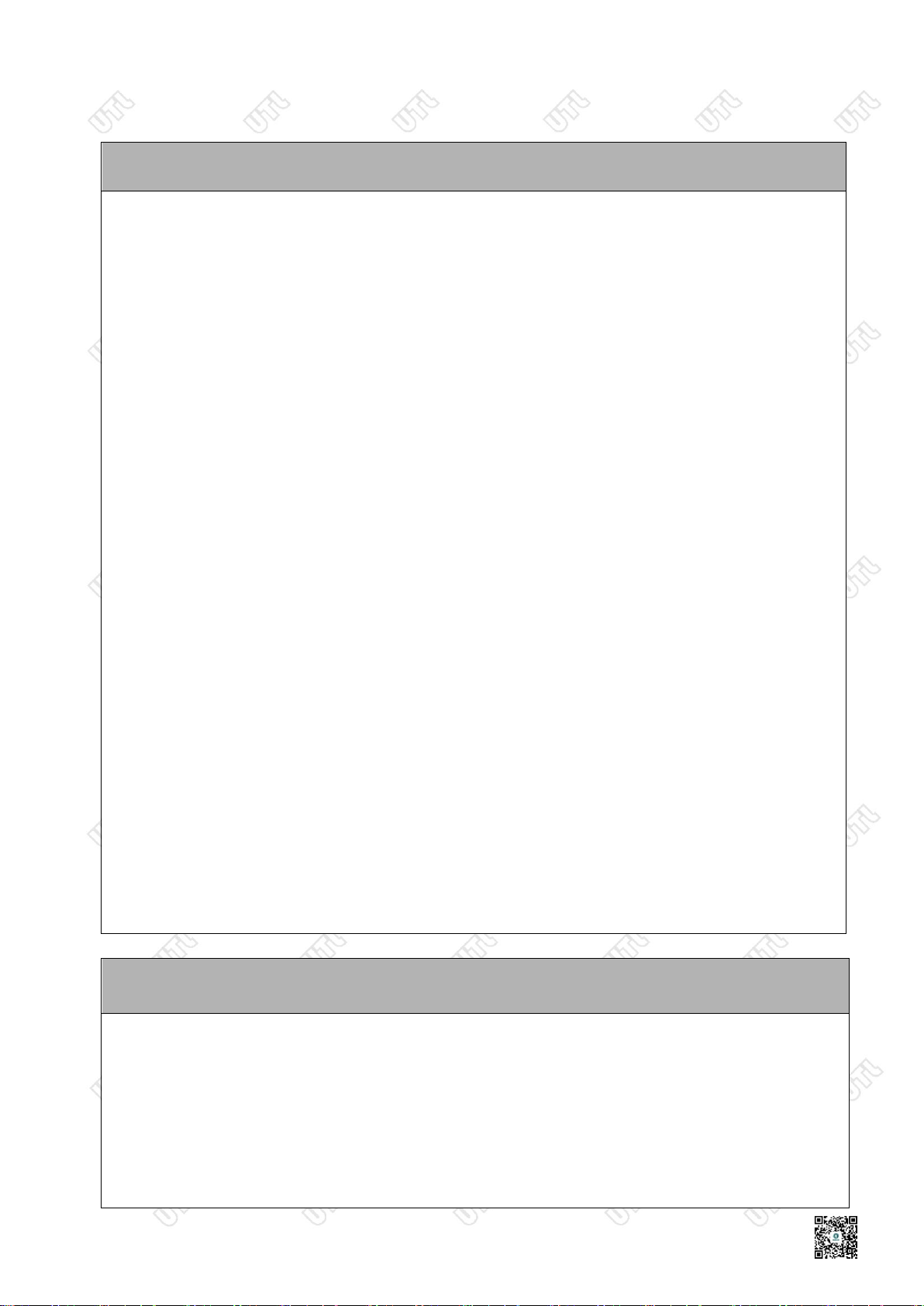
Figure 1 Overall view I of battery (外观图I)
Address: Lianding Testing Building, No.18 Center Road of Yayuan Industrial Zone, Nancheng District, Dongguan, Guangdong, China.
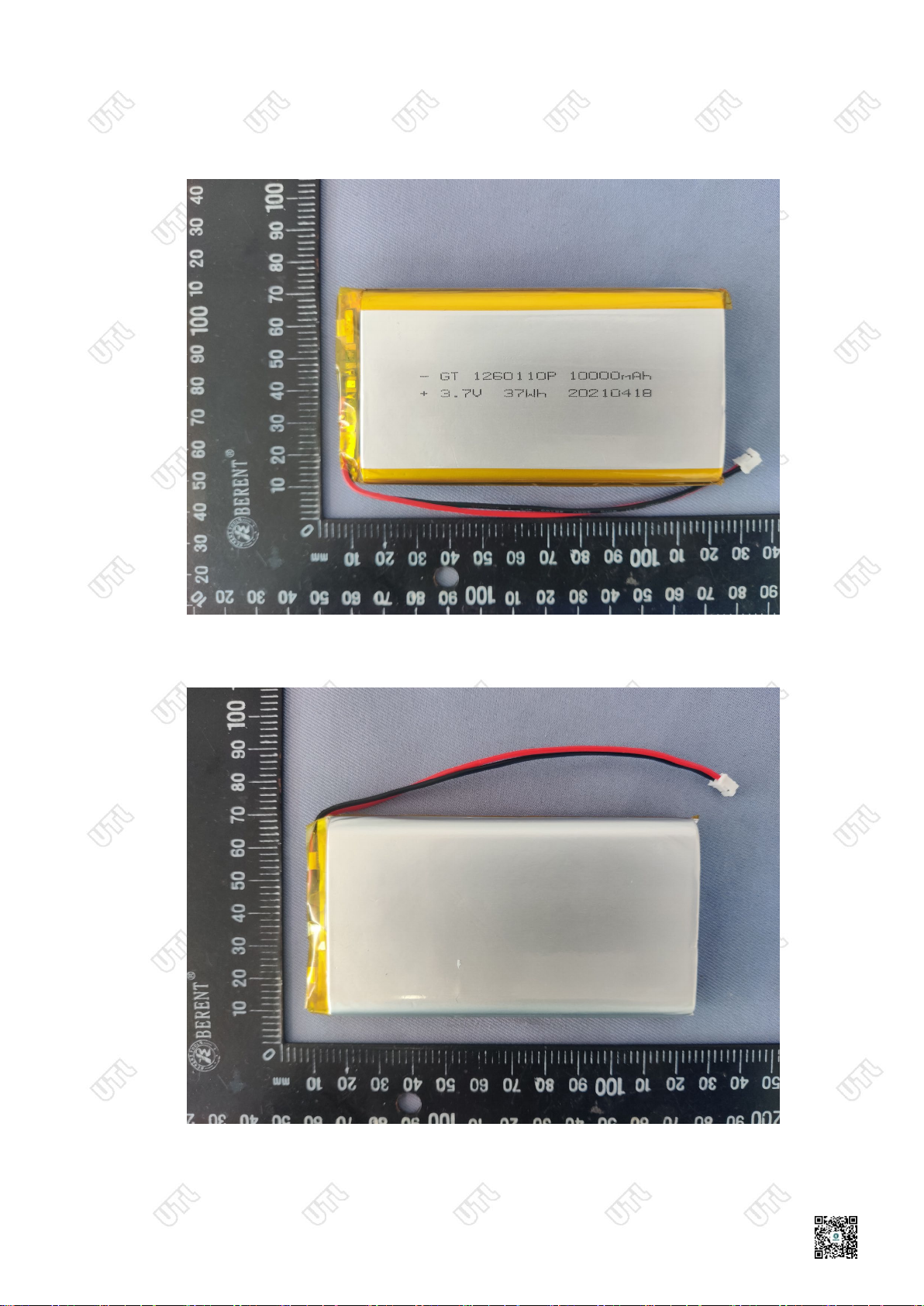
Figure 2 Overall view II of battery (外观图II)
Page 12

TEST REPORT
Report No.:PNS220120272 02011
Page 12 of 12
******
报告结束 End of Test Report
******
注 意 事 项
Important
1. 未经本试验室书面同意,不得复制或部分地复制本报告。
Nobody is allowed to photocopy or partly photocopy this test report without written
permission of UTL.
2. 本报告无批准人、审核人及检测人签名无效。
The test report is invalid without the signatures of Approver, Reviewer and Tester.
3. 本报告涂改无效。
The test report is invalid if altered.
4. 对检验报告若有异议,应于收到报告之日起十五天内向检验单位提出。
Objections to the test report must be submitted to UTL within 15 days.
5. 本报告中以点号代替小数点。
Throughout this report a point is used as the decimal separator.
6. 本报告仅对送检样品负责。
The test report is valid for the tested samples only.
7. 本报告并未授权许可申请单位使用UTL任何UTL的名称、商标、标识等。
The test report does not grant applicant the use of UTL name, trademark or label.
8. 任何情况下检测单位的赔偿责任都不会超过检测单位就本次检测所收取的检测费用。
UTL’s liability under no circumstance will exceed the testing fee received from applicant
for test conducted hereof this testing report.
9. 检测数据和结果不具备社会证明性作用。
The test data and results do not have social proof function.
Address: Lianding Testing Building, No.18 Center Road of Yayuan Industrial Zone, Nancheng District, Dongguan, Guangdong, China.
 Loading...