

Page 1
SAFETY DATA SHEET
Issue Date 21-Feb-2017 Revision Date 21-Feb-2017 Version 3
1. PRODUCT AND COMPANY IDENTIFICATION
Product identifier
Product Name
Other means of identification
Product Code
Synonyms
Details of the supplier of the safety data sheet
Company Name
Emergency telephone number
Emergency Telephone
Clean Freeze Freezer Cleaner
NL849
None
Nyco Products Company
5332 Dansher Road
Countryside, IL 60525
(708) 579-8100
nycoproducts.com
Chemtrec 1-800-424-9300
2. HAZARDS IDENTIFICATION
Classification
OSHA Regulatory Status
This chemical is considered hazardous by the 2012 OSHA Hazard Communication Standard (29 CFR 1910.1200)
Acute toxicity - Oral Not classified
Acute toxicity - Dermal Not classified
Skin corrosion/irritation Category 2
Serious eye damage/eye irritation Category 1
Label elements
Emergency Overview
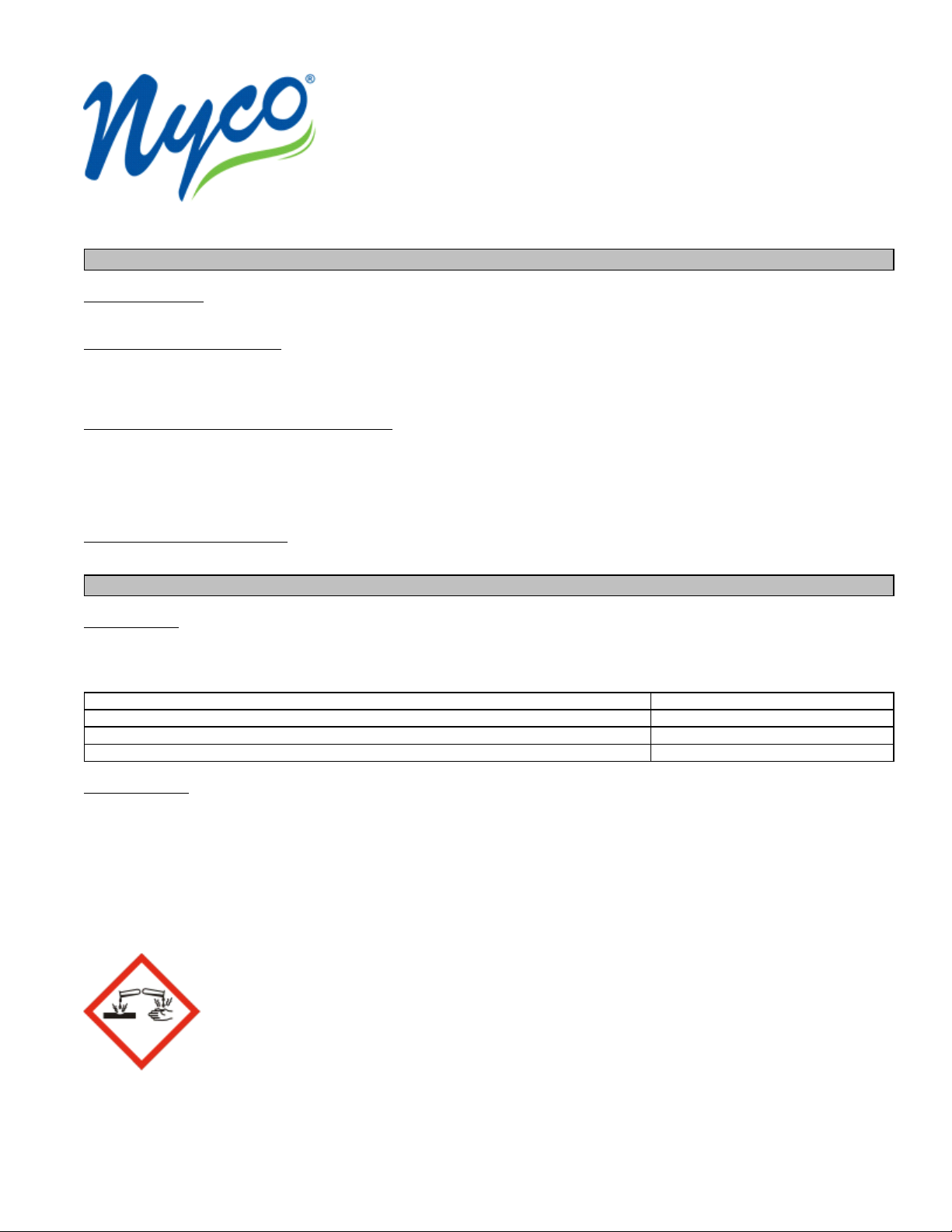
Danger
Hazard statements
Causes skin irritation
Causes serious eye damage
Appearance Clear Physical state Liquid
Odor Typical
_____________________________________________________________________________________________
Page 1 / 7
Page 2

NL849 Clean Freeze Freezer Cleaner Revision Date 21-Feb-2017
_____________________________________________________________________________________________
Precautionary Statements - Prevention
Wash face, hands and any exposed skin thoroughly after handling
Wear protective gloves/protective clothing/eye protection/face protection
Precautionary Statements - Response
Specific Treatment (See Section 4 on the SDS)
IF IN EYES: Rinse cautiously with water for several minutes. Remove contact lenses, if present and easy to do. Continue rinsing
Immediately call a POISON CENTER or doctor/physician
IF ON SKIN: Wash with plenty of soap and water
If skin irritation occurs: Get medical advice/attention
Take off contaminated clothing and wash before reuse
Precautionary Statements - Disposal
Disposal should be in accordance with applicable regional, national and local laws and regulations
Hazards not otherwise classified (HNOC)
Other Information
Unknown Acute Toxicity 0% of the mixture consists of ingredient(s) of unknown toxicity
3. COMPOSITION/INFORMATION ON INGREDIENTS
*The exact percentage (concentration) of composition has been withheld as a trade secret.
4. FIRST AID MEASURES
First aid measures
Skin Contact
Eye contact
Inhalation
Ingestion
Most important symptoms and effects, both acute and delayed
Symptoms
Indication of any immediate medical attention and special treatment needed
Note to physicians
Wash off immediately with plenty of water. Wash skin with soap and water.
Rinse thoroughly with plenty of water for at least 15 minutes, lifting lower and upper eyelids.
Consult a physician.
Remove to fresh air.
Clean mouth with water and drink afterwards plenty of water.
Any additional important symptoms and effects are described in Section 11: Toxicology
Information.
Treat symptomatically.
5. FIRE-FIGHTING MEASURES
Suitable extinguishing media
Use extinguishing measures that are appropriate to local circumstances and the surrounding environment.
Unsuitable extinguishing media
Specific hazards arising from the chemical
No Information available.
Explosion data
Sensitivity to Mechanical Impact
Sensitivity to Static Discharge
Protective equipment and precautions for firefighters
Caution: Use of water spray when fighting fire may be inefficient.
None.
None.
Page 3
NL849 Clean Freeze Freezer Cleaner Revision Date 21-Feb-2017
_____________________________________________________________________________________________
As in any fire, wear self-contained breathing apparatus pressure-demand, MSHA/NIOSH (approved or equivalent) and full
protective gear.
6. ACCIDENTAL RELEASE MEASURES
Personal precautions, protective equipment and emergency procedures
Personal precautions
Ensure adequate ventilation, especially in confined areas.
Environmental precautions
Environmental precautions
See Section 12 for additional ecological information.
Methods and material for containment and cleaning up
Methods for containment
Methods for cleaning up
Prevent further leakage or spillage if safe to do so.
Pick up and transfer to properly labeled containers.
7. HANDLING AND STORAGE
Precautions for safe handling
Advice on safe handling
Handle in accordance with good industrial hygiene and safety practice.
Conditions for safe storage, including any incompatibilities
Storage Conditions
Incompatible materials
Keep containers tightly closed in a dry, cool and well-ventilated place.
None known based on information supplied.
8. EXPOSURE CONTROLS/PERSONAL PROTECTION
Control parameters
Exposure Guidelines
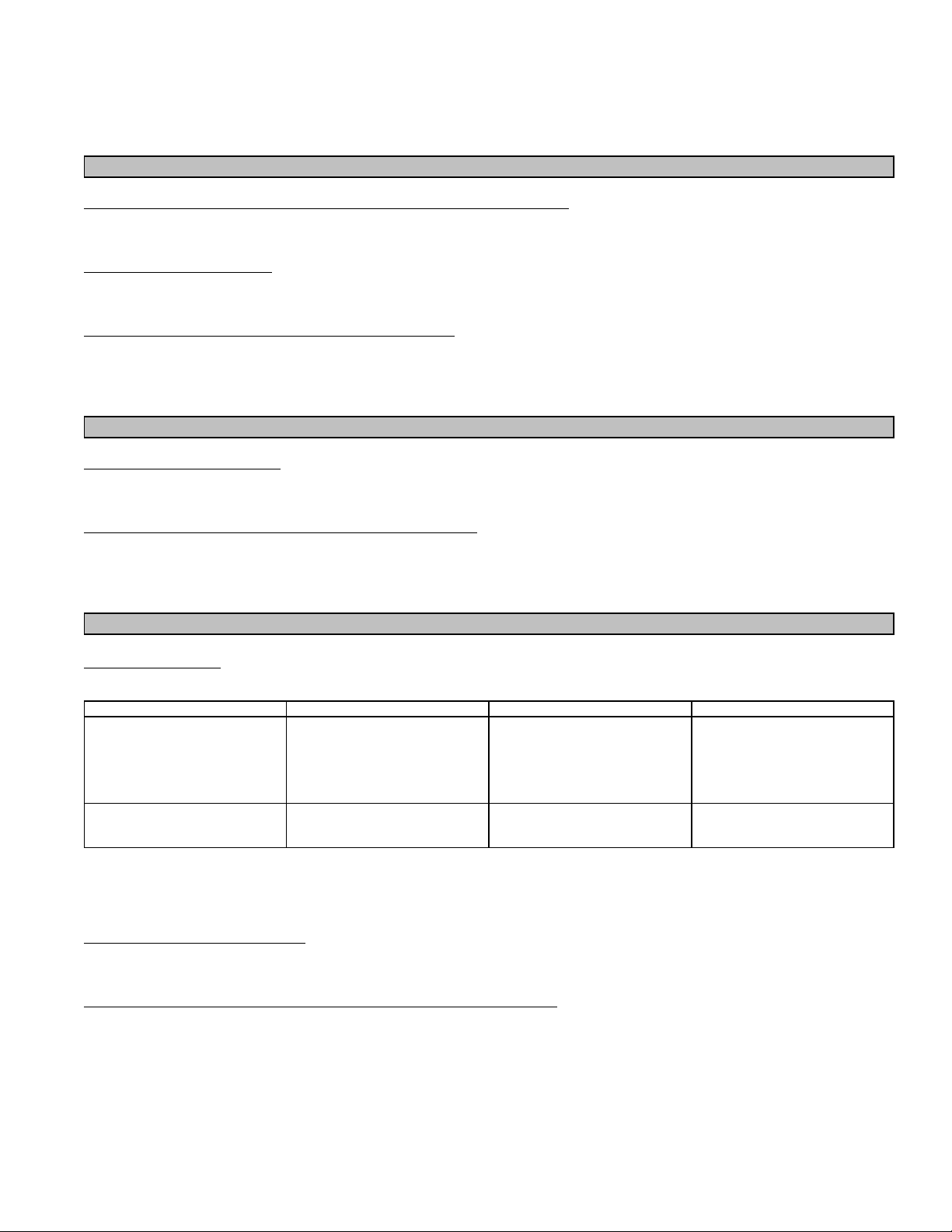
Chemical Name ACGIH TLV OSHA PEL NIOSH IDLH
Monoethanolamine
141-43-5
Diethanolamine
111-42-2
.
STEL: 6 ppm
TWA: 3 ppm
TWA: 1 mg/m3 inhalable fraction
and vapor
S*
(vacated) TWA: 3 ppm
(vacated) TWA: 8 mg/m
(vacated) STEL: 6 ppm
(vacated) STEL: 15 mg/m
(vacated) TWA: 3 ppm
(vacated) TWA: 15 mg/m
NIOSH IDLH Immediately Dangerous to Life or Health
Other Information
Vacated limits revoked by the Court of Appeals decision in AFL-CIO v. OSHA, 965 F.2d 962
(11th Cir., 1992).
Appropriate engineering controls
Engineering Controls
Showers, Eyewash stations & Ventilation systems.
Individual protection measures, such as personal protective equipment
Eye/face protection
Skin and body protection
Respiratory protection
Wear safety glasses with side shields (or goggles).
Wear protective gloves and protective clothing.
If exposure limits are exceeded or irritation is experienced, NIOSH/MSHA approved
respiratory protection should be worn. Positive-pressure supplied air respirators may be
required for high airborne contaminant concentrations. Respiratory protection must be
provided in accordance with current local regulations.
TWA: 3 ppm
TWA: 6 mg/m
3
3
3
3
IDLH: 30 ppm
TWA: 3 ppm
TWA: 8 mg/m
STEL: 6 ppm
STEL: 15 mg/m
TWA: 3 ppm
TWA: 15 mg/m
3
3
3
Page 4

NL849 Clean Freeze Freezer Cleaner Revision Date 21-Feb-2017
_____________________________________________________________________________________________
General Hygiene
Handle in accordance with good industrial hygiene and safety practice.
9. PHYSICAL AND CHEMICAL PROPERTIES
Information on basic physical and chemical properties
Physical state
Appearance
Color
Odor
Odor threshold
Property Values Remarks • Method
pH
Specific Gravity
Viscosity
Melting point/freezing point
Flash point
Boiling point / boiling range
Evaporation rate
Flammability (solid, gas)
Flammability Limits in Air
Upper flammability limit:
Lower flammability limit:
Vapor pressure
Vapor density
Water solubility
Partition coefficient
Autoignition temperature
Decomposition temperature
Liquid
Clear
Yellow
Typical
No Information available
10.5 - 11.5
1.023
Water Thin
-40 °C / -40 Degrees
Above 200°F
>= 100 °C / 212 ° F (at 760 mm Hg)
Degrees
No Information available
No data available
No Information available
No Information available
No Information available
No Information available
Complete
No Information available
No Information available
No Information available
Other Information
Density Lbs/Gal
VOC Content (%)
8.54
60
10. STABILITY AND REACTIVITY
Reactivity
No data available
Chemical stability
Stable under recommended storage conditions.
Possibility of Hazardous Reactions
None under normal processing.
Conditions to avoid
Extremes of temperature and direct sunlight.
Incompatible materials
None known based on information supplied.
Hazardous Decomposition Products
None known based on information supplied.
11. TOXICOLOGICAL INFORMATION
Information on likely routes of exposure
Page 5
NL849 Clean Freeze Freezer Cleaner Revision Date 21-Feb-2017
_____________________________________________________________________________________________
Product Information
Inhalation
Avoid breathing vapors or mists. Inhalation of vapors in high concentration may cause
irritation of respiratory system.
Eye contact
Skin Contact
Ingestion
Avoid contact with eyes. Corrosive. Causes serious eye damage.
Avoid contact with skin. Causes skin irritation.
Do not taste or swallow. May cause gastro intestinal irritation.
Information on toxicological effects
Symptoms
No Information available.
Delayed and immediate effects as well as chronic effects from short and long-term exposure
Sensitization
Germ cell mutagenicity
Carcinogenicity
Reproductive toxicity
STOT - single exposure
STOT - repeated exposure
Target organ effects
Aspiration hazard
No Information available.
No Information available.
No Information available.
No Information available.
No Information available.
No Information available.
Central nervous system, EYES, Respiratory system, Skin.
No Information available.
Numerical measures of toxicity - Product Information
Unknown Acute Toxicity
0% of the mixture consists of ingredient(s) of unknown toxicity
The following values are calculated based on chapter 3.1 of the GHS document .
ATEmix (oral)
ATEmix (dermal)
ATEmix (inhalation-dust/mist)
10,371.00 mg/kg
13,953.00 mg/kg
30.20 mg/kg
12. ECOLOGICAL INFORMATION
Ecotoxicity
3% of the mixture consists of components(s) of unknown hazards to the aquatic environment
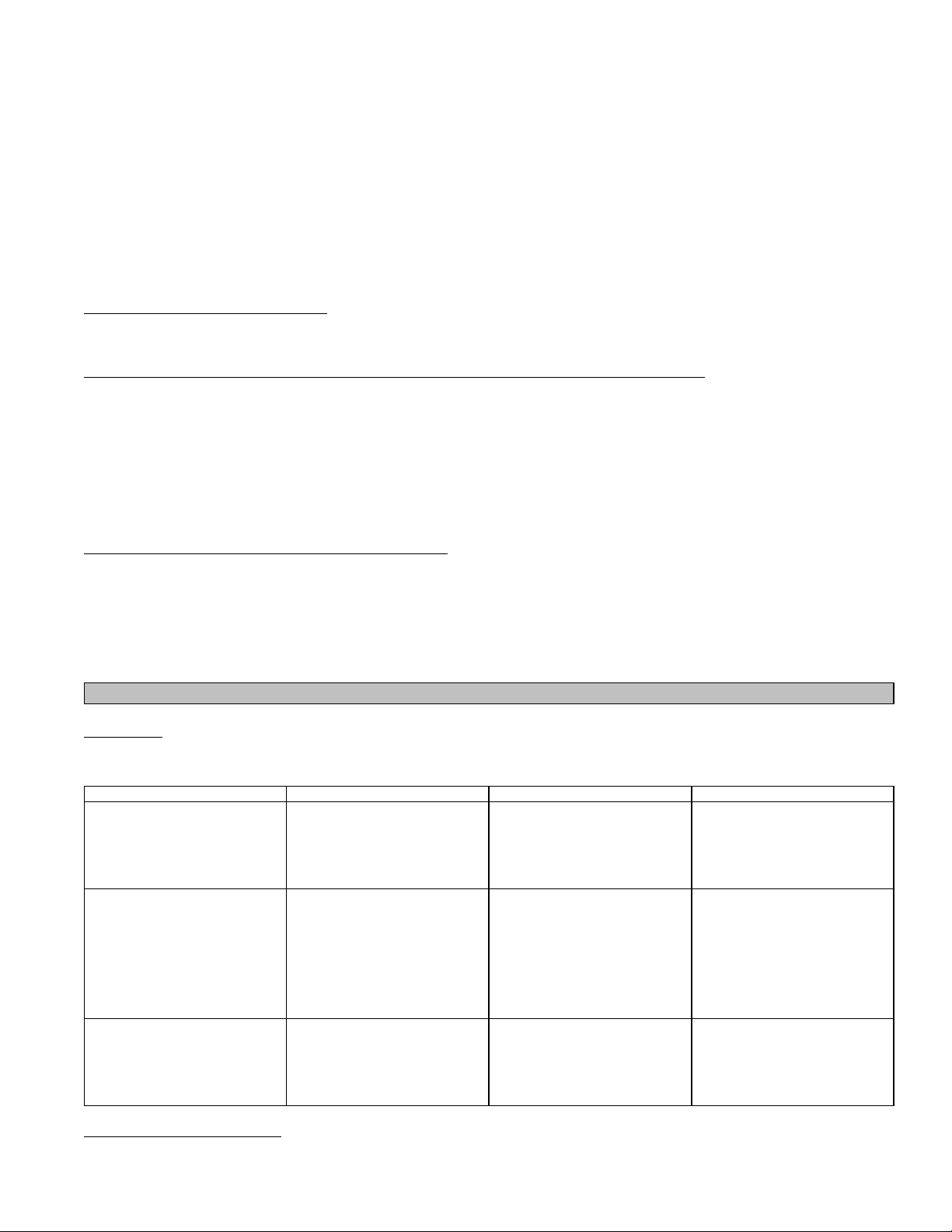
Chemical Name Algae/aquatic plants Fish Crustacea
Propylene Glycol
57-55-6
Monoethanolamine
141-43-5
Diethanolamine
111-42-2
19000: 96 h Pseudokirchneriella
subcapitata mg/L EC50
15: 72 h Desmodesmus subspicatus
mg/L EC50
2.1 - 2.3: 96 h Pseudokirchneriella
subcapitata mg/L EC50 7.8: 72 h
Desmodesmus subspicatus mg/L
EC50
41 - 47: 96 h Oncorhynchus mykiss
mL/L LC50 static 51600: 96 h
Oncorhynchus mykiss mg/L LC50
static 51400: 96 h Pimephales
promelas mg/L LC50 static 710: 96
h Pimephales promelas mg/L LC50
227: 96 h Pimephales promelas
mg/L LC50 flow-through 3684: 96 h
Brachydanio rerio mg/L LC50 static
300 - 1000: 96 h Lepomis
macrochirus mg/L LC50 static 114 -
196: 96 h Oncorhynchus mykiss
mg/L LC50 static 200: 96 h
Oncorhynchus mykiss mg/L LC50
flow-through
4460 - 4980: 96 h Pimephales
promelas mg/L LC50 flow-through
1200 - 1580: 96 h Pimephales
promelas mg/L LC50 static 600 1000: 96 h Lepomis macrochirus
mg/L LC50 static
1000: 48 h Daphnia magna mg/L
EC50 Static 10000: 24 h Daphnia
magna mg/L EC50
65: 48 h Daphnia magna mg/L
EC50
55: 48 h Daphnia magna mg/L
EC50
Persistence and degradability
No Information available.
Page 6

NL849 Clean Freeze Freezer Cleaner Revision Date 21-Feb-2017
_____________________________________________________________________________________________
Bioaccumulation
Bioaccumulative potential.
Other adverse effects
No Information available
13. DISPOSAL CONSIDERATIONS
Waste treatment methods
Disposal of wastes
Contaminated packaging
Disposal should be in accordance with applicable regional, national and local laws and
regulations.
Do not reuse container.
14. TRANSPORT INFORMATION
The basic description below is specific to the container size. This information is provided for at a glance DOT information. Please
refer to the container and/or shipping papers for the appropriate shipping description before tendering this material for shipment.
For additional information, please contact the distributor listed in section 1 of this SDS.
DOT
UN/ID No.
Proper shipping name
Hazard Class
Packing Group
Special Provisions
Description
Emergency Response Guide
Number
UN1760
Corrosive liquids, n.o.s.
8
III
IB3, T7, TP1, TP28
UN1760, Corrosive liquids, n.o.s (contains Ethanolamine), 8, III
154
TDG
UN/ID No.
Proper shipping name
Hazard Class
Packing Group
Description
UN1760
Corrosive liquids, n.o.s.
8
III
UN1760, Corrosive liquids, n.o.s (contains Ethanolamine), 8, III
15. REGULATORY INFORMATION
International Inventories
TSCA
DSL/NDSL
Legend:
TSCA - United States Toxic Substances Control Act Section 8(b) Inventory
DSL/NDSL - Canadian Domestic Substances List/Non-Domestic Substances List
US Federal Regulations
SARA 313
Section 313 of Title III of the Superfund Amendments and Reauthorization Act of 1986 (SARA). This product does not contain any
chemicals which are subject to the reporting requirements of the Act and Title 40 of the Code of Federal Regulations, Part 372
SARA 311/312 Hazard Categories
Acute health hazard
Chronic Health Hazard
Fire hazard
Sudden release of pressure hazard
Reactive Hazard
Complies
Complies
No
No
No
No
No
Page 7
NL849 Clean Freeze Freezer Cleaner Revision Date 21-Feb-2017
_____________________________________________________________________________________________
CWA (Clean Water Act)
This product does not contain any substances regulated as pollutants pursuant to the Clean Water Act (40 CFR 122.21 and 40
CFR 122.42)
CERCLA
This material, as supplied, does not contain any substances regulated as hazardous substances under the Comprehensive
Environmental Response Compensation and Liability Act (CERCLA) (40 CFR 302) or the Superfund Amendments and
Reauthorization Act (SARA) (40 CFR 355). There may be specific reporting requirements at the local, regional, or state level
pertaining to releases of this material
US State Regulations
California Proposition 65
This product contains Prop 65 chemicals.
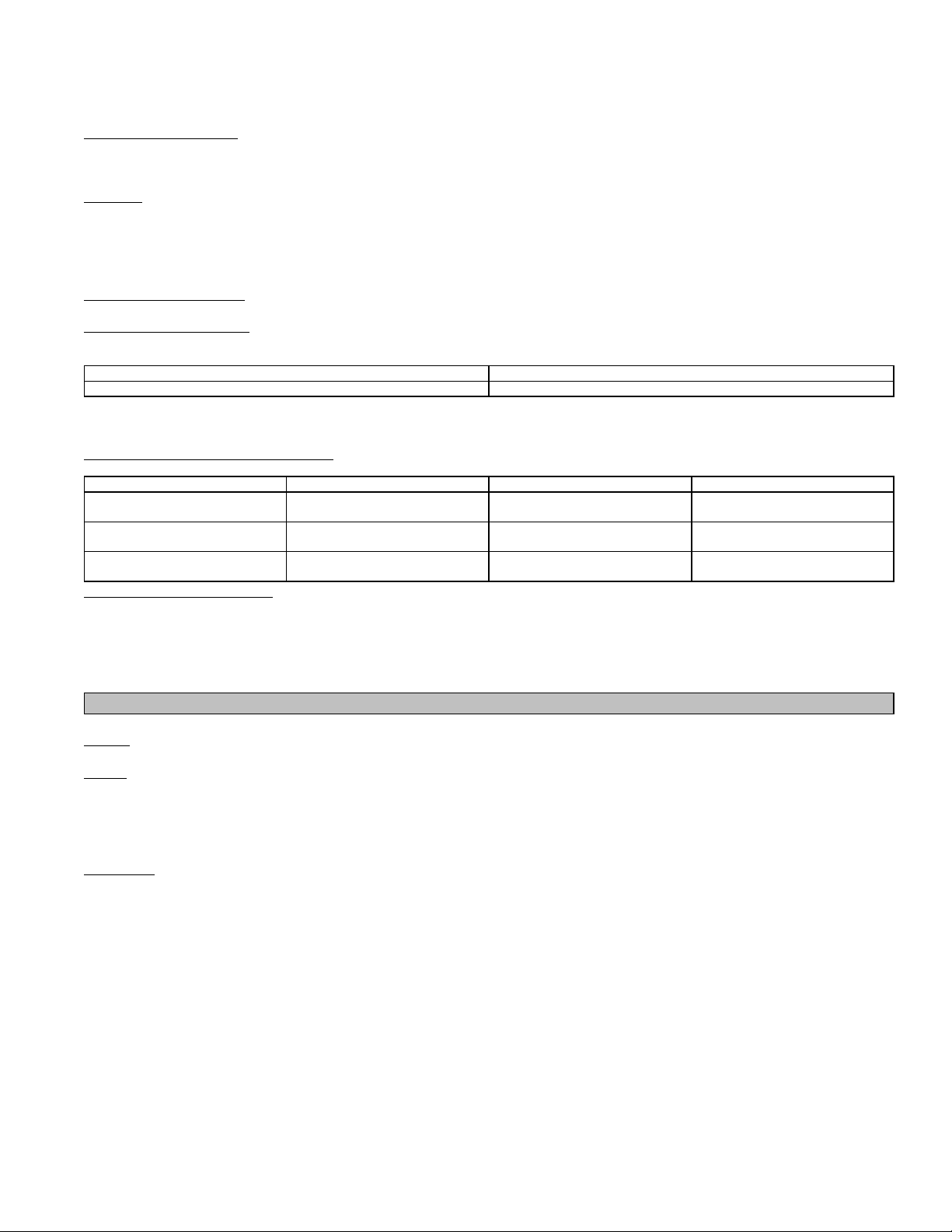
Chemical Name California Proposition 65
Diethanolamine - 111-42-2 Carcinogen
U.S. State Right-to-Know Regulations
Chemical Name New Jersey Massachusetts Pennsylvania
Propylene Glycol
57-55-6
Monoethanolamine
141-43-5
Diethanolamine
111-42-2
U.S. EPA Label Information
X - X
X X X
X X X
EPA Pesticide Registration Number
Not Applicable
16. OTHER INFORMATION
NFPA Health hazards 2 Flammability 0 Instability 0 Physical and Chemical
Properties Yes
HMIS Health hazards 2 Flammability 0 Physical hazards 0 Personal protection B
Issue Date
Revision Date
Revision Note
No Information available
Disclaimer
The information provided in this Safety Data Sheet is correct to the best of our knowledge, information and belief at the
date of its publication. The information given is designed only as a guidance for safe handling, use, processing, storage,
transportation, disposal and release and is not to be considered a warranty or quality specification. The information
relates only to the specific material designated and may not be valid for such material used in combination with any other
materials or in any process, unless specified in the text.
21-Feb-2017
21-Feb-2017
End of Safety Data Sheet
 Loading...