

Page 1
SAFETY DATA SHEET
SECTION 1 : IDENTIFICATION
Product identifier used on the label:
Product Name: Thin Wheel - Depressed Center
Product Code: Thin Wheels
UPC Number: 66252843607
Other means of identification:
Recommended use of the chemical and restrictions on use:
Product Use/Restriction: Abrasive Product.
Chemical manufacturer address and telephone number:
Manufacturer Name: Saint-Gobain Abrasives, Inc.
Address: 1 New Bond Street
Worcester, MA 01615
Website: www.Nortonabrasives.com
General Phone Number: 508-795-5000
Emergency phone number:
Emergency Phone Number: 508-795-5000
SECTION 2 : HAZARD(S) IDENTIFICATION
Classification of the chemical in accordance with CFR 1910.1200(d)(f):
Signal Word: Not applicable.
GHS Class: Not classified as hazardous according to OSHA Hazard Communication Standard, 29 CFR 1910.1200
Hazard Statements: Not applicable.
Precautionary Statements: Not applicable.
Hazards not otherwise classified that have been identified during the classification process:
Route of Exposure: Eyes. Skin. Inhalation. Ingestion.
Eye: Causes eye irritation.
Skin: Causes skin irritation.
Inhalation: Prolonged or excessive inhalation may cause respiratory tract irritation.
Ingestion: May be harmful if swallowed. May cause vomiting.
Chronic Health Effects: Prolonged or repeated contact may cause skin irritation.
Signs/Symptoms: Overexposure may cause headaches and dizziness.
Target Organs: Eyes. Skin. Respiratory system. Digestive system.
Thin Wheel - Depressed Center
66252843607
Revison Date: 08/24/2015
1 of 8
Page 2

Aggravation of Pre-Existing
Conditions:
None generally recognized.
Fiberglass
Inhalation: Fiberglass contained in wheels have fiber diameters greater than 10 um, therefore considered
non-respirable.
SECTION 3 : COMPOSITION/INFORMATION ON INGREDIENTS
Mixtures:
Chemical Name CAS# Ingredient Percent
EC Num.
Inorganic fluorides Not Applicable
1 - 5 by weight
Sulfates/Sulfides No Data
1 - 5 by weight
Resin 9003-35-4
10 - 30 by weight
Fiberglass 65997-17-3
1 - 5 by weight 266-046-0
Calcium carbonate 1317-65-3
1 - 5 by weight 215-279-6
Aluminum Oxide, Non-fibrous 1344-28-1
60 - 100 by weight 215-691-6
Titanium dioxide 13463-67-7
1 - 5 by weight 236-675-5
SECTION 4 : FIRST AID MEASURES
Description of necessary measures:
Eye Contact: Immediately flush eyes with plenty of water for at least 15 to 20 minutes. Ensure adequate flushing of the
eyes by separating the eyelids with fingers. Remove contacts if present and easy to do. Continue rinsing.
Get medical attention, if irritation or symptoms of overexposure persists.
Skin Contact: Immediately wash skin with soap and plenty of water.
Get medical attention if irritation develops or persists.
Inhalation: If inhaled, remove to fresh air. If not breathing, give artificial respiration or give oxygen by trained
personnel. Seek immediate medical attention.
Ingestion: If swallowed, do NOT induce vomiting. Call a physician or poison control center immediately. Never give
anything by mouth to an unconscious person.
Most important symptoms/effects, acute and delayed:
Other First Aid: Not applicable.
Indication of immediate medical attention and special treatment needed:
Note to Physicians: Not applicable.
SECTION 5 : FIRE FIGHTING MEASURES
Thin Wheel - Depressed Center
66252843607
Revison Date: 08/24/2015
2 of 8
Page 3
Suitable and unsuitable extinguishing media:
Suitable Extinguishing Media: Use alcohol resistant foam, carbon dioxide, dry chemical, or water fog or spray when fighting fires
involving this material.
Unsuitable extinguishing media: Not applicable.
Specific hazards arising from the chemical:
Hazardous Combustion
Byproducts:
Not applicable.
Unusual Fire Hazards: Not applicable.
Special protective equipment and precautions for fire-fighters:
Protective Equipment: As in any fire, wear Self-Contained Breathing Apparatus (SCBA), MSHA/NIOSH (approved or equivalent)
and full protective gear.
Fire Fighting Instructions: Not applicable.
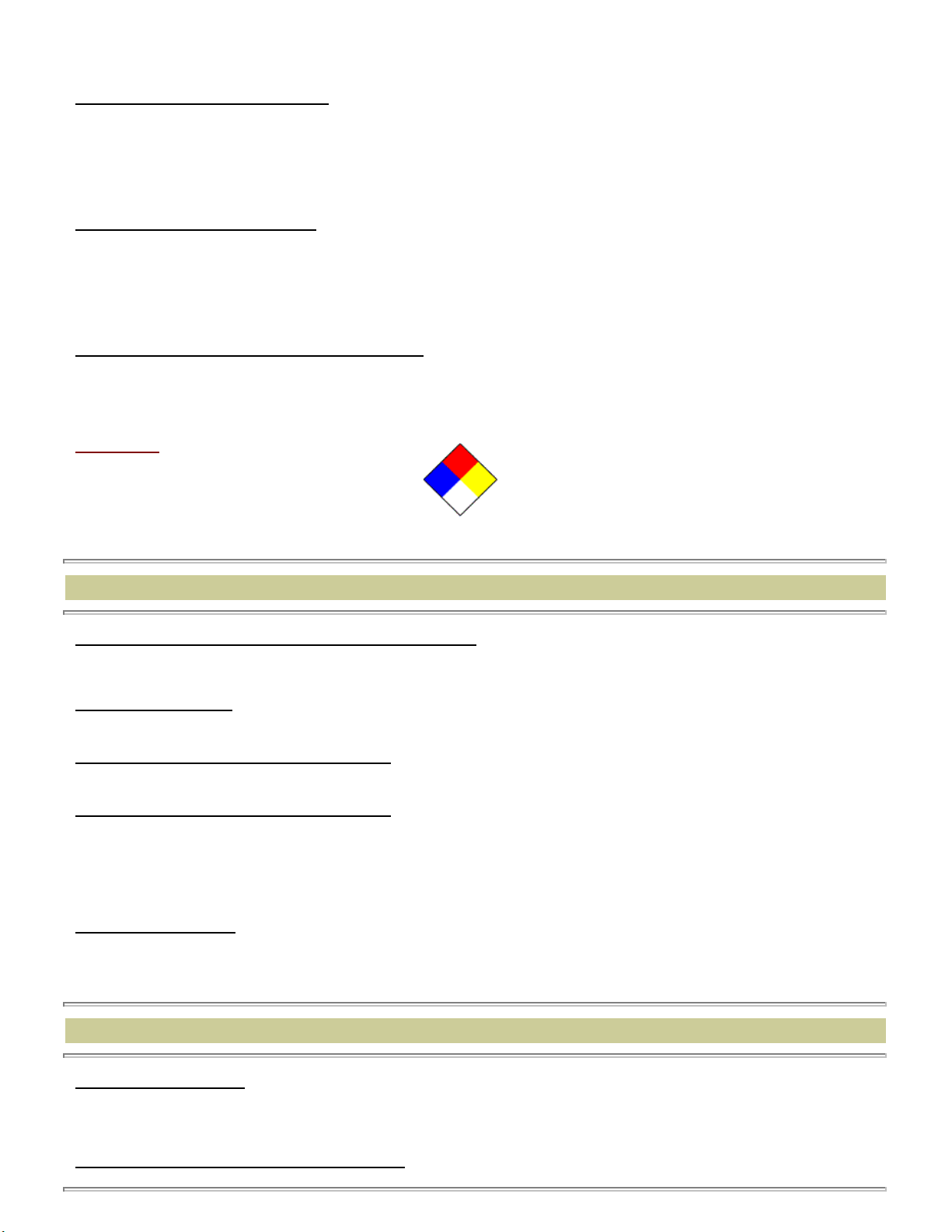
NFPA Ratings:
NFPA Health: 1
NFPA Flammability: 1
NFPA Reactivity: 0
SECTION 6 : ACCIDENTAL RELEASE MEASURES
Personal precautions, protective equipment and emergency procedures:
Personal Precautions: Evacuate area and keep unnecessary and unprotected personnel from entering the spill area. Use proper
personal protective equipment as listed in Section 8.
Environmental precautions:
Environmental Precautions: Avoid runoff into storm sewers, ditches, and waterways.
Methods and materials for containment and cleaning up:
Spill Cleanup Measures: Not applicable.
Methods and materials for containment and cleaning up:
Methods for containment: Contain spills with an inert absorbent material such as soil or sand. Prevent from spreading by covering,
diking or other means. Provide ventilation.
Methods for cleanup: Clean up spills immediately observing precautions in the protective equipment section. Place into a
suitable container for disposal. Provide ventilation. After removal, flush spill area with soap and water to
remove trace residue.
Reference to other sections:
Other Precautions: Not applicable.
SECTION 7 : HANDLING and STORAGE
Precautions for safe handling:
Handling: Use with adequate ventilation. Avoid breathing vapor and contact with eyes, skin and clothing.
Hygiene Practices: Wash thoroughly after handling. Avoid contact with eyes and skin. Avoid inhaling vapor or mist.
Conditions for safe storage, including any incompatibilities:
1
1 0
Thin Wheel - Depressed Center
66252843607
Revison Date: 08/24/2015
3 of 8
Page 4

Storage: Store in a cool, dry, well ventilated area away from sources of heat, combustible materials, and
incompatible substances. Keep container tightly closed when not in use.
SECTION 8: EXPOSURE CONTROLS, PERSONAL PROTECTION
EXPOSURE GUIDELINES:
Ingredient Guideline OSHA Guideline NIOSH Guideline ACGIH Quebec Canada Ontario Canada
Inorganic fluorides PEL-TWA 2.5 mg/m3 REL-TWA 2.5 mg/m3 TLV-TWA 2.5 mg/m3
Fiberglass PEL-TWA: 1 f/cc as
Continuous filament
glass
TLV-TWA: 1 f/cc as
Continuous filament
glass
TLV-TWA: 5 mg/m3 as
Continuous filament
glass
Calcium carbonate VEMP-TWA: 10
mg/m3 Total
particulate/dust (T)
Aluminum Oxide,
Non-fibrous
PEL-TWA: 5 mg/m3
Respirable fraction (R)
PEL-TWA: 15 mg/m3
Total particulate/dust
(T)
TLV-TWA: 10 mg/m3 VEMP-TWA: 10
mg/m3 Total
particulate/dust (T)
OEL-TWAEV: 10
mg/m3 Total
particulate/dust (T)
Titanium dioxide TLV-TWA: 10 mg/m3 VEMP-TWA: 10
mg/m3 Total
particulate/dust (T)
OEL-TWAEV: 10
mg/m3 Total
particulate/dust (T)
Ingredient Alberta Canada Mexico British Columbia
Canada
Calcium carbonate OEL-TWA: 10 mg/m3 OEL-TWA: 10 mg/m3
Total particulate/dust
(T)
OEL-TWA: 3 mg/m3
Respirable fraction (R)
OEL-STEL: 20 mg/m3
Total particulate/dust
(T)
Aluminum Oxide,
Non-fibrous
OEL-TWA: 10 mg/m3 MPE-PPT: 0.1 mg/m3
Respirable fraction (R)
OEL-TWA: 3 mg/m3
Respirable fraction (R)
OEL-TWA: 10 mg/m3
OEL-TWA: 10 mg/m3
Total particulate/dust
(T)
OEL-STEL: 20 mg/m3
Total particulate/dust
(T)
Titanium dioxide OEL-TWA: 10 mg/m3
Total particulate/dust
(T)
MPE-PPT: 0.1 mg/m3
Respirable fraction (R)
OEL-TWA: 10 mg/m3
Total particulate/dust
(T)
OEL-TWA: 3 mg/m3
Respirable fraction (R)
Appropriate engineering controls:
Engineering Controls: Use appropriate engineering control such as process enclosures, local exhaust ventilation, or other
engineering controls to control airborne levels below recommended exposure limits. Good general
ventilation should be sufficient to control airborne levels. Where such systems are not effective wear
suitable personal protective equipment, which performs satisfactorily and meets OSHA or other
recognized standards. Consult with local procedures for selection, training, inspection and maintenance of
the personal protective equipment.
Individual protection measures:
Eye/Face Protection: Wear appropriate protective glasses or splash goggles as described by 29 CFR 1910.133, OSHA eye and
face protection regulation, or the European standard EN 166.
Skin Protection Description: Chemical-resistant gloves and chemical goggles, face-shield and synthetic apron or coveralls should be
used to prevent contact with eyes, skin or clothing.
Respiratory Protection: A NIOSH approved air-purifying respirator with an organic vapor cartridge or canister may be permissible
under certain circumstances where airborne concentrations are expected to exceed exposure limits.
Protection provided by air purifying respirators is limited. Use a positive pressure air supplied respirator if
there is any potential for an uncontrolled release, exposure levels are not known, or any other
circumstances where air purifying respirators may not provide adequate protection.
Other Protective: Facilities storing or utilizing this material should be equipped with an eyewash facility and a safety shower.
Thin Wheel - Depressed Center
66252843607
Revison Date: 08/24/2015
4 of 8
Page 5

PPE Pictograms:
SECTION 9 : PHYSICAL and CHEMICAL PROPERTIES
PHYSICAL AND CHEMICAL PROPERTIES:
Physical State Appearance: Solid article.
Color: Not determined.
Odor: Odorless.
Odor Threshold: Not determined.
Boiling Point: Not determined.
Melting Point: Not determined.
Density: Not determined.
Solubility: Not determined.
Vapor Density: Not determined.
Vapor Pressure: Not determined.
Evaporation Rate: Not determined.
pH: Not determined.
Viscosity: Not determined.
Coefficient of Water/Oil
Distribution:
Not determined.
Flammability: Not determined.
Flash Point: None.
Lower Flammable/Explosive Limit: Not applicable.
Upper Flammable/Explosive Limit: Not applicable.
Auto Ignition Temperature: Not applicable.
Explosive Properties: Excessive dust accumulation could present a potential combustible dust hazard.
VOC Content: Not determined.
SECTION 10 : STABILITY and REACTIVITY
Reactivity:
Reactivity: Not applicable.
Chemical Stability:
Chemical Stability: Stable under normal temperatures and pressures.
Possibility of hazardous reactions:
Hazardous Polymerization: Not reported.
Conditions To Avoid:
Conditions to Avoid: Heat, flames, incompatible materials, and freezing or temperatures below 32 deg. F.
Incompatible Materials:
Incompatible Materials: Oxidizing agents. Strong acids and alkalis.
Thin Wheel - Depressed Center
66252843607
Revison Date: 08/24/2015
5 of 8
Page 6
Hazardous Decomposition Products:
Special Decomposition Products: Not applicable.
SECTION 11 : TOXICOLOGICAL INFORMATION
TOXICOLOGICAL INFORMATION:
Acute Toxicity: This product has not been tested for its toxicity.
Carcinogens:
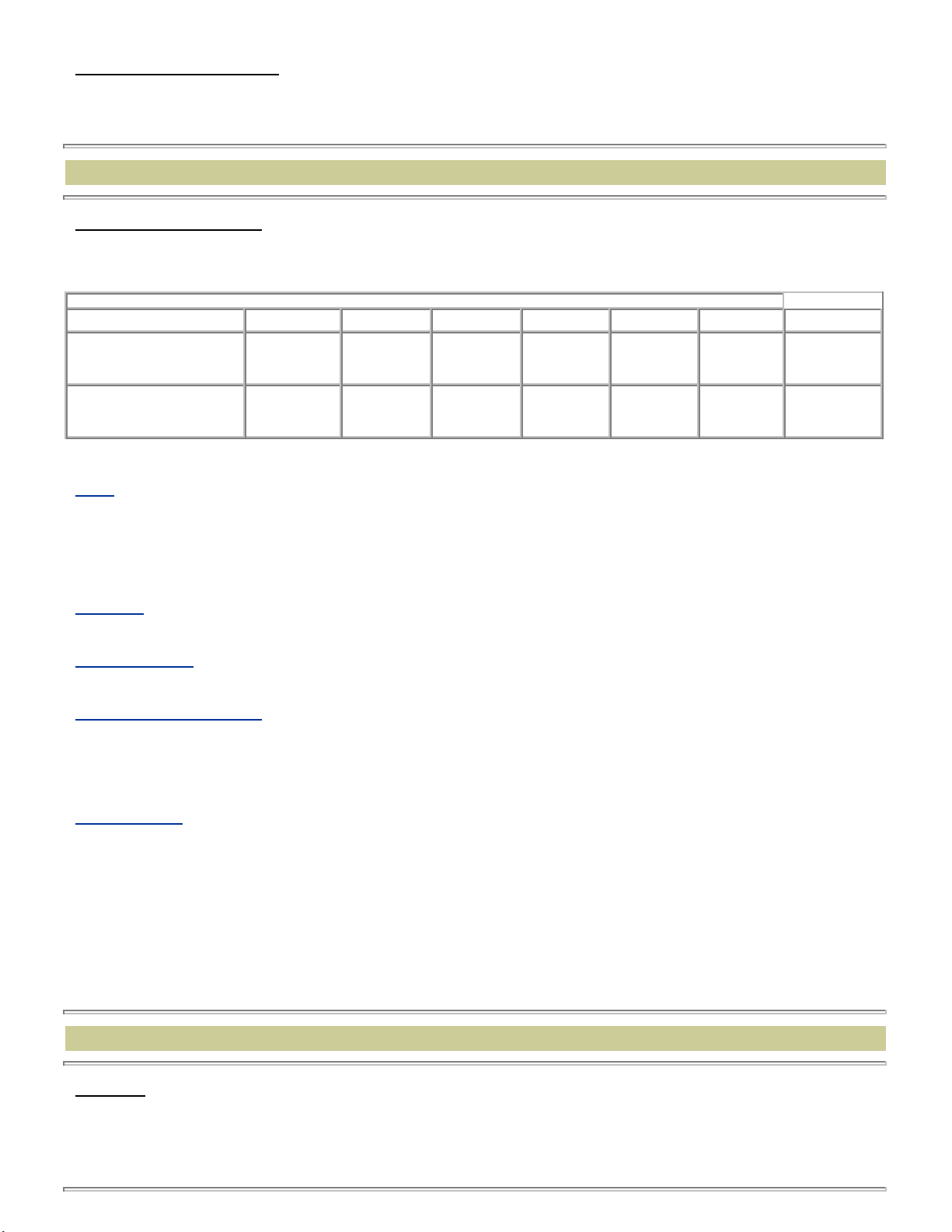
ACGIH NIOSH OSHA IARC NTP MEXICO
Aluminum Oxide,
Non-fibrous
A4 Not
Classifiable as a
Human
Carcinogen
No Data No Data No Data No Data
A4 Not
Classifiable as a
Human
Carcinogen
Titanium dioxide
No Data No Data No Data No Data No Data
A4 Not
Classifiable as a
Human
Carcinogen
Resin :
RTECS Number: SM8542500
Skin: Administration onto the skin - Rat LD50 : >2 gm/kg [Details of toxic effects not reported other than
lethal dose value ] (RTECS)
Ingestion: Oral - Rat LD50 : >5 gm/kg [Details of toxic effects not reported other than lethal dose value ] (RTECS)
Fiberglass :
RTECS Number: LK3651000
Calcium carbonate :
RTECS Number: EV9580000
Aluminum Oxide, Non-fibrous :
RTECS Number: BD1200000
Inhalation: Inhalation - Rat TCLo: 200 mg/m3/5H/28W (Intermittent) [Lungs, Thorax, or Respiration - Structural or
functional change in trachea or bronchi; Lungs, Thorax, or Respiration - Chronic pulmonary edema;
Related to Chronic Data - death] (RTECS)
Titanium dioxide :
RTECS Number: XR2275000
Skin: Skin - Human Standard Draize test. : 300 ug/3D-I - [mild] (RTECS)
Inhalation: Inhalation - Rat TCLo - Lowest published toxic concentration: 1 mg/kg - [Lungs, Thorax, or Respiration -
Other changes Biochemical - Metabolism (Intermediary) - Effect on inflammation or mediation of
inflammation ] (RTECS)
Ingestion: Oral - Rodent rat TDLo - Lowest published toxic dose: 60 gm/kg - [Gastrointestinal - Hypermotility,
diarrhea Gastrointestinal - Other changes ] (RTECS)
SECTION 12 : ECOLOGICAL INFORMATION
Ecotoxicity:
Ecotoxicity: Please contact the phone number or address of the manufacturer listed in Section 1 for information on
ecotoxicity.
Thin Wheel - Depressed Center
66252843607
Revison Date: 08/24/2015
6 of 8
Page 7
SECTION 13 : DISPOSAL CONSIDERATIONS
Description of waste:
Waste Disposal: Consult with the US EPA Guidelines listed in 40 CFR Part 261.3 for the classifications of hazardous waste
prior to disposal. Furthermore, consult with your state and local waste requirements or guidelines, if
applicable, to ensure compliance. Arrange disposal in accordance to the EPA and/or state and local
guidelines.
SECTION 14 : TRANSPORT INFORMATION
UN number: Not regulated as hazardous material for transportation.
UN proper shipping name: Not regulated as hazardous material for transportation.
Transport hazard class(es): Not regulated as hazardous material for transportation.
Packing group: Not regulated as hazardous material for transportation.
Environmental hazards: Not regulated as hazardous material for transportation.
Special precautions for user: Not regulated as hazardous material for transportation.
SECTION 15 : REGULATORY INFORMATION
Safety, health and environmental regulations specific for the product:
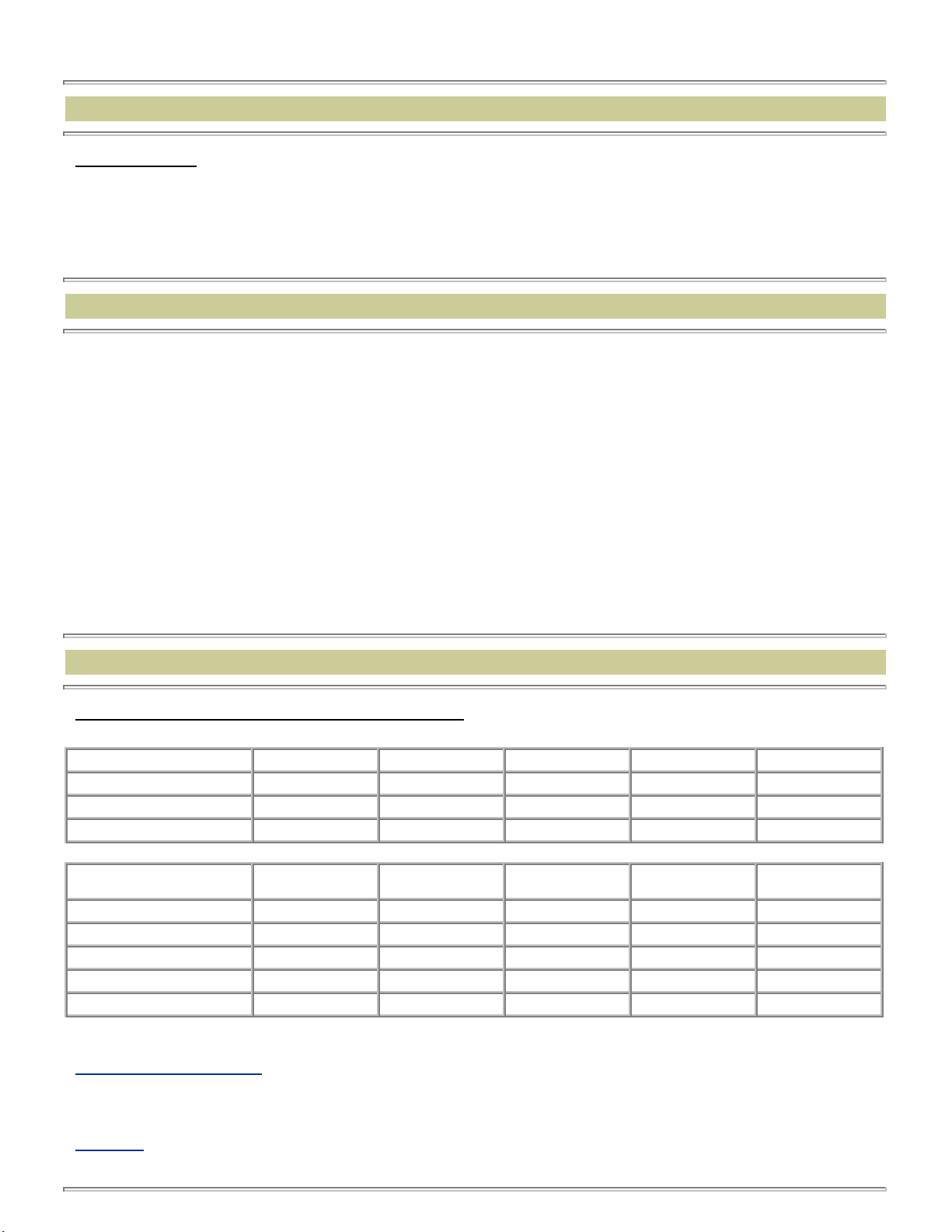
Inventory Status
Japan ENCS
EINECS NumberSouth Korea KECLAustralia AICS
Canada NDSL
Calcium carbonate
Listed
Aluminum Oxide, Non-fibrous
(1) -23 262-373-8 KE-01012 Listed
Titanium dioxide
(1)-558 KE-33900 Listed
Canada DSL
TSCA Inventory
Status
Resin
Listed Listed
Fiberglass
Listed Listed
Calcium carbonate
Listed
Aluminum Oxide, Non-fibrous
Listed Listed
Titanium dioxide
Listed Listed
Aluminum Oxide, Non-fibrous :
Canada IDL: Identified under the Canadian Hazardous Products Act Ingredient Disclosure List: 0.1%.50(1298)
Fiberglass :
Thin Wheel - Depressed Center
66252843607
Revison Date: 08/24/2015
7 of 8
Page 8
EC Number: 266-046-0
Calcium carbonate :
EC Number: 215-279-6
Aluminum Oxide, Non-fibrous :
EC Number: 215-691-6
Titanium dioxide :
EC Number: 236-675-5
State Right To Know
RI
MN
IL
PA
MA
Calcium carbonate
Listed Listed
Aluminum Oxide, Non-fibrous
Listed Listed No Data Listed Listed
Titanium dioxide
Listed Listed No Data Listed Listed
NJ
Aluminum Oxide, Non-fibrous Listed: NJ Hazardous
List; Substance
Number: 2891
Titanium dioxide
No Data
SECTION 16 : ADDITIONAL INFORMATION
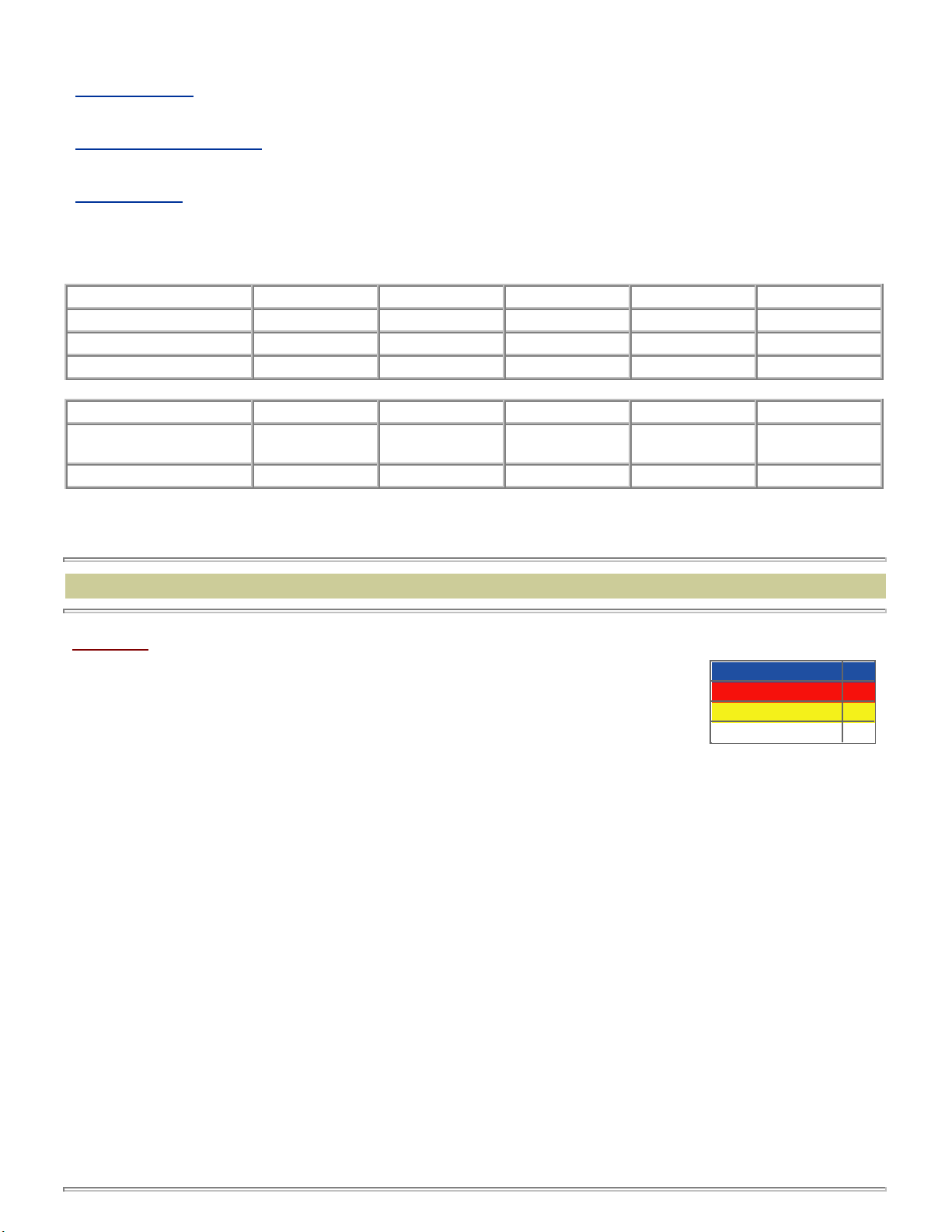
HMIS Ratings:
HMIS Health Hazard: 1
HMIS Fire Hazard: 1
HMIS Reactivity: 0
Health Hazard
1
Fire Hazard 1
Reactivity 0
Personal Protection
SDS Creation Date: August 15, 2009
SDS Revision Date: August 24, 2015
MSDS Revision Notes: GHS Update
Copyright© 1996-2015 Actio Corporation. All Rights Reserved.
Thin Wheel - Depressed Center
66252843607
Revison Date: 08/24/2015
8 of 8
 Loading...