

Page 1
G176, Swirl X (21-13C): G17616
__________________________________________________________________________________________
Page: 1 of 13
Safety Data Sheet
Copyright, 2012, Meguiar's, Inc. All rights reserved. Copying and/or downloading of this information for the purpose of
properly utilising Meguiar's, Inc. products is allowed provided that: (1) the information is copied in full with no changes
unless prior written agreement is obtained from Meguiar's, Inc., and (2) neither the copy nor the original is resold or otherwise
distributed with the intention of earning a profit thereon.
Document group:
28-0335-1
Version number:
2.03
Revision date:
07/07/2012
Supersedes date:
29/11/2011
Transportation version number: 1.00 (16/06/2010)
This Safety Data Sheet has been prepared in accordance with the REACH Regulation (EC) 1907/2006 and its modifications.
SECTION 1: Identification of the substance/mixture and of the
company/undertaking
1.1. Product identifier
G176, Swirl X (21-13C): G17616
1.2. Relevant identified uses of the substance or mixture and uses advised against
Identified uses
Automotive.
1.3. Details of the supplier of the substance or mixture
Address:
Meguiars United Kingdon Limited, 3 Lamport Court, Heartlands, Daventry, Northants, NN11 8UF
Telephone:
+44 (0)870 241 6696
E Mail:
Website:
www.meguiars.co.uk
1.4. Emergency telephone number
+44 (0)870 241 6696
SECTION 2: Hazard identification
2.1. Classification of the substance or mixture
Dangerous substances(67/548/EEC)/preparations(1999/45/EC) directive
This product is not classified as hazardous according to EU Directive 1999/45/EC.
2.2. Label elements
Dangerous substances(67/548/EEC)/preparations(1999/45/EC) directive
Symbols None.
Contains:
Page 2
G176, Swirl X (21-13C): G17616
__________________________________________________________________________________________
Page: 2 of 13
No ingredients are assigned to the label.
Risk phrases None.
Safety phrases
S23A Do not breathe vapour.
S24 Avoid contact with skin.
S62 If swallowed, do not induce vomiting: Seek medical advice immediately and show this container or
label.
Notes on labelling
R65 is not required on the label due to the product's viscosity.
Nota P applied to CASRN 64742-48-9. Nota N applied for CASRN 64742-46-7.
2.3. Other hazards
None known.
SECTION 3: Composition/information on ingredients
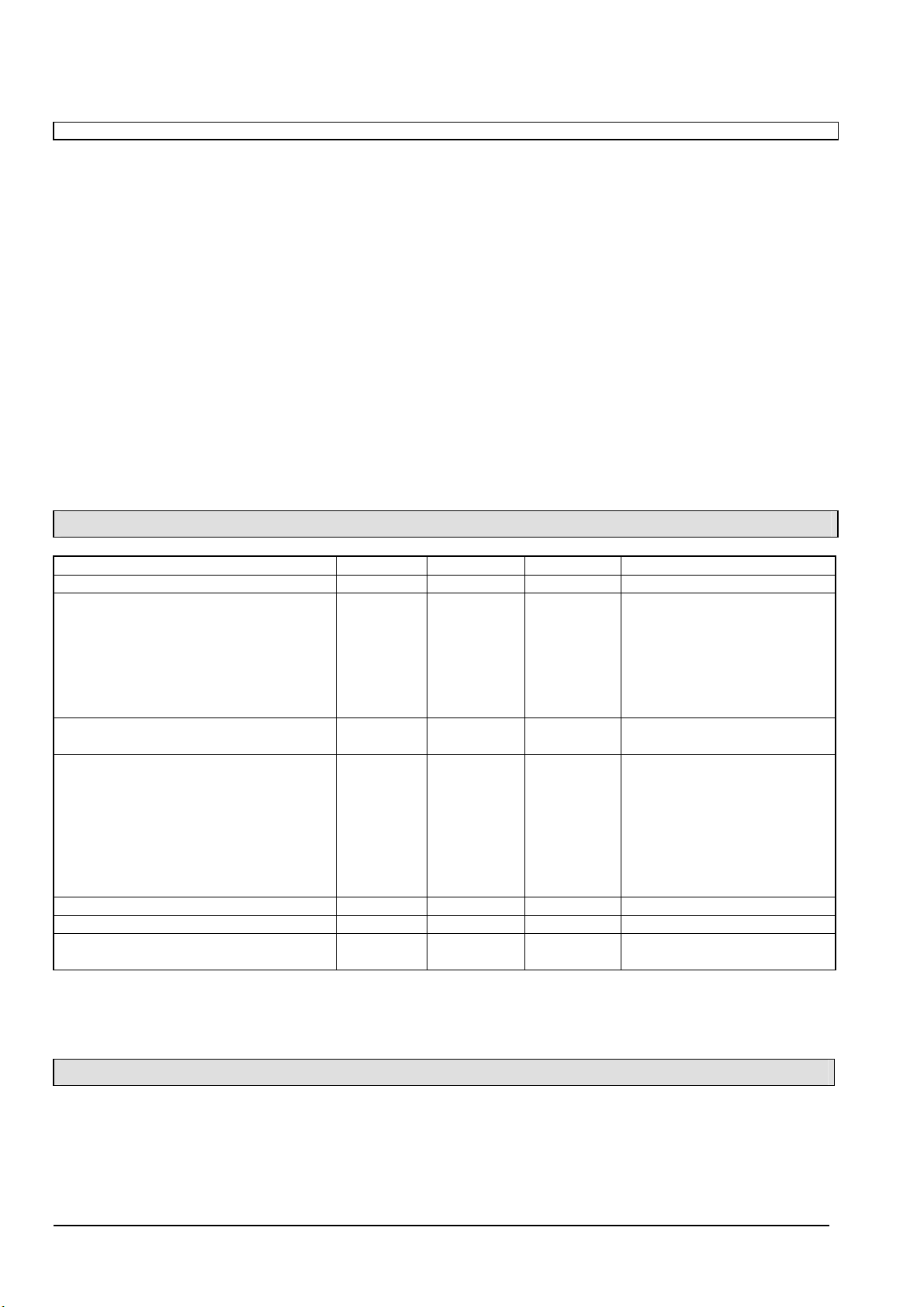
Ingredient CAS Nbr EU Inventory % by Wt Classification
Non-hazardous ingredients Mixture 50 - 70
Naphtha (petroleum), hydrotreated heavy 64742-48-9 EINECS 265-
150-3
10 - < 15 Xn:R65 - Nota 4,P (EU)
R66; R67 (Self Classified)
Asp. Tox. 1, H304 - Nota P
(CLP)
STOT SE 3, H336; EUH066
(Self Classified)
Aluminium oxide (REACH Reg. No.:012119529248-35)
1344-28-1 EINECS 215-
691-6
3 - 7
Distillates (petroleum), hydrotreated middle 64742-46-7 EINECS 265-
148-2
1 - 5 Nota N (EU)
Xn:R20-65; R66 (Self
Classified)
Nota N (CLP)
Acute Tox. 4, H332; Asp. Tox.
1, H304; STOT SE 3, H336;
EUH066 (Self Classified)
Conditioners Trade Secret < 5
Siloxanes and silicones, di-Me 63148-62-9 1 - 5
Ceramic materials and wares, chemicals 66402-68-4 EINECS 266-
340-9
1 - 5
Please see section 16 for the full text of any R phrases and H statements referred to in this section
Please refer to section 15 for the any applicable Notas that have been applied to the above components
For information on ingredient occupational exposure limits or PBT or vPvB status, see sections 8 and 12 of this SDS
SECTION 4: First aid measures
4.1. Description of first aid measures
Eye contact
Flush with large amounts of water. Remove contact lenses if easy to do. Continue rinsing. If signs/symptoms persist, get
medical attention.
Page 3

G176, Swirl X (21-13C): G17616
__________________________________________________________________________________________
Page: 3 of 13
Skin contact
Wash with soap and water. If signs/symptoms develop, get medical attention.
Inhalation
Remove person to fresh air. If you feel unwell, get medical attention.
If swallowed
Rinse mouth. If you feel unwell, get medical attention.
4.2. Most important symptoms and effects, both acute and delayed
See Section 11.1 Information on toxicological effects
4.3. Indication of any immediate medical attention and special treatment required
Not applicable
SECTION 5: Fire-fighting measures
5.1. Extinguishing media
In case of fire: Use a carbon dioxide or dry chemical extinguisher for extinction.
5.2. Special hazards arising from the substance or mixture
None inherent in this product.
Hazardous Decomposition or By-Products
Substance Condition
Formaldehyde During combustion.
Carbon monoxide. During combustion.
Carbon dioxide. During combustion.
Irritant vapours or gases. During combustion.
5.3. Advice for fire-fighters
No unusual fire or explosion hazards are anticipated.
SECTION 6: Accidental release measures
6.1. Personal precautions, protective equipment and emergency procedures
Ventilate the area with fresh air. Refer to other sections of this SDS for information regarding physical and health hazards,
respiratory protection, ventilation, and personal protective equipment.
6.2. Environmental precautions
For larger spills, cover drains and build dykes to prevent entry into sewer systems or bodies of water.
6.3. Methods and material for containment and cleaning up
Contain spill. Seal the container. Working from around the edges of the spill inward, cover with bentonite, vermiculite, or
commercially available inorganic absorbent material. Mix in sufficient absorbent until it appears dry. Collect as much of the
spilled material as possible. Place in a closed container approved for transportation by appropriate authorities. Clean up
residue with detergent and water. Dispose of collected material as soon as possible.
6.4. Reference to other sections
Refer to Section 8 and Section 13 for more information
SECTION 7: Handling and storage
Page 4

G176, Swirl X (21-13C): G17616
__________________________________________________________________________________________
Page: 4 of 13
7.1. Precautions for safe handling
Avoid eye contact. Keep out of reach of children. Avoid breathing dust/fume/gas/mist/vapours/spray. Do not eat, drink or
smoke when using this product. Wash thoroughly after handling.
7.2. Conditions for safe storage including any incompatibilities
No special storage requirements.
7.3. Specific end use(s)
See information in Section 7.1 and 7.2 for handling and storage recommendations. See Section 8 for exposure controls and
personal protection recommendations.
SECTION 8: Exposure controls/personal protection
8.1 Control parameters
Occupational exposure limits
Ingredient CAS Nbr Agency Limit type Additional comments
Aluminium oxide 1344-28-1 Health and
Safety Comm.
(UK)
TWA(as inhalable dust):10
mg/m³;TWA(as respirable
dust):4 mg/m³
Naphtha (petroleum),
hydrotreated heavy
64742-48-9 Manufacturer
determined
TWA:100 ppm
Health and Safety Comm. (UK) : UK Health and Safety Commission
TWA: Time-Weighted-Average
STEL: Short Term Exposure Limit
ppm: parts per million
mg/m³: milligrams per cubic metre
CEIL: Ceiling
8.2. Exposure controls
8.2.1. Engineering controls
Use general dilution ventilation and/or local exhaust ventilation to control airborne exposures to below relevant Exposure
Limits and/or control dust/fume/gas/mist/vapours/spray. If ventilation is not adequate, use respiratory protection equipment.
8.2.2. Personal protective equipment (PPE)
Eye/face protection
Wear eye/face protection.
The following eye protection(s) are recommended: Safety glasses with side shields.
Skin/hand protection
Gloves made from the following material(s) are recommended: Nitrile rubber.
Respiratory protection
Wear respiratory protection if ventilation is inadequate to prevent overexposure.
An exposure assessment may be needed to decide if a respirator is required. If a respirator is needed, use respirators as part of
a full respiratory protection program. Based on the results of the exposure assessment, select from the following respirator
type(s) to reduce inhalation exposure:
Half facepiece or full facepiece air-purifying respirator suitable for organic vapours
For questions about suitability for a specific application, consult with your respirator manufacturer.
Page 5

G176, Swirl X (21-13C): G17616
__________________________________________________________________________________________
Page: 5 of 13
SECTION 9: Physical and chemical properties
9.1. Information on basic physical and chemical properties
Physical state
Liquid.
Appearance/Odour
Pleasant, sweet odoUr; Light blue, viscous lotion
pH
8 - 8.8
Boiling point/boiling range
193.3 ºC
Melting point
Not applicable.
Flammability (solid, gas)
Not classified
Explosive properties
Not classified
Oxidising properties
Not classified
Flash point
Flash point > 93 °C (200 °F) [Test Method:Closed Cup]
Autoignition temperature
Not applicable.
Flammable Limits(LEL)
Not applicable.
Flammable Limits(UEL)
Not applicable.
Vapour pressure
No data available.
Relative density
0.98 [Ref Std:WATER=1]
Water solubility
Moderate
Partition coefficient: n-octanol/water
No data available.
Evaporation rate
No data available.
Vapour density
> 1 [Ref Std:AIR=1]
Viscosity
40 - 50 Pa-s
Density
0.98 g/cm3
9.2. Other information
Volatile organic compounds (VOC)
15.15 % weight
SECTION 10: Stability and reactivity
10.1 Reactivity
This material is considered to be non reactive under normal use conditions
10.2 Chemical stability
Stable.
10.3 Possibility of hazardous reactions
Hazardous polymerisation will not occur.
10.4 Conditions to avoid
None known.
10.5 Incompatible materials
None known.
10.6 Hazardous decomposition products
Substance Condition
None known.
SECTION 11: Toxicological information
Page 6

G176, Swirl X (21-13C): G17616
__________________________________________________________________________________________
Page: 6 of 13
The information below may not be consistent with the material classification in Section 2 if specific ingredient
classifications are mandated by a competent authority. In addition, toxicological data on ingredients may not be
reflected in the material classification and/or the signs and symptoms of exposure, because an ingredient may be
present below the threshold for labelling, an ingredient may not be available for exposure, or the data may not be
relevant to the material as a whole.
11.1 Information on Toxicological effects
Signs and Symptoms of Exposure
Based on test data and/or information on the components, this material may produce the following health effects:
Eye contact
Contact with the eyes during product use is not expected to result in significant irritation.
Skin contact
Mild Skin Irritation: Signs/symptoms may include localized redness, swelling, itching, and dryness.
Inhalation
Respiratory tract irritation: Signs/symptoms may include cough, sneezing, nasal discharge, headache, hoarseness, and nose
and throat pain.
Ingestion
Gastrointestinal irritation: Signs/symptoms may include abdominal pain, stomach upset, nausea, vomiting and diarrhoea.
Toxicological Data
Acute Toxicity
Name Route Species Value
Overall product Ingestion No test data available; calculated ATE
>5,000 mg/kg
Naphtha (petroleum), hydrotreated
heavy
Dermal Rabbit LD50 > 3,000 mg/kg
Naphtha (petroleum), hydrotreated
heavy
Inhalation-Vapor (4
hours)
Rat LC50 estimated to be 20 - 50 mg/l
Naphtha (petroleum), hydrotreated
heavy
Ingestion Rat LD50 > 5,000 mg/kg
Aluminium oxide Inhalation-Dust/Mist
(4 hours)
Rabbit LC50 > 1.9 mg/l
Aluminium oxide Ingestion Rat LD50 > 5,000 mg/kg
Siloxanes and silicones, di-Me Dermal LD50 > 2,000 mg/kg
Siloxanes and silicones, di-Me Ingestion LD50 > 17,000 mg/kg
Ceramic materials and wares,
chemicals
Dermal LD50 estimated to be > 5,000 mg/kg
Ceramic materials and wares,
chemicals
Ingestion LD50 estimated to be 2,000 - 5,000 mg/kg
Distillates (petroleum), hydrotreated
middle
Dermal Rabbit LD50 > 2,000 mg/kg
Distillates (petroleum), hydrotreated
middle
Inhalation-Dust/Mist
(4 hours)
Rat LC50 5 mg/l
Distillates (petroleum), hydrotreated
middle
Ingestion Rat LD50 > 5,000 mg/kg
Conditioners Ingestion LD50 estimated to be > 5,000 mg/kg
ATE = acute toxicity estimate
Skin Corrosion/Irritation
Page 7

G176, Swirl X (21-13C): G17616
__________________________________________________________________________________________
Page: 7 of 13
Name Species Value
Naphtha (petroleum), hydrotreated heavy Mild irritant
Aluminium oxide No data available
Siloxanes and silicones, di-Me Minimal irritation
Ceramic materials and wares, chemicals No data available
Distillates (petroleum), hydrotreated middle Rabbit Minimal irritation
Conditioners Minimal irritation
Serious Eye Damage/Irritation
Name Species Value
Naphtha (petroleum), hydrotreated heavy Mild irritant
Aluminium oxide No data available
Siloxanes and silicones, di-Me Mild irritant
Ceramic materials and wares, chemicals No data available
Distillates (petroleum), hydrotreated middle Not available Mild irritant
Conditioners Mild irritant
Skin Sensitisation
Name Species Value
Naphtha (petroleum), hydrotreated heavy Not sensitizing
Aluminium oxide No data available
Siloxanes and silicones, di-Me No data available
Ceramic materials and wares, chemicals No data available
Distillates (petroleum), hydrotreated middle No data available
Conditioners Some positive data exist, but the data are not
sufficient for classification
Respiratory Sensitisation
Name Species Value
Naphtha (petroleum), hydrotreated heavy No data available
Aluminium oxide No data available
Siloxanes and silicones, di-Me No data available
Ceramic materials and wares, chemicals No data available
Distillates (petroleum), hydrotreated middle No data available
Conditioners No data available
Germ Cell Mutagenicity
Name Route Value
Naphtha (petroleum), hydrotreated heavy Inhalation Not mutagenic
Naphtha (petroleum), hydrotreated heavy In Vitro Some positive data exist, but the data are not
sufficient for classification
Aluminium oxide In Vitro Not mutagenic
Siloxanes and silicones, di-Me No data available
Ceramic materials and wares, chemicals In Vitro Some positive data exist, but the data are not
sufficient for classification
Distillates (petroleum), hydrotreated middle In Vitro Some positive data exist, but the data are not
sufficient for classification
Conditioners In Vitro Not mutagenic
Conditioners In vivo Not mutagenic
Carcinogenicity
Name Route Species Value
Naphtha (petroleum), hydrotreated
heavy
Dermal Some positive data exist, but the data
are not sufficient for classification
Naphtha (petroleum), hydrotreated
heavy
Inhalation Some positive data exist, but the data
are not sufficient for classification
Aluminium oxide Inhalation Not carcinogenic
Siloxanes and silicones, di-Me No data available
Ceramic materials and wares, Inhalation Carcinogenic.
Page 8

G176, Swirl X (21-13C): G17616
__________________________________________________________________________________________
Page: 8 of 13
chemicals
Distillates (petroleum), hydrotreated
middle
Dermal Mouse Some positive data exist, but the data
are not sufficient for classification
Conditioners No data available
Reproductive Toxicity
Reproductive and/or Developmental Effects
Name Route Value Species Test result Exposure Duration
Naphtha (petroleum),
hydrotreated heavy
Inhalation Not toxic to
reproduction and/or
development
NOAEL
2.356 mg/l
Aluminium oxide No data available
Siloxanes and
silicones, di-Me
No data available
Ceramic materials
and wares, chemicals
No data available
Distillates
(petroleum),
hydrotreated middle
No data available
Conditioners Ingestion Some positive
reproductive/develop
mental data exist, but
the data are not
sufficient for
classification
NOEL 248
mg/kg/day
Target Organ(s)
Specific Target Organ Toxicity - single exposure
Name Route Target
Organ(s)
Value Species Test result Exposure
Duration
Naphtha
(petroleum),
hydrotreated
heavy
Inhalation central nervous
system
depression
May cause
drowsiness or
dizziness
NOAEL N/A
Naphtha
(petroleum),
hydrotreated
heavy
Inhalation respiratory
irritation
Some positive
data exist, but the
data are not
sufficient for
classification
Irritation
Positive
Naphtha
(petroleum),
hydrotreated
heavy
Inhalation nervous system Some positive
data exist, but the
data are not
sufficient for
classification
NOEL 6.5 mg/l
Naphtha
(petroleum),
hydrotreated
heavy
Inhalation respiratory
system
Some positive
data exist, but the
data are not
sufficient for
classification
NOEL 2.4 mg/l
Naphtha
(petroleum),
hydrotreated
heavy
Inhalation heart All data are
negative
NOAEL 2.5
mg/l
Naphtha
(petroleum),
hydrotreated
heavy
Inhalation liver | kidney
and/or bladder
All data are
negative
NOAEL 0.610
mg/l
Naphtha Inhalation muscles All data are NOAEL 0.61
Page 9

G176, Swirl X (21-13C): G17616
__________________________________________________________________________________________
Page: 9 of 13
(petroleum),
hydrotreated
heavy
negative mg/l
Aluminium
oxide
Inhalation respiratory
irritation
Some positive
data exist, but the
data are not
sufficient for
classification
Irritation
Positive
Siloxanes and
silicones, diMe
No data available
Ceramic
materials and
wares,
chemicals
Inhalation respiratory
irritation
Some positive
data exist, but the
data are not
sufficient for
classification
Irritation
Positive
Distillates
(petroleum),
hydrotreated
middle
Inhalation central nervous
system
depression |
respiratory
irritation
Some positive
data exist, but the
data are not
sufficient for
classification
Not available NOAEL NA
Distillates
(petroleum),
hydrotreated
middle
Ingestion central nervous
system
depression
May cause
drowsiness or
dizziness
Not available NOAEL NA
Conditioners No data available
Specific Target Organ Toxicity - repeated exposure
Name Route Target
Organ(s)
Value Species Test result Exposure
Duration
Naphtha
(petroleum),
hydrotreated
heavy
Dermal nervous system Some positive
data exist, but the
data are not
sufficient for
classification
LOEL 691
mg/kg
Naphtha
(petroleum),
hydrotreated
heavy
Inhalation nervous system Some positive
data exist, but the
data are not
sufficient for
classification
LOEL 4.580
mg/l
Naphtha
(petroleum),
hydrotreated
heavy
Inhalation respiratory
system
Some positive
data exist, but the
data are not
sufficient for
classification
NOEL 0.619
mg/l
Naphtha
(petroleum),
hydrotreated
heavy
Inhalation endocrine
system | muscles
Some positive
data exist, but the
data are not
sufficient for
classification
LOEL 0.616
mg/l
Naphtha
(petroleum),
hydrotreated
heavy
Inhalation kidney and/or
bladder
Some positive
data exist, but the
data are not
sufficient for
classification
LOEL 0.57 mg/l
Naphtha
(petroleum),
hydrotreated
heavy
Inhalation bone, teeth,
nails, and/or
hair | blood |
liver
All data are
negative
NOAEL 5.62
mg/l
Naphtha
(petroleum),
Inhalation heart All data are
negative
NOAEL 1.271
mg/l
Page 10

G176, Swirl X (21-13C): G17616
__________________________________________________________________________________________
Page: 10 of 13
hydrotreated
heavy
Naphtha
(petroleum),
hydrotreated
heavy
Inhalation immune system All data are
negative
NOAEL 0.616
mg/l
Aluminium
oxide
Inhalation pneumoconiosis May cause
damage to organs
though prolonged
or repeated
exposure
NOAEL N/A
Aluminium
oxide
Inhalation pulmonary
fibrosis
Some positive
data exist, but the
data are not
sufficient for
classification
NOAEL N/A
Ceramic
materials and
wares,
chemicals
Inhalation pulmonary
fibrosis
May cause
damage to organs
though prolonged
or repeated
exposure
NOAEL N/A
Ceramic
materials and
wares,
chemicals
Inhalation respiratory
system
Some positive
data exist, but the
data are not
sufficient for
classification
NOEL N/A
Distillates
(petroleum),
hydrotreated
middle
No data available
Conditioners Ingestion kidney and/or
bladder
Some positive
data exist, but the
data are not
sufficient for
classification
NOEL 3,000
mg/kg/day
Conditioners Ingestion hematopoietic
system
Some positive
data exist, but the
data are not
sufficient for
classification
LOEL 300
mg/kg/day
Conditioners Ingestion heart Some positive
data exist, but the
data are not
sufficient for
classification
LOEL 248
mg/kg/day
Conditioners Ingestion liver Some positive
data exist, but the
data are not
sufficient for
classification
NOEL 2,000
mg/kg/day
Aspiration Hazard
Name Value
Naphtha (petroleum), hydrotreated heavy Aspiration hazard
Aluminium oxide Not an aspiration hazard
Siloxanes and silicones, di-Me Not an aspiration hazard
Ceramic materials and wares, chemicals Not an aspiration hazard
Distillates (petroleum), hydrotreated middle Aspiration hazard
Conditioners Not an aspiration hazard
Please contact the address or phone number listed on the first page of the SDS for additional toxicological information
Page 11

G176, Swirl X (21-13C): G17616
__________________________________________________________________________________________
Page: 11 of 13
on this material and/or its components.
SECTION 12: Ecological information
The information below may not be consistent with the material classification in Section 2 if specific ingredient classifications
are mandated by a competent authority. Additional information leading to material classification in Section 2 is available
upon request. In addition, environmental fate and effects data on ingredients may not be reflected in this section because an
ingredient is present below the threshold for labelling, an ingredient is not expected to be available for exposure, or the data
is considered not relevant to the material as a whole.
12.1. Toxicity
No product test data available.
No component test data available.
12.2. Persistence and degradability
No test data available.
12.3 : Bioaccumulative potential
No test data available.
12.4. Mobility in soil
Please contact manufacturer for more details
12.5. Results of the PBT and vPvB assessment
No information available at this time, contact manufacturer for more details
12.6. Other adverse effects
No information available.
SECTION 13: Disposal considerations
13.1 Waste treatment methods
Dispose of contents/ container in accordance with the local/regional/national/international regulations
Empty drums/barrels/containers used for transporting and handling hazardous chemicals (chemical
substances/mixtures/preparations classified as hazardous as per applicable regulations) shall be considered,stored,treated &
disposed of as hazardous wastes unless otherwise defined by applicable waste regulations. Consult with the respective
regulating authorities to determine the available treatment and disposal facilities. Dispose of waste product in a permitted
industrial waste facility.
The coding of a waste stream is based on the application of the product by the consumer. Since this is out of the control of the
manufacturer, no waste code(s) for products after use will be provided. Please refer to the European Waste Code (EWC 2000/532/CE and amendments) to assign the correct waste code to your waste stream. Ensure national and/or regional
regulations are complied with and always use a licensed waste contractor
EU waste code (product as sold)
120199 Wastes not otherwise specified
SECTION 14: Transportation information
ADR: Not restricted for transport.
IMDG: Not restricted for transport.
Page 12

G176, Swirl X (21-13C): G17616
__________________________________________________________________________________________
Page: 12 of 13
IATA: Not restricted for transport.
SECTION 15: Regulatory information
15.1. Safety, health and environmental regulations/legislation specific for the substance or mixture
Global inventory status
Contact manufacturer for more information The components of this product are in compliance with the chemical notification
requirements of TSCA.
15.2. Chemical Safety Assessment
Not applicable
SECTION 16: Other information
List of relevant H statements
EUH066 Repeated exposure may cause skin dryness or cracking.
H304 May be fatal if swallowed and enters airways.
H332 Harmful if inhaled.
H336 May cause drowsiness or dizziness.
List of relevant R-phrases
R20 Harmful by inhalation.
R65 Harmful: May cause lung damage if swallowed.
R66 Repeated exposure may cause skin dryness or cracking.
R67 Vapours may cause drowsiness and dizziness.
Revision information:
Revision Changes:
Section 8: Respiratory protection - recommended respirators information was modified.
Section 8: Respiratory protection - recommended respirators was modified.
Section 16: List of relevant R phrase information was modified.
Section 3: Composition/ Information of ingredients table was modified.
Section 2: Label remarks was modified.
Copyright was modified.
Section 9: Vapour density value was modified.
Aspiration Hazard Table was modified.
Section 11: Acute Toxicity table was modified.
Carcinogenicity Table was modified.
Serious Eye Damage/Irritation Table was modified.
Germ Cell Mutagenicity Table was modified.
Skin Sensitisation Table was modified.
Respiratory Sensitisation Table was modified.
Reproductive Toxicity Table was modified.
Skin Corrosion/Irritation Table was modified.
Target Organs - Repeated Table was modified.
Target Organs - Single Table was modified.
Section 13: Standard Phrase Category Waste GHS was modified.
Two-column table displaying the unique list of H Codes and statements (std phrases) for all components of the given
material. was modified.
Section 8: Respiratory protection - recommended respirators guide was added.
Section 11: UN GHS Classification table heading was deleted.
DISCLAIMER: The information on this Safety Data Sheet is based on our experience and is correct to the best of our
Page 13

G176, Swirl X (21-13C): G17616
__________________________________________________________________________________________
Page: 13 of 13
knowledge at the date of publication, but we do not accept any liability for any loss, damage or injury resulting from its use
(except as required by law). The information may not be valid for any use not referred to in this Data Sheet or use of the
product in combination with other materials. For these reasons, it is important that customers carry out their own test to
satisfy themselves as to the suitability of the product for their own intended applications.
Meguiar's, Inc. United Kingdom MSDSs are available at www.meguiars.co.uk
 Loading...