

Page 1

76133-000 6/01 BKLT6136-00-EE-ST
©all rights reserved
Page 2

1
your hearing instrument page 1
identifi cation page 2
batteries page 3
insertion and removal page 6
switches page 8
volume levels page 9
feedback & multimemory settings page 10
learning to hear well page 11
realistic expectations page 12
the communication process page 13
handling and wearing page 14
adjusting to a noisy world page 15
start in quiet, familiar places page 16
focusing on specifi c sounds page 17
hearing the television and radio page 18
using the telephone page 19
enjoy, but don’t overdo it page 20
how family and friends can help page 22
speak clearly and normally page 23
minimize distractions page 24
time for added consideration page 25
let others know what you need page 26
hearing instrument care page 28
putting it in the right place page 29
daily cleaning and care page 30
avoiding moisture page 31
service and repair page 32
troubleshooting guide page 33
working together page 35
FDA information page 36
earhook
microphone sound inlet
volume control
multimemory switch
(optional)
microphone - telecoil on/off switch
battery compartment
Your Libra A13 Digital Behind-The-Ear
(BTE) may be programmed to match
your particular hearing requirements.
The programmable features of the Libra
BTE include frequency response, compression characteristics, and volume
control reserve gain. These parameters
have been set by your hearing professional or the manufacturer, and
are not adjustable by the wearer.
The A13 is connected by the earhook
to the customized earmold that fi ts
comfortably in your ear. This mold was
crafted directly from the ear impression
taken by your hearing professional.
table of contents your hearing instrument
Page 3
2 3
identification batteries
earhook
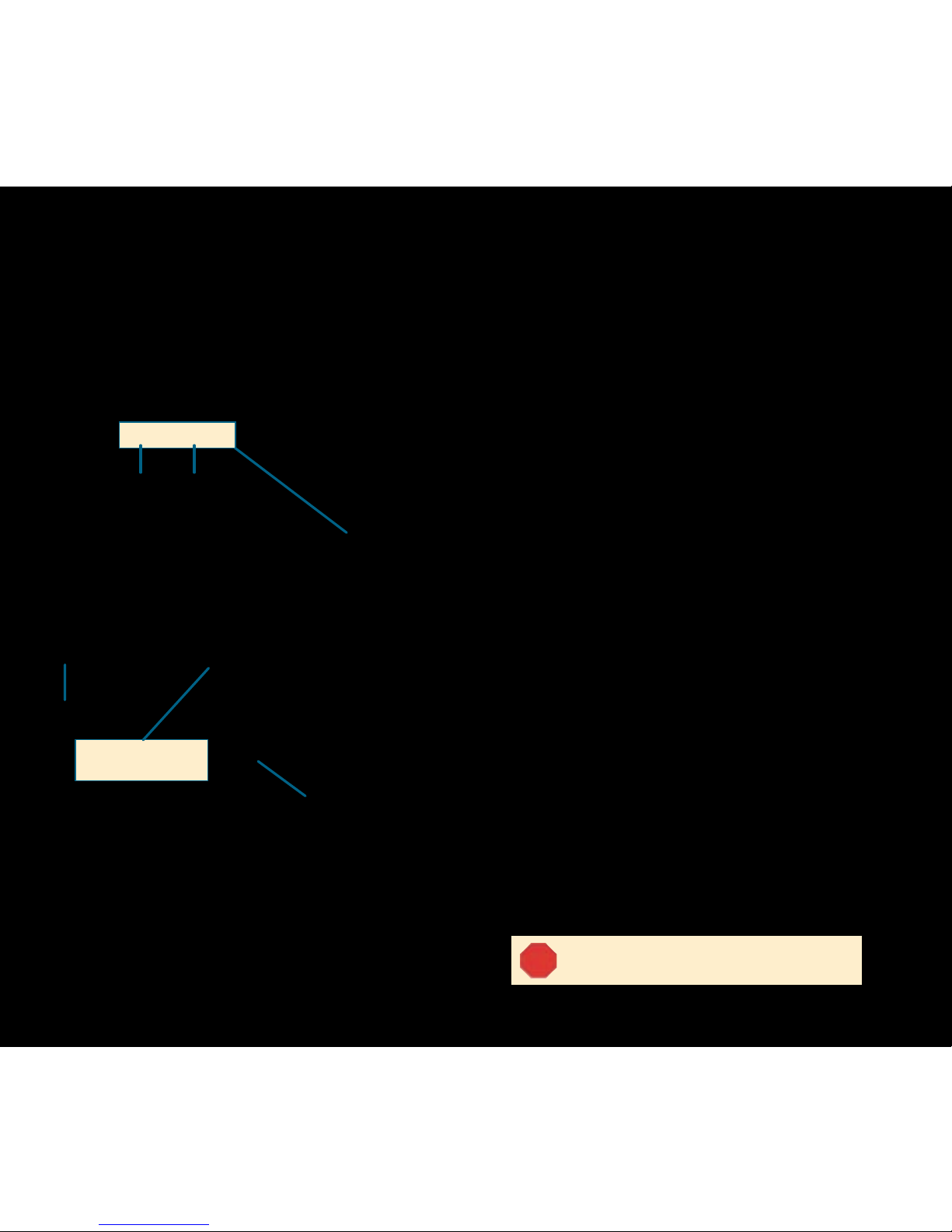
Each instrument can be identifi ed by its
serial number, located inside the battery
compartment.
We are confi dent that your listening enjoyment will be enhanced by the attention
given to the performance and appearance
of your Libra BTE.
Your BTE uses a size
13 battery as its power
source. Be sure you
use the correct size
and type cell for
your instrument.
Because of their
size, it’s a good
idea to change and
replace the battery above
a table or desk to reduce the risk of
dropping or damage.
To insert or replace the battery, open the
battery compartment by placing your
fi ngernail under the edge of the
swing-out door and gently
pulling outward.
DO NOT open the battery door too far
or damage is likely to occur.
(manufacturer’s name)
(model name)
year
made
serial
number
00-000000
battery
door
Page 4
45
batteries batteries
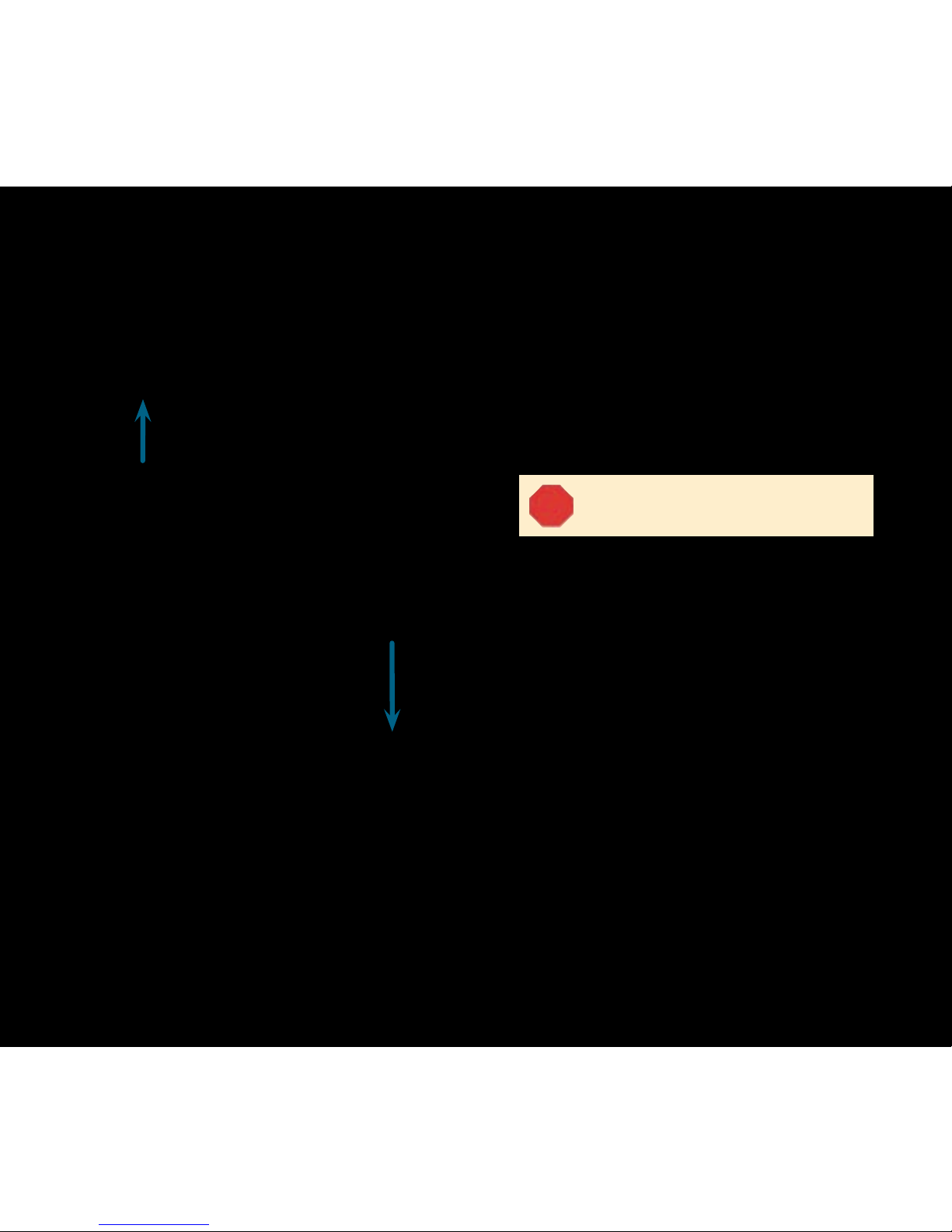
Remove the
existing battery
by pushing it
out the top of
the door.
Place the new
battery in the
compartment with
the plus (+) sign
facing up.
Close the battery compartment by swinging
the door until it snaps securely. NEVER
FORCE THE DOOR SHUT. This could result
in serious damage. If the door will not close
securely, check that the battery is placed
properly in the compartment.
Because batteries can vary in size and
performance, your Hearing Professional
is your best source for lifespan estimates
and verifi cation that you are using the
proper size and type if problems persist.
WARNING
HEARING INSTRUMENT BATTERIES
ARE DANGEROUS IF SWALLOWED
Upon removal from your instru ment, dispose of spent cells
immediately in the proper waste
or recycling receptacle.
To help prevent the accidental ingestion of
batteries, keep them out of the reach of
children.
Always check your medication before
ingesting - batteries have been mistaken
for tablets.
Never put batteries in your mouth for any
reason, as they can easily be unintentionally swallowed.
Page 5

76
Before placing
the Libra BTE
earmold into your
ear, be sure the
battery is inserted
properly and the
battery door is closed
securely. If your instrument has a M-T-O
switch, be sure it is set to “O” (off).
To insert, hold the earmold on the outer
side near the tubing
with your thumb
and forefi nger.
Gently insert the
canal tip of the
earmold into the
ear canal. Then
softly press the
earmold into place
with your fi ngertip.
insertion and removal insertion and removal
Carefully place
the instrument
behind your ear
with the earhook
and earmold
tubing wrapped
over the top.
To remove, take
the instrument
out from behind
your ear and
gently pull the
earmold out-
ward. Pulling
down on the
ear lobe may help
loosen the ear-
mold as it is
removed.
Page 6

89
switches
volume levels
Your Libra BTE uses a
three-position switch
confi guration, labeled
“M-T-O.” The “M” or
microphone position is
used for standard operation
and to turn the instrument
“on.” The “T” or telecoil
setting is for use with
the telephone. The “O” off
position turns the instrument “off.”
The volume control enables
you to adjust the amount of
amplifi cation provided by the
instrument. You may wish to
change levels as you encounter
different listening situations.
To change the sound level, use your
fi ngertip to rotate the vertical volume
control. The numbers on the control provide an orientation for the proper volume
setting. When the control is set at “4,“ the
volume is at the maximum level.
To make sounds louder rotate the control
upward. To make sounds softer, rotate the
control downward.
Consult your Hearing Profes-
sional if you have ques-
tions regarding the use
of the switches and
volume control
on your Libra
BTE.
Page 7

1110
learning to hear well
Many of life’s important
activities involve learning. Although not always
easy, learning combines
desire, practice and a
belief that if you keep
trying, success and enjoyment will eventually occur.
This is true of your hearing.
When you were young, you learned how
to listen. Your brain learned to focus on
specifi c sounds and concentrate on voices,
even in the midst of many other noises. As
your hearing gradually diminished, so did
that ability to select sounds.
Now with the help of your hearing instru-
ment, you’re about to relearn the selective
hearing process. Just as the
battery is your hearing
instrument’s power
source, a positive atti-
tude is your brain’s
“power source”
for learning.
feedback & multimemory settings
When the instrument is “on,” you may occa-
sionally hear a whistling noise known as
feedback. Feedback is caused by amplifi ed
sounds escaping from the ear and refl ected
by your hand into the instrument’s microphone. It is more likely to occur if the instrument is “on” during insertion and removal,
and should cease when you move your
hand. If feedback persists after the instrument has been inserted correctly, contact
your Hearing Professional.
Libra BTEs with a horizontal
multimemory switch let you choose
between two settings to com-
pensate for different listening
environments. When the switch
is towards the left, your
instrument is most likely pro-
grammed for normal listening
situations like one-to-one
conversations.
Moving the switch to the right
accesses the second memory,
which your Hearing Professional
has preprogrammed for your specifi c
hearing needs.
Page 8

1312
Hopefully, your hearing instruments will
be extremely effective - so much that you
become dependent upon them. However,
hearing aids will not restore normal hearing
and will not prevent or improve a hearing
impairment due to organic conditions. So
don’t judge their effectiveness too soon.
Likewise, others’ experiences with hearing
instruments - good or bad - have no bearing
on your success and shouldn’t affect your
attitude.
Hearing is only one part
of how we exchange
thoughts, ideas, and feelings. Effective communication combines listening,
understanding, attention,
concentration, interest, and
visual, or non-verbal cues.
You may have relied on these everpresent cues as your hearing loss gradually
impaired your understanding of speech. Now,
they are equally important as you learn to
hear with hearing instruments. Reading the
lips, facial expressions and gestures of others
can enhance the learning process, and supplement what amplifi cation alone may miss.
If necessary, your Hearing Professional may
provide additional auditory training and lipreading assistance.
realistic expectations
the communication process
Also, don’t assume that you will hear and
understand all speech with your
hearing instruments. It will
take time and patience as
you learn to adapt to this
new way of hearing. In most
cases, inconsistent use of
hearing instruments
does not permit you
to attain full
benefi t from
them.
Page 9

14 15
handling and wearing
adjusting to a noisy world
From the moment you get them, it may
be tempting to wear and use your hearing
instruments constantly. However, this can
lead to discomfort, fatigue, and disappointment - all factors that can prevent successful learning.
The level and complexity of sound environ-
ments ‘out in the real world’ make it a less
than ideal place to hear in, even if you had
normal hearing. It is best to begin your
instrument usage gradually, until it is fully
integrated into your daily life. The amount
of patience and practice – combined with a
positive attitude – will most likely determine
the degree of success.
Your instruments
and their controls
are smaller than
most other regularly
handled items. It is
expected that changing bat-
teries, inserting, removing, and
adjusting your instruments are new
experiences that will take some practice to
perform correctly.
Minor irritation and infl ammation may
occur as your ear becomes accustomed to
having an object in it. This is normally
caused by pressure from the earmold on a
particularly sensitive area, and may easily
be corrected through trimming and polishing by your Hearing Professional.
If an actual allergic reaction occurs, alternative earmold materials are available.
Severe reactions, discharge from the ear,
excessive wax, or other unusual conditions warrant immediate consultation
with a physician.
Page 10

16 17
start in quiet, familiar places
focusing on specific sounds
At fi rst, use your
instruments only
in familiar, quiet
surroundings, where
you can identify and
locate simple background
sounds - running water, doors closing,
birds singing - that you may not have
heard for awhile.
Other sounds, like your own voice, will
sound different. In the same quiet environment, practice listening to and conversing
with someone facing you, who has a familiar voice and understands your needs.
Don’t be alarmed if you can’t immediately
understand everything. A low, comfortable volume level is preferable as you
adapt to the new sound quality, even
if you occasionally miss soft
sounds or parts of
conversation.
As you wear
your instru-
ments in a wider
variety of sound envi-
ronments, practice selecting specifi c sounds and
voices and focus your
attention on them.
Enhance your under-
standing by following
non-verbal expressions
and gestures.
As you venture into familiar
public places such as church and
meetings, sit reasonably close and within
easy visual distance of those speaking.
Because every area has its own sound
characteristics, you may need to
try different locations
for the best results.
Page 11

1918
hearing the television and radio
using the telephone
The use of music,
sound effects, and
its overall pace, can
make TV viewing
with hearing instruments take a little
longer to get used to.
Depending on the
fi delity and sophistication
of your TV’s sound system, sit
eight to ten feet in front of the screen
with the TV volume set to a normal, comfortable level for others.
Adjusting to the radio will depend on the
environment in which you’re listening,
and whether it is an AM or FM station. It
will likely be more diffi cult to fully under-
stand an AM station while riding
in an automobile,
than an FM
station playing
on a larger
sound system
in your
home.
BTE’s with a telecoil feature
enable you to comfortably use
the telephone without removing
your instrument or earmold. The
induction coil amplifi es the signal
emitted naturally from the
telephone receiver.
To use the telephone, move the
M-T-O switch to the “T” (telecoil)
position.
Then place the handset over your
ear and slowly
move it up-
ward, nearer
to the instru-
ment until
the best signal
is received. Some
practice and
experimentation
may be necessary
to fi nd the best
positioning.
Page 12

2120
enjoy, but don’t overdo it
remember:
• Better hearing with hearing instru ments is a learned skill combining
desire, practice and patience.
• It is important to develop realistic
expectations of what your hearing
instruments can and cannot do.
• Hearing is only one part of your total
communications process.
• Begin wearing your instruments
gradually, fi rst in quiet, familiar
surroundings.
• Practice focusing on specifi c sounds,
using both verbal and non-verbal cues.
• Over-practice can cause fatigue,
tension, and disappointment.
Rest when necessary.
In a few weeks, you will probably be
able to use your instruments all day without fatigue or tension. Hopefully, you’ll
be like many who fi nd themselves “forgetting” that they are even wearing a hearing
instrument.
Even so, be careful not to over-practice.
If you fi nd yourself becoming tired,
nervous, or irritated, don’t hesitate
to rest for awhile by turning your
instruments off and/or removing them.
Page 13

2322
speak clearly and normallyhow family and friends can help
There is a tendency
for those around you
to speak loudly–
especially if it is how
they previously communicated with you. With
your hearing instrument(s)
on, a loud voice can actually make
understanding more diffi cult, if not
more irritating.
Now that the hearing instruments provide the
amplifi cation, others should speak clearly
at a normal level, without rushing or slurring
their words. Be sure they have your full attention before they begin speaking. It’s often
preferable to rephrase rather than repeat the
same words over and over, as you may fi nd it
easier to understand different words.
Many people initially treat
hearing problems as an
individual matter, something that can be dealt with
by themselves. But because
communication involves
more than just one person,
so too does the impact of
your impairment.
Constant requests to repeat, louder TV
volume levels, and shifts in behavior are
elements of hearing loss that those around
you must live with and accommodate.
The continuing understanding and support
of family and friends are crucial as you
pursue improved hearing and communication. Perhaps they have already demonstrated their willingness by encouraging
you to seek help.
While you are adjusting to the acoustic part
of amplifi cation, family and friends can help
you with the many psychological and emotional needs that accompany the transition.
Page 14

2524
Many people
unconsciously
create distractions as they
speak. Talking with
their mouths full,
hands covering mouths,
as well as unexpected,
sudden head and body movement all make it harder to understand.
Make certain you can see their faces, expres-
sions and gestures clearly as they speak
to you.
Background sounds can be distracting as
well. As you are learning to select and sort
specifi c sounds, it is wise not to attempt
conversations while watching the TV,
for example.
There are
times when
hearing may
be even more
diffi cult. When
you are tired or
aren’t feeling well, it’s
likely that you won’t hear or
understand as well, either. This is
when the patience and understanding
of others are especially appreciated.
Everyone adjusts to hearing instruments
and develops listening skills at their own
pace. The common sense and attitudes of
your family and friends are as important
as the instruments themselves. Their
encouragement and support gives you a
signifi cant advantage as you become
reacquainted with the world of sounds.
minimize distractions
time for added consideration
Page 15

26 27
let others know what you need remember:
• Your family and friends are equally affected
by your hearing problem.
• Be sure others have your full attention and
you can see their faces when they speak.
• Have them speak normally, naturally, and
clearly - rather than louder.
• Rephrase rather than repeat word for word
if you don’t initially understand what is said.
• Don’t hesitate to ask others for help - their
support and encouragement are just as
important as your desire to improve.
Remember that most people don’t know
you, and cannot “see” your hearing problem. There are ways of non-verbally
encouraging others to face you when
speaking and talking more slowly. Most
won’t mind helping you, but you have to
let them know what you need. The way
you ask – verbally or non-verbally –
determines how they respond.
Page 16

2928
Your hearing
instruments represent the ultimate in
miniaturized sophistication - especially
when you consider the environment they
must function in. Heat, moisture, and
foreign substances can accumulate and
degrade performance, or interrupt operation entirely.
Proper preventive care and maintenance
will go a long way ensuring trouble-free
performance of what is a signifi cant
hearing investment. This includes daily
cleaning on your part, as well as regular
comprehensive examinations by your
Hearing Professional.
hearing instrument care putting it in the right place
When not
wearing
your BTE,
turn it off
and open the bat-
tery compartment door to
prevent excessive reduction of
battery life. An instrument left “on”
can produce feedback that might attract
curious pets - possibly resulting in hearing
instruments chewed beyond repair.
For similar reasons, it is best to store
your instruments where you can easily fi nd
them, but safely out of reach of pets and
children. It is not nearly durable enough to
survive being used as a toy or snack.
If your instrument(s) will not be used for an
extended period of time, remove the battery
completely, place the instrument(s) in the
pouch and store in a cool, dry place away
from direct sunlight or heat.
Page 17

3130
avoiding moisturedaily cleaning and care
Your earmold
should be
cleaned on a
regular basis
using a soft,
damp cloth.
Periodically,
you may wash it in
warm soapy water. Be certain that the
instrument is detached and far away from
any moisture before cleaning. A brush
may be provided to remove earwax or
other particles that may have accumulated
around switches and the battery compartment of your instrument. Never use solvents, cleaning fl uids or oil to clean your
instrument or earmold.
It is a good idea to perform all cleaning
and battery changes above a soft cloth or
towel on a desk or table. This will keep the
instrument from potentially damaging falls
to hard surfaces if you drop it.
Your
instruments
may be so comfort-
able that you forget you have them on.
So develop the mental habit of checking
your ears before going swimming, taking a
shower or applying hair spray. And do the
same with pockets of clothing before they
are washed.
Should it get wet, do not attempt to dry
your instrument in an oven, microwave
or with a hair dryer - the heat will most
certainly damage it. Instead, dispose of the
battery and set the instrument on a towel
in a safe place, leaving the battery compartment door open to promote
air drying.
Page 18

3332
Symptom: Dead
Cause: Depleted battery
Solution: Replace battery
Symptom: Dead
Cause: Blocked earmold
Solution: Clear tube blockage
Symptom: Dead
Cause: Defective instrument
Solution: See your Professional
Symptom: Not loud enough
Cause: Low battery
Solution: Replace battery
Symptom: Not loud enough
Cause: Blocked earmold
Solution: Remove blockage and clean
Symptom: Not loud enough
Cause: When was hearing last checked?
Solution: See your Professional
Symptom: Inconsistent performance
Cause: Low battery
Solution: Replace battery
Symptom: Unclear, distorted performance
Cause: Low battery
Solution: Replace battery
Symptom: Unclear, distorted performance
Cause: Defective instrument
Solution: See your Professional
service and repair
troubleshooting guide
If, for any
reason, an
instrument
fails, do not
attempt to
fi x it yourself.
Not only does
it likely violate
any applicable
warranties or
insurance, you
could easily cause extensive damage.
Should your instrument(s) fail or perform
unsatisfactorily, fi rst check the guide on
the next page for possible solutions. If problems persist, your Hearing Professional is
the person to contact for assistance. Even if
you are away from home, most profession-
als are willing to help. They are able to
solve many common problems right in the
offi ce. If you are uncertain who provides
service in your area, write to the address
shown on page 37.
Page 19

34 35
remember:
working together
• Proper care and maintenance can help
ensure trouble-free operation.
• When not in use, store your instrument
in a safe place, away from medications,
pets and children.
• Never allow liquids to enter the instru ment - internal damage will likely occur.
• Keep instruments away from excessive
heat and direct sunlight.
• Avoid dropping your instruments perform cleaning and battery changes
over close, soft surfaces.
• Never permit cleaning solvents, hair
spray or perfume to come into contact
with instruments.
• Do not attempt repairs - always consult
your Hearing Professional
for service.
Be assured
that, together
with your Hearing
Professional, we are prepared to do all that
we can to help achieve the highest possible
level of hearing satisfaction.
Even if it’s when you visit for batteries,
be sure to have regular, periodic examinations of both your hearing instruments and
your ears. Both are subject to constantlychanging factors that can signifi cantly
impact our efforts to provide better hearing.
You may have friends and relatives who
also experience hearing diffi culty. Encourage
them to have their hearing tested by the
Hearing Professional listed on your
warranty card.
No one should neglect their hearing,
especially as more people may benefi t from
today’s new hearing technology.
Page 20

3736
The following additional information is provided in compliance with U.S. Food and Drug Administration (FDA)
regulations:
Warning To Hearing Aid Dispensers. A hearing aid dispenser should
advise a prospective hearing aid user to consult promptly with
a licensed physician (preferably an ear specialist) before dispensing a hearing aid if the hearing aid dispenser determines through
inquiry, actual observation, or review of any other available
information concerning the prospective user, that the prospective
user has any of the following conditions:
i. Visible congenital or traumatic deformity of the ear.
ii. History of active drainage from the ear within the
previous 90 days.
iii. History of sudden or rapidly progressive hearing loss
within the previous 90 days.
iv. Acute or chronic dizziness.
v. Unilateral hearing loss of sudden or recent onset within
the previous 90 days.
vi. Audiometric air-bone gap equal to or greater than 15
decibels at 500 Hertz (Hz), 1,000 Hz and 2,000 Hz.
vii. Visible evidence of signifi cant cerumen accumulation
or a foreign body in the ear canal.
viii. Pain or discomfort in the ear.
Special care should be exercised in selecting and fi tting a hearing
aid whose maximum sound pressure level exceeds 132 decibels
because there may be risk of impairing the remaining hearing of
the hearing aid user.
Important Notice For Prospective Hearing Aid Users. Good health prac-
tice requires that a person with a hearing loss have a medical
evaluation by a licensed physician (preferably a physician who
specializes in diseases of the ear) before purchasing a hearing
aid. Licensed physicians who specialize in diseases of the ear
are often referred to as otolaryngologists, otologists, or
otorhinolaryngologists. The purpose of the medical evalua-
tion is to assure that all medically treatable conditions that may
affect hearing are identifi ed and treated before the hearing aid
is purchased.
Following the medical evaluation, the physician will give you a written statement that states that your hearing loss has been medically
evaluated and that you may be considered a candidate for a hearing
aid. The physician will refer you to an audiologist or hearing aid
dispenser, as appropriate, for a hearing aid evaluation.
The audiologist or hearing aid dispenser will conduct a hearing
aid evaluation to assess your ability to hear with and without a
hearing aid. The hearing aid evaluation will enable the audiologist
or dispenser to select and fi t a hearing aid to your individual needs.
If you have reservations about your ability to adapt to amplifi cation,
you should inquire about the availability of a trial-rental or purchase-option program. Many hearing aid dispensers now offer programs that permit you to wear a hearing aid for a period of time for
a nominal fee after which you may decide if you want to purchase
the hearing aid.
Federal law restricts the sale of hearing aids to those individuals
who have obtained a medical evaluation from a licensed physician.
Federal law permits a fully informed adult to sign a waiver statement declining the medical evaluation for religious or personal
beliefs that preclude consultation with a physician. The exercise
of such a waiver is not in your best health interest and its use is
strongly discouraged.
Children With Hearing Loss. In addition to seeing a physician for a
medical evaluation, a child with a hearing loss should be directed
to an audiologist for evaluation and rehabilitation since hearing loss
may cause problems in language development and the educational
and social growth of a child. An audiologist is qualifi ed by training
and experience to assist in the evaluation and rehabilitation of a
child with a hearing loss.
FDA informationFDA information
©Libra World Headquarters
P.O. Box 9457, Minneapolis, MN 55344
Libra Europe
Rugenbarg 69, 22848 Norderstedt, Hamburg, Germany
 Loading...