

Page 1
SAFETY DATA SHEET
The Libman Company LIBMAN READY TO USE GLASS CLEANER (1 GALLON #1064 / 32OZ BOTTLE #2068)
Prepared to U.S. OSHA, CMA, ANSI, Canadian WHMIS Standards, Australian WorkSafe, Japanese Industrial Standard JIS Z 7250:2000, and European Directives
SECTION 1. PRODUCT IDENTIFICATION
1.1 TRADE NAME (AS LABELED): Libman Ready to Use Glass Cleaner #1064 / #2068
SYNONYMS: Glass Cleaner
CAS#: Mixture
1.2 PRODUCT USE: Cleans Glass, Mirrors, Chrome, and many more hard surfaces without
streaking.
1.3 MANUFACTURER'S NAME: The Libman Company
ADDRESS: 220 North Sheldon Arcola, IL 61910
BUSINESS PHONE: 1-877-818-3380
WEB SITE INFORMATION: www.libman.com
1.4 EMERGENCY PHONE NUMBERS: 1-877-818-3380
DATE OF CURRENT REVISION: November 12, 2015
DATE OF LAST REVISION: October 13, 2015
SECTION 2. HAZARD IDENTIFICATION
EMERGENCY OVERVIEW: This product is a blue liquid with a minty odor.
Health Hazards: May cause skin, eye, and respiratory system irritation.
Flammability Hazards: This product is considered Non-Flammable.
Reactivity Hazards: None.
Environmental Hazards: The environmental effects of this product have not been investigated, however release may
cause long term adverse environmental effects.
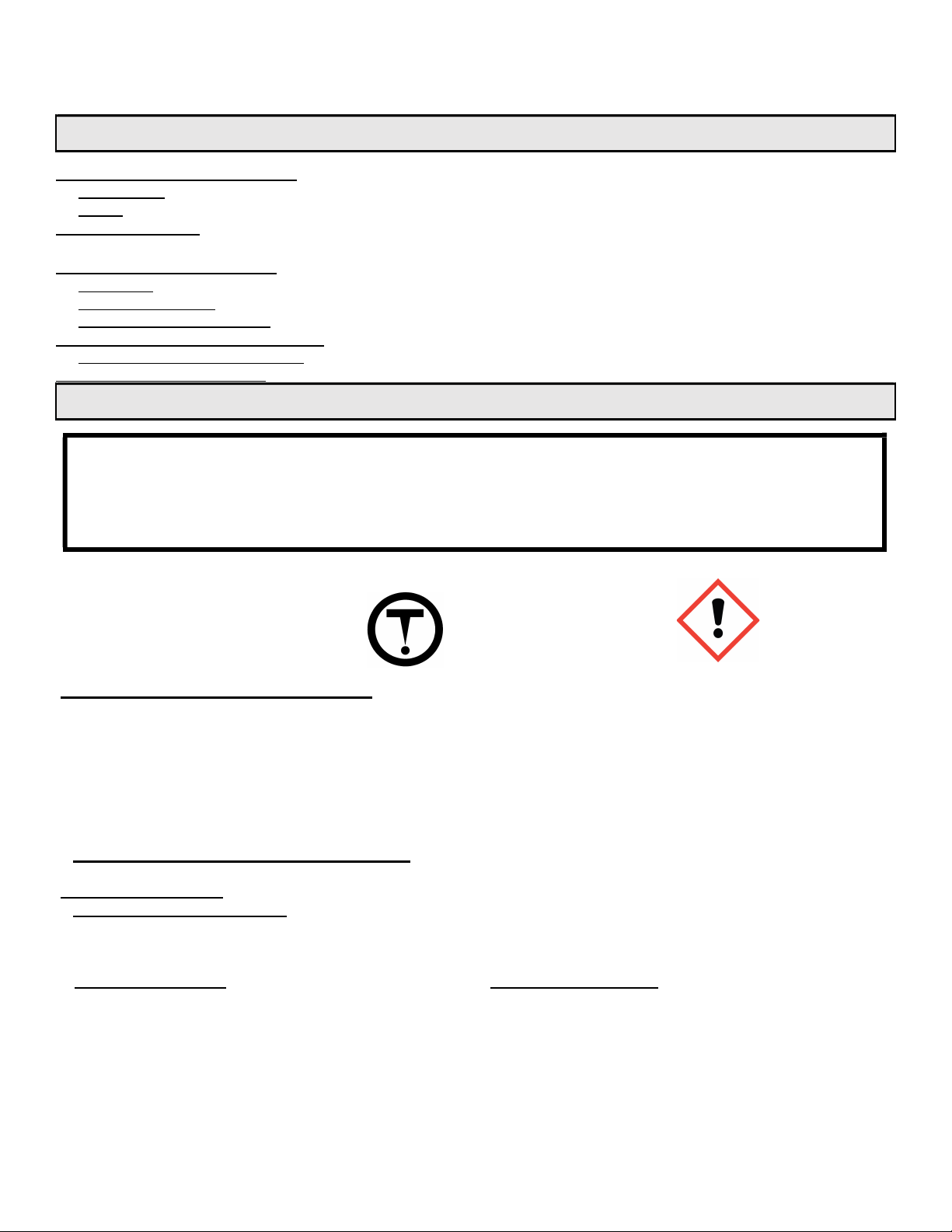
US DOT SYMBOLS CANADA (WHMIS) SYMBOL(S) EUROPEAN and (GHS) Hazard Symbol(s)
Non-Regulated
Material
2.1 GHS LABELING AND CLASSIFICATION:
CLASSIFICATION OF SUBSTANCE OR MIXTURE IN ACCORDANCE WITH 29 CFR 1200 (OSHA HCS) AND THE
EUROPEAN UNION DIRECTIVES:
This product does meet the definition of a hazardous substance or preparation as defined by the European Union
Council Directives 67/548/EEC, 1999/45/EC, 1272/2008/EC and subsequent Directives.
EU HAZARD CLASSIFICATION OF INGREDIENTS PER DIRECTIVE 1272/2008/EC:
Index Number:
EC# 200-578-6 Annex I Index # 603-002-00-5
Substances not listed either individually or in group entries must be self classified.
Component(s) Contributing to Classification(s)
Ethyl Alcohol
2.2 LABEL ELEMENTS
GHS Hazard Classification(s):
Skin Corrosion/Irritation Category 3
Eye Irritation Category 2B
Specific Target Organ Toxicity – Single Exposure Category 3 ( Respiratory System )
Hazard Statement(s): Response Statement(s):
H316: Causes mild skin irritation
H319: Causes serious eye irritation
H335: May cause respiratory irritation
H336: May cause drowsiness or dizziness
P332+P313: If skin irritation occurs: Get medical
advice/attention.
P305+P351+P338: IF IN EYES: Rinse cautiously with
water for several minutes. Remove contact lenses, if
present and easy to do. Continue rinsing.
P337+P313: If eye irritation persists: Get medical
advice/attention.
P304+P340: IF INHALED: Remove person to fresh air
and keep comfortable for breathing.
P312: Call a Poison Center or doctor if you feel unwell.
Signal Word: Warning!
The Libman Company Page 1 of 7
Page 2
SAFETY DATA SHEET
The Libman Company LIBMAN READY TO USE GLASS CLEANER (1 GALLON #1064 / 32OZ BOTTLE #2068)
Precautionary Statement(s): Storage Statement(s):
P261: Avoid breathing dust/fume/gas/mist/vapours/spray
P264: Wash thoroughly after handling
P271: Use only outdoors or in a well-ventilated area
2.3 HEALTH HAZARDS OR RISKS FROM EXPOSURE:
SYMPTOMS OF OVEREXPOSURE BY ROUTE OF EXPOSURE: The most significant routes of overexposure for this
product are by contact with skin, eyes, and respiratory system. The symptoms of overexposure are described in the
following paragraphs.
ACUTE:
INHALATION: May cause irritation to the respiratory tract. May cause headaches, drowsiness, and lassitude.
CONTACT WITH SKIN: May cause mild irritation.
EYE CONTACT: May cause eye irritation.
INGESTION: May cause irritation to the gastrointestinal tract, diarrhea, nausea, or vomiting.
CHRONIC: Long term exposure may cause damage to the liver, kidney, and heart.
TARGET ORGANS: Acute: Skin, Respiratory System, Eyes Chronic: Organs
SECTION 3. COMPOSITION AND INFORMATION ON INGREDIENTS
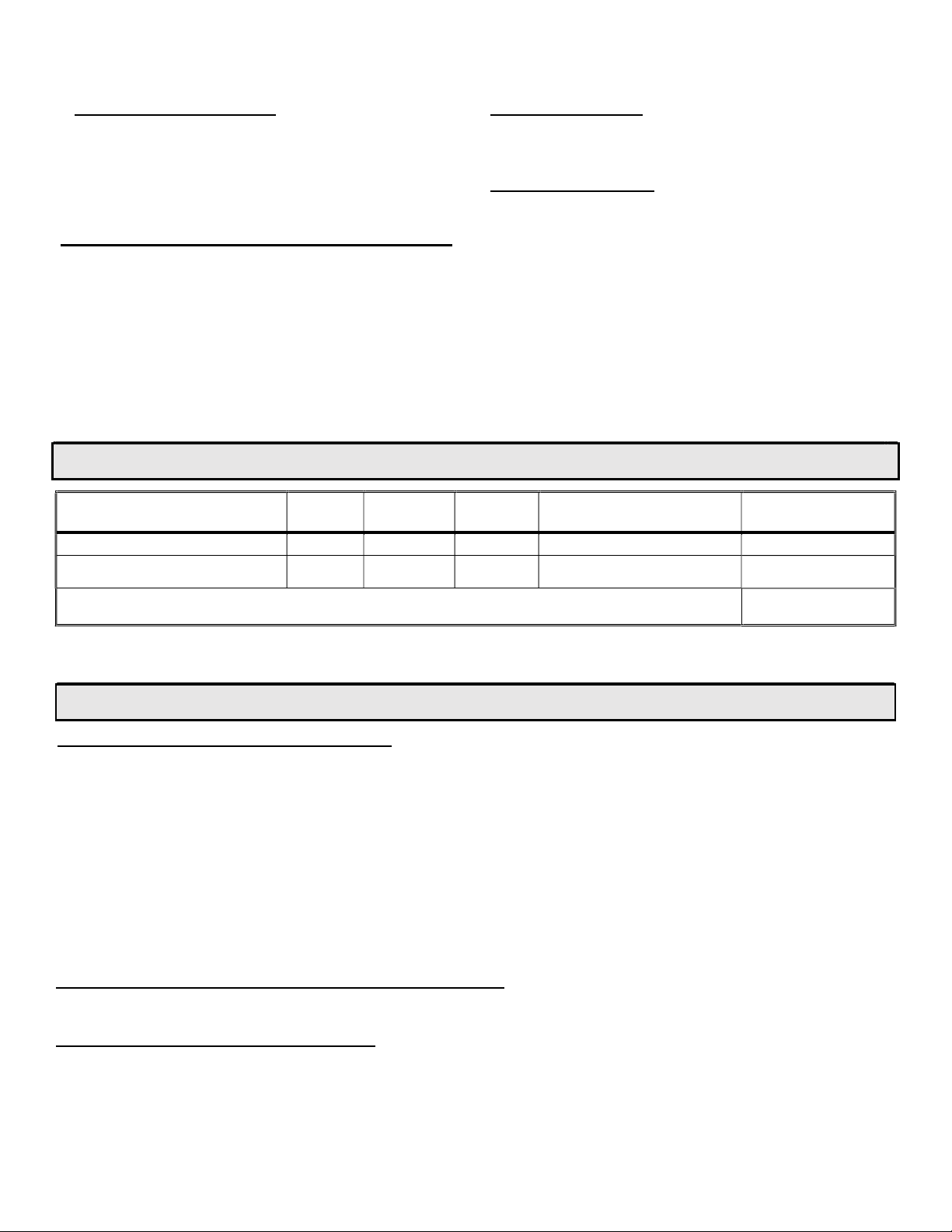
Hazardous Ingredients: WT% CAS# EINECS # Hazard Classification
Water 95 – 100% 7732-18-5 231-791-2 None None
Ethyl Alcohol 2 – 6% 64-17-5 200-578-6 [F] Highly Flammable
Balance of other ingredients are non-hazardous or less than 1% in concentration (or 0.1% for carcinogens, reproductive
toxins, or respiratory sensitizers).
NOTE: ALL WHMIS required information is included in appropriate sections based on the ANSI Z400.1-2010 format. This product has been classified in
accordance with the hazard criteria of the CPR and the MSDS contains all the information required by the CPR, EU Directives and the Japanese
Industrial Standard JIS Z 7250: 2000
P403+P233: Store in well-ventilated place. Keep
container tightly closed.
P405: Store locked up
Disposal Statement(s):
P501: Dispose of contents/container in accordance with
local/regional/national/international regulations
Risk Phrases
R11, R36,R37,R38, R67
[Xi] Irritant
4. FIRST-AID MEASURES
4.1 DESCRIPTION OF FIRST AID MEASURES:
EYE CONTACT: If product enters the eyes, open eyes while under gentle running water for several minutes. Remove
contact lenses if present and easy to do. Continue rinseing for at least 15 minutes. Seek medical attention.
SKIN CONTACT: Wash skin thoroughly after handling. Seek medical attention if irritation develops and persists.
Remove contaminated clothing. Launder before re-use.
INHALATION: If breathing becomes difficult, remove victim to fresh air. If necessary, use artificial respiration to
support vital functions. Seek medical attention.
INGESTION: If product is swallowed, call physician or poison control center for most current information. If
professional advice is not available, do not induce vomiting. Never induce vomiting or give diluents (milk or water) to
someone who is unconscious, having convulsions, or who cannot swallow. Seek medical advice. Take a copy of the
label and/or SDS with the victim to the health professional.
MEDICAL CONDITIONS AGGRAVATED BY EXPOSURE: Pre-existing skin or eye problems may be aggravated by
prolonged contact.
4.2 SYMPTOMS AND EFFECTS, BOTH ACUTE AND DELAYED:
Contact with the skin, eyes, and respiratory system may cause irritation. Prolonged exposure to fumes may cause
headaches, drowsiness, and lassitude.
4.3 RECOMMENDATIONS TO PHYSICIANS:
Treat symptoms and eliminate overexposure.
The Libman Company Page 2 of 7
Page 3
SAFETY DATA SHEET
See Sect
The Libman Company LIBMAN READY TO USE GLASS CLEANER (1 GALLON #1064 / 32OZ BOTTLE #2068)
SECTION 5. FIRE-FIGHTING MEASURES
5.1 FIRE EXTINGUISHING MATERIALS:
Use fire extinguishing methods below:
Water Spray: Yes Carbon Dioxide: Yes
Foam: Yes Dry Chemical: Yes
Halon: Yes Other: Any “C” Class
5.2 UNUSUAL FIRE AND EXPLOSION HAZARDS:
Irritating and toxic fumes may be produced at high temperature. Use of water may result in the formation of a toxic
aqueous solution. Do not allow run-off from fire fighting to enter drains or water courses.
Explosion Sensitivity to Mechanical Impact: No
Explosion Sensitivity to Static Discharge: No
5.3 SPECIAL FIRE-FIGHTING PROCEDURES:
Incipient fire responders should wear eye protection. Structural firefighters must wear Self-Contained Breathing
Apparatus and full protective equipment. Isolate materials not yet involved in the fire and protect personnel. Move
containers from fire area if this can be done without risk; otherwise, cool with carefully applied water spray. If possible,
prevent runoff water from entering storm drains, bodies of water, or other environmentally sensitive areas.
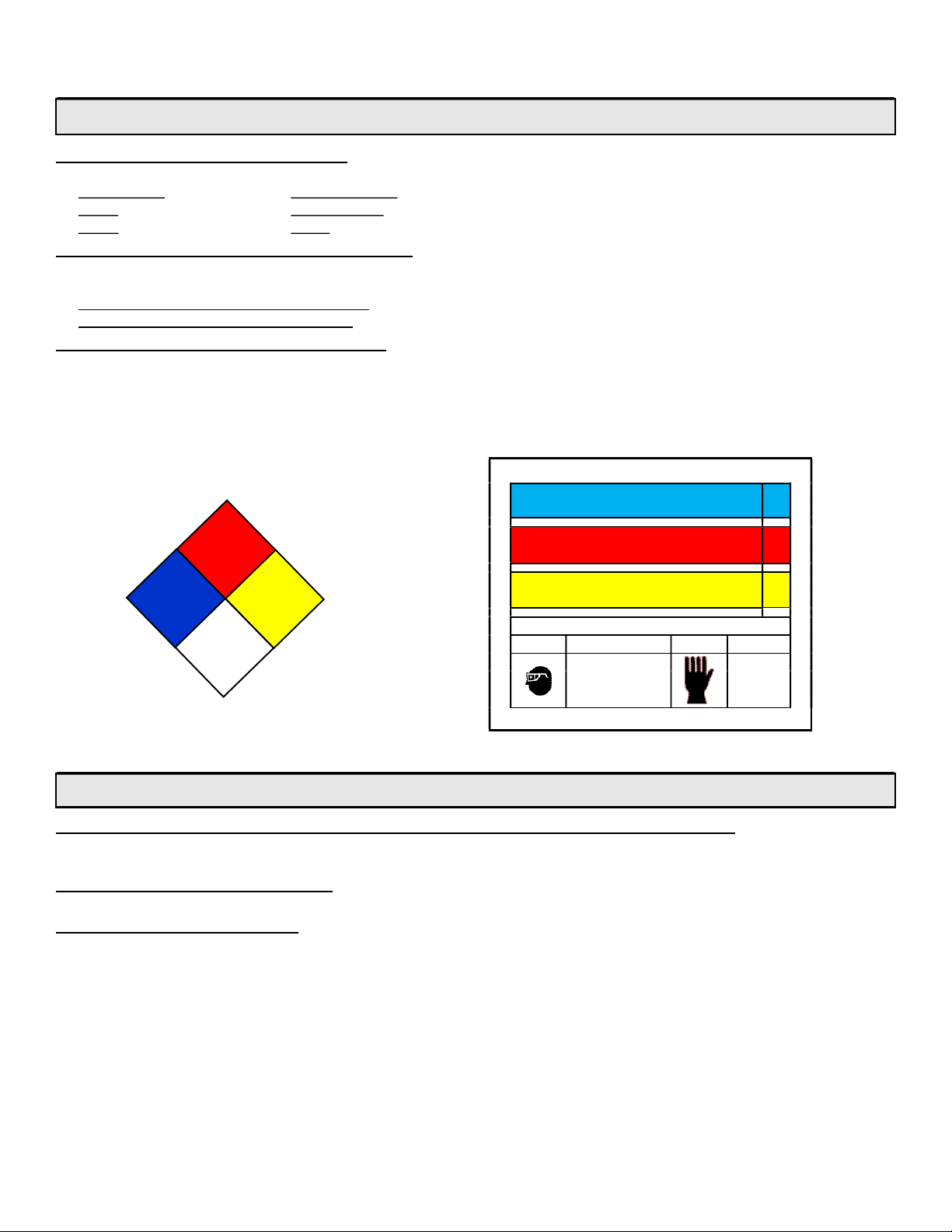
NFPA RATING SYSTEM HMIS RATING SYSTEM
Flammability
Health
1
0
-
Reactivity
0
Other
Hazard Scale: 0 = Minimal 1 = Slight 2 = Moderate 3 = Serious 4 = Severe * = Chronic hazard
HAZARDOUS MATERIAL IDENTIFICATION SYSTEM
HEALTH HAZARD (BLUE)
FLAMMABILITY HAZARD (RED)
PHYSICAL HAZARD (YELLOW) 0
1
0
PROTECTIVE EQUIPMENT
EYES RESPIRATORY HANDS BODY
For Routine Industrial Use and Handling Applications
See Sect 8
8
SECTION 6. ACCIDENTAL RELEASE MEASURES
6.1 PERSONAL PRECAUTIONS, PROTECTIVE EQUIPMENT AND EMERGENCY PROCEDURES:
Use cautious judgment when cleaning up spill. Wear suitable protective clothing, gloves and eye/face protection.
Evacuate personnel to safe areas
6.2 ENVIRONMENTAL PRECAUTIONS:
Construct a dike to prevent spreading. Keep out of sewers, storm drains, surface waters, and soils.
6.3 SPILL AND LEAK RESPONSE:
Small spills: Soak up with absorbent material such as clay, sand or other suitable non- reactive material. Place in
leak-proof containers. Seal tightly for proper disposal.
Large spills: Approach suspected leak areas with caution. Create a dike or trench to contain material. Soak up with
absorbent material such as clay, sand or other suitable non-reactive material. Place in leak-proof containers. Seal
tightly for proper disposal. Dispose of in accordance with U.S. Federal, State, and local hazardous waste disposal
regulations and those of Canada and its Provinces, those of Australia, Japan and EU Member States (see Section 13,
Disposal Considerations).
The Libman Company Page 3 of 7
Page 4
SAFETY DATA SHEET
The Libman Company LIBMAN READY TO USE GLASS CLEANER (1 GALLON #1064 / 32OZ BOTTLE #2068)
7.1 PRECAUTIONS FOR SAFE HANDLING:
To prevent skin and eye contact under the foreseeable conditions of use, wear appropriate protective clothing and
safety eyewear. When handling, do not eat, drink, or smoke. Wash thoroughly after handling. Handle in a well-
ventilated work area.
7.2 STORAGE AND HANDLING PRACTICES:
Keep away from strong oxidizing agents. Keep in cool, dry, well-ventilated area in closed containers. Protect containers
from physical damage.
7.3 SPECIFIC USES:
Cleans Glass, Mirrors, Chrome, and many more hard surfaces without streaking.
SECTION 8. EXPOSURE CONTROLS / PERSONAL PROTECTION
8.1 EXPOSURE PARAMETERS:
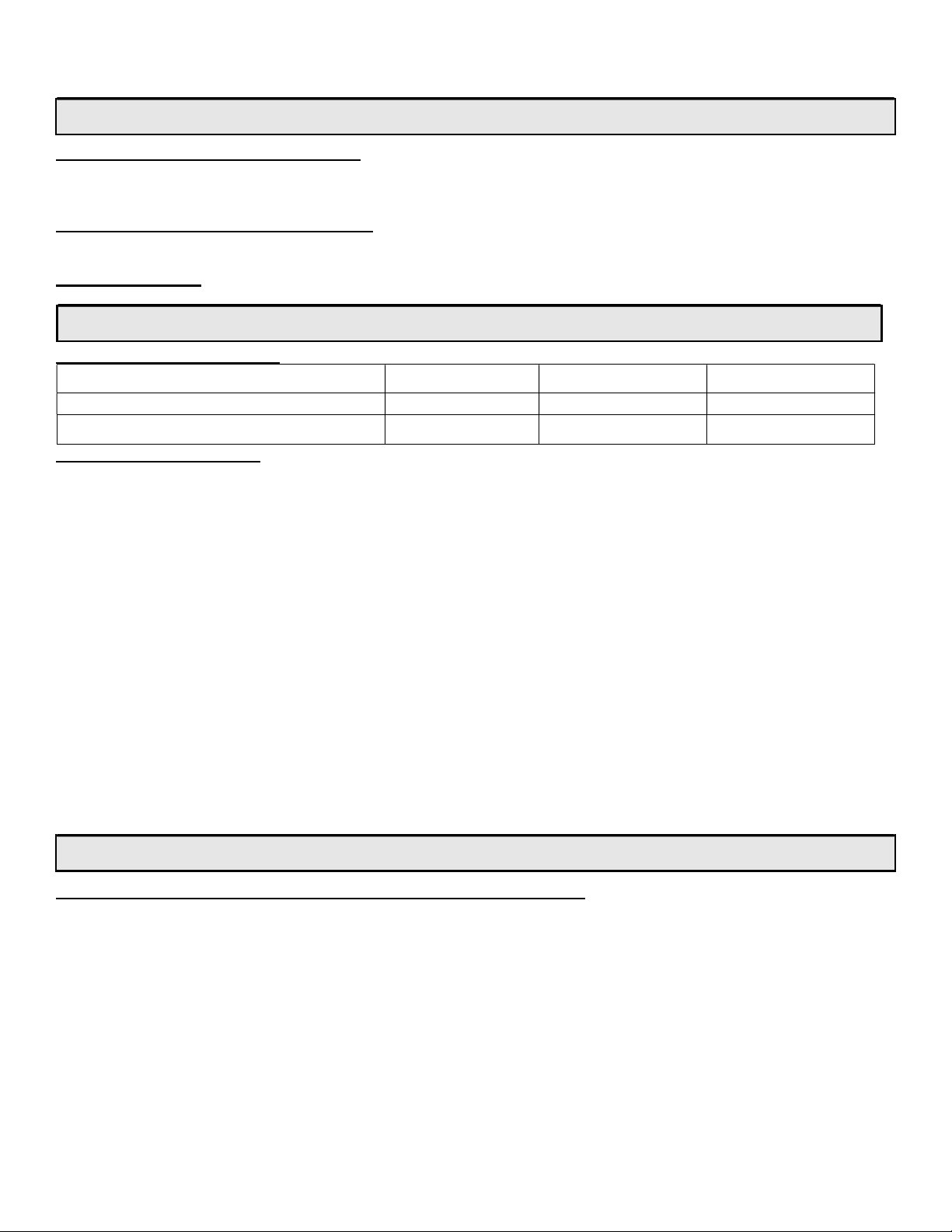
Chemical Name CAS# ACGIH TLV OSHA TWA
Water 7732-18-5 Not Listed Not Listed
SECTION 7. HANDLING and STORAGE
Ethyl Alcohol 64-17-5 TWA 1000 ppm
8.2 EXPOSURE CONTROLS:
VENTILATION AND ENGINEERING CONTROLS: Use with adequate ventilation to ensure exposure levels are
maintained below the limits provided above.
The following information on appropriate Personal Protective Equipment is provided to assist employers in complying
with OSHA regulations found in 29 CFR Subpart I (beginning at 1910.132) or equivalent standard of Canada, or
standards of EU member states (including EN 149 for respiratory PPE, and EN 166 for face/eye protection), and those
of Japan. Please reference applicable regulations and standards for relevant details.
RESPIRATORY PROTECTION: Not required for properly ventilated areas. Maintain airborne contaminant concentrations
below guidelines listed above, if applicable. If necessary, use only respiratory protection authorized in the U.S. Federal
OSHA Respiratory Protection Standard (29 CFR 1910.134), equivalent U.S. State standards, Canadian CSA Standard
Z94.4-93, the European Standard EN149, or EU member states.
EYE PROTECTION: Safety glasses or goggles are recommended. If necessary, refer to U.S. OSHA 29 CFR 1910.133,
Canadian Standards, and the European Standard EN166, Australian Standards, or relevant Japanese Standards.
HAND PROTECTION: Chemical resistant gloves are required to prevent skin contact. If necessary, refer to U.S. OSHA
29 CFR 1910.138, the European Standard DIN EN 374, the appropriate Standards of Canada, Australian Standards, or
relevant Japanese Standards.
BODY PROTECTION: Use body protect appropriate to task being performed. If necessary, refer to appropriate
Standards of Canada, or appropriate Standards of the EU, Australian Standards, or relevant Japanese Standards. If a
hazard of injury to the feet exists due to falling objects, rolling objects, where objects may pierce the soles of the feet or
where employee’s feet may be exposed to electrical hazards, use foot protection, as described in U.S. OSHA 29 CFR
1910.136.
TWA 1000 ppm
(1900 mg/m3)
SECTION 9. PHYSICAL and CHEMICAL PROPERTIES
9.1 INFORMATION ON BASIC PHYSICAL AND CHEMICAL PROPERTIES:
APPEARANCE (Physical State) and COLOR: This product is a blue liquid.
ODOR: Minty fragrance
ODOR THRESHOLD: Not Available
pH: 6-8
MELTING/FREEZING POINT: Not Available
BOILING POINT: Not available
FLASH POINT: Not applicable
EVAPORATION RATE (n-BuAc=1): Not Available
FLAMMABILITY (SOLID, GAS): Not Applicable
UPPER/LOWER FLAMMABILITY OR EXPLOSION LIMITS: Not Available
VAPOR PRESSURE (mm Hg @ 20°C (68F): Not Available
VAPOR DENSITY: Not Available
RELATIVE DENSITY: Not Available
SPECIFIC GRAVITY: Approximately 1
The Libman Company Page 4 of 7
Page 5
SAFETY DATA SHEET
The Libman Company LIBMAN READY TO USE GLASS CLEANER (1 GALLON #1064 / 32OZ BOTTLE #2068)
SOLUBILITY IN WATER: Yes
WEIGHT PER GALLON: Not Available
PARTITION COEFFICENT (n-octanol/water): Not Available
AUTO-IGNITION TEMPERATURE: Not Available
DECOMPOSITION TEMPERATURE: Not Available
VISCOSITY: Water Thin
9.2 OTHER INFORMATION:
No additional information available at this time.
SECTION 10. STABILITY and REACTIVITY
10.1 REACTIVITY:
This product is not reactive
10.2 STABILITY:
Stable under conditions of normal storage and use.
10.3 POSSIBILITY OF HAZARDOUS REACTIONS:
Will not occur.
10.4 CONDITIONS TO AVOID:
Avoid freezing and excessive temperatures.
10.5 MATERIALS WITH WHICH SUBSTANCE IS INCOMPATIBLE:
Strong oxidizers.
10.6 HAZARDOUS DECOMPOSITION PRODUCTS:
No data available.
SECTION 11. TOXICOLOGICAL INFORMATION
11.1 INFORMATION ON TOXICOLOGICAL EFFECTS:
TOXICITY DATA:
Ethyl Alcohol 64-17-5 LD50 oral 7060mg/kg Rat
SUSPECTED CANCER AGENT: Ingredients within this product are not found on the following lists: FEDERAL OSHA Z
LIST, NTP, IARC, or CAL/OSHA and therefore are not considered to be, nor suspected to be, cancer-causing agents by
these agencies.
IRRITANCY OF PRODUCT: This product may be irritating to skin and eyes and respiratory system.
SENSITIZATION TO THE PRODUCT: No data available
REPRODUCTIVE TOXICITY INFORMATION: No specific information is available concerning the effects of this product
and its components on the human reproductive system.
SECTION 12. ECOLOGICAL INFORMATION
12.1 TOXICITY:
No data available
12.2 PERSISTENCE AND DEGRADABILITY:
No specific data available on this product.
12.3 BIOACCUMULATIVE POTENTIAL:
No specific data available on this product.
12.4 MOBILITY IN SOIL:
No specific data available on this product.
12.5 RESULTS OF PBT AND vPvB ASSESSMENT:
No specific data available on this product.
12.6 OTHER ADVERSE EFFECTS:
No data available
12.7 WATER ENDANGERMENT CLASS:
May be water endangering in accordance with EU Guideline 91/155-EWG. Do not allow product to reach ground water,
water course or sewage system. At present there are no ecotoxicological assessments for this product.
The Libman Company Page 5 of 7
Page 6
SAFETY DATA SHEET
The Libman Company LIBMAN READY TO USE GLASS CLEANER (1 GALLON #1064 / 32OZ BOTTLE #2068)
SECTION 13. DISPOSAL CONSIDERATIONS
13.1 WASTE TREATMENT METHODS:
Waste disposal must be in accordance with appropriate U.S. Federal, State, and local regulations, those of Canada,
Australia, EU Member States and Japan.
13.2 EU WASTE CODE:
Not determined
US DOT, IATA, IMO, ADR:
14.1 U.S. DEPARTMENT OF TRANSPORTATION (DOT) SHIPPING REGULATIONS: This product is classified (per 49
CFR 172.101) by the U.S. Department of Transportation, as follows.
UN IDENTIFICATION NUMBER: Non-Regulated Material
PROPER SHIPPING NAME: None
HAZARD CLASS NUMBER and DESCRIPTION: None
PACKING GROUP: None
DOT LABEL(S) REQUIRED: None
NORTH AMERICAN EMERGENCY RESPONSE GUIDEBOOK NUMBER: None
RQ QUANTITY: None
14.2 ENVIRONMENTAL HAZARDS:
MARINE POLLUTANT: The components of this product are not designated by the Department of Transportation to be Marine
Pollutants (49 CFR 172.101, Appendix B).
14.3 SPECIAL PRECAUTION FOR USER: None
14.4 INTERNATIONAL AIR TRANSPORT ASSOCIATION SHIPPING INFORMATION (IATA): This product is not
considered as dangerous goods.
14.5 INTERNATIONAL MARITIME ORGANIZATION SHIPPING INFORMATION (IMO): This product is not considered as
dangerous goods.
14.6 TRANSPORT IN BULK ACCORDING TO ANNEX II OF MARPOL 73/78 AND IBC CODE:
EUROPEAN AGREEMENT CONCERNING THE INTERNATIONAL CARRIAGE OF DANGEROUS GOODS BY ROAD
(ADR): This product is not considered by the United Nations Economic Commission for Europe to be dangerous goods.
SECTION 15. REGULATORY INFORMATION
15.1 SAFETY, HEALTH AND ENVIRONMENTAL REGULATIONS SPECIFIC FOR THE SUBSTANCE OR MIXTURE:
UNITED STATES REGULATIONS:
U.S. SARA REPORTING REQUIREMENTS: The components of this product are subject to the reporting requirements of
Sections 302, 304, and 313 of Title III of the Superfund Amendments and Reauthorization Act as follows: None
U.S. SARA THRESHOLD PLANNING QUANTITY: There are no specific Threshold Planning Quantities for the
components of this product. The default Federal MSDS submission and inventory requirement filing threshold of 10,000
lbs (4,540 kg) therefore applies, per 40 CFR 370.20.
U.S. CERCLA REPORTABLE QUANTITY (RQ): None
U.S. TSCA INVENTORY STATUS: The components of this product are listed on the TSCA Inventory or are exempted
from listing.
OTHER U.S. FEDERAL REGULATIONS: None known
CALIFORNIA SAFE DRINKING WATER AND TOXIC ENFORCEMENT ACT (PROPOSITION 65): This product does
not contain ingredients on the Proposition 65 Lists.
15.2 CANADIAN REGULATIONS:
CANADIAN DSL/NDSL INVENTORY STATUS: Components are DSL Listed, NDSL Listed and/or are exempt from listing
OTHER CANADIAN REGULATIONS: Not applicable.
CANADIAN ENVIRONMENTAL PROTECTION ACT (CEPA) PRIORITIES SUBSTANCES LISTS:
This product has been classified in accordance with the hazard criteria of the Controlled Products Regulations and the
MSDS contains all of the information required by those regulations.
CANADIAN WHMIS CLASSIFICATION and SYMBOLS: This product is classified per 2015 WHMIS Controlled Products
Regulations.
The Libman Company Page 6 of 7
SECTION 14. TRANSPORTATION INFORMATION
Page 7
SAFETY DATA SHEET
The Libman Company LIBMAN READY TO USE GLASS CLEANER (1 GALLON #1064 / 32OZ BOTTLE #2068)
15.3 EUROPEAN ECONOMIC COMMUNITY INFORMATION:
This product does meet the definition of a hazardous substance or preparation as defined by the European Union Council
Directives 67/548/EEC, 1999/45/EC, 1272/2008/EC and subsequent Directives.
See Section 2 for Details
CHEMICAL SAFETY ASSESSMENT:
No Chemical Safety Assessment has been carried out for this substance/mixture by the supplier.
15.4 AUSTRALIAN INFORMATION FOR PRODUCT: Components of this product are listed on the International Chemical
Inventory list.
15.5 JAPANESE INFORMATION FOR PRODUCT:
JAPANESE MINISTER OF INTERNATIONAL TRADE AND INDUSTRY (MITI) STATUS: The components of this product are not
listed as Class I Specified Chemical Substances, Class II Specified Chemical Substances, or Designated Chemical
Substances by the Japanese MITI.
15.6 INTERNATIONAL CHEMICAL INVENTORIES:
Listing of the components on individual country Chemical Inventories is as follows:
Asia-Pac: Listed
Australian Inventory of Chemical Substances (AICS): Listed
Korean Existing Chemicals List (ECL): Listed
Japanese Existing National Inventory of Chemical Substances (ENCS): Listed
Philippines Inventory if Chemicals and Chemical Substances (PICCS): Not Listed
Swiss Giftliste List of Toxic Substances: Listed
U.S. TSCA: Listed
SECTION 16. OTHER INFORMATION
ABBREVIATIONS AND ACRONYMS:
EPA: United States Environmental Protection Agency
ARD: European Agreement concerning the International Carriage of Dangerous Goods by Road
IMDG: International Maritime Code for Dangerous Goods
DOT: US Department of Transportation
IATA: International Air Transport Association
ACGIH: American Conference of Governmental Industrial Hygienists
NFPA: National Fire Protection Association (USA)
HMIS: Hazardous Materials Identification System (USA)
PREPARED BY: Chris Eigbrett – (MSDS to GHS Compliance)
DATE OF PRINTING: November 12, 2015
The information contained herein is believed to be accurate but is not warranted to be so. Data and calculations are
based on information furnished by the manufacturer of the product and manufacturers of the components of the
product. Users are advised to confirm in advance of the need that information is current, applicable and suited to the
circumstances of use. The Libman Company assumes no responsibility for injury to vendee or third party person
proximately caused by the material if reasonable safety procedures are not adhered to as stipulated in the data sheet.
Furthermore, The Libman Company assumes no responsibility for injury caused by abnormal use of this material even if
reasonable safety procedures are followed.
END OF SDS SHEET
The Libman Company Page 7 of 7
 Loading...