

Page 1
Page 1 of 12
Safety Data Sheet
acc. to HCS and GHS
Printing date 11/24/2014 Reviewed on 11/24/2014
1 Identification
·
Product identifier
·
Trade name: Stainless Steel Cleaner and Polish
·
Article number:
·
Application of the substance / the mixture
·
Details of the supplier of the Safety Data Sheet
·
Manufacturer/Supplier:
ITW Pro Brands
805 East Old 56 Highway
Olathe, Kansas 66061
Phone: 1-800-224-4860
·
Emergency telephone number:
2 Hazard(s) identification
209
Cleaner & Polisher
Infotrac Emergency Hotline: 1-800-535-5053
·
Classification of the substance or mixture
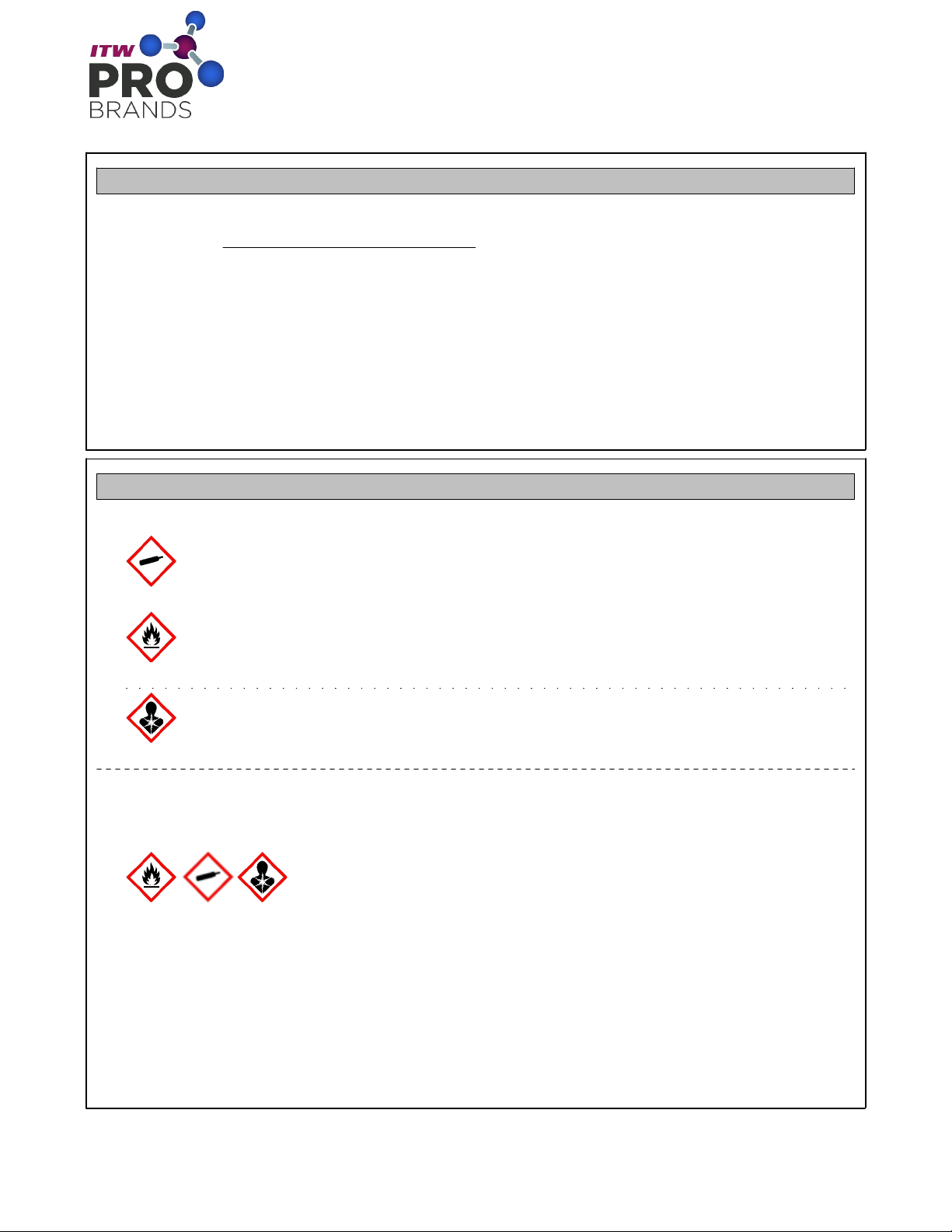
GHS 04 gas cylinder
H280 Contains gas under pressure; may explode if heated.
GHS02 Flame
Flam. Aerosol 2 H223-H229 Flammable aerosol. Pressurized container: May burst if heated.
GHS08 Health hazard
Asp. Tox. 1 H304 May be fatal if swallowed and enters airways.
·
Label elements
·
GHS label elements
The product is classified and labeled according to the Globally Harmonized System (GHS).
·
Hazard pictograms
GHS02 GHS04 GHS08
·
Signal word
·
Hazard-determining components of labeling:
Danger
Distillates (petroleum), hydrotreated light
White Mineral Oil
·
Hazard statements
H280 Contains gas under pressure; may explode if heated.
H223-H229 Flammable aerosol. Pressurized container: May burst if heated.
H304 May be fatal if swallowed and enters airways.
(Contd. on page 2)
40.0
Page 2
Page 2 of 12
Safety Data Sheet
acc. to HCS and GHS
Printing date 11/24/2014 Reviewed on 11/24/2014
Trade name: Stainless Steel Cleaner and Polish
(Contd. of page 1)
·
Precautionary statements
P210 Keep away from heat/sparks/open flames/hot surfaces. - No smoking.
P251 Pressurized container: Do not pierce or burn, even after use.
P211 Do not spray on an open flame or other ignition source.
P301+P310 If swallowed: Immediately call a poison center/doctor.
P331 Do NOT induce vomiting.
P410+P412 Protect from sunlight. Do not expose to temperatures exceeding 50 °C/122 °F.
P501 Dispose of contents/container in accordance with local/regional/national/international
regulations.
·
Additional information:
·
Hazard description:
·
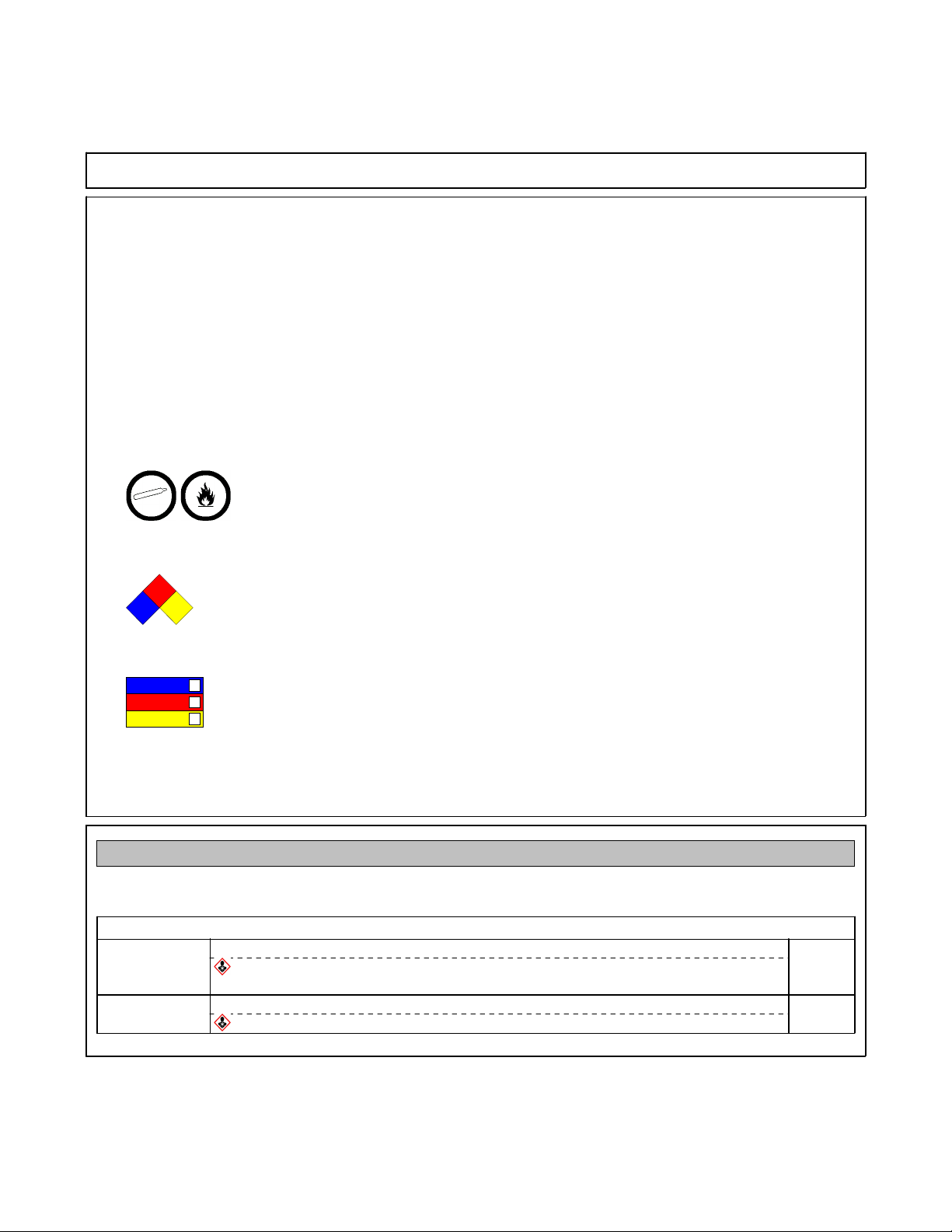
WHMIS-symbols:
A - Compressed gas
B5 - Flammable aerosol
Pressurized container: May burst if heated.
·
Classification system:
·
NFPA ratings (scale 0 - 4)
Health = 0
030
·
HMIS-ratings (scale 0 - 4)
HEALTH
FIRE
REACTIVITY
·
Other hazards
·
Results of PBT and vPvB assessment
·
PBT:
·
vPvB:
Fire = 3
Reactivity = 0
0
Health = 0
3
Fire = 3
0
Reactivity = 0
Not applicable.
Not applicable.
3 Composition/information on ingredients
·
Chemical characterization: Mixtures
·
Description:
·
Dangerous components:
64742-47-8 Distillates (petroleum), hydrotreated light
8042-47-5 White Mineral Oil
Mixture of the substances listed below with nonhazardous additions.
Asp. Tox. 1, H304
Flam. Liq. 4, H227
Asp. Tox. 1, H304
60-80%
20-40%
(Contd. on page 3)
40.0
Page 3
Page 3 of 12
Safety Data Sheet
acc. to HCS and GHS
Printing date 11/24/2014 Reviewed on 11/24/2014
Trade name: Stainless Steel Cleaner and Polish
(Contd. of page 2)
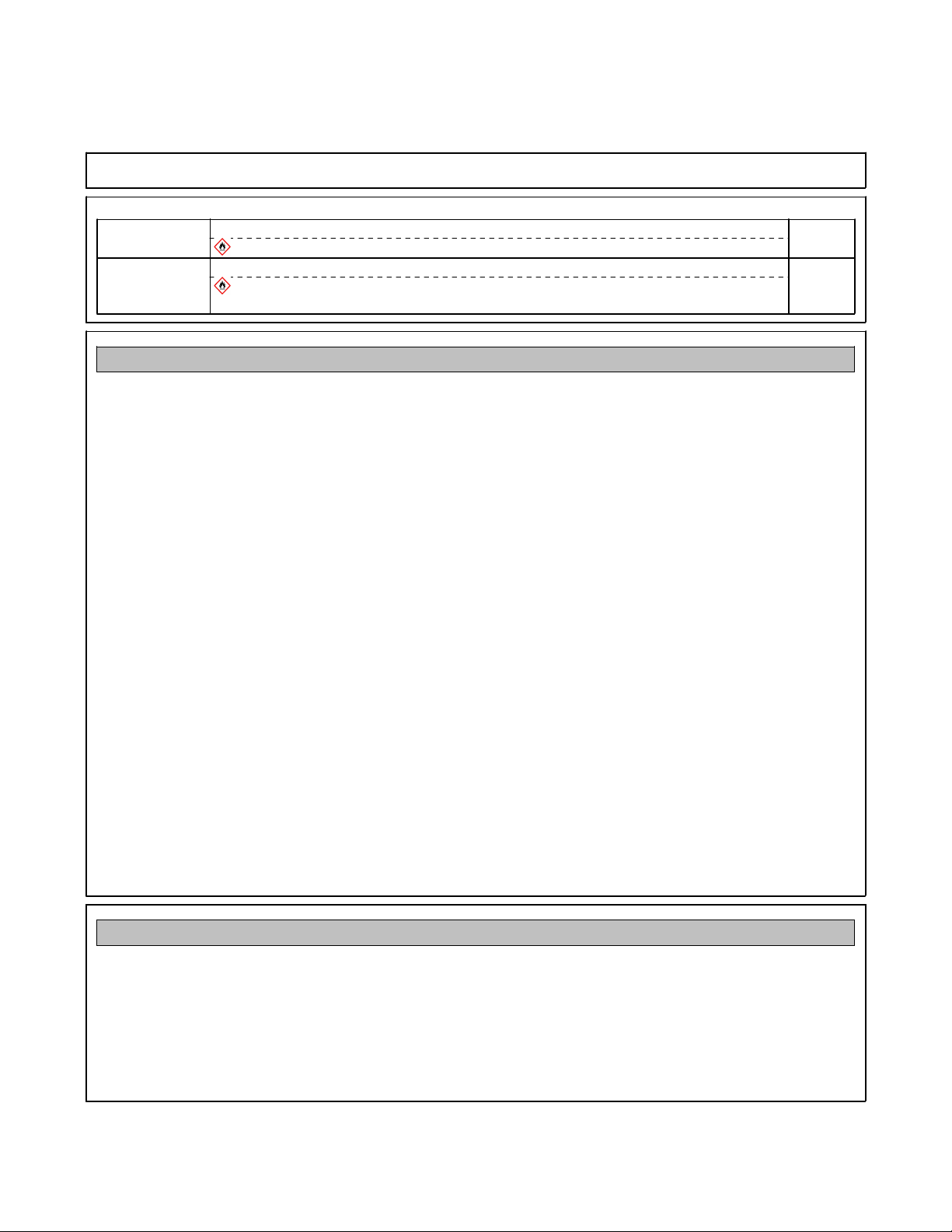
72-28-5 Isobutane
Flam. Gas 1, H220
74-98-6 propane
Flam. Gas 1, H220
Press. Gas, H280
4 First-aid measures
·
Description of first aid measures
·
General information:
·
After inhalation:
Supply fresh air; consult doctor in case of complaints.
Provide oxygen treatment if affected person has difficulty breathing.
In case of unconsciousness place patient stably in side position for transportation.
·
After skin contact:
Immediately wash with water and soap and rinse thoroughly.
In cases of frostbite, rinse with plenty of water. Do not remove clothing.
If skin irritation continues, consult a doctor.
·
After eye contact:
Remove contact lenses if worn.
Rinse opened eye for several minutes under running water. If symptoms persist, consult a doctor.
·
After swallowing:
Unlikely route of exposure.
Do not induce vomiting; immediately call for medical help.
A person vomiting while lying on their back should be turned onto their side.
·
Most important symptoms and effects, both acute and delayed
Headache
Breathing difficulty
Dizziness
Coughing
Frostbite
Nausea
Disorientation
·
Danger
·
Indication of any immediate medical attention and special treatment needed
Danger of impaired breathing.
Treat frost-bitten areas appropriately.
If swallowed or in case of vomiting, danger of entering the lungs.
Take affected persons out into the fresh air.
5-10%
1-5%
5 Fire-fighting measures
·
Extinguishing media
·
Suitable extinguishing agents:
Water fog / haze
Foam
Fire-extinguishing powder
Carbon dioxide
·
For safety reasons unsuitable extinguishing agents:
40.0
Water stream.
(Contd. on page 4)
Page 4
Page 4 of 12
Safety Data Sheet
acc. to HCS and GHS
Printing date 11/24/2014 Reviewed on 11/24/2014
Trade name: Stainless Steel Cleaner and Polish
(Contd. of page 3)
·
Special hazards arising from the substance or mixture
Danger of receptacles bursting because of high vapor pressure if heated.
Formation of toxic gases is possible during heating or in case of fire.
·
Advice for firefighters
·
Protective equipment:
Wear self-contained respiratory protective device.
Wear fully protective suit.
·
Additional information
Eliminate all ignition sources if safe to do so.
Leaking gas fire: Do not extinguish, unless leak can be stopped safely.
Cool endangered receptacles with water fog.
6 Accidental release measures
·
Personal precautions, protective equipment and emergency procedures
Use respiratory protective device against the effects of fumes/dust/aerosol.
Wear protective equipment. Keep unprotected persons away.
Ensure adequate ventilation.
Keep away from ignition sources.
·
Environmental precautions:
·
Methods and material for containment and cleaning up:
Allow to evaporate.
Absorb with non-combustible liquid-binding material (sand, diatomite, acid binders, universal binders).
Remove from the water surface (e.g. skim or suck off).
Ensure adequate ventilation.
Dispose contaminated material as waste according to item 13.
·
Reference to other sections
See Section 7 for information on safe handling.
See Section 8 for information on personal protection equipment.
See Section 13 for disposal information.
Do not allow to enter sewers/ surface or ground water.
7 Handling and storage
·
Precautions for safe handling
Keep away from heat and direct sunlight.
Use only in well ventilated areas.
Pressurized container: Do not pierce or burn, even after use.
·
Information about protection against explosions and fires:
Keep ignition sources away - Do not smoke.
Fumes can combine with air to form an explosive mixture.
Flammable gas-air mixtures may be formed in empty receptacles.
Do not spray on a naked flame or any incandescent material.
·
Conditions for safe storage, including any incompatibilities
·
Storage:
·
Requirements to be met by storerooms and receptacles:
Observe official regulations on storing packagings with pressurized containers.
Provide ventilation for receptacles.
40.0
(Contd. on page 5)
Page 5
Page 5 of 12
Safety Data Sheet
acc. to HCS and GHS
Printing date 11/24/2014 Reviewed on 11/24/2014
Trade name: Stainless Steel Cleaner and Polish
(Contd. of page 4)
Avoid storage near extreme heat, ignition sources or open flame.
·
Information about storage in one common storage facility:
Store away from foodstuffs.
Store away from oxidizing agents.
·
Further information about storage conditions:
Store in a cool place. Heat will increase pressure and may lead to the receptacle bursting.
·
Specific end use(s)
8 Exposure controls/personal protection
·
Additional information about design of technical systems:
·
Control parameters
·
Components with limit values that require monitoring at the workplace:
64742-47-8 Distillates (petroleum), hydrotreated light
EL (Canada) Long-term value: 200 mg/m³
74-98-6 propane
PEL (USA) Long-term value: 1800 mg/m³, 1000 ppm
REL (USA) Long-term value: 1800 mg/m³, 1000 ppm
TLV (USA) refer to Appendix F
EL (Canada) Long-term value: 1000 ppm
EV (Canada) Long-term value: 1.000 ppm
LMPE (Mexico) Long-term value: 1000 ppm
·
Additional information:
·
Exposure controls
·
Personal protective equipment:
·
General protective and hygienic measures:
The usual precautionary measures for handling chemicals should be followed.
Keep away from foodstuffs, beverages and feed.
Wash hands before breaks and at the end of work.
Do not inhale gases / fumes / aerosols.
Avoid close or long term contact with the skin.
Avoid contact with the eyes.
·
Breathing equipment:
Not required under normal conditions of use.
For spills, respiratory protection may be advisable.
Use suitable respiratory protective device in case of insufficient ventilation.
·
Protection of hands:
No further relevant information available.
No further data; see item 7.
Skin
The lists that were valid during the creation were used as basis.
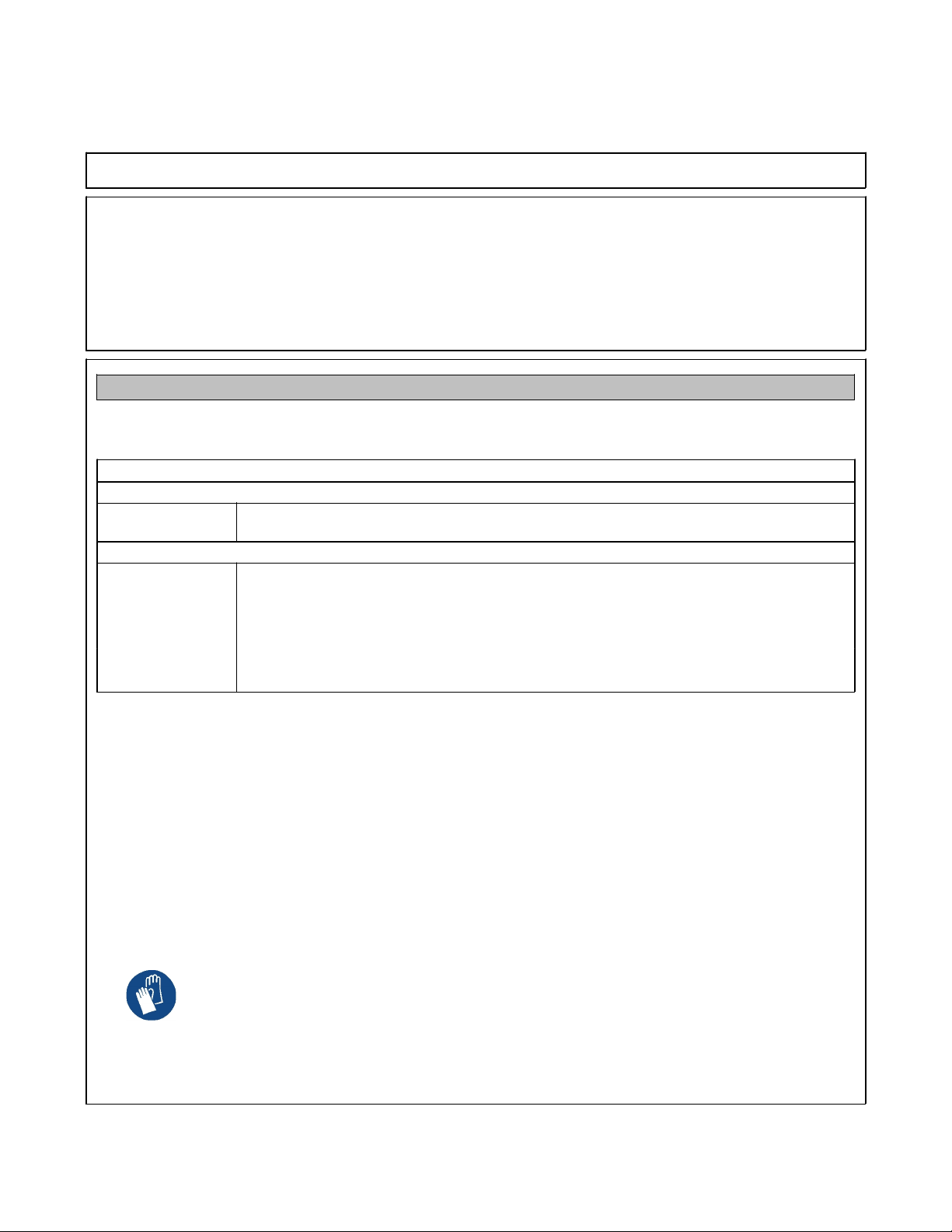
Protective gloves
The glove material has to be impermeable and resistant to the product/ the substance/ the preparation.
Selection of the glove m aterial on consideration of the penetration times, rates of diffusion and the
degradation
(Contd. on page 6)
40.0
Page 6
Page 6 of 12
Safety Data Sheet
acc. to HCS and GHS
Printing date 11/24/2014 Reviewed on 11/24/2014
Trade name: Stainless Steel Cleaner and Polish
(Contd. of page 5)
·
Material of gloves
The selection of the suitable gloves does not only depend on the material, but also on further marks of
quality and varies from manufacturer to manufacturer. As the product is a preparation of several
substances, the resistance of the glove material can not be calculated in advance and has therefore to be
checked prior to the application.
·
Penetration time of glove material
The exact break through time has to be found out by the manufacturer of the protective gloves and has to
be observed.
·
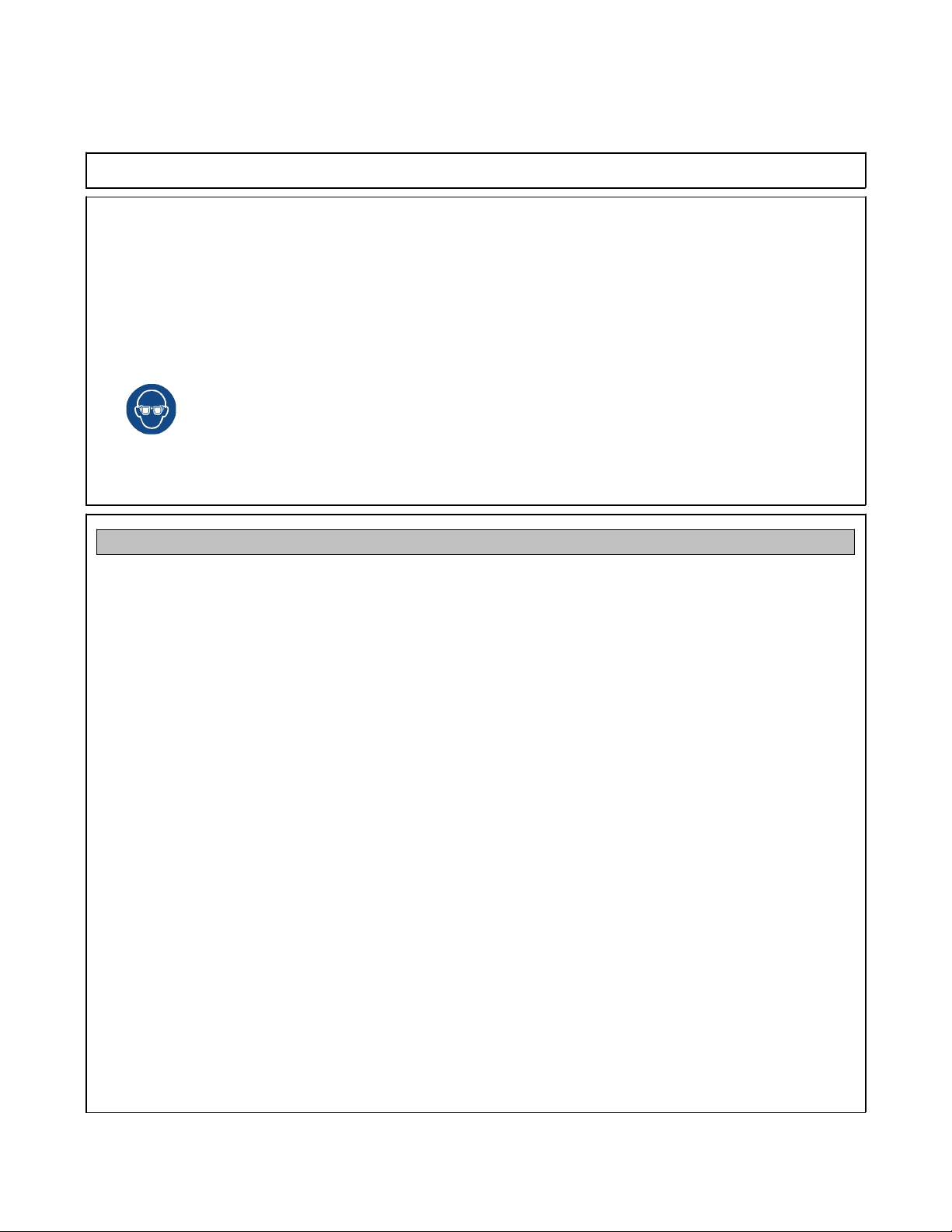
Eye protection:
Safety glasses
·
Body protection:
·
Limitation and supervision of exposure into the environment
No further relevant information available.
Protective work clothing
9 Physical and chemical properties
·
Information on basic physical and chemical properties
·
General Information
·
Appearance:
Form:
Color:
·
Odor:
·
Odor threshold:
·
pH-value:
·
Change in condition
Melting point/Melting range:
Boiling point/Boiling range:
·
Flash point:
·
Flammability (solid, gaseous):
·
Auto-ignition temperature:
·
Decomposition temperature:
·
Auto igniting:
·
Danger of explosion:
·
Explosion limits:
Lower:
Upper:
·
Vapor pressure at 21 °C (70 °F):
·
Density at 20 °C (68 °F):
·
Relative density
·
Vapour density
Aerosol
Colorless
Lemon
Not determined.
Not determined.
Undetermined.
Not applicable, as aerosol.
82 °C (180 °F) ((liquid component))
Not applicable.
Not determined.
Not determined.
Product is not self-igniting.
Not determined.
Not determined.
Not determined.
20 - 35 psig
0.80 g/cm³ (6.676 lbs/gal)
Not determined.
> 1 (Air=1)
(Contd. on page 7)
40.0
Page 7
Page 7 of 12
Safety Data Sheet
acc. to HCS and GHS
Printing date 11/24/2014 Reviewed on 11/24/2014
Trade name: Stainless Steel Cleaner and Polish
(Contd. of page 6)
·
Evaporation rate
·
Solubility in / Miscibility with
Water:
·
Partition coefficient (n-octanol/water):
·
Viscosity:
Dynamic:
Kinematic:
·
Solvent content:
VOC content:
·
Other information
10 Stability and reactivity
·
Reactivity
·
Chemical stability
·
Thermal decomposition / conditions to be avoided:
No decomposition if used and stored according to specifications.
Danger of receptacles bursting because of high vapor pressure if heated.
·
Possibility of hazardous reactions
Can form explosive mixtures in air if heated above flash point and/or when sprayed or atomized.
Reacts violently with oxidizing agents.
Danger of receptacles bursting because of high vapor pressure if heated.
Flammable aerosol.
·
Conditions to avoid
Keep away from heat and direct sunlight.
Excessive heat and contact with oxidizers.
Keep ignition sources away - Do not smoke.
·
Incompatible materials:
·
Hazardous decomposition products:
Carbon monoxide and carbon dioxide
Hydrocarbons
No further relevant information available.
Not applicable.
Not miscible or difficult to mix.
Not determined.
Not determined.
Not determined.
12.56 %
No further relevant information available.
11 Toxicological information
·
Information on toxicological effects
·
Acute toxicity:
·
LD/LC50 values that are relevant for classification:
64742-47-8 Distillates (petroleum), hydrotreated light
Oral LD50 > 5000 mg/kg (rat)
Dermal LD50 >2000 mg/kg (rabbit)
·
Primary irritant effect:
·
on the skin:
·
on the eye:
·
Sensitization:
40.0
No irritant effect.
No irritating effect.
No sensitizing effects known.
(Contd. on page 8)
Page 8
Page 8 of 12
Safety Data Sheet
acc. to HCS and GHS
Printing date 11/24/2014 Reviewed on 11/24/2014
Trade name: Stainless Steel Cleaner and Polish
(Contd. of page 7)
·
Other information (about experimental toxicology):
·
Additional toxicological information:
The product shows the following dangers according to internally approved calculation methods for
preparations:
·
Carcinogenic categories
·
NTP (National Toxicology Program)
None of the ingredients is listed.
·
OSHA-Ca (Occupational Safety & Health Administration)
None of the ingredients is listed.
·
Repeated Dose Toxicity:
May cause damage to organs through prolonged or repeated exposure.
12 Ecological information
·
Toxicity
·
Aquatic toxicity:
·
Persistence and degradability
·
Bioaccumulative potential
·
Mobility in soil
·
Ecotoxical effects:
·
Remark:
Due to mechanical actions of the product (e.g. agglutinations) damages may occur.
The product is oxygen-consuming. The declared action may be partly caused by lack of oxygen.
·
Additional ecological information:
·
General notes:
Due to the consistence and the low watersolubility of the product a bioavailability is not probable.
Do not allow undiluted product or large quantities of it to reach ground water, water course or sewage
system.
·
Results of PBT and vPvB assessment
·
PBT:
Not applicable.
·
vPvB:
·
Other adverse effects
Not applicable.
No further relevant information available.
No further relevant information available.
No further relevant information available.
No further relevant information available.
No further relevant information available.
Vapors have narcotic effect.
13 Disposal considerations
·
Waste treatment methods
·
Recommendation:
Must not be disposed of together with household garbage. Do not allow product to reach sewage system.
Contact waste processors for recycling information.
Can be burned with household garbage after consulting with the waste disposal facility operator and the
pertinent authorities and adhering to the necessary technical regulations.
The user of this material has the responsibility to dispose of unused material, residues and containers in
compliance with all relevant local, state and federal laws and regulations regarding treatment, storage and
disposal for hazardous and nonhazardous wastes. Residual materials should be treated as hazardous.
40.0
(Contd. on page 9)
Page 9

Page 9 of 12
Safety Data Sheet
acc. to HCS and GHS
Printing date 11/24/2014 Reviewed on 11/24/2014
Trade name: Stainless Steel Cleaner and Polish
(Contd. of page 8)
·
Uncleaned packagings:
·
Recommendation:
14 Transport information
·
UN-Number
·
DOT, ADR, IMDG, IATA
·
UN proper shipping name
Limited Quantity for packages less than 30 kg (66 lb) and inner packagings less than 1 L (0.3
gal).
·
DOT
·
ADR
·
IMDG
·
IATA
·
Transport hazard class(es)
·
DOT
Disposal must be made according to official regulations.
UN1950
Aerosols, flammable
1950 AEROSOLS, flammable
AEROSOLS
AEROSOLS, flammable
·
Class
·
Label
·
ADR
·
Class
·
Label
·
IMDG
·
Class
·
Label
·
IATA
·
Class
·
Label
2.1
2.1
2 5F Gases
2.1
2 Gases
2.1
2.1
2.1
(Contd. on page 10)
40.0
Page 10
Page 10 of 12
Safety Data Sheet
acc. to HCS and GHS
Printing date 11/24/2014 Reviewed on 11/24/2014
Trade name: Stainless Steel Cleaner and Polish
(Contd. of page 9)
·
Packing group
·
DOT, ADR, IMDG, IATA
·
Environmental hazards:
·
Marine pollutant:
·
Special precautions for user
·
Danger code (Kemler):
·
EMS Number:
·
Transport in bulk according to Annex II of
MARPOL73/78 and the IBC Code
·
Transport/Additional information:
·
DOT
·
Quantity limitations
·
ADR
·
Excepted quantities (EQ)
·
IMDG
·
Limited quantities (LQ)
·
Excepted quantities (EQ)
·
UN "Model Regulation":
Not Regulated
No
Warning: Gases
F-D,S-U
Not applicable.
On passenger aircraft/rail: 75kg
On cargo aircraft only: 150kg
Code: E0
Not permitted as Excepted Quantity
1000mL
Code: E0
Not permitted as Excepted Quantity
UN1950, Aerosols, 2.1
15 Regulatory information
·
Safety, health and environmental regulations/legislation specific for the substance or mixture
·
SARA
·
Section 355 (extremely hazardous substances):
None of the ingredients is listed.
·
Section 313 (Specific toxic chemical listings):
None of the ingredients are listed.
·
TSCA (Toxic Substances Control Act):
All ingredients are listed.
·
Proposition 65 (California)
·
Chemicals known to cause cancer:
None of the ingredients are listed.
·
Chemicals known to cause reproductive toxicity for females:
None of the ingredients are listed.
·
Chemicals known to cause reproductive toxicity for males:
None of the ingredients is listed.
·
Chemicals known to cause developmental toxicity:
None of the ingredients is listed.
(Contd. on page 11)
40.0
Page 11
Page 11 of 12
Safety Data Sheet
acc. to HCS and GHS
Printing date 11/24/2014 Reviewed on 11/24/2014
Trade name: Stainless Steel Cleaner and Polish
(Contd. of page 10)
·
Carcinogenic categories
·
EPA (Environmental Protection Agency)
None of the ingredients is listed.
·
IARC (International Agency for Research on Cancer)
None of the ingredients is listed.
·
TLV (Threshold Limit Value established by ACGIH)
None of the ingredients is listed.
·
NIOSH-Ca (National Institute for Occupational Safety and Health)
None of the ingredients is listed.
·
State Right to Know Listings
Some ingredients listed.
·
Canadian substance listings:
·
Canadian Domestic Substances List (DSL)
All ingredients are listed.
·
Canadian Ingredient Disclosure list (limit 0.1%)
None of the ingredients is listed.
·
Canadian Ingredient Disclosure list (limit 1%)
None of the ingredients is listed.
·
Other regulations, limitations and prohibitive regulations
This product has been classified in accordance with hazard criteria of the Controlled Products Regulations
and the SDS contains all the information required by the Controlled Products Regulations.
·
Chemical safety assessment:
A Chemical Safety Assessment has not been carried out.
16 Other information
This information is based on our present knowledge. However, this shall not constitute a guarantee for any
specific product features and shall not establish a legally valid contractual relationship.
·
Date of preparation / last revision
·
Abbreviations and acronyms:
ADR: Accord européen s ur le tran sport des marc handises dangereuses par R oute (Euro pean Agree ment concerning the
International Carriage of Dangerous Goods by Road)
IMDG: International Maritime Code for Dangerous Goods
DOT: US Department of Transportation
IATA: International Air Transport Association
ACGIH: American Conference of Governmental Industrial Hygienists
EINECS: European Inventory of Existing Commercial Chemical Substances
ELINCS: European List of Notified Chemical Substances
CAS: Chemical Abstracts Service (division of the American Chemical Society)
NFPA: National Fire Protection Association (USA)
HMIS: Hazardous Materials Identification System (USA)
WHMIS: Workplace Hazardous Materials Information System (Canada)
VOC: Volatile Organic Compounds (USA, EU)
LC50: Lethal concentration, 50 percent
LD50: Lethal dose, 50 percent
Flam. Gas 1: Flammable gases, Hazard Category 1
Flam. Aerosol 2: Flammable aerosols, Hazard Category 2
Press. Gas: Gases under pressure: Compressed gas
11/24/2014 / -
(Contd. on page 12)
40.0
Page 12
Page 12 of 12
Safety Data Sheet
acc. to HCS and GHS
Printing date 11/24/2014 Reviewed on 11/24/2014
Trade name: Stainless Steel Cleaner and Polish
Flam. Liq. 4: Flammable liquids, Hazard Category 4
Asp. Tox. 1: Aspiration hazard, Hazard Category 1
·
Sources
SDS Prepared by:
ChemTel Inc.
1305 North Florida Avenue
Tampa, Florida USA 33602-2902
Toll Free North America 1-888-255-3924 Intl. +01 813-248-0573
Website: www.chemtelinc.com
(Contd. of page 11)
40.0
 Loading...