

Page 1

INTEGRATED CIRCUITS
89C51/89C52/89C54/89C58
80C51 8-bit microcontroller family
4K/8K/16K/32K Flash
Product specification
Replaces Datasheets 89C51 of 1999 Apr 01 and 89C52/89C54/89C58 of 1999 Apr 01
1999 Oct 27
Page 2
Philips Semiconductors Product specification
80C51 8-bit microcontroller family
4K/8K/16K/32K Flash
DESCRIPTION
The 89C51/89C52/89C54/89C58 contain a non-volatile FLASH
program memory that is parallel programmable. For devices that are
serial programmable (In System Programmable (ISP) with a boot
loader), see the 89C51RC+/89C51RD+ datasheet.
Both families are Single-Chip 8-bit Microcontrollers manufactured in
advanced CMOS process and are derivatives of the 80C51
microcontroller family. All the devices have the same instruction set
as the 80C51.
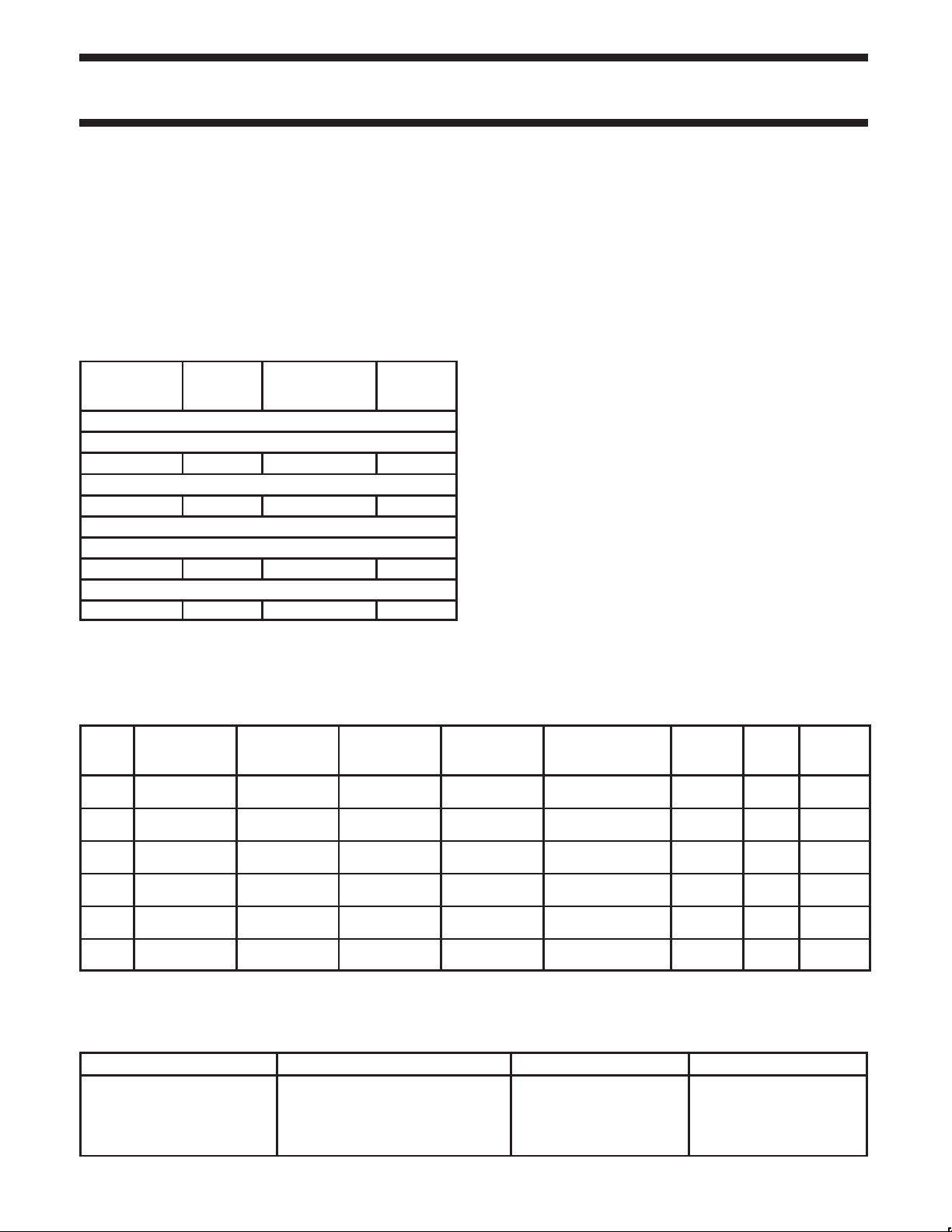
SELECTION T ABLE FOR FLASH DEVICES
ROM/EPROM
Memory Size
(X by 8)
Multi-Time Programmable (MTP) devices:
89C51
4 k 128 No No
89C52/54/58
8 k/16 k/32 k 256 No No
Serial In-System Programmable devices:
89C51RC+
32 k 512 Yes Yes
89C51RD+
64 k 1024 Yes Yes
RAM Size
(X by 8)
Programmable
Timer Counter
(PCA)
Hardware
Watchdog
Timer
89C51/89C52/89C54/89C58
FEATURES
•80C51 Central Processing Unit
•On-chip FLASH Program Memory
•Speed up to 33 MHz
•Full static operation
•RAM expandable externally to 64 k bytes
•4 level priority interrupt
•6 interrupt sources
•Four 8-bit I/O ports
•Full-duplex enhanced UART
– Framing error detection
– Automatic address recognition
•Power control modes
– Clock can be stopped and resumed
– Idle mode
– Power down mode
•Programmable clock out
•Second DPTR register
•Asynchronous port reset
•Low EMI (inhibit ALE)
•3 16-bit timers
•Wake up from power down by an external interrupt
ORDERING INFORMATION
MEMORY SIZE
4 k × 8
FLASH P89C51UBA A P89C52UBA A P89C54UBA A P89C58UBA A
FLASH P89C51UBP N P89C52UBP N P89C54UBP N P89C58UBP N
FLASH P89C51UBB B P89C52UBB B P89C54UBB B P89C58UBB B
FLASH P89C51UFA A P89C52UFA A P89C54UFA A P89C58UFA A
FLASH P89C51UFP N P89C52UFP N P89C54UFP N P89C58UFP N
FLASH P89C51UFB B P89C52UFB B P89C54UFB B P89C58UFB B
NOTES:
1. Contact Philips Sales for availability.
2. SOT not assigned for this package outline.
MEMORY SIZE
8 k × 8
MEMORY SIZE
16 k × 8
MEMORY SIZE
32 k × 8
TEMPERATURE
RANGE °C
AND PACKAGE
0 to +70, Plastic
Leaded Chip Carrier
0 to +70, Plastic
Dual In-line Package
0 to +70, Plastic
Quad Flat Pack
–40 to +85, Plastic
1
Leaded Chip Carrier
–40 to +85, Plastic
1
Dual In-line Package
–40 to +85, Plastic
1
Quad Flat Pack
VOLTAGE
RANGE
5 V 0 to 33 SOT187-2
5 V 0 to 33 SOT129-1
5 V 0 to 33 QFP44
5 V 0 to 33 SOT187-2
5 V 0 to 33 SOT129-1
5 V 0 to 33 QFP44
FREQ.
(MHz)
P ART NUMBER DERIVATION
DEVICE NUMBER (P89CXX) OPERATING FREQUENCY, MAX (V) TEMPERATURE RANGE (B) PACKAGE (AA, BB, PN)
P89C51 FLASH
P89C52 FLASH
P89C54 FLASH
P89C58 FLASH
U = 33 MHz
B = 0_C to 70_C
F = –40_C to 85_C
AA = PLCC
BB = PQFP
PN = PDIP
DWG.
#
2
2
1999 Oct 27 853–2148 22592
2
Page 3
Philips Semiconductors Product specification
80C51 8-bit microcontroller family
4K/8K/16K/32K Flash
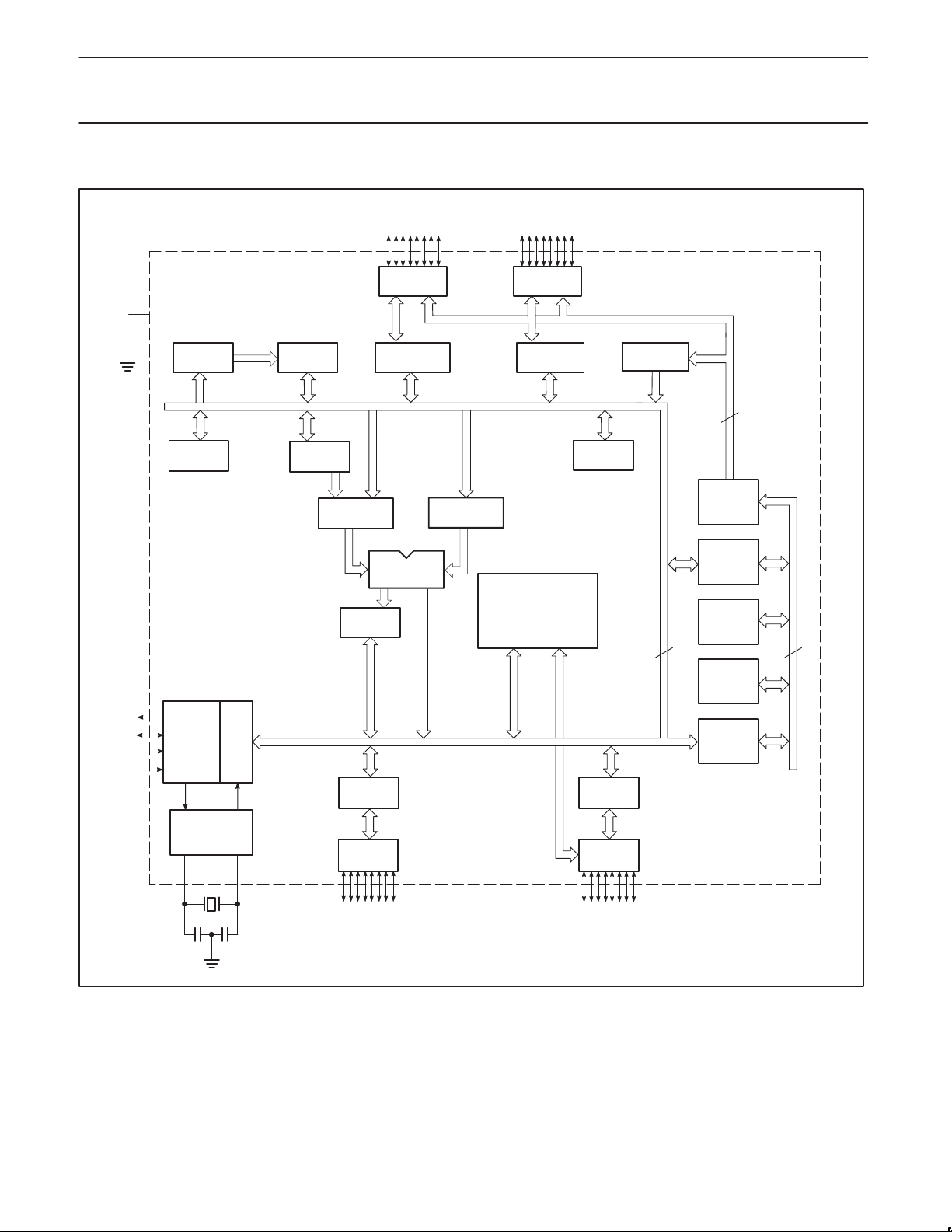
BLOCK DIAGRAM
V
CC
V
SS
RAM ADDR
REGISTER
B
REGISTER
RAM
ACC
TMP2
P0.0–P0.7 P2.0–P2.7
PORT 0
DRIVERS
PORT 0
LATCH
TMP1
PORT 2
DRIVERS
PORT 2
LATCH
89C51/89C52/89C54/89C58
FLASH
8
STACK
POINTER
PROGRAM
ADDRESS
REGISTER
PSEN
EAV
ALE
PP
RST
TIMING
AND
CONTROL
OSCILLATOR
XTAL1 XTAL2
INSTRUCTION
PD
REGISTER
PSW
PORT 1
LATCH
PORT 1
DRIVERS
P1.0–P1.7
ALU
SFRs
TIMERS
PORT 3
LATCH
PORT 3
DRIVERS
P3.0–P3.7
BUFFER
PC
INCRE-
MENTER
8 16
PROGRAM
COUNTER
DPTR’S
MULTIPLE
SU01066
1999 Oct 27
3
Page 4
Philips Semiconductors Product specification
80C51 8-bit microcontroller family
4K/8K/16K/32K Flash
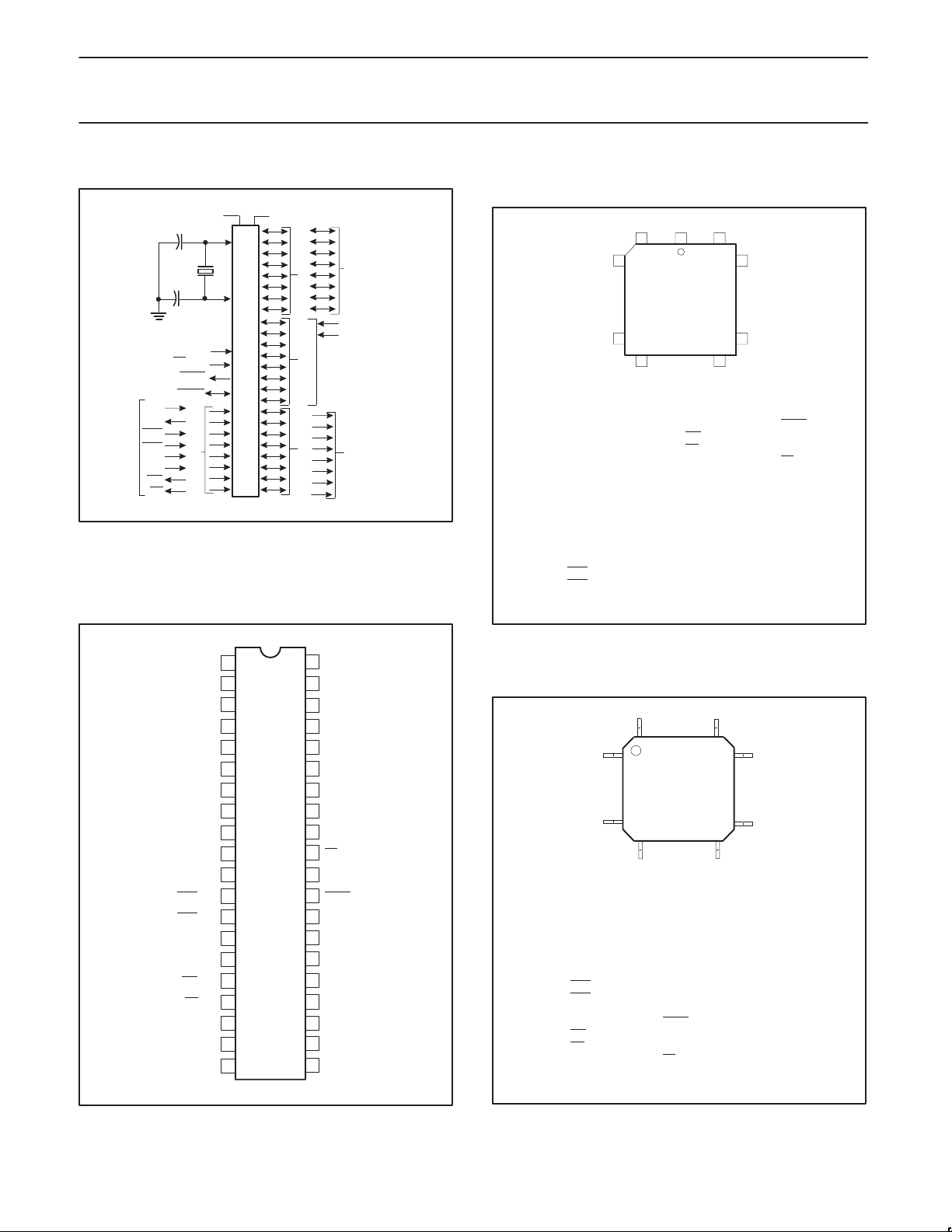
LOGIC SYMBOL
V
V
SS
CC
XTAL1
ADDRESS AND
PORT 0
XTAL2
RST
EA/V
PP
PSEN
ALE/PROG
RxD
TxD
INT0
INT1
T0
PORT 3
T1
WR
RD
SECONDARY FUNCTIONS
PIN CONFIGURA TIONS
Dual In-Line Package Pin Functions
DATA BUS
T2
T2EX
PORT 1PORT 2
ADDRESS BUS
SU00830
89C51/89C52/89C54/89C58
Ceramic and Plastic Leaded Chip Carrier
Pin Functions
6140
7
17
Pin Function
1 NIC*
2 P1.0/T2
3 P1.1/T2EX
4 P1.2
5 P1.3
6 P1.4
7 P1.5
8 P1.6
9 P1.7
10 RST
11 P3.0/RxD
12 NIC*
13 P3.1/TxD
14 P3.2/INT0
15 P3.3/INT1
* NO INTERNAL CONNECTION
LCC
18 28
Pin Function
16 P3.4/T0
17 P3.5/T1
18 P3.6/WR
19 P3.7/RD
20 XTAL2
21 XTAL1
22 V
SS
23 NIC*
24 P2.0/A8
25 P2.1/A9
26 P2.2/A10
27 P2.3/A11
28 P2.4/A12
29 P2.5/A13
30 P2.6/A14
39
29
Pin Function
31 P2.7/A15
32 PSEN
33 ALE
34 NIC*
35 EA/V
36 P0.7/AD7
37 P0.6/AD6
38 P0.5/AD5
39 P0.4/AD4
40 P0.3/AD3
41 P0.2/AD2
42 P0.1/AD1
43 P0.0/AD0
44 V
PP
CC
SU01062
T2/P1.0
T2EX/P1.1
P1.2
P1.3
P1.4
P1.5
P1.6
P1.7
RST
RxD/P3.0
TxD/P3.1
INT0
/P3.2
/P3.3
INT1
T0/P3.4
T1/P3.5
/P3.6
WR
RD
/P3.7
XTAL2
XTAL1
V
40
39
38
37
36
35
34
33
32
31
30
29
28
27
26
25
24
23
22
21
SU01063
V
CC
P0.0/AD0
P0.1/AD1
P0.2/AD2
P0.3/AD3
P0.4/AD4
P0.5/AD5
P0.6/AD6
P0.7/AD7
EA
/V
PP
ALE
PSEN
P2.7/A15
P2.6/A14
P2.5/A13
P2.4/A12
P2.3/A11
P2.2/A10
P2.1/A9
P2.0/A8
Plastic Quad Flat Pack Pin Functions
44 34
1
PQFP
11
12 22
Pin Function
1 P1.5
2 P1.6
3 P1.7
4 RST
5 P3.0/RxD
6 NIC*
7 P3.1/TxD
8 P3.2/INT0
9 P3.3/INT1
10 P3.4/T0
11 P3.5/T1
12 P3.6/WR
13 P3.7/RD
14 XTAL2
15 XTAL1
* NO INTERNAL CONNECTION
Pin Function
16 V
SS
17 NIC*
18 P2.0/A8
19 P2.1/A9
20 P2.2/A10
21 P2.3/A11
22 P2.4/A12
23 P2.5/A13
24 P2.6/A14
25 P2.7/A15
26 PSEN
27 ALE
28 NIC*
29 EA
/V
30 P0.7/AD7
PP
Pin Function
31 P0.6/AD6
32 P0.5/AD5
33 P0.4/AD4
34 P0.3/AD3
35 P0.2/AD2
36 P0.1/AD1
37 P0.0/AD0
38 V
39 NIC*
40 P1.0/T2
41 P1.1/T2EX
42 P1.2
43 P1.3
44 P1.4
33
23
CC
SU01064
1
2
3
4
5
6
7
8
9
DUAL
10
IN-LINE
PACKAGE
11
12
13
14
15
16
17
18
19
20
SS
1999 Oct 27
4
Page 5
Philips Semiconductors Product specification
80C51 8-bit microcontroller family
4K/8K/16K/32K Flash
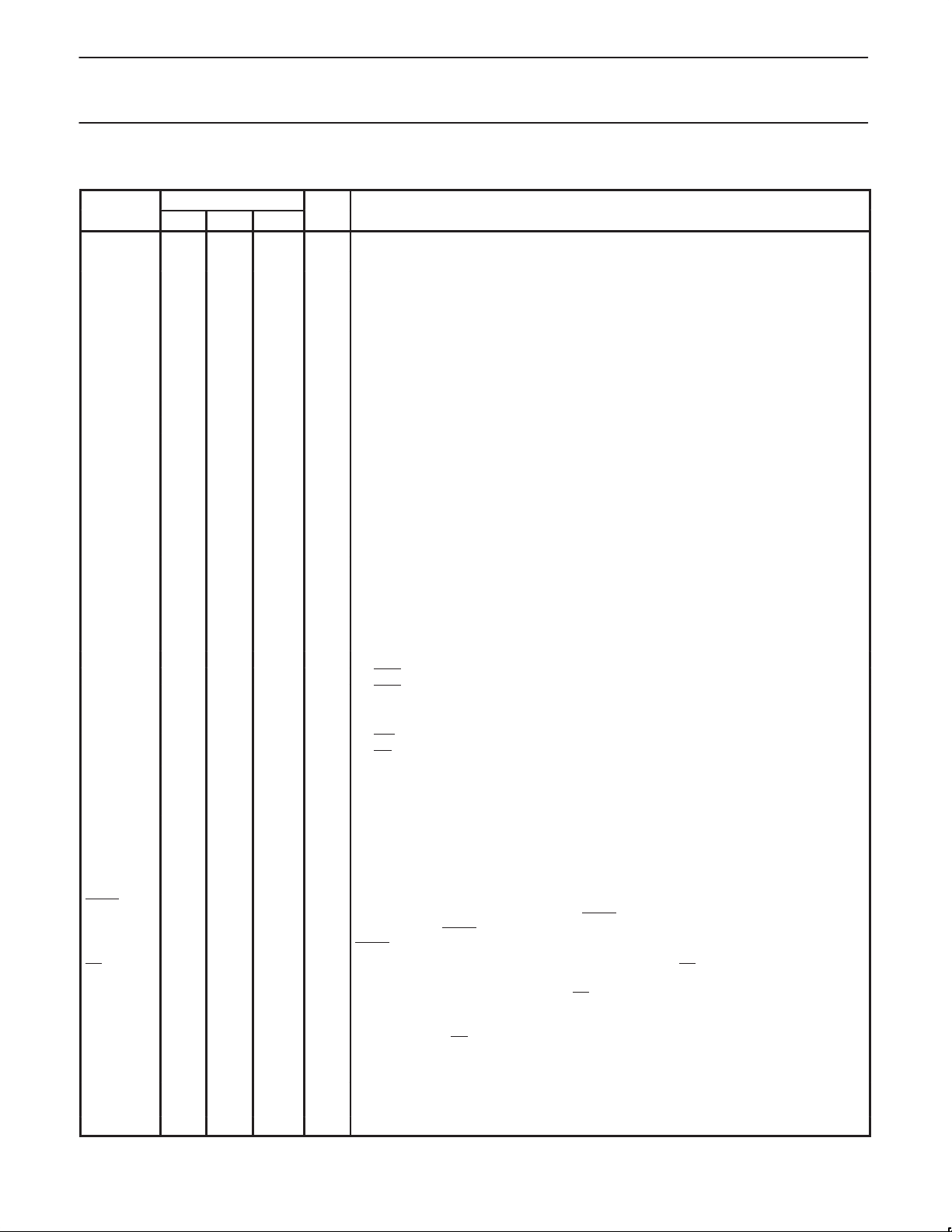
PIN DESCRIPTIONS
PIN NUMBER
MNEMONIC DIP LCC QFP TYPE NAME AND FUNCTION
V
SS
V
CC
P0.0–0.7 39–32 43–36 37–30 I/O Port 0: Port 0 is an open-drain, bidirectional I/O port. Port 0 pins that have 1s written to
P1.0–P1.7 1–8 2–9 40–44,
P2.0–P2.7 21–28 24–31 18–25 I/O Port 2: Port 2 is an 8-bit bidirectional I/O port with internal pull-ups. Port 2 pins that have 1s
P3.0–P3.7 10–17 11,
RST 9 10 4 I Reset: A high on this pin for two machine cycles while the oscillator is running, resets the
ALE 30 33 27 O Address Latch Enable: Output pulse for latching the low byte of the address during an
PSEN 29 32 26 O Program Store Enable: The read strobe to external program memory. When executing
EA/V
PP
XTAL1 19 21 15 I Crystal 1: Input to the inverting oscillator amplifier and input to the internal clock
XTAL2 18 20 14 O Crystal 2: Output from the inverting oscillator amplifier.
NOTE: To avoid “latch-up” effect at power-on, the voltage on any pin (other than VPP) at any time must not be higher than VCC + 0.5 V or
– 0.5 V , respectively.
V
SS
20 22 16 I Ground: 0 V reference.
40 44 38 I Power Supply: This is the power supply voltage for normal, idle, and power-down operation.
them float and can be used as high-impedance inputs. Port 0 is also the multiplexed
low-order address and data bus during accesses to external program and data memory. In
this application, it uses strong internal pull-ups when emitting 1s.
1–3
1 2 40 I/O T2 (P1.0): Timer/Counter2 external count input/clockout (see Programmable Clock-Out).
2 3 41 I T2EX (P1.1): Timer/Counter2 reload/capture/direction control.
13–195,7–13
10 11 5 I RxD (P3.0): Serial input port
11 13 7 O TxD (P3.1): Serial output port
12 14 8 I INT0 (P3.2): External interrupt
13 15 9 I INT1 (P3.3): External interrupt
14 16 10 I T0 (P3.4): Timer 0 external input
15 17 11 I T1 (P3.5): Timer 1 external input
16 18 12 O WR (P3.6): External data memory write strobe
17 19 13 O RD (P3.7): External data memory read strobe
31 35 29 I External Access Enable/Programming Supply Voltage: EA must be externally held low
I/O Port 1: Port 1 is an 8-bit bidirectional I/O port with internal pull-ups. Port 1 pins that have 1s
written to them are pulled high by the internal pull-ups and can be used as inputs. As inputs,
port 1 pins that are externally pulled low will source current because of the internal pull-ups.
(See DC Electrical Characteristics: I
written to them are pulled high by the internal pull-ups and can be used as inputs. As inputs,
port 2 pins that are externally being pulled low will source current because of the internal
pull-ups. (See DC Electrical Characteristics: I
during fetches from external program memory and during accesses to external data memory
that use 16-bit addresses (MOVX @DPTR). In this application, it uses strong internal
pull-ups when emitting 1s. During accesses to external data memory that use 8-bit addresses
(MOV @Ri), port 2 emits the contents of the P2 special function register.
I/O Port 3: Port 3 is an 8-bit bidirectional I/O port with internal pull-ups. Port 3 pins that have 1s
written to them are pulled high by the internal pull-ups and can be used as inputs. As inputs,
port 3 pins that are externally being pulled low will source current because of the pull-ups.
(See DC Electrical Characteristics: I
89C51/89C52/89C54/89C58, as listed below:
device. An internal diffused resistor to V
capacitor to V
access to external memory. In normal operation, ALE is emitted at a constant rate of 1/6 the
oscillator frequency , and can be used for external timing or clocking. Note that one ALE
pulse is skipped during each access to external data memory. ALE can be disabled by
setting SFR auxiliary.0. With this bit set, ALE will be active only during a MOVX instruction.
code from the external program memory, PSEN
except that two PSEN
is not activated during fetches from internal program memory.
PSEN
to enable the device to fetch code from external program memory locations 0000H to the
maximum internal memory boundary. If EA
program memory unless the program counter contains an address greater than 0FFFH for
4 k devices, 1FFFH for 8 k devices, 3FFFH for 16 k devices, and 7FFFH for 32 k devices.
The value on the EA
have no effect. This pin also receives the 12.00 V programming supply voltage (V
FLASH programming.
generator circuits.
.
CC
activations are skipped during each access to external data memory.
pin is latched when RST is released and any subsequent changes
89C51/89C52/89C54/89C58
). Alternate function for Port 1:
IL
). Port 2 emits the high-order address byte
IL
). Port 3 also serves the special features of the
IL
permits a power-on reset using only an external
SS
is activated twice each machine cycle,
is held high, the device executes from internal
) during
PP
1999 Oct 27
5
Page 6
Philips Semiconductors Product specification
80C51 8-bit microcontroller family
4K/8K/16K/32K Flash
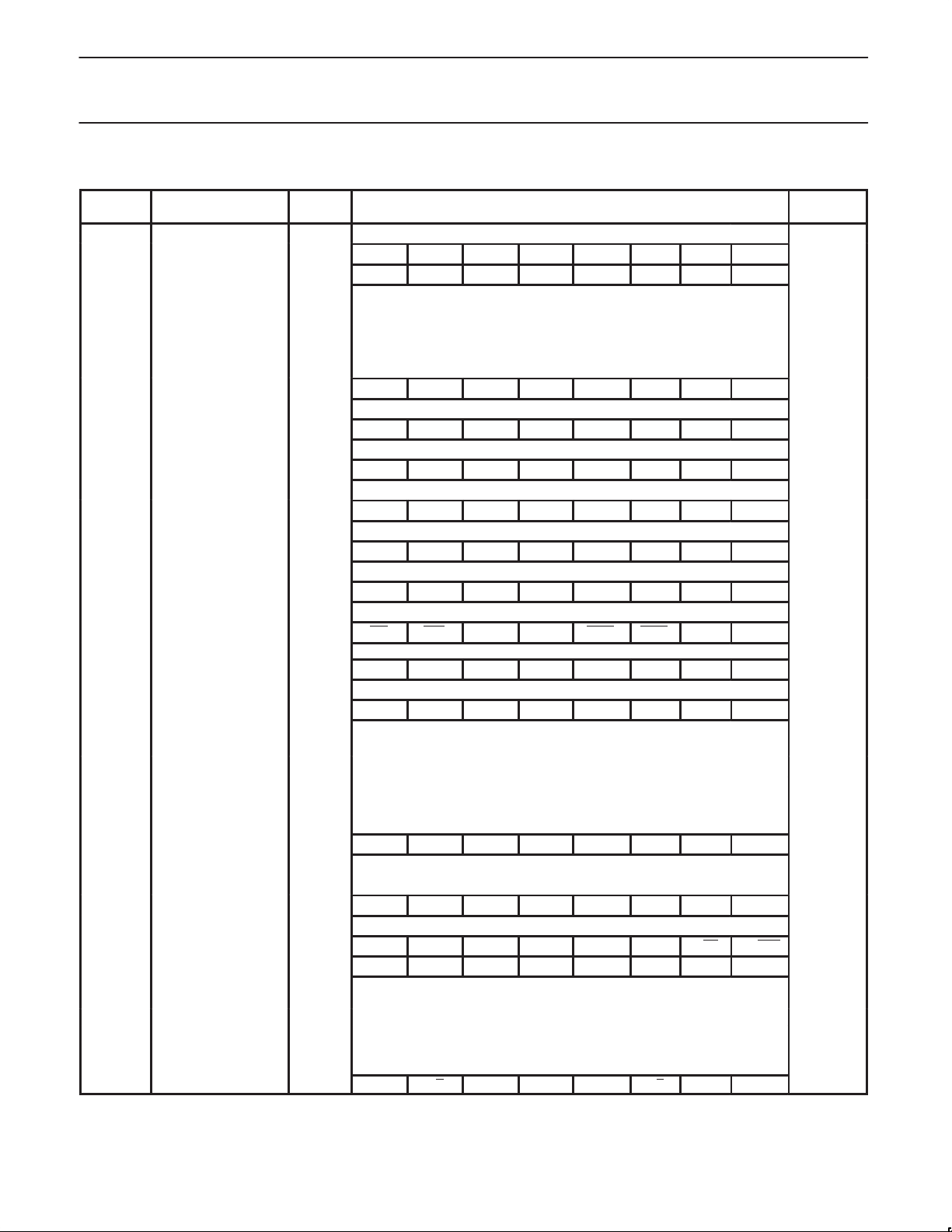
Table 1. 89C51/89C52/89C54/89C58 Special Function Registers
SYMBOL DESCRIPTION
ACC* Accumulator E0H E7 E6 E5 E4 E3 E2 E1 E0 00H
AUXR# Auxiliary 8EH – – – – – – – AO xxxxxxx0B
AUXR1# Auxiliary 1 A2H – – – – GF2 0 – DPS xxxx00x0B
B* B register F0H F7 F6 F5 F4 F3 F2 F1 F0 00H
DPTR: Data Pointer (2 bytes)
DPH Data Pointer High 83H 00H
DPL Data Pointer Low 82H 00H
IE* Interrupt Enable A8H EA – ET2 ES ET1 EX1 ET0 EX0 0x000000B
IP* Interrupt Priority B8H – – PT2 PS PT1 PX1 PT0 PX0 xx000000B
IPH# Interrupt Priority High B7H – – PT2H PSH PT1H PX1H PT0H PX0H xx000000B
P0* Port 0 80H AD7 AD6 AD5 AD4 AD3 AD2 AD1 AD0 FFH
P1* Port 1 90H – – – – – – T2EX T2 FFH
P2* Port 2 A0H AD15 AD14 AD13 AD12 AD11 AD10 AD9 AD8 FFH
P3* Port 3 B0H RD WR T1 T0 INT1 INT0 TxD RxD FFH
DIRECT
ADDRESS
BIT ADDRESS, SYMBOL, OR ALTERNATIVE PORT FUNCTION
MSB LSB
AF AE AD AC AB AA A9 A8
BF BE BD BC BB BA B9 B8
B7 B6 B5 B4 B3 B2 B1 B0
87 86 85 84 83 82 81 80
97 96 95 94 93 92 91 90
A7 A6 A5 A4 A3 A2 A1 A0
B7 B6 B5 B4 B3 B2 B1 B0
89C51/89C52/89C54/89C58
RESET
VALUE
PCON#1Power Control 87H SMOD1 SMOD0 – POF
D7 D6 D5 D4 D3 D2 D1 D0
PSW* Program Status Word D0H CY AC F0 RS1 RS0 OV – P 000000x0B
RACAP2H# Timer 2 Capture High CBH 00H
RACAP2L# Timer 2 Capture Low CAH 00H
SADDR# Slave Address A9H 00H
SADEN# Slave Address Mask B9H 00H
SBUF Serial Data Buffer 99H xxxxxxxxB
9F 9E 9D 9C 9B 9A 99 98
SCON* Serial Control 98H
SP Stack Pointer 81H 07H
TCON* Timer Control 88H TF1 TR1 TF0 TR0 IE1 IT1 IE0 IT0 00H
T2CON* Timer 2 Control C8H TF2 EXF2 RCLK TCLK EXEN2 TR2 C/T2 CP/RL2 00H
T2MOD# Timer 2 Mode Control C9H – – – – – – T2OE DCEN xxxxxx00B
TH0 Timer High 0 8CH 00H
TH1 Timer High 1 8DH 00H
TH2# Timer High 2 CDH 00H
TL0 Timer Low 0 8AH 00H
TL1 Timer Low 1 8BH 00H
TL2# Timer Low 2 CCH 00H
TMOD T imer Mode 89H GATE C/T M1 M0 GATE C/T M1 M0 00H
* SFRs are bit addressable.
# SFRs are modified from or added to the 80C51 SFRs.
– Reserved bits.
1. Reset value depends on reset source.
2. Bit will not be affected by reset.
SM0/FE
8F 8E 8D 8C 8B 8A 89 88
CF CE CD CC CB CA C9 C8
SM1 SM2 REN TB8 RB8 TI RI 00H
2
GF1 GF0 PD IDL 00xxx000B
1999 Oct 27
6
Page 7

Philips Semiconductors Product specification
80C51 8-bit microcontroller family
4K/8K/16K/32K Flash
FLASH EPROM MEMORY
General Description
The 89C51/89C52/89C54/89C58 FLASH reliably stores memory
contents even after 100 erase and program cycles. The cell is
designed to optimize the erase and programming mechanisms. In
addition, the combination of advanced tunnel oxide processing and
low internal electric fields for erase and programming operations
produces reliable cycling.
Features
•FLASH EPROM internal program memory with Chip Erase
•Up to 64 k byte external program memory if the internal program
memory is disabled (EA
•Programmable security bits
•100 minimum erase/program cycles for each byte
•10 year minimum data retention
•Programming support available from many popular vendors
= 0)
89C51/89C52/89C54/89C58
OSCILLA T OR CHARACTERISTICS
XTAL1 and XTAL2 are the input and output, respectively, of an
inverting amplifier. The pins can be configured for use as an
on-chip oscillator.
To drive the device from an external clock source, XTAL1 should be
driven while XTAL2 is left unconnected. There are no requirements
on the duty cycle of the external clock signal, because the input to
the internal clock circuitry is through a divide-by-two flip-flop.
However, minimum and maximum high and low times specified in
the data sheet must be observed.
RESET
A reset is accomplished by holding the RST pin high for at least two
machine cycles (24 oscillator periods), while the oscillator is running.
To insure a good power-on reset, the RST pin must be high long
enough to allow the oscillator time to start up (normally a few
milliseconds) plus two machine cycles. At power-on, the voltage on
V
and RST must come up at the same time for a proper start-up.
CC
Ports 1, 2, and 3 will asynchronously be driven to their reset
condition when a voltage above V
The value on the EA
no further effect.
pin is latched when RST is deasserted and has
(min.) is applied to RESET.
IH1
1999 Oct 27
7
Page 8
Philips Semiconductors Product specification
80C51 8-bit microcontroller family
4K/8K/16K/32K Flash
LOW POWER MODES
Stop Clock Mode
The static design enables the clock speed to be reduced down to
0 MHz (stopped). When the oscillator is stopped, the RAM and
Special Function Registers retain their values. This mode allows
step-by-step utilization and permits reduced system power
consumption by lowering the clock frequency down to any value. For
lowest power consumption the Power Down mode is suggested.
Idle Mode
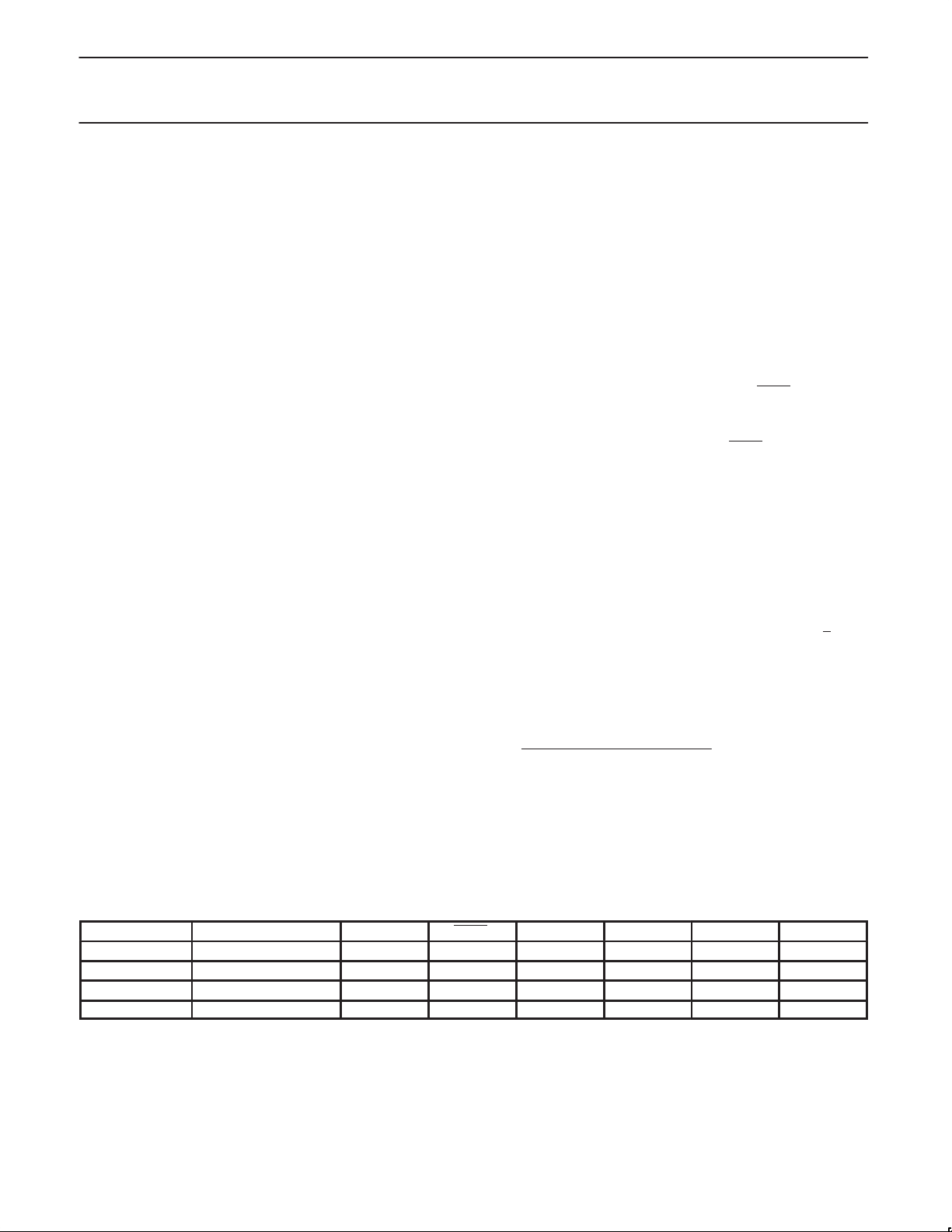
In the idle mode (see Table 2), the CPU puts itself to sleep while all
of the on-chip peripherals stay active. The instruction to invoke the
idle mode is the last instruction executed in the normal operating
mode before the idle mode is activated. The CPU contents, the
on-chip RAM, and all of the special function registers remain intact
during this mode. The idle mode can be terminated either by any
enabled interrupt (at which time the process is picked up at the
interrupt service routine and continued), or by a hardware reset
which starts the processor in the same manner as a power-on reset.
Power-Down Mode
To save even more power, a Power Down mode (see Table 2) can
be invoked by software. In this mode, the oscillator is stopped and
the instruction that invoked Power Down is the last instruction
executed. The on-chip RAM and Special Function Registers retain
their values down to 2.0 V and care must be taken to return V
the minimum specified operating voltages before the Power Down
Mode is terminated.
Either a hardware reset or external interrupt can be used to exit from
Power Down. Reset redefines all the SFRs but does not change the
on-chip RAM. An external interrupt allows both the SFRs and the
on-chip RAM to retain their values.
To properly terminate Power Down the reset or external interrupt
should not be executed before V
operating level and must be held active long enough for the
oscillator to restart and stabilize (normally less than 10ms).
With an external interrupt, INT0 and INT1 must be enabled and
configured as level-sensitive. Holding the pin low restarts the oscillator
but bringing the pin back high completes the exit. Once the interrupt
is serviced, the next instruction to be executed after RETI will be the
one following the instruction that put the device into Power Down.
is restored to its normal
CC
CC
to
89C51/89C52/89C54/89C58
Design Consideration
•When the idle mode is terminated by a hardware reset, the device
normally resumes program execution, from where it left off, up to
two machine cycles before the internal reset algorithm takes
control. On-chip hardware inhibits access to internal RAM in this
event, but access to the port pins is not inhibited. To eliminate the
possibility of an unexpected write when Idle is terminated by reset,
the instruction following the one that invokes Idle should not be
one that writes to a port pin or to external memory.
ONCE Mode
The ONCE (“On-Circuit Emulation”) Mode facilitates testing and
debugging of systems without the device having to be removed from
the circuit. The ONCE Mode is invoked by:
1. Pull ALE low while the device is in reset and PSEN
2. Hold ALE low as RST is deactivated.
While the device is in ONCE Mode, the Port 0 pins go into a float
state, and the other port pins and ALE and PSEN
high. The oscillator circuit remains active. While the device is in this
mode, an emulator or test CPU can be used to drive the circuit.
Normal operation is restored when a normal reset is applied.
Programmable Clock-Out
A 50% duty cycle clock can be programmed to come out on P1.0.
This pin, besides being a regular I/O pin, has two alternate
functions. It can be programmed:
1. to input the external clock for Timer/Counter 2, or
2. to output a 50% duty cycle clock ranging from 61Hz to 4MHz at a
16MHz operating frequency.
To configure the Timer/Counter 2 as a clock generator, bit C/T2 (in
T2CON) must be cleared and bit T20E in T2MOD must be set. Bit
TR2 (T2CON.2) also must be set to start the timer.
The Clock-Out frequency depends on the oscillator frequency and
the reload value of Timer 2 capture registers (RCAP2H, RCAP2L)
as shown in this equation:
Oscillator Frequency
4 (65536 * RCAP2H,RCAP2L)
Where (RCAP2H,RCAP2L) = the content of RCAP2H and RCAP2L
taken as a 16-bit unsigned integer.
In the Clock-Out mode Timer 2 roll-overs will not generate an
interrupt. This is similar to when it is used as a baud-rate generator.
It is possible to use Timer 2 as a baud-rate generator and a clock
generator simultaneously. Note, however, that the baud-rate and the
Clock-Out frequency will be the same.
is high;
are weakly pulled
Table 2. External Pin Status During Idle and Power-Down Mode
MODE PROGRAM MEMORY ALE PSEN PORT 0 PORT 1 PORT 2 PORT 3
Idle Internal 1 1 Data Data Data Data
Idle External 1 1 Float Data Address Data
Power-down Internal 0 0 Data Data Data Data
Power-down External 0 0 Float Data Data Data
1999 Oct 27
8
Page 9
Philips Semiconductors Product specification
80C51 8-bit microcontroller family
4K/8K/16K/32K Flash
TIMER 2 OPERATION
Timer 2
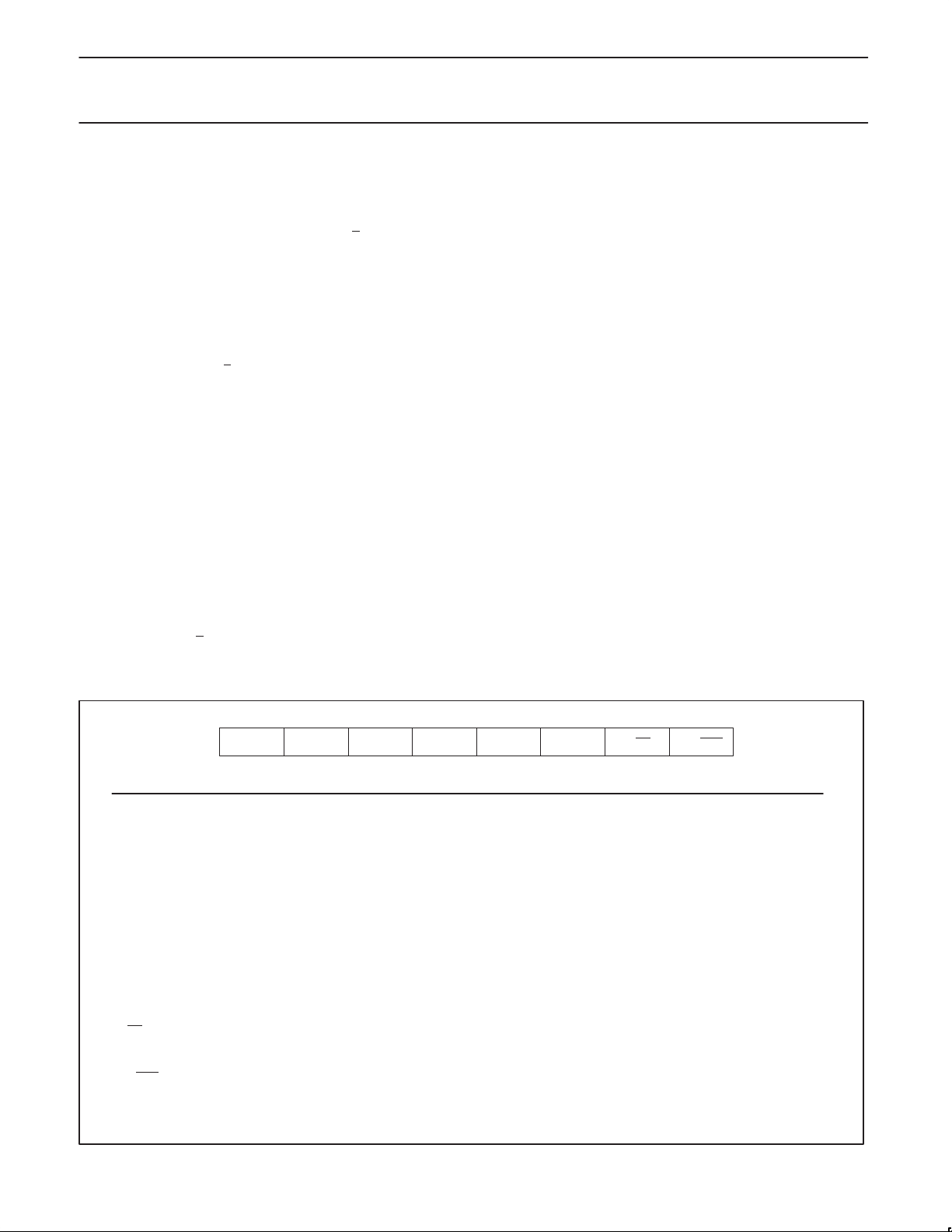
Timer 2 is a 16-bit Timer/Counter which can operate as either an
event timer or an event counter, as selected by C/T
function register T2CON (see Figure 1). Timer 2 has three operating
modes: Capture, Auto-reload (up or down counting), and Baud Rate
Generator, which are selected by bits in the T2CON as shown in
Table 3.
Capture Mode
In the capture mode there are two options which are selected by bit
EXEN2 in T2CON. If EXEN2=0, then timer 2 is a 16-bit timer or
counter (as selected by C/T
sets bit TF2, the timer 2 overflow bit. This bit can be used to
generate an interrupt (by enabling the Timer 2 interrupt bit in the
IE register). If EXEN2= 1, Timer 2 operates as described above, but
with the added feature that a 1- to -0 transition at external input
T2EX causes the current value in the Timer 2 registers, TL2 and
TH2, to be captured into registers RCAP2L and RCAP2H,
respectively. In addition, the transition at T2EX causes bit EXF2 in
T2CON to be set, and EXF2 like TF2 can generate an interrupt
(which vectors to the same location as Timer 2 overflow interrupt.
The Timer 2 interrupt service routine can interrogate TF2 and EXF2
to determine which event caused the interrupt). The capture mode is
illustrated in Figure 2 (There is no reload value for TL2 and TH2 in
this mode. Even when a capture event occurs from T2EX, the
counter keeps on counting T2EX pin transitions or osc/12 pulses.).
2* in T2CON) which, upon overflowing
Auto-Reload Mode (Up or Down Counter)
In the 16-bit auto-reload mode, Timer 2 can be configured (as either
a timer or counter [C/T
or down. The counting direction is determined by bit DCEN (Down
Counter Enable) which is located in the T2MOD register (see
2* in T2CON]) then programmed to count up
2* in the special
89C51/89C52/89C54/89C58
Figure 3). When reset is applied the DCEN=0 which means Timer 2
will default to counting up. If DCEN bit is set, Timer 2 can count up
or down depending on the value of the T2EX pin.
Figure 4 shows Timer 2 which will count up automatically since
DCEN=0. In this mode there are two options selected by bit EXEN2
in T2CON register. If EXEN2=0, then T imer 2 counts up to 0FFFFH
and sets the TF2 (Overflow Flag) bit upon overflow. This causes the
Timer 2 registers to be reloaded with the 16-bit value in RCAP2L
and RCAP2H. The values in RCAP2L and RCAP2H are preset by
software means.
If EXEN2=1, then a 16-bit reload can be triggered either by an
overflow or by a 1-to-0 transition at input T2EX. This transition also
sets the EXF2 bit. The Timer 2 interrupt, if enabled, can be
generated when either TF2 or EXF2 are 1.
In Figure 5 DCEN=1 which enables Timer 2 to count up or down.
This mode allows pin T2EX to control the direction of count. When a
logic 1 is applied at pin T2EX Timer 2 will count up. Timer 2 will
overflow at 0FFFFH and set the TF2 flag, which can then generate
an interrupt, if the interrupt is enabled. This timer overflow also
causes the 16–bit value in RCAP2L and RCAP2H to be reloaded
into the timer registers TL2 and TH2.
When a logic 0 is applied at pin T2EX this causes Timer 2 to count
down. The timer will underflow when TL2 and TH2 become equal to
the value stored in RCAP2L and RCAP2H. Timer 2 underflow sets
the TF2 flag and causes 0FFFFH to be reloaded into the timer
registers TL2 and TH2.
The external flag EXF2 toggles when Timer 2 underflows or
overflows. This EXF2 bit can be used as a 17th bit of resolution if
needed. The EXF2 flag does not generate an interrupt in this mode
of operation.
(MSB) (LSB)
TF2 EXF2 RCLK TCLK EXEN2 TR2 C/T2
Symbol Position Name and Significance
TF2 T2CON.7 Timer 2 overflow flag set by a T imer 2 overflow and must be cleared by software. TF2 will not be set
EXF2 T2CON.6 Timer 2 external flag set when either a capture or reload is caused by a negative transition on T2EX and
RCLK T2CON.5 Receive clock flag. When set, causes the serial port to use Timer 2 overflow pulses for its receive clock
TCLK T2CON.4 Transmit clock flag. When set, causes the serial port to use Timer 2 overflow pulses for its transmit clock
EXEN2 T2CON.3 Timer 2 external enable flag. When set, allows a capture or reload to occur as a result of a negative
TR2 T2CON.2 Start/stop control for Timer 2. A logic 1 starts the timer.
C/T2
CP/RL2
T2CON.1 Timer or counter select. (Timer 2)
T2CON.0 Capture/Reload flag. When set, captures will occur on negative transitions at T2EX if EXEN2 = 1. When
when either RCLK or TCLK = 1.
EXEN2 = 1. When Timer 2 interrupt is enabled, EXF2 = 1 will cause the CPU to vector to the Timer 2
interrupt routine. EXF2 must be cleared by software. EXF2 does not cause an interrupt in up/down
counter mode (DCEN = 1).
in modes 1 and 3. RCLK = 0 causes Timer 1 overflow to be used for the receive clock.
in modes 1 and 3. TCLK = 0 causes Timer 1 overflows to be used for the transmit clock.
transition on T2EX if Timer 2 is not being used to clock the serial port. EXEN2 = 0 causes Timer 2 to
ignore events at T2EX.
0 = Internal timer (OSC/12)
1 = External event counter (falling edge triggered).
cleared, auto-reloads will occur either with Timer 2 overflows or negative transitions at T2EX when
EXEN2 = 1. When either RCLK = 1 or TCLK = 1, this bit is ignored and the timer is forced to auto-reload
on Timer 2 overflow .
Figure 1. Timer/Counter 2 (T2CON) Control Register
CP/RL2
SU00728
1999 Oct 27
9
Page 10
Philips Semiconductors Product specification
80C51 8-bit microcontroller family
4K/8K/16K/32K Flash
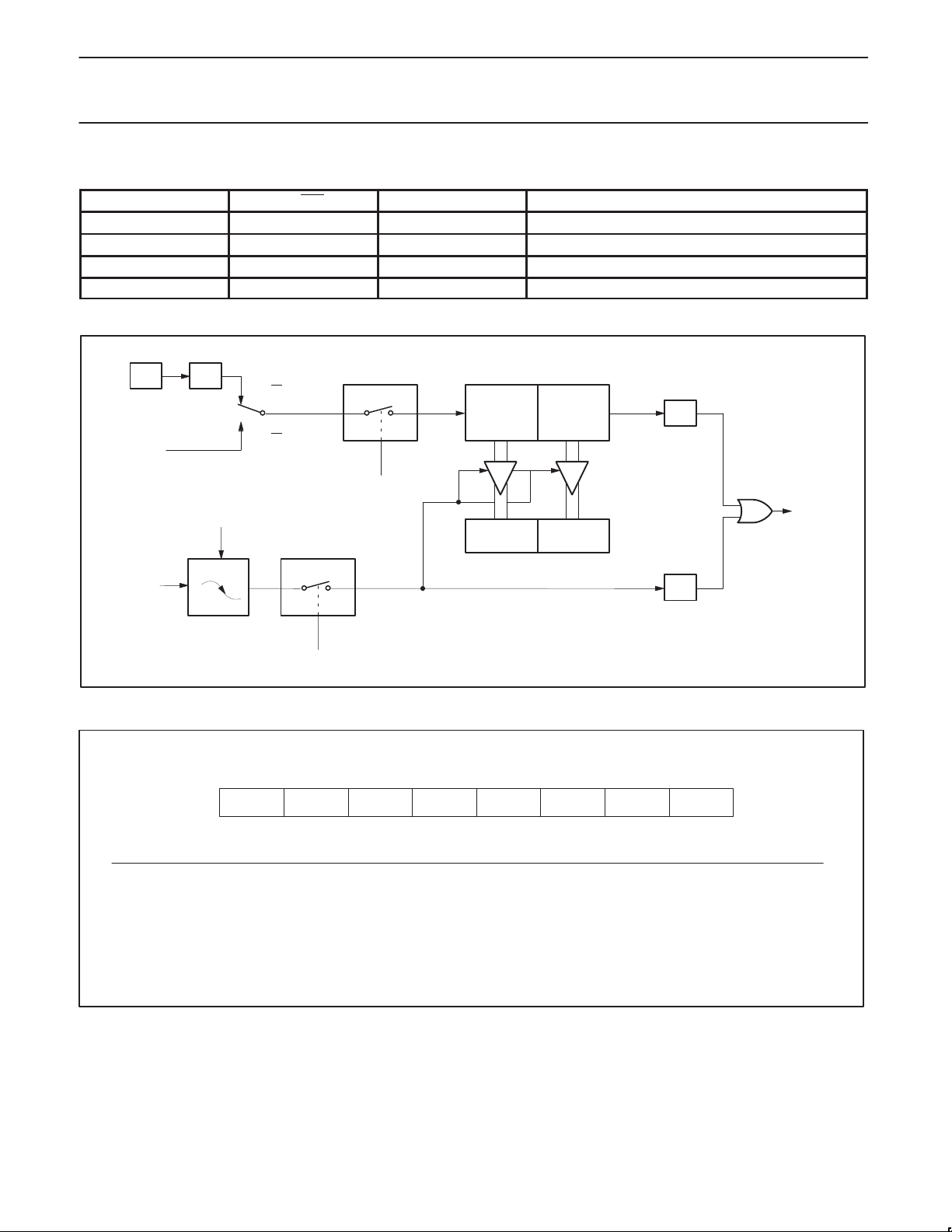
Table 3. Timer 2 Operating Modes
RCLK + TCLK CP/RL2 TR2 MODE
0 0 1 16-bit Auto-reload
0 1 1 16-bit Capture
1 X 1 Baud rate generator
X X 0 (off)
OSC
T2 Pin
÷ 12
Transition
Detector
C/T2
C/T2
= 0
= 1
TR2
Control
Capture
TL2
(8-bits)
RCAP2L RCAP2H
89C51/89C52/89C54/89C58
TH2
(8-bits)
TF2
Timer 2
Interrupt
T2EX Pin
Control
EXEN2
EXF2
SU00066
Figure 2. Timer 2 in Capture Mode
T2MOD Address = 0C9H Reset Value = XXXX XX00B
Not Bit Addressable
— — — — — — T2OE DCEN
Bit
76543210
Symbol Function
— Not implemented, reserved for future use.*
T2OE Timer 2 Output Enable bit.
DCEN Down Count Enable bit. When set, this allows Timer 2 to be configured as an up/down counter.
* User software should not write 1s to reserved bits. These bits may be used in future 8051 family products to invoke new features.
In that case, the reset or inactive value of the new bit will be 0, and its active value will be 1. The value read from a reserved bit is
indeterminate.
SU00729
Figure 3. Timer 2 Mode (T2MOD) Control Register
1999 Oct 27
10
Page 11

Philips Semiconductors Product specification
80C51 8-bit microcontroller family
4K/8K/16K/32K Flash
OSC
T2 PIN
T2EX PIN
÷ 12
TRANSITION
DETECTOR
C/T2 = 0
= 1
C/T2
CONTROL
TR2
CONTROL
EXEN2
RELOAD
89C51/89C52/89C54/89C58
TL2
(8-BITS)
RCAP2L RCAP2H
TH2
(8-BITS)
TF2
EXF2
TIMER 2
INTERRUPT
SU00067
OSC
T2 PIN
÷12
C/T2 = 0
= 1
C/T2
Figure 4. Timer 2 in Auto-Reload Mode (DCEN = 0)
(DOWN COUNTING RELOAD VALUE)
FFH FFH
OVERFLOW
TL2 TH2
CONTROL
TR2
RCAP2L RCAP2H
(UP COUNTING RELOAD VALUE) T2EX PIN
Figure 5. Timer 2 Auto Reload Mode (DCEN = 1)
TOGGLE
COUNT
DIRECTION
1 = UP
0 = DOWN
TF2
EXF2
INTERRUPT
SU00730
1999 Oct 27
11
Page 12

Philips Semiconductors Product specification
Baud Rate
Osc Freq
80C51 8-bit microcontroller family
4K/8K/16K/32K Flash
NOTE: OSC. Freq. is divided by 2, not 12.
OSC
T2 Pin
T2EX Pin
÷ 2
Transition
Detector
C/T2 = 0
C/T2
= 1
Control
TR2
EXF2
TL2
(8-bits)
RCAP2L RCAP2H
Timer 2
Interrupt
TH2
(8-bits)
89C51/89C52/89C54/89C58
Timer 1
Overflow
÷ 2
“0” “1”
SMOD
RCLK
÷ 16
÷ 16 TX Clock
RX Clock
TCLK
Reload
“0”“1”
“0”“1”
Control
EXEN2
Note availability of additional external interrupt.
Figure 6. Timer 2 in Baud Rate Generator Mode
Table 4. Timer 2 Generated Commonly Used
Baud Rates
Timer 2
RCAP2H RCAP2L
375 k 12 MHz FF FF
9.6 k 12 MHz FF D9
2.8 k 12 MHz FF B2
2.4 k 12 MHz FF 64
1.2 k 12 MHz FE C8
300 12 MHz FB 1E
110 12 MHz F2 AF
300 6 MHz FD 8F
110 6 MHz F9 57
Baud Rate Generator Mode
Bits TCLK and/or RCLK in T2CON (Table 4) allow the serial port
transmit and receive baud rates to be derived from either Timer 1 or
Timer 2. When TCLK= 0, Timer 1 is used as the serial port transmit
baud rate generator . When TCLK= 1, Timer 2 is used as the serial
port transmit baud rate generator. RCLK has the same effect for the
serial port receive baud rate. With these two bits, the serial port can
have different receive and transmit baud rates – one generated by
Timer 1, the other by Timer 2.
Figure 6 shows the Timer 2 in baud rate generation mode. The baud
rate generation mode is like the auto-reload mode, in that a rollover in
TH2 causes the Timer 2 registers to be reloaded with the 16-bit value
in registers RCAP2H and RCAP2L, which are preset by software.
SU00068
The baud rates in modes 1 and 3 are determined by Timer 2’s
overflow rate given below:
Modes 1 and 3 Baud Rates +
Timer 2 Overflow Rate
16
The timer can be configured for either “timer” or “counter” operation.
In many applications, it is configured for “timer” operation (C/T
2*=0).
Timer operation is different for Timer 2 when it is being used as a
baud rate generator.
Usually, as a timer it would increment every machine cycle (i.e., 1/12
the oscillator frequency). As a baud rate generator, it increments
every state time (i.e., 1/2 the oscillator frequency). Thus the baud
rate formula is as follows:
Modes 1 and 3 Baud Rates =
Oscillator Frequency
[32 [65536 * (RCAP2H,RCAP2L)]]
Where: (RCAP2H, RCAP2L) = The content of RCAP2H and
RCAP2L taken as a 16-bit unsigned integer.
The Timer 2 as a baud rate generator mode shown in Figure 6, is
valid only if RCLK and/or TCLK = 1 in T2CON register. Note that a
rollover in TH2 does not set TF2, and will not generate an interrupt.
Thus, the Timer 2 interrupt does not have to be disabled when
Timer 2 is in the baud rate generator mode. Also if the EXEN2
(T2 external enable flag) is set, a 1-to-0 transition in T2EX
(Timer/counter 2 trigger input) will set EXF2 (T2 external flag) but
will not cause a reload from (RCAP2H, RCAP2L) to (TH2,TL2).
Therefore when Timer 2 is in use as a baud rate generator, T2EX
can be used as an additional external interrupt, if needed.
1999 Oct 27
12
Page 13

Philips Semiconductors Product specification
80C51 8-bit microcontroller family
4K/8K/16K/32K Flash
When Timer 2 is in the baud rate generator mode, one should not try
to read or write TH2 and TL2. As a baud rate generator, T imer 2 is
incremented every state time (osc/2) or asynchronously from pin T2;
under these conditions, a read or write of TH2 or TL2 may not be
accurate. The RCAP2 registers may be read, but should not be
written to, because a write might overlap a reload and cause write
and/or reload errors. The timer should be turned off (clear TR2)
before accessing the Timer 2 or RCAP2 registers.
Table 4 shows commonly used baud rates and how they can be
obtained from Timer 2.
Summary Of Baud Rate Equations
Timer 2 is in baud rate generating mode. If Timer 2 is being clocked
through pin T2(P1.0) the baud rate is:
Baud Rate +
Timer 2 Overflow Rate
16
Table 5. Timer 2 as a Timer
MODE
16-bit Auto-Reload 00H 08H
16-bit Capture 01H 09H
Baud rate generator receive and transmit same baud rate 34H 36H
Receive only 24H 26H
Transmit only 14H 16H
If Timer 2 is being clocked internally , the baud rate is:
Baud Rate +
Where f
To obtain the reload value for RCAP2H and RCAP2L, the above
equation can be rewritten as:
RCAP2H,RCAP2L + 65536 *
Timer/Counter 2 Set-up
Except for the baud rate generator mode, the values given for T2CON
do not include the setting of the TR2 bit. Therefore, bit TR2 must be
set, separately, to turn the timer on. see Table 5 for set-up of Timer 2
as a timer. Also see Table 6 for set-up of Timer 2 as a counter.
INTERNAL CONTROL
89C51/89C52/89C54/89C58
f
[32 [65536 * (RCAP2H,RCAP2L)]]
= Oscillator Frequency
OSC
(Note 1)
T2CON
OSC
f
ǒ
32 Baud Rate
EXTERNAL CONTROL
OSC
(Note 2)
Ǔ
Table 6. Timer 2 as a Counter
TMOD
MODE
16-bit 02H 0AH
Auto-Reload 03H 0BH
NOTES:
1. Capture/reload occurs only on timer/counter overflow.
2. Capture/reload occurs on timer/counter overflow and a 1-to-0 transition on T2EX (P1.1) pin except when Timer 2 is used in the baud rate
generator mode.
INTERNAL CONTROL
(Note 1)
EXTERNAL CONTROL
(Note 2)
1999 Oct 27
13
Page 14

Philips Semiconductors Product specification
80C51 8-bit microcontroller family
4K/8K/16K/32K Flash
Enhanced UART
The UART operates in all of the usual modes that are described in
the first section of
Microcontrollers
detect by looking for missing stop bits, and automatic address
recognition. The UART also fully supports multiprocessor
communication as does the standard 80C51 UART.
When used for framing error detect the UART looks for missing stop
bits in the communication. A missing bit will set the FE bit in the
SCON register. The FE bit shares the SCON.7 bit with SM0 and the
function of SCON.7 is determined by PCON.6 (SMOD0) (see
Figure 7). If SMOD0 is set then SCON.7 functions as FE. SCON.7
functions as SM0 when SMOD0 is cleared. When used as FE
SCON.7 can only be cleared by software. Refer to Figure 8.
Automatic Address Recognition
Automatic Address Recognition is a feature which allows the UART to
recognize certain addresses in the serial bit stream by using hardware
to make the comparisons. This feature saves a great deal of software
overhead by eliminating the need for the software to examine every
serial address which passes by the serial port. This feature is enabled
by setting the SM2 bit in SCON. In the 9 bit UART modes, mode 2
and mode 3, the Receive Interrupt flag (RI) will be automatically set
when the received byte contains either the “Given” address or the
“Broadcast” address. The 9 bit mode requires that the 9th information
bit is a 1 to indicate that the received information is an address and
not data. Automatic address recognition is shown in Figure 9.
The 8 bit mode is called Mode 1. In this mode the RI flag will be set
if SM2 is enabled and the information received has a valid stop bit
following the 8 address bits and the information is either a Given or
Broadcast address.
Mode 0 is the Shift Register mode and SM2 is ignored.
Using the Automatic Address Recognition feature allows a master to
selectively communicate with one or more slaves by invoking the
Given slave address or addresses. All of the slaves may be
contacted by using the Broadcast address. Two special Function
Registers are used to define the slave’s address, SADDR, and the
address mask, SADEN. SADEN is used to define which bits in the
SADDR are to b used and which bits are “don’t care”. The SADEN
mask can be logically ANDed with the SADDR to create the “Given”
address which the master will use for addressing each of the slaves.
Use of the Given address allows multiple slaves to be recognized
while excluding others. The following examples will help to show the
versatility of this scheme:
Slave 0 SADDR = 1100 0000
Data Handbook IC20, 80C51-Based 8-Bit
. In addition the UART can perform framing error
SADEN = 1111 1101
Given = 1100 00X0
89C51/89C52/89C54/89C58
Slave 1 SADDR = 1100 0000
SADEN = 1111 1110
Given = 1100 000X
In the above example SADDR is the same and the SADEN data is
used to differentiate between the two slaves. Slave 0 requires a 0 in
bit 0 and it ignores bit 1. Slave 1 requires a 0 in bit 1 and bit 0 is
ignored. A unique address for Slave 0 would be 1100 0010 since
slave 1 requires a 0 in bit 1. A unique address for slave 1 would be
1100 0001 since a 1 in bit 0 will exclude slave 0. Both slaves can be
selected at the same time by an address which has bit 0 = 0 (for
slave 0) and bit 1 = 0 (for slave 1). Thus, both could be addressed
with 1100 0000.
In a more complex system the following could be used to select
slaves 1 and 2 while excluding slave 0:
Slave 0 SADDR = 1100 0000
SADEN = 1111 1001
Given = 1100 0XX0
Slave 1 SADDR = 1110 0000
SADEN = 1111 1010
Given = 1110 0X0X
Slave 2 SADDR = 1110 0000
SADEN = 1111 1100
Given = 1110 00XX
In the above example the differentiation among the 3 slaves is in the
lower 3 address bits. Slave 0 requires that bit 0 = 0 and it can be
uniquely addressed by 1110 01 10. Slave 1 requires that bit 1 = 0 and
it can be uniquely addressed by 1110 and 0101. Slave 2 requires
that bit 2 = 0 and its unique address is 1110 0011. To select Slaves 0
and 1 and exclude Slave 2 use address 1110 0100, since it is
necessary to make bit 2 = 1 to exclude slave 2.
The Broadcast Address for each slave is created by taking the
logical OR of SADDR and SADEN. Zeros in this result are trended
as don’t-cares. In most cases, interpreting the don’t-cares as ones,
the broadcast address will be FF hexadecimal.
Upon reset SADDR (SFR address 0A9H) and SADEN (SFR
address 0B9H) are leaded with 0s. This produces a given address
of all “don’t cares” as well as a Broadcast address of all “don’t
cares”. This effectively disables the Automatic Addressing mode and
allows the microcontroller to use standard 80C51 type UART drivers
which do not make use of this feature.
1999 Oct 27
14
Page 15

Philips Semiconductors Product specification
80C51 8-bit microcontroller family
4K/8K/16K/32K Flash
SCON Address = 98H
Bit Addressable
SM0/FE SM1 SM2 REN TB8 RB8 Tl Rl
Bit: 76543210
(SMOD0 = 0/1)*
Symbol Function
FE Framing Error bit. This bit is set by the receiver when an invalid stop bit is detected. The FE bit is not cleared by valid
SM0 Serial Port Mode Bit 0, (SMOD0 must = 0 to access bit SM0)
SM1 Serial Port Mode Bit 1
SM2 Enables the Automatic Address Recognition feature in Modes 2 or 3. If SM2 = 1 then Rl will not be set unless the
REN Enables serial reception. Set by software to enable reception. Clear by software to disable reception.
TB8 The 9th data bit that will be transmitted in Modes 2 and 3. Set or clear by software as desired.
RB8 In modes 2 and 3, the 9th data bit that was received. In Mode 1, if SM2 = 0, RB8 is the stop bit that was received.
Tl Transmit interrupt flag. Set by hardware at the end of the 8th bit time in Mode 0, or at the beginning of the stop bit in the
Rl Receive interrupt flag. Set by hardware at the end of the 8th bit time in Mode 0, or halfway through the stop bit time in
NOTE:
*SMOD0 is located at PCON6.
**f
= oscillator frequency
OSC
frames but should be cleared by software. The SMOD0 bit must be set to enable access to the FE bit.
SM0 SM1 Mode Description Baud Rate**
0 0 0 shift register f
0 1 1 8-bit UART variable
1 0 2 9-bit UART f
1 1 3 9-bit UART variable
received 9th data bit (RB8) is 1, indicating an address, and the received byte is a Given or Broadcast Address.
In Mode 1, if SM2 = 1 then Rl will not be activated unless a valid stop bit was received, and the received byte is a
Given or Broadcast Address. In Mode 0, SM2 should be 0.
In Mode 0, RB8 is not used.
other modes, in any serial transmission. Must be cleared by software.
the other modes, in any serial reception (except see SM2). Must be cleared by software.
Figure 7. SCON: Serial Port Control Register
OSC
OSC
/12
/64 or f
OSC
89C51/89C52/89C54/89C58
Reset Value = 0000 0000B
/32
SU00043
1999 Oct 27
15
Page 16

Philips Semiconductors Product specification
80C51 8-bit microcontroller family
4K/8K/16K/32K Flash
D0 D1 D2 D3 D4 D5 D6 D7 D8
START
BIT
SM0 / FE SM1 SM2 REN TB8 RB8 TI RI
SMOD1 SMOD0 – POF GF1 GF0 PD IDL
0 : SCON.7 = SM0
1 : SCON.7 = FE
Figure 8. UART Framing Error Detection
89C51/89C52/89C54/89C58
DATA BYTE
SET FE BIT IF STOP BIT IS 0 (FRAMING ERROR)
SM0 TO UART MODE CONTROL
ONLY IN
MODE 2, 3
SCON
(98H)
PCON
(87H)
STOP
BIT
SU01191
D0 D1 D2 D3 D4 D5 D6 D7 D8
SM0 SM1 SM2 REN TB8 RB8 TI RI
1
1
RECEIVED ADDRESS D0 TO D7
PROGRAMMED ADDRESS
IN UART MODE 2 OR MODE 3 AND SM2 = 1:
INTERRUPT IF REN=1, RB8=1 AND “RECEIVED ADDRESS” = “PROGRAMMED ADDRESS”
– WHEN OWN ADDRESS RECEIVED, CLEAR SM2 TO RECEIVE DATA BYTES
– WHEN ALL DATA BYTES HAVE BEEN RECEIVED: SET SM2 TO WAIT FOR NEXT ADDRESS.
1
0
11 X
COMPARATOR
Figure 9. UART Multiprocessor Communication, Automatic Address Recognition
SCON
(98H)
SU00045
1999 Oct 27
16
Page 17

Philips Semiconductors Product specification
INTERRUPT PRIORITY LEVEL
80C51 8-bit microcontroller family
4K/8K/16K/32K Flash
Interrupt Priority Structure
The 89C51/89C52/89C54/89C58 have a 6-source four-level
interrupt structure.
There are 3 SFRs associated with the four-level interrupt. They are
the IE, IP, and IPH. (See Figures 10, 11, and 12.) The IPH (Interrupt
Priority High) register makes the four-level interrupt structure
possible. The IPH is located at SFR address B7H. The structure of
the IPH register and a description of its bits is shown in Figure 12.
The function of the IPH SFR is simple and when combined with the
IP SFR determines the priority of each interrupt. The priority of each
interrupt is determined as shown in the following table:
PRIORITY BITS
IPH.x IP.x
0 0 Level 0 (lowest priority)
0 1 Level 1
1 0 Level 2
1 1 Level 3 (highest priority)
89C51/89C52/89C54/89C58
There are four interrupt levels rather than two as on the 80C51. An
interrupt will be serviced as long as an interrupt of equal or higher
priority is not already being serviced. If an interrupt of equal or
higher level priority is being serviced, the new interrupt will wait until
it is finished before being serviced. If a lower priority level interrupt is
being serviced, it will be stopped and the new interrupt serviced.
When the new interrupt is finished, the lower priority level interrupt
that was stopped will be completed.
Table 7. Interrupt Table
SOURCE POLLING PRIORITY REQUEST BITS HARDWARE CLEAR? VECTOR ADDRESS
X0 1 IE0 N (L)1Y (T)
T0 2 TP0 Y 0BH
X1 3 IE1 N (L) Y (T) 13H
T1 4 TF1 Y 1BH
SP 5 RI, TI N 23H
T2 6 TF2, EXF2 N 2BH
NOTES:
1. L = Level activated
2. T = Transition activated
BIT SYMBOL FUNCTION
IE.7 EA Global disable bit. If EA = 0, all interrupts are disabled. If EA = 1, each interrupt can be individually
IE.6 — Not implemented. Reserved for future use.
IE.5 ET2 Timer 2 interrupt enable bit.
IE.4 ES Serial Port interrupt enable bit.
IE.3 ET1 Timer 1 interrupt enable bit.
IE.2 EX1 External interrupt 1 enable bit.
IE.1 ET0 Timer 0 interrupt enable bit.
IE.0 EX0 External interrupt 0 enable bit.
Enable Bit = 1 enables the interrupt.
Enable Bit = 0 disables it.
enabled or disabled by setting or clearing its enable bit.
Figure 10. IE Registers
2
01234567
ET0EX1ET1ESET2—EA
EX0IE (0A8H)
03H
SU00571
1999 Oct 27
17
Page 18

Philips Semiconductors Product specification
80C51 8-bit microcontroller family
4K/8K/16K/32K Flash
Priority Bit = 1 assigns higher priority
Priority Bit = 0 assigns lower priority
BIT SYMBOL FUNCTION
IP.7 — Not implemented, reserved for future use.
IP.6 — Not implemented, reserved for future use.
IP.5 PT2 Timer 2 interrupt priority bit.
IP.4 PS Serial Port interrupt priority bit.
IP.3 PT1 Timer 1 interrupt priority bit.
IP.2 PX1 External interrupt 1 priority bit.
IP.1 PT0 Timer 0 interrupt priority bit.
IP.0 PX0 External interrupt 0 priority bit.
Figure 11. IP Registers
Priority Bit = 1 assigns higher priority
Priority Bit = 0 assigns lower priority
BIT SYMBOL FUNCTION
IPH.7 — Not implemented, reserved for future use.
IPH.6 — Not implemented, reserved for future use.
IPH.5 PT2H Timer 2 interrupt priority bit high.
IPH.4 PSH Serial Port interrupt priority bit high.
IPH.3 PT1H Timer 1 interrupt priority bit high.
IPH.2 PX1H External interrupt 1 priority bit high.
IPH.1 PT0H Timer 0 interrupt priority bit high.
IPH.0 PX0H External interrupt 0 priority bit high.
Figure 12. IPH Registers
89C51/89C52/89C54/89C58
01234567
PT0PX1PT1PSPT2——
PT0HPX1HPT1HPSHPT2H——
PX0IP (0B8H)
SU00572
01234567
PX0HIPH (B7H)
SU01058
1999 Oct 27
18
Page 19

Philips Semiconductors Product specification
80C51 8-bit microcontroller family
4K/8K/16K/32K Flash
Reduced EMI Mode
The AO bit (AUXR.0) in the AUXR register when set disables the
ALE output.
Reduced EMI Mode
AUXR (8EH)
765432 1 0
– – – – – – – AO
AUXR.0 AO Turns off ALE output.
Dual DPTR
The dual DPTR structure (see Figure 13) is a way by which the chip
will specify the address of an external data memory location. There
are two 16-bit DPTR registers that address the external memory,
and a single bit called DPS = AUXR1/bit0 that allows the program
code to switch between them.
•New Register Name: AUXR1#
•SFR Address: A2H
•Reset Value: xxxx00x0B
AUXR1 (A2H)
76543210
– – – – GF2 0 – DPS
Where:
DPS = AUXR1/bit0 = Switches between DPTR0 and DPTR1.
Select Reg DPS
DPTR0 0
DPTR1 1
89C51/89C52/89C54/89C58
DPS
BIT0
AUXR1
DPH
(83H)
Figure 13.
DPTR Instructions
The instructions that refer to DPTR refer to the data pointer that is
currently selected using the AUXR1/bit 0 register. The six
instructions that use the DPTR are as follows:
INC DPTR Increments the data pointer by 1
MOV DPTR, #data16 Loads the DPTR with a 16-bit constant
MOV A, @ A+DPTR Move code byte relative to DPTR to ACC
MOVX A, @ DPTR Move external RAM (16-bit address) to
MOVX @ DPTR , A Move ACC to external RAM (16-bit
JMP @ A + DPTR Jump indirect relative to DPTR
The data pointer can be accessed on a byte-by-byte basis by
specifying the low or high byte in an instruction which accesses the
SFRs. See application note AN458 for more details.
ACC
address)
DPL
(82H)
DPTR1
DPTR0
EXTERNAL
DATA
MEMORY
SU00745A
The DPS bit status should be saved by software when switching
between DPTR0 and DPTR1.
The GF0 bit is a general purpose user-defined flag. Note that bit 2 is
not writable and is always read as a zero. This allows the DPS bit to
be quickly toggled simply by executing an INC AUXR1 instruction
without affecting the GF2 bit.
1999 Oct 27
19
Page 20

Philips Semiconductors Product specification
80C51 8-bit microcontroller family
4K/8K/16K/32K Flash
ABSOLUTE MAXIMUM RATINGS
Operating temperature under bias 0 to +70 or –40 to +85 °C
Storage temperature range –65 to +150 °C
Voltage on EA/VPP pin to V
Voltage on any other pin to V
Maximum IOL per I/O pin 15 mA
Power dissipation (based on package heat transfer limitations, not device power consumption) 1.5 W
NOTES:
1. Stresses above those listed under Absolute Maximum Ratings may cause permanent damage to the device. This is a stress rating only and
functional operation of the device at these or any conditions other than those described in the AC and DC Electrical Characteristics section
of this specification is not implied.
2. This product includes circuitry specifically designed for the protection of its internal devices from the damaging effects of excessive static
charge. Nonetheless, it is suggested that conventional precautions be taken to avoid applying greater than the rated maximum.
3. Parameters are valid over operating temperature range unless otherwise specified. All voltages are with respect to V
SS
SS
AC ELECTRICAL CHARACTERISTICS
T
= 0°C to +70°C or –40°C to +85°C
amb
SYMBOL
1/t
CLCL
Oscillator frequency: U (33MHz) 0 33 MHz
1, 2, 3
PARAMETER
PARAMETER
89C51/89C52/89C54/89C58
RATING UNIT
0 to +13.0 V
–0.5 to +6.5 V
unless otherwise noted.
SS
CLOCK FREQUENCY
RANGE –f
MIN MAX
UNIT
1999 Oct 27
20
Page 21

Philips Semiconductors Product specification
SYMBOL
PARAMETER
UNIT
80C51 8-bit microcontroller family
4K/8K/16K/32K Flash
DC ELECTRICAL CHARACTERISTICS
T
= 0°C to +70°C or –40°C to +85°C; 5 V ±10%; VSS = 0 V
amb
TEST
CONDITIONS
V
IL
V
IH
V
IH1
V
OL
V
OL1
V
OH
V
OH1
I
IL
I
TL
I
LI
I
CC
R
RST
C
IO
NOTES:
1. Typical ratings are not guaranteed. The values listed are at room temperature, 5 V.
2. Capacitive loading on ports 0 and 2 may cause spurious noise to be superimposed on the V
to external bus capacitance discharging into the port 0 and port 2 pins when these pins make 1-to-0 transitions during bus operations. In the
worst cases (capacitive loading > 100pF), the noise pulse on the ALE pin may exceed 0.8V . In such cases, it may be desirable to qualify
ALE with a Schmitt Trigger, or use an address latch with a Schmitt Trigger STROBE input. I
single output sinks more than 5 mA and no more than two outputs exceed the test conditions.
3. Capacitive loading on ports 0 and 2 may cause the VOH on ALE and PSEN to momentarily fall below the VCC–0.7 specification when the
address bits are stabilizing.
4. Pins of ports 1, 2 and 3 source a transition current when they are being externally driven from 1 to 0. The transition current reaches its
maximum value when V
5. See Figures 22 through 25 for I
6. This value applies to T
7. Load capacitance for port 0, ALE, and PSEN
8. Under steady state (non-transient) conditions, I
If I
test conditions.
9. ALE is tested to V
10.Pin capacitance is characterized but not tested. Pin capacitance is less than 25 pF. Pin capacitance of ceramic package is less than 15 pF
(except EA
Input low voltage 4.5 V < VCC < 5.5 V –0.5 0.2 VCC–0.1 V
Input high voltage (ports 0, 1, 2, 3, EA) 0.2 VCC+0.9 VCC+0.5 V
Input high voltage, XTAL1, RST 0.7 V
Output low voltage, ports 1, 2, 3
Output low voltage, port 0, ALE, PSEN
Output high voltage, ports 1, 2, 3
Output high voltage (port 0 in external bus mode),
ALE9, PSEN
3
8
7, 8
3
VCC = 4.5 V
IOL = 1.6 mA
VCC = 4.5 V
IOL = 3.2 mA
VCC = 4.5 V
IOH = –30 µA
VCC = 4.5 V
IOH = –3.2 mA
Logical 0 input current, ports 1, 2, 3 VIN = 0.4 V –1 –75 µA
Logical 1-to-0 transition current, ports 1, 2, 3
6
VIN = 2.0 V
See Note 4
Input leakage current, port 0 0.45 < VIN < VCC – 0.3 ±10 µA
Power supply current (see Figure 21): See Note 5
Active mode (see Note 5)
Idle mode (see Note 5)
Power-down mode or clock stopped (see Figure 25
for conditions)
T
= 0°C to 70°C 3 100 µA
amb
T
= –40°C to +85°C 125 µA
amb
Internal reset pull-down resistor 40 225 kΩ
Pin capacitance10 (except EA) 15 pF
is approximately 2 V.
IN
Active mode: I
Idle mode: I
Maximum I
Maximum I
Maximum total I
exceeds the test condition, VOL may exceed the related specification. Pins are not guaranteed to sink current greater than the listed
OL
CC(MAX)
CC(MAX)
amb
per port pin: 15 mA (*NOTE: This is 85°C specification.)
OL
per 8-bit port: 26 mA
OL
for all outputs: 71 mA
OL
, except when ALE is off then VOH is the voltage specification.
OH1
test conditions and Figure 21 for I
CC
= (0.9 × FREQ. + 20)mA
= (0.37 × FREQ. +1.0)mA
= 0°C to +70°C.
= 100pF, load capacitance for all other outputs = 80 pF.
must be externally limited as follows:
OL
vs Freq.
CC
is 25 pF).
89C51/89C52/89C54/89C58
LIMITS
MIN TYP
CC
2
2
VCC – 0.7 V
VCC – 0.7 V
s of ALE and ports 1 and 3. The noise is due
OL
can exceed these conditions provided that no
OL
1
MAX
VCC+0.5 V
0.4 V
0.4 V
–650 µA
1999 Oct 27
21
Page 22

Philips Semiconductors Product specification
80C51 8-bit microcontroller family
4K/8K/16K/32K Flash
AC ELECTRICAL CHARACTERISTICS
T
= 0°C to +70°C or –40°C to +85°C, VCC = 5 V ±10%, VSS = 0V
amb
SYMBOL FIGURE PARAMETER MIN MAX MIN MAX UNIT
1/t
CLCL
t
LHLL
t
AVLL
t
LLAX
t
LLIV
t
LLPL
t
PLPH
t
PLIV
t
PXIX
t
PXIZ
t
AVIV
t
PLAZ
Data Memory
t
RLRH
t
WLWH
t
RLDV
t
RHDX
t
RHDZ
t
LLDV
t
AVDV
t
LLWL
t
AVWL
t
QVWX
t
WHQX
t
QVWH
t
RLAZ
t
WHLH
External Clock
t
CHCX
t
CLCX
t
CLCH
t
CHCL
Shift Register
t
XLXL
t
QVXH
t
XHQX
t
XHDX
t
XHDV
NOTES:
1. Parameters are valid over operating temperature range unless otherwise specified.
2. Load capacitance for port 0, ALE, and PSEN
3. Interfacing the microcontroller to devices with float times up to 45 ns is permitted. This limited bus contention will not cause damage to Port 0 drivers.
4. Parts are guaranteed to operate down to 0 Hz.
14 Oscillator frequency
Speed versions: I;J;U (33 MHz)
14 ALE pulse width 2t
14 Address valid to ALE low t
14 Address hold after ALE low t
14 ALE low to valid instruction in 4t
14 ALE low to PSEN low t
14 PSEN pulse width 3t
14 PSEN low to valid instruction in 3t
14 Input instruction hold after PSEN 0 0 ns
14 Input instruction float after PSEN t
14 Address to valid instruction in 5t
14 PSEN low to address float 10 10 ns
15, 16 RD pulse width 6t
15, 16 WR pulse width 6t
15, 16 RD low to valid data in 5t
15, 16 Data hold after RD 0 0 ns
15, 16 Data float after RD 2t
15, 16 ALE low to valid data in 8t
15, 16 Address to valid data in 9t
15, 16 ALE low to RD or WR low 3t
15, 16 Address valid to WR low or RD low 4t
15, 16 Data valid to WR transition t
15, 16 Data hold after WR t
16 Data valid to WR high 7t
15, 16 RD low to address float 0 0 ns
15, 16 RD or WR high to ALE high t
18 High time 17 t
18 Low time 17 t
18 Rise time 5 ns
18 Fall time 5 ns
17 Serial port clock cycle time 12t
17 Output data setup to clock rising edge 10t
17 Output data hold after clock rising edge 2t
17 Input data hold after clock rising edge 0 0 ns
17 Clock rising edge to input data valid 10t
= 100 pF, load capacitance for all other outputs = 80 pF.
1, 2, 3
VARIABLE CLOCK
3.5 33
–40 21 ns
CLCL
–25 5 ns
CLCL
–25 5 ns
CLCL
–25 5 ns
CLCL
–45 45 ns
CLCL
–100 82 ns
CLCL
–100 82 ns
CLCL
–50 3t
CLCL
–75 45 ns
CLCL
–30 0 ns
CLCL
–25 5 ns
CLCL
–130 80 ns
CLCL
–25 t
CLCL
CLCL
–133 167 ns
CLCL
–80 50 ns
CLCL
89C51/89C52/89C54/89C58
4
–65 55 ns
CLCL
–60 30 ns
CLCL
–25 5 ns
CLCL
–80 70 ns
CLCL
–90 60 ns
CLCL
–28 32 ns
CLCL
–150 90 ns
CLCL
–165 105 ns
CLCL
+50 40 140 ns
CLCL
+25 5 55 ns
CLCL
CLCL–tCLCX
CLCL–tCHCX
–133 167 ns
CLCL
33MHz CLOCK
3.5 33
MHz
ns
ns
360 ns
1999 Oct 27
22
Page 23

Philips Semiconductors Product specification
80C51 8-bit microcontroller family
4K/8K/16K/32K Flash
EXPLANATION OF THE AC SYMBOLS
Each timing symbol has five characters. The first character is always
‘t’ (= time). The other characters, depending on their positions,
indicate the name of a signal or the logical status of that signal. The
designations are:
A – Address
C – Clock
D – Input data
H – Logic level high
I – Instruction (program memory contents)
L – Logic level low, or ALE
t
ALE
PSEN
PORT 0
LHLL
t
t
AVLL
LLPL
t
LLAX
A0–A7 A0–A7
t
LLIV
t
PLIV
t
t
PLAZ
PLPH
t
PXIX
89C51/89C52/89C54/89C58
P – PSEN
Q – Output data
R–RD
signal
t – Time
V – Valid
W– WR
signal
X – No longer a valid logic level
Z – Float
INSTR IN
Examples: t
t
PXIZ
= Time for address valid to ALE low.
AVLL
t
LLPL
=Time for ALE low to PSEN low.
ALE
PSEN
PORT 0
PORT 2
RD
PORT 2
t
AVLL
t
LLAX
A0–A7
FROM RI OR DPL
t
AVWL
t
AVIV
A0–A15 A8–A15
Figure 14. External Program Memory Read Cycle
t
WHLH
t
LLDV
t
LLWL
t
RLAZ
t
AVDV
P2.0–P2.7 OR A8–A15 FROM DPF A0–A15 FROM PCH
t
RLDV
t
RLRH
t
RHDZ
t
RHDX
DATA IN A0–A7 FROM PCL INSTR IN
SU00006
1999 Oct 27
SU00025
Figure 15. External Data Memory Read Cycle
23
Page 24

Philips Semiconductors Product specification
80C51 8-bit microcontroller family
4K/8K/16K/32K Flash
ALE
PSEN
t
LLWL
WR
t
LLAX
A0–A7
FROM RI OR DPL
t
AVWL
t
QVWX
P2.0–P2.7 OR A8–A15 FROM DPF A0–A15 FROM PCH
PORT 0
PORT 2
t
AVLL
89C51/89C52/89C54/89C58
t
WHLH
t
WLWH
t
WHQX
t
QVWH
DATA OUT A0–A7 FROM PCL INSTR IN
INSTRUCTION
ALE
CLOCK
OUTPUT DATA
WRITE TO SBUF
INPUT DATA
CLEAR RI
SU00026
Figure 16. External Data Memory Write Cycle
012345678
t
XLXL
t
t
QVXH
t
XHDV
VALID VALID VALID VALID VALID VALID VALID VALID
XHQX
1230 4567
t
XHDX
SET TI
SET RI
SU00027
Figure 17. Shift Register Mode Timing
VCC–0.5
0.45V
0.7V
CC
0.2VCC–0.1
t
CHCL
t
CLCX
t
CLCL
t
CHCX
t
CLCH
SU00009
Figure 18. External Clock Drive
1999 Oct 27
24
Page 25

Philips Semiconductors Product specification
80C51 8-bit microcontroller family
4K/8K/16K/32K Flash
VCC–0.5
0.45V
NOTE:
AC inputs during testing are driven at VCC –0.5 for a logic ‘1’ and 0.45V for a logic ‘0’.
Timing measurements are made at VIH min for a logic ‘1’ and VIL max for a logic ‘0’.
Figure 19. AC Testing Input/Output
0.2V
+0.9
CC
–0.1
0.2V
CC
SU00717
60
50
40
89C51/89C52/89C54/89C58
V
+0.1V
V
NOTE:
For timing purposes, a port is no longer floating when a 100mV change from
load voltage occurs, and begins to float when a 100mV change from the loaded
V
OH/VOL
LOAD
LOAD
V
–0.1V
LOAD
level occurs. IOH/IOL ≥ ±20mA.
TIMING
REFERENCE
POINTS
Figure 20. Float Waveform
V
OH
V
OL
SU00718
–0.1V
+0.1V
I
CC
(mA)
Icc MAX. ACTIVE MODE
30
Icc MAX ACTIVE MODE (TYP.)
20
Icc MAX. IDLE MODE
10
Icc IDLE MODE (TYP.)
4 8 12 16 20 24 28 32 36
Frequency at XTAL1 (MHz)
SU01056
Figure 21. ICC vs. FREQ
Valid only within frequency specifications of the device under test
1999 Oct 27
25
Page 26

Philips Semiconductors Product specification
80C51 8-bit microcontroller family
4K/8K/16K/32K Flash
V
CC
I
CC
V
CC
SU00719
V
CC
0.7V
0.2VCC–0.1
t
CHCL
V
CC
RST
(NC)
CLOCK SIGNAL
XTAL2
XTAL1
V
SS
Figure 22. ICC Test Condition, Active Mode
All other pins are disconnected
Figure 24. Clock Signal Waveform for ICC Tests in Active and Idle Modes
P0
EA
VCC–0.5
0.45V
CC
t
CLCH
= t
t
CLCX
CHCL
t
CLCL
= 5ns
89C51/89C52/89C54/89C58
RST
(NC)
CLOCK SIGNAL
Figure 23. ICC Test Condition, Idle Mode
All other pins are disconnected
t
CHCX
t
CLCH
SU00009
XTAL2
XTAL1
V
SS
V
CC
P0
EA
V
I
CC
V
SU00720
CC
CC
V
CC
I
CC
V
CC
P0
V
SU00016
CC
(NC)
RST
XTAL2
XTAL1
V
SS
EA
Figure 25. ICC Test Condition, Power Down Mode
All other pins are disconnected. V
= 2V to 5.5V
CC
1999 Oct 27
26
Page 27

Philips Semiconductors Product specification
PROTECTION DESCRIPTION
80C51 8-bit microcontroller family
4K/8K/16K/32K Flash
Security
The security feature protects against software piracy and prevents
the contents of the FLASH from being read. The Security Lock bits
are located in FLASH. The 89C51/89C52/89C54/89C58 has 3
programmable security lock bits that will provide different levels of
protection for the on-chip code and data (see Table 8). Unlike the
ROM and OTP versions, the security lock bits are independent. LB3
includes the security protection of LB1.
Table 8.
SECURITY LOCK BITS
Level
LB1
LB2 Program verification is disabled
LB3 External execution is disabled.
NOTE:
1. The security lock bits are independent.
1
MOVC instructions executed from external program memory are disabled from fetching code bytes from
internal memory.
89C51/89C52/89C54/89C58
1999 Oct 27
27
Page 28

Philips Semiconductors Product specification
80C51 8-bit microcontroller family
89C51/89C52/89C54/89C58
4K/8K/16K/32K Flash
PLCC44: plastic leaded chip carrier; 44 leads SOT187-2
1999 Oct 27
28
Page 29

Philips Semiconductors Product specification
80C51 8-bit microcontroller family
89C51/89C52/89C54/89C58
4K/8K/16K/32K Flash
DIP40: plastic dual in-line package; 40 leads (600 mil) SOT129-1
1999 Oct 27
29
Page 30

Philips Semiconductors Product specification
80C51 8-bit microcontroller family
4K/8K/16K/32K Flash
QFP44: plastic quad flat package; 44 leads
89C51/89C52/89C54/89C58
1999 Oct 27
30
Page 31

Philips Semiconductors Product specification
80C51 8-bit microcontroller family
4K/8K/16K/32K Flash
89C51/89C52/89C54/89C58
NOTES
1999 Oct 27
31
Page 32

Philips Semiconductors Product specification
80C51 8-bit microcontroller family
4K/8K/16K/32K Flash
Data sheet status
Data sheet
status
Objective
specification
Preliminary
specification
Product
specification
Product
status
Development
Qualification
Production
Definition
This data sheet contains the design target or goal specifications for product development.
Specification may change in any manner without notice.
This data sheet contains preliminary data, and supplementary data will be published at a later date.
Philips Semiconductors reserves the right to make changes at any time without notice in order to
improve design and supply the best possible product.
This data sheet contains final specifications. Philips Semiconductors reserves the right to make
changes at any time without notice in order to improve design and supply the best possible product.
[1]
89C51/89C52/89C54/89C58
[1] Please consult the most recently issued datasheet before initiating or completing a design.
Definitions
Short-form specification — The data in a short-form specification is extracted from a full data sheet with the same type number and title. For
detailed information see the relevant data sheet or data handbook.
Limiting values definition — Limiting values given are in accordance with the Absolute Maximum Rating System (IEC 134). Stress above one
or more of the limiting values may cause permanent damage to the device. These are stress ratings only and operation of the device at these or
at any other conditions above those given in the Characteristics sections of the specification is not implied. Exposure to limiting values for extended
periods may affect device reliability.
Application information — Applications that are described herein for any of these products are for illustrative purposes only. Philips
Semiconductors make no representation or warranty that such applications will be suitable for the specified use without further testing or
modification.
Disclaimers
Life support — These products are not designed for use in life support appliances, devices or systems where malfunction of these products can
reasonably be expected to result in personal injury . Philips Semiconductors customers using or selling these products for use in such applications
do so at their own risk and agree to fully indemnify Philips Semiconductors for any damages resulting from such application.
Right to make changes — Philips Semiconductors reserves the right to make changes, without notice, in the products, including circuits, standard
cells, and/or software, described or contained herein in order to improve design and/or performance. Philips Semiconductors assumes no
responsibility or liability for the use of any of these products, conveys no license or title under any patent, copyright, or mask work right to these
products, and makes no representations or warranties that these products are free from patent, copyright, or mask work right infringement, unless
otherwise specified.
Philips Semiconductors
811 East Arques Avenue
P.O. Box 3409
Sunnyvale, California 94088–3409
Telephone 800-234-7381
Copyright Philips Electronics North America Corporation 1999
All rights reserved. Printed in U.S.A.
Date of release: 10-99
Document order number: 9397–750–06613
1999 Oct 27
32
 Loading...