

Page 1

Silicon NPN Phototransistor
Description
TEST2600 is a high sensitive silicon NPN epitaxial
planar phototransistor in a miniature side view plastic
package with cylindrical lens.
Its epoxy casting is designed as a infrared filter to
spectrally match to GaAs IR emitters (
Features
D
High radiant sensitivity (2.5 mA)
D
Miniature side view package with cylindrical lens
D
Very wide viewing angle ϕ = ± 30°/ ± 60
D
Suitable for near IR radiation
D
Matches with TSSS2600 IR emitter
l
=950nm).
p
°
TEST2600
Vishay Telefunken
94 8673
Applications
Optical switches
Counters and sorters
Interrupters
Tape and card readers
Encoders
Position sensors
Absolute Maximum Ratings
T
= 25_C
amb
Parameter Test Conditions Symbol Value Unit
Collector Emitter Voltage V
Emitter Collector Voltage V
Collector Current I
Peak Collector Current
Total Power Dissipation
Junction Temperature T
Storage Temperature Range T
Soldering Temperature
Thermal Resistance Junction/Ambient R
tp/T = 0.5, tp x 10 ms
T
x 55 °C
amb
t x 3 s, 2 mm from case
CEO
ECO
C
I
CM
P
tot
stg
T
sd
thJA
70 V
5 V
50 mA
100 mA
100 mW
j
100
–55...+100
260
450 K/W
°
C
°
C
°
C
Document Number 81562
Rev. 2, 20-May-99
www.vishay.de • FaxBack +1-408-970-5600
1 (5)
Page 2
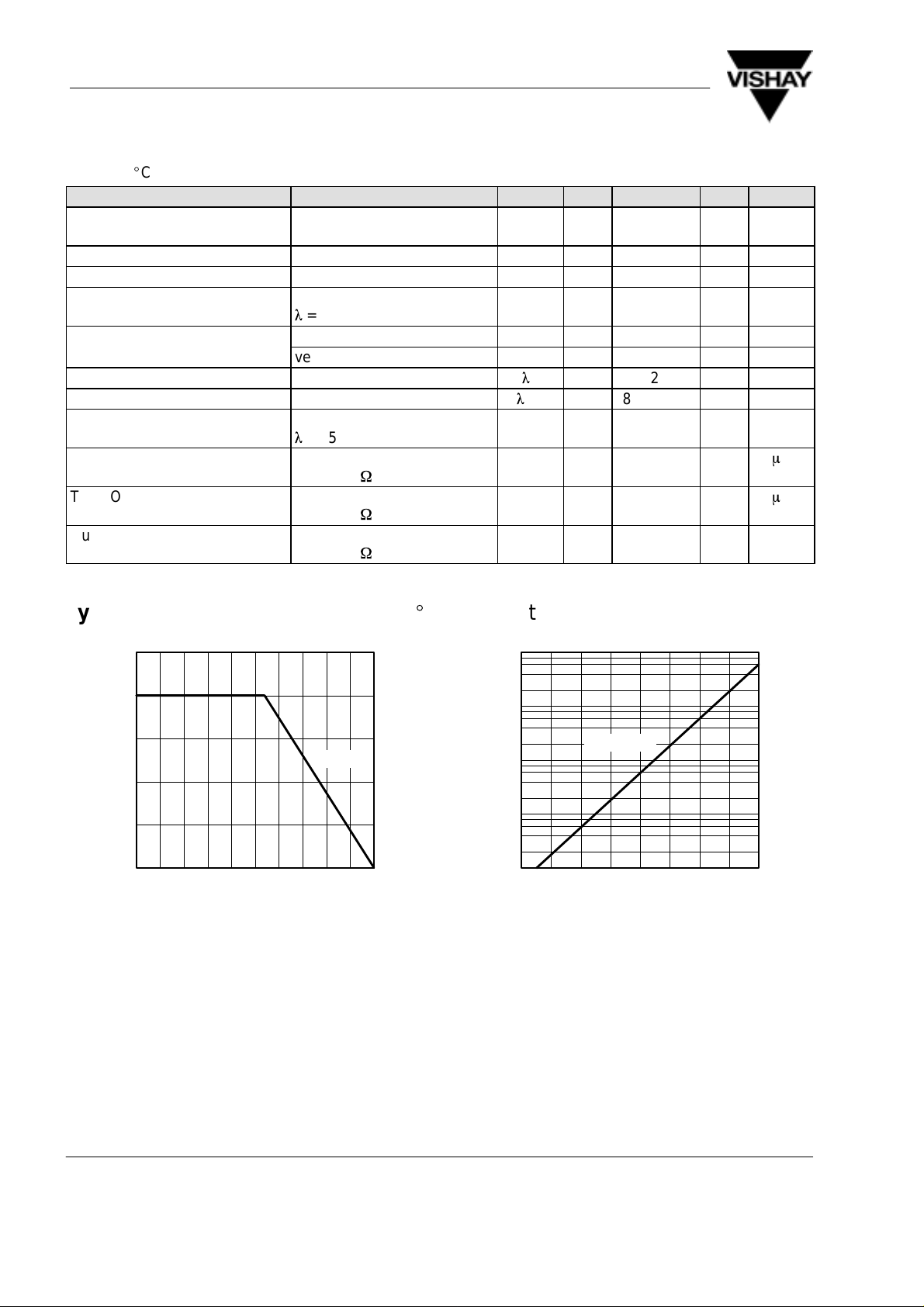
TEST2600
gy
Vishay Telefunken
Basic Characteristics
T
= 25_C
amb
Parameter Test Conditions Symbol Min Typ Max Unit
Collector Emitter Breakdown
Voltage
Collector Dark Current VCE = 20 V, E = 0 I
Collector Emitter Capacitance VCE = 5 V, f = 1 MHz, E=0 C
Collector Light Current Ee = 1 mW/cm2,
Angle of Half Sensitivity horizontal ϕ
Wavelength of Peak Sensitivity
Range of Spectral Bandwidth
Collector Emitter Saturation
Voltage
Turn–On Time VS = 5 V, IC = 5 mA,
Turn–Off Time VS = 5 V, IC = 5 mA,
Cut–Off Frequency VS = 5 V, IC = 5 mA,
IC = 1 mA V
l
= 950 nm, VCE = 5 V
vertical ϕ
Ee = 1 mW/cm2,
l
= 950 nm, IC = 0.1 mA
RL = 100
R
= 100
L
R
= 100
L
W
W
W
V
(BR)CE
O
CEO
CEO
I
ca
1
2
l
p
l
0.5
CEsat
t
on
t
off
f
c
70 V
1 100 nA
6 pF
1 2.5 mA
±30 deg
±60 deg
920 nm
850...980 nm
0.3 V
6
5
m
m
110 kHz
s
s
Typical Characteristics (T
125
100
75
50
25
tot
P – Total Power Dissipation ( mW )
0
020406080
T
94 8308
Figure 1. Total Power Dissipation vs.
– Ambient Temperature ( °C )
amb
Ambient Temperature
= 25_C unless otherwise specified)
amb
4
10
3
10
VCE=10V
40 60 80
T
– Ambient Temperature ( °C )
amb
Ambient Temperature
CEO
I – Collector Dark Current ( nA )
94 8249
2
10
1
10
0
10
20
Figure 2. Collector Dark Current vs.
R
thJA
100
100
www.vishay.de • FaxBack +1-408-970-5600
2 (5) Rev. 2, 20-May-99
Document Number 81562
Page 3
TEST2600
Vishay Telefunken
2.0
1.8
1.6
VCE=5V
E
=1mW/cm
e
l
=950nm
2
1.4
1.2
1.0
ca rel
0.8
I – Relative Collector Current
0.6
0
20 40 60 80
94 8239
T
– Ambient Temperature ( °C )
amb
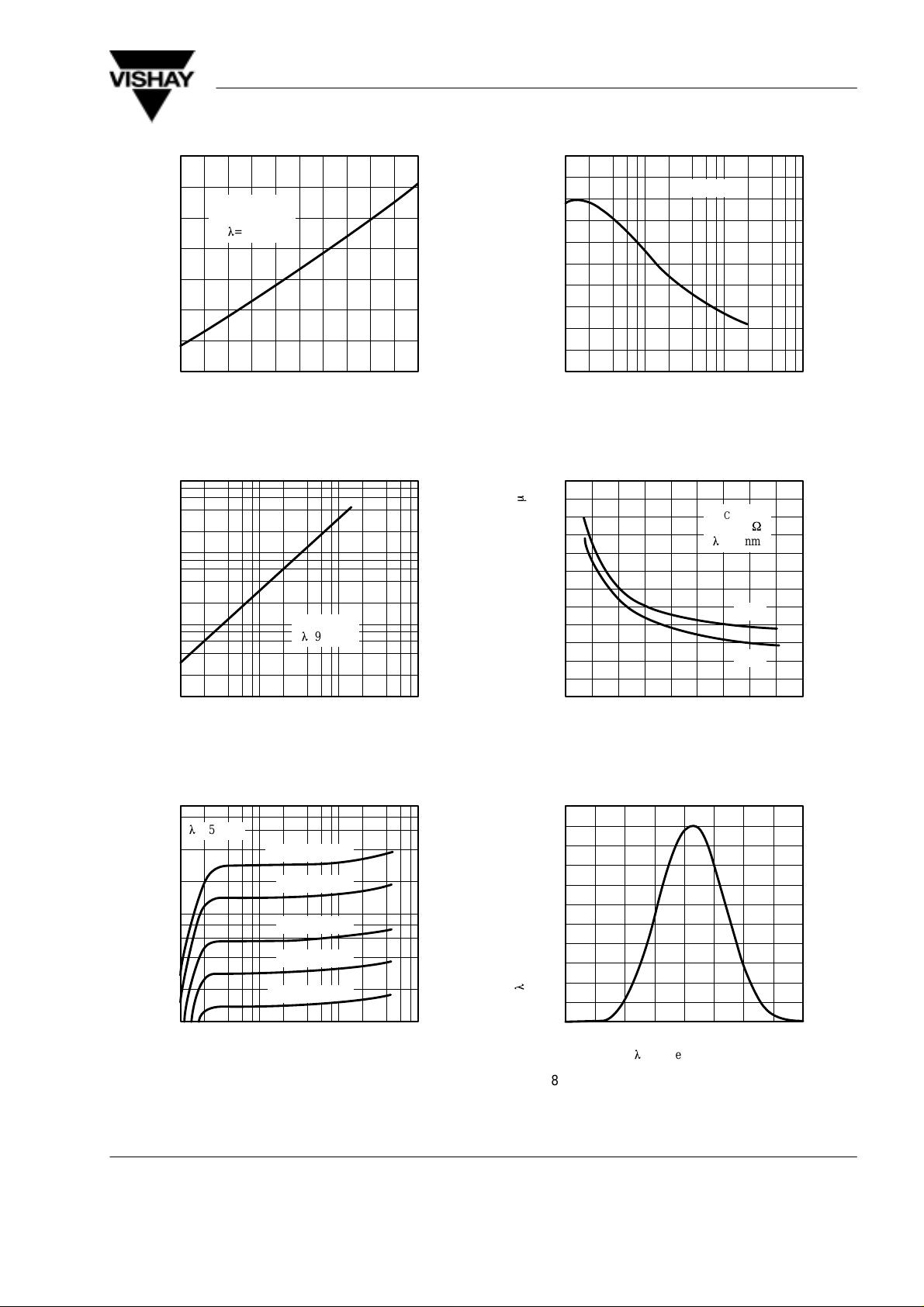
Figure 3. Relative Collector Current vs.
Ambient Temperature
10
1
VCE=5V
l
=950nm
ca
I – Collector Light Current ( mA )
94 8268
0.1
0.01
0.01 0.1 1
Ee – Irradiance ( mW/cm2 )
100
10
20
16
f=1MHz
12
8
4
CEO
C – Collector Emitter Capacitance ( pF )
0
0.1 1 10
94 8247
VCE – Collector Emitter Voltage ( V )
Figure 6. Collector Emitter Capacitance vs.
Collector Emitter Voltage
12
m
off
on
t / t – Turn on / Turn off Time ( s )
94 8253
10
8
6
4
2
0
04 81216
IC – Collector Current ( mA )
VCE=5V
R
=100
L
l
=950nm
100
W
t
on
t
off
Figure 4. Collector Light Current vs.
10
l
=950nm
1
ca
I – Collector Light Current ( mA )
0.1
0.1 1 10
94 8269
VCE – Collector Emitter Voltage ( V )
Figure 5. Collector Light Current vs.
Collector Emitter Voltage
Document Number 81562
Rev. 2, 20-May-99
Irradiance
Ee=1mW/cm
0.5mW/cm
0.2mW/cm
0.1mW/cm
0.05mW/cm
Figure 7. Turn On/Turn Off Time vs. Collector Current
1.0
2
0.8
2
0.6
2
0.4
2
rel
0.2
2
l
S ( ) – Relative Spectral Sensitivity
0
100
94 8270
700 800 900 1000
l
– Wavelength ( nm )
1100
Figure 8. Relative Spectral Sensitivity vs. Wavelength
www.vishay.de • FaxBack +1-408-970-5600
3 (5)
Page 4
TEST2600
Vishay Telefunken
0°
10°20
0°
°
30°
10°20
°
30°
1.0
0.9
0.8
rel
S – Relative Sensitivity
0.7
0.4 0.2 0 0.2 0.4
0.6
94 8273
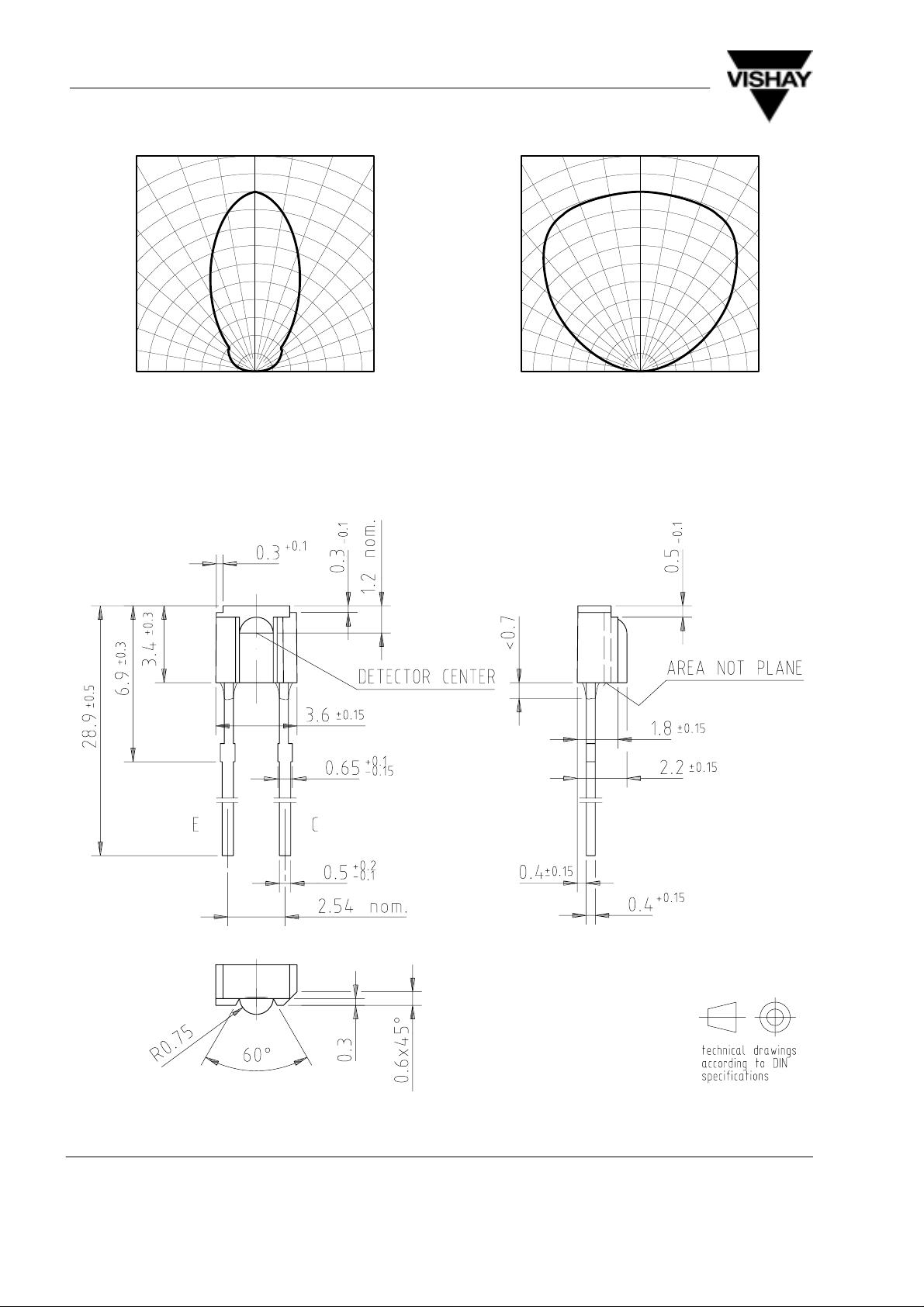
Figure 9. Relative Radiant Sensitivity vs.
Angular Displacement
Dimensions in mm
0.6
40°
50°
60°
70°
80°
1.0
0.9
0.8
rel
S – Relative Sensitivity
0.7
0.4 0.2 0 0.2 0.4
0.6
94 8274
Figure 10. Relative Radiant Sensitivity vs.
Angular Displacement
40°
50°
60°
70°
80°
0.6
95 11487
www.vishay.de • FaxBack +1-408-970-5600
4 (5) Rev. 2, 20-May-99
Document Number 81562
Page 5

TEST2600
Vishay Telefunken
Ozone Depleting Substances Policy Statement
It is the policy of Vishay Semiconductor GmbH to
1. Meet all present and future national and international statutory requirements.
2. Regularly and continuously improve the performance of our products, processes, distribution and operating
systems with respect to their impact on the health and safety of our employees and the public, as well as their
impact on the environment.
It is particular concern to control or eliminate releases of those substances into the atmosphere which are known as
ozone depleting substances (ODSs).
The Montreal Protocol (1987) and its London Amendments (1990) intend to severely restrict the use of ODSs and
forbid their use within the next ten years. V arious national and international initiatives are pressing for an earlier ban
on these substances.
Vishay Semiconductor GmbH has been able to use its policy of continuous improvements to eliminate the use of
ODSs listed in the following documents.
1. Annex A, B and list of transitional substances of the Montreal Protocol and the London Amendments respectively
2. Class I and II ozone depleting substances in the Clean Air Act Amendments of 1990 by the Environmental
Protection Agency (EPA) in the USA
3. Council Decision 88/540/EEC and 91/690/EEC Annex A, B and C (transitional substances) respectively.
Vishay Semiconductor GmbH can certify that our semiconductors are not manufactured with ozone depleting
substances and do not contain such substances.
We reserve the right to make changes to improve technical design and may do so without further notice.
Parameters can vary in different applications. All operating parameters must be validated for each customer application
by the customer. Should the buyer use Vishay-Telefunken products for any unintended or unauthorized application, the
buyer shall indemnify Vishay-Telefunken against all claims, costs, damages, and expenses, arising out of, directly or
indirectly , any claim of personal damage, injury or death associated with such unintended or unauthorized use.
Document Number 81562
Rev. 2, 20-May-99
Vishay Semiconductor GmbH, P.O.B. 3535, D-74025 Heilbronn, Germany
Telephone: 49 (0)7131 67 2831, Fax number: 49 (0)7131 67 2423
www.vishay.de • FaxBack +1-408-970-5600
5 (5)
 Loading...