

CHART MVE Cryoshipper 2000, MVE Cryomoover, MVE Cryoshipper MINI, MVE SC 4/3V, MVE Mini-Moover Operating Manual
...Page 1
Operating Manual
0029
for
MVE Vapor Shippers
Table of Contents Page
English 2-10
English (SI Version) 11-19
Deutsch 20-27
Espa
ñol
Italiano 36-43
Français 44-52
Português 53-61
Certificate of Conformance 63
28-35
CHART INC.
2200 Airport Industrial Dr., Ste 500
Ball Ground, GA 30107
U.S.A
www.chartbiomed.com
Chart BioMedical Ltd.
Unit 6 – Ashville Way
Wokingham RG41 2PL
United Kingdom
Chart Australia Pty Ltd.
ABN 21 075 909 410
Sydney Business & Technology Centre
Unit 43 / 2 Railway Parade
Lidcombe, NSW 2141, Australia
Medical Product Services
Borngasse 20
35619 Braunfels, Germany
Ref 11562640 Rev U11/18
0459
Page 2
MVE Vapor Shippers are ideally suited for the transportation of cryobiological materials. The liquid
nitrogen is retained in a hydrophobic absorbent material and the cold nitrogen vapors maintain the
Cryo Storage Area between -150°C and -190°C. The absorbent retains the liquid nitrogen and
prevents accidental spills.
Liquid nitrogen is classified as “Dangerous Goods” by the Department of Transportation (DOT).
At least three regulatory agencies publish dangerous goods regulations:
DOT - Department of Transportation
IATA - International Air Transportation Association
ICAO - International Civil Aviation Organization
If used outside of the USA, please consult your applicable regulatory agencies. Liquid nitrogen is
classified under the name “Nitrogen, refrigerated liquid” and has a UN 1977 code number. The name
classification and UN Code Number must be indicated on the shipping carton in addition to a “Gas
nonflammable” label. Packing and labeling requirements can be obtained from the above organizations.
Also, contact your carrier for any variances in the rules as they may apply specifically to that company
and/or the ultimate destination of the shipment.
Be aware that the regulations undergo periodic revisions. If you need current information prior to
the shipping of your cryobiological specimen, please contact your air carrier for the most recent
regulations. It is your responsibility to provide correct information, such as warning or caution, on
shipping package.
GENERAL DESCRIPTION
The cryopreservation vessel is a double-wall, vacuum-insulated vessel made of aluminum with
a fiberglass composite neck, providing the highest efficiency possible in cryogenic temperature
preservation. The liquid nitrogen absorbent is a hydrophobic blanket consisting of synthetic
amorphous silica and glass fiber. This absorbent is non-hazardous. Use the vessel for liquid nitrogen
only. Liquid oxygen is not compatible with this unit and must not be stored inside the vessel.
The MVE Vapor Shipper is designed with consideration for safety, durability and performance.
However, mishandling of the equipment, including transport or shipping units in an orientation
other than upright vertical, may damage the product. In addition, if a vessel experiences a drop,
hit, or blow, it can suffer immediate or premature vacuum failure.
Upon receipt of the product, examine both the vessel and packaging
for any evidence of damage during shipping. Contact the carrier
within the carrier’s guidelines if there are signs of shipping damage.
Some MVE shipping boxes carry the Transit Tested ISTA-3A
certificate stamp, shown to the right, which is helpful when making a
claim against the carrier, should there be damage from shipping.
Watch after the first fill for any signs of vacuum loss, such as
excessive frost or sweating on the outside jacket. Some frost near
the top just after filling is normal. It is normal for some white dust or powder-like residue from the
absorbent to accumulate at the bottom of the unit due to shipping vibrations. If desired, the owner
may wipe or vacuum it out.
This high quality vacuum insulated unit is compatible with the divergent temperature extremes and
broad applications of cryobiology. The life expectancy of this product is five (5) years.
Products bearing the CE marking as shown comply with the requirements of Directive
93/42/EEC concerning medical devices in EU.
SAFETY
WARNING: Liquid nitrogen is extremely cold. To avoid injury by frostbite, use extreme care
whenever handling liquid nitrogen, liquid nitrogen storage or transfer vessels, or any objects
which have come in contact with liquid nitrogen.
• Leave no area of skin exposed.
• Always wear proper safety attire over clothing: face shield, cryogenic gloves, and
cryogenic apron.
• Use extreme care to prevent spilling and splashing liquid nitrogen during transfer.
• Always keep vessel in upright position. Do not tilt, or lay the vessel on side.
• Immediately remove any clothing or safety attire on which liquid nitrogen has spilled.
• Get immediate medical attention for any frostbite injuries due to liquid nitrogen.
WARNING: The venting of nitrogen vapors may deplete oxygen in the air, possibly leading to
asphyxiation or even death. Do not store or use container in areas that are small and enclosed
or have poor ventilation.
WARNING: Do not tightly seal liquid nitrogen container or prevent nitrogen gas from escaping.
Also, excessive humidity levels or exposure to rainfall could result in freezing of the cork/cover,
and possible explosion.
WARNING: Never use a hollow tube to measure liquid nitrogen level. This could lead to thermal
injury.
CAUTION: Handle the cryopreservation vessel with care.
• Never overfill vessels with liquid nitrogen. Liquid nitrogen should always be below the
bottom of the neck tube. Overfilling the tank may cause immediate or premature
vacuum failure to occur.
• Never ship Vapor Shipper on its side or upside down. This can lead to vacuum failure
and loss of product inside the Vapor Shipper.
• Do not scratch neck tube area. Remove and insert inventories carefully. Scratches can
cause premature vacuum failure.
• Tampering with or removing the vacuum port will destroy vacuum and void warranty.
• Never drop, hit, or blow the vessel.
• Never spill liquid nitrogen on or near vacuum port.
• Never leave the vessel in an outdoor condition.
• Inspect vessel for any damage before and after each shipment.
• Keep the bottom of vessel clean and away from chemicals, fertilizers, soil, and moisture.
• All performance data published for these products is based on static conditions only.
Actual performance will vary upon the nature of use. Manipulation of inventories and
or accessories along with vibration will decrease the working duration/Hold time of
these products.
OPERATION
CAUTION: Consider the value of the inventory when shipping and determine if the inventory
should be split between multiple containers to reduce the risk of losing valuable and/or
irreplaceable products should the container become delayed, lost, or damaged in shipping.
CAUTION: Do not use dewars for longterm storage of human biological contents. Failure to follow
Chart’s best operating practices, as set forth in the operating manual, can result in loss of contents.
32
Page 3
Liquid nitrogen is extremely cold. Make sure to wear proper gear before operation. Avoid spilling
liquid nitrogen over the vacuum port as this can shrink the seal and allow air to leak into the vacuum
space causing premature vacuum failure. To ensure maximum performance from your MVE Vapor
Shipper simply follow the listed steps prior to shipping to final destination:
1. Open container that the Vapor Shipper is in, open the lid, and remove cork/cover/accessories.
Lift cork/cover straight up (do not twist).
2. Fill unit to bottom of neck tube.
a. If you are working with a warm vessel, it is MVE’s recommendation to slowly add small
amount of liquid to the bottom of unit, and allow it to sit until the liquid nitrogen stops
rapidly boiling to cool the unit. Position the vacuum port facing away from the operator or
other personnel.
b. To obtain the optimized Hold time. You will need to refill the unit to bottom of the neck
more than once until the liquid level is steady.
c. Follow established safety practices and procedures for transferring LN2.
d. Fill the vessel with a funnel or transfer line when possible. Transfer using LN2 hose with
phase separator or pouring container using a funnel.
e. If you are filling your vessel from a pressurized source, make sure it is a low pressure
source (22 psi or below).
3. Replace cork/cover and allow unit to reach thermal equilibrium /charge for minimal 24 hours.
a. Refer to
UTILIZING THE QWICK CHARGE TECHNOLOGY section for expedited charge solution.
b. If there is excessive frost or sweating on the outside vessel after the first few hours, it
would indicate either a weak or no vacuum. Examine the unit carefully.
4. Pour off excess liquid just prior to shipment.
a. If necessary to completely dispense all liquid nitrogen, invert the unit until liquid nitrogen
dripping has stopped, set the unit upright and view if any liquid nitrogen pools at the
bottom of the unit. If liquid nitrogen starts to pool, invert the unit again. Repeat as
necessary until all liquid nitrogen is removed from the unit, in accordance with ICAO
Packaging Instruction 202.
5. Weigh unit and record.
a. To ensure a proper charging process is conducted, obtain both empty and charged
weights. Verify the differential between empty and charged weights is close to data in
Table 1. The differential can be calculated by using Equation 1.
Differential = Charged Weight — Empty Weight Equation 1
b. Please note that the Charged Weight is not an indication of unit performance.
6. Place inventories into unit, replace cork/cover and lid.
UTILIZING THE QWICK CHARGE TECHNOLOGY
Only units bearing QWICK charge label is equipped with QWICK charge technology
. To utilize the
QWick Charge Technology and charge in under 2 hours, do not allow unit to warm up above -150°C
between shipments. If the inside of the unit is above -150°C, it will need to be charged again for a
minimal of 24 hours to allow the unit to reach thermal equilibrium.
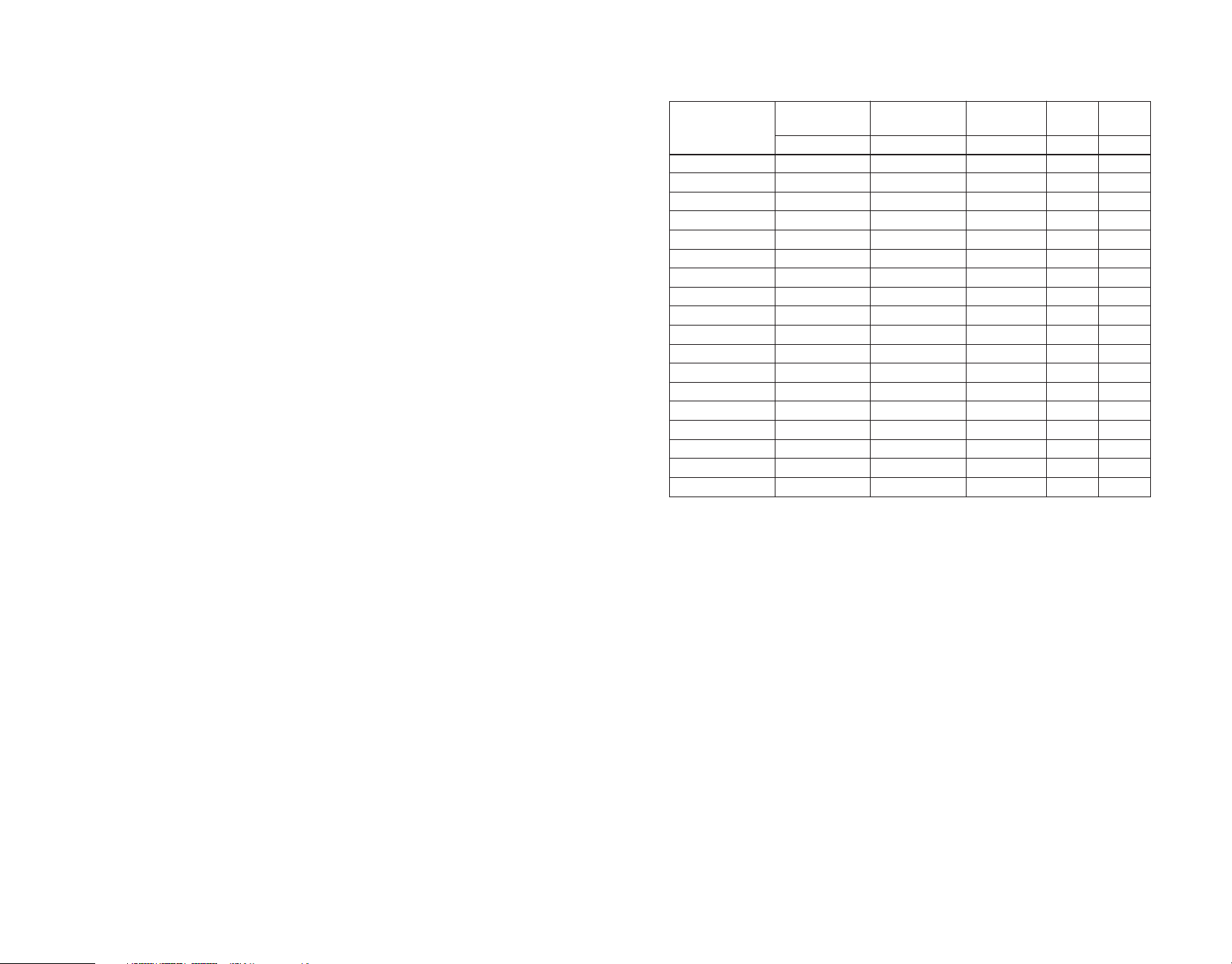
Use the following weight table as a general guide to determine if your Vapor Shipper is fully charged.
Values are for reference only. Weights can vary depending on the charging process. Refer to the
Static hold time and Normal Evaporation Rate (NER) specifications listed in the table below. Factors
such as age of unit, quantity of inventory, ambient environment, shipping condition, and use of
accessories, etc. can negatively affect unit Hold time and NER. If you do not find your model listed
here, refer to the MVE Cryopreservation Catalog or contact Customer or Technical Service for
assistance.
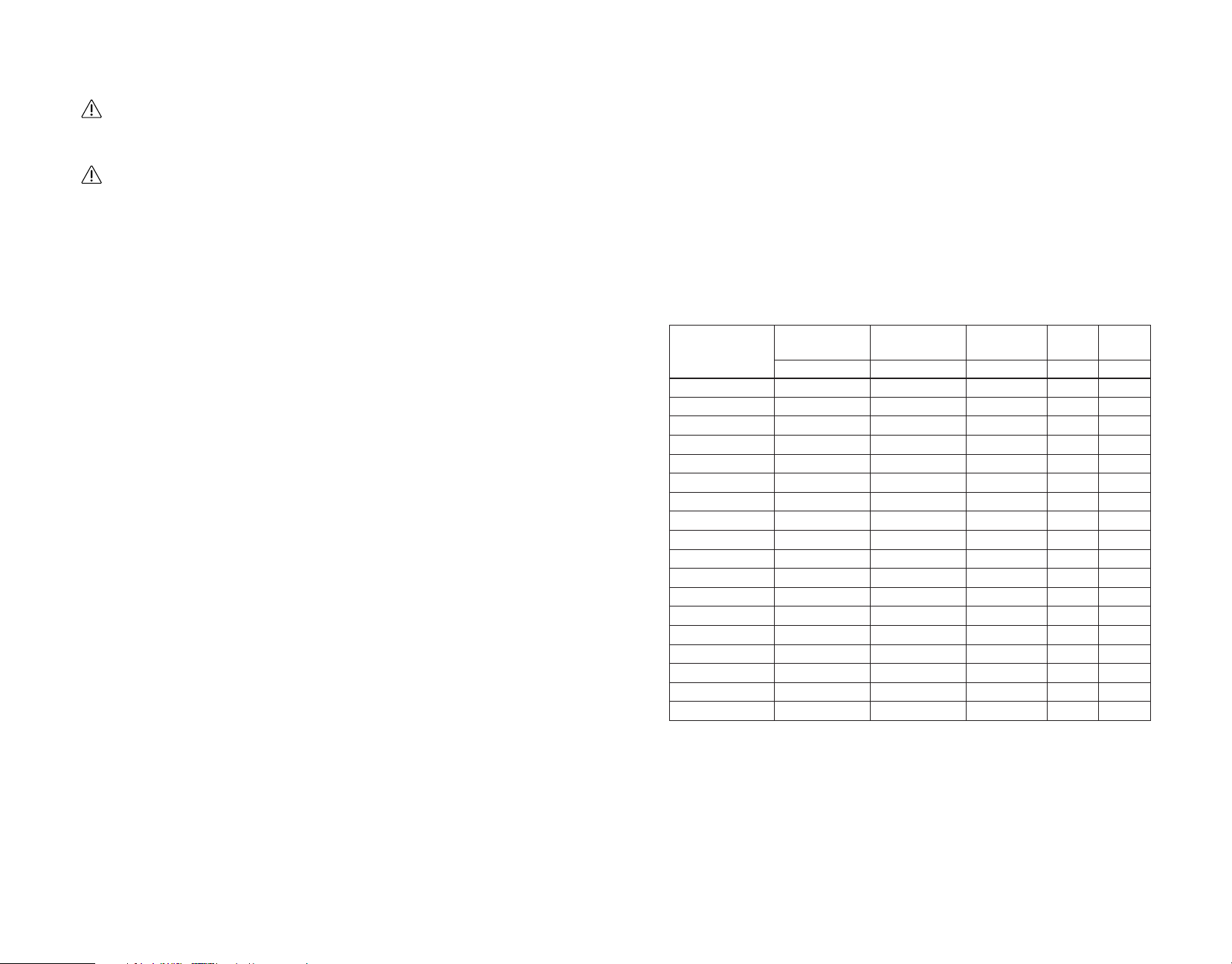
Table 1 Reference Unit Performance by Model
Empty Charged Static
Model
SC 2/1V 6 (2.7) 8.3 (3.7) 8 0.19 N
SC 4/2V 10.3 (4.6) 16.7 (7.5) 13 0.26 Y
SC 4/3V 11.5 (5.2) 18.5 (8.3) 21 0.20 Y
SC 20/12V 25.3 (11.4) 40.2 (18.2) 60 0.09 N
XC 30/12V 44 (20) 76 (34) 82 0.22 N
Cryoshipper 25.7 (11.6) 38.2 (17.3) 10 0.85 Y
Cryoshipper XC/IATA 32.3 (14.6) 48.9 (22.1) 14 0.70 Y
Cryoshipper 2000 65 (29.5) 95 (43.1) 15 0.79 N
Cryomoover 31 (14) 40.4 (18.3) 12 0.35 N
Cryoshipper MINI* * * * * * 0.84 N
Mini-Moover 8.5 (3.8) 13.4 (6.0) 14 0.20 N
XC 20/3V 25.1 (11.3) 36 (16.3) 16 0.35 N
Doble 11 14.3 (6.4) 19.5 (8.8) 17 0.17 N
Doble 22** 23.8 (10.7) 35 (15.8) 18 0.35 N
Doble 20 23 (10.4) 30.3 (13.7) 21 0.10 N
Doble 28 32.2 (14.6) 46.8 (21.2) 21 0.35 N
Doble 34 34.5 (15.8) 47.9 (21.7) 21 0.20 N
Doble 47 41 (18.5) 54.6 (24.7) 21 0.40 N
Note: The use of a datalogger adds approximately 0.12L/day NER
* Pending on actual configuration
** Center canister required
*** 5% variance in actual weight is typical
Weight Weight Hold Time
lbs (kg) lbs (kg) Days L/Day certified
NER
ISTA-3A
SHIPPING INSTRUCTIONS
MVE/Chart recommends the plastic protective shipping containers (PPSC) be used to help keep the
Vapor Shipper in the upright position and reduce the risk of damage to your valuable asset.
DO NOT
SHIP UNIT ON ITS SIDE OR UPSIDE DOWN. SHIPPING THE UNIT IN ANY POSITION OTHER THAN
UPRIGHT COULD REDUCE THE HOLD TIME TO LESS THAN 10% OF STATIC HOLD TIME, AND CAUSE
PERMANENT DAMAGE TO THE UNIT AND LOSS OF INVENTORY. This could also void warranty.
WARNING: If you ship the Vapor Shipper in a cardboard box, it will ship on its side, as common
carriers instruct their employees in sorting facilities to place boxes on conveyors with the most
stable side down.
Charge the unit by following all steps listed in OPERATION section before inserting into the PPSC. To
avoid damage to either the Vapor Shipper or PPSC never fill or dump the unit when inside the PPSC.
Fasten all locking latches tightly before shipping. You can also utilize cable tie, tamper proof security
seal, or any other appropriate secondary locking mechanism around existing locking latches to avoid
your asset from being tampered during shipment. Before putting PPSC into service, inspect it for any
54
Page 4
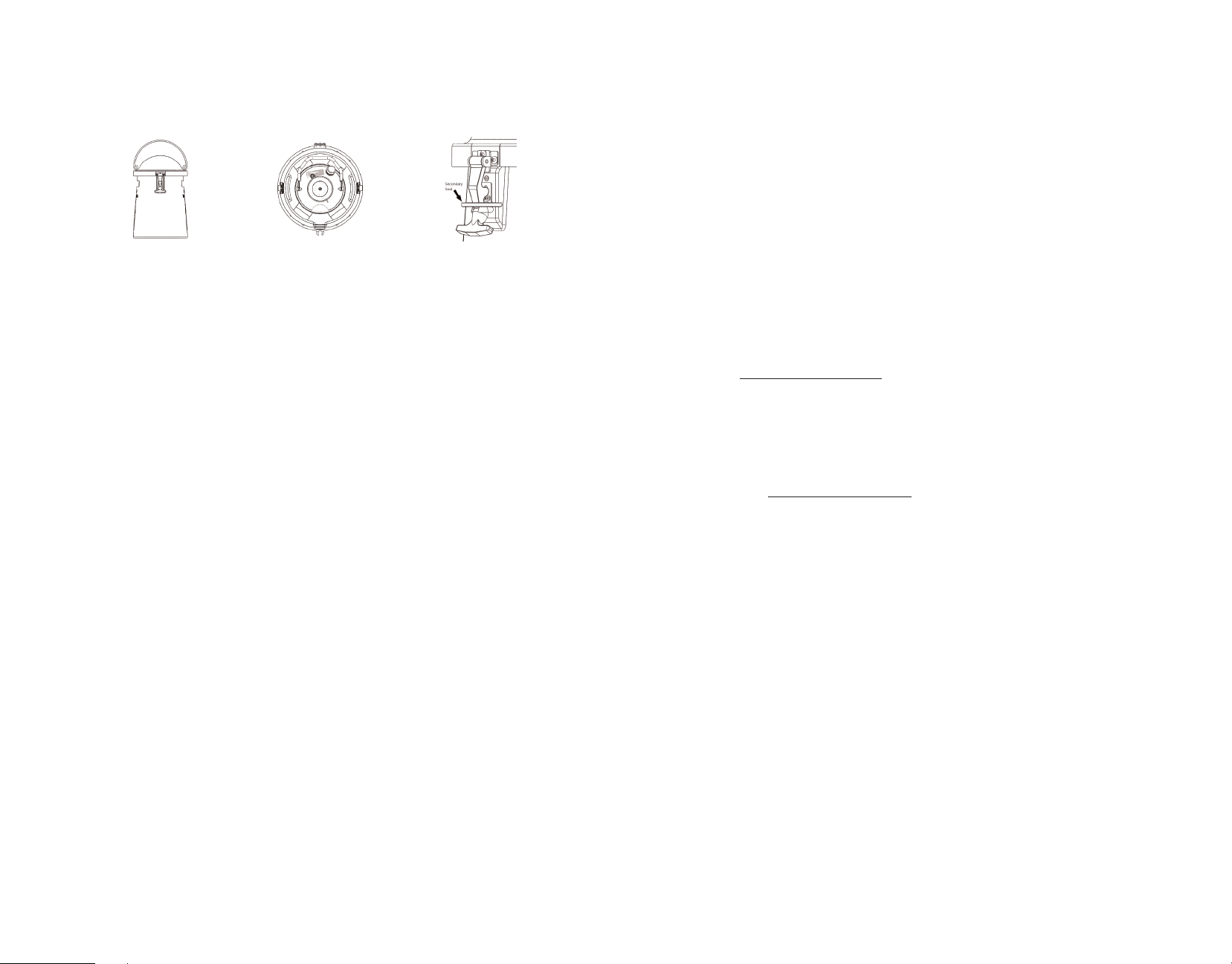
damage that may jeopardize its functionality. Replace any aged/worn-out impact absorption foam
cushion inside the PPSC or any defective hardware. Remove badly damaged PPSCs from service.
Contact Customer or Technical Service for assistance in selecting the proper service parts.
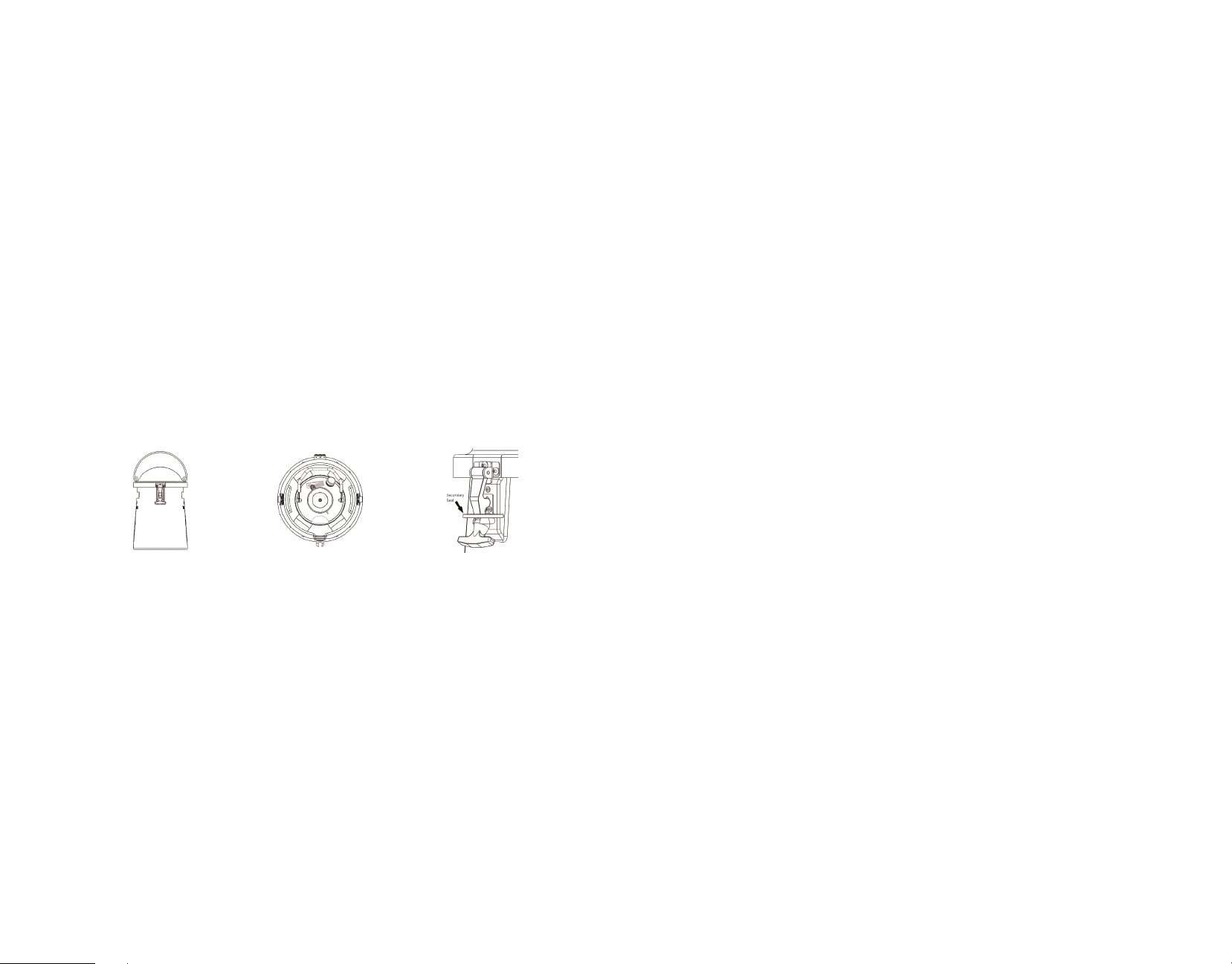
Typical PPSC shown. The
shape of the PPSC helps
keep the product upright
during shipment.
Shock absorbing foam in the
PPSC helps prevent damage to
the dewar. Illustration shows top
view of the tank in the PPSC.
The rubber latch design allows
the use of a zip tie, vet seal,
safety seal, etc. to ensure
integrity of product shipped.
Select the appropriate shipping method based on the value of contents. Common carriers handle
packages very roughly with the most stable side of the packaging down, and should be used for
low-value product shipment only. Contact carriers for shipment methods for their recommendation
on transporting valuable and/or irreplaceable contents.
MVE Vapor Shippers were primarily designed as vapor shipping containers, however, they can also
be used for immersion of samples. It is imperative that all liquid nitrogen be removed so the unit
remains classified as a Vapor Shipper for transport. If liquid nitrogen is visible in the bottom of the
inner, it then becomes a liquid shipper and the exception status is void. The liquid inside is now
classified as hazardous material.
GENERAL CLEANING
Do not use any petroleum based cleaning solution.
Inside of the vessel:
Any cleaning solution that does not react with aluminum, stainless steel, or G10 composite can be used
in the sanitation process of a MVE Vapor Shipper. In most cases, any household detergent or mild soap
solution is suitable. Other cleaners and disinfectants that can be used safely include hydrogen peroxide,
chlorine/water mixture, and denatured alcohol. The generally accepted practice of using 10% chlorine
bleach with 90% water solution holds as the best method for decontamination. It is recommended that
the unit is filled to its full capacity with the cleaning solution mixture, agitated, and then thoroughly
rinsed. It is important that all surfaces being sanitized are thoroughly rinsed and that all cleaner solution
residues are removed after cleaning. Allow the unit to dry completely before putting into service. It is
suggested that the unit is inverted to drain and dry completely.
Outside of the vessel:
Use light dampened cloth of mild soap solution.
PREVENTIVE MAINTENANCE
The owner may follow two methods of maintenance, Continuous and/or Annual.
For Continuous Maintenance (Recommended before each shipment):
If the tank is warm follow steps 1 - 3 under OPERATION section above but allow the unit with full
liquid to stand undisturbed for 2 hours. Verify no major frost or condensation on outside of unit.
Frost or condensation on the outside of unit would indicate either a weak or no vacuum. Inspect the
cork and cover for signs of damage that may affect NER and Hold Time. Inspect the outside of the
tank for signs of shipping damage, such as large dents, especially around the neck tube area.
Remove badly damaged tanks from service.
Clean up any stain, contamination or condensation on the bottom of the unit after dumping liquid
out. Keep the unit in a cool, clean, and dry location for storage. These procedures can help prevent
corrosion on the bottom of the Vapor Shipper.
For Annual Maintenance:
1. Weigh empty unit with cork/cover but without any inventory accessories and record as Empty
Weight, [lb].
Empty Weight must be taken before filling, while the inside of the Vapor Shipper is at room
temperature.
2. Fill unit to bottom of neck tube. Refer to OPERATION section step 2 for details.
3. Replace cork/cover and allow unit to stand for minimal 24 hours.
4. Weigh unit and record as First Weight, [lb].
5. Allow filled unit to sit undisturbed for another 24 (+/-0.25) hours.
a. Consider the accuracy and resolution of your scale to determine if additional days are
required between the first and second weights in order to obtain an accurate NER. Make sure
to record number of hours between first and second weight.
6. Weigh second time and record as Second Weight, [lb].
7. Calculate evaporation rate by using Equation 2. The difference between the first weight and the
second weight is the daily evaporation rate in lbs. This figure roughly signifies the normal
evaporation rate, or N.E.R, [Liter/Day]
(First Weight –Second Weight) x 13.468
NER =
Number of Hours
Equation 2
If there is major frost or condensation on outside of container during this time, it would
indicate either a weak or no vacuum.
8. Pour out LN2 per OPERATION section step 4. Replace cork/cover and take weight as Charged
Weight.
9. Calculate Hold Time, [Days], by using Equation 3. Subtract the Empty Weight from the Charged
Weight and divide by 1.782; then divide by NER.
Hold Time =
(Charged Weight –Empty Weight) ÷ 1.782
NER
Equation 3
MONITORING TEMPERATURE
MVE supplies Data Loggers for peace of mind when shipping valuable inventory in Vapor Shippers.
Contact Customer or Technical Service for assistance in selecting the proper Data Logger for
your product. The datalogger adds approximately 0.12L/day NER.
LETTER EXPLAINING EXCEPTION
This is concerning the applicability of the USA Federal Hazardous Material Regulations to the shipment of
refrigerated samples in the “Dry Shipper” container. A “Dry Shipper” package consists of an outer container that is
lined with an absorbent material. The container is charged with nitrogen refrigerated liquid which is absorbed into
the container lining. The charged, completed package serves as refrigerated container for the shipment of samples.
In consideration of the above, consultation with the Research and Special Programs Administration of the DOT
has determined that the use of nitrogen refrigerated liquid charged “dry shipper” containers for the shipment of
samples fall within the regulation exception provided in 49CFR 173.320 paragraph (a) of the section states the
requirements of this subchapter do not apply to atmospheric gases and helium when used in the operation of the
process system such as refrigeration system. Paragraph (c) of 173.320 pertains to air transport of same
refrigeration system. For exception status of air shipments please refer to IATA-Dangerous Goods Regulations for
nitrogen refrigerated liquid. This falls in the class of 2.2 nonflammable gas, packing instructions 202 with special
provisions A-152. If shipping outside of the USA, please consult your applicable regulatory agencies. For answers
to questions regarding shipping regulations contact a Chart, AI-Cryobiological Tech Service Representative.
76
Page 5

Limited Warranty Statement
Chart Inc., 2200 Airport Industrial Dr., Suite 500, Ball Ground, GA 30107
General Terms:
“New Product”
(collectively, the "New Products"), shall be free from defects in materials and workmanship for a period of two (2) years from the date of
shipment, except as provided in the Limited Warranty Provisions below. CHART warrants that the dewar vacuum integrity shall be free
from defects in materials and workmanship as for a period of three (3) years from the date of shipment, except as provided in the
Limited Warranty Provisions below.
“Repair/Blemished Product”
blemished equipment (collectively, the "Repair/Blemished Products") shall be free of defects in materials and workmanship for a
period of (90) days from the date of shipment, except as provided below. CHART warrants that the dewar vacuum integrity shall
be free from defects in materials and workmanship for a period of (I) year from date of shipment, except as provided below.
“Service Part”
warranted for (90) days from date of shipment to be free of defects in material and workmanship, except as provided below.
– Chart Inc. ("CHART") warrants to the original purchaser ("Purchaser") that each new Vapor Shipper Dewar
– CHART warrants to the Purchaser that all repaired equipment and factory
– CHART warrants to the Purchaser that all Service Parts and Accessory Items (each a "Service Part") are
Limited Warranty Provisions:
Purchaser agrees that before this limited warranty shall become effective, Purchaser shall fully inspect each New Product,
Repair/Blemished Product, or Service Part within three (3) days of delivery and before such Product is put to use. Purchaser also
agrees to operate the New Product, Repair/Blemished Product, or Service Part in accordance with CHART's operating instructions
and that failure to do so shall void this limited warranty. Purchaser further agrees that any claim for breach of warranty must be
made in writing within 60 days of discovery of a purported defect. CHART will not be responsible for any alleged breach of
warranty, which, as a result of CHART's inspection, CHART determines to have arisen from a cause not covered by this limited
warranty. In this case, CHART will charge the purchaser a nominal fee to repair the unit.
This limited warranty does not apply to: (A) Normal routine service items; (B) Repair or replacement necessitated by misuse,
abuse, accident, or repairs made by persons other than CHART or persons not authorized by CHART, (C) Use of external
equipment or parts with the New Product, Repair/Blemished Product, or Service Parts other than those approved by CHART,
(D) Defects caused by effects of normal wear and tear; and (E) Acts of God, or other causes not within the control of CHART.
If Purchaser believes that a New Product, Repair/Blemished Product, or Service Part does not comply with the limited warranty
stated above, Purchaser should contact CHART at the address stated above, describing the problem and providing proof of the date
of purchase. If directed by CHART, Purchaser shall return the New Product, Repair/Blemished Product, or Service Part freight
prepaid, properly packaged in a CHART approved shipping container and properly identified by a Return Material Authorization
Number issued by CHART. New Products, Repair/Blemished Product, or Service Parts returned without a Return Material
Authorization Number will be refused and returned at Purchaser's expense.
The remedies available for any breach of this limited warranty are limited to repair or replacement of the defective New Product,
Repair/Blemished Product, Service Part, or refund of the purchase price, at the sole discretion of CHART. CHART warrants that
replacement or repaired New Product, Repair/Blemished Product, or Service Part shall be free from defects in material and
workmanship for the duration of the unexpired portion of the original warranty or ninety (90) days from the date of re-shipment
to Purchaser, whichever is longer. PURCHASER'S RECOVERY FROM CHART FOR ANY CLAIM SHALL NOT EXCEED
PURCHASER’S PURCHASE PRICE FOR THE NEW PRODUCT, REPAIR/BLEMISHED PRODUCT, OR SERVICE PART
GIVING RISE TO SUCH CLAIM, IRRESPECTIVE OF THE NATURE OF THE CLAIM, WHETHER IN CONTRACT,
TORT, WARRANTY, NEGLIGENCE, STRICT LIABILITY OR OTHERWISE. CHART SHALL NOT BE LIABLE FOR AND
PURCHASER SHALL INDEMNIFY, DEFEND AND HOLD CHART HARMLESS FROM ANY CLAIMS BASED ON
CHART'S COMPLIANCE WITH PURCHASER'S DESIGNS, SPECIFICATIONS OR INSTRUCTIONS, OR
MODIFICATION OF ANY PRODUCTS BY PARTIES OTHER THAN CHART, OR USE IN COMBINATION WITH
OTHER PRODUCTS.
PURCHASER SHALL NOT IN ANY EVENT BE ENTITLED TO, AND CHART SHALL NOT BE LIABLE FOR, INDIRECT,
SPECIAL, INCIDENTAL OR CONSEQUENTIAL DAMAGES OF ANY NATURE INCLUDING, WITHOUT LIMITATION,
BUSINESS INTERRUPTION COSTS, REMOVAL AND/OR REINSTALLATION COSTS, REPROCUREMENT COSTS, LOSS
OF PROFIT OR REVENUE, LOSS OF DATA, PROMOTIONAL OR MANUFACTURING EXPENSES, OVERHEAD,
INJURY TO REPUTATION OR LOSS OF CUSTOMERS, EVEN IF CHART HAS BEEN ADVISED OF THE POSSIBILITY
OF SUCH DAMAGES.
8
EXCEPT FOR THIS LIMITED WARRANTY, CHART HAS MADE NO WARRANTIES OR REPRESENTATIONS,
EXPRESSED OR IMPLIED, AND HEREBY DISCLAIMS ANY OTHER WARRANTIES, INCLUDING, BUT NOT
LIMITED TO, IMPLIED WARRANTIES OF MERCHANTABILITY AND FITNESS FOR A PARTICULAR PURPOSE.
NO REPRESENTATION OR STATEMENT OF CHART MAY CHANGE OR ALTER THIS LIMITED WARRANTY.
Any claims for breach of this limited warranty shall be governed by Georgia law and without regard to conflict of law rules thereof
and must be brought in a state or federal court in Georgia.
Some states do not allow limitations on implied warranties or on incidental or consequential damages, so the above limitations may
not apply. This limited warranty gives the Purchaser specific legal rights. Purchaser may also have other rights, which vary from state
to state.
This product may be covered by one or more patents, US and international. Please visit our website below for
the listing of applicable patents:
Pat. patents.gtls.io
Supplement to Chart Inc.
Limited Warranty Statement for Sales in Australia (AI)
General T
“New Product” – Chart Inc. ("CHART") warrants to the original purchaser only (meaning
the party from whom CHART accepts the purchase order), whether such purchaser is a
wholesaler, distributor or end user ("Purchaser"), that each new Liquid Nitrogen Dewar
(collectively, the "New Products"), shall be free from defects in materials and workmanship for
a period of two (2) years from the date of shipment, except as provided below. CHART
warrants that the dewar vacuum integrity shall be free from defects in materials and
workmanship as listed below, except as provided in the Limited Warranty Provisions below:
Spectrum and CryoSystem Series, ET11, ET24, A-200, Workhorse 2003: 3 years / XC, SC,
and Lab Series, ET 23-JLM: 5 years.
"Repair/Blemished Product" – CHART warrants to the Purchaser that all repaired
equipment and factory blemished equipment (collectively, the "Repair/Blemished Products")
shall be free of defects in materials and workmanship for a period of (90) days from the date of
shipment, except as provided below. CHART warrants that the dewar vacuum integrity shall
be free from defects in materials and workmanship for a period of (I) year from date of
shipment, except as provided below.
"Service Part" - CHART warrants to the Purchaser that all Service Parts and Accessory Items
(each a "Service Part") are warranted for (90) days from date of shipment to be free of defects in
material and workmanship, except as provided below.
erms:
Sales of Product in Australia:
Where the Purchaser is the end user of the Product, the following additional
information is provided in relation to the warranty against defects (the Warranty)
provided by CHART (as set out in the Limited Warranty Statement).
1. In circumstances where a New Product, Repair/Blemished Product or Service Part
does not comply with the Warranty, CHART will at its expense repair or replace that
defective New Product, Repair/Blemished Product or Service Part, or refund the
purchase price at the sole discretion of CHART. CHART warrants that the
replacement or repaired New Product, Repair/Blemished Product or Service Part shall
be free from defects in materials and workmanship for the duration of the unexpired
portion of the Warranty, or 90 days from the date of reshipment to the purchaser,
whichever is longer.
9
Page 6
2. The Warranty is subject to the Limited Warranty Provisions set out below and all
exclusions and limitations set forth in the CHART Limited Warranty Statement.
3.
To claim the Warranty, the Purchaser must contact CHART’s affiliate in
Australia for further instruction, including the return of the defective New
Product Repair/Blemished Product or Service Part (at the Purchaser's
expense), to the following address:
Chart Australia Pty Ltd.
Unit 43/2 Railway Parade
Lidcombe, NSW 2141, Australia
Attention: Customer Service Department
Phone number: (02) 9749-4333
Email address: customerser
4. The Purchaser must otherwise comply with the requirements set out in the Limited
Warranty Statement when making a claim under the Warranty.
5.
Notwithstanding the Limited Warranty Statement, our Products come with
guarantees that cannot be excluded under the Australian Consumer Law
(ACL). You are entitled to a replacement or refund for a major failure and
compensation for any other reasonably foreseeable loss or damage. You are
also entitled to have the Products repaired or replaced if the Products fail to
be of acceptable quality and the failure does not amount to a major failure.
6. The provider of the Warranty is CHART. Relevant contact details are set out below
for CHART
(to claim the Warranty, please use the contact details provided in
paragraph 3 above):
(a) Customer Service Department
(b) Business Address:
Chart Inc.
2200 Airport Industrial Drive, Suite 500
Ball Ground, GA 30107 (USA)
(c) Phone number: 770-721-7759
(d) Email address: customerser
Repair of Products Sold in Australia
Where the Purchaser is the end user of the Product, the following additional information is
provided in relation to the repair of Products by CHART:
The Products may contain "user generated data" as defined under the Australian
Consumer Law (ACL). Repair of Products may result in the loss of user generated data.
This product may be covered by one or more patents, US and international. Please visit our
website below for the listing of applicable patents:
Pat. patents.gtls.io
Operating Manual for MVE Vapor Shippers (SI Version)
M.D.D.Representative: Medical Product Services, Borngasse 20, 35619 Braunfels, Germany
MVE Vapor Shippers are ideally suited for the transportation of cryobiological materials. The liquid
nitrogen is retained in a hydrophobic absorbent material and the cold nitrogen vapors maintain the
Cryo Storage Area between -150°C and -190°C. The absorbent retains the liquid nitrogen and
prevents accidental spills.
Liquid nitrogen is classified as “Dangerous Goods” by the Department of Transportation (DOT). At
least three regulatory agencies publish dangerous goods regulations:
DOT - Department of Transportation
IATA - International Air Transportation Association
ICAO - International Civil Aviation Organization
If used outside of the USA, please consult your applicable regulatory agencies. Liquid nitrogen is
classified under the name “Nitrogen, refrigerated liquid” and has a UN 1977 code number. The name
classification and UN Code Number must be indicated on the shipping carton in addition to a “Gas
nonflammable” label. Packing and labeling requirements can be obtained from the above organizations.
Also, contact your carrier for any variances in the rules as they may apply specifically to that company
and/or the ultimate destination of the shipment.
Be aware that the regulations undergo periodic revisions. If you need current information prior to the
shipping of your cryobiological specimen, please contact your air carrier for the most recent
regulations. It is your responsibility to provide correct information, such as warning or caution, on
shipping package.
GENERAL DESCRIPTION
The cryopreservation vessel is a double-wall, vacuum-insulated vessel made of aluminum with
a fiberglass composite neck, providing the highest efficiency possible in cryogenic temperature
preservation. The liquid nitrogen absorbent is a hydrophobic blanket consisting of synthetic
amorphous silica and glass fiber. This absorbent is non-hazardous. Use the vessel for liquid nitrogen
only. Liquid oxygen is not compatible with this unit and must not be stored inside the vessel.
The MVE Vapor Shipper is designed with consideration for safety, durability and performance.
However, mishandling of the equipment, including transport or shipping units in an orientation other
than upright vertical, may damage the product. In addition, if a vessel experiences a drop, hit, or
blow, it can suffer immediate or premature vacuum failure.
Upon receipt of the product, examine both the vessel and packaging
for any evidence of damage during shipping. Contact the carrier
within the carrier’s guidelines if there are signs of shipping damage.
Some MVE shipping boxes carry the Transit Tested ISTA-3A
certificate stamp, shown to the right, which is helpful when making
a claim against the carrier, should there be damage from shipping.
Watch after the first fill for any signs of vacuum loss, such as
excessive frost or sweating on the outside jacket. Some frost near
the top just after filling is normal. It is normal for some white dust or powder-like residue from the
absorbent to accumulate at the bottom of the unit due to shipping vibrations. If desired, the owner
may wipe or vacuum it out.
This high quality vacuum insulated unit is compatible with the divergent temperature extremes and
broad applications of cryobiology. The life expectancy of this product is five (5) years.
Products bearing the CE marking as shown comply with the requirements of Directive
93/42/EEC concerning medical devices in EU.
10
11
Page 7
SAFETY
WARNING: Liquid nitrogen is extremely cold. To avoid injury by frostbite, use extreme care
whenever handling liquid nitrogen, liquid nitrogen storage or transfer vessels, or any objects
which have come in contact with liquid nitrogen.
• Leave no area of skin exposed.
• Always wear proper safety attire over clothing: face shield, cryogenic gloves, and
cryogenic apron.
• Use extreme care to prevent spilling and splashing liquid nitrogen during transfer.
• Always keep vessel in upright position. Do not tilt, or lay the vessel on side.
• Immediately remove any clothing or safety attire on which liquid nitrogen has spilled.
• Get immediate medical attention for any frostbite injuries due to liquid nitrogen.
WARNING: The venting of nitrogen vapors may deplete oxygen in the air, possibly leading to
asphyxiation or even death. Do not store or use container in areas that are small and enclosed
or have poor ventilation.
WARNING: Do not tightly seal liquid nitrogen container or prevent nitrogen gas from escaping.
Also, excessive humidity levels or exposure to rainfall could result in freezing of the cork/cover,
and possible explosion.
WARNING: Never use a hollow tube to measure liquid nitrogen level. This could lead to thermal
injury.
CAUTION: Handle the cryopreservation vessel with care.
• Never overfill vessels with liquid nitrogen. Liquid nitrogen should always be below the
bottom of the neck tube. Overfilling the tank may cause immediate or premature
vacuum failure to occur.
• Never ship Vapor Shipper on its side or upside down. This can lead to vacuum failure
and loss of product inside the Vapor Shipper.
• Do not scratch neck tube area. Remove and insert inventories carefully. Scratches can
cause premature vacuum failure.
• Tampering with or removing the vacuum port will destroy vacuum and void warranty.
• Never drop, hit, or blow the vessel.
• Never spill liquid nitrogen on or near vacuum port.
• Never leave the vessel in an outdoor condition.
• Inspect vessel for any damage before and after each shipment.
• Keep the bottom of vessel clean and away from chemicals, fertilizers, soil, and moisture.
• All performance data published for these products is based on static conditions only.
Actual performance will vary upon the nature of use. Manipulation of inventories and
or accessories along with vibration will decrease the working duration/Hold time of
these products.
OPERATION
CAUTION: Consider the value of the inventory when shipping and determine if the inventory
should be split between multiple containers to reduce the risk of losing valuable and/or
irreplaceable products should the container become delayed, lost, or damaged in shipping.
CAUTION: Do not use dewars for longterm storage of human biological contents. Failure to follow
Chart’s best operating practices, as set forth in the operating manual, can result in loss of contents.
Liquid nitrogen is extremely cold. Make sure to wear proper gear before operation. Avoid spilling
liquid nitrogen over the vacuum port as this can shrink the seal and allow air to leak into the vacuum
space causing premature vacuum failure. To ensure maximum performance from your MVE Vapor
Shipper simply follow the listed steps prior to shipping to final destination:
1. Open container that the Vapor Shipper is in, open the lid, and remove cork/cover/accessories.
Lift cork/cover straight up (do not twist).
2. Fill unit to bottom of neck tube.
a. If you are working with a warm vessel, it is MVE’s recommendation to slowly add small
amount of liquid to the bottom of unit, and allow it to sit until the liquid nitrogen stops
rapidly boiling to cool the unit. Position the vacuum port facing away from the operator or
other personnel.
b. To obtain the optimized Hold time. You will need to refill the unit to bottom of the neck
more than once until the liquid level is steady.
c. Follow established safety practices and procedures for transferring LN2.
d. Fill the vessel with a funnel or transfer line when possible. Transfer using LN2 hose with
phase separator or pouring container using a funnel.
e. If you are filling your vessel from a pressurized source, make sure it is a low pressure
source (1.52 bar or below).
3. Replace cork/cover and allow unit to reach thermal equilibrium /charge for minimal 24 hours.
a. Refer to
b. If there is excessive frost or sweating on the outside vessel after the first few hours, it
4. Pour off excess liquid just prior to shipment.
a. If necessary to completely dispense all liquid nitrogen, invert the unit until liquid nitrogen
5. Weigh unit and record.
a. To ensure a proper charging process is conducted, obtain both empty and charged
b. Please note that the Charged Weight is not an indication of unit performance.
6. Place inventories into unit, replace cork/cover and lid.
UTILIZING THE QWICK CHARGE TECHNOLOGY
Only units bearing QWICK charge label is equipped with QWICK charge technology. To utilize the
QWick Charge Technology and charge in under 2 hours, do not allow unit to warm up above -150°C
between shipments. If the inside of the unit is above -150°C, it will need to be charged again for a
minimal of 24 hours to allow the unit to reach thermal equilibrium.
Use the following weight table as a general guide to determine if your Vapor Shipper is fully charged.
Values are for reference only. Weights can vary depending on the charging process. Refer to the Static
hold time and Normal Evaporation Rate (NER) specifications listed in the table below. Factors such as
age of unit, quantity of inventory, ambient environment, shipping condition, and use of accessories,
etc. can negatively affect unit Hold time and NER. If you do not find your model listed here, refer to
the MVE Cryopreservation Catalog or contact Customer or Technical Service for assistance.
UTILIZING THE QWICK CHARGE TECHNOLOGY section for expedited charge solution.
would indicate either a weak or no vacuum. Examine the unit carefully.
dripping has stopped, set the unit upright and view if any liquid nitrogen pools at the
bottom of the unit. If liquid nitrogen starts to pool, invert the unit again. Repeat as
necessary until all liquid nitrogen is removed from the unit, in accordance with ICAO
Packaging Instruction 202.
weights. Verify the differential between empty and charged weights is close to data in
Table 1. The differential can be calculated by using Equation 1.
Differential = Charged Weight — Empty Weight Equation 1
12
13
Page 8
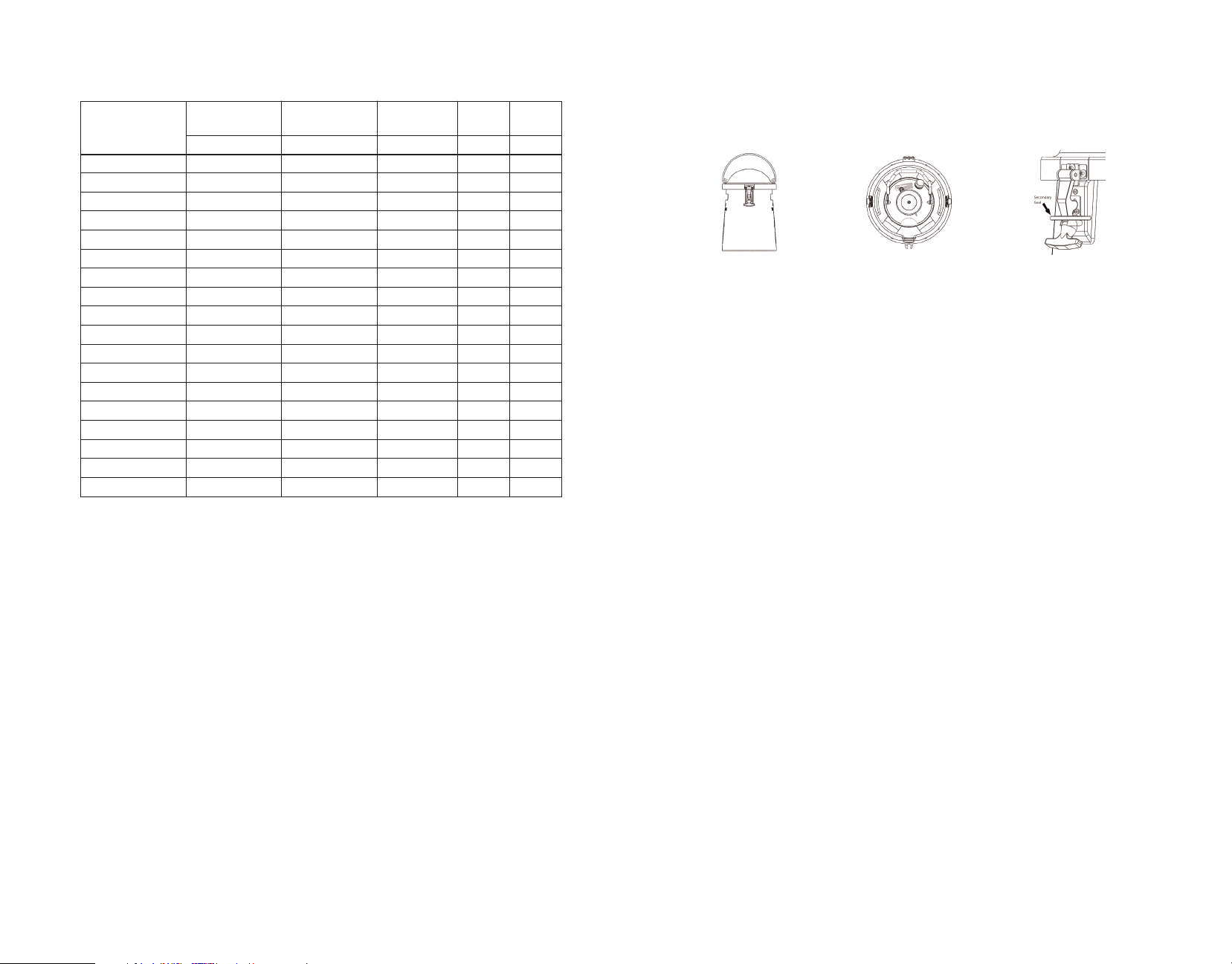
Table 1 Reference Unit Performance by Model
Empty Charged Static
Model
SC 2/1V 6 (2.7) 8.3 (3.7) 8 0.19 N
SC 4/2V 10.3 (4.6) 16.7 (7.5) 13 0.26 Y
SC 4/3V 11.5 (5.2) 18.5 (8.3) 21 0.20 Y
SC 20/12V 25.3 (11.4) 40.2 (18.2) 60 0.09 N
XC 30/12V 44 (20) 76 (34) 82 0.22 N
Cryoshipper 25.7 (11.6) 38.2 (17.3) 10 0.85 Y
Cryoshipper XC/IATA 32.3 (14.6) 48.9 (22.1) 14 0.70 Y
Cryoshipper 2000 65 (29.5) 95 (43.1) 15 0.79 N
Cryomoover 31 (14) 40.4 (18.3) 12 0.35 N
Cryoshipper MINI* * * * * * 0.84 N
Mini-Moover 8.5 (3.8) 13.4 (6.0) 14 0.20 N
XC 20/3V 25.1 (11.3) 36 (16.3) 16 0.35 N
Doble 11 14.3 (6.4) 19.5 (8.8) 17 0.17 N
Doble 22** 23.8 (10.7) 35 (15.8) 18 0.35 N
Doble 20 23 (10.4) 30.3 (13.7) 21 0.10 N
Doble 28 32.2 (14.6) 46.8 (21.2) 21 0.35 N
Doble 34 34.5 (15.8) 47.9 (21.7) 21 0.20 N
Doble 47 41 (18.5) 54.6 (24.7) 21 0.40 N
Note: The use of a datalogger adds approximately 0.12L/day NER
* Pending on actual configuration
** Center canister required
*** 5% variance in actual weight is typical
Weight Weight Hold Time
lbs (kg) lbs (kg) Days L/Day certified
NER
ISTA-3A
SHIPPING INSTRUCTIONS
MVE/Chart recommends the plastic protective shipping containers (PPSC) be used to help keep the
Vapor Shipper in the upright position and reduce the risk of damage to your valuable asset.
DO NOT
SHIP UNIT ON ITS SIDE OR UPSIDE DOWN. SHIPPING THE UNIT IN ANY POSITION OTHER THAN
UPRIGHT COULD REDUCE THE HOLD TIME TO LESS THAN 10% OF STATIC HOLD TIME, AND CAUSE
PERMANENT DAMAGE TO THE UNIT AND LOSS OF INVENTORY. This could also void warranty.
WARNING: If you ship the Vapor Shipper in a cardboard box, it will ship on its side, as common
carriers instruct their employees in sorting facilities to place boxes on conveyors with the most
stable side down.
Charge the unit by following all steps listed in OPERATION section before inserting into the PPSC. To
avoid damage to either the Vapor Shipper or PPSC never fill or dump the unit when inside the PPSC.
Fasten all locking latches tightly before shipping. You can also utilize cable tie, tamper proof security
seal, or any other appropriate secondary locking mechanism around existing locking latches to avoid
your asset from being tampered during shipment. Before putting PPSC into service, inspect it for any
damage that may jeopardize its functionality. Replace any aged/worn-out impact absorption foam
cushion inside the PPSC or any defective hardware. Remove badly damaged PPSCs from service.
Contact Customer or Technical Service for assistance in selecting the proper service parts.
Typical PPSC shown. The
shape of the PPSC helps
keep the product upright
during shipment.
Shock absorbing foam in the
PPSC helps prevent damage to
the dewar. Illustration shows top
view of the tank in the PPSC.
The rubber latch design allows
the use of a zip tie, vet seal,
safety seal, etc. to ensure
integrity of product shipped.
Select the appropriate shipping method based on the value of contents. Common carriers handle
packages very roughly with the most stable side of the packaging down, and should be used for
low-value product shipment only. Contact carriers for shipment methods for their recommendation
on transporting valuable and/or irreplaceable contents.
MVE Vapor Shippers were primarily designed as vapor shipping containers, however, they can also
be used for immersion of samples. It is imperative that all liquid nitrogen be removed so the unit
remains classified as a Vapor Shipper for transport. If liquid nitrogen is visible in the bottom of the
inner, it then becomes a liquid shipper and the exception status is void. The liquid inside is now
classified as hazardous material.
GENERAL CLEANING
Do not use any petroleum based cleaning solution.
Inside of the vessel:
Any cleaning solution that does not react with aluminum, stainless steel, or G10 composite can be used
in the sanitation process of a MVE Vapor Shipper. In most cases, any household detergent or mild soap
solution is suitable. Other cleaners and disinfectants that can be used safely include hydrogen peroxide,
chlorine/water mixture, and denatured alcohol. The generally accepted practice of using 10% chlorine
bleach with 90% water solution holds as the best method for decontamination. It is recommended that
the unit is filled to its full capacity with the cleaning solution mixture, agitated, and then thoroughly
rinsed. It is important that all surfaces being sanitized are thoroughly rinsed and that all cleaner solution
residues are removed after cleaning. Allow the unit to dry completely before putting into service. It is
suggested that the unit is inverted to drain and dry completely.
Outside of the vessel:
Use light dampened cloth of mild soap solution.
PREVENTIVE MAINTENANCE
The owner may follow two methods of maintenance, Continuous and/or Annual.
For Continuous Maintenance (Recommended before each shipment):
If the tank is warm follow steps 1 - 3 under OPERATION section above but allow the unit with full
liquid to stand undisturbed for 2 hours. Verify no major frost or condensation on outside of unit.
Frost or condensation on the outside of unit would indicate either a weak or no vacuum. Inspect the
cork and cover for signs of damage that may affect NER and Hold Time. Inspect the outside of the
tank for signs of shipping damage, such as large dents, especially around the neck tube area.
Remove badly damaged tanks from service.
14
15
Page 9

Clean up any stain, contamination or condensation on the bottom of the unit after dumping liquid
out. Keep the unit in a cool, clean, and dry location for storage. These procedures can help prevent
corrosion on the bottom of the Vapor Shipper.
For Annual Maintenance:
1. Weigh empty unit with cork/cover but without any inventory accessories and record as
Empty Weight, [kg].
Empty Weight must be taken before filling, while the inside of the Vapor Shipper is at
room temperature.
2. Fill unit to bottom of neck tube. Refer to OPERATION section step 2 for details.
3. Replace cork/cover and allow unit to stand for minimal 24 hours.
4. Weigh unit and record as First Weight, [kg].
5. Allow filled unit to sit undisturbed for another 24 (+/-0.25) hours.
a. Consider the accuracy and resolution of your scale to determine if additional days are
required between the first and second weights in order to obtain an accurate NER. Make sure
to record number of hours between first and second weight.
6. Weigh second time and record as Second Weight, [kg].
7. Calculate evaporation rate by using Equation 2. The difference between the first weight and the
second weight is the daily evaporation rate in kg. This figure roughly signifies the normal
evaporation rate, or N.E.R, [Liter/Day]
(First Weight –Second Weight) x 29.6919
NER =
If there is major frost or condensation on outside of container during this time, it would
indicate either a weak or no vacuum.
8. Pour out LN2 per OPERATION section step 4. Replace cork/cover and take weight as
Charged Weight.
9. Calculate Hold Time, [Days], by using Equation 3. Subtract the Empty Weight from the Charged
Weight and divide by 0.8083; then divide by NER.
Hold Time =
MVE supplies Data Loggers for peace of mind when shipping valuable inventory in Vapor Shippers.
Contact Customer or Technical Service for assistance in selecting the proper Data Logger for your
product. The datalogger adds approximately 0.12L/day NER.
This is concerning the applicability of the USA Federal Hazardous Material Regulations to the
shipment of refrigerated samples in the “Dry Shipper” container. A “Dry Shipper” package consists
of an outer container that is lined with an absorbent material. The container is charged with nitrogen
refrigerated liquid which is absorbed into the container lining. The charged, completed package
serves as refrigerated container for the shipment of samples.
In consideration of the above, consultation with the Research and Special Programs Administration of
the DOT has determined that the use of nitrogen refrigerated liquid charged “dry shipper” containers
for the shipment of samples fall within the regulation exception provided in 49CFR 173.320 paragraph
(a) of the section states the requirements of this subchapter do not apply to atmospheric gases and
helium when used in the operation of the process system such as refrigeration system. Paragraph (c)
of 173.320 pertains to air transport of same refrigeration system. For exception status of air
shipments please refer to IATA-Dangerous Goods Regulations for nitrogen refrigerated liquid. This falls
in the class of 2.2 nonflammable gas, packing instructions 202 with special provisions A-152. If
shipping outside of the USA, please consult your applicable regulatory agencies. For answers to
questions regarding shipping regulations contact a Chart, AI-Cryobiological Tech Service
Representative.
Number of Hours
(Charged Weight –Empty Weight) ÷ 0.8083
NER
MONITORING TEMPERATURE
LETTER EXPLAINING EXCEPTION
Equation 2
Equation 3
Chart Inc., 2200 Airport Industrial Dr., Suite 500, Ball Ground, GA 30107
General Terms:
Limited Warranty Statement
“New Product”
(collectively, the "New Products"), shall be free from defects in materials and workmanship for a period of two (2) years from the date of
shipment, except as provided in the Limited Warranty Provisions below. CHART warrants that the dewar vacuum integrity shall be free
from defects in materials and workmanship as for a period of three (3) years from the date of shipment, except as provided in the
Limited Warranty Provisions below.
“Repair/Blemished Product”
blemished equipment (collectively, the "Repair/Blemished Products") shall be free of defects in materials and workmanship for a
period of (90) days from the date of shipment, except as provided below. CHART warrants that the dewar vacuum integrity shall
be free from defects in materials and workmanship for a period of (I) year from date of shipment, except as provided below.
“Service Part”
warranted for (90) days from date of shipment to be free of defects in material and workmanship, except as provided below.
– Chart Inc. ("CHART") warrants to the original purchaser ("Purchaser") that each new Vapor Shipper Dewar
– CHART warrants to the Purchaser that all repaired equipment and factory
– CHART warrants to the Purchaser that all Service Parts and Accessory Items (each a "Service Part") are
Limited Warranty Provisions:
Purchaser agrees that before this limited warranty shall become effective, Purchaser shall fully inspect each New Product,
Repair/Blemished Product, or Service Part within three (3) days of delivery and before such Product is put to use. Purchaser also
agrees to operate the New Product, Repair/Blemished Product, or Service Part in accordance with CHART's operating instructions
and that failure to do so shall void this limited warranty. Purchaser further agrees that any claim for breach of warranty must be
made in writing within 60 days of discovery of a purported defect. CHART will not be responsible for any alleged breach of
warranty, which, as a result of CHART's inspection, CHART determines to have arisen from a cause not covered by this limited
warranty. In this case, CHART will charge the purchaser a nominal fee to repair the unit.
This limited warranty does not apply to: (A) Normal routine service items; (B) Repair or replacement necessitated by misuse,
abuse, accident, or repairs made by persons other than CHART or persons not authorized by CHART, (C) Use of external
equipment or parts with the New Product, Repair/Blemished Product, or Service Parts other than those approved by CHART,
(D) Defects caused by effects of normal wear and tear; and (E) Acts of God, or other causes not within the control of CHART.
If Purchaser believes that a New Product, Repair/Blemished Product, or Service Part does not comply with the limited warranty
stated above, Purchaser should contact CHART at the address stated above, describing the problem and providing proof of the date
of purchase. If directed by CHART, Purchaser shall return the New Product, Repair/Blemished Product, or Service Part freight
prepaid, properly packaged in a CHART approved shipping container and properly identified by a Return Material Authorization
Number issued by CHART. New Products, Repair/Blemished Product, or Service Parts returned without a Return Material
Authorization Number will be refused and returned at Purchaser's expense.
The remedies available for any breach of this limited warranty are limited to repair or replacement of the defective New Product,
Repair/Blemished Product, Service Part, or refund of the purchase price, at the sole discretion of CHART. CHART warrants that
replacement or repaired New Product, Repair/Blemished Product, or Service Part shall be free from defects in material and
workmanship for the duration of the unexpired portion of the original warranty or ninety (90) days from the date of re-shipment
to Purchaser, whichever is longer. PURCHASER'S RECOVERY FROM CHART FOR ANY CLAIM SHALL NOT EXCEED
PURCHASER’S PURCHASE PRICE FOR THE NEW PRODUCT, REPAIR/BLEMISHED PRODUCT, OR SERVICE PART
GIVING RISE TO SUCH CLAIM, IRRESPECTIVE OF THE NATURE OF THE CLAIM, WHETHER IN CONTRACT,
TORT, WARRANTY, NEGLIGENCE, STRICT LIABILITY OR OTHERWISE. CHART SHALL NOT BE LIABLE FOR AND
PURCHASER SHALL INDEMNIFY, DEFEND AND HOLD CHART HARMLESS FROM ANY CLAIMS BASED ON
CHART'S COMPLIANCE WITH PURCHASER'S DESIGNS, SPECIFICATIONS OR INSTRUCTIONS, OR
MODIFICATION OF ANY PRODUCTS BY PARTIES OTHER THAN CHART, OR USE IN COMBINATION WITH
OTHER PRODUCTS.
PURCHASER SHALL NOT IN ANY EVENT BE ENTITLED TO, AND CHART SHALL NOT BE LIABLE FOR, INDIRECT,
SPECIAL, INCIDENTAL OR CONSEQUENTIAL DAMAGES OF ANY NATURE INCLUDING, WITHOUT LIMITATION,
BUSINESS INTERRUPTION COSTS, REMOVAL AND/OR REINSTALLATION COSTS, REPROCUREMENT COSTS, LOSS
OF PROFIT OR REVENUE, LOSS OF DATA, PROMOTIONAL OR MANUFACTURING EXPENSES, OVERHEAD,
INJURY TO REPUTATION OR LOSS OF CUSTOMERS, EVEN IF CHART HAS BEEN ADVISED OF THE POSSIBILITY
OF SUCH DAMAGES.
16
17
Page 10

EXCEPT FOR THIS LIMITED WARRANTY, CHART HAS MADE NO WARRANTIES OR REPRESENTATIONS,
EXPRESSED OR IMPLIED, AND HEREBY DISCLAIMS ANY OTHER WARRANTIES, INCLUDING, BUT NOT
LIMITED TO, IMPLIED WARRANTIES OF MERCHANTABILITY AND FITNESS FOR A PARTICULAR PURPOSE.
NO REPRESENTATION OR STATEMENT OF CHART MAY CHANGE OR ALTER THIS LIMITED WARRANTY.
Any claims for breach of this limited warranty shall be governed by Georgia law and without regard to conflict of law rules thereof
and must be brought in a state or federal court in Georgia.
Some states do not allow limitations on implied warranties or on incidental or consequential damages, so the above limitations may
not apply. This limited warranty gives the Purchaser specific legal rights. Purchaser may also have other rights, which vary from state
to state.
This product may be covered by one or more patents, US and international. Please visit our website below for
the listing of applicable patents:
Pat. patents.gtls.io
Supplement to Chart Inc.
Limited Warranty Statement for Sales in Australia (AI)
General T
“New Product” – Chart Inc. ("CHART") warrants to the original purchaser only (meaning
the party from whom CHART accepts the purchase order), whether such purchaser is a
wholesaler, distributor or end user ("Purchaser"), that each new Liquid Nitrogen Dewar
(collectively, the "New Products"), shall be free from defects in materials and workmanship for
a period of two (2) years from the date of shipment, except as provided below. CHART
warrants that the dewar vacuum integrity shall be free from defects in materials and
workmanship as listed below, except as provided in the Limited Warranty Provisions below:
Spectrum and CryoSystem Series, ET11, ET24, A-200, Workhorse 2003: 3 years / XC, SC,
and Lab Series, ET 23-JLM: 5 years.
"Repair/Blemished Product" – CHART warrants to the Purchaser that all repaired
equipment and factory blemished equipment (collectively, the "Repair/Blemished Products")
shall be free of defects in materials and workmanship for a period of (90) days from the date of
shipment, except as provided below. CHART warrants that the dewar vacuum integrity shall
be free from defects in materials and workmanship for a period of (I) year from date of
shipment, except as provided below.
"Service Part" - CHART warrants to the Purchaser that all Service Parts and Accessory Items
(each a "Service Part") are warranted for (90) days from date of shipment to be free of defects in
material and workmanship, except as provided below.
erms:
Sales of Product in Australia:
Where the Purchaser is the end user of the Product, the following additional
information is provided in relation to the warranty against defects (the Warranty)
provided by CHART (as set out in the Limited Warranty Statement).
1. In circumstances where a New Product, Repair/Blemished Product or Service Part
does not comply with the Warranty, CHART will at its expense repair or replace that
defective New Product, Repair/Blemished Product or Service Part, or refund the
purchase price at the sole discretion of CHART. CHART warrants that the
replacement or repaired New Product, Repair/Blemished Product or Service Part shall
be free from defects in materials and workmanship for the duration of the unexpired
portion of the Warranty, or 90 days from the date of reshipment to the purchaser,
whichever is longer.
2. The Warranty is subject to the Limited Warranty Provisions set out below and all
exclusions and limitations set forth in the CHART Limited Warranty Statement.
3.
To claim the Warranty, the Purchaser must contact CHART’s affiliate in
Australia for further instruction, including the return of the defective New
Product Repair/Blemished Product or Service Part (at the Purchaser's
expense), to the following address:
Chart Australia Pty Ltd.
Unit 43/2 Railway Parade
Lidcombe, NSW 2141, Australia
Attention: Customer Service Department
Phone number: (02) 9749-4333
Email address: customerser
4. The Purchaser must otherwise comply with the requirements set out in the Limited
Warranty Statement when making a claim under the Warranty.
5.
Notwithstanding the Limited Warranty Statement, our Products come with
guarantees that cannot be excluded under the Australian Consumer Law
(ACL). You are entitled to a replacement or refund for a major failure and
compensation for any other reasonably foreseeable loss or damage. You are
also entitled to have the Products repaired or replaced if the Products fail to
be of acceptable quality and the failure does not amount to a major failure.
6. The provider of the Warranty is CHART. Relevant contact details are set out below
for CHART
(to claim the Warranty, please use the contact details provided in
paragraph 3 above):
(a) Customer Service Department
(b) Business Address:
Chart Inc.
2200 Airport Industrial Drive, Suite 500
Ball Ground, GA 30107 (USA)
(c) Phone number: 770-721-7759
(d) Email address: customerser
Repair of Products Sold in Australia
Where the Purchaser is the end user of the Product, the following additional information is
provided in relation to the repair of Products by CHART:
The Products may contain "user generated data" as defined under the Australian
Consumer Law (ACL). Repair of Products may result in the loss of user generated data.
This product may be covered by one or more patents, US and international. Please visit our
website below for the listing of applicable patents:
Pat. patents.gtls.io
18
19
Page 11
Bedienungsanleitung für MVE Vapour Shippers
Vertretung (Richtlinie über Medizinprodukte):
Medical Product Services, Borngasse 20, 35619 Braunfels, Germany
MVE Vapor Shipper eignen sich hervorragend für den Transport von kryobiologischen Materialien.
Der Flüssigstickstoff wird vom hydrophoben Absorptionsmaterial aufgenommen und der kalte,
gasförmige Stickstoff kühlt den Bereich für die Kryolagerung auf eine Temperatur zwischen -150 °C
und -190 °C Grad. Das Absorptionsmaterial bindet den Flüssigstickstoff und verhindert ein
ungewolltes Verschütten.
Flüssigstickstoff wird vom US-amerikanischen Verkehrsministerium (DOT) als „Gefahrgut“
klassifiziert. Mindestens drei Regulierungsbehörden haben Vorschriften zu Gefahrgütern
veröffentlicht:
DOT – Verkehrsministerium (USA)
IATA – International Air Transportation Association (Internationaler Luftverkehrsverband)
ICAO – International Civil Aviation Organization (Internationale Zivilluftfahrtorganisation)
Falls das Produkt außerhalb der USA verwendet wird, kontaktieren Sie bitte die entsprechende
Regulierungsbehörde. Flüssigstickstoff wird unter dem Namen „Stickstoff, tiefgekühlt, flüssig”
klassifiziert und hat die Codenummer UN 1977. Die Namensklassifizierung und die UN-Codenummer
müssen auf dem Versandkarton zusätzlich zum Etikett „Nicht brennbares Gas“ angegeben werden.
Vorschriften für Verpackung und Etikettierung sind bei den oben genannten Organisationen erhältlich.
Setzen Sie sich außerdem wegen eventueller Abweichungen der Vorschriften mit Ihrem Spediteur in
Verbindung, da diese speziell für dieses Unternehmen und/oder den endgültigen Bestimmungsort der
Sendung gelten können.
Bedenken Sie, dass die Vorschriften von Zeit zu Zeit überarbeitet werden. Falls Sie aktuelle
Informationen vor dem Versand Ihrer kryobiologischen Muster benötigen, setzen Sie sich bezüglich
der aktuellen Vorschriften bitte mit Ihrer Fluggesellschaft in Verbindung. Es liegt in Ihrer
Verantwortung, korrekte Informationen bereitzustellen, wie Achtung- und Vorsicht-Warnungen auf
der Versandverpackung.
ALLGEMEINE BESCHREIBUNG
Der Behälter fu.r Kryokonservierung ist doppelwandig, vakuumisoliert, besteht aus Aluminium mit
einem Halsstu.ck aus Glasfaserverbundstoff und bietet höchstmögliche Effizienz bei kryogener
Temperaturhaltung. Das flu.ssige Stickstoffabsorptionsmittel ist eine hydrophobe Decke, die aus
synthetischer amorpher Kieselsäure und Glasfaser besteht. Das Absorptionsmittel ist ungefährlich.
Der Behälter darf nur fu.r flu.ssigen Stickstoff verwendet werden. Flu.ssiger Sauerstoff ist fu.r diesen
Behälter ungeeignet und darf nicht im Behälter gelagert werden.
Der MVE Vapor Shipper wurde in Hinblick auf Sicherheit, Widerstandsfähigkeit und Leistung
konzipiert. Jedoch kann falsche Handhabung der Ausrüstung, einschließlich Ausrichtung der
Transport- oder Versandeinheiten anders als vertikal aufrecht, zur Beschädigung des Produkts
führen. Außerdem kann das Fallenlassen bzw. können Stöße oder Schläge zu einem umgehenden
oder vorzeitigen Vakuumverlust führen.
Nach Erhalt des Produkts sind sowohl das Gefäß als auch die
Verpackung auf Transportschäden zu pru.fen. Kontaktieren Sie den
Spediteur gemäß dessen Richtlinien, falls Ihnen Anzeichen fu.r
Transportschäden auffallen. Einige MVE-Versandkartons tragen den
Transit-Tested ISTA-3A-Zertifikatsstempel (siehe rechts), der hilfreich
ist, wenn Sie, im Fall von Versandschäden, gegen den Spediteur
Anspru.che geltend machen. Nach dem ersten Fu.llvorgang ist der
Behälter auf Anzeichen eines Vakuumlecks (starker Frost oder
Kondensation am Außenmantel) zu pru.fen. Etwas Frost an der Spitze nach dem Fu.llvorgang ist
unbedenklich. Es ist normal, wenn sich etwas weißer Staub oder pulverartige RuÅNckstaÅNnde an
der Unterseite des Behälters aufgrund von Vibrationen während des Versands ansammeln. Nach
Wunsch kann der Behälter ausgewischt oder ausgesaugt werden.
20
Dieser qualitativ hochwertige, vakuumisolierte Behälter ist kompatibel mit unterschiedlichen
Extremtemperaturen und einer breiten Palette von Anwendungsgebieten in der Kryobiologie. Die
Haltbarkeit dieses Produkts beträgt fünf (5) Jahre.
Produkte, die über eine CE-Kennzeichnung verfügen, erfüllen die Anforderungen der
Verordnung 93/42/EEC bezüglich medizinischer Geräten in der EU.
SICHERHEIT
WARNUNG:
Handhabung von Flüssigstickstoff, Behältern zur Lagerung von Flüssigstickstoff,
Transportbehältern oder anderen Gegenständen, die mit Flüssigstickstoff in Kontakt gekommen
sind, besondere Vorsicht zu üben.
WARNUNG: Beim Ablassen von Stickstoffdämpfen wird möglicherweise der Sauerstoffgehalt
in der Luft reduziert. Dies kann zu Erstickungen und sogar zum Tod führen. Den Behälter mit
Flüssigstickstoff nicht in kleinen, eingeschlossenen oder schlecht belüfteten Bereichen
aufbewahren.
WARNUNG: Flüssigstickstoff-Behälter nicht luftdicht abschließen, damit etwas Stickstoffgas
entweichen kann. Zudem kann übermäßig hohe Luftfeuchtigkeit bzw. direkte Beregnung zum
Einfrieren des Korkens / der Abdeckung und möglicherweise zu einer Explosion führen.
WARNUNG: Auf keinen Fall Hohlröhren zum Messen von Flüssigstickstoffmengen verwenden.
Dies könnte zu einer thermischen Verletzung führen.
VORSICHT: Den Behälter für Kryokonservierung sorgsam handhaben.
Flüssigstickstoff ist extrem kalt. Zur Vermeidung von Erfrierungen ist bei der
• Alle Hautbereiche abdecken.
• Stets Schutzausrüstung über der Alltagskleidung tragen: Gesichtsmaske, kryogene
Schutzhandschuhe und kryogene Schürze.
• Während des Transports von Flüssigstickstoff ist äußerste Vorsicht geboten, um
Verschütten und Spritzer zu vermeiden.
• Behälter immer aufrecht halten. Nicht kippen oder Behälter auf dessen Seite legen.
• Teile der Kleidung oder Schutzausrüstung, die mit Flüssigstickstoff in Kontakt
gekommen sind, müssen sofort ausgezogen werden.
• Bei Erfrierungen durch Flüssigstickstoff ist sofort ein Arzt aufzusuchen.
• Den Behälter niemals mit Flüssigstickstoff überfüllen. Flüssigstickstoff muss sich stets
unter dem Beginn des Halsbereichs befinden. Ein Überfüllen des Behälters kann zu
sofortigem oder vorzeitigem Versagen des Vakuums führen.
• Den Vapor Shipper niemals auf der Seite liegend oder mit der Unterseite nach oben
versenden. Dies kann zu einem Ausfall der Vakuumerzeugung und Produktverlust
innerhalb des Vapor Shippers führen.
• Nicht am Halsbereich kratzen. Bestände vorsichtig entnehmen und einfüllen. Kratzer
können zu vorzeitigem Vakuumverlust führen.
• Das Manipulieren bzw. Entfernen des Vakuumanschlusses zerstört das Vakuum,
wodurch die Garantie verfällt.
• Den Behälter nie fallenlassen, stoßen oder darauf schlagen.
• Niemals Flüssigstickstoff auf oder nahe dem Vakuumanschluss ausschütten.
• Den Behälter niemals im Freien lassen.
• Überprüfen Sie den Behälter vor und nach jeder Lieferung auf eventuelle Schäden.
• Halten Sie den Boden des Behälters sauber und fern von Chemikalien, Düngemitteln,
Boden und Feuchtigkeit.
• Sämtliche Leistungsdaten, die bezüglich dieses Produkts veröffentlicht wurden,
beziehen sich lediglich auf statische Voraussetzungen. Die tatsächliche Leistung hängt
von der Art des Gebrauchs ab. Die Manipulation von Beständen oder Zubehörteilen in
Kombination mit Vibration senkt die Funktionsdauer/Haltezeit dieser Produkte.
21
Page 12
HANDHABUNG
VORSICHT: Berücksichtigen Sie beim Versand den Wert des Inventars und stellen Sie fest, ob
das Inventar auf mehrere Container aufgeteilt werden sollte, um das Risiko zu verringern, dass
wertvolle und / oder unersetzbare Produkte verloren gehen, verloren gehen oder beim Versand
beschädigt werden.
VORSICHT: Dewargefäße sollten nicht fu.r die langfristige Lagerung von biologischen
Inhaltsstoffen verwendet werden. Bei Nichtbefolgung der in der Handhabungsanleitung von
Chart beschrieben besten Handhabungsmethoden kann es zum Verlust von Inhalten kommen.
Flüssigstickstoff ist extrem kalt. Stellen Sie sicher, dass Sie angemessene Schutzkleidung tragen,
bevor Sie mit der Handhabung beginnen. Vermeiden Sie ein Verschütten von Flüssigstickstoff über
den Vakuumanschluss, weil dadurch die Dichtung schrumpfen und somit Luft in den Vakuumbereich
eindringen kann, was zu einem vorzeitigen Versagen des Vakuums führen kann. Um die maximale
Leistung Ihres MVE Vapor Shippers sicherzustellen, befolgen Sie vor dem Versand an den
endgültigen Bestimmungsort das unten aufgeführte Verfahren:
1. Öffnen Sie das Behältnis, indem sich der Vapor Shipper befindet, öffnen Sie den Deckel und
entfernen Sie den Korken / die Abdeckung / die Zubehörteile. Heben Sie den Korken / die
Abdeckung direkt an (nicht drehen).
2. Befüllen Sie das Gefäß bis unterhalb des Halsbereichs.
a. Falls Sie ein warmes Gefäß handhaben, empfiehlt MVE, langsam kleine Menge Flüssigkeit
in den Boden des Gefäßes einzufüllen und eine Weile zu warten, bis der Flüssigstickstoff
nicht mehr stark kocht, damit das Gefäß abkühlen kann. Positioniere dass der
Vakuumanschluss von der Person oder anderen Personen weg zeigt.
b. Um die optimale Haltezeit zu erreichen. Sie mu.ssen die Einheit mehr als einmal bis zum
Hals fu.llen, bis der Flu.ssigkeitsstand stabil ist.
c. Halten Sie die bewährten Sicherheitspraktiken und -verfahren für den Transport von LN2 ein.
d. Gefäß nach Möglichkeit mit einem Trichter oder einem Umfüllschlauch befüllen.
Flüssigkeit mit einem LN2-Schlauch mit Phasentrenner oder Schüttbehälter und Trichter
übertragen.
e. Falls Sie die Flüssigkeit aus einer Druckstickstoffquelle befüllen, stellen Sie sicher, dass es
sich um niedrigen Druck handelt (1,52 bar oder weniger).
3. Setzen Sie den Korken / die Abdeckung wieder auf das Gefäß und lassen Sie es mindestens 24
Stunden thermisches Gleichgewicht erreichen/laden.
a. Siehe Abschnitt
NUTZUNG DER QWICK-LADETECHNOLOGIE für Informationen bezüglich
einer beschleunigten Ladelösung.
b. Falls sich nach den ersten Stunden auf der Außenseite des Gefäßes übermäßiger Frost
oder übermäßiges Kondenswasser ansammelt, deutet dies auf ein schwaches oder gar
kein Vakuum hin. Untersuchen Sie das Gefäß sorgfältig.
4. Überschüssige Flüssigkeit unmittelbar vor dem Versand abschütten.
a. Falls es nötig ist, den gesamten Flüssigstickstoff zu dispensieren, die Einheit umdrehen,
bis der Flüssigstickstoff nicht mehr tropft. Stellen Sie das Gerät aufrecht hin und sehen
Sie, ob sich flüssiger Stickstoff am Boden des Geräts sammelt. Wenn flüssiger Stickstoff
sich zu sammeln beginnt, drehen Sie die Einheit erneut um. Wiederholen Sie den Vorgang
nach Bedarf, bis der gesamte Flüssigstickstoff gemäß der ICAO-Verpackungsanweisung
202 aus dem Gerät entfernt wurde.
5. Wiegen Sie die Einheit und halten Sie die Daten fest.
a. Um ein angemessenes Ladeverfahren zu gewährleisten, holen Sie Informationen zu den
Gewichten im leeren wie im geladenen Zustand ein. Stellen Sie sicher, dass der
Unterschied zwischen Leergewicht und Gewicht wenn geladen ungefähr den Daten in
Tabelle 1 entspricht. Der Unterschied kann mithilfe von Berechnung 1 berechnet werden.
Unterschied = Gewicht wenn geladen – Leergewicht Berechnung 1
b. Bitte beachten Sie, dass das Gewicht wenn geladen keinerlei Schlüsse auf die
Gefäßleistung zulässt.
6. Füllen Sie die Bestände in das Gefäß und setzen Sie den Korken / die Abdeckung wieder auf
das Gefäß.
NUTZUNG DER QWICK-LADETECHNOLOGIE
Nur Gefäße mit dem QWICK-Etikett sind mit der QWICK-Ladetechnologie ausgestattet. Um die
QWICK-Ladetechnologie zu nutzen und in unter 2 Stunden zu laden, darf das Gefäß zwischen
Transporten nicht auf über -150 °C erwärmt werden. Falls die Temperatur auf über -150 °C ansteigt,
muss das Gefäß mindestens 24 Stunden lang erneut geladen werden damit das Gerät ein
thermisches Gleichgewicht erreicht.
Verwenden Sie die nachstehende Gewichtstabelle als allgemeine Anleitung, wenn Ihr Vapor
Shipper vollständig beladen ist. Die Werte dienen lediglich als Referenz. Das Gewicht kann
aufgrund des Ladevorgangs variieren. Beziehen Sie sich auf die statische Haltezeit und die normale
Verdunstungsrate (NER) in der nachstehenden Tabelle. Faktoren wie das Alter der Einheit, die Menge
des Inventars, die Umgebungsbedingungen, die Versandbedingungen und die Verwendung von
Zubehör usw. können sich negativ auf die Haltezeit und die NER der Einheit auswirken. Wenn Sie Ihr
Modell hier nicht finden, lesen Sie den MVE-Kryokonservierungskatalog oder wenden Sie sich an den
Kunden- oder technischen Kundendienst.
Tabelle 1 Referenzeinheitsleistung nach Modell
Leer Gewicht Statische
Model
SC 2/1V 6 (2,7) 8,3 (3,7) 8 0,19 N
SC 4/2V 10,3 (4,6) 16,7 (7,5) 13 0,26 J
SC 4/3V 11,5 (5,2) 18,5 (8,3) 21 0,20 J
SC 20/12V 25,3 (11,4) 40,2 (18,2) 60 0,09 N
XC 30/12V 44 (20) 76 (34) 82 0,22 N
Cryoshipper 25,7 (11,6) 38,2 (17,3) 10 0,85 J
Cryoshipper XC/IATA 32,3 (14,6) 48,9 (22,1) 14 0,70 J
Cryoshipper 2000 65 (29,5) 95 (43,1) 15 0,79 N
Cryomoover 31 (14) 40,4 (18,3) 12 0,35 N
Cryoshipper MINI* * * * * * 0,84 N
Mini-Moover 8,5 (3,8) 13,4 (6,0) 14 0,20 N
XC 20/3V 25,1 (11,3) 36 (16,3) 16 0,35 N
Doble 11 14,3 (6,4) 19,5 (8,8) 17 0,17 N
Doble 22** 23,8 (10,7) 35 (15,8) 18 0,35 N
Doble 20 23 (10,4) 30,3 (13,7) 21 0,10 N
Doble 28 32,2 (14,6) 46,8 (21,2) 21 0,35 N
Doble 34 34,5 (15,8) 47,9 (21,7) 21 0,20 N
Doble 47 41 (18,5) 54,6 (24,7) 21 0,40 N
Hinweis: Die Verwendung eines Datenloggers fu.hrt zu einer zusätzlichen Verdunstungsrate
(NER) von 0,12 l/Tag.
* Tatsächliche Konfiguration steht noch aus
** Center-Kanister erforderlich
*** Eine Abweichung der tatsächlichen Gewichte von 5% ist typisch
gewicht wenn geladen Haltezeit
lbs (kg) lbs (kg) Tage Lite/Tage Zertifiziert
NER
ISTA-3A
2322
Page 13
VERSANDANWEISUNGEN
MVE / Chart empfiehlt, die Transportbehälter aus Kunststoff zu verwenden(PPSC), um den Vapor
Shipper in aufrechter Position zu halten und das Risiko von Schäden an Ihrem wertvollen Gut zu
reduzieren. NICHT AUF DER SEITE ODER MIT DER UNTERSEITE NACH OBEN VERSENDEN. DER
VERSAND DES BEHÄLTERS IN EINER ANDEREN AUSRICHTUNG ALS AUFRECHT STEHEND KANN
DIE HALTEZEIT AUF UNTER 10 % DER HALTEZEIT REDUZIEREN UND ZU BLEIBENDEN SCHÄDEN
AM BEHÄLTER SOWIE DEM VERLUST DES INHALTS FÜHREN. Möglicherweise verfällt dadurch
zudem die Garantie.
WARNUNG: Wenn Sie den Vapor Shipper in einem Karton versenden, wird er in seitlicher Lage
versandt, da die meisten Spediteure ihre Mitarbeiter in den Sortiereinrichtungen anweisen, den
Karton auf den Förderbändern mit der stabilsten Seite nach unten zu platzieren.
Laden Sie das Gerät auf, indem Sie alle Schritte ausführen, die im Abschnitt HANDHABUNG
aufgeführt sind, bevor Sie es in das PPSC einlegen. Um Schäden am Vapor Shipper oder PPSC zu
vermeiden, füllen oder entleeren Sie das Gerät niemals, wenn es sich im PPSC befindet. Befestigen
Sie alle Verschlussriegel vor dem Versand fest. Sie können auch Kabelbinder, manipulationssichere
Sicherheitssiegel oder andere geeignete sekundäre Verriegelungsmechanismen um vorhandene
Verriegelungen herum verwenden, um zu verhindern, dass Ihr Gerät während des Transports
manipuliert wird. Bevor Sie PPSC in Betrieb nehmen, überprüfen Sie es auf Schäden, die seine
Funktionalität gefährden könnten. Ersetzen Sie eventuell gealterte / abgenutzte stoßdämpfende
Schaumstoffpolster im PPSC oder defekte Teile. Stark beschädigte PPSCs außer Betrieb nehmen.
Wenden Sie sich an den Kundendienst oder an den technischen Kundendienst, um Hilfe bei der
Auswahl der richtigen Ersatzteile zu erhalten.die richtigen Ersatzteile.
Die Abbildung zeigt einen
typischen Transportbehälter
aus Kunststoff (PPSC). Die
Form des Transportbehälters
gewährleistet, dass das
Produkt aufrecht stehend
transportiert wird.
Wählen Sie die geeignete Versandart nach dem Wert des Inhalts aus. Gängige Spediteure handhaben
Pakete ziemlich unachtsam und platzieren die stabilste Seite auf dem Förderband nach unten.
Deshalb sollten solche Spediteure nur fu.r den Versand von Produkten mit geringem Wert verwendet
werden. Wenden Sie sich bezu.glich der Versandmethode an den Spediteur, um Empfehlungen fu.r
den Transport von wertvollen und/oder unersetzbaren Inhalten zu erhalten.
Die MVE Vapor Shipper wurden in erster Linie als Lieferbehälter entwickelt, sie können jedoch auch
für die Immersion von Proben verwendet werden. Es ist unbedingt notwendig, dass sämtlicher
Flüssigstickstoff aus dem Vapor Shipper entfernt wird, damit dieser weiterhin als Lieferbehälter
klassifiziert bleibt. Falls am Boden im Inneren des Gefäßes Flüssigstickstoff zu sehen ist, wird es zu
einem Transportgefäß für Flüssigkeiten und der Ausnahmestatus wird ungültig. Die Flüssigkeit im
Inneren wird nun als Gefahrstoff klassifiziert.
Stoßdämpfender Schaum im
Transportbehälter aus Kunststoff
verhindert Beschädigungen am
Dewargefäß. Die Abbildung zeigt
die Draufsicht auf den
Transportbehälter.
Die Gummiverriegelungskontruktion
ermöglicht die Verwendung eines
Kabelbinders, Sicherheitssiegels
usw., damit das Produkt unversehrt
transportiert werden kann.
ALLGEMEINE REINIGUNG
Verwenden Sie keinerlei erdölbasierte Reinigungslösungen.
Im Inneren des Gefäßes:
Für die Desinfizierung eines MVE Vapor Shippers können jegliche Reinigungsmittel verwendet werden,
die nicht mit Aluminium, Edelstahl bzw. G10 Zusammensetzung reagieren. In den meisten Fällen
eignet sich ein Haushaltsreiniger oder eine milde Seifenlösung. Weitere unbedenkliche Reiniger und
Desinfektionslösungen sind beispielsweise Wasserstoffperoxid, Mischung aus Chlor und Wasser sowie
Spiritus. Dass allgemein anerkannte Verfahren unter Verwendung einer Lösung aus 10 % Chlorbleiche
und 90 % Wasser hat sich als beste Methode für die Dekontamination erwiesen. Es wird empfohlen,
das Gefäß bis oben hin mit einer Reinigungslösung zu füllen, zu schütteln und anschließen gründlich
auszuspülen. Alle Flächen, die desinfiziert wurden, müssen anschließend gründlich gespült werden
und sämtliche Reinigungsmittelrückstände müssen nach der Reinigung entfernt werden. Das Gefäß
muss vollständig trocknen, bevor es in Betrieb genommen werden kann. Es wird empfohlen, das
Gefäß mit der Unterseite nach oben abzustellen, bis es vollständig getrocknet ist.
Außenseite des Gefäßes:
Verwenden Sie ein leicht feuchtes Tuch mit sanfter Seifenlösung.
VORBEUGENDE WARTUNG
Die Wartung kann laufend und/oder jährlich erfolgen.
Laufende Wartung (Empfohlen vor jedem Versand):
Wenn der Tank warm ist, befolgen Sie die Schritte 1- 3 unter HANDHABUNG im Abschnitt oben, und
lassen die vollständig gefu.llte Einheit 2 Stunden lang ruhen. Stellen Sie sicher, dass sich auf der
Außenseite kein übermäßiger Frost oder übermäßiges Kondenswasser befindet. Frost bzw.
Kondenswasser könnte darauf hinweisen, dass nur ein schwaches oder gar kein Vakuum vorhanden
ist. Untersuchen Sie den Kork und decken Sie ihn auf Anzeichen von Schäden ab, die NER
beeinträchtigen könnten. Überprüfen Sie die Außenseite des Tanks auf Anzeichen von
Transportschäden, wie z. große Dellen, besonders im Halsbereich. Schwer beschädigte Tanks außer
Betrieb nehmen.
Beseitigen Sie jegliche Flecken, Kontaminationen oder Kondenswasser vom Boden des Gefäßes, nachdem
Sie die Flüssigkeit abgelassen haben. Bewahren Sie das Gefäß an einem kühlen, sauberen und trockenen
Ort auf. Diese Verfahren tragen zur Vermeidung von Korrosion am Boden des Vapor Shippers bei.
Jährliche Wartung:
1. Wiegen Sie das Gefäß mit den Korken / die Abdeckung, ohne Inhalt und Zubehörteilen und
halten Sie das Gewicht als Leergewicht, [kg], fest.
Das Leergewicht muss gemessen werden, bevor das Gefäß befüllt wird, und wenn sich der
Vapor Shipper auf Zimmertemperatur befindet.
2. Befüllen Sie das Gefäß bis unterhalb des Halsbereichs. Siehe Schritt 2 im Abschnitt
HANDHABUNG für weitere Informationen.
3. Korken/Abdeckung wieder einsetzen und die Einheit mindestens 24 Stunden lang ungestört
stehen lassen.
4. Wiegen Sie das Gefäß und halten Sie das Gewicht als Erstes Gewicht, [kg], fest.
5. Lassen Sie die Einheit weitere 24 (+/-0,25) ungestört ruhen.
a. Berücksichtigen Sie die Genauigkeit und Auflösung Ihrer Waage, um festzustellen, ob
zusätzliche Tage zwischen dem ersten und zweiten Gewicht erforderlich sind, um eine
genaue NER zu erhalten. Stellen Sie sicher, dass die Anzahl der Stunden zwischen dem
ersten und zweiten Gewicht aufgezeichnet wird.
6. Wiegen Sie das Gefäß ein zweites Mal und halten Sie das Gewicht als Zweites Gewicht, [kg] fest.
2524
Page 14

7. Berechnen Sie die Verdunstungsrate anhand von Berechnung 2. Die Differenz zwischen dem
ersten Gewicht und dem zweiten Gewicht stellt die tägliche Verdunstungsrate in kg dar. Dieser
Wert gibt in etwa die normale Verdunstungsrate, auch NER, [Liter/Tag] an.
(Erstes Gewicht– Zweites Gewicht) x 29.6919
ER =
Nummer von Stunden
Berechnung 2
Falls sich auf der Innen- oder Außenseite des Behälters Frost gebildet hat, könnte dies darauf
hinweisen, dass nur ein schwaches oder gar kein Vakuum vorhanden ist.
8. Gießen Sie LN2 gemäß Schritt 4 im Abschnitt HANDHABUNG aus. Setzen Sie den Korken / die
Abdeckung, und halten Sie das nun gemessene Gewicht als Gewicht wenn geladen fest.
9. Berechnen Sie die Haltezeit, [Tage], anhand von Berechnung 3. Ziehen Sie das Leergewicht vom
Gewicht wenn geladen ab und teilen Sie das Ergebnis erst durch 0,8083 und dann durch NER.
Haltezeit =
(Gewicht wenn geladen – Leergewicht) ÷ 0.8083
NER
Berechnung 3
ÜBERWACHUNGSTEMPERATUR
MVE liefert Datenlogger beim Versand von wertvollem Inventar in Vapour Shippers. Wenden Sie sich
an den Kunden oder an den technischen Kundendienst, um Unterstützung bei der Auswahl des
richtigen Datenloggers für Ihr Produkt zu erhalten. Die Verwendung eines Datenloggers fu.hrt zu einer
zusätzlichen Verdunstungsrate (NER) von 0,12 l/Tag.
ANGABEN ZUM AUSNAHMESTATUS
Diese Informationen beziehen sich auf die Gültigkeit der „U.S. Federal Hazardous Material Regulations“ (USGefahrstoffverordnungen) für den Versand von gekühlten Proben in „trockenen“ Transportbehältern. Ein „trockener“
Transportbehälter besteht aus einem äußeren Behälter mit einem Innenmantel aus aufnahmefähigem Material. Der
Behälter wird mit einer stickstoffgekühlten Flüssigkeit gefüllt, die vom Innenmantel aufgenommen wird. Der vollständig
gefüllte Behälter dient zum Kühltransport von Proben.
In Anbetracht der o. a Informationen unterliegt die Verwendung von mit stickstoffgekühlten Flüssigkeiten geladenen
Trockentransportbehältern für den Versand von Proben laut der RSPA-Prüftstelle (Research and Special Programs
Administration) des Department of Transportation (DOT) den Richtlinienausnahmen in 49CFR 173.320 Absatz (a) des
Abschnitts, der besagt, dass die Anforderungen dieses Unterkapitels nicht auf atmosphärische Gase und Helium zutreffen,
wenn diese im Prozesssystem (z. B. dem Kühlsystem) Anwendung finden. Absatz 173.320 (c) bezieht sich auf den
Lufttransport des gleichen Kühlsystems. Angaben zum Ausnahmestatus von Lufttransporten finden Sie in den IATAGefahrengutrichtlinien für stickstoffgekühlte Flüssigkeiten. Diese fallen in die Verpackungsanweisungen 202 der Klasse 2.2
für nicht entzündliche Gase mit Sonderbestimmung A-152. Bei Versand außerhalb der USA wenden Sie sich bitte an die
zuständigen Aufsichtsbehörden. Wenn Sie Fragen zu Versandrichtlinien haben, setzen Sie sich bitte mit einem technischen
Chart-Kundendienstvertreter (AI-Kryobiologie) in Verbindung.
Eingeschränkte Garantie
Chart Inc., 2200 Airport Industrial Dr., Suite 500, Ball Ground, GA 30107
Allgemeine Geschäftsbedingungen:
„Neues Produkt“ – Chart Inc. („CHART“) garantiert dem Orginalkäufer („Käufer“), dass jeder neue Vapor Shipper Dewar
(im Gesamten die „ Neuen Produkte“) zwei (2) Jahre ab Lieferung frei von Material- und Ausführungsdefekten ist, ausgenommen
der in den eingeschränkten Garantien unten angeführten Fälle. CHART garantiert, dass die Dewar-Vakuum-Integrität drei (3) Jahre
ab Lieferung frei von Material- und Ausfühungsdefekten ist, ausgenommen der in den eingeschränkten Garantien unten
aufgeführten Fälle.
"Repariertes/kaputtes Produkt" – CHART garantiert dem Käufer, dass sämtliche reparierte und kaputte Ausrüstung (im
Gesamten die "reparierten/kaputten Produkte") (90) Tage ab Lieferung frei von Material- und Ausführungsdefekten sind –
ausgenommen der unten angeführten Fälle. CHART garantiert, dass die Dewar-Vakuum-Integrität ein (1) Jahr ab Lieferung frei
von Material- und Ausführungsdefekten ist – ausgenommen der unten angeführten Fälle.
"Serviceteile" – CHART garantiert dem Käufer, dass alle Serviceteile und Zubehörartikel (jeweils ein "Serviceteil") (90) Tage ab
Lieferung frei von Material- und Ausführungsdefekten sind – ausgenommen der unten angeführten Fälle.
Klausel der eingeschränkten Garantie:
Der Käufer stimmt zu, dass, bevor diese eingeschränkte Garantie in Kraft tritt, er jedes neue Produkt, repariertes/kaputtes Produkt oder
Serviceteil innerhalb von drei (3) Tagen ab Lieferung vollständig überprüfen muss, bevor ein solches Produkt verwendet wird. Der
Käufer stimmt ebenfalls zu, das neue Produkt, reparierte/kaputte Produkt oder Serviceteil gemäß der Bedienungsanleitung von CHART
zu benutzen und dass anderenfalls die Garantie ungültig wird. Der Käufer stimmt außerdem zu, dass jede Garantie-Reklamation
innerhalb von 60 Tagen nach Entdeckung eines Defekts schriftlich erfolgen muss. CHART ist nicht verantwortlich für angebliche
Garantieansprüche, die sich nach einer Untersuchung durch CHART als nicht gerechtfertigt erweisen, da sie aus einem Grund
resultieren, der nicht in der Garantie inbegriffen ist. In diesem Fall verrechnet CHART den Nominaltarif für die Reparatur der Einheit.
Diese eingeschränkte Garantie bezieht sich nicht auf: (A) Normale Routine-Serviceteile; (B) erforderliche Reparatur oder Ersatz durch
Missbrauch, Unfälle oder Reparaturen, die nicht von CHART oder von CHART autorisierten Personen durchgeführt wurde; (C)
Verwendung von externem Equipment, Teile des neuen Produkts, reparierten/kaputten Produkts oder von Serviceteilen, die nicht von
CHART genehmigt wurden; (D) Defekte, die durch normale Abnutzung entstanden sind; und (E) höhere Gewalt oder andere Ursachen,
die nicht von CHART beeinflusst werden können.
Wenn der Käufer glaubt, dass ein neues Produkt, repariertes/kaputtes Produkts oder ein Serviceteil nicht der oben angeführten
eingeschränkten Garantie entspricht, muss er CHART unter der oben angegebenen Adresse kontaktieren, das Problem beschreiben und
einen Nachweis des Kaufdatums erbringen. Wenn er von CHART dazu aufgefordert wird, muss der Käufer das neue Produkt,
reparierte/kaputte Produkt oder das Serviceteil in einem von CHART genehmigten Lieferbehälter retournieren (Fracht im voraus bezahlt)
und eine von CHART bekannt gegebene Autorisierungsnummer der Materialrückgabe anführen. Neue Produkte, reparierte/kaputte
Produkte oder Serviceteile die ohne Autorisierungsnummer der Materialrückgabe retourniert werden, werden abgelehnt und auf Kosten
des Käufers zurückgesendet.
Die Rechtsmittel für jede Verletzung dieser eingeschränkten Garantie, über die einzig und allein CHART entscheidet, sind auf die
Reparatur oder den Ersatz des defekten neuen Produkts, reparierten/kaputten Produkts oder des Serviceteils oder auf die Rückerstattung
des Kaufpreises beschränkt. CHART garantiert, dass ersetzte oder reparierte neue Produkte, reparierte/kaputte Produkte oder Serviceteile
für die Dauer des noch nicht abgelaufenen Zeitraums der Originalgarantie oder neunzig (90) Tage ab erneuter Lieferung – je nachdem,
was länger ist – frei von Material- und Ausführungsdefekten sind. DIE RÜCKERSTATTUNG DES KÄUFERS VON CHART FÜR
JEDE REKLAMATION DARF DEN KAUFPREIS DES NEUEN PRODUKTS, DES REPARIERTEN/KAPUTTEN PRODUKTS
ODER DES SERVICETEILS NICHT ÜBERSCHREITEN - UNABHÄNGIG VON DER ART DER REKLAMATION, OB IM
VERTRAG, VERGEHEN, GARANTIE, FAHRLÄSSIGKEIT, HAFTBARKEIT ODER ANDERE. CHART ÜBERNIMMT KEINE
HAFTUNG UND DER KÄUFER MUSS CHART FÜR REKLAMATIONEN AUF BASIS VON KÄUFERANGABEN ODER
–ANWEISUNGEN, ODER MODIFIZIERUNG EINES PRODUKTES DURCH ANDERE ALS DURCH CHART, ODER IN
VERWENDUNG MIT ANDEREN PRODUKTEN SCHADLOS HALTEN.
DER KÄUFER DARF CHART NICHT FÜR INDIREKTE, BESONDERE ODER FOLGESCHÄDEN JEDER ART,
EINSCHLIESSLICH, JEDOCH NICHT DARAUF BESCHRÄNKT, GESCHÄFTSAUSFALLSKOSTEN, ENTFERNUNGS- ODER
NEUINSTALLATIONSKOSTEN, REPRODUKTIONSKOSTEN, ENTGANGENER GEWINN, DATENVERLUST, WERBE- ODER
HERSTELLUNGSKOSTEN, MEHRAUFWAND, IMAGE- ODER KUNDENVERLUST, SELBST WENN CHART AUF DIE
MÖGLICHKEIT SOLCHER SCHÄDEN HINGEWIESEN WURDE, VERANTWORTLICH MACHEN.
ABGESEHEN VON DIESER EINGESCHRÄNKTEN GARANTIE GEWÄHRT CHART KEINE AUSDRÜCKLICHE ODER
IMPLIZITE GARANTIEN UND KLAUSELN ANDERER GARANTIEN EINSCHLIESSLICH, JEDOCH NICHT DARAUF
BESCHRÄNKT, IMPLIZITE GARANTIEN DER MARKTGÄNGIGKEIT UND EIGNUNG FÜR EINEN BESONDEREN
ZWECK. KEINE DARSTELLUNG ODER STELLUNGNAHME VON CHART ÄNDERT DIESE EINGESCHRÄNKTE
GARANTIE.
Reklamationen für Verletzungen dieser eingeschränkten Garantie werden durch das Gesetz von Georgia geregelt, ohne die geltende
Gesetzeslage zu brechen, und müssen vor einem Staats- oder Bundesgericht in Georgia vorgebracht werden.
Einige Staaten erlauben keine Einschränkungen bei impliziten Garantien, Unfällen oder Folgeschäden. In diesen Fällen sind die oben
angeführten Einschränkungen nicht anwendbar. Diese eingeschränkte Garantie gibt den Käufer besondere Rechte. Der Käufer kann auch
andere Rechte haben, die von Staat zu Staat unterschiedlich sein können.
Dieses Produkt kann von einem oder mehreren US-amerikanischen oder internationalen Patenten
abgedeckt sein. Auf unserer Webseite finden Sie eine Auflistung der geltenden Patente:
Pat. patents.gtls.io
26
27
Page 15
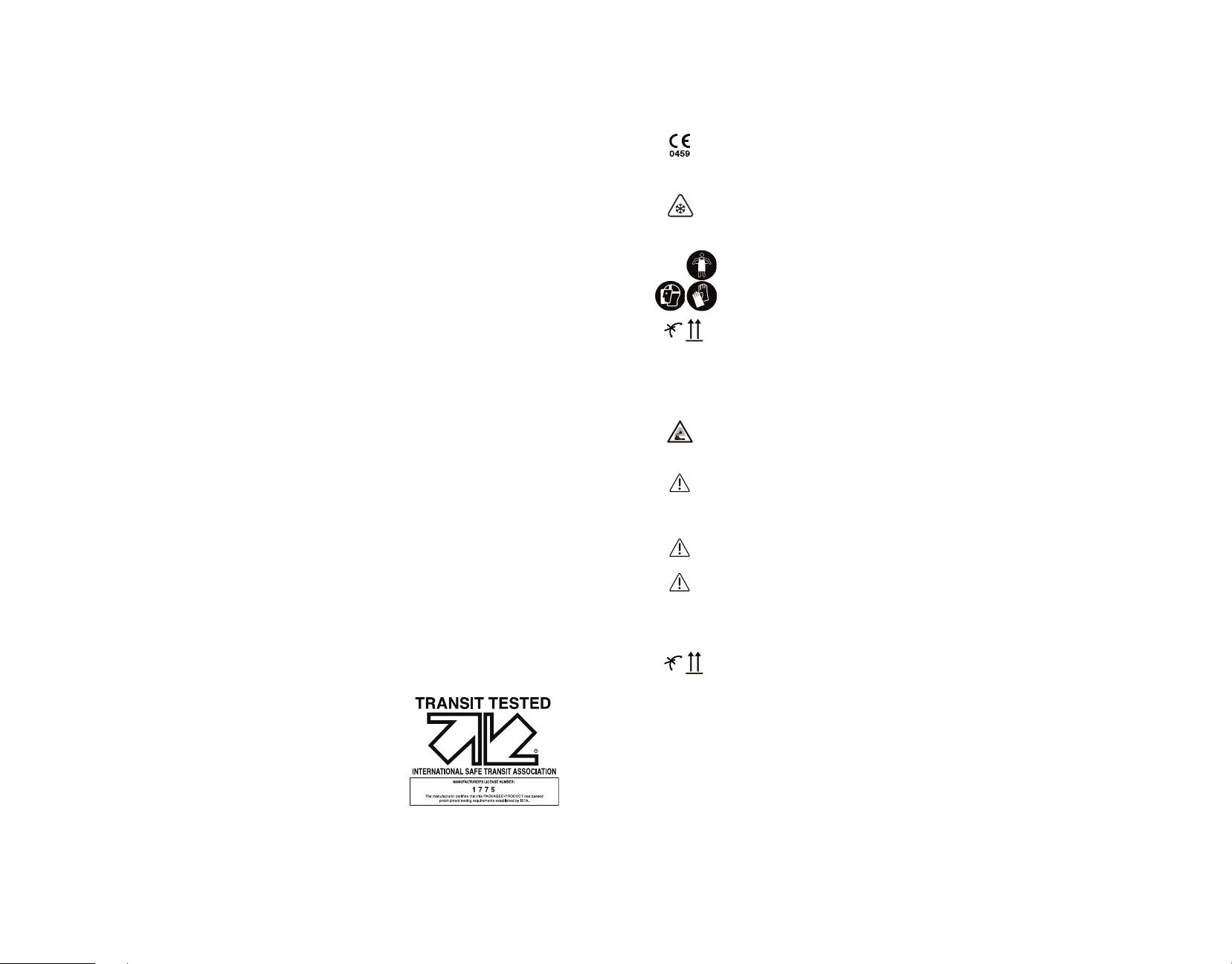
Manual de instrucciones para MVE de transporte de vapor
Representante para las directrices de dispositivos médicos:
Medical Product Services, Borngasse 20, 35619 Braunfels, Germany
Los transportadores de vapor MVE son ideales para el transporte de materiales criobiológicos. El
nitrógeno líquido se retiene en un material hidrofóbico absorbente, y el vapor de nitrógeno frío
mantiene el área de almacenamiento criogénico entre -150 °C y -190 °C. El material absorbente
retiene el nitrógeno líquido y previene derrames accidentales.
El nitrógeno líquido es clasificado como “Mercancías peligrosas” por el Departamento de
Transporte (DOT) de los EE. UU. Al menos tres organismos reguladores publican normas para
mercancías peligrosas:
DOT: Departamento de Transporte
IATA: Asociación Internacional de Transporte Aéreo
ICAO: Organización de Aviación Civil Internacional
Si se encuentra fuera de EE. UU, consulte a los organismos regulatorios aplicables. El nitrógeno
líquido se clasifica bajo el nombre de “Líquido refrigerado de nitrógeno” y tiene un número de
código UN 1977. La clasificación por nombre y el Número de código UN deben estar indicados en
la caja de transporte, además de una etiqueta que indique “Gas no inflamable”. Las organizaciones
mencionadas anteriormente pueden suministrar los requisitos sobre empaquetado y etiquetado.
Además, comuníquese con su transportista para consultar sobre cualquier diferencia en las reglas
que pudieran corresponder específicamente a esa empresa y/o el destino final del envío.
Tenga en cuenta que las normas son sometidas a revisiones periódicas. Si necesita información
actual antes del envío de su muestra criobiológica, comuníquese con su compañía aérea para
conocer las normas más recientes. Es su responsabilidad proporcionar la información correcta,
como advertencias o precauciones, del transporte del paquete.
DESCRIPCIÓN GENERAL
El contenedor de criopreservación es un contenedor aislado al vacío de pared doble fabricado en
aluminio con un cuello de compuesto de fibra de vidrio, que proporciona la mayor efectividad posible
en la preservación a temperaturas criogénicas. El absorbente de nitrógeno líquido es una manta
hidrófoba que está compuesta por sílice amorfa sintética y fibra de vidrio. Este absorbente no es
peligroso. El absorbente de nitrógeno líquido es una manta hidrófoba que está compuesta por sílice
amorfa sintética y fibra de vidrio. Este absorbente no es peligroso. Use el contenedor para almacenar
solo nitrógeno líquido. El oxígeno líquido no es compatible con esta unidad y no debe almacenarse
dentro del contenedor.
El transportador de vapor MVE se ha diseñado teniendo en cuenta la seguridad, duración y
rendimiento. Sin embargo, si maneja indebidamente el equipo (incluido el transporte o envío de
unidades que no sea en vertical), puede dañar el producto. Además, si el contenedor sufre una caída,
golpe o impacto, es posible que el vacío se dañe inmediata o prematuramente.
Cuando reciba el producto, examínelo junto con el embalaje en
busca de cualquier indicio de daños durante el envío. Póngase en
contacto con el transportista, según lo previsto en las directrices del
transportista, en caso de que haya indicios de daños provocados
durante el envío. Algunas cajas de envío de MVE llevan el sello del
certificado Transit Tested ISTA-3A, que se muestra a la derecha, el
cual es útil cuando se hace una reclamación contra el transportista
en caso de que el envío haya sufrido algún daño. Después de
llenarlo por primera vez, compruebe que no haya señales de pérdida de vacío, como congelación o
condensación excesivas de la cubierta externa. Cierto grado de congelación cerca de la parte superior
justo después del llenado es normal. Es normal que se acumule un poco de polvo blanco o un
residuo similar al polvo del absorbente en la parte inferior de la unidad debido a las vibraciones del
envío. Si lo desea, el propietario puede limpiarlo o aspirarlo.
Esta unidad aislada al vacío de gran calidad es compatible con las temperaturas extremas
divergentes y con una gran variedad de aplicaciones de criobiología. La vida útil de este producto es
de cinco (5) años.
Los productos que llevan la marca CE que se muestra cumplen con los requisitos de la
Directiva 93/42/EEC relativa a dispositivos médicos en la UE.
SEGURIDAD
ADVERTENCIA:
proceda con cuidado extremo a la hora de manipular el nitrógeno líquido, los vasos de
transferencia o almacenamiento de nitrógeno líquido o cualquier objeto que haya estado en
contacto con el nitrógeno líquido.
• No deje áreas de piel expuestas.
• Lleve siempre artículos de seguridad adecuados sobre la ropa: máscara, guantes
• Proceda con cuidado extremo para evitar el derramamiento o las salpicaduras de
• Mantenga el contenedor siempre en posición vertical. No incline ni pose el contenedor
• Quítese de inmediato cualquier prenda o artículo de seguridad sobre los que se haya
• Solicite atención médica inmediata para cualquier lesión por congelación debida al
ADVERTENCIA:: la ventilación de los vapores de nitrógeno consumirá el oxígeno del aire, lo que
puede provocar la asfixia e incluso la muerte. No almacene ni use contenedores en áreas
pequeñas, cerradas o con poca ventilación.
ADVERTENCIA: No apriete demasiado el sellado del contenedor de nitrógeno líquido ni evite
que salga el gas de nitrógeno. Además, los niveles de humedad excesivos o la exposición a
precipitaciones podrían hacer que el tapón/la cubierta se congelara, lo que podría provocar una
explosión.
ADVERTENCIA: No utilice nunca un tubo hueco para medir el nitrógeno líquido. Podría causar
lesiones térmicas.
PRECAUCIÓN: Manipule el contenedor de criopreservación con cuidado.
• Nunca llene excesivamente los transportadores de vapor con nitrógeno líquido. El
• No transporte el transportador de vapor de lado o boca abajo. Esto puede ocasionar un
• No rasque la zona del tubo de cuello. Retire e introduzca las existencias con cuidado.
• Forzar o eliminar el puerto de vacío puede destruir el vacío y anular la garantía.
• No permita que la unidad sufra caídas, impactos o golpes.
• No derrame nitrógeno líquido en o cerca del puerto de vacío.
• No deje el contenedor a la intemperie.
• Inspeccione el recipiente por cualquier daño antes y después de cada envoi.
• Mantenga la parte inferior del recipiente limpia y lejos de productos químicos,
• Los datos publicados acerca de estos productos se basan en condiciones estáticas. Su
El nitrógeno líquido es extremadamente frío. Para evitar daños por congelación,
criogénicos y mandil criogénico.
nitrógeno líquido durante la transferencia.
de lado.
derramado nitrógeno líquido.
nitrógeno líquido.
nitrógeno líquido debe estar siempre por debajo del tubo del cuello. Llenar
excesivamente el tanque puede hacer que se produzcan fallos inmediatos o prematuros
del vacío.
fallo de vacío y pérdida de producto dentro del transportador de vapor.
Los rasguños pueden ocasionar un fallo de vacío prematuro.
fertilizantes, tierra y humedad.
rendimiento real puede variar en función de la naturaleza del uso. La manipulación de
existencias o de accesorios, así como la vibración, disminuirá la duración de
funcionamiento/tiempo de retención de estos productos.
28
29
Page 16
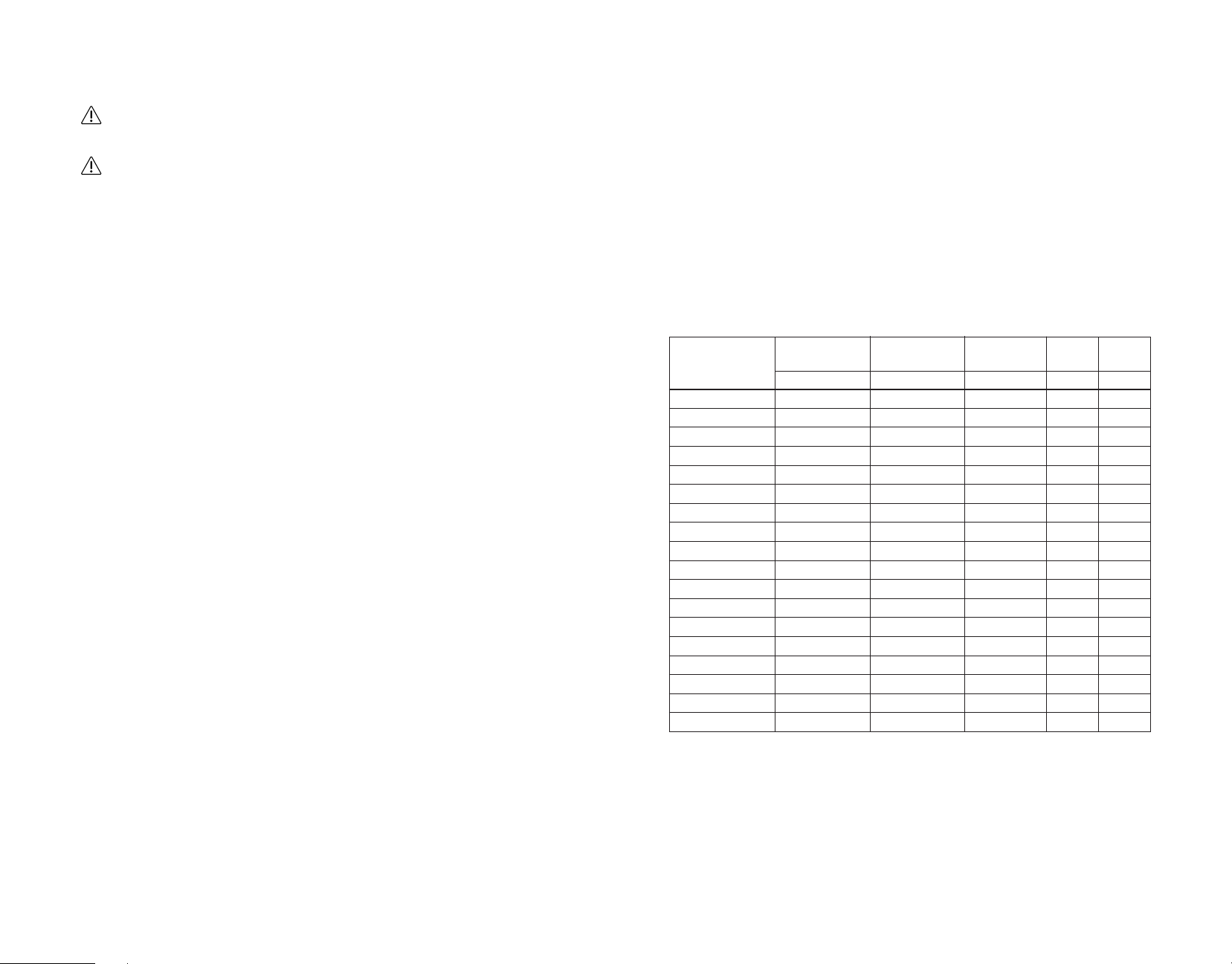
FUNCIONAMIENTO
PRECAUCIÓN: Considere el valor del inventario durante el envío y determine si el inventario
debe dividirse entre varios contenedores para reducir el riesgo de perder productos valiosos o
irremsplazables en caso de que el contenedor se demore, pierda o dañe en el envío.
PRECAUCIÓN: No utilice los dewars para el almacenamiento a largo plazo de contenidos
biológicos humanos. Si no se siguen las mejores prácticas operativas de Chart, como se
establece en el manual de instrucciones, se pueden producir pérdidas de contenido.
El nitrógeno líquido es extremadamente frío. Asegúrese de llevar un equipo adecuado antes de iniciar
el funcionamiento. Evite derramar nitrógeno líquido sobre el puerto de vacío cerca del cuello ya que
esto puede encoger el sello y permitir que el aire se filtre en el espacio de vacío, lo que puede
ocasionar la falla del vacío y la pérdida de producto. Para asegurar el máximo rendimiento de su
transportador de vapor MVE, simplemente siga los pasos indicados justo antes de enviarlo a su
destino final:
1. Abra el contenedor en el que se encuentra el transportador de vapor, abra la tapa y retire el
tapón/la cubierta/los accesorios. Quite el tapón/la cubierta hacia arriba (no lo doble).
2. Llene la unidad por debajo del tubo de cuello.
a. Si está manipulando un contenedor caliente, MVE recomienda añadir poco a poco una
pequeña cantidad de líquido en el fondo de la unidad y esperar a que se asiente hasta que
el nitrógeno deje de bullir rápidamente para enfriar la unidad. También se recomienda que
el puerto de vacío esté orientado en sentido contrario al operador. Coloque el puerto de
aspiración alejado del operador u otro personal.
b. Para conseguir un tiempo de retención optimizado. Deberá volver a llenar la unidad hasta
la parte inferior del cuello más de una vez hasta que el nivel del líquido sea uniforme.
c. Siga las prácticas y los procedimientos de seguridad establecidos para la transferencia
de LN2.
d. Llene el contenedor con un embudo o una línea de transferencia cuando sea posible.
Transfiera usando un tubo LN2 con separador de fase o use un embudo para llenar
el contenedor.
e. Si va a llenar el contenedor usando una fuente presurizada, asegúrese de que sea una
fuente de baja presión (1.52 bar como máximo).
3. Sustituya el tapón/la cubierta y deje que la unidad se alcanzar el equilibrio térmico /cargue
durante 24 horas como mínimo.
a. Consulte la sección
USO DE LA TECONOLOGÍA DE CARGA QWICK para disfrutar de una
solución de carga acelerada.
b. Si hay demasiada escarcha o sudoración en la parte exterior del contenedor pasadas
unas pocas horas, es posible que el vacío sea débil o inexistente. Examine la unidad con
sumo cuidado.
4. Retire el líquido excedente justo antes del envío.
a. Si fuera necesario extraer todo el nitrógeno líquido, Invierta la unidad hasta que se
detenga el goteo de nitrógeno líquido. Coloque la unidad en posición vertical y vea si hay
piscinas de nitrógeno líquido en la parte inferior de la unidad. Si el nitrógeno líquido
comienza a acumularse, invierta la unidad nuevamente. Repita según sea necesario hasta
eliminar todo el nitrógeno líquido de la unidad, de acuerdo con la Instrucción de embalaje
202 de la OACI.
5. Pese la unidad y regístrelo.
a. A fin de garantizar que el proceso de carga es correcto, coteje ambos pesos: peso en
vacío y peso con carga. Compruebe que el diferencial entre el peso en vacío y el peso
con carga se aproxime a los datos de la Tabla 1. El diferencial se puede calcular usando
la ecuación 1.
Diferencial = Peso con carga – Peso vacio Ecuación 1
b. Tenga en cuenta que el peso de carga no indica el rendimiento de la unidad.
6. Introduzca las existencias en la unidad, sustituya el tapón/cubierta y la tapa.
USO DE LA TECONOLOGÍA DE CARGA QWICK
Solo las unidades con la etiqueta de carga QWICK están equipadas con la tecnología de carga
Para usar la tecnología de carga QWICK y cargar en menos de 2 horas, no permita que la
QWICK.
unidad se caliente por encima de -150°C entre los envíos. Si el interior de la unidad se encuentra a
más de -150°C, deberá volver a cargarla al menos durante 24 horas para permitir que la unidad
alcance el equilibrio térmico.
Use la siguiente tabla de pesos como guía general para determinar si el transportador de vapor está
cargado por completo. Los valores son una meramente orientativos. Los pesos pueden variar en
función del proceso de carga. Consulte las especificaciones de tiempo de retención estático y
frecuencia normal de evaporación (NER) que se detallan en la siguiente tabla. Factores como la
antigu.edad de la unidad, la cantidad de inventario, el entorno ambiental, las condiciones de envío y
el uso de accesorios, etc. pueden afectar negativamente el tiempo de espera de la unidad y el NER. Si
no encuentra su modelo en esta lista, consulte el catálogo de criopreservación de MVE o
comuníquese con el servicio técnico o cliente para obtener asistencia. Coloque el puerto de succión
lejos del operador u otro personal.
Tabla 1 Rendimiento de la unidad de referencia por modelo
Modelo
SC 2/1V 6 (2,7) 8,3 (3,7) 8 0,19 N
SC 4/2V 10,3 (4,6) 16,7 (7,5) 13 0,26 S
SC 4/3V 11,5 (5,2) 18,5 (8,3) 21 0,20 S
SC 20/12V 25,3 (11,4) 40,2 (18,2) 60 0,09 N
XC 30/12V 44 (20) 76 (34) 82 0,22 N
Cryoshipper 25,7 (11,6) 38,2 (17,3) 10 0,85 S
Cryoshipper XC/IATA 32,3 (14,6) 48,9 (22,1) 14 0,70 S
Cryoshipper 2000 65 (29,5) 95 (43,1) 15 0,79 N
Cryomoover 31 (14) 40,4 (18,3) 12 0,35 N
Cryoshipper MINI* * * * * * 0,84 N
Mini-Moover 8,5 (3,8) 13,4 (6,0) 14 0,20 N
XC 20/3V 25,1 (11,3) 36 (16,3) 16 0,35 N
Doble 11 14,3 (6,4) 19,5 (8,8) 17 0,17 N
Doble 22** 23,8 (10,7) 35 (15,8) 18 0,35 N
Doble 20 23 (10,4) 30,3 (13,7) 21 0,10 N
Doble 28 32,2 (14,6) 46,8 (21,2) 21 0,35 N
Doble 34 34,5 (15,8) 47,9 (21,7) 21 0,20 N
Doble 47 41 (18,5) 54,6 (24,7) 21 0,40 N
Nota: El uso de un registrador de datos añade aproximadamente 0,12 l/día NER
* Pendiente de configuración actual
** Se requiere un recipiente central
*** 5% de varianza en pesos reales es típico
Vacio con carga
lbs (kg) lbs (kg) Dias Litro/Dia Certificado
Peso Peso
Tiempo de
retención estático
NER
ISTA-3A
30
31
Page 17
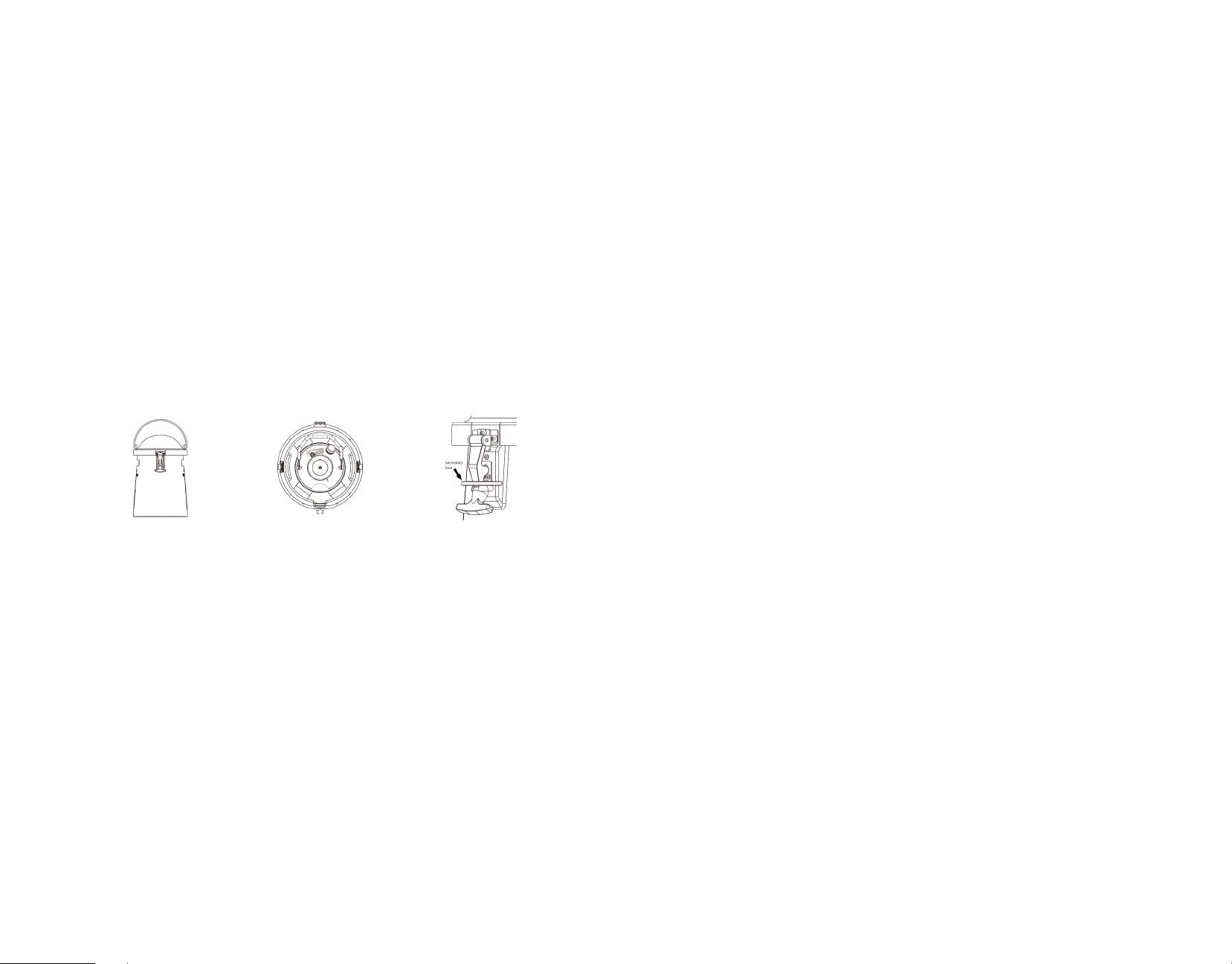
INSTRUCCIONES DE ENVÍO
Se recomienda el contenedor para envíos suministrado (PPSC) por MVE/Chart para ayudar a
mantener el transportador de vapor en posición vertical y reduzca la posibilidad de que su activo
valioso se dañe.
POSICIÓN QUE NO SEA VERTICAL PODRÍA REDUCIR EL TIEMPO DE RETENCIÓN EN UN 10 %
RESPECTO EL TIEMPO DE RETENCIÓN ESTÁTICO, Y PODRÍA CAUSAR DAÑOS PERMANENTES EN
LA UNIDAD Y PROVOCAR LA PÉRDIDA DE LAS EXISTENCIAS.
ADVERTENCIA: Si envía el transportador de vapor en una caja de cartón, se enviará de costado ya
que los transportistas con frecuencia indican a sus empleados en los centros de clasificación que
coloquen las cajas en los transportadores con el lado más estable hacia abajo.
Cargue la unidad siguiendo todos los pasos enumerados en la sección FUNCIONAMIENTO antes de
insertarla en el PPSC. Para evitar daños al Vapour Shipper o al PPSC, nunca llene ni vacíe la unidad
cuando se encuentre dentro del PPSC. Ajuste todos los pestillos de bloqueo firmemente antes del
envío. También puede utilizar una atadura de cables, un sello de seguridad a prueba de
manipulaciones o cualquier otro mecanismo de bloqueo secundario apropiado alrededor de los
seguros de bloqueo existentes para evitar que su activo sea manipulado durante el envío. Antes de
poner PPSC en servicio, inspecciónelo para detectar cualquier daño que pueda poner en peligro su
funcionalidad. Reemplace cualquier amortiguador de espuma de absorción de impactos envejecido /
desgastado dentro del PPSC o cualquier hardware defectuoso. Elimina del servicio las PPSC
gravemente dañadas. Comuníquese con el Cliente o el Servicio técnico para obtener ayuda para
seleccionar las piezas de servicio adecuadas.
Se muestra el PPSC normal.
La forma del PPSC ayuda a
mantener el producto en
posición vertical durante
el envío.
Seleccione el método de envío adecuado en función del valor del contenido. Los transportistas con
frecuencia tratan los paquetes de manera muy brusca con el lado más estable del empaque hacia
abajo y deben usarse solo para el envío de productos de bajo valor. Póngase en contacto con los
transportistas para conocer los métodos de envío y así obtener recomendaciones sobre el transporte
de contenido valioso e insustituible.
Los transportadores de vapor MVE se diseñaron principalmente como contenedores de envío de
vapor; sin embargo, también pueden utilizarse para inmersión de muestras. Es imprescindible
eliminar todo el nitrógeno líquido para que la unidad mantenga la clasificación de transportador de
vapor. Si puede verse nitrógeno líquido en el fondo del interior, el contenedor se convierte en un
transportador de líquido y la condición de excepción queda nula. El líquido interior es ahora un
material peligroso.
NO ENVÍE LA UNIDAD DE LADO O BOCA ABAJO. ENVIAR LA UNIDAD EN UNA
También podría anular la garantía.
La espuma que amortigua los
golpes en el PPSC ayuda a
prevenir daños al dewar. La
ilustración muestra la vista
superior del depósito en
el PPSC.
El diseño del pestillo de goma
permite el uso de un cierre de
cremallera, sello de veterinario,
sello de seguridad, etc. para
garantizar la integridad del
producto enviado.
LIMPIEZA GENERAL
No use ninguna solución de limpieza basada en el petróleo.
Interior del contenedor:
Puede usar cualquier solución de limpieza que no reacciones con el aluminio, el acero inoxidable o el
G10 compuesto durante el proceso de higienización de un transportador de vapor MVE. En la
mayoría de los casos, se pueden usar detergentes domésticos o soluciones jabonosas suaves. El
peróxido de hidrógeno, la mezcla de cloro/agua y el alcohol desnaturalizados son otros limpiadores y
desinfectantes que se pueden usar con seguridad. La práctica generalmente aceptada de usar una
solución compuesta por 10 % de cloro y 90 % de agua es el mejor método de descontaminación. Se
recomienda llenar la unidad completamente con la mezcla de la solución limpiadora, agitada, y
enjuagarla a conciencia. Es importante que todas las superficies que se limpien se enjuaguen
debidamente y de que no queden residuos del limpiador después de la limpieza. Permita que la
unidad se seque completamente antes de volver a usarla. Se recomienda poner boca abajo la unidad
y dejar que se seque completamente.
Exterior del contenedor:
Use un paño humedecido con una solución jabonosa media.
MANTENIMIENTO PREVENTIVO
El propietario puede seguir dos métodos de mantenimiento: continuo y/o anual.
Para el mantenimiento continuo (Recomendado antes de cada envío):
Si el depósito está caliente, siga los pasos 1 a 3 de la sección FUNCIONAMIENTO anterior, pero deje
que la unidad llena de líquido permanezca en reposo durante 2 horas. Compruebe que el exterior no
presente escarcha ni condensación. La presencia de escarcha o condensación en el exterior de la
unidad es un indicio de vacío débil o inexistente. Inspeccione el tapón/la cubierta para detectar
signos de daños que puedan afectar el NER y tiempo de retención. Inspeccione el exterior del tanque
para detectar signos de daños durante el envío, como abolladuras grandes, especialmente alrededor
del área del tubo del cuello. Retire del tanque los tanques dañados.
Limpie cualquier mancha, contaminación o condensación del fondo de la unidad después de haber
vaciado el líquido. Guarde la unidad en un lugar limpio, seco y fresco. Estos procedimientos pueden
ayudar a evitar la corrosión en la parte inferior del transportador de vapor.
Para el mantenimiento anual:
1. Pese la unidad en vacío con el tapón/la cubierta pero sin ningún accesorio de inventario y
regístrelo como Peso en vacío, (kg).
El peso en vacío se debe tomar antes del llenado, cuando el interior del transportador de vapor
está a temperatura ambiente.
2. Llene la unidad por debajo del tubo de cuello. Consulte el paso 2 de la sección
FUNCIONAMIENTO para obtener información adicional.
3. Sustituya el tapón/la cubierta y deje que la unidad repose durante 24 horas como mínimo.
4. Pese la unidad y regístrelo como Primer pesado, (kg).
5. Deje que la unidad llenada repose no molestado por otras 24 (+/-0,25) horas.
a. Tenga en cuenta la precisión y la resolución de su báscula para determinar si se requieren
días adicionales entre el primero y el segundo peso para obtener un NER preciso.
Asegúrese de registrar la cantidad de horas entre el primer y el segundo peso.
6. Pese la unidad por segunda vez y regístrelo como Segundo pesado, (kg).
32
33
Page 18

7. Calcule el índice de evaporación usando la ecuación 2. La diferencia entre el primer peso y el
segundo peso es la frecuencia de evaporación diaria en kg. Esta cifra representa
aproximadamente la frecuencia normal de evaporación (en inglés, NER) (litro/día)
(Primer pesado– Segundo pesado) x 29.6919
NER =
Número de horas
Ecuación 2
Si hay demasiada escarcha o condensación en el contenedor, es posible que el vacío sea débil
o inexistente.
8. Vierta LN2 según el paso 4 de la sección FUNCIONAMIENTO. Sustituya el tapón/la cubierta y
registro el peso como Peso con carga.
9. Calcule el tiempo de retención, (días), usando la ecuación 3. Reste el peso en vacío del peso
con carga y divida el resultado entre 0.8083; a continuación, divida el resultado entre el valor
NER.
Tiempo de retención =
(Peso con carga – Peso vacio) ÷ 0.8083
NER
Ecuación 3
TEMPERATURA DE MONITORIZACIÓN
MVE proporciona Data Loggers para su tranquilidad al enviar un inventario valioso en Vapor
Shippers. Comuníquese con el Cliente o el Servicio técnico para obtener ayuda para seleccionar
el registrador de datos adecuado para su producto.
El uso de un registrador de datos añade aproximadamente
0,12 l/día NER
CARTA QUE EXPLICA LA EXCEPCIÓN
Esto se refiere a la aplicabilidad del Reglamento Federal Estadounidense de Materiales Peligrosos al
transporte de muestras refrigeradas en el recipiente de “transporte seco”. Un envase de “transporte
seco” consta de un recipiente exterior revestido con un material absorbente. El recipiente se carga
con nitrógeno líquido refrigerado que se absorbe en el revestimiento del recipiente. El envase
cargado finalizado sirve como recipiente refrigerado para el transporte de muestras.
En consideración a lo anterior, la consulta con la Administración de Investigación y Programas
Especiales del DOT ha determinado que el uso de recipientes de “transporte seco” cargados por
medio de nitrógeno líquido refrigerado para el transporte de muestras cumple con la excepción del
reglamento proporcionada en el párrafo (a) de 49CFR 172.320 de la sección que indica que los
requisitos de este subcapítulo no se aplican a gases atmosféricos y helio cuando se usan en la
operación del sistema del proceso como sistema de refrigeración. El párrafo (c) de 173.320 se
refiere al transporte aéreo del mismo sistema de refrigeración. En lo que se refiere al estado de
excepción de transporte aéreo, consulte IATA-Reglamentos de mercancías peligrosas en relación al
nitrógeno líquido refrigerado. Esto pertenece a la clase de gas no inflamable 2.2, instrucciones de
envasado 202 con estipulaciones especiales A-152. Si se va a transportar fuera de los EE. UU.,
consulte a los organismos reguladores pertinentes. Para obtener respuestas referentes al reglamento
de envío, contacte con un representante de servicio técnico de Chart, AI-Cryobiological.
Declaración de garantía limitada
Chart Inc., 2200 Airport Industrial Dr., Suite 500, Ball Ground, GA 30107
Condiciones generales:
“Producto nuevo” – Chart Inc. ("CHART") garantiza al comprador original (el “Comprador”) que cada vaso Vapor Shipper Dewar
nuevo (denominado de manera colectiva, los “Productos nuevos”), estará libre de defectos en los materiales y la fabricación durante un
período de dos (2) años a partir de la fecha de envío, salvo lo previsto en las Provisiones de garantía limitada que se describen más abajo.
CHART garantiza que la integridad del contenedor de vacío Dewar estará libre de defectos en los materiales y la fabricación durante un
período de tres (3) años a partir de la fecha de envío, salvo lo previsto en las Provisiones de garantía limitada que se describen más abajo.
“Producto reparado/con imperfecciones” – CHART garantiza al Comprador que todo el equipo reparado y con imperfecciones
de fábrica (llamados de manera colectiva los “Productos reparados/con imperfecciones”) estará libre de defectos en los materiales y la
fabricación durante un período de noventa (90) días a contar de la fecha de envío, salvo lo establecido a continuación. CHART garantiza
que la integridad del contenedor de vacío Dewar estará libre de defectos en los materiales y la fabricación durante un período de un (1) año
a contar de la fecha de envío, salvo lo que se establece más adelante.
“Pieza de repuesto” – CHART garantiza al Comprador que todas las piezas de repuesto y accesorios (cada uno mencionado como
“Pieza de repuesto”) tienen garantía durante noventa (90) días a contar de la fecha de envío y durante ese tiempo estarán libres de defectos
en el material y la fabricación, salvo según se establece a continuación.
Provisiones de garantía limitada:
El Comprador está de acuerdo en que antes de que esta garantía limitada entre en vigencia, el Comprador inspeccionará cabalmente cada
Producto nuevo, Producto reparado/con imperfecciones o Pieza de repuesto dentro de tres (3) días a contar de la entrega y antes de que
dicho producto se coloque en uso. El Comprador también concuerda en hacer funcionar el Producto nuevo, Producto reparado/con
imperfecciones o Pieza de repuesto de acuerdo con las instrucciones de operación de CHART y acepta que, en caso contrario, se anulará
esta garantía limitada. El Comprador además acuerda que toda reclamación por incumplimiento de la garantía debe hacerse por escrito
dentro de los 60 días del descubrimiento de un supuesto defecto. CHART no será responsable de un supuesto incumplimiento de la
garantía si, luego de una inspección realizada por CHART, CHART determina que fue provocada por una causa que no está cubierta por
esta garantía limitada. En este caso, CHART cobrará al comprador un costo nominal por reparar la unidad.
Esta garantía limitada no se aplica a: (A) Elementos en mantenimiento normal de rutina; (B) Reparación o reemplazo necesario por
uso indebido, abuso, accidente o reparaciones hechas por personal ajeno a CHART o personal no autorizado por CHART, (C) Uso de
equipos o piezas externas con el Producto nuevo, Producto reparado/con imperfecciones o Pieza de repuesto distintos a los aprobados
por CHART, (D) Defectos causados por efectos de uso y desgaste normales; y (E) Fuerza mayor u otras causas que no están dentro del
control de CHART.
Si el Comprador cree que un Producto nuevo, Producto reparado/con imperfecciones o Pieza de repuesto no cumple con la garantía limitada
establecida anteriormente, el Comprador debe ponerse en contacto con CHART en la dirección que aparece más arriba, debe describir el problema y
entregar un comprobante de la fecha de compra. Si así lo indica CHART, el Comprador deberá devolver el Producto nuevo, Producto reparado/con
imperfecciones o Pieza de repuesto con costo de envío pagado, embalado adecuadamente en un contenedor de envío aprobado por CHART e
identificado adecuadamente con el número de la Autorización de devolución de material emitida por CHART. Los Productos nuevos, Productos
reparados/con imperfecciones o Piezas de repuesto devueltas sin un número de Autorización de devolución de material serán rechazados y devueltos
a costo del Comprador.
Las soluciones disponibles para algún incumplimiento de esta garantía limitada se limitan a la reparación o reemplazo del Producto nuevo, Producto
reparado/con imperfecciones o Pieza de repuesto defectuoso o el reembolso del precio de compra, a la discreción de CHART. CHART garantiza que
el reemplazo o reparación del Producto nuevo, Producto reparado/con imperfecciones o Pieza de repuesto estará libre de defectos en el material y la
fabricación mientras dure la parte que aún no expira de la garantía original o noventa (90) días a contar de la fecha de reenvío al comprador,
lo que ocurra primero. TODA RECUPERACIÓN QUE OBTENGA EL COMPRADOR POR PARTE DE CHART POR ALGUNA
RECLAMACIÓN NO SUPERARÁ EL PRECIO DE COMPRA EN EL QUE INCURRIÓ EL COMPRADOR POR EL PRODUCTO NUEVO,
PRODUCTO REPARADO/CON IMPERFECCIONES O PIEZA DE REPUESTO QUE DIO ORIGEN A DICHA RECLAMACIÓN,
INDEPENDIENTEMENTE DE LA NATURALEZA DE LA RECLAMACIÓN, YA SEA POR CONTRATO, AGRAVIO, GARANTÍA,
NEGLIGENCIA, RESPONSABILIDAD ESTRICTA O DE OTRO TIPO. CHART NO SERÁ RESPONSABLE Y EL COMPRADOR
INDEMNIZARÁ, DEFENDERÁ Y MANTENDRÁ A CHART LIBRE DE RESPONSABILIDAD ANTE CUALQUIER RECLAMACIÓN
BASADA EN EL CUMPLIMIENTO DE CHART CON LOS DISEÑOS, ESPECIFICACIONES O INSTRUCCIONES DEL COMPRADOR, O
BIEN DE MODIFICACIONES DE UN PRODUCTO HECHAS POR TERCEROS DISTINTOS A CHART, O DEL USO JUNTO CON
OTROS PRODUCTOS.
EL COMPRADOR EN NINGÚN CASO TENDRÁ DERECHO A, Y CHART NO SERÁ RESPONSABLE DE DAÑOS INDIRECTOS,
ESPECIALES, INCIDENTALES O CONSIGUIENTES DE CUALQUIER NATURALEZA, QUE INCLUYAN, SIN LIMITACIÓN, COSTOS DE
INTERRUPCIÓN DEL NEGOCIO, COSTOS DE EXTRACCIÓN O REINSTALACIÓN, READQUISICIÓN, PÉRDIDA DE GANANCIAS O
INGRESOS, PÉRDIDA DE DATOS, GASTOS PROMOCIONALES O DE FABRICACIÓN, GASTOS GENERALES, DAÑO A LA REPUTACIÓN
O PÉRDIDA DE CLIENTES, AUN CUANDO CHART HAYA SIDO ADVERTIDO DE LA POSIBILIDAD DE DICHOS DAÑOS.
A EXCEPCIÓN DE ESTA GARANTÍA LIMITADA, CHART NO HA HECHO GARANTÍAS O REPRESENTACIONES, EXPRESAS O
IMPLÍCITAS Y, A TRAVÉS DEL PRESENTE, RENUNCIA A TODA OTRA GARANTÍA, INCLUYENDO, PERO NO LIMITÁNDOSE
A, GARANTÍAS IMPLÍCITAS DE COMERCIABILIDAD E IDONEIDAD PARA UN PROPÓSITO EN PARTICULAR. NINGUNA
REPRESENTACIÓN O DECLARACIÓN DE CHART PUEDE MODIFICAR O ALTERAR ESTA GARANTÍA LIMITADA.
Toda reclamación de incumplimiento de esta garantía limitada será regulada por las leyes de Georgia y sin tomar en consideración el
conflicto de las normas entre sí y debe introducirse en una corte estatal o federal de Georgia.
Algunos estados no permiten limitaciones en garantías implícitas o en daños incidentales o consiguientes, por lo tanto podrían no aplicarse
las limitaciones anteriores. Esta garantía limitada otorga al Comprador derechos legales específicos. El Comprador también podría tener
otros derechos, que varían entre estados.
Este producto puede estar cubierto por una o dos patentes, de EE. UU. o internacionales. Visite nuestro sitio
web para obtener el listado de patentes aplicables:
Pat. patents.gtls.io
34
35
Page 19
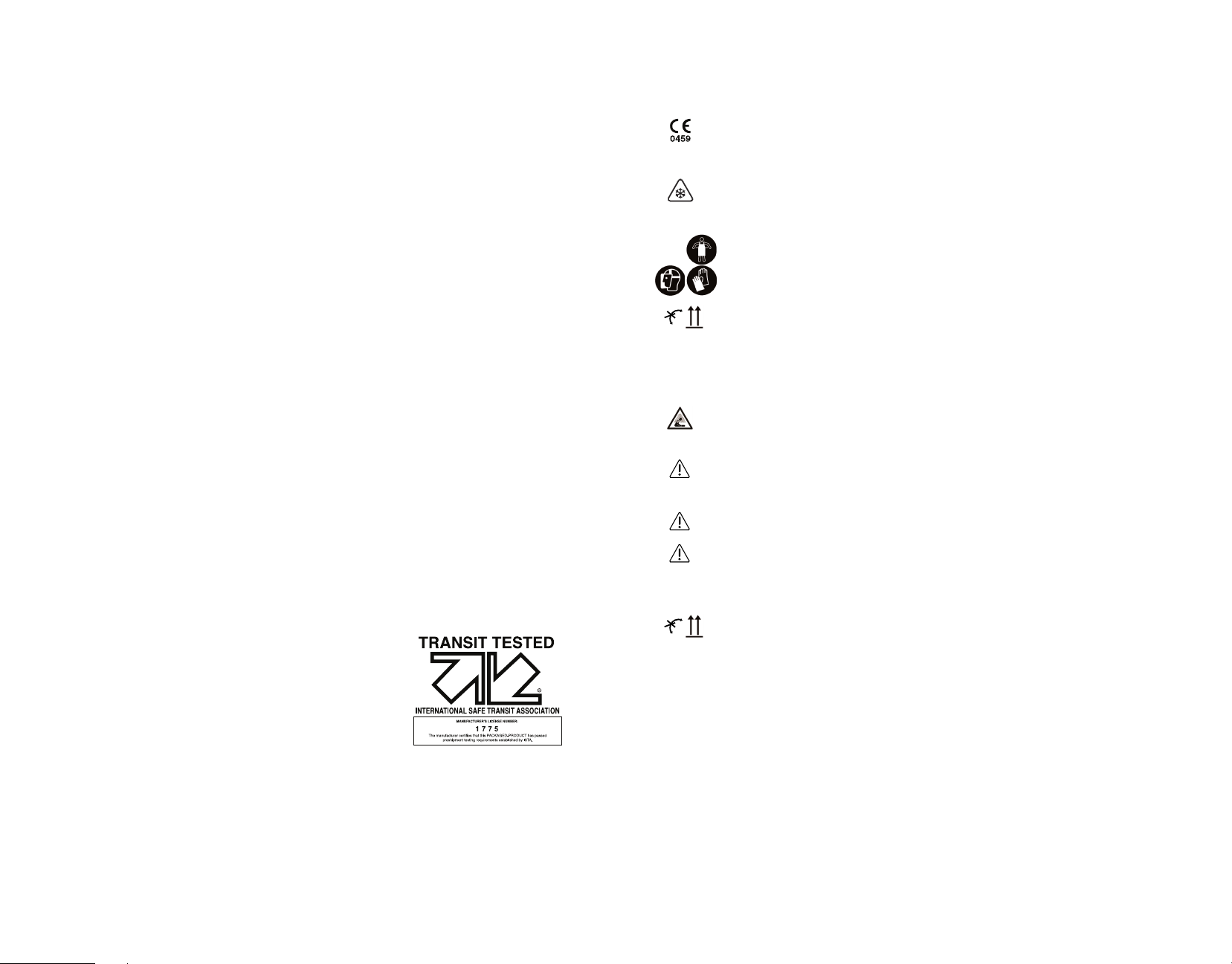
Istruzioni operative per contenitori di spedizione a vapori MVE
Rappresentante M.D.D.: Medical Product Services, Borngasse 20, 35619 Braunfels, Germany
I contenitori per il trasporto di vapori MVE sono l’ideale per il trasporto di materiali criobiologici.
L’azoto liquido viene trattenuto in un materiale assorbente idrofobico e i vapori freddi dell’azoto
mantengono la zona di immagazzinamento criogenico tra -150 °C e -190 °C. Il materiale assorbente
trattiene l'azoto liquido e impedisce gli schizzi accidentali.
L’azoto liquido è classificato come “Merce pericolosa” dal Department of Transportation (DOT)
statunitense. Sono almeno tre gli enti regolatori che pubblicano norme relative alle merci pericolose:
DOT - Department of Transportation
IATA - International Air Transportation Association
ICAO - International Civil Aviation Organization
In caso di utilizzo al di fuori degli Stati Uniti, consultare gli enti normativi pertinenti. L’azoto liquido è
classificato con la denominazione “Azoto (liquido refrigerato)” e il codice UN 1977. Il nome e il codice
UN devono essere indicati sulla scatola di spedizione in aggiunta all’etichetta “Gas non infiammabile”. I
requisiti di imballaggio ed etichettatura possono essere richiesti alle organizzazioni indicate in
precedenza. Inoltre, contattare il corriere per eventuali differenze nelle norme, poiché potrebbero
applicarsi specificamente all’azienda in questione e/o alla destinazione finale della spedizione.
Considerare che le norme possono essere soggette a revisioni periodiche. Se, prima della spedizione
del campione criobiologico, si desiderano ulteriori informazioni, rivolgersi alla compagnia aerea per i
dettagli relativi alle norme aggiornate. L'utente è tenuto a indicare le informazioni corrette, quali
quelle di avvertenza o precauzione, sulla confezione per la spedizione.
DESCRIZIONE GENERALE
Il contenitore di criopreservazione è un recipiente a vuoto isolato in alluminio dotato di parete doppia
e di un collo in composito di fibra di vetro progettato per fornire la massima efficienza in termini di
preservazione della temperatura criogenica. L'assorbente di azoto liquido consiste di un mantello
idrorepellente di silice amorfa sintetica e fibra di vetro. Questo assorbente non è pericoloso. Utilizzare
esclusivamente il contenitore per azoto liquido. L'ossigeno liquido non è compatibile con questa
unità e non dev'essere conservato all'interno del contenitore.
Il contenitore per il trasporto di vapori MVE è progettato per fornire una sicurezza, una durata e
prestazioni elevate. Tuttavia, l’errata movimentazione dell’apparecchiatura, ivi compreso il trasporto o
la spedizione delle unità in una posizione diversa da quella verticale, può danneggiare il prodotto.
Inoltre, se un contenitore subisce un urto, un colpo o una caduta, potrebbe verificarsi un'immediata
o prematura compromissione del vuoto.
Al ricevimento del prodotto esaminare sia il contenitore che
l'imballaggio per verificare l'assenza di danni provocati dal trasporto.
Contattare il vettore osservando le procedure dello stesso in caso di
segni di danni da trasporto. Alcune scatole per spedizione MVE
recano il timbro del certificato Transit Tested ISTA-3A mostrato sulla
destra che è utile quando si sporge un reclamo nei confronti del
vettore in caso di danni da spedizione. Dopo il primo riempimento
verificare i segni della perdita di vuoto come un'eccessiva formazione
di brina o trasudazione sulla camicia esterna. Una piccola quantità di brina vicino alla parte superiore
immediatamente dopo il riempimento è normale. A causa delle vibrazioni di spedizione è normale che
si accumuli una piccola quantità di polvere bianca o residuo dell'assorbente simile alla polvere sul
fondo dell'unità. Se desiderato il proprietario può rimuoverlo o aspirarlo.
Questa unità a vuoto isolata di alta qualità è compatibile con le variazioni di temperatura estreme e le
numerose applicazioni della criobiologia. La durata prevista del prodotto è di cinque (5) anni.
I prodotti che riportano il marchio CE mostrato in figura sono conformi ai requisiti della
Direttiva 93/42/CEE relativa ai dispositivi medici nell’UE.
SICUREZZA
AVVERTENZA: L'azoto liquido è estremamente freddo. Per evitare lesioni da congelamento,
procedere con estrema cautela durante la manipolazione dell'azoto liquido, la sua
conservazione e il trasferimento di contenitori o altri oggetti che possano essere stati in
contatto con azoto liquido.
• Non lasciare zone cutanee esposte.
• Indossare sempre dispositivi di protezione individuale sul normale abbigliamento:
schermo facciale, guanti criogenici e grembiule criogenico.
• Prestare estrema cautela per prevenire versamenti e schizzi di azoto liquido durante il
trasferimento.
• Tenere sempre il contenitore in posizione verticale. Non inclinare o appoggiare il
contenitore sul lato.
• Rimuovere immediatamente gli indumenti o i dispositivi di protezione individuale su cui
è stato versato azoto liquido.
• Rivolgersi immediatamente a un medico per lesioni da congelamento eventualmente
causate dall'azoto liquido.
AVVERTENZA: Lo scarico dei vapori di azoto potrebbe esaurire l'ossigeno nell'aria, con
conseguente possibile asfissia o addirittura decesso. Non conservare né usare il contenitore in
aree ristrette e delimitate o con scarsa ventilazione.
AVVERTENZA: Non serrare eccessivamente i contenitori di azoto liquido né impedire la
fuoriuscita dell'azoto gassoso. Inoltre, l’eccessiva umidità o esposizione alla pioggia potrebbe
provocare il congelamento del tappo/della copertura e potenziali esplosioni.
AVVERTENZA: Non utilizzare mai un tubo cavo per misurare il livello di azoto liquido. Infatti,
questo può causare lesioni termiche.
ATTENZIONE: Maneggiare il contenitore di criopreservazione con cura.
• Non riempire eccessivamente i contenitori con azoto liquido. Il livello di azoto liquido
deve essere sempre inferiore alla base del tubo del collo. Il riempimento eccessivo può
causare un'immediata o prematura compromissione del vuoto.
• Non trasportare il contenitore per il trasporto di vapori appoggiato su un lato o
capovolto, in quanto ciò potrebbe provocare una perdita di vuoto e una perdita di
prodotto all’interno del contenitore per il trasporto di vapori.
• Non graffiare l'area del tubo del collo. Rimuovere e inserire le scorte con cautela.
Eventuali graffi possono causare una prematura compromissione del vuoto.
• La manomissione o la rimozione della porta del vuoto provocherà la distruzione del
vuoto e l’annullamento della garanzia.
• Fare in modo che l’unità non sia soggetta a urti, colpi o cadute.
• Non versare l’azoto liquido su o vicino alla porta del vuoto.
• Non lasciare mai il contenitore in un ambiente esterno.
• Ispezionare la nave per eventuali danni prima e dopo ogni spedizione.
• Tenere il fondo della nave pulito e lontano da sostanze chimiche, fertilizzanti, suolo e
umidità.
• Tutti i dati prestazionali pubblicati per questi prodotti si basano esclusivamente su
condizioni statiche. Le prestazioni effettive variano a seconda della natura dell’utilizzo.
La manipolazione delle scorte e/o degli accessori e le vibrazioni diminuiscono la durata
operativa/il tempo di mantenimento di questi prodotti.
36
37
Page 20
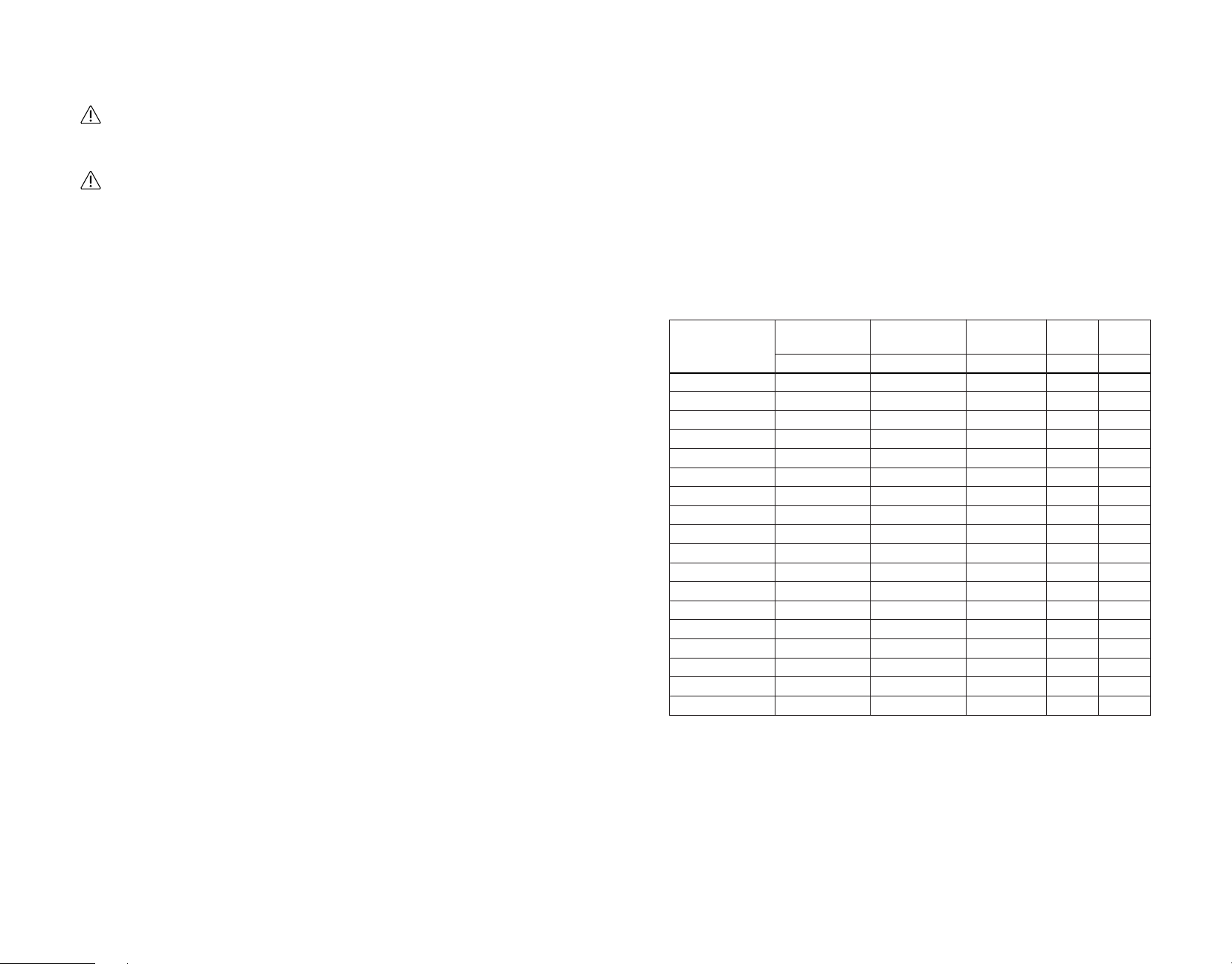
UTILIZZO
ATTENZIONE: Considerare il valore dell'inventario durante la spedizione e determinare se
l'inventario debba essere suddiviso tra più contenitori per ridurre il rischio di perdere prodotti
preziosi e / o insostituibili nel caso in cui il container venga ritardato, perso o danneggiato
durante la spedizione.
ATTENZIONE: Non utilizzare dewars per la conservazione a lungo termine di contenuti biologici
umani. La mancata osservanza delle migliori prassi operative della Tabella, come esposte nel
manuale d'uso può determinare la perdita dei contenuti.
L'azoto liquido è estremamente freddo. Indossare dispositivi appropriati prima dell’uso. Evitare le
fuoriuscite di azoto liquido dalla porta del vuoto, poiché ciò potrebbe causare un restringimento della
guarnizione e consentire l’ingresso di aria, con conseguente compromissione prematura del vuoto.
Affinché le prestazioni del contenitore per il trasporto di vapori MVE siano ottimali, attenersi ai
passaggi elencati prima del trasporto verso la destinazione finale:
1. Aprire il recipiente che ospita il contenitore per il trasporto, rimuovere il coperchio ed estrarre il
tappo/la copertura/gli accessori. Sollevare il tappo/la copertura verticalmente (senza ruotarlo).
2. Riempire l’unità fino alla parte inferiore del tubo del collo.
a. Se si lavora con un contenitore caldo, MVE consiglia di aggiungere lentamente una
piccola quantità di liquido sulla parte inferiore dell’unità e di lasciarla agire fino a quando
l’azoto liquido non interrompe rapidamente l’ebollizione per raffreddare l’unità.
Posizionare la porta del vuoto in direzione opposta all'operatore o ad altro personale.
b. Per ottenere un tempo di mantenimento ottimizzato, sarà necessario riempire l’unità
fino alla parte inferiore del collo più di una volta, fino a quando il livello di liquido non
risulta stabile.
c. Attenersi alle procedure e alle pratiche di sicurezza previste per il trasferimento di LN2.
d. Riempire il contenitore con un imbuto o una linea di trasferimento, se possibile. Trasferire
utilizzando il tubo flessibile LN2 con un separatore di fase o riempiendo il contenitore
mediante un imbuto.
e. Se si sceglie di riempire il contenitore da una sorgente pressurizzata, assicurarsi che si
tratti di una sorgente a bassa pressione (1.52 bar o inferiore).
3. Riposizionare il tappo/la copertura e lasciare raggiungere l'equilibrio termico/caricare l'unità per
almeno 24 ore.
a. Fare riferimento alla sezione
UTILIZZO DELLA TECNOLOGIA DI CARICAMENTO QWICK
per una soluzione di caricamento ad alta velocità.
b. L'eventuale presenza di brina o condensa eccessiva sull'esterno del contenitore nelle
prime ore può indicare la riduzione o l'assenza di vuoto. Esaminare attentamente l’unità.
4. Eliminare il liquido in eccesso appena prima della spedizione.
a. Se necessario per erogare completamente l’azoto liquido, invertire l'unità finché non si è
arrestato il gocciolamento di azoto liquido. Impostare l'unità in posizione verticale e
verificare se eventuali depositi di azoto liquido si trovano nella parte inferiore dell'unità.
Se l'azoto liquido inizia a raggrupparsi, capovolgere nuovamente l'unità. Ripetere se
necessario fino a quando tutto l'azoto liquido viene rimosso dall'unità, in conformità con
l'Istruzione di imballaggio 202 dell'ICAO.
5. Pesare l’unità e registrare la misura.
a. Per assicurare una procedura di caricamento corretta, ottenere sia il peso a vuoto sia il
peso comprensivo del carico. Verificare che il differenziale tra il peso a vuoto e il peso
comprensivo del carico si avvicini ai dati presentati nella Tabella 1. Il differenziale può
essere calcolato mediante l’Equazione 1.
Differenziale = Peso comprensivo del carico – Peso a vuoto Equazione 1
b. Occorre notare che il peso comprensivo del carico non è indicativo delle prestazioni
dell’unità.
6. Posizionare le scorte nell’unità, quindi riposizionare il tappo/la copertura e il coperchio.
UTILIZZO DELLA TECNOLOGIA DI CARICAMENTO QWICK
Le unità che sfruttano la tecnologia di caricamento QWICK sono quelle dotate della rispettiva
etichetta.
Per utilizzare la tecnologia di caricamento QWick e caricare l’unità in meno di 2 ore,
fare in modo che la temperatura dell’unità non superi i -150 °C tra una spedizione e l'altra. Se la
temperatura interna supera i -150 °C, l’unità dovrà essere caricata nuovamente per almeno 24 ore
per consentire all'unità di raggiungere l'equilibrio termico.
Utilizzare la seguente tabella relativa ai pesi come guida generale per determinare se il contenitore
per trasporto di vapori sia completamente carico.
I valori sono a solo scopo di riferimento. I pesi
possono variare in base alla procedura di caricamento. Fare riferimento alle specifiche Tempo di
mantenimento statico e al Tasso di evaporazione normale (NER) elencate nella tabella seguente.
Fattori come l'età dell'unità, la quantità di inventario, l'ambiente, le condizioni di spedizione e l'uso di
accessori, ecc. Possono influire negativamente sul tempo di mantenimento sul NER. Se non si trova
il modello qui elencato, fare riferimento al catalogo di crioconservazione MVE o contattare il servizio
clienti o il servizio tecnico per assistenza.
Tabella 1 Prestazioni unitarie di riferimento per modello
Modello
SC 2/1V 6 (2,7) 8,3 (3,7) 8 0,19 N
SC 4/2V 10,3 (4,6) 16,7 (7,5) 13 0,26 S
SC 4/3V 11,5 (5,2) 18,5 (8,3) 21 0,20 S
SC 20/12V 25,3 (11,4) 40,2 (18,2) 60 0,09 N
XC 30/12V 44 (20) 76 (34) 82 0,22 N
Cryoshipper 25,7 (11,6) 38,2 (17,3) 10 0,85 S
Cryoshipper XC/IATA 32,3 (14,6) 48,9 (22,1) 14 0,70 S
Cryoshipper 2000 65 (29,5) 95 (43,1) 15 0,79 N
Cryomoover 31 (14) 40,4 (18,3) 12 0,35 N
Cryoshipper MINI* * * * * * 0,84 N
Mini-Moover 8,5 (3,8) 13,4 (6,0) 14 0,20 N
XC 20/3V 25,1 (11,3) 36 (16,3) 16 0,35 N
Doble 11 14,3 (6,4) 19,5 (8,8) 17 0,17 N
Doble 22** 23,8 (10,7) 35 (15,8) 18 0,35 N
Doble 20 23 (10,4) 30,3 (13,7) 21 0,10 N
Doble 28 32,2 (14,6) 46,8 (21,2) 21 0,35 N
Doble 34 34,5 (15,8) 47,9 (21,7) 21 0,20 N
Doble 47 41 (18,5) 54,6 (24,7) 21 0,40 N
Nota: L'utilizzo di un datalogger aggiunge approssimativamente 0,12L/giorno di NER
* In sospeso sulla configurazione attuale
** Contenitore centrale richiesto
*** La varianza del 5% nei pesi effettivi è tipica
Peso a Vuoto
lbs (kg) lbs (kg) Giomi Litri/Giomi
Peso comprensivo
del carico
Tempo di
Mantenimento
statico
NER
ISTA-3A
Certificazione
3938
Page 21
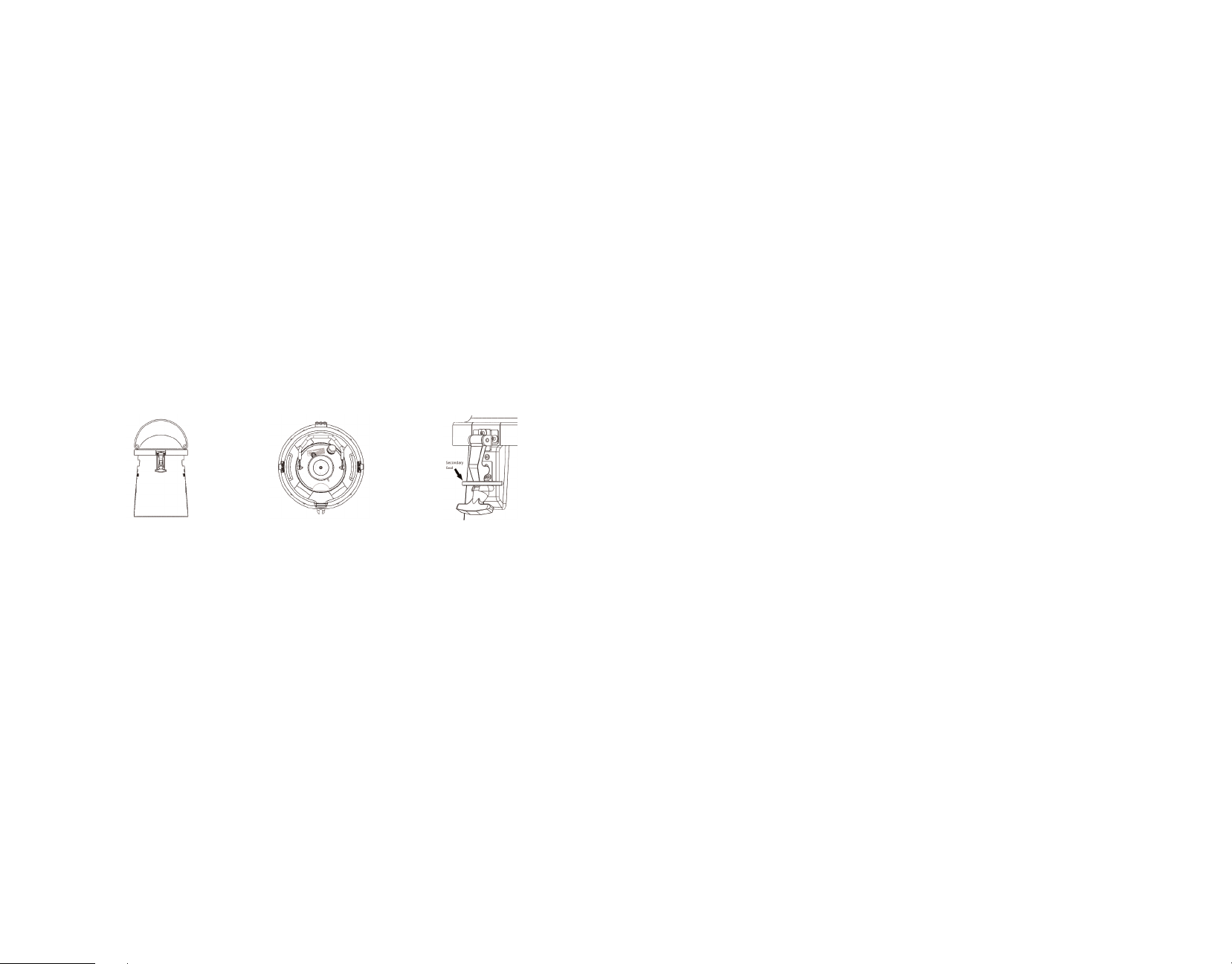
ISTRUZIONI PER LA SPEDIZIONE
Si consiglia di servirsi della scatola di spedizione in plastica (PPSC) fornita da MVE/Chart per
mantenere il contenitore per il trasporto di vapori in posizione verticale e ridurre la possibilità che il
tuo bene prezioso venga danneggiato.
CAPOVOLTA. LA SPEDIZIONE DELL’UNITÀ IN UNA POSIZIONE DIVERSA DA QUELLA VERTICALE
POTREBBE RIDURRE IL TEMPO DI MANTENIMENTO A MENO DI 10% RISPETTO AL TEMPO DI
MANTENIMENTO STATICO, OLTREs A CAUSARE DANNI PERMANENTI ALL’UNITÀ E UNA PERDITA
DI SCORTE.
AVVERTENZA: Se si spedisce Vapor Shipper in una scatola di cartone verrà spedito appoggiato sul
lato dato che i dipendenti dei vettori che lavorano presso le strutture di smistamento collocano le
scatole sui nastri trasportatori con il lato più stabile verso il basso.
Caricare l'unità seguendo tutti i passaggi elencati nella sezione UTILIZZO prima di inserirlo in PPSC.
Per evitare di danneggiare il trasporto di vapori o il PPSC non riempire o scaricare l'unità quando si
trova all'interno del PPSC. Allacciare saldamente tutti i fermi di chiusura prima della spedizione. È
inoltre possibile utilizzare un fermacavo, un sigillo di sicurezza a prova di manomissione o qualsiasi
altro meccanismo di bloccaggio secondario appropriato attorno ai fermi di blocco esistenti per
evitare che le risorse vengano manomesse durante la spedizione. Prima di mettere in servizio PPSC,
ispezionarlo per eventuali danni che potrebbero comprometterne la funzionalità. Sostituire l'eventuale
cuscino anti-schiuma antiurto invecchiato o consumato all'interno della PPSC o qualsiasi altro
hardware difettoso. Rimuovere le PPSC gravemente danneggiate dal servizio. Contattare il servizio
clienti o il servizio tecnico per assistenza nella scelta delle parti di ricambio appropriate.
Tipico PPSC. La forma di
PPSC aiuta a mantenere il
prodotto verticale durante la
spedizione.
Selezionare il metodo di spedizione appropriato in base al valore dei contenuti. I vettori comuni
maneggiano i pacchi molto grossolanamente con il lato più stabile degli imballaggi rivolto in basso e
devono essere utilizzati esclusivamente per le spedizioni di prodotti di basso valore. Contattare i
vettori per ricevere consigli sui metodi di spedizione per il trasporto di contenuti di valore e/o
insostituibili
Pur essendo stati ideati principalmente come contenitori per il trasporto di vapori, i contenitori MVE
possono essere anche utilizzati per l'immersione di campioni. Affinché l’unità continui a essere
classificata come contenitore per il trasporto di vapori, è imperativo che l’azoto liquido venga
rimosso completamente. Se sul fondo, all'interno, è visibile dell'azoto liquido, l’unità diventa un
contenitore per trasporto di liquidi e lo stato di eccezione viene invalidato. In tal caso, il liquido
interno viene classificato come materiale pericoloso.
Inoltre, questo potrebbe rendere nulla la garanzia.
NON SPEDIRE L’UNITÀ POGGIATA SU UN LATO O
La schiuma ammortizzante in
PPSC aiuta a impedire i danni
al dewar. L'illustrazione mostra
una vista dall'alto del serbatoio
in PPSC.
Il design della chiusura in gomma
consente l'uso di una fascetta
metallica, tenuta a umido, tenuta
di sicurezza, ecc. per assicurare
l'integrità del prodotto spedito.
PULIZIA GENERALE
Non utilizzare soluzioni detergenti a base di petrolio.
Internamente al contenitore:
Per la procedura di disinfezione di un contenitore per il trasporto di vapori MVE è possibile utilizzare
una soluzione detergente che non reagisca con l’alluminio, con l’acciaio inossidabile o con
l’composito G10. Nella maggior parte dei casi, si consiglia di utilizzare un comune detersivo o sapone
delicato. Tra gli altri detergenti e disinfettanti che possono essere utilizzati in modo sicuro vanno
citati il perossido di idrogeno, la miscela di cloro e acqua e l’alcol denaturato. L’utilizzo di una
soluzione composta da candeggina al 10% e acqua al 90% è generalmente riconosciuto come
metodo migliore per la decontaminazione. Si consiglia di riempire l’unità con la miscela di soluzione
detergente fino a quando non raggiunge la capacità massima, per poi agitarla e sciacquarla
accuratamente. È importante che tutte le superfici igienizzate vengano sciacquate accuratamente e
che tutti i residui di soluzione detergente vengano rimossi in seguito alla pulizia. Lasciare asciugare
l’unità completamente prima di azionarla. Si suggerisce di capovolgere l’unità per lasciarla scolare e
asciugare completamente.
Esternamente al contenitore:
Utilizzare un panno leggermente inumidito con sapone delicato.
MANUTENZIONE PREVENTIVA
Il proprietario dell’unità può effettuare la manutenzione in due modalità: continua e/o annuale.
Per la manutenzione continua (Consigliato prima di ogni spedizione):
Se il serbatoio è caldo seguire le fasi 1 - 3 della sezione UTILIZZO precedente ma lasciar riposare per
2 ore l'unità con liquido completo. Verificare che non sia presente brina o condensa eccessiva
sull'esterno dell’unità, poiché il verificarsi di suddette condizioni indica una perdita o una riduzione
del vuoto. Ispezionare il tappo/la copertura per i segni di danni che possono influire sul NER e sul
Tempo di mantenimento. Ispezionare l'esterno del serbatoio per rilevare eventuali segni di danni
dovuti al trasporto, ad esempio grosse ammaccature, soprattutto attorno all'area del tubo del collo.
Rimuovere i serbatoi gravemente danneggiati dal servizio.
Rimuovere eventuali macchie, segni di contaminazione o condensa sulla parte inferiore dell’unità
dopo aver scaricato il liquido. Conservare l’unità in un luogo fresco, pulito e asciutto. Queste
procedure possono contribuire a evitare la corrosione della parte inferiore del contenitore per il
trasporto di vapori.
Per la manutenzione annuale:
1. Pesare l’unità vuota con il tappo/la copertura ma senza alcun accessorio di scorta e registrare il
valore ottenuto come Peso a vuoto, [kg].
Il peso a vuoto deve essere registrato prima del riempimento del contenitore, mentre la parte
interna del contenitore per il trasporto di vapori si trova a temperatura ambiente.
2. Riempire l’unità fino alla parte inferiore del tubo del collo. Fare riferimento alla fase 2 della
sezione UTILIZZO per maggiori dettagli.
3. Riposizionare il tappo/la copertura e lasciare riposare l'unità per almeno 24 ore.
4. Pesare l’unità e registrare il valore ottenuto come Primo peso, [kg].
5. Lasciare a riposo l'unità riempita indisturbato per altre 24 (+/-0,25) ore.
a. Considerare l'accuratezza e la risoluzione della bilancia per determinare se sono necessari
giorni aggiuntivi tra il primo e il secondo peso al fine di ottenere un NER accurato.
Assicurati di registrare il numero di ore tra il primo e il secondo peso.
6. Pesare nuovamente l’unità e registrare il valore ottenuto come Secondo peso, [kg].
4140
Page 22

7. Calcolare il tasso di evaporazione mediante l’Equazione 2. La differenza tra il primo peso
registrato e il secondo rappresenta il tasso di evaporazione giornaliera in kg. Questa cifra
rappresenta approssimativamente il tasso di evaporazione normale, o N.E.R (litri/giorno)
(Primo peso– Secondo peso) x 29.6919
NER =
Numero di ore
Equazione 2
L'eventuale presenza di brina o condensa eccessiva sull'esterno del contenitore durante questo
arco temporale può indicare la riduzione o l'assenza di vuoto.
8. Versare l’LN2 nel rispetto della fase 4 della sezione UTILIZZO. Riposizionare il tappo/la
copertura e a questo punto, misurare il Peso comprensivo del carico.
9. Calcolare il Tempo di mantenimento, [Giorni], mediante l’Equazione 3. Sottrarre il peso a vuoto
dal peso comprensivo del carico, quindi dividere per 0.8083; in seguito, dividere il risultato
ottenuto per il NER.
Tempo di mantenimento =
(Peso comprensivo del carico– Peso vacio) ÷ 0.8083
NER
Equazione 3
TEMPERATURA DI MONITORAGGIO
MVE fornisce Data Loggers per la massima tranquillità quando si spedisce un inventario di valore in
Vapor Shippers. Contattare il servizio clienti o il servizio tecnico per assistenza nella scelta del Data
Logger corretto per il proprio prodotto. L'utilizzo di un datalogger aggiunge approssimativamente.
LETTERA DI SPIEGAZIONE DELL’ECCEZIONE
La presente riguarda l’applicabilità delle norme federali USA relative ai materiali pericolosi alla
spedizione di campioni refrigerati in un contenitore di spedizione a secco (“Dry Shipper”). Un
contenitore di spedizione a secco consta di un contenitore esterno rivestito internamente con un
materiale assorbente. Il contenitore viene caricato con azoto liquido refrigerato che viene assorbito
dal rivestimento del contenitore. Il contenitore completamente caricato viene utilizzato come
contenitore refrigerato per la spedizione di campioni.
In considerazione di quanto detto in precedenza, dopo aver consultato l’ufficio ricerca e programmi
speciali del Ministero zdei Trasporti USA (DOT), si è determinato che l’uso di contenitori di
spedizione a secco caricati con azoto liquido refrigerato per la spedizione di campioni ricadono
all’interno delle eccezioni indicate in 49CFR 173.320 paragrafo (a) che indica che i requisiti della
sezione non si applicano a gas atmosferici e all’elio se vengono utilizzati durante il funzionamento di
sistemi come i sistemi di refrigerazione. Il paragrafo (c) della norma 173.320 riguarda il trasporto
aereo degli stessi sistemi di refrigerazione. Per lo stato di eccezione per la spedizione aerea fare
riferimento alle norme IATA sulle merci pericolose relative all’azoto liquido refrigerato. Ciò ricade nella
categoria 2.2 gas non combustibili, istruzioni di im ballaggio 202 con clausola A-152. Se spedito al
di fuori degli Stati Uniti, consultare gli enti pertinenti. Per risposte a domande relative alle norme di
spedizione, contattare un rappresentante dell’assistenza tecnica AI-Cryobiologique Chart.
Dichiarazione di garanzia limitata
Chart Inc., 2200 Airport Industrial Dr., Suite 500, Ball Ground, GA 30107
Termini generali:
"Nuovo prodotto" – Chart Inc. ("CHART") garantisce all’acquirente originale ("Acquirente") che ogni nuovo Vapor Shipper Dewar
(collettivamente, i "Nuovi prodotti") sarà esente da difetti relativi al materiale e alla lavorazione per un periodo di due (2) anni a decorrere
dalla data di consegna, con l’esclusione dei casi specificati nelle seguenti clausole di garanzia limitata. CHART garantisce che il vaso dewar
sarà in ogni sua parte esente da difetti relativi al materiale e alla lavorazione per un periodo di tre (3) anni a decorrere dalla data di
consegna, con l’esclusione dei casi specificati nelle seguenti clausole di garanzia limitata.
"Prodotto danneggiato/riparato" – CHART garantisce all’Acquirente che ogni attrezzatura riparata e danneggiata in fase di
produzione (collettivamente, i "Prodotti riparati/danneggiati") sarà esente da difetti relativi al materiale e alla lavorazione per un periodo
di novanta (90) giorni dalla data di consegna, con l’esclusione dei casi sotto descritti. CHART garantisce che il vaso dewar sarà in ogni sua
parte esente da difetti relativi al materiale e alla lavorazione per un periodo di un (1) anno a decorrere dalla data di consegna, con
l’esclusione dei casi sotto specificati.
"Ricambi" – CHART garantisce all’Acquirente che tutti i Ricambi e gli Accessori (ciascuno di essi è denominato un "Ricambio") sono
garantiti, per novanta (90) giorni dalla data della consegna, di essere esenti da difetti relativi al materiale e alla lavorazione con l’esclusione dei
casi sotto specificati.
Clausole di garanzia limitata:
L’Acquirente acconsente che prima che la presente garanzia limitata entri in vigore, l’Acquirente ispezioni in modo approfondito ciascun Nuovo
Prodotto, Prodotto Riparato/Danneggiato o Ricambio entro tre (3) giorni dalla consegna e prima che cominci l’utilizzo di tale Prodotto.
L’Acquirente acconsente inoltre a utilizzare il Nuovo Prodotto, Prodotto Riparato/Danneggiato o Ricambio nelle modalità previste dalle istruzioni
operative di CHART e che il mancato rispetto di queste ultime renderà invalida la presente garanzia limitata. L’Acquirente acconsente inoltre che
qualsiasi rivendicazione di violazione della garanzia debba essere effettuato in forma scritta in entro 60 giorni dalla scoperta di un presunto
difetto. CHART non si assumerà alcuna responsabilità per ogni presunta violazione della garanzia, che, come risultato dell’ispezione effettuata da
CHART, è determinata da CHART come causata da una ragione non coperta dalla presente garanzia limitata. In questo caso, CHART porrà a
carico dell’acquirente una tassa nominale per riparare l’unità.
La presente garanzia non è applicabile a: (A) Parti di routine; (B) Riparazioni o sostituzioni necessitate da uso scorretto, abuso, incidente o
riparazioni effettuate da persone esterne a CHART o da persone non autorizzate da CHART, (C) Utilizzo di attrezzature o parti esterne con il
Nuovo Prodotto, Prodotto Riparato/Danneggiato o Ricambio non approvati da CHART, (D) Difetti causati da una normale usura; (E) Cause
naturali o altre cause al di fuori del controllo di CHART.
Qualora l’Acquirente ritenga che un Nuovo Prodotto, un Prodotto Riparato/Danneggiato o un Ricambio non rispetti la garanzia limitata sopra
esposta, l’Acquirente contatterà CHART all’indirizzo indicato sopra, descrivendo il problema e fornendo prove che attestino la data dell’acquisto.
Se ordinato da CHART, l’Acquirente restituirà il carico del Nuovo Prodotto, il prodotto Riparato/Danneggiato o il Ricambio prepagato,
debitamente imballato in un container di consegna approvato da CHART e debitamente identificato da un Numero di Autorizzazione per la
Restituzione del Materiale emesso da CHART. Nuovi Prodotti, Prodotti Riparati/Danneggiati o Ricambi restituiti senza Numero di
Autorizzazione per la Restituzione del Materiale saranno respinti e rispediti al mittente, a spese dell’Acquirente.
La risoluzione disponibile per ogni violazione della presente garanzia limitata è circoscritta alla riparazione o alla sostituzione dei Nuovi Prodotti,
dei prodotti Riparati/Danneggiati, dei Ricambi difettosi o al risarcimento del prezzo d’acquisto, a esclusiva discrezione di CHART. CHART
garantisce che il Nuovo Prodotto, il Prodotto Riparato/Danneggiato o il Ricambio riparato o in sostituzione sarà esente da difetti relativi al
materiale e alla lavorazione per tutta la durata della porzione non ancora trascorsa della garanzia originale oppure novanta (90) giorni dalla data di
ri-spedizione all’Acquirente, indipendentemente da quale dei due periodi di tempo sia più lungo. IL RISARCIMENTO DELL’ACQUIRENTE
EFFETTUATO DA PARTE DI CHART PER QUALSIASI RECLAMO NON SUPERERA’ IL PREZZO D’ACQUISTO PAGATO
DALL’ACQUIRENTE PER IL NUOVO PRODOTTO, IL PRODOTTO RIPARATO/DANNEGGIATO O RICAMBIO PER CUI IL
RECLAMO È STATO PRESENTATO, A PRESCINDERE DALLA NATURA DEL RECLAMO, INDIPENDENTEMENTE DAL FATTO CHE
ESSO SIA UN CONTRATTO, UN ILLECITO CIVILE, UNA GARANZIA, UNA NEGLIGENZA, UNA RESPONSABILITA’
INCONDIZIONATA O ALTRO. CHART NON POTRA’ ESSERE RITENUTA RESPONSABILE E L’ACQUIRENTE INDENNIZZERA’,
DIFENDERA’ E PROTEGGERA’ CHART DA QUALSIASI RECLAMO FONDATO SUL RISPETTO DA PARTE DI CHART DEI DESIGN,
DELLE SPECIFICHE, DELLE ISTRUZIONE O DELLE MODIFICHE DELL’ACQUIRENTE DI QUALSIASI PRODOTTO DA TERZI
DIVERSI DA CHART O L’UTILIZZO IN COMBINAZIONE CON ALTRI PRODOTTI.
L’ACQUIRENTE NON AVRA’ IN NESSUN CASO DIRITTO A, E CHART NON POTRA’ ESSERE RITENUTA RESPONSABILE PER:
DANNI INDIRETTI, SPECIALI, INCIDENTALI O CONSEQUENZIALI DI QUALSIASI NATURA INCLUSI, PUR SENZA LIMITARSI A
ESSI, COSTI DI INTERRUZIONE DELL’ATTIVITA’, COSTI DI RIMOZIONE E/O RE-INSTALLAZIONE, COSI DI RIAPPROVVIGIONAMENTO, PERDITE DI PROFITTI O REDDITI, PERDITA DI DATI, SPESE PROMOZIONALI O DI LAVORAZIONE,
SPESE GENERALI, DANNI ALLA REPUTAZIONE O PERDITA DI CLIENTI, ANCHE NEL CASO IN CUI CHART FOSSE A
CONOSCENZA DELL’EVENTUALITA’ DI TALI DANNI.
CHART NON RILASCIA ALCUNA GARANZIA O ISTANZA, ESPRESSAMENTE O IMPLICITAMENTE, DIVERSA DALLA
PRESENTE E QUI DIFFIDA QUALSIASI ALTRA GARANZIA, INCLUSE, PUR SENZA LIMITARSI AD ESSE, GARANZIE
IMPLICITE DI COMMERCIABILITA’ E IDONEITA’ PER UNO SCOPO PARTICOLARE. NESSUNA ISTANZA O
DICHIARAZIONE DI CHART POTRA’ MODIFICARE O ALTERARE LA PRESENTE GARANZIA LIMITATA.
Qualsiasi denuncia di violazione della presente garanzia limitata sarà governata dalla legge della Georgia indipendentemente da eventuali conflitti
con leggi di tale ordinamento e dovrà essere presentata in una corte a statale o federale della Georgia.
Alcuni stati non consentono limitazioni su garanzie implicite o su danni incidentali o consequenziali, perciò le limitazioni di cui sopra non saranno
applicabili. La presente garanzia limitata fornisce all’Acquirente diritti legali specifici. L’Acquirente può avere inoltre altri diritti, che variano da
stato a stato.
Questo prodotto può essere coperto da uno o più brevetti, validi negli Stati Uniti e all'estero. Visitare il nostro
sito Web che segue per un elenco dei brevetti applicabili:
Pat. patents.gtls.io:
4342
Page 23
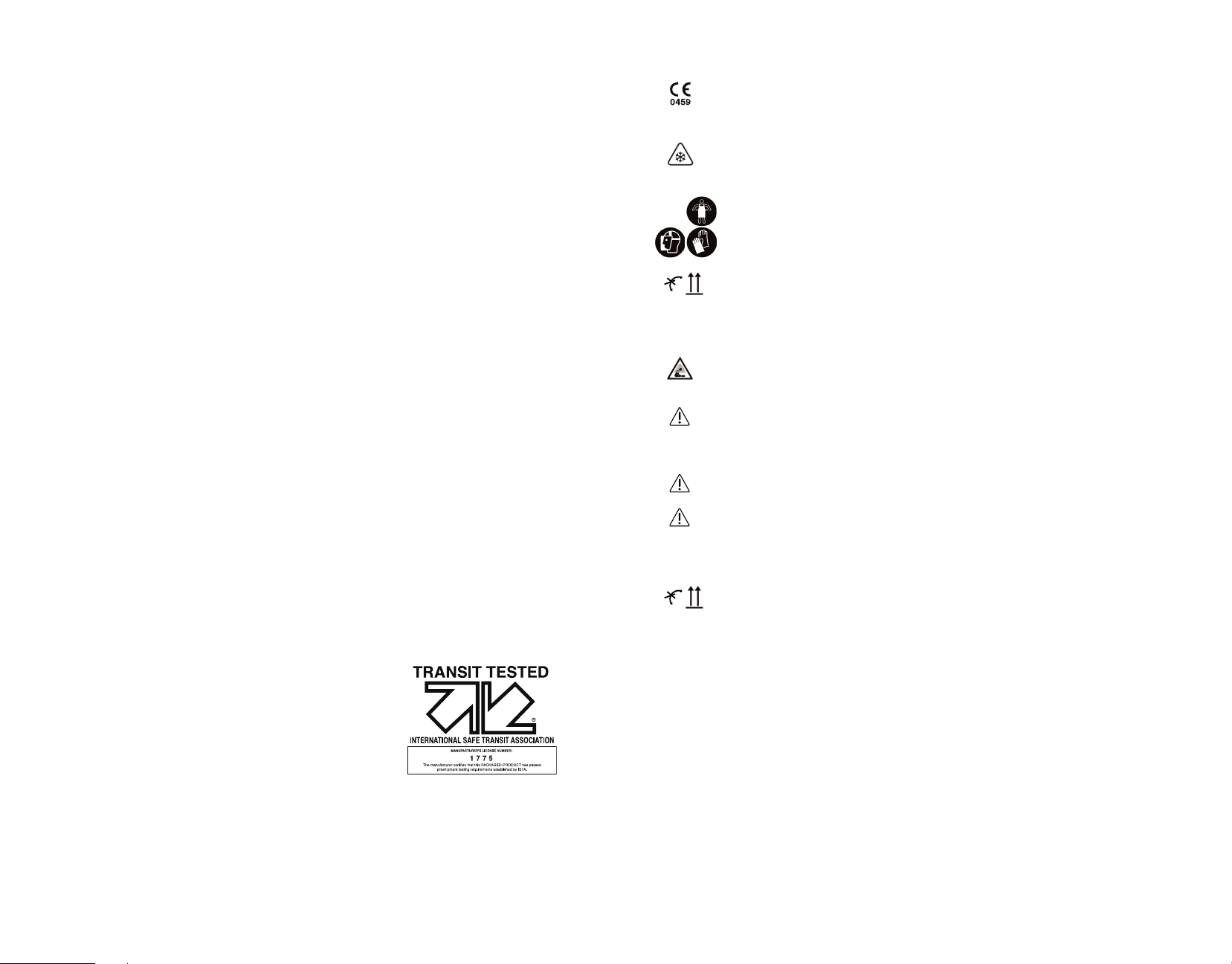
Mode d’emploi MVE pour les dewars de transport en vapeur d’azote
Représentant M.D.D. : Medical Product Services, Borngasse 20, 35619 Braunfels, Germany
Les conteneurs d’expédition MVE en phase vapeur sont parfaitement adaptés au transport
cryogénique de produits biologiques. L’azote liquide est retenu dans un matériau absorbant et les
vapeurs d’azote froid maintiennent le milieu de conservation cryogénique entre -150 °C et -190 °C.
Le matériau absorbant retient l’azote liquide, empêchant ainsi tout écoulement accidentel du produit.
Selon les réglementations du département des transports des États-Unis (DOT), l’azote liquide
appartient à la catégorie des « matières dangereuses ». Au moins trois organismes de réglementation
publient des règlements sur les matières dangereuses :
DOT - Le Département des transports des États-Unis
IATA - L’Association internationale du transport aérien
ICAO - L’Organisation de l’aviation civile internationale
Pour une utilisation en dehors des États-Unis, veuillez consulter vos organismes de réglementation
applicables. L’azote liquide est classé sous la désignation d’« Azote liquide réfrigéré » et porte le code
ONU pour le transport des gaz « UN 1977 ». Sa désignation officielle et son code ONU doivent être
indiqués sur son carton d’expédition ainsi que la mention « Gaz non inflammable ». Pour connaître
toutes les obligations légales en matière de conditionnement et d’étiquetage, contacter les organismes
précités. Contacter également le transporteur qui peut avoir des exigences spécifiques supplémentaires
et saura conseiller sur les exigences propres au lieu de destination des produits expédiés.
Il est à noter que les réglementations font régulièrement l’objet de modifications. Pour obtenir des
informations concernant les réglementations les plus récentes avant d’expédier un échantillon
biologique sous température cryogénique, contacter le transporteur aérien. Il vous incombe de fournir
des informations exactes sur l’emballage de livraison, comme des avertissements ou des précautions.
DESCRIPTION GÉNÉRALE
Le récipient de cryoconservation est un récipient en aluminium à double paroi, isolé par le vide et
doté d’un col en fibre de verre, qui offre une efficacité optimale pour la conservation de la
température cryogénique. L'absorbant d'azote liquide est une couverture hydrophobe constituée de
silice amorphe synthétique et de fibres de verre. Cet absorbant n’est pas dangereux. Le récipient doit
uniquement être utilisé pour de l’azote liquide. L'oxygène liquide n'est pas compatible avec cette
unité et ne doit pas être stocké à l'intérieur du récipient.
Le conteneur d’expédition MVE en phase vapeur a été conçu en tenant compte de la sécurité, de la
durabilité et de l’efficacité. Cependant, la mauvaise manipulation de l’équipement, notamment le
transport ou l’expédition des unités dans une autre position que la position verticale peut
endommager le produit. De plus, si le récipient tombe ou reçoit un choc, cela peut entraîner la
défaillance immédiate ou prématurée du système de vide.
Dès réception du produit, examinez le récipient et son emballage à
la recherche de traces de dommages pouvant avoir eu lieu durant
l’expédition. Contactez le transporteur dans le respect de ses
directives si des signes de dommages durant l’expédition sont
présents. Certaines boîtes d'expédition MVE portent le timbre du
certificat ISTA-3A (Transit Tested), indiqué ci-contre à droite, qui
peut se révéler utile pour les réclamations contre le transporteur,
en cas de dommage lié à l'expédition. Après le premier remplissage,
surveillez les signes de perte de vide, tels que le givre excessif ou la transpiration sur l’enveloppe
extérieure. Un peu de givre près du sommet juste après le remplissage est normal. Il est normal que
de la poussière blanche ou des résidus de poudre de l'absorbant s'accumulent au bas de l'unité en
raison des vibrations causées par le transport. Si souhaité, le propriétaire peut l'essuyer ou l'aspirer.
Cette unité de grande qualité isolée par le vide est compatible avec des températures extrêmes
divergentes et destinées à un large éventail d’applications de cryobiologie. La durée de vie de ce
produit est de cinq (5) ans.
44
Les produits portant le marquage CE tel qu’illustré sont conformes aux exigences de la directive
93/42/CEE relative aux dispositifs médicaux dans l’UE.
SÉCURITÉ
AVERTISSEMENT : L’azote liquide est extrêmement froid. Pour éviter les gelures, il est vivement
conseillé de faire preuve d’une extrême prudence lors de la manipulation de l’azote liquide, des
récipients de stockage ou de transvasement d’azote liquide, ou de tout autre objet en contact
avec l’azote liquide.
• Ne laisser aucune partie de la peau exposée.
• Toujours porter les équipements de sécurité appropriés par-dessus les vêtements :
écran facial, gants cryogéniques et tablier cryogénique.
• Faire preuve d’une extrême prudence lors du transvasement de l’azote liquide pour
éviter tout déversement ou toute éclaboussure.
• Toujours maintenir le récipient en position verticale. Ne pas incliner ni poser le récipient
sur son côté.
• Retirer immédiatement tout vêtement ou équipement de sécurité souillés par l’azote
liquide.
• Consulter immédiatement un médecin en cas de gelures causées par l’azote liquide.
AVERTISSEMENT : L’évacuation des vapeurs d’azote peut épuiser l’oxygène de l’air, ce qui peut
provoquer l’asphyxie ou même la mort. Ne pas stocker ou utiliser des conteneurs dans des
lieux étroits, fermés ou insuffisamment ventilés.
AVERTISSEMENT : Ne pas fermer hermétiquement un conteneur à azote liquide ni empêcher
l’azote gazeux de s’échapper. De plus, des niveaux excessifs d’humidité ou une exposition aux
précipitations peuvent provoquer le gel du bloc composé du liège et du couvercle, ainsi qu’une
explosion potentielle.
AVERTISSEMENT : Ne jamais utiliser un tube creux pour mesurer le niveau d’azote liquide. Cela
peut provoquer une blessure thermique.
MISE EN GARDE : Manipuler le récipient de cryoconservation avec soin.
• Ne jamais remplir de façon excessive les récipients en phase vapeur avec de l’azote
liquide. L’azote liquide devrait toujours être en dessous du tube prolongateur. Trop
remplir le réservoir risque de provoquer la défaillance immédiate ou prématurée du
système d’isolation par le vide.
• Ne jamais envoyer le conteneur d’expédition en phase vapeur sur le côté ou à l’envers.
Cela peut provoquer la défaillance du système de vide et la perte de produit à l’intérieur
du conteneur d’expédition en phase vapeur.
• Ne pas gratter la zone du tube prolongateur. Retirer et insérer soigneusement les pièces
amovibles. Les égratignures peuvent provoquer une défaillance prématurée du système
de vide.
• Modifier ou retirer la prise de vide détruira le système de vide et annulera la garantie.
• Ne jamais faire tomber ou cogner l’unité.
• Ne jamais déverser de l’azote liquide sur ou à proximité de la prise de vide.
• Ne jamais laisser le récipient à l’extérieur.
• Inspecter le navire pour tout dommage avant et après chaque expédition.
• Gardez le fond du récipient propre et loin des produits chimiques, des engrais, du sol et
de l'humidité.
• Toutes les données de performances publiées relatives à ces produits sont basées sur des
conditions statiques uniquement. Les performances réelles varient en fonction de la
nature de l’utilisation. La manipulation des pièces amovibles ou accessoires, ainsi que les
vibrations diminuent la durée de fonctionnement/durée de conservation de ces produits.
45
Page 24
FONCTIONNEMENT
MISE EN GARDE : Tenez compte de la valeur de l'inventaire lors de l'expédition et déterminez
si l'inventaire doit être réparti entre plusieurs contenants afin de réduire le risque de perte de
produits précieux et / ou irremplaçables en cas de retard, de perte ou d'endommagement
du conteneur.
MISE EN GARDE : Ne pas utiliser de dewars pour le stockage à long terme de contenu
biologique humain. Le non-respect des meilleures pratiques d’exploitation de Chart, telles
qu’énoncées dans le manuel d’utilisation, peut entraîner une perte du contenu.
L’azote liquide est extrêmement froid. S’assurer de porter un équipement de protection avant
l’utilisation. Éviter de renverser de l’azote liquide sur la prise de vide au risque de provoquer la
rétractation du joint. L’air serait ainsi aspiré dans l’espace sous vide, provoquant la défaillance
prématurée du système de vide. Pour assurer au conteneur d’expédition en phase vapeur MVE
des performances optimales, respecter les procédures suivantes juste avant son expédition :
1. Ouvrir le récipient où se trouve le conteneur d’expédition en phase vapeur, ouvrir le couvercle et
retirer le bloc composé du liège et du couvercle et les accessoires. Soulever le bloc composé
du liège et du couvercle vers le haut (ne pas tordre).
2. Remplir l’unité jusqu’en bas du tube prolongateur.
a. En cas d’utilisation d’un récipient chaud, MVE recommande d’ajouter petit à petit de
petites quantités de liquide en bas de l’unité, et de laisser reposer jusqu’à ce que l’azote
liquide arrête rapidement de bouillir pour refroidir l’unité. Il est également recommandé
de positionner la prise de vide à l’écart de l’opérateur. Placez l'orifice d'aspiration loin de
l'opérateur ou d'un autre membre du personnel.
b. Pour obtenir la durée de conservation optimisée. Il est nécessaire de remplir l’unité plus
d'une fois jusqu’au bas du col pour obtenir un niveau de liquide stable.
c. Respecter les procédures et mesures de sécurité en vigueur pour transvaser le LN2.
d. Si possible, remplir le récipient avec un entonnoir ou d’une conduite de transvasement.
Transvaser le LN2 à l’aide d’un flexible avec un séparateur de phases ou d’un récipient
équipé d’un entonnoir.
e. Si vous remplissez votre récipient depuis une source sous pression, assurez-vous qu’il
s’agit d’une source à faible pression (1.52 bar ou moins).
3. Remettre le bloc composé du liège et du couvercle, puis laisser l’unité atteindre l'équilibre
thermique /se charger pendant au moins 24 heures.
a. Se référer à la section
UTILISATION DE LA TECHNOLOGIE DE CHARGE QWICK pour une
solution de charge accélérée.
b. Des traces excessives de givre ou de liquide sur l’enveloppe extérieure du conteneur
après les premières heures indiquent un vide insuffisant ou un défaut de vide. Examiner
soigneusement l’unité.
4. Vider l’excédent de liquide juste avant le transport.
a. Si nécessaire, vider entièrement l’azote liquid, inversez l'unité jusqu'à ce que l'azote liquide
s'égoutte. Réglez l'unité à la verticale et vérifiez si de l'azote liquide se trouve au fond de
l'unité. Si l'azote liquide commence à se mélanger, inversez l'unité à nouveau. Répétez
autant que nécessaire jusqu'à ce que tout l'azote liquide soit retiré de l'unité,
conformément à l'instruction d'emballage OACI 202.
5. Peser l’unité et consigner son poids.
a. Pour assurer un processus de charge approprié, obtenir les poids type et chargé. Vérifier
que la différence entre les poids type et chargé est similaire aux données du Tableau 1. La
différence peut être calculée en utilisation l’équation 1.
Différence = Poids chargé – Poids type Équation 1
b. Veuillez noter que le poids chargé n’indique pas les performances de l’unité.
6. Placer les pièces amovibles dans l’unité, puis replacer le bloc composé du liège et du
couvercle, ainsi que le couvercle.
UTILISATION DE LA TECHNOLOGIE DE CHARGE RAPIDE
Seules les unités comportant l’étiquette de charge QWICK sont dotées de la technologie de
charge QWICK.
Pour utiliser la technologie de charge QWick et charger l’unité en moins de deux
heures, ne pas laisser l’unité chauffer à plus de -150 °C entre les expéditions. Si l’intérieur de l’unité
est supérieur à -150 °C, elle devra être chargée à nouveau pendant au moins 24 heures pour
permettre à l'unité d'atteindre l'équilibre thermique.
Se référer au tableau de mesures de poids suivant pour déterminer si le conteneur d’expédition en
phase vapeur est complètement chargé. Les valeurs servent uniquement de référence. Les poids
peuvent varier en fonction du processus de charge. Se reporter aux spécifications relatives au temps
de maintien statique et au taux d'évaporation normal (NER) indiquées dans le tableau ci-dessous.
Des facteurs tels que l'âge de l'unité, la quantité de stocks, l'environnement ambiant, les conditions
d'expédition et l'utilisation d'accessoires, etc. peuvent avoir une incidence négative sur le durée de
conservation statique et NER. Si vous ne trouvez pas votre modèle dans la liste, référez-vous au
catalogue de cryoconservation MVE ou contactez le service clientèle ou technique pour obtenir de l'aide.
Tableau 1 Référence des performances de l’unité par modèle
Poids Poids
Modéle
SC 2/1V 6 (2,7) 8,3 (3,7) 8 0,19 N
SC 4/2V 10,3 (4,6) 16,7 (7,5) 13 0,26 O
SC 4/3V 11,5 (5,2) 18,5 (8,3) 21 0,20 O
SC 20/12V 25,3 (11,4) 40,2 (18,2) 60 0,09 N
XC 30/12V 44 (20) 76 (34) 82 0,22 N
Cryoshipper 25,7 (11,6) 38,2 (17,3) 10 0,85 O
Cryoshipper XC/IATA 32,3 (14,6) 48,9 (22,1) 14 0,70 O
Cryoshipper 2000 65 (29,5) 95 (43,1) 15 0,79 N
Cryomoover 31 (14) 40,4 (18,3) 12 0,35 N
Cryoshipper MINI* * * * * * 0,84 N
Mini-Moover 8,5 (3,8) 13,4 (6,0) 14 0,20 N
XC 20/3V 25,1 (11,3) 36 (16,3) 16 0,35 N
Doble 11 14,3 (6,4) 19,5 (8,8) 17 0,17 N
Doble 22** 23,8 (10,7) 35 (15,8) 18 0,35 N
Doble 20 23 (10,4) 30,3 (13,7) 21 0,10 N
Doble 28 32,2 (14,6) 46,8 (21,2) 21 0,35 N
Doble 34 34,5 (15,8) 47,9 (21,7) 21 0,20 N
Doble 47 41 (18,5) 54,6 (24,7) 21 0,40 N
Remarque : L’utilisation d’un enregistreur de données ajoute environ 0,12 L / jour NER.
* Dans l’attente d’une configuration réelle
** Cartouche de centre requise
*** La variance de 5% des poids réels est typique
type
lbs (kg) lbs (kg) Jours Litre/Jour Certifié
chargé
Durée de
conservation
statique
NER
ISTA-3A
46
47
Page 25
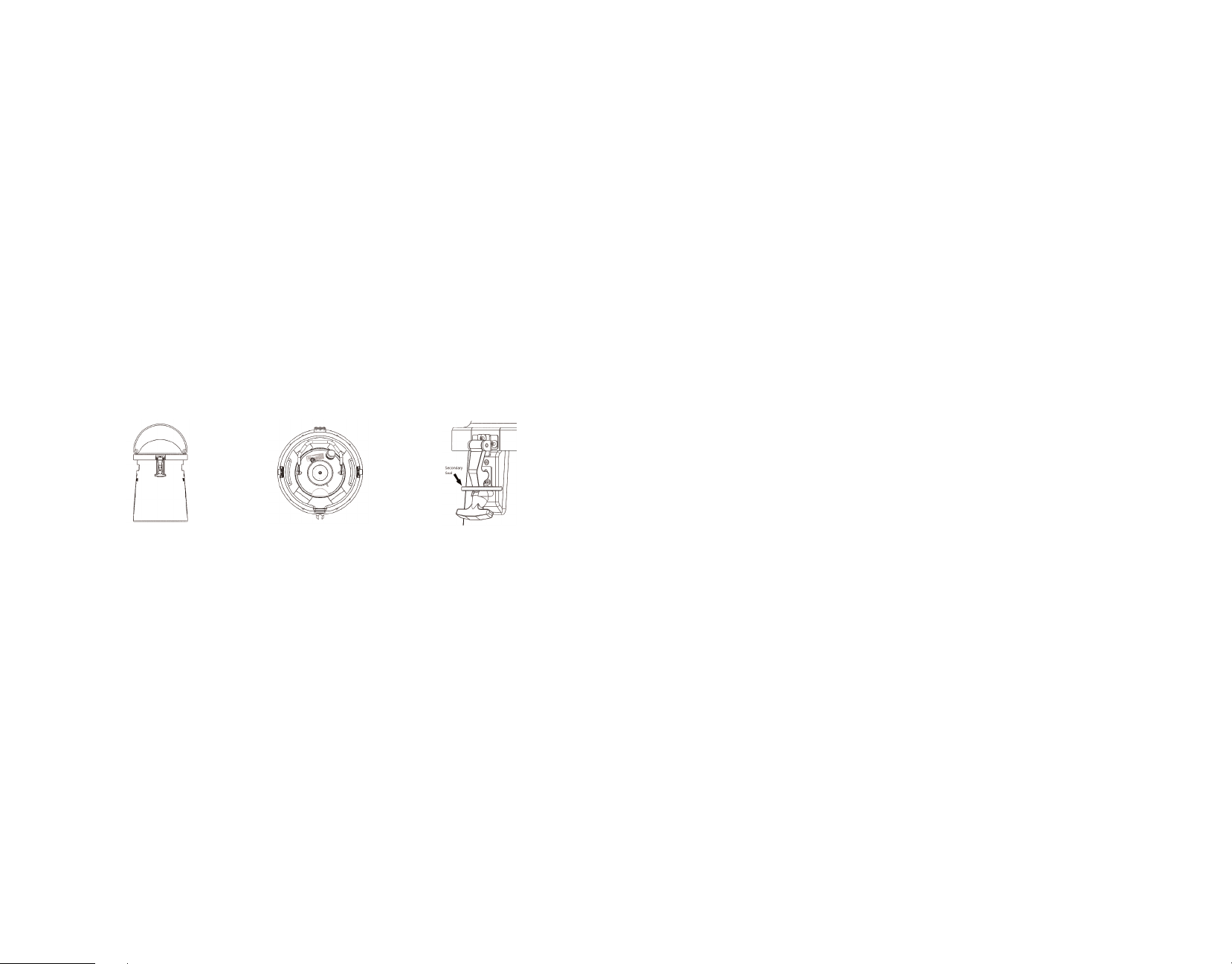
INSTRUCTIONS D’EXPÉDITION
Il est conseillé d’utiliser le container d’expédition en plastique (PPSC) fourni par MVE/Chart pour
maintenir le conteneur en phase vapeur en position vertical et réduisez la possibilité que votre
précieux atout soit endommagé.
EXPÉDIER L’UNITÉ DANS UNE AUTRE POSITION QUE LA POSITION VERTICALE PEUT RÉDUIRE LA
DURÉE DE CONSERVATION À MOINS DE 10 % DE LA DURÉE STATIQUE DE CONSERVATION ET
PROVOQUER DES DOMMAGES PERMANENTS À L’UNITÉ AINSI QUE LA PERTE DES PIÈCES
AMOVIBLES.
AVERTISSEMENT : Si le Vapor Shipper est expédié dans une boîte en carton, il sera expédié couché
sur le côté, car les transporteurs publics demandent à leurs employés des centres de tri, de placer
les boîtes sur des convoyeurs avec le côté le plus stable vers le bas.
Chargez l'unité en suivant toutes les étapes énumérées dans la section FONCTIONNEMENT avant de
l'insérer dans le PPSC. Pour éviter d'endommager l'expulseur de vapeur ou le PPSC, ne jamais
remplir ou jeter l'unité à l'intérieur du PPSC. Bien serrer tous les loquets de verrouillage avant
l'expédition. Vous pouvez également utiliser une attache de câble, un sceau de sécurité inviolable ou
tout autre mécanisme de verrouillage secondaire approprié autour des verrous de verrouillage
existants pour éviter que votre matériel ne soit altéré pendant l'expédition. Avant de mettre en service
le PPSC, inspectez-le pour déceler tout dommage susceptible de compromettre sa fonctionnalité.
Remplacer tout coussin de mousse absorbant les chocs vieilli / usé à l'intérieur du PPSC ou toute
pièce défectueuse. Retirez les PPSC gravement endommagés du service. Contactez le service
clientèle ou technique pour obtenir de l'aide dans la sélection des pièces de rechange appropriées.
Dessin d’un container
PPSC usuel. La forme du
PPSC permet de maintenir
le produit en position
verticale pendant
l'expédition.
Sélectionnez la méthode d'expédition appropriée en fonction de la valeur du contenu. Les
transporteurs publics traitent les colis très brutalement avec le côté le plus stable de l'emballage
placé vers le bas, et ne doivent être utilisés que pour les envois de produits de faible valeur.
Contacter les transporteurs pour connaître leurs méthodes d’expédition et leurs recommandations
concernant le transport de contenus précieux et / ou irremplaçables.
Les conteneurs d’expédition en phase vapeur MVE étaient principalement conçus comme des
conteneurs maritimes en phase vapeur ; toutefois, ils peuvent également être utilisés pour
l’immersion d’échantillons. L’azote liquide doit être retiré pour que l’unité puisse être classée comme
conteneur d’expédition en phase vapeur pour le transport. Toute trace d’azote liquide visible dans la
partie inférieure du contenant interne requalifie le dewar de conteneur d’expédition en phase liquide,
révoquant ainsi son statut d’exemption. Le liquide contenu à l’intérieur est désormais répertorié
comme matière dangereuse.
Cela peut également annuler la garantie.
NE PAS EXPÉDIER L’UNITÉ SUR SON CÔTÉ OU À L’ENVERS.
La mousse absorbant les chocs
contenue dans le PPSC aide à
prévenir les dommages au
dewar. L'illustration montre la
vue de dessus du réservoir
dans le PPSC.
La conception du loquet en
caoutchouc permet l’utilisation
d’un serre-câble, d’un sceau
vétérinaire, d’un sceau de
sécurité, etc. pour garantir
l’intégrité du produit expédié.
NETTOYAGE GÉNÉRAL
Ne pas utiliser de solution de nettoyage à base de pétrole.
À l’intérieur du récipient :
Toute solution de nettoyage qui ne réagit pas à l’aluminium, à l’acier inoxydable ou l’composite G10
peut être utilisée lors du processus d’assainissement d’un conteneur d’expédition en phase vapeur
MVE. Dans la plupart des cas, les détergents ménagers ou solutions savonneuses douces sont
adaptés. Il est également possible d’utiliser en toute sécurité d’autres détergents et désinfectants
comme le peroxyde d’hydrogène, les mélanges chlore/eau et l’alcool dénaturé. La pratique
généralement acceptée revenant à utiliser 10 % de javellisant au chlore avec 90 % d’eau est la
meilleure méthode de décontamination. Il est recommandé de remplir entièrement l’unité avec la
solution de nettoyage, d’agiter et de rincer soigneusement. Toutes les surfaces aseptisées doivent
être soigneusement rincées et les résidus de la solution ou du produit de nettoyage doivent être
retirés après le nettoyage. Laisser l’unité sécher complètement avant de la mettre en service. Il est
conseillé de renverser l’unité pour la vider et la sécher entièrement.
À l’extérieur du récipient :
Utiliser un chiffon humide fin imprégné de solution savonneuse douce.
MAINTENANCE PRÉVENTIVE
Le propriétaire peut choisir entre une méthode de maintenance continue et/ou annuelle.
Pour une maintenance continue (Recommandé avant chaque expédition) :
Si le réservoir est chaud, suivre les étapes 1 à 3 de la section FONCTIONNEMENT ci-dessus, mais
laisser l'unité pleine de liquide pendant 2 heures sans la perturber. Vérifier l’absence de trace
importante de givre ou de condensation à l’extérieur de l’unité. Des traces de givre ou de
condensation à l’extérieur de l’unité indiqueraient un vide insuffisant ou un défaut de vide. Inspectez
le bloc composé du liège et du couvercle pour déceler tout signe de dommage susceptible d'affecter
NER et durée de conservation. Inspectez l'extérieur du réservoir à la recherche de signes de
dommages à l'expédition, tels que de grandes bosses, en particulier autour de la zone du tube du
cou. Retirer les réservoirs gravement endommagés du service.
Nettoyer toute tâche, contamination ou condensation en bas de l’unité après la vidange du liquide.
Stocker l’unité dans un endroit froid, propre et sec. Ces procédures peuvent aider à éviter la
corrosion en bas du conteneur d’expédition en phase vapeur.
Pour une maintenance annuelle :
1. Peser l’unité à vide avec le bloc composé du liège et du couvercle mais sans accessoire et
pièce amovible, puis enregistrer la valeur sous Poids type, [kg].
Le poids type doit être consigné avant le remplissage, lorsque l’intérieur du conteneur
d’expédition en phase vapeur est à température ambiante.
2. Remplir l’unité jusqu’en bas du tube prolongateur. Se référer à l’étape 2 de la section
FONCTIONNEMENT pour en savoir plus.
3. Remettre le bloc composé du liège et du couvercle et laisser reposer l’unité pendant au moins
24 heures.
4. Peser l’unité et consigner la valeur sous Premier poids, [kg].
5. Laisser reposer l’unité ainsi remplie non dérangé pendant 24 heures supplémentaires
(+/-0,25) heure.
a. Tenez compte de l'exactitude et de la résolution de votre balance pour déterminer si des
jours supplémentaires sont nécessaires entre le premier et le second poids afin d'obtenir
un NER précis. Assurez-vous d'enregistrer le nombre d'heures entre le premier et le
deuxième poids.
6. Peser l’unité une seconde fois, puis consigner la valeur sous Deuxième poids, [kg].
48
49
Page 26

7. Calculer le taux d’évaporation en utilisant l’équation 2. La différence entre la première et la
seconde pesée correspond au taux d’évaporation quotidien en kg. Ce chiffre correspond
approximativement au taux d’évaporation normal ou N.E.R [Litre/jour].
(Premie poids– Deuxième poids) x 29.6919
NER =
Pendant ce temps, les traces importantes de givre ou de condensation à l’extérieur du
conteneur indiqueraient un vide insuffisant ou un défaut de vide.
8. Vider le LN2 conformément à l’étape 4 de la section FONCTIONNEMENT. Replacer le bloc
composé du liège et du couvercle et considérer le poids comme Poids chargé.
9. Calculer la durée de conservation [jours] en utilisant l’équation 3. Soustraire le Poids type du
Poids chargé et diviser par 0.8083; puis diviser par le N.E.R.
Durée de conservation =
MVE fournit aux data loggers une tranquillité d'esprit lors de l'expédition de stocks précieux dans les
expéditeurs de vapeur. Contactez le service clientèle ou technique pour obtenir de l'aide afin de
sélectionner le bon enregistreur de données pour votre produit. L’utilisation d’un enregistreur de
données ajoute environ 0,12 L / jour NER.
Ceci concerne l’applicabilité des Réglementations fédérales des É.-U. sur les produits dangereux à
l’expédition d’échantillons réfrigérés dans le « réservoir sec » du récipient. Un « réservoir sec »
comprend un réservoir extérieur revêtu de matériau absorbant. Le réservoir est chargé à l’azote
liquide réfrigéré qui est absorbé dans le revêtement intérieur du réservoir. L’ensemble sert de
réservoir réfrigéré pour l’expédition d’échantillons.
Au vu de ce qui précède, la consultation auprès de l’organisme Research and Special Programs
Administration du Ministère des Transports des États-Unis a déterminé que l’utilisation de « réservoirs
secs » chargés d’azote liquide réfrigéré pour l’expédition d’échantillons entrait dans le cadre de
l’exception réglementaire prévue par la réglementation 49CFR 173.320, alinéa (a) : la section indique
que les exigences de ce sous-chapitre ne s’appliquent pas aux gaz atmosphériques et à l’hélium
lorsqu’ils interviennent dans le fonctionnement du système d’un procédé, tel un système de
réfrigération. L’alinéa (c) de la réglementation 173.320 porte sur le transport aérien d’un même système
de réfrigération. Pour l’état d’exception des expéditions aériennes, reportez-vous aux Réglementations
des produits dangereux de IATA portant sur l’azote liquide réfrigéré. Ceci entre dans le cadre de la
classe de gaz ininflammables 2.2, instructions d’emballage 202 avec dispositions spéciales A-152. En
cas d’expédition à l’extérieur des É.-U., veuillez consulter les organismes appropriés en charge de la
réglementation. Pour des réponses aux questions concernant la réglementation relative au transport,
contactez un représentant du service technique Chart AI-Cryobiological.
Nombre d’heures
(Poids chargé – Poids type) ÷ 0.8083
NER
TEMPERATURE DE SURVEILLANCE
LETTRE EXPLIQUANT L’EXCEPTION
Équation 2
Équation 3
Déclaration de garantie limitée
Chart Inc., 2200 Airport Industrial Dr., Suite 500, Ball Ground, GA 30107
Conditions générales :
« Nouveau produit » – Charts Inc («CHART») garantit à l’acheteur initial (« Acheteur ») que chaque nouveau
Vapor Shipper Dewar (collectivement, les « Nouveaux Produits ») est exempt de défaut de matériau et de main
d’oeuvre pendant une période de deux (2) ans à compter de la date d’expédition, excepté ce qui est stipulé dans les
dispositions de la garantie limitée ci-après. CHART garantit que l’intégrité du vide du vase dewar est exempte de
tout défaut de matériau et de main d’oeuvre pendant une période de trois (3) ans à compter de la date d’achat,
excepté ce qui est stipulé dans les dispositions de la garantie limitée ci-dessous.
« Produit de réparation/défectueux » – CHART garantit tous les appareils réparés et défectueux
(collectivement, les « Produits de réparation/défectueux ») à l’acheteur contre tout défaut de matériau ou de main
d’œuvre pendant une période de (90) jours à compter de la date d’expédition, excepté dans les conditions stipulées
ci-dessous. CHART garantit l’intégrité du vase de dewar contre tout défaut de matériau et de main d’œuvre
pendant une période de (1) an à compter de la date d’expédition, excepté dans les conditions stipulées ci-dessous.
« Pièce de rechange » – CHART garantit toutes les pièces de rechange et accessoires (individuellement « Pièce
de rechange ») à l’acheteur contre tout défaut de matériau et de main d’œuvre pendant une période de (90) jours à
compter de la date d’expédition, excepté dans les conditions stipulées ci-dessous.
Dispositions de la garantie limitée :
L’acheteur accepte, avant l’entrée en vigueur de cette garantie limitée, d’inspecter intégralement tous les
nouveaux produits, produits de réparation/défectueux ou pièces de rechange dans les trois (3) jours de la
livraison et avant l’utilisation du produit. L’acheteur accepte également d’utiliser le nouveau produit, produit de
réparation/défectueux ou pièce de rechange conformément aux consignes d’utilisation de CHART et que tout
manquement à cette disposition annulera la présente garantie limitée. L’acheteur accepte que toute réclamation
pour rupture de garantie soit rédigée dans les 60 jours de la découverte d’un défaut prétendu. CHART ne sera pas
responsable d’une rupture présumée de garantie, qui, suite à l’inspection de CHART, cette dernière estime être
survenue d’une cause non couverte par cette garantie limitée. Dans ce cas, CHART facturera à l’acheteur une
somme nominale pour réparer l’appareil.
La présente garantie limitée est nulle en cas de : (A) Articles de rechange d’entretien normal ; (B) Réparation ou
remplacement nécessité par une mauvaise utilisation, abus, accident, ou réparations réalisées par d’autres personnes
autres que CHART ou les personnes autorisées par CHART, (C) Utilisation d’appareil ou de pièces externes avec le
nouveau produit, produit de réparation/défectueux ou pièces de rechange autres que ceux approuvés par CHART,
(D) Défauts provoqués par les effets de l’usure normale et (E) Catastrophes naturelles ou autres causes qui ne sont
pas sous le contrôle de CHART.
Si l’acheteur pense qu’un nouveau produit, un produit de réparation/défectueux ou une pièce de rechange n’est pas
conforme à la garantie limitée stipulée ci-dessous, il devra contacter CHART à l’adresse mentionnée ci-dessus, en
décrivant le problème et en fournissant la preuve d’une date d’achat. S’il est dirigé par CHART, l’acheteur doit renvoyer
le nouveau produit, le produit de réparation/défectueux ou la pièce de rechange fret prépayé, correctement conditionné
dans un conteneur d’expédition approuvé par CHART et correctement identifié par un numéro d'autorisation pour le
retour de matériel émis par CHART. Tout nouveau produit, produit de réparation/défectueux ou pièce de rechange
renvoyé sans numéro d'autorisation pour le retour de matériel sera refusé et renvoyé aux frais de l’acheteur.
Les voies de droit disponibles pour toute rupture de la présente garantie sont limitées à la réparation ou au
remplacement du nouveau produit défectueux, du produit de réparation défectueux, de la pièce de rechange défectueuse ou
au remboursement du prix de l’acheteur à la seule discrétion de CHART. CHART garantit les nouveaux produits, produits
de réparation/défectueux ou pièces de rechange remplacés ou réparés à l’acheteur contre tout défaut de matériau et de main
50
51
Page 27
d’œuvre pendant la durée de la partie non échue de la garantie limitée ou (90) jours à compter de la date d’expédition à
l’acheteur, quelque soit la durée. L’INDEMNITÉ DE CHART VERSÉE À L’ACHETEUR POUR TOUTE RÉCLAMATION
NE DOIT PAS DÉPASSER LE PRIX D’ACHAT DE L’ACHETEUR DU NOUVEAU PRODUIT, PRODUIT DE
RÉPARATION/DÉFECTUEUX OU PIÈCE DE RECHANGE DONNANT LIEU À CETTE RÉCLAMATION, DE
QUELQUE NATURE QUE CE SOIT, PAR CONTRAT, DÉLIT CIVIL, GARANTIE, NÉGLIGENCE, RESPONSABILITÉ
ABSOLUE OU AUTRE. CHART NE SAURAIT ÊTRE TENUE POUR RESPONSABLE ET L’ACHETEUR DEVRA
INDEMNISER, DÉFENDRE ET GARANTIR CHART CONTRE TOUTE RÉCLAMATION DE LA PART DE PARTIES
AUTRES QUE CHART, RÉSULTANT DE LA CONFORMITÉ DE CHART FACE AUX CONCEPTIONS,
SPÉCIFICATIONS, INSTRUCTIONS OU MODIFICATIONS SUR LES PRODUITS OU UTILISATION EN
ASSOCIATION À D’AUTRES PRODUITS PAR L’ACHETEUR.
L’ACHETEUR NE PEUT EN AUCUNE CIRCONSTANCE ÊTRE LIÉ À, ET CHART NE PEUT ÊTRE
RESPONSABLE DES DOMMAGES INDIRECTS, SPÉCIAUX, ACCESSOIRES OU CONSÉCUTIFS DE QUELQUE
NATURE QUE CE SOIT Y COMPRIS, NOTAMMENT, LES FRAIS D’INTERRUPTION D’EXPLOITATION, LES
FRAIS DE RETRAIT ET/OU DE RÉINSTALLATION, LES FRAIS DE RÉAPPROVISIONNEMENT, LA PERTE DE
PROFIT OU DE REVENU, LA PERTE DE DONNÉES, LES DÉPENSES PROMOTIONNELLES OU DE
FABRICATION, LES FRAIS GÉNÉRAUX, L’ATTEINTE À LA RÉPUTATION OU LA PERTE DE CLIENTS MÊME SI
CHART A ÉTÉ AVISÉE DE LA POSSIBILITÉ DE TELS DOMMAGES.
EXCEPTÉ POUR CETTE GARANTIE LIMITÉE, CHART N’A FAIT AUCUNE GARANTIE NI
REPRÉSENTATION, EXPRESSE OU TACITE, ET PAR CONSÉQUENT DÉCLINE TOUTE AUTRE
GARANTIE, Y COMPRIS, MAIS SANS Y ÊTRE LIMITÉ, LES GARANTIES D’APTITUDE À LA VENTE OU À
UN BUT PARTICULIER. AUCUNE REPRÉSENTATION NI DÉCLARATION DE CHART NE SAURAIT
CHANGER OU MODIFIER LA PRÉSENTE GARANTIE LIMITÉE.
Toute réclamation pour le non-respect de cette garantie limitée doit être régie par les lois de l’État de Géorgie
Manual Operacional de Botijões de Transporte de Vapor MVE
Rappresentante M.D.D.: Medical Product Services, Borngasse 20, 35619 Braunfels, Germany
Os MVE Vapor Shippers são ideais para o transporte de materiais criobiológicos. O azoto líquido
é retido num material absorvente hidrófobo e os vapores de azoto frios mantêm a Área de
Armazenamento Criogénico entre os -150°C e os -190°C. O absorvente retém o azoto líquido e
evita derrames acidentais.
O azoto líquido está classificado como “Artigo Perigoso” pelo Department of Transportation (DOT).
Três agências de regulamentação, pelo menos, publicam regulamentos referentes a artigos
perigosos:
DOT - Department of Transportation
IATA - International Air Transportation Association
ICAO - International Civil Aviation Organization
Em caso de utilização fora dos EUA, consulte as suas agências reguladoras aplicáveis. O azoto
líquido está classificado sob o nome “Azoto, líquido refrigerado” e possui o número de código UN
1977. A classificação do nome e o Número de Código UN devem estar indicados na embalagem de
expedição, além de um rótulo de “Gás não inflamável”. Os requisitos de embalagem e etiquetagem
podem obter-se junto das organizações mencionadas acima. Contacte também a sua transportadora
para eventuais variações das regras, uma vez que estas podem aplicar-se especificamente a essa
empresa e/ou ao destino final da remessa.
Recorde que os regulamentos são submetidos a revisões periódicas. Se necessitar de informação
atualizada antes do envio do espécime criobiológico, contacte a sua transportadora aérea para obter
os regulamentos mais recentes. É da sua responsabilidade fornecer as informações corretas, como
os avisos e precauções, na embalagem de envio.
(États-Unis), sans égard aux règles régissant les conflits de lois et doit être présentée dans un tribunal national ou
fédéral en Géorgie.
Certains États n’autorisent pas les limitations sur les garanties tacites ou sur les dommages indirects ou consécutifs,
par conséquent les limitations qui précèdent ne s’appliquent pas. La présente garantie limitée confère à l’acheteur
des droits juridiques spécifiques qui peuvent être complétés par d’autres droits selon l’État de résidence.
Ce produit peut être protégé par un ou plusieurs brevets, américains ou internationaux.
Consulter notre site web ci-dessous pour voir la liste des brevets :
Pat. patents.gtls.io
52
O reservatório de criopreservação é um reservatório de parede dupla isolado a vácuo fabricado em
alumínio com um pescoço de compósito de fibra de vidro, fornecendo a mais alta eficiência possível
de preservação em temperatura criogênica. O absorvente de nitrogênio líquido é uma coberta
hidrofóbica consistindo em fibra de vidro e sílica amorfa sintética. Esse absorvente não apresenta
riscos. Utilize o reservatório apenas para nitrogênio líquido. O oxigênio líquido não é compatível com
esta unidade e não deve ser armazenado dentro do reservatório.
O MVE Vapor Shipper foi concebido com especial atenção à segurança, durabilidade e desempenho.
No entanto, o manuseamento indevido do equipamento, incluindo as unidades de transporte ou
envio numa posição não vertical, pode danificar o produto. Além disso, se um reservatório sofrer
uma queda ou uma pancada, poderá ocorrer uma falha prematura imediata do vácuo.
Ao receber o produto, examine o reservatório e a embalagem em
busca de evidências de danos causados durante a remessa. Entre
em contato com a transportadora segundo as orientações dela se
houver sinais de danos causados durante a remessa. Algumas
caixas de remessa da MVE têm o selo de certificação Transit
Tested ISTA-3A, exibido à direita, que é útil ao prestar uma queixa
contra a transportadora em caso de danos ocasionados durante a
remessa. Após o primeiro abastecimento, fique atento a qualquer
sinal de perda de vácuo, como formação excessiva de gelo ou condensação no revestimento exterior.
É normal a formação de um pouco de gelo próximo à parte superior logo após o abastecimento. É
normal o acúmulo de um pouco de poeira branca ou resíduo semelhante a pó do absorvente na parte
inferior da unidade devido a vibrações durante a remessa. Se desejado, o proprietário pode limpá-lo
ou aspirá-lo.
Esta unidade isolada a vácuo de alta qualidade é compatível com os extremos de temperatura
divergentes e as amplas aplicações da criobiologia. A vida útil estimada deste produto é de
cinco (5) anos.
DESCRIÇÃO GERAL
53
Page 28
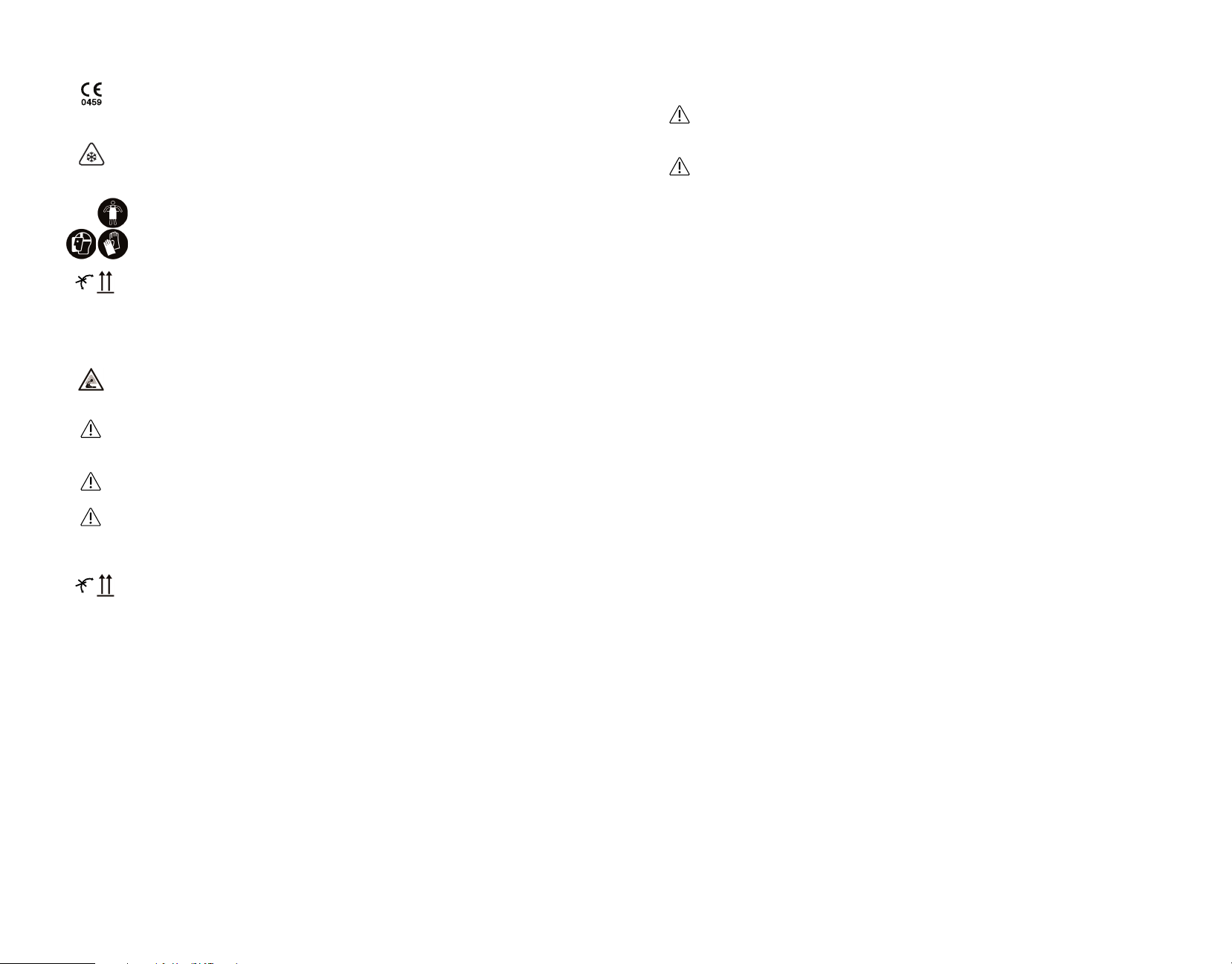
Os produtos com a marcação CE aqui mostrada estão em conformidade com a Diretiva
93/42/EEC referente a dispositivos médicos na UE.
SEGURANÇA
AVISO: O azoto líquido é extremamente frio. Para evitar ferimentos por ulceração pelo frio, seja
extremamente cuidadoso ao manusear azoto líquido, reservatórios de armazenamento ou
transferência de azoto líquido, ou quaisquer objectos que tenham estado em contacto com
azoto líquido.
• Não deixe áreas da pele expostas.
• Utilize sempre vestuário de segurança adequado sobre a roupa: viseira de protecção,
luvas criogénicas e avental criogénico.
• Seja extremamente cuidadoso para evitar derrames e salpicos de azoto líquido durante
a trasfega.
• Mantenha sempre o reservatório na vertical. Não incline, ou deite o reservatório na
horizontal.
• Remova imediatamente qualquer roupa ou vestuário de segurança em que tenha sido
derramado azoto líquido.
• Consulte imediatamente um médico quanto a eventuais ulcerações pelo frio provocadas
pelo azoto líquido.
AVISO: A ventilação de vapores de azoto pode esgotar o oxigénio no ar, podendo causar asfixia
ou até mesmo a morte. Não armazene nem use o contentor em áreas reduzidas ou fechadas,
ou mal ventiladas.
AVISO: Não vede contentores com azoto líquido nem evite que o azoto gasoso escape. Além
disso, os níveis excessivos de humidade ou a exposição à chuva podem resultar no
congelamento do batoque/tampa e numa possível explosão.
AVISO: Nunca utilize um tubo oco para medir o nível de azoto líquido. Se o fizer, poderá
provocar lesões térmicas.
ATENÇÃO: Manuseie o reservatório de criopreservação com cuidado.
• Nunca encha demasiado os reservatórios com azoto líquido. O azoto líquido deve estar
sempre abaixo da parte inferior do tubo do pescoço. Encher demasiado o tanque pode
provocar uma falha de vácuo imediata ou prematura.
• Nunca envie o Vapor Shipper na horizontal ou virado de cabeça para baixo. Isso pode
provocar uma falha de vácuo e a perda do produto no interior do Vapor Shipper.
• Não arranhe a área do tubo do pescoço. Remova e insira os inventários
cuidadosamente. Os arranhões podem causar uma falha de vácuo prematura.
• A adulteração ou remoção da porta de vácuo destruirá o vácuo e anulará a garantia.
• Nunca sujeite a unidade a quedas, choques ou pancadas.
• Nunca derrame azoto líquido sobre ou perto da porta de vácuo.
• Nunca deixe o reservatório no exterior.
• Inspecione a embarcação por qualquer dano antes e depois de cada remessa.
• Mantenha o fundo do vaso limpo e longe de produtos químicos, fertilizantes, solo
e umidade.
• Todos os dados de desempenho publicados para estes produtos baseiam-se apenas em
condições estáticas. O desempenho real varia segundo o tipo de utilização. A
manipulação de inventários e/ou acessórios, juntamente com a vibração, reduzem o
tempo de trabalho/período de retenção destes produtos.
FUNCIONAMENTO
ATENÇÃO: Considere o valor do estoque durante o envio e determine se o estoque deve ser
dividido entre vários contêineres para reduzir o risco de perda de produtos valiosos e / ou
insubstituíveis caso o contêiner se torne atrasado, perdido ou danificado no envio.
ATENÇÃO: Não utilize dewars para o armazenamento de longo prazo de conteúdo biológico
humano. O descumprimento das boas práticas operacionais da Chart, conforme estabelecidas
no manual de operação, pode resultar em perda de conteúdo.
O azoto líquido é extremamente frio. Certifique-se de usar equipamento adequado antes da utilização.
Evite derramar azoto líquido sobre a porta de vácuo, pois isso pode fazer com que o vedante
encolha, permitindo a entrada de ar na área de vácuo e provocando uma falha de vácuo prematura.
Para garantir o máximo desempenho do seu MVE Vapor Shipper, basta seguir os passos listados
antes do envio para o destino final:
1. Abra o recipiente que contém o Vapor Shipper, abra a tampa e remova o
batoque/cobertura/acessórios. Levante o batoque/tampa na vertical (não gire).
2. Encha a unidade até à base do tubo do pescoço.
a. Se estiver a trabalhar com um reservatório quente, a MVE recomenda que se adicione
uma pequena quantidade de líquido na parte inferior da unidade, permitindo que este
assente até a ebulição rápida do azoto líquido parar, para arrefecer a unidade. Também é
recomendável que a porta de vácuo fique virada para o lado oposto ao do operador.
Posicione a porta de vácuo longe do operador ou de outro pessoal.
b. Para obter um tempo de retenção otimizado. Você precisará reencher a unidade até a
parte inferior do pescoço mais de uma vez até que o nível do líquido permaneça estável.
c. Siga as práticas e procedimentos de segurança estabelecidos para a transferência de LN2.
d. Encha o reservatório com um funil ou linha de transferência, quando tal for possível.
Efetue a transferência usando um tubo de LN2 com separador de fases ou com um
recipiente de vazamento, utilizando um funil.
e. Se encher o reservatório a partir de uma fonte pressurizada, certifique-se de que se trata
de uma fonte de baixa pressão (1.52 bar ou inferior).
3. Volte a colocar o batoque/cobertura e permita que a unidade alcançar o equilíbrio térmico
carregue durante, pelo menos, 24 horas.
a. Consulte a secção
solução de carregamento rápido.
b. A formação excessiva de gelo ou condensação no reservatório exterior após as primeiras
horas, indica um vácuo fraco ou inexistente. Examine a unidade cuidadosamente.
4. Remoca o líquido em excesso antes do envio.
a. Se for necessário administrar todo o azoto líquido, inverta a unidade até que o
gotejamento de nitrogênio líquido tenha parado. Coloque a unidade na posição vertical e
veja se há algum nitrogênio líquido na parte inferior da unidade. Se o nitrogênio líquido
começar a acumular, inverta a unidade novamente. Repita conforme necessário até que
todo o nitrogênio líquido seja removido da unidade, de acordo com a ICAO Packaging
Instruction 202.
5. Pese a unidade e registe o resultado.
a. Para garantir um processo de carregamento adequado, obtenha os valores de peso para
“vazio” e “carregado”. Verifique se a diferença entre os pesos “vazio” e “carregado” se
aproxima dos dados na Tabela 1. O diferencial pode ser calculado utilizando a Equação 1.
Diferencial = Peso Carregado – Peso Vazio Equação 1
b. Note que o Peso Carregado não é um indicador do desempenho da unidade.
6. Coloque os inventários na unidade e volte a colocar o batoque/cobertura e a tampa.
UTILIZAR A TECNOLOGIA QWICK CHARGE para se informar sobre esta
54
55
Page 29
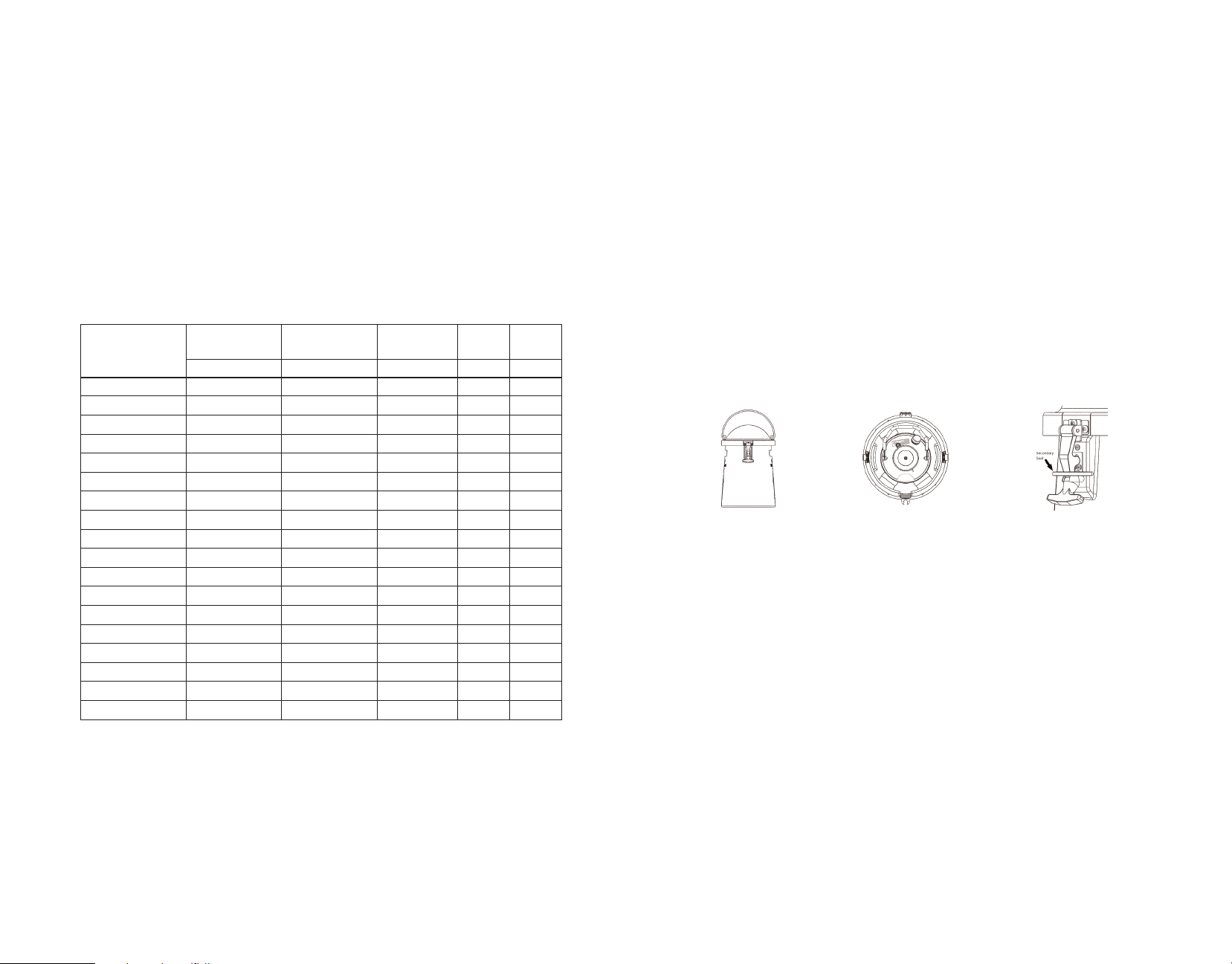
UTILIZAR A TECNOLOGIA QWICK CHARGE
Só as unidades com o rótulo QWICK charge estão equipadas com a tecnologia QWICK charge.
Para utilizar a Tecnologia QWick Charge e completar o carregamento em menos de 2 horas, não
permita que a temperatura da unidade ultrapasse os -150°C entre cada transporte. Se a temperatura
no interior da unidade for superior a -150°C, esta terá de ser carregada novamente durante um
mínimo de 24 horas para permitir que a unidade atinja o equilíbrio térmico.
Use a seguinte tabela de pesos como guia geral para determinar se o seu contentor de transporte está
totalmente carregado. Os valores servem apenas como referência. Os pesos podem variar consoante
o processo de carregamento. Consulte as especificações de tempo de retenção estático e taxa de
evaporação normal (NER) listadas na tabela abaixo. Fatores como idade da unidade, quantidade de
estoque, ambiente, condição de remessa e uso de acessórios, etc., podem afetar negativamente a
unidade tempo de retenção e NER. Se você não encontrar seu modelo listado aqui, consulte o
Catálogo de criopreservação da MVE ou entre em contato com o Cliente ou o Serviço Técnico para
obter assistência.
Tabela 1 Desempenho de referência da unidade por modelo
Peso Peso
Modelo
SC 2/1V 6 (2,7) 8,3 (3,7) 8 0,19 N
SC 4/2V 10,3 (4,6) 16,7 (7,5) 13 0,26 S
SC 4/3V 11,5 (5,2) 18,5 (8,3) 21 0,20 S
SC 20/12V 25,3 (11,4) 40,2 (18,2) 60 0,09 N
XC 30/12V 44 (20) 76 (34) 82 0,22 N
Cryoshipper 25,7 (11,6) 38,2 (17,3) 10 0,85 S
Cryoshipper XC/IATA 32,3 (14,6) 48,9 (22,1) 14 0,70 S
Cryoshipper 2000 65 (29,5) 95 (43,1) 15 0,79 N
Cryomoover 31 (14) 40,4 (18,3) 12 0,35 N
Cryoshipper MINI* * * * * * 0,84 N
Mini-Moover 8,5 (3,8) 13,4 (6,0) 14 0,20 N
XC 20/3V 25,1 (11,3) 36 (16,3) 16 0,35 N
Doble 11 14,3 (6,4) 19,5 (8,8) 17 0,17 N
Doble 22** 23,8 (10,7) 35 (15,8) 18 0,35 N
Doble 20 23 (10,4) 30,3 (13,7) 21 0,10 N
Doble 28 32,2 (14,6) 46,8 (21,2) 21 0,35 N
Doble 34 34,5 (15,8) 47,9 (21,7) 21 0,20 N
Doble 47 41 (18,5) 54,6 (24,7) 21 0,40 N
Obs.: O uso de um datalogger acrescenta cerca de 0,12 L por dia à NER
* Pendente da configuração real
** Centro canister exigido
*** 5% de variação nos pesos reais é típico
Vazio
lbs (kg) lbs (kg) Dias Litro/Dia Certificado
Carregado
Tempo de
retenção
estático
NER
ISTA-3A
INSTRUÇÕES DE TRANSPORTE
O recipiente de plástico para transporte (PPSC) fornecido pela MVE/Chart é recomendado para ajudar
a manter o Vapor Shipper direito, na vertical, e reduza a possibilidade de seu ativo valioso ser
danificado.
NÃO ENVIE A UNIDADE NA HORIZONTAL OU VIRADA AO CONTRÁRIO. O ENVIO DA
UNIDADE NOUTRA POSIÇÃO, ALÉM DA VERTICAL, PODE REDUZIR O TEMPO DE RETENÇÃO PARA
MENOS DE 10% DO TEMPO DE RETENÇÃO ESTÁTICO E PROVOCAR DANOS PERMANENTES NA
UNIDADE E A PERDA DO INVENTÁRIO.
Isto também poderá anular a garantia.
AVISO: Se você enviar o Vapor Shipper em uma caixa de papelão, ele será transportado deitado, já
que as transportadoras comuns instruem seus funcionários nas instalações de separação a colocar
as caixas nos transportadores com o lado mais estável para baixo.
Carregue a unidade seguindo todos os passos listados na seção FUNCIONAMENTO antes de inserir no
PPSC. Para evitar danos ao Carregador de Vapor ou ao PPSC, nunca encha ou despeje a unidade
quando estiver dentro da PPSC. Prenda todas as travas firmemente antes de enviar. Você também
pode utilizar braçadeiras de cabos, lacres de segurança à prova de adulteração ou qualquer outro
mecanismo de travamento secundário apropriado em torno das travas de travamento existentes para
evitar que o seu material seja adulterado durante o transporte. Antes de colocar o PPSC em serviço,
inspecione-o quanto a danos que possam prejudicar sua funcionalidade. Substitua qualquer almofada
de espuma de absorção de impacto envelhecida / desgastada dentro da PPSC ou qualquer hardware
defeituoso. Remova os PPSCs gravemente danificados de serviço. Entre em contato com o Cliente ou
o Serviço Técnico para obter assistência na seleção das peças de serviço adequadas.
PPSC típico mostrado.
A forma do PPSC ajuda
a manter o produto na
vertical durante a remessa.
A espuma de absorção de
impacto no PPSC ajuda a evitar
danos ao dewar. A ilustração
mostra uma visão superior do
tanque no PPSC.
O fecho de borracha permite o
uso de uma braçadeira plástica,
lacre de segurança, etc. para
assegurar a integridade do
produto transportado.
Selecione a forma de remessa adequada com base no valor do conteúdo. Transportadoras comuns
são muito bruscas ao manusear pacotes, colocando o lado mais estável para baixo, e só devem ser
usadas para o transporte de produtos de baixo valor. Entre em contato com transportadoras para
conhecer os métodos de remessa recomendados para o transporte de conteúdos de alto valor e/ou
insubstituíveis.
Os MVE Vapor Shippers foram projetados sobretudo como contentores de transporte, mas também
podem ser usados para a imersão de amostras. É fundamental que todo o azoto líquido seja removido
para que a classificação da unidade como Contentor de transporte se mantenha. Se existir azoto
líquido na base da câmara, a unidade passa a ser considerada como contentor de transporte de
líquidos e o estado de exceção é anulado. O líquido no interior é agora considerado material perigoso.
5756
Page 30

LIMPEZA GERAL
Não use soluções de limpeza à base de petróleo.
No interior do reservatório:
Pode ser utilizada qualquer solução de limpeza que não reaja com alumínio ou com alumínio, com aço
inoxidável ou com compost G10 no processo de higienização de um MVE Vapor Shipper. Na maioria
dos casos, pode utilizar-se qualquer detergente de uso doméstico ou solução de sabão moderada, Os
outros agentes de limpeza e desinfeção que podem ser usados de forma segura incluem o peróxido
de hidrogénio, mistura de cloro/água e álcool desnaturado. A prática geralmente aceite de utilização de
uma solução de 10% de lixívia à base de cloro e 90% de água é considerada o melhor método de
descontaminação. Recomenda-se que a unidade seja enchida até à sua capacidade máxima com a
solução de limpeza, agitada e, em seguida, cuidadosamente enxaguada. Após a limpeza, é importante
que todas as superfícies desinfetadas sejam bem enxaguadas e que todos os resíduos da solução de
limpeza sejam removidos. Deixe a unidade secar completamente antes de a colocar em serviço.
Sugerimos que a unidade seja invertida para escorrer e secar completamente.
No exterior do reservatório:
Use um pano ligeiramente humedecido numa solução de sabão moderada.
MANUTENÇÃO PREVENTIVA
O proprietário pode seguir dois métodos de manutenção, Contínua e/ou Anual.
Para a Manutenção continua (Recomendado antes de cada remessa):
Se o tanque estiver morno, siga os passos 1–3 na seção FUNCIONAMENTO acima, mas deixe a
unidade cheia de líquido repousando sem perturbações por duas horas. Verifique se não existe gelo
ou condensação considerável no exterior da unidade. O gelo ou a condensação no exterior da
unidade indicam um vácuo fraco ou inexistente. Inspecione o batoque/cobertura para sinais de danos
que possam afetar o NER e o tempo de retenção. Inspecione a parte externa do tanque em busca de
sinais de danos no transporte, como grandes amassados, especialmente ao redor da área do tubo do
pescoço. Remova os tanques danificados do serviço.
Após a remoção do líquido, limpe as eventuais manchas, contaminação ou condensação na base da
unidade. Armazene a unidade num local fresco, limpo e seco. Estes procedimentos podem ajudar a
prevenir a corrosão na parte inferior do Vapor Shipper.
Para a Manutenção anual:
1. Pese a unidade com o batoque/cobertura mas sem acessórios do inventário e registe o
resultado como Peso Vazio, [kg].
O Peso vazio deve ser determinado antes do enchimento, com o interior do Vapor Shipper à
temperatura ambiente.
2. Encha a unidade até à base do tubo do pescoço. Consulte os detalhes no passo 2 da secção
FUNCIONAMENTO.
3. Volte a colocar o batoque/cobertura e deixe a unidade repousar durante um mínimo de 24 horas.
4. Pese a unidade e registe o resultado como Primeiro peso, [kg].
5. Deixe a unidade cheia repousar não perturbado durante outras 24 (+/-0,25) horas.
a. Considere a precisão e a resolução de sua escala para determinar se são necessários dias
adicionais entre o primeiro e o segundo peso para obter uma NER precisa. Certifique-se
de registrar o número de horas entre o primeiro e o segundo peso.
6. Efetue uma segunda pesagem e registe o resultado como Segundo peso, [kg].
7. Calcule a taxa de evaporação usando a Equação 2. A diferença entre o primeiro peso e o
segundo peso constitui a taxa de evaporação em kg. Este valor corresponde, aproximadamente,
à taxa de evaporação normal, ou N.E.R, [Litro/Dia]
(Peso Carregado – Peso Vaxio) x 29.6919
NER =
Nümero de horas
Equação 2
A formação excessiva de gelo ou condensação no exterior do reservatório durante este período
indica um vácuo fraco ou inexistente.
8. Despeje o LN2 conforme descrito no passo 4 da secção FUNCIONAMENTO. Volte a colocar o
batoque/cobertura e registe o peso como Peso Carregado.
9. Calcule o Tempo de Retenção, [Dias], usando a Equação 3. Subtraia o Peso Vazio ao Peso
Carregado e divida por 0.8083; em seguida, divida pelo NER.
Tempo de Retenção =
(Peso Carregado – Peso Vazio) ÷ 0.8083
NER
Equação 3
MONITORAMENTO DA TEMPERATURA
A MVE fornece Registradores de Dados para ter tranquilidade ao enviar valiosos inventários em
Remetentes a Vapor. Entre em contato com o Cliente ou o Serviço Técnico para obter assistência na
seleção do Registrador de Dados apropriado para o seu produto.O uso de um datalogger acrescenta
cerca de 0,12 L por dia à NER.
CARTA EXPLICANDO EXCEÇÃO
Isso se refere à aplicabilidade do Regulamento Federal Americano sobre Materiais Perigosos ao
envio de amostras refrigeradas no contêiner “Dry Shipper”. Um pacote “Dry Shipper” consiste em
um recipiente externo revestido com um material absorvente. O recipiente é carregado com líquido
refrigerado a nitrogênio que é absorvido no revestimento do recipiente. O pacote completo e
carregado serve como contêiner refrigerado para o envio de amostras.
Em consideração ao acima exposto, a consulta com a Administração de Pesquisas e Programas
Especiais do DOT determinou que o uso de líquido refrigerado a nitrogênio foi carregado em
contêineres “dry shipper” para a remessa de amostras cair dentro da exceção de regulamentação
prevista no parágrafo 49 (a) do parágrafo 49 CFR 173.320 da seção, os requisitos deste subcapítulo
não se aplicam a gases atmosféricos e hélio quando usados na operação do sistema de processo,
como sistema de refrigeração. Parágrafo (c) 173.320 refere-se ao transporte aéreo do mesmo
sistema de refrigeração. Para o status de exceção de remessas aéreas, consulte o Regulamento de
Mercadorias Perigosas da IATA para líquidos refrigerados com nitrogênio. Isto cai na classe de 2,2
gás não inflamável, instruções de embalagem 202 com disposições especiais A-152. Se for enviado
para fora dos EUA, consulte suas agências reguladoras aplicáveis. Para obter respostas a perguntas
sobre regulamentos de envio, entre em contato com um representante da.
58
59
Page 31

Chart Inc., 2200 Airport Industrial Dr., Suite 500, Ball Ground, GA 30107
Declaração de Garantia Limitada
Termos Gerais:
“Produto Novo” – A Chart Inc. (“CHART”) garante ao comprador original (“Comprador”) que cada
novo removedor de Vapor Dewar (coletivamente, “Produtos Novos”) estará isento de defeitos nos
materiais e mão-de-obra por um período dois (2) anos a partir da data de envio, exceto conforme
descrito abaixo. A CHART garante que a integridade do vácuo do dewar estará livre de defeitos de
materiais e mão-de-obra, por um periodo de três (3) anos a partir da data de envio, exceto conforme
estabelecido nas Cláusulas da Garantia Limitada abaixo:
“Produto Danificado/para Conserto” – A CHART garante ao Comprador que todos os
equipamentos reparados e os equipamentos danificados na fábrica (coletivamente, “Produtos
Danificados/para Conserto”) devem estar isentos de defeitos nos materiais e mão-de-obra por um período
de (90) dias a partir da data de envio, exceto conforme determinado abaixo. A CHART garante que a
integridade do tanque a vácuo deve estar isenta de defeitos nos materiais e mão-de-obra por um período
de (1) ano a partir da data do envio, exceto conforme determinado abaixo.
“Peça de Reposição” – A CHART garante ao Comprador que todas as Peça de Reposição e Itens de
Acessório (“Peça de Reposição”) são garantidos por (90) dias a partir da data de envio por estarem
isentos de defeitos no material e mão-de-obra, exceto conforme determinado abaixo.
Cláusulas de Garantia Limitada:
O Comprador concorda que antes dessa garantia limitada se tornar efetiva, o Comprador deve
inspecionar integralmente cada Produto Novo, Produto para Conserto/Danificado ou Peça de Reposição
dentro de três (3) dias da entrega e antes que tal Produto seja colocado em uso. O Comprador também
concorda em utilizar o Produto Novo, Produto para Conserto/Danificado ou Peça de Reposição, de
acordo com as instruções operacionais da CHART e o não cumprimento disso, portanto, deve anular a
presente garantia limitada. O Comprador também concorda que qualquer reclamação por violação da
garantia deve ser feita, por escrito, dentro de 60 dias da descoberta do suposto defeito. A CHART não se
responsabilizará por qualquer suposta violação de garantia que decorrente da sua inspeção a CHART
determinar que tenha surgido de uma causa não incluída por essa garantia limitada. Nesse caso, a
CHART cobrará do comprador uma taxa nominal para conserto da unidade.
Essa garantia limitada não se aplica: (A) itens comuns para conserto; (B) Conserto ou substituição
necessária devido ao mau uso, abuso, acidente ou reparos feitos por pessoas que não da CHART ou
pessoas não autorizadas pela CHART, (C) Uso de equipamentos ou peças externas com o Produto Novo,
Produto para Conserto/Danificado ou Peça de Reposição que não aqueles aprovados pela CHART, (D)
Defeitos causados por efeitos do uso e desgaste normal, e (E) Fenômenos da Natureza ou outras causas
fora do controle da CHART.
Se o Comprador acreditar que um Produto Novo, Produto para Conserto/Danificado ou Peça de
Reposição não se inclui na garantia limitada supracitada, o Comprador deve entrar em contato com a
CHART no endereço indicado acima, descrevendo o problema e fornecendo a comprovação da data da
compra. Se orientado pela CHART, o Comprador deve devolver o Produto Novo, Produto para
Conserto/Danificado ou Peça de Reposição, devidamente embalado em um recipiente de envio aprovado
pela CHART e devidamente identificado através de um Número de Autorização de Devolução do
Material emitido pela CHART com o frete pré-pago. Produtos Novos, Produto para
Conserto/Danificado ou Peças de Reposição devolvidos sem um Número de Autorização de Devolução
do Material serão recusados e devolvidos a custo do Comprador.
Os recursos disponíveis para qualquer violação dessa garantia limitada estão limitados ao conserto ou
substituição do Produto Novo com defeito, Produto para Conserto/Danificado ou Peça de Reposição, ou
reembolso do preço de compra, a exclusivo critério da CHART. A CHART garante que a substituição ou
reparo do Produto Novo, Produto para Conserto/Danificado ou Peça de Reposição deve ser realizada isenta
de defeitos no material e mão-de-obra para a duração da parte não expirada da garantia original ou noventa
(90) dias a partir da data de re-envio para o Comprador, sempre o que for maior. O REEMBOLSO
PARA O COMPRADOR DA CHART DECORRENTE DE QUALQUER RECLAMAÇÃO NÃO
DEVE EXCEDER O PREÇO DE COMPRA DO COMPRADOR PARA O PRODUTO NOVO,
PRODUTO PARA CONSERTO/DANIFICADO OU PEÇA DE REPOSIÇÃO QUE ORIGINA TAL
RECLAMAÇÃO, INDEPENDENTE DA NATUREZA DA RECLAMAÇÃO, QUER EM CONTRATO,
ATO ILÍCITO, GARANTIA, NEGLIGÊNCIA, RESPONSABILIDADE OBJETIVA OU QUALQUER
OUTRA COISA QUE SEJA. A CHART NÃO DEVE SER RESPONSABILIZADA POR E O
COMPRADOR DEVE INDENIZAR, DEFENDER E MANTER A CHART ILESA DE QUAISQUER
RECLAMAÇÕES BASEADAS NO CUMPRIMENTO DA CHART COM OS PROJETOS,
ESPECIFICAÇÕES OU INSTRUÇÕES DO COMPRADOR, OU MODIFICAÇÃO DE QUAISQUER
PRODUTOS PELAS PARTES QUE NÃO A CHART, OU USO EM COMBINAÇÃO COM OUTROS
PRODUTOS.
O COMPRADOR NÃO DEVE, EM NENHUM CASO, TER DIREITO A, E A CHART NÃO DEVE
SER RESPONSABILIZADA POR PREJUÍZOS INDIRETOS, ESPECIAIS OU CONSEQUENCIAS
DE QUALQUER NATUREZA, INCLUINDO, SEM LIMITAÇÃO CUSTOS DE INTERRUPÇÃO
COMERCIAL, CUSTOS COM A REMOÇÃO E/OU REINSTALAÇÃO, CUSTOS DE REAQUISIÇÃO,
PERDA DE LUCROS OU RECEITA, PERDA DE DADOS, DESPESAS PROMOCIONAIS OU DE
FABRICAÇÃO, DESPESAS GERAIS, DANOS PARA REPUTAÇÃO OU PERDA DE CLIENTES,
MESMO SE A CHART FOI COMUNICADA SOBRE A POSSIBILIDADE DA OCORRÊNCIA DE
TAIS DANOS.
EXCETO PARA ESSA GARANTIA LIMITADA, A CHART NÃO FAZ NENHUMA
GARANTIA OU DECLARAÇÃO, EXPRESSA OU IMPLÍCITA, E, ATRAVÉS DO PRESENTE
REJEITA QUAISQUER OUTRAS GARANTIAS, INCLUINDO, MAS NÃO LIMITADAS ÀS
GARANTIAS IMPLÍCITAS DE COMERCIALIZAÇÃO E ADAPTAÇÃO A UM PROPÓSITO
PARTICULAR. NENHUMA REPRESENTAÇÃO OU DECLARAÇÃO DA CHART PODE
MODIFICAR OU ALTERAR ESSA GARANTIA LIMITADA.
Quaisquer reclamações quanto à violação dessa garantia limitada devem ser regidas pela lei da Geórgia e
sem referência ao conflito das regras de lei da mesma e devem ser levadas a um tribunal estadual ou
federal na Geórgia.
Alguns estados não permitem limitações sobre as garantias implícitas ou prejuízos conseqüenciais ou
incidentais, de maneira tal que as limitações acima podem não se aplicar. Essa garantia limitada concede
ao Comprador os direitos legais específicos. O Comprador pode também possuir outros direitos, os quais
variam de estado para estado.
Este produto pode ser coberto por uma ou mais patentes, EUA e internacionais.
Por favor, visite nosso site abaixo para a listagem de patentes aplicáveis:
Pat. Patents.gtls.io
6160
Page 32
™
CERTIFICATE OF CONFORMANCE
This document certifies that the accompanied dewar upon date of
manufacture has successfully passed Chart’s internal factory
inspection/testing processes, including:
• Mass Spectrometer Vacuum Leak Testing
• Vacuum Sealoff Testing
• Final Visual Inspection
This certificate is not to be interpreted as a warranty,
neither expressed nor implied.
62 63
 Loading...