

Page 1
Matterhorn White
(CHEMTREC) - 800-424-9300
SAFETY DATA SHEET
Product identifier
Emergency telephone
number
Section 1. Identification
:
:
Supplier's details
:
Axalta Coating Systems, LLC
Two Commerce Square,
2001 Market Street
Suite 3600
Philadelphia, PA 19109
USA
Relevant identified uses of the substance or mixture and uses advised against
Identified uses
Uses advised against
Product name
:
AF3502
Coating component for professional use.
For industrial use only by trained professionals. Not for sale to or use by consumers.
Product information
855-6AXALTA
:
:
Date of issue
Version
:
:
2/18/2020
1
ENGLISH
US :
Section 2. Hazards identification
FLAMMABLE LIQUIDS - Category 2
SKIN SENSITIZATION - Category 1
CARCINOGENICITY - Category 2
SPECIFIC TARGET ORGAN TOXICITY (SINGLE EXPOSURE) (Narcotic effects) Category 3
Classification of the
substance or mixture
:
Signal word
:
Danger
Hazard statements
:
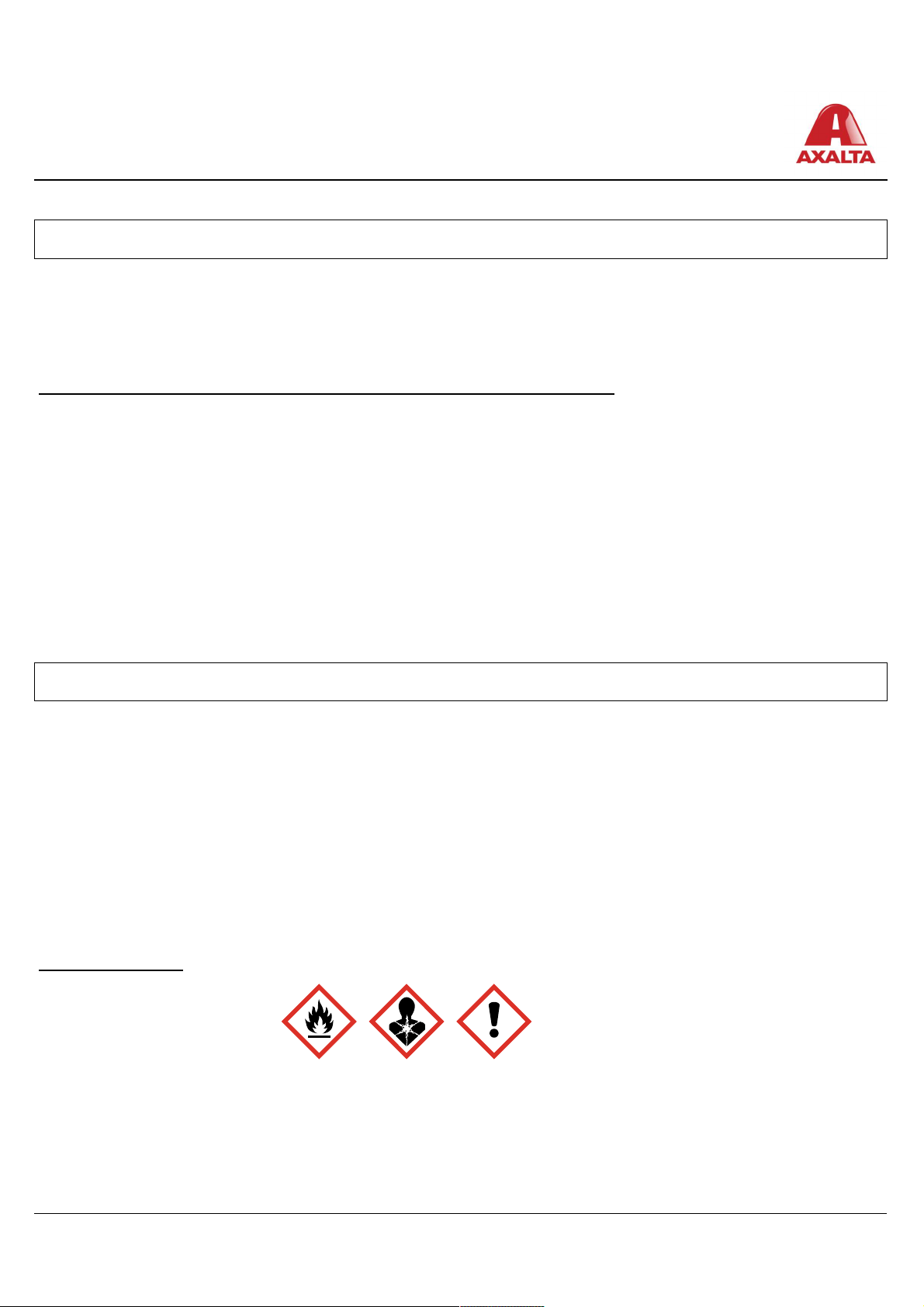
H225 - Highly flammable liquid and vapor.
H317 - May cause an allergic skin reaction.
H351 - Suspected of causing cancer.
H336 - May cause drowsiness or dizziness.
Hazard pictograms
:
GHS label elements
Percentage of the mixture consisting of ingredient(s) of unknown acute oral toxicity: 43%
Percentage of the mixture consisting of ingredient(s) of unknown acute dermal toxicity:
43%
Percentage of the mixture consisting of ingredient(s) of unknown acute inhalation
toxicity: 43%
OSHA/HCS status
:
This material is considered hazardous by the OSHA Hazard Communication Standard
(29 CFR 1910.1200).
Date of issue : 2/18/2020
Version : 1
1/14
Page 2
Matterhorn White
AF3502
ENGLISH
US :
Section 2. Hazards identification
Precautionary statements
Prevention
:
P201 - Obtain special instructions before use.
P202 - Do not handle until all safety precautions have been read and understood.
P280 - Wear protective gloves. Wear eye or face protection. Wear protective clothing.
P210 - Keep away from heat, hot surfaces, sparks, open flames and other ignition
sources. No smoking.
P241 - Use explosion-proof electrical, ventilating, lighting and all material-handling
equipment.
P242 - Use only non-sparking tools.
P243 - Take precautionary measures against static discharge.
P233 - Keep container tightly closed.
P271 - Use only outdoors or in a well-ventilated area.
P261 - Avoid breathing vapor.
P272 (OSHA) - Contaminated work clothing must not be allowed out of the workplace.
Response
:
P308 + P313 - IF exposed or concerned: Get medical attention.
P304 + P340 + P312 - IF INHALED: Remove person to fresh air and keep comfortable
for breathing. Call a POISON CENTER or physician if you feel unwell.
P303 + P361 + P353 - IF ON SKIN (or hair): Take off immediately all contaminated
clothing. Rinse skin with water or shower.
P302 + P352 + P363 - IF ON SKIN: Wash with plenty of soap and water. Wash
contaminated clothing before reuse.
P333 + P313 - If skin irritation or rash occurs: Get medical attention.
Storage
:
P405 - Store locked up.
P403 - Store in a well-ventilated place.
P235 - Keep cool.
Disposal
:
P501 - Dispose of contents and container in accordance with all local, regional, national
and international regulations.
Hazards not otherwise
classified
:
None known.
Section 3. Composition/information on ingredients
titanium dioxide
≥25 - ≤50
13463-67-7
n-butyl acetate
≥10 - ≤25
123-86-4
heptan-2-one
≤10
110-43-0
acetone
≤5
67-64-1
4-chloro-a,a,a-trifluorotoluene
≤3
98-56-6
bis(1,2,2,6,6-pentamethyl-4-piperidyl) sebacate
≤1
41556-26-7
methyl 1,2,2,6,6-pentamethyl-4-piperidyl sebacate
≤0.3
82919-37-7
Ingredient name
CAS number
%
There are no additional ingredients present which, within the current knowledge of the supplier and in the
concentrations applicable, are classified as hazardous to health or the environment and hence require reporting
in this section.
Substance/mixture
:
Occupational exposure limits, if available, are listed in Section 8.
Mixture
Any concentration shown as a range is to protect confidentiality or is due to batch variation.
Date of issue : 2/18/2020
Version : 1
2/14
Page 3

Matterhorn White
AF3502
ENGLISH
US :
Wash out mouth with water. Remove dentures if any. Remove victim to fresh air and
keep at rest in a position comfortable for breathing. If material has been swallowed and
the exposed person is conscious, give small quantities of water to drink. Stop if the
exposed person feels sick as vomiting may be dangerous. Do not induce vomiting
unless directed to do so by medical personnel. If vomiting occurs, the head should be
kept low so that vomit does not enter the lungs. Get medical attention. If necessary,
call a poison center or physician. Never give anything by mouth to an unconscious
person. If unconscious, place in recovery position and get medical attention
immediately. Maintain an open airway. Loosen tight clothing such as a collar, tie, belt
or waistband.
Immediately flush eyes with plenty of water, occasionally lifting the upper and lower
eyelids. Check for and remove any contact lenses. Continue to rinse for at least 10
minutes. Get medical attention.
Wash with plenty of soap and water. Remove contaminated clothing and shoes. Wash
contaminated clothing thoroughly with water before removing it, or wear gloves.
Continue to rinse for at least 10 minutes. Get medical attention. In the event of any
complaints or symptoms, avoid further exposure. Wash clothing before reuse. Clean
shoes thoroughly before reuse.
Remove victim to fresh air and keep at rest in a position comfortable for breathing. If it
is suspected that fumes are still present, the rescuer should wear an appropriate mask
or self-contained breathing apparatus. If not breathing, if breathing is irregular or if
respiratory arrest occurs, provide artificial respiration or oxygen by trained personnel. It
may be dangerous to the person providing aid to give mouth-to-mouth resuscitation.
Get medical attention. If necessary, call a poison center or physician. If unconscious,
place in recovery position and get medical attention immediately. Maintain an open
airway. Loosen tight clothing such as a collar, tie, belt or waistband.
Section 4. First aid measures
Eye contact
Skin contact
Inhalation
Ingestion
:
:
:
:
Notes to physician
:
Treat symptomatically. Contact poison treatment specialist immediately if large
quantities have been ingested or inhaled.
Description of necessary first aid measures
Most important symptoms/effects, acute and delayed
Inhalation
:
Can cause central nervous system (CNS) depression. May cause drowsiness or
dizziness.
Can cause central nervous system (CNS) depression.
:
Ingestion
Skin contact
:
May cause an allergic skin reaction.
No known significant effects or critical hazards.
:
Eye contact
Over-exposure signs/symptoms
Skin contact
Ingestion
Inhalation
Adverse symptoms may include the following:
nausea or vomiting
headache
drowsiness/fatigue
dizziness/vertigo
unconsciousness
No specific data.
Adverse symptoms may include the following:
irritation
redness
:
:
:
Eye contact
:
No specific data.
Potential acute health effects
Indication of immediate medical attention and special treatment needed, if necessary
Date of issue : 2/18/2020
Version : 1
3/14
Page 4

Matterhorn White
AF3502
ENGLISH
US :
Section 4. First aid measures
Protection of first-aiders
:
No action shall be taken involving any personal risk or without suitable training. If it is
suspected that fumes are still present, the rescuer should wear an appropriate mask or
self-contained breathing apparatus. It may be dangerous to the person providing aid to
give mouth-to-mouth resuscitation. Wash contaminated clothing thoroughly with water
before removing it, or wear gloves.
Specific treatments
:
No specific treatment.
See toxicological information (Section 11)
Section 5. Fire-fighting measures
Promptly isolate the scene by removing all persons from the vicinity of the incident if
there is a fire. No action shall be taken involving any personal risk or without suitable
training. Move containers from fire area if this can be done without risk. Use water
spray to keep fire-exposed containers cool.
Hazardous thermal
decomposition products
Specific hazards arising
from the chemical
Decomposition products may include the following materials:
carbon dioxide
carbon monoxide
halogenated compounds
metal oxide/oxides
Highly flammable liquid and vapor. Runoff to sewer may create fire or explosion hazard.
In a fire or if heated, a pressure increase will occur and the container may burst, with the
risk of a subsequent explosion. The vapor/gas is heavier than air and will spread along
the ground. Vapors may accumulate in low or confined areas or travel a considerable
distance to a source of ignition and flash back.
Fire-fighters should wear appropriate protective equipment and self-contained breathing
apparatus (SCBA) with a full face-piece operated in positive pressure mode.
Special protective
equipment for fire-fighters
Use dry chemical,
CO₂,
water spray (fog) or foam.
Extinguishing media
:
:
:
Do not use water jet.
Suitable extinguishing
media
:
Unsuitable extinguishing
media
:
Special protective actions
for fire-fighters
:
Section 6. Accidental release measures
Environmental precautions
Personal precautions, protective equipment and emergency procedures
:
:
No action shall be taken involving any personal risk or without suitable training.
Evacuate surrounding areas. Keep unnecessary and unprotected personnel from
entering. Do not touch or walk through spilled material. Shut off all ignition sources.
No flares, smoking or flames in hazard area. Avoid breathing vapor or mist. Provide
adequate ventilation. Wear appropriate respirator when ventilation is inadequate. Put
on appropriate personal protective equipment.
Avoid dispersal of spilled material and runoff and contact with soil, waterways, drains
and sewers. Inform the relevant authorities if the product has caused environmental
pollution (sewers, waterways, soil or air).
Methods and materials for containment and cleaning up
For non-emergency
personnel
For emergency responders
:
If specialized clothing is required to deal with the spillage, take note of any information in
Section 8 on suitable and unsuitable materials. See also the information in "For nonemergency personnel".
Date of issue : 2/18/2020
Version : 1
4/14
Page 5

Matterhorn White
AF3502
ENGLISH
US :
Section 6. Accidental release measures
Stop leak if without risk. Move containers from spill area. Use spark-proof tools and
explosion-proof equipment. Approach release from upwind. Prevent entry into sewers,
water courses, basements or confined areas. Wash spillages into an effluent treatment
plant or proceed as follows. Contain and collect spillage with non-combustible,
absorbent material e.g. sand, earth, vermiculite or diatomaceous earth and place in
container for disposal according to local regulations (see Section 13). Dispose of via a
licensed waste disposal contractor. Contaminated absorbent material may pose the
same hazard as the spilled product. Note: see Section 1 for emergency contact
information and Section 13 for waste disposal.
Large spill
:
Stop leak if without risk. Move containers from spill area. Use spark-proof tools and
explosion-proof equipment. Dilute with water and mop up if water-soluble. Alternatively,
or if water-insoluble, absorb with an inert dry material and place in an appropriate waste
disposal container. Dispose of via a licensed waste disposal contractor.
Small spill
:
Section 7. Handling and storage
Advice on general
occupational hygiene
Conditions for safe storage,
including any
incompatibilities
Eating, drinking and smoking should be prohibited in areas where this material is
handled, stored and processed. Workers should wash hands and face before eating,
drinking and smoking. Remove contaminated clothing and protective equipment before
entering eating areas. See also Section 8 for additional information on hygiene
measures.
Store in accordance with local regulations. Store in a segregated and approved area.
Store in original container protected from direct sunlight in a dry, cool and well-ventilated
area, away from incompatible materials (see Section 10) and food and drink. Store
locked up. Eliminate all ignition sources. Separate from oxidizing materials. Keep
container tightly closed and sealed until ready for use. Containers that have been
opened must be carefully resealed and kept upright to prevent leakage. Do not store in
unlabeled containers. Use appropriate containment to avoid environmental
contamination. See Section 10 for incompatible materials before handling or use.
:
:
Protective measures
Put on appropriate personal protective equipment (see Section 8). Persons with a
history of skin sensitization problems should not be employed in any process in which
this product is used. Avoid exposure - obtain special instructions before use. Do not
handle until all safety precautions have been read and understood. Do not get in eyes
or on skin or clothing. Do not ingest. Avoid breathing vapor or mist. Use only with
adequate ventilation. Wear appropriate respirator when ventilation is inadequate. Do
not enter storage areas and confined spaces unless adequately ventilated. Keep in the
original container or an approved alternative made from a compatible material, kept
tightly closed when not in use. Store and use away from heat, sparks, open flame or
any other ignition source. Use explosion-proof electrical (ventilating, lighting and
material handling) equipment. Use only non-sparking tools. Take precautionary
measures against electrostatic discharges. Empty containers retain product residue
and can be hazardous. Do not reuse container.
:
Precautions for safe handling
Storage code
IB
:
Date of issue : 2/18/2020
Version : 1
5/14
Page 6

Matterhorn White
AF3502
ENGLISH
US :
titanium dioxide
ACGIH TLV (United States, 3/2018).
TWA: 10 mg/m³ 8 hours.
OSHA PEL 1989 (United States, 3/1989).
TWA: 10 mg/m³ 8 hours. Form: Total dust
OSHA PEL (United States, 5/2018).
TWA: 15 mg/m³ 8 hours. Form: Total dust
n-butyl acetate
OSHA PEL 1989 (United States, 3/1989).
TWA: 150 ppm 8 hours.
TWA: 710 mg/m³ 8 hours.
STEL: 200 ppm 15 minutes.
STEL: 950 mg/m³ 15 minutes.
NIOSH REL (United States, 10/2016).
TWA: 150 ppm 10 hours.
TWA: 710 mg/m³ 10 hours.
STEL: 200 ppm 15 minutes.
STEL: 950 mg/m³ 15 minutes.
OSHA PEL (United States, 5/2018).
TWA: 150 ppm 8 hours.
TWA: 710 mg/m³ 8 hours.
ACGIH TLV (United States, 3/2018).
STEL: 150 ppm 15 minutes.
TWA: 50 ppm 8 hours.
heptan-2-one
ACGIH TLV (United States, 3/2018).
TWA: 50 ppm 8 hours.
TWA: 233 mg/m³ 8 hours.
OSHA PEL 1989 (United States, 3/1989).
TWA: 100 ppm 8 hours.
TWA: 465 mg/m³ 8 hours.
NIOSH REL (United States, 10/2016).
TWA: 100 ppm 10 hours.
TWA: 465 mg/m³ 10 hours.
OSHA PEL (United States, 5/2018).
TWA: 100 ppm 8 hours.
TWA: 465 mg/m³ 8 hours.
acetone
ACGIH TLV (United States, 3/2018).
TWA: 250 ppm 8 hours.
STEL: 500 ppm 15 minutes.
OSHA PEL 1989 (United States, 3/1989).
TWA: 750 ppm 8 hours.
TWA: 1800 mg/m³ 8 hours.
STEL: 1000 ppm 15 minutes.
STEL: 2400 mg/m³ 15 minutes.
NIOSH REL (United States, 10/2016).
TWA: 250 ppm 10 hours.
TWA: 590 mg/m³ 10 hours.
OSHA PEL (United States, 5/2018).
TWA: 1000 ppm 8 hours.
TWA: 2400 mg/m³ 8 hours.
Section 8. Exposure controls/personal protection
Ingredient name
Exposure limits
Control parameters
Occupational exposure limits
Date of issue : 2/18/2020
Version : 1
6/14
Page 7

Matterhorn White
AF3502
ENGLISH
US :
Section 8. Exposure controls/personal protection
4-chloro-a,a,a-trifluorotoluene
None.
bis(1,2,2,6,6-pentamethyl-4-piperidyl) sebacate
None.
methyl 1,2,2,6,6-pentamethyl-4-piperidyl sebacate
None.
Hand protection
Based on the hazard and potential for exposure, select a respirator that meets the
appropriate standard or certification. Respirators must be used according to a
respiratory protection program to ensure proper fitting, training, and other important
aspects of use.
Chemical-resistant, impervious gloves complying with an approved standard should be
worn at all times when handling chemical products if a risk assessment indicates this is
necessary. Considering the parameters specified by the glove manufacturer, check
during use that the gloves are still retaining their protective properties. It should be
noted that the time to breakthrough for any glove material may be different for different
glove manufacturers. In the case of mixtures, consisting of several substances, the
protection time of the gloves cannot be accurately estimated.
Safety eyewear complying with an approved standard should be used when a risk
assessment indicates this is necessary to avoid exposure to liquid splashes, mists,
gases or dusts. If contact is possible, the following protection should be worn, unless
the assessment indicates a higher degree of protection: safety glasses with sideshields.
Eye/face protection
Respiratory protection
:
:
:
Body protection
Personal protective equipment for the body should be selected based on the task being
performed and the risks involved and should be approved by a specialist before
handling this product. When there is a risk of ignition from static electricity, wear antistatic protective clothing. For the greatest protection from static discharges, clothing
should include anti-static overalls, boots and gloves.
:
Environmental exposure
controls
:
Emissions from ventilation or work process equipment should be checked to ensure
they comply with the requirements of environmental protection legislation. In some
cases, fume scrubbers, filters or engineering modifications to the process equipment
will be necessary to reduce emissions to acceptable levels.
Appropriate engineering
controls
:
Use only with adequate ventilation. Use process enclosures, local exhaust ventilation or
other engineering controls to keep worker exposure to airborne contaminants below any
recommended or statutory limits. The engineering controls also need to keep gas,
vapor or dust concentrations below any lower explosive limits. Use explosion-proof
ventilation equipment.
Wash hands, forearms and face thoroughly after handling chemical products, before
eating, smoking and using the lavatory and at the end of the working period.
Appropriate techniques should be used to remove potentially contaminated clothing.
Contaminated work clothing should not be allowed out of the workplace. Wash
contaminated clothing before reusing. Ensure that eyewash stations and safety
showers are close to the workstation location.
Hygiene measures
:
Individual protection measures
Skin protection
Other skin protection
:
Appropriate footwear and any additional skin protection measures should be selected
based on the task being performed and the risks involved and should be approved by a
specialist before handling this product.
Date of issue : 2/18/2020
Version : 1
7/14
Page 8

Matterhorn White
AF3502
ENGLISH
US :
Section 9. Physical and chemical properties
Physical state
Melting point
Vapor pressure
Relative density
Vapor density
Solubility
Liquid.
Not applicable.
1.34 g/cm³
4 [Air = 1]
2 kPa (15 mm Hg) [room temperature]
Partially soluble in the following materials: cold water.
Not available.
Odor
pH
White.
Color
Evaporation rate
Not available.
Auto-ignition temperature
Flash point
377°C (710.6°F)
Closed cup: 12.944°C (55.3°F)
Not available.
Not applicable.
Viscosity
Not available.
Not available.
Odor threshold
Partition coefficient: noctanol/water
:
:::
:
:
:::
:
:::::
Boiling point
:
Not applicable.
Flammability (solid, gas)
:
Not available.
Decomposition temperature
:
Not applicable.
Solubility in water
:
Not available.
Flow time (ISO 2431)
:
Not available.
Appearance
Lower and upper explosive
(flammable) limits
:
Lower: 1.1%
Upper: 7.9%
Section 10. Stability and reactivity
Hazardous decomposition
products
Conditions to avoid
Avoid all possible sources of ignition (spark or flame). Do not pressurize, cut, weld,
braze, solder, drill, grind or expose containers to heat or sources of ignition. Do not
allow vapor to accumulate in low or confined areas.
Under normal conditions of storage and use, hazardous decomposition products should
not be produced.
The product is stable.
Chemical stability
Reactive or incompatible with the following materials:
oxidizing materials
:
:
:
Incompatible materials
:
Possibility of hazardous
reactions
:
Under normal conditions of storage and use, hazardous reactions will not occur.
Reactivity
:
No specific test data related to reactivity available for this product or its ingredients.
Date of issue : 2/18/2020
Version : 1
8/14
Page 9
Matterhorn White
AF3502
ENGLISH
US :
Section 11. Toxicological information
Acute toxicity
n-butyl acetate
LC50 Inhalation Vapor
Rat
21.1 mg/l
4 hours
LD50 Dermal
Rabbit
>17600 mg/kg
-
LD50 Oral
Rat
10768 mg/kg
-
heptan-2-one
LC50 Inhalation Vapor
Rat
16.8 mg/l
4 hours
LD50 Dermal
Rabbit
10332 mg/kg
-
LD50 Oral
Rat
1600 mg/kg
-
acetone
LC50 Inhalation Vapor
Rat
21 mg/l
4 hours
LD50 Dermal
Rabbit
2001 mg/kg
-
LD50 Oral
Rat
5800 mg/kg
-
4-chloro-a,a,a-trifluorotoluene
LD50 Oral
Rat
13 g/kg
-
Product/ingredient name
Result
Species
Dose
Exposure
Carcinogenicity
Not available.
Mutagenicity
Not available.
Reproductive toxicity
Irritation/Corrosion
titanium dioxide
Skin - Mild irritant
Human
-
72 hours 300
Micrograms
Intermittent
-
heptan-2-one
Skin - Mild irritant
Rabbit
-
24 hours 14
milligrams
-
acetone
Eyes - Mild irritant
Human
-
186300 parts
per million
-
Eyes - Mild irritant
Rabbit
-
10 microliters
-
Eyes - Moderate irritant
Rabbit
-
24 hours 20
milligrams
-
Eyes - Severe irritant
Rabbit
-
20 milligrams
-
Skin - Mild irritant
Rabbit
-
24 hours 500
milligrams
-
Skin - Mild irritant
Rabbit
-
395
milligrams
-
Product/ingredient name
Result
Score
Exposure
Observation
Sensitization
Not available.
Species
Information on toxicological effects
Classification
titanium dioxide
-2B-
Product/ingredient name
NTP
IARC
OSHA
Date of issue : 2/18/2020
Version : 1
9/14
Page 10

Matterhorn White
AF3502
ENGLISH
US :
Section 11. Toxicological information
Teratogenicity
Not available.
Not available.
Information on the likely
routes of exposure
Inhalation
:
Can cause central nervous system (CNS) depression. May cause drowsiness or
dizziness.
Can cause central nervous system (CNS) depression.
:
Ingestion
Skin contact
:
May cause an allergic skin reaction.
No known significant effects or critical hazards.
:
Eye contact
Symptoms related to the physical, chemical and toxicological characteristics
Skin contact
Ingestion
Inhalation
Adverse symptoms may include the following:
nausea or vomiting
headache
drowsiness/fatigue
dizziness/vertigo
unconsciousness
No specific data.
Adverse symptoms may include the following:
irritation
redness
:
:
:
Eye contact
:
No specific data.
Delayed and immediate effects and also chronic effects from short and long term exposure
Specific target organ toxicity (single exposure)
Specific target organ toxicity (repeated exposure)
n-butyl acetate
Category 3
Not applicable.
Narcotic effects
heptan-2-one
Category 3
Not applicable.
Narcotic effects
acetone
Category 3
Not applicable.
Narcotic effects
4-chloro-a,a,a-trifluorotoluene
Category 3
Not applicable.
Respiratory tract
irritation
Name
Category
Not available.
Aspiration hazard
Not available.
Route of
exposure
Target organs
:
Not available.
Potential acute health effects
Potential immediate
effects
:
Not available.
Short term exposure
Potential delayed effects
:
Not available.
Potential immediate
effects
:
Not available.
Long term exposure
Date of issue : 2/18/2020
Version : 1
10/14
Page 11
Matterhorn White
AF3502
ENGLISH
US :
Section 11. Toxicological information
Not available.
Once sensitized, a severe allergic reaction may occur when subsequently exposed to
very low levels.
General
:
Suspected of causing cancer. Risk of cancer depends on duration and level of
exposure.
Carcinogenicity
:
No known significant effects or critical hazards.
Mutagenicity
:
No known significant effects or critical hazards.
Teratogenicity
:
Developmental effects
:
No known significant effects or critical hazards.
Fertility effects
:
No known significant effects or critical hazards.
Potential chronic health effects
Numerical measures of toxicity
Oral
13315.4 mg/kg
Dermal
24516.3 mg/kg
Inhalation (vapors)
182.42 mg/l
Route
ATE value
Acute toxicity estimates
Potential delayed effects
:
Not available.
Section 12. Ecological information
There are no data available on the product itself. The product should not be allowed to enter drains or watercourses
waterways.
Section 13. Disposal considerations
The generation of waste should be avoided or minimized wherever possible. Disposal
of this product, solutions and any by-products should at all times comply with the
requirements of environmental protection and waste disposal legislation and any
regional local authority requirements. Dispose of surplus and non-recyclable products
via a licensed waste disposal contractor. Waste should not be disposed of untreated to
the sewer unless fully compliant with the requirements of all authorities with jurisdiction.
Waste packaging should be recycled. Incineration or landfill should only be considered
when recycling is not feasible. This material and its container must be disposed of in a
safe way. Care should be taken when handling emptied containers that have not been
cleaned or rinsed out. Empty containers or liners may retain some product residues.
Vapor from product residues may create a highly flammable or explosive atmosphere
inside the container. Do not cut, weld or grind used containers unless they have been
cleaned thoroughly internally. Avoid dispersal of spilled material and runoff and contact
with soil, waterways, drains and sewers.
:
Disposal methods
Section 14. Transport information
Date of issue : 2/18/2020
Version : 1
11/14
Page 12
Matterhorn White
AF3502
ENGLISH
US :
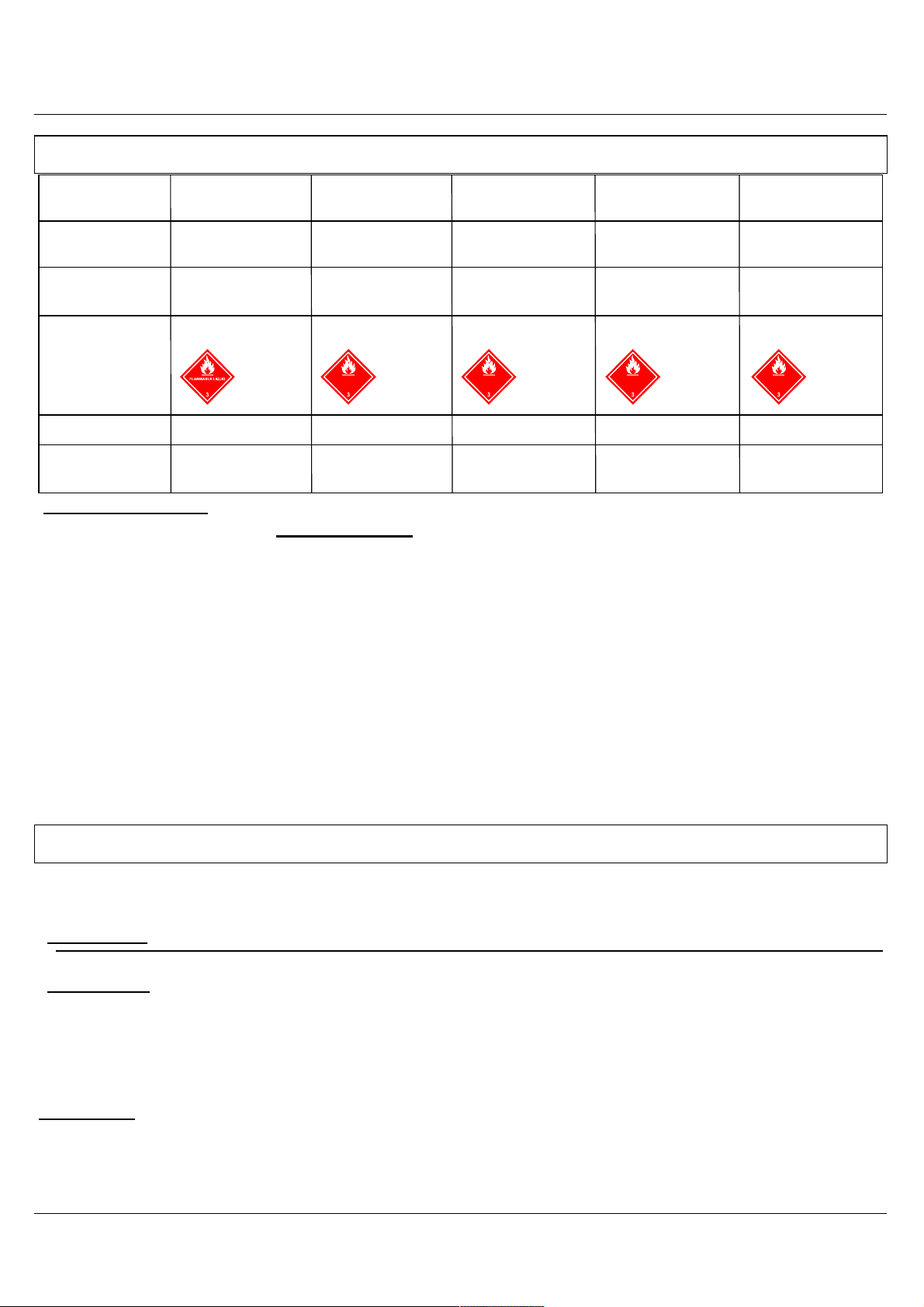
Section 14. Transport information
Special provisions
383
Additional information
Special precautions for user
Transport in bulk according
to Annex II of MARPOL and
the IBC Code
Transport within user’s premises:
always transport in closed containers that are
upright and secure. Ensure that persons transporting the product know what to do in the
event of an accident or spillage.
:
Not available.
:
Product classified as per the following sections of the Transportation of Dangerous
Goods Regulations: 2.18-2.19 (Class 3).
DOT Classification
TDG Classification
:
:
PAINT
3
II
PAINT
3
II
PAINT
UN1263
3
II
UN1263
UN1263
DOT
Classification
IMDG
IATA
UN number
UN proper
shipping name
Transport
hazard class(es)
Packing group
Environmental
hazards
No.
No.
No.
TDG
Classification
UN1263
PAINT
3
II
No.
Mexico
Classification
UN1263
PAINT
3
II
No.
The actual shipping description for this product may vary based several factors including, but not limited to, the volume of
material, size of the container, mode of transport and use of exemptions or exceptions found in the applicable regulations.
The information provided in Section 14 is one possible shipping description for this product. Consult your shipping
specialist or supplier for appropriate assignment information.
Section 15. Regulatory information
Clean Air Act Section 112
(b) Hazardous Air
Pollutants (HAPs)
:
Listed
SARA 304 RQ
SARA 304 RQ
:
876116978.8 lbs / 397757108.4 kg [78415157.9 gal / 296833663 L]
Inventory list
Canada
:
At least one component is not listed in DSL but all such components are listed in NDSL.
United States
:
Not determined.
SARA 311/312
Classification
:
FLAMMABLE LIQUIDS - Category 2
SKIN SENSITIZATION - Category 1
CARCINOGENICITY - Category 2
SPECIFIC TARGET ORGAN TOXICITY (SINGLE EXPOSURE) (Narcotic effects) Category 3
Date of issue : 2/18/2020
Version : 1
12/14
Page 13
Matterhorn White
AF3502
ENGLISH
US :
Section 16. Other information
History
Date of issue
Version
This product is intended for industrial use only.
Safety Data Sheet (SDS) content is believed to be accurate as of its issue date, but is subject to change as new
information is received by Axalta Coatings Systems, LLC or any of its subsidiaries or affiliates (Axalta). This
SDS may incorporate information that has been provided to Axalta by its suppliers. Users should ensure that
they are referring to the most current version of the SDS. Users are responsible for following the precautions
identified in this SDS. It is the users’ responsibility to comply with all laws and regulations applicable to the safe
handling, use, and disposal of the product.
Users of Axalta products should read all relevant product information prior to use, and make their own
determination as to the suitability of the products for their intended use. Except as otherwise required by
applicable law, AXALTA MAKES NO WARRANTIES, EXPRESSED OR IMPLIED, INCLUDING BUT NOT LIMITED TO,
ANY IMPLIED WARRANTY OF MERCHANTABILITY OR FITNESS FOR A PARTICULAR PURPOSE. The
Notice to reader
:
:
Indicates information that has changed from previously issued version.
Key to abbreviations
:
ATE = Acute Toxicity Estimate
GHS = Globally Harmonized System of Classification and Labelling of Chemicals
IATA = International Air Transport Association
IBC = Intermediate Bulk Container
IMDG = International Maritime Dangerous Goods
LogPow = logarithm of the octanol/water partition coefficient
MARPOL = International Convention for the Prevention of Pollution From Ships, 1973
as modified by the Protocol of 1978. ("Marpol" = marine pollution)
UN = United Nations
2/18/2020
1
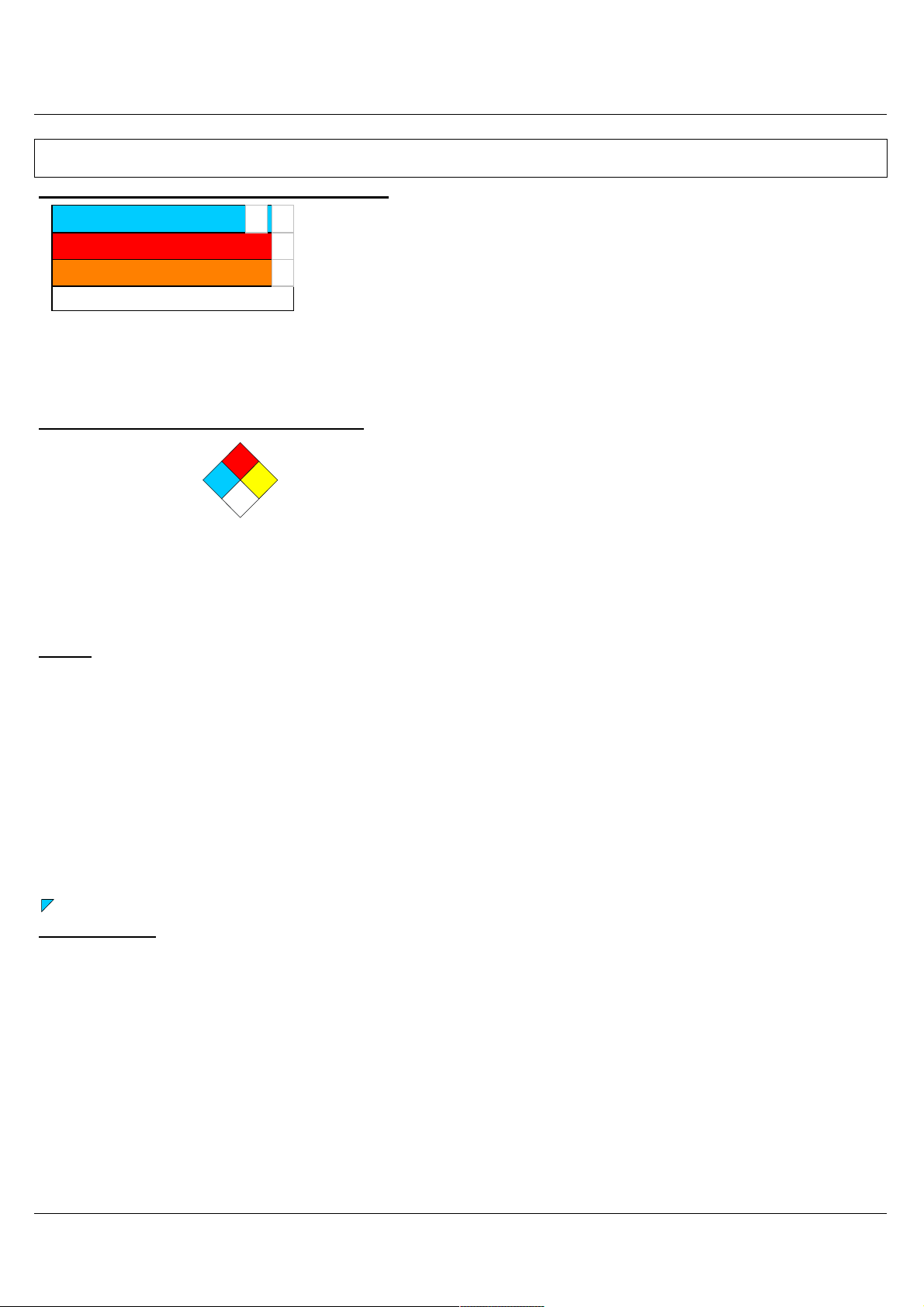
Hazardous Material Information System (U.S.A.)
2
3
0
042
*
National Fire Protection Association (U.S.A.)
Health
Special
Instability/Reactivity
Flammability
Health
Flammability
Physical hazards
Caution: HMIS® ratings are based on a 0-4 rating scale, with 0 representing minimal hazards or risks, and 4 representing significant hazards
or risks. Although HMIS® ratings and the associated label are not required on SDSs or products leaving a facility under 29 CFR 1910.1200, the
preparer may choose to provide them. HMIS® ratings are to be used with a fully implemented HMIS® program. HMIS® is a registered
trademark and service mark of the American Coatings Association, Inc.
The customer is responsible for determining the PPE code for this material. For more information on HMIS® Personal Protective Equipment
(PPE) codes, consult the HMIS® Implementation Manual.
Reprinted with permission from NFPA 704-2001, Identification of the Hazards of Materials for Emergency Response Copyright ©1997, National
Fire Protection Association, Quincy, MA 02269. This reprinted material is not the complete and official position of the National Fire Protection
Association, on the referenced subject which is represented only by the standard in its entirety.
Copyright ©2001, National Fire Protection Association, Quincy, MA 02269. This warning system is intended to be interpreted and applied only
by properly trained individuals to identify fire, health and reactivity hazards of chemicals. The user is referred to certain limited number of
chemicals with recommended classifications in NFPA 49 and NFPA 325, which would be used as a guideline only. Whether the chemicals are
classified by NFPA or not, anyone using the 704 systems to classify chemicals does so at their own risk.
Product stewardship and regulatory compliance.
Date of issue : 2/18/2020
Version : 1
13/14
Page 14

Matterhorn White
AF3502
ENGLISH
US :
Section 16. Other information
information on this SDS relates only to the specific product identified in Section 1, Identification, and does not
relate to its possible use in combination with any other material or in any specific process. If this product is to
be used in combination with other products, Axalta encourages you to read and understand the SDS for all
products prior to use.
© 2018 Axalta Coating Systems, LLC and all affiliates. All rights reserved. Copies may be made only for those
using Axalta Coating Systems products.
Date of issue : 2/18/2020
Version : 1
14/14
 Loading...