

Page 1
Instruction Manual
Dia
Page 2

2
Page 3

3
Thank you for choosing Audicus!
We are excited for you to experience our hearing aids.
If you have any questions, feel free to contact us at
888-979-6918 or [email protected].
Page 4

4
Introduction 5 Cleaning 25
Overview 6 Maintenance and Use 27
What’s Inside 7 Technical Information 30
Batteries 9 Returns and Warranty 31
On/Off 14 Serial Identification 32
Standby Mode 15 FDA Information 33
Wearing the Hearing Aid 16 Warnings and Side Effects 36
Memory Programs 24 Contact Us 38
Contents
Page 5

5
Introduction
The Dia is a state-of-the-art digital hearing aid. It has:
1. Superior sound quality
2. Feedback and noise reduction
3. Speech filtration
4. Sleek, award-winning design
5. Comfortable, adjustable fit
The Dia is programmed based on your personal hearing loss and customized
with four memory programs. In addition, its auto-adapt feature allows it
to automatically acclimate to your hearing environment. With the optional
remote control, you can have additional volume options.
Page 6
6
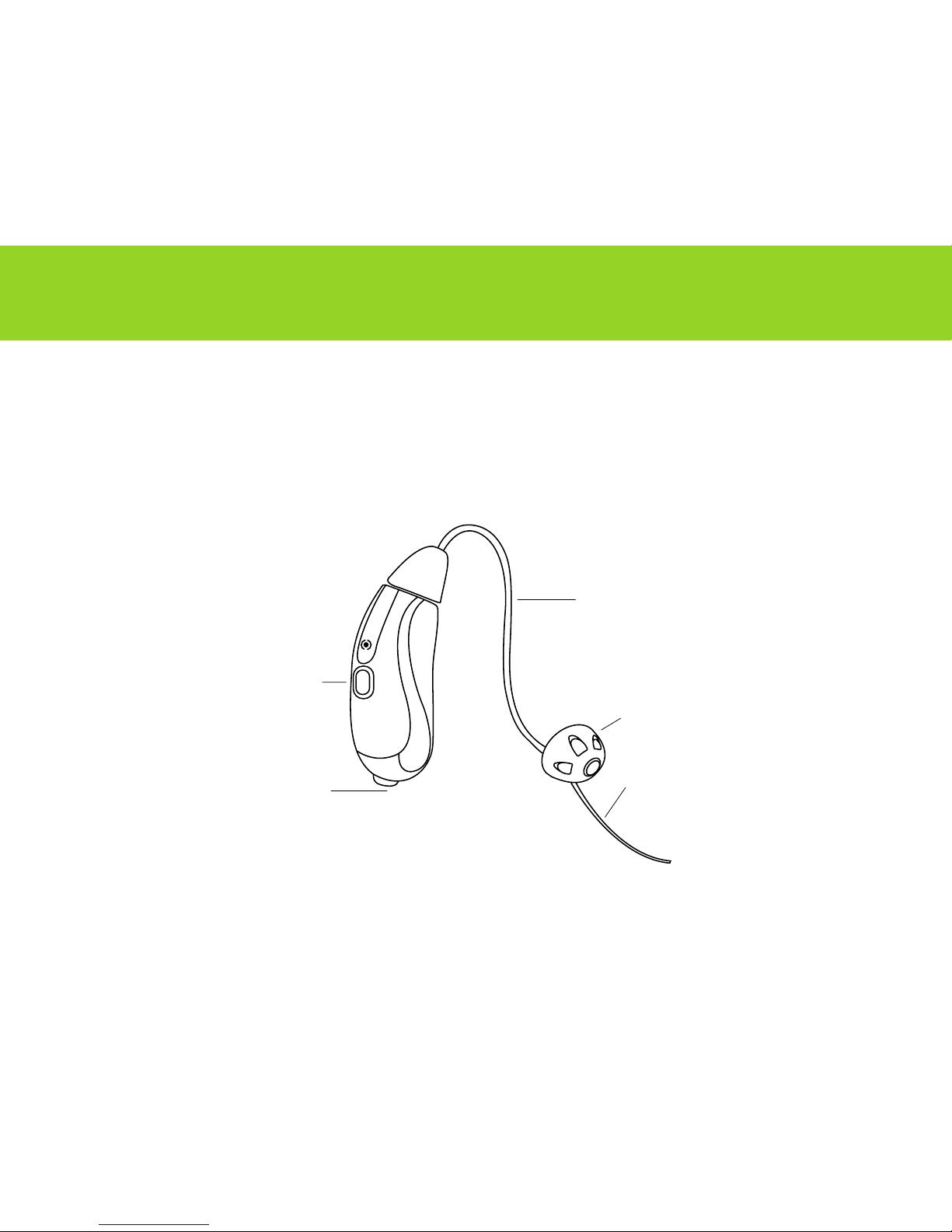
Overview
Push
Button
Battery
Compartment
Tube
Dome
Retention
Guard
Dia
Page 7
7
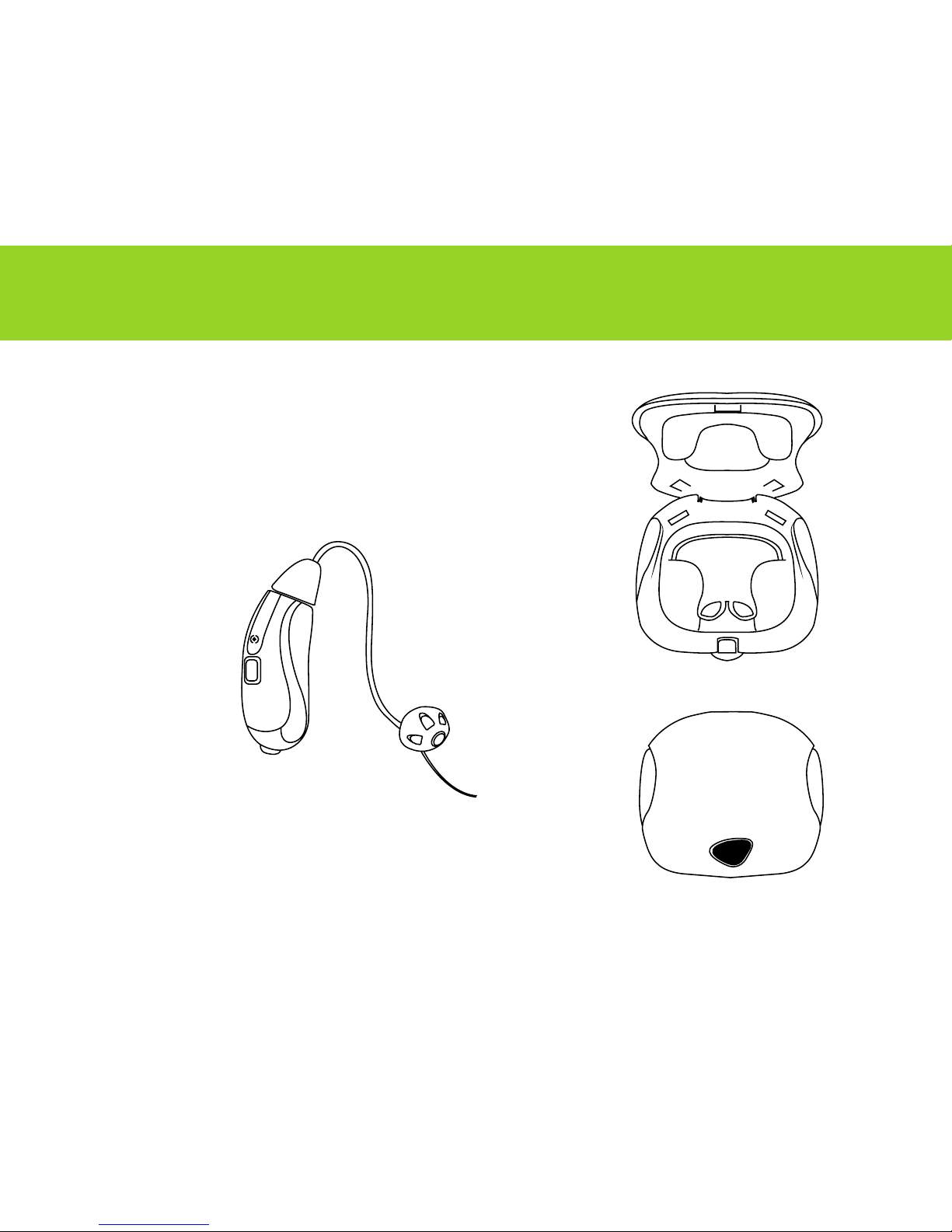
Clam Shell
(Closed)
Dia
Clam Shell
(Opened)
Hearing Aid
What’s Inside?
Page 8
8
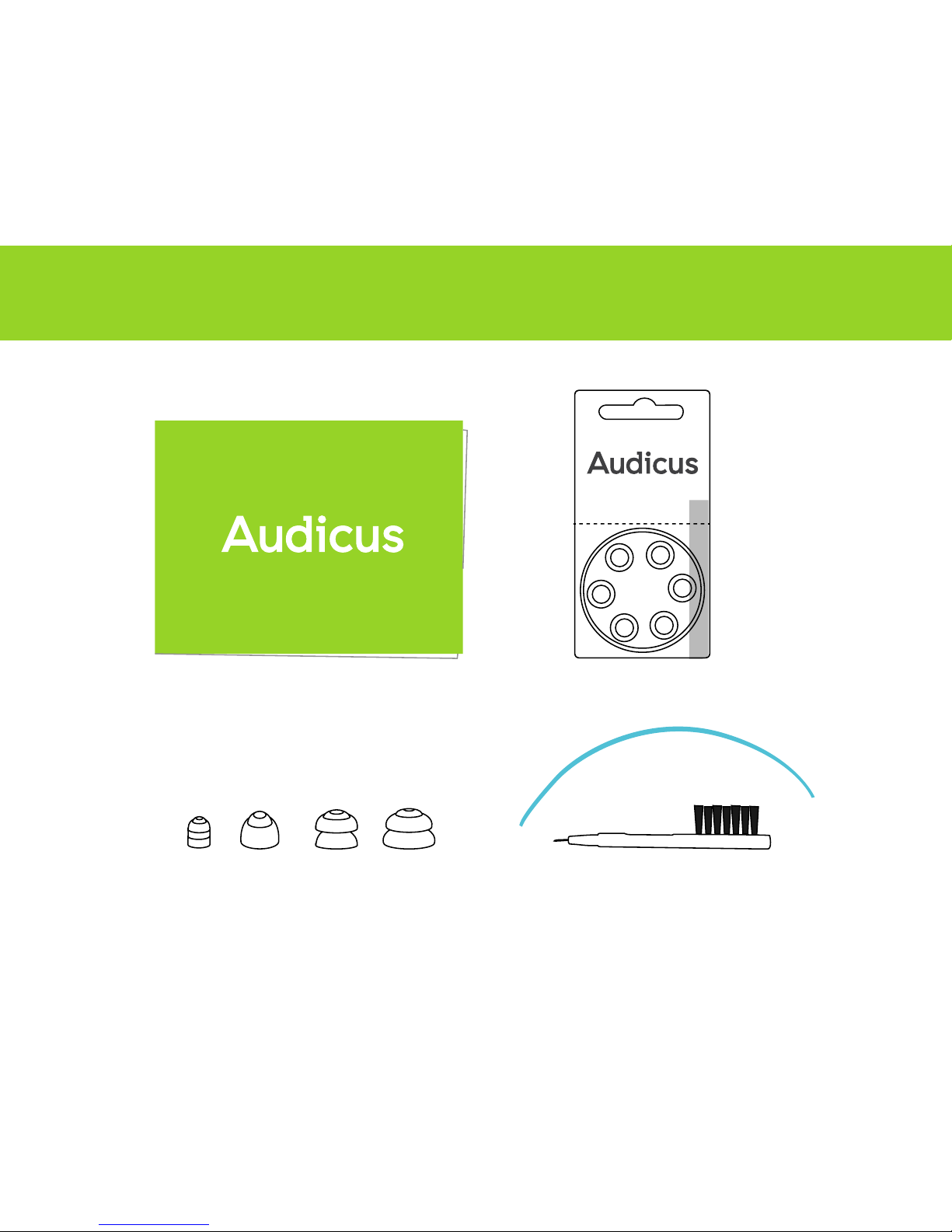
What’s Inside?
Manual Size 312 Batteries
Cleaning Wire and BrushEar Domes
Instruction Manual
Dia
Page 9
9
Battery Compartment
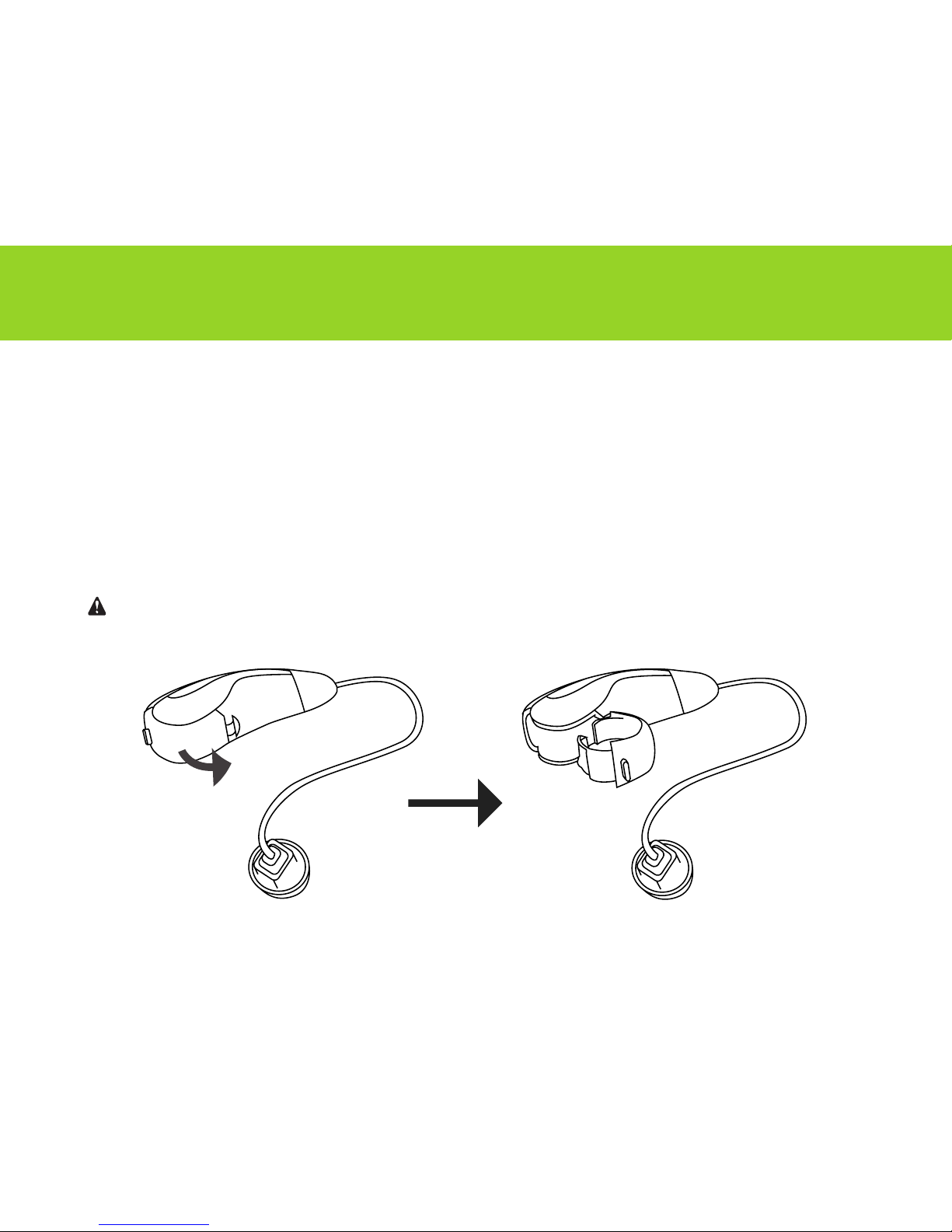
The battery compartment is located at the back of the hearing aid, as indicated below. Gently pull the tab on the battery door until it opens.
Inserting the Battery
1. Open the battery compartment.
When opening and closing the battery door you should never have to
exert force.
Batteries
Page 10
10
Batteries
Inserting the Battery
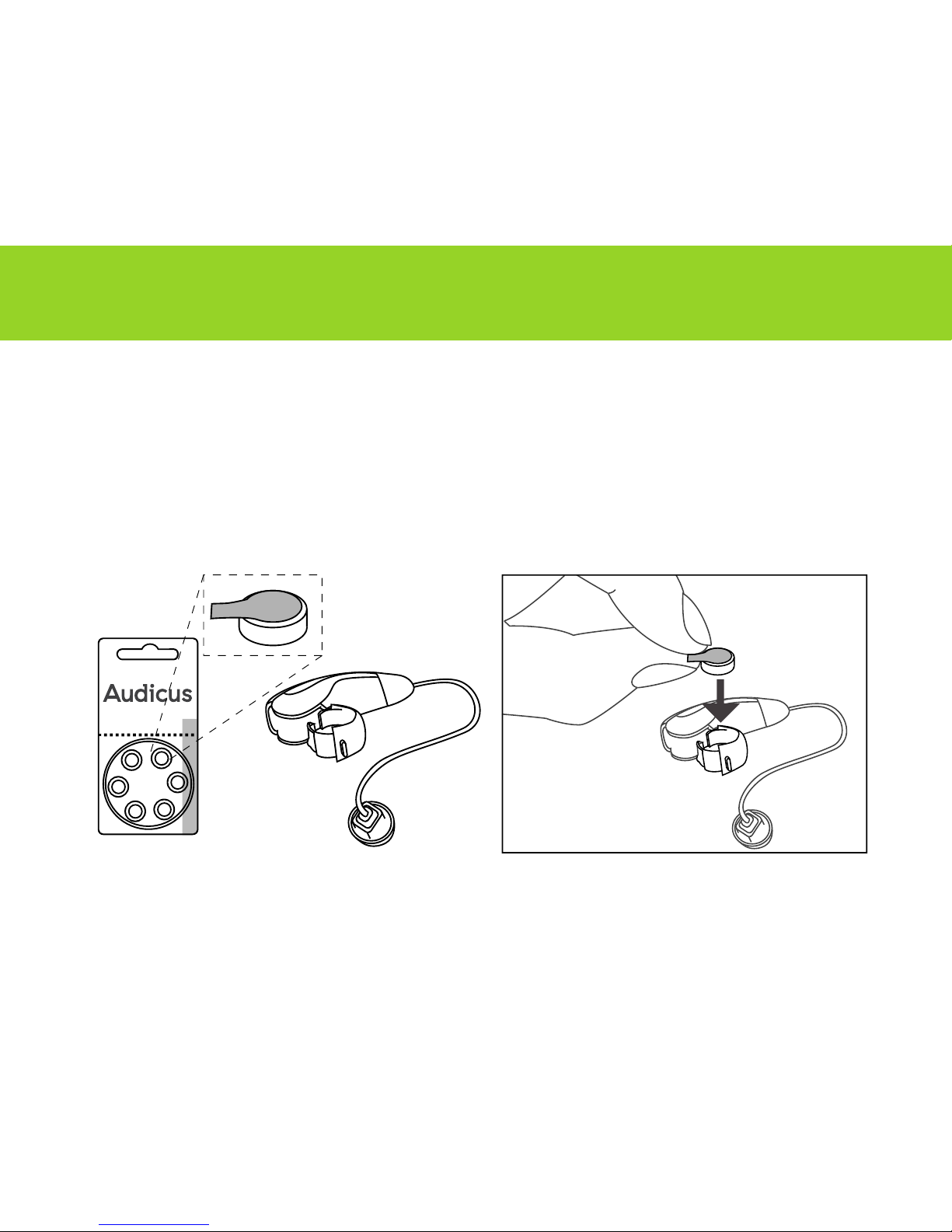
2. The Dia uses size 312 batteries, which can last up to 200 hours. Place battery
into battery compartment, with the sticker facing up.
Page 11
11
Inserting the Battery
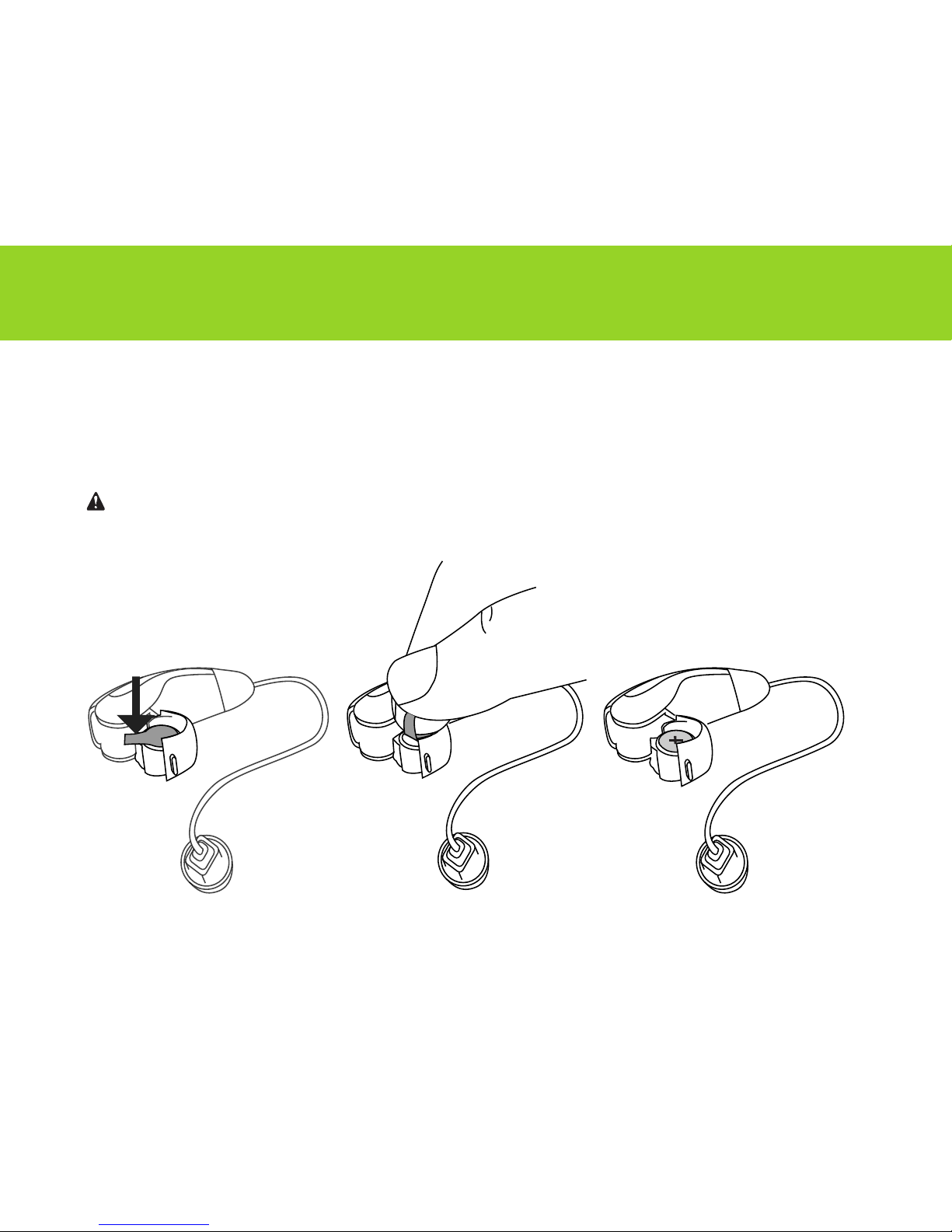
3. Peel off the sticker from the new battery. This activates the battery.
Please wait a few minutes for battery to develop full output.
Batteries
Peel off the Sticker
Peel off the sticker
Page 12
12
Batteries
Inserting the Battery
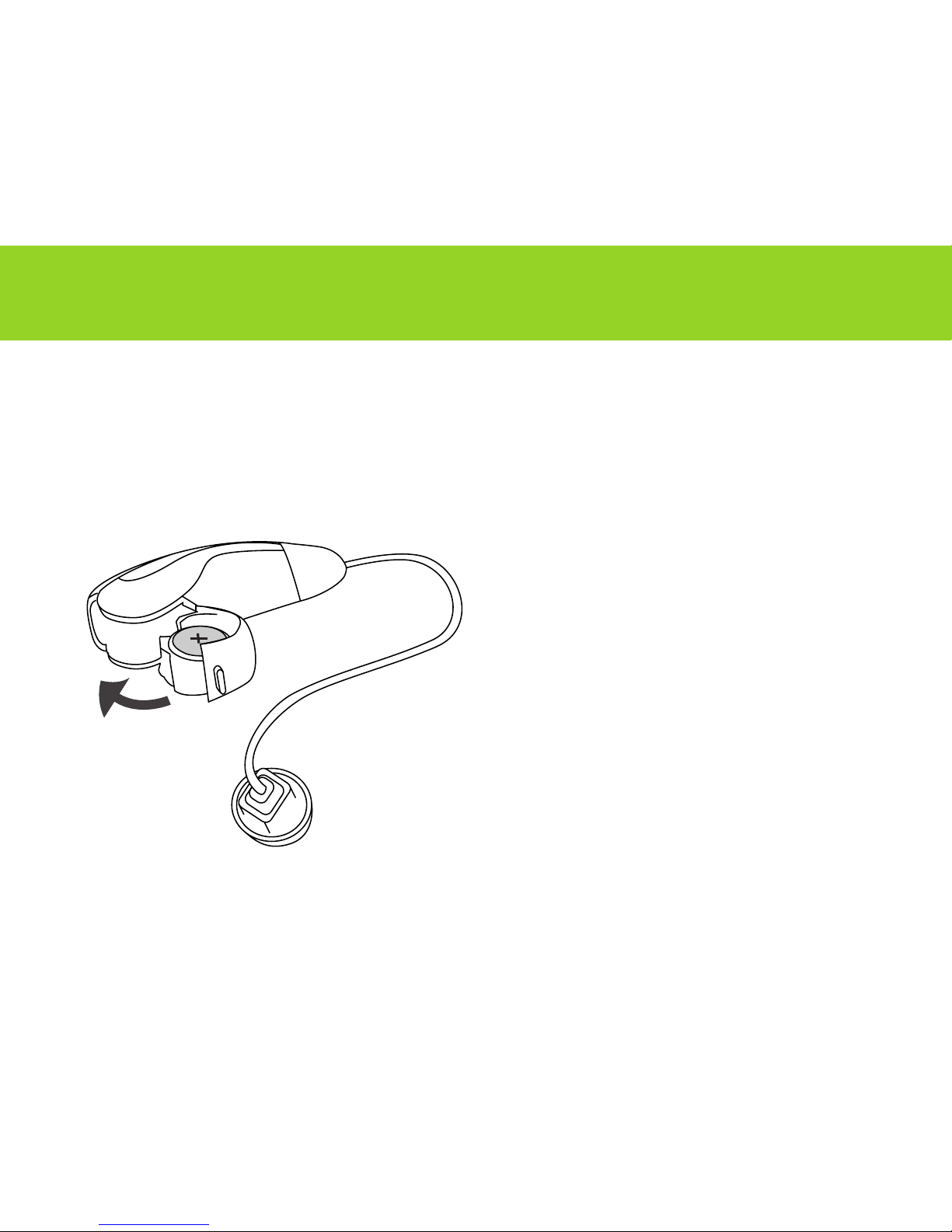
4. Close the battery compartment
completely. Your hearing aid
should now be switched ON.
Battery Use
When you are not using your
hearing aid (e.g. when you go to
sleep) we recommend opening the
battery compartment completely
to preserve battery power. Leaking
batteries damage the aid.
Please remove batteries when the
hearing aids are not in use for a
prolonged period of time.
Low Battery Warning
When your battery runs low, the
hearing aid will emit multiple continuous beeps.
Page 13

13
Batteries
Battery Safety
Batteries contain harmful substances
that pollute the environment:
• Do not dispose of batteries in
household trash.
• Dispose of batteries according to
federal and local regulations.
• Never attempt to recharge
batteries that are not
rechargeable as this could result
in an explosion.
• Keep batteries away from sources
of high temperature.
• Keep batteries away from
children and pets.
• Do not carry batteries loose in
your pocket or purse.
• Do not place batteries in your
mouth; if swallowed, consult a
physician.
Page 14
14
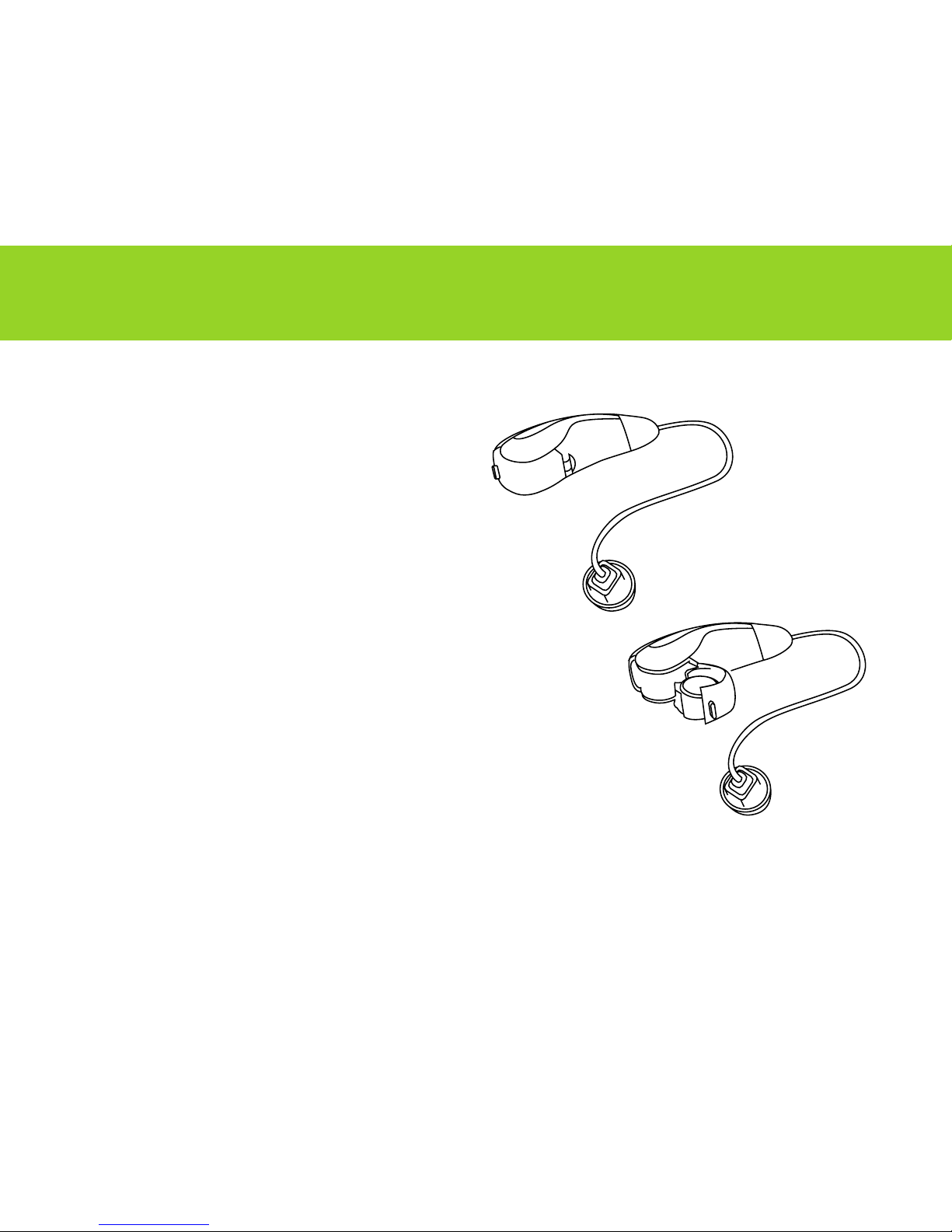
On/O
Switching Your Hearing aid
ON / OFF
The Dia can be switched “ON”
or “OFF” through its battery
compartment. When the battery
door is closed, the hearing aid is
switched “ON.”
When the battery door is fully open,
the hearing aid is “OFF.”
When the hearing aid is not in use,
we recommend opening the battery
compartment in order to preserve
battery power.
“Off”
“On”
Page 15

15
Standby Mode
Standby Mode
The standby mode is another way of
deactivating your hearing aid.
Just press the push button for more
than four seconds until the hearing
aid goes into standby.
To re-activate the hearing aid, simply
hold the push button for more than
four seconds.
Hold for 4 seconds or more!
Note: The battery can still be
drained while on standby mode.
Open the battery door to turn the
hearing aid off.
Page 16
16
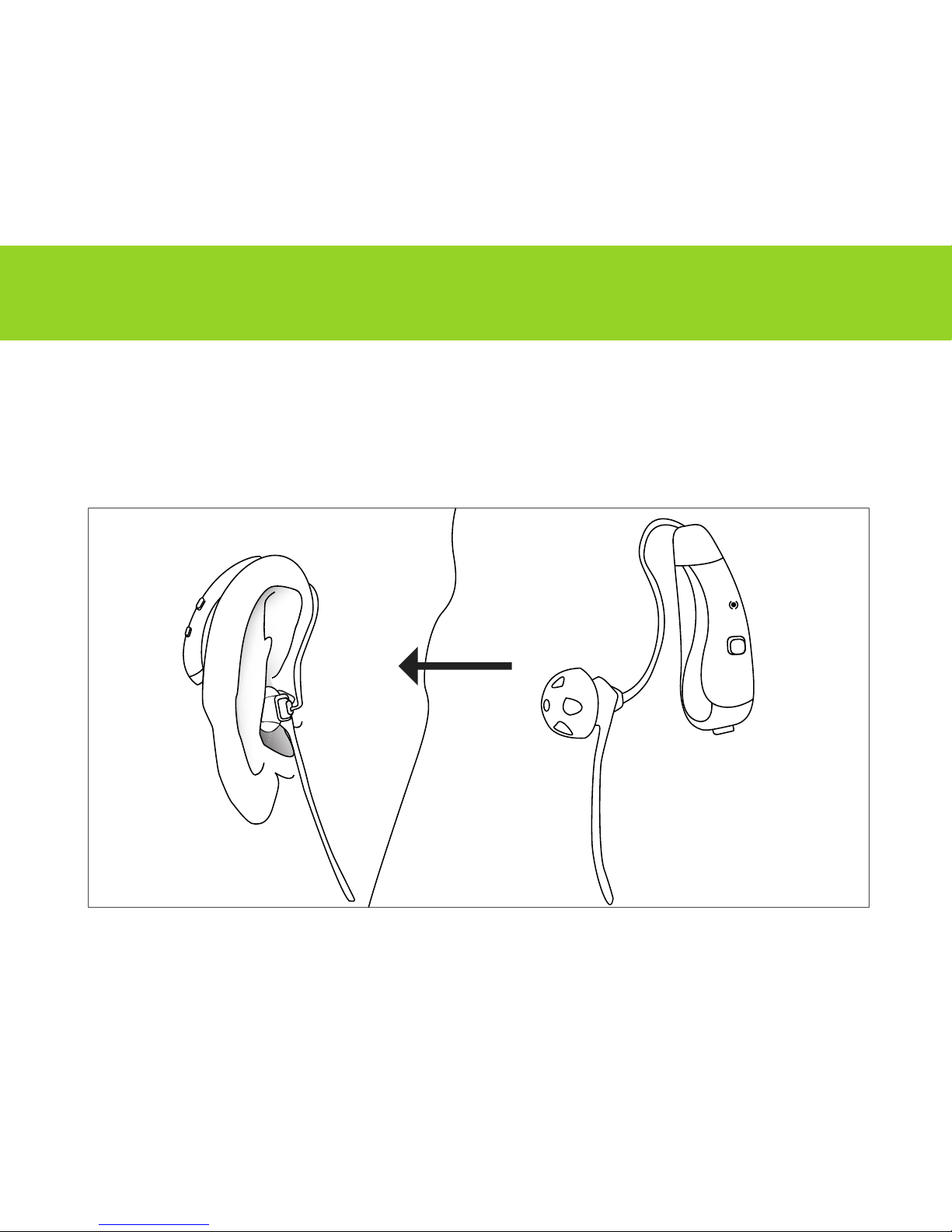
The Dia can be inserted in 3 easy steps:
1. Place the hearing aid over the top of your ear, so that the hard casing is
behind your ear and the tube is in front.
Wearing the Hearing Aid
Page 17
17
Wearing the Hearing Aid
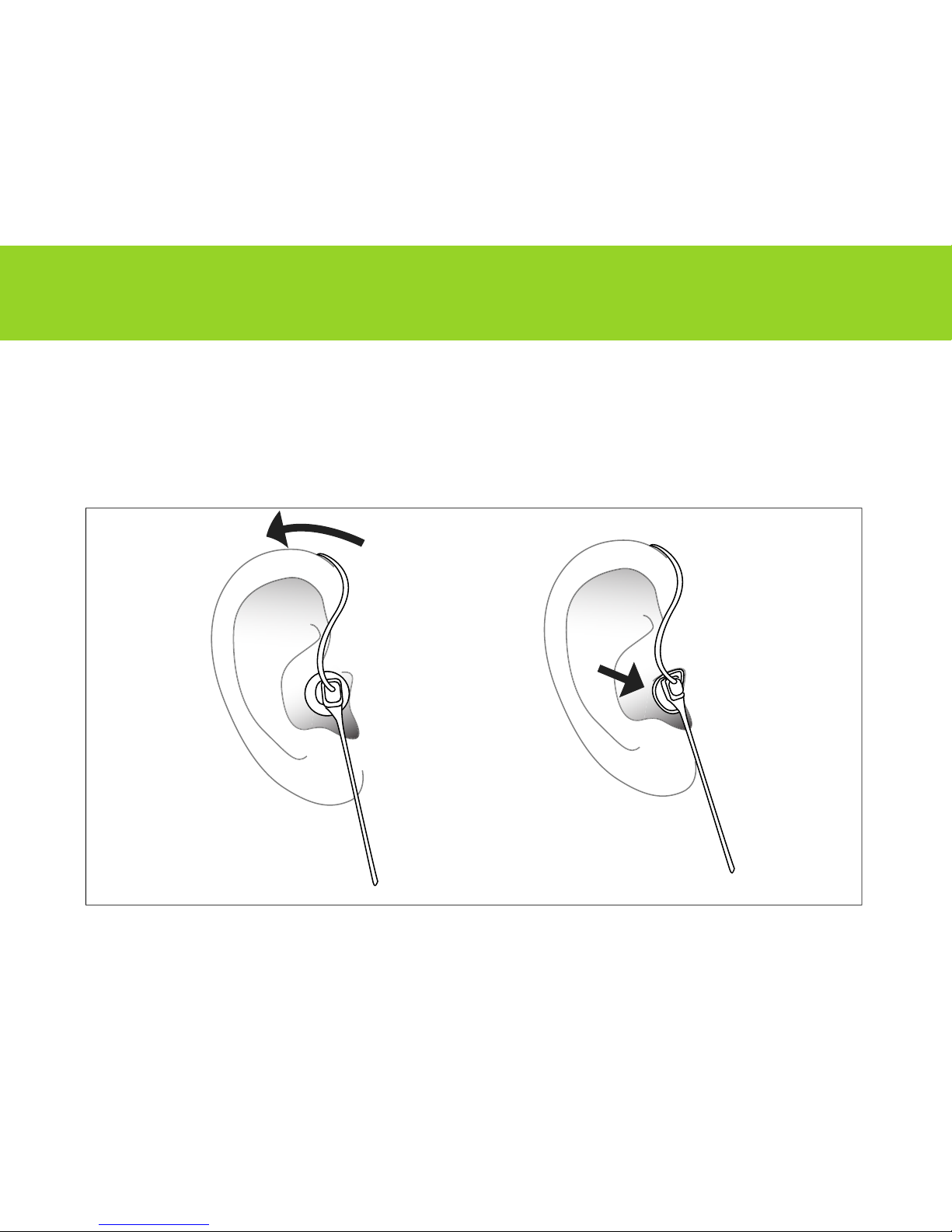
2. Push the ear dome into your ear until it sits comfortably in the canal and
the tube lies flat against the side of your head. The ear dome should be
just inside the ear canal. You should not see it if placed correctly.
Page 18
18
Wearing the Hearing Aid
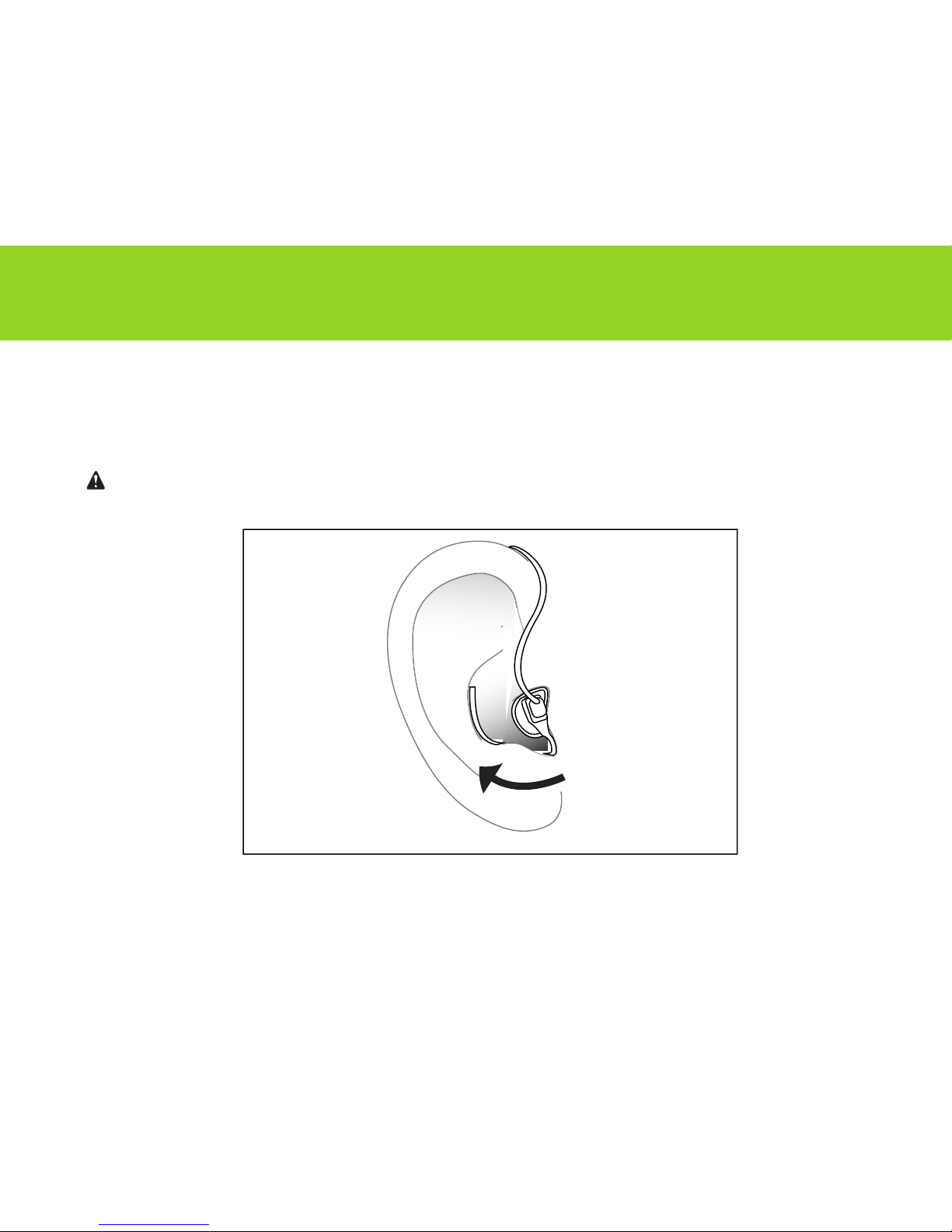
3. Place the retention guard of the tube into the bowl of your outer
ear. If the retention guard is too long, trim off enough of the tail so that it
remains in your earbowl, in place. The retention guard provides stability.
The retention guard can be shaped to your bowl by bending the tail.
Use your fingers to mold the tail into the shape of your bowl.
To remove your hearing aid, hold the tube and gently pull the ear dome out
of your ear canal.
Tuck in the
Retention Guard
Page 19

19
Wearing the Hearing Aid
Considerations
Handle your hearing aid with care when placing it in your ear. If it does not
feel comfortable, do not attempt to alter the shape of the tube or casing.
Always wear the tube with the ear dome fully attached.
Do not use broken ear domes. If an ear dome becomes lodged in your ear,
contact a medical professional for removal. If you feel physical discomfort or
experience irritation, contact Audicus and/or a hearing professional.
Page 20
20
Wearing the Hearing Aid
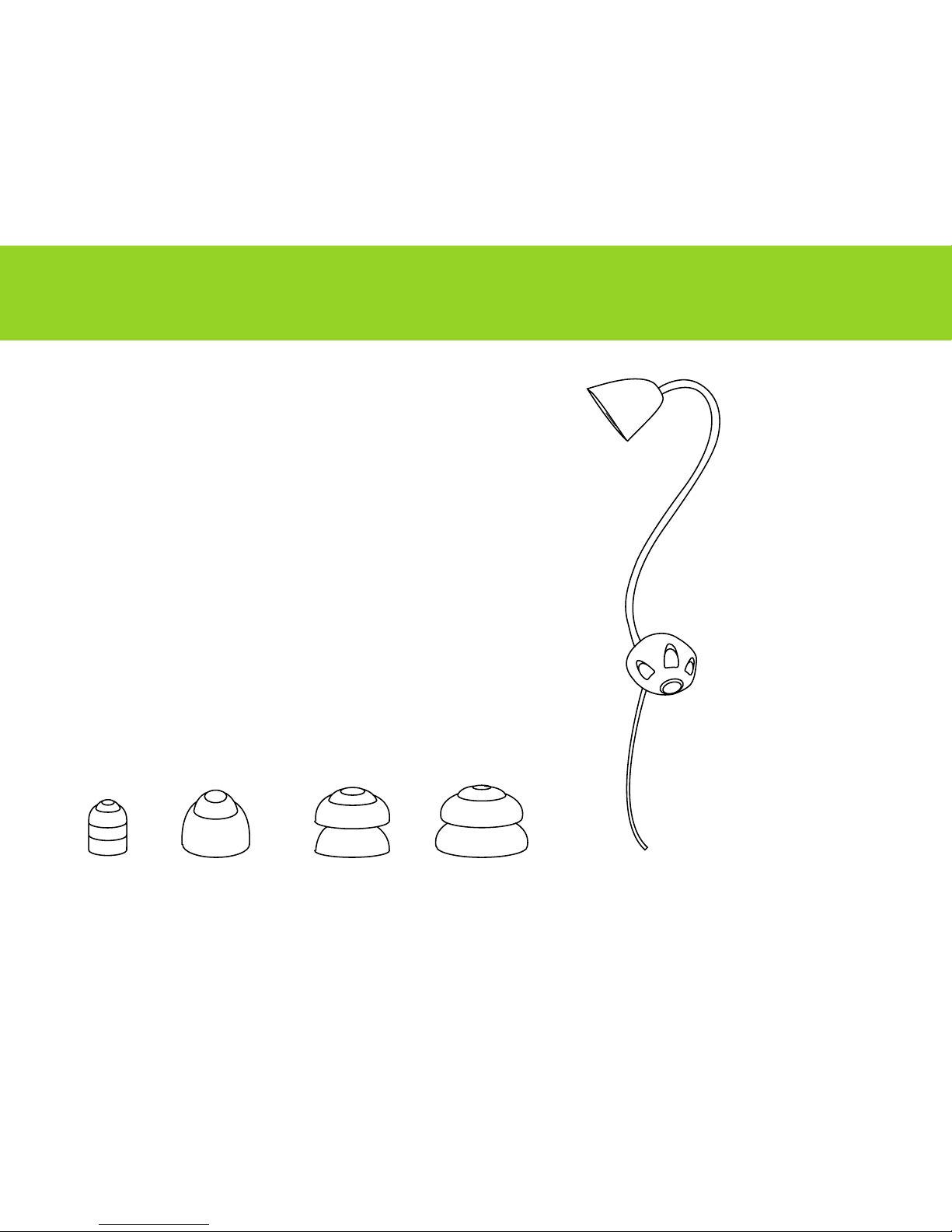
Tubes and Ear domes
At some point you will have to
replace the tubes and ear domes of
your hearing aid. Replacement varies
by user, but typically you should
replace them every 2-3 months.
You can purchase replacement tubes
and ear domes from
www.audicus.com.
Page 21
21
Wearing the Hearing Aid
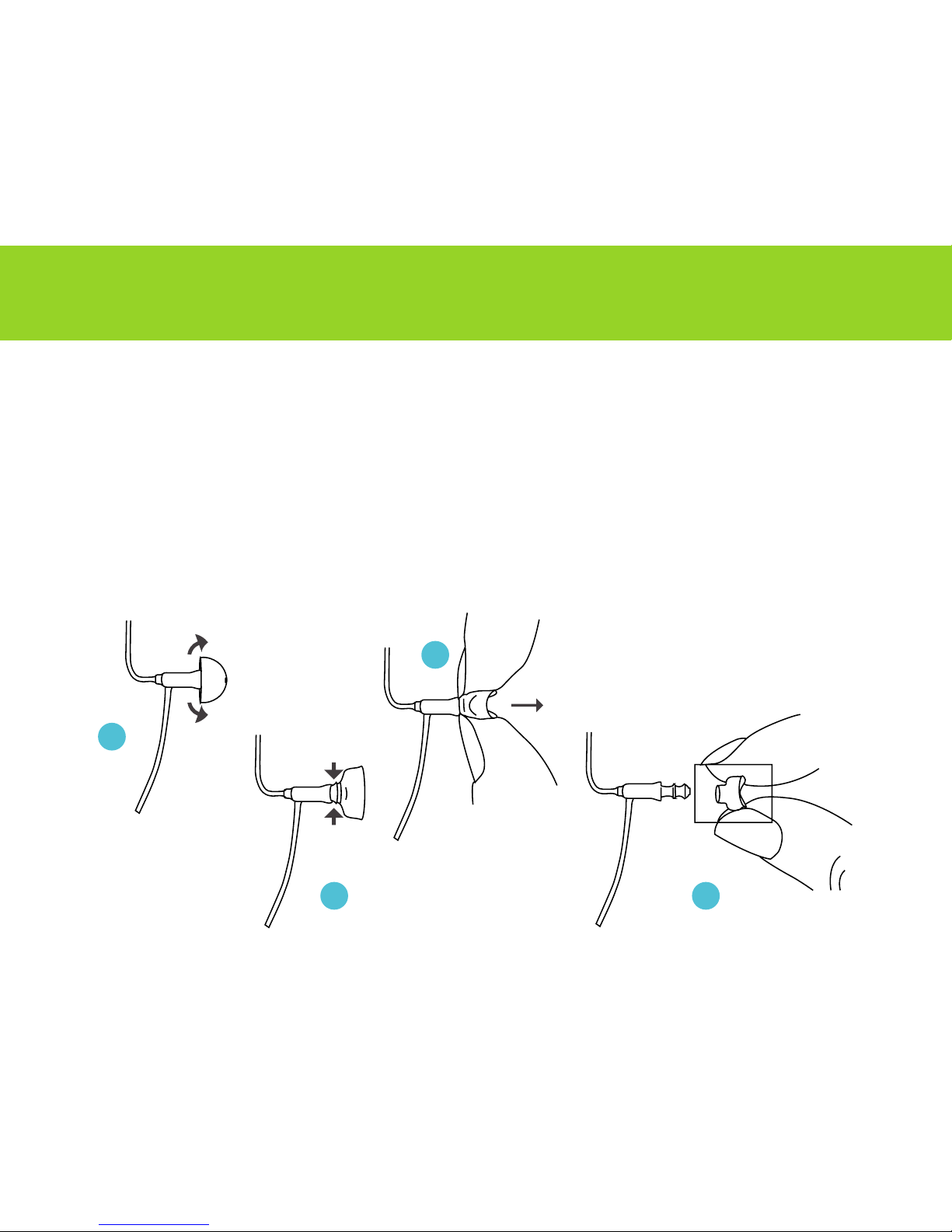
To Remove the Ear Dome:
To remove the ear dome, pull it off the tube. The ear dome is elastic; it may
slightly stretch when removed, but should return to its original shape.
1
2
3
4
Pinch where dome
meets the end of
the tube
Gently Pull
Flip the dome
Pull with some force
Page 22
22
Wearing the Hearing Aid
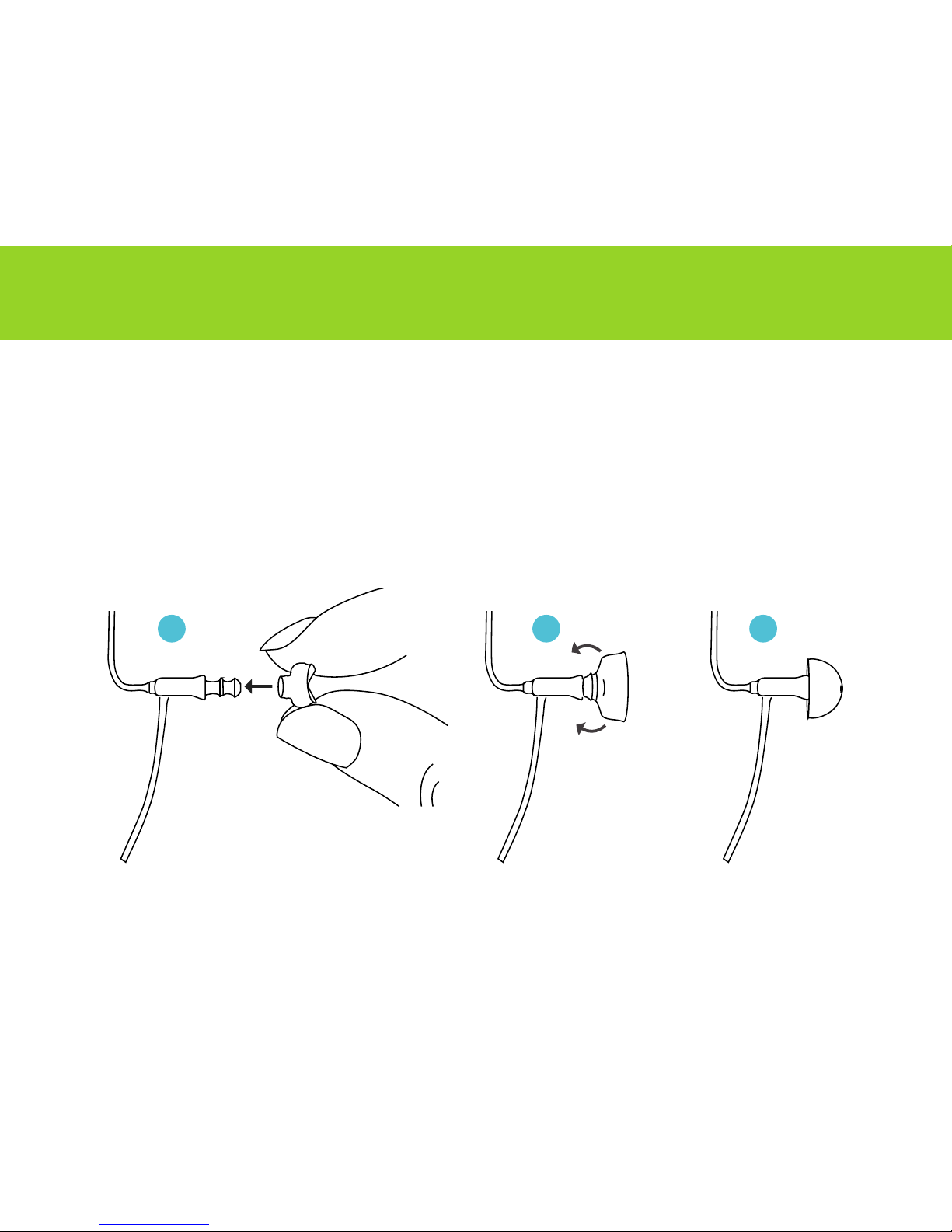
To Attach the Ear Dome:
Place a new ear dome on the tube by pressing it over the ribbed end portion
of the tube. Make sure that the ear dome is securely fastened onto the tube.
You should be able to tug it slightly without removing it.
1
2 3
Page 23
23
Wearing the Hearing Aid
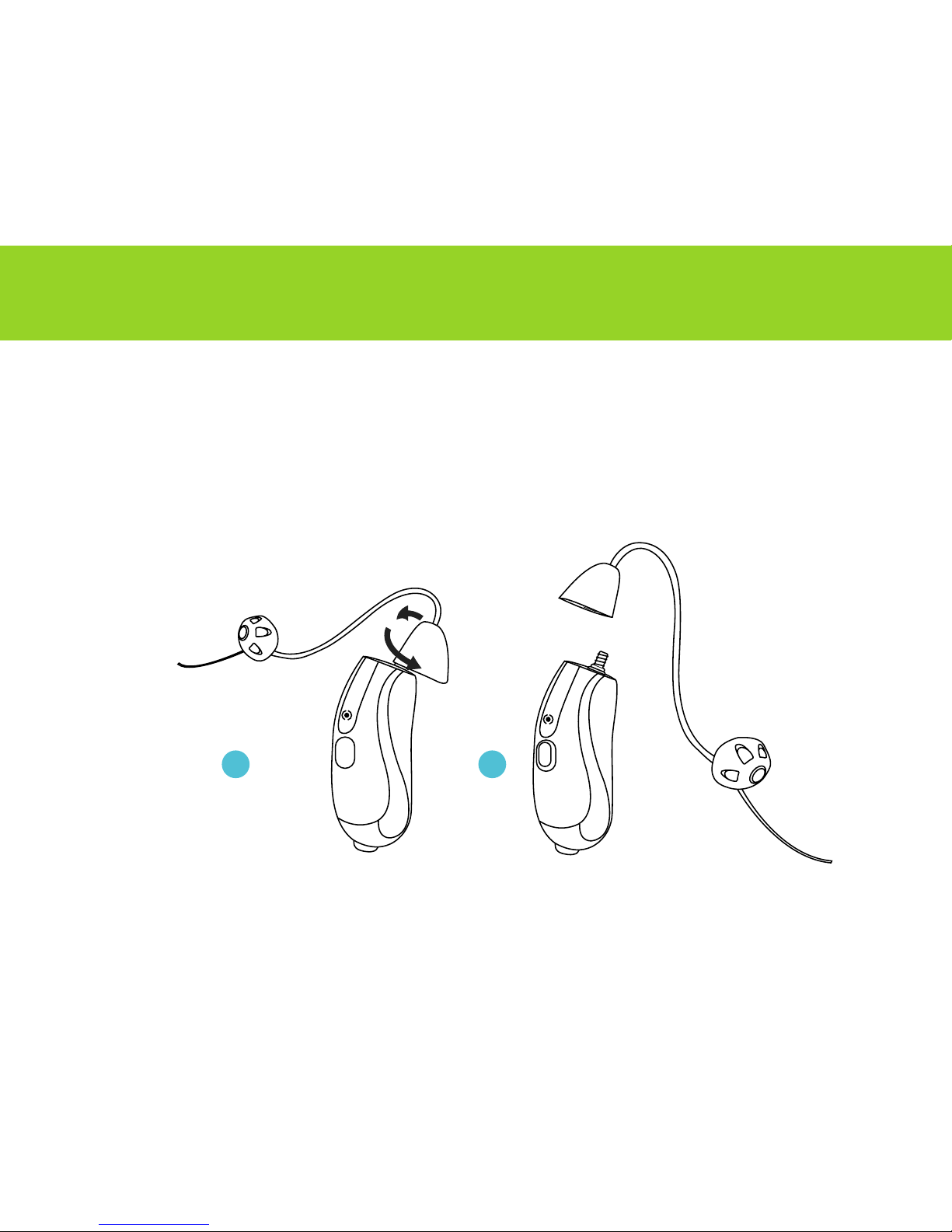
To Remove/Attach Tube:
Unscrew the old tube from your hearing aid by rotating the tube
counterclockwise. To attach the tube, rotate it in clockwise.
1
2
Twist the tube
counterclockwise
Page 24
24
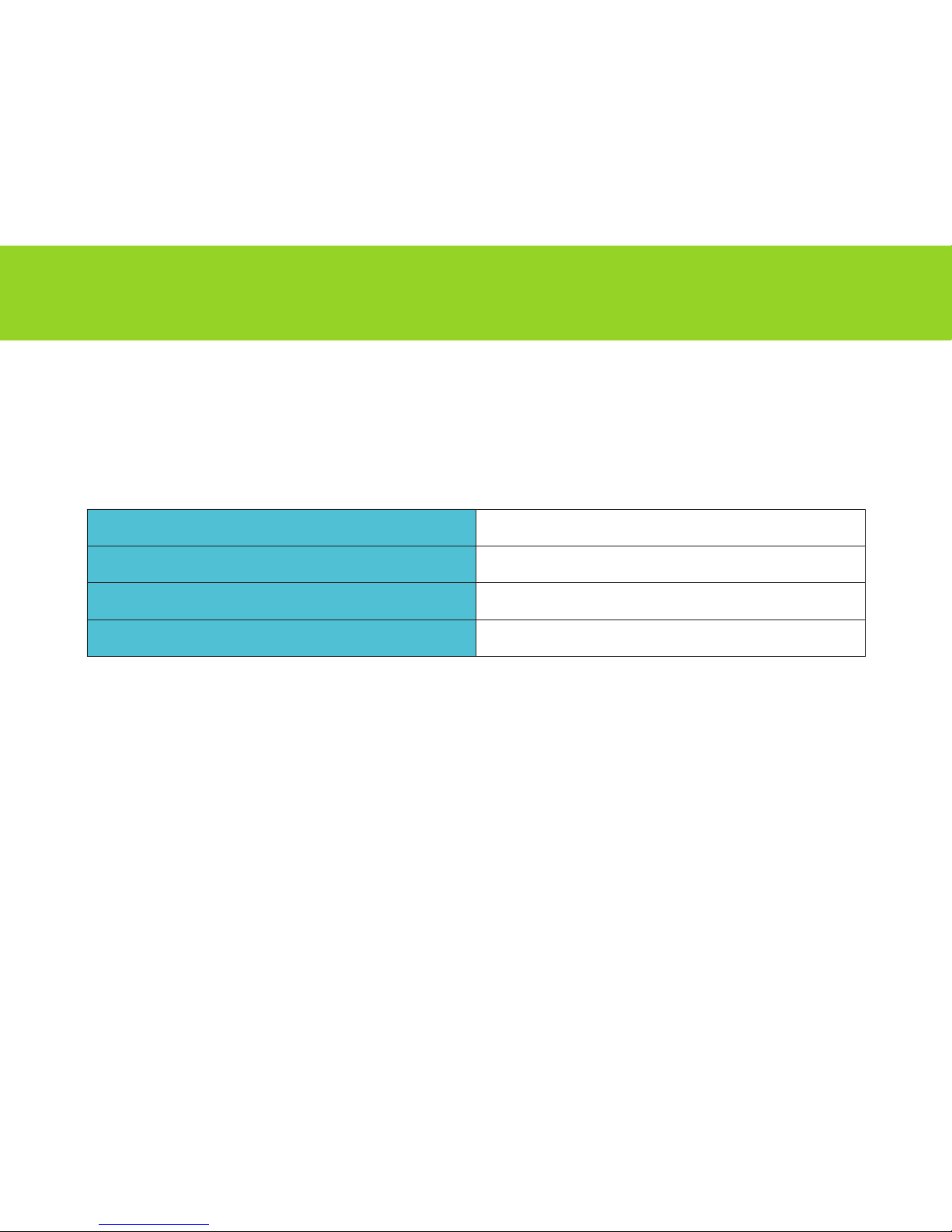
Memory Programs
The Dia comes with 4 memory programs for different listening environments.
These can be selected by pressing the button on the hearing aid or with the
optional remote control:
Program 1
Normal situations
Program 2
Normal situations + 1 volume
Program 3
Normal situations + 2 volume
Program 4
Situations with background noise
Page 25
25
Cleaning
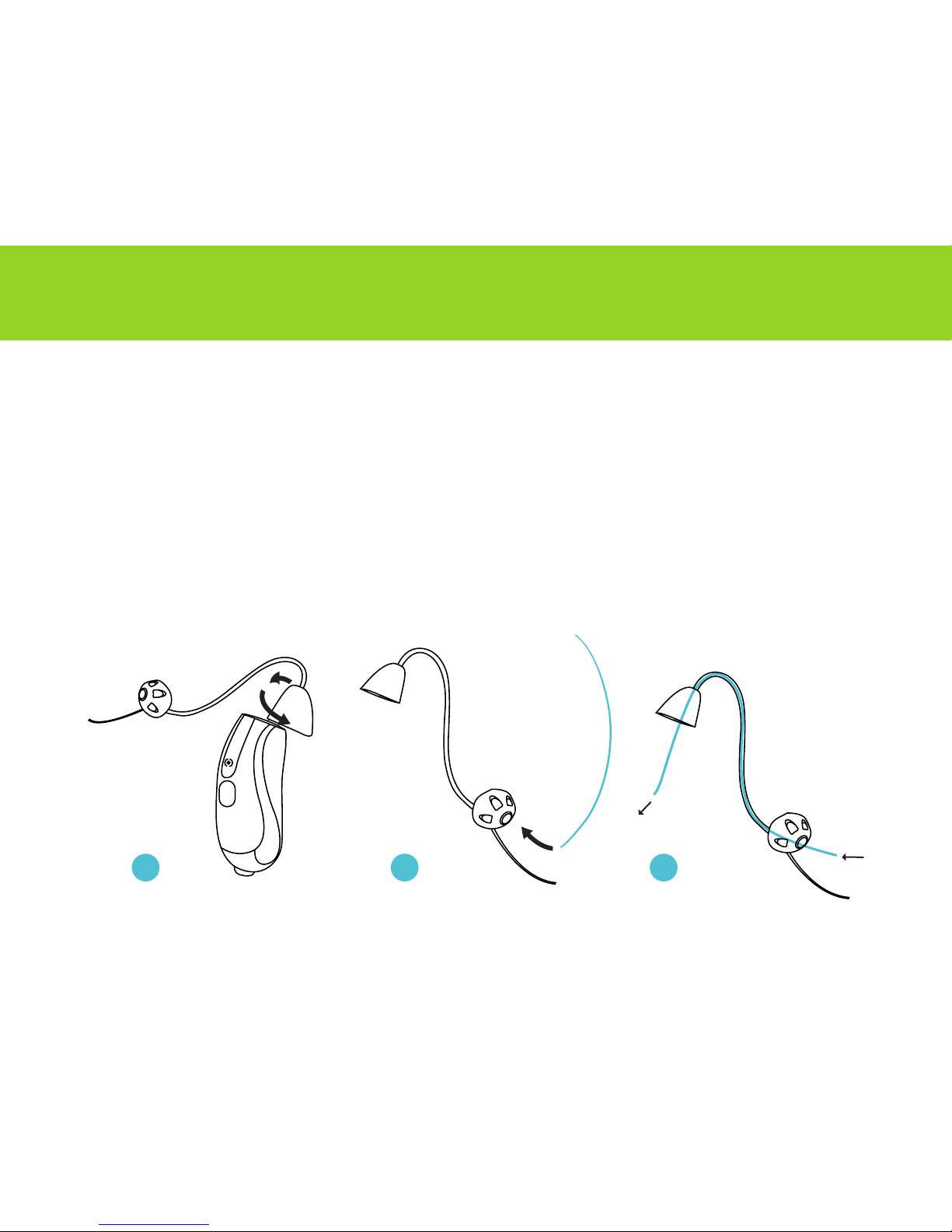
Accumulated earwax in the tube and ear dome will block sound. We highly
recommend cleaning the ear dome and tube regularly to prevent damage
and health problems.
Unscrew the tube from the hearing aid, then clean the tube and ear dome
on the outside with a dry cloth. Use the cleaning wire to extract debris out of
the tube. The wire should be inserted through the ear dome and pushed all
the way through the tube and out.
Insert Wire Clear Tube
Remove Tube
1
2
3
Page 26
26
Cleaning
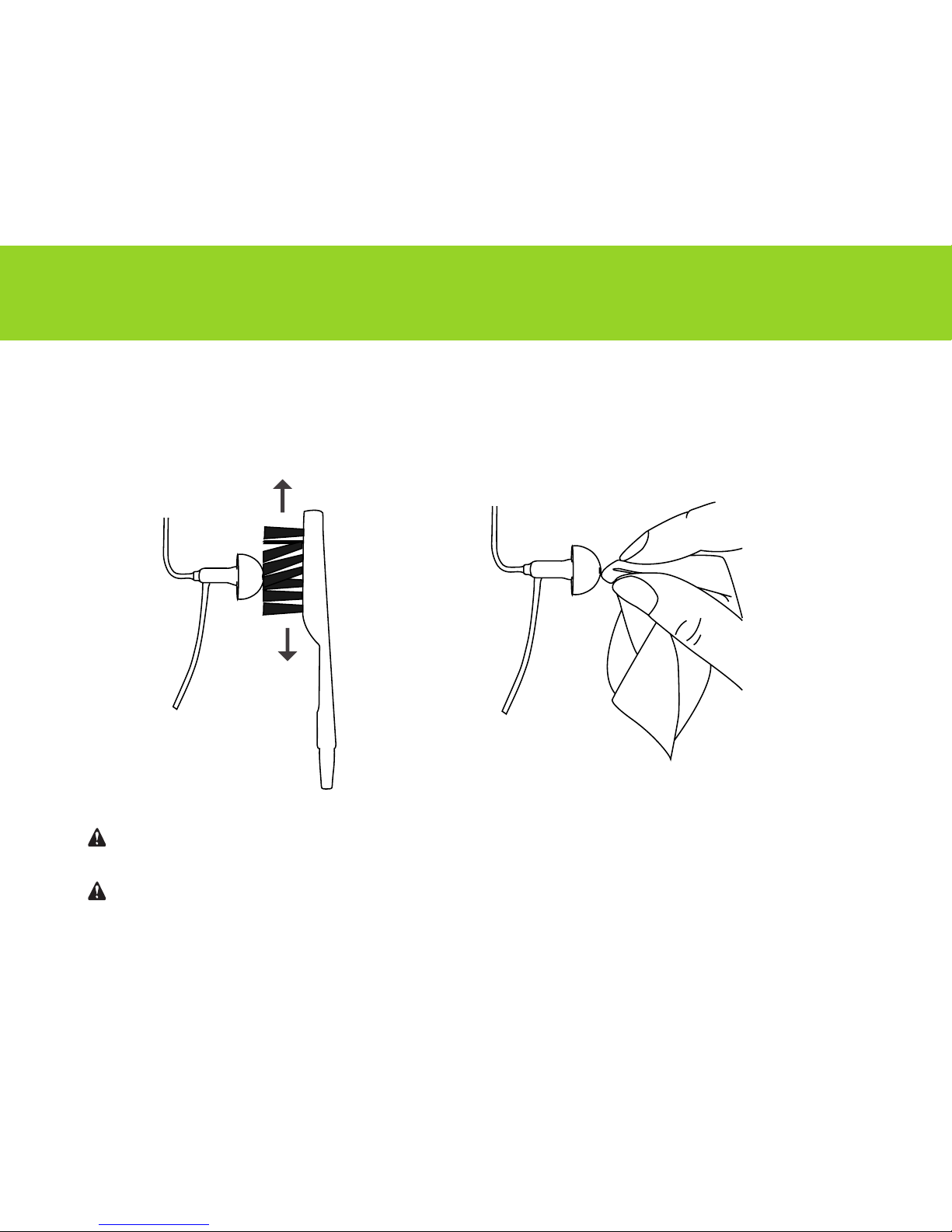
Keep hearing aid dry and clean at all times. Do not submerge it in water
or cleaning solution. Ear domes and tubes should be replaced every 2-3
months due to regular wear and tear.
Never use ear domes worn by someone else or if dirty, torn, or disfigured.
Only use original ear domes and tubes provided by Audicus.
Wipe using a Cloth
Clean using
the Brush
Page 27

27
Use
Your Dia is a very durable hearing
aid, if handled with care. Therefore,
be particularly careful in the
following everyday circumstances:
Moisture
Moisture is one of the main causes
of hearing aid failure. Protect your
device from moisture at all times.
Never wear your hearing aid in
the shower, bath, sauna or while
swimming.
Always keep the hearing aid
protected when out in the rain.
If the hearing aid becomes wet,
remove the battery and ensure the
hearing aid is dry before using it
again.
Never subject your hearing aid to
hairspray, sunscreen, aftershave,
perfume, gel, cream or other
cosmetic/medical products.
In areas of high humidity, periodically
remove the hearing aid and put it in
a warm place to dry out.
Note: Your hearing aid is sensitive to
extreme heat, high humidity, strong
magnetic fields (>0.1T), X-Rays, and
mechanical stress.
Maintenance and Use
Page 28

28
Maintenance and Use
Temperature
Keep your hearing aid away from
sources of high temperature at all
times.
Keep it away from fires, stoves,
heating systems, boilers, or other
heating sources.
Do not wear your hearing aid when
using a hair dryer.
Do no leave your hearing aid
exposed to direct sunlight for an
extended period of time.
Storage
Always remove the battery from
the hearing aid when not in use for
extended periods.
Always store your hearing hearing
aid in its case, in a clean and dry
environment.
Keep your hearing aid away from
children and pets.
Consider a dehumidifier for most
effective storage.
Page 29

29
Maintenance and Use
Other
Do not allow others to use your
instrument.
Do not wear a hearing aid when
conducting an X-ray or MRI scan or
exposed to strong magnetic field,
high frequency field, or shortwaves.
When using cellphone, however,
electromagnetic field effects cannot
be ruled out.
Handle the hearing aid over a flat
surface, such as a table, to avoid
dropping it.
Do not alter or attempt any repairs
on the hearing aid, as it will void
the warranty.
Do not place your hearing aid in the
microwave.
In some countries, restrictions on
the use of wireless equipment may
apply; consult local authorities for
more information.
WARNING: Choking hazard –small
parts.
Page 30

30
Technical Information
The Dia is manufactured by Hansaton Akustik GmbH Germany and distributed in USA by Audicus.
FCC-ID: WU7-WL002BTE
Operating frequencies: Fc = 3.28 MHz
Changes or modifications not expressly approved by the party responsible for compliance could void
the users authority to operate the equipment.
This device complies with Part 15 of the FCC Rules. Operation is subject to the following conditions:
(1) this device may not cause harmful interference, and
(2) this device must accept any interference received, including interference that may cause
undesired operation.
This equipment has been tested and found to comply with the limits for a Class B digital device,
pursuant to Part 15 of the FCC Rules. These limits are designed to provide reasonable protection
against harmful interference in a residential installation. This equipment generates, uses and can radiate
radio frequency energy and, if not installed and used in accordance with the instructions, may cause
harmful interference to radio communications. However, there is no guarantee that interference will not
occur in a particular installation. If this equipment does cause harmful interference to radio or television
reception, which can be determined by turning the equipment off and on, the user is encouraged to try
to correct the interference by one or more of the following measures:
• Reorient or relocate the receiving antenna.
• Increase the separation between the equipment and receiver.
• Connect the equipment into an outlet on a circuit different from that to which the receiver is
connected.
• Consult the dealer or an experienced radio/TV technician for help.
Page 31

31
Returns and Warranty
The Audicus 100% Happiness Guarantee
If for any reason you are not satisfied with your Audicus hearing aid, you may return it within
45 days after ship date for a full refund of the original purchase price.
Note that we will not be able to maintain this guarantee if the hearing aid has been modified, tampered with, damaged or repaired by the user.
Please see the return instructions on the Audicus website.
Manufacturer Warranty
All our hearing aids come with a full 12 month manufacturer guarantee that covers manufacturing defects. The guarantee will not be valid if the hearing aids have been modified or
damaged by the user, or if the serial number has been altered, or if repairs have been made
without the consent and knowledge of Audicus.
If your hearing aid stops functioning correctly and you believe you have a guarantee case,
please see the return instructions on www.audicus.com.
Loss, Damage and Repairs
If you lose or damage your hearing aid, contact us for a discount on your next pair. Also,
feel free to contact us if you think you require repairs on your hearing aid.
Page 32
32
Serial Identification
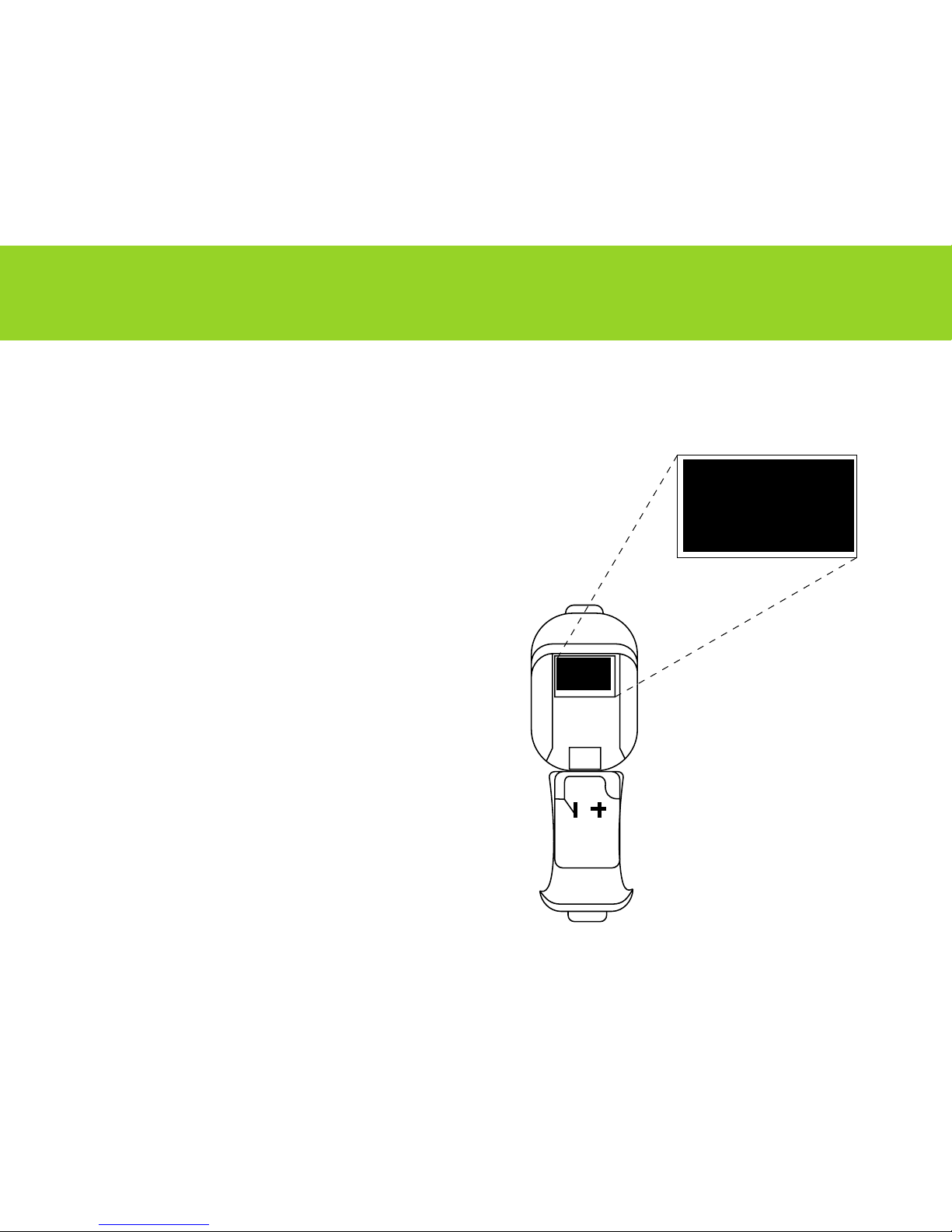
Where to locate serial number:
You can find your serial number inside the
hearing aid. If you open the battery door,
you will see a series of numbers.
The serial number usually begins with two
alphabetical letters, e.g. PF00459.
RG
00000
Page 33

33
FDA Information
Use your hearing aid all day long
The best way to ensure better hearing is to practice listening with your hearing aids until you are able to
wear them comfortably all day. Generally, infrequent use of the hearing aid does not provide you with
the full benefit of amplification.
Your hearing aid will not restore normal hearing. Hearing aids will not prevent or improve hearing
impairment resulting from a physiological condition. Hearing aids will help you to make better use of
your residual hearing.
The use of hearing aids is only part of hearing rehabilitation; auditory training and lip reading instruction
may be required as weIl.
Possible Side Effects
The hearing aid or earmold is a custom-made product. If you are experiencing discomfort, see your
audiologist or hearing care professional immediately for modification of the hearing aid or earmold at
the point of irritation. A hearing aid or earmold may cause an accelerated accumulation of cerumen
(earwax). Also in rare cases, the otherwise nonallergenic material may cause a discharge from the ear,
allergic reaction, or any other unusual condition. Please seek immediate consultation with a physician if
these conditions occur.
Warning to Hearing Care Professionals
Hearing care professionals should advise a prospective hearing aid user to consult promptly with a
licensed physician (preferably an ear specialist) before dispensing a hearing aid if the hearing care
professional determines through inquiry, actual observation, or review or any other available information
concerning the prospective user, that the prospective user has any of the following conditions:
Page 34

34
FDA Information
Warning to Hearing Care Professionals (continued):
(i) Visible congenital or traumatic deformity of the ear.
(ii) History of active drainage from the ear within the previous 90 days.
(iii) History of sudden or rapidly progressive hearing loss within the previous 90 days.
(iv) Acute or chronic dizziness.
(v) Unilateral hearing loss of sudden or recent onset within the previous 90 days.
(vi) Audiometric air-bone gap equal to or greater than 15 decibels at 500 hertz (Hz), 1000 Hz and 2000 Hz.
(vii) Visible evidence of significant cerumen accumulation or a foreign body in the ear canal.
(viii) Pain or discomfort in the ear. Special care should be exercised in selecting and fitting a
hearing aid whose maximum sound pressure level exceeds 132 decibels because there may be risk of
impairing the remaining hearing of the hearing aid user.
Important Notice for Prospective Hearing Aid Users
Good health practice requires that a person with a hearing loss have a medical evaluation by a licensed
physician (preferably a physician who specializes in diseases of the ear) before purchasing a hearing aid.
Licensed physicians who specialize in diseases of the ear are often referred to as otolaryngologists,
otologists, or otorhinolaryngologists. The purpose of medical evaluation is to assure that all medically
treatable conditions that may affect hearing are identified and treated before the hearing aid is
purchased.
Following the medical evaluation, the physician will give you a written statement that states that your
hearing loss has been medically evaluated and that you may be considered a candidate for a hearing
aid. The physician will refer you to an audiologist or a hearing care professional, as appropriate, for a
hearing aid evaluation.
The audiologist or hearing care professional will conduct a hearing aid evaluation to assess your degree
of hearing.
Page 35

35
FDA Information
If you have reservations about your ability to adapt to amplification, you should inquire about the
availability of a trial-rental or purchase-option program. Many hearing care professionals now offer
programs that permit you to wear a hearing aid for a period of time for a nominal fee after which you
may decide if you want to purchase the hearing aid.
Federal law restricts the sale of hearing aids to those individuals who have obtained a medical evaluation
from a licensed physician. Federal law permits a fully informed adult to sign a waiver statement declining
the nominal fee after which you may decide if you want to purchase the hearing aid.
Children with Hearing Loss
In addition to seeing a physician for a medical evaluation, a child with hearing loss should be directed
to an audiologist for evaluation and rehabilitation since hearing loss may cause problems in language
development and the educational and social growth of a child. An audiologist is qualified by training
and experience to assist in the evaluation and rehabilitation of a child with hearing loss.
Identification Information
The date of manufacture is incorporated into the serial number. The warranty is based upon the date of
purchase, not date of manufacture.
The serial number may look like this: AE12345. The first letter of the serial number refers to the month of
manufacture of the hearing aid. For example, A to M is Jan to Dec, N to Z also denote Jan to Dec. The
second letter refers to the year, where every two consecutive letters can be used in one-year increments.
For example, the letters E and F denote 2013, the letters G and H denote 2014, and so on. Note that the
letters I and O are not used in serial numbers, and letters J and K are not used for the year 2015.
Your hearing care professional can answer any questions you may have about the identifying code on
your hearing aid.
Page 36

36
Warnings and Side Eects
Magnets
Magnets may interfere with medical devices (e.g.
pacemakers and magnetic valves).
Use magnet only if confident of safe distance, e.g.
4 in. (10 cm) of pacemaker.
Keep magnets away from children; if swallowed
seek medical attention immediately.
Magnets can disturb electrical devices and delete
stored data.
Keep magnets away from computers, color
monitors, television sets, CD, smartphone screens,
video and audio discs, and other electronic
equipment/devices.
Functionality
Your hearing aid has been set up so that changes
in volume and programs are synchronized.
One remote can be coupled with a single or a pair
of hearing aids.
If hearing aids are controlled by someone else’s
remote, please contact Audicus.
If you purchase a single aid and decide to order
a second, you must send back the unit so that
the aids can be coupled and synchronized; also
include the remote control.
If you purchase a remote control after initial
purchase, you must send the aid(s) back to
Audicus so that they can be synchronized.
The performance of Bi-com/i-com 2(the coupling
technology) may be affected by electromagnetic
interference, e.g. from a computer monitor or
halogen lamp system controlled by a switching
power supply.
Page 37

37
Warnings and Side Eects
Other Warnings
Audicus hearing aids are intended to improve the
hearing of the hearing impaired persons. Diagnosis of hearing loss and prescription of hearing aid
must be performed by a hearing health specialitst
(e.g. ENT specialist, audiologist, or hearing
professional). They are not intended for anyone
under 18 years of age.
Do not use your hearing aid or remote control in
potentially explosive environments.
If you experience dizziness, drainage or bleeding
from the ear, or sudden hearing loss, see your
physician immediately.
Consult a licensed physician if you have ear canal
blockage, a lasting ear infection or a plugged up
fullness feeling.
Consult a licensed physician if you have ringing in
one or both ears within last 90 days.
Keep hearing aids out of the reach of children,
pets, and individuals with diminished mental
capacity.
Hearing aids should be used only as directed and
adjusted by your trained hearing aid professional.
A hearing aid may stop functioning, e.g. if the
battery goes dead. You should be aware of this
possibility, in particular if you are in traffic or
otherwise depend on warning sounds.
Do not switch hearing aids between ears or allow
others to wear or use your hearing aids.
Do not insert aid if foreign object is inside ear
canal.
If ear dome is stuck inside canal, seek a medical
professional immediately.
Page 38

38
Contact Us
Audicus, Inc.
134 West 29th St, 5th Fl
New York, NY 10001
Tel: 888 979 6918
Email: [email protected]
www.audicus.com
Page 39

39
Page 40

 Loading...